
Barn Wedding Venues

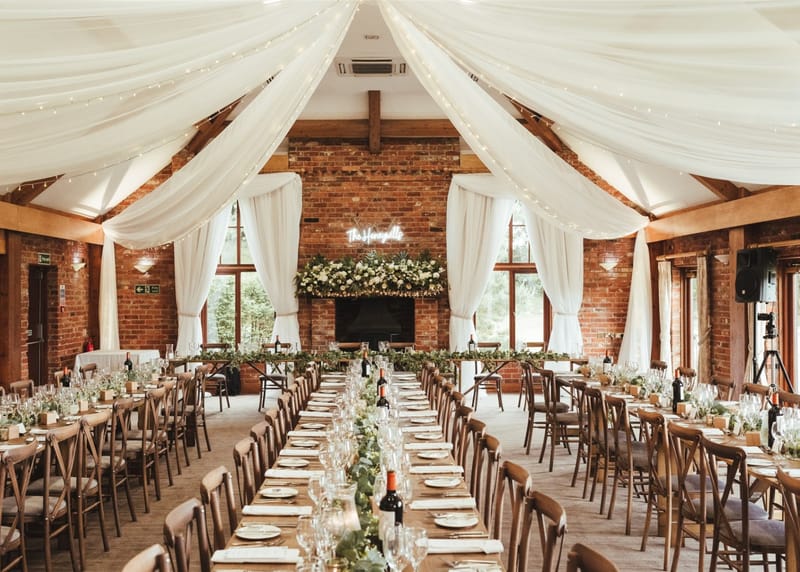
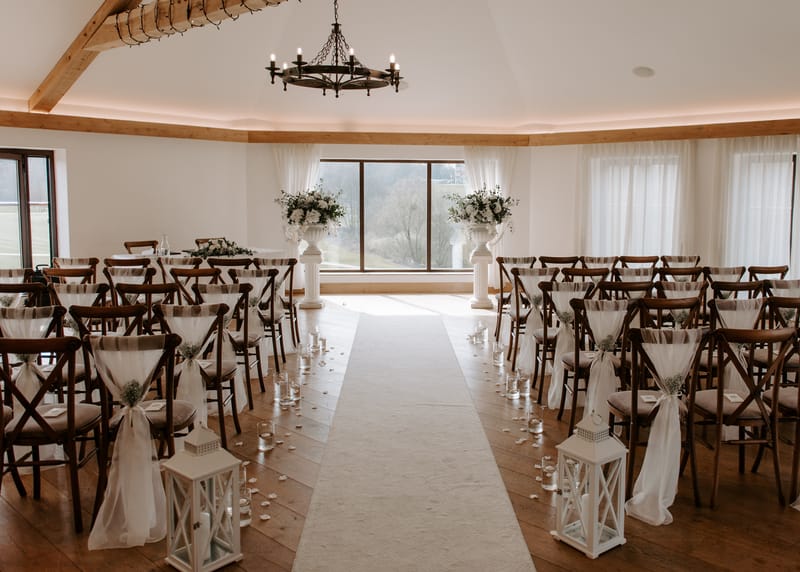
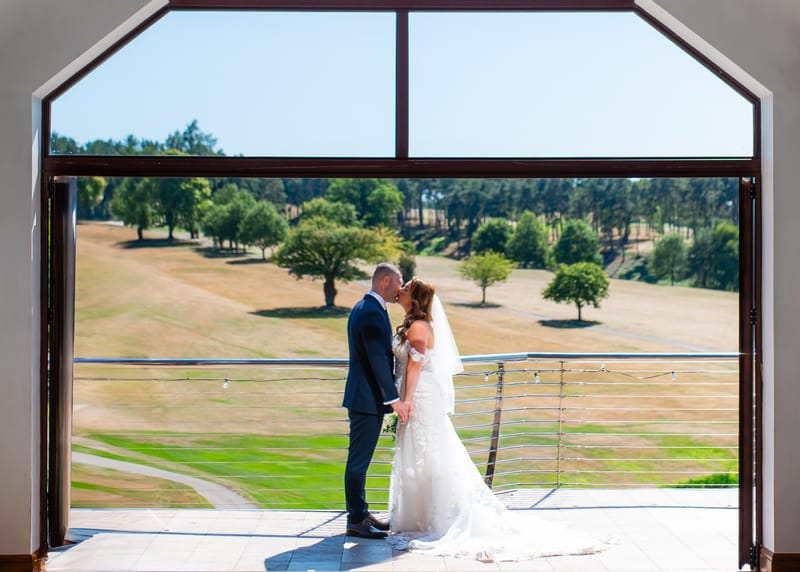
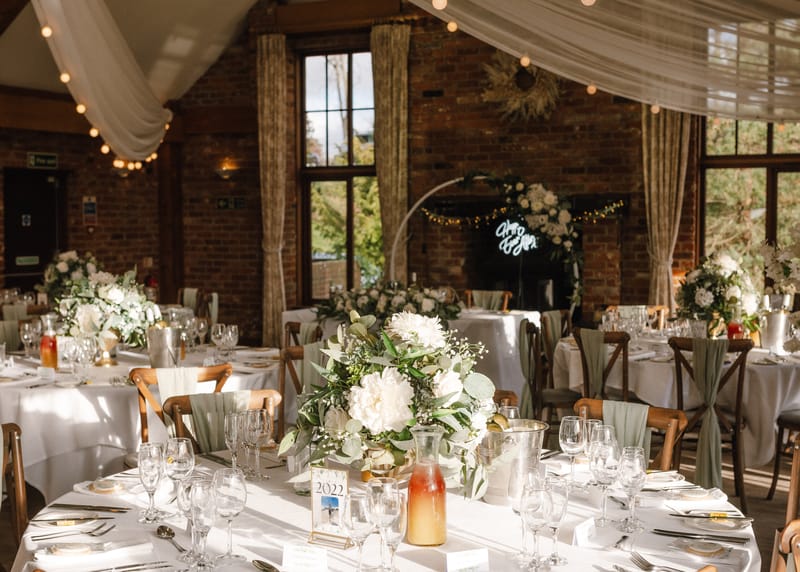
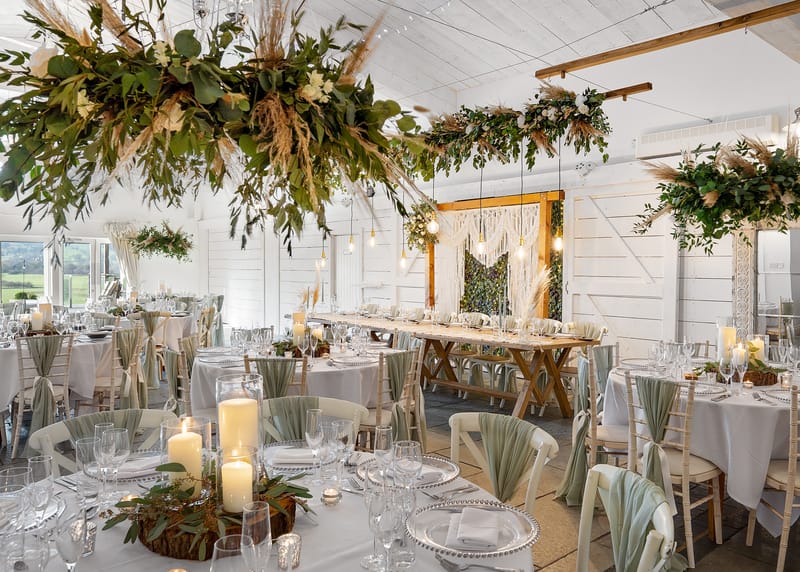
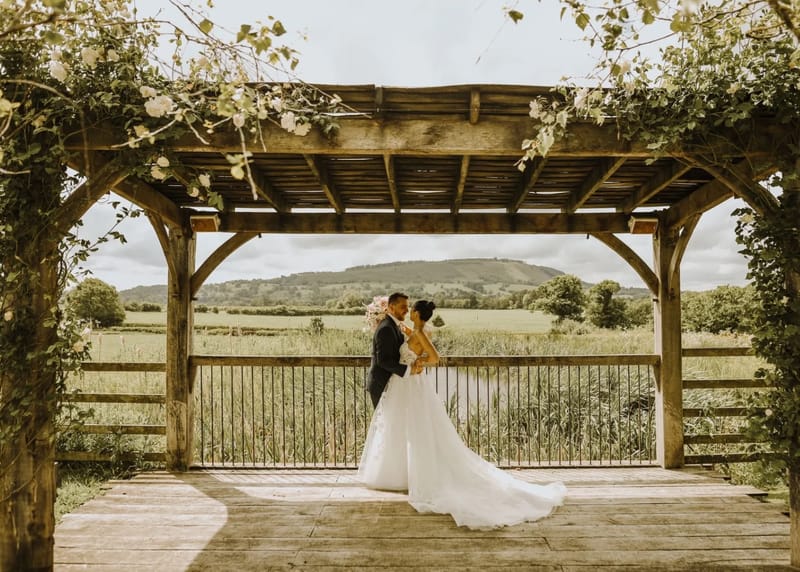
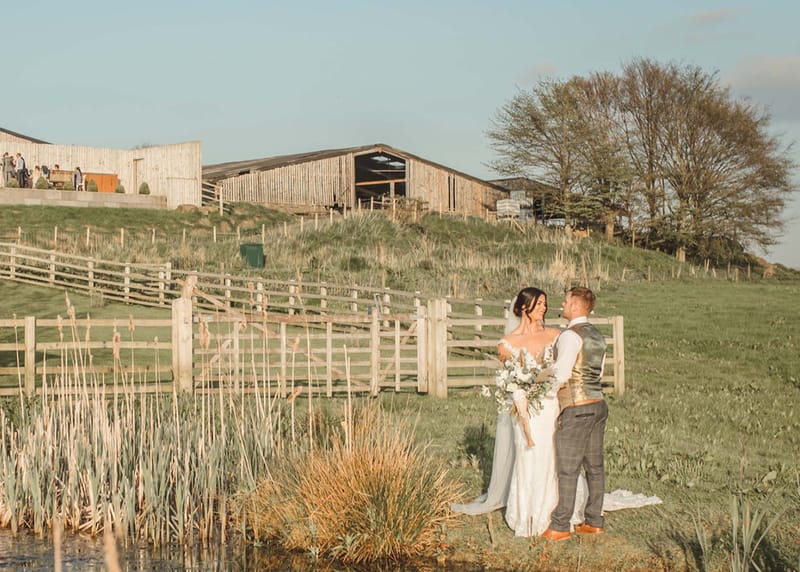
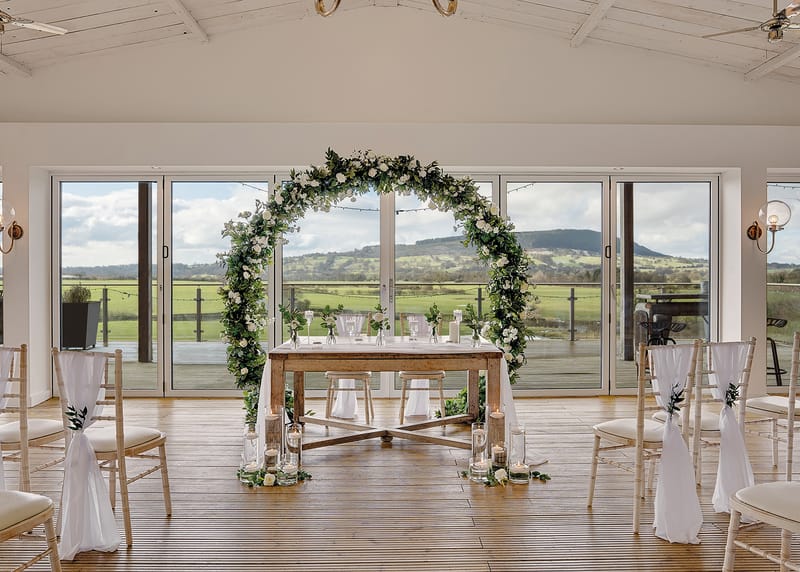
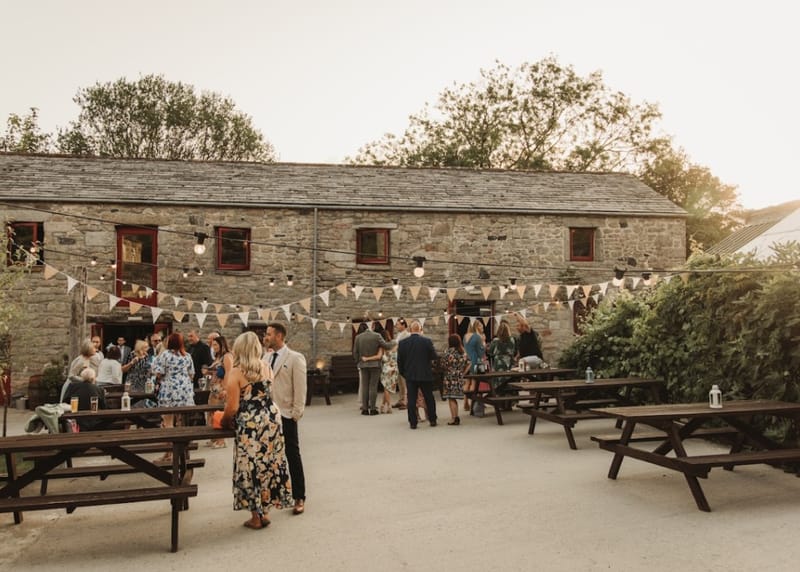
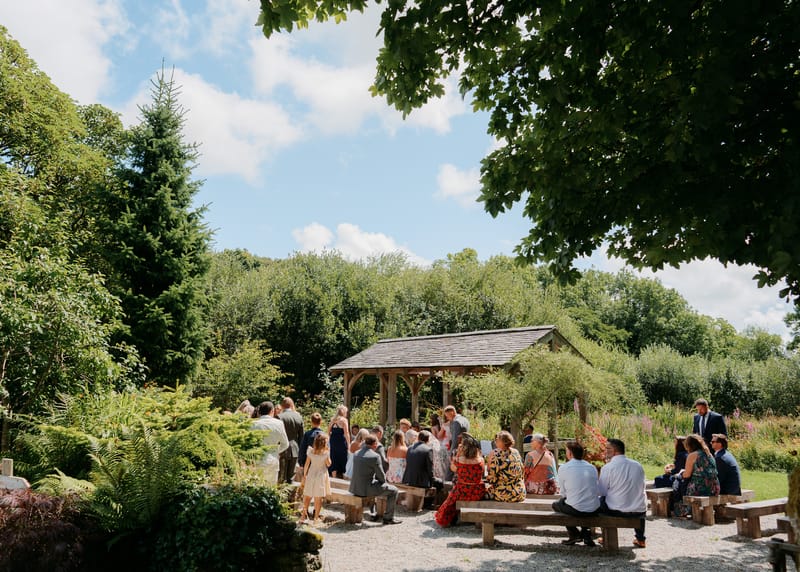
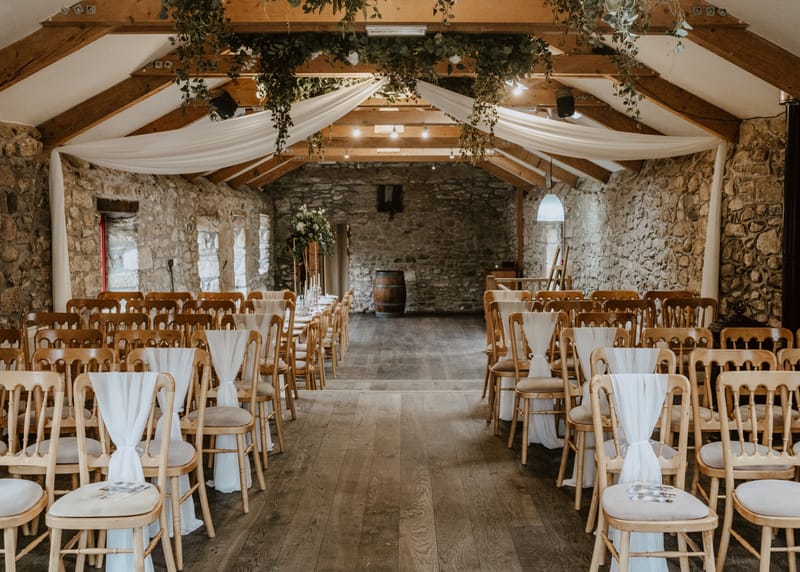
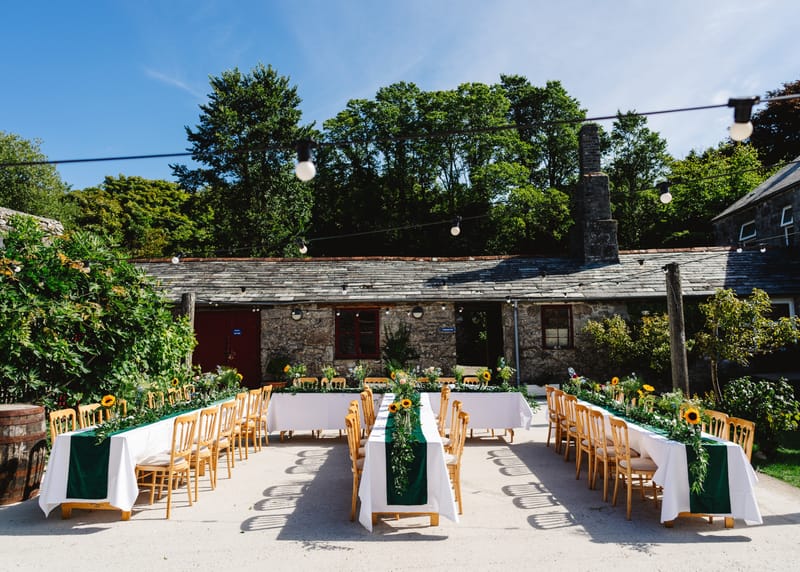
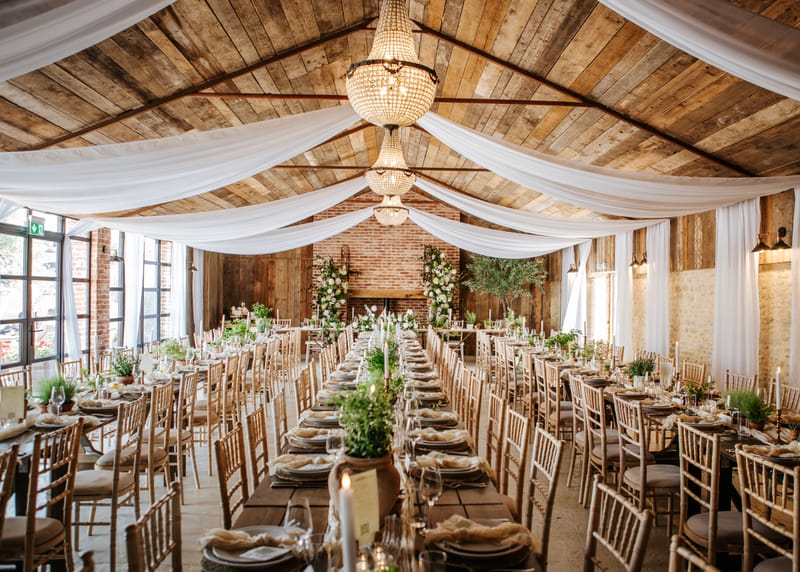
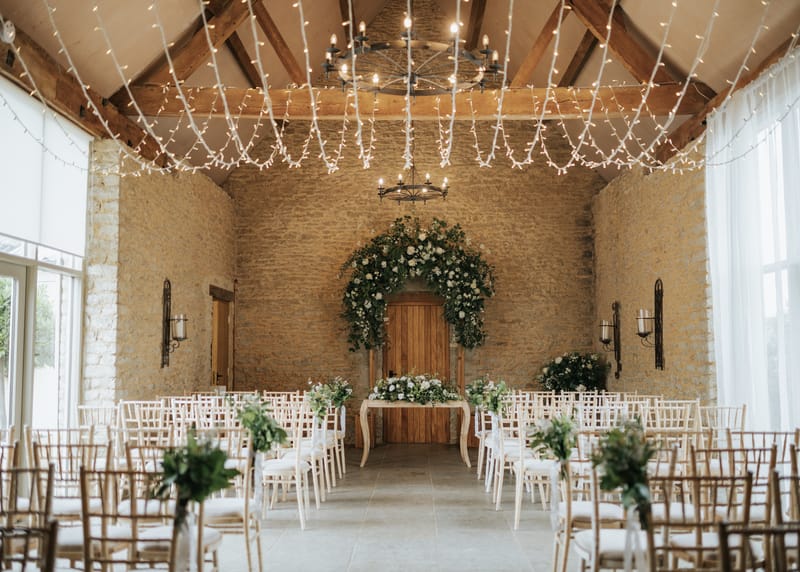
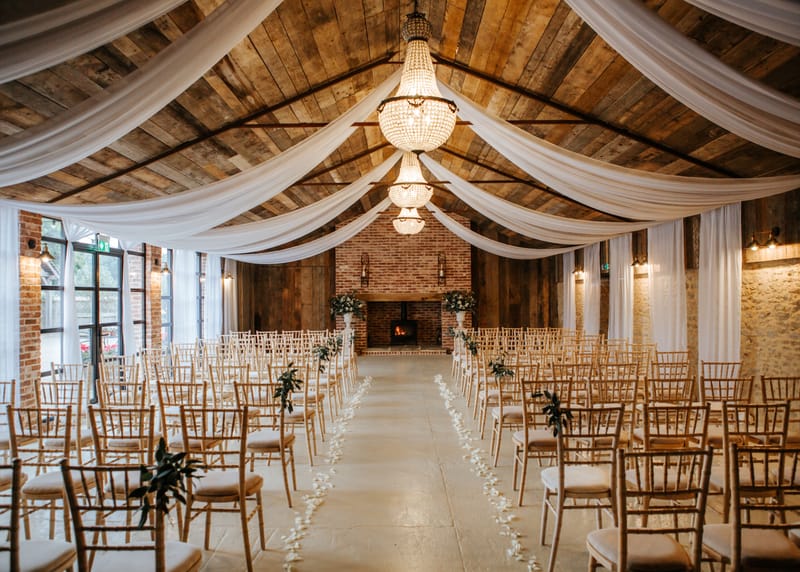
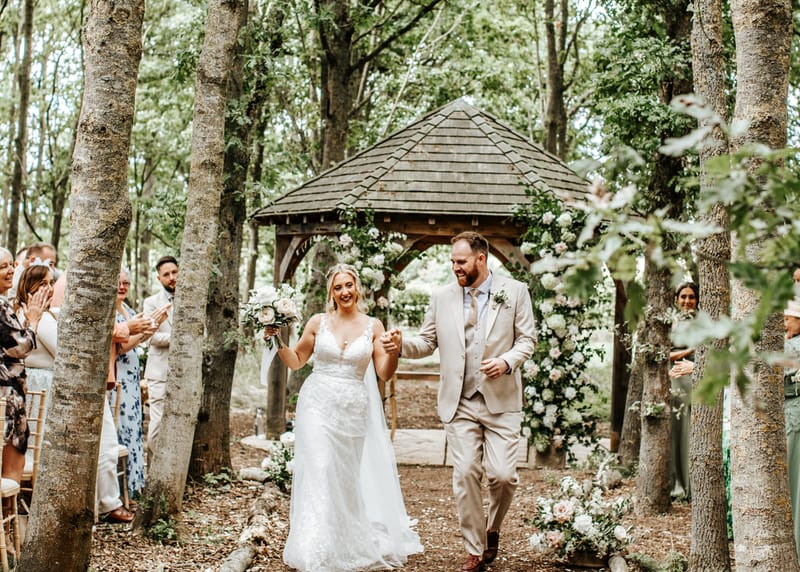
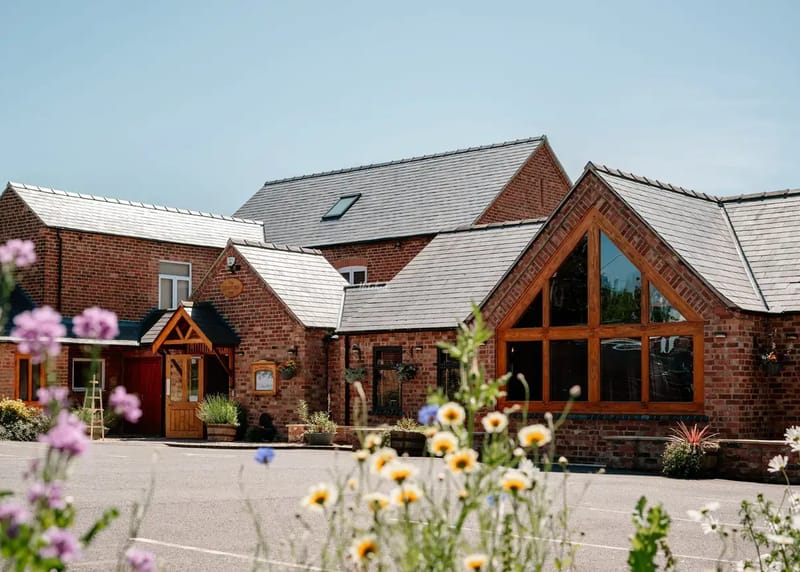
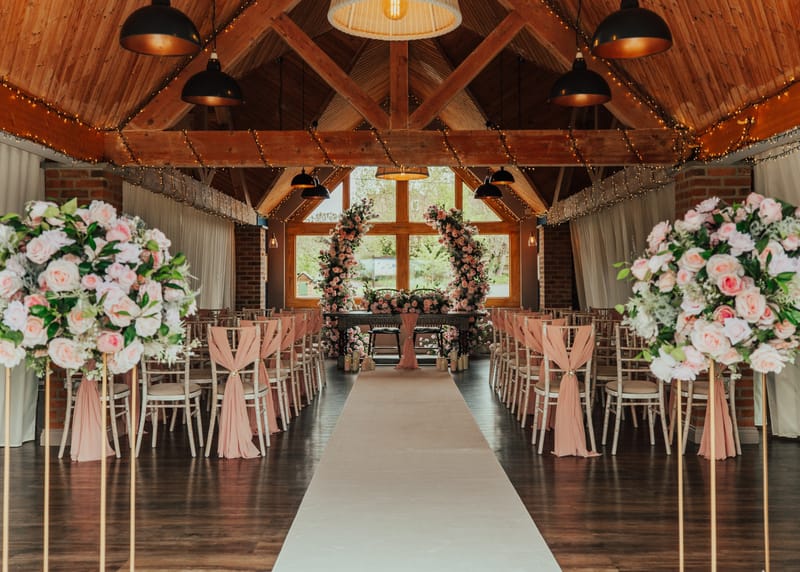
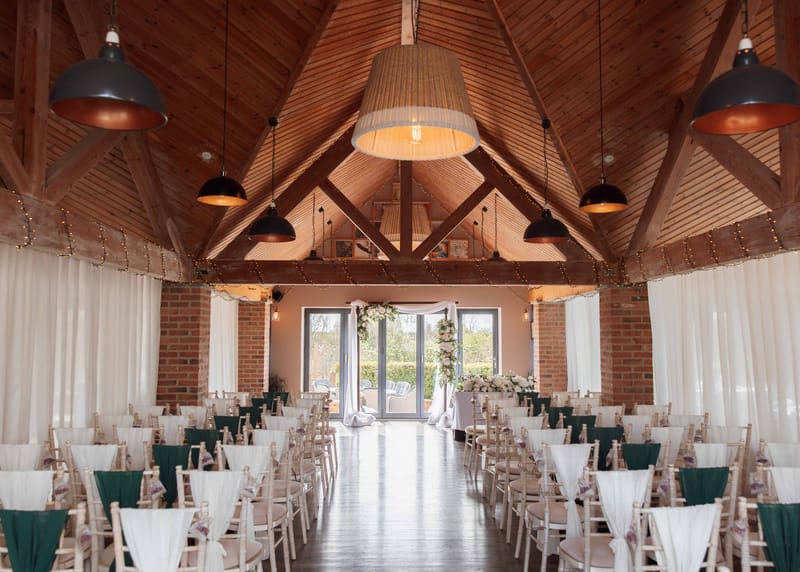
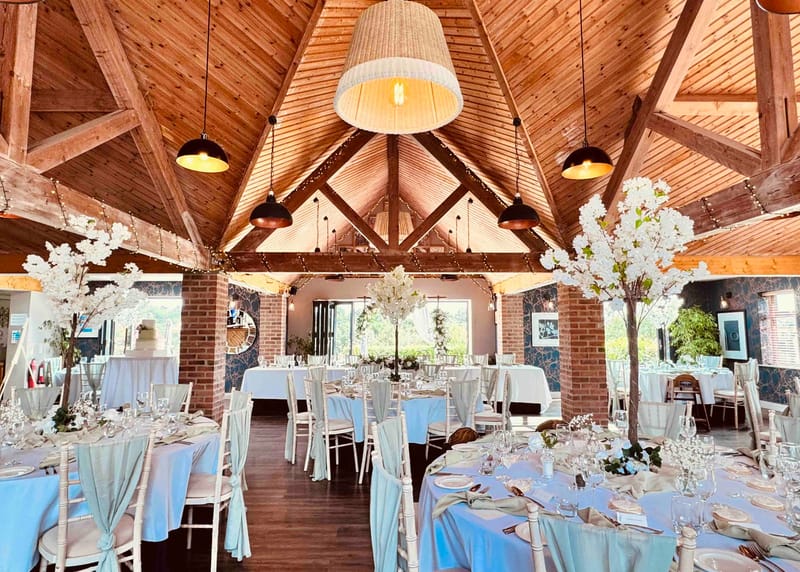
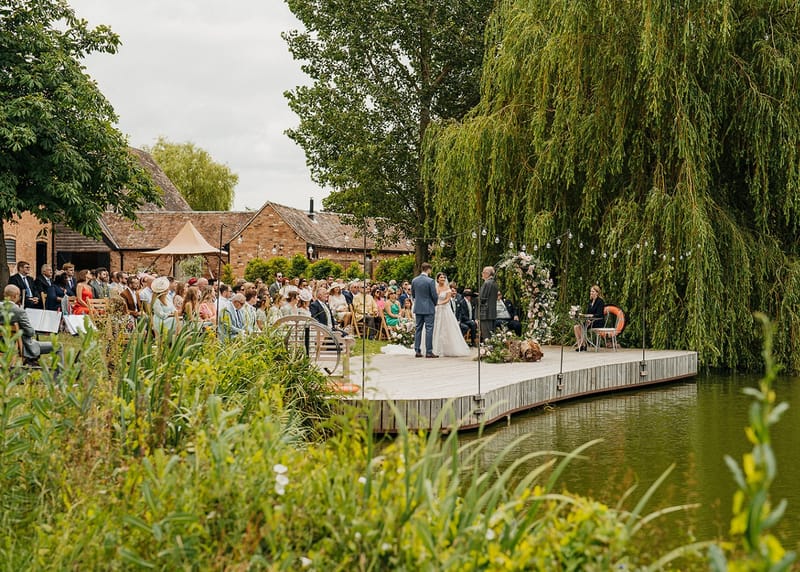
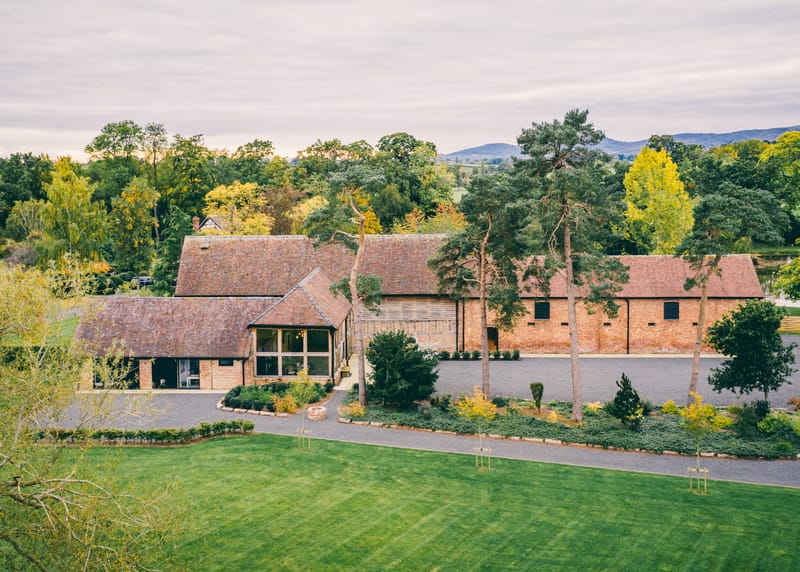
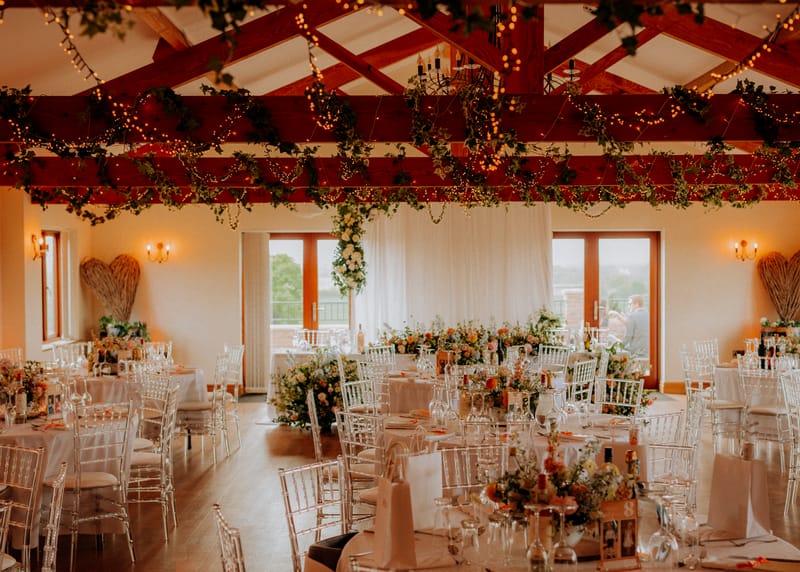
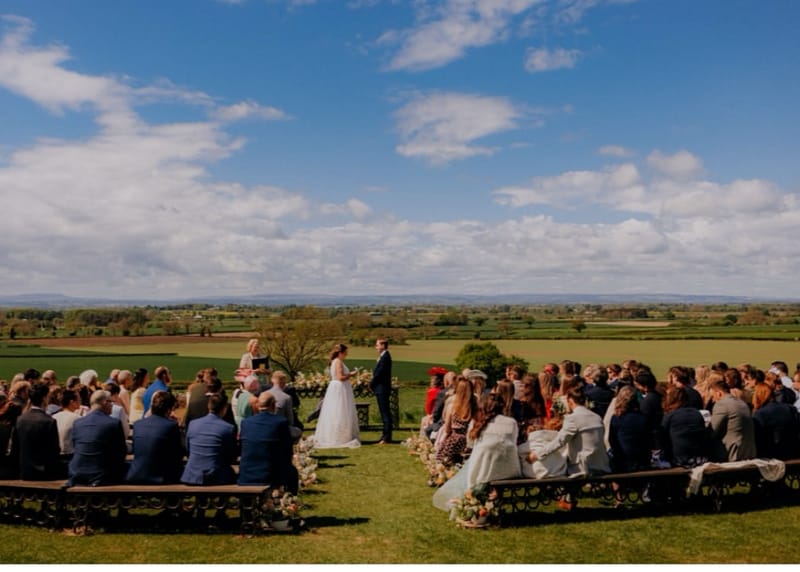
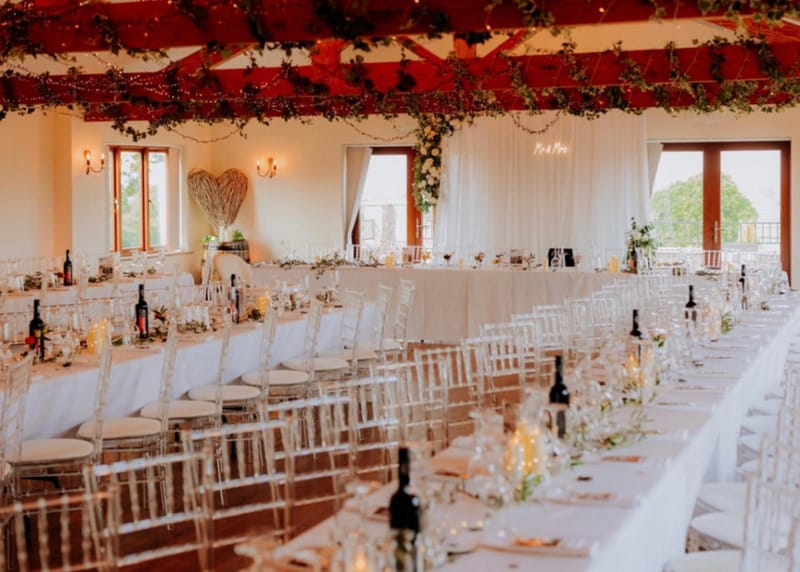
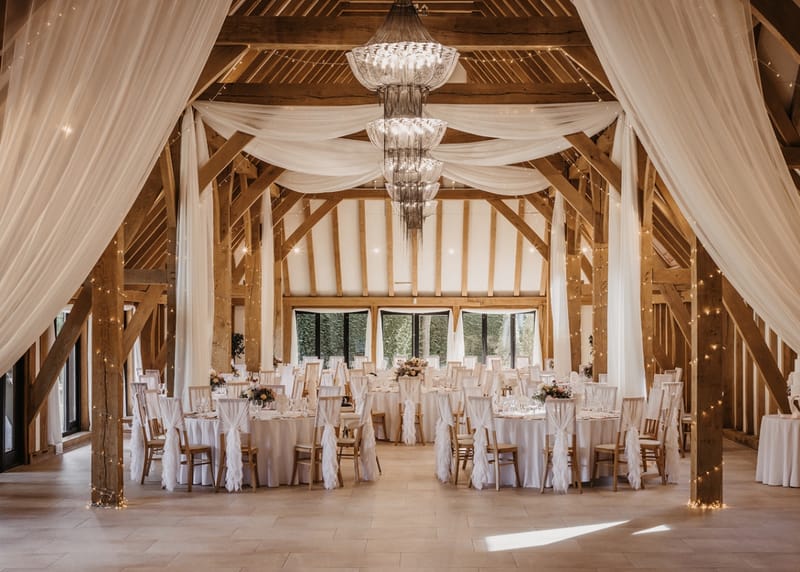
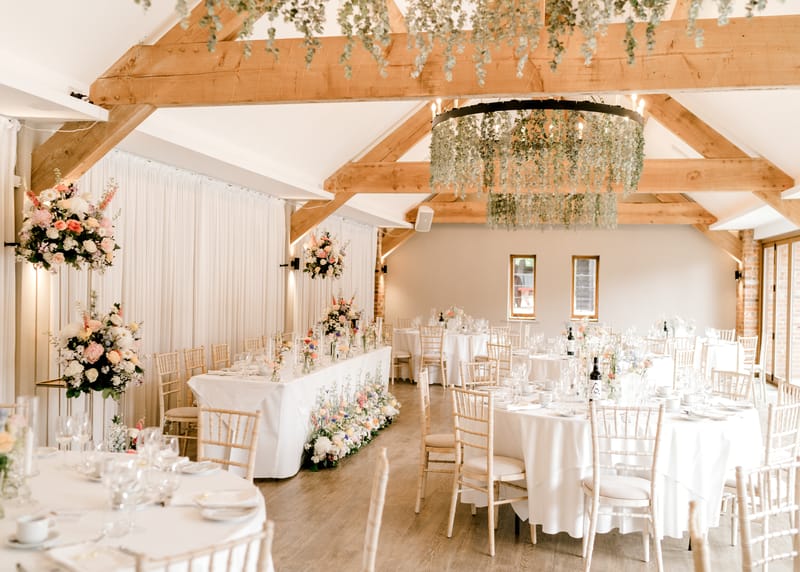
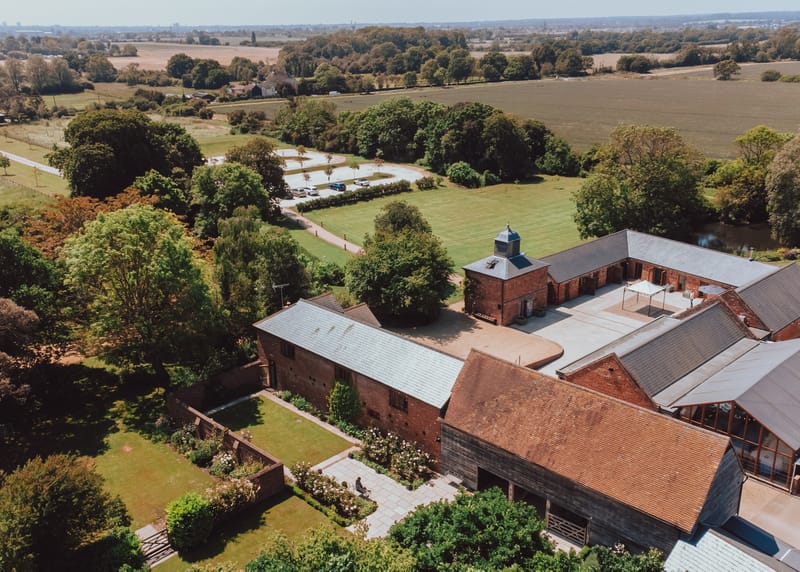
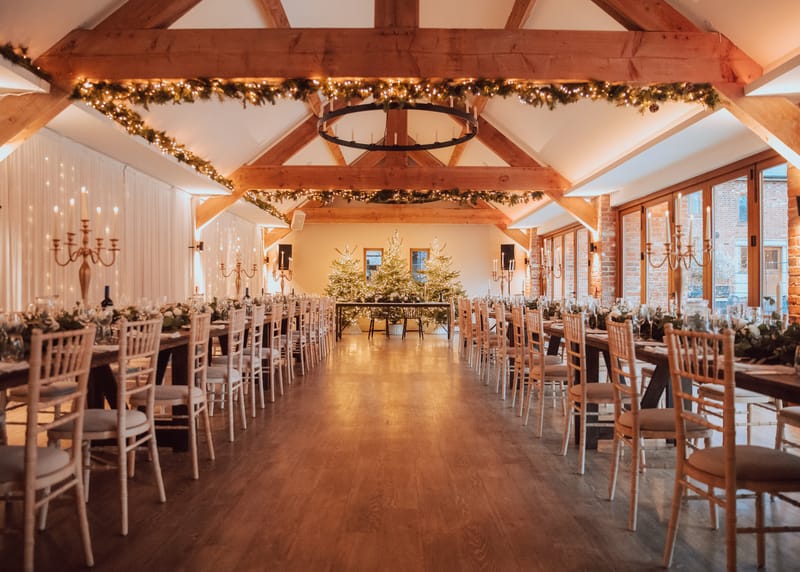
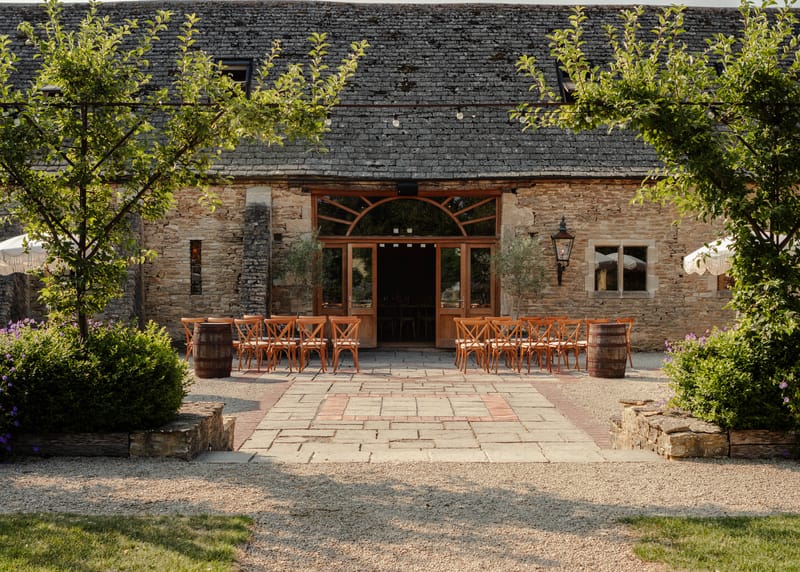
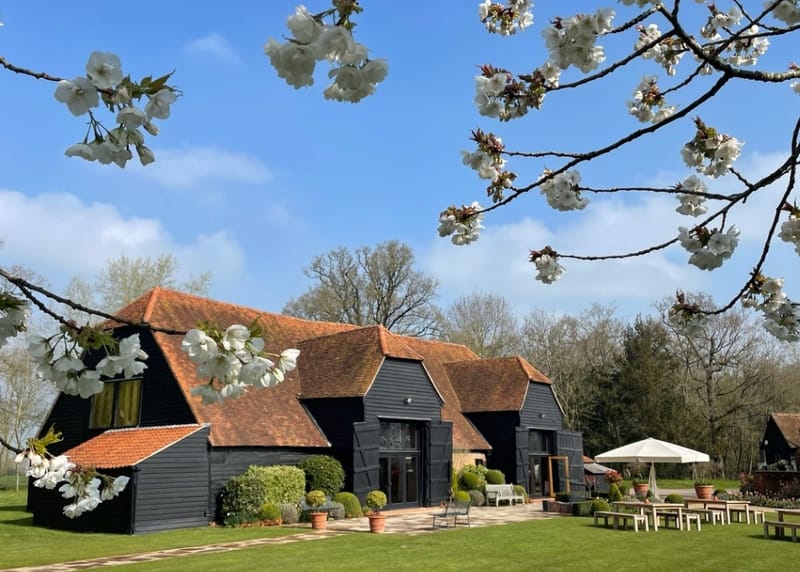
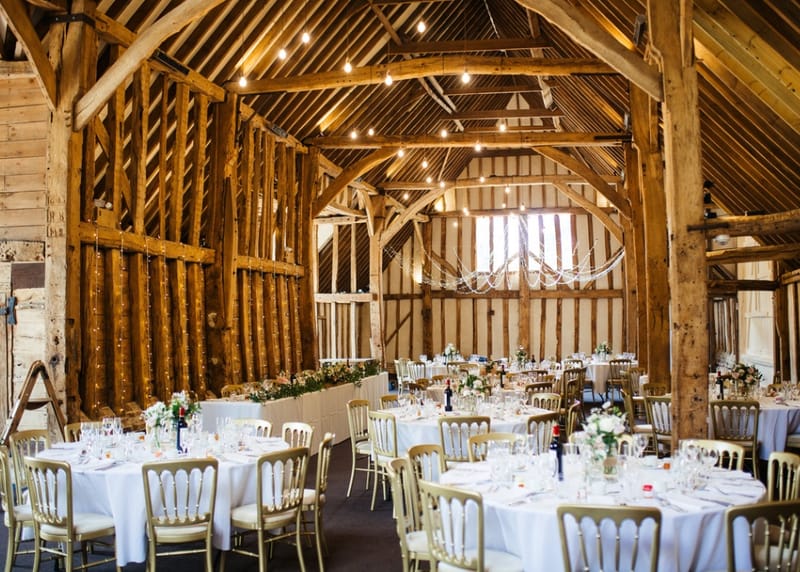
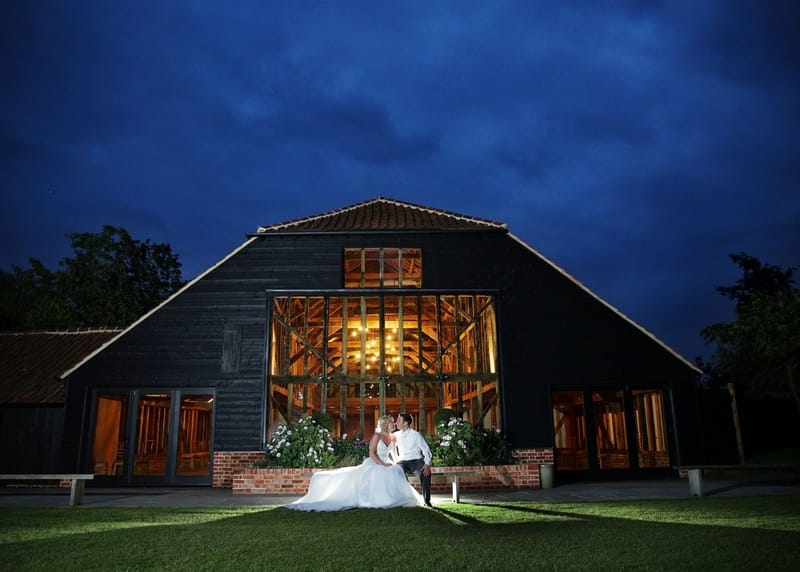
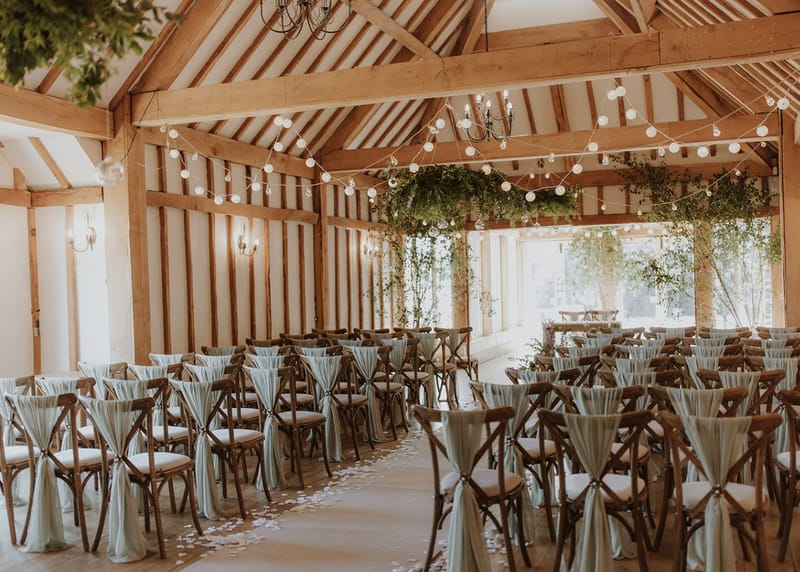
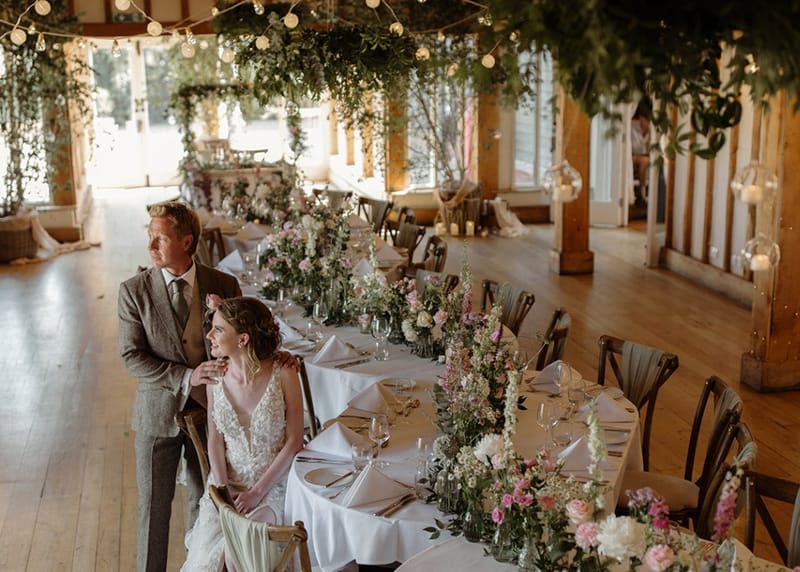
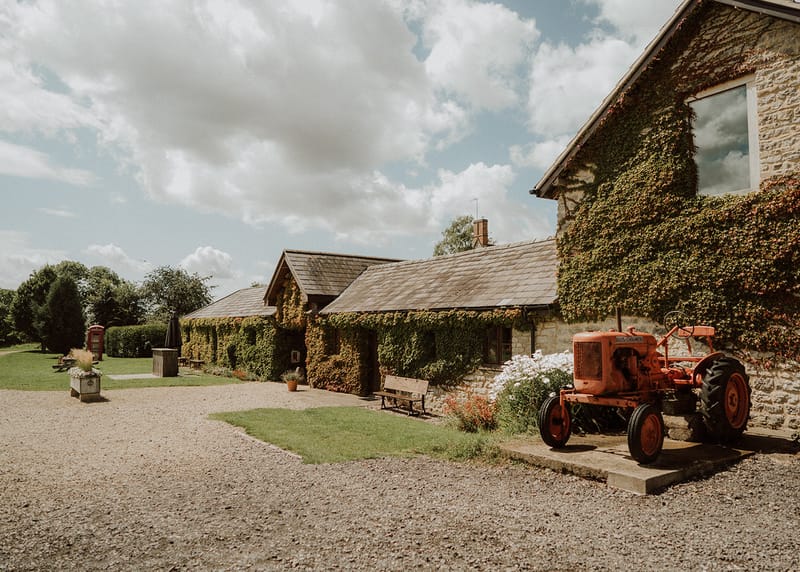
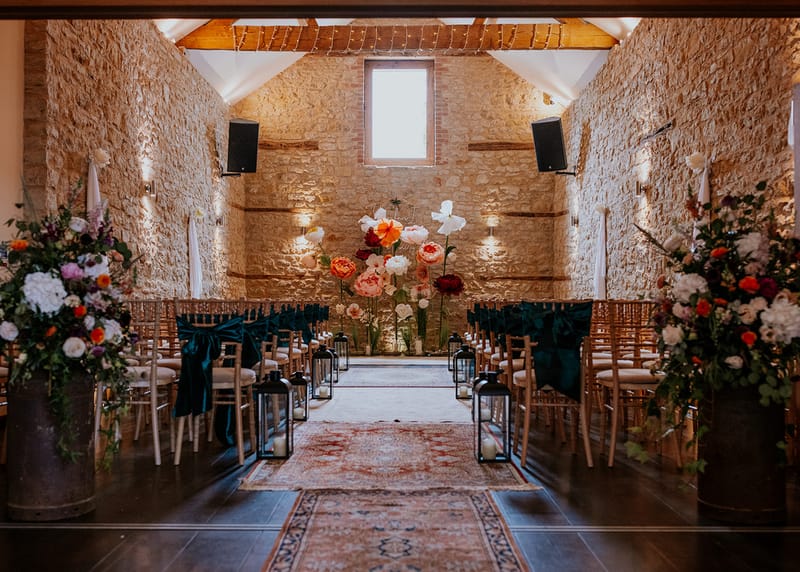
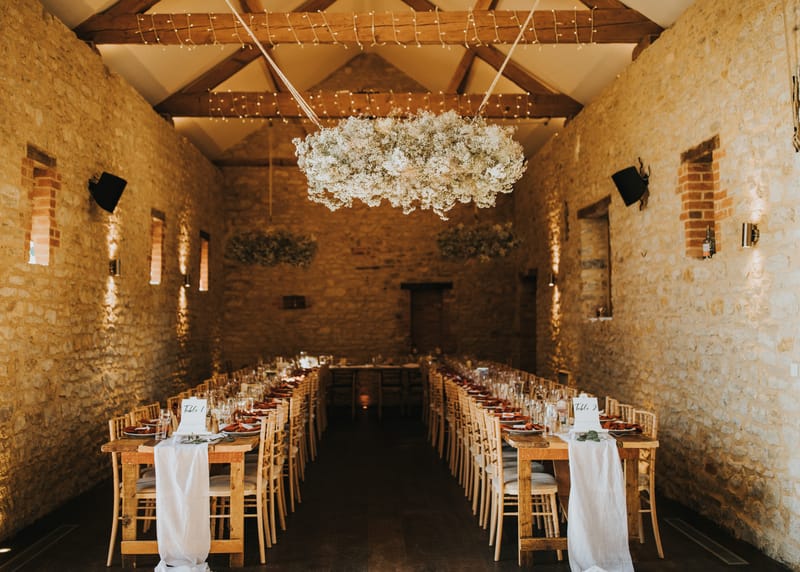
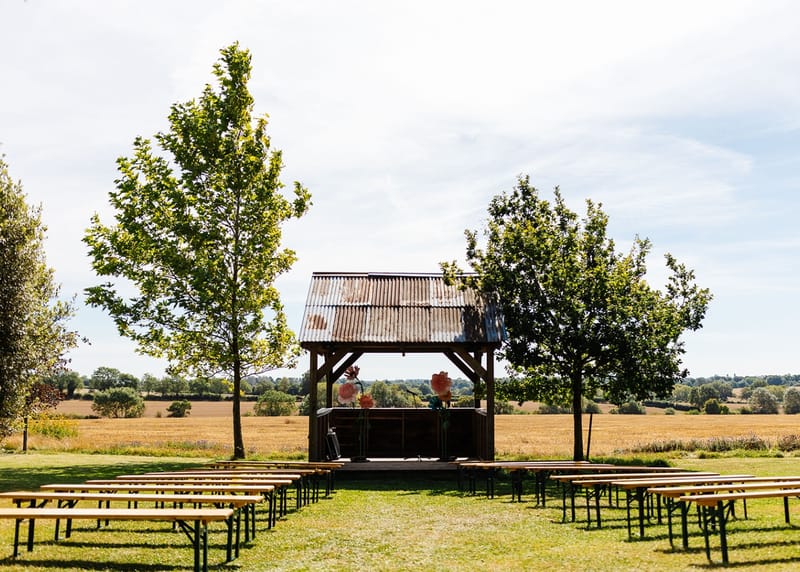
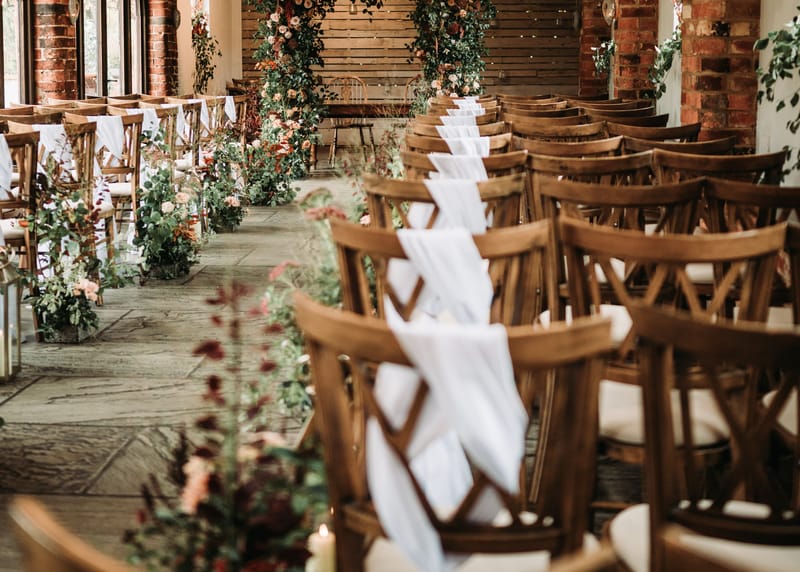
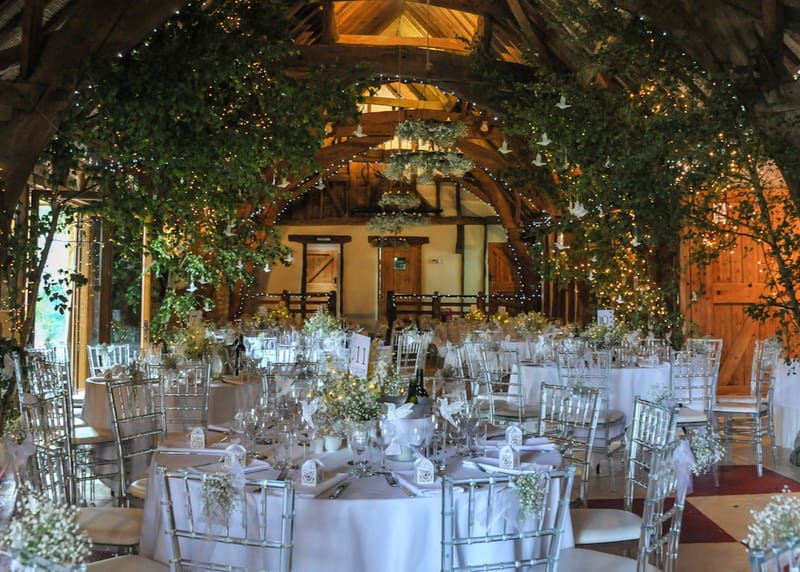
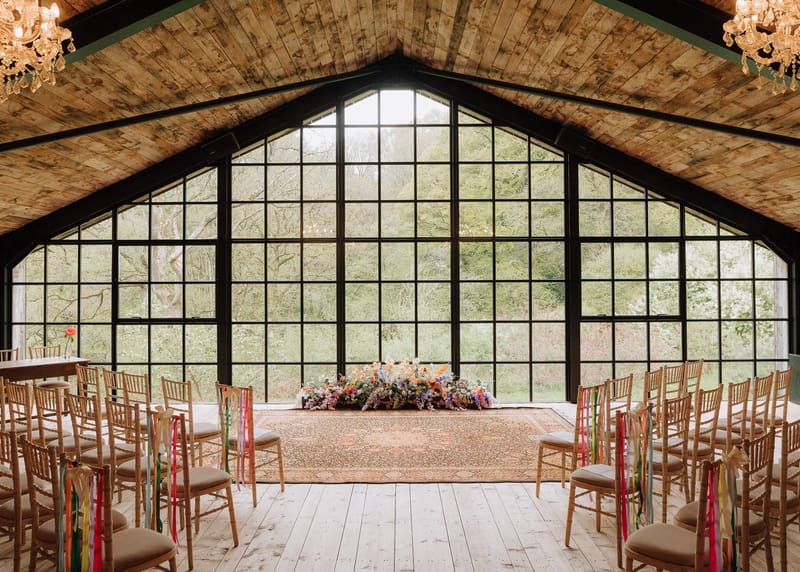
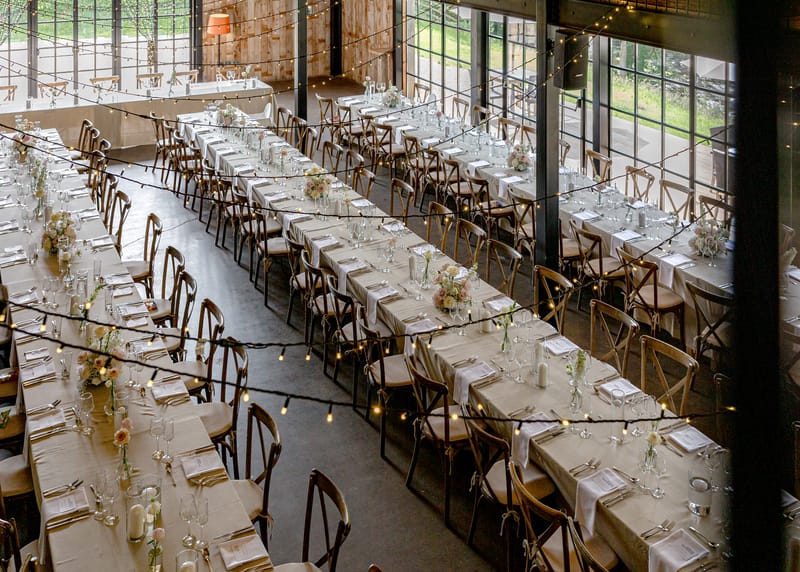
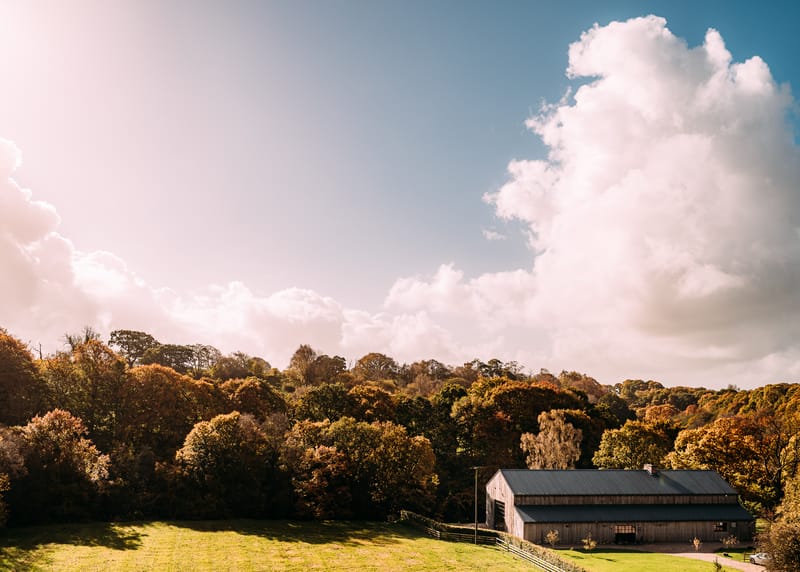
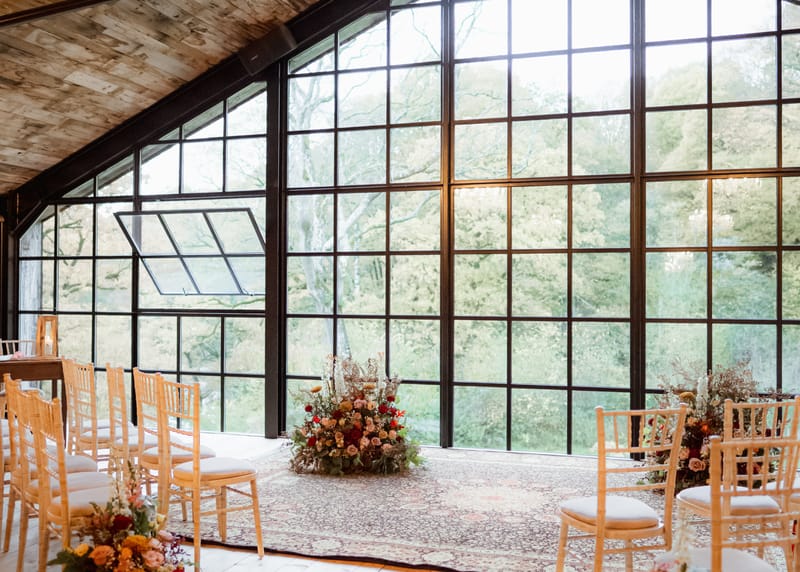
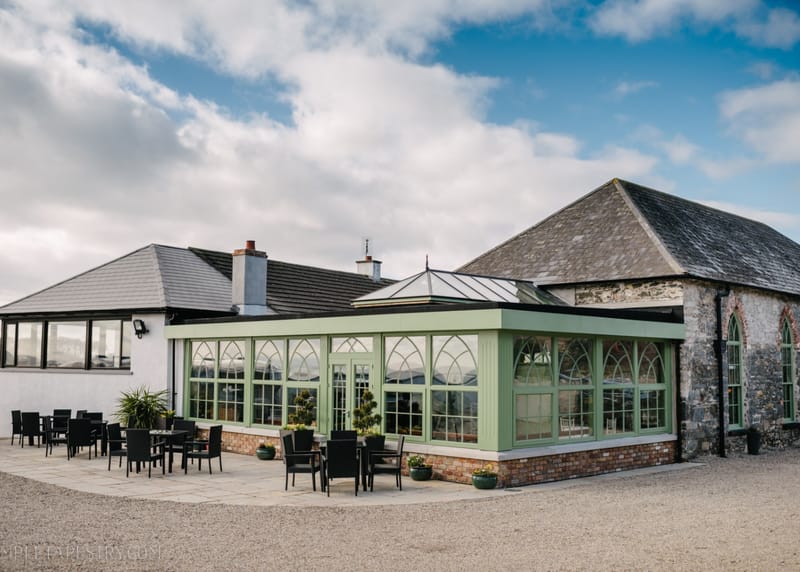
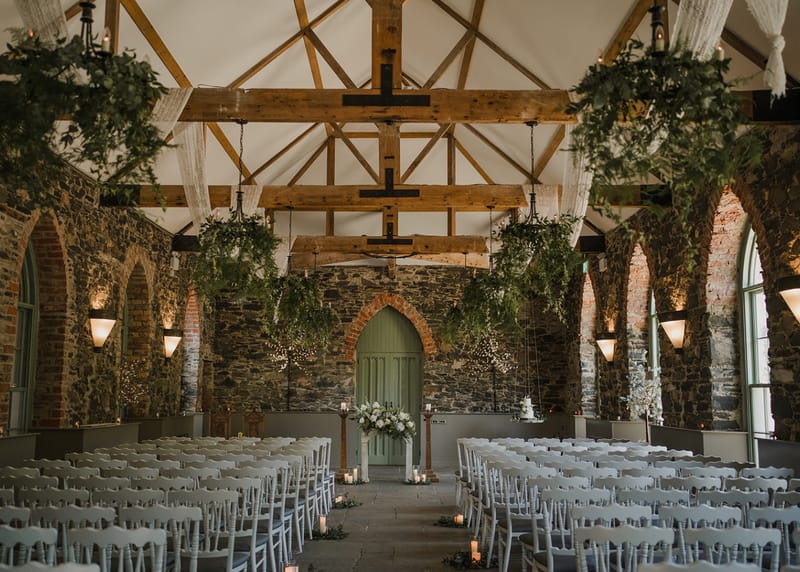
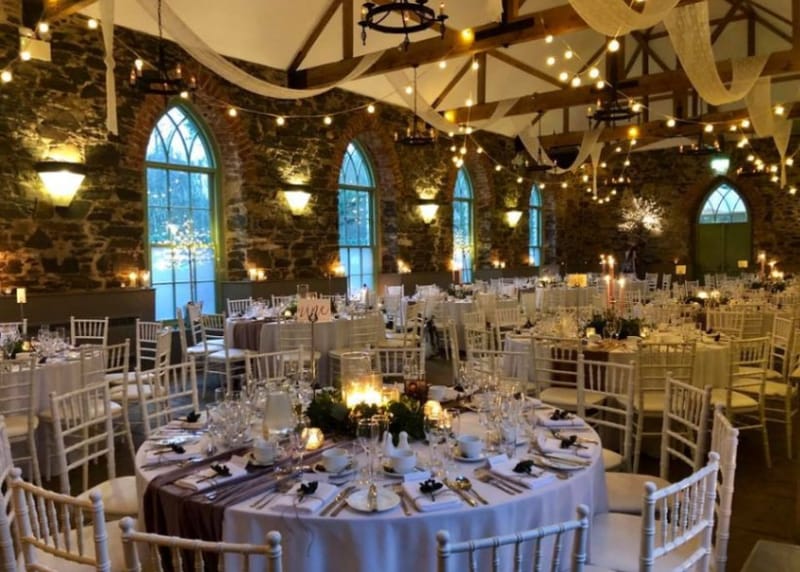
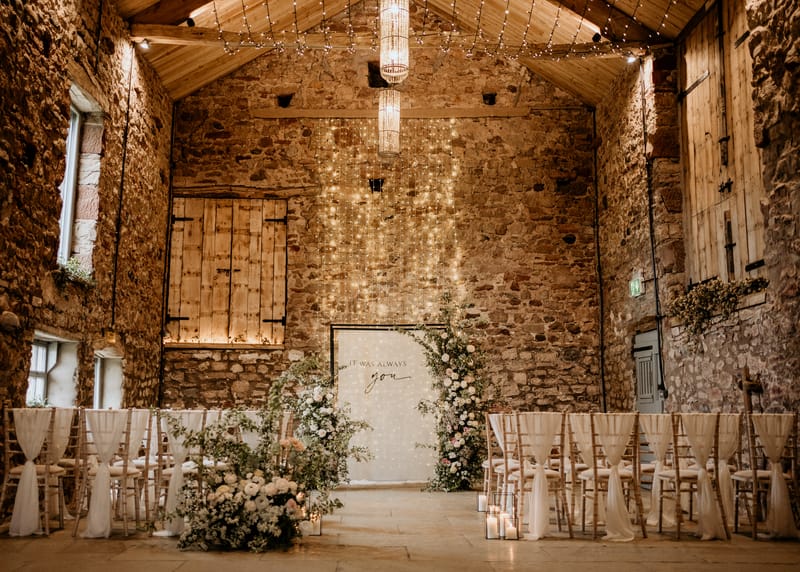
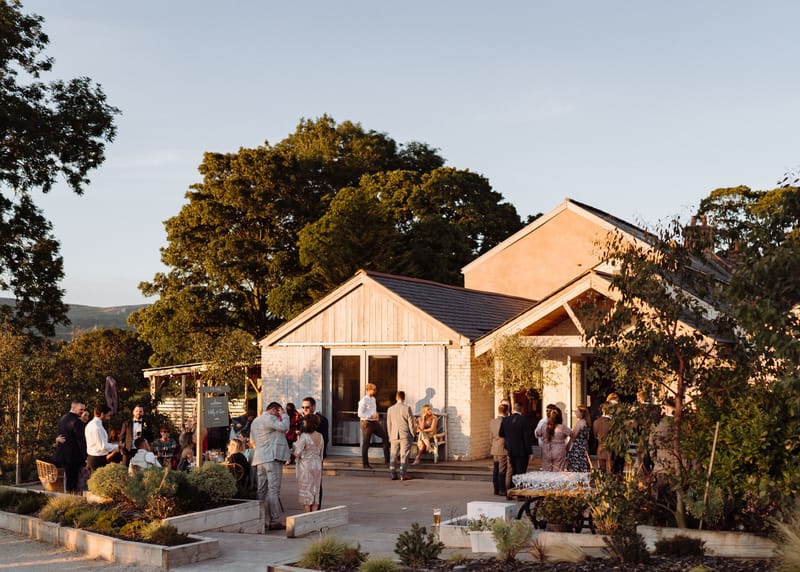
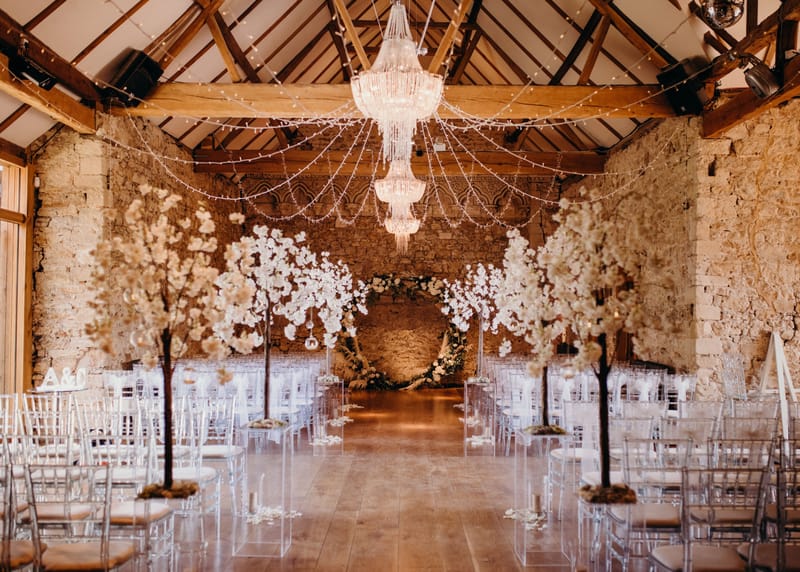
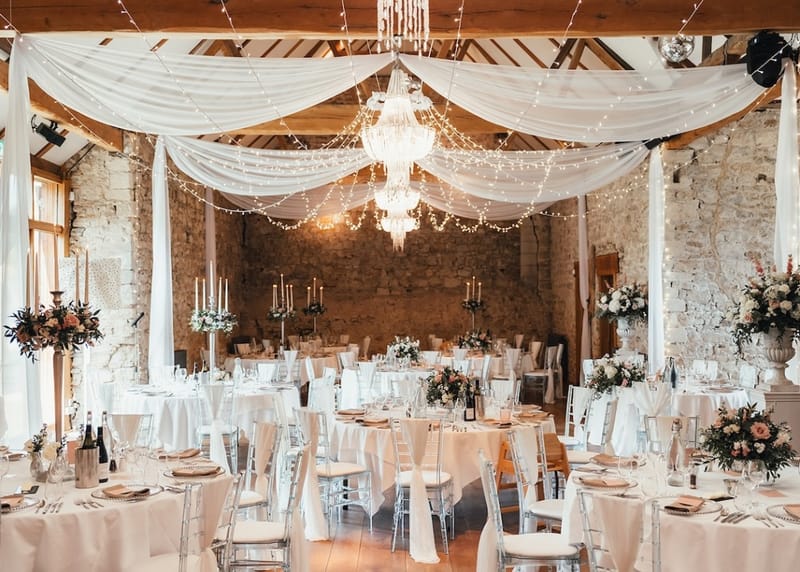
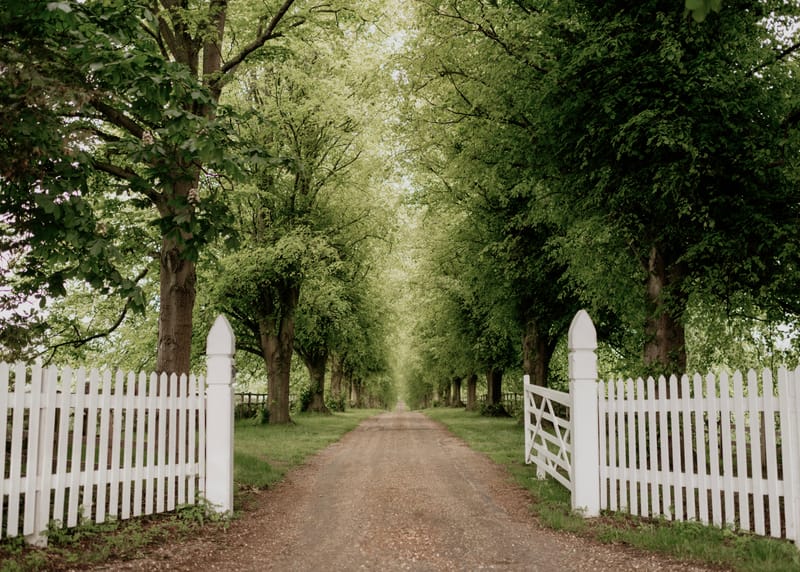
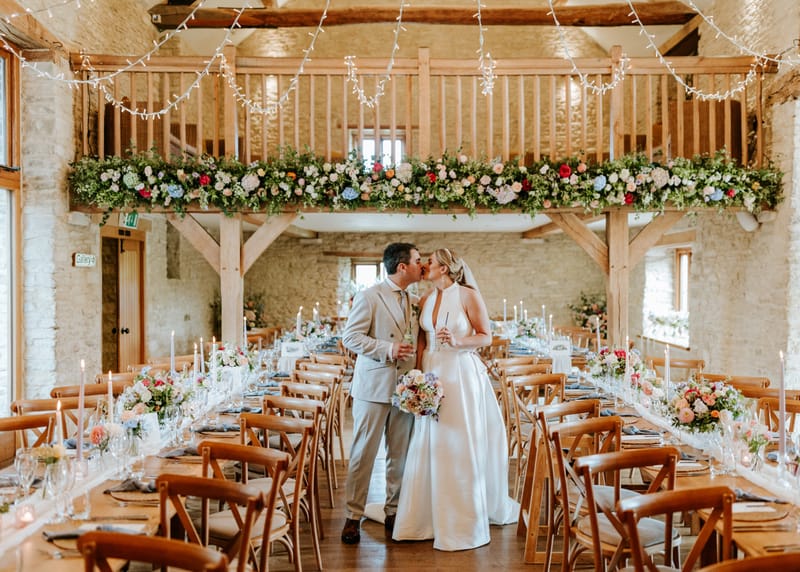
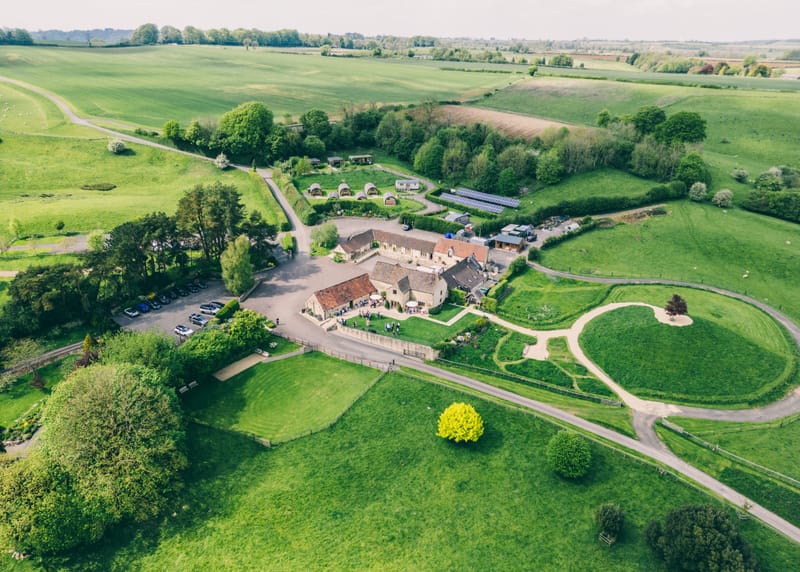
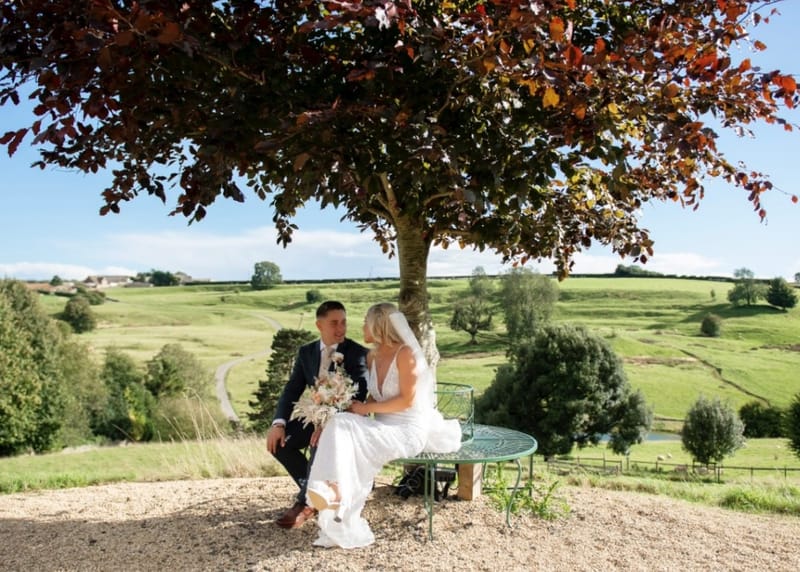
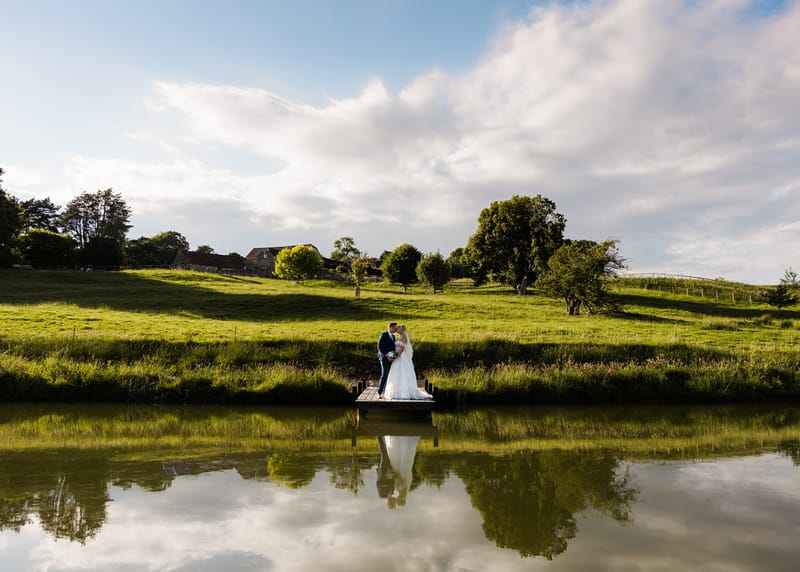
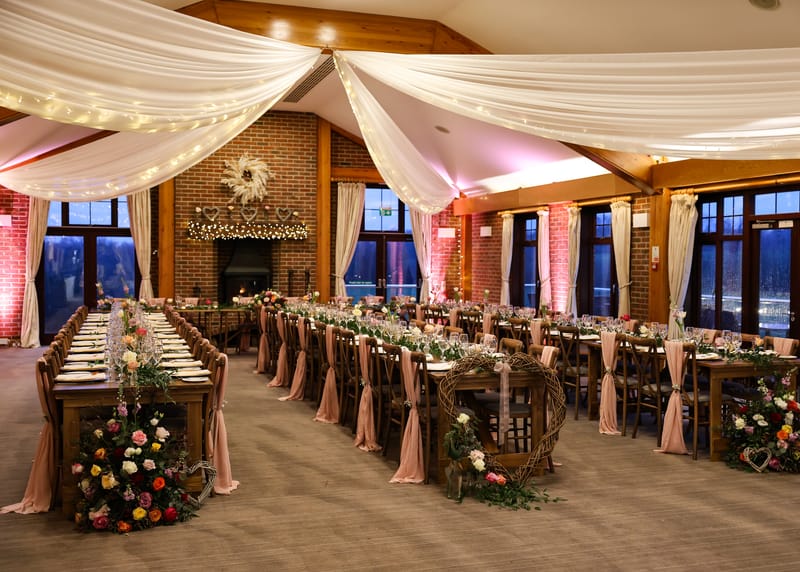
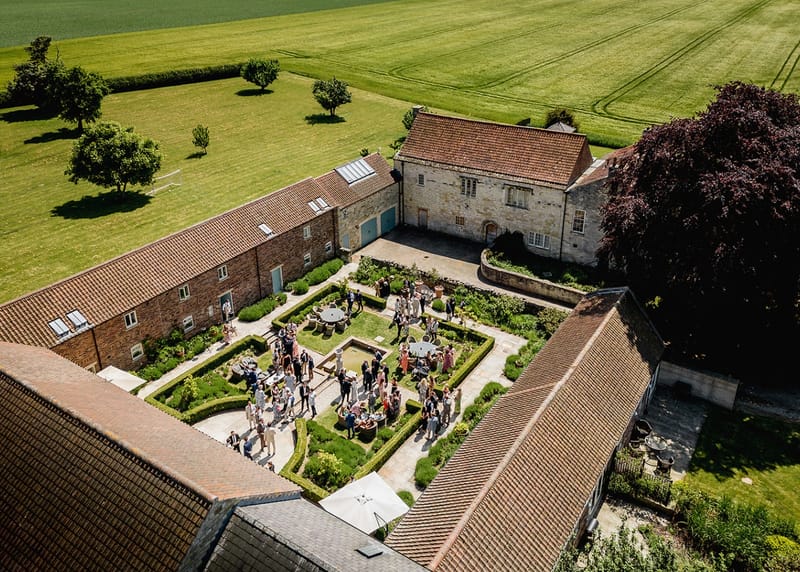
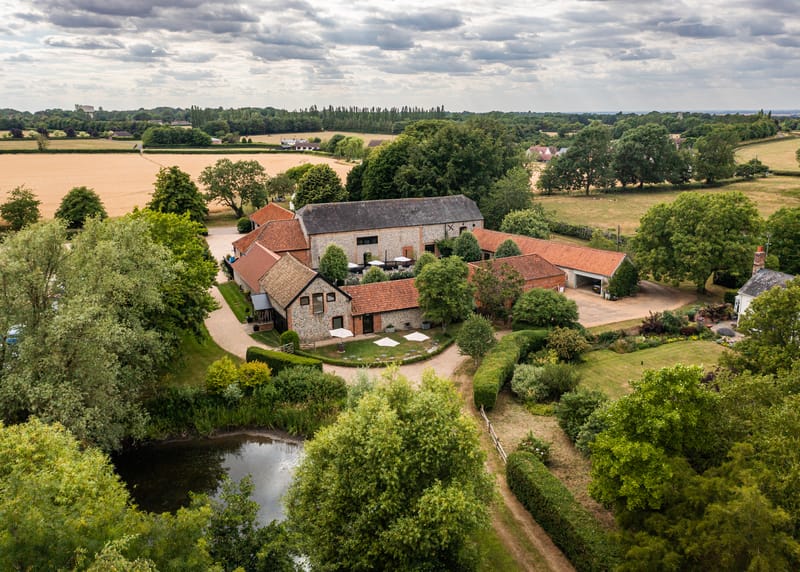
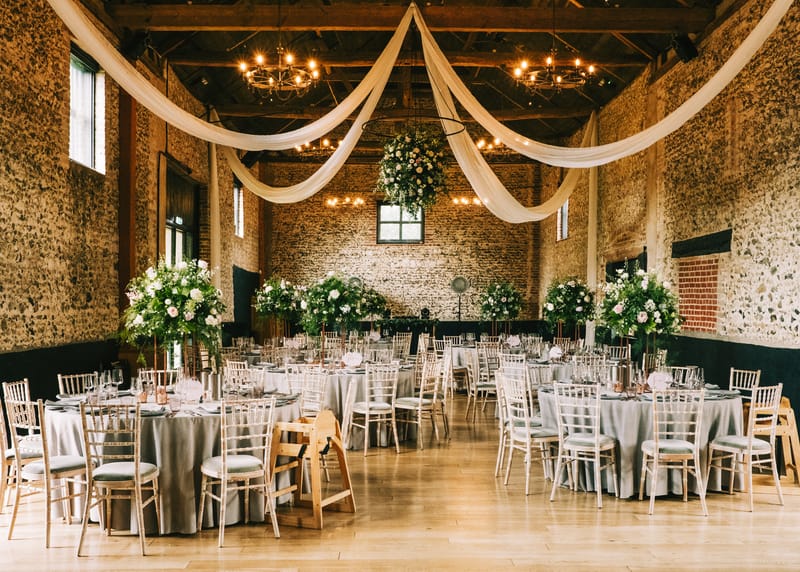
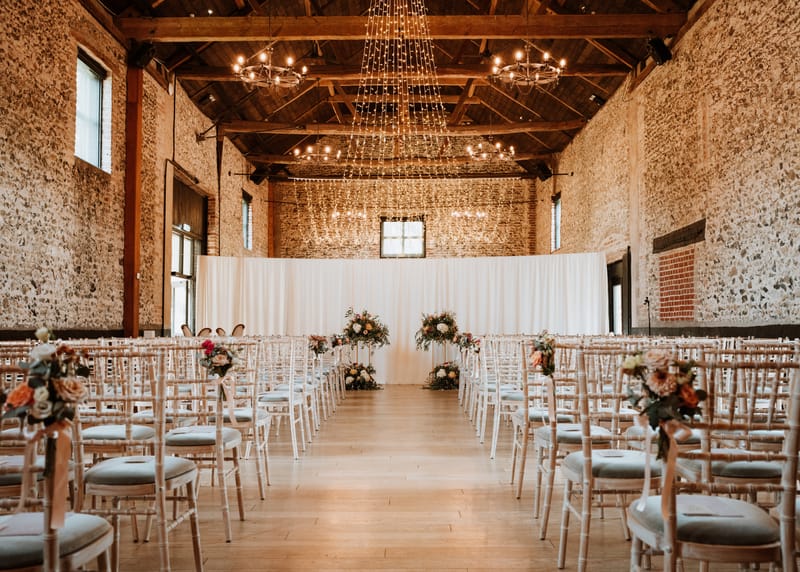
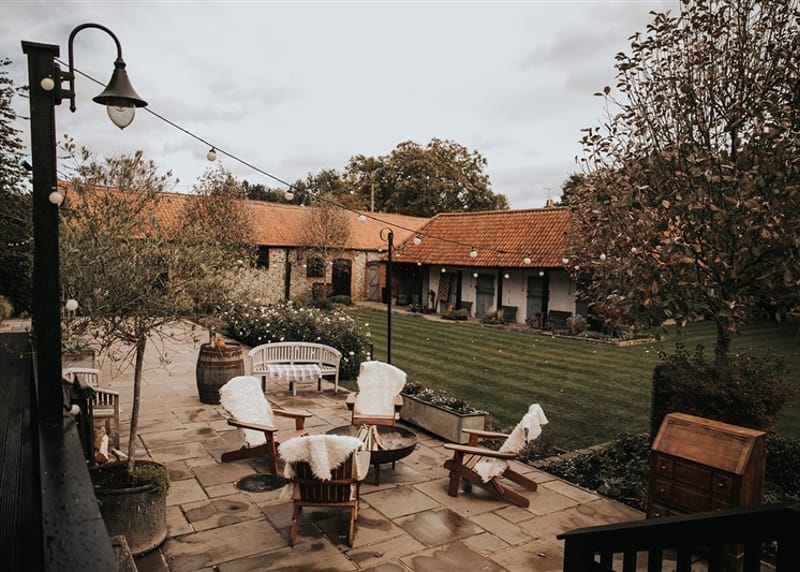
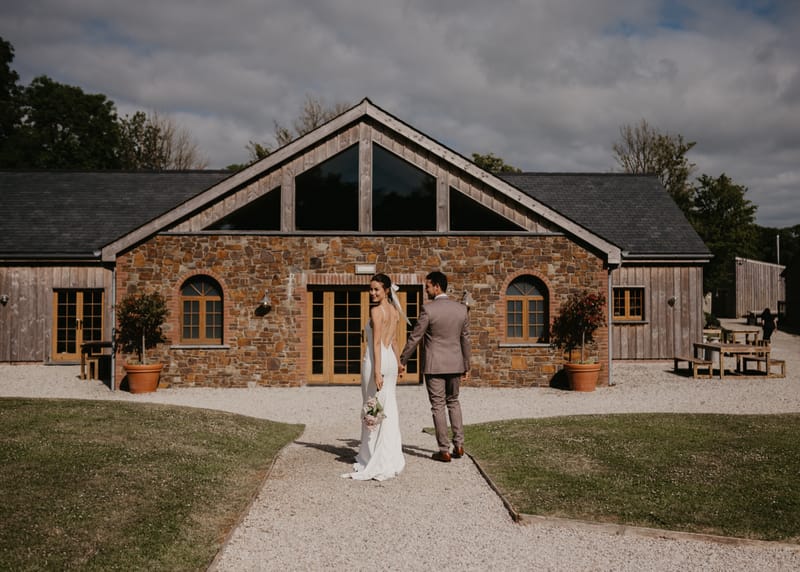
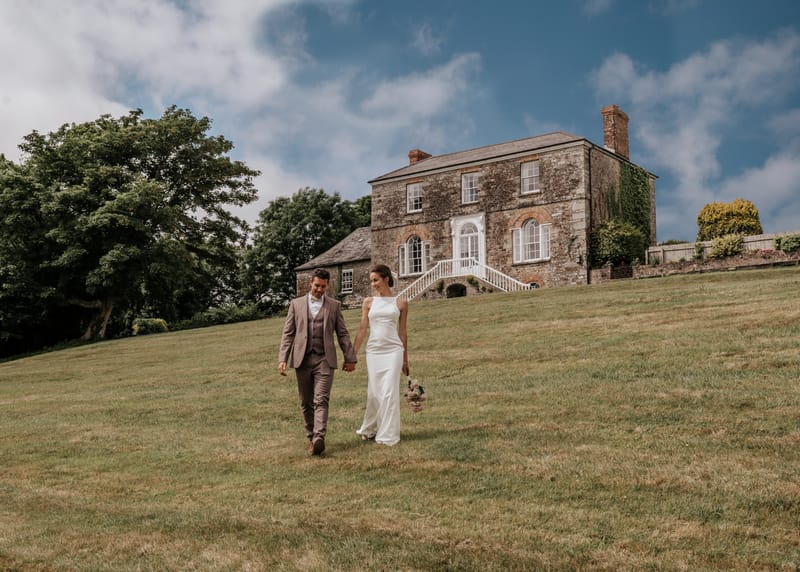
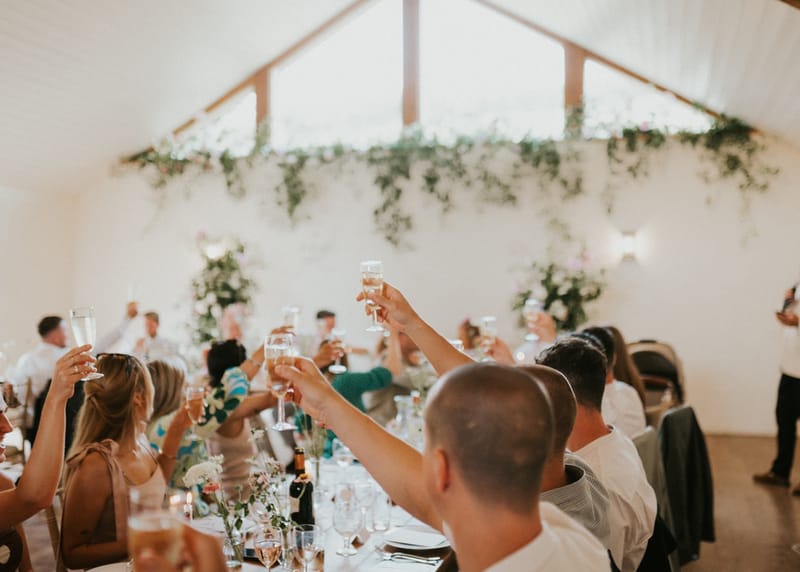
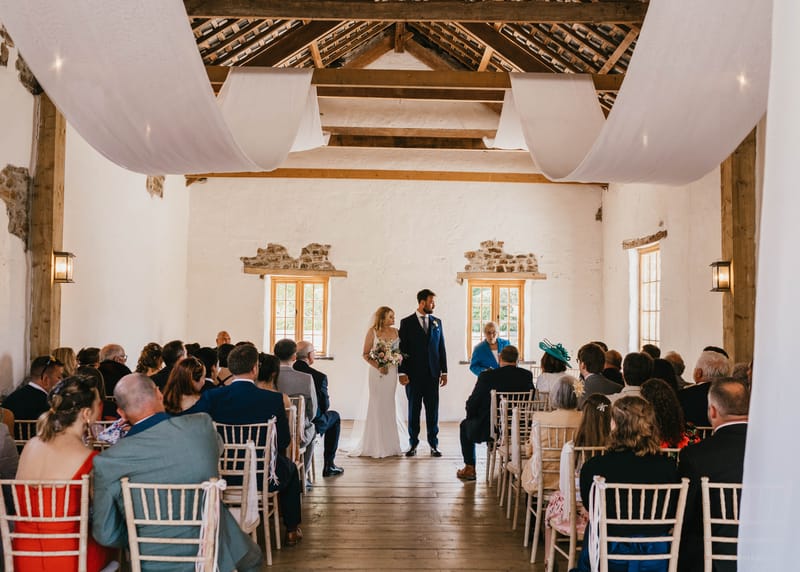
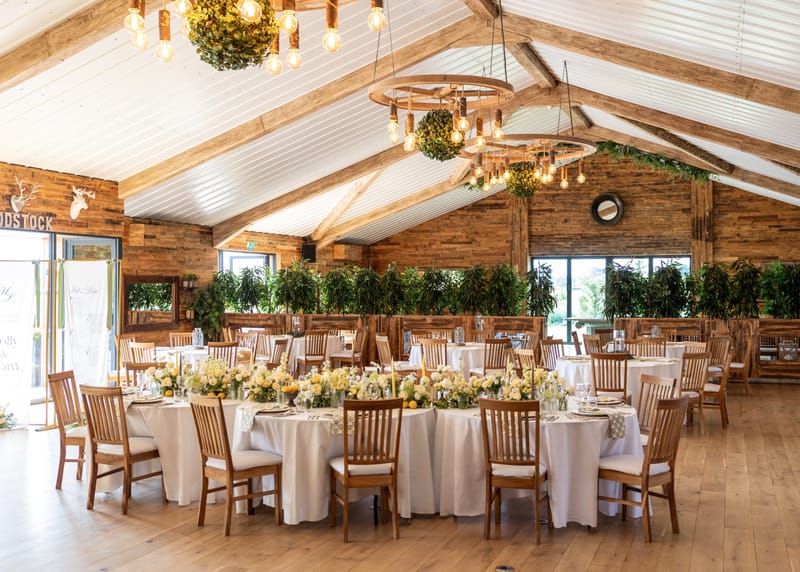
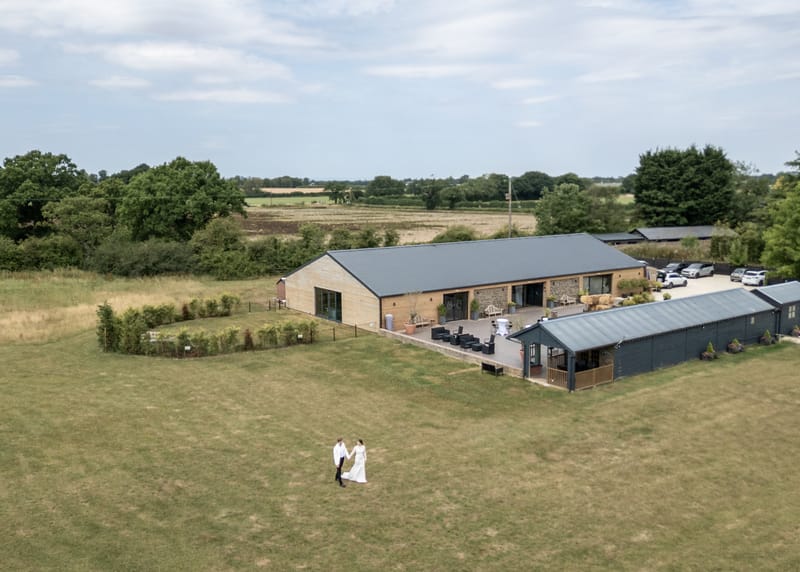
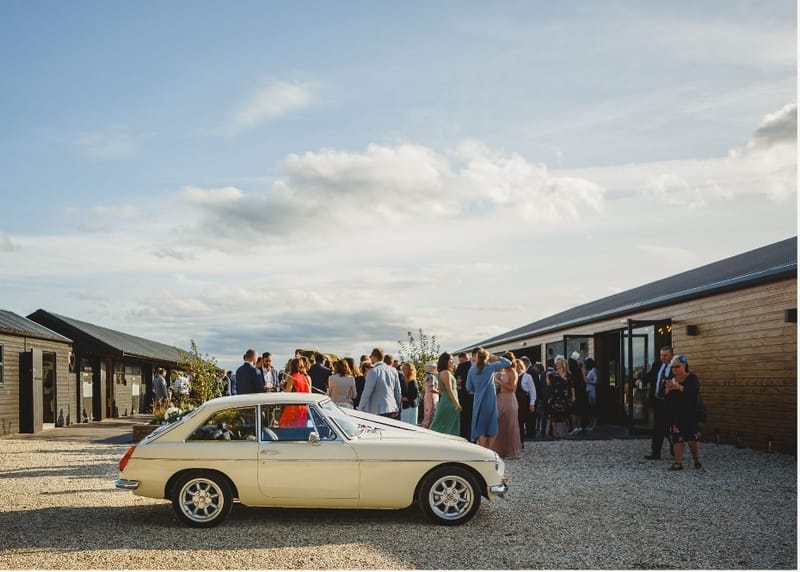
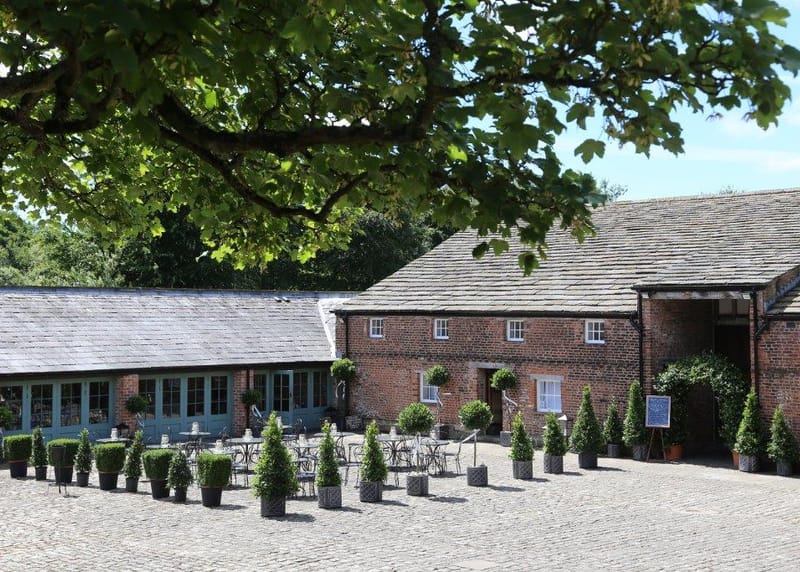
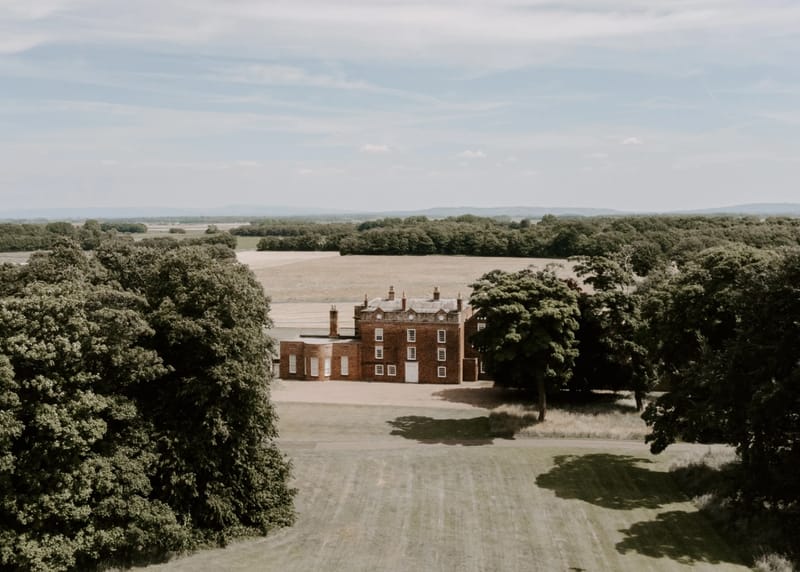
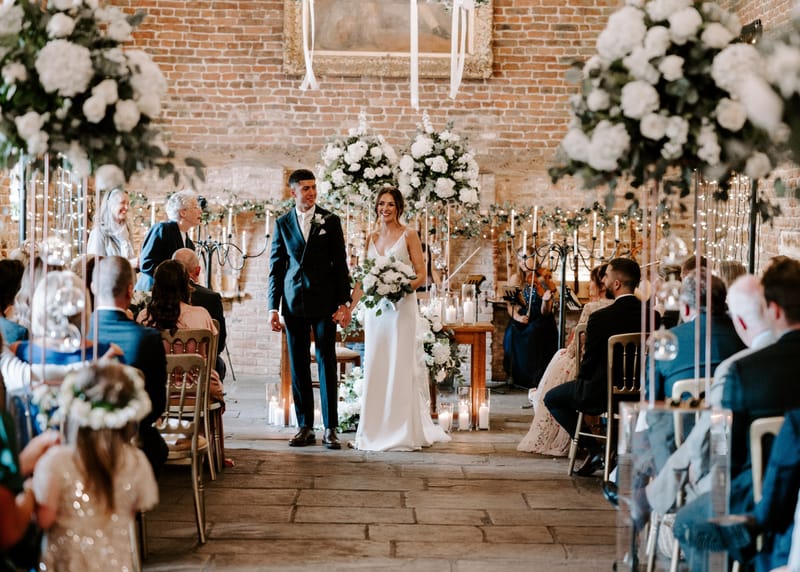
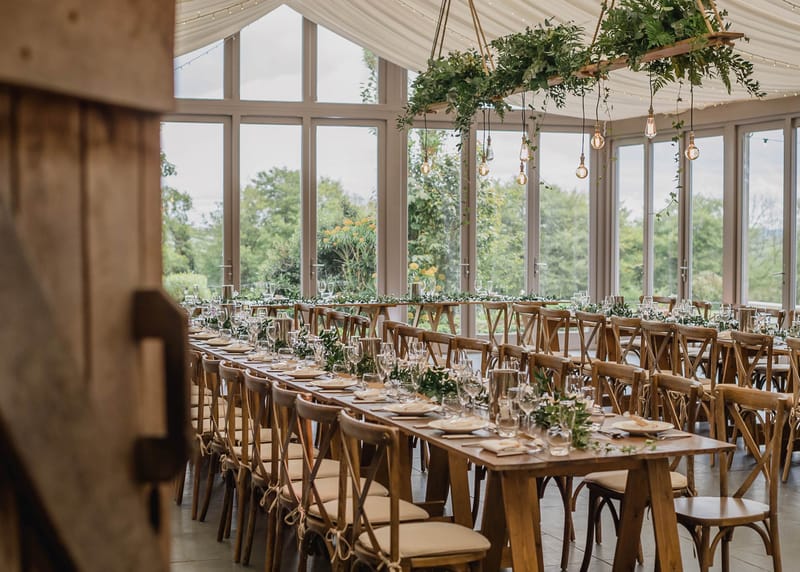
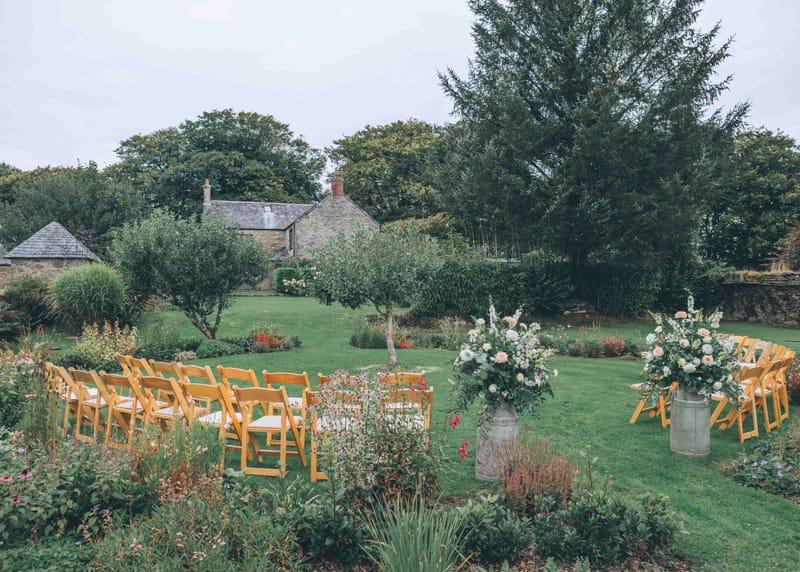
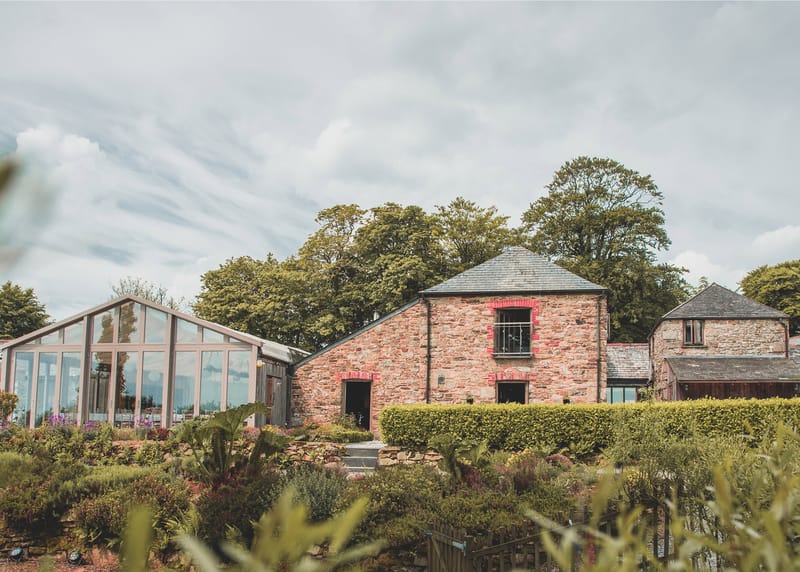
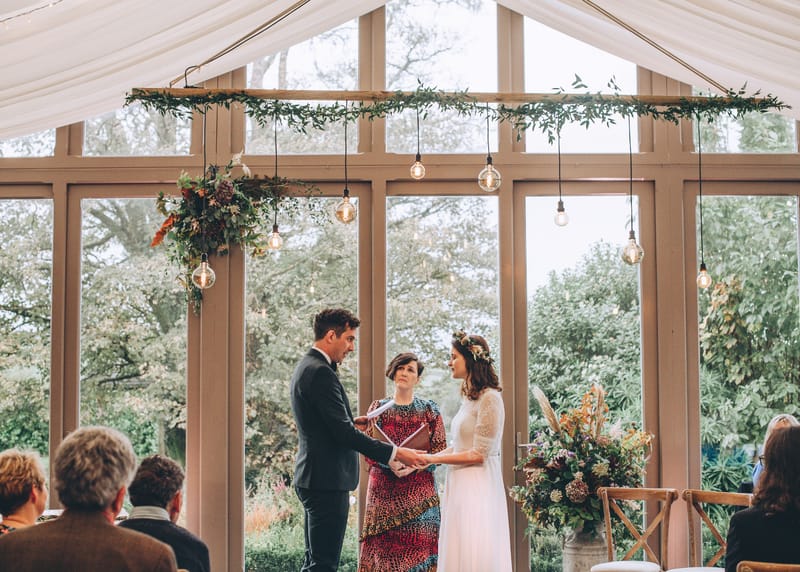
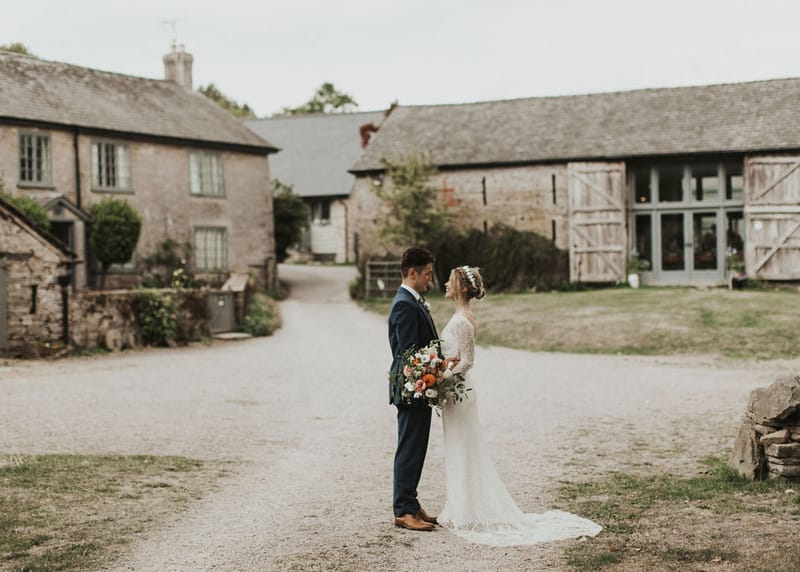
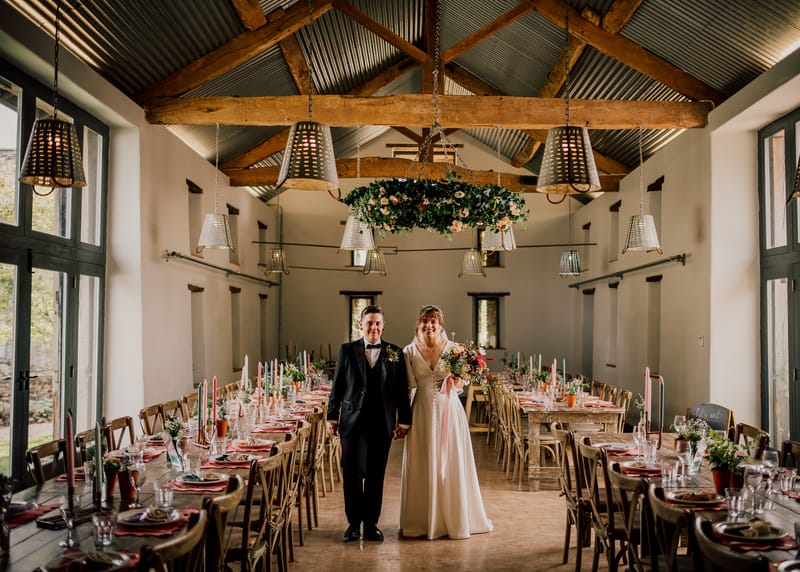
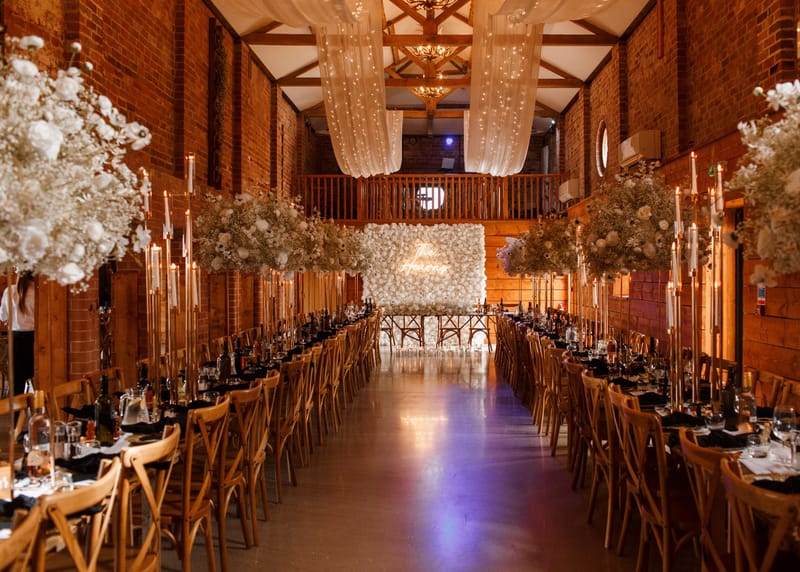
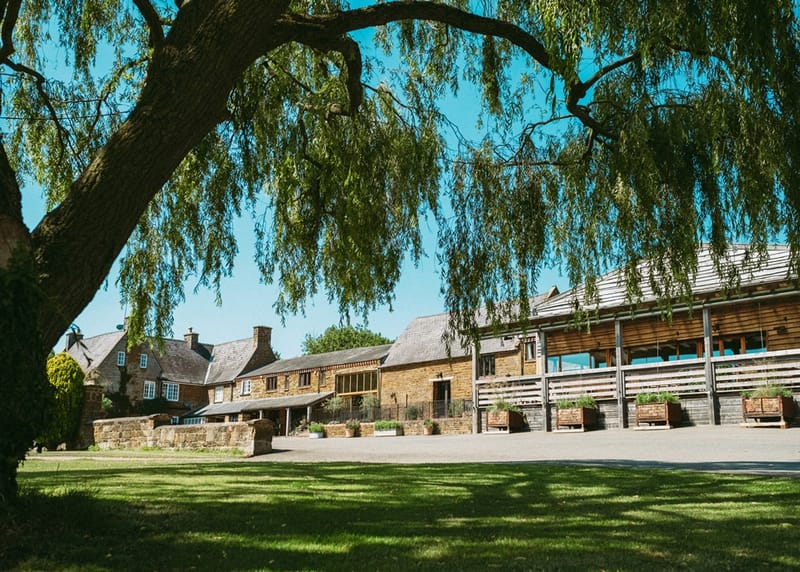
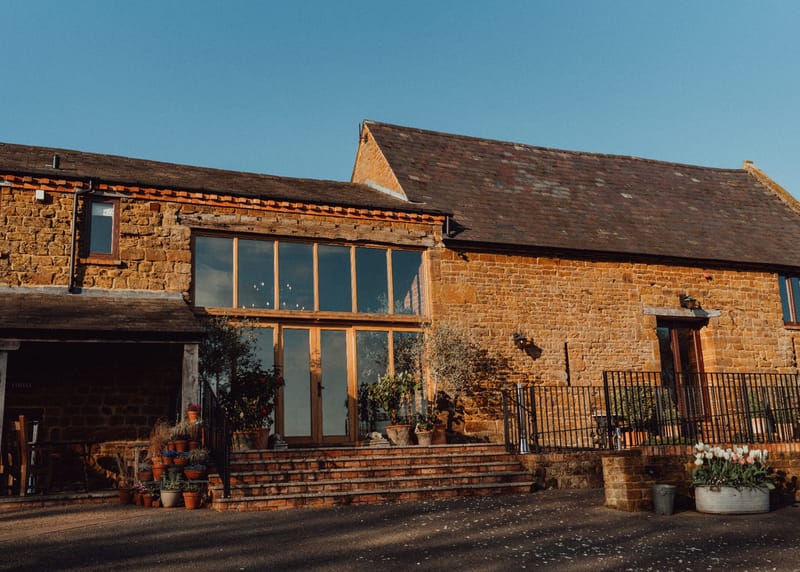
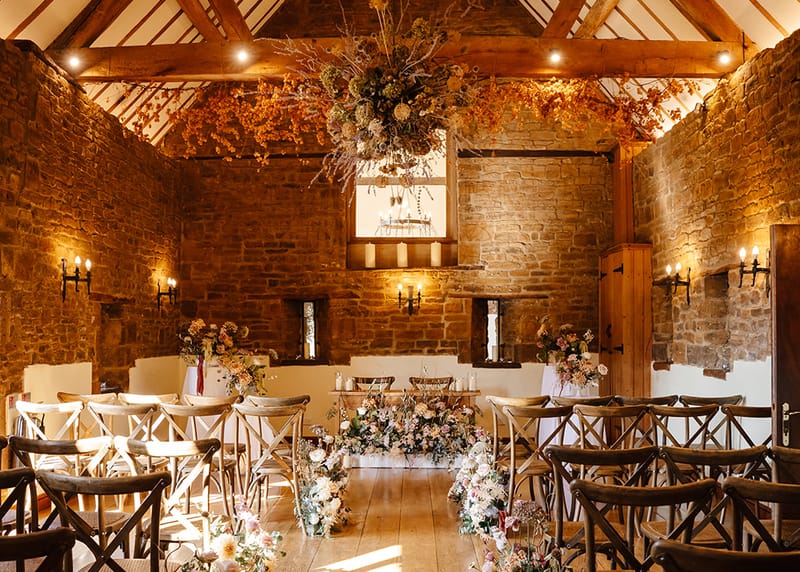
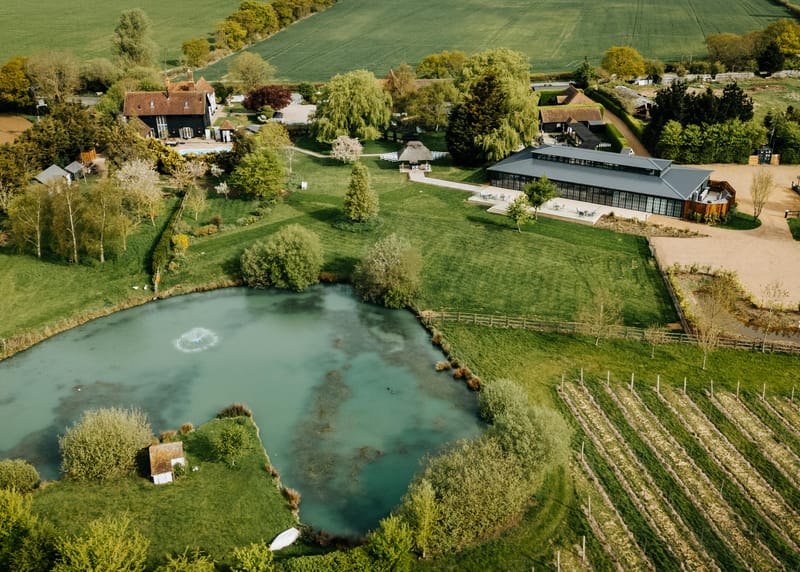
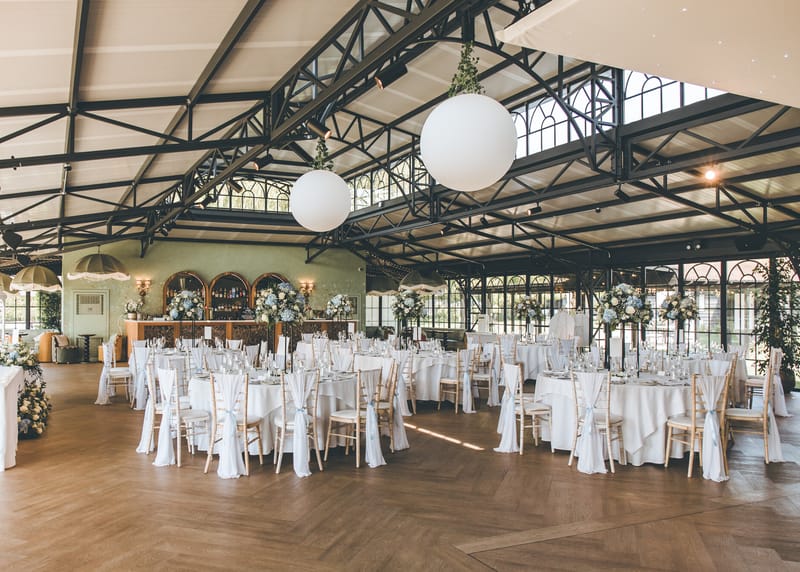
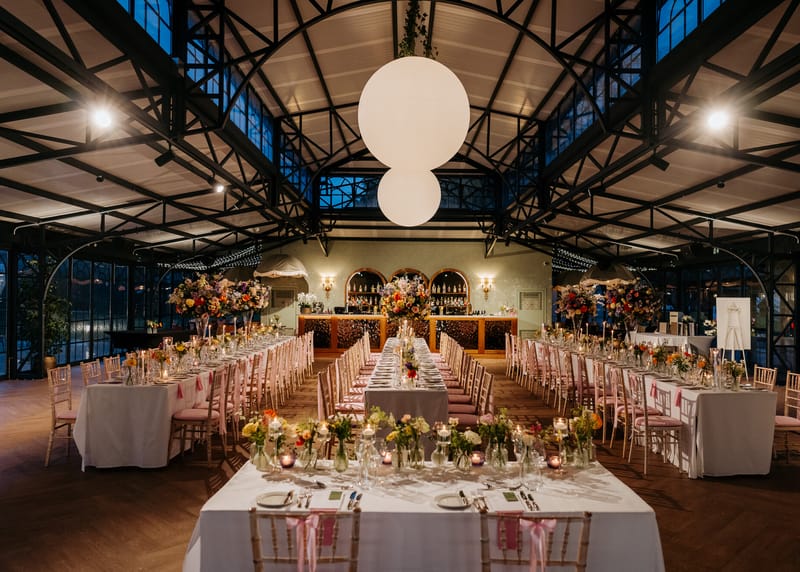
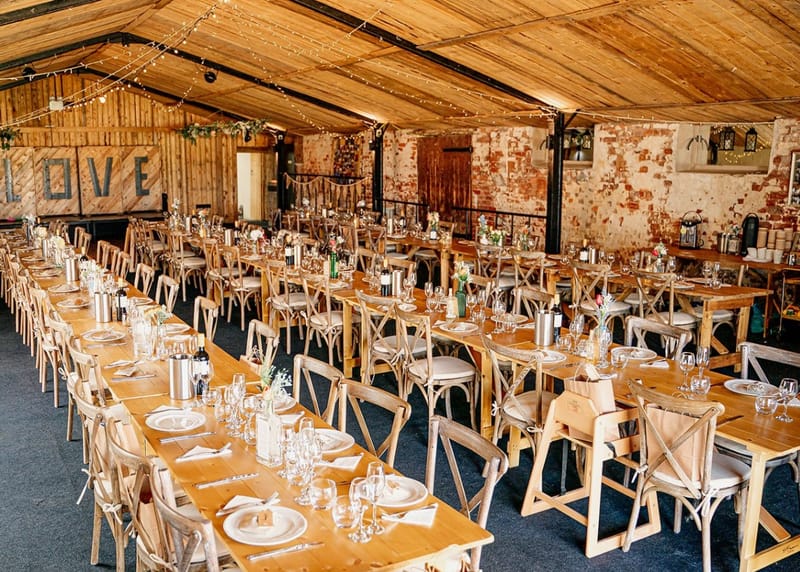
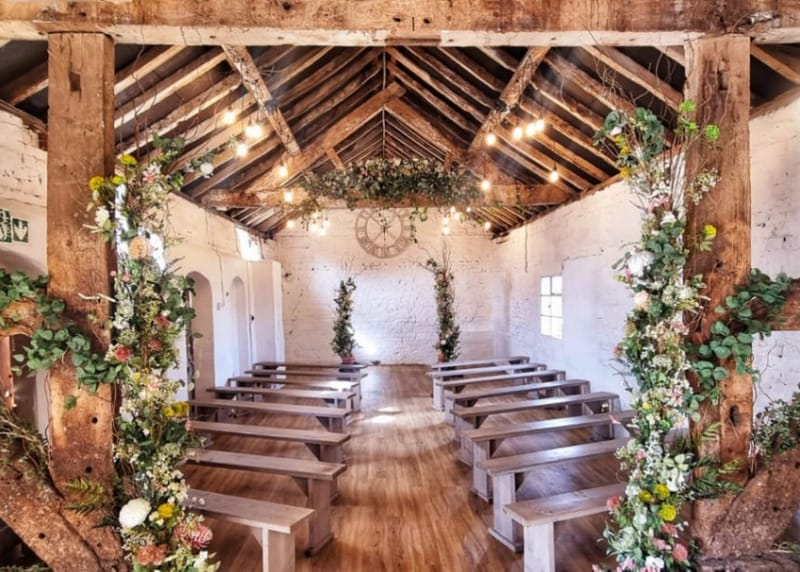
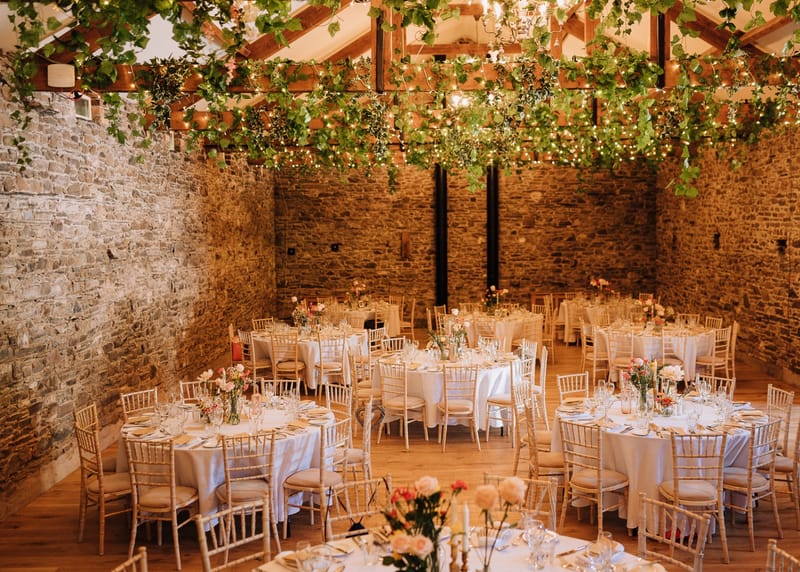
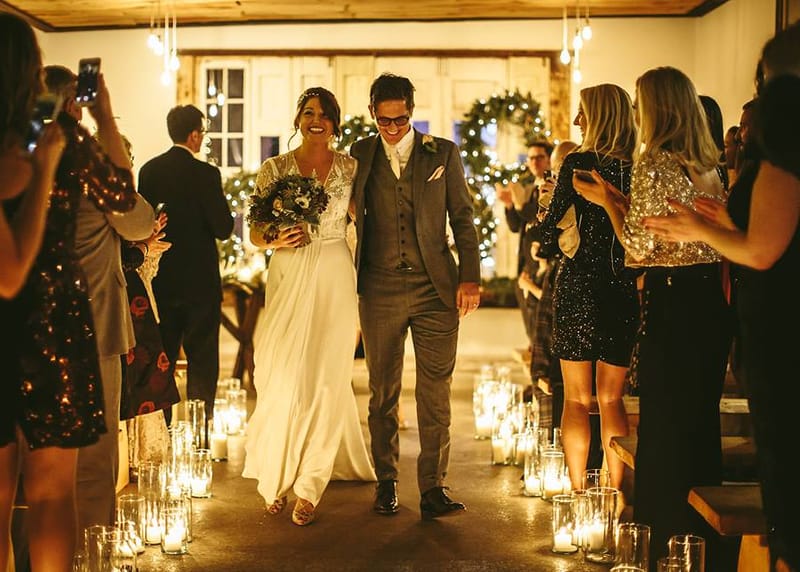
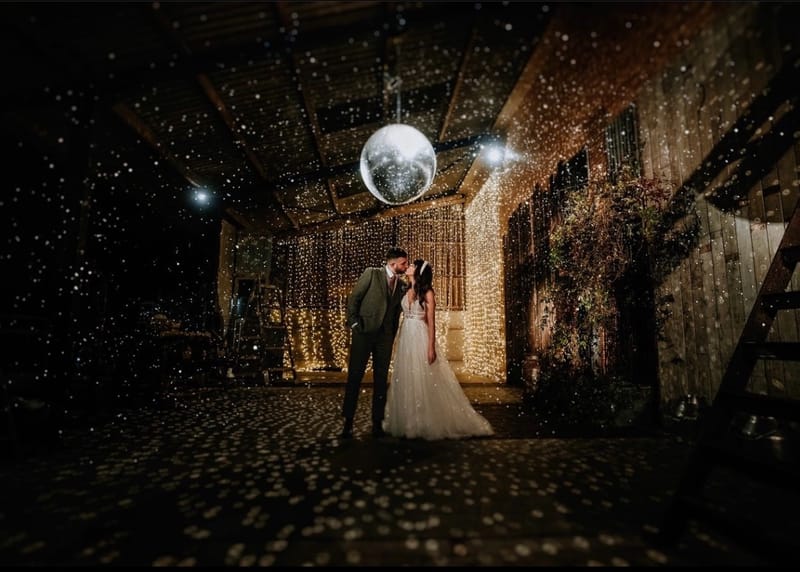
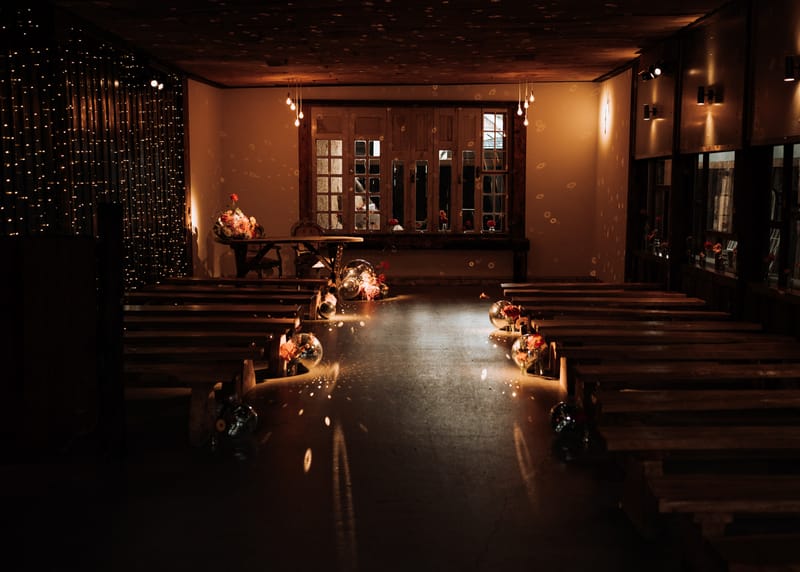
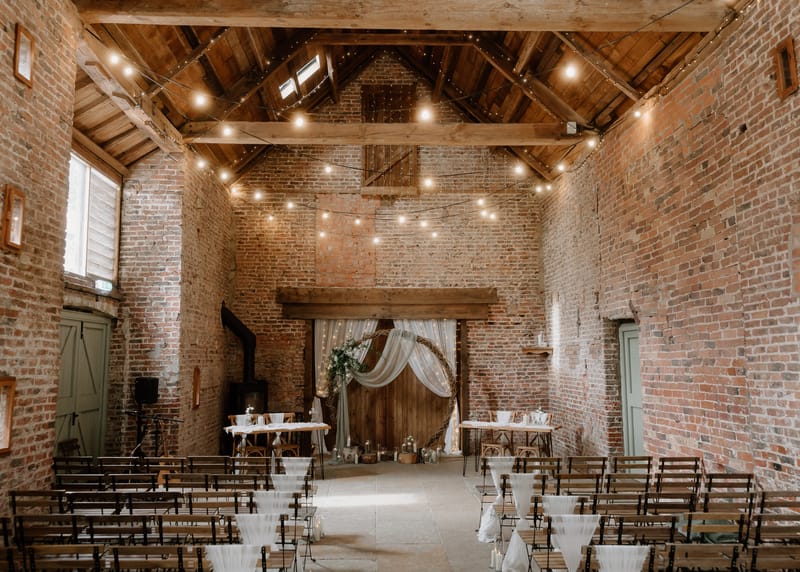
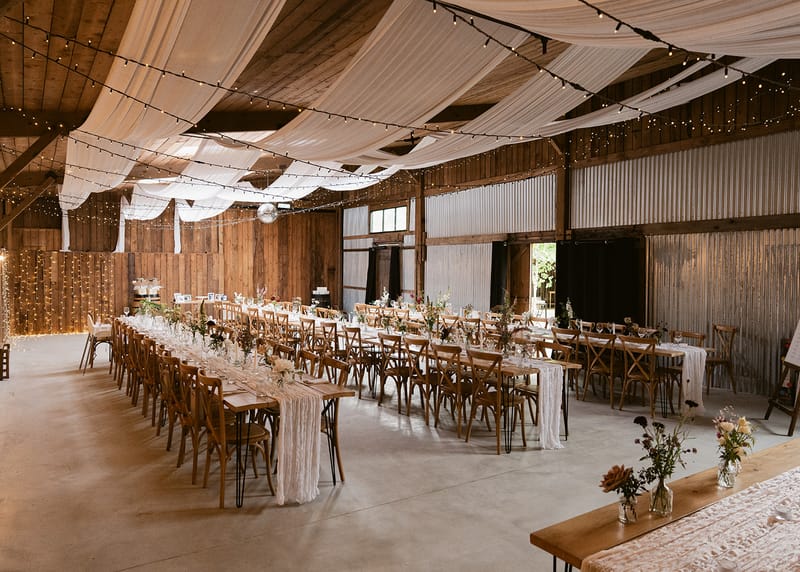
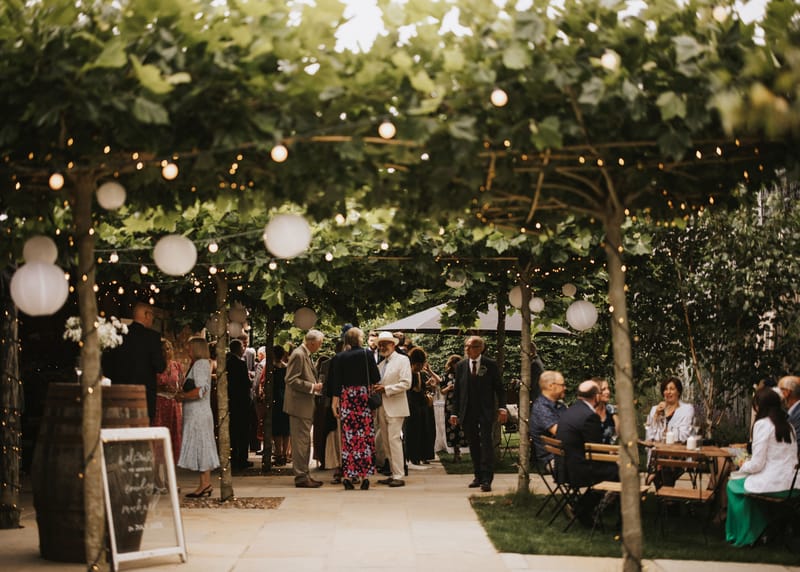
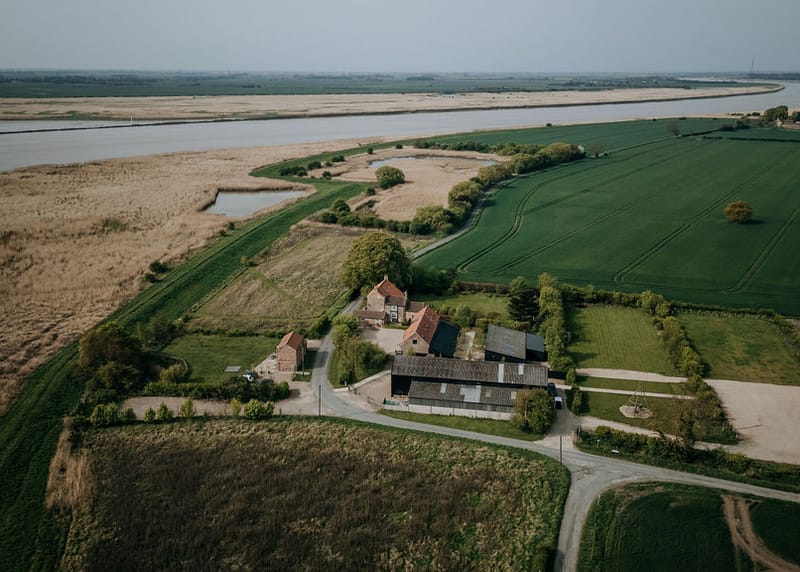
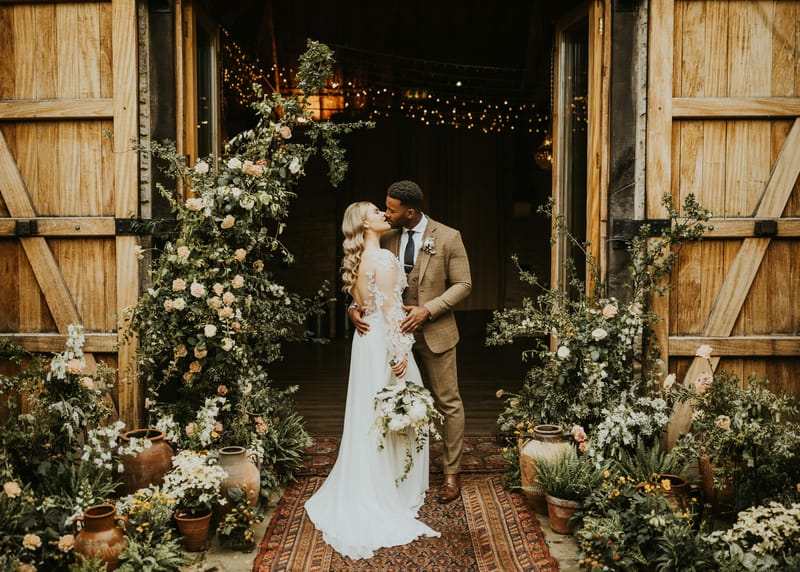
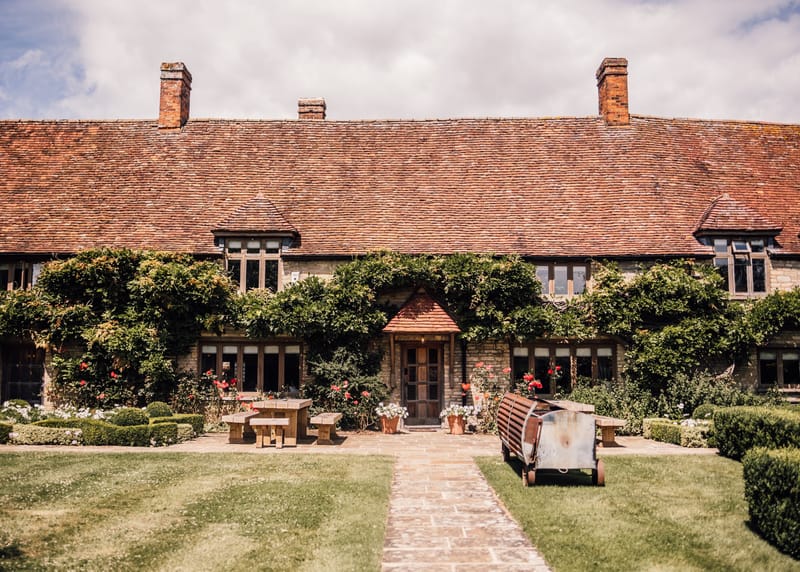
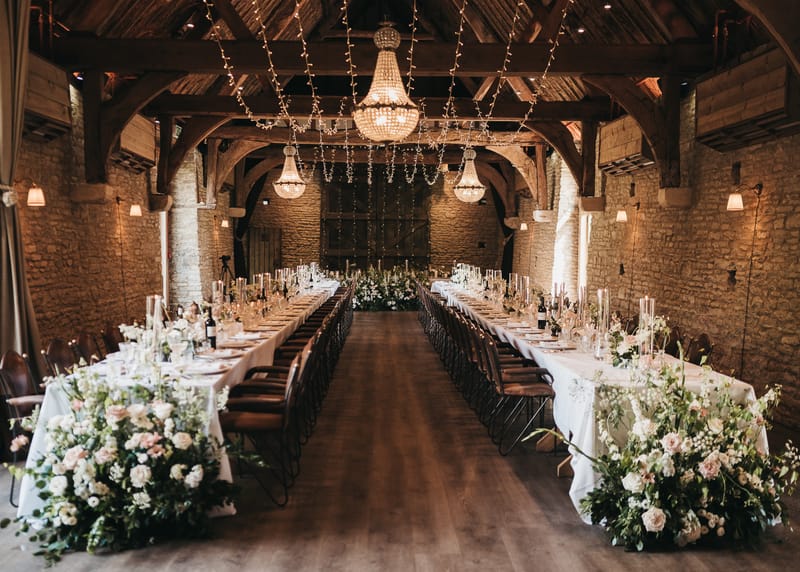
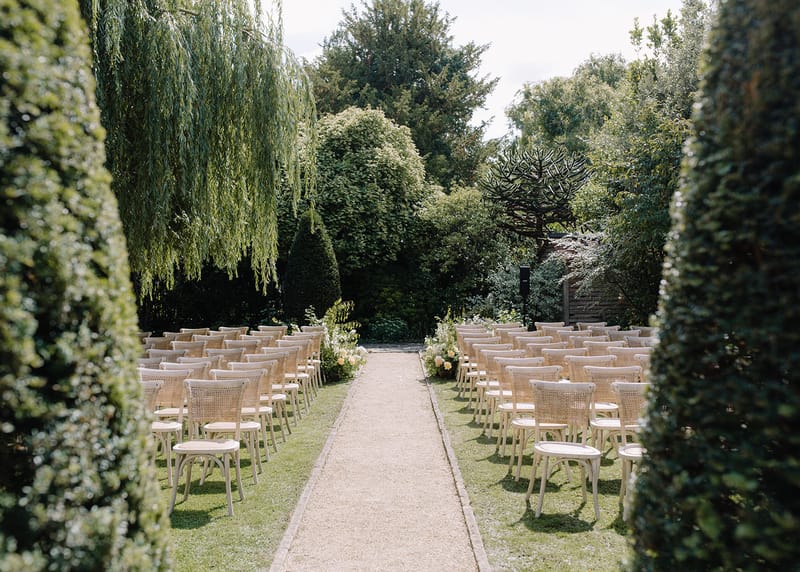
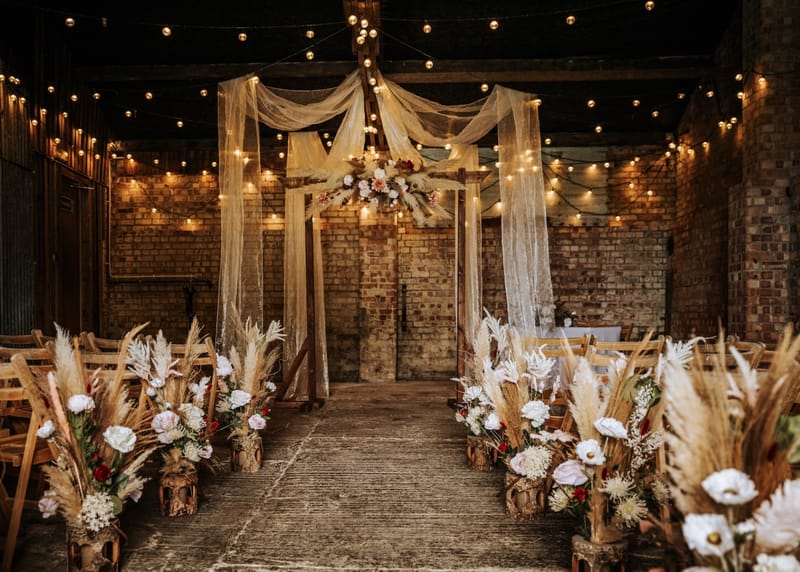
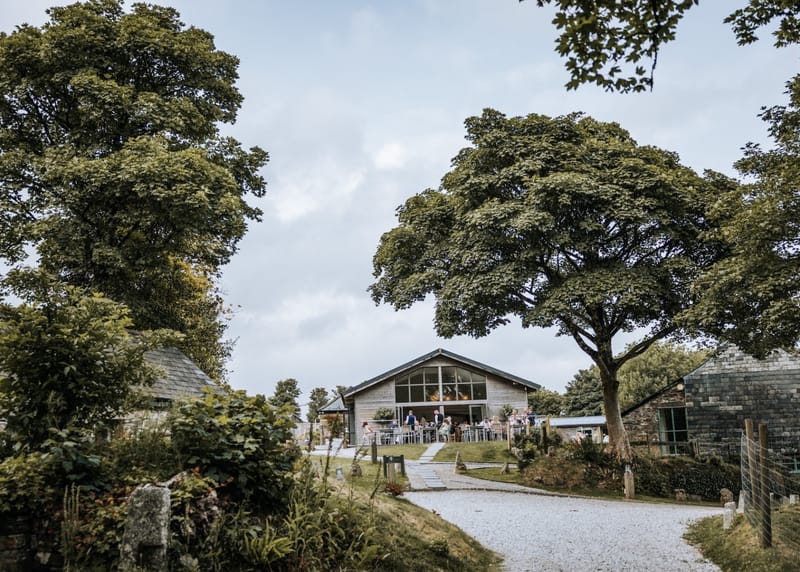
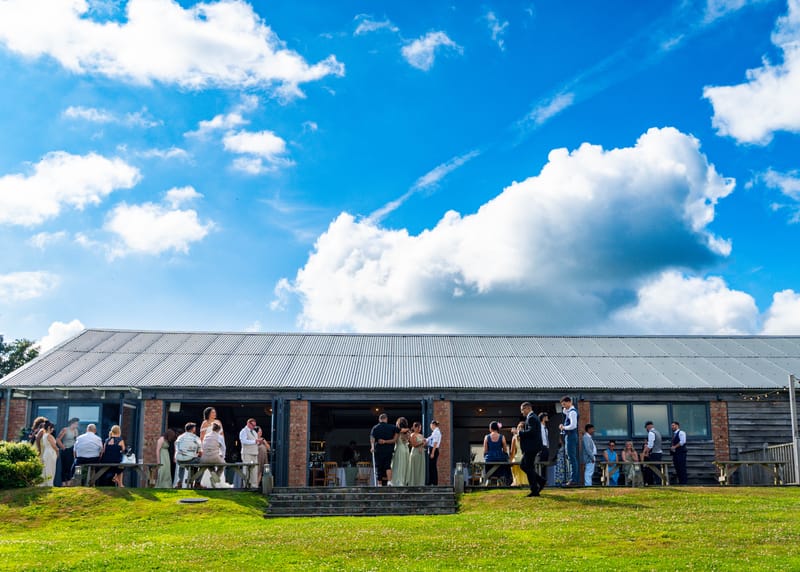
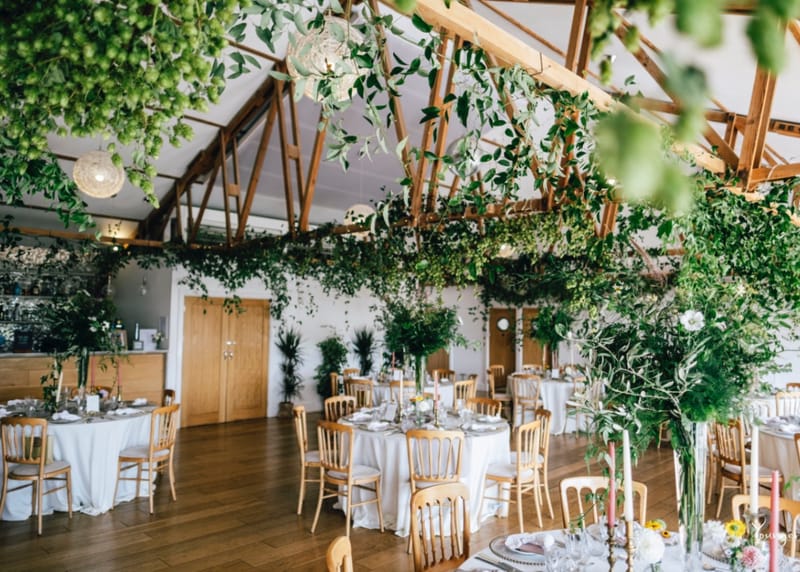
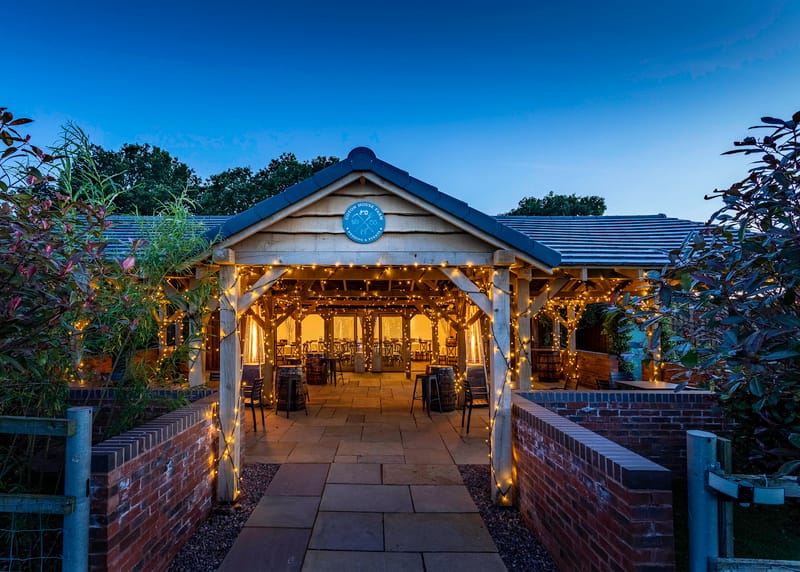
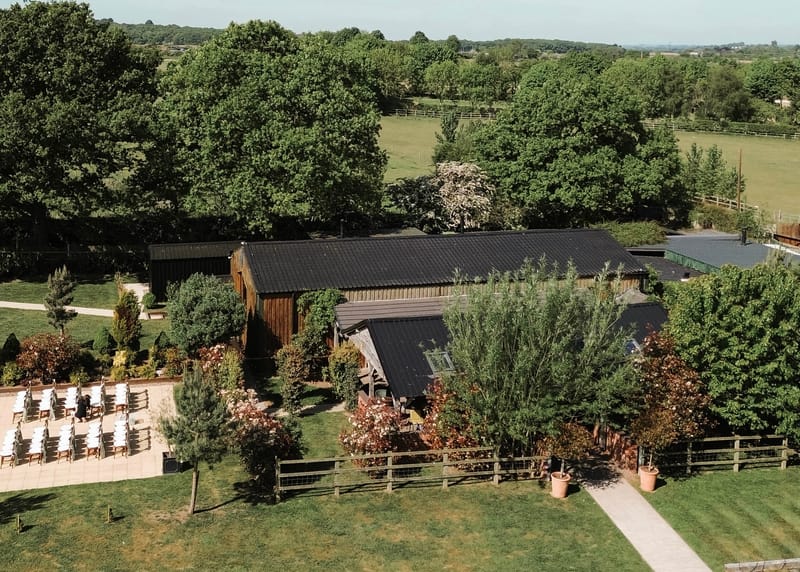
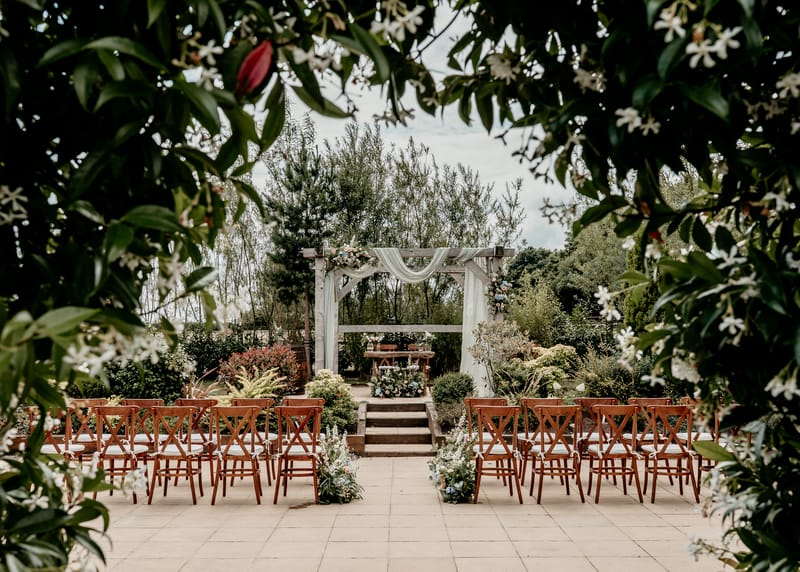
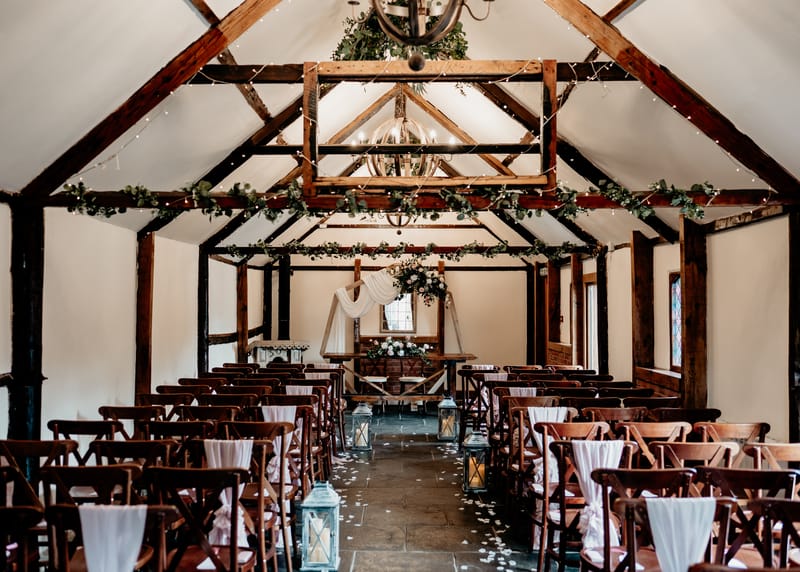
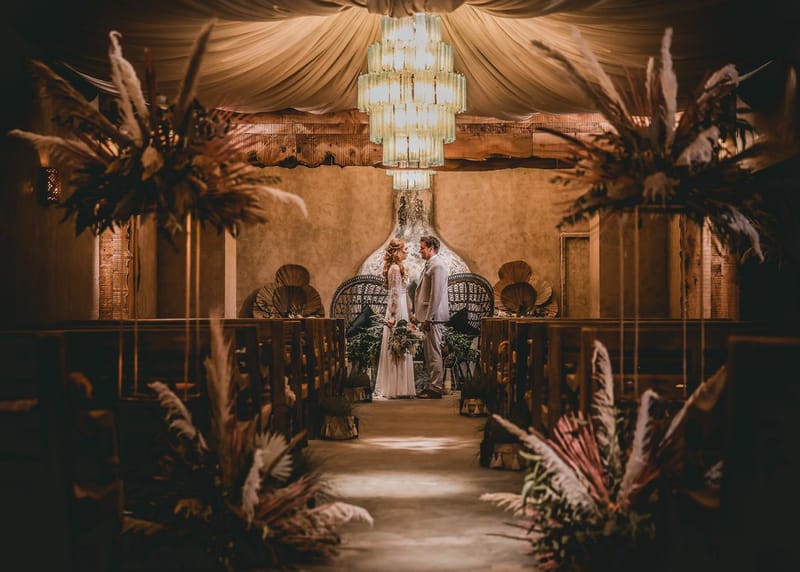
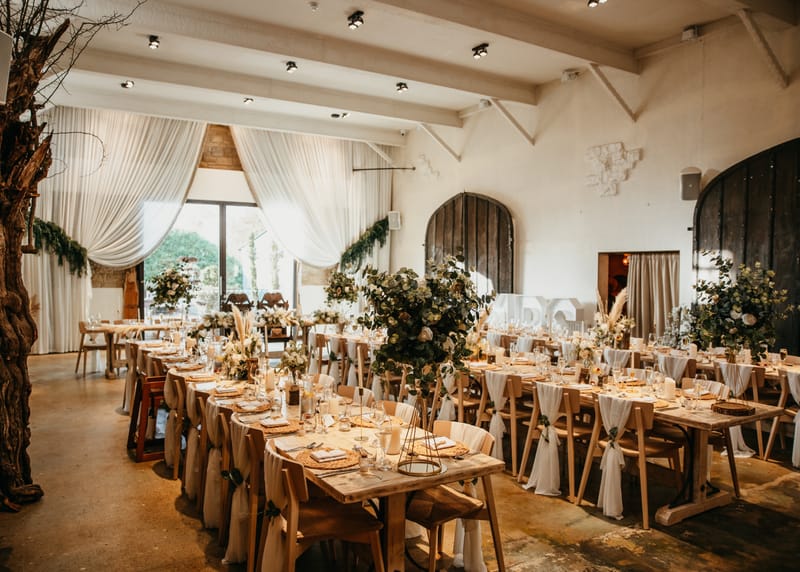
When looking for a more rustic and laidback place to celebrate your wedding day, looking for UK barn Wedding Venues should be top of your list. The UK is home to some absolutely stunning repurposed buildings that often are perfectly placed, nestled into the countryside with stunning views and sympathetically restored to allow for a day not to be forgotten.
Country Hero

Westerham

Westerham, Kent
5.0(116)
Viewing Dates AvailableBridebook Deal AvailableUpcoming Event
  • 220
  • £5,000 – £10,500

Bashall Barn

Clitheroe, Lancashire
4.5(41)
More Pricing InsideBridebook Deal AvailableUpcoming Event
  • 130
  • 11 Bedrooms
  • £2,000 – £6,750

Oxleaze Barn

Lechlade, Gloucestershire
5.0(80)
Viewing Dates AvailableBridebook Deal AvailableUpcoming Event
  • 110
  • 6 Bedrooms
  • £2,950 – £8,250

Barns & Yard

Hanley Castle, Worcestershire
5.0(53)
More Pricing InsideBridebook Deal Available
  • 100
  • 4 Bedrooms
  • £6,345 – £12,650

Cain Manor

Headley Down, Hampshire
5.0(68)
More Pricing InsideBridebook Deal Available
  • 123
  • 11 Bedrooms
  • £4,500 – £10,000

Crondon Park

Ingatestone, Essex
5.0(645)
Viewing Dates AvailableBridebook Deal AvailableUpcoming Event
  • 148
  • 7 Bedrooms
  • £7,995 – £14,995

Eden Barn

Little Musgrave, Cumbria
5.0(129)
More Pricing InsideBridebook Deal Available
  • 144
  • 17 Bedrooms
  • £3,000 – £9,900
Everything you need to know about weddings in United Kingdom

Wedding Barns in the UK

Wedding barns rank among the UK's most in-demand venue styles, prized for their rustic feel, exposed beams and countryside settings. Barn weddings across the UK continue to grow in popularity, and couples searching for wedding barns are typically drawn to the informal, exclusive-use atmosphere these venues offer, a contrast to the grander formality of a country house or stately home.

This page rounds up everything you need to know about barn wedding venues across the UK, from the different types of barn conversion to how costs compare with other venue styles. Barn venues are spread widely across the country, with particular concentrations in the Cotswolds, the Yorkshire Dales, Kent and Sussex, Scotland, Shropshire, Cheshire and Lancashire, so wherever you're planning to marry, there's likely a characterful barn nearby.

Wedding barns in the UK

Barn weddings have grown into one of the UK's defining venue trends. Around 22% of couples chose a barn for their wedding, putting the format just behind country houses in overall popularity, and it remains one of the two most highly considered venue types among couples still searching for their match.

Part of the draw is variety. The term “barn wedding venue” covers a broad spread of buildings and styles, including:

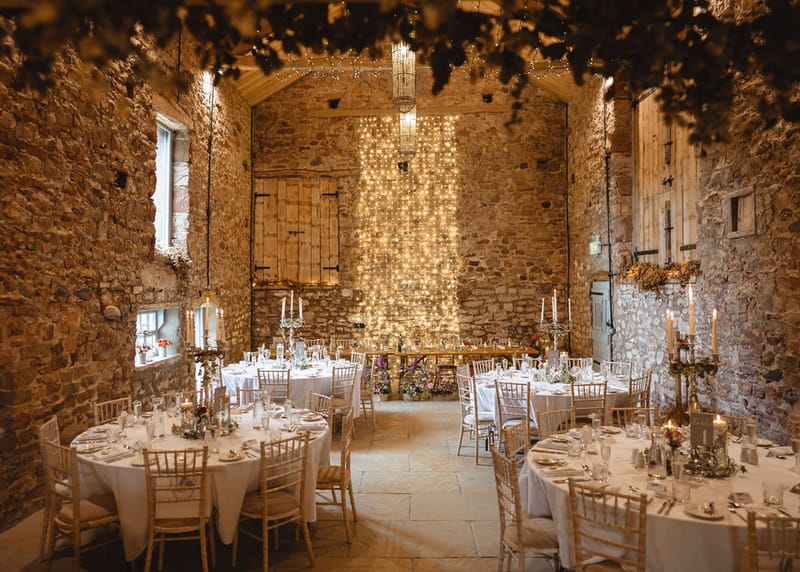
  • Converted stone barns: traditional stone structures found across the Cotswolds, Yorkshire Dales and Lake District, often retaining original stonework and timber trusses
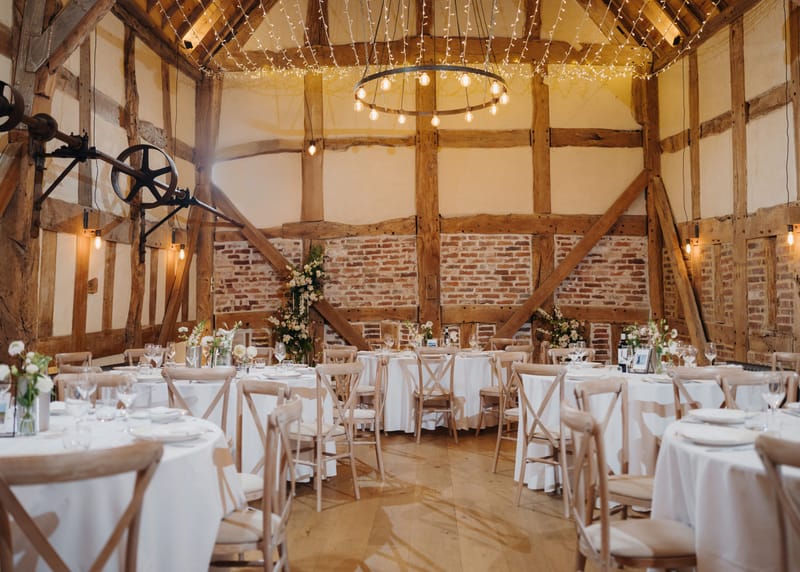
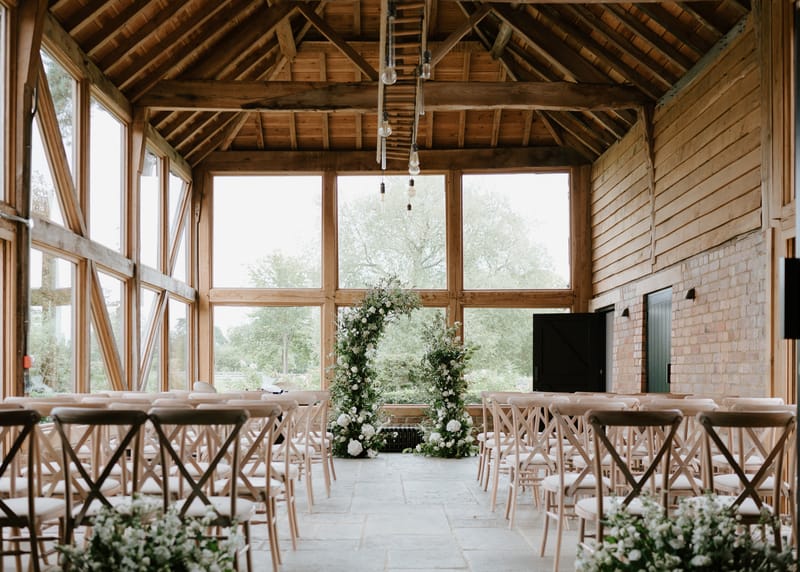
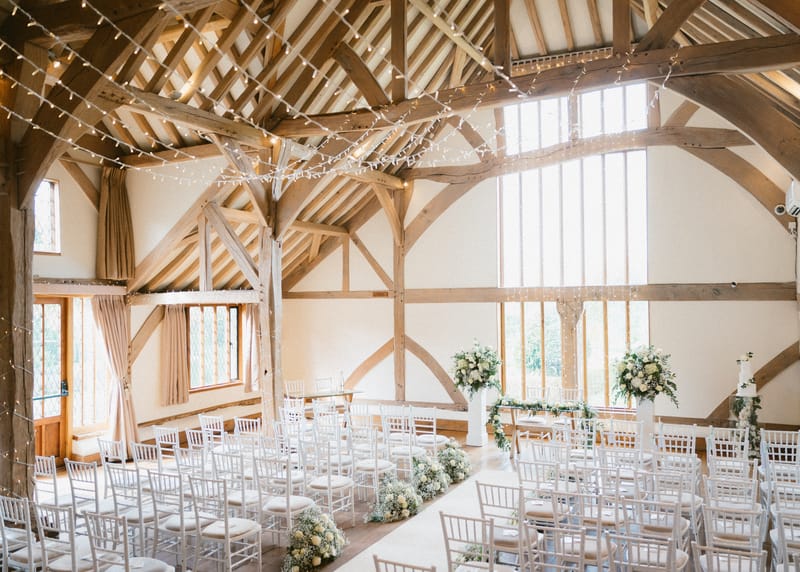
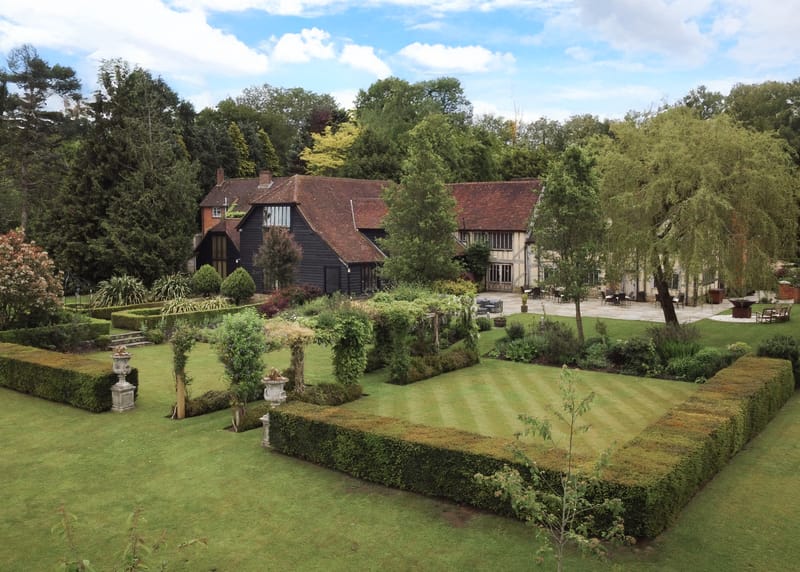
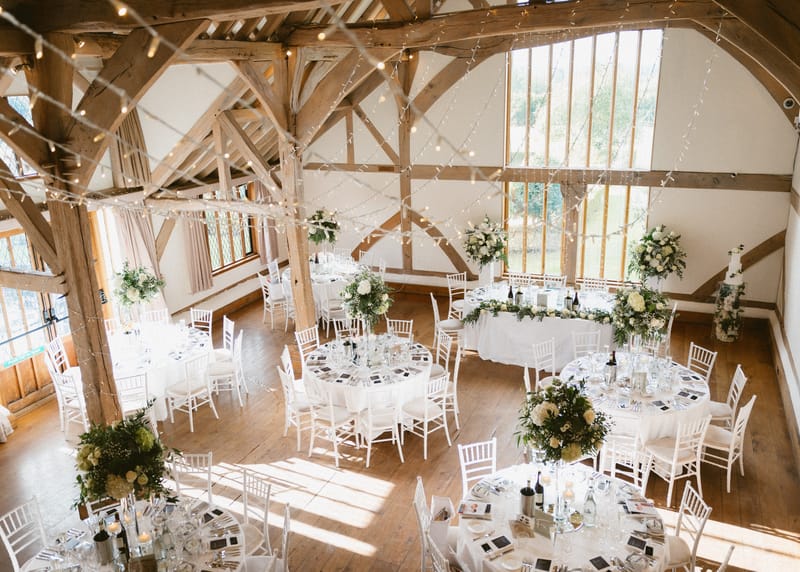
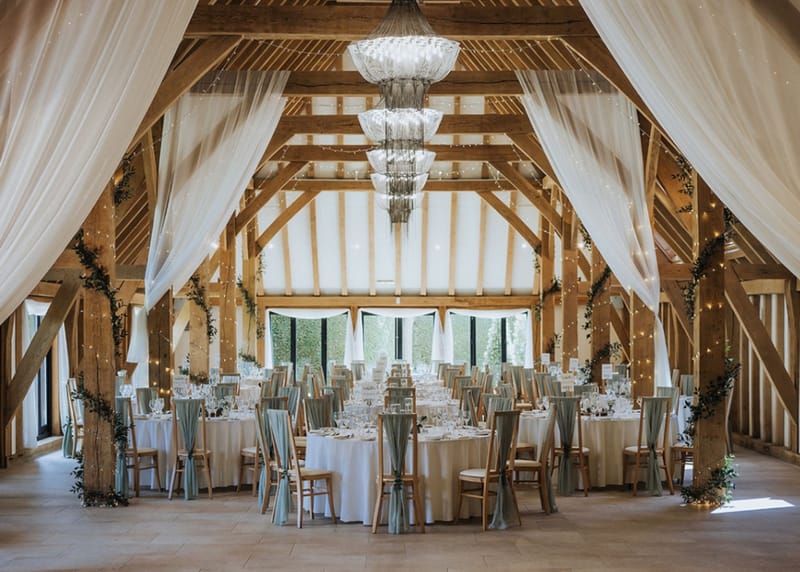
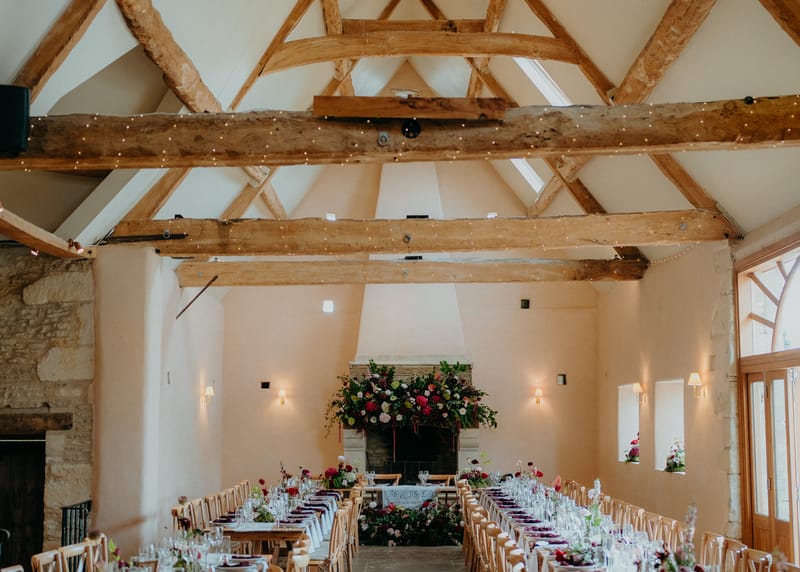
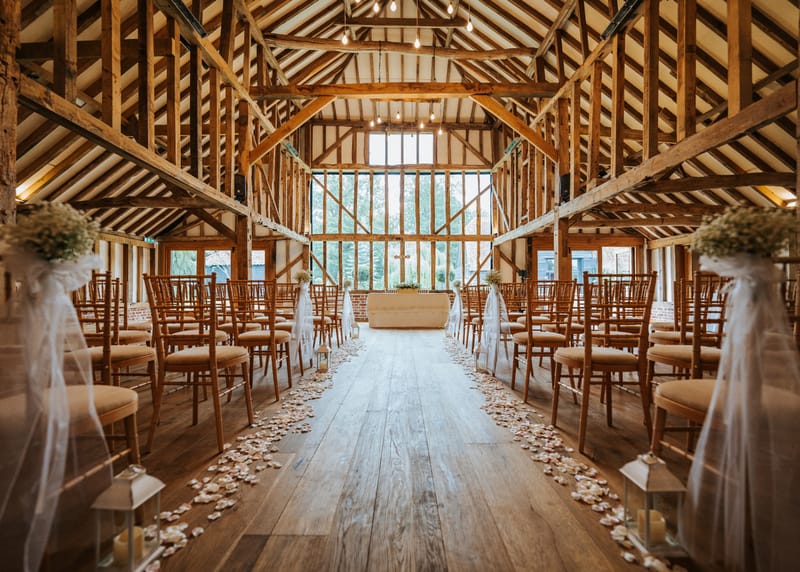
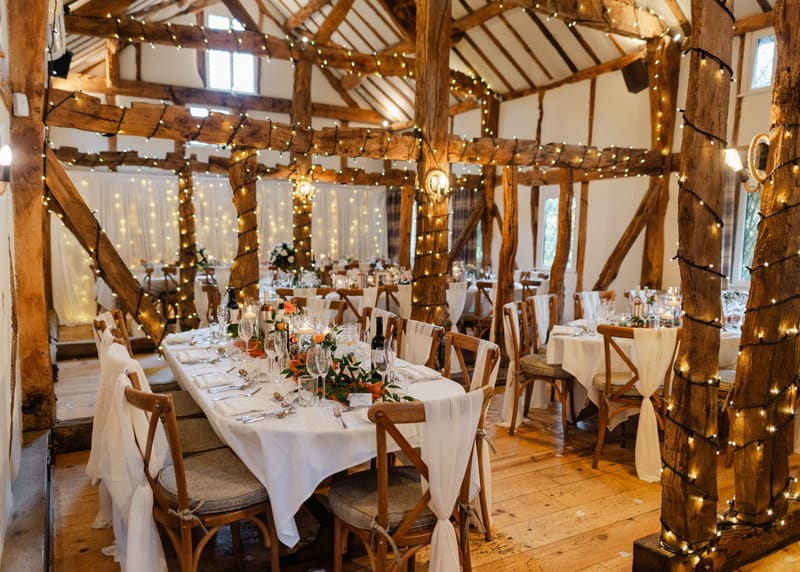
  • Timber-frame barn conversions: oak-framed buildings, particularly common across Kent and Sussex, prized for exposed beams and a rustic barn wedding venue feel
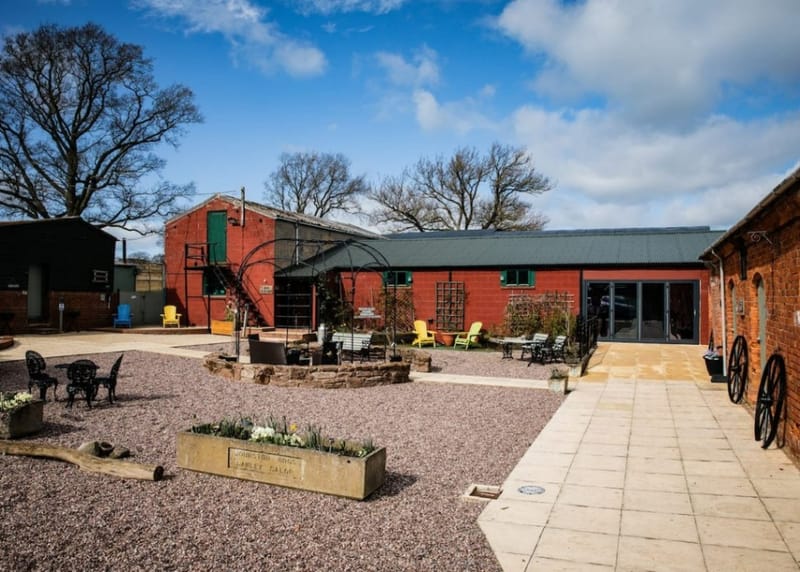
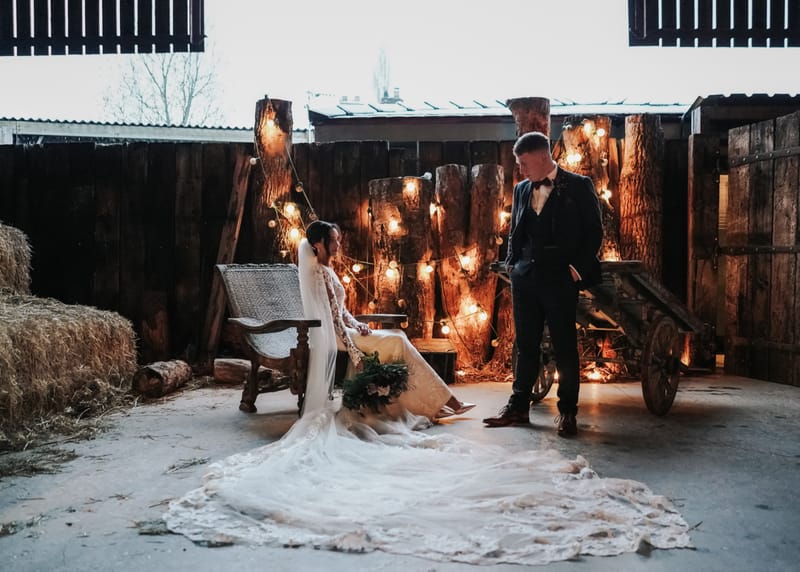
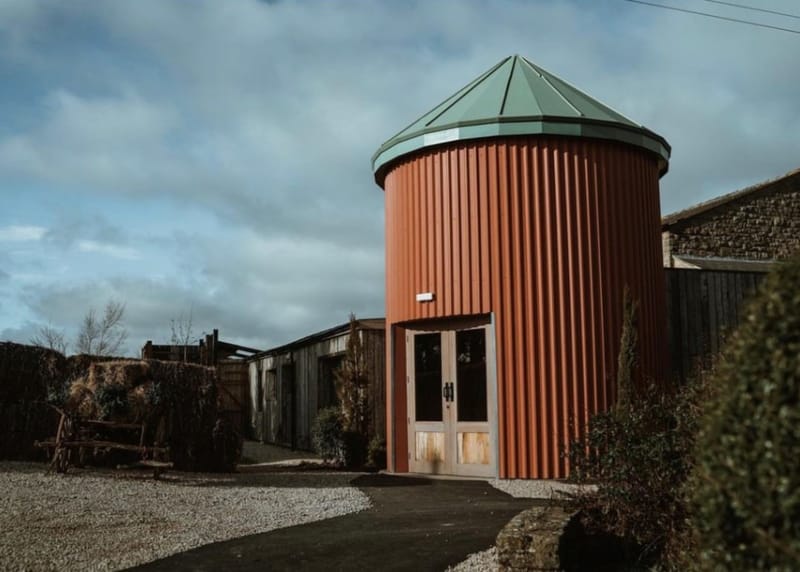
  • Agricultural farm barns: working farm buildings adapted with a wedding licence, ideal for couples after farm wedding venues UK-wide that keep a strong connection to the surrounding land
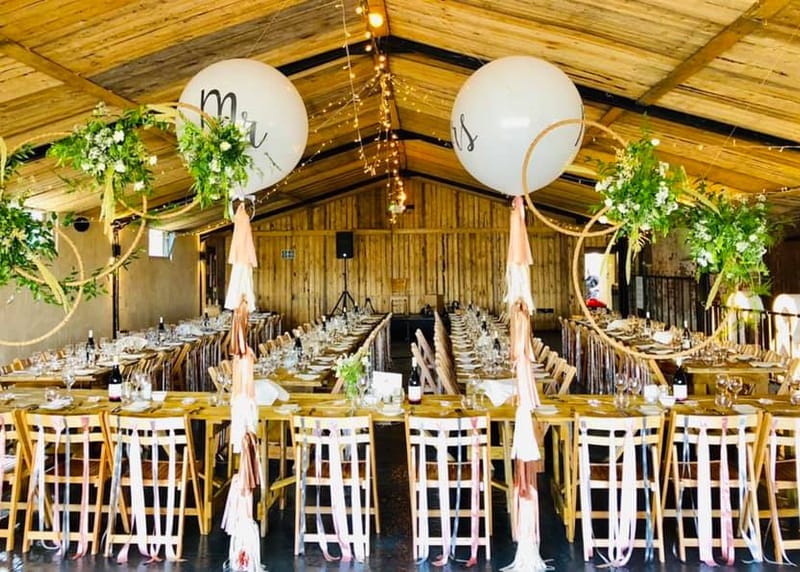
  • Threshing barns: large open barns originally used for separating grain, well suited to bigger receptions
  • Tithe barns: historic barns once used to store local tithes, among the most distinctive and atmospheric options available
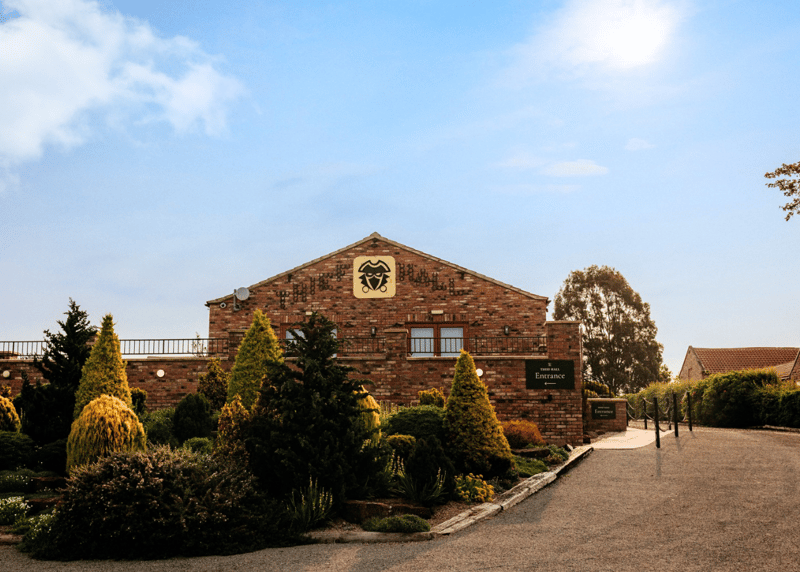
  • Modern barn-style venues: purpose-built venues designed around the same aesthetic, combining rustic styling with contemporary facilities

Guest capacity tends to suit mid-sized celebrations, with barn venues best suited to weddings of around 61 to 120 guests, reflecting their typical layout, though many can flex smaller or larger depending on the space.

That flexibility matters more than ever: 41% of UK receptions now have under 60 guests, so a good barn shortlist should include options that work well for a smaller, more intimate day too.

Converted barn wedding venues: stone barns, timber frames and tithe barns

Not every barn is built the same way, and the differences shape both the atmosphere and the price. Stone barns across Gloucestershire and the Yorkshire Dales tend to be the most premium option, valued for their solid stone walls, high ceilings and established landscaped grounds. Timber-frame conversions, more common in Kent and East Sussex, bring a warmer, more intimate feel, with oak beams and often smaller footprints, and are a strong match for couples after a rustic barn wedding venue with a more historic feel.

Scotland's equivalent is the stone steading, a rustic Scottish barn venue with the same charm as an English barn but a distinctly Scottish identity. Shropshire, Cheshire and Lancashire also have a strong concentration of barn conversions, many set within working farms or rural estates.

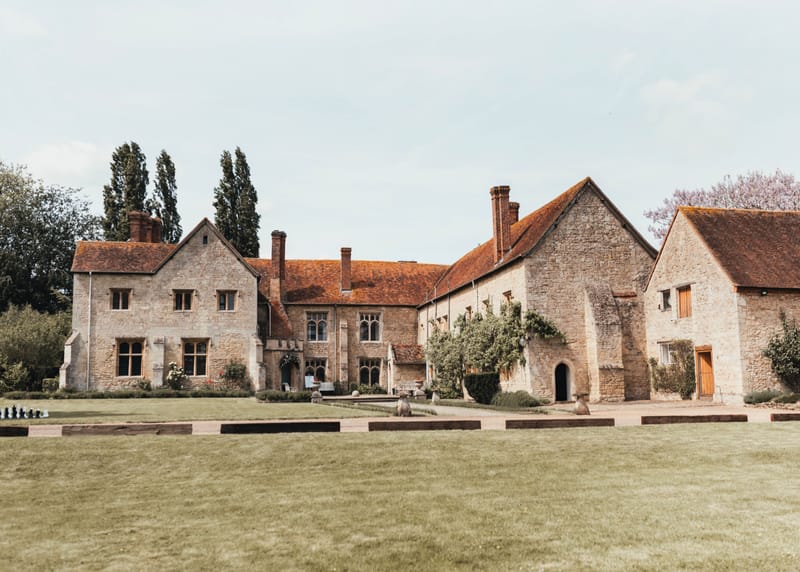
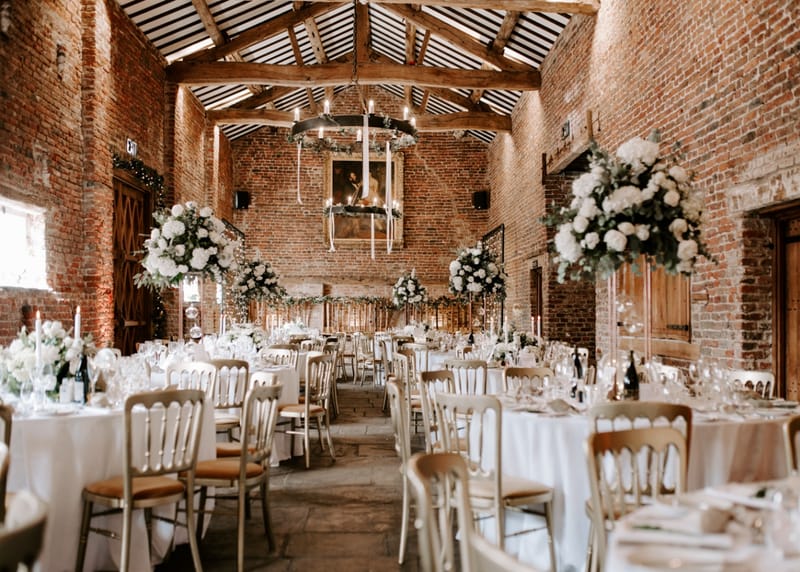
Tithe barns deserve a special mention. Originally built to store a tenth of a parish's agricultural produce, these historic barns (some dating back centuries and formerly linked to monastic estates) are a particularly distinctive subtype, combining soaring timber roofs with a real sense of history.

Barn weddings vs country house weddings: which is right for you?

The question couples ask most is what makes a barn venue different from a country house, and it usually comes down to atmosphere, formality and setting. Comparing barn wedding venues UK-wide against country houses often comes down to a few key factors:

  • Atmosphere: barns lean rustic and relaxed, country houses lean formal and stately
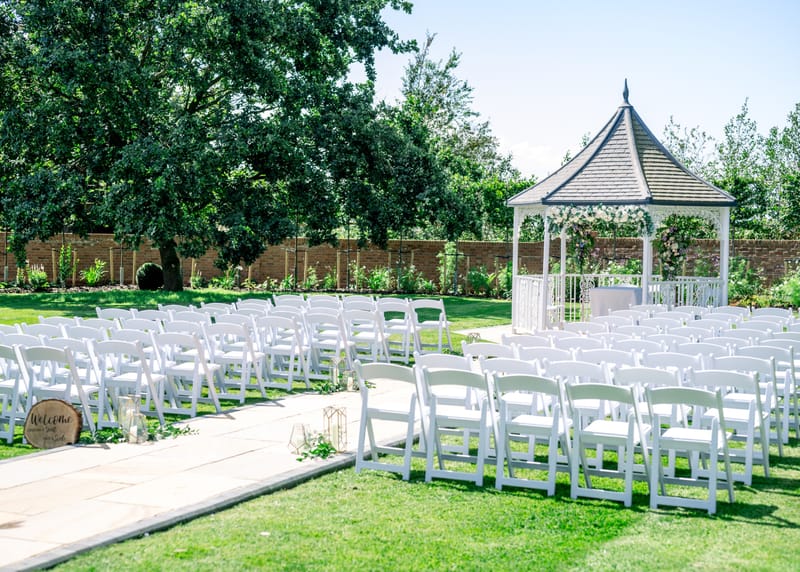
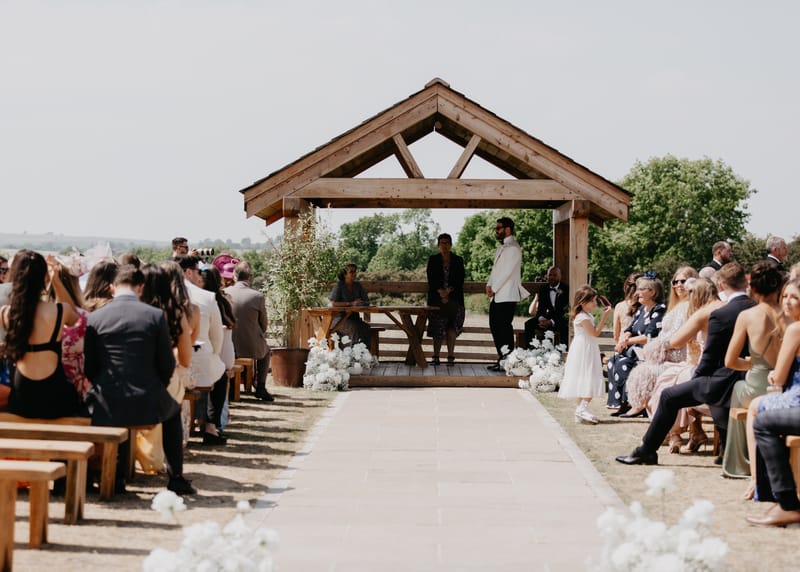
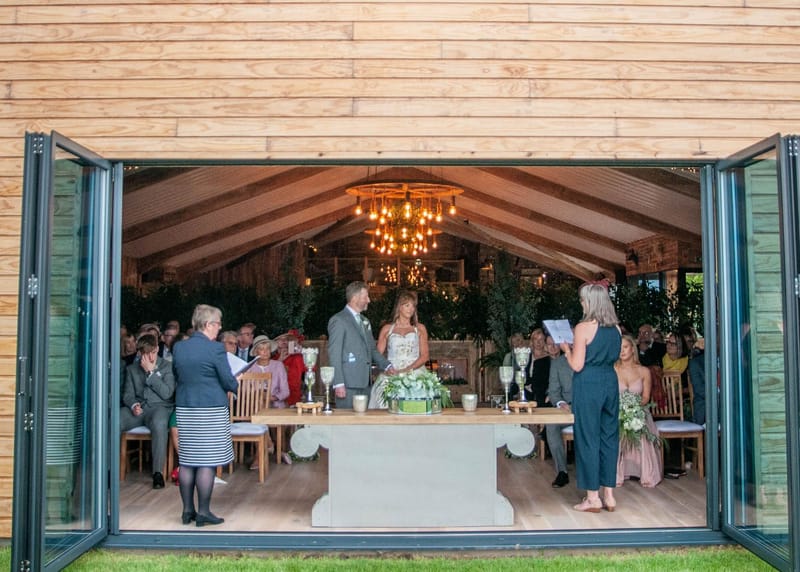
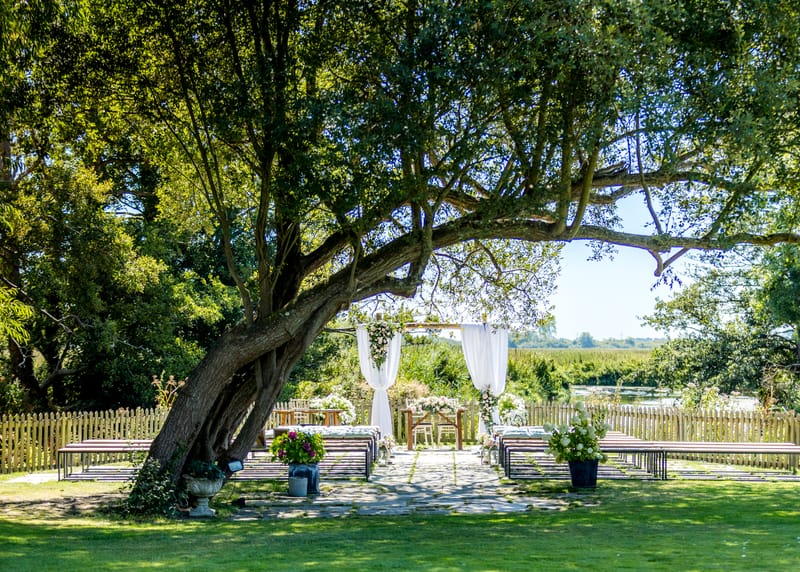
  • Ceremony setting: barns typically offer easier access to outdoor ceremony spaces, while country houses tend to favour grand indoor rooms
  • Exclusivity: barns are more likely to offer exclusive use of the whole site for the day
  • Guest experience: barns suit a countryside, informal reception style, while country houses often bring a more traditional feel
  • Setting: barns are usually part of a working or former farm, while country houses sit within landscaped estates and gardens

Neither is better than the other, it simply comes down to the feel you want for your day. Couples drawn to wedding barns tend to want something relaxed, individual and a little less formal, while those leaning towards a country house wedding venue are usually after a grander, more traditional backdrop. If you're still deciding, browsing both shortlists side by side can help clarify which style fits.

Why Trust Bridebook

Bridebook is the world's #1 wedding planning platform, used by over 2.8 million couples. Our content is informed by real data from the Bridebook UK Wedding Report, which draws on responses from thousands of couples planning their weddings each year. Where expert input is included, contributors are named and their credentials verified. We update our articles regularly to ensure prices, statistics, and advice reflect current market conditions.

Cost & Budget Context for Wedding Barns in the UK

How much does a barn wedding venue cost?

Barn weddings sit in the middle of the UK's venue pricing spectrum, more affordable than a stately home or castle, but with venue hire that varies significantly depending on the barn's size, location and level of conversion.

As a general guide, barn venue hire tends to fall into a few rough bands depending on the type and level of conversion:

  • Agricultural barn (basic): £1,500 to £6,000
  • Converted barn: £4,000 to £15,000
  • Premium stone barn: £8,000 to £25,000

These ranges are indicative only and vary by region, season and what's included in the hire.

For a more precise picture, based on data for barn venues:

  • Average combined venue and catering spend. £12,104
  • Average cost per head. £199.78
  • Average venue hire cost. £6,343
  • Average total wedding cost. £23,994

For context on how barn weddings compare with the UK-wide average wedding cost, it's worth factoring in guest numbers and catering style alongside venue hire, since these have the biggest impact on the final bill.

What affects the cost

  • Guest numbers: larger receptions increase both catering and, in some cases, venue hire costs
  • Level of conversion: a fully renovated barn with in-house catering and accommodation typically costs more than a simpler agricultural conversion
  • Location: premium stone barns in sought-after areas tend to command higher rates than barns in less popular regions
  • Exclusive use: booking the whole site, rather than sharing grounds with other events, adds to the overall cost

FAQ's

Are there any restrictions on live music for barn wedding venues?

Barn wedding venues may have restrictions on live music, particularly if the venue is located in a residential area or has noise limitations in place. It's essential to discuss your music requirements with the venue beforehand to ensure that any restrictions or limitations are taken into account. Some venues may have in-house sound systems or recommended suppliers for live music or DJ services, so it's best to check with the venue for their recommendations.

Can I have use a barn wedding venue if I am on a budget?

Barn wedding venues can vary in price, with some being more affordable than others. However, if you are on a budget, there are still options available to you. You may choose to have a smaller wedding, select a weekday or off-peak date, or work with the venue to create a customized package that fits your budget. Some barn wedding venues may also offer all-inclusive packages or DIY options, allowing you to save money on catering, decoration, or entertainment.

Do barn wedding venues always come with access to outdoor space?

Not all barn wedding venues come with access to outdoor space, as it depends on the individual venue's facilities and location. However, many barn wedding venues have beautiful outdoor areas, such as gardens, courtyards, or fields, that can be used for ceremonies or receptions. It's essential to check with the venue to ensure that they can accommodate your desired outdoor space needs and that the space is suitable for your wedding day.

Do barn wedding venues have disabled access?

Most barn wedding venues will have some level of disabled access, such as ramps, lifts, or wheelchair-friendly entrances. However, it's essential to check with the venue to ensure that they can accommodate any specific accessibility needs for your guests, such as disabled parking, accessible bathrooms, or hearing loops. Some venues may also have designated seating areas or special arrangements for disabled guests, so it's best to discuss your requirements with the venue beforehand.

What packages are barn wedding venues likely to have to choose from?

Barn wedding venues typically offer a range of packages to choose from, depending on your requirements and budget. Some common packages include all-inclusive packages, which include catering, decoration, and entertainment, while others may offer more basic options, allowing you to customize your wedding day to suit your preferences. Some venues may also have additional services available, such as accommodation, transportation, or photography, which can be added to your package as required.

What time do weddings at a barn wedding venue typically end?

The end time for weddings at a barn wedding venue can vary, depending on the individual venue's policies and any local noise restrictions in place. Some venues may have a set end time for events, while others may be more flexible. It's essential to discuss your desired end time with the venue beforehand, particularly if you plan on having live music or entertainment late into the evening. It's also worth considering the needs of your guests, particularly if they need to travel a significant distance or have other commitments the next day.

What is a wedding barn?

A wedding barn is a former agricultural or storage building, ranging from historic stone or timber structures to modern barn-style venues, that has been converted or adapted to host wedding ceremonies and receptions. Most barn venues combine rustic architectural features such as exposed beams and stonework with modern wedding facilities, and many offer exclusive use for the whole day.

Are barn weddings cheaper than country house weddings?

Barn venue hire tends to be a little lower than country house hire on average, though cost per head can run slightly higher depending on catering style. Looking at total wedding spend, barns work out marginally less expensive overall, but the gap is fairly small and depends heavily on guest numbers and catering choice.

What is the difference between a tithe barn and a converted barn?

A tithe barn is a specific historic type of barn, originally built to store a portion of a parish's agricultural produce owed as tithes, often dating back several centuries and sometimes linked to monastic estates. A converted barn is a broader term covering any barn, agricultural, timber-frame or otherwise, that has been adapted for wedding use. All tithe barns are converted barns in that sense, but not all converted barns are tithe barns.

Are barn venues exclusively used for weddings?

Not always. Some barn venues are purpose-built or converted specifically for weddings and events, while others remain working farms or multi-use spaces that host weddings alongside other bookings. Many barns do offer exclusive use for the day, meaning no other event will be taking place on site, so it's worth checking this with each venue individually.

What are the best barn wedding venues in the UK?

The right barn venue depends on your guest numbers, budget and preferred region, since barn venues are spread right across the UK, from Cotswolds stone barns to Scottish steadings. Rather than a single best option, it's worth browsing barn venues in your preferred area on Bridebook, comparing pricing, capacity and exclusivity, and booking wedding venue viewings to see which one feels right in person.