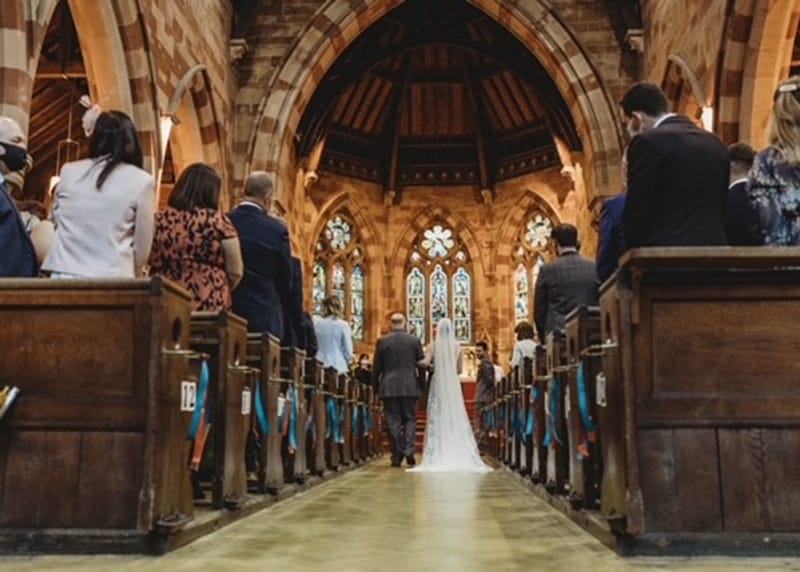
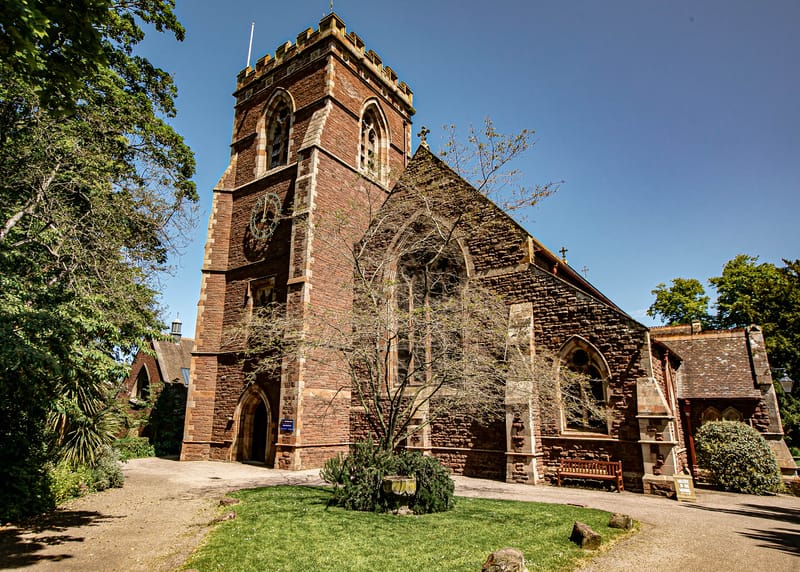
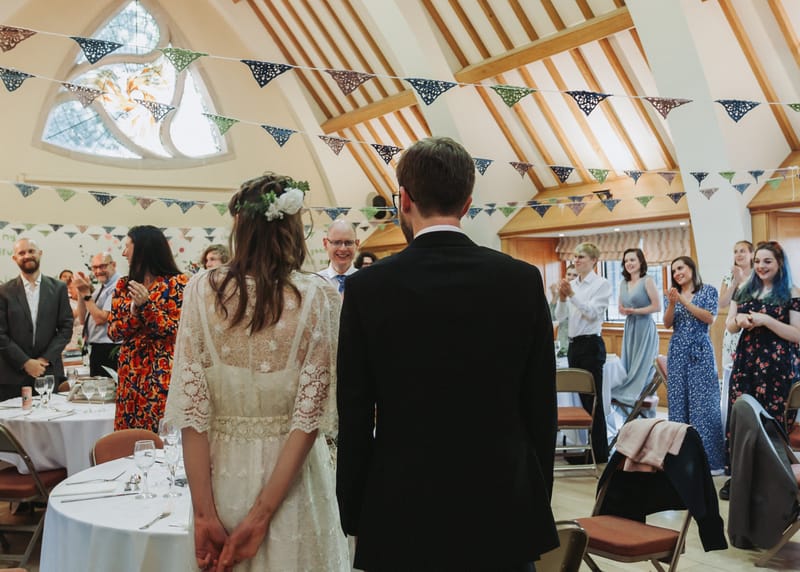
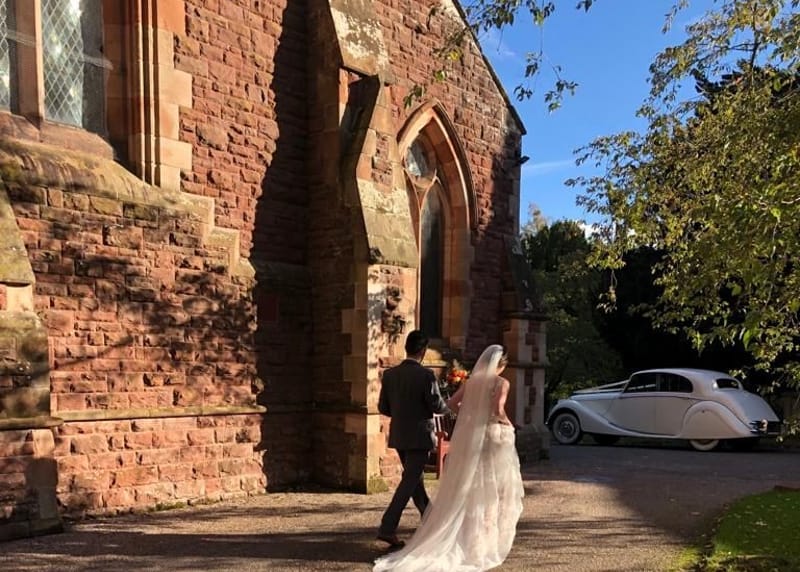
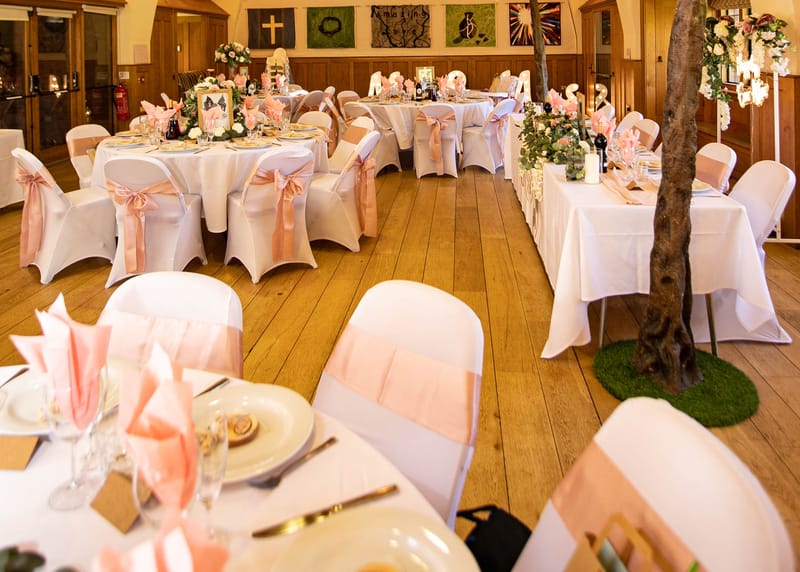
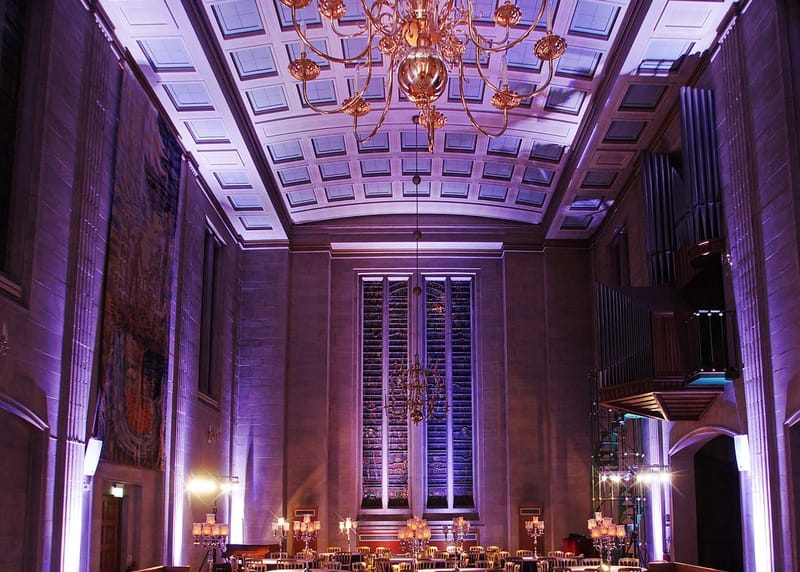
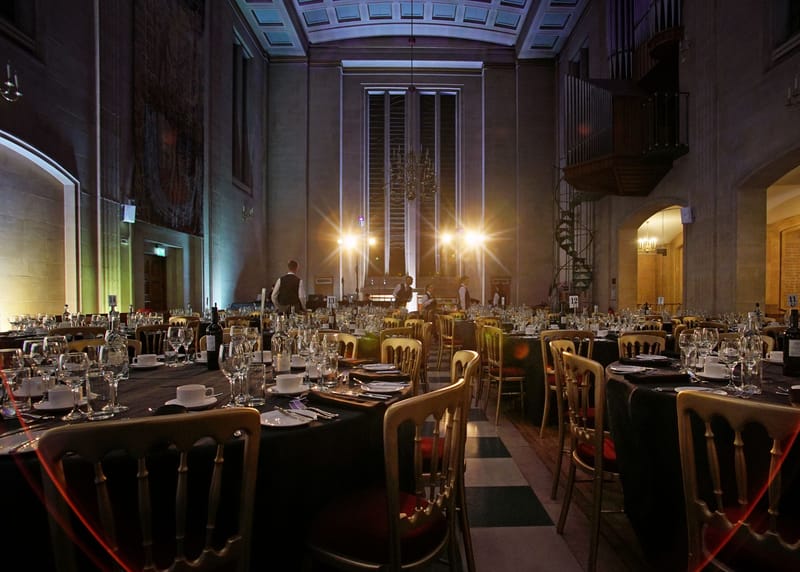
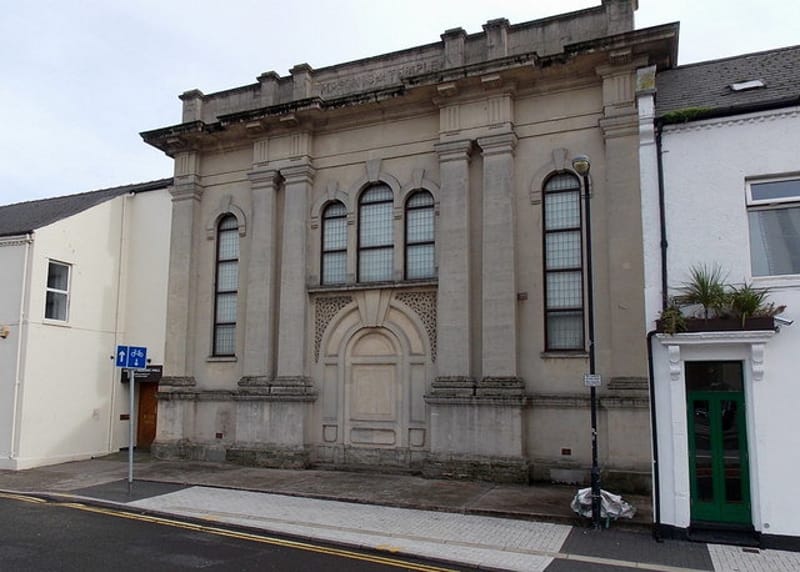
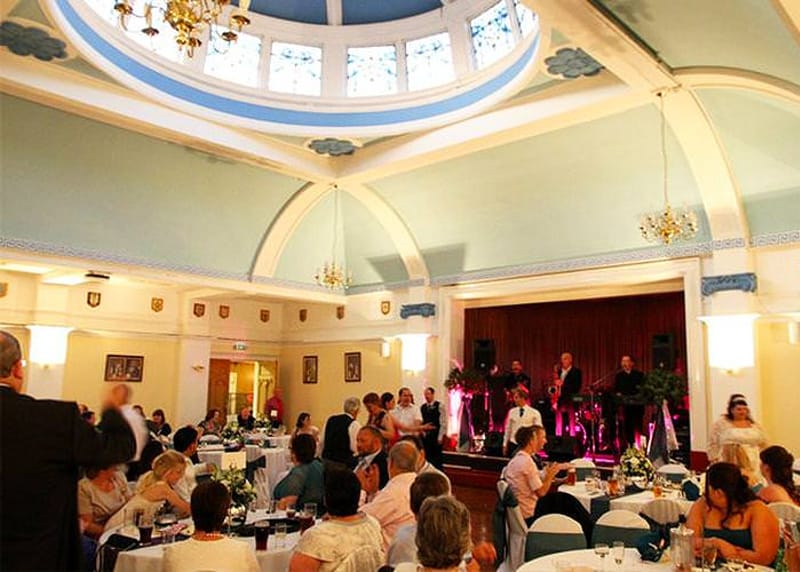
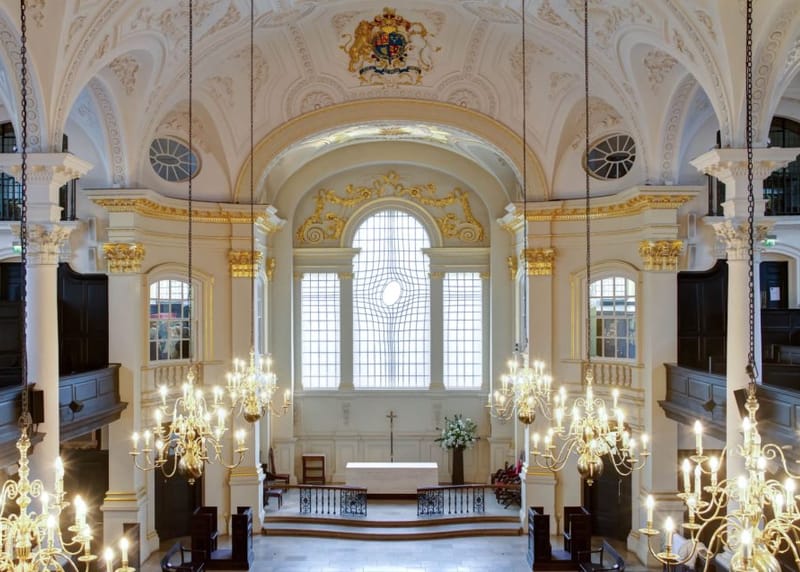
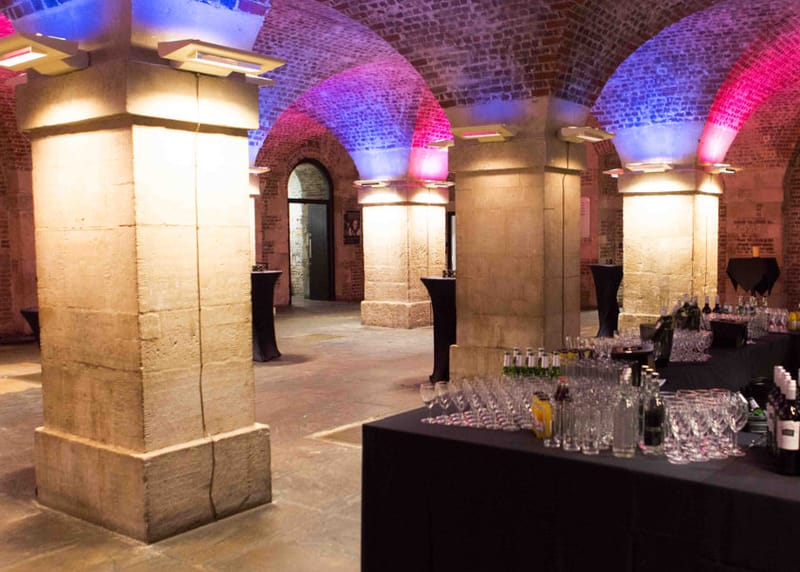
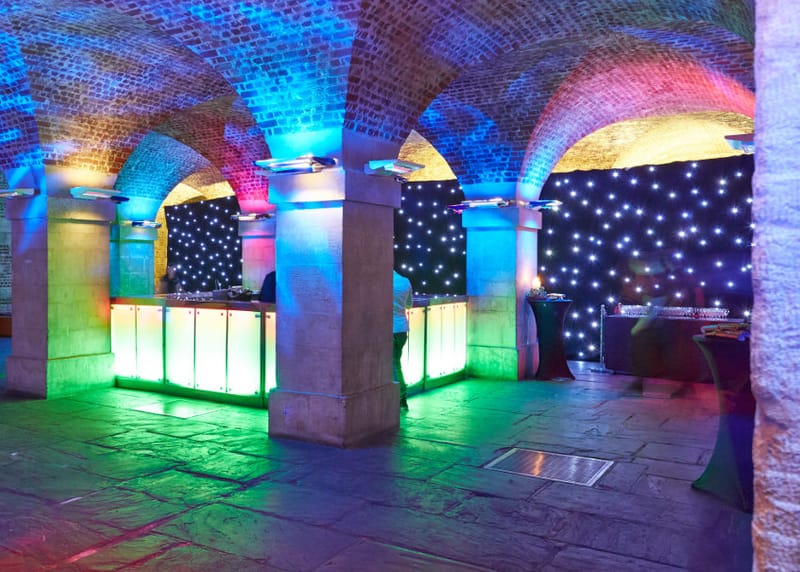
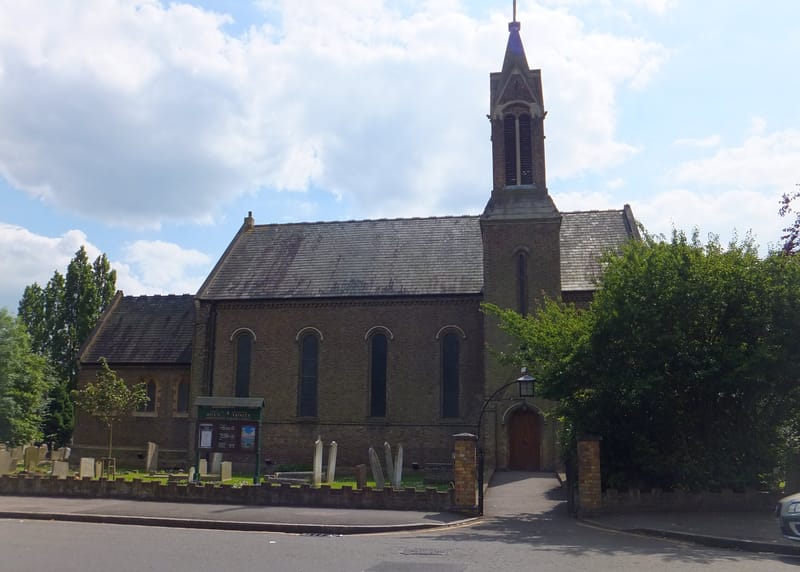
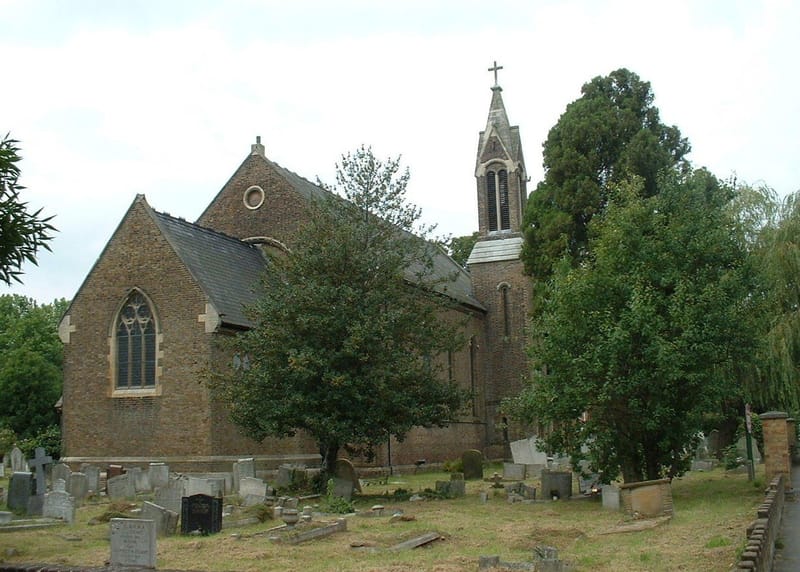
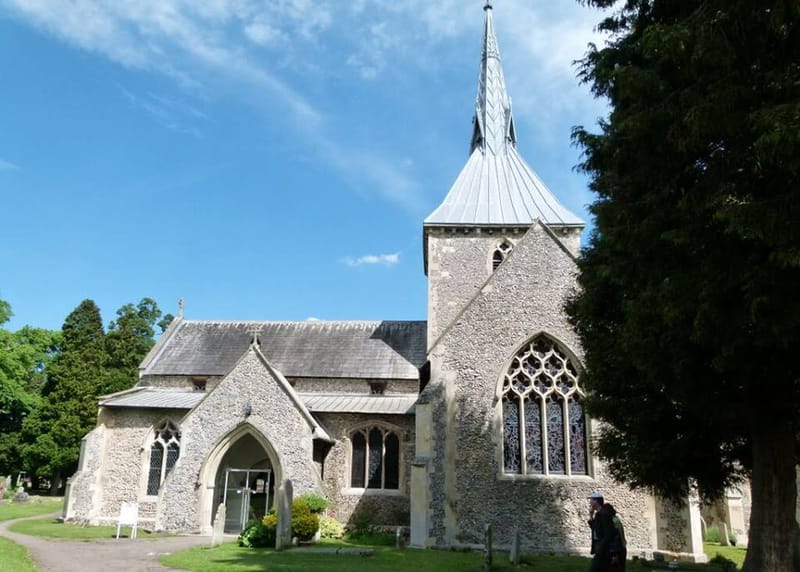
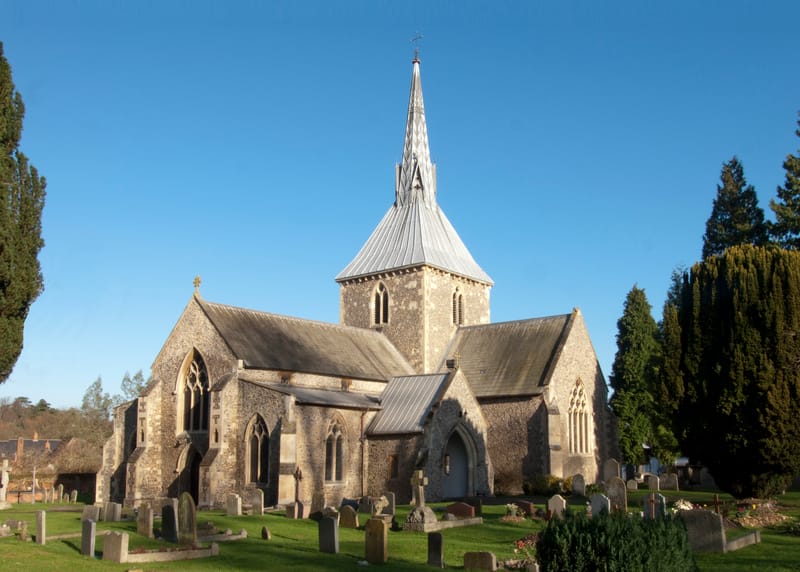
Holy Trinity Church and The Trinity Centre in Meole Brace, Shrewsbury
Shrewsbury, Shropshire
- 100
- Upon request
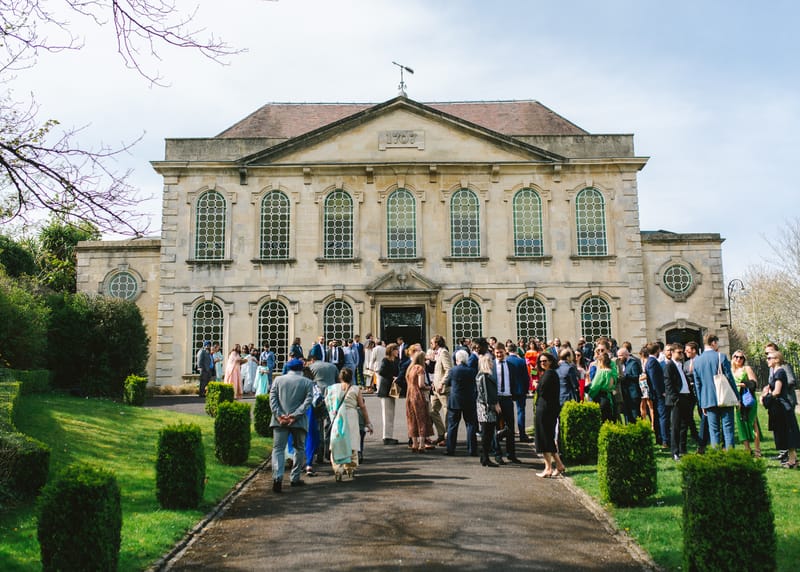
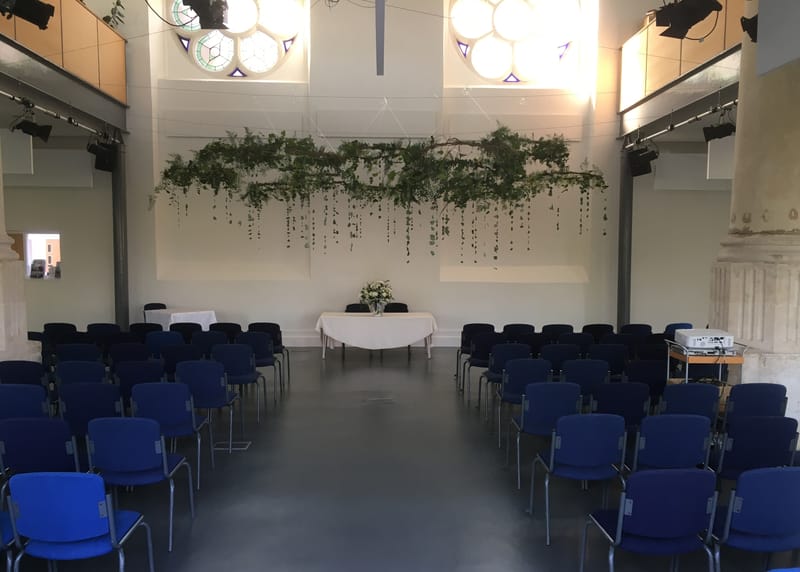

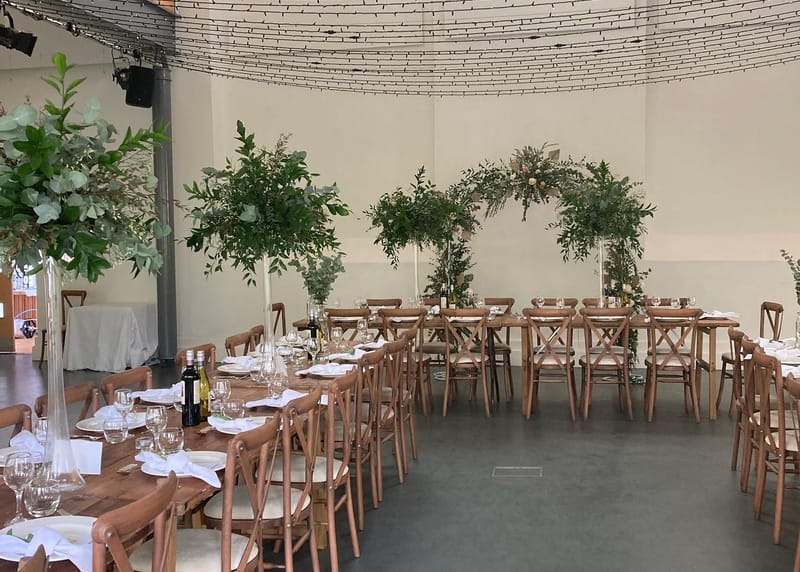
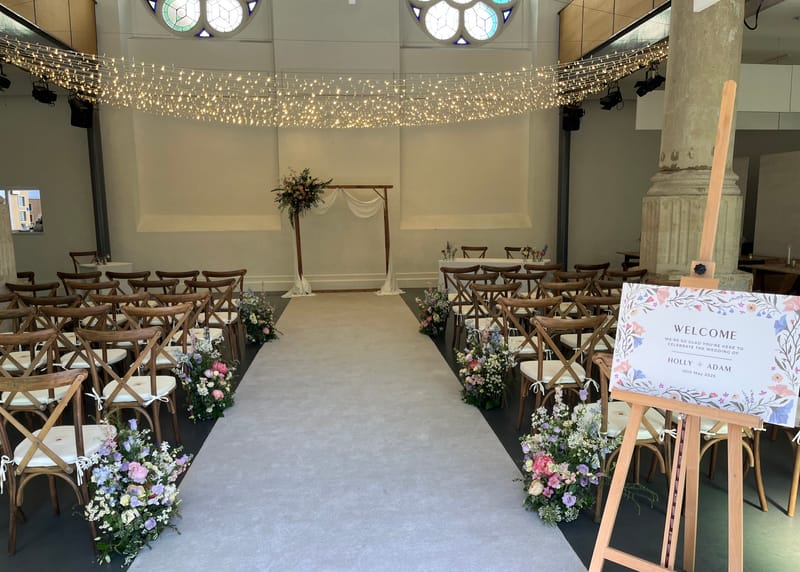
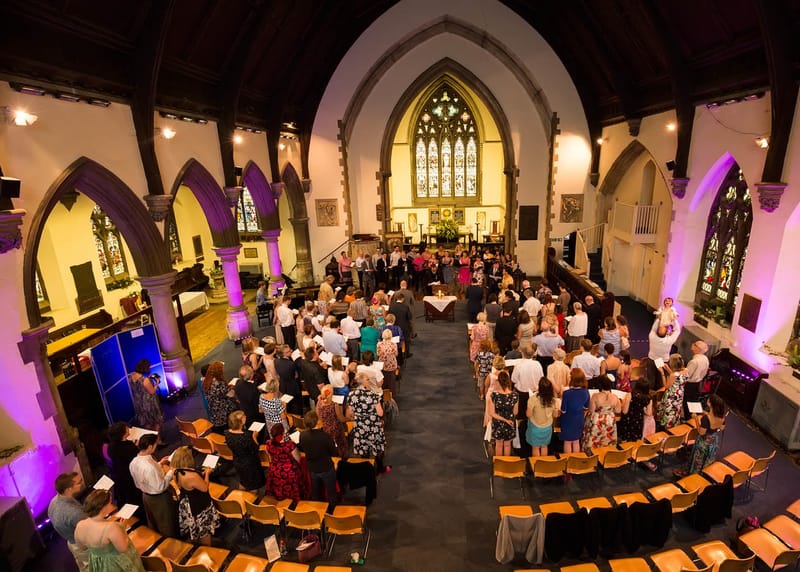
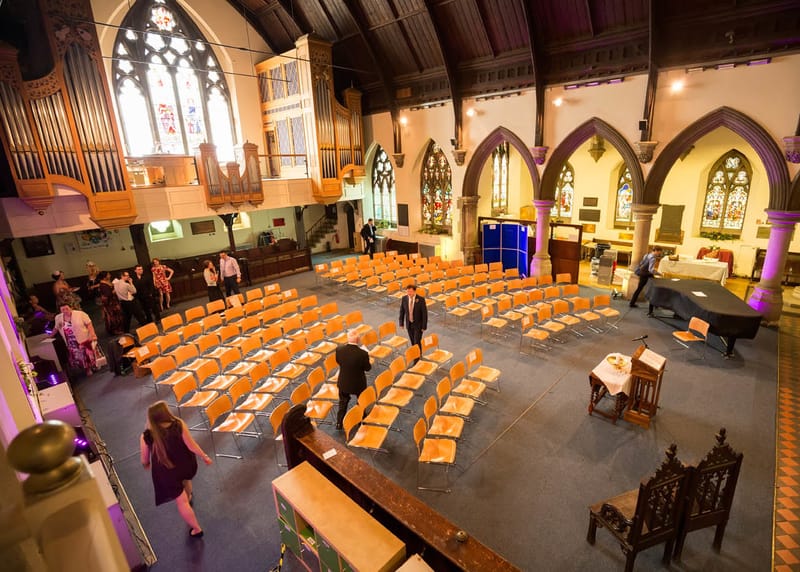
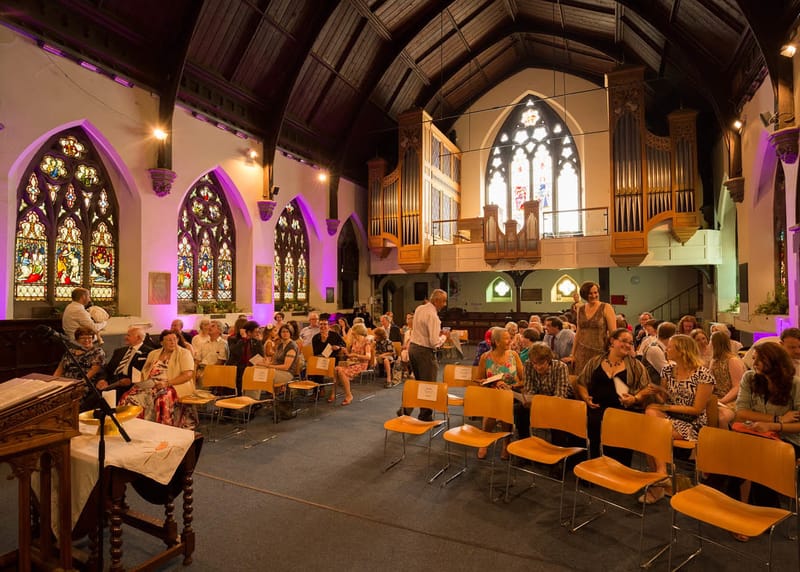
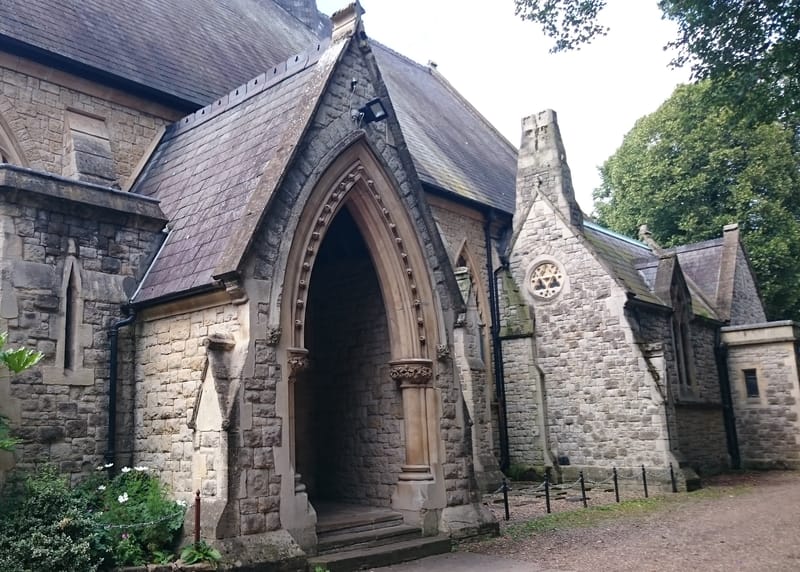
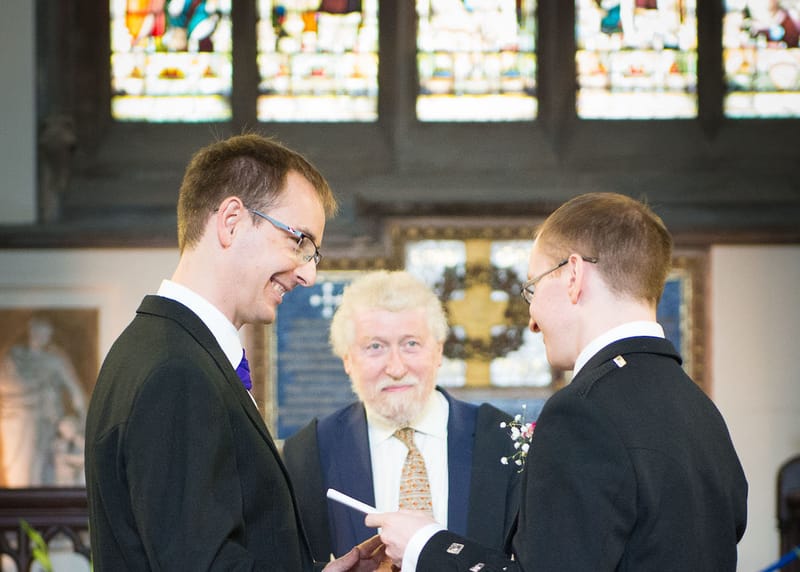
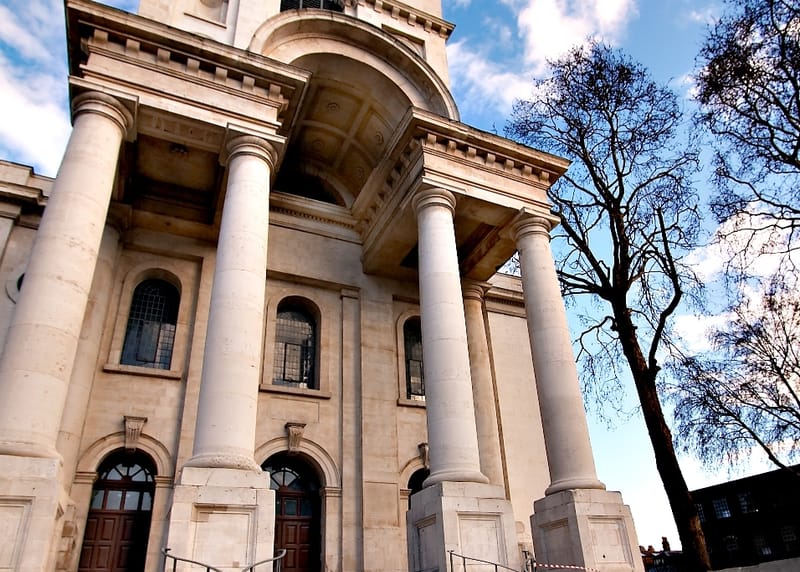
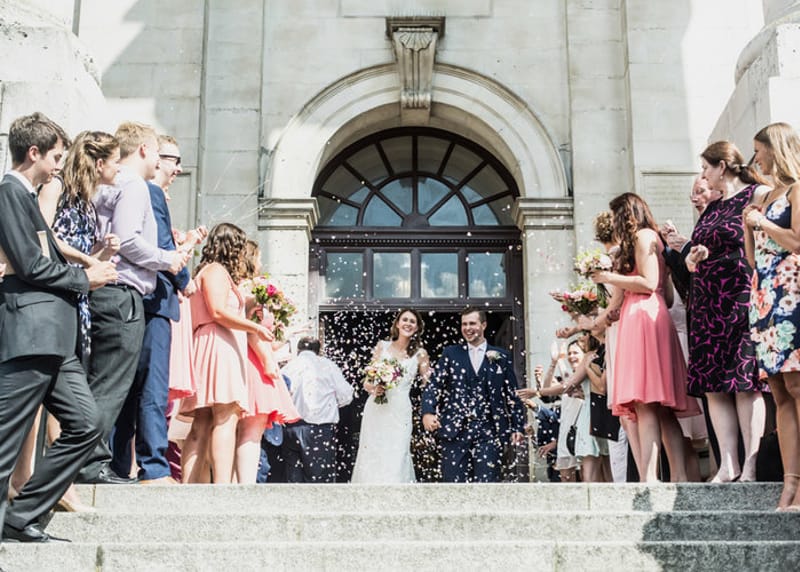
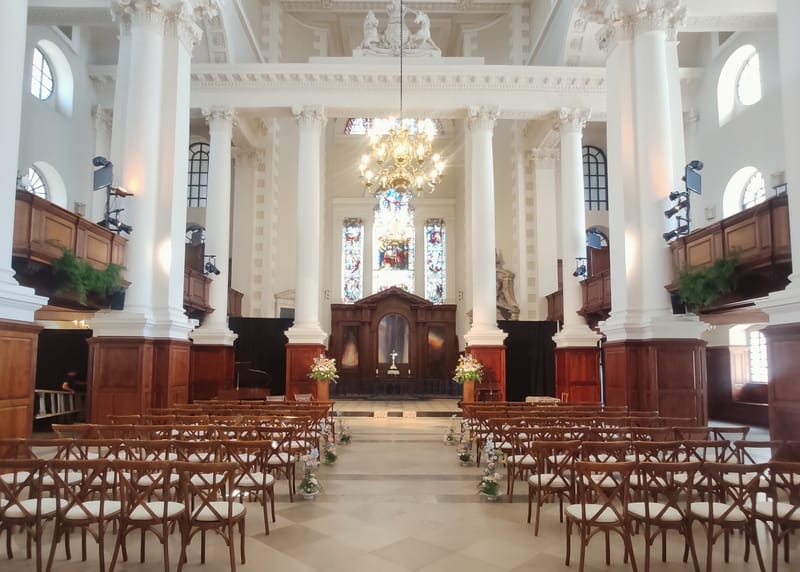
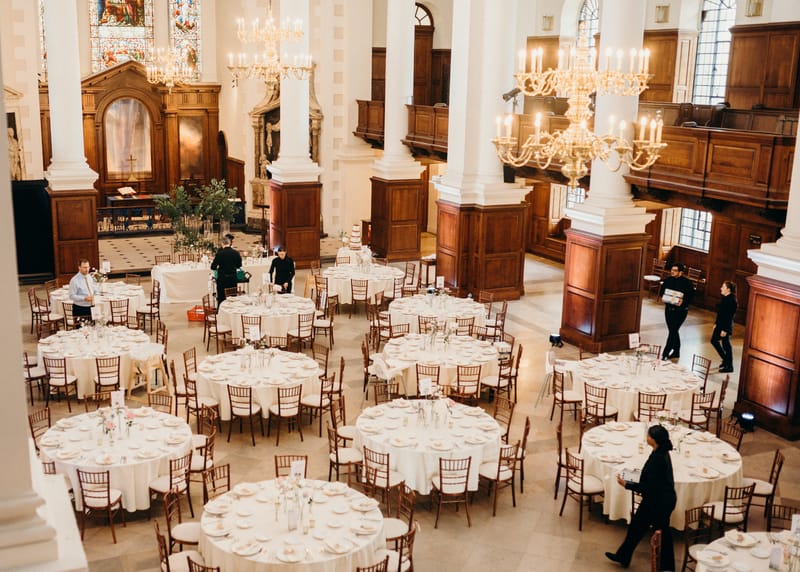
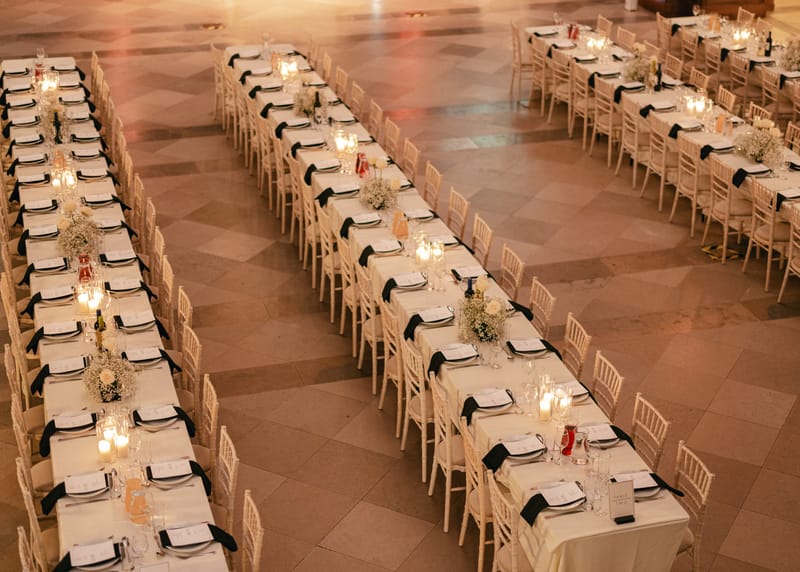
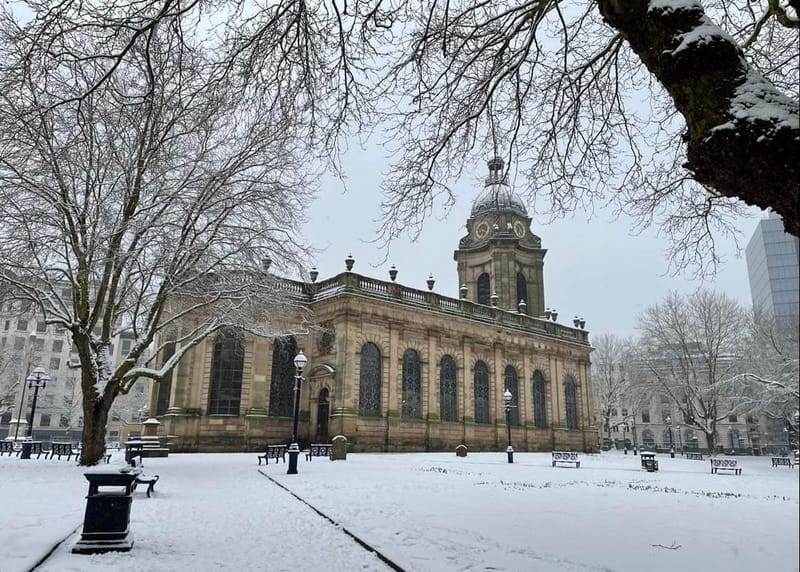
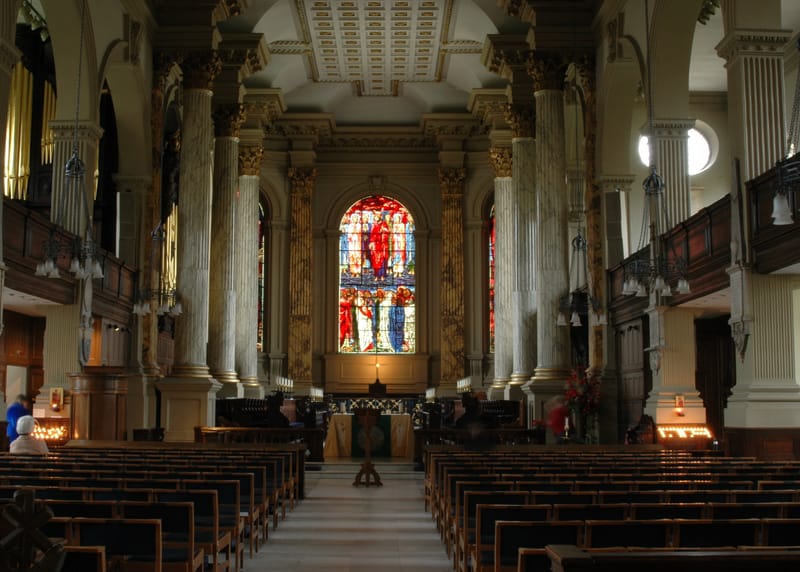
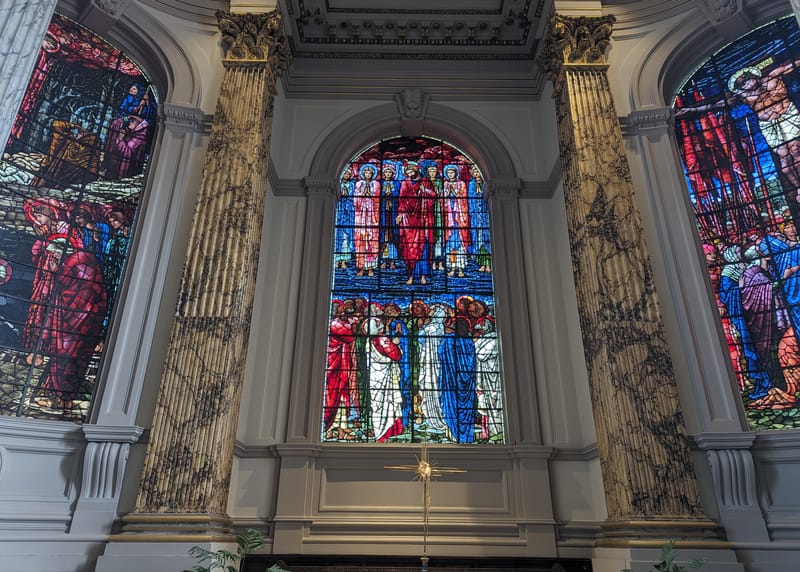
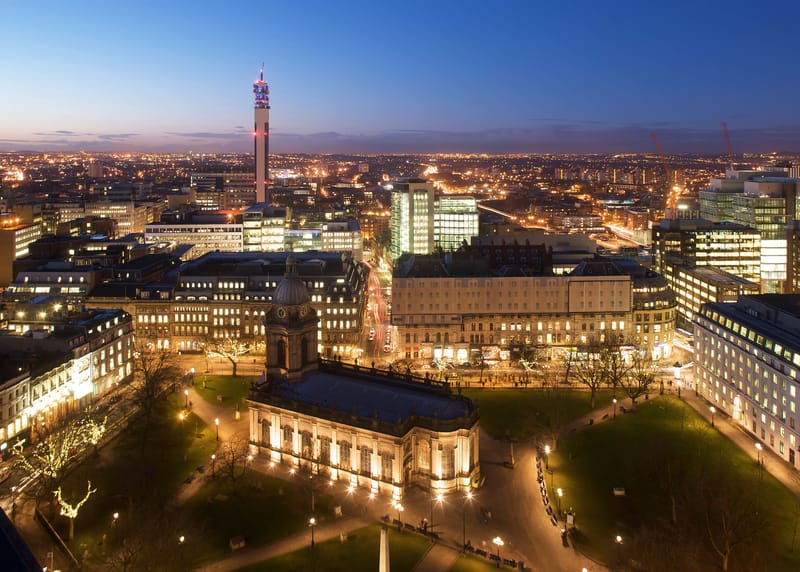
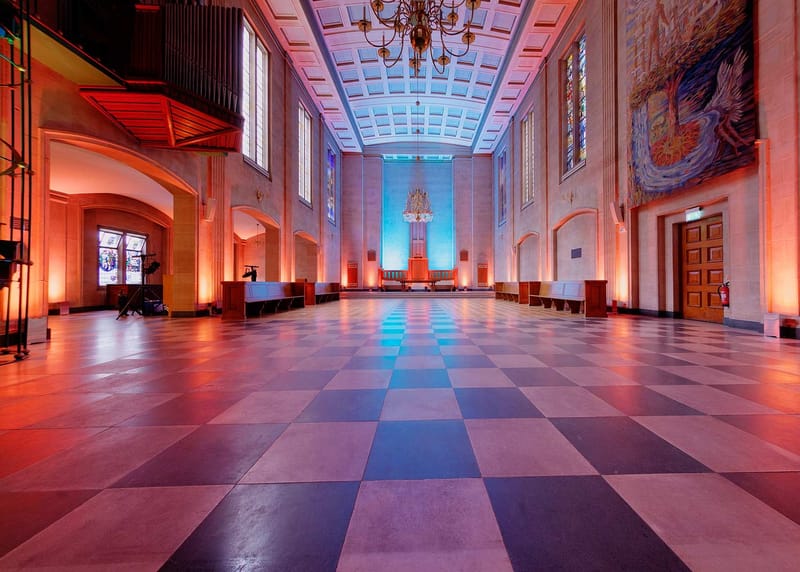
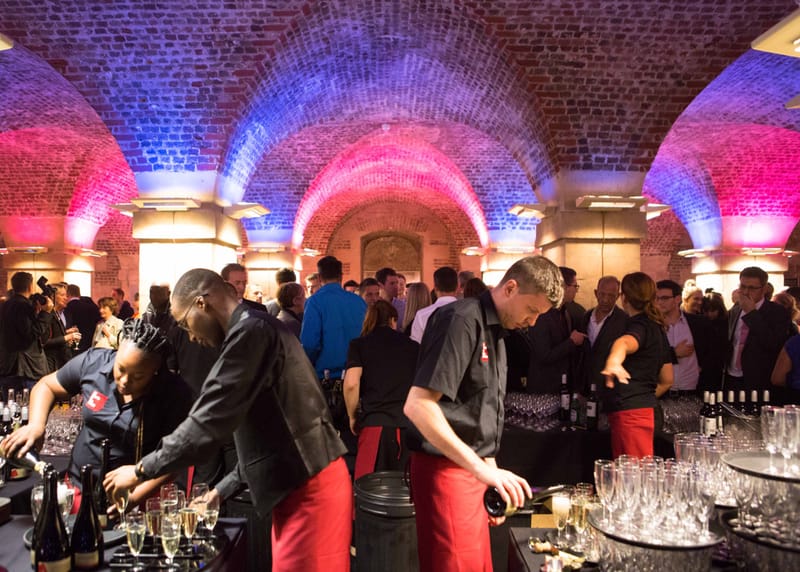
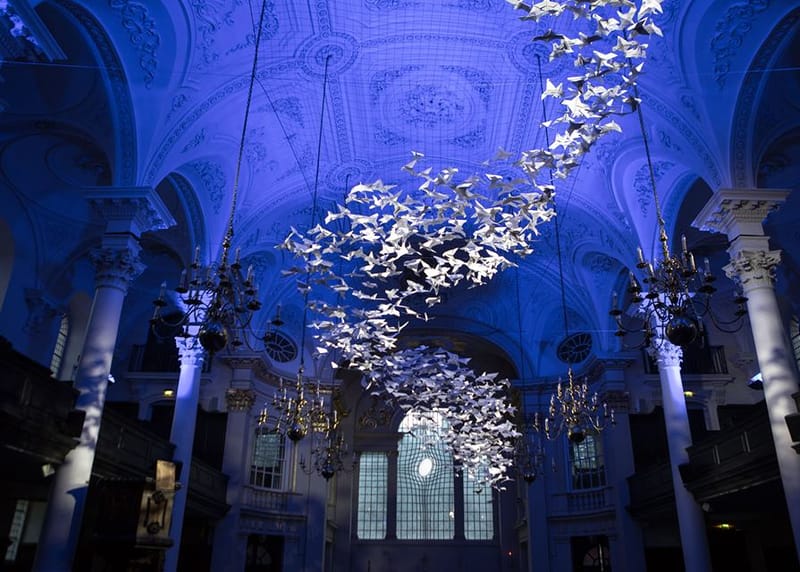
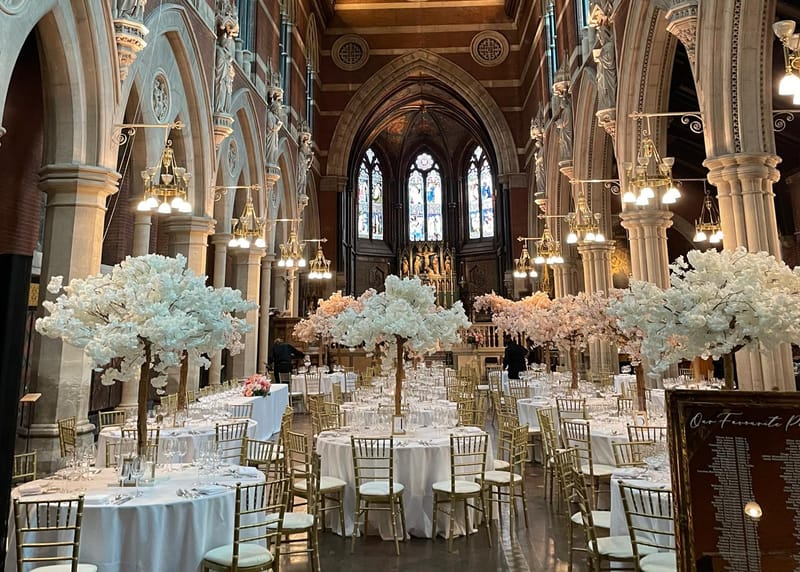
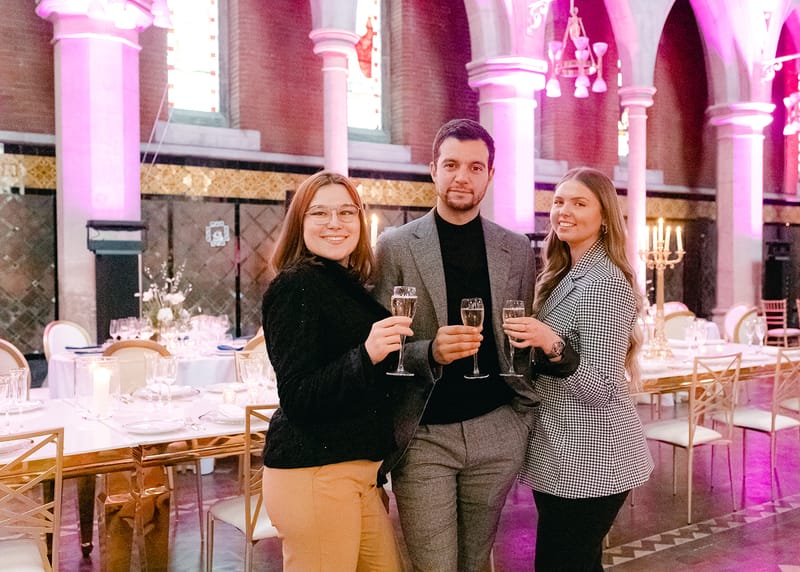
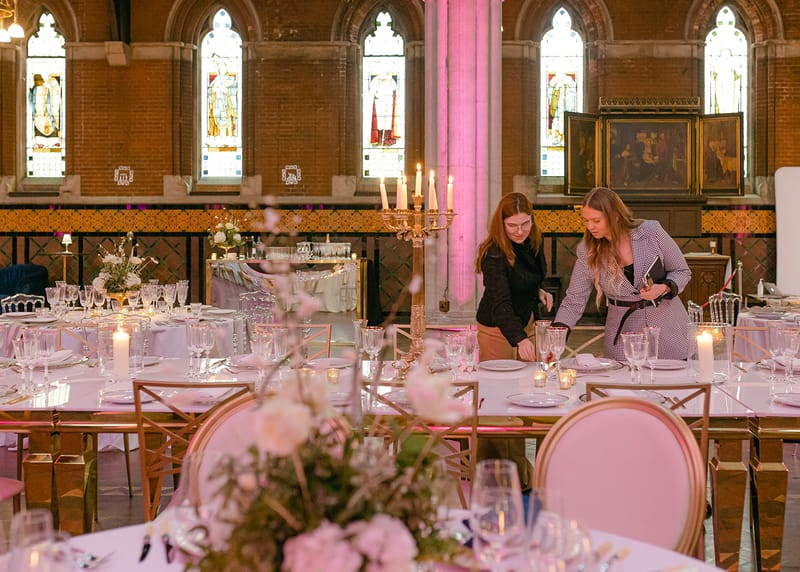
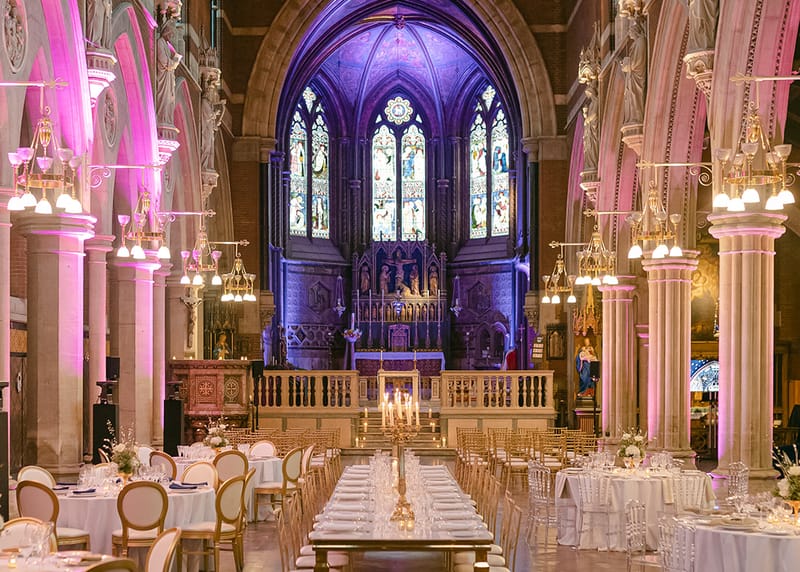
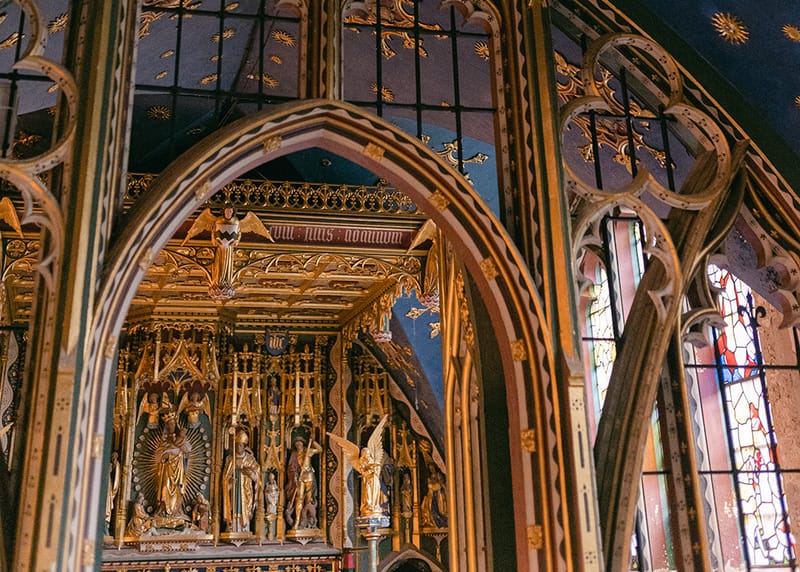
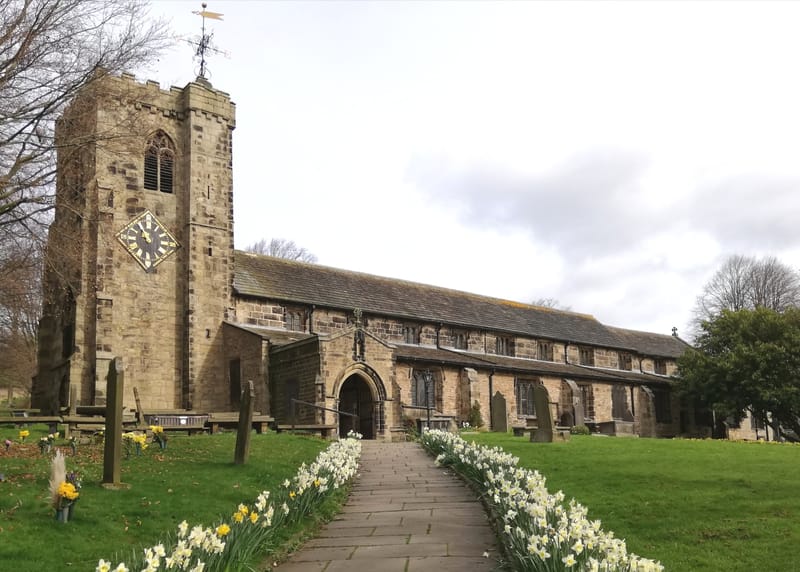
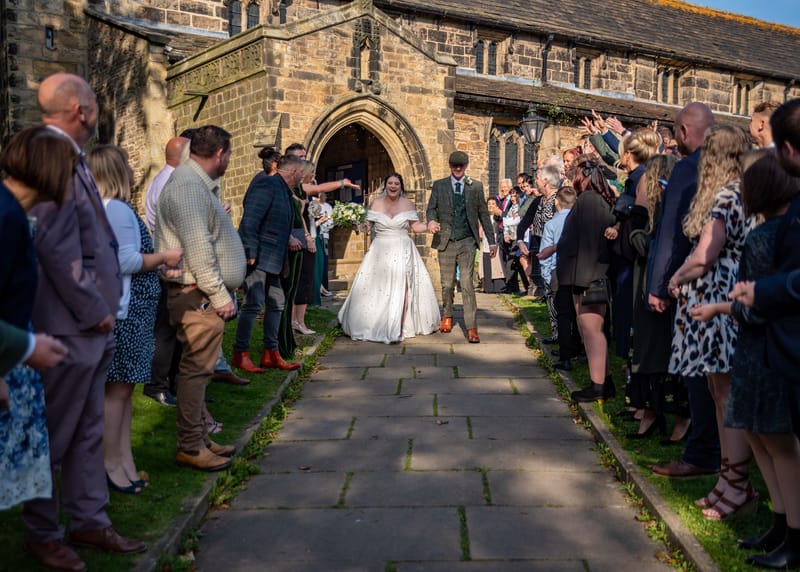
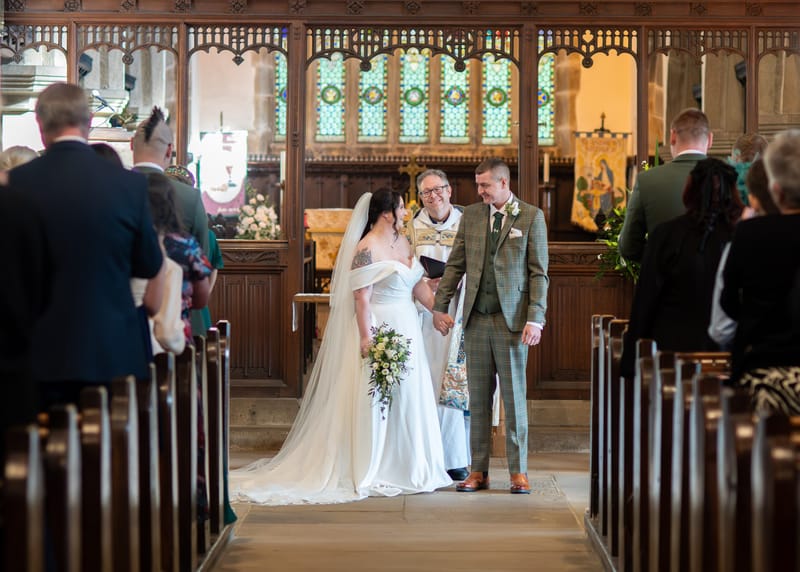
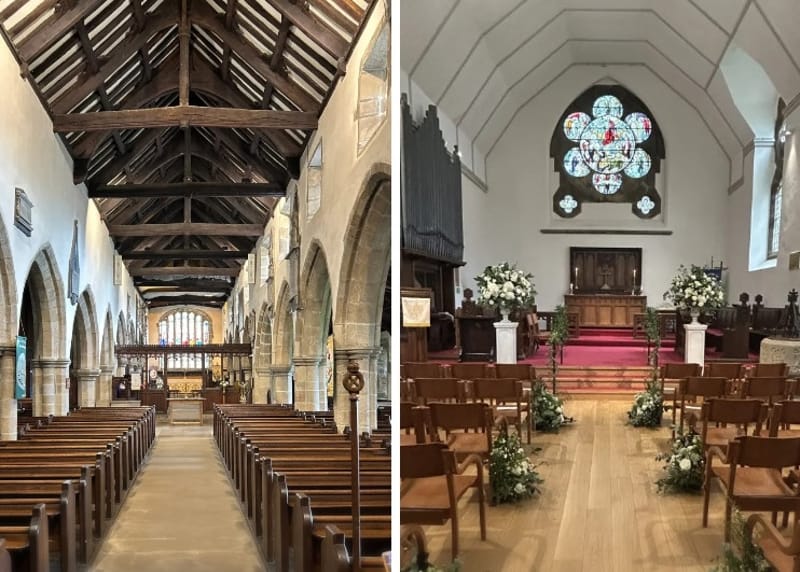
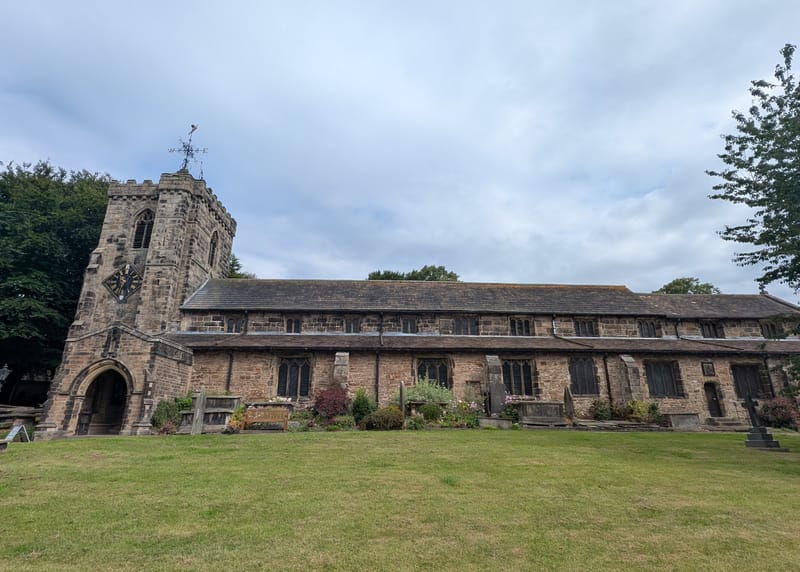
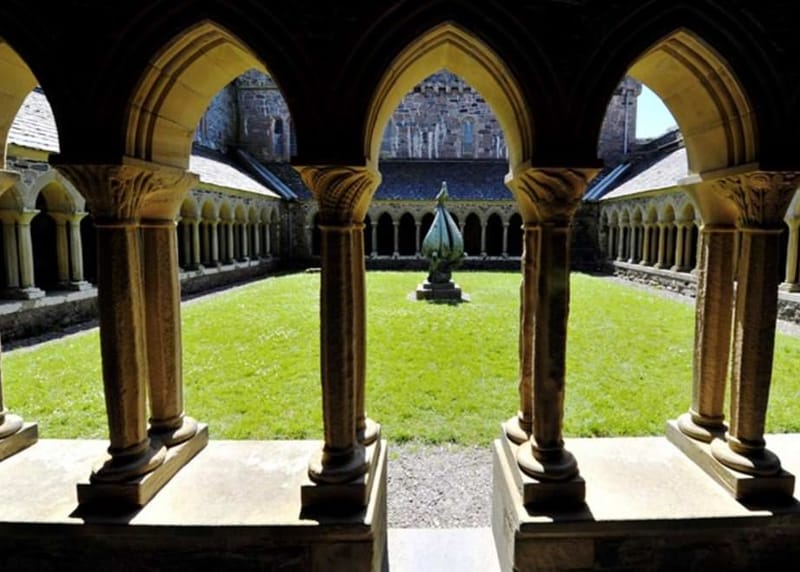
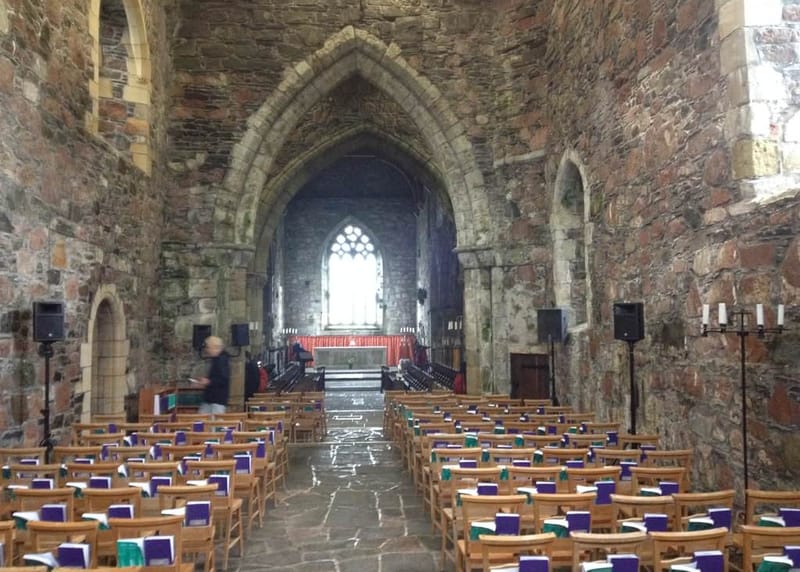
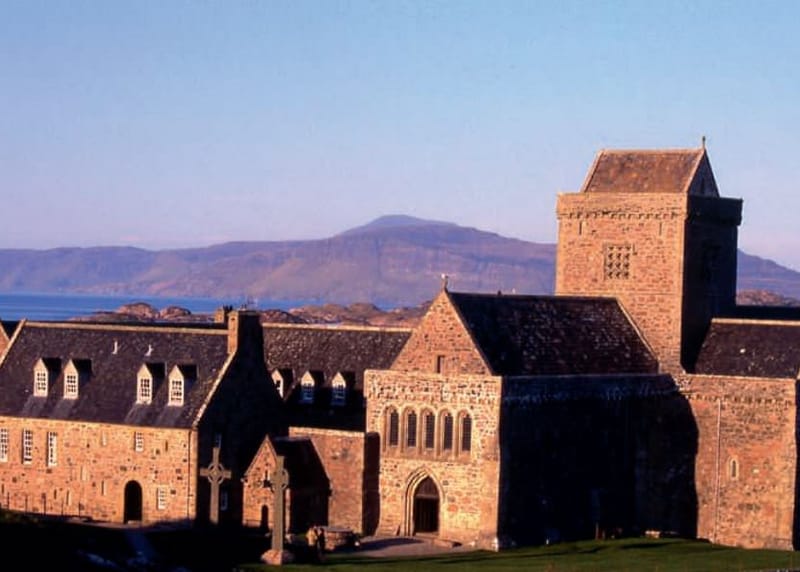
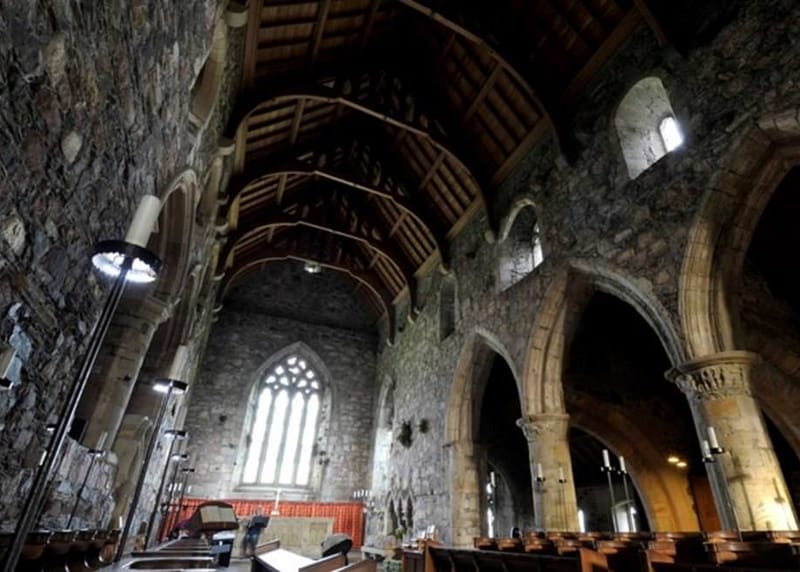
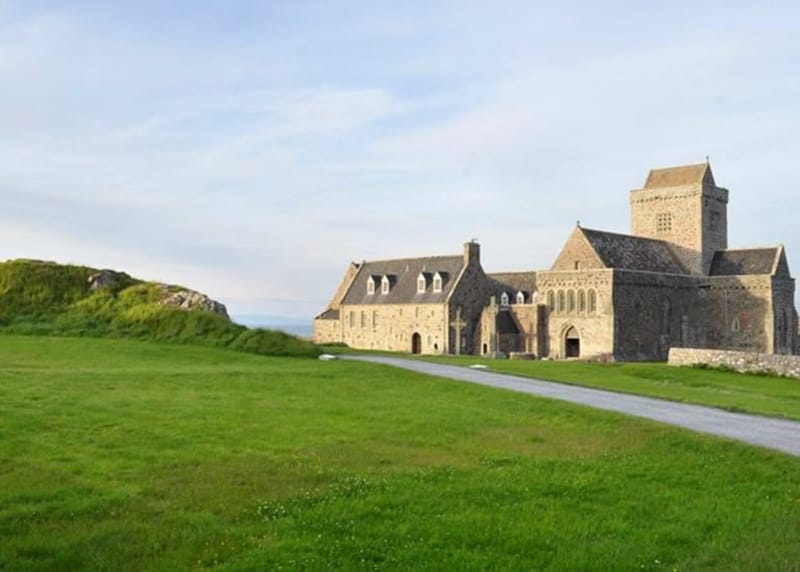
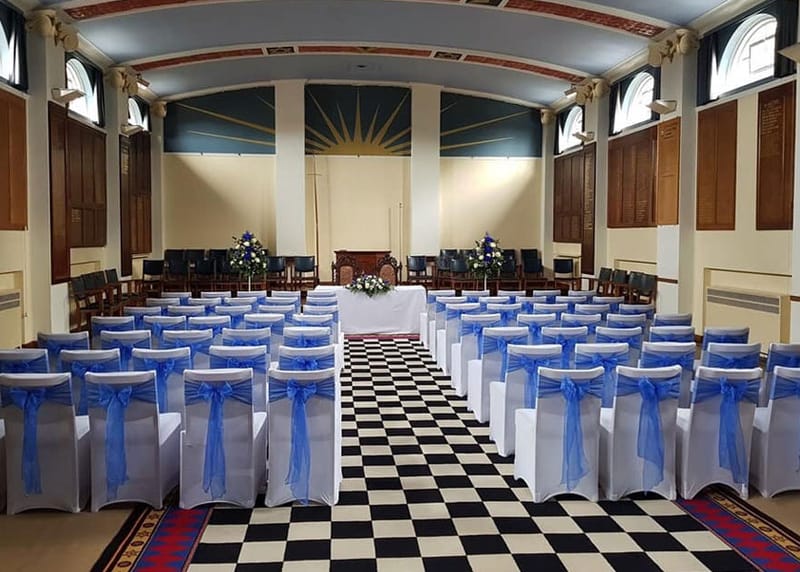
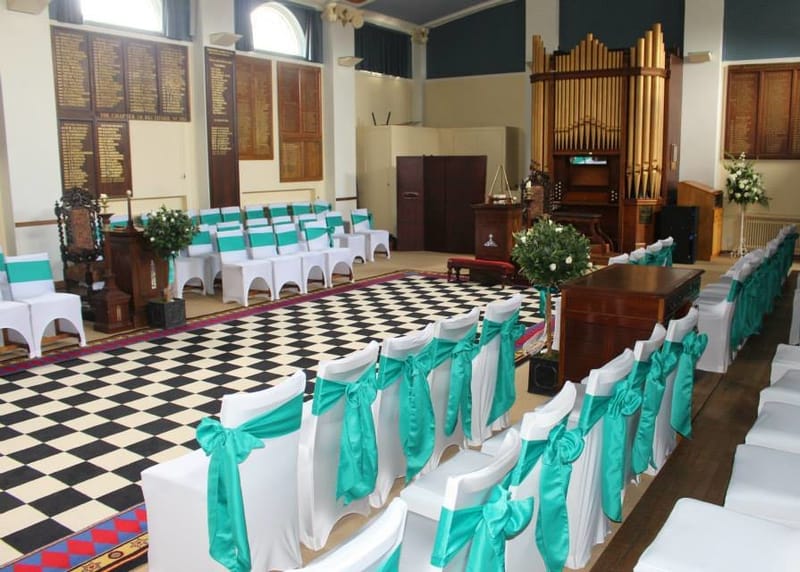
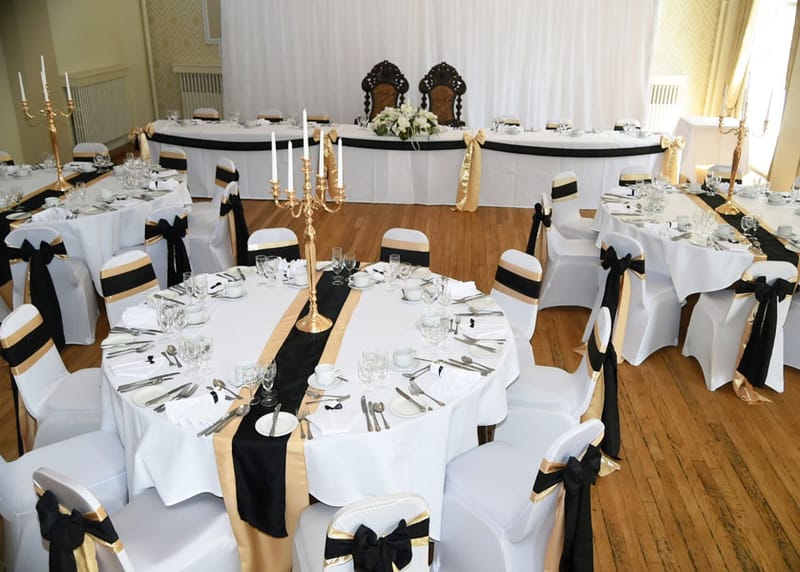
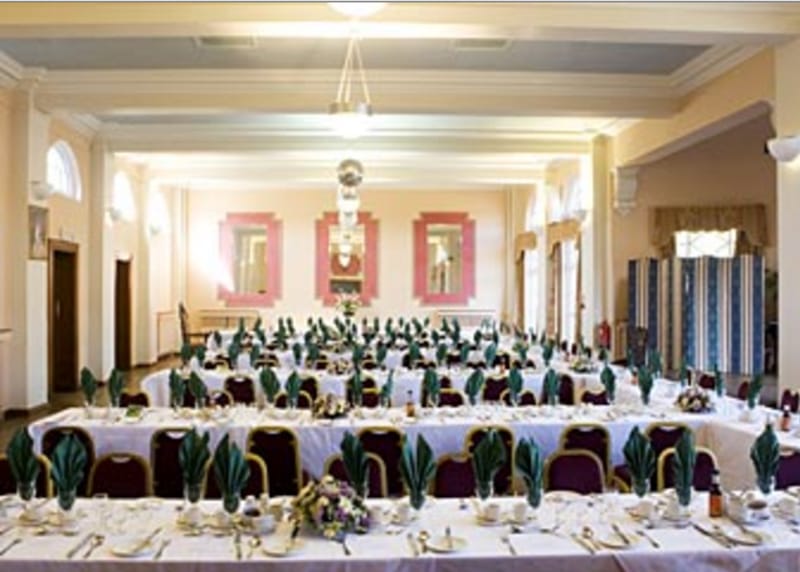
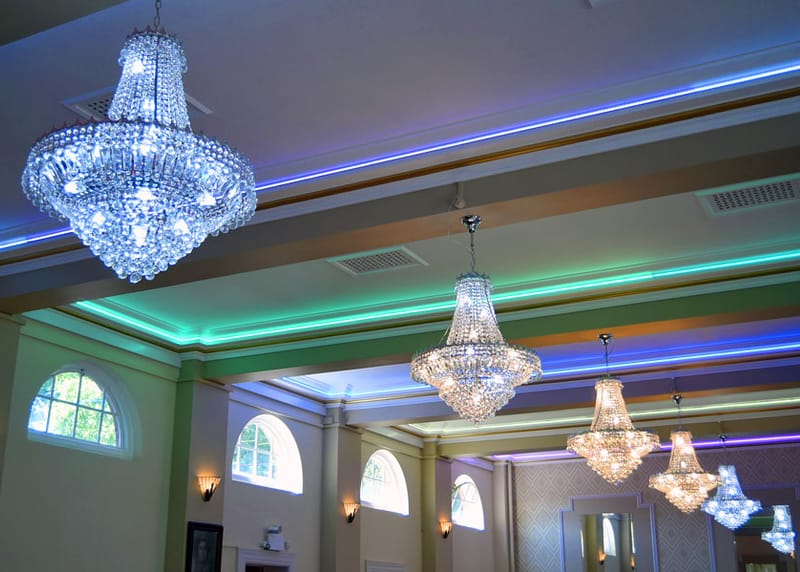
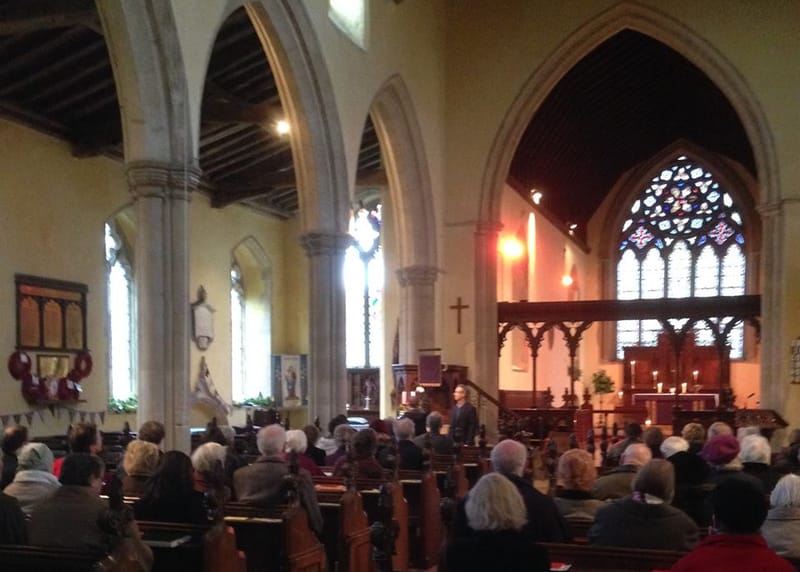
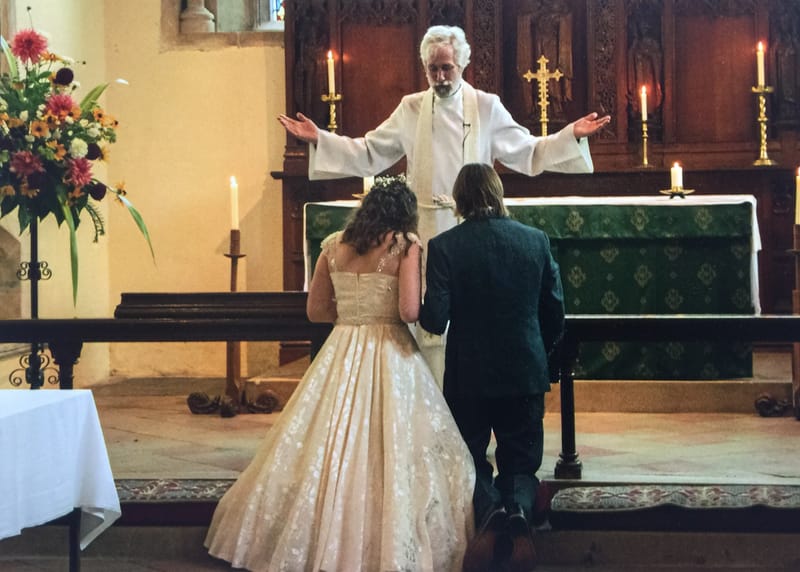
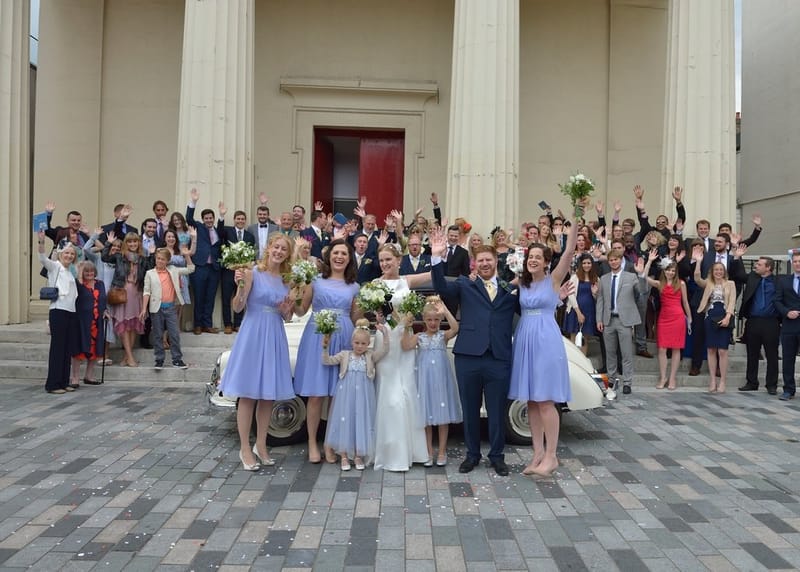
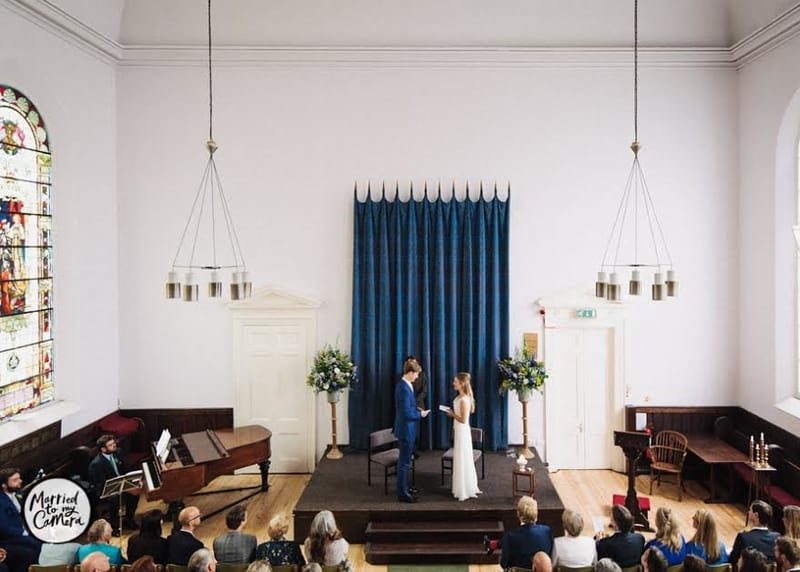
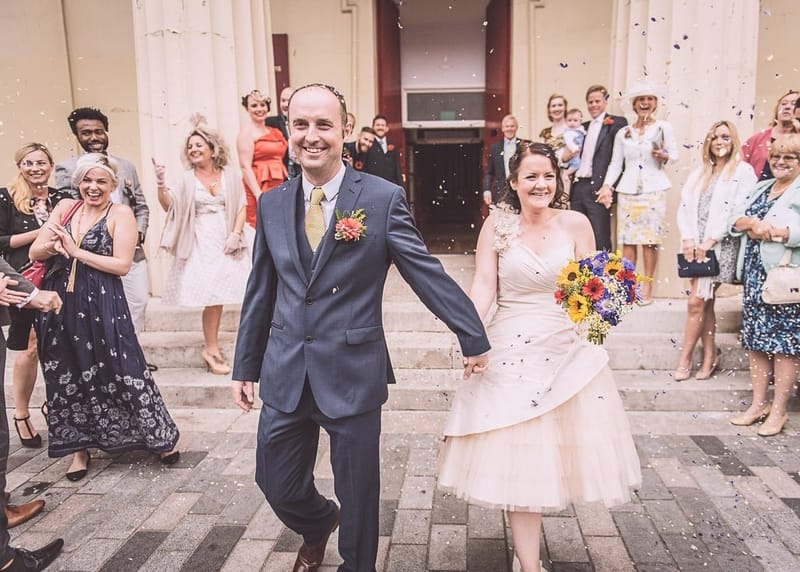
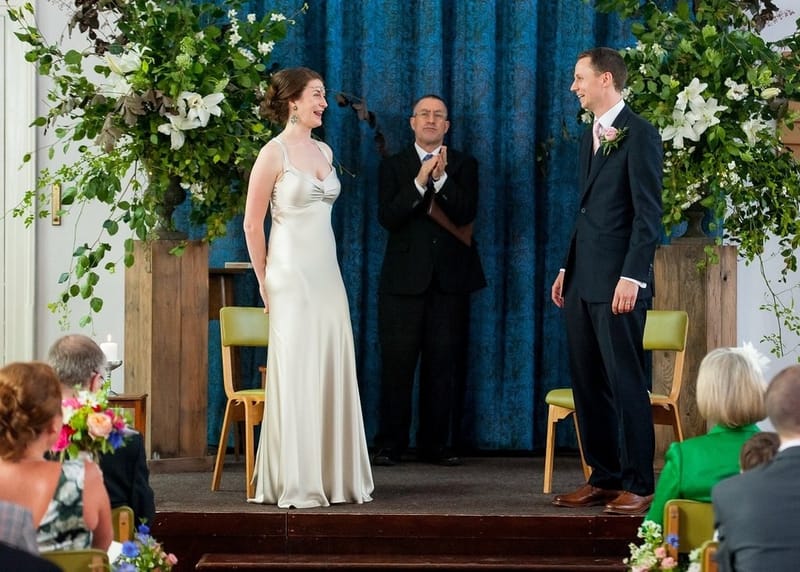
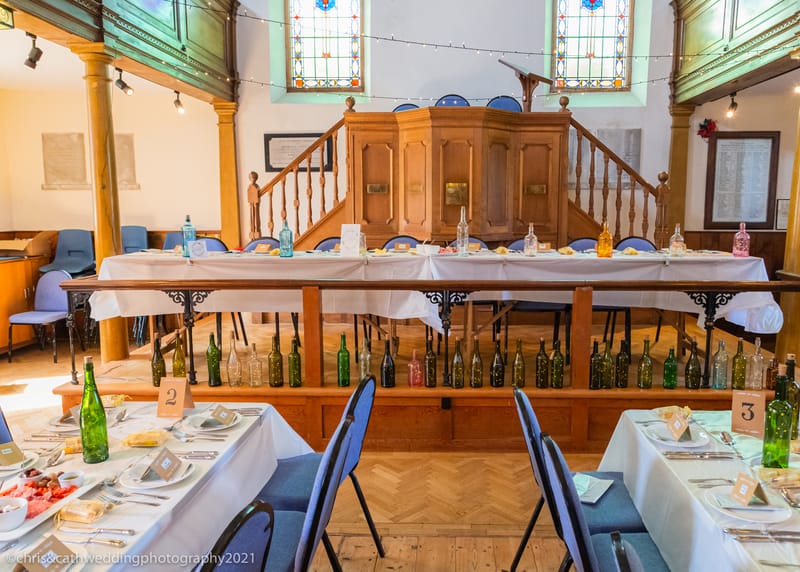
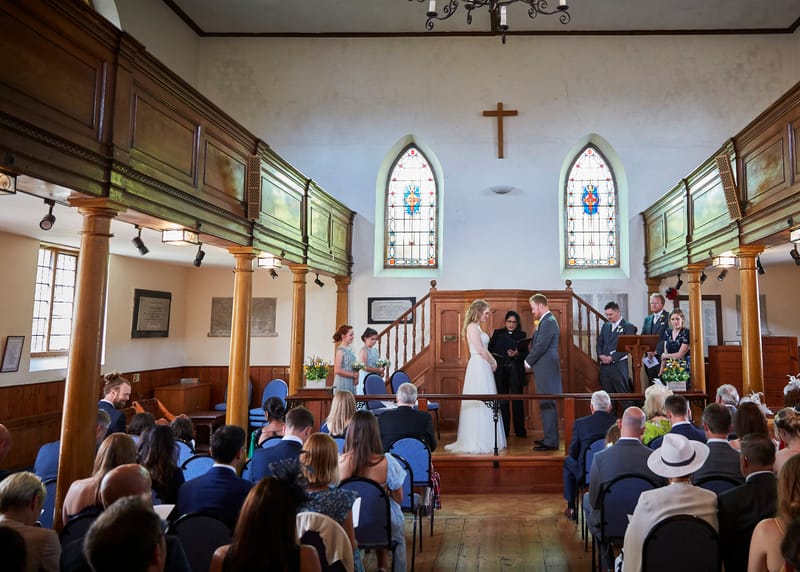
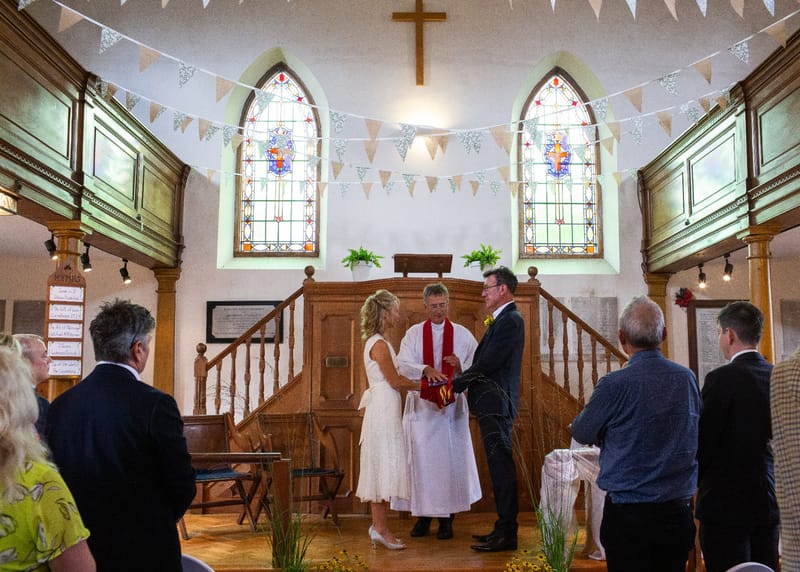
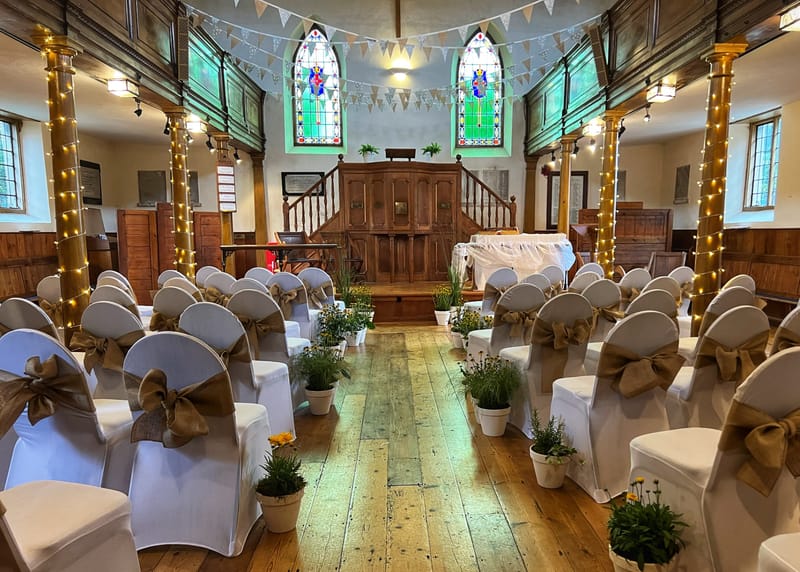
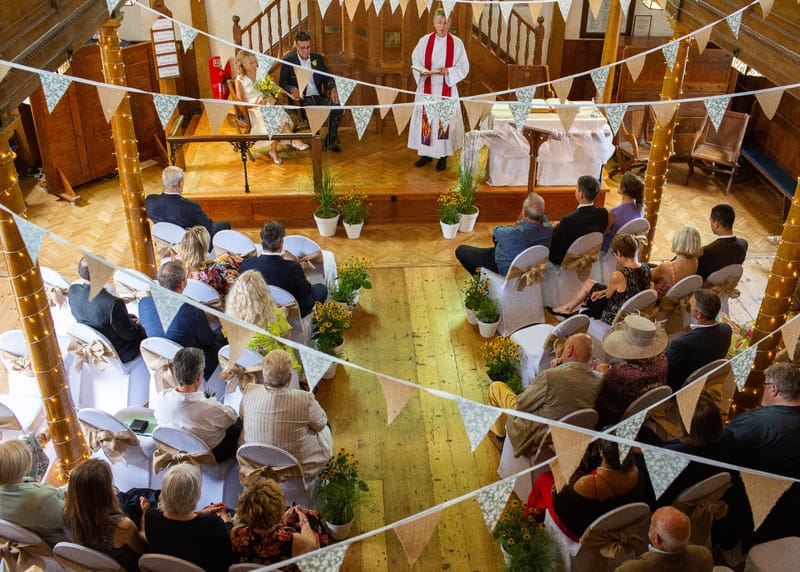
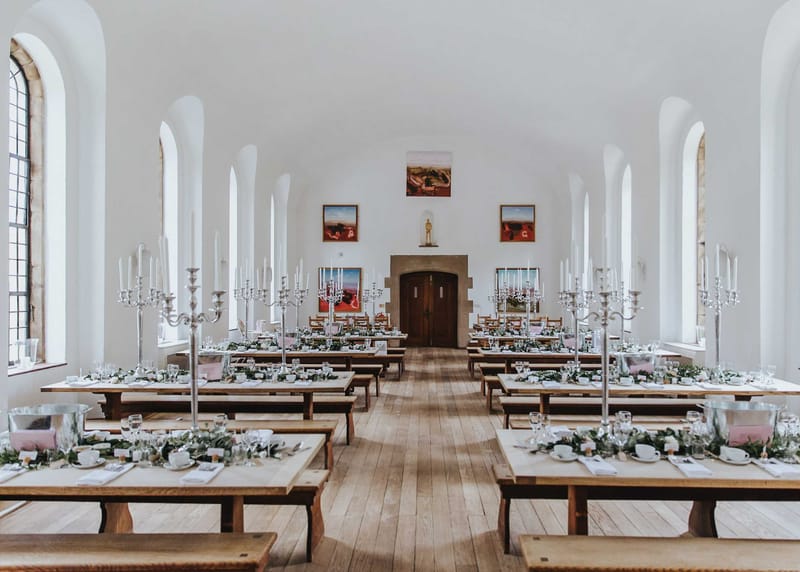
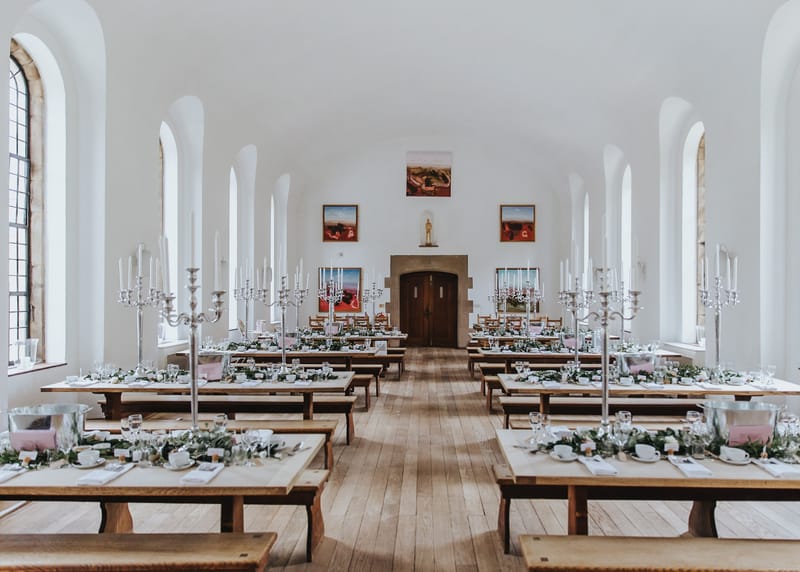
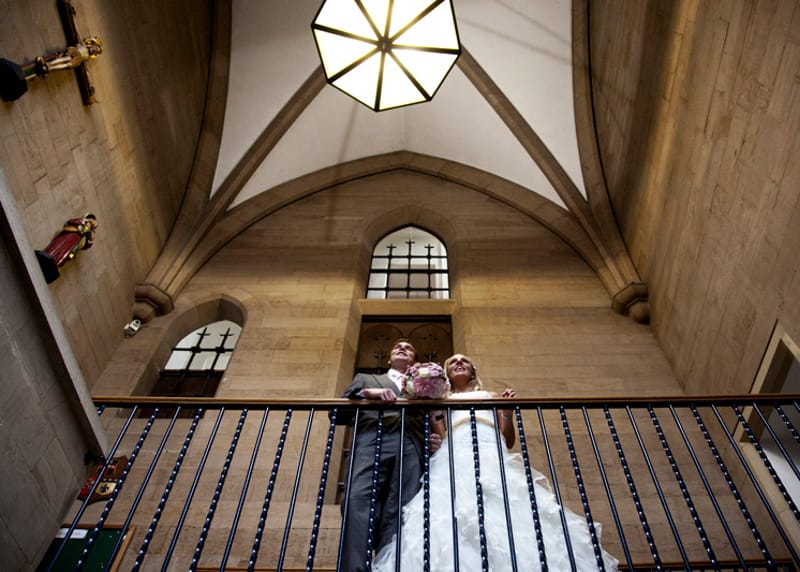
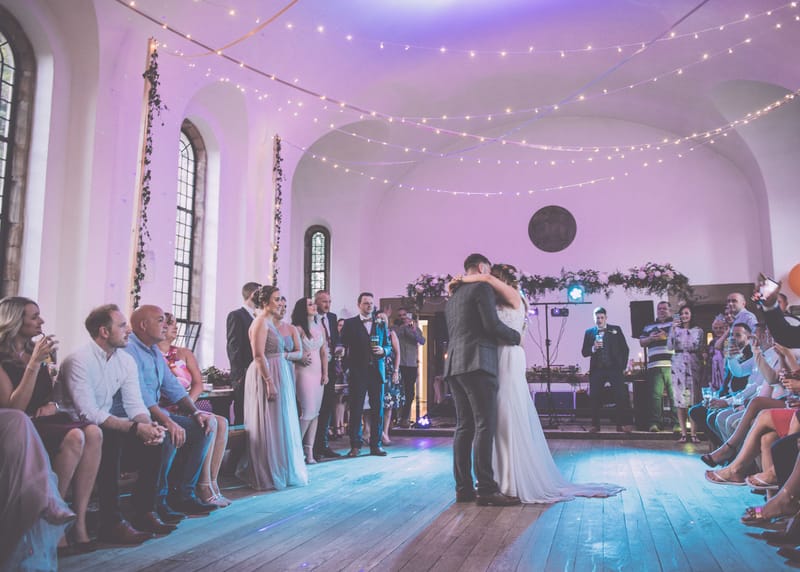
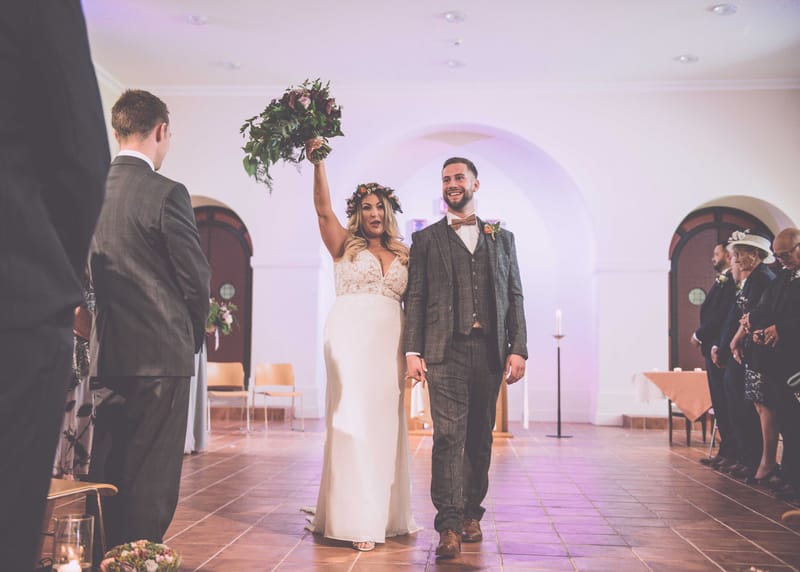
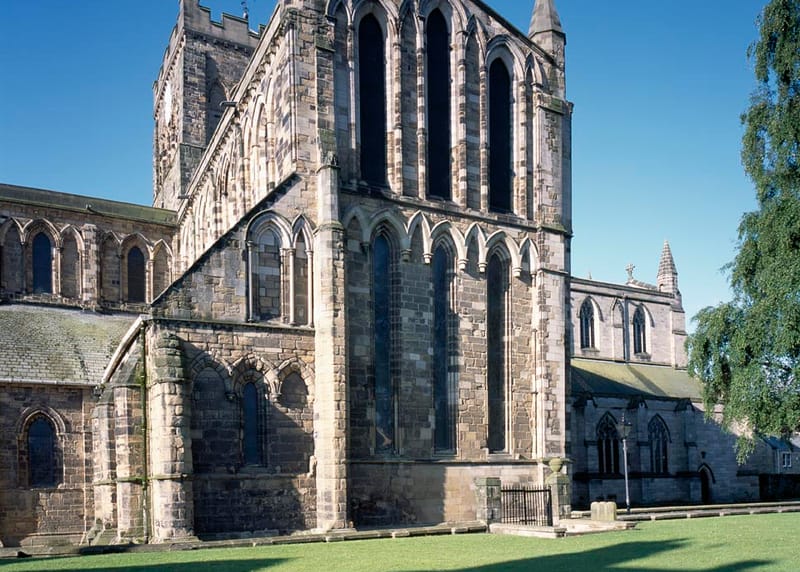
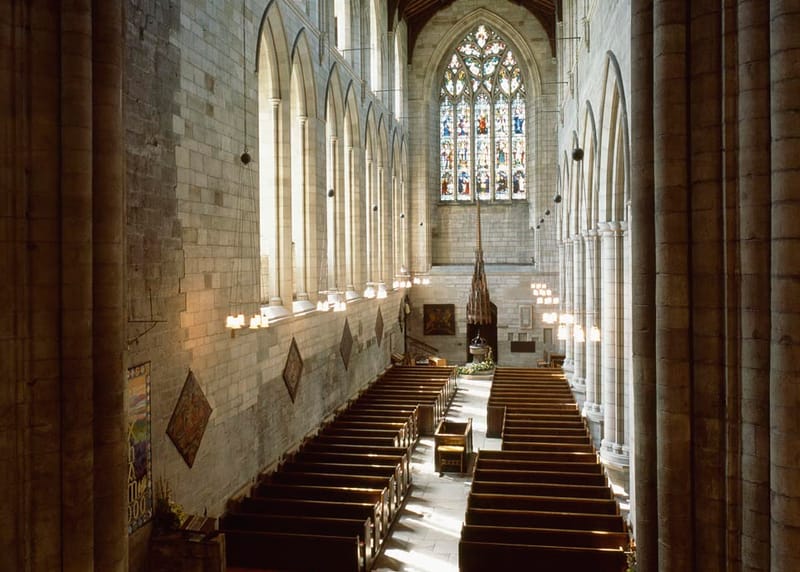
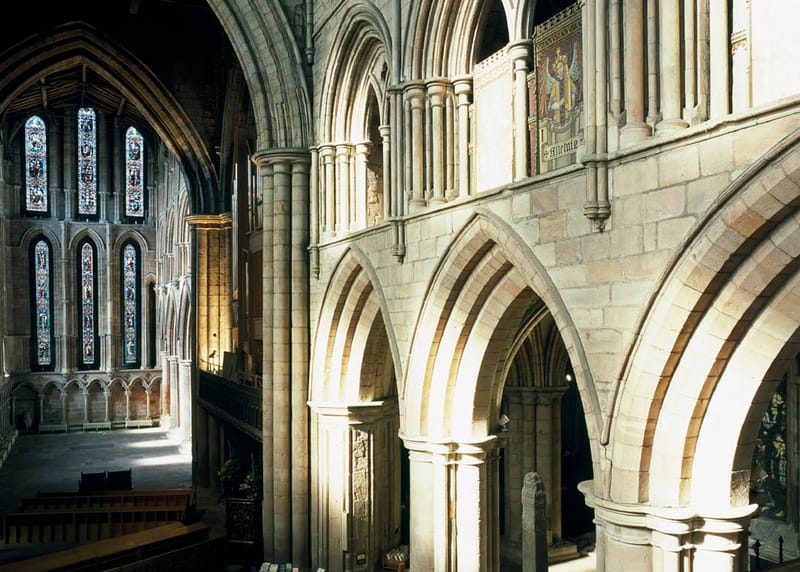
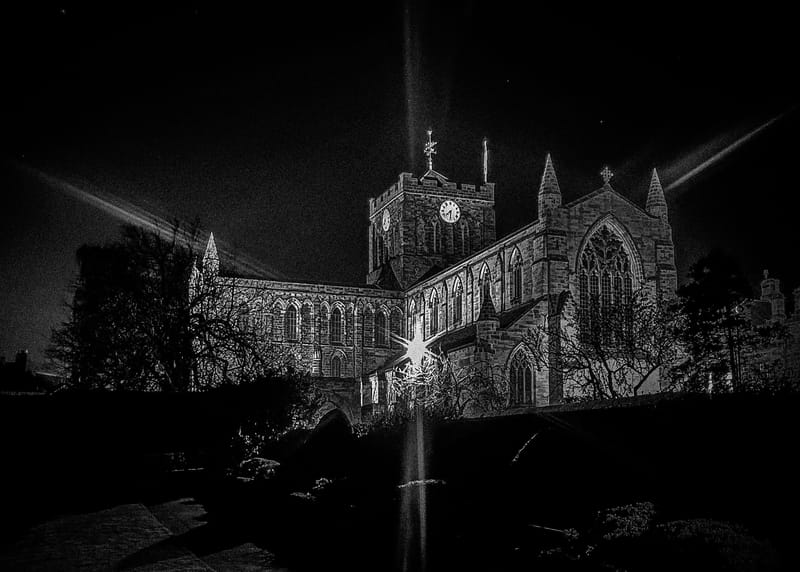
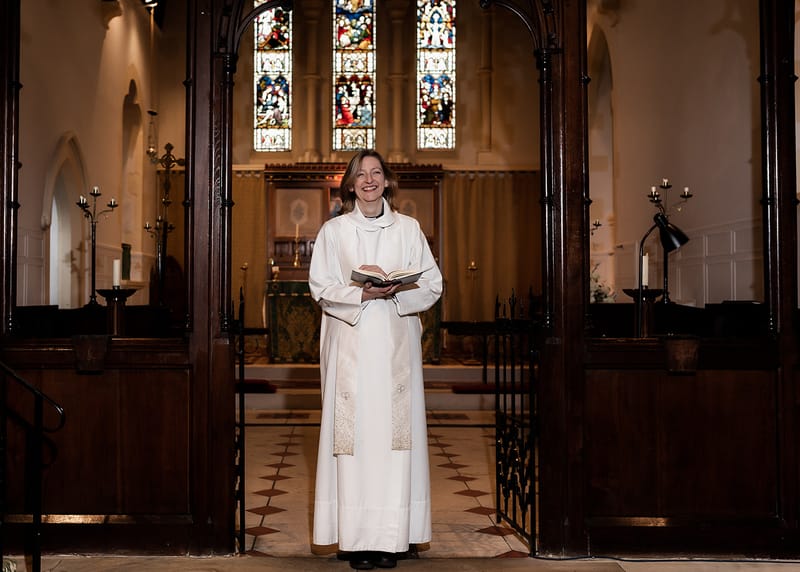
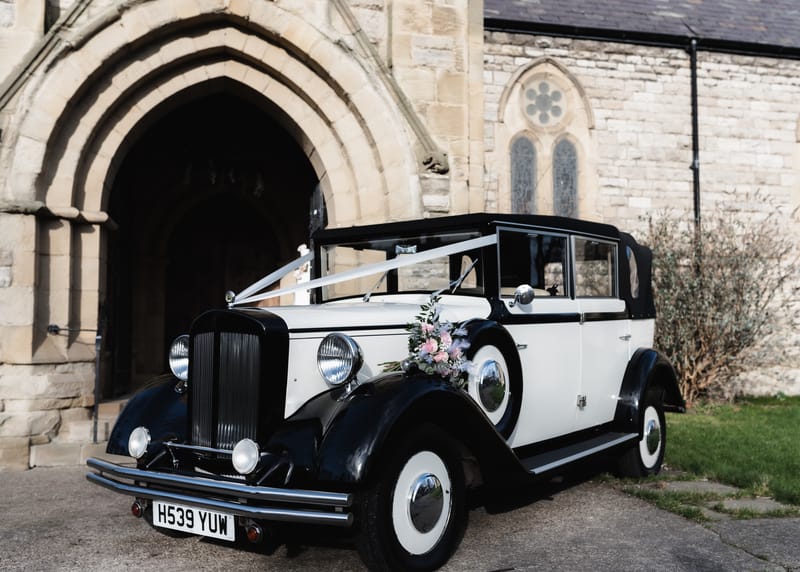
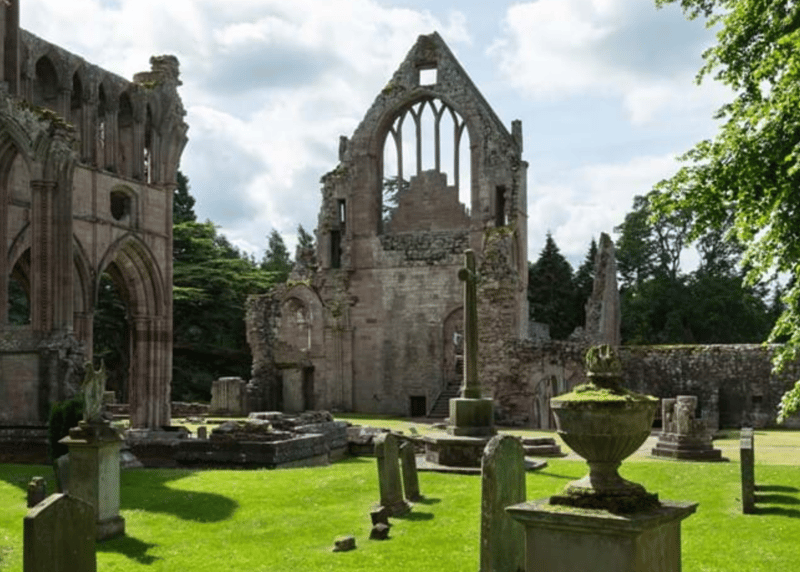
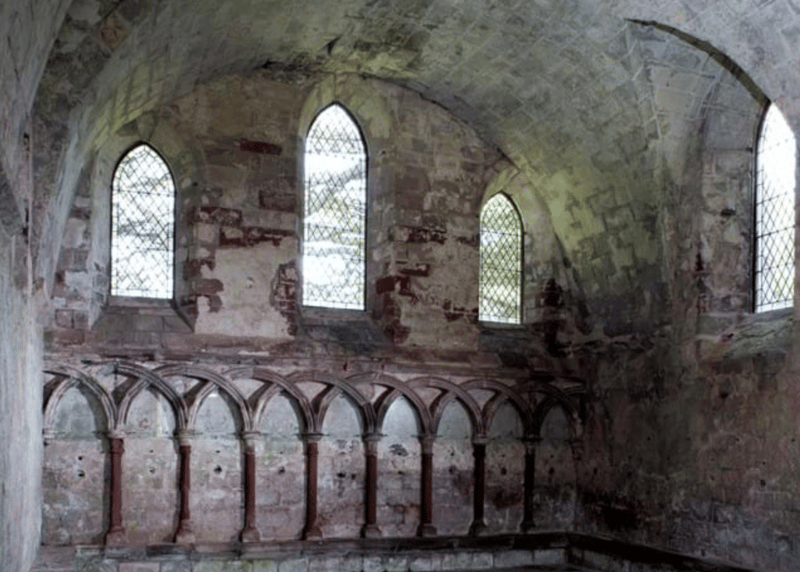
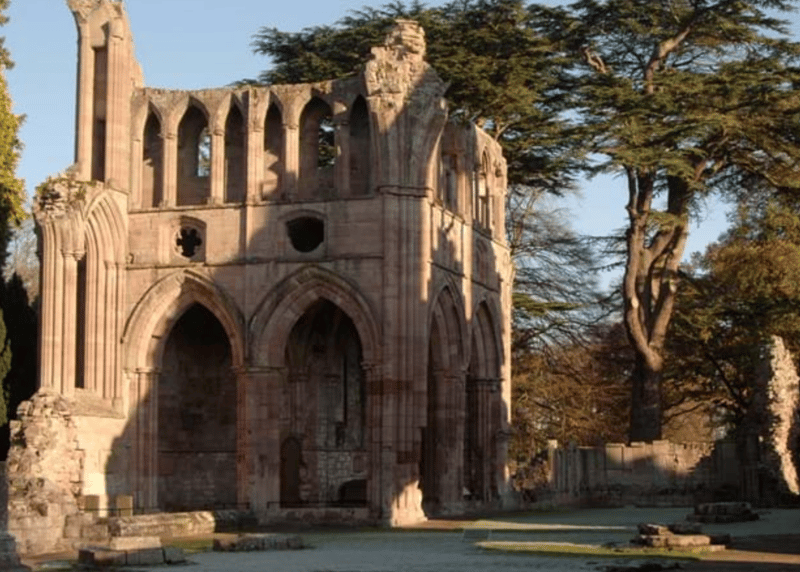
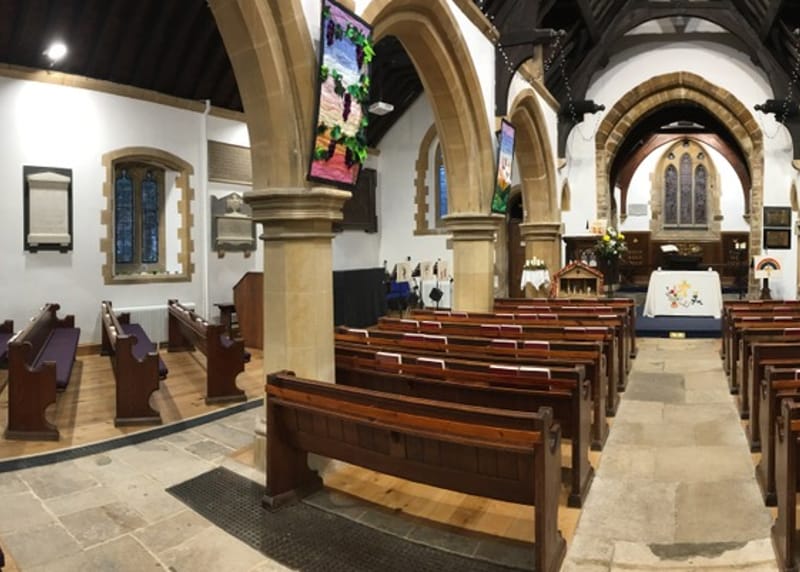
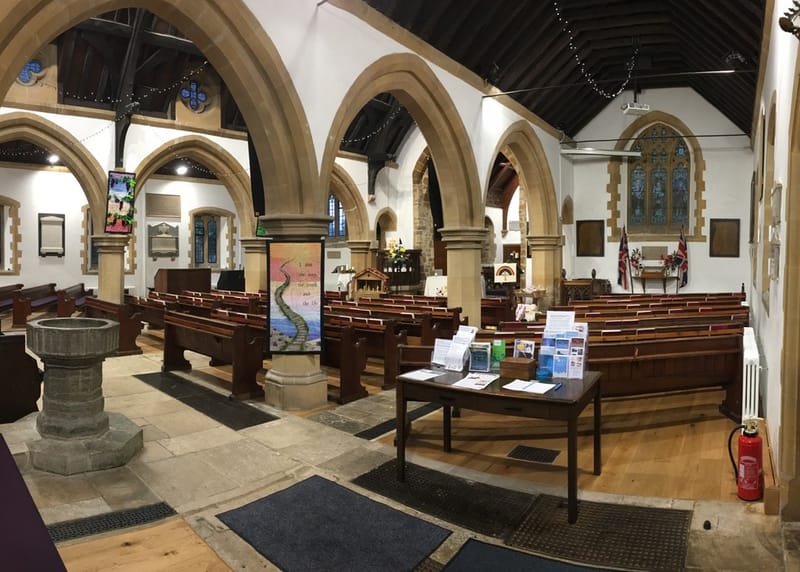
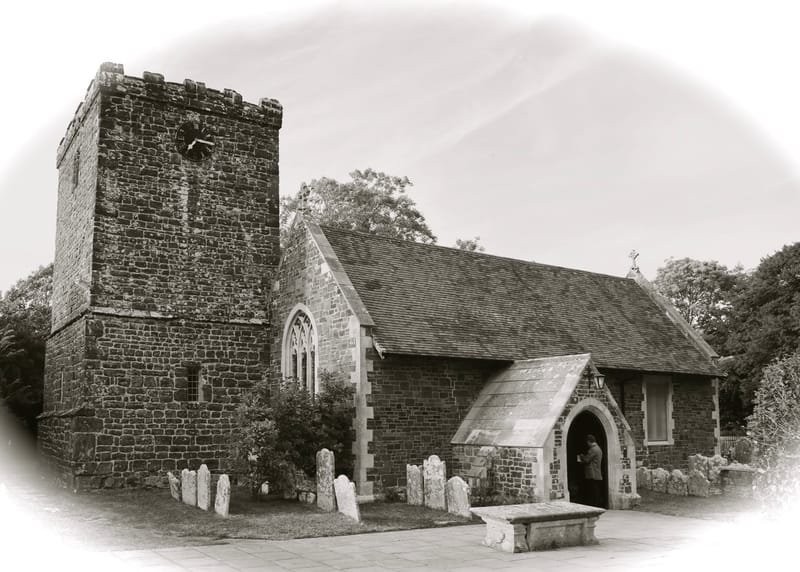
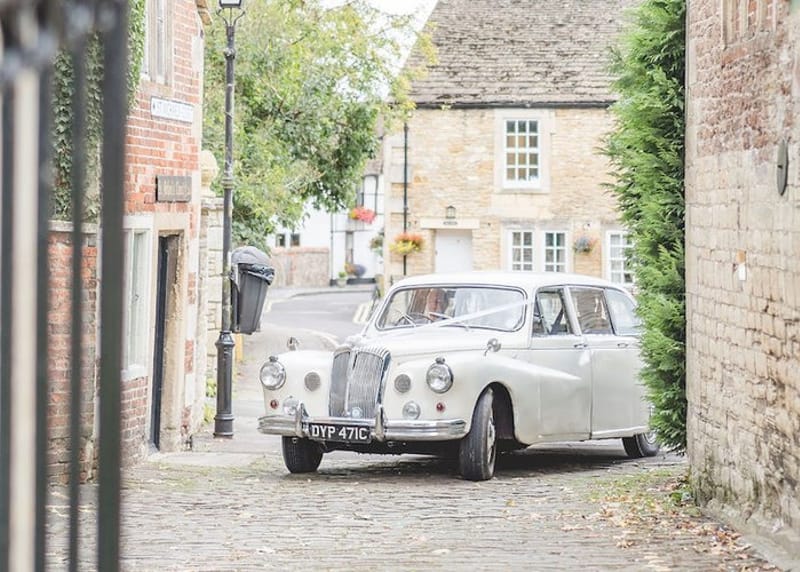
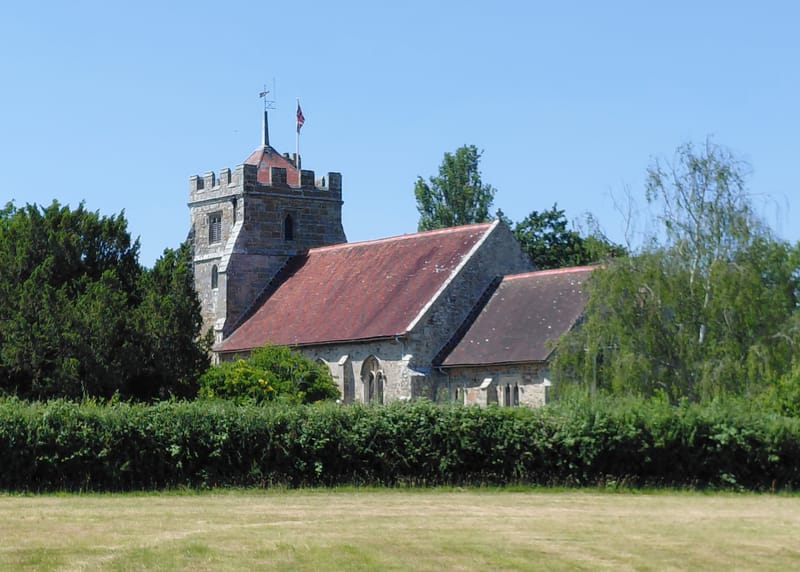
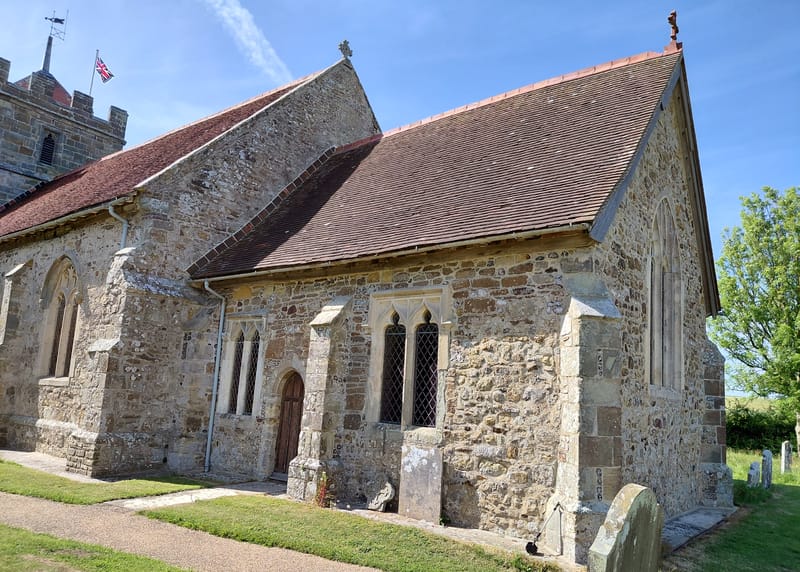
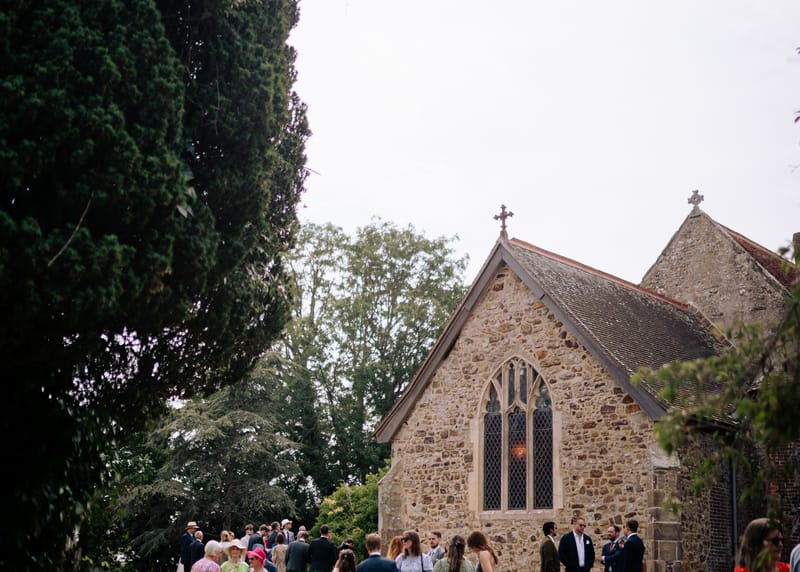
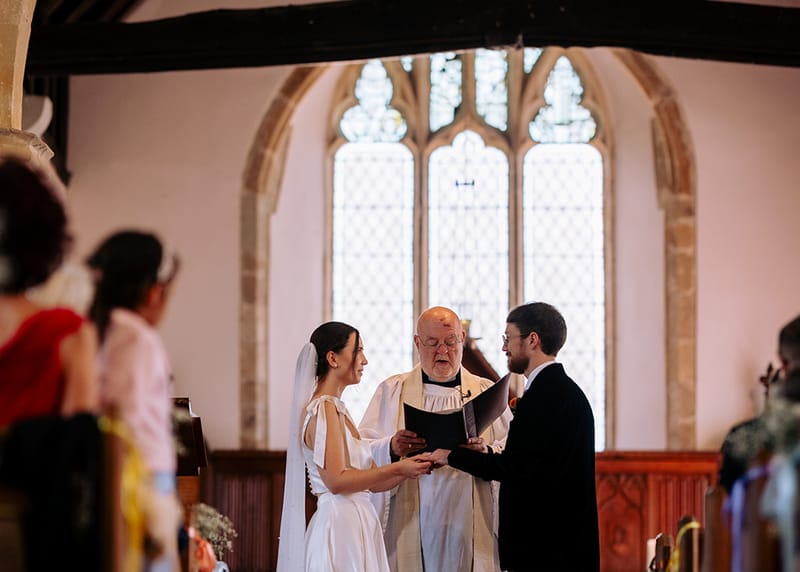
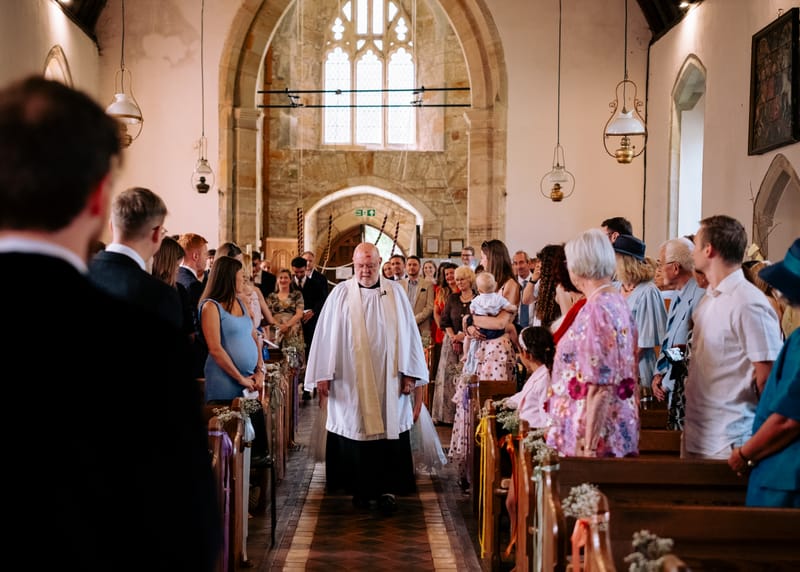
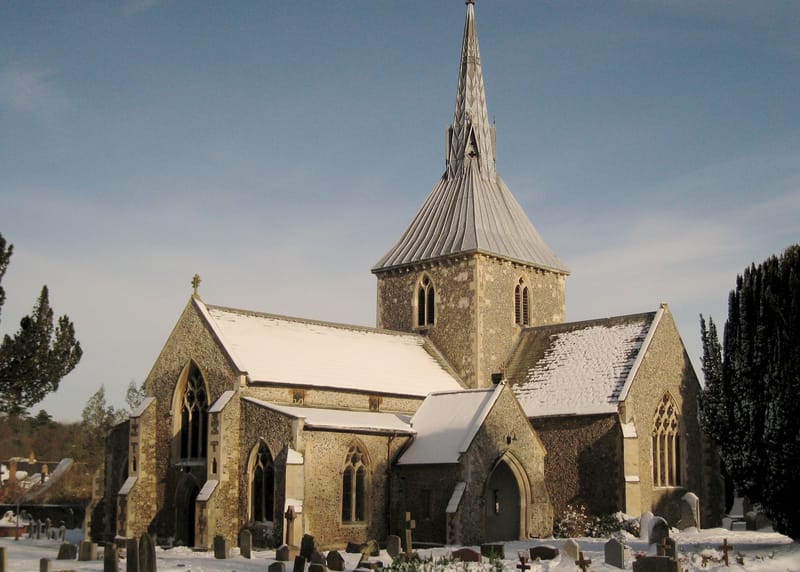
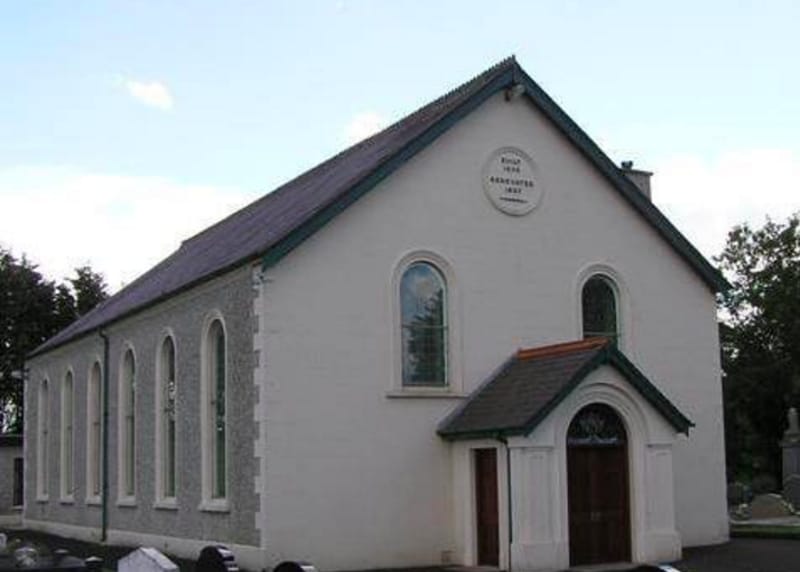
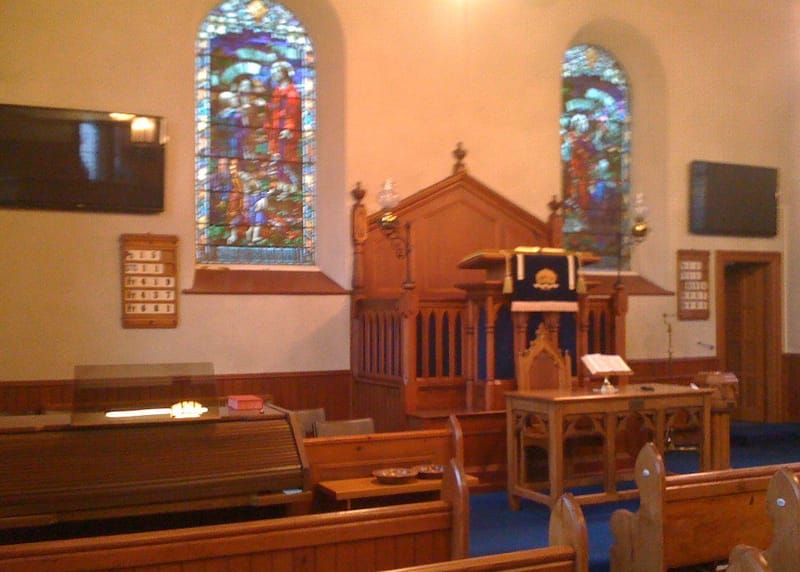
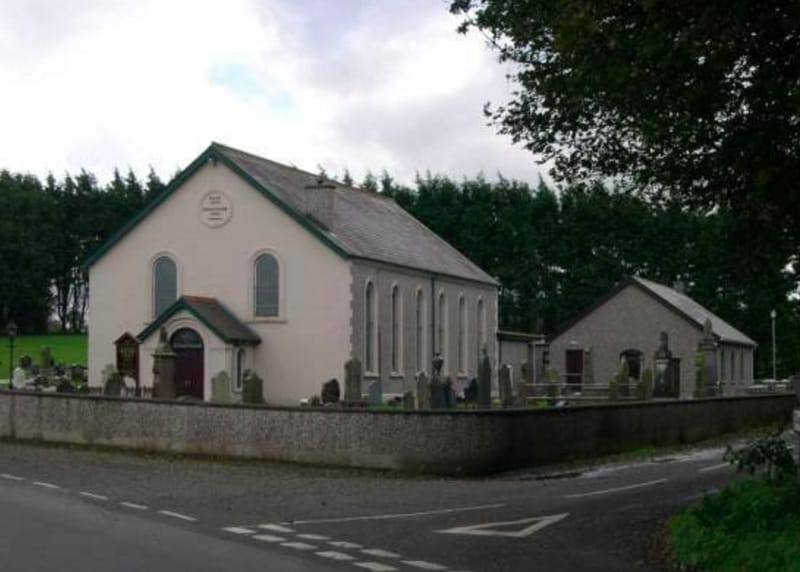





From a village parish church to a soaring cathedral, a wedding held under a church roof carries centuries of tradition, a strong sense of occasion, and a legal framework that varies depending on where in the UK you're marrying. Whether you're drawn to a Church of England parish wedding, a Catholic ceremony, or a Scottish kirk service, understanding the rules before you fall for a building will save you time and stress later on.
This guide covers the main types of church wedding venues across England, Wales, Scotland and Northern Ireland, how the legal process works in each nation, what it typically costs, and the practical details worth checking before you book a viewing or speak to a vicar, priest or minister. For the full picture of what's available nationally, you can also browse wedding venues across the UK on Bridebook.
Church wedding venues cover a wide range of settings and denominations. Church of England parish churches are the most common choice, offering the traditional banns process and a strong sense of local community. Catholic churches follow their own preparation requirements, including marriage classes and paperwork arranged through the parish priest. Non-conformist chapels, such as Methodist and Baptist churches, tend to have more flexible booking processes, while cathedrals offer a grander backdrop for couples wanting a larger, more formal setting. In Scotland, Church of Scotland kirks operate under considerably more relaxed legal rules than their counterparts south of the border. Some couples also look for a church with a licensed reception venue attached, so the ceremony and celebration can take place within easy reach of each other.
There are two quite different routes into a church wedding, and it helps to know which one applies to you before you get too far into planning. Some venues have their own licensed chapel or converted church space built in, so the ceremony and reception can be booked as a single package, much like any other wedding venue. Others mean arranging your ceremony through a parish church, cathedral or chapel that isn't attached to a reception venue, in which case the vicar, priest or minister is who you need to speak to directly, rather than a venue team.
Bridebook can help you browse and enquire about venues with their own on-site chapel or converted church space. For a traditional parish wedding, this guide walks you through the legal process for England, Wales, Scotland and Northern Ireland, but the booking itself sits with your chosen church rather than with Bridebook.
If you like the idea of a religious ceremony without the logistics of moving everyone to a second location afterwards, a venue with its own on-site chapel or converted church space might suit you better than a traditional parish wedding. These venues typically hold their own licence for ceremonies, so your officiant conducts the service in the same building where your reception follows, cutting out travel time between the two.
Converted churches, chapels and cathedrals-turned-venues are increasingly popular with couples who want the atmosphere and architecture of a religious building alongside the practicalities of a single-site wedding. Use the search filters above to compare venues of this type by capacity, location and price.
In England and Wales, most Church of England weddings require the calling of banns, a legal announcement made in church on three Sundays in the three months before the wedding. Banns must usually be read in the parish where you plan to marry and in the parish or parishes where each of you lives, if that's different.
To marry in a particular parish church, at least one of you needs what's known as a qualifying connection. This might mean living in the parish, having been baptised or confirmed there, having a parent who lived in the parish for six months, or having regularly attended services there for at least six months. If you can't demonstrate any of these links, a Common Licence or Special Licence may still allow you to marry in the church you have your heart set on, though this adds an extra administrative step.
Couples usually need to start the process around four months before the wedding to allow enough time for banns to be read and certificates issued. The legal age for marriage in England and Wales is 18.
If you're not sure which parish covers your home address, the Church of England's church finder tool will show you your local church and its contact details.
Chapel weddings, including Methodist, Baptist and other non-conformist ceremonies, are usually preceded by civil notice at a register office rather than banns, so the legal preliminary looks more like a civil wedding even though the ceremony itself is religious. Cathedral weddings follow a similar legal framework to parish churches but often involve an additional application to the Dean and Chapter, along with higher hire costs given the scale of the building.
North of the border, the process is considerably more relaxed. Scotland has no residency requirement for marriage, and Church of Scotland ministers can conduct services in a wider range of locations, provided they agree to officiate. Couples need only submit a marriage notice to the local registrar at least 29 days before the wedding, rather than arranging banns.
The Church of Scotland's own guidance on weddings in the Kirk is a good starting point if you're considering this route.
In Northern Ireland, couples give notice to the registrar in the council district where they plan to marry, usually at least 28 days beforehand, and the process sits somewhere between the English and Scottish systems. Church of Ireland weddings are typically expected to take place in a consecrated church building, so it's worth checking with your chosen parish early if you have a particular building in mind.
Catholic weddings follow their own preparation process, separate from the Church of England system of banns and qualifying connections. Couples are usually expected to complete a marriage preparation course arranged through their parish, and the priest will need supporting paperwork, such as baptismal certificates, before the wedding can be confirmed. If you'd like to marry in a Catholic church you're not already connected to, it's worth contacting the parish priest early, since permission from your home parish is often required.
For an overview of what Catholic marriage preparation involves, the Catholic Bishops' Conference of England and Wales has more detail on its marriage preparation page.
If a licensed civil ceremony feels like a better fit than a religious one, take a look at register office and town hall wedding venues instead, or browse castle wedding venues for an equally grand backdrop without the religious requirements.
Once you know which type of church wedding you're planning, the process itself is fairly straightforward. Here's how it breaks down:
With Bridebook you can:
Bridebook won't handle your church booking directly, since this is arranged through your vicar, priest or minister, but it's a straightforward way to sort the reception half of your day once your ceremony date is locked in.
Bridebook is the world's number 1 wedding planning platform, used by over 2.8 million couples. Our content is informed by real data from the Bridebook UK Wedding Report, drawing on responses from thousands of couples planning their weddings each year. Where legal information is included, it is checked against official Church of England, Church of Scotland and UK government guidance. We update our articles regularly to reflect current fees and requirements.
Church wedding costs are usually made up of two separate elements: the legal fee for the ceremony itself, and the cost of your reception venue afterwards. Here's a general guide to what couples typically pay.
Based on data for UK church weddings:
For context on how this compares to the UK-wide average wedding cost, Bridebook's UK Wedding Report shows that 12% of couples now hold their legal ceremony at a place of worship, with 71% opting for their ceremony at a licensed venue instead.
Average total wedding spend across the UK currently sits at £20,604, though couples marrying in church often split this across separate church and reception budgets rather than one combined venue fee. With an average engagement length of 23.8 months, most couples have plenty of time to research their qualifying connection and get banns underway, though it's worth starting the legal side of the process 12 to 24 months ahead of the big day to avoid any last-minute admin scrambles.