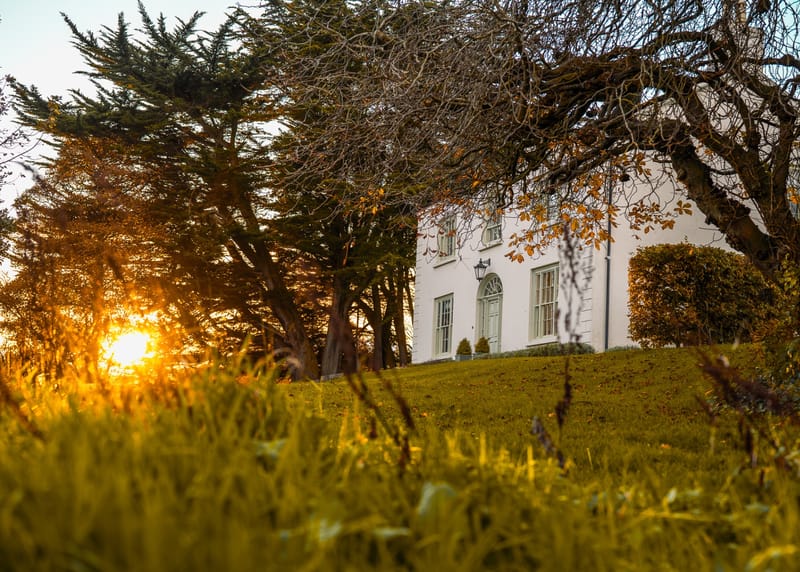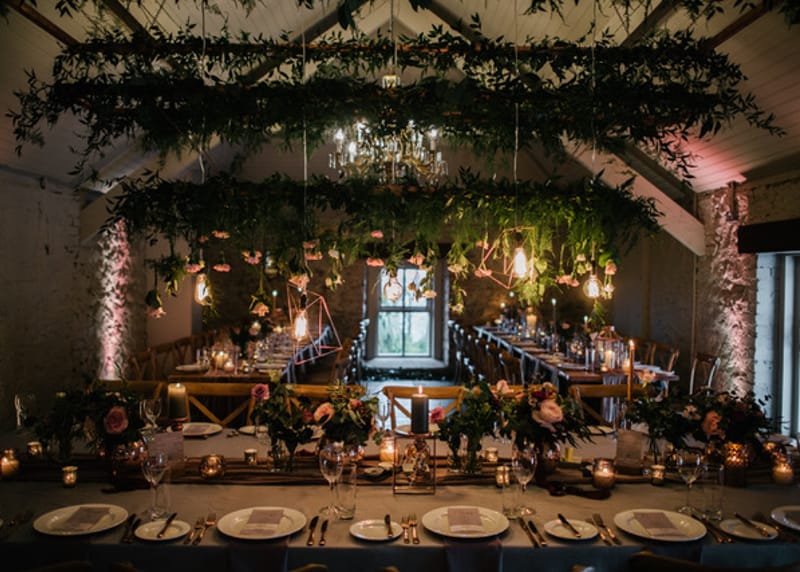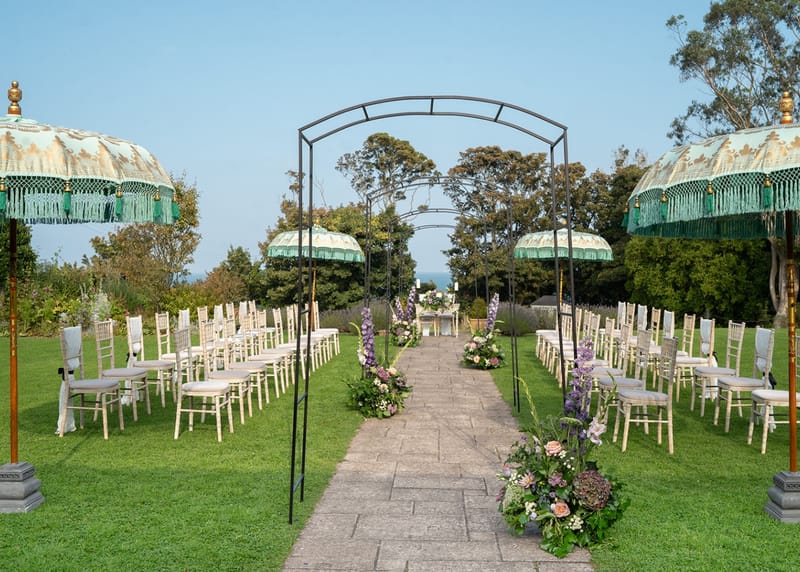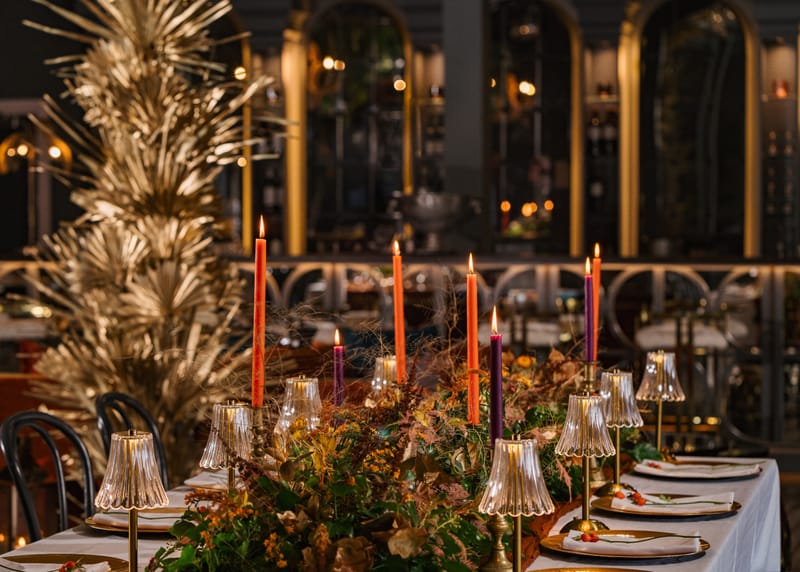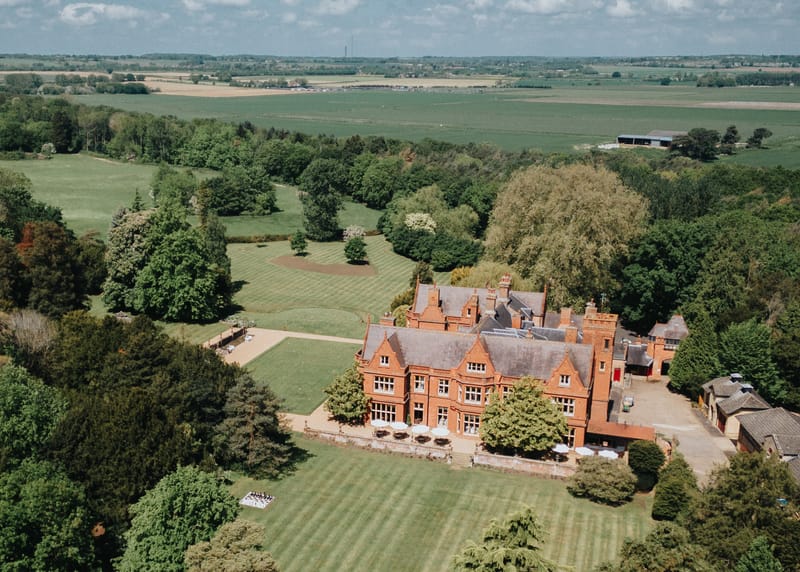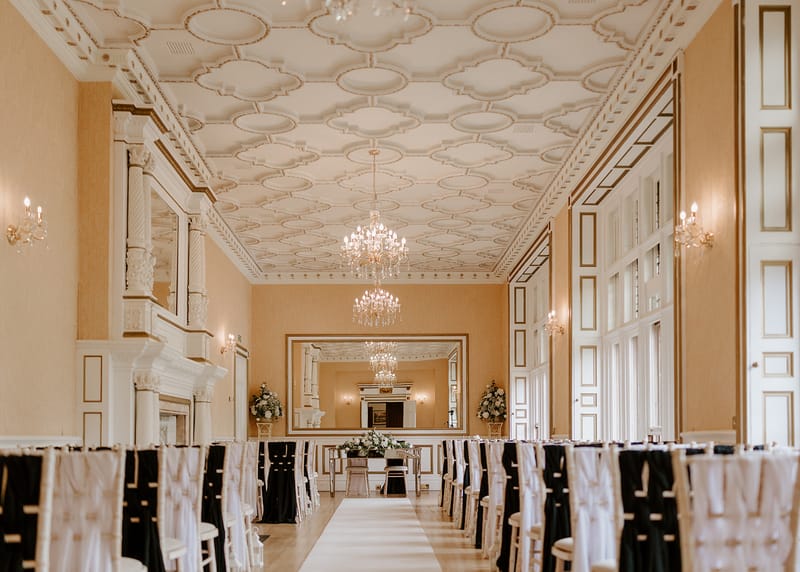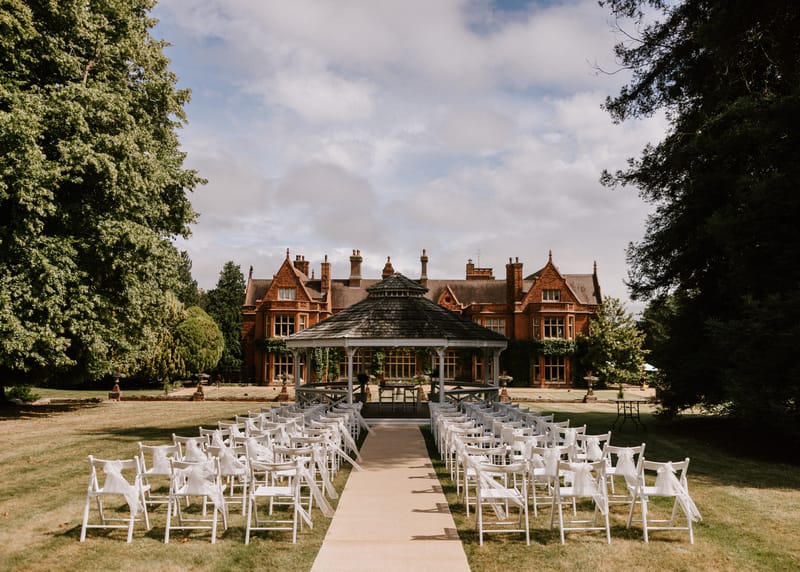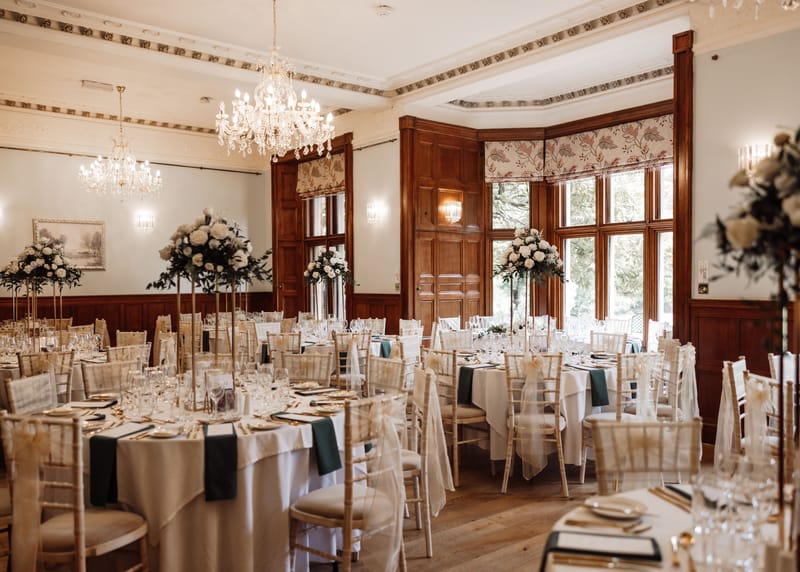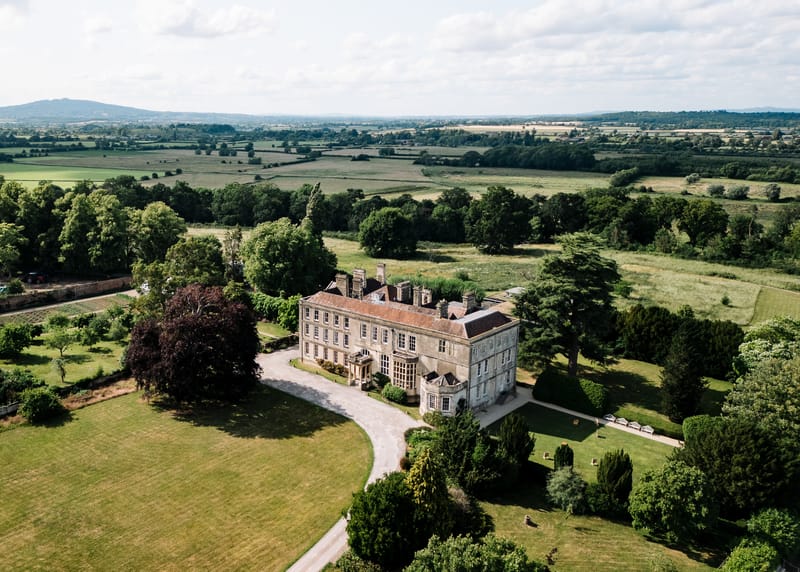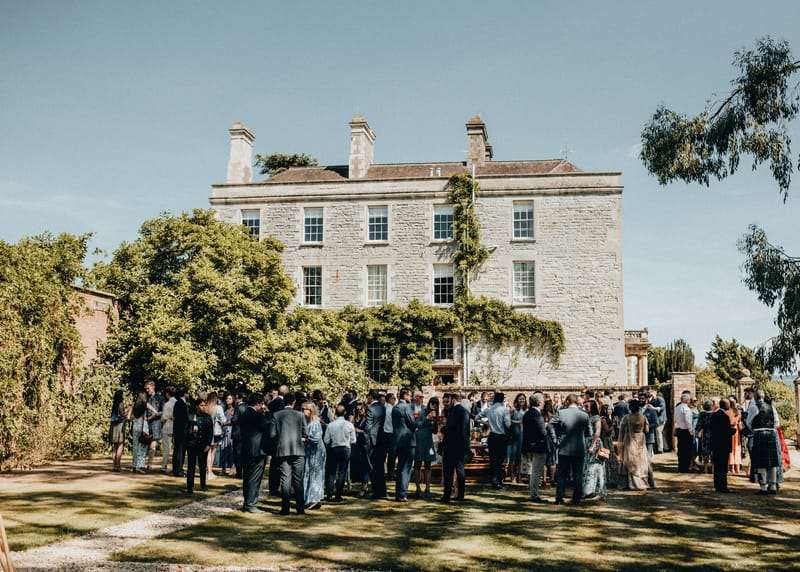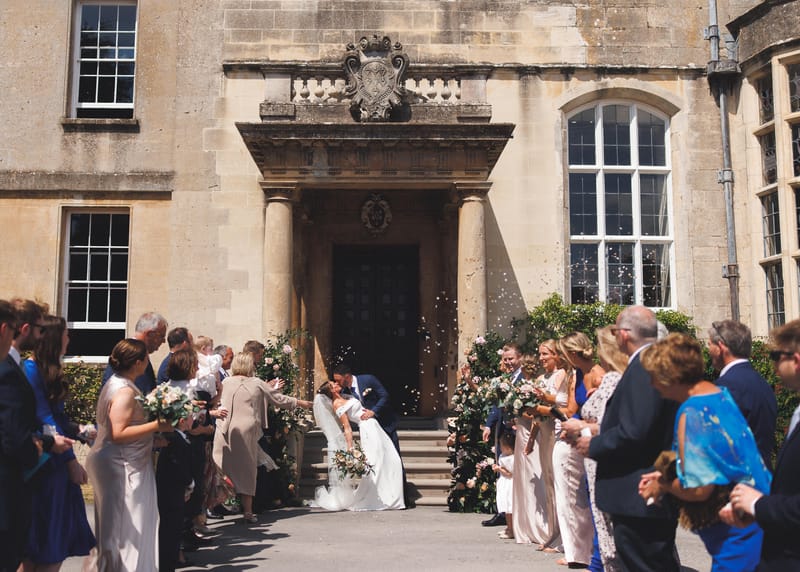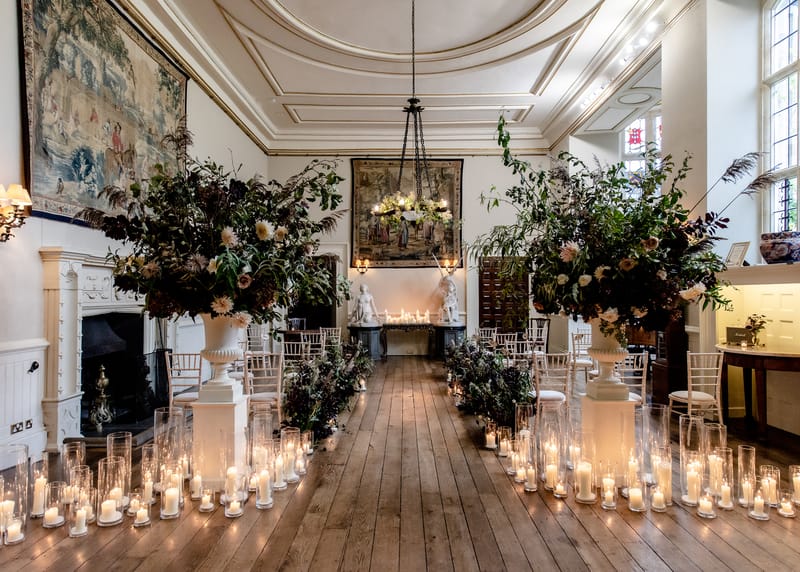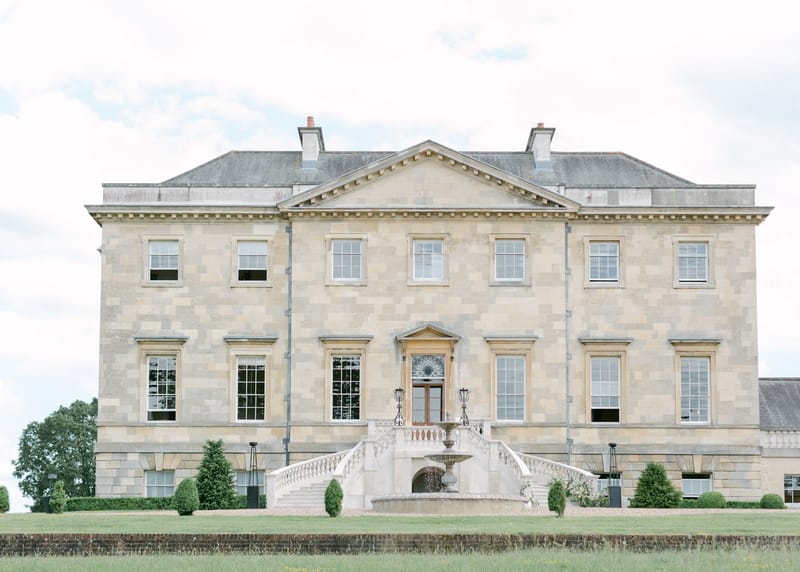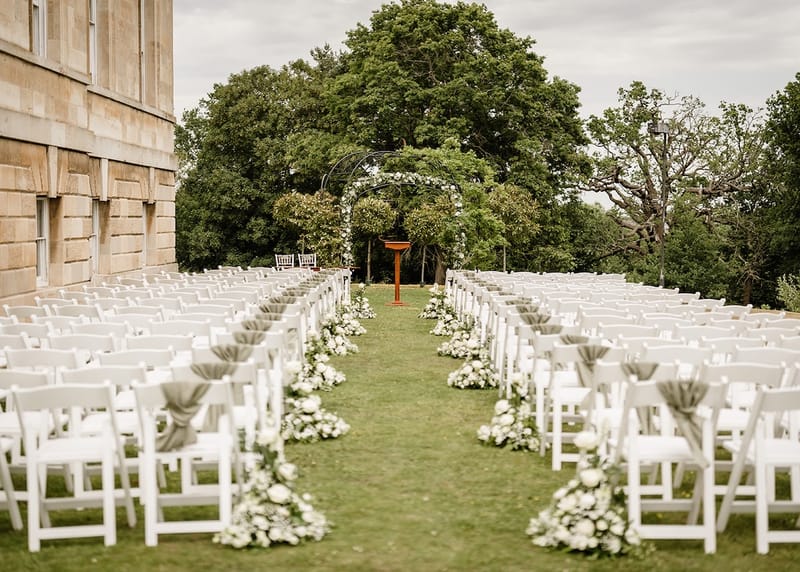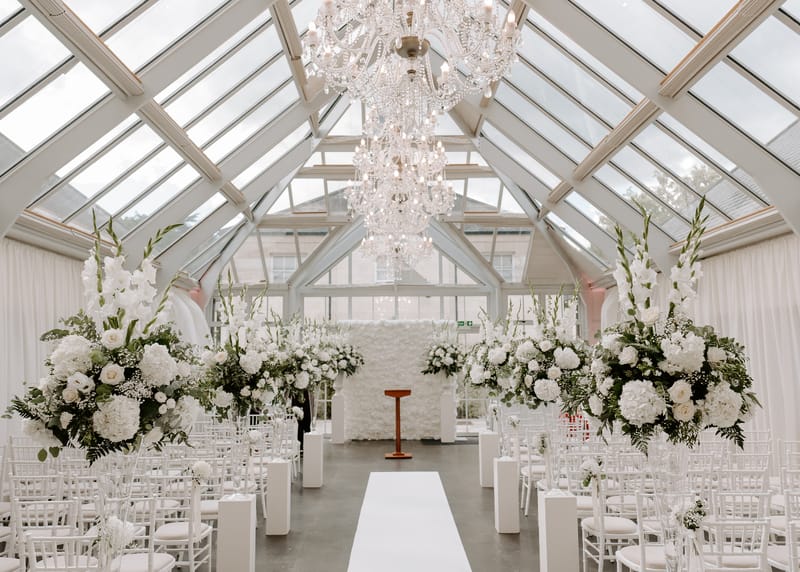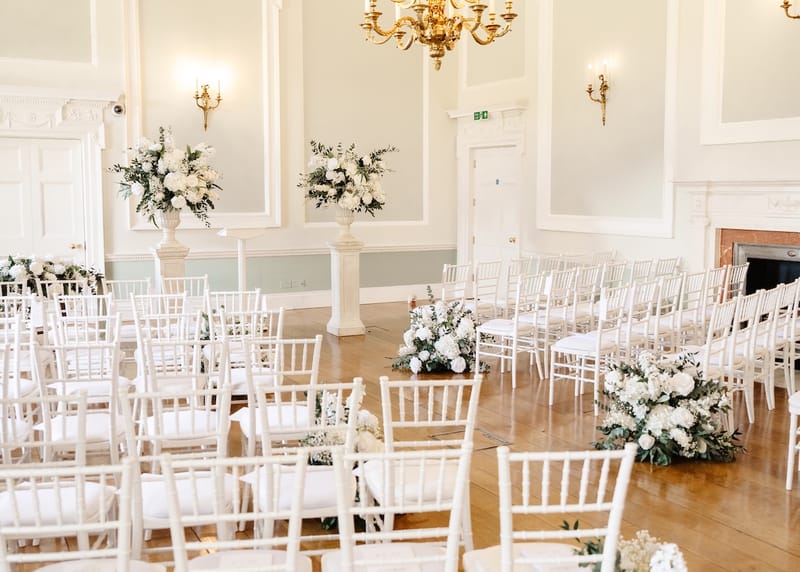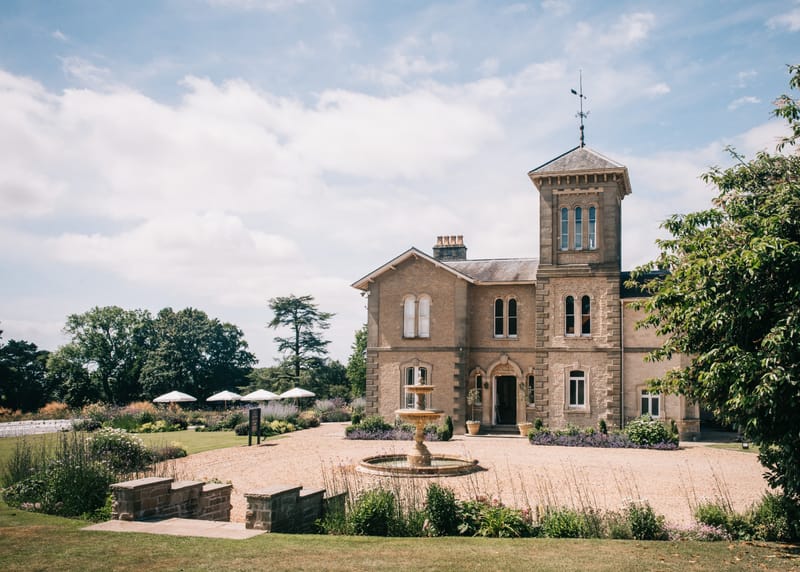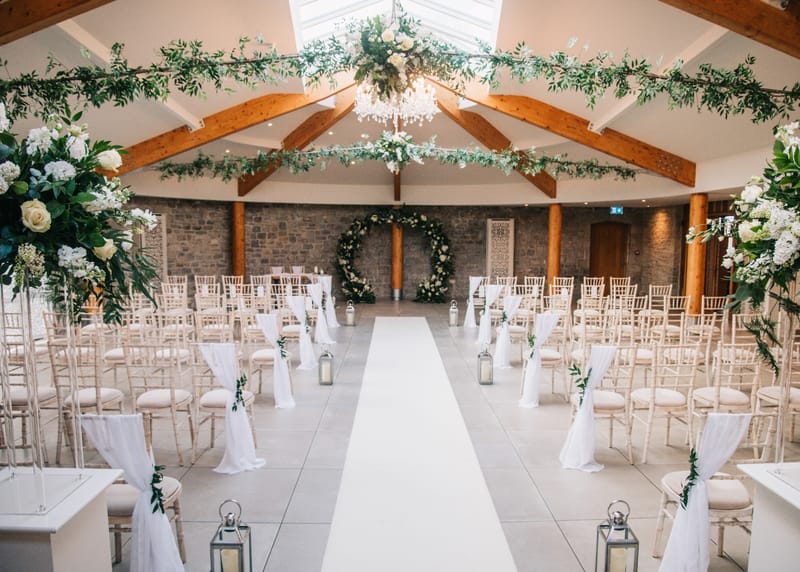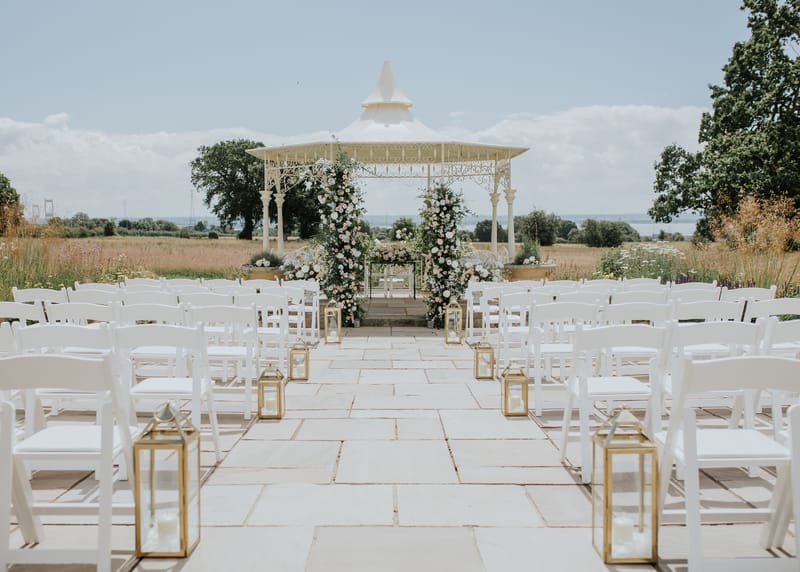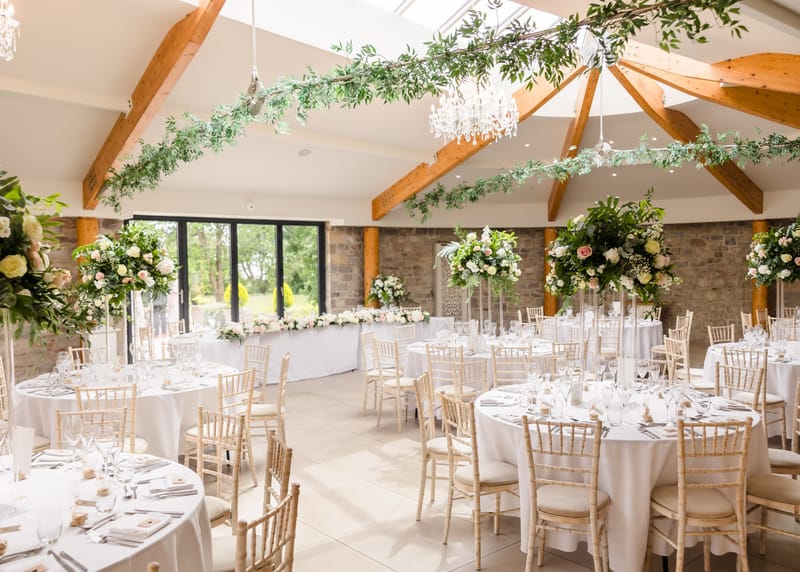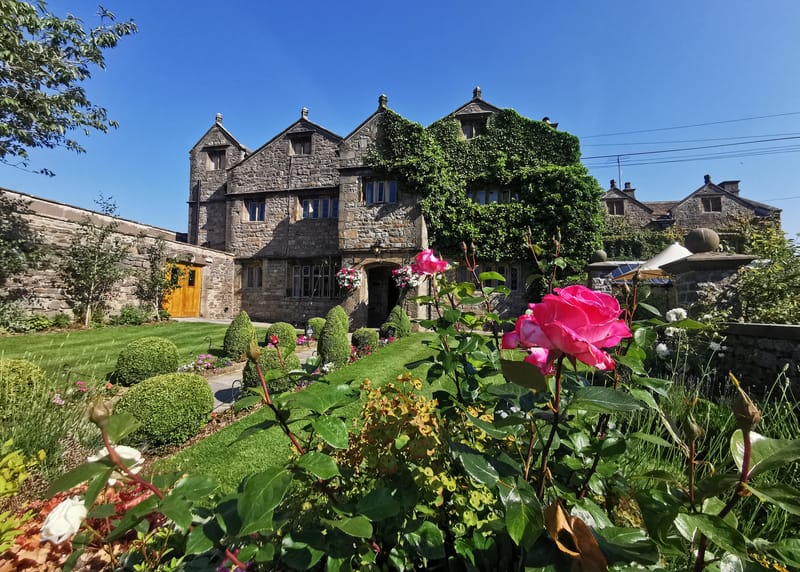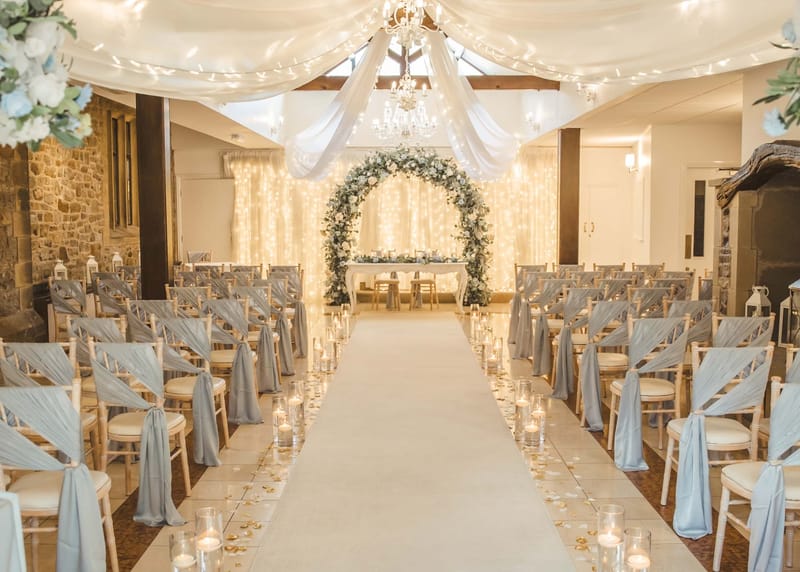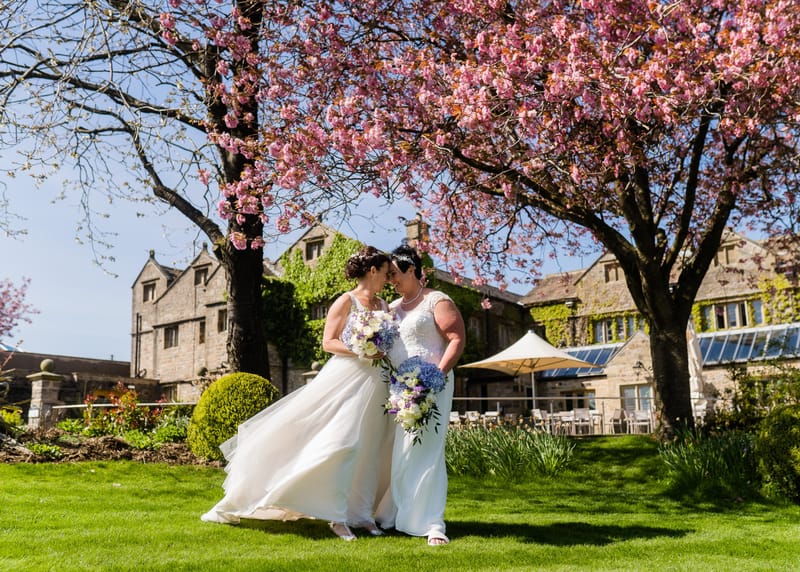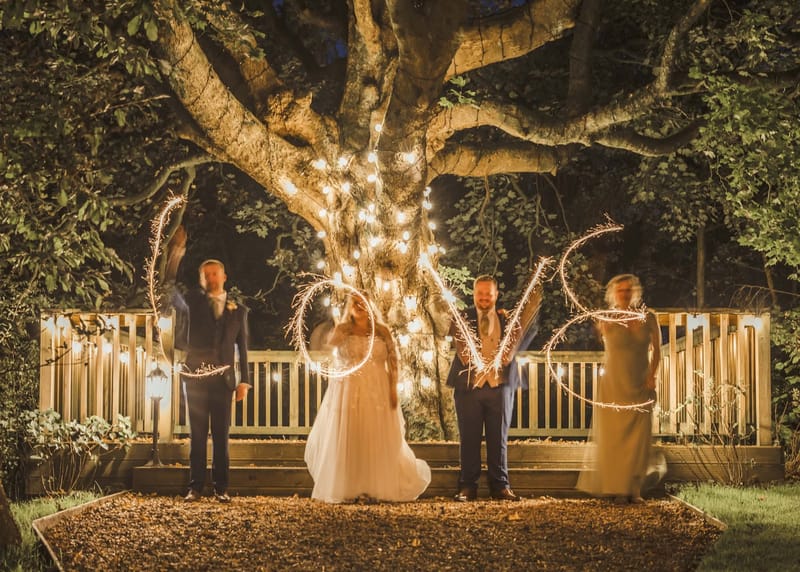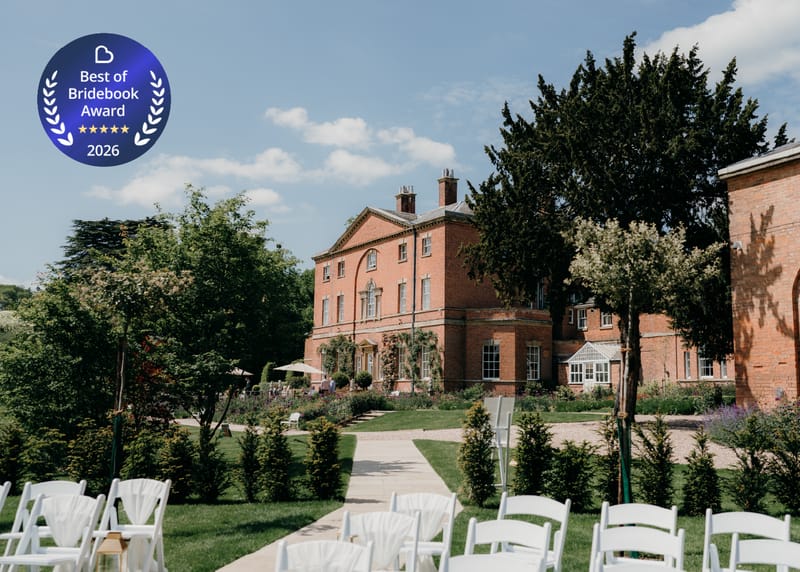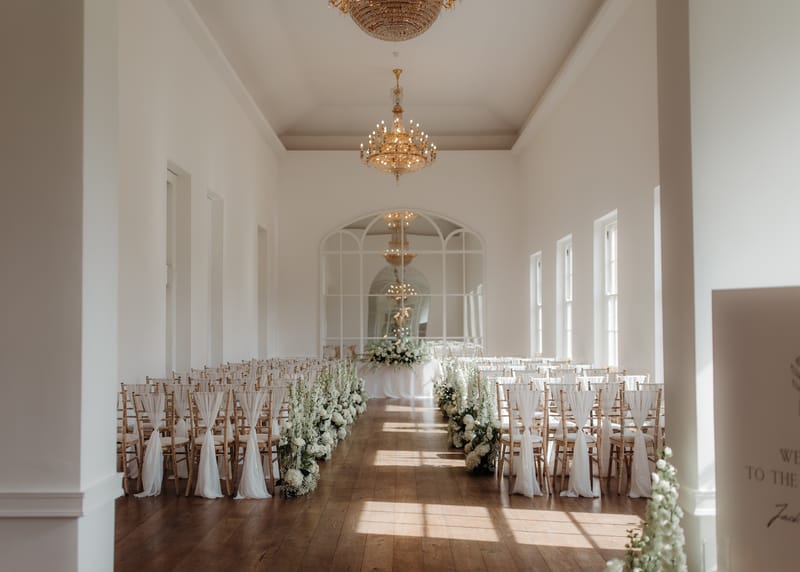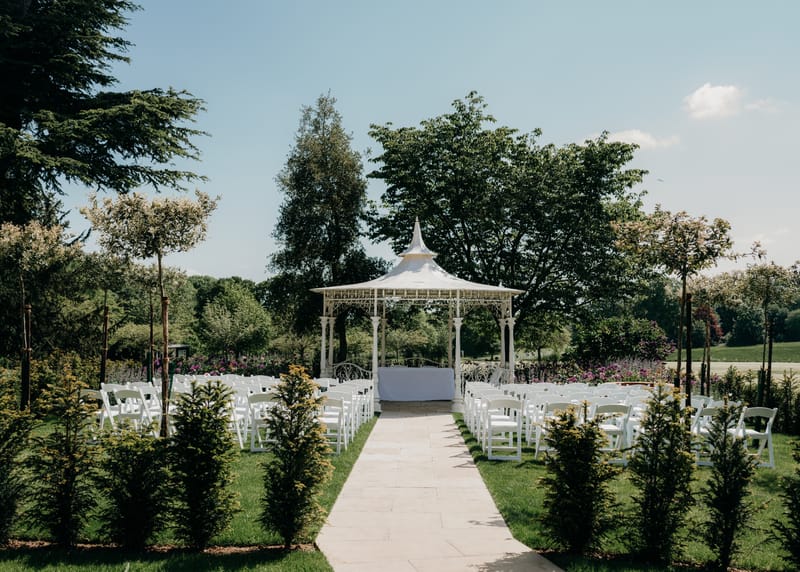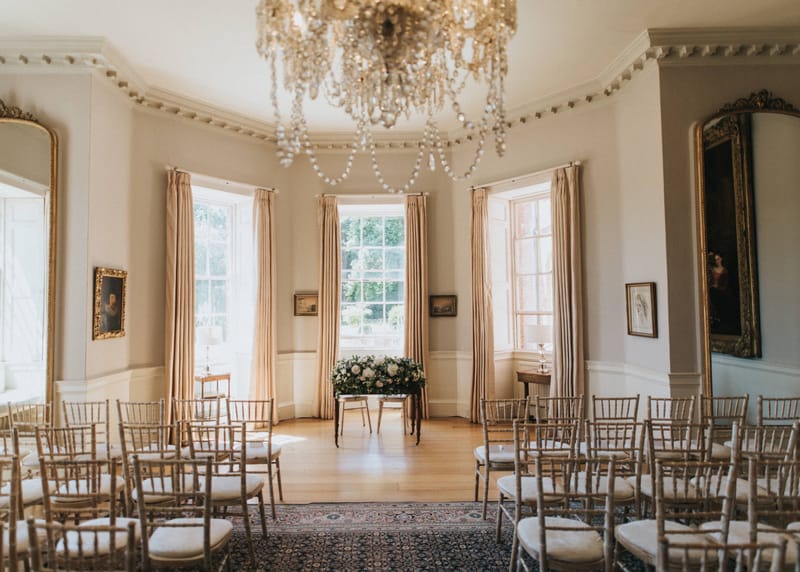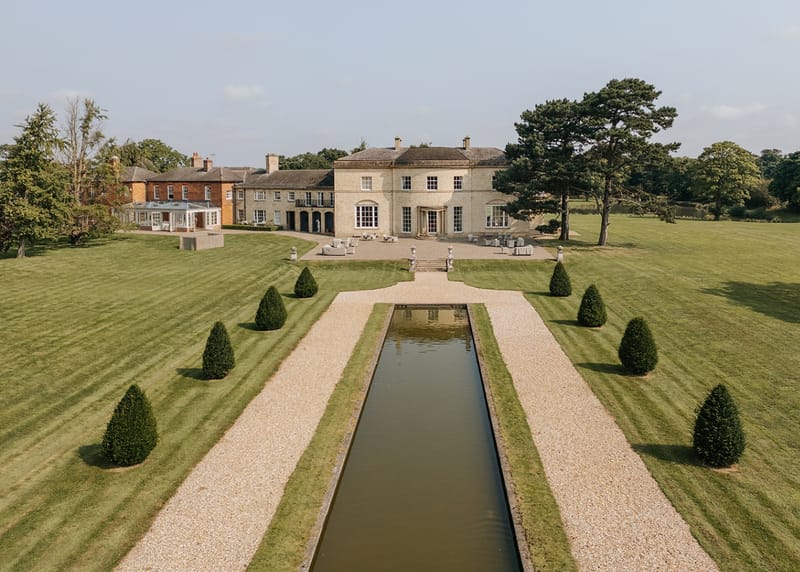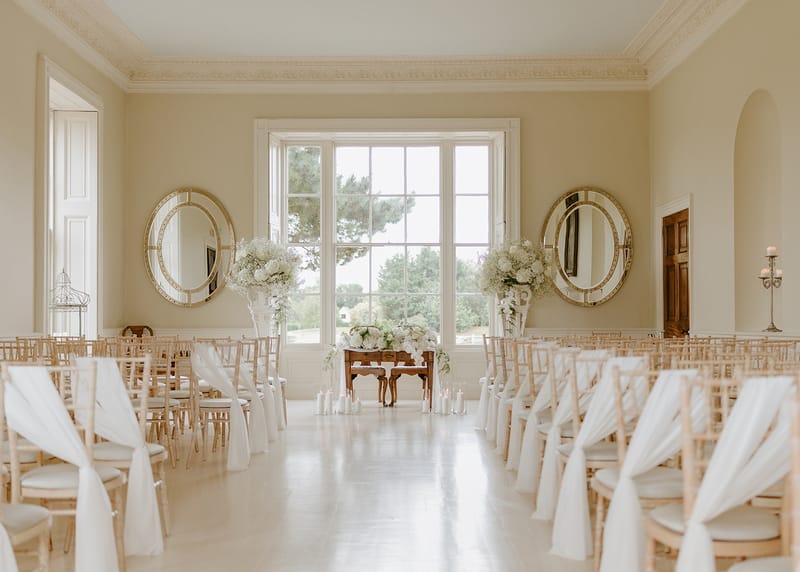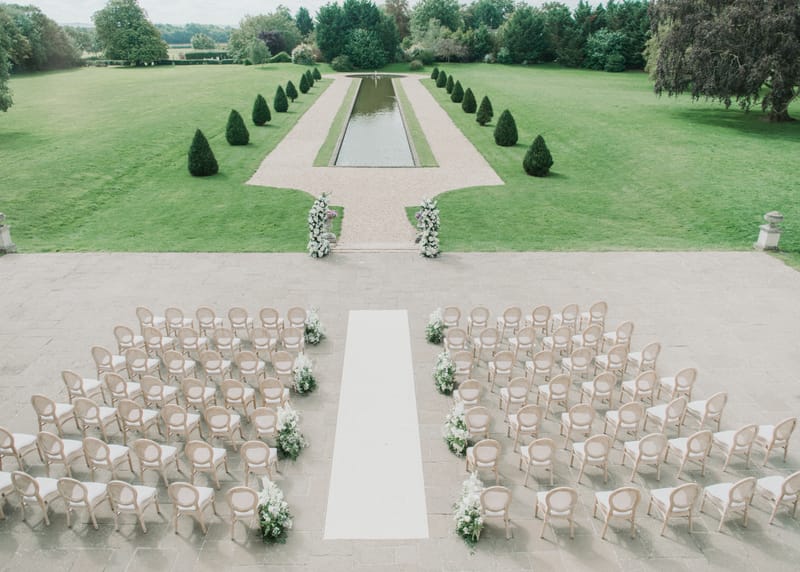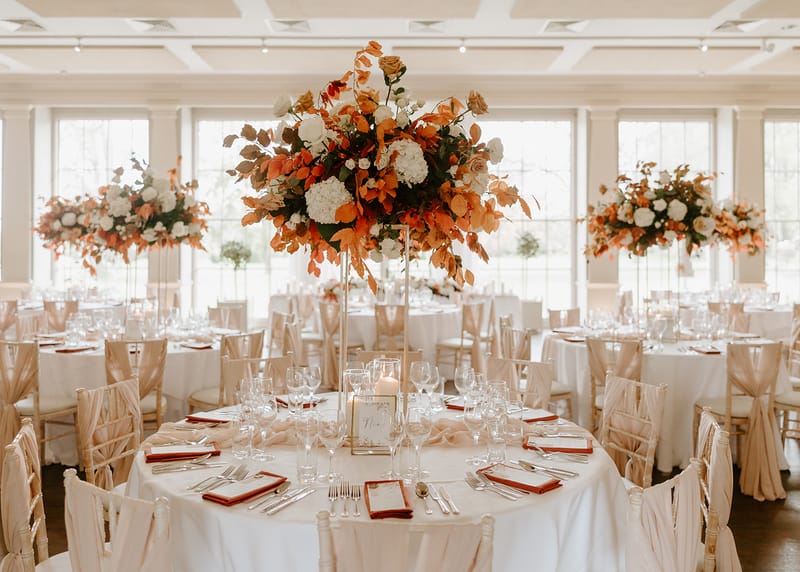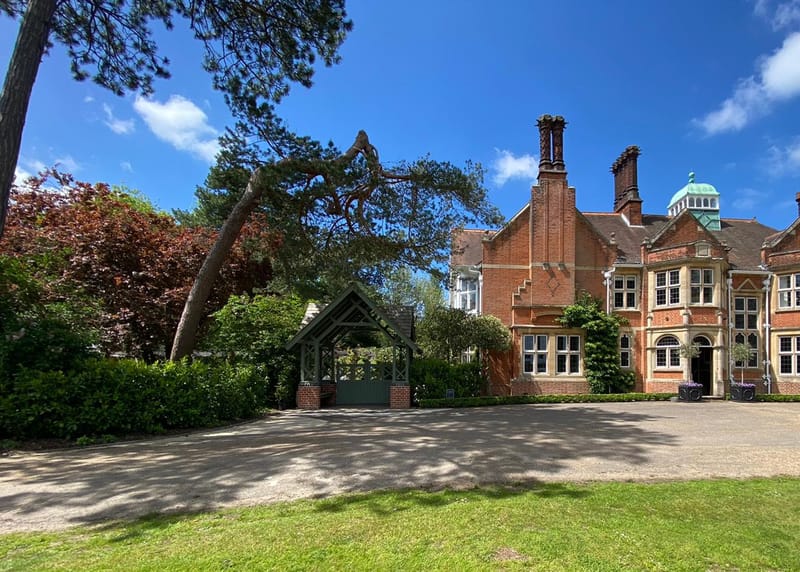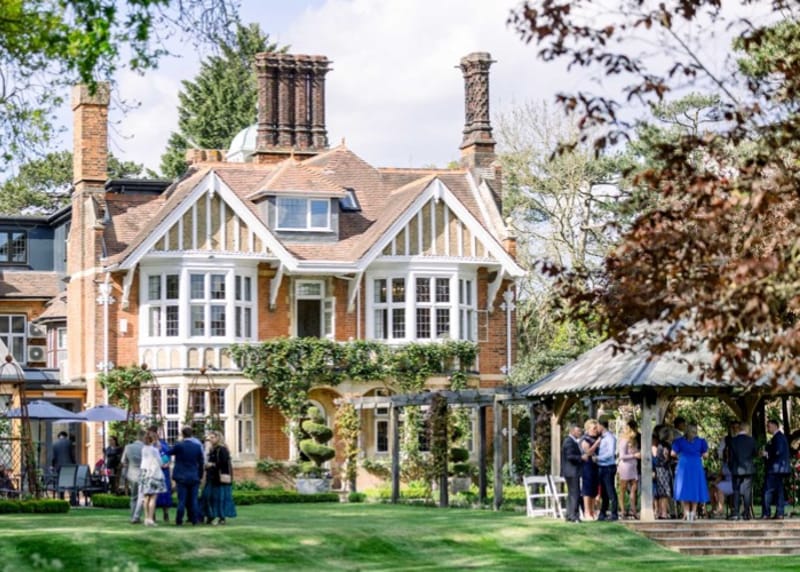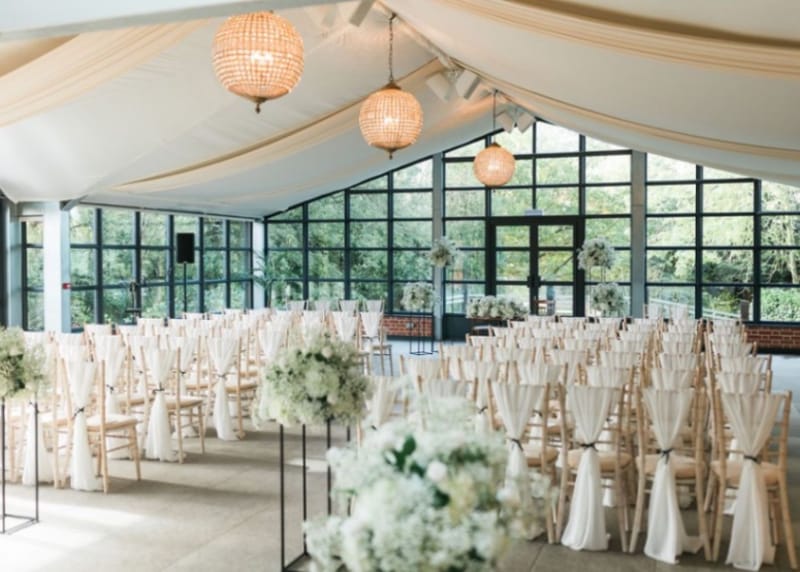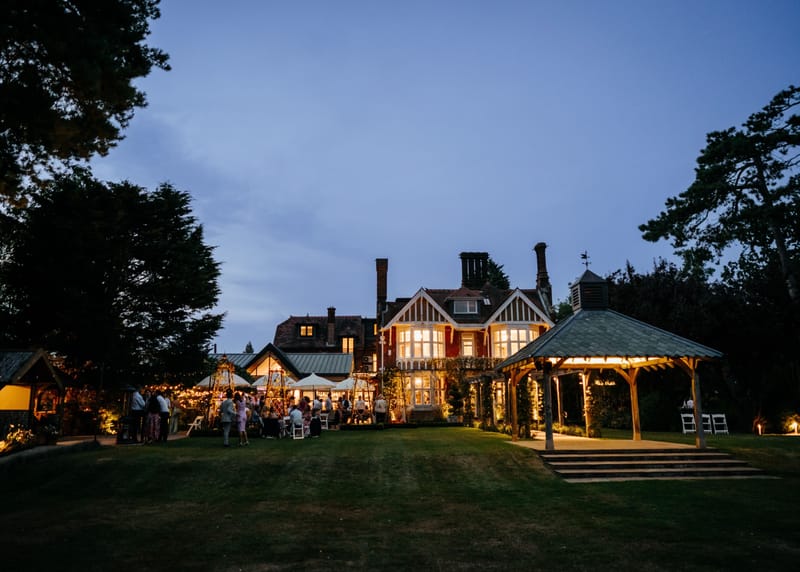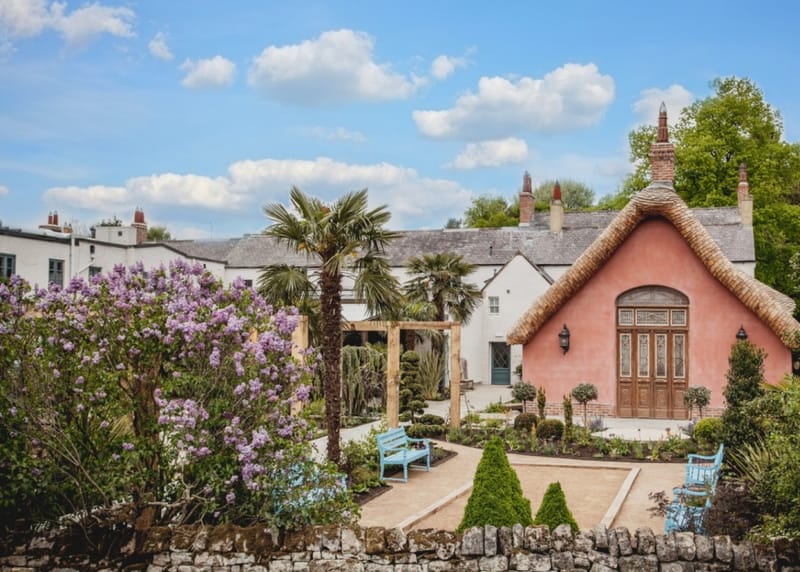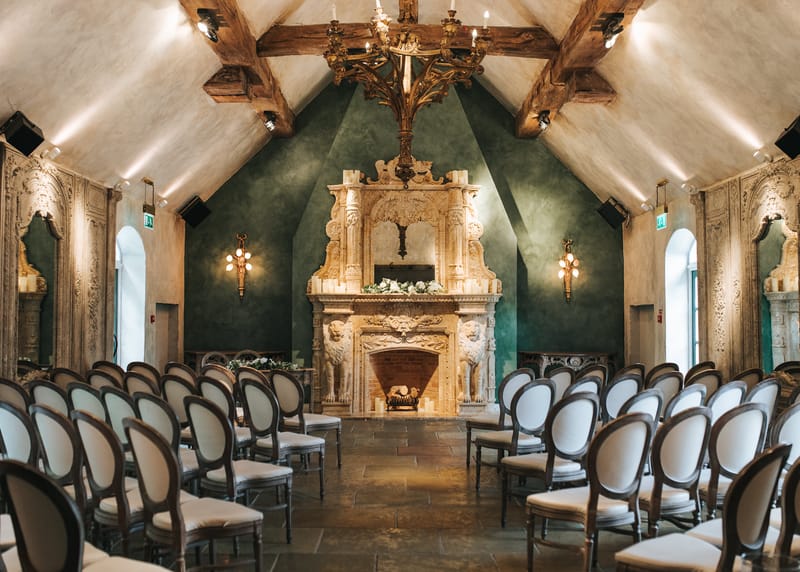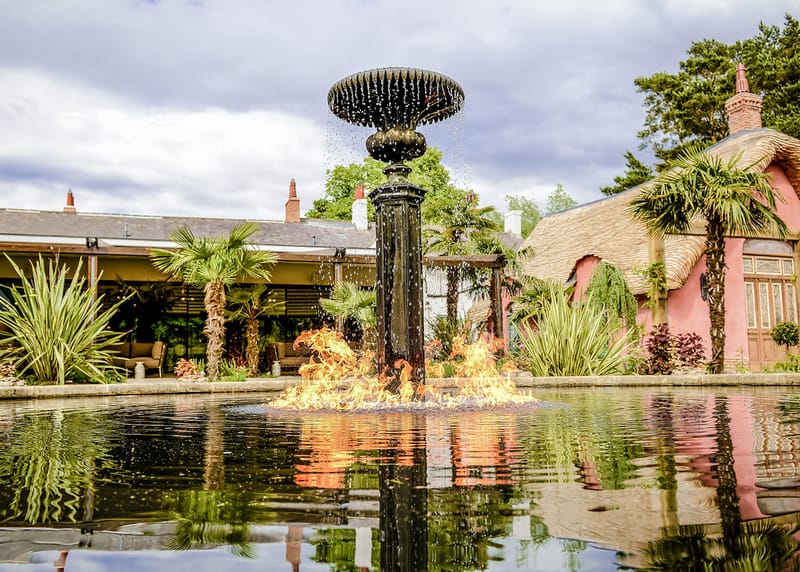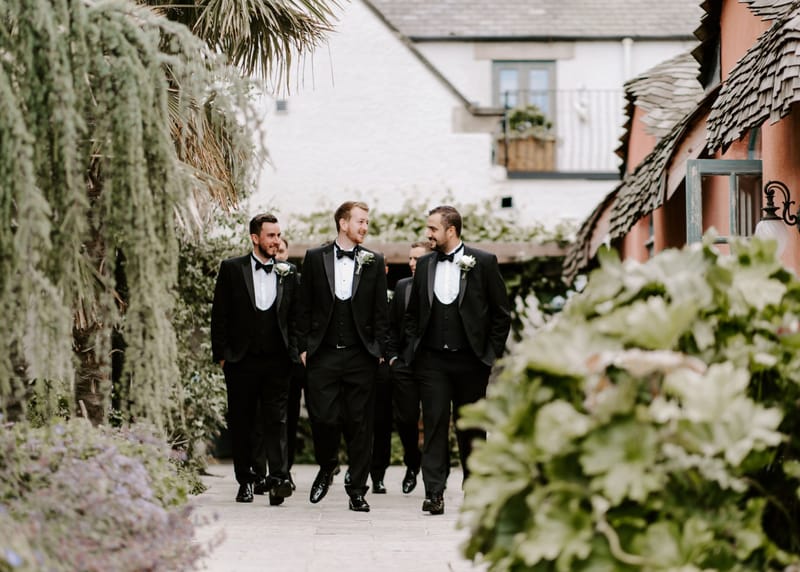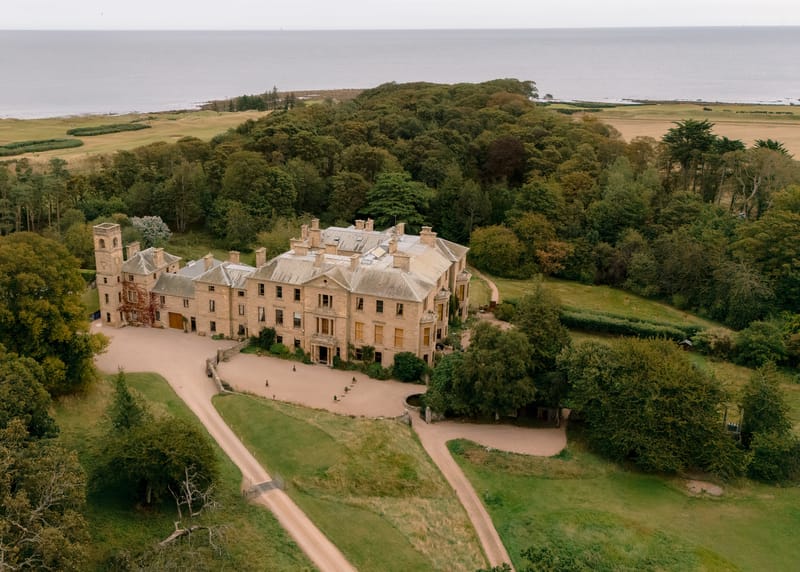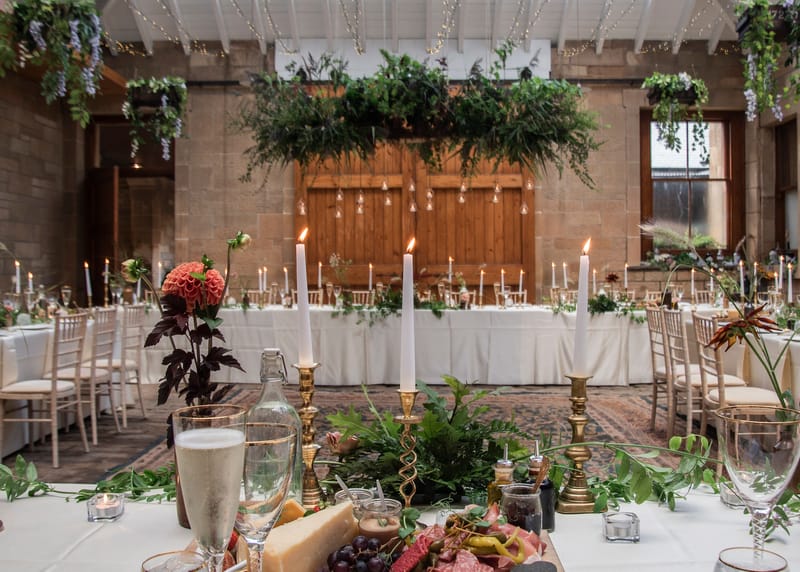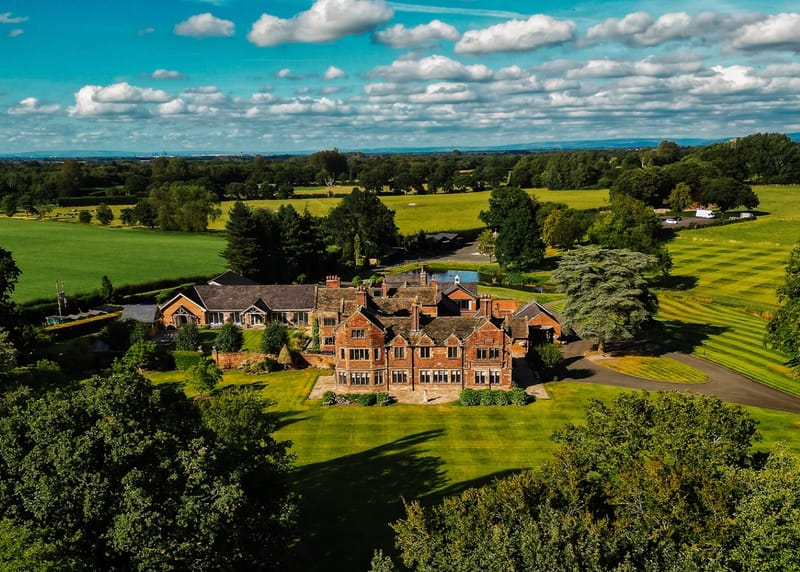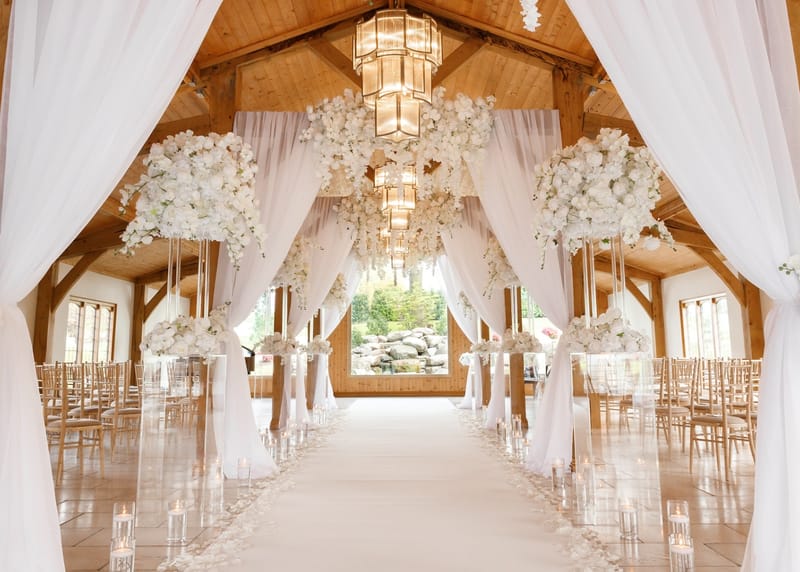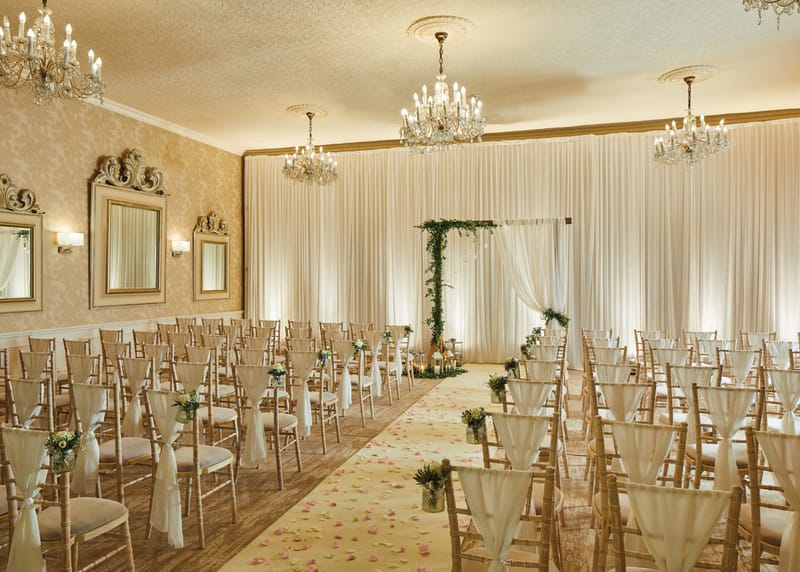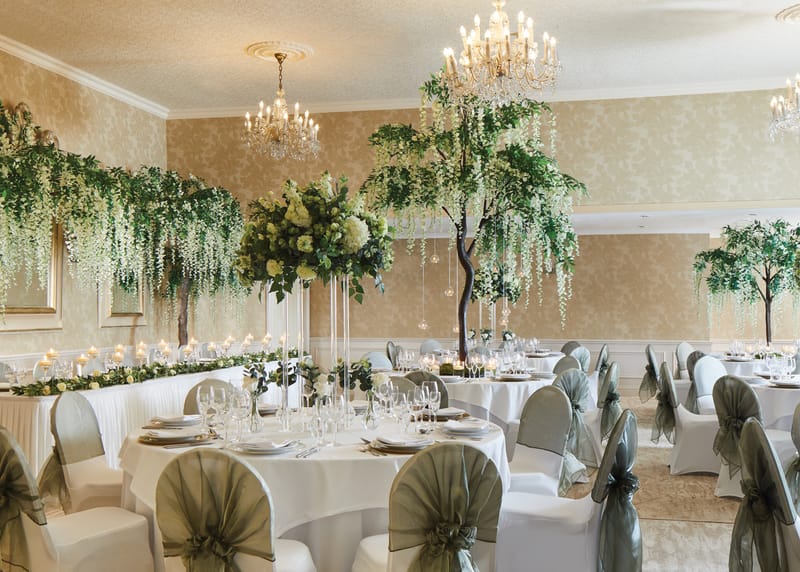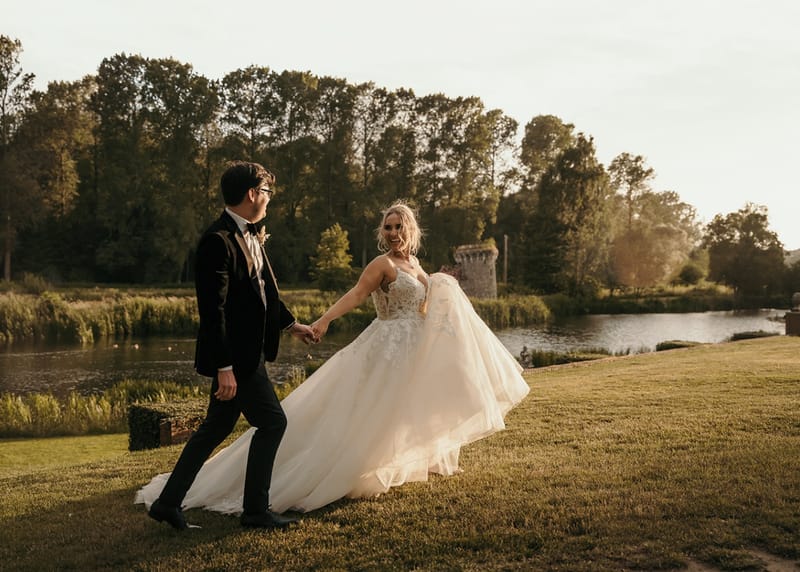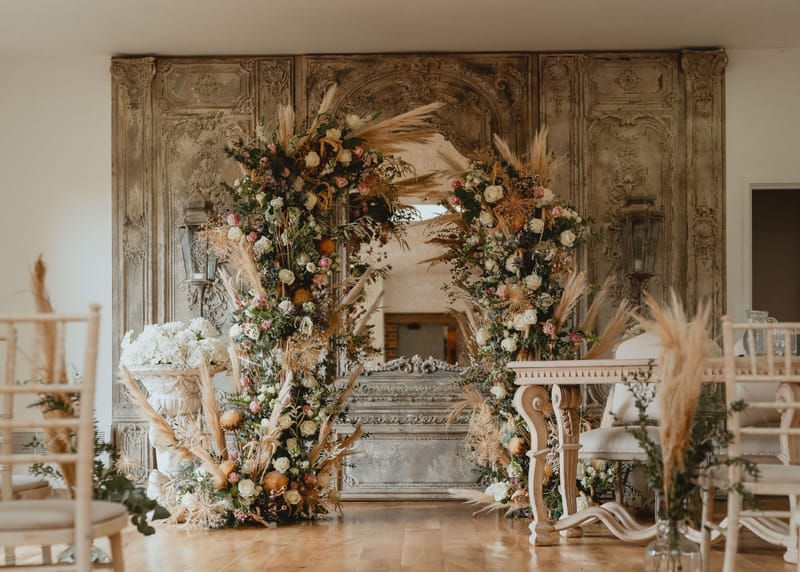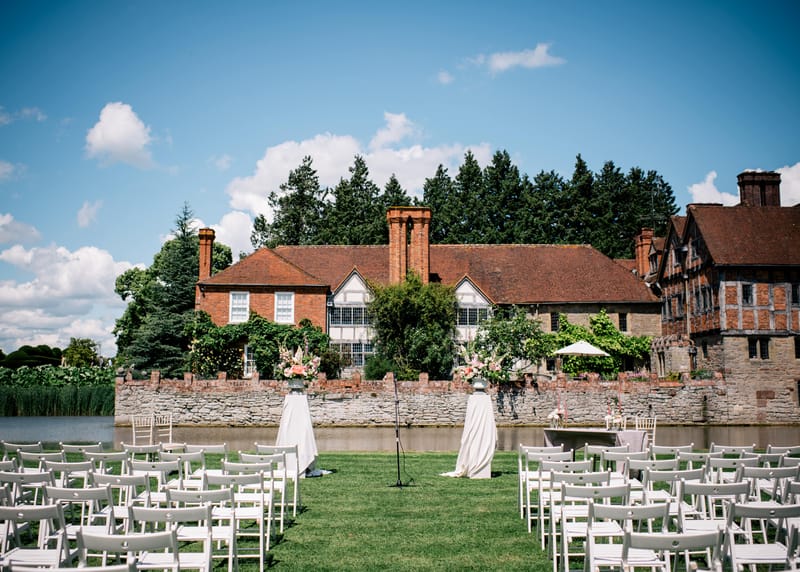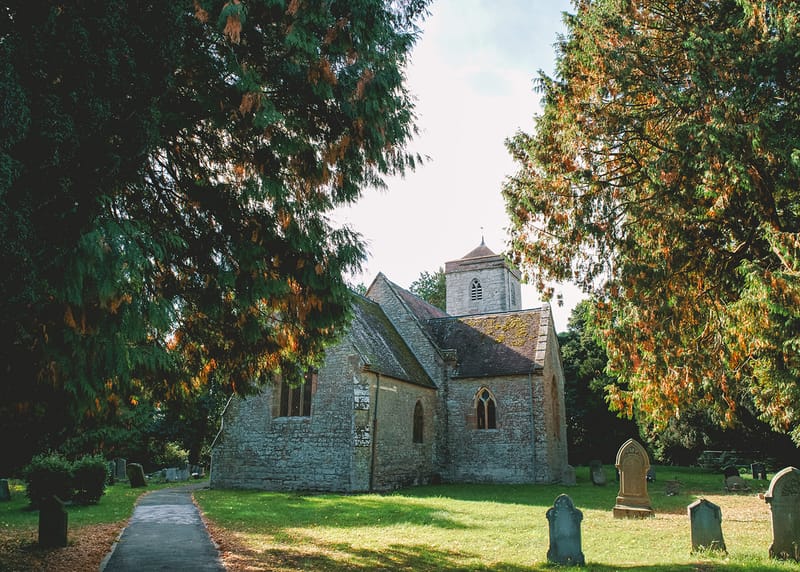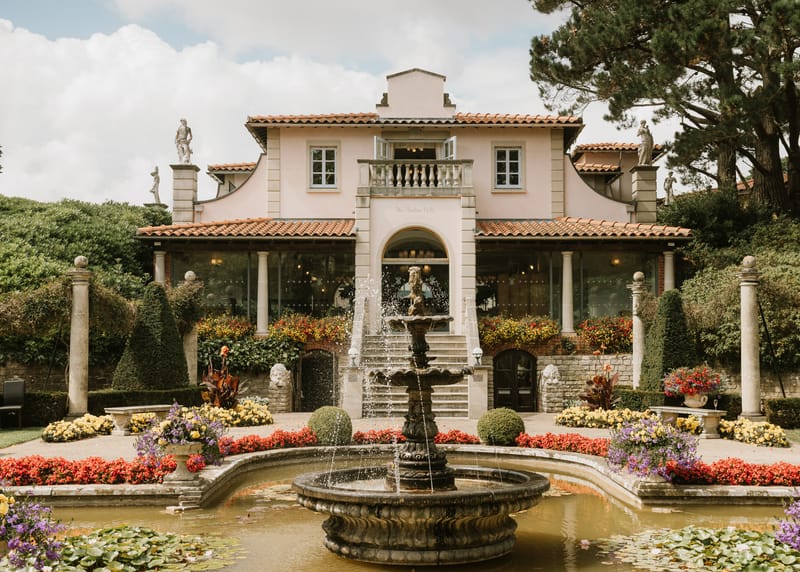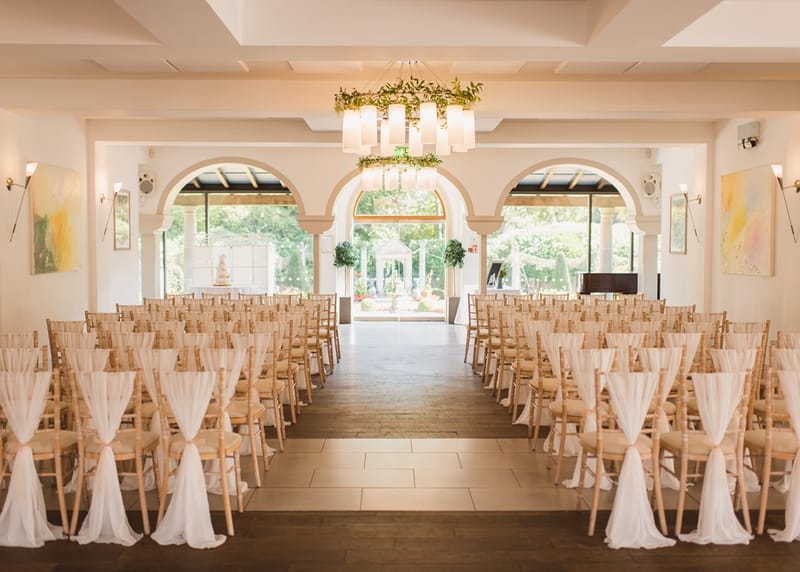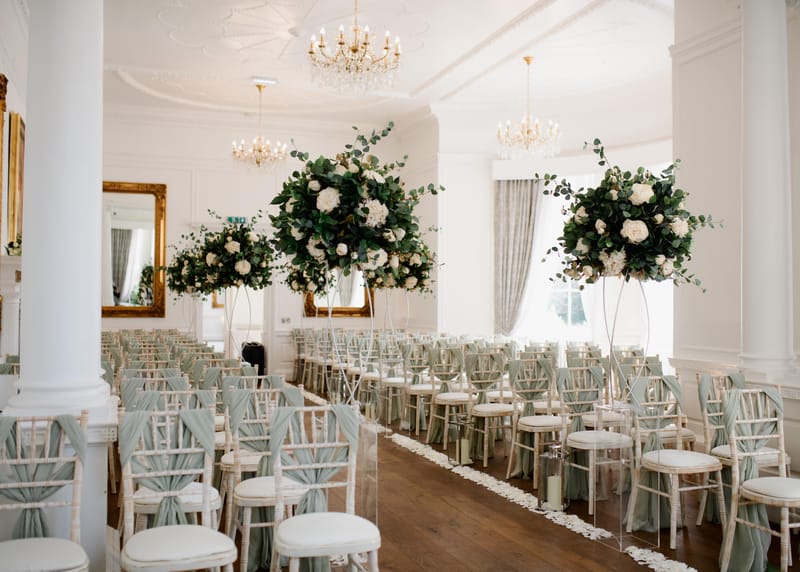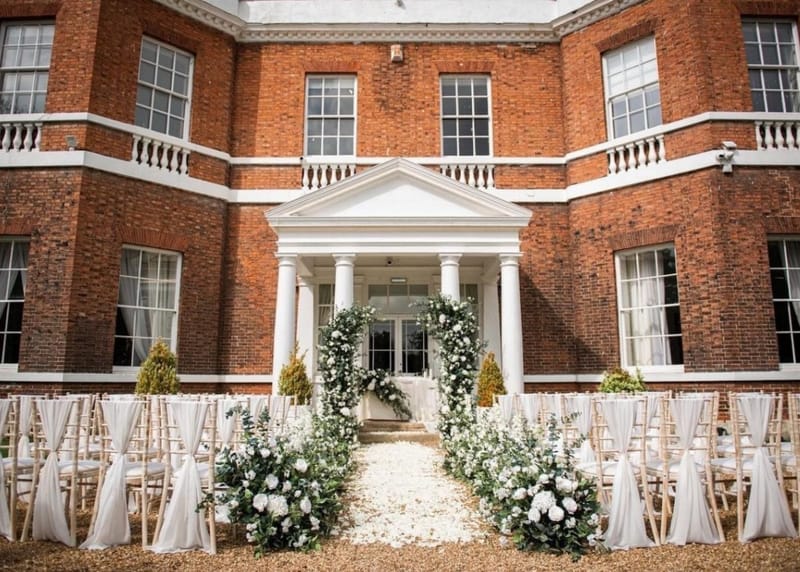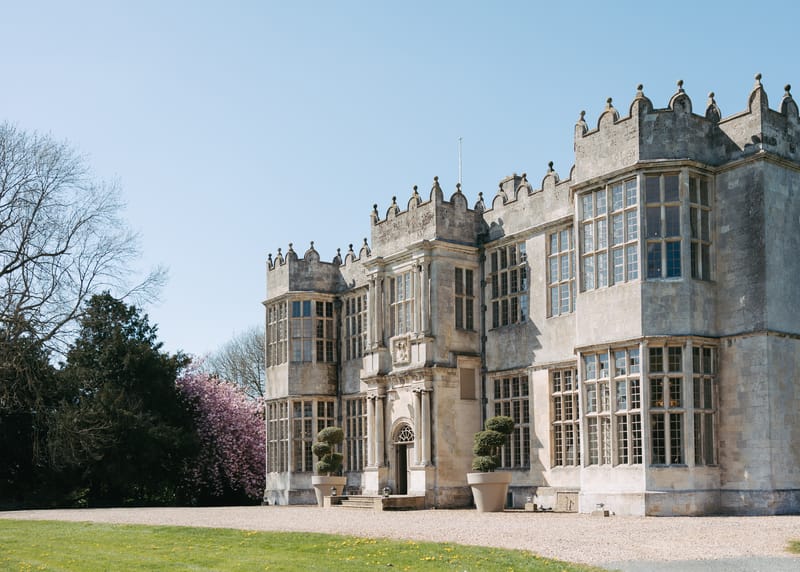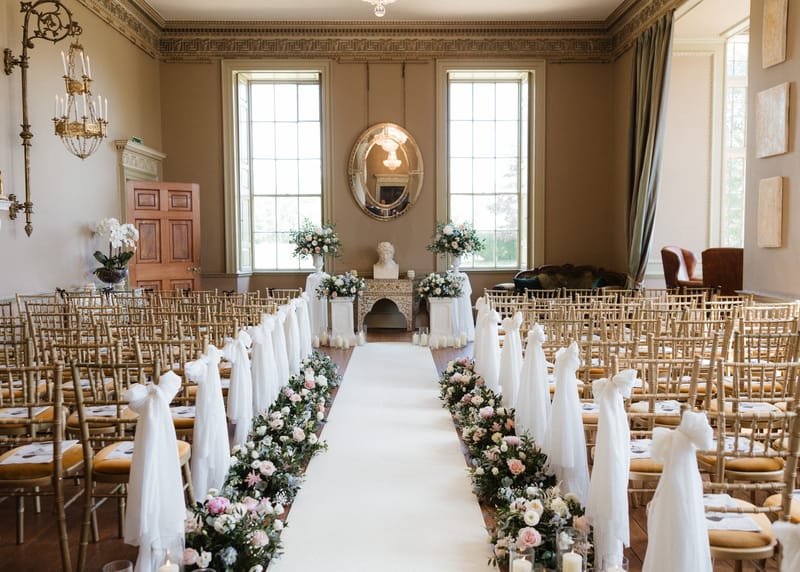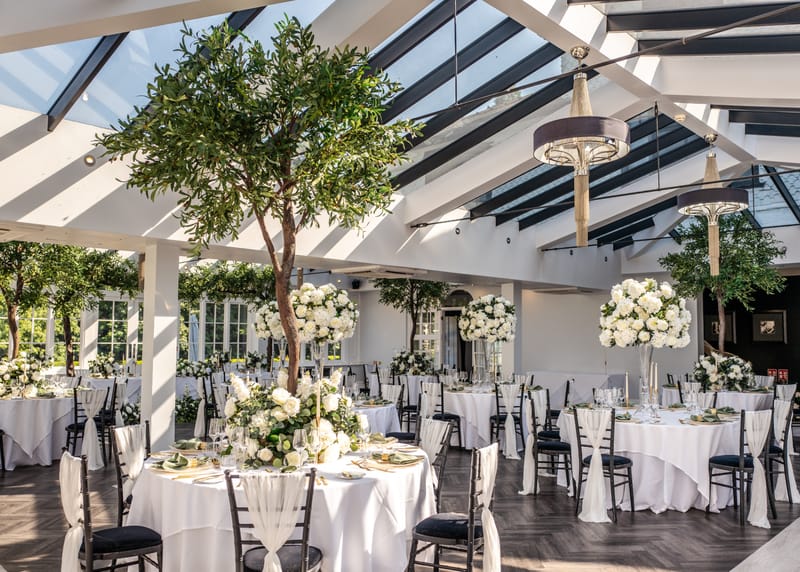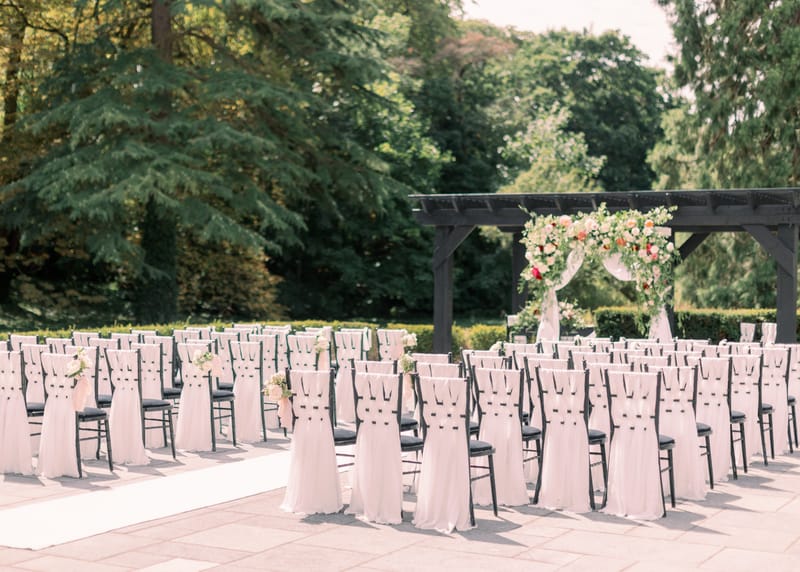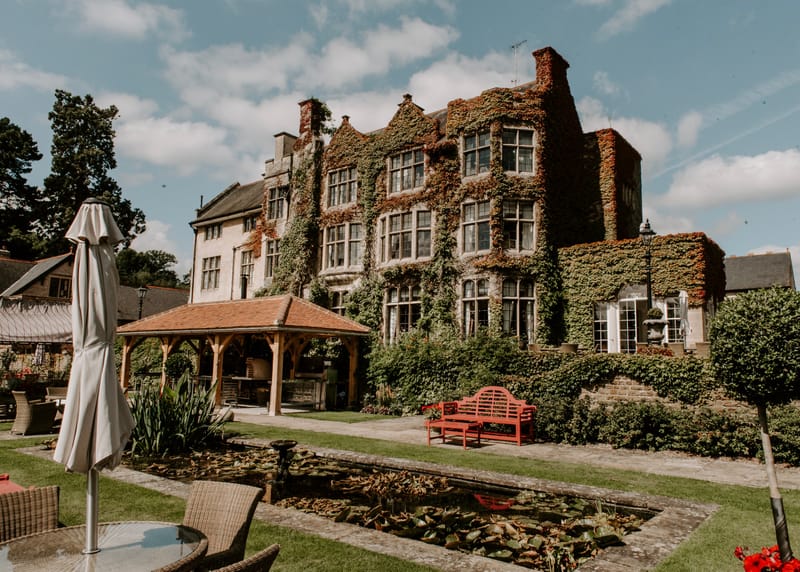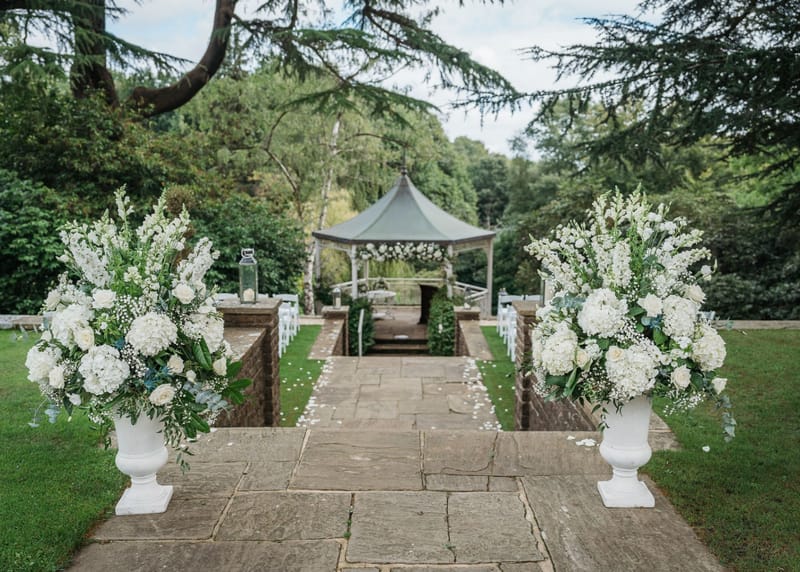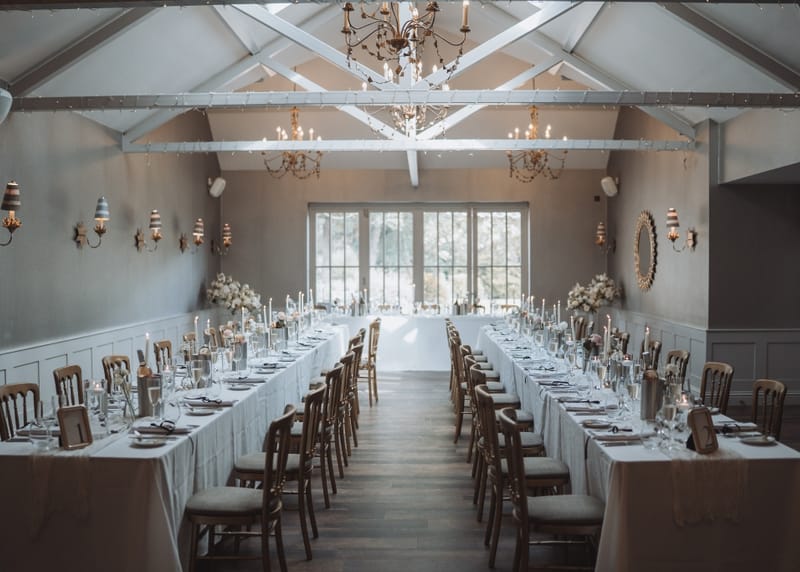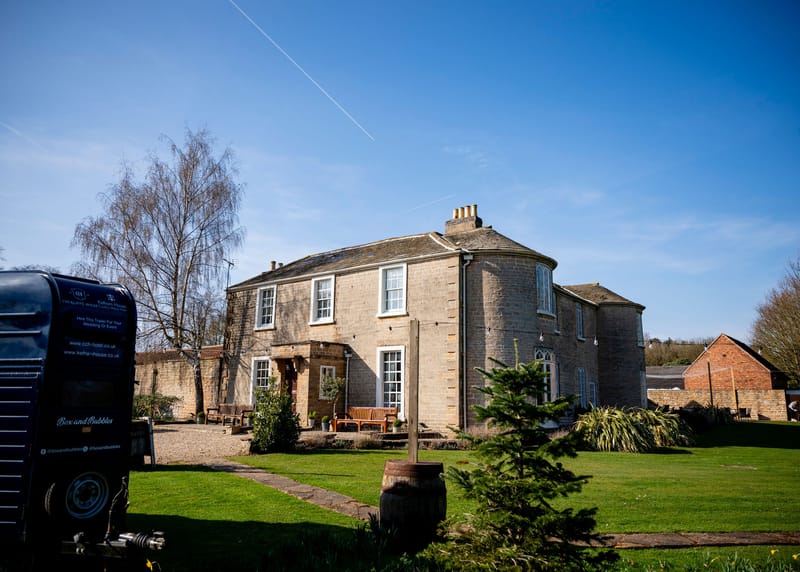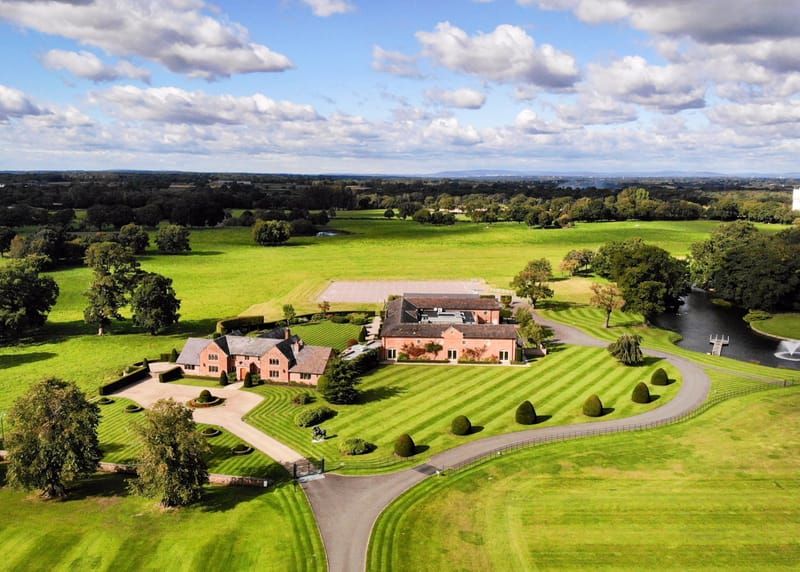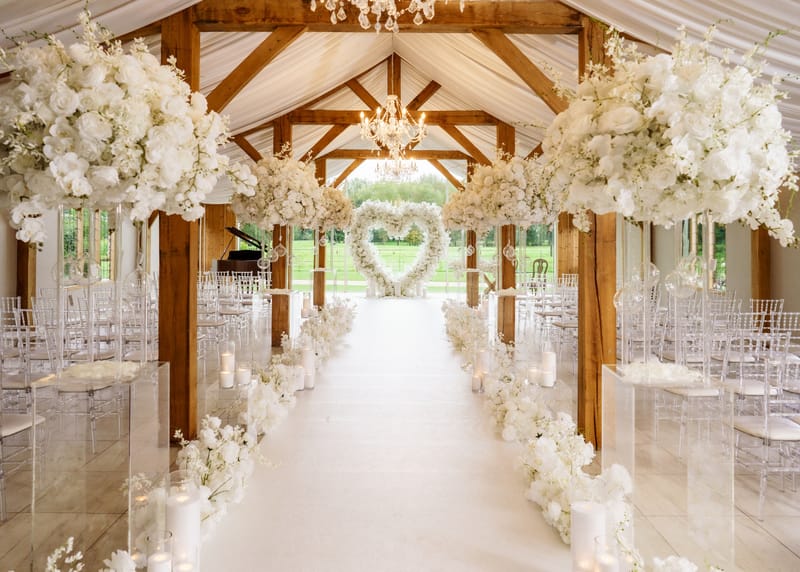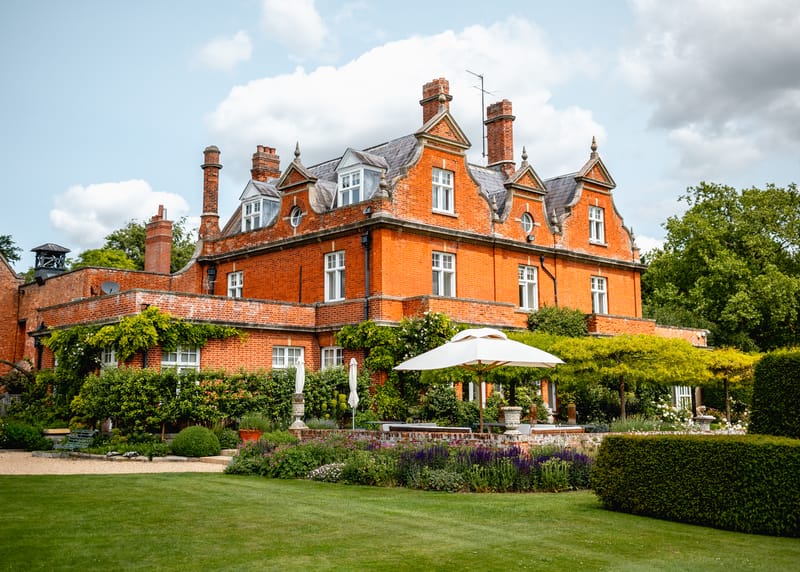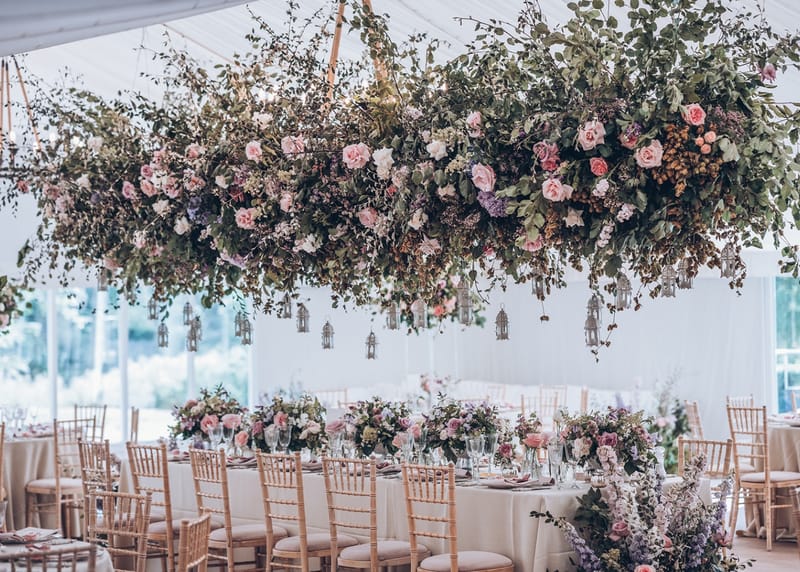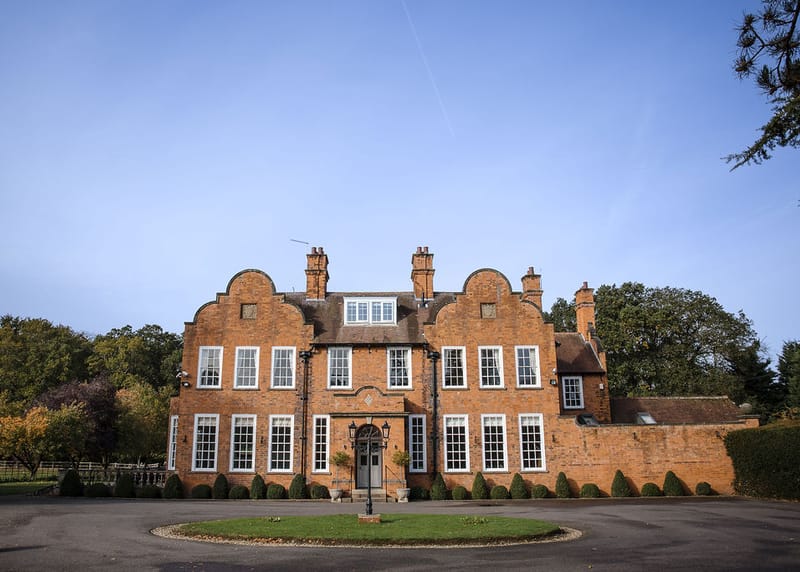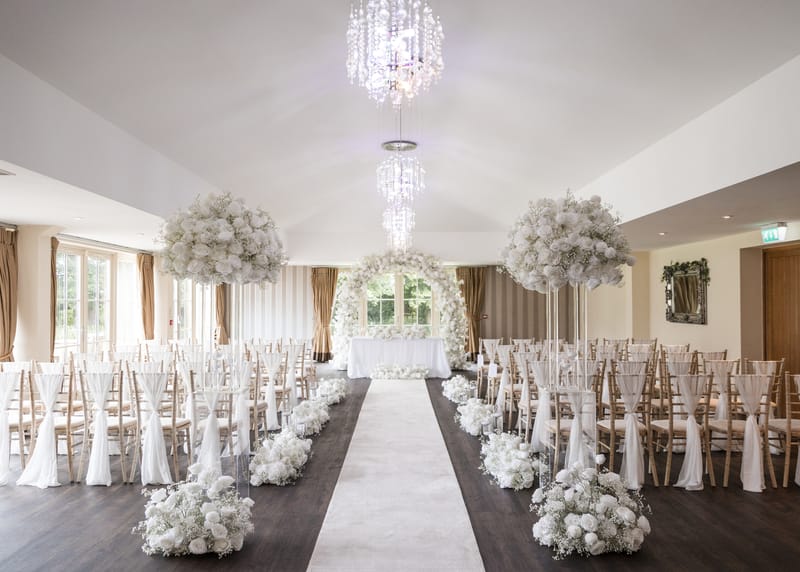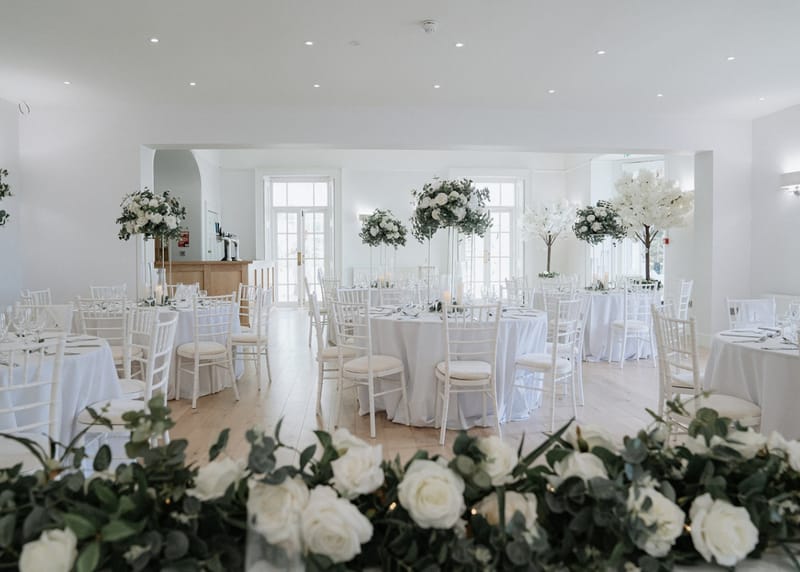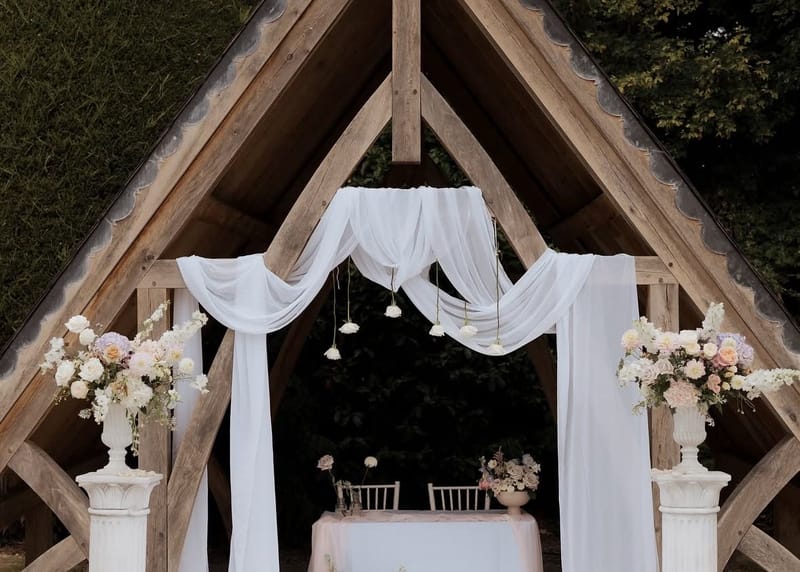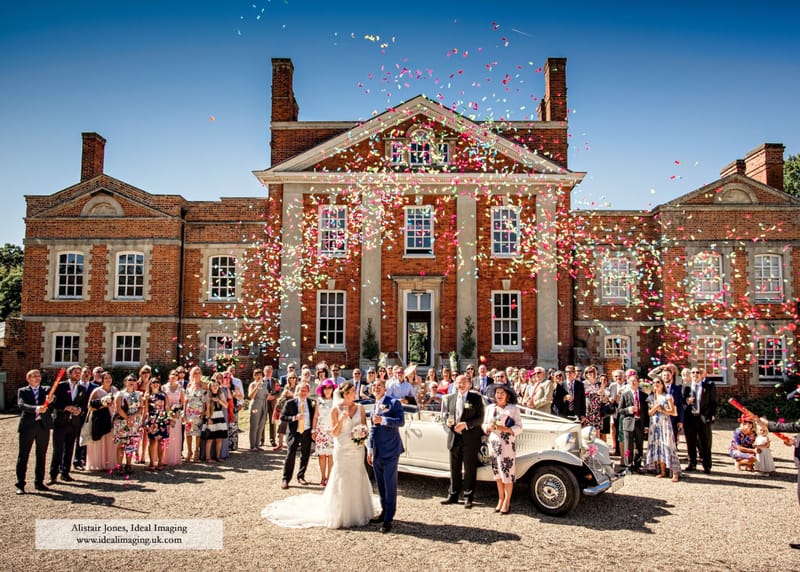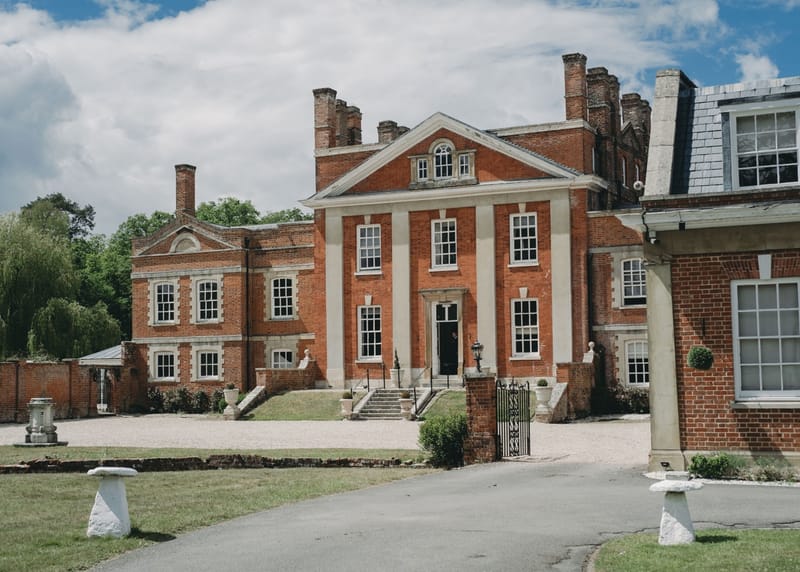
Best Country & Manor House Wedding Venues

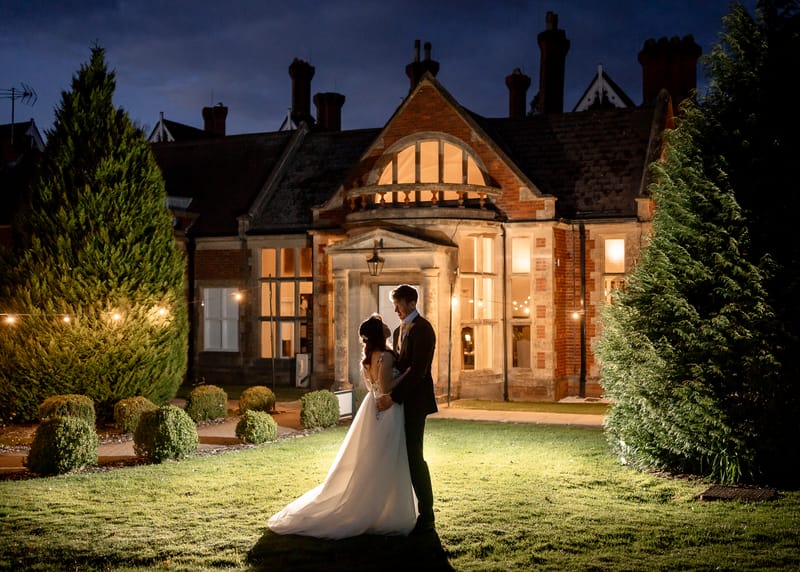
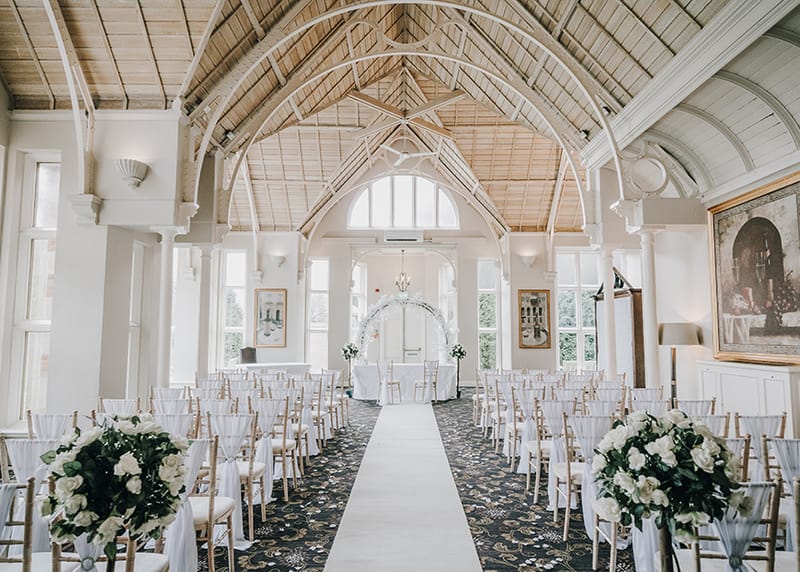
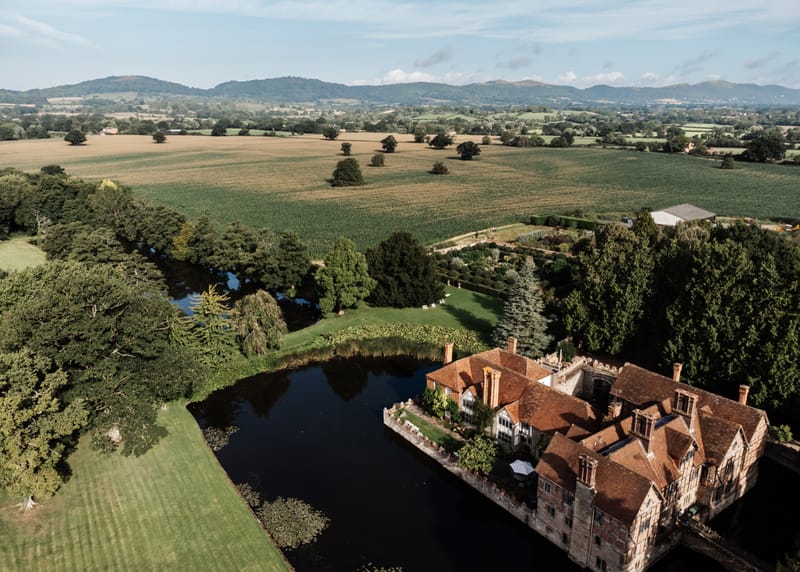
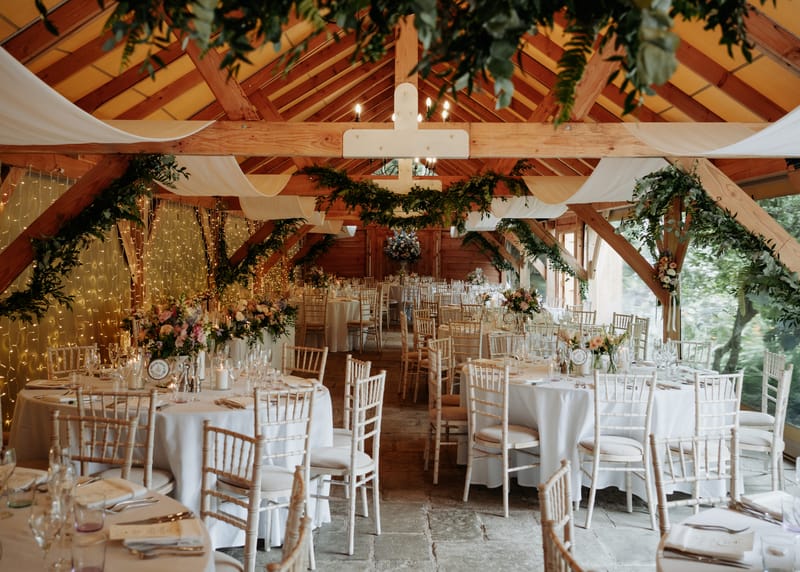
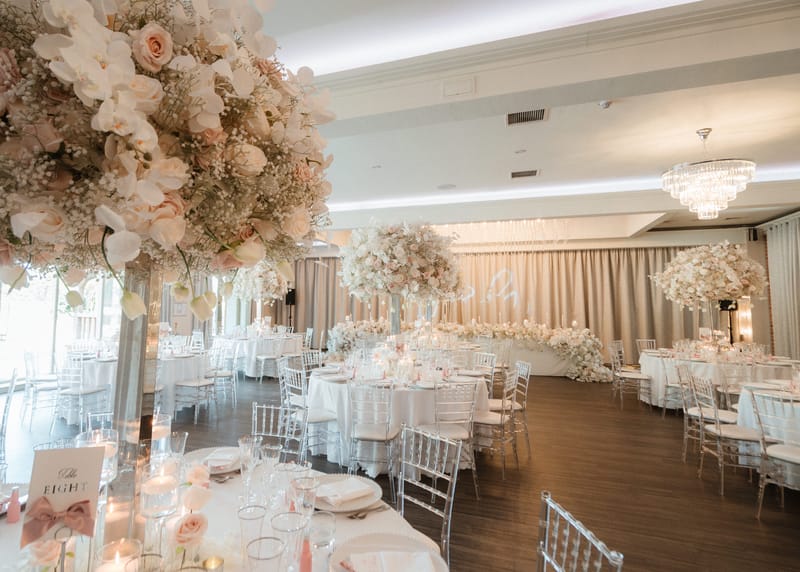
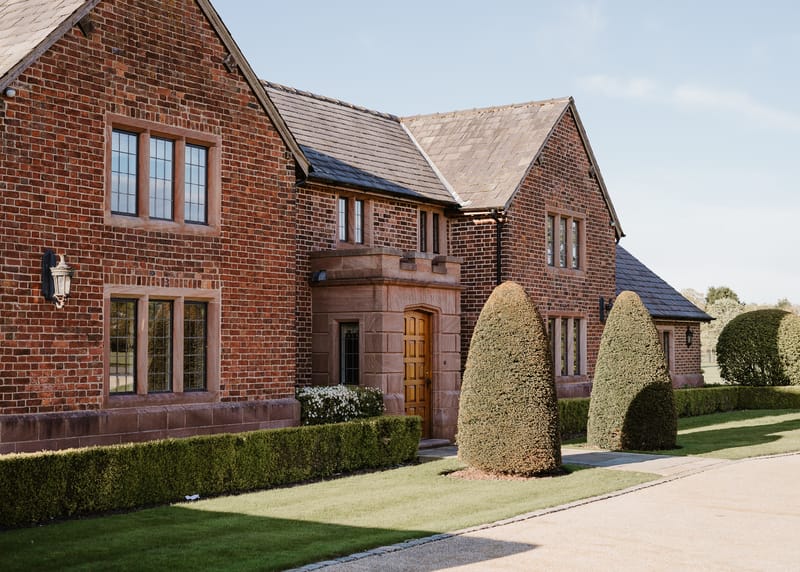
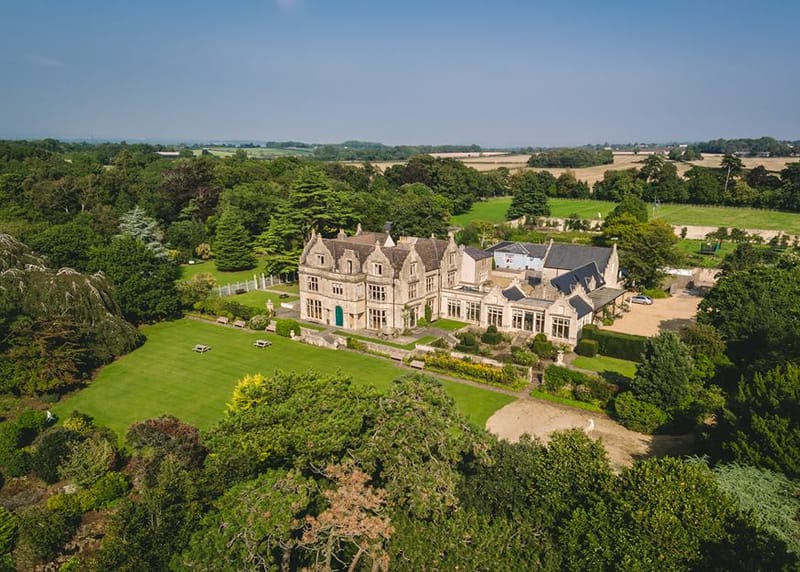
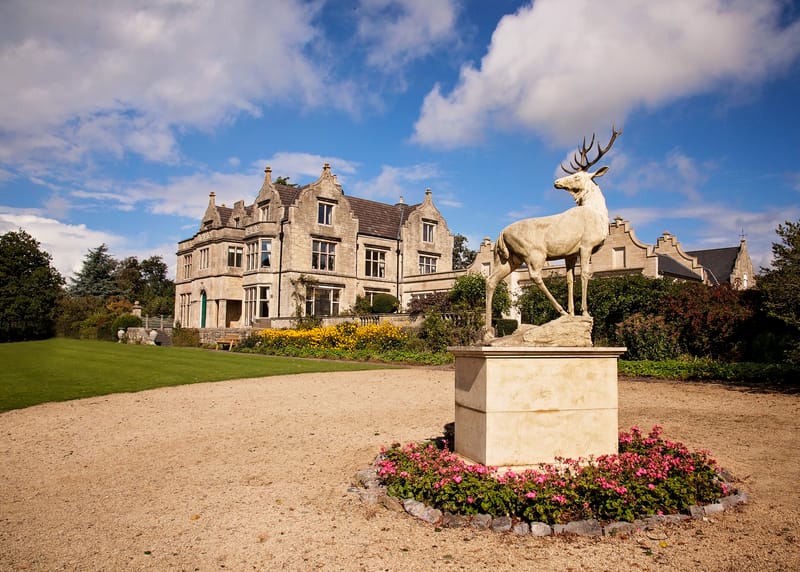
Country house and manor house wedding venues are among the most popular choices for couples planning a wedding in the UK. With historic architecture, landscaped grounds and exclusive-use options, these venues offer a timeless setting for both large celebrations and smaller weddings. Read more

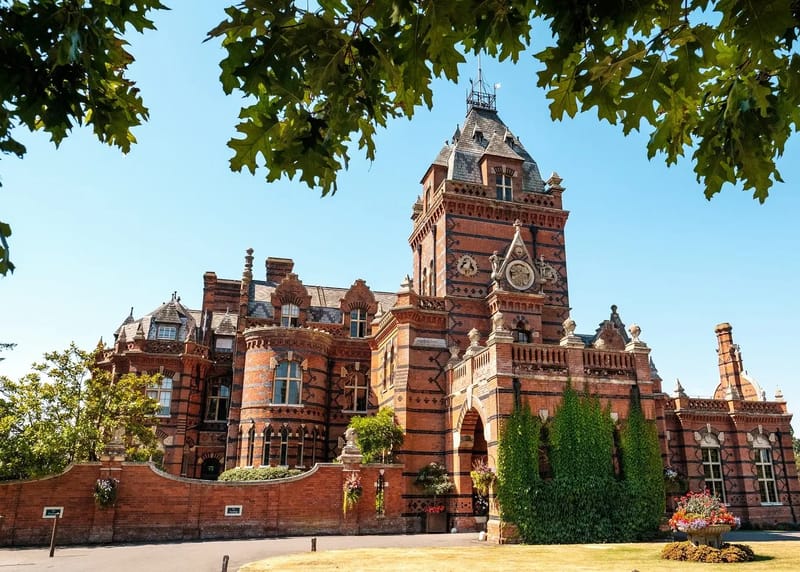
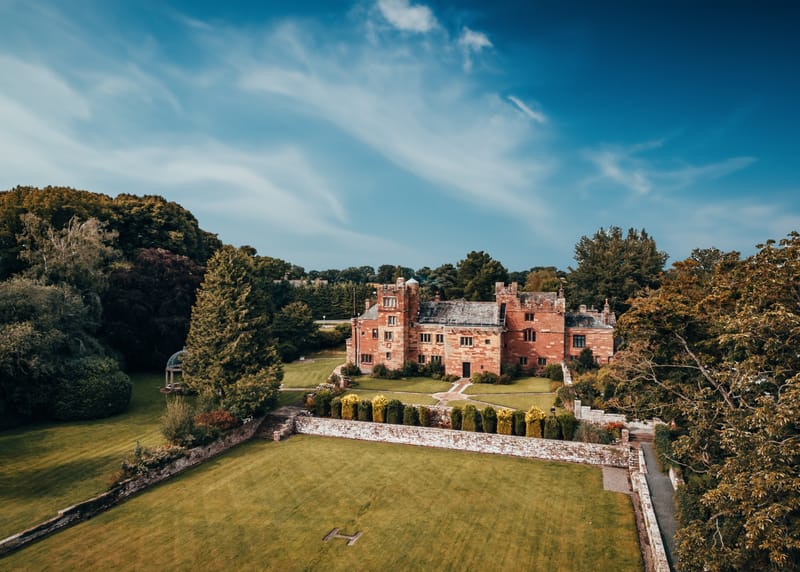
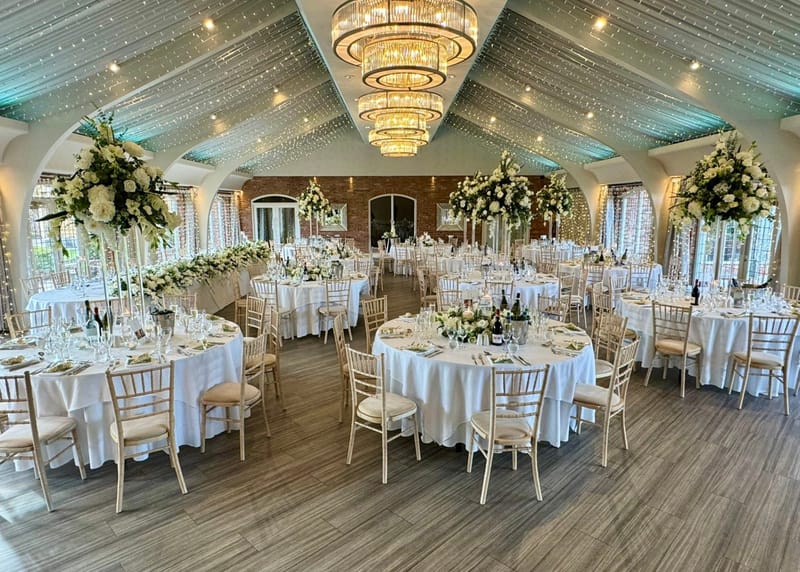
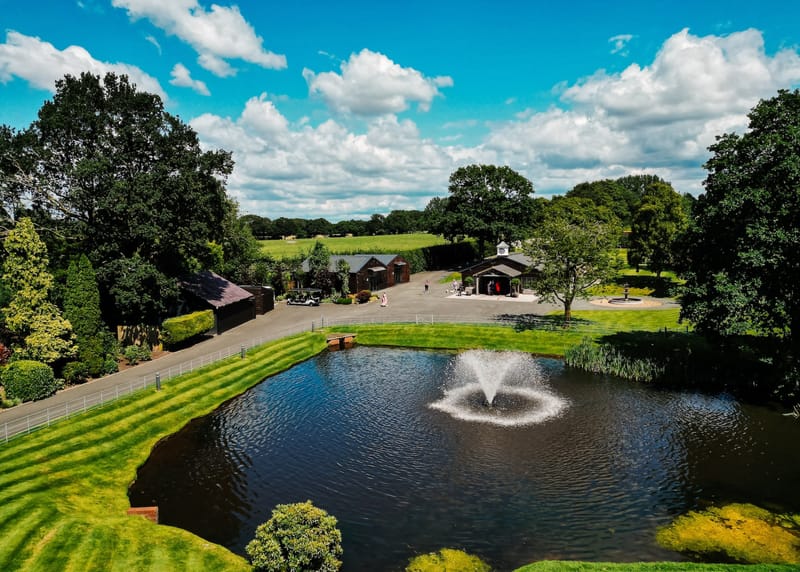
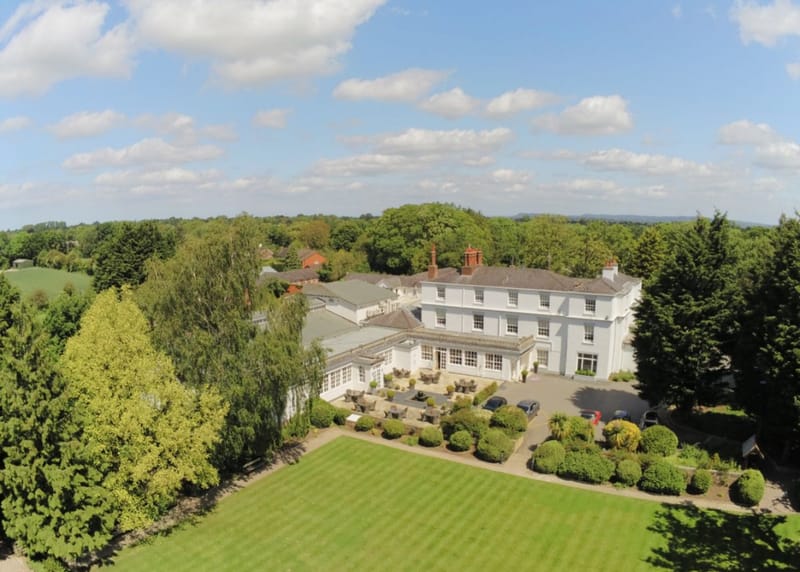
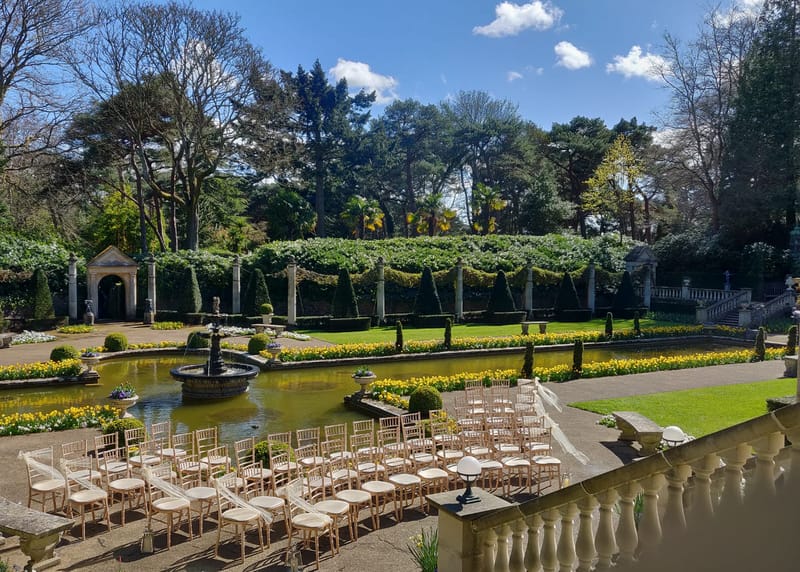
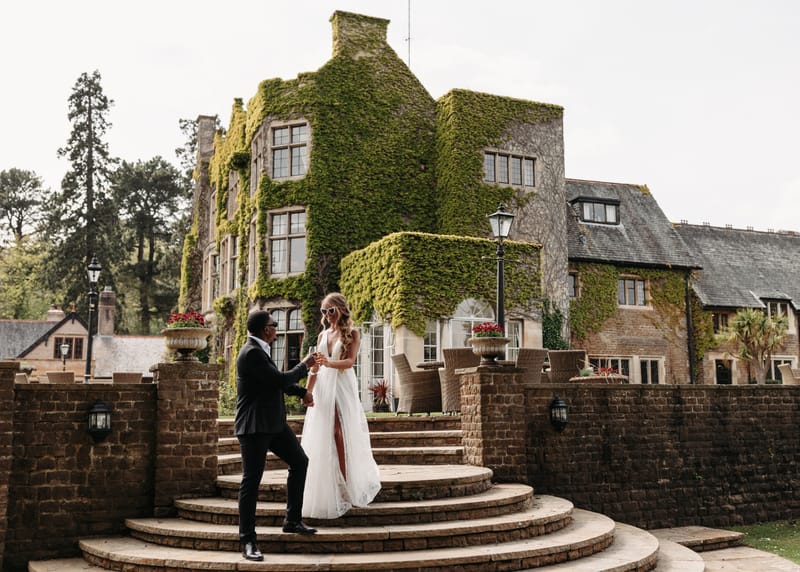
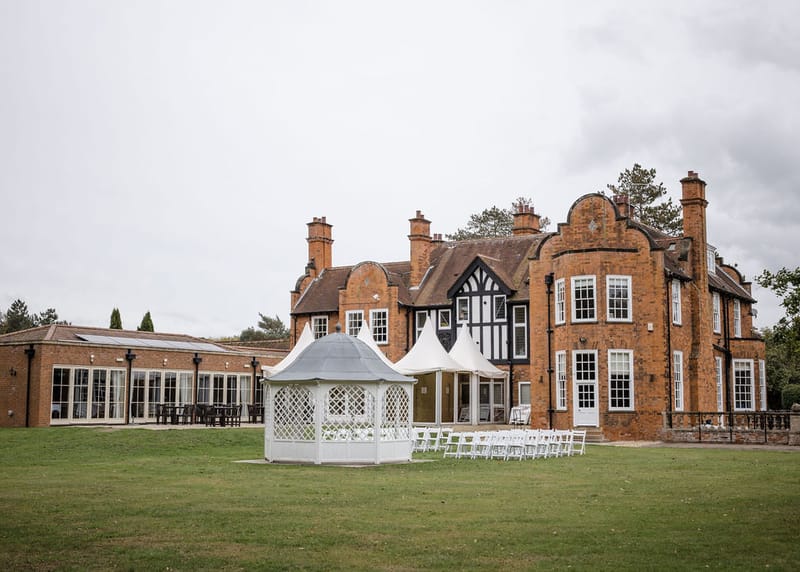
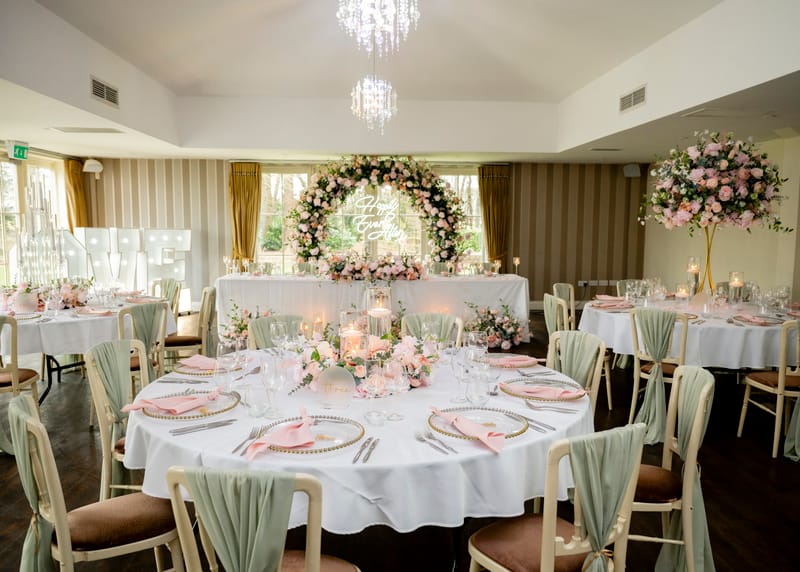
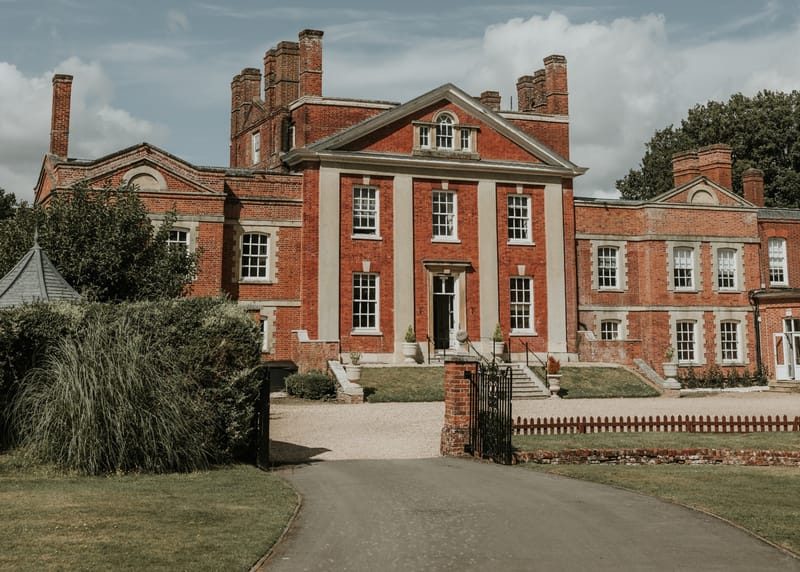
Delamere Manor

Cuddington, Cheshire
5.0(70)
Viewing Dates AvailableBridebook Deal AvailableUpcoming Event
  • 140
  • 6 Bedrooms
  • £6,000 – £15,800

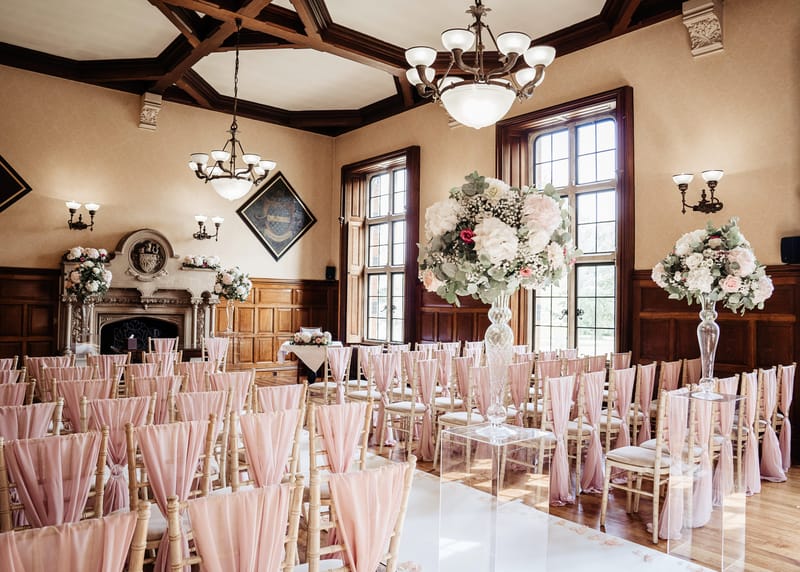
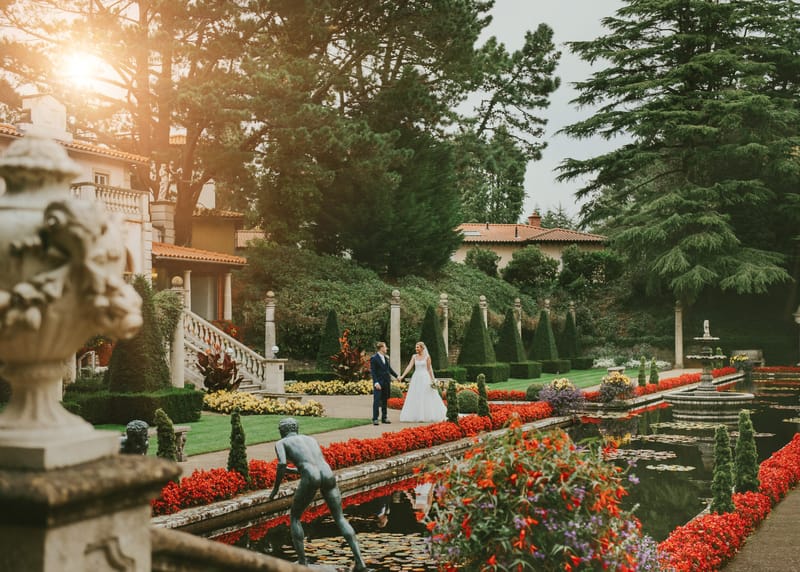
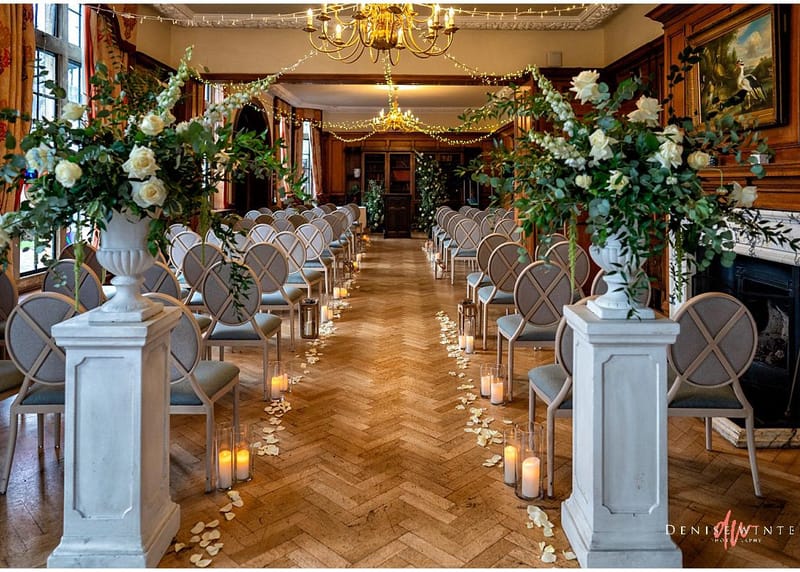
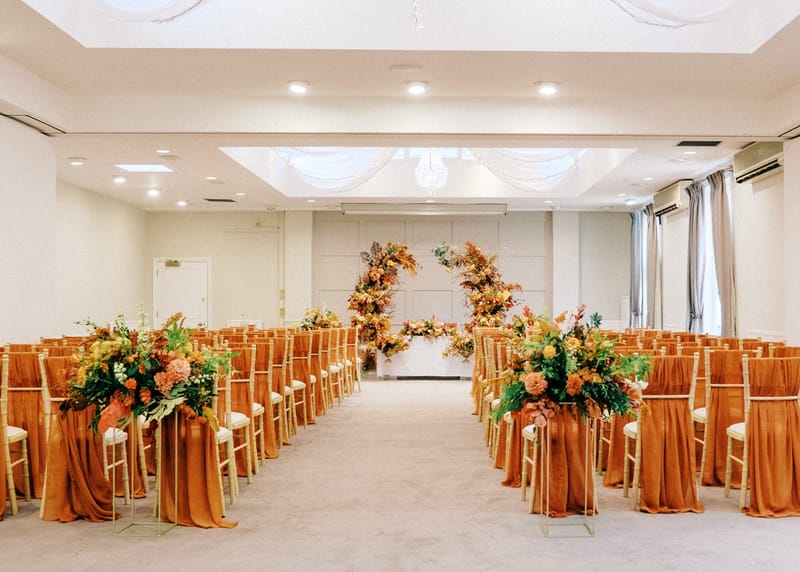
Rise Hall

East Riding, East Riding of Yorkshire
5.0(102)
More Pricing InsideBridebook Deal Available
  • 180
  • 31 Bedrooms
  • £2,500 – £5,900

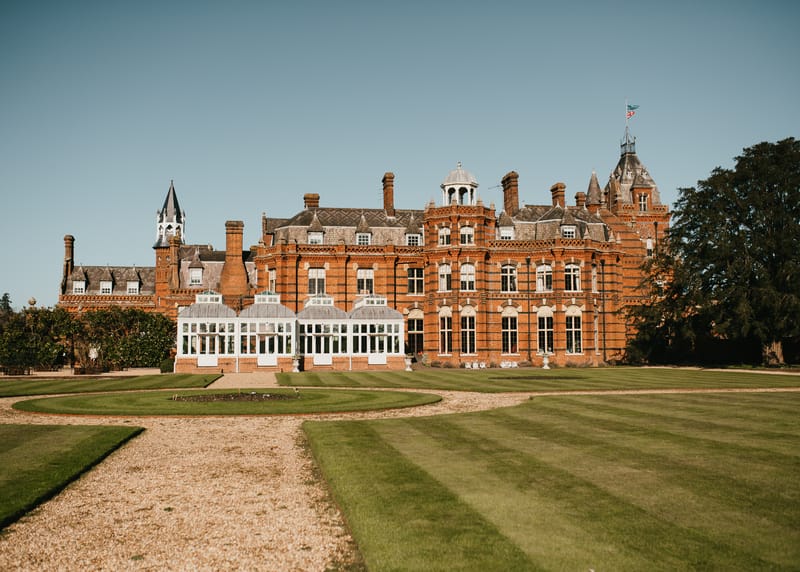
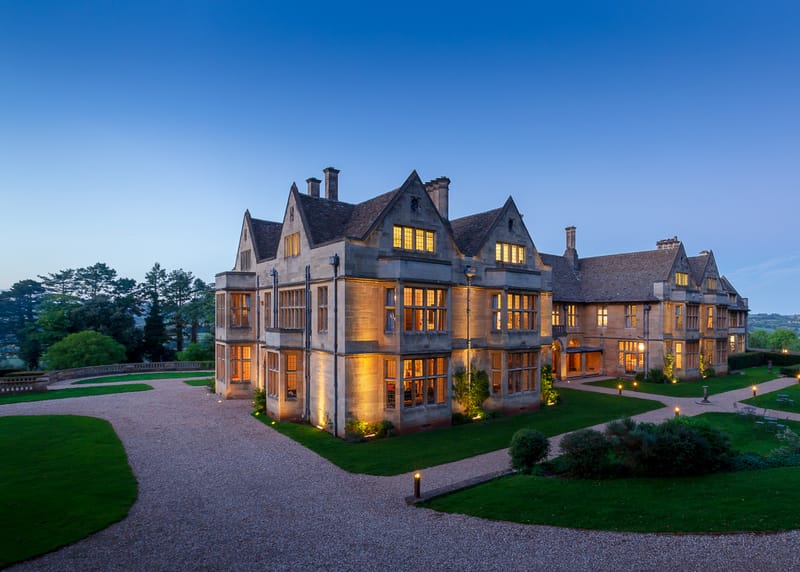
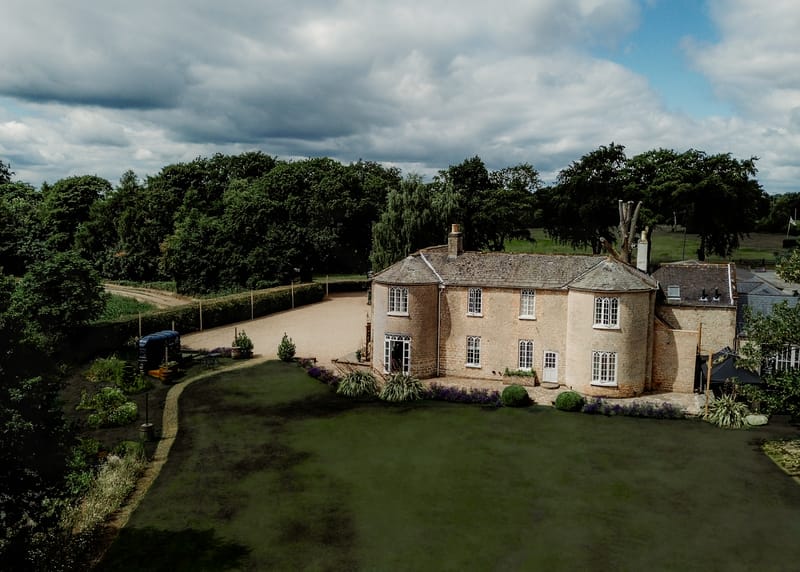
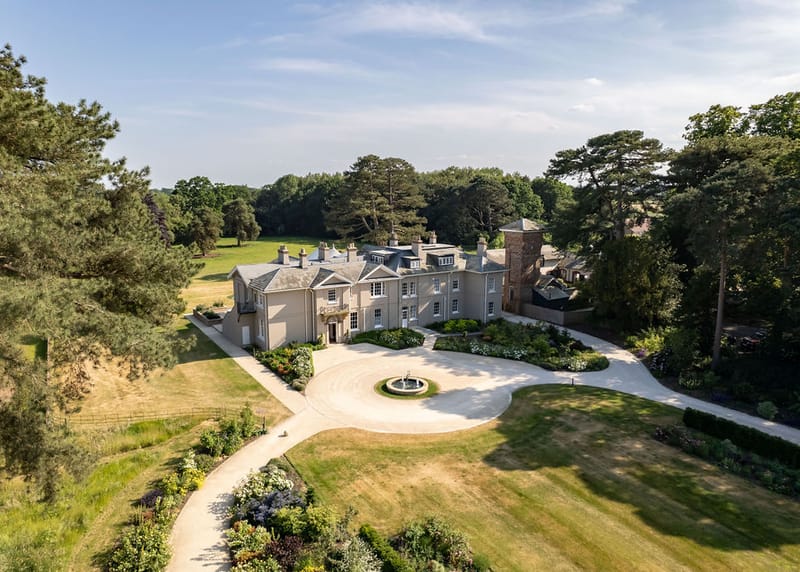
Coombe Lodge

Blagdon, Bourne Lane, Somerset
5.0(93)
More Pricing InsideBridebook Deal Available
  • 160
  • 12 Bedrooms
  • £1,950 – £5,300
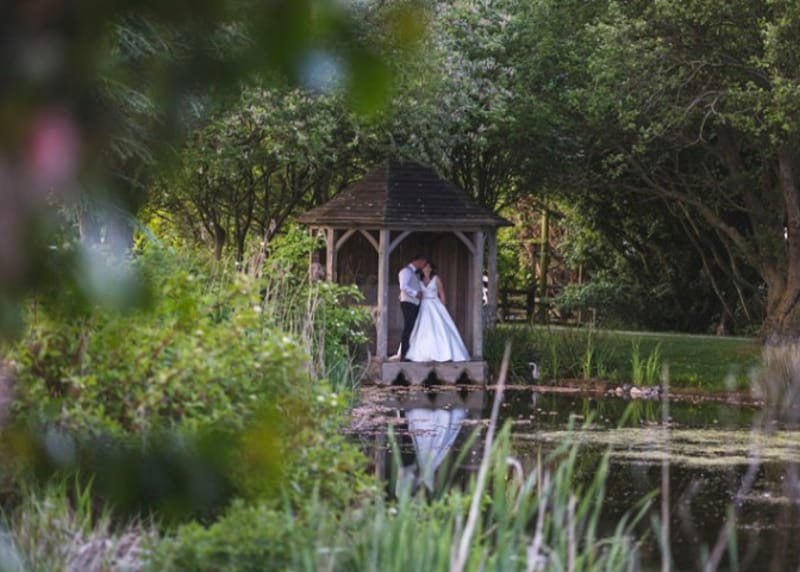
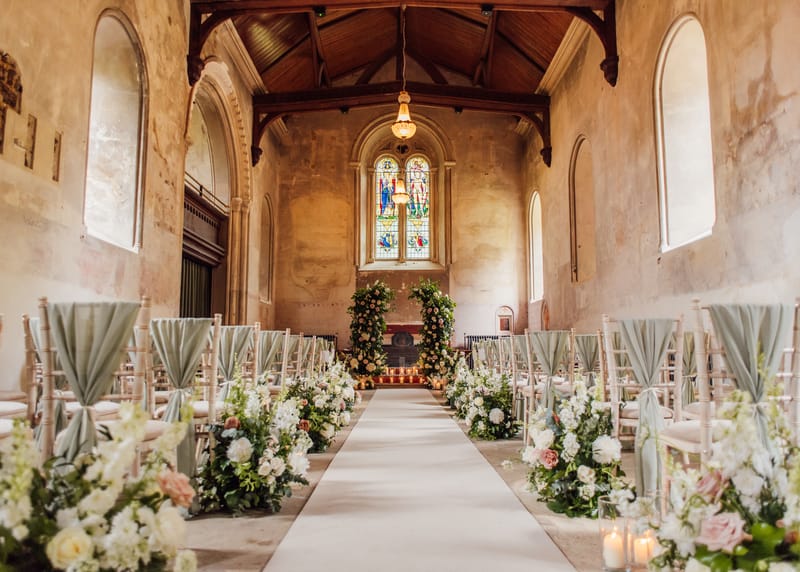
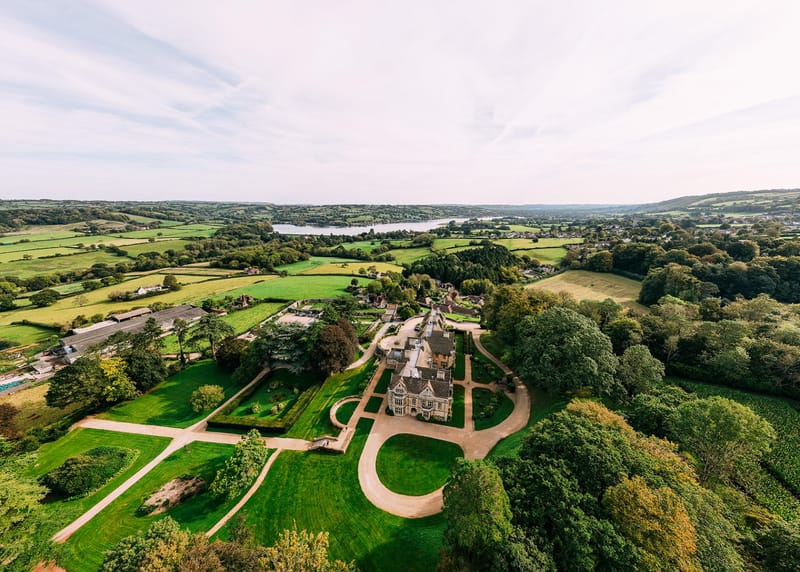
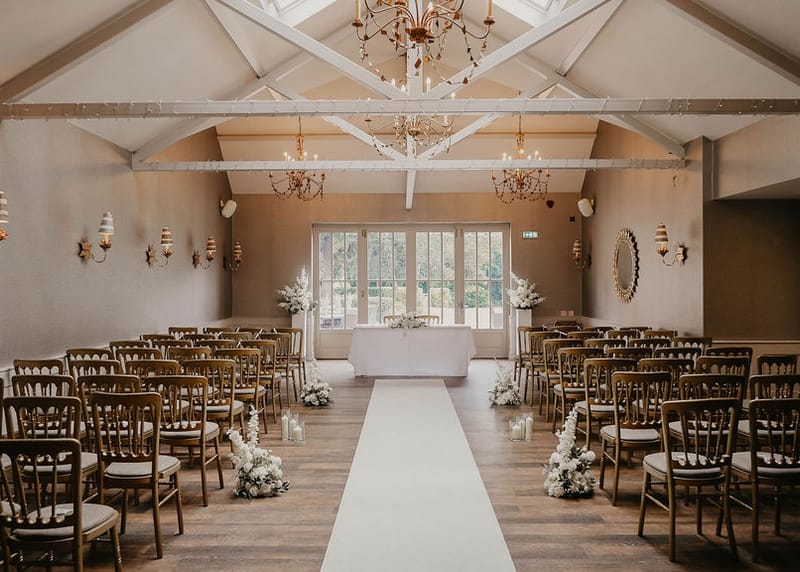
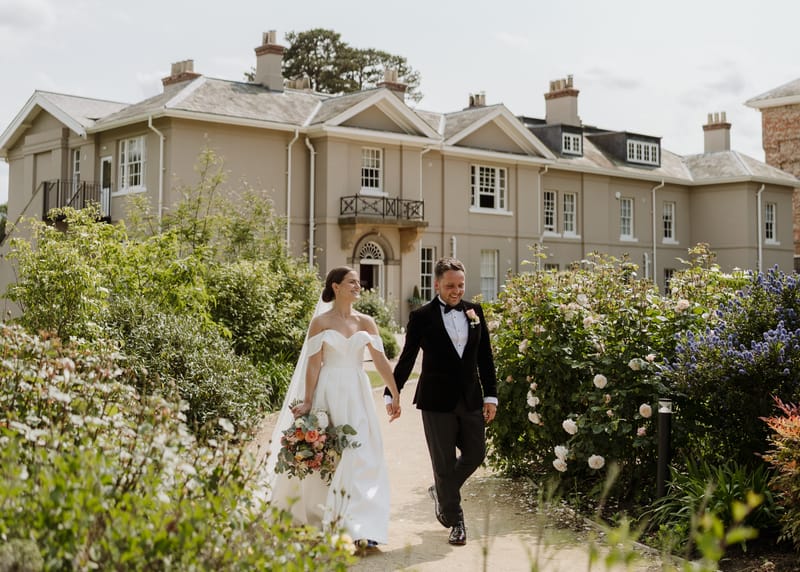
Bawtry Hall

Bawtry, Nottinghamshire
5.0(80)
Viewing Dates AvailableBridebook Deal Available
  • 120
  • 77 Bedrooms
  • £1,999 – £5,000

Le Petit Chateau

Newcastle Upon Tyne, Northumberland
5.0(123)
More Pricing InsideBridebook Deal AvailableUpcoming Event
  • 150
  • 30 Bedrooms
  • £950 – £6,500
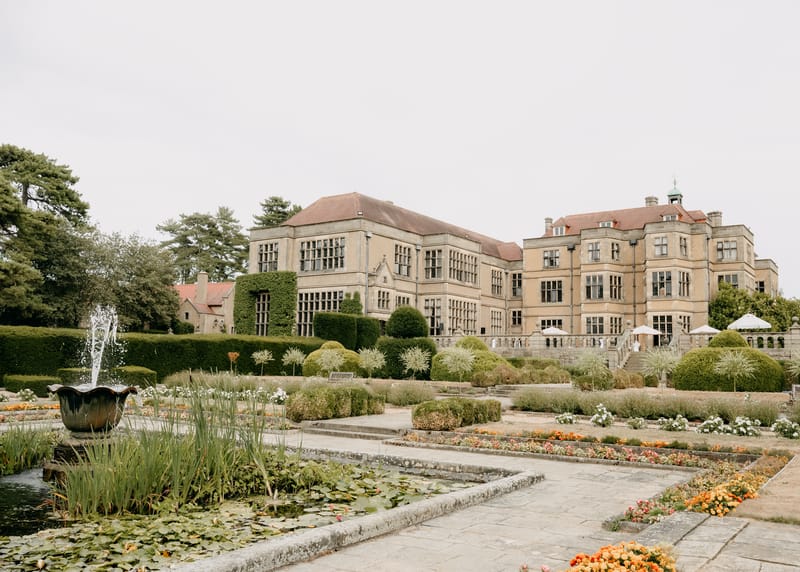
Newton Hall

Alnwick, Northumberland
5.0(123)
More Pricing InsideBridebook Deal AvailableUpcoming Event
  • 150
  • 58 Bedrooms
  • £950 – £6,500
Colshaw Hall

Over Peover, Cheshire
5.0(131)
Viewing Dates AvailableBridebook Deal AvailableUpcoming Event
  • 160
  • 25 Bedrooms
  • £5,800 – £21,500

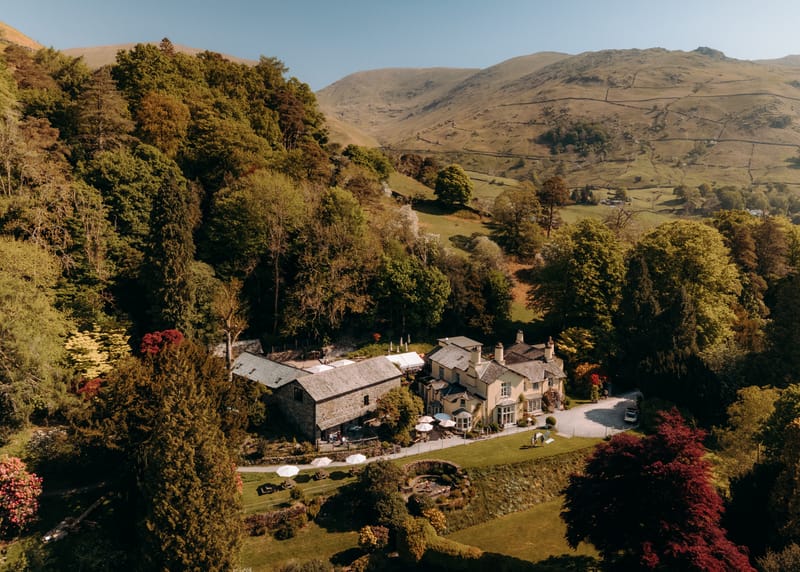
Lancrigg

Grasmere, Cumbria
5.0(70)
More Pricing InsideBridebook Deal Available
  • 110
  • 17 Bedrooms
  • £8,000 – £10,000
Everything you need to know about weddings in

Country House Wedding Venues in the UK

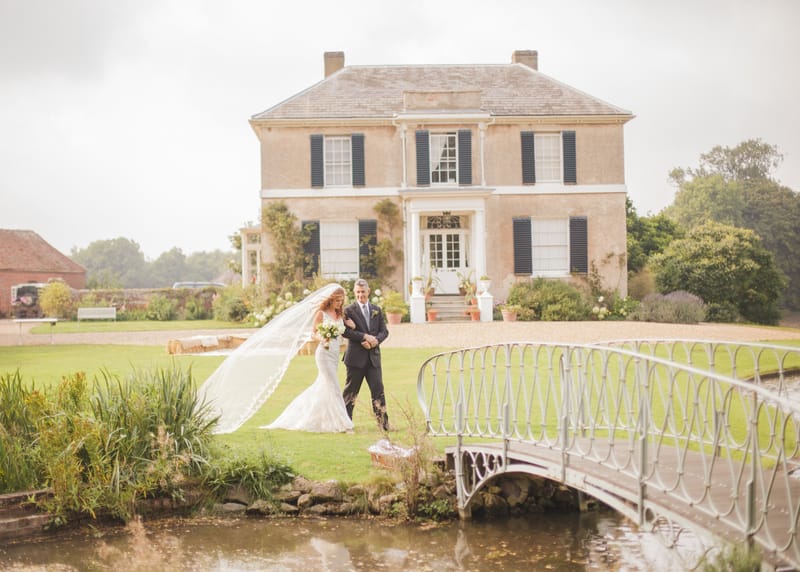
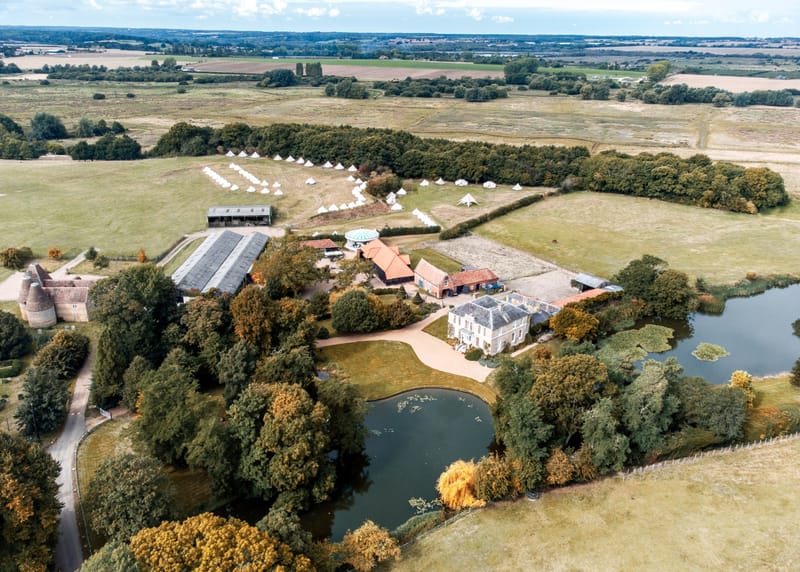
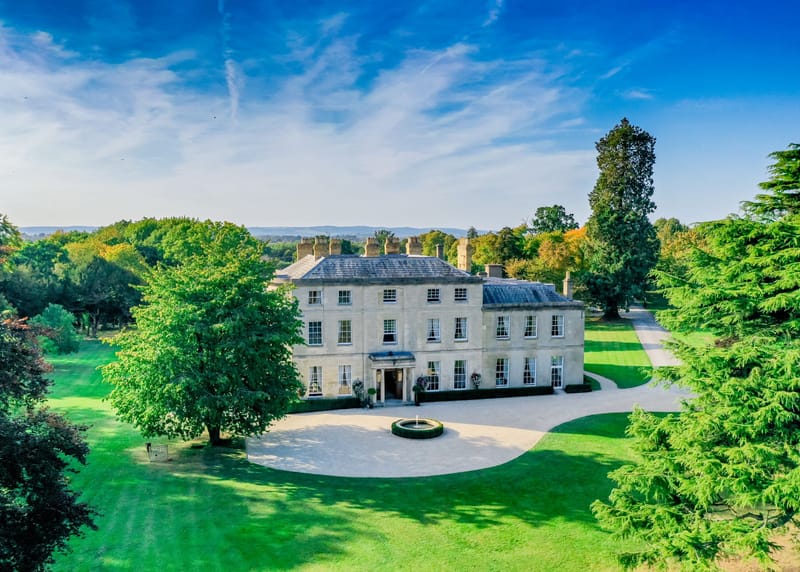
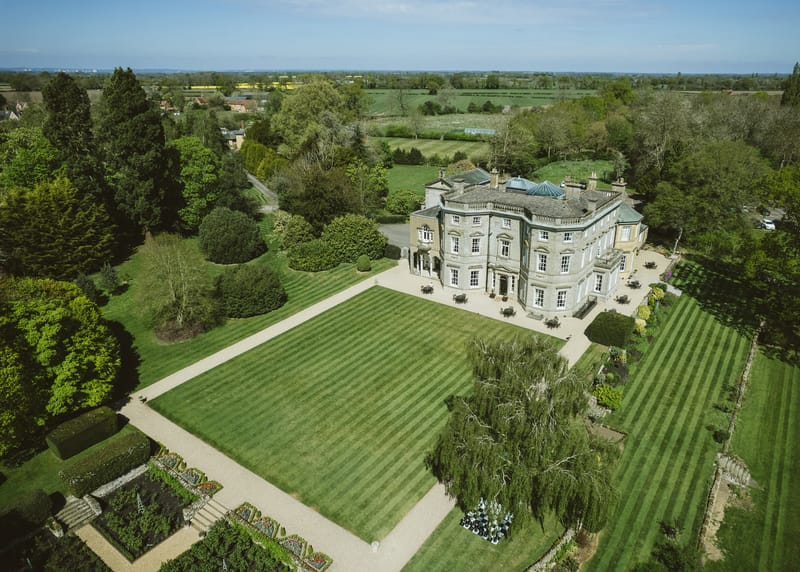
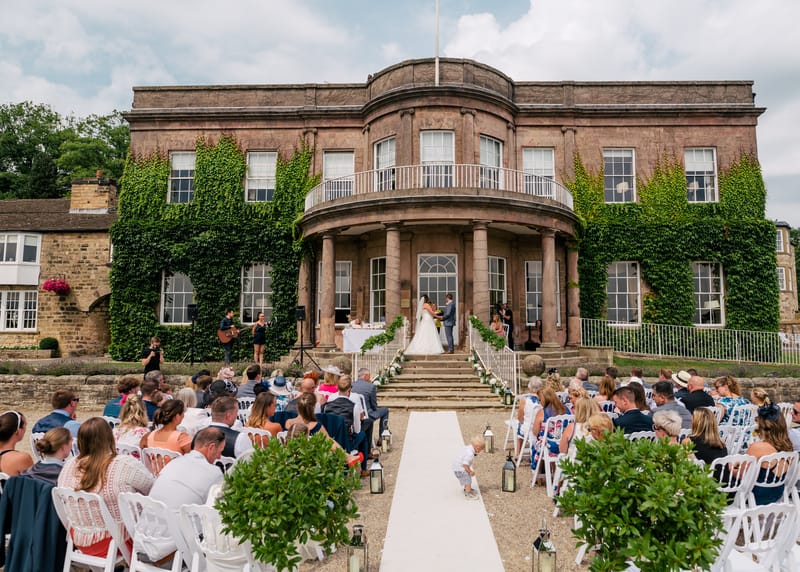
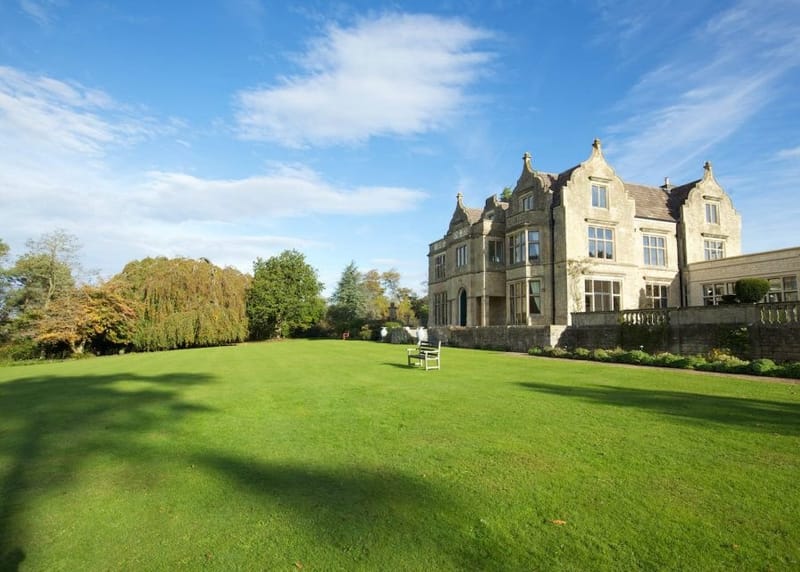
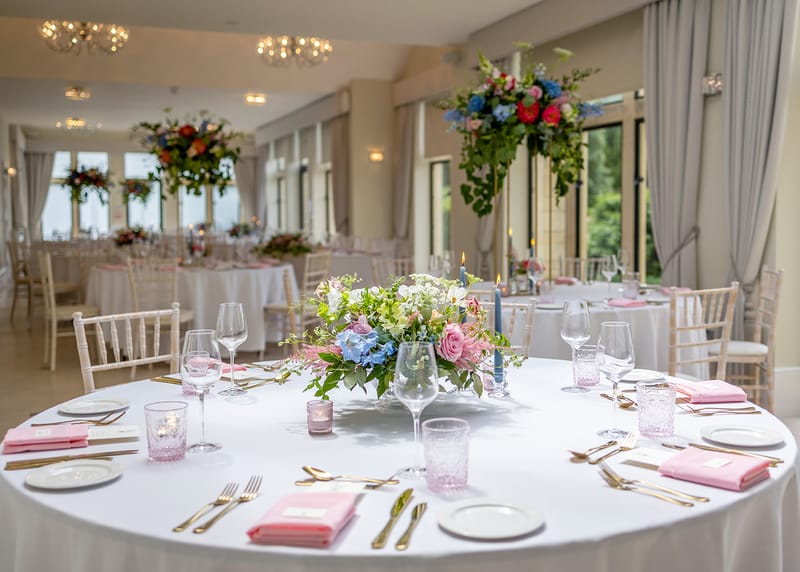
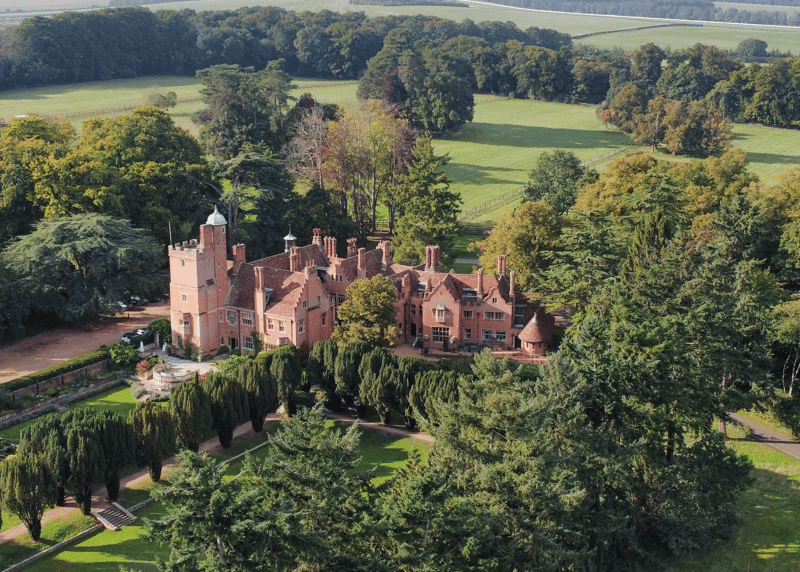
Country houses (alongside barns) are the UK's most popular wedding venue type, and it's easy to see why. Bridebook lists country house wedding venues across England, Scotland and Wales, spanning grand stately homes, manor houses, Georgian and Victorian estates, farmhouse conversions and country house hotels, each listed with transparent pricing, real photography and direct enquiries.

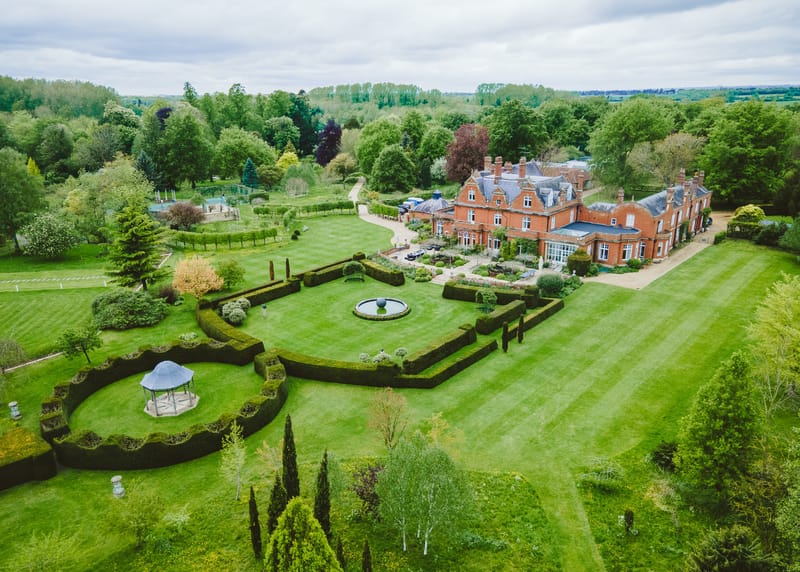
What sets a country house apart is the sense of scale and privacy that comes with it. Sweeping grounds, grand staircases and period architecture give couples a backdrop that feels properly special, and many properties are hired exclusively for the day so the whole estate belongs to you. This guide covers where to find them across the UK, exclusive use, the difference between manor houses and stately homes, what to check before booking, and realistic costs for a country house wedding across the UK.

Why choose a country house wedding venue

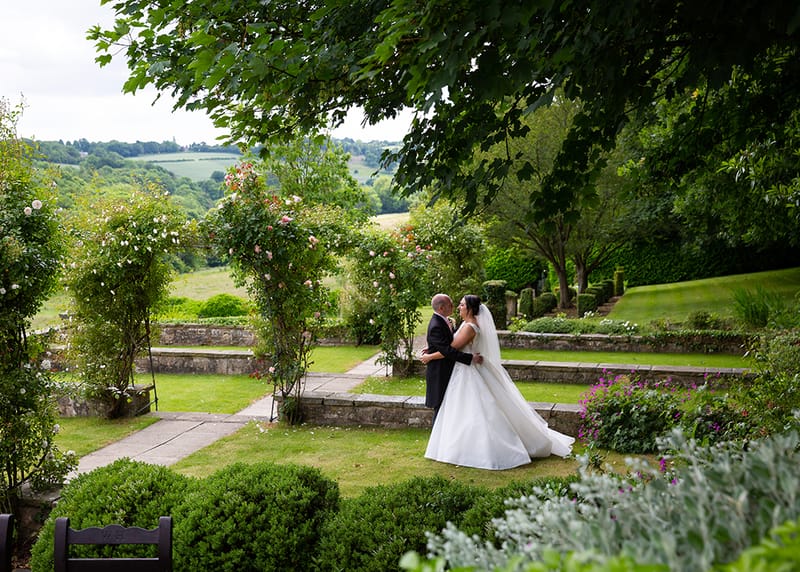
  • Sweeping grounds. Landscaped gardens and parkland give plenty of scope for outdoor photographs and ceremonies, weather permitting
  • Exclusive use as standard. Many country house venues are hired in full, meaning the whole property and grounds belong to you for the day
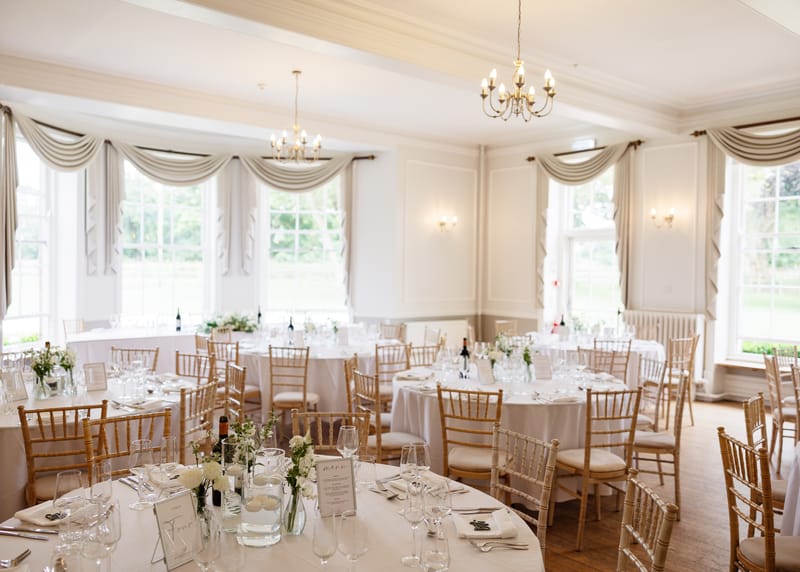
  • A grand sense of occasion. Sweeping staircases, period features and formal reception rooms suit couples after a more traditional or formal celebration
  • On-site accommodation. Guest bedrooms are often built into the package, useful for destination-style weddings or larger wedding parties
  • Flexible scale. Options range from intimate manor houses to sprawling stately homes, so there's a country house to suit most guest counts and budgets
  • Nationwide choice. Strong pockets of country house wedding venues exist across the South East, the Midlands, the North West and Scotland

Bridebook data shows that 14% of couples marry outside their home region, and a country house that captures the imagination is one of the most common reasons couples are willing to travel for their wedding day.

Exclusive use country house venues, your own private estate

Exclusive use is one of the biggest draws of a country house wedding. Booking the whole property means no other guests, no shared spaces and no competing timings with another wedding party, just your own celebration running at its own pace.

Most exclusive use packages include the main house, grounds and at least some guest accommodation, though what's covered varies hugely between venues. Some properties also throw in extras like a bridal suite for the night before, use of the grounds for a rehearsal, or exclusive access from the morning of the wedding through to a late checkout the next day.

Bridebook's data shows exclusive use matters more to couples booking wedding-led venues than it does across the market as a whole. It's cited as a deciding factor by 37% of couples choosing country houses, barns, stately homes and castles, compared with 28% of couples overall. If privacy and having the run of the place matter to you, it's worth asking early on exactly what exclusive use includes, since the details differ from venue to venue.

For couples drawn to something similarly private but a little more rustic, barn wedding venues in the UK are worth a look too.

Country house, manor house or stately home?

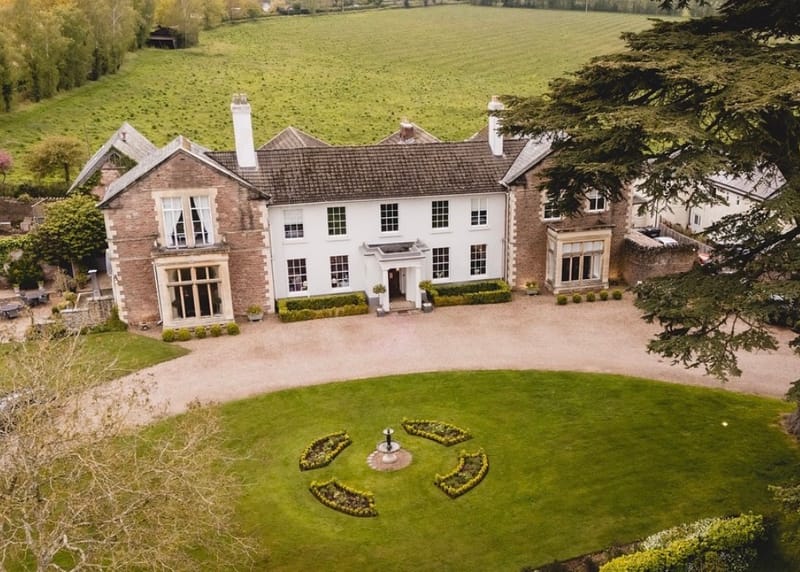
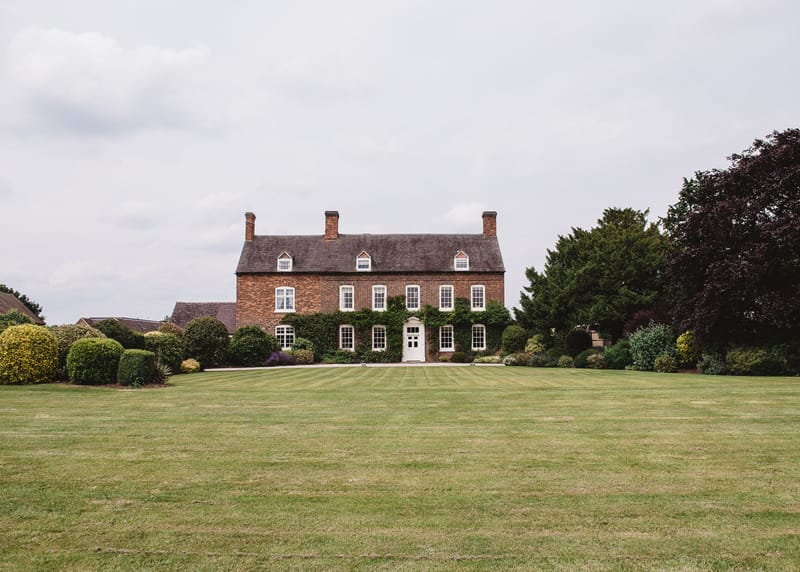
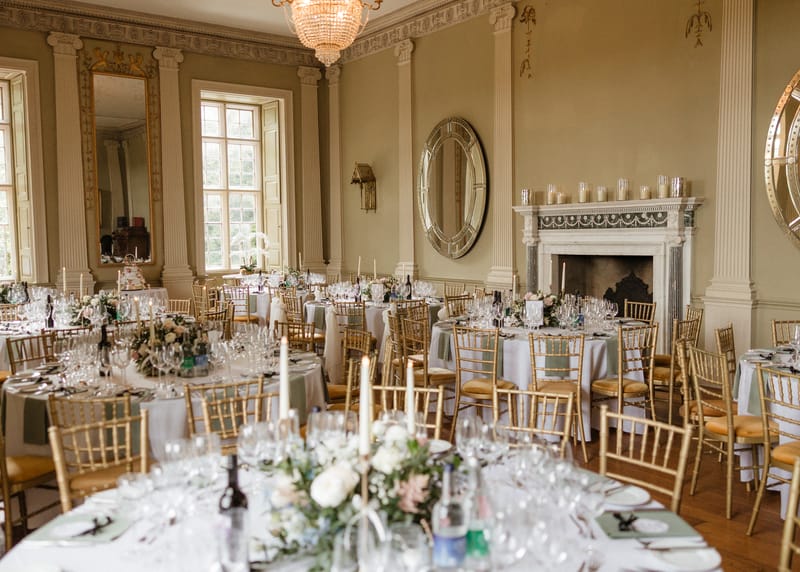
Country house works as something of an umbrella term, and manor houses and stately homes both sit within it as more specific styles. Manor houses tend to be smaller and more intimate, often family-run and Georgian or Victorian in style, with a handful of guest rooms and a relaxed feel. Stately homes sit at the grander end of the scale, with formal grounds, ballrooms and a level of architectural detail that can carry a wedding on its own.

Both styles are found in similar pockets of the UK. Country house density is highest across the South East, particularly Kent and Surrey, throughout the Midlands, including Warwickshire, and across the North West, where Cheshire and Lancashire both have a strong supply. North of the border, Scotland's country house and stately home venues add a further strong and growing selection, particularly around Edinburgh and the wider Scottish countryside.

Around a quarter of couples say they're only considering traditional, wedding-led venues such as barns, country houses, stately homes and castles, which shows just how much pull this category still has. If a grander stately home feels closer to what you're picturing, stately home wedding venues are worth browsing directly, and couples after something with a little more history might also like castle wedding venues in the UK.

Manor house wedding venues: what makes them different

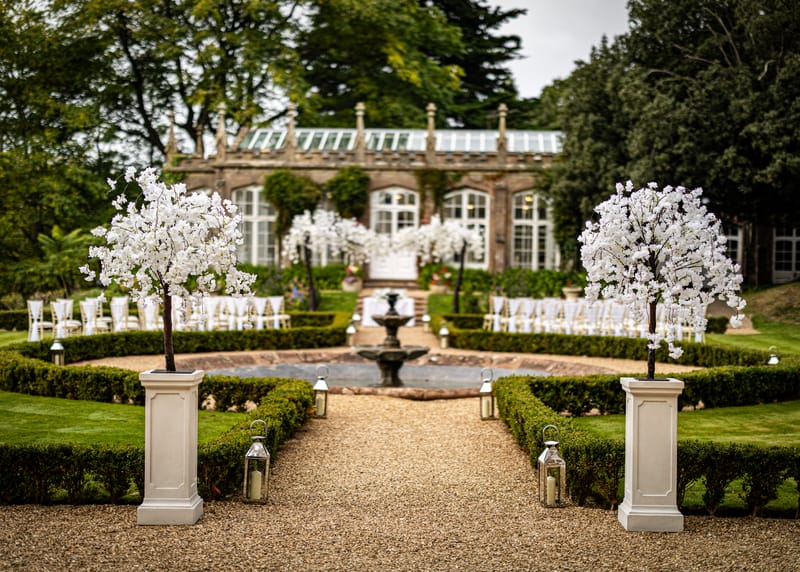
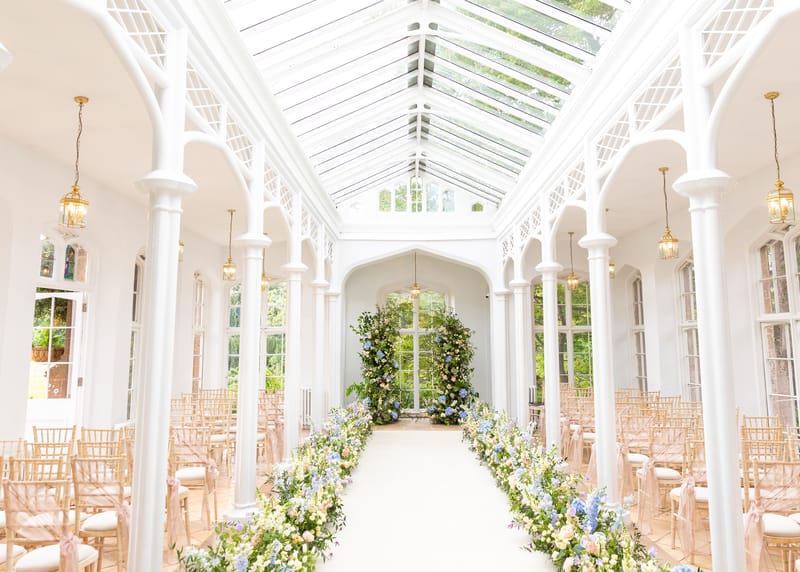
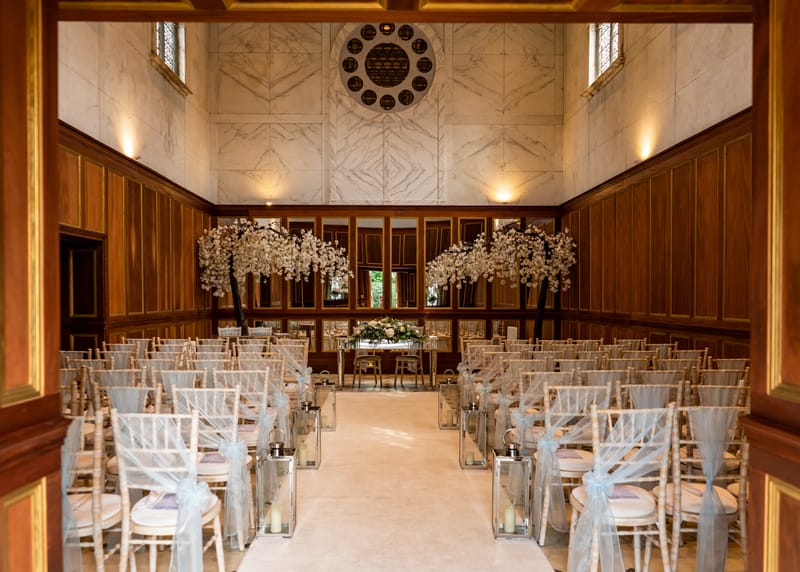
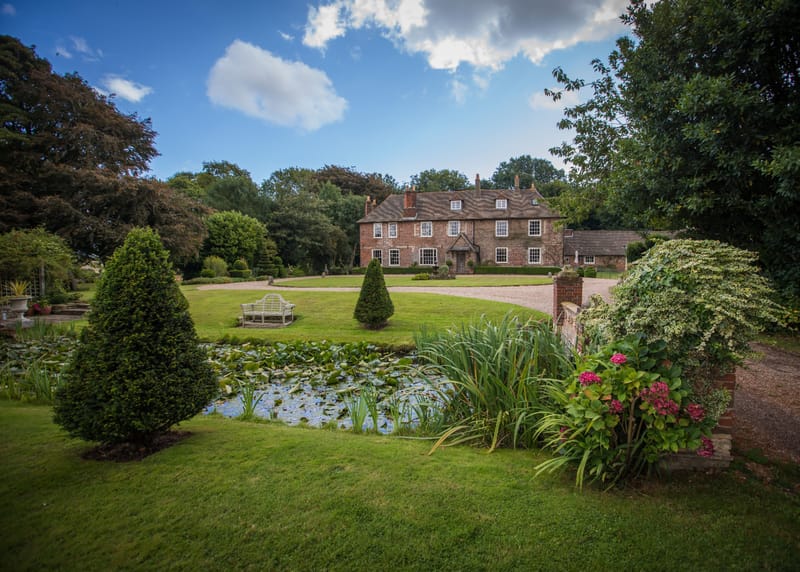
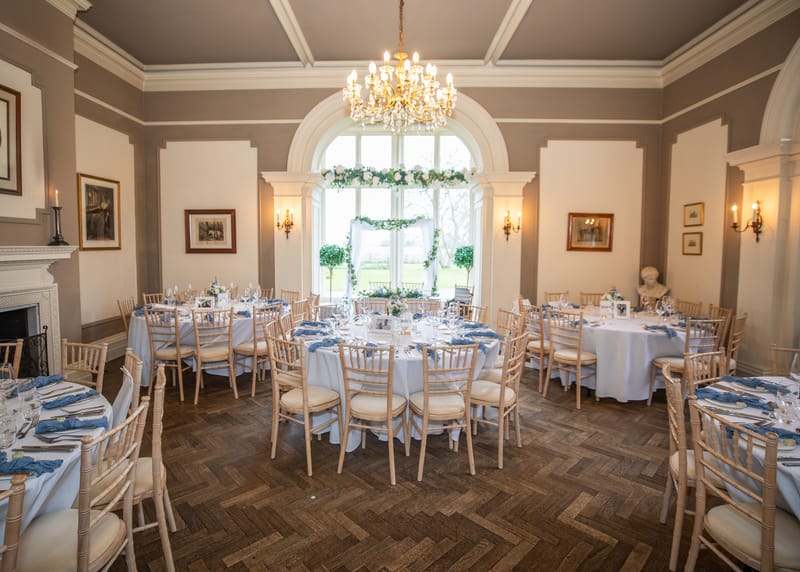
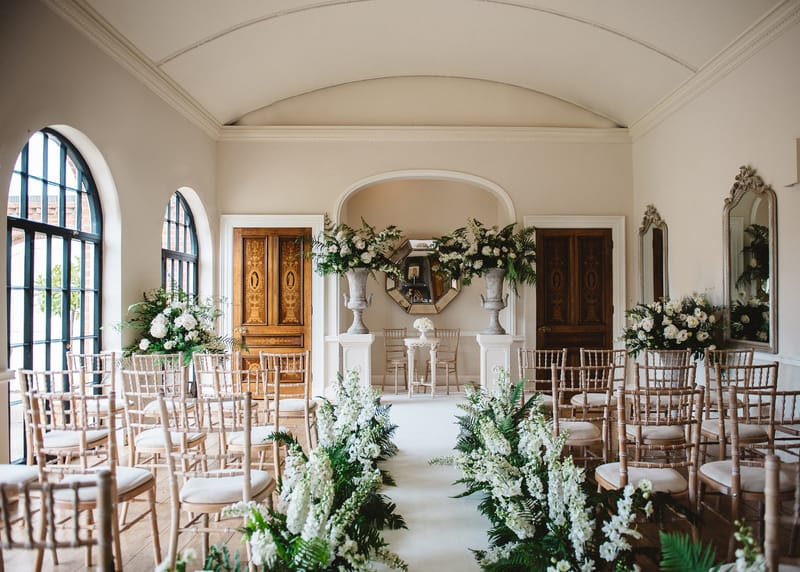
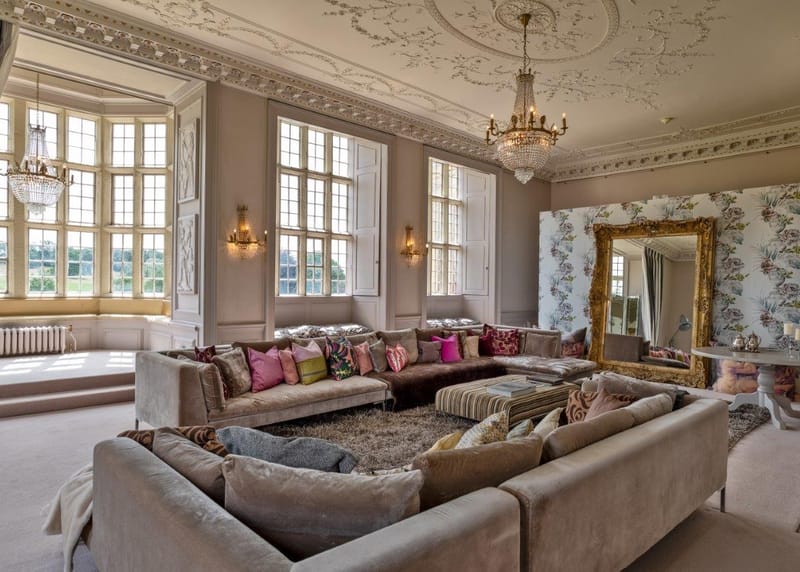
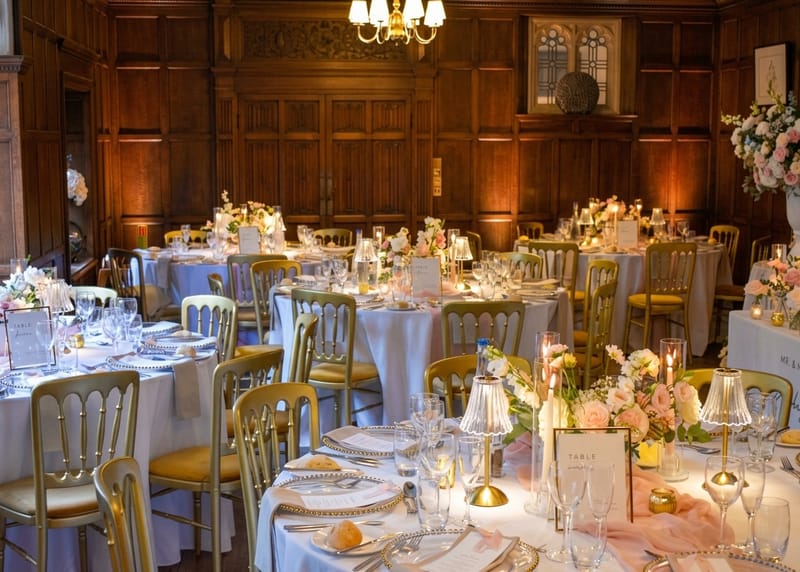
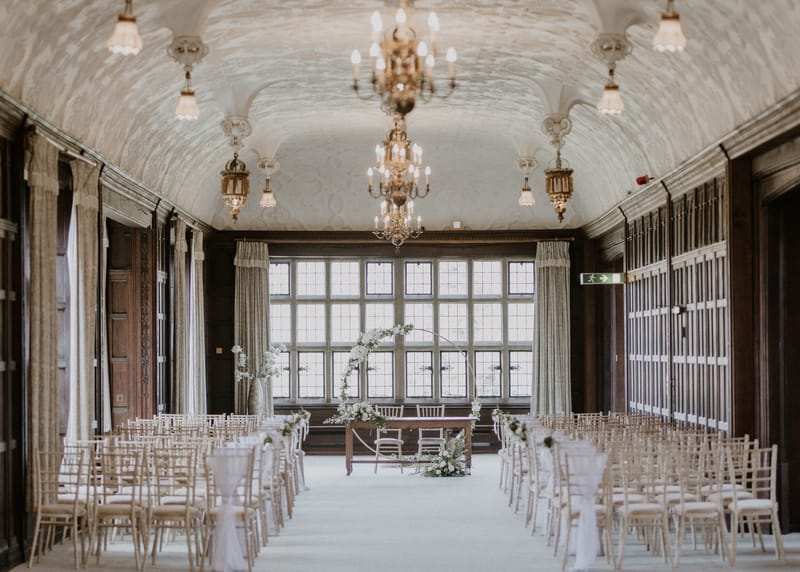
Manor house wedding venues bring a specific kind of character that's easy to recognise once you've stepped inside one. Think oak-panelled halls with centuries of history in the walls, sweeping staircases built for a grand entrance, and walled gardens that feel private even when they're a short drive from the nearest town. Many properties also have a Georgian or Victorian orangery attached to the main house, useful as a light-filled space for a ceremony or a quieter spot for photographs away from the main reception.

Because manor houses tend to be more compact than the largest stately homes, they suit couples who want that period character without organising a wedding for hundreds of guests. Guest capacity often sits below that of the grandest estates, with many manor houses comfortably hosting between 50 and 120 guests, though this varies considerably property to property. A good number combine a handful of ensuite bedrooms with the main house, so a smaller wedding party can stay on site without needing a separate hotel block.
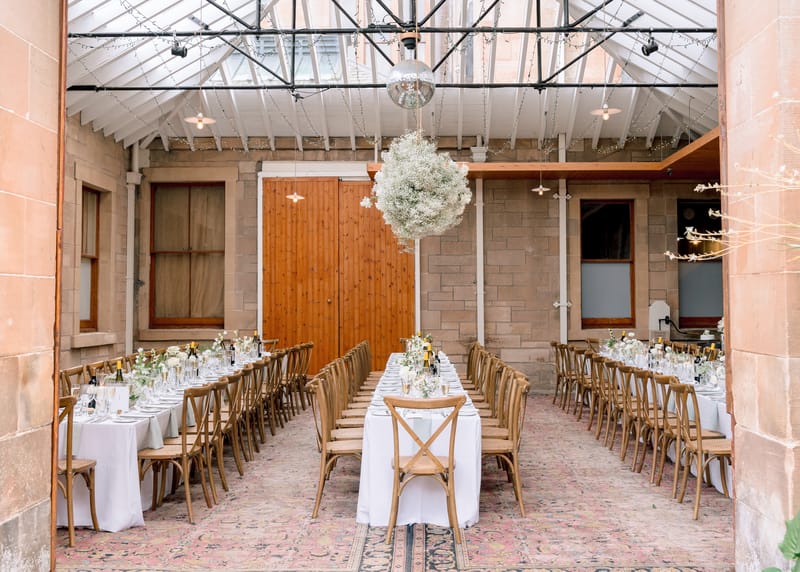
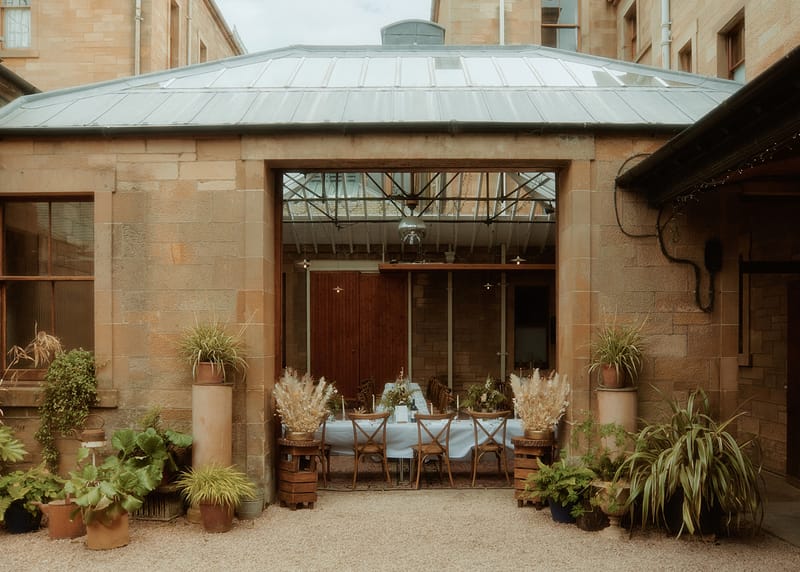
If period detail and a more intimate scale matter most to you, filtering by capacity as you browse can help you find a manor house rather than a larger country house estate. For couples who know they want manor house wedding venues specifically, that difference in scale is often the deciding factor.

Popular areas for country house weddings in the UK

Country houses turn up in almost every corner of the UK, but a few areas have a particularly strong spread. Where you look shapes the architecture, the landscape and how far guests will travel, so it's worth knowing what each region tends to offer.

South East England

The South East has the densest concentration of country house venues in the UK, from Georgian mansions in Buckinghamshire and the Thames Valley to Tudor and Jacobean manors across Kent and Surrey. Many sit within an hour or so of London, which keeps travel simple for guests coming from the capital, though the convenience often comes with higher prices.

The Cotswolds and the South West

Honey-coloured stone gives manor houses across the Cotswolds a warm, mellow look, and much of the area sits within the Cotswolds National Landscape (formerly an Area of Outstanding Natural Beauty). Further south west, Somerset, Devon and Gloucestershire add parkland estates and houses with views out towards the coast.

The Midlands

Halls and estates in Warwickshire, Worcestershire, Staffordshire and Nottinghamshire make the Midlands one of the most varied regions for country house weddings. The central location is a practical plus when guests are travelling from both north and south.

The North West

Cheshire and Lancashire have a strong supply of Georgian and Victorian halls, many set on private estates within easy reach of Manchester and Liverpool, while Cumbria adds country houses in and around the Lake District for couples who want fells and lakes as the backdrop.

Yorkshire and the North East

Yorkshire's halls range from formal estates to more relaxed country houses in the Dales and the Wolds, and Northumberland brings houses close to one of England's quietest coastlines. Prices here often sit below the southern average, which can stretch a budget further.

Scotland and Wales

Scottish mansion houses cluster around Edinburgh, East Lothian and the Borders, while Wales offers country houses in Monmouthshire and the Brecon Beacons (Bannau Brycheiniog) with river and mountain views. Scottish estates often have private chapels and walled gardens in the grounds, and many Welsh houses sit within easy reach of Bristol and Cardiff.

Editor's picks: country house and manor house venues worth a look

To show the range on offer, here are six Bridebook-listed country houses from across the UK, each with its own take on the style. Browse the full listings above to compare prices, capacity and availability for every venue.

Hedsor House, Buckinghamshire

Hedsor House is a Georgian country house set in around 100 acres of parkland above the Thames Valley, near Taplow. The house and gardens are hired exclusively, with room for up to 150 guests and 13 bedrooms, and a domed central hall and grand staircase give ceremonies a real sense of arrival.

St Audries Park, Somerset

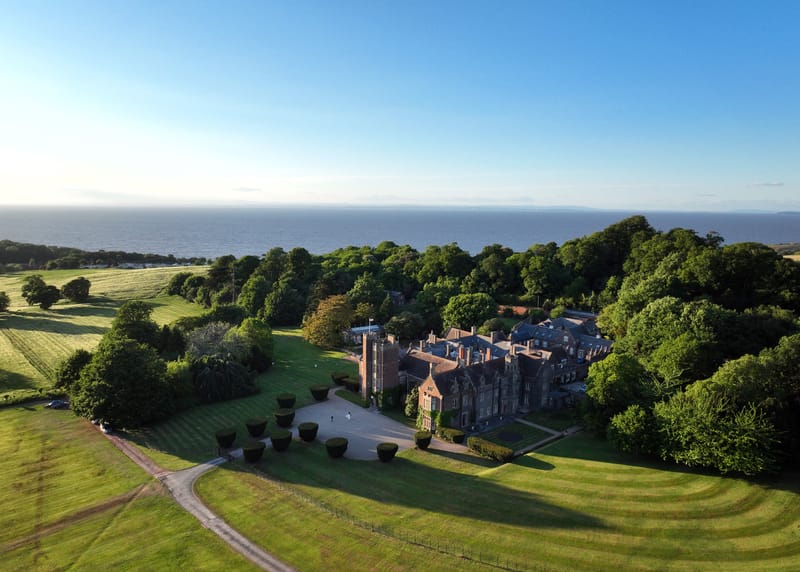
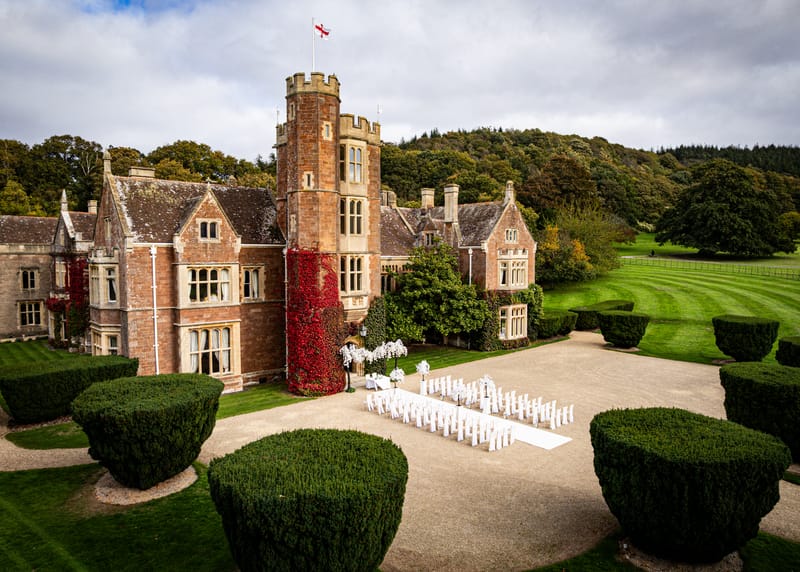
St Audries Park sits in a 100-acre deer park overlooking the Quantock Hills and the Bristol Channel. Ceremonies take place in a Victorian orangery, the banqueting hall seats up to 130, and 41 bedrooms mean most of the wedding party can stay on site.

Colshaw Hall, Cheshire

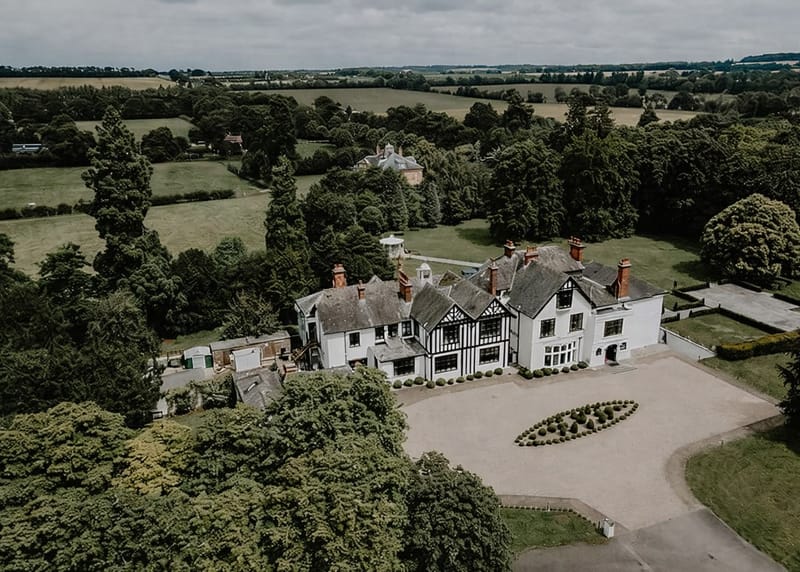
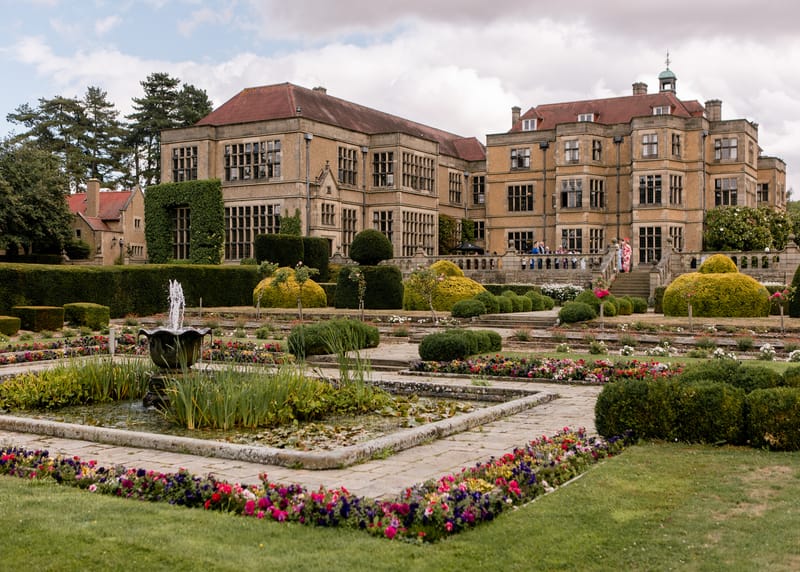
Colshaw Hall is a Grade II listed hall on a private estate of around 300 acres at Over Peover, just outside Knutsford. It hosts up to 160 guests, with a walled garden for drinks and photographs and accommodation for up to 50 across the house, cottages and pods.

Newton Hall, Northumberland

Newton Hall is a Georgian hall near Alnwick, close to the Northumberland coast, and suits couples who want a relaxed, playful take on a country house wedding. Outdoor ceremony spaces sit alongside a terrace with a retractable roof as a back-up if the weather turns, and it seats up to 150.

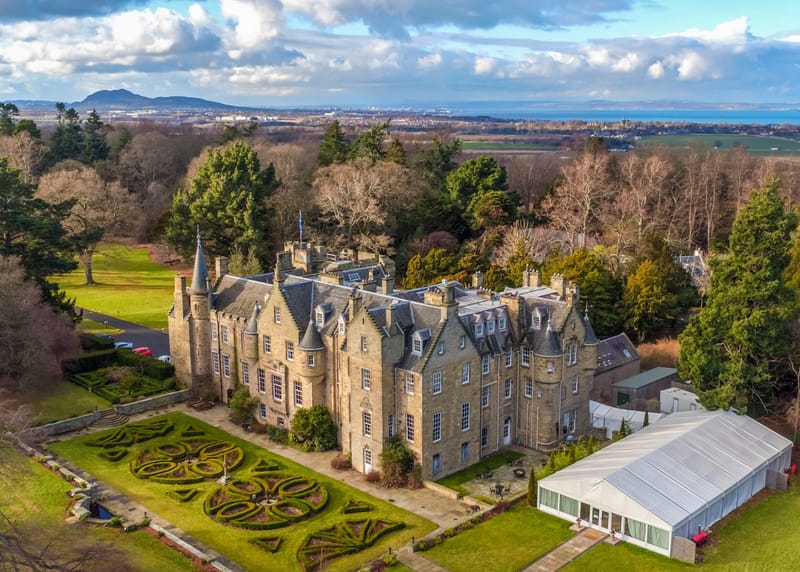
Carberry Tower Mansion House and Estate, East Lothian

Carberry Tower Mansion House and Estate stands in 35 acres of private parkland within easy reach of Edinburgh. A chapel in the grounds seats 150 for the ceremony, there's a walled garden for photographs, and 30 bedrooms keep guests close by.

St Tewdrics House, Monmouthshire

St Tewdrics House is a 19th-century Italianate villa set in 10 acres near Chepstow, with views over the Severn Estuary. It's hired on an exclusive-use basis, seats up to 150 in its largest room and has nine bedrooms for the couple and close family.

What to look for in a country house wedding venue

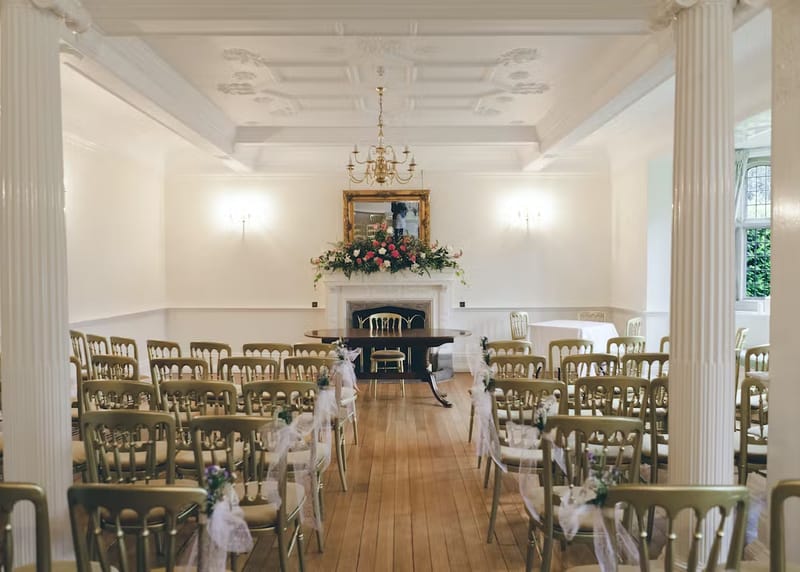
  • Ceremony licensing. Confirm whether the house itself is licensed for a legal ceremony or whether you'll need a separate legal appointment elsewhere
  • Exclusive use terms. Ask exactly what's included, since access hours and grounds usage can vary considerably between properties
  • Accommodation capacity. Guest numbers and bedroom capacity don't always match, so check both if overnight stays matter to you
  • Weather contingency. Grounds look wonderful in good weather, so make sure there's a solid indoor back-up for ceremonies and photographs
  • Catering arrangements. Some country houses have an in-house kitchen, others work from an approved supplier list, and this affects both cost and flexibility
  • Noise and curfew restrictions. Rural properties in particular may have earlier cut-off times for music, worth checking if you're planning a late finish

Key decision factors

  • Manor house versus stately home, since scale and formality differ considerably even within the same broad category
  • Exclusive use pricing against accommodation capacity, especially for larger wedding parties needing multiple rooms
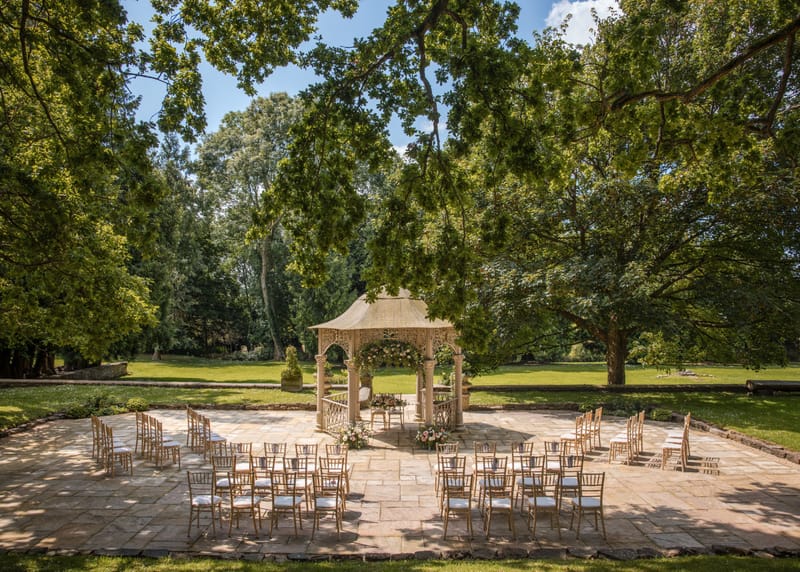
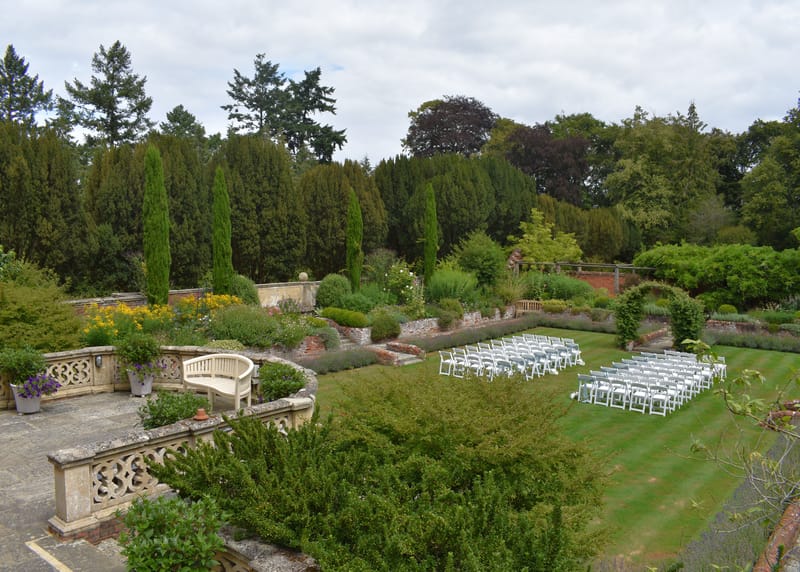
  • Grounds and outdoor ceremony space, if photographs and an outdoor moment matter to your day
  • How far guests will need to travel, particularly for more rural country house estates

Common mistakes to avoid

  • Assuming every country house is licensed for a legal ceremony without checking first
  • Overlooking accommodation costs at exclusive-use properties, which can add up quickly for larger guest lists
  • Booking from photographs alone without viewing the ceremony and reception spaces in person
  • Underestimating how early popular country house venues get booked up, especially for peak season Saturdays

How Bridebook helps you find a country house wedding venue

With Bridebook you can:

  • Filter country house wedding venues by location, guest capacity and price
  • Compare exclusive-use packages side by side
  • Browse real wedding photography from country house properties across the UK
  • See ceremony and reception spaces before you get in touch
  • Send enquiries directly to venue teams, all from one place

Whether you've got your heart set on a grand stately home or something smaller and more intimate, Bridebook makes it easier to compare country house wedding venues without juggling endless separate enquiries.

Why Trust Bridebook

Bridebook is the UK's number one wedding planning platform, trusted by over 2.8 million couples. Our content draws on data from the Bridebook UK Wedding Report, gathered from thousands of couples planning real weddings each year. Where expert input is included, contributors are named and their credentials checked. We update our articles regularly so prices, statistics and advice stay current.

Cost & Budget Considerations for Country House Wedding Venues

How much does a country house wedding venue cost in the UK?

Costs at country house venues vary more than most other venue types, largely down to whether you're booking exclusive use of a full estate or a smaller manor house with shared facilities.

  • Smaller manor houses and mid-size country houses: Roughly £2,000 to £7,000
  • Larger estates with on-site accommodation: From around £10,000 to £20,000
  • The grandest estates: Around £20,000 upwards

These ranges are based on country houses listed on Bridebook. What each one covers (venue hire only, catering, accommodation, etc.) varies between properties, so it's worth comparing like for like.

Based on data for country house venues:

  • Combined venue and catering spend. £11,612
  • Cost per head. £180.61
  • Venue hire. £7,485
  • Total average spend. £24,385

That sits above the UK-wide average cost of a wedding of £20,604, which reflects the premium that comes with exclusive-use estates and on-site accommodation.

What affects costs

  • Exclusive use versus shared access. Hiring the whole property costs considerably more than booking a single reception room
  • On-site accommodation. Packages that include guest bedrooms tend to sit at the higher end
  • Location. Properties in the South East and London commuter belt typically carry a premium over similar houses further north
  • Day of the week and season. Country houses follow the same seasonal pricing patterns as other venue types, with weekday dates offering the biggest savings

Budget-saving tips

  • Consider a smaller manor house rather than a full stately home. You get the period charm without always the premium price
  • Look at weekday or off-peak dates. Savings can be significant at exclusive-use properties in particular
  • Ask about all-inclusive packages. Bundling catering, accommodation and coordination can work out better value than piecing everything together separately
  • Keep the guest list tighter. Smaller numbers open up manor houses and country house hotels that wouldn't otherwise have the capacity

Nationally, 49% of married couples said they'd thought about having an outdoor ceremony at some point in their planning, which makes country house grounds worth factoring in if that's part of the appeal for you.

FAQ's

What is a country house wedding venue?

A country house wedding venue is a period property, typically Georgian or Victorian, set within its own grounds and used for both ceremonies and receptions. The category spans everything from smaller family-run manor houses to grand stately homes, plus a good number of country house hotels that combine the same period character with hotel-style service and accommodation.

What's the difference between a country house, a manor house and a stately home wedding venue?

Country house is the broad umbrella term, covering everything from manor houses to grand stately homes. Manor houses tend to be smaller, more intimate properties, often family-run and Georgian or Victorian in style. Stately homes sit at the grandest end of the scale, with larger formal grounds and more elaborate architecture. All three offer a similar overall style, with period interiors and countryside settings, so the differences are really about scale rather than substance.

Are country house wedding venues expensive?

Not always. While some luxury country house wedding venues are high-end, there are also affordable country house wedding venues available across the UK, particularly for weekday or off-peak weddings.

Do country house wedding venues offer exclusive use?

Yes, many country house wedding venues offer exclusive use, allowing you to have the entire property for your wedding day.

Can you have a small wedding at a country house venue?

Yes, there are many small country house wedding venues in the UK that are ideal for intimate weddings with lower guest numbers.

What makes country house wedding venues popular?

They are popular because they offer a combination of historic character, private settings, flexible layouts and the ability to host the entire wedding in one place.

What is the difference between exclusive use and non-exclusive use?

Exclusive use means the whole property and grounds are yours for the day, with no other weddings or guests on site. Non-exclusive hire usually covers a specific reception room or wing of the house, while the rest of the property may still be open to other guests or events. Exclusive use tends to cost more but gives you full run of the place and greater flexibility over timings.

How much does a country house wedding venue cost in the UK?

Based on Bridebook data, the average combined venue and catering spend at a country house wedding is £11,612, with cost per head averaging £180.61 and venue hire alone averaging £7,485.

Are country house wedding venues better than hotels?

Neither is better, they simply suit different priorities. Country houses tend to offer more privacy, private grounds and exclusive use as standard, which suits couples who want the whole property to themselves. Hotels typically offer more built-in guest accommodation and a higher level of hands-on service, which can suit couples with a large number of guests travelling from further afield.

How do I find a country house wedding venue near me?

Bridebook's search lets you filter country house wedding venues by location, guest capacity and price, so you can compare options in your chosen area alongside real photography and reviews. Country house venues are especially concentrated in the South East, the Midlands, the North West and Scotland, though strong options exist right across the UK.

Do country house and manor house wedding venues include accommodation?

Many do, though it varies by property. Larger estates and stately homes often have a good number of ensuite bedrooms built into the main house, while smaller manor houses may only offer a handful of rooms or none at all. Plenty of manor house wedding venues still have enough rooms on site for the couple and close family, with nearby hotels, inns or cottages picking up the rest. If overnight accommodation for you and your guests matters, it's worth checking bedroom numbers alongside guest capacity before booking, since the two don't always match.

Can you get married in the grounds of a country house venue, not just inside?

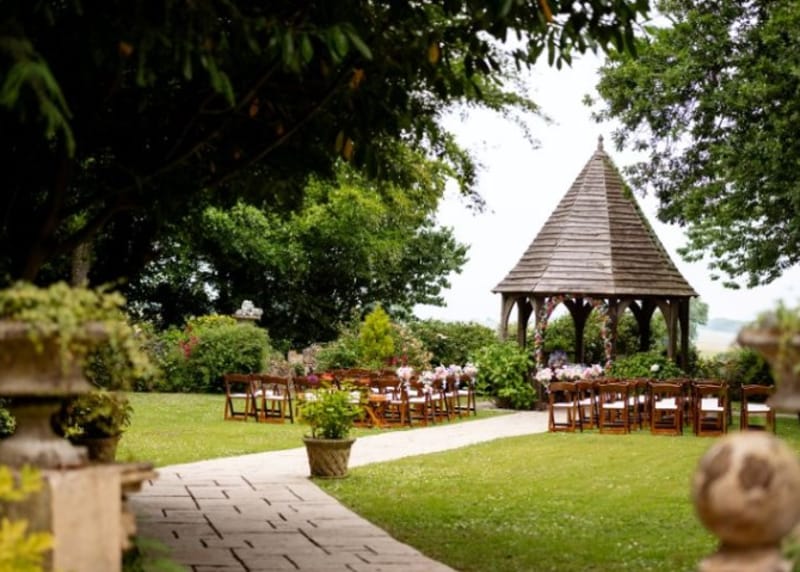
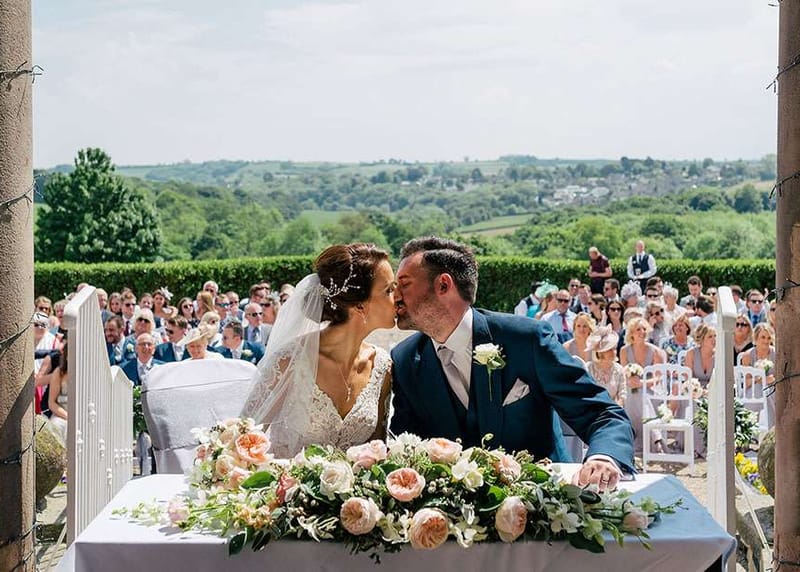
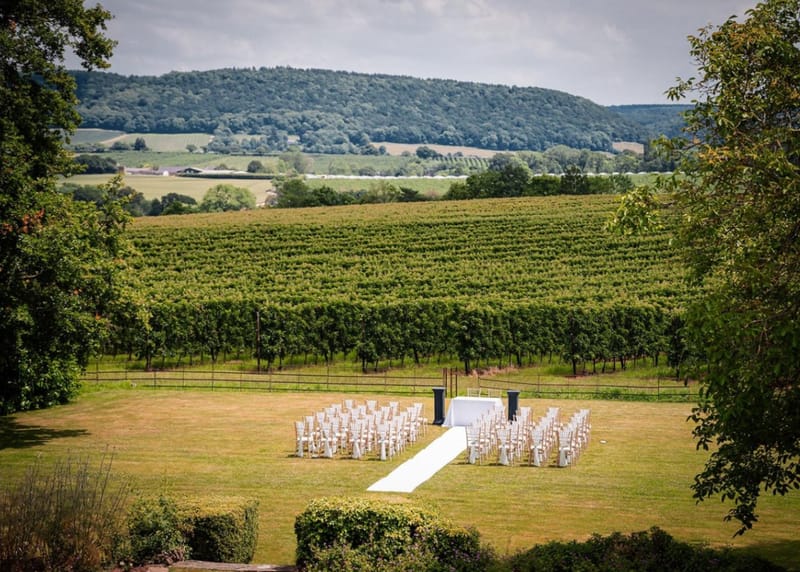
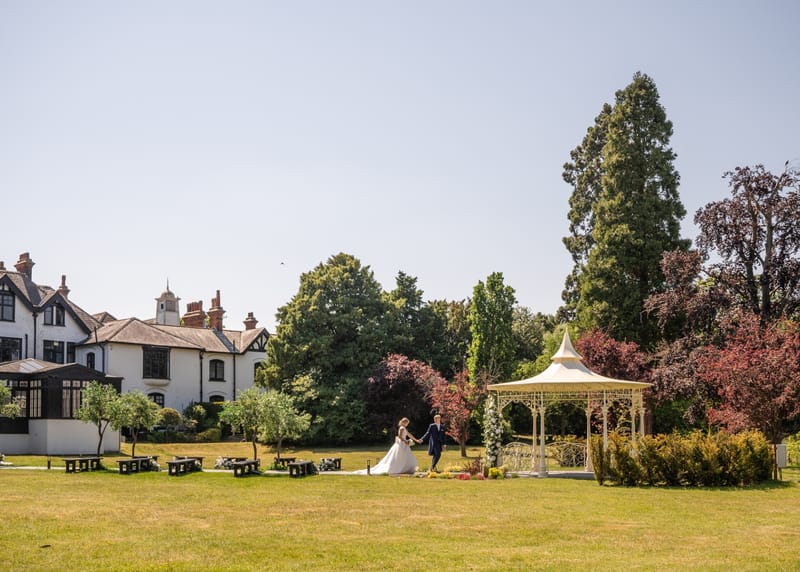
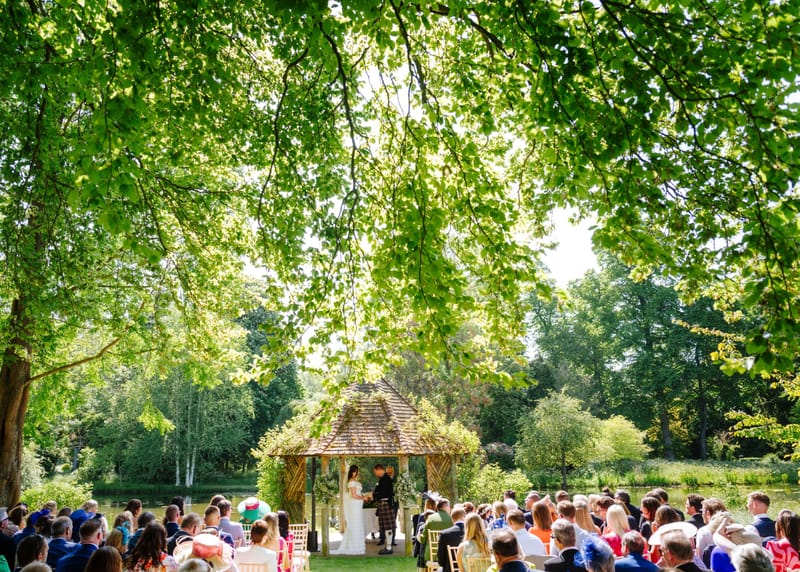
Yes, many country house venues offer outdoor ceremony spaces in their grounds, such as walled gardens, terraces or parkland, alongside indoor options. It's worth checking whether the venue holds an outdoor ceremony licence and what the wet-weather back-up plan looks like, since British weather means a solid indoor alternative is essential rather than optional.

How many guests can a typical country house wedding venue hold?

It varies considerably by property. Smaller manor houses often comfortably host under 50 guests, mid-sized country houses tend to suit 80 to 150, and the largest stately homes or estates with marquee options can accommodate 300 or more. Checking both the house capacity and any marquee or outdoor extension options is worth doing early, particularly if your guest list is on the larger side.

What are the best country house and manor house wedding venues in the UK?

The best country house for you depends on what matters most on the day. Couples who want complete privacy tend to shortlist exclusive-use estates, while those with a long guest list should look for houses with a large ballroom or a lawn that takes a marquee. If most guests are travelling, on-site bedrooms move up the list, and if budget is the priority, a smaller manor house or a midweek date often gives you the same period setting for less. Region plays a part too, since the South East has the widest choice, but the Cotswolds, the Midlands, the North West and Scotland all have strong selections.

What makes a good country house wedding venue?

A good country house venue works as well for the practical side of the day as it does in photographs. Look for licensed ceremony spaces indoors and out, a reception room that suits your guest numbers, a reliable wet-weather plan for the grounds and clear terms on what exclusive use includes. Bedrooms on site, a well-equipped kitchen or approved caterers, and easy access for older or less mobile guests all make a real difference once the day arrives.