
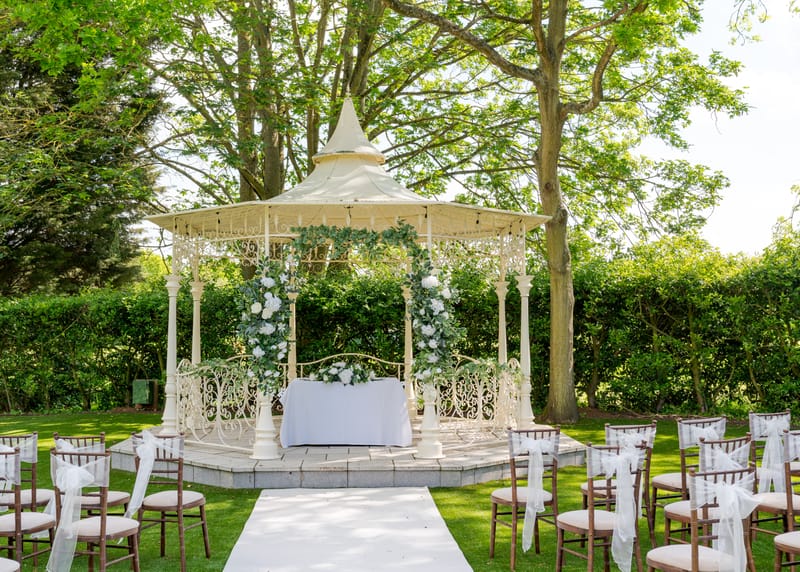
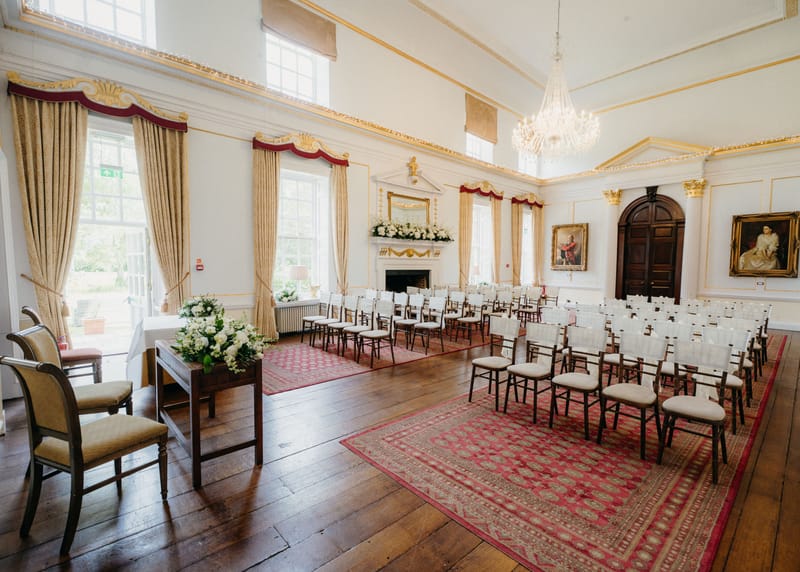
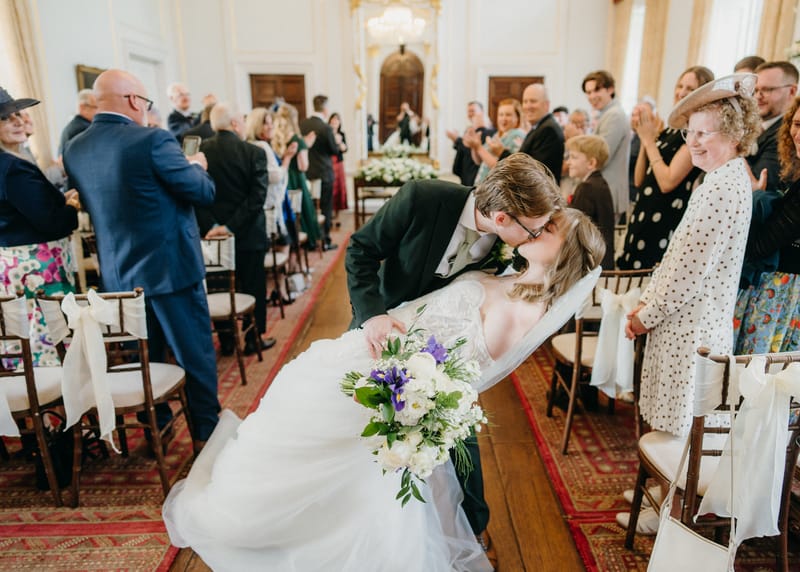
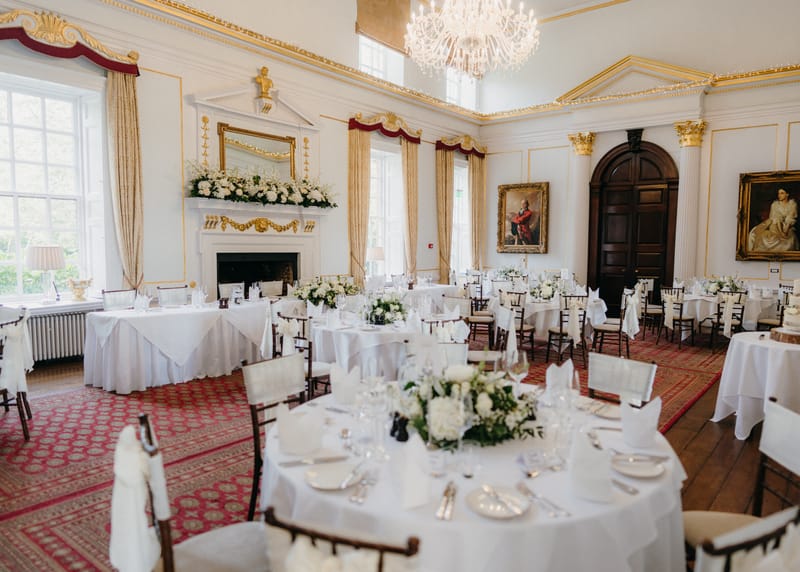
Wedding Venues in East of England

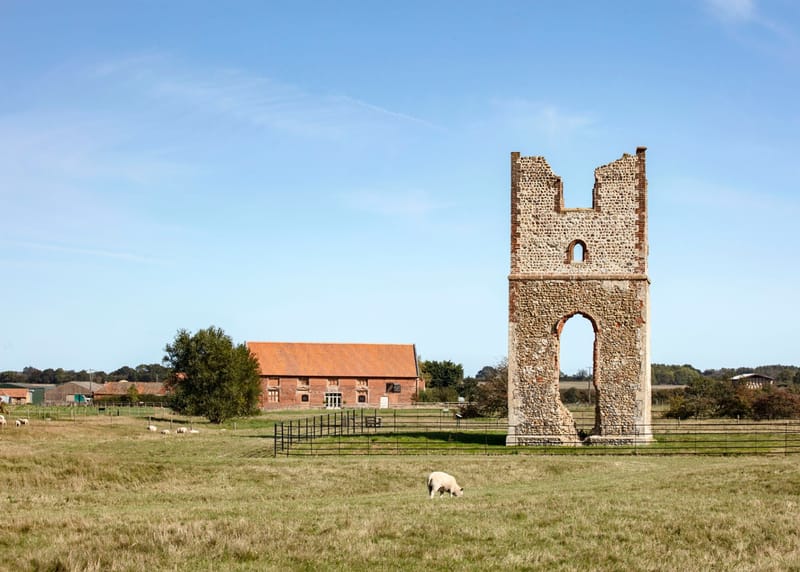
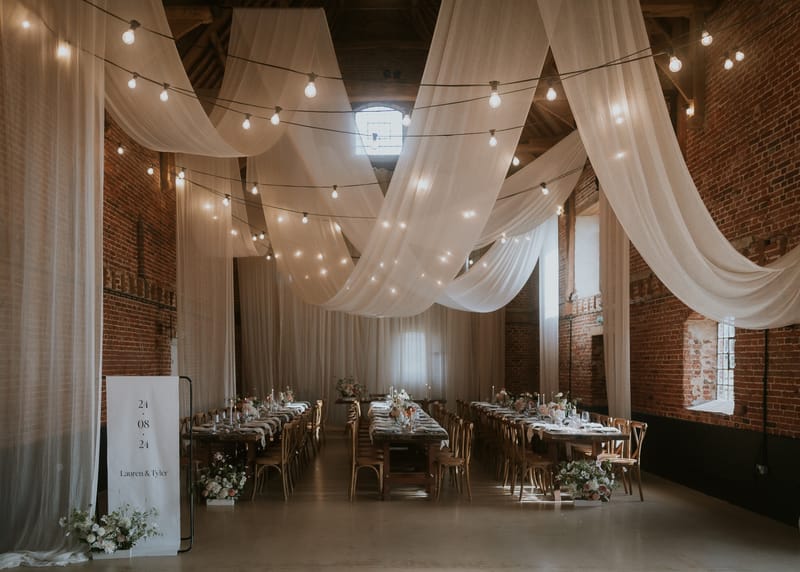
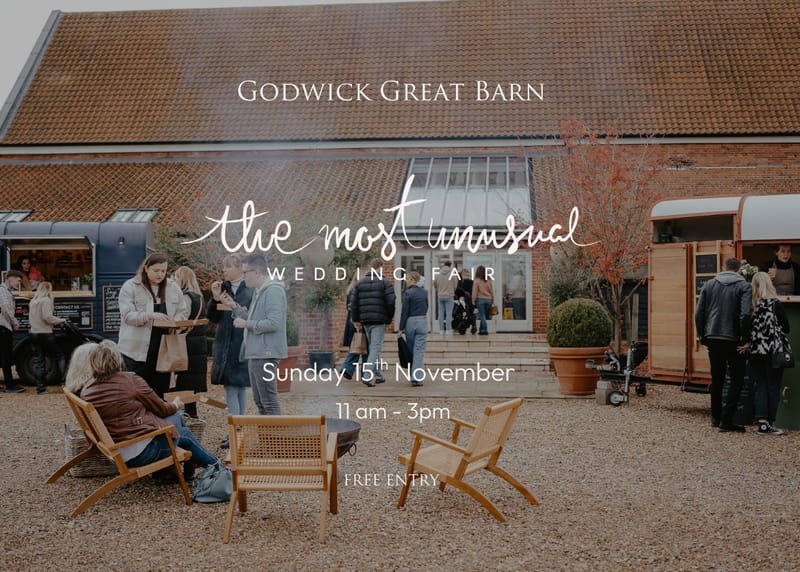
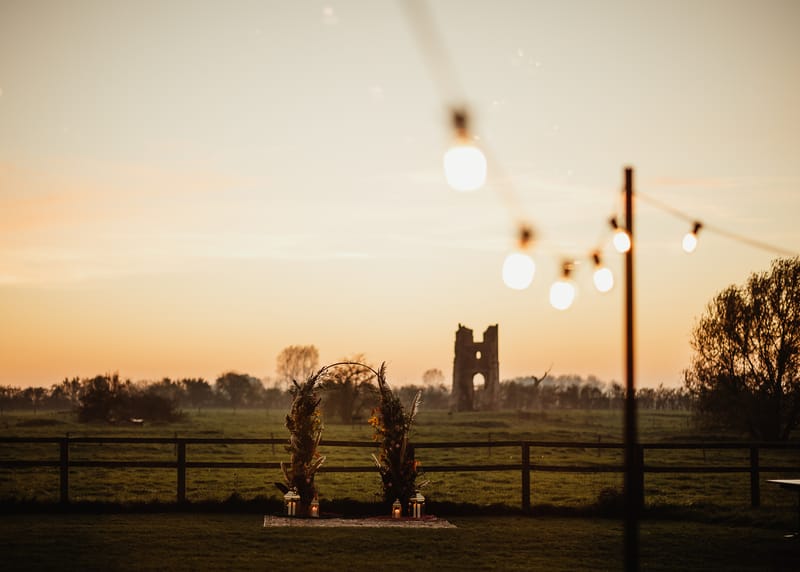
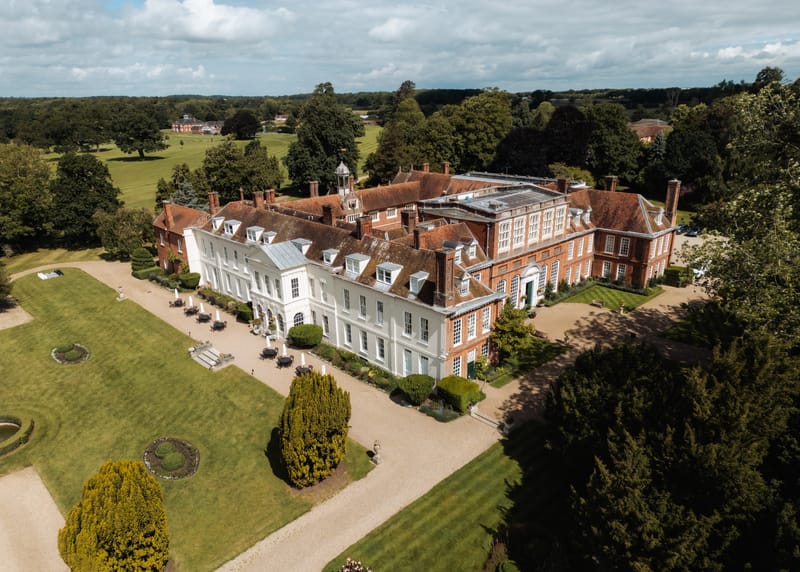
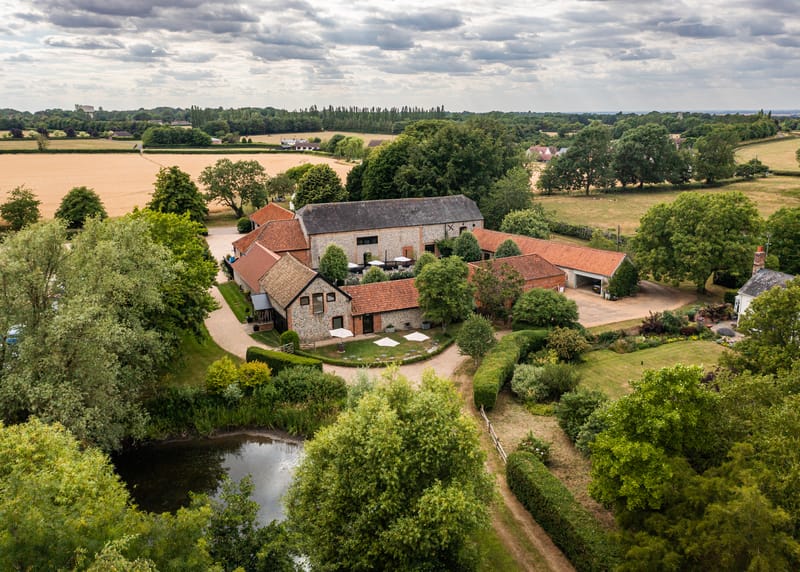
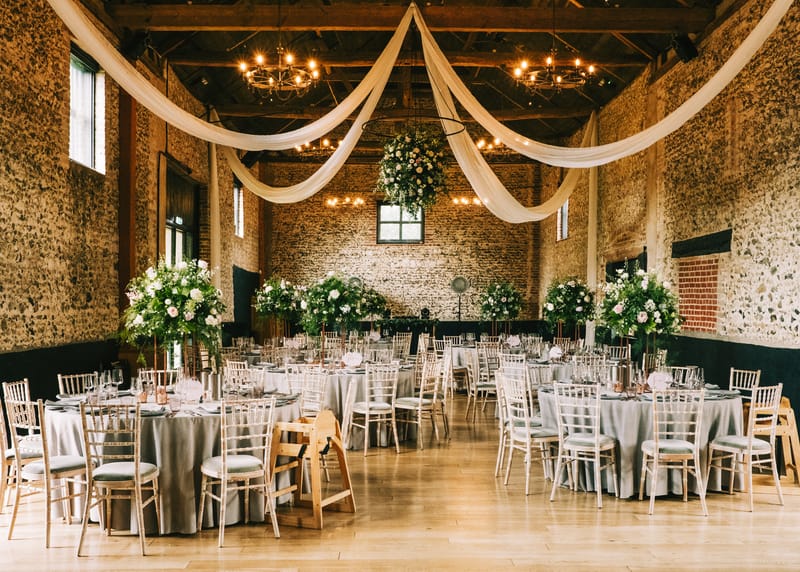
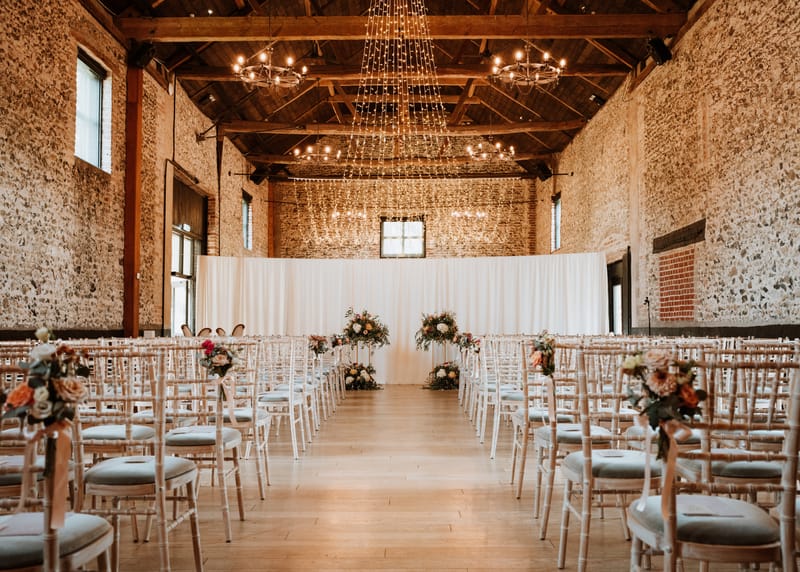
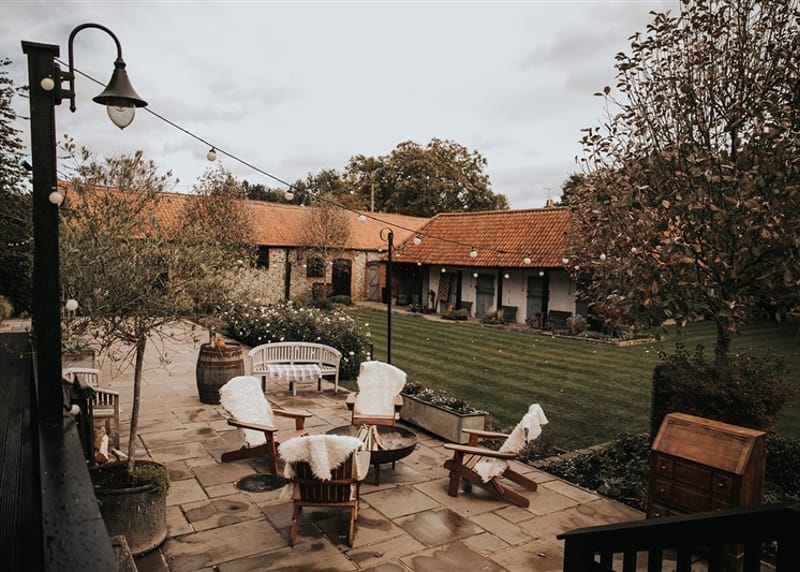
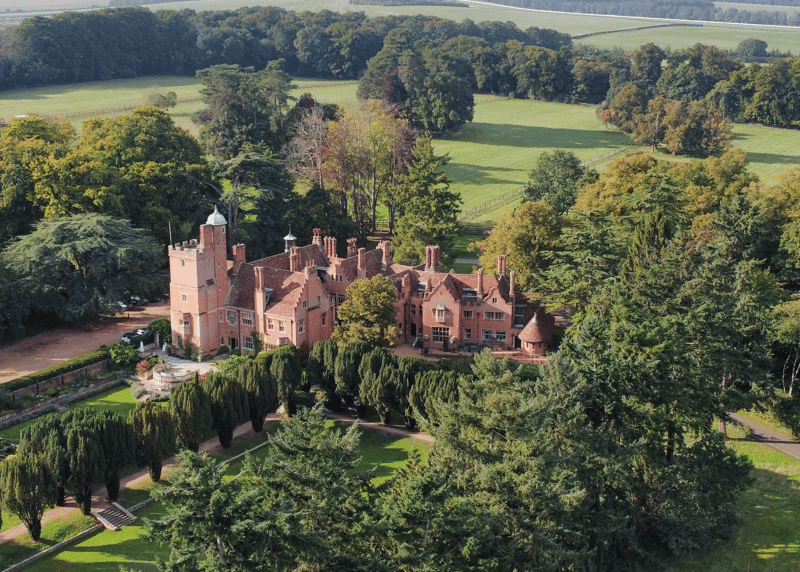
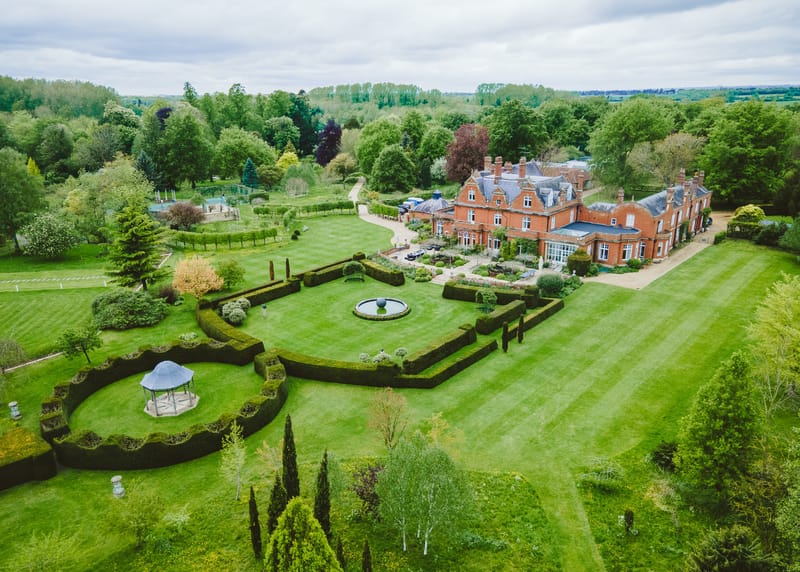
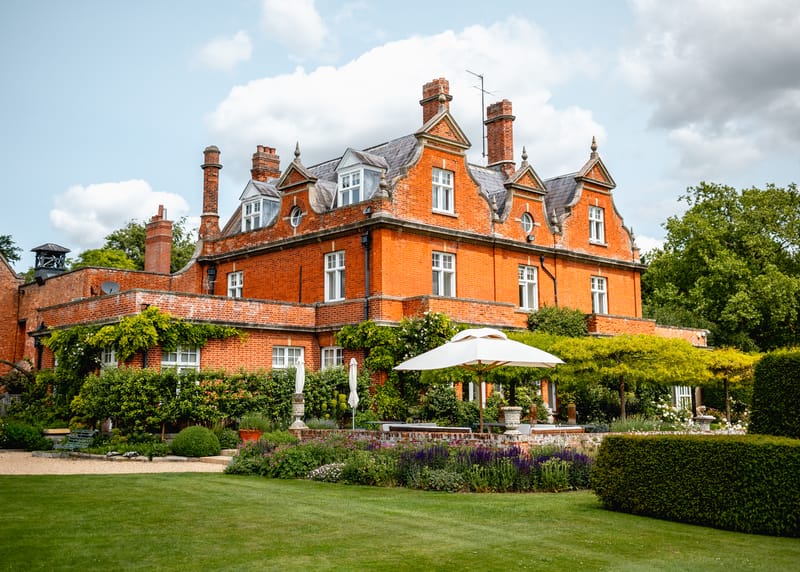
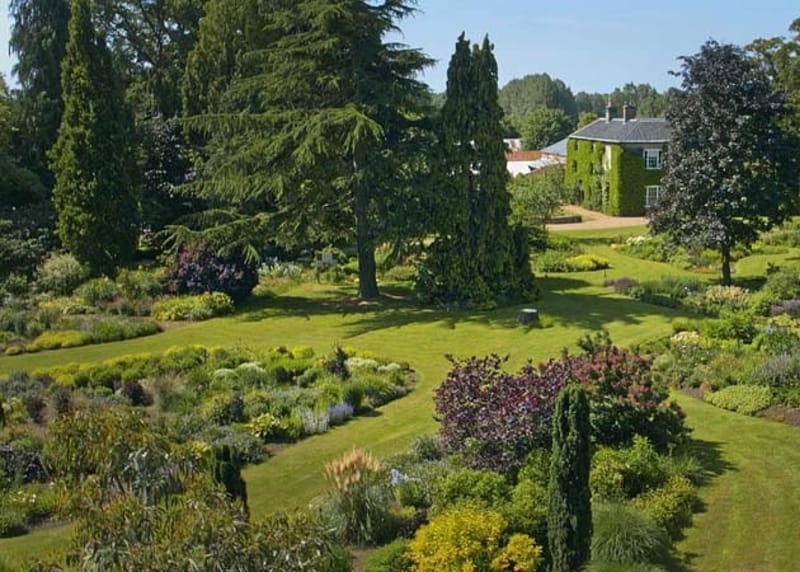
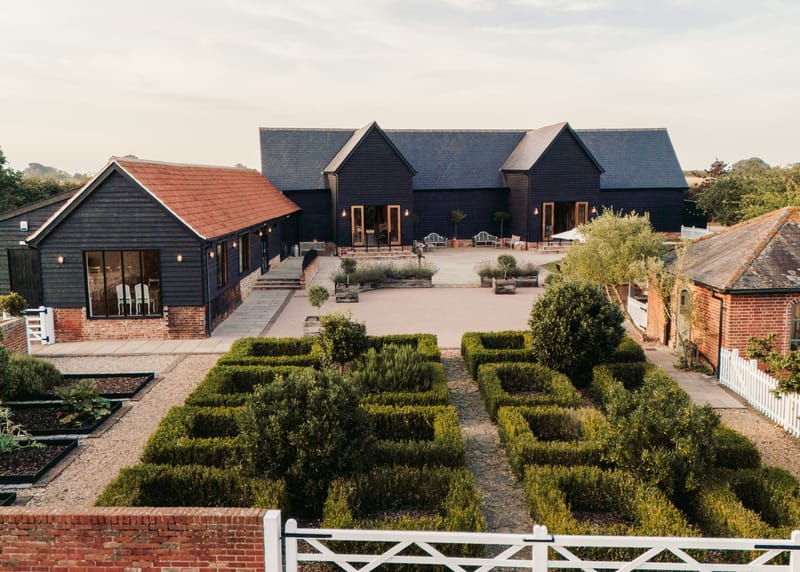
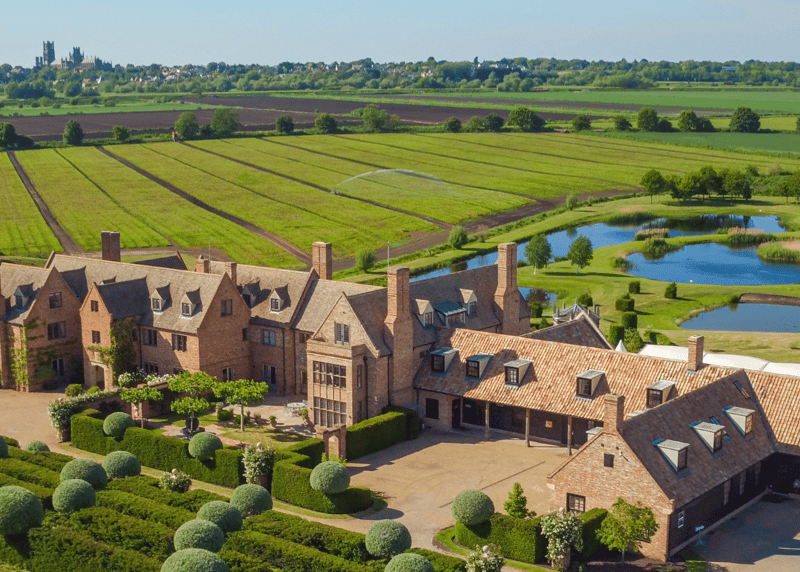
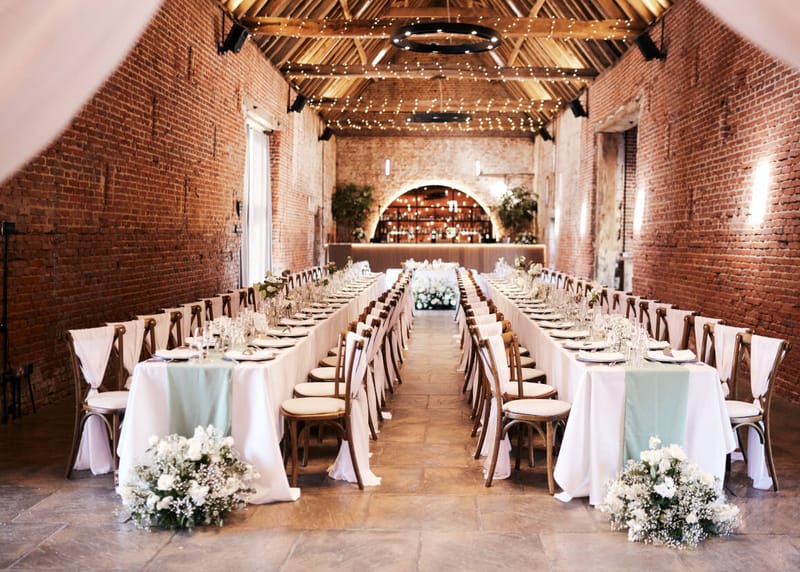
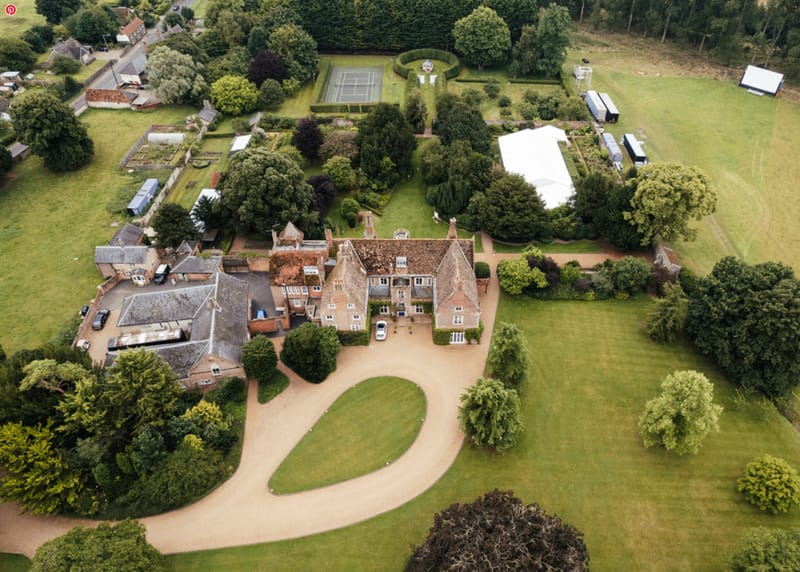
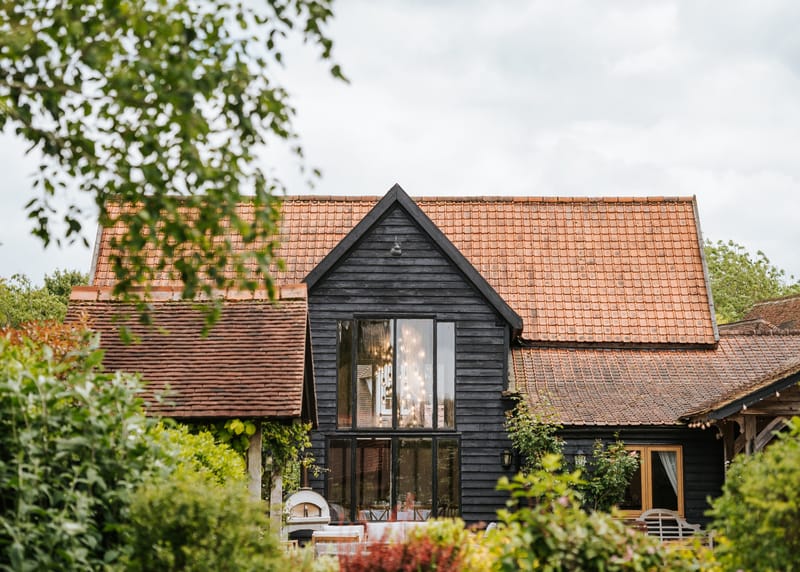
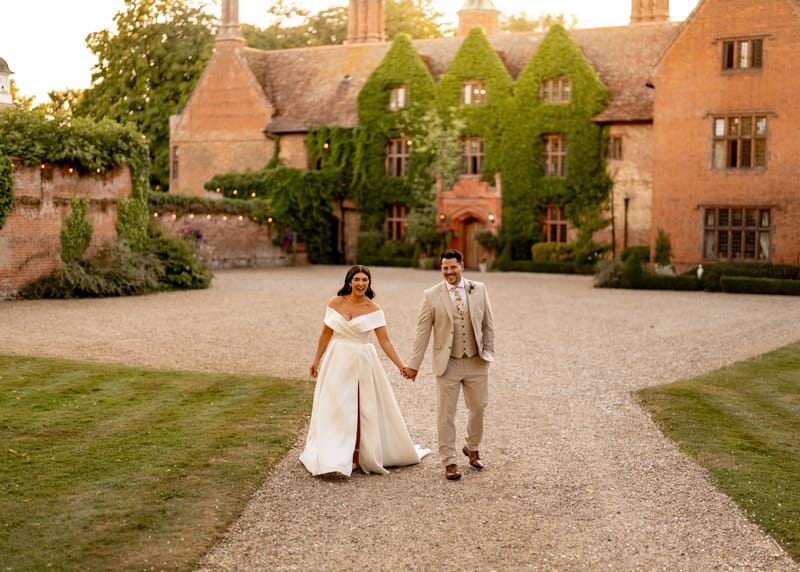
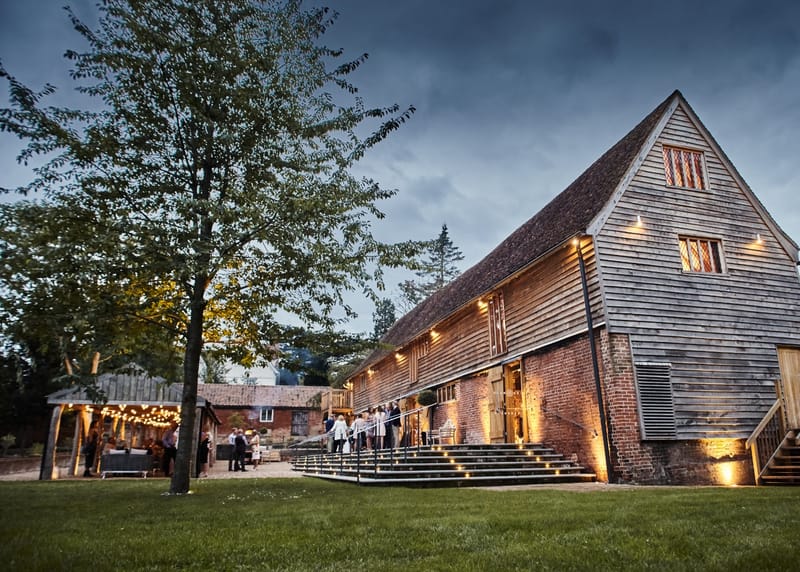
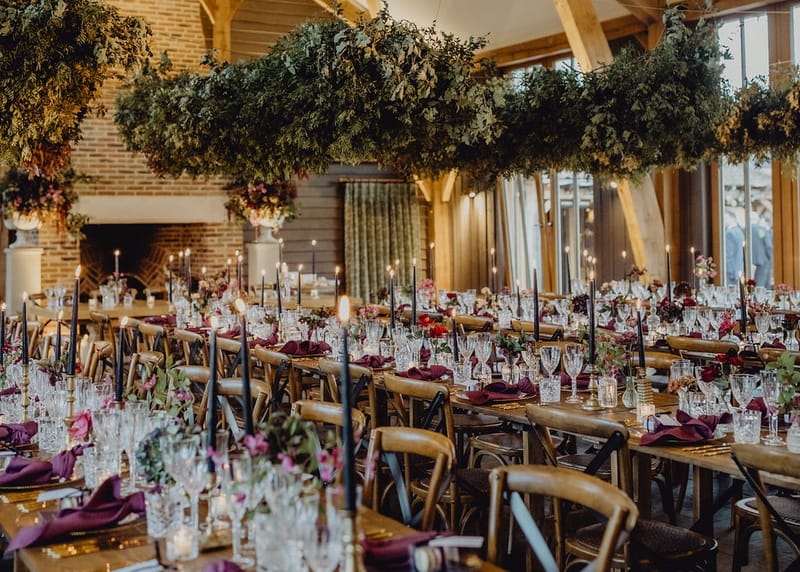
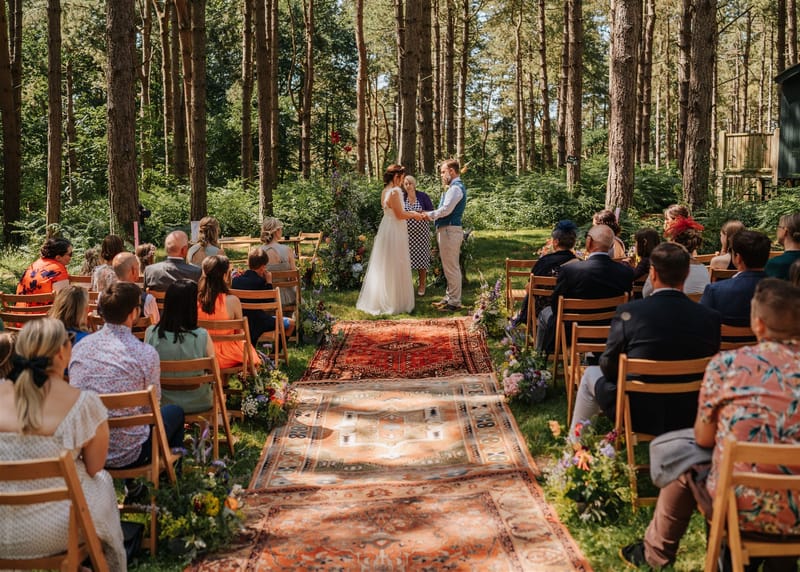
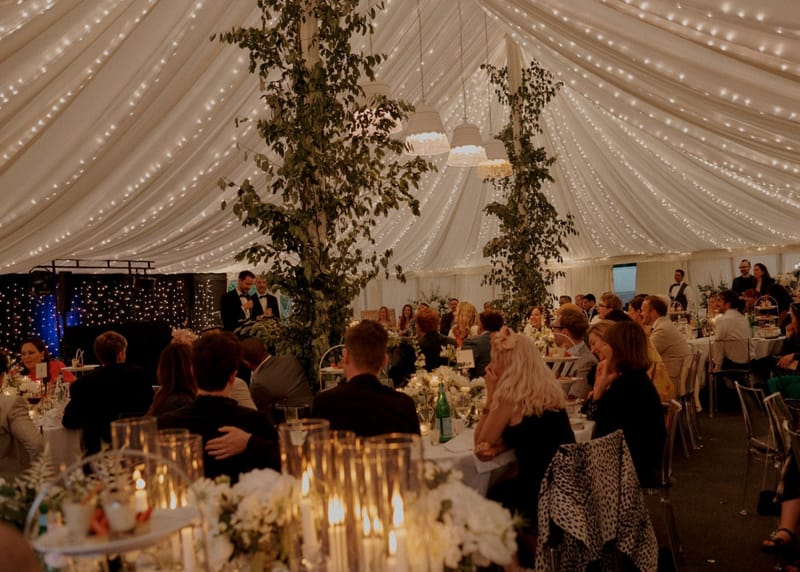
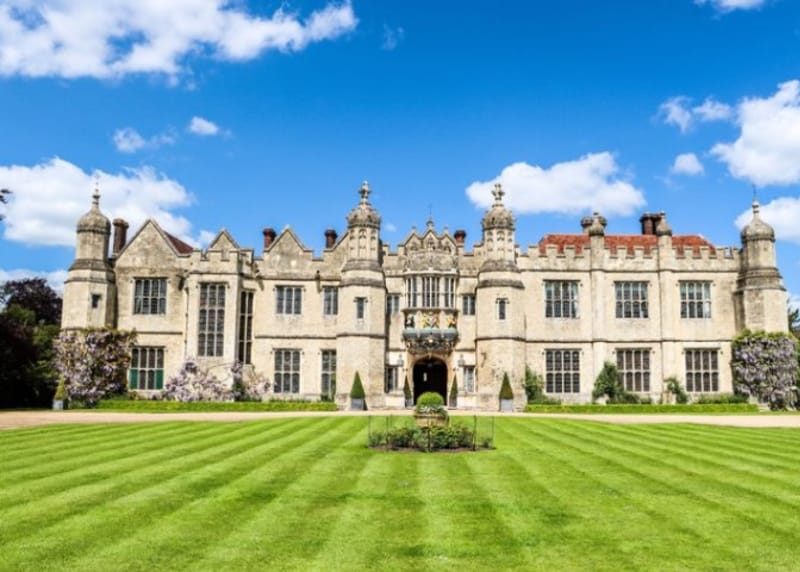
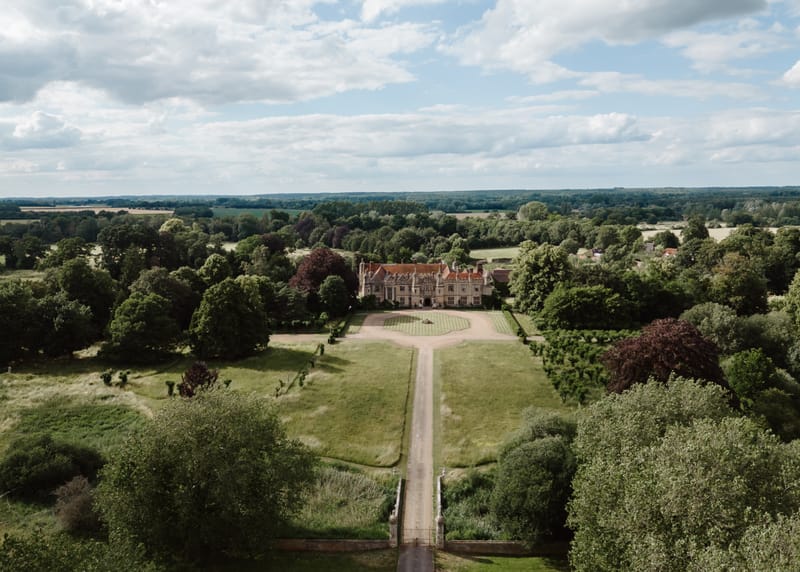
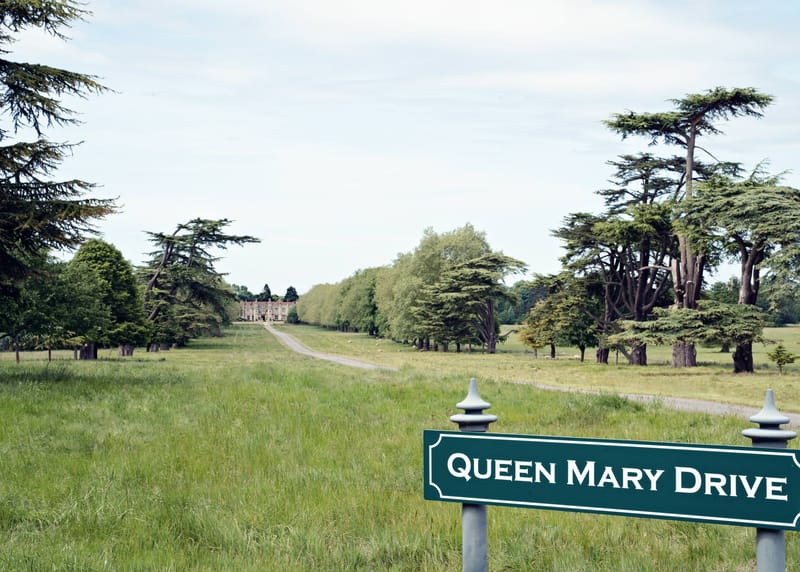
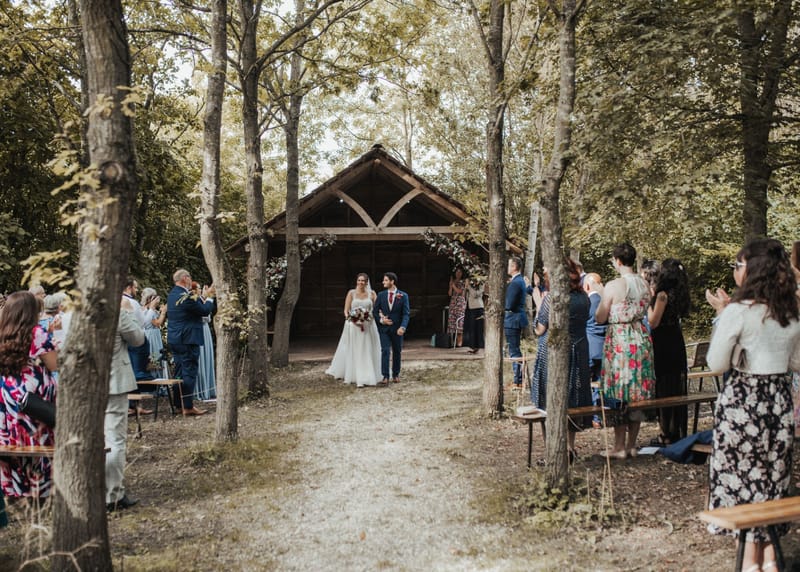
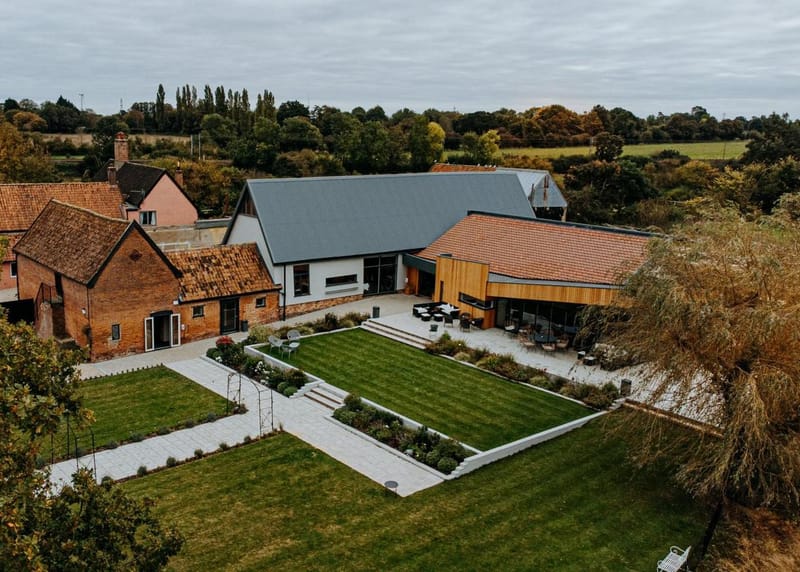
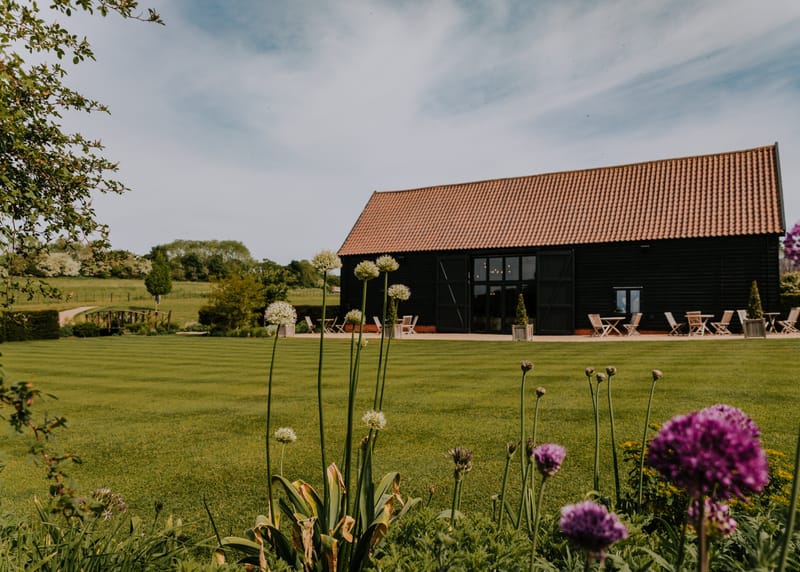
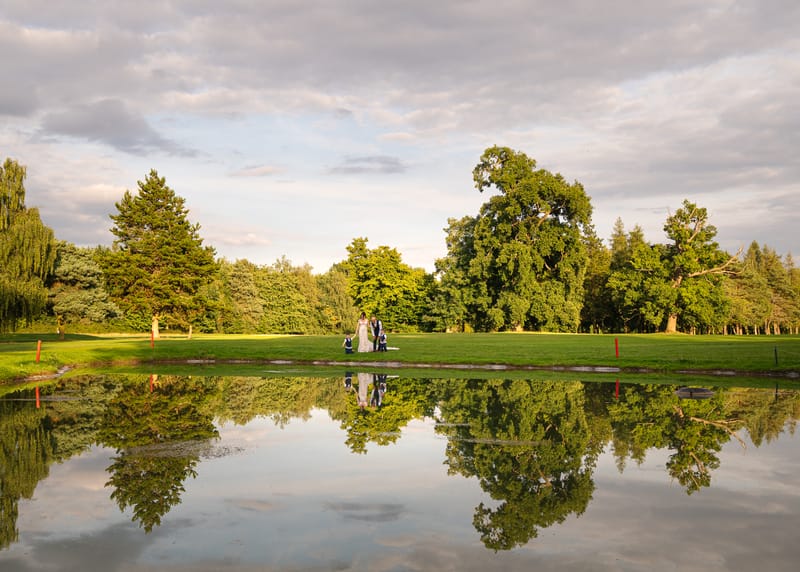
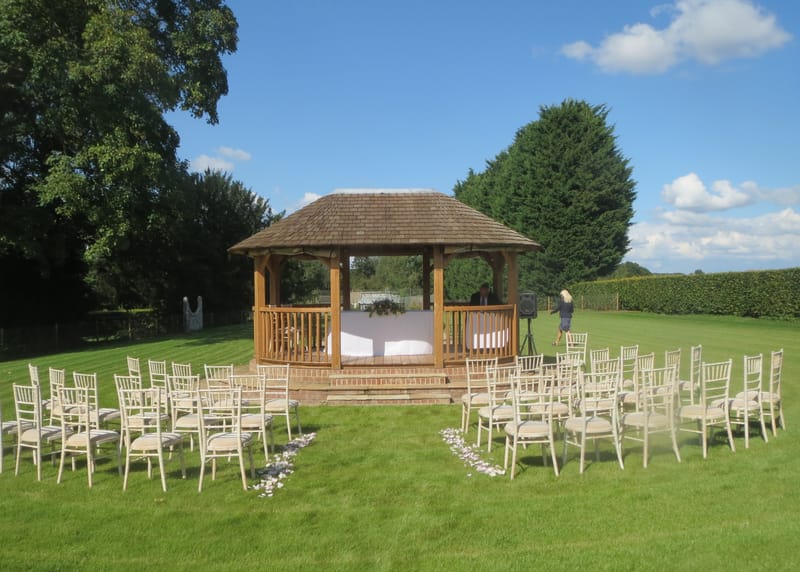
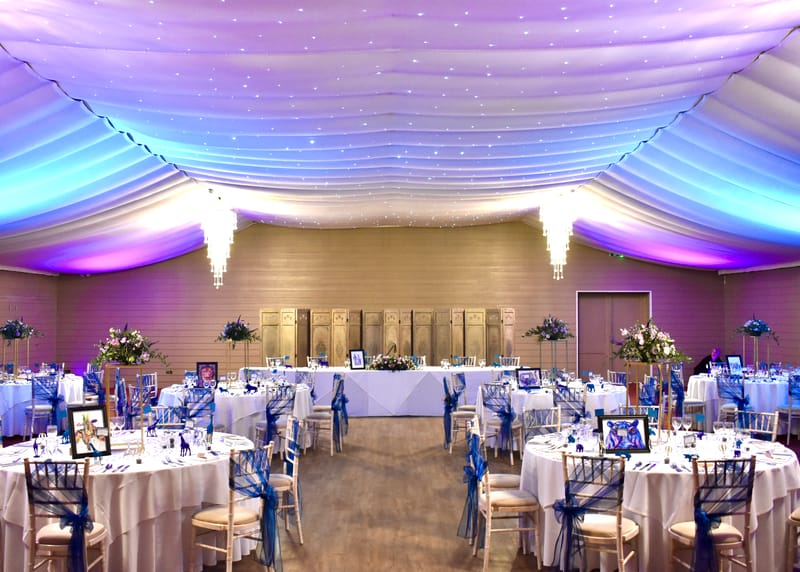
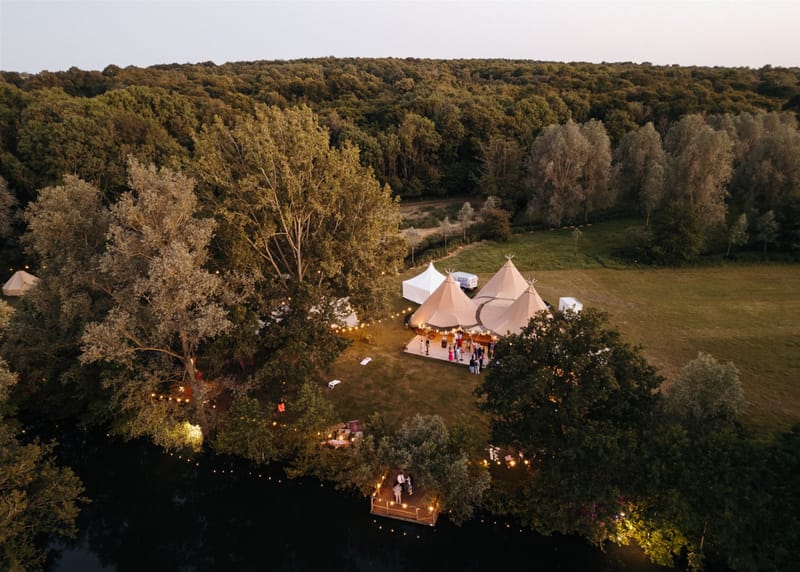
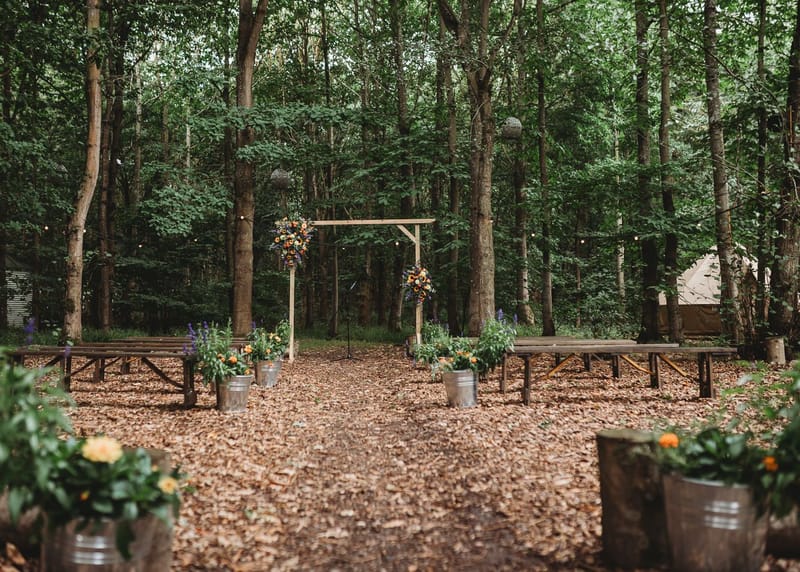
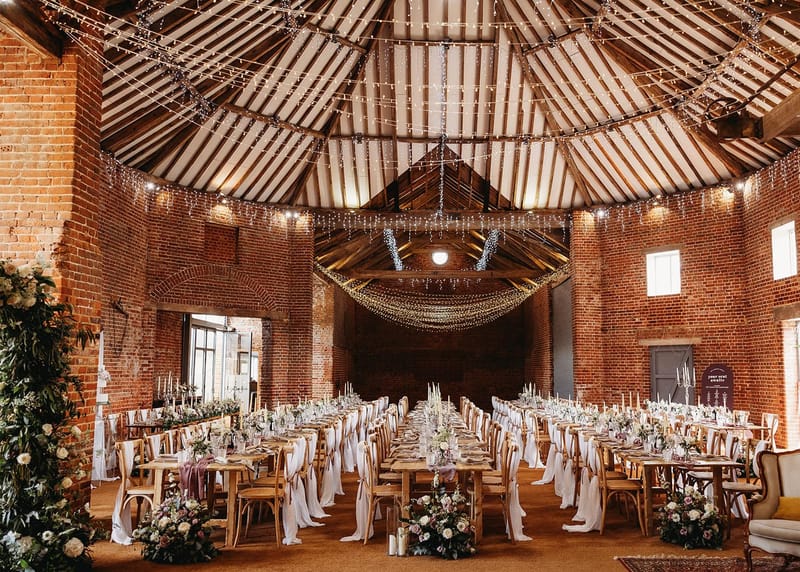
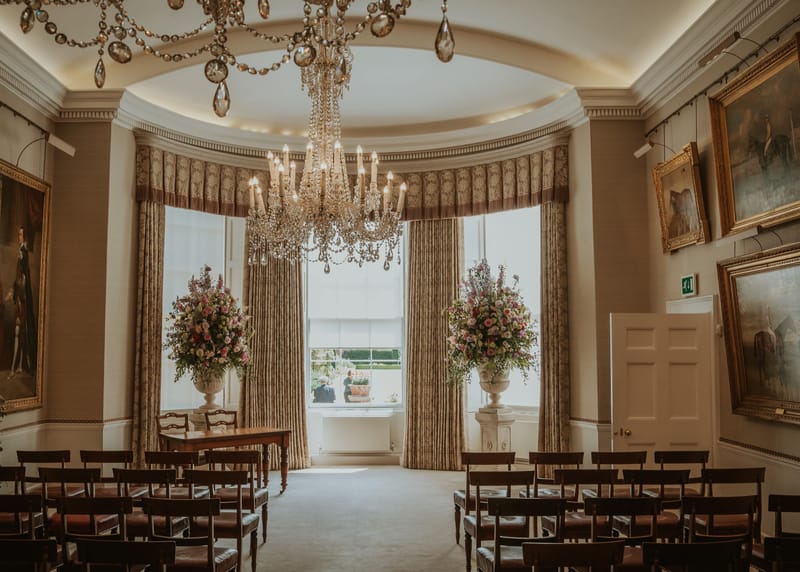
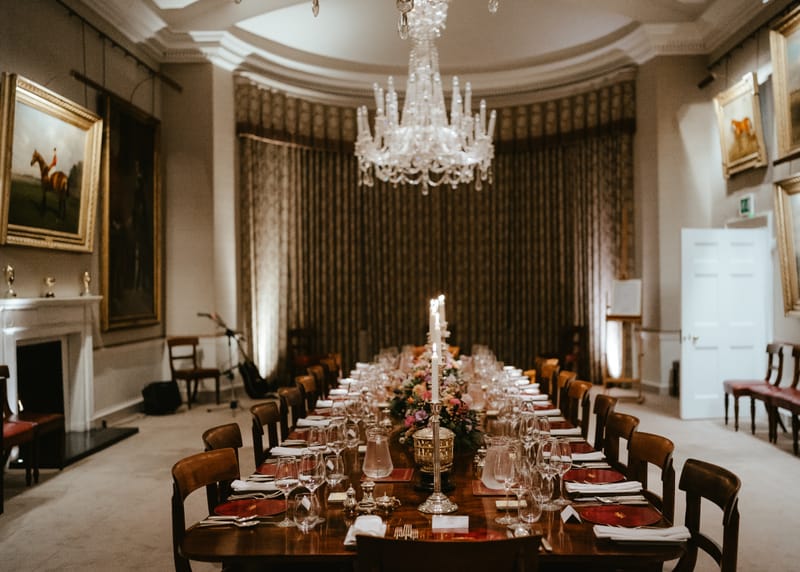
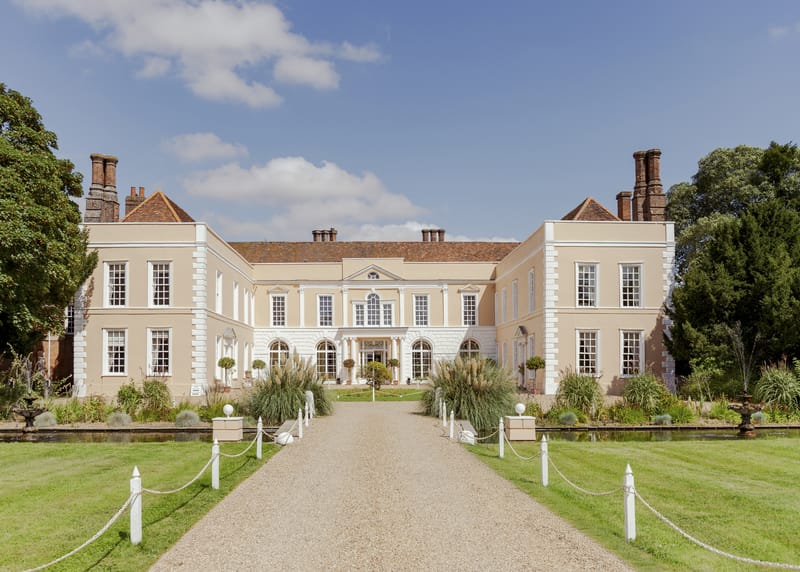
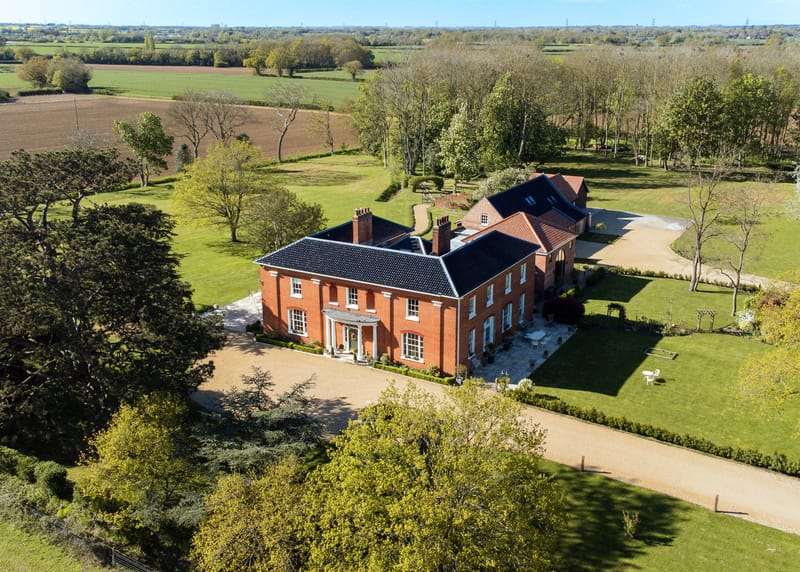
Godwick

Kings Lynn, Norfolk
5.0(69)
More Pricing InsideBridebook Deal Available
  • 120
  • 15 Bedrooms
  • £4,900 – £32,400

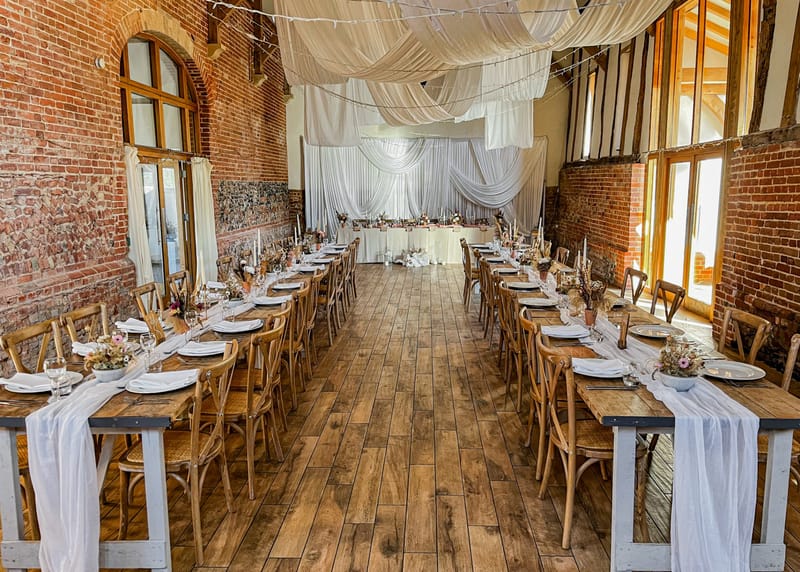
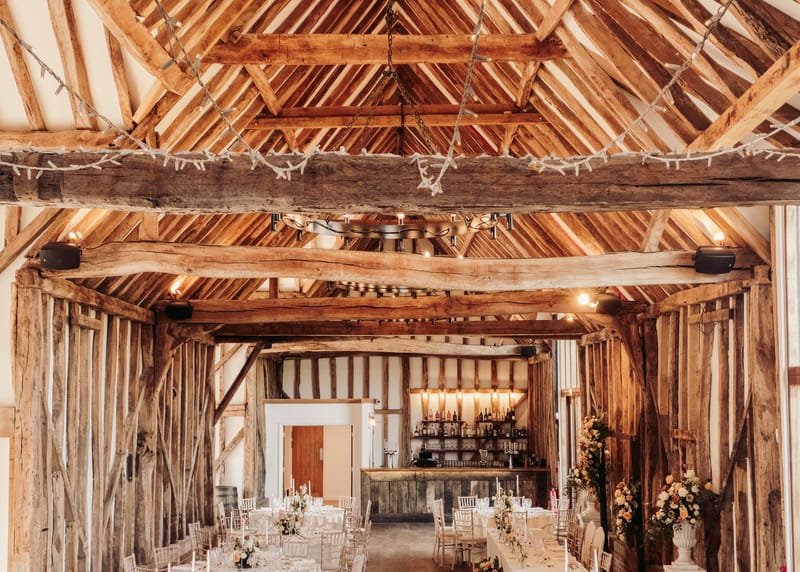
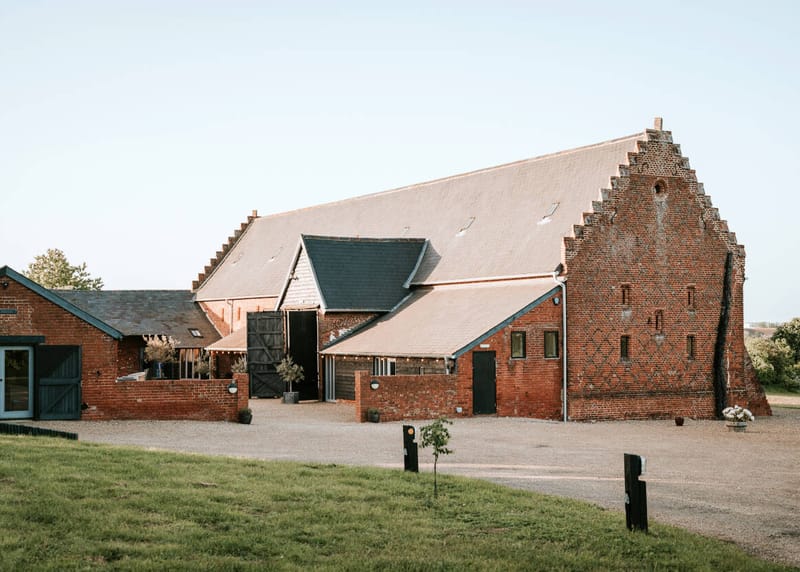
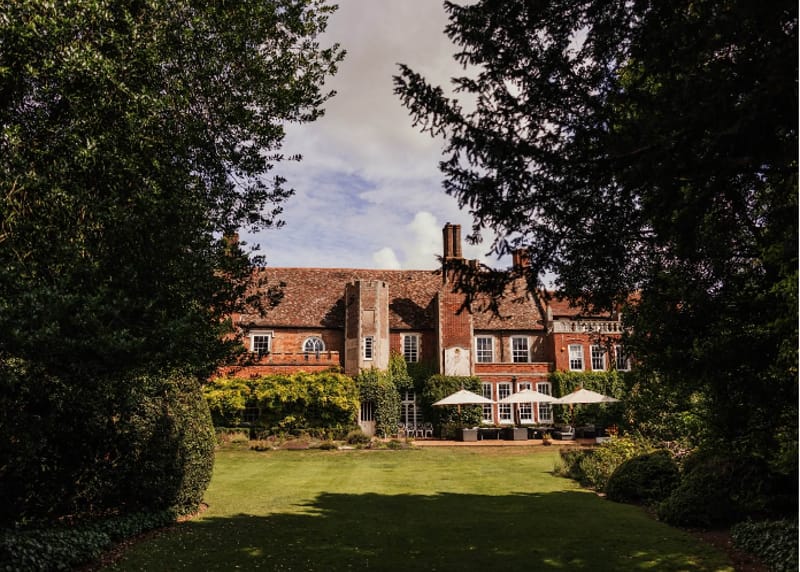
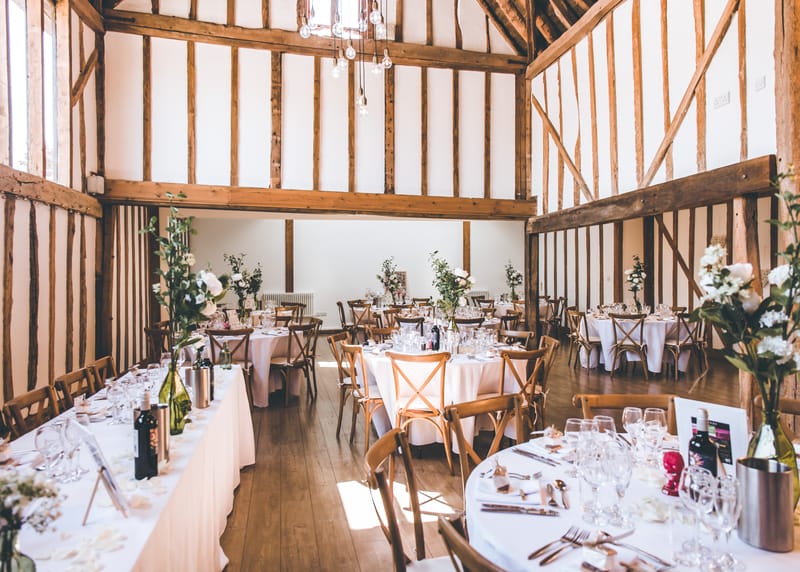
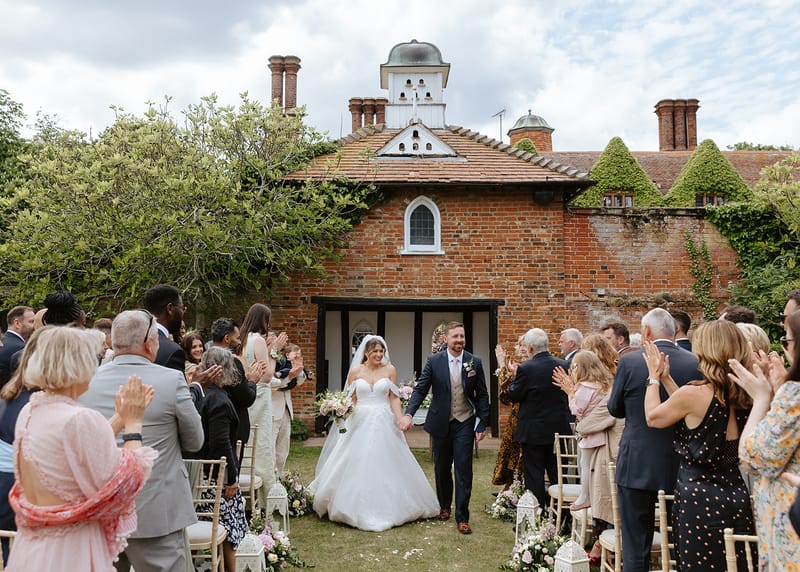
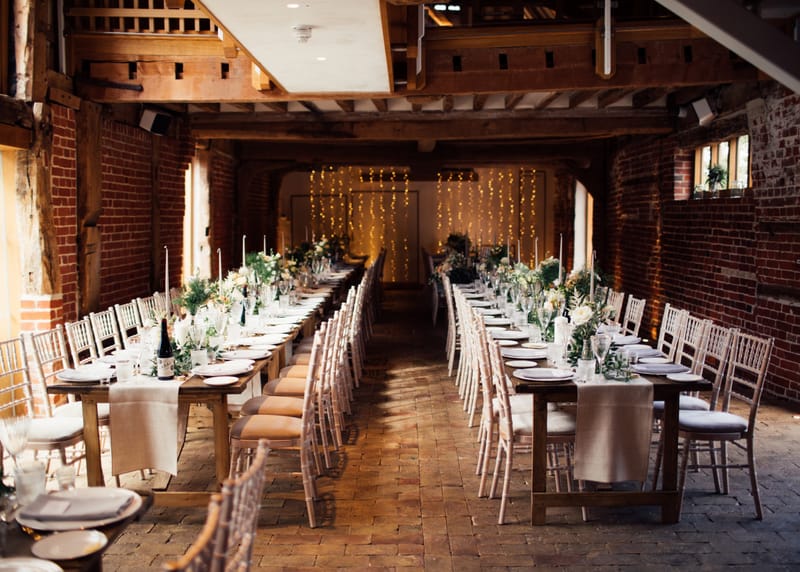
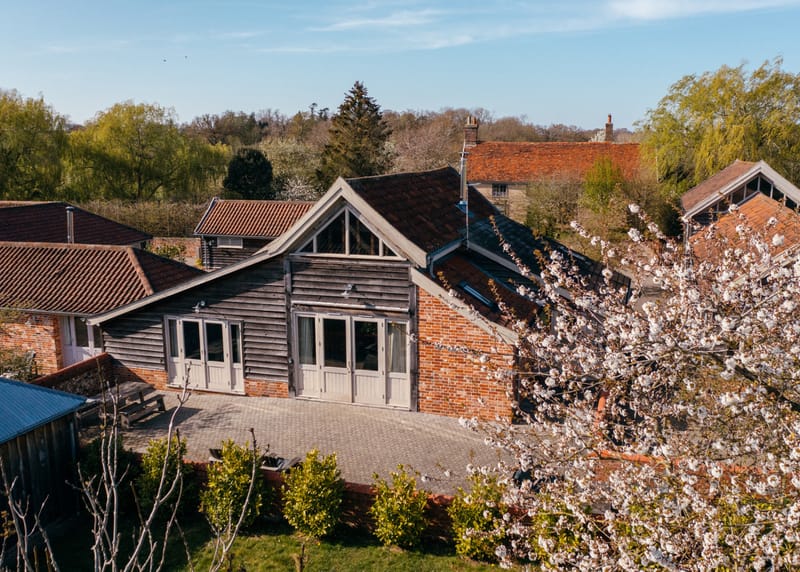
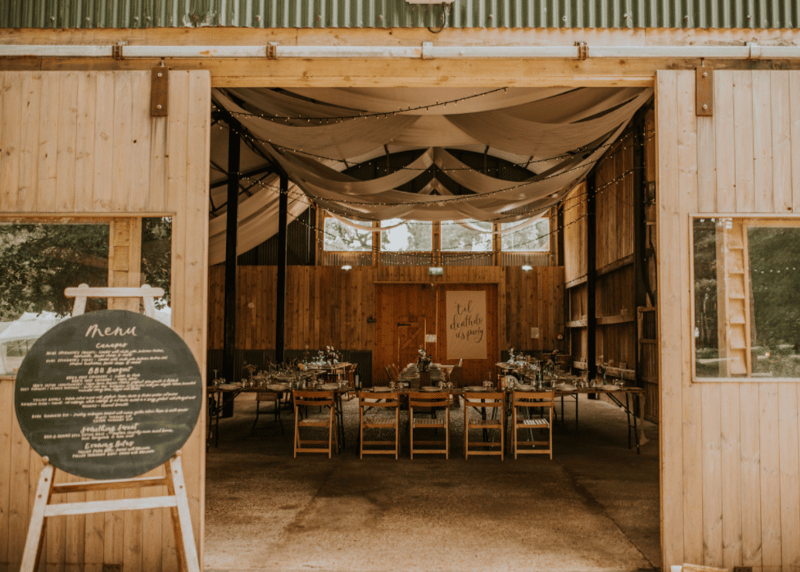
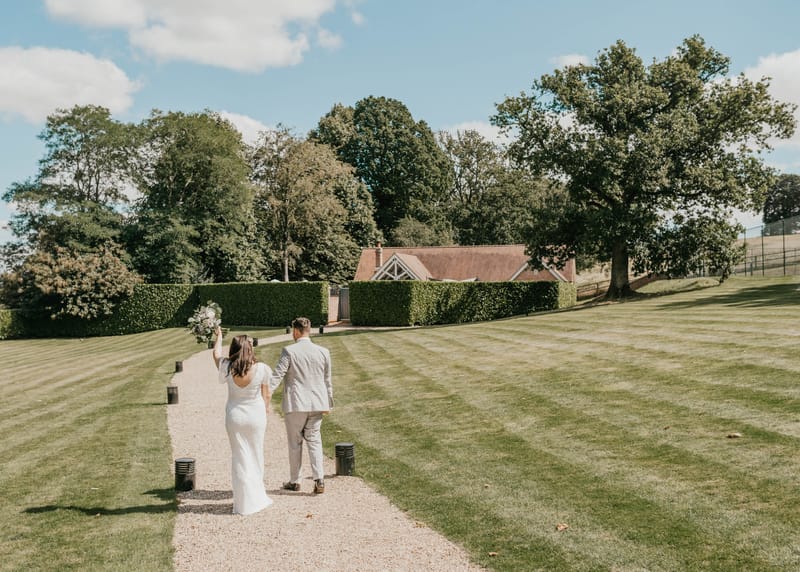
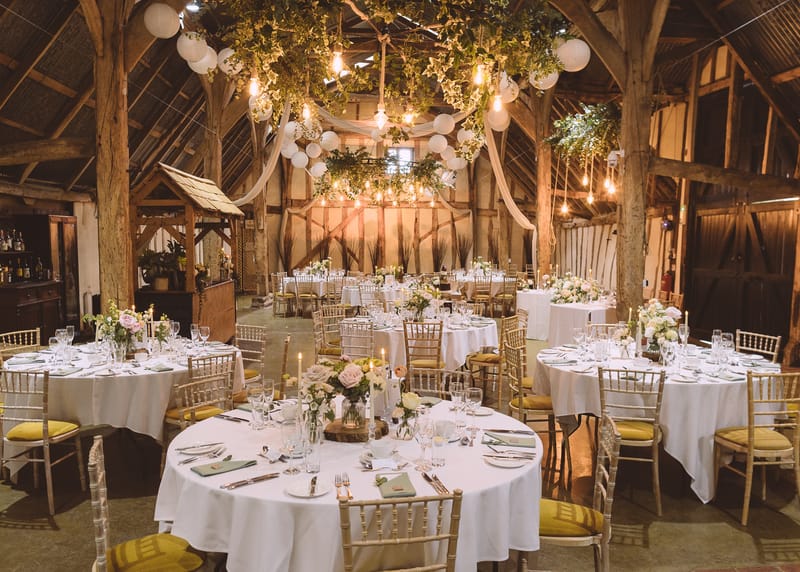
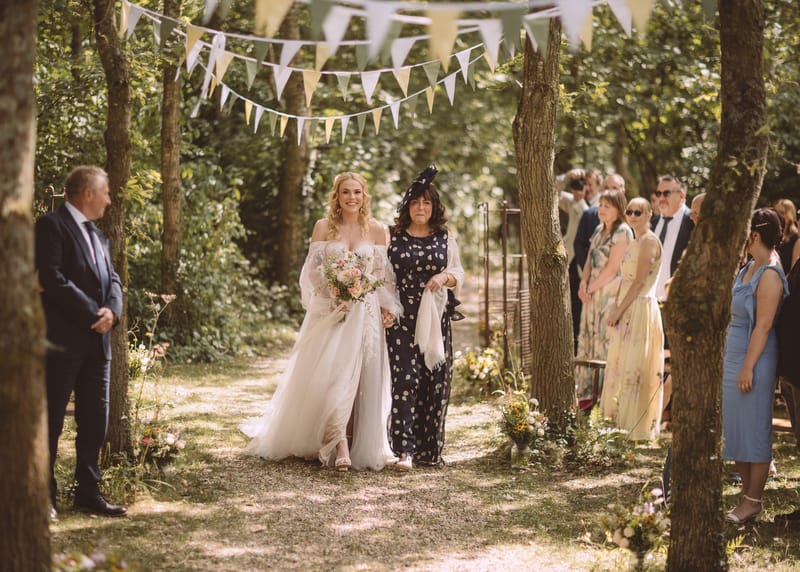
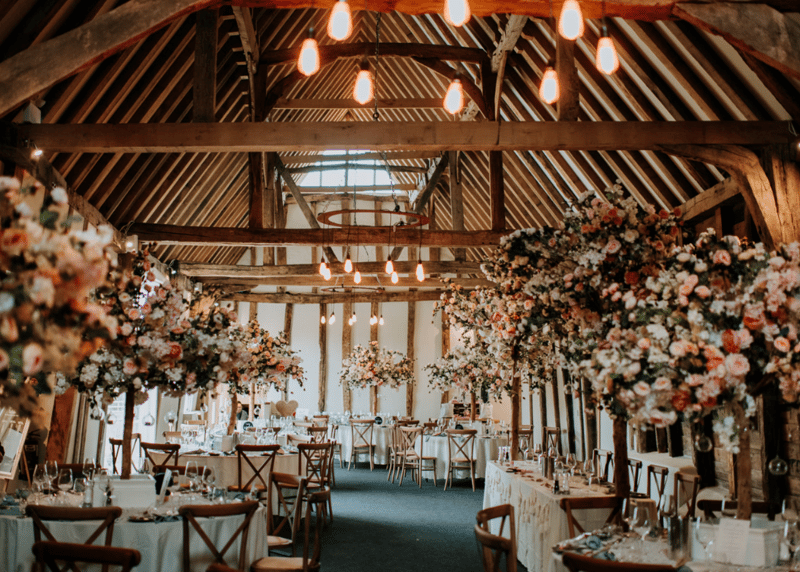
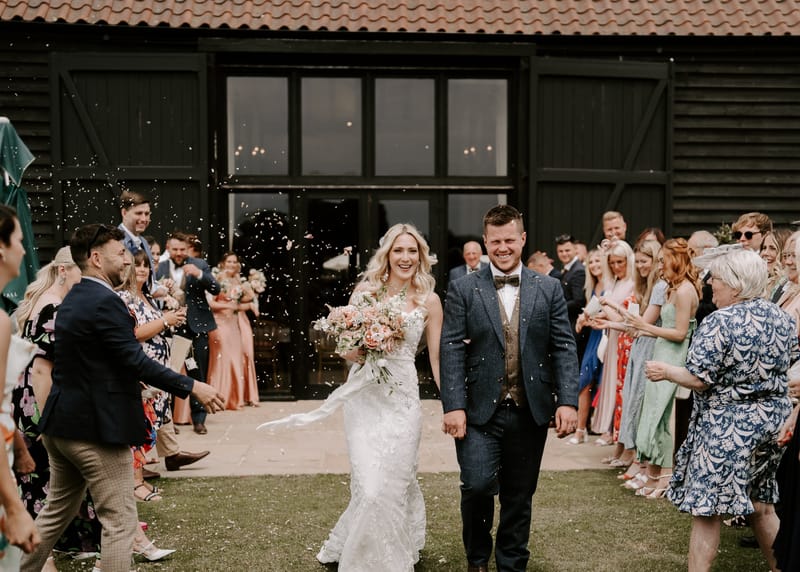
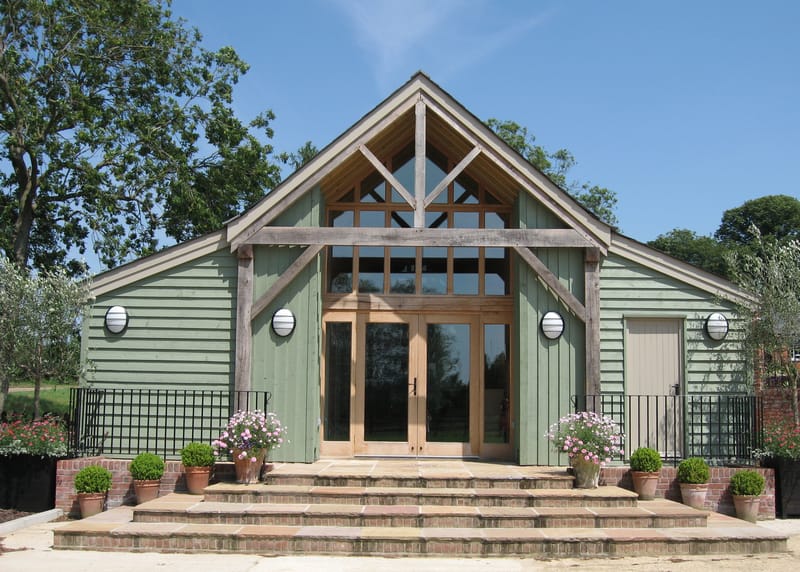
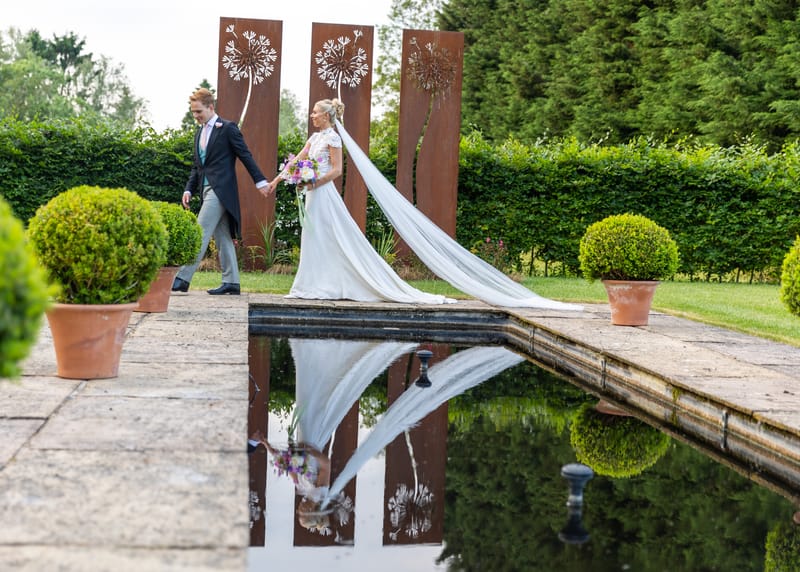
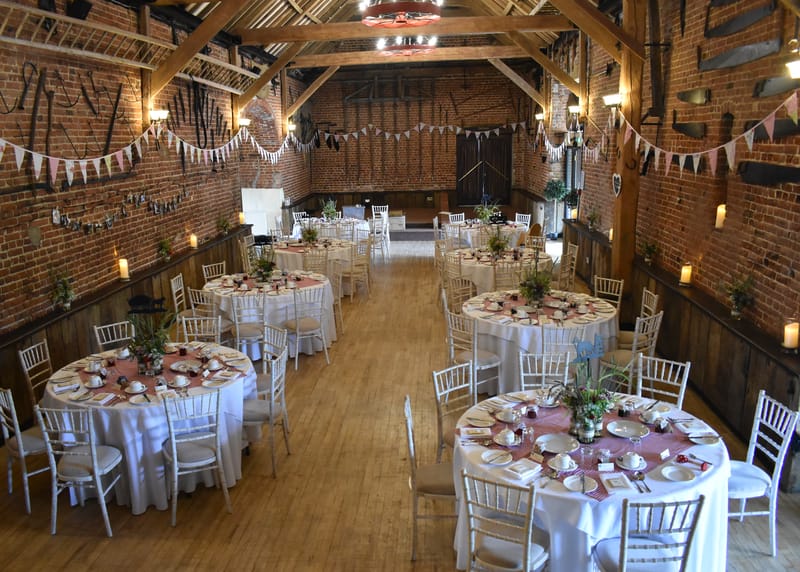
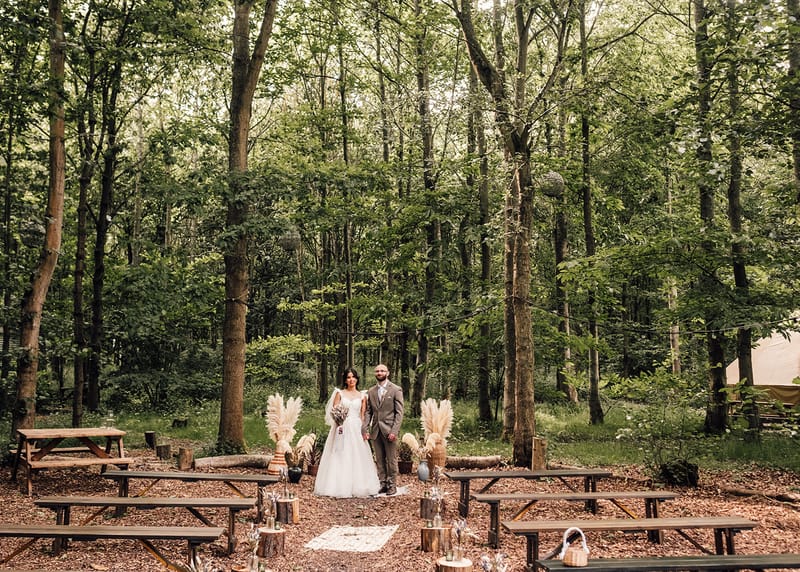
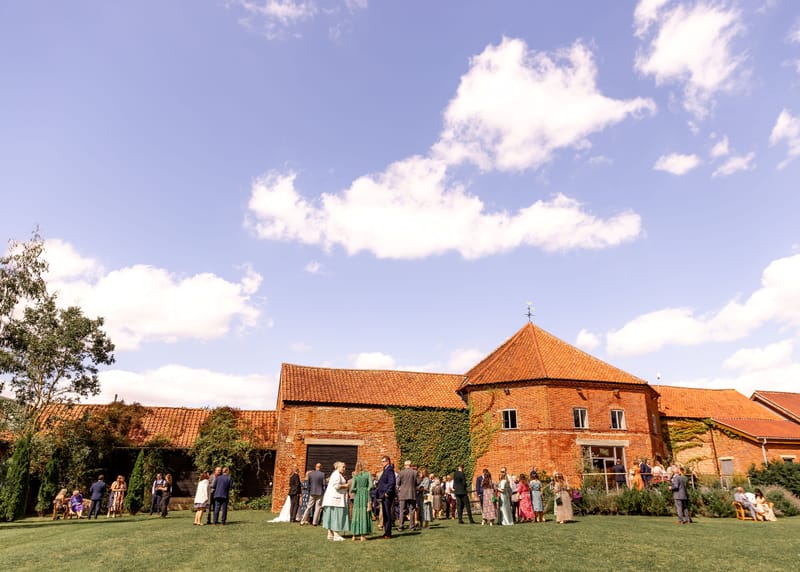
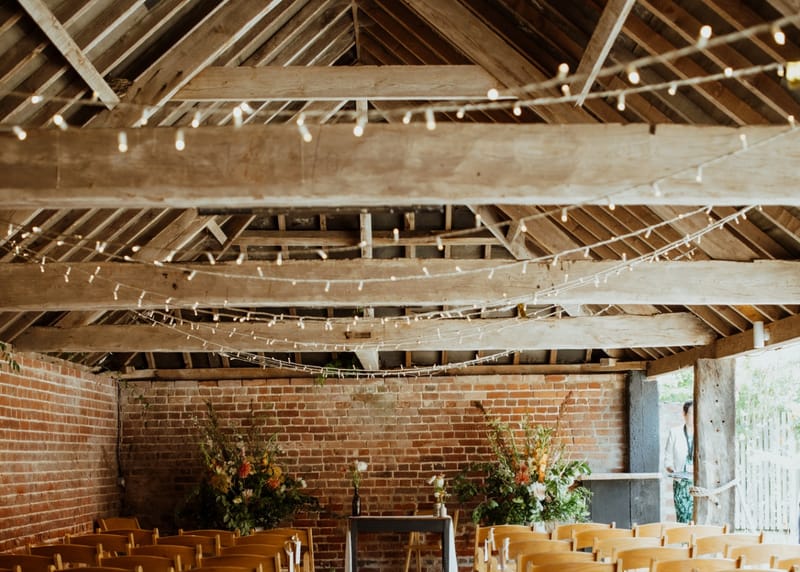
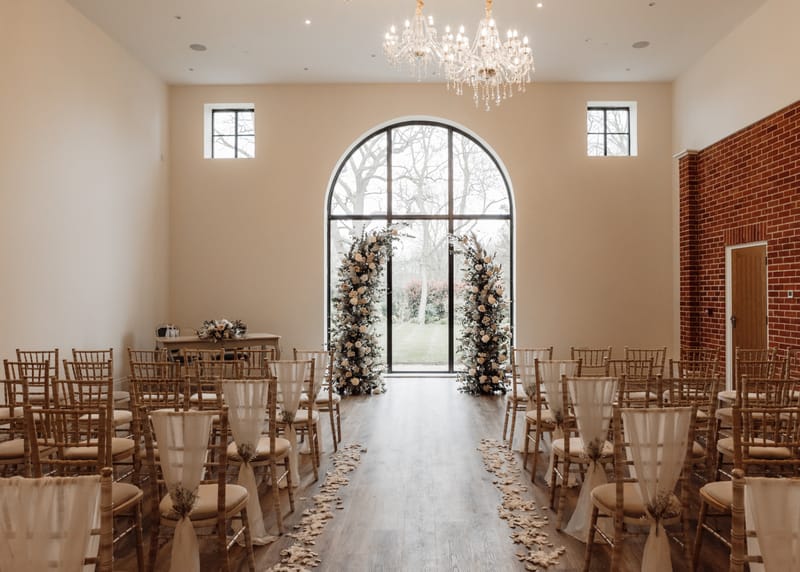
Manor Barn

Harlton, Cambridgeshire
5.0(30)
More Pricing InsideBridebook Deal Available
  • 200
  • 3 Bedrooms
  • £6,500 – £7,500

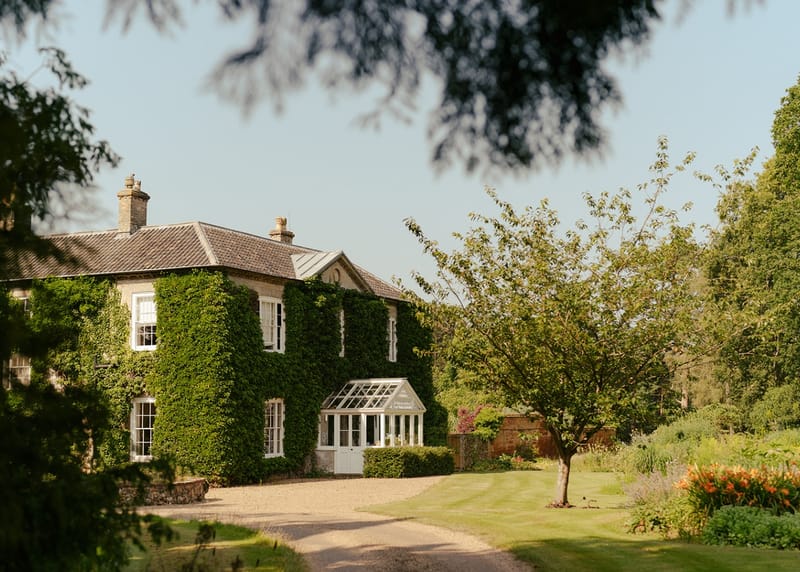
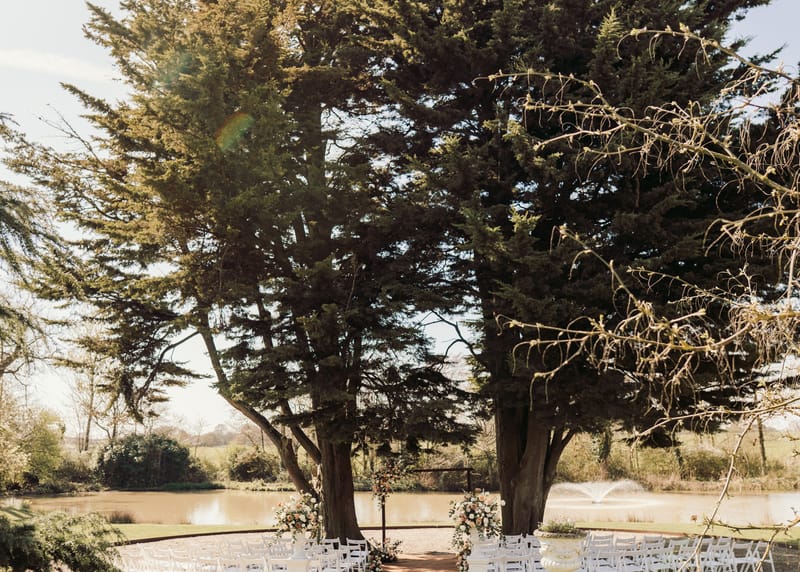
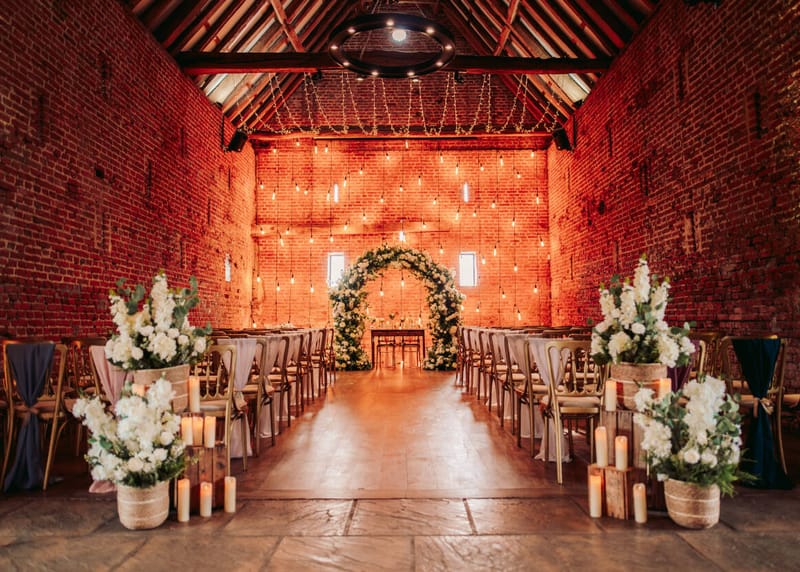
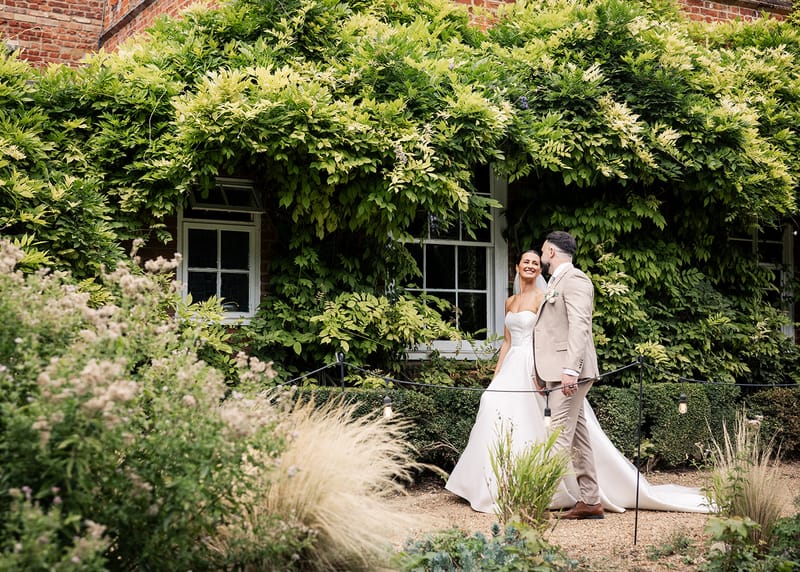
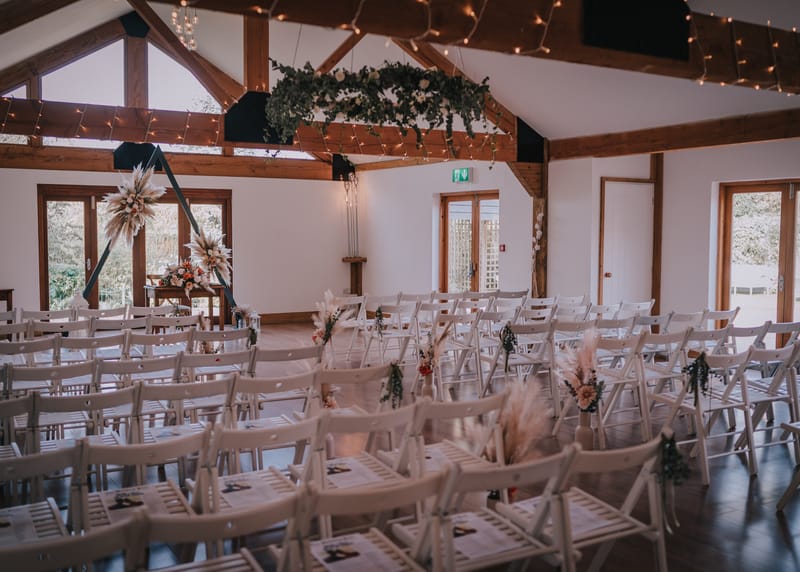
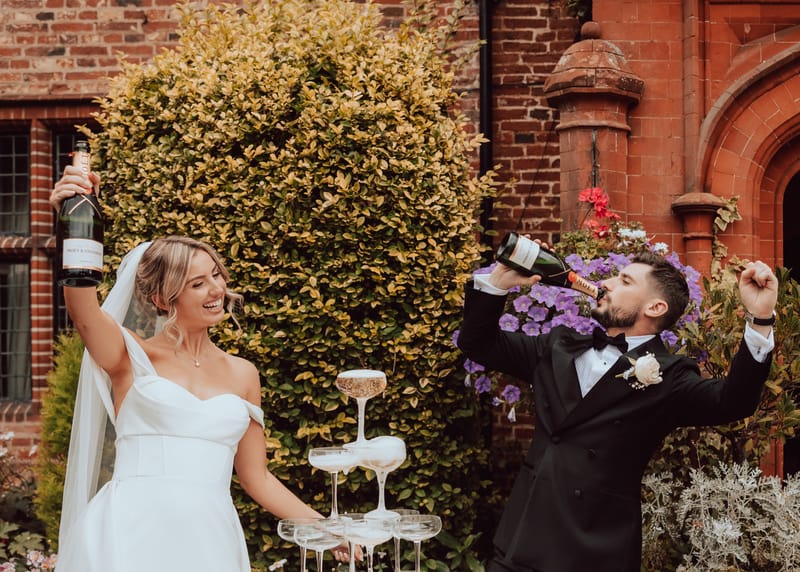
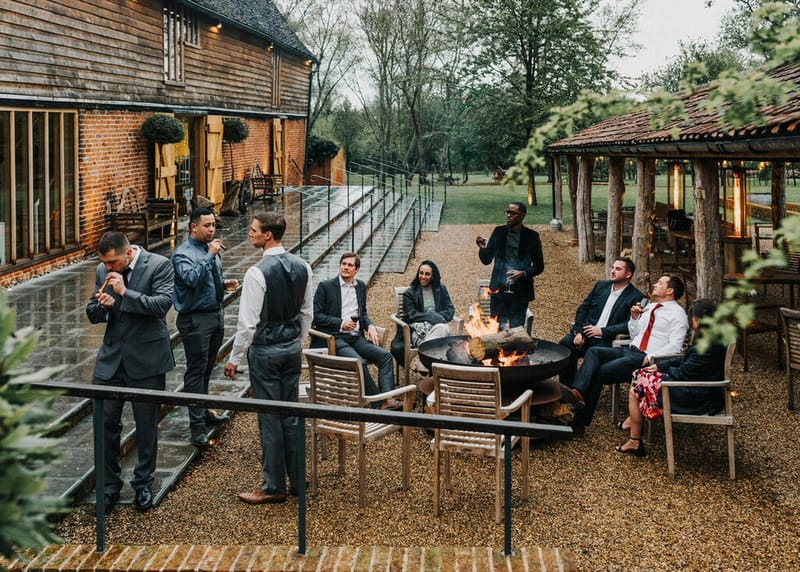
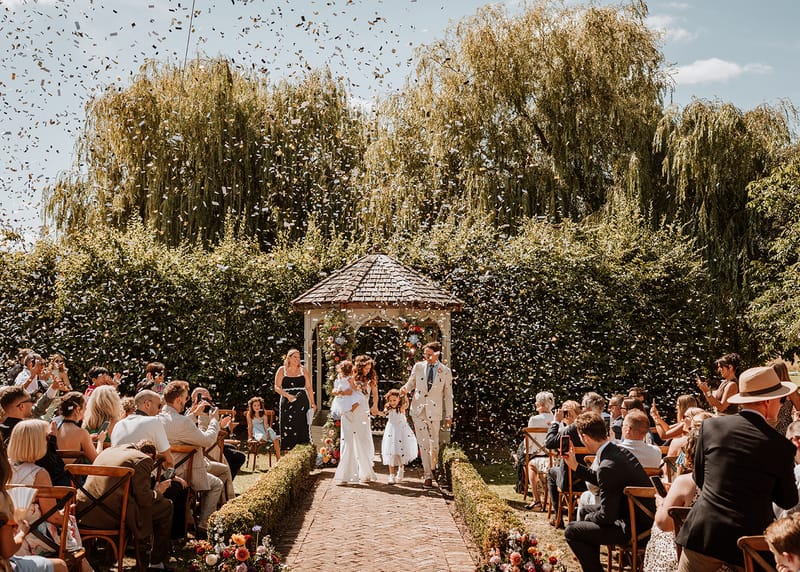
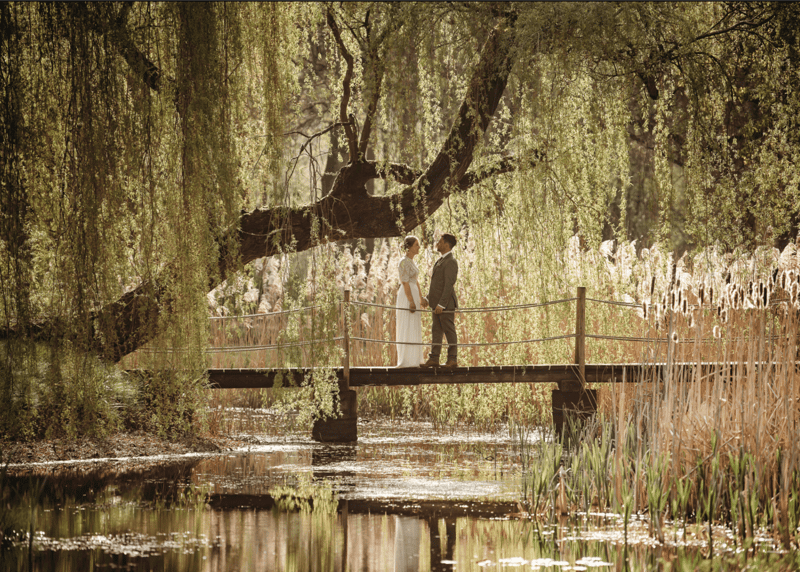
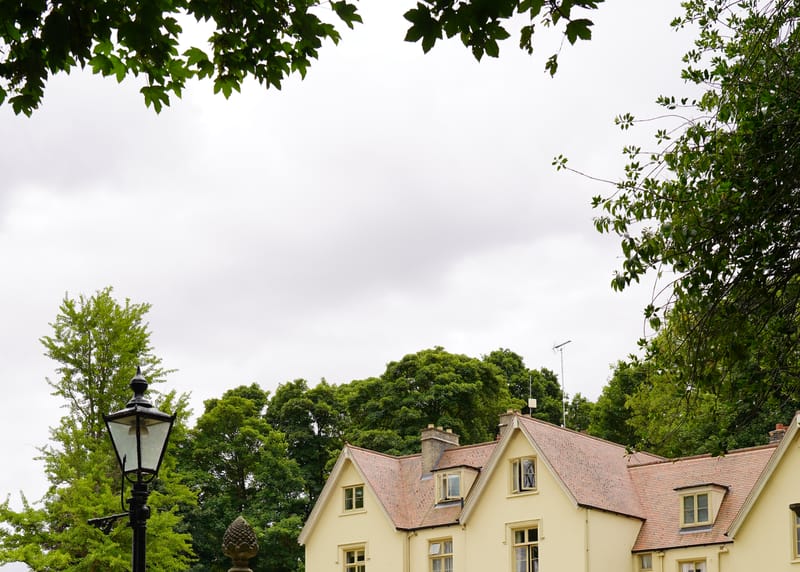
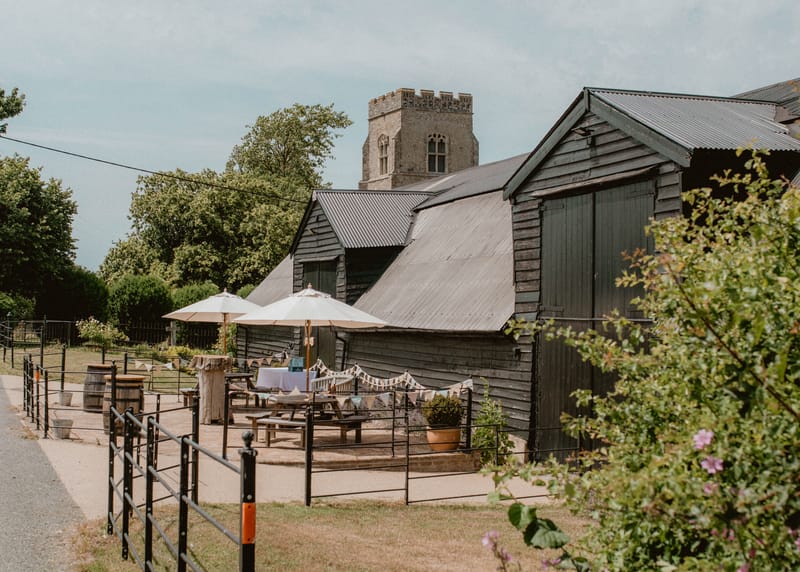
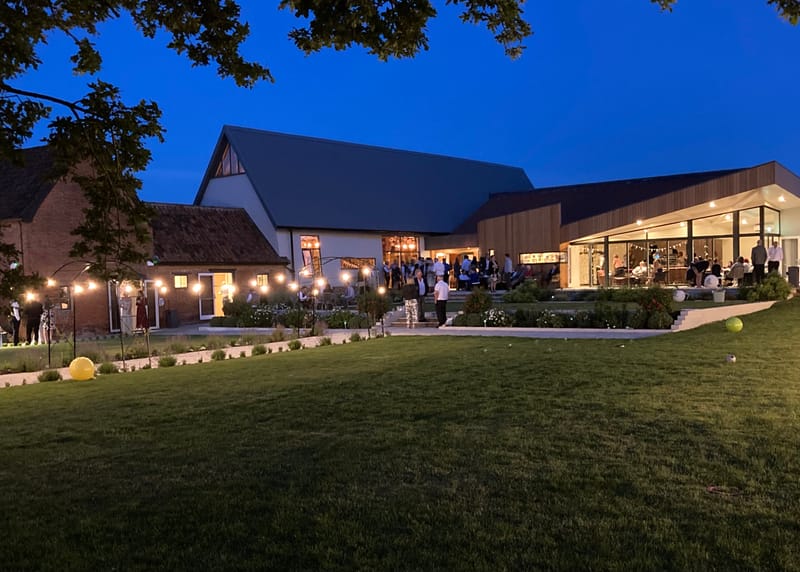
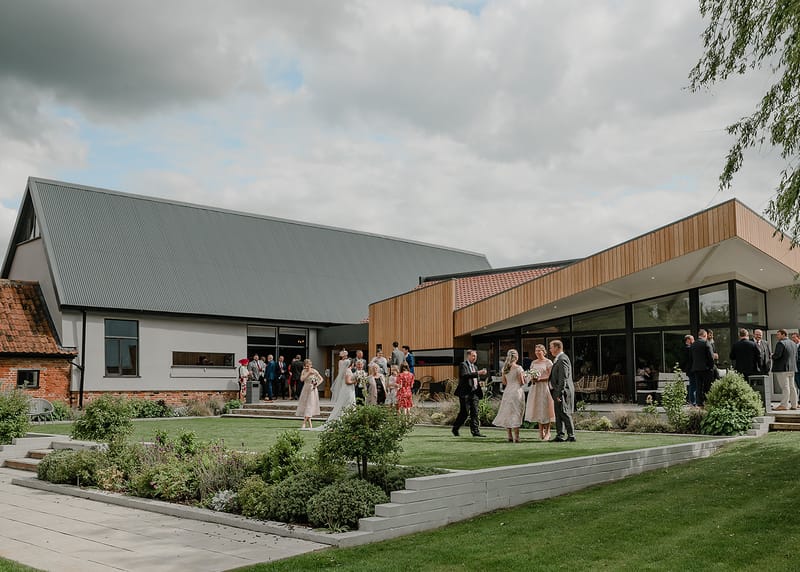
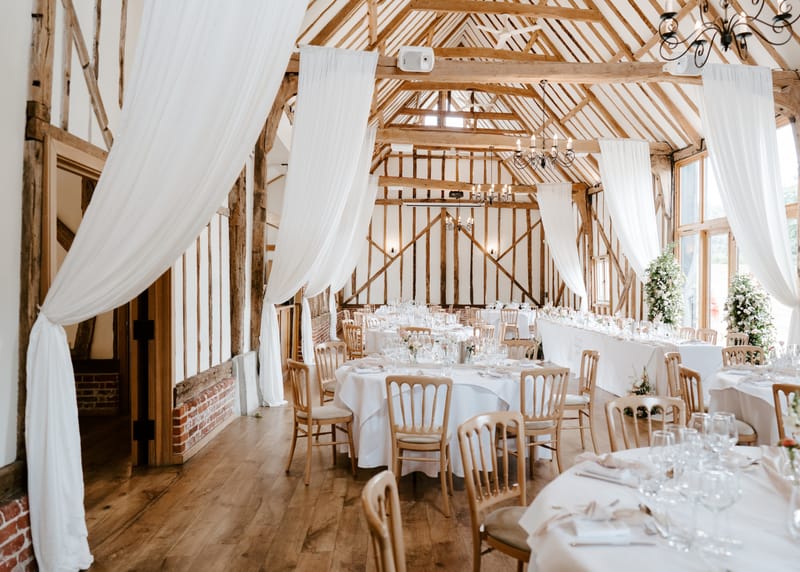
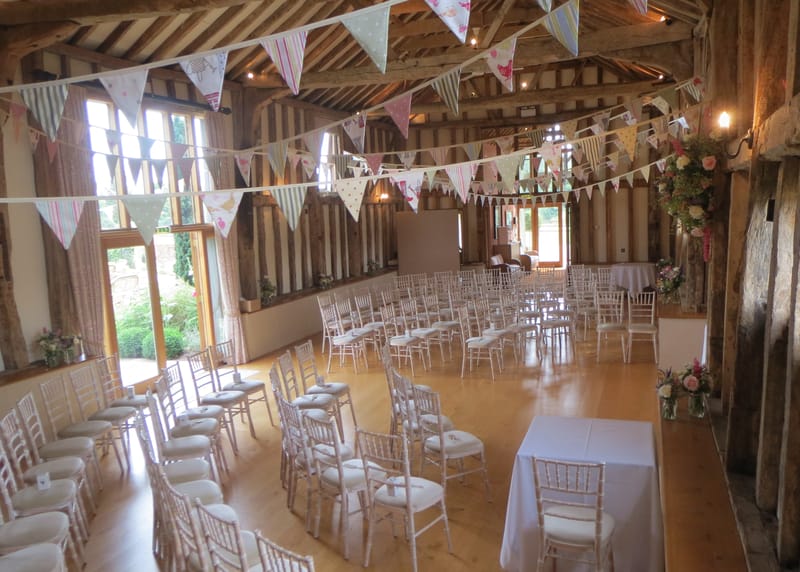
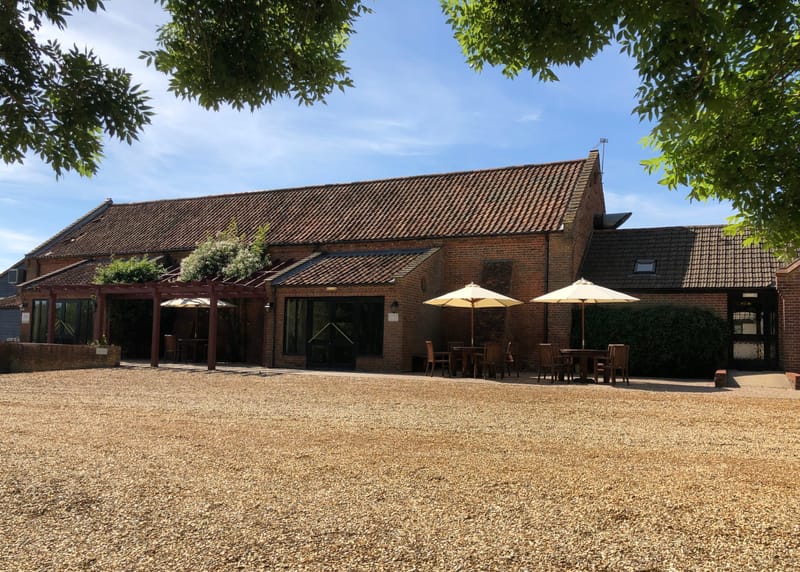
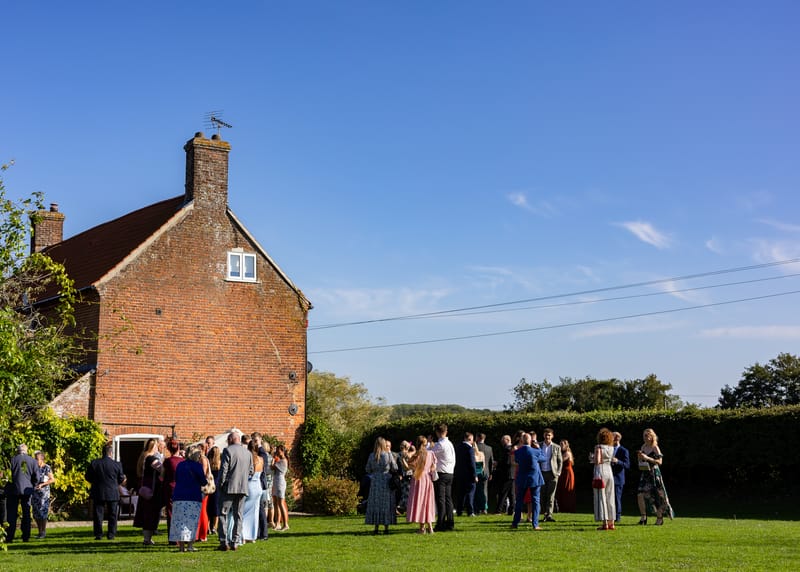
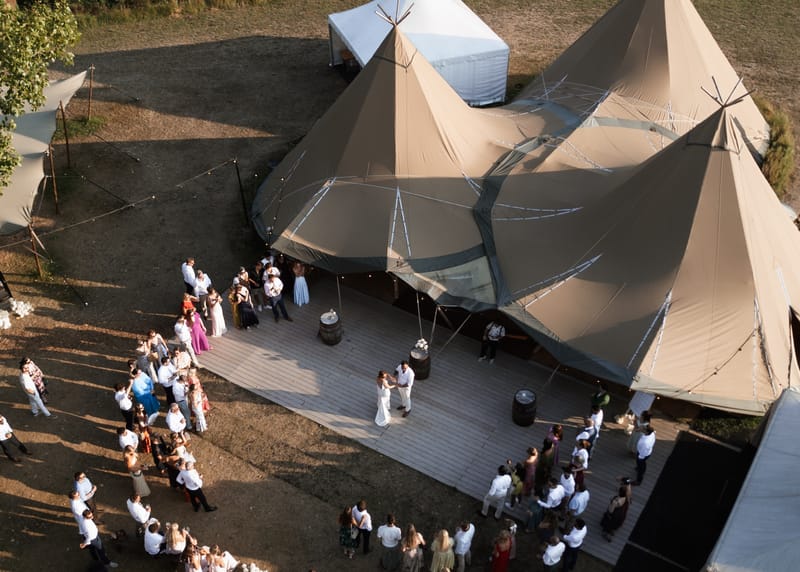
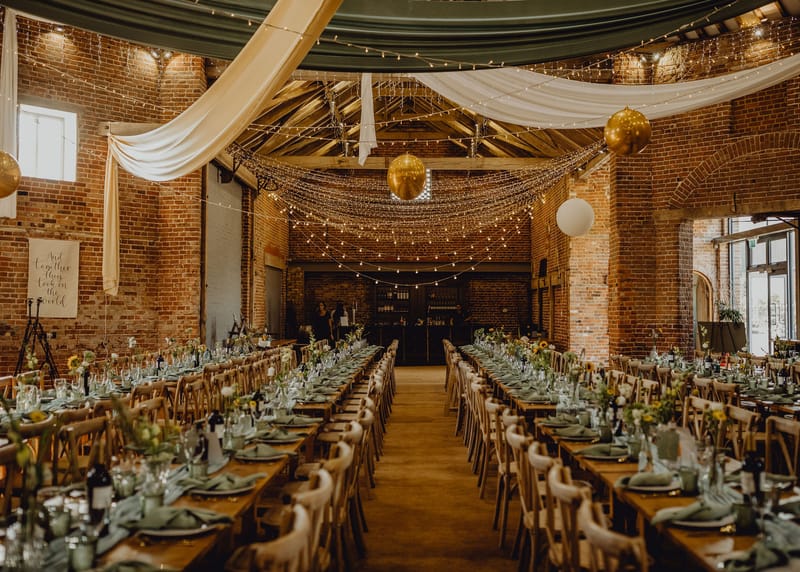
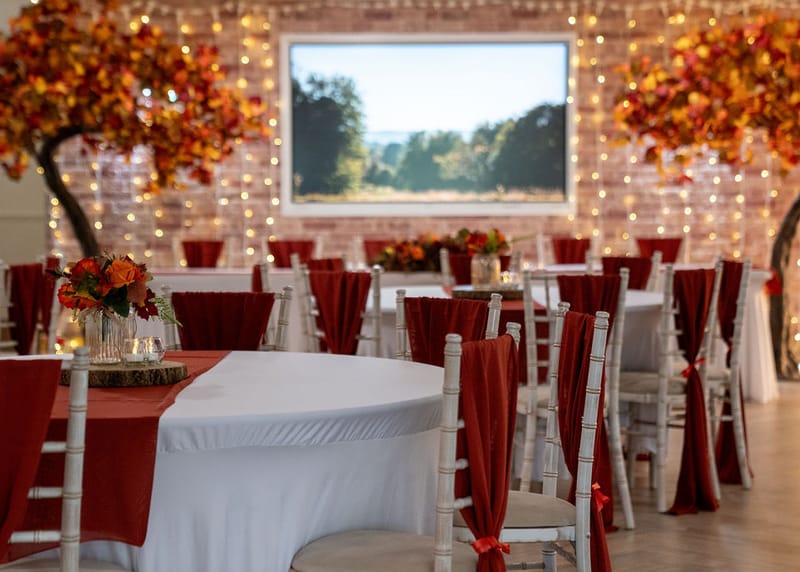
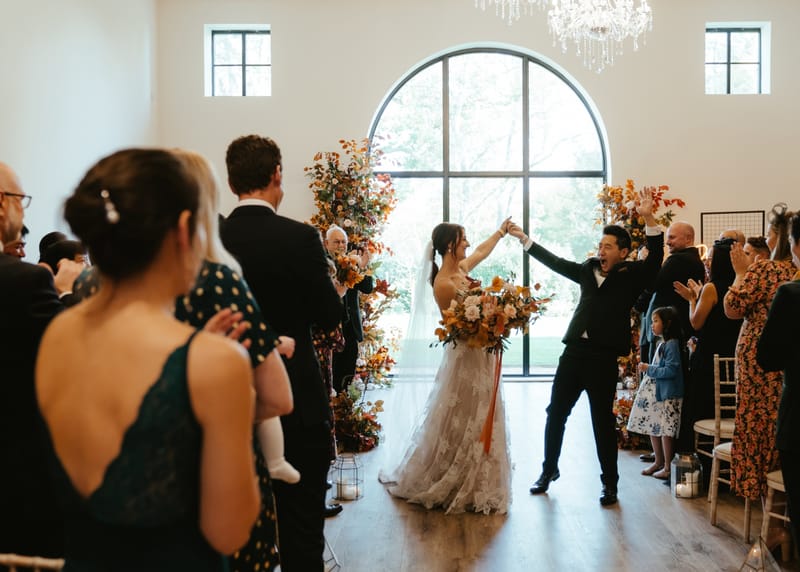
Copdock Hall

Ipswich, Suffolk
5.0(36)
More Pricing InsideBridebook Deal AvailableUpcoming Event
  • 180
  • 8 Bedrooms
  • £9,995 – £32,995

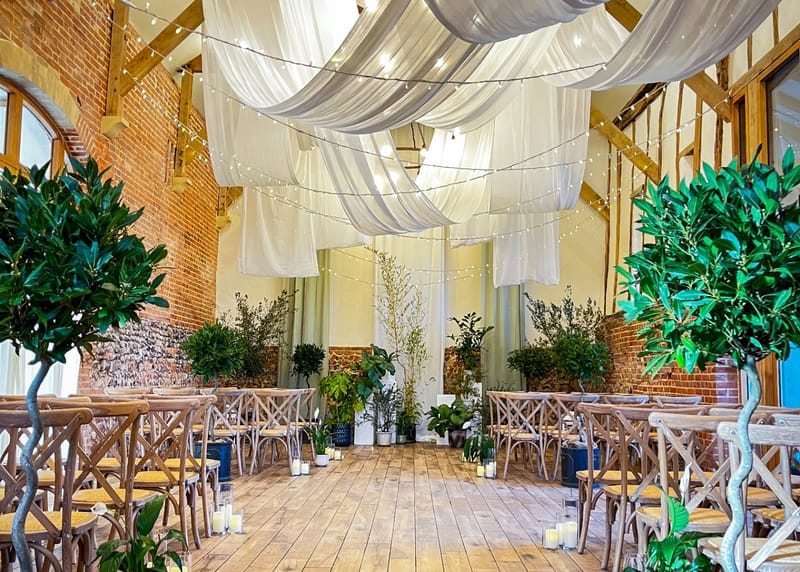
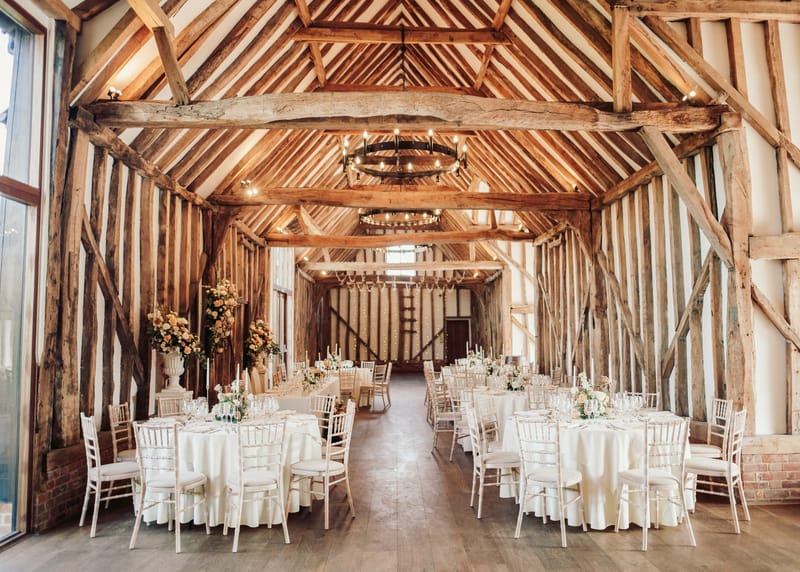
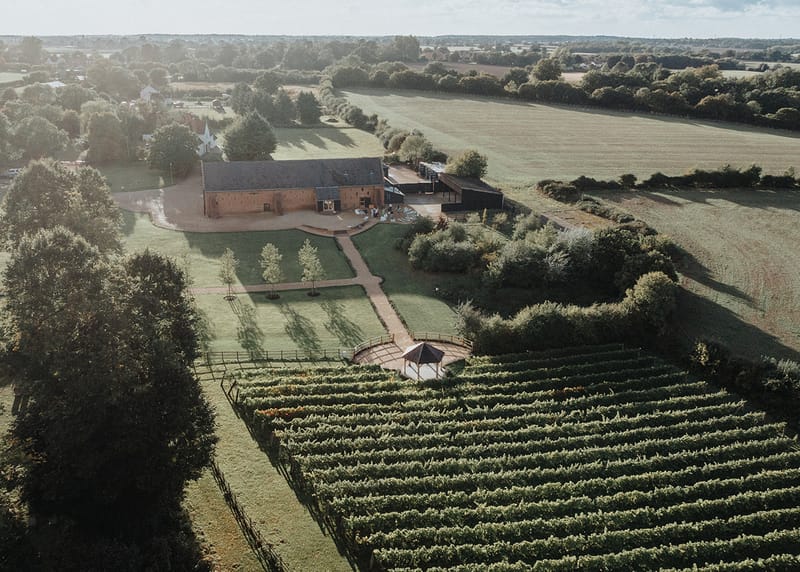
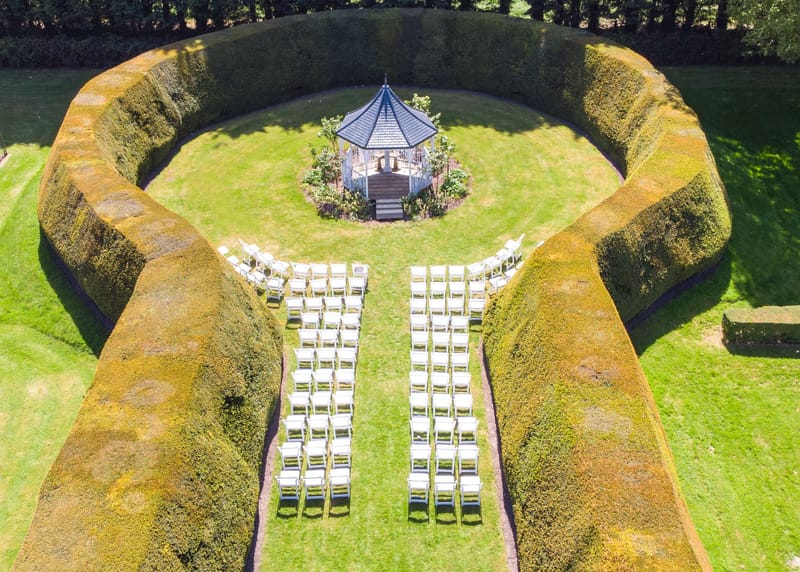
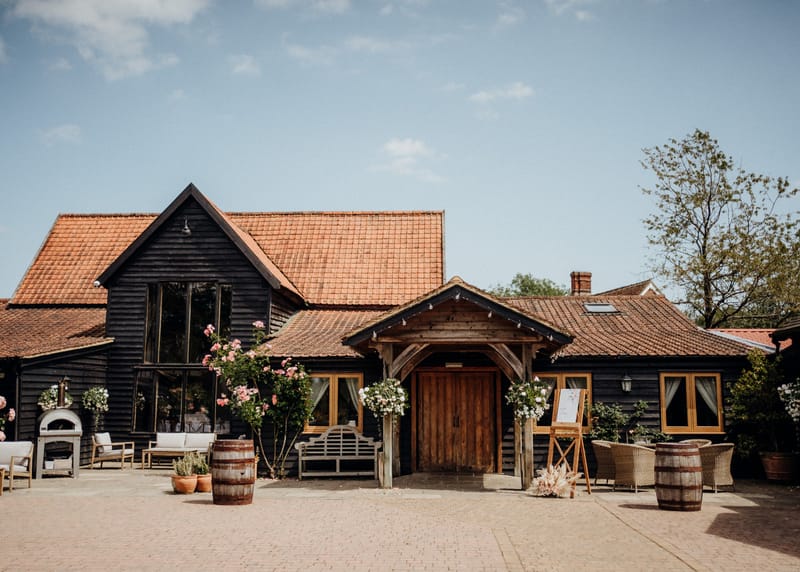
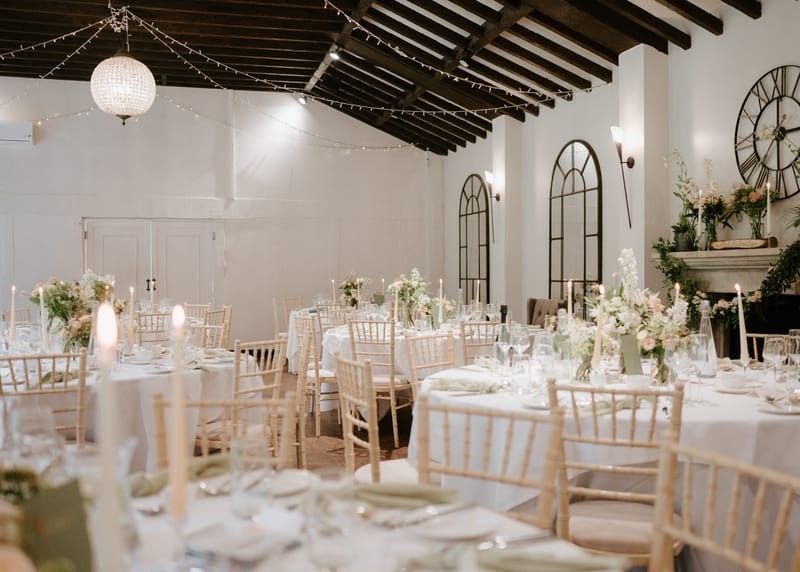
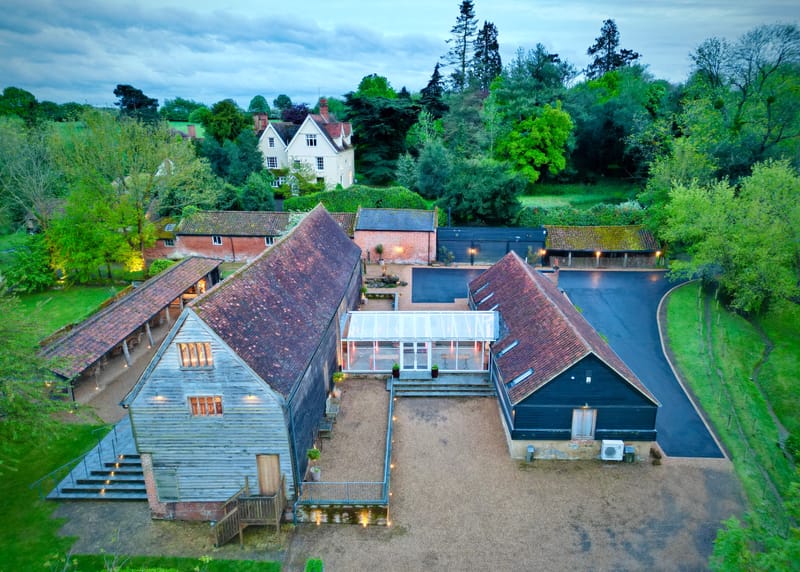
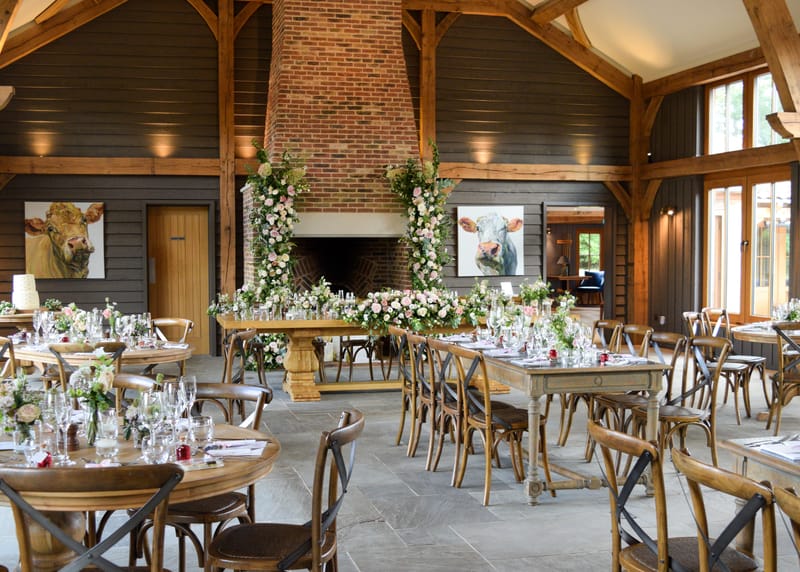
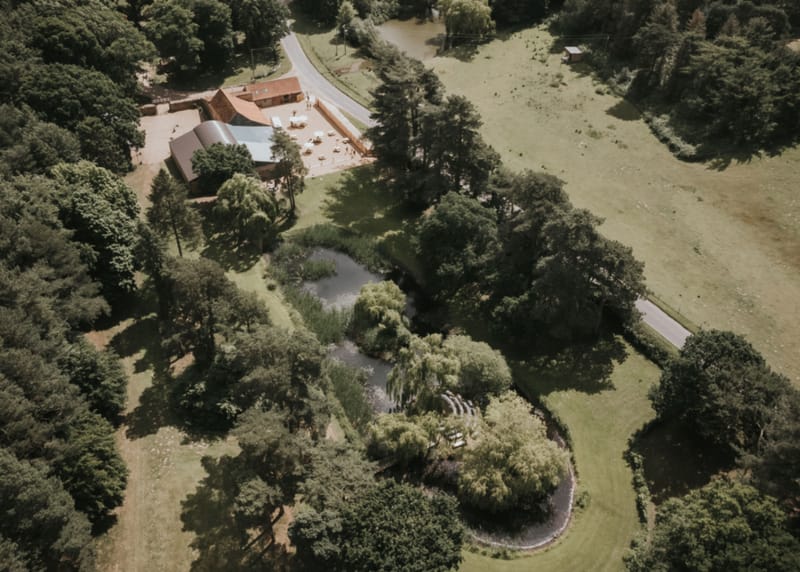
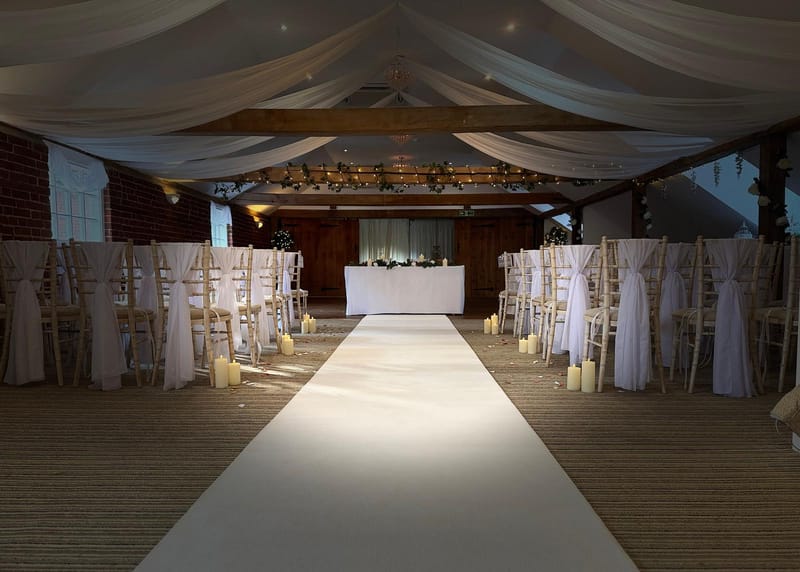
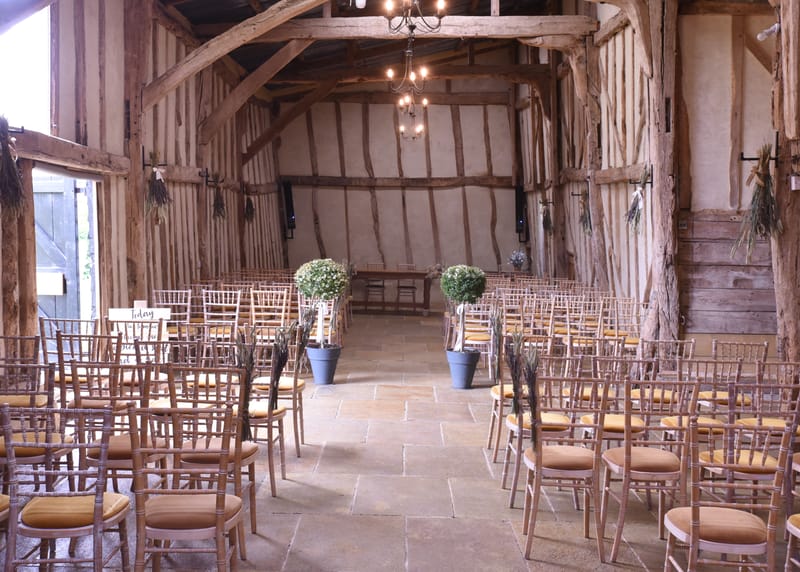
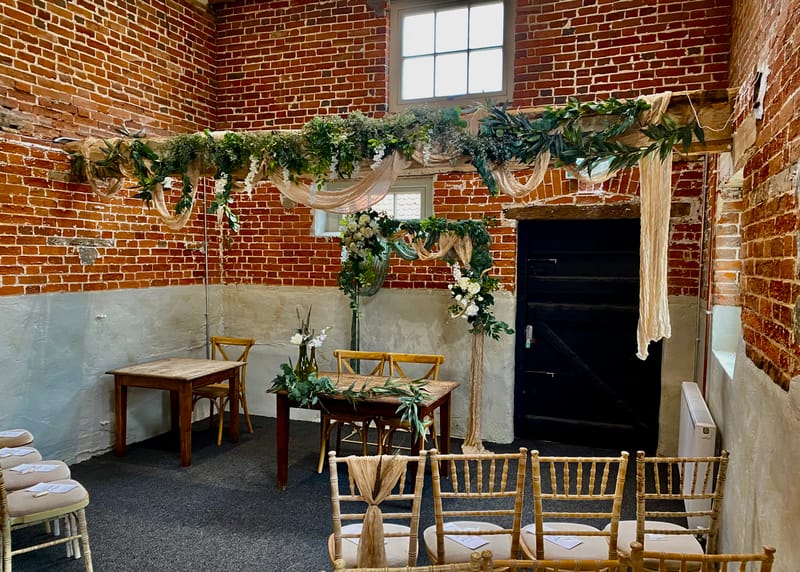
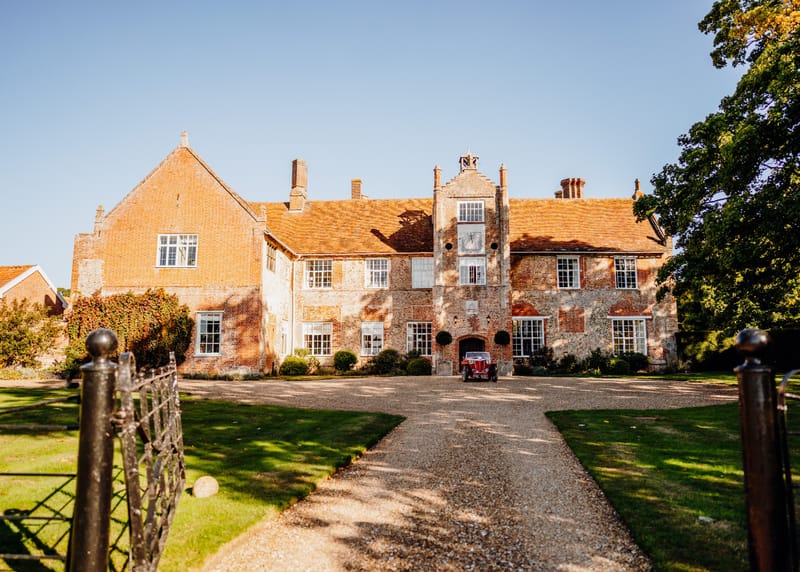
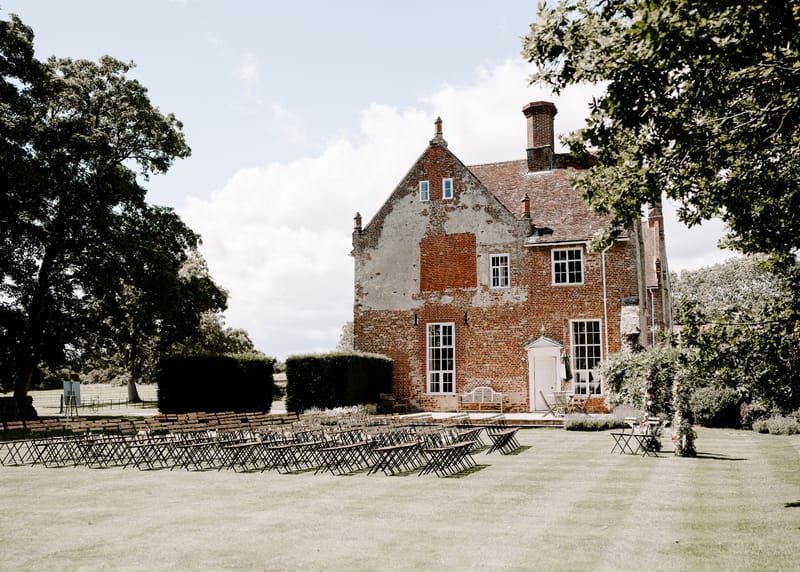
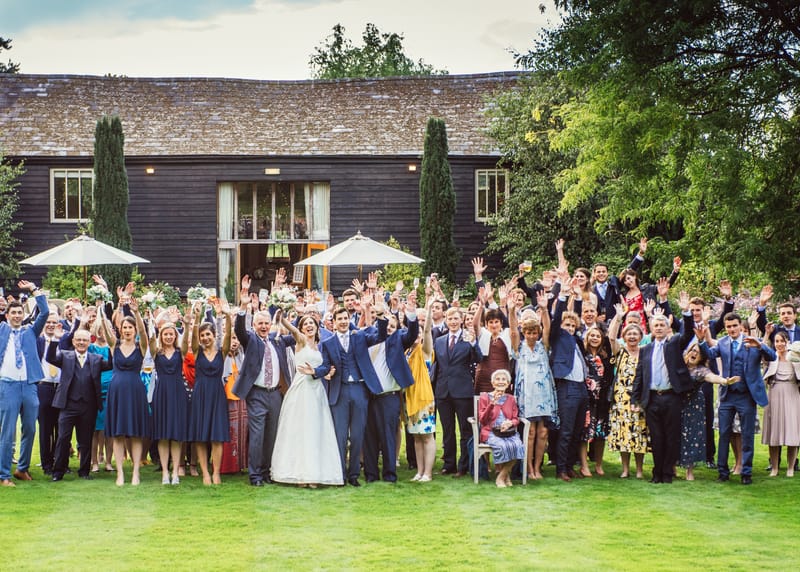
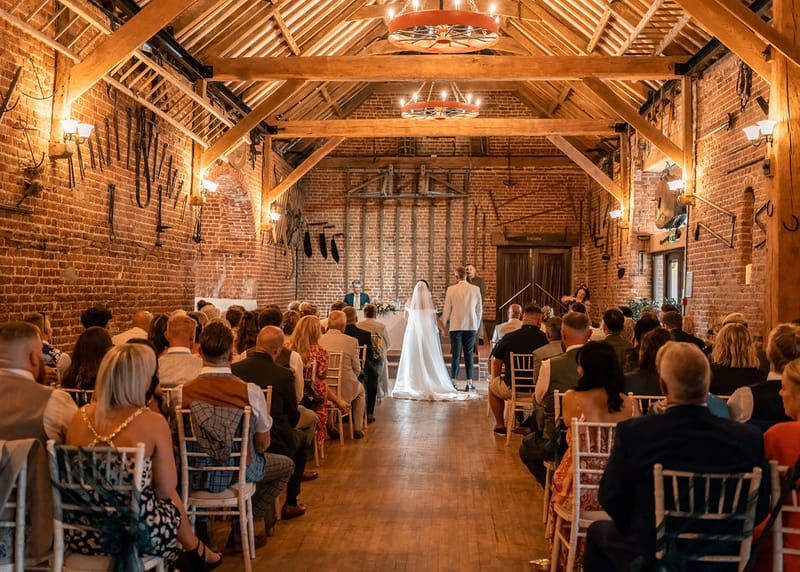
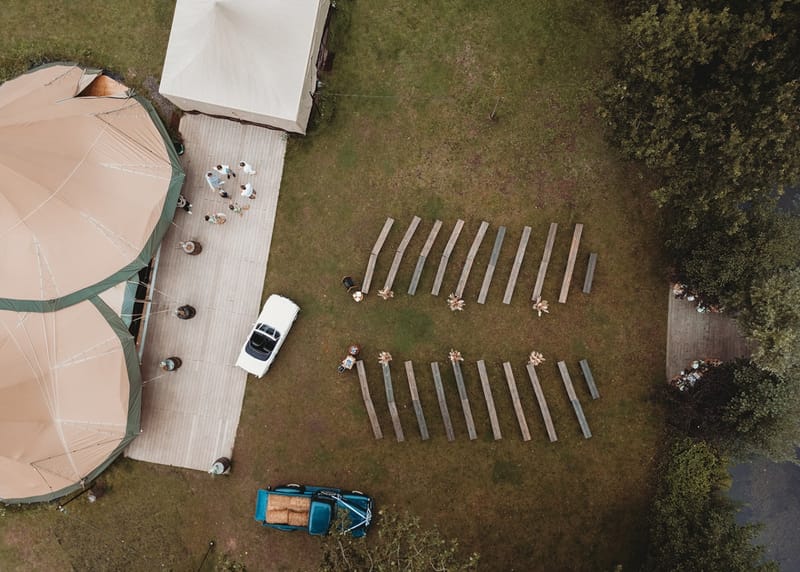
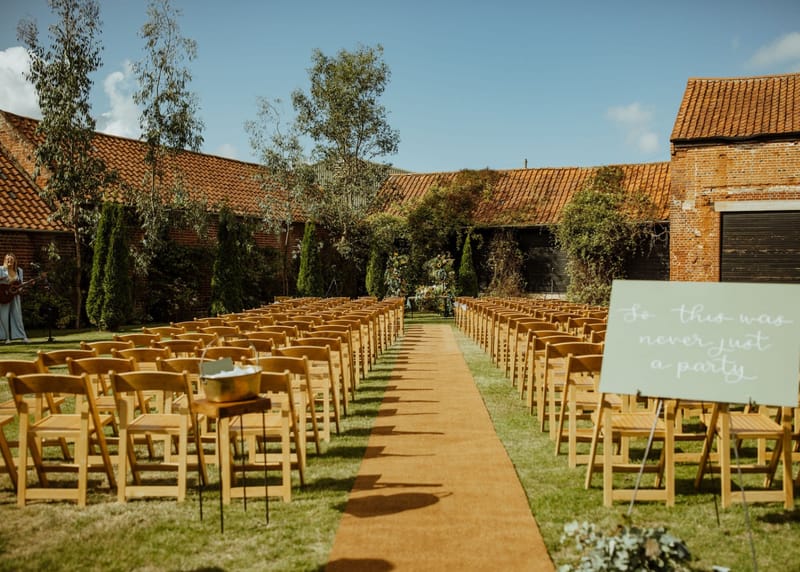
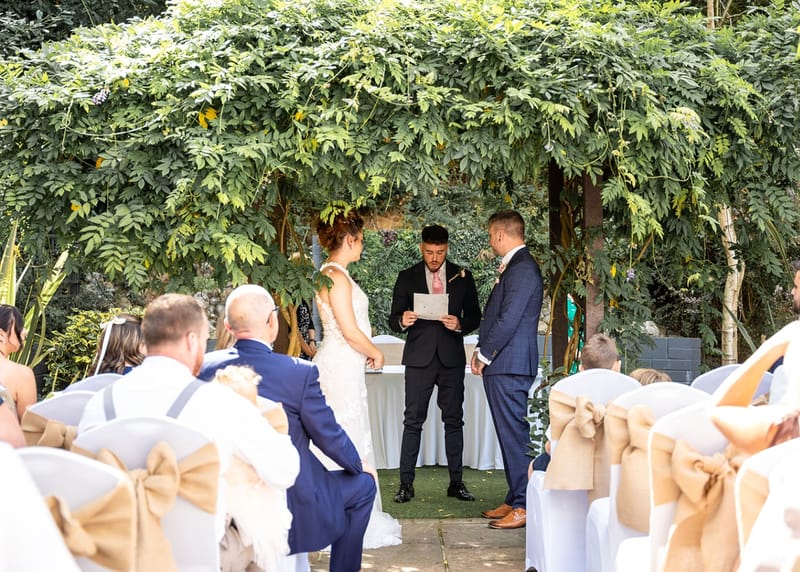
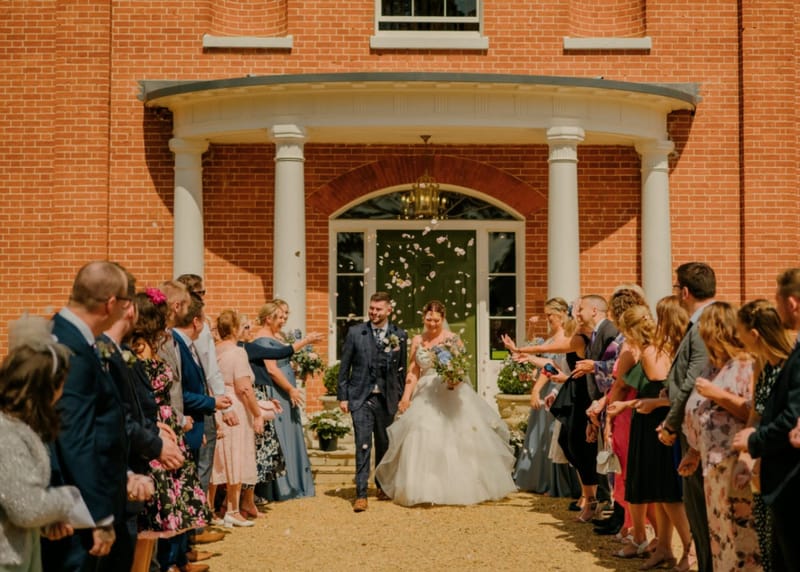
Tuffon Hall

Sible Hedingham, Halstead, Essex
5.0(26)
More Pricing InsideBridebook Deal Available
  • 120
  • 10 Bedrooms
  • £6,000 – £11,500

Colville Hall

White Roding, Essex
5.0(67)
Viewing Dates AvailableBridebook Deal AvailableUpcoming Event
  • 200
  • 9 Bedrooms
  • £3,350 – £7,900

Hunters Hall

Swanton Morley, Norfolk
5.0(359)
Viewing Dates AvailableBridebook Deal Available
  • 120
  • 11 Bedrooms
  • £3,250 – £6,500

Roundwood

Taverham, Norfolk
5.0(23)
More Pricing InsideBridebook Deal Available
  • 60
  • 5 Bedrooms
  • £3,000 – £6,550

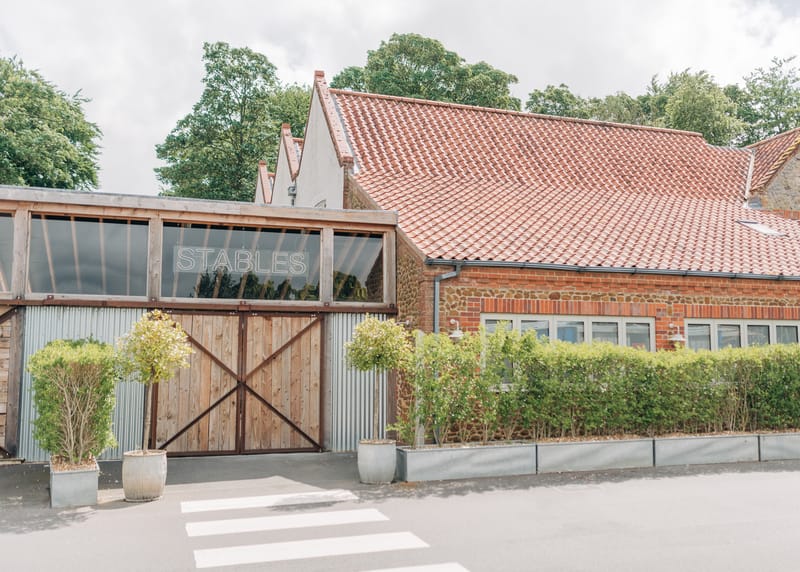
Stables

Hillington, Norfolk
5.0(15)
More Pricing InsideBridebook Deal Available
  • 120
  • 25 Bedrooms
  • £2,250 – £6,000
Everything you need to know about weddings in the East Of England

All About Getting Married in the East of England

Wedding Venues in East Anglia

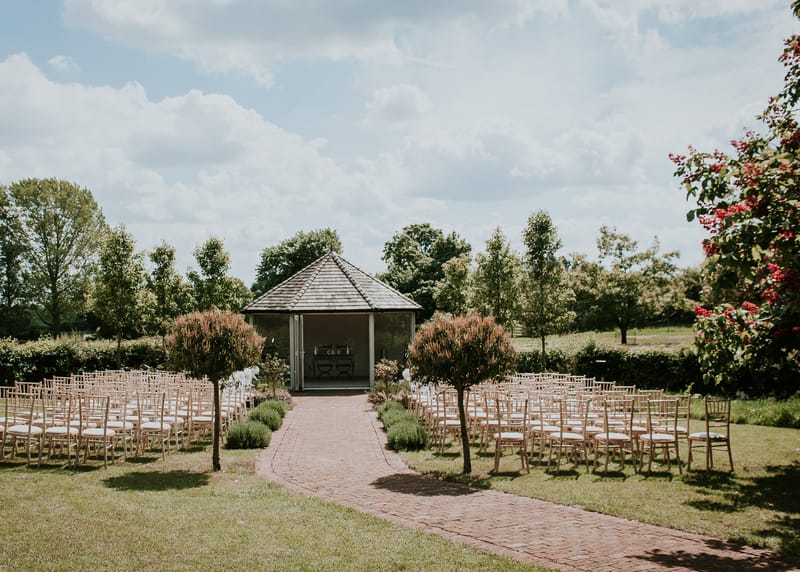
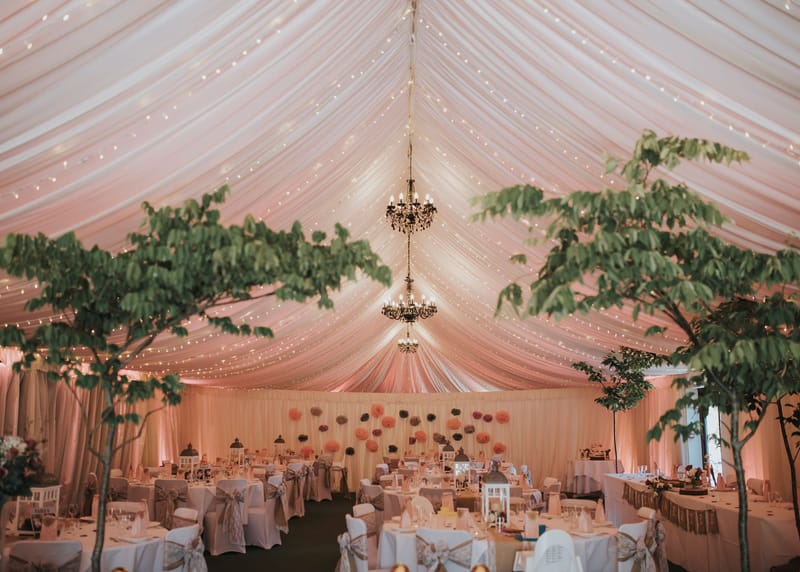
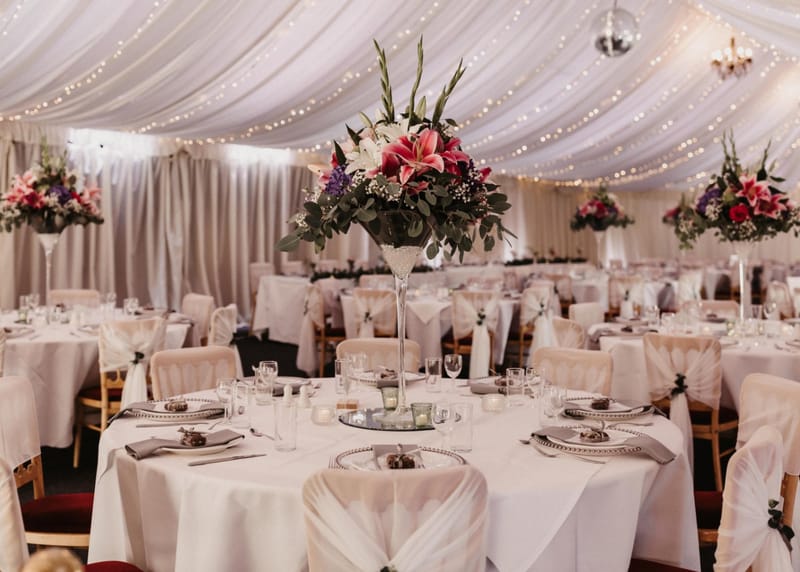
East Anglia is one of England’s most quietly distinctive wedding destinations. Stretching from the North Norfolk coast and the Norfolk Broads in the north to the Suffolk Heritage Coast and the university city of Cambridge in the south, the region spans a landscape unlike anywhere else in the country: wide open skies, agricultural countryside, flint-walled farmhouses, waterside settings, and a cluster of characterful market towns with centuries of history behind them. Wedding venues in East Anglia reflect that variety, with a strong offer across barn conversions, country house hotels, alternative arts-led spaces, coastal venues, and collegiate buildings that you simply won’t find elsewhere.

The East of England region – which encompasses Norfolk, Suffolk, and Cambridgeshire at its core – sits within comfortable striking distance of London, with direct rail services from Norwich, Cambridge, and Ipswich making it a realistic choice for couples planning a destination-style celebration away from the city. Whether you’re drawn to barn venues deep in the Norfolk countryside, a waterside setting on the Broads, a market town venue in Bury St Edmunds, or the collegiate atmosphere of Cambridge, wedding venues in East Anglia give you a broad range of options at every budget level.

Why choose East Anglia for your wedding?

The combination of accessible countryside, a strong alternative venue culture, and competitive pricing relative to London and the South East makes it a compelling region to explore. Couples comparing wedding venues in East Anglia regularly look for:

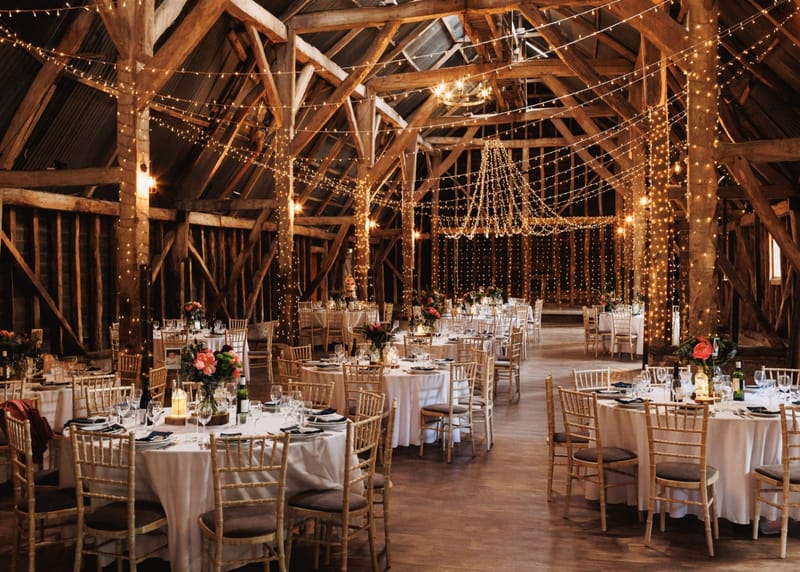
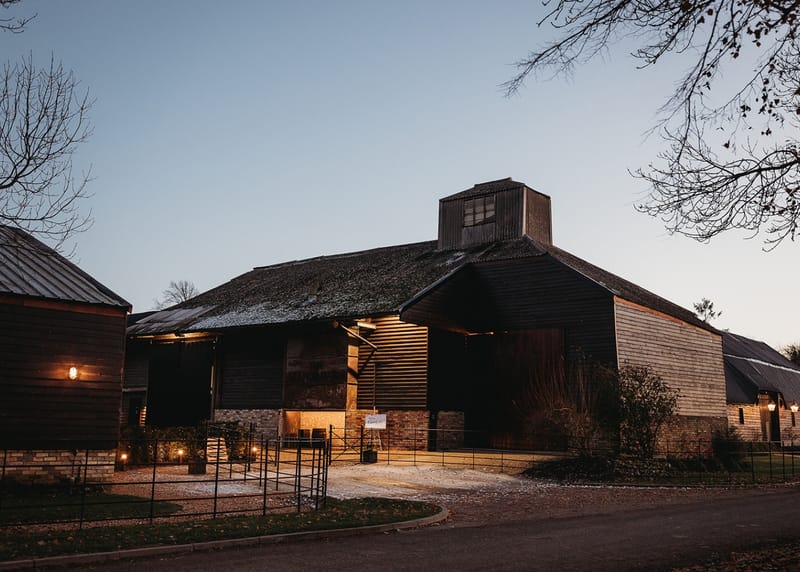
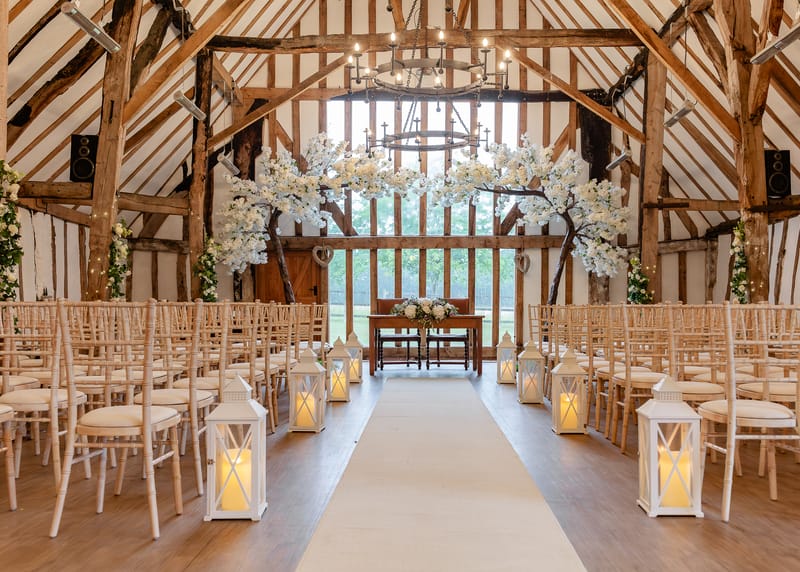
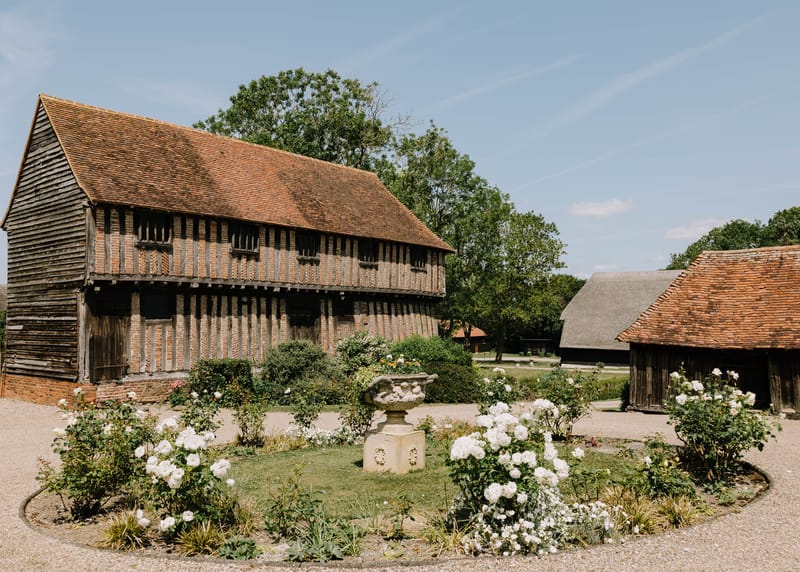
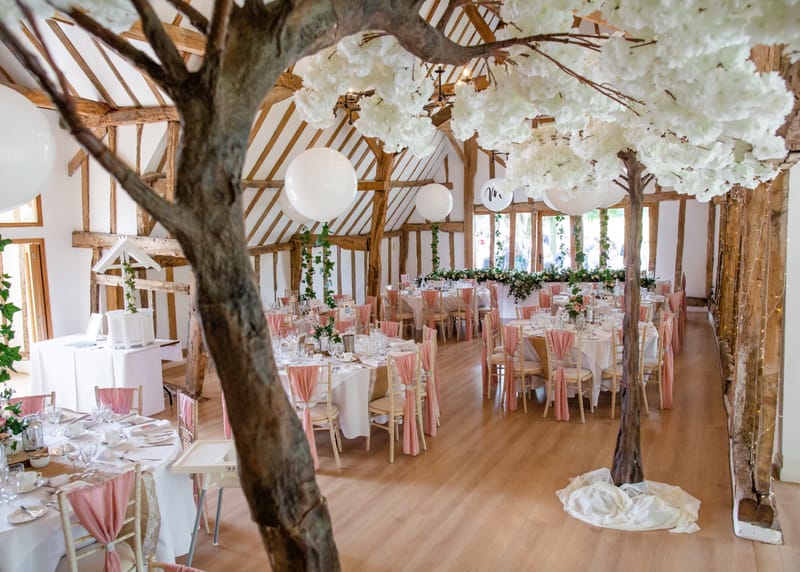
  • Barn and agricultural venues. A strong market across all three core counties, with converted barns and rural outbuildings offering the countryside setting, exposed beams, and flexible layouts that make this venue type so popular.
  • Alternative and arts-led spaces. Norwich, Cambridge, and the Suffolk arts scene offer a range of venues well outside the country house mainstream.
  • Coastal and waterside settings. The Suffolk Heritage Coast and North Norfolk coastline provide seaside backdrops unlike anything inland, while the Norfolk Broads offer a waterside venue character with no real equivalent elsewhere in England.
  • Cambridge’s collegiate atmosphere. University-affiliated and city-centre venues in Cambridge bring a distinctive architectural character that suits couples looking for a venue with real intellectual and historic weight.
  • Accessibility from London. Direct rail services from Norwich (approximately 2 hours from London Liverpool Street), Cambridge (under an hour from King’s Cross), and Ipswich (around 1 hour 15 minutes) make East Anglia more reachable than its countryside setting might suggest.
  • Competitive mid-tier pricing. East Anglia’s venue market is broadly mid-tier, sitting below London and the South East while offering a level of venue that punches well above budget.

Bridebook data shows that 14% of couples marry outside their home region, often driven by a venue that feels truly right for them. East Anglia’s combination of accessible countryside, distinctive coastal settings, and strong alternative venue offer makes it a natural draw for couples from Greater London, the Home Counties, and beyond.

Popular areas for wedding venues in East Anglia

Norfolk and the Norfolk Broads

Norfolk offers the broadest range of settings in the region: the flat agricultural countryside of the interior, the wilder North Norfolk coast with its salt marshes and flint villages, and the Norfolk Broads – a network of rivers, lakes, and waterways that creates a one-of-a-kind backdrop for waterside ceremonies and receptions. Barn venues are particularly well-represented across the county, and the market town of Norwich adds a strong city-based offer with arts venues, converted industrial buildings, and a medieval cathedral city atmosphere.

For barn venues specifically, explore barn wedding venues in Norfolk or browse intimate wedding venues in Norfolk for smaller celebrations.

Suffolk and the Heritage Coast

Suffolk sits in the shadow of Norfolk and Cambridge more often than it deserves to. The Suffolk Heritage Coast, stretching from Aldeburgh south through Orford and Snape, offers some of the most beautiful coastal and waterside venue settings in the region. Inland, the Stour Valley and the market town of Bury St Edmunds provide a strong spread of country house hotels, converted estates, and smaller character venues. Suffolk consistently offers good value relative to the quality and variety of its venue offer.

Cambridge

Cambridge is in its own category within East Anglia: a compact city with extraordinary architectural heritage and a cluster of venues that draw on collegiate and university life. Cambridge attracts couples who want an urban venue with character – grand halls, converted university buildings, and riverside settings along the Cam.

North Norfolk coast

The North Norfolk coast, stretching through villages such as Blakeney, Wells-next-the-Sea, and Burnham Market, is one of the most scenically distinctive stretches of coastline in England. Venues in this area tend to be smaller and more characterful, with a strong emphasis on outdoor settings and the wide-sky coastal landscape. This area suits couples looking for an intimate or destination-style wedding in a truly remote setting.

What to look for in East Anglia wedding venues

Before arranging venue viewings across East Anglia, it is worth thinking through the practical considerations that will shape the final choice. When comparing wedding venues in East Anglia, consider:

  • County and location. Norwich to Cambridge is over 60 miles; East Anglia is not a single accessible area. Decide early whether you are focused on Norfolk, Suffolk, or Cambridgeshire to avoid widening the search unnecessarily.
  • Ceremony licensing. If you want vows and reception under one roof, confirm the venue holds the appropriate licence – particularly important for barn and rural venues, which do not all have indoor licensed ceremony spaces.
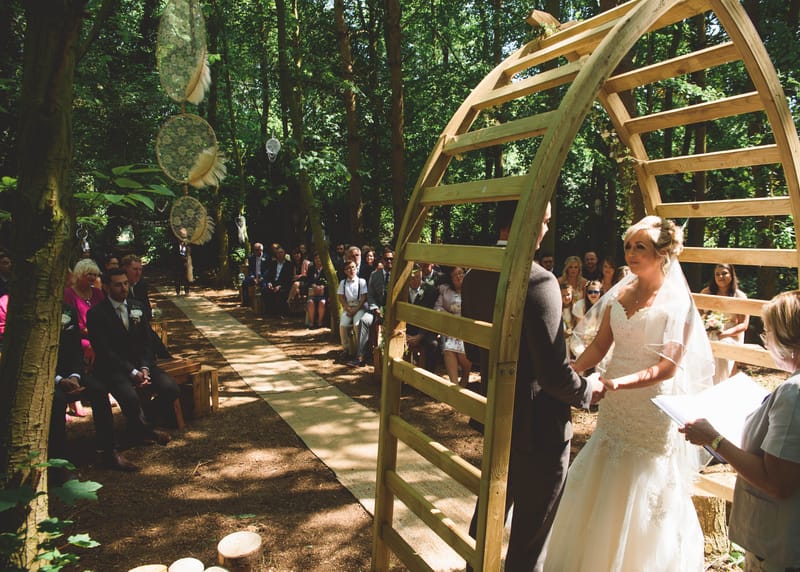
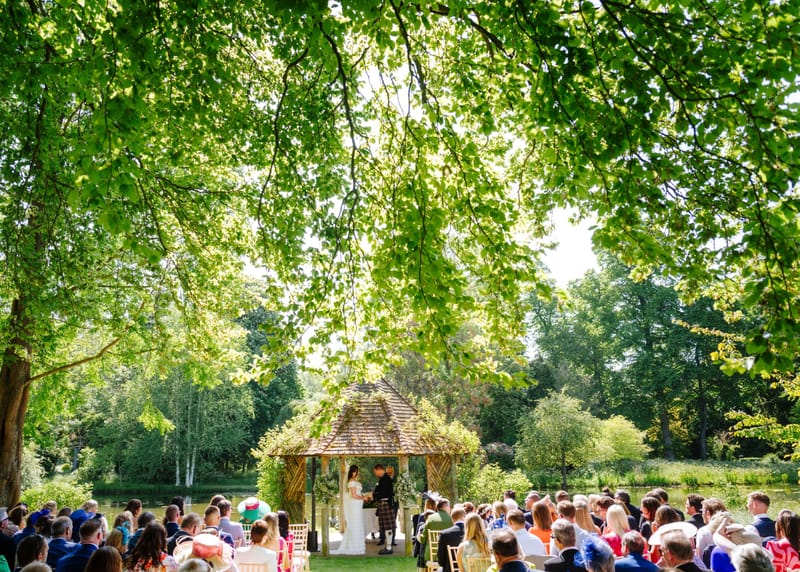
  • Outdoor ceremony provision. East Anglia’s flat landscape and open skies create a distinctive outdoor ceremony backdrop. Check what the venue offers for outdoor ceremonies and what wet-weather contingencies are in place.
  • Guest transport from London. For couples with a majority of London-based guests, check the proximity of the venue to the relevant rail station (Norwich, Cambridge, or Ipswich) and whether a dedicated shuttle is practical.
  • On-site accommodation. Rural and coastal venues in East Anglia can feel quite remote. Venues with on-site bedrooms or established relationships with nearby accommodation simplify logistics considerably for destination-style weddings.
  • Alternative and unique venue character. East Anglia has a strong independent venue culture. If you are specifically drawn to arts-led, unusual, or non-traditional settings, the region has a notably strong offer – particularly in Norwich, Cambridge, and the Suffolk arts corridor.

Key decision factors when comparing venues

  • Setting: North Norfolk coast versus the Broads versus Suffolk countryside versus Cambridge city
  • Venue character: barn and agricultural, country house, alternative and arts-led, coastal, or collegiate
  • Guest logistics: rail access from London versus rural remoteness and the need for shuttle transport
  • Accommodation: on-site bedrooms versus nearby village and town options
  • Exclusive use: particularly relevant for barn and rural estate venues, which often offer this as standard
  • Budget versus inclusions: Cambridge venues can command a premium; Suffolk generally offers the strongest value in the region

Common mistakes to avoid

  • Treating East Anglia as a single accessible area and not specifying a county or sub-region early in the search
  • Overlooking Suffolk’s venue offer, which often sits in the shadow of Norfolk and Cambridge but has strong barn, coastal, and country house provision
  • Not confirming ceremony licensing at barn and rural venues before arranging viewings
  • Underestimating transport logistics for rural and coastal venues, particularly for guests travelling by train to Norfolk
  • Not exploring midweek and off-peak alternatives, which can make a meaningful difference to hire fees across the region

How Bridebook supports your East Anglia venue search

Bridebook makes it straightforward to compare wedding venues across Norfolk, Suffolk, and Cambridgeshire from a single platform. With Bridebook you can:

  • Filter venues by county, guest numbers and style
  • Compare pricing structures across barn venues, country house hotels, city-centre spaces, and coastal venues
  • Browse real wedding photography alongside verified venue listings
  • Explore ceremony and reception spaces side by side
  • Send enquiries directly to venue teams

Couples can keep the whole planning process organised with Bridebook’s wedding planning checklist and explore wedding budget guidance to set realistic expectations around venue hire and total spend.

Why Trust Bridebook?

Bridebook is the world’s #1 wedding planning platform, used by over 2.8 million couples. Our content is informed by real data from the Bridebook UK Wedding Report, which draws on responses from thousands of couples planning their weddings each year. Where expert input is included, contributors are named and their credentials verified. We update our articles regularly to ensure prices, statistics, and advice reflect current market conditions.

Cost & Budget Context for Weddings in the East of England

Budget planning for East Anglia weddings

East Anglia sits at a competitive mid-point in the national pricing picture – below London and the South East, but with enough venue variety and character to justify the spend at every level. Cambridge venues tend to price at a premium relative to the wider region, while Suffolk consistently offers the strongest value per pound spent on venue character.

Based on data for the East of England:

  • Combined venue and catering spend. £9,592 on average
  • Average venue hire cost. £5,865
  • Average cost per head. £189.20
  • Total average wedding spend. £19,208 across all supplier categories

The East of England total average sits below the UK-wide average of £20,604, making East Anglia one of the more accessible regions for couples managing a tighter budget without compromising on venue quality.

What affects costs

  • County and setting. Cambridge venues typically price above the regional average; Suffolk barn and country house venues tend to offer more competitive rates.
  • Venue type. Barn conversions and country house hotels carry different cost structures; alternative and arts-led venues can vary considerably depending on exclusivity and hire arrangements.
  • Guest numbers and reception size. Per-head costs across catering and venue hire are a significant driver, particularly at smaller or more intimate celebrations.
  • Day of the week and time of year. Saturday peak-season rates sit above midweek and off-peak equivalents across the region.
  • What is included in the hire package. Catering, accommodation, exclusive use, and ceremony licensing all affect the overall cost meaningfully.

Budget-saving tips

  • Midweek and off-peak dates. Flexibility on day of the week remains one of the most effective ways to reduce hire fees across East Anglia – 47% of weddings now take place on a Saturday, its lowest proportion on record, reflecting the growing uptake of midweek alternatives.
  • All-inclusive packages. Venues that bundle catering, accommodation, and venue hire into a single package can simplify budget management considerably and often offer better value than pricing each element separately.
  • Smaller guest lists. With 41% of wedding receptions now hosting under 60 guests, the shift towards more intimate celebrations has opened up a wider range of East Anglia venues for couples who previously thought capacity requirements would rule them out. Per-head costs rise with smaller numbers, so the saving tends to come from reduced total catering spend rather than hire fees alone.

Transport & Accommodation in the East of England

Getting to East Anglia for your wedding

East Anglia has better rail connectivity to London than its rural character might suggest. Cambridge is under an hour from London King’s Cross, making it the most accessible point in the region for guests travelling from the capital. Norwich is served by direct trains from London Liverpool Street with a journey time of approximately two hours, and Ipswich – the gateway to much of Suffolk – sits around one hour and 15 minutes from Liverpool Street. For guests travelling from the Midlands or the North, Norwich and Cambridge are both accessible via cross-country rail routes, though journey times are longer and connections more varied.

By road, the A11 and A14 are the main arterial routes connecting East Anglia with the rest of the country. The A11 runs from London through Cambridge to Norwich; the A14 connects Cambridge with the Midlands and the port of Felixstowe. The road network in the interior of Norfolk and Suffolk can feel more rural than map distances suggest, and couples should factor in driving time when choosing rural or coastal venues for guests arriving by car.

For venues outside the main rail hubs, a dedicated coach or minibus service from the nearest station to the venue can make a real difference to the evening’s logistics, particularly for guests who have travelled from London and don’t have cars. It is worth discussing transport arrangements with your venue team early in the planning process.

Accommodation for wedding guests in East Anglia

Accommodation options across East Anglia range from hotels and country inns in the larger market towns to self-catering cottages and coastal retreats along the Norfolk and Suffolk coastlines. Many barn and rural venues in the region offer on-site accommodation or have established arrangements with nearby properties, which simplifies logistics significantly for destination-style celebrations where guests are travelling from further afield.

Cambridge has the most extensive hotel offer in the region, including large chain hotels within walking distance of city-centre venues. Norwich offers a comparable city-hotel range, while the North Norfolk coast and the Suffolk Heritage Coast rely more heavily on independent inns, B&Bs, and self-catering properties. In coastal areas particularly, popular summer weekends can book out well in advance, so it is worth researching accommodation options early and flagging recommendations to guests alongside any save-the-dates.

FAQ's

What are the venue's policies regarding the use of confetti during weddings in Suffolk?

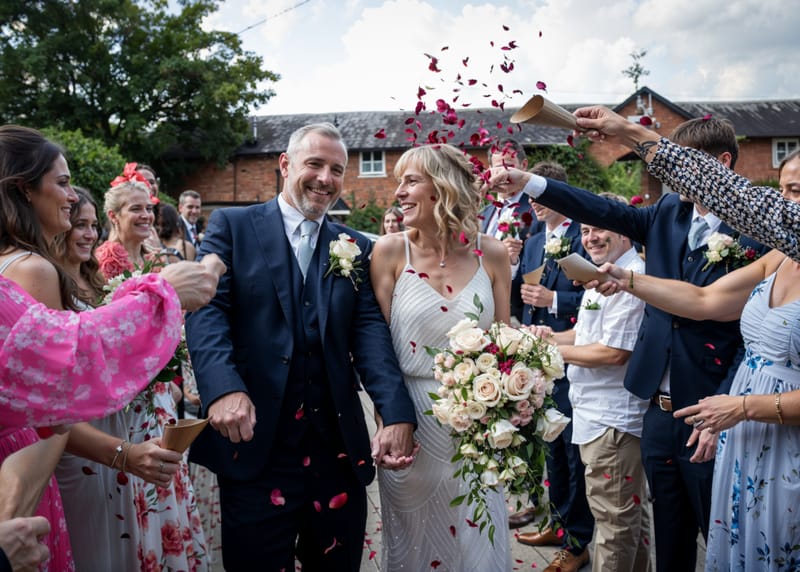
Understanding a venue's stance on confetti is essential, as policies can vary significantly. Some venues in Suffolk may permit biodegradable confetti to minimise environmental impact, while others might restrict its use entirely to maintain the premises. Certain locations might designate specific areas for confetti showers to facilitate easier cleanup. Clarifying these policies in advance ensures your celebratory plans align with the venue's regulations, preventing any last-minute adjustments and ensuring your festivities proceed smoothly.

Does the venue in Norfolk provide in-house wedding planning services, or can couples bring in external planners?

Determining whether a Norfolk venue offers in-house wedding planning services or allows external planners is crucial for coordinating your event. In-house planners can provide valuable insights into the venue's operations and preferred vendors, streamlining the planning process. Alternatively, if you have a specific planner in mind, it's important to confirm that the venue permits external professionals to ensure seamless collaboration. Understanding these options enables you to choose the planning approach that best suits your needs and ensures a cohesive execution of your wedding vision.

What measures does the venue in Cambridgeshire have in place to ensure guest safety during the event?

Ensuring guest safety is paramount when selecting a wedding venue in Cambridgeshire. Inquire about the venue's adherence to health and safety regulations, availability of first aid facilities, and presence of trained staff to handle emergencies. Additionally, understanding protocols for crowd management, fire safety measures, and accessibility for guests with disabilities is essential. A venue that prioritises comprehensive safety measures demonstrates professionalism and a commitment to providing a secure environment, allowing you and your guests to enjoy the celebration with peace of mind.

Are there any local noise ordinances that could affect the duration or volume of music at an Essex wedding venue?

Local noise ordinances can significantly impact the entertainment aspect of your wedding in Essex. Some venues may be subject to regulations that dictate the permissible volume levels or impose curfews on amplified music, especially in residential areas. Understanding these restrictions beforehand allows you to plan your event timeline and entertainment accordingly, ensuring compliance with local laws and preventing potential disruptions. Discussing these details with the venue ensures your expectations align with what is feasible, facilitating a seamless and enjoyable experience for all attendees.

What are the transportation options for guests traveling to a wedding venue in Hertfordshire, especially for those without personal vehicles?

Assessing transportation options is vital to accommodate all guests attending a wedding in Hertfordshire. Inquire about the availability of on-site parking for those driving and the proximity of public transport links for guests relying on trains or buses. Some venues may offer shuttle services to and from nearby stations or have partnerships with local taxi companies to facilitate smooth transit. Providing clear information on transportation ensures guests can plan their journeys effectively, enhancing their overall experience and ensuring timely arrivals on the day of the event.

How does the venue in Bedfordshire handle the setup and breakdown of wedding decorations, and are there any associated costs?

Understanding the logistics of setting up and dismantling wedding decorations is crucial when coordinating with a Bedfordshire venue. Some venues offer services to handle the setup and breakdown of décor, either included in the package or at an additional cost. Alternatively, they may require couples to arrange for external vendors to manage these tasks within specified timeframes. Clarifying these details ensures you can plan your décor arrangements efficiently, allocate your budget appropriately, and adhere to the venue's schedules, resulting in a well-organised and aesthetically pleasing event.

What counties are included in East Anglia for wedding venues?

East Anglia as a wedding destination is generally understood to cover Norfolk, Suffolk, and Cambridgeshire. These three counties make up the core of the region and account for the majority of searches couples make when looking for East Anglia wedding venues. The broader East of England region extends further to include Essex, Hertfordshire, and Bedfordshire, but these counties are typically searched independently rather than as part of East Anglia.

Are there barn wedding venues in East Anglia?

Yes. Barn venues are among the most popular options across East Anglia, particularly in Norfolk and Suffolk where the agricultural landscape produces a strong market in converted barns and rural outbuildings. There is a good range of sizes, from smaller intimate conversions to larger barns with capacity for significant receptions. Browsing barn wedding venues in Norfolk on Bridebook will give you a comprehensive picture of what is available across the county.

What makes East Anglia a good choice for a destination wedding?

East Anglia has a landscape unlike most of England with good rail accessibility from London, competitive pricing relative to the Home Counties, and a strong independent and alternative venue culture. The region’s wide-sky countryside, coastal settings, and waterside venues on the Norfolk Broads offer a visual character that is hard to replicate elsewhere in England. Couples whose guests are largely London-based will find Cambridge and Norwich both reachable within two hours by train.

Are there alternative wedding venues in East Anglia?

East Anglia has a notably strong alternative venue culture, particularly in Norwich, Cambridge, and the Suffolk arts corridor around Snape and the Heritage Coast. Arts centres, converted industrial buildings, independent gallery spaces, and university-affiliated venues all feature in the regional offer. Searches for alternative wedding venues in East Anglia return a meaningful sub-cluster, reflecting real demand for non-traditional settings across the region.

How far is East Anglia from London for wedding guests?

Cambridge is the closest point, with trains running to London King’s Cross in under an hour. Norwich is approximately two hours from London Liverpool Street. Ipswich is around one hour and 15 minutes. For venues outside the main rail hubs, guests travelling by train will need onward transport to the venue, so it is worth planning shuttle or taxi arrangements as part of the day’s logistics.

Are there coastal wedding venues in East Anglia?

Yes. Both the Suffolk Heritage Coast and the North Norfolk coast offer coastal wedding venue options, ranging from converted maritime buildings and coastal inns to outdoor settings with sea views. The Suffolk Heritage Coast, running from Aldeburgh southward, is particularly well-regarded for its distinctive flat coastline and arts culture. North Norfolk venues tend to be smaller and more remote, suited to couples looking for an intimate day in a setting that earns its beauty.

Explore 226 venues in East of England
Sign up to get full access to Bridebook's extensive venue and supplier directory. Don't miss out on booking your dream team for your dream day!
Sign up now