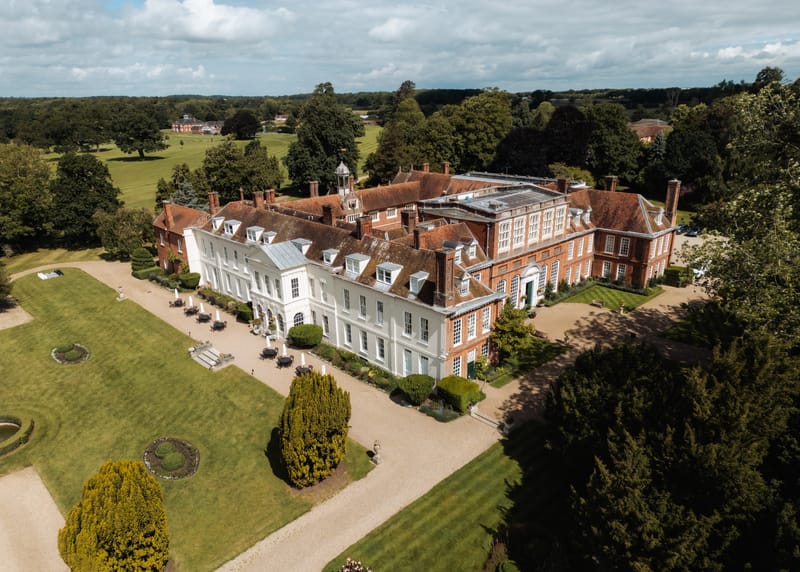
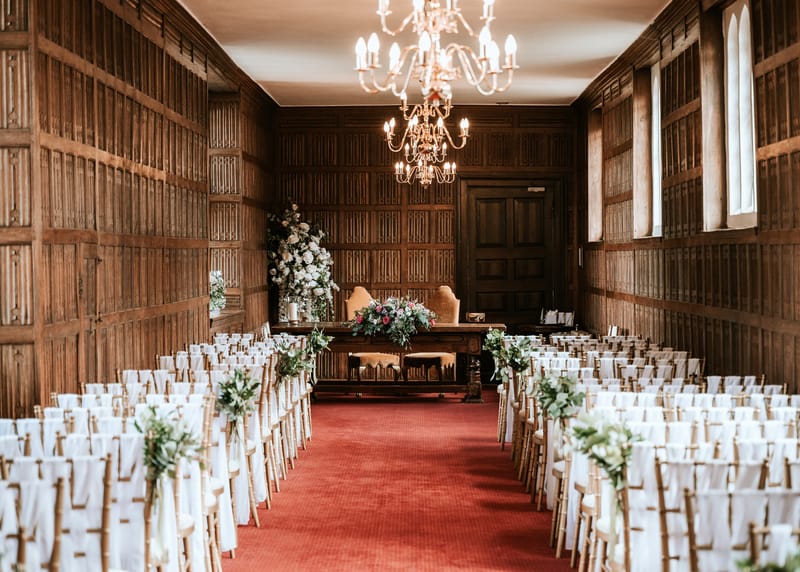
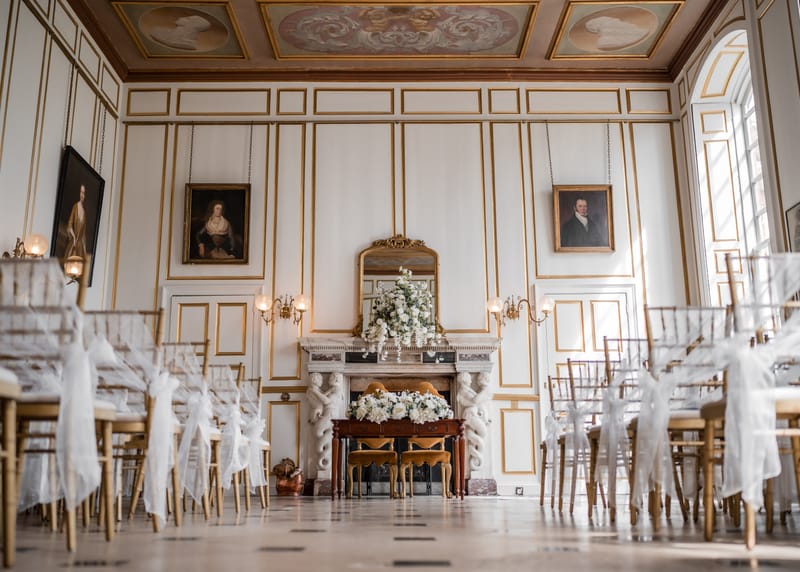
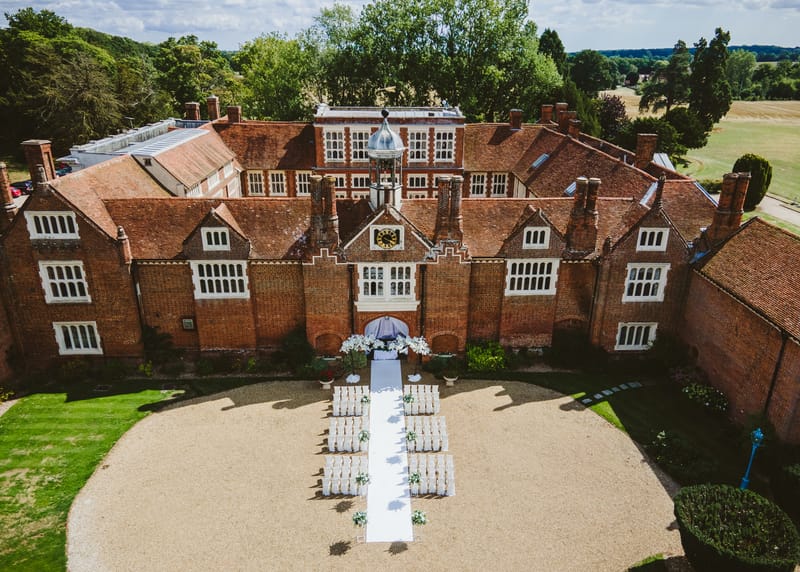
Gosfield Hall Wedding Venue
Halstead, Essex
5.0(90)
More Pricing InsideBridebook Deal Available
- 110
- 23 Bedrooms
- £6,000 – £53,000
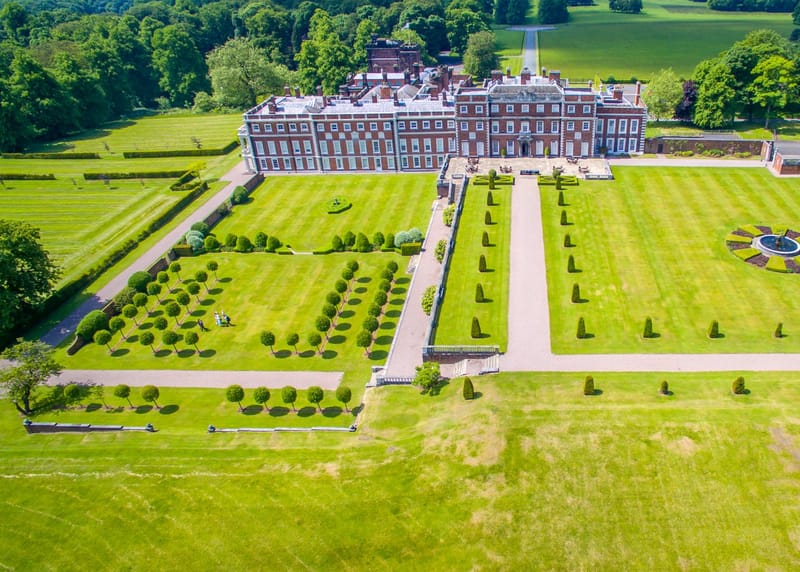
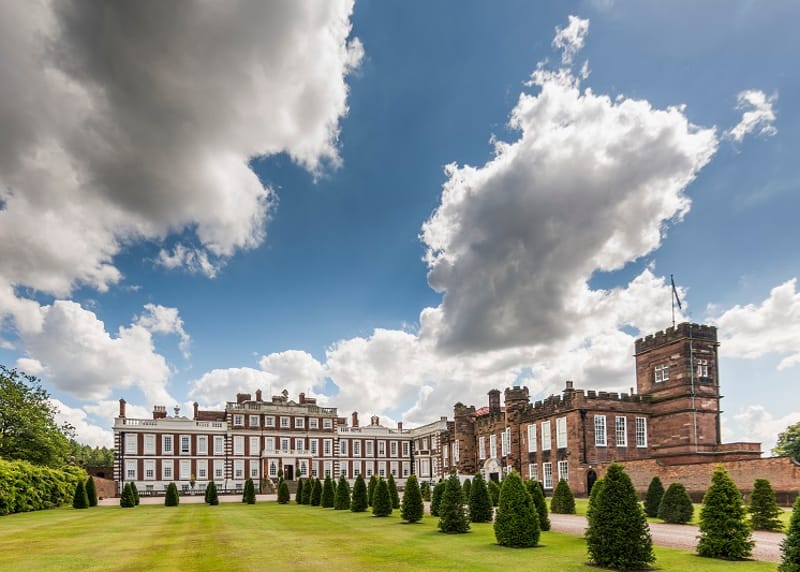
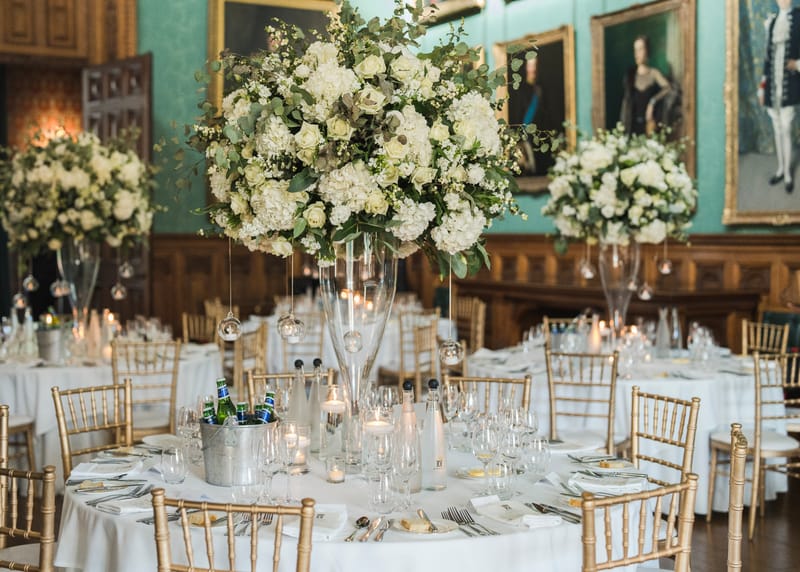
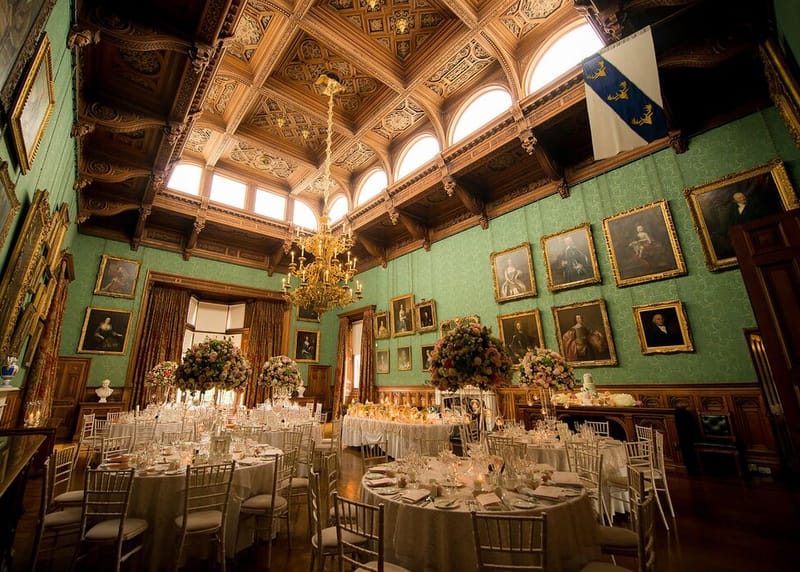
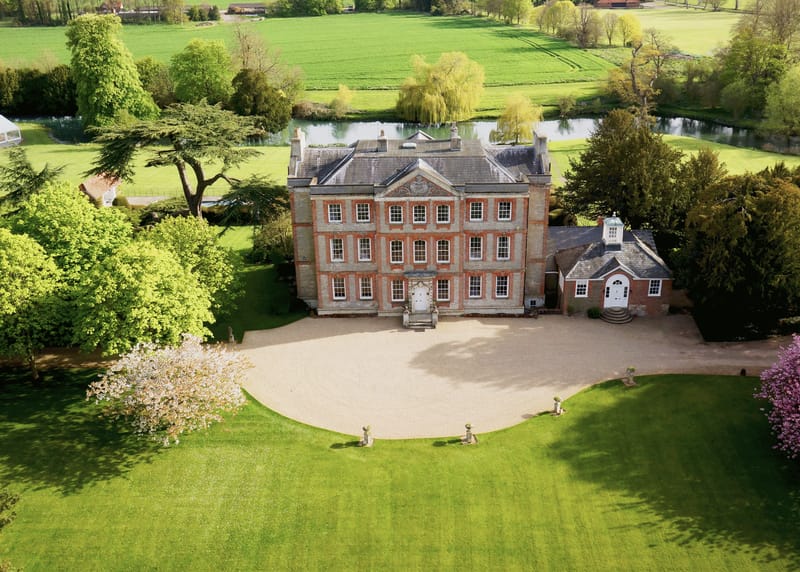
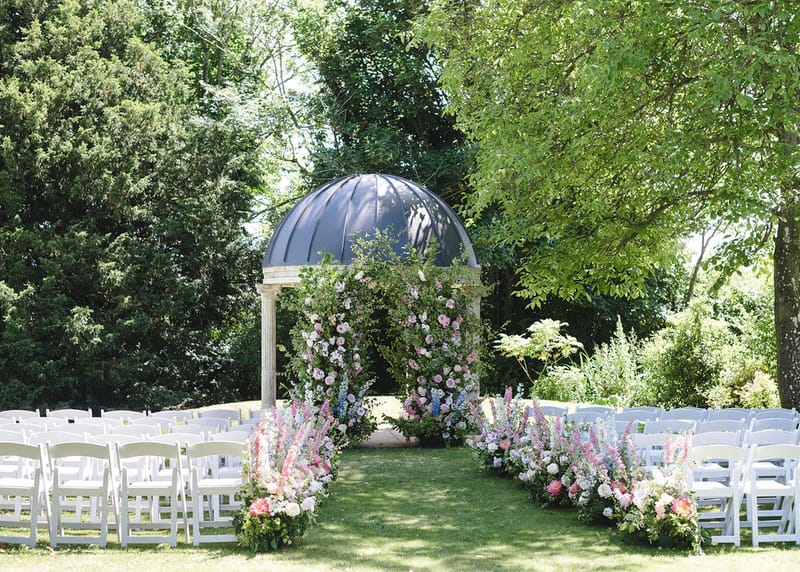
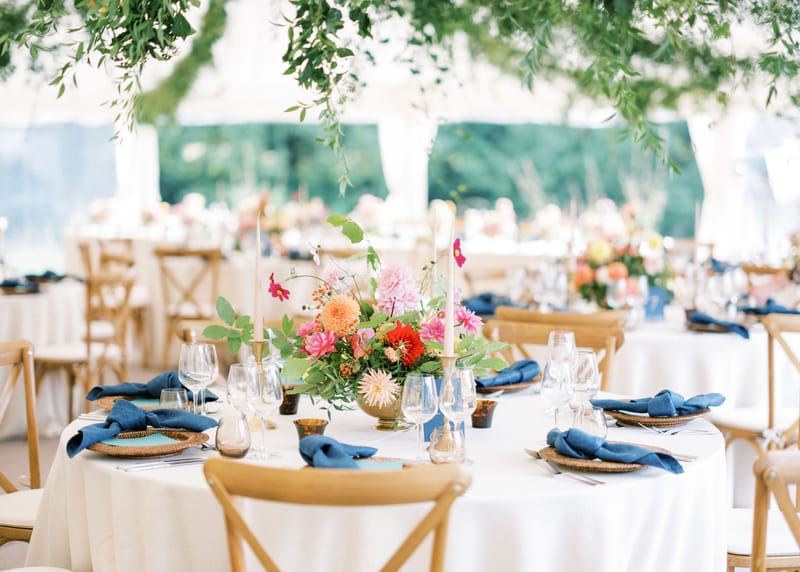
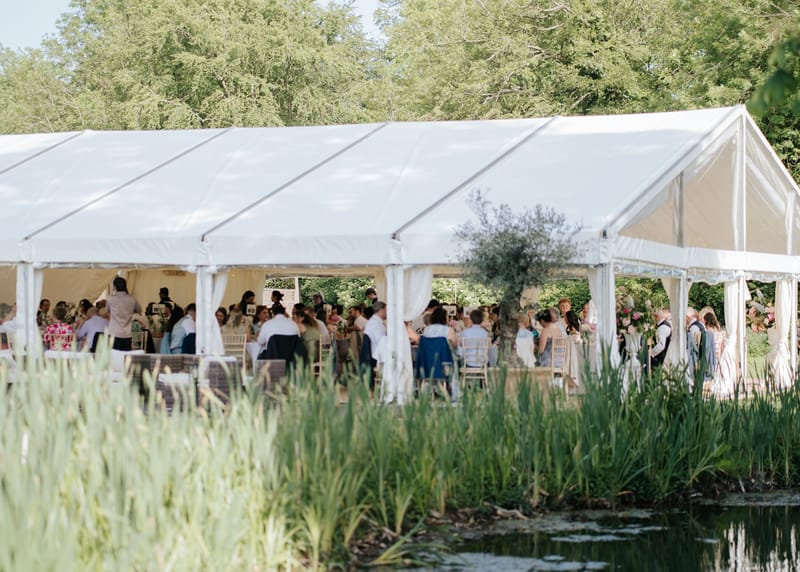
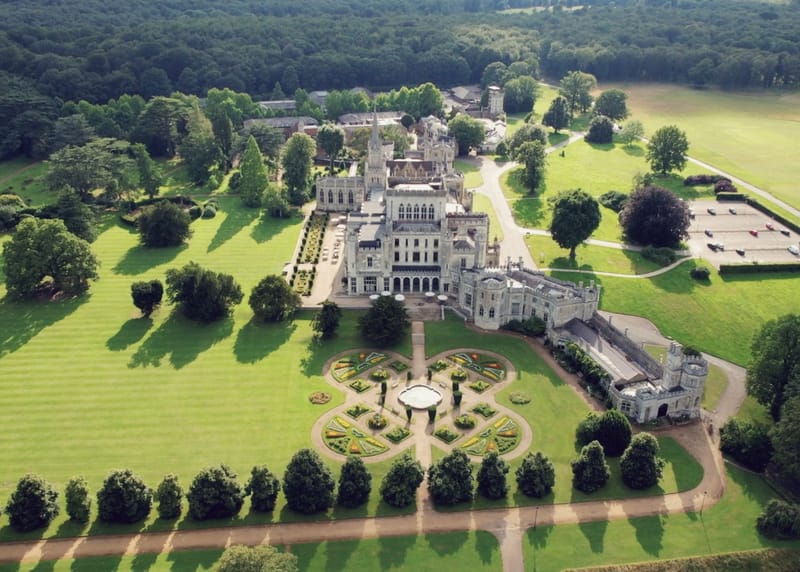
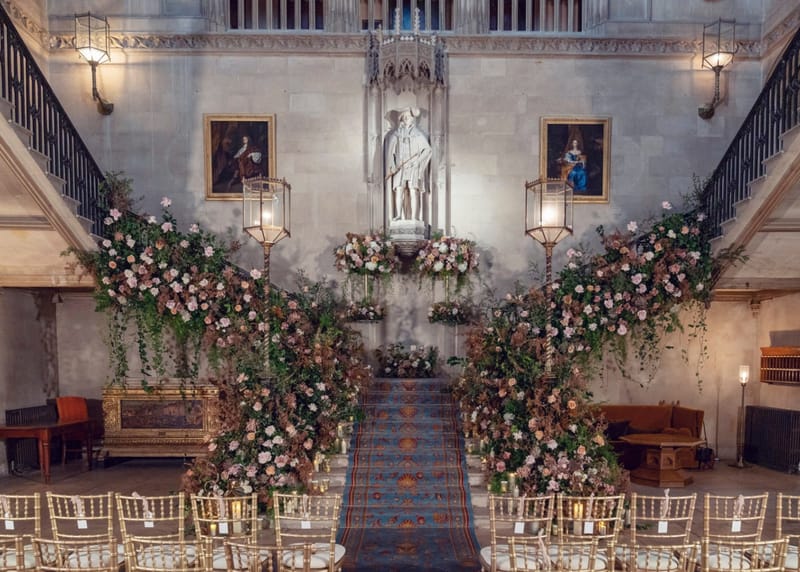
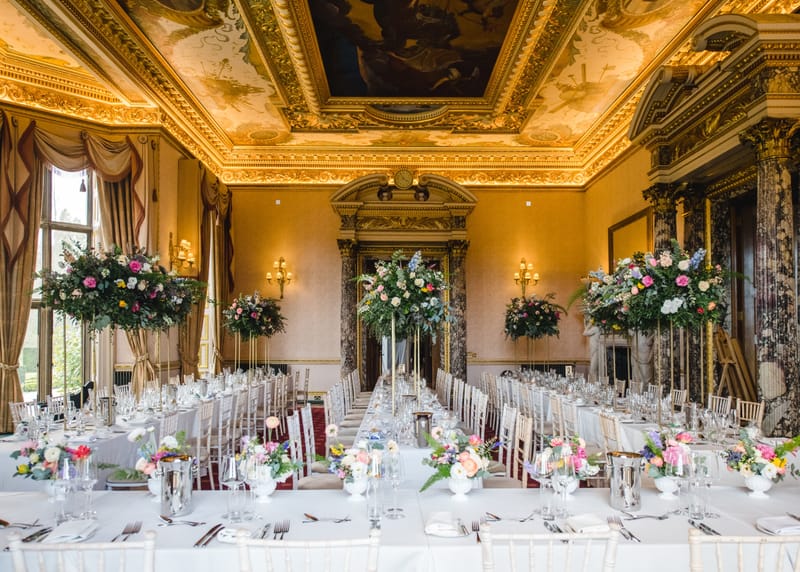
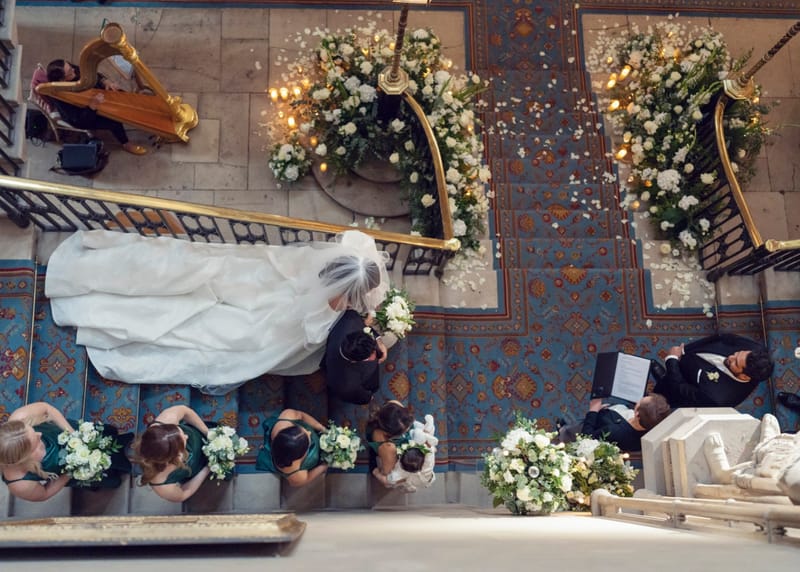
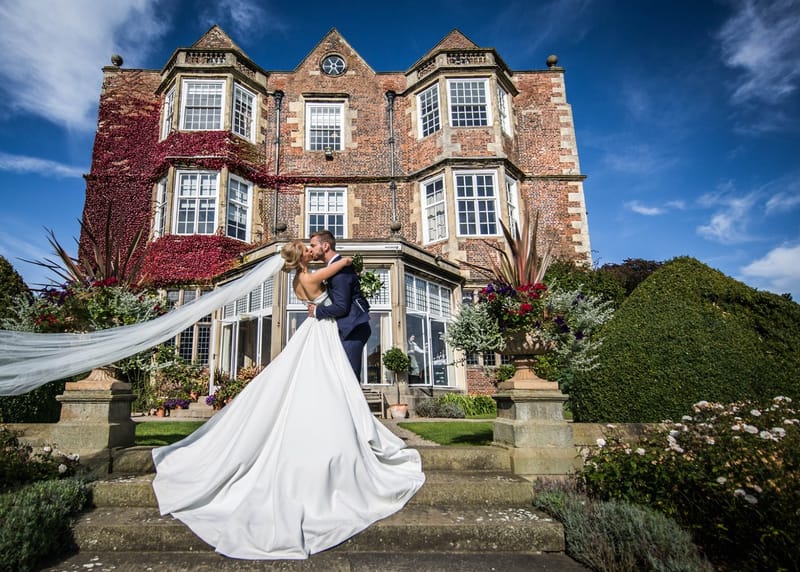
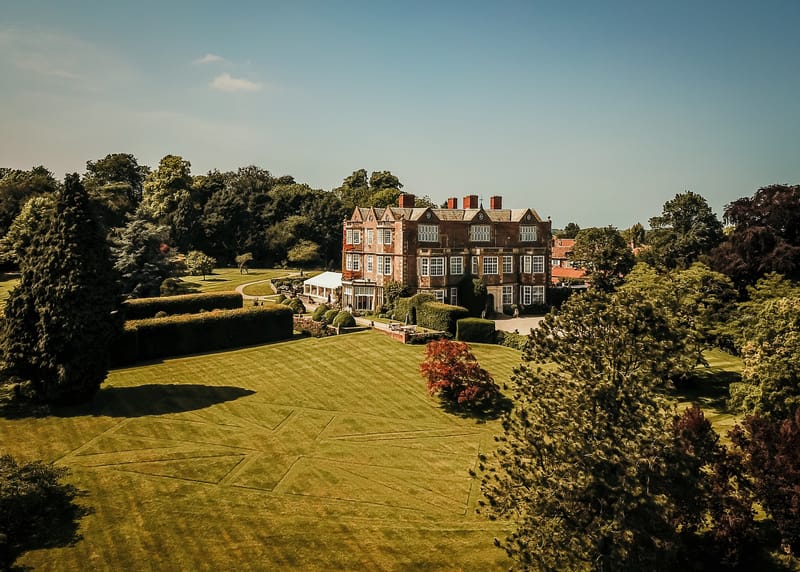
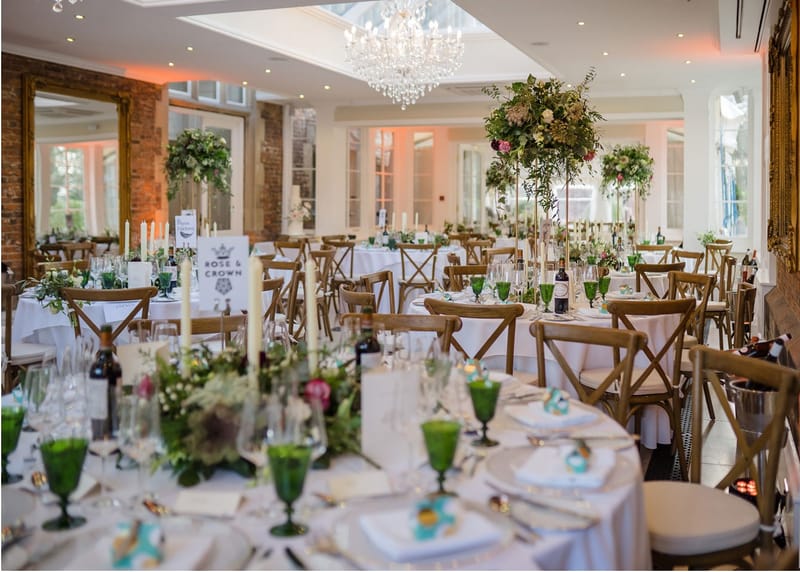
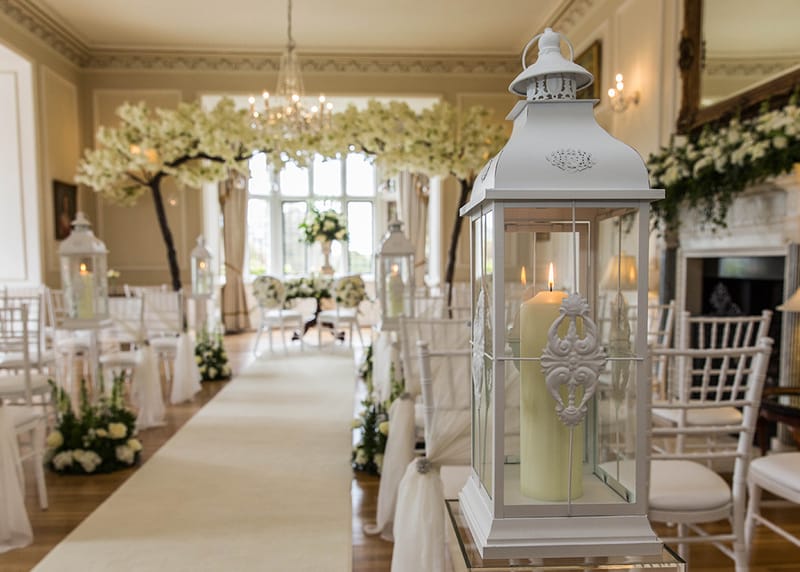
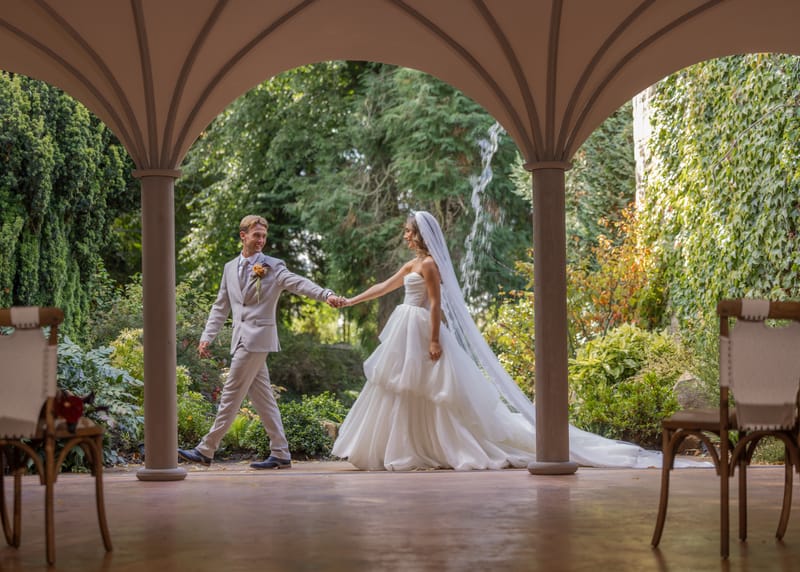
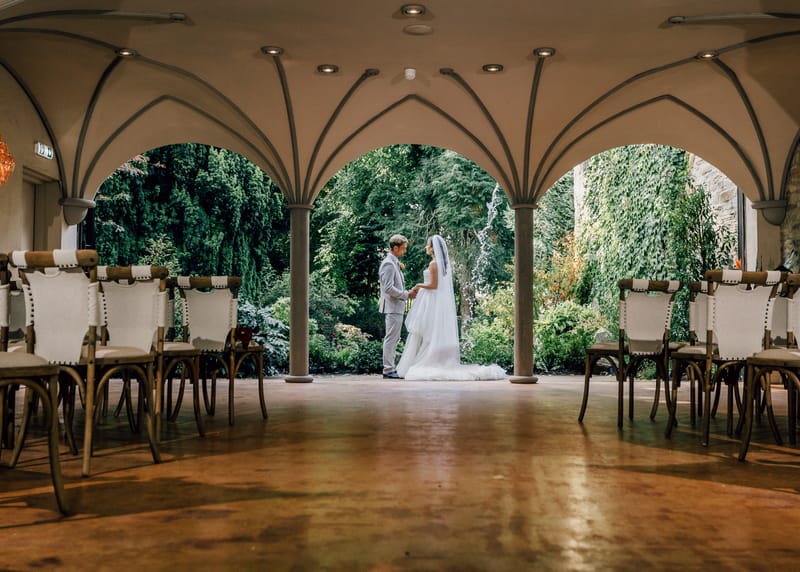
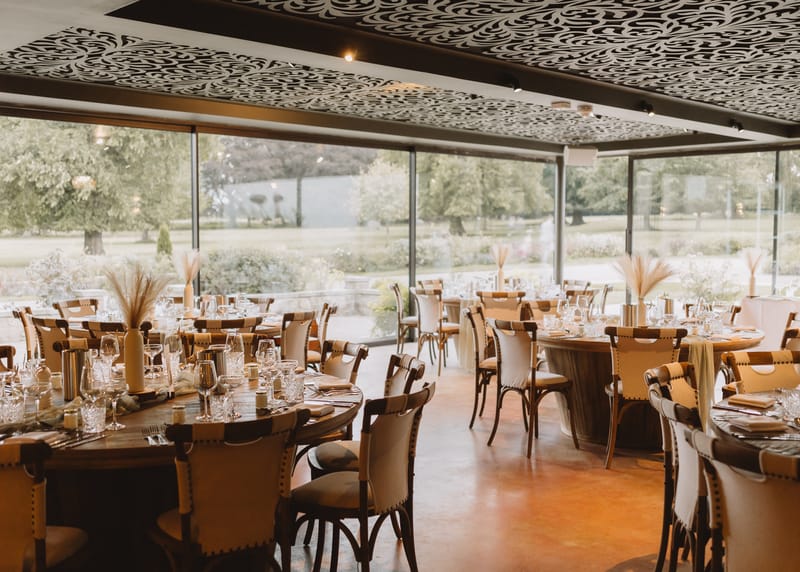
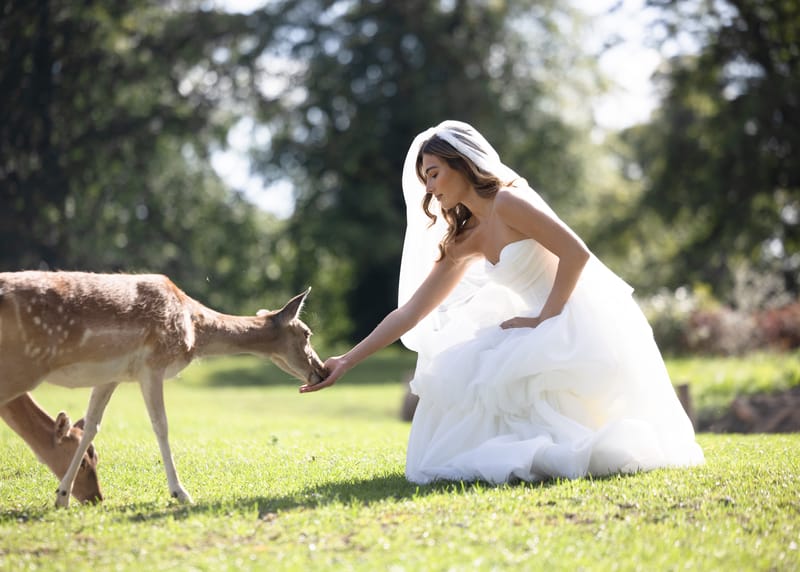
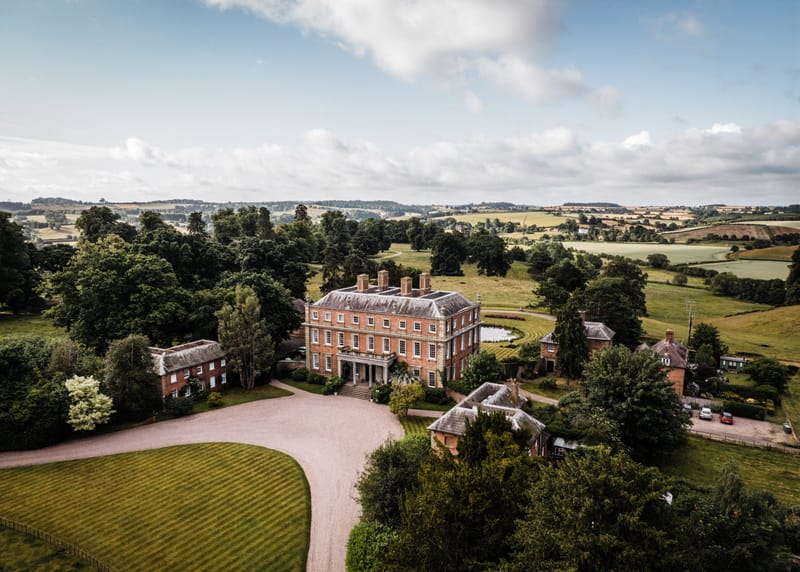
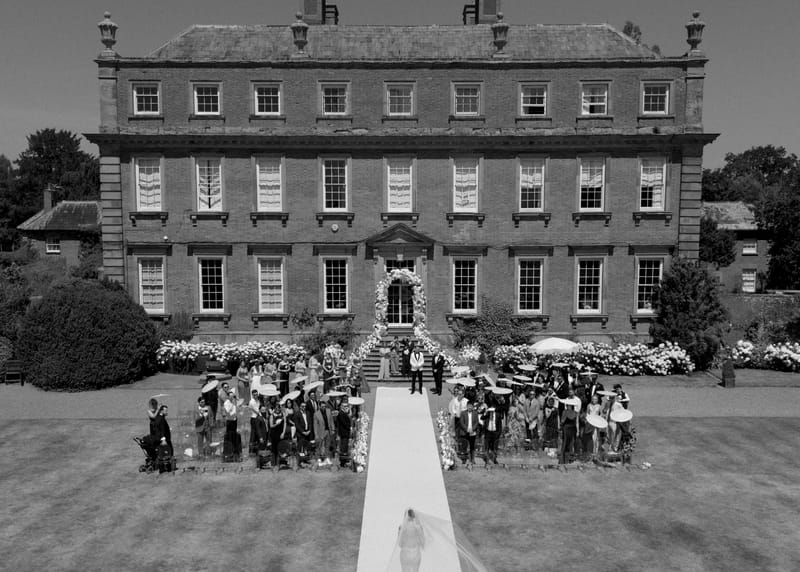
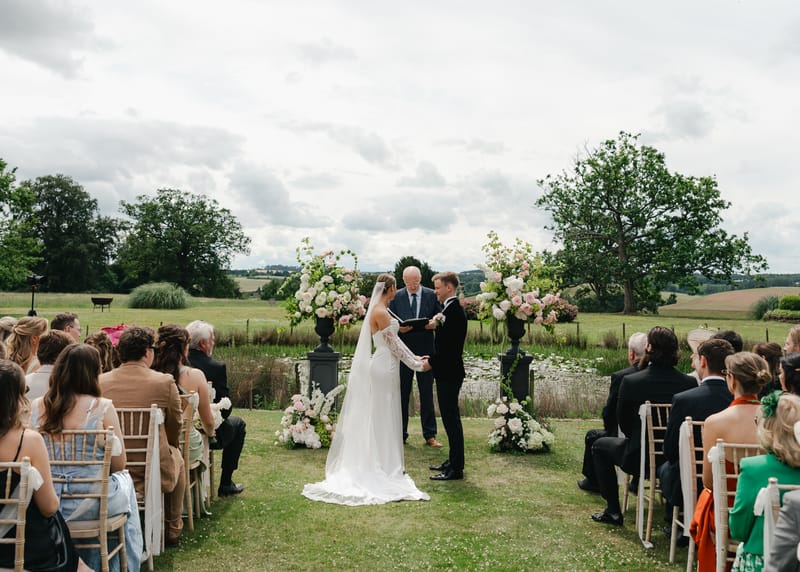
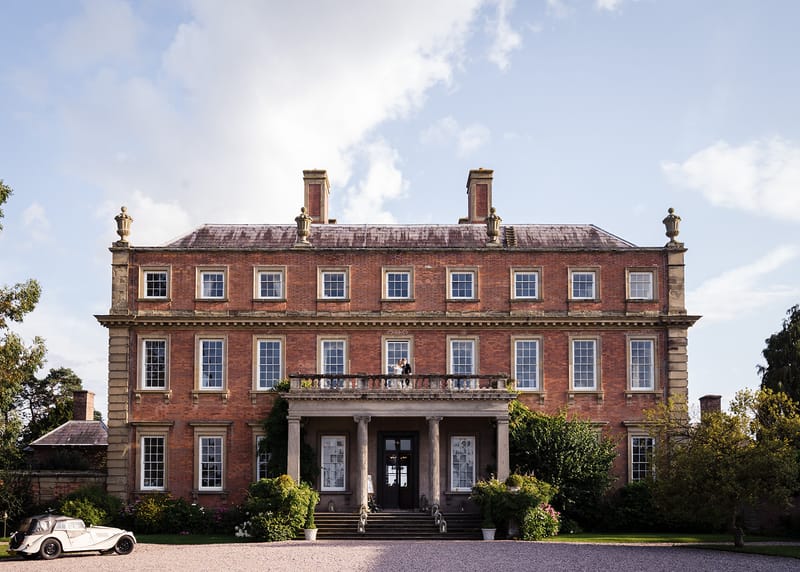
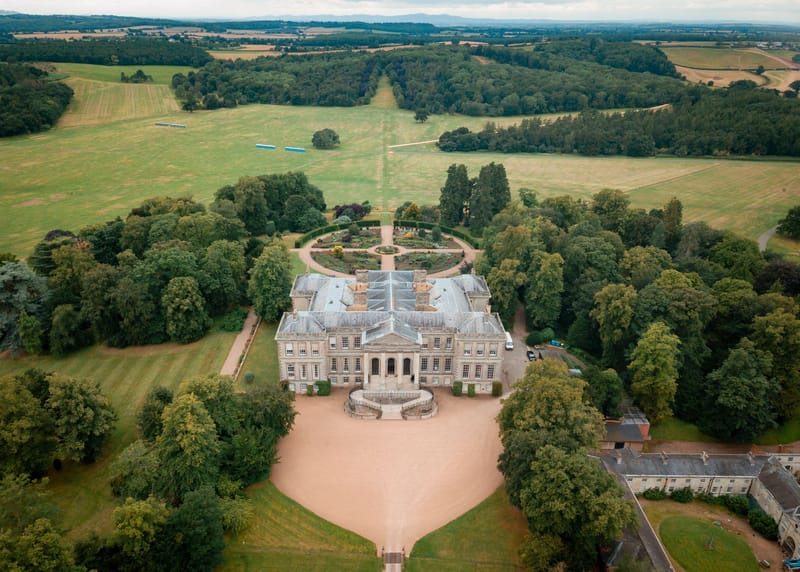
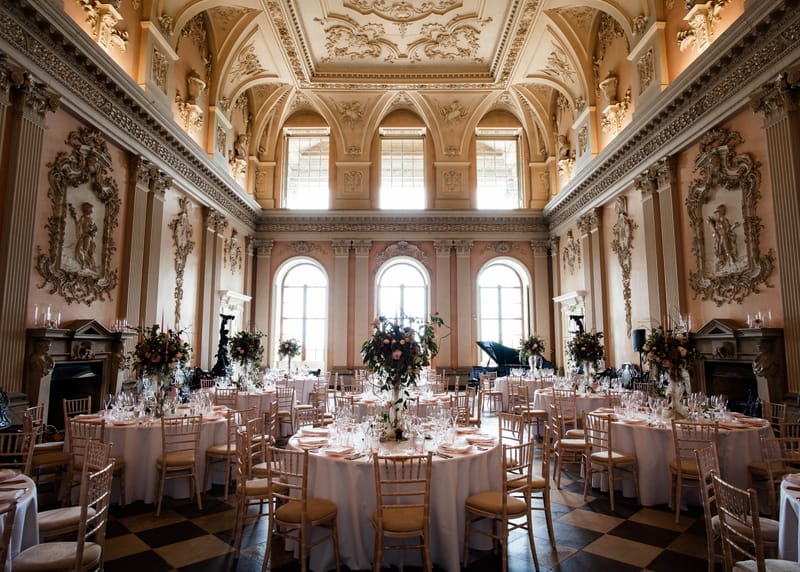
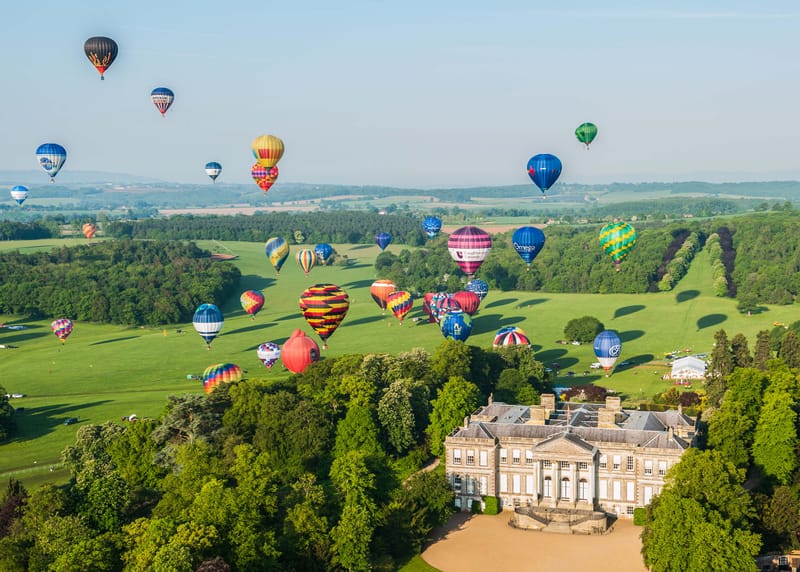
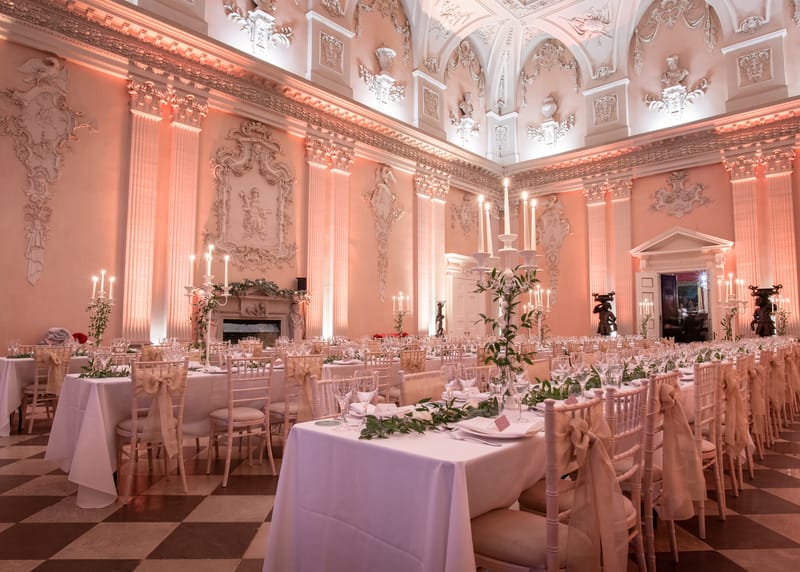
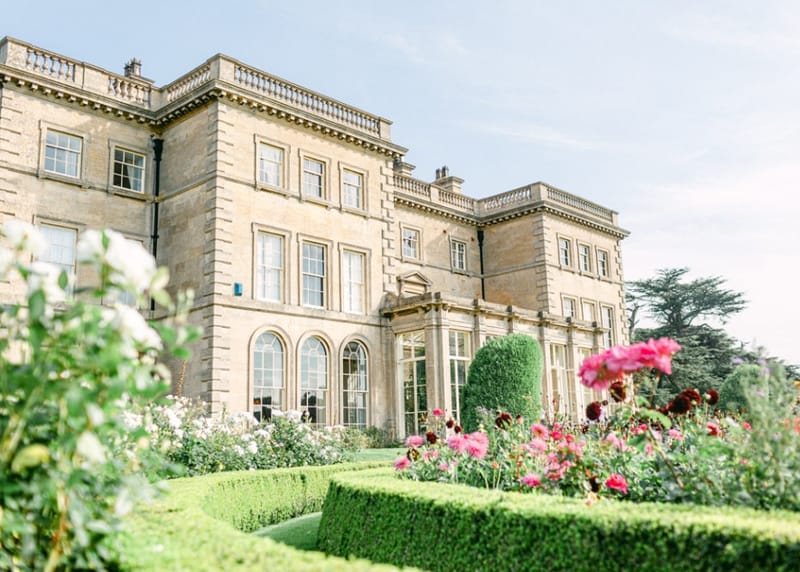
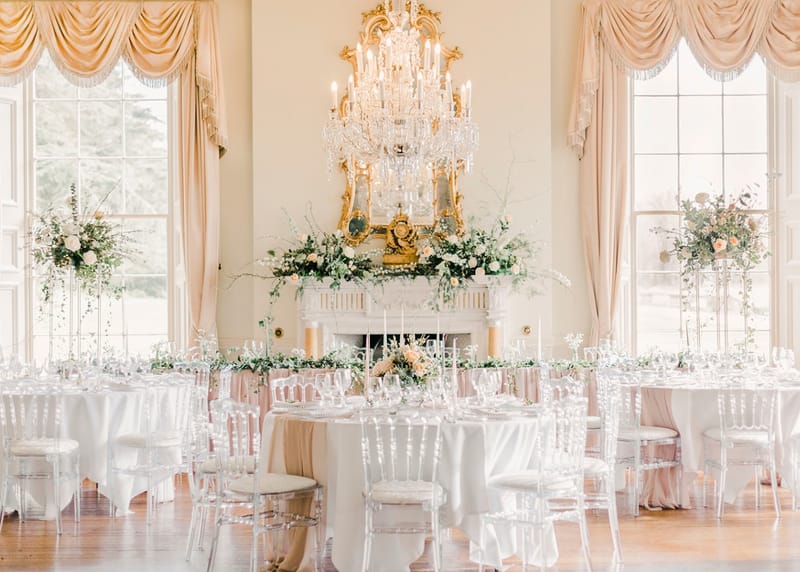
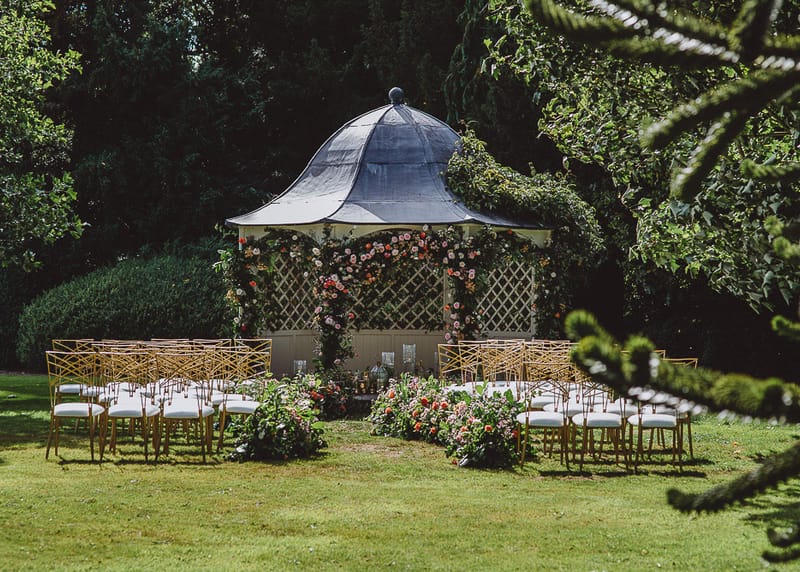
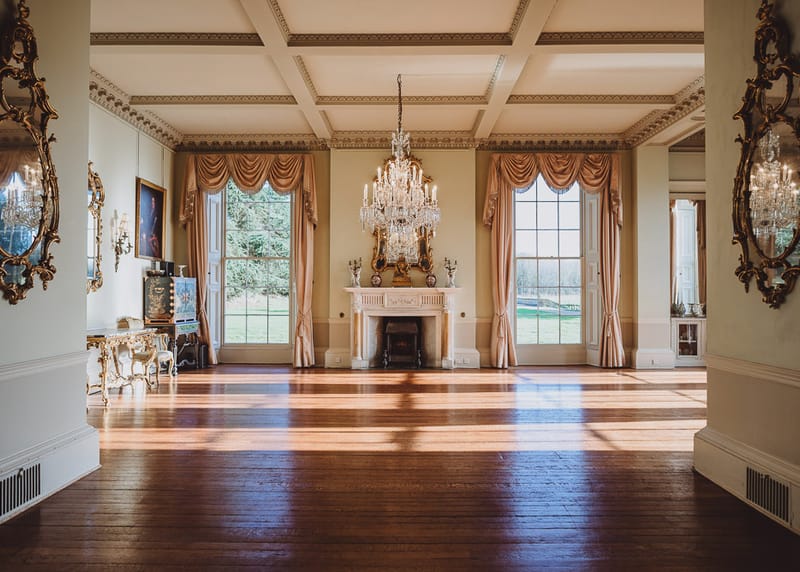
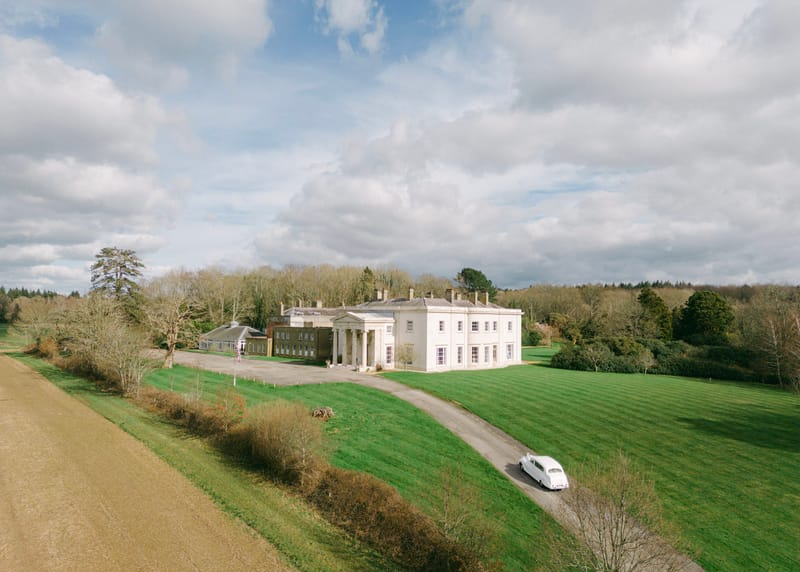
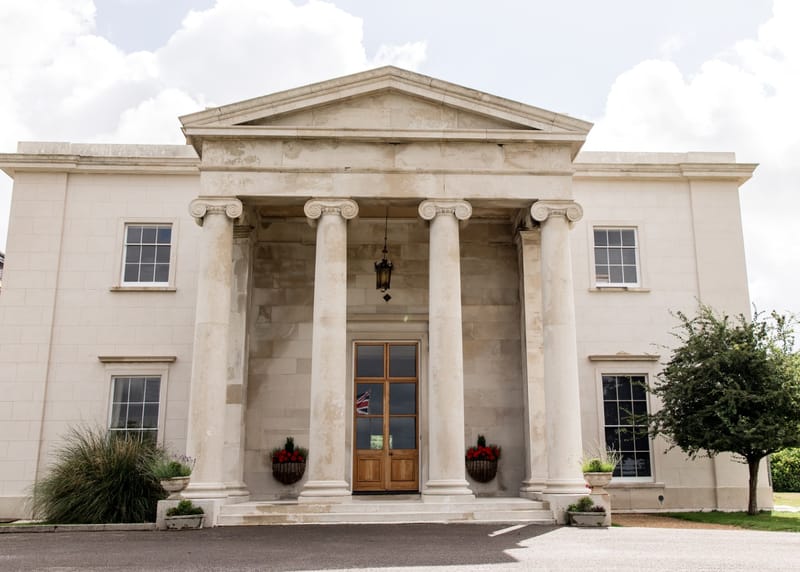
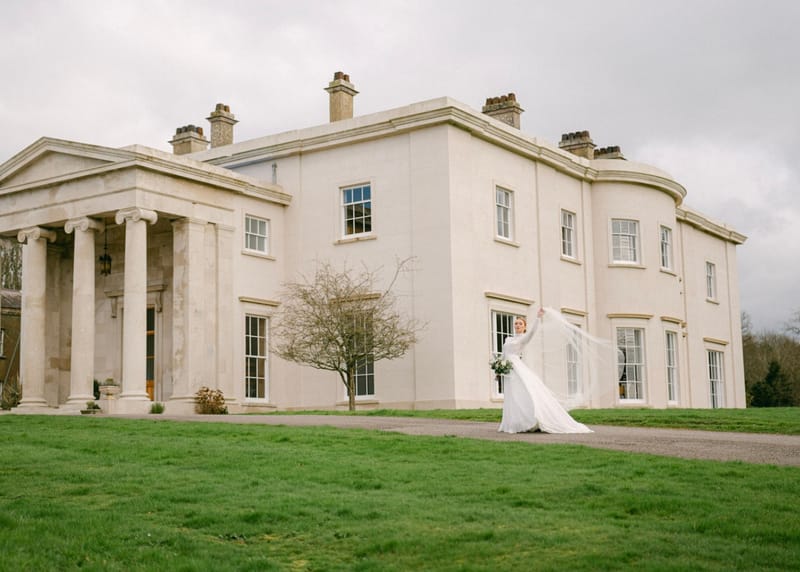
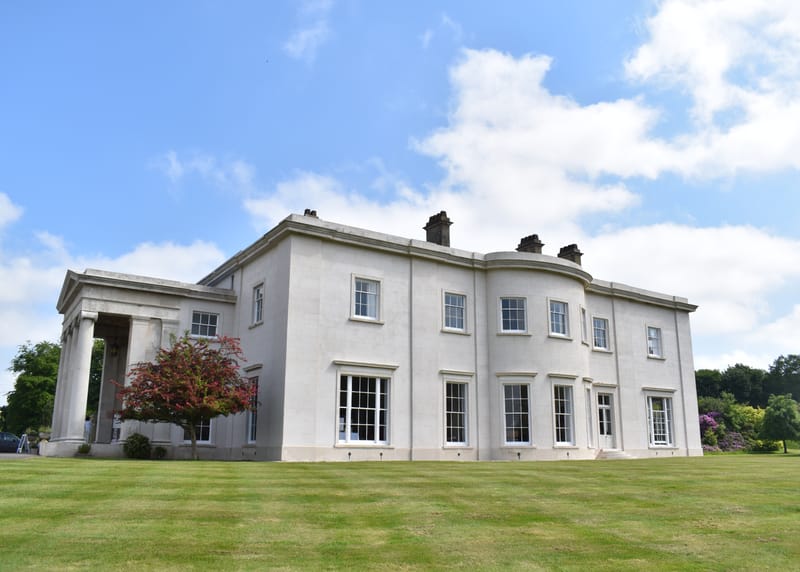
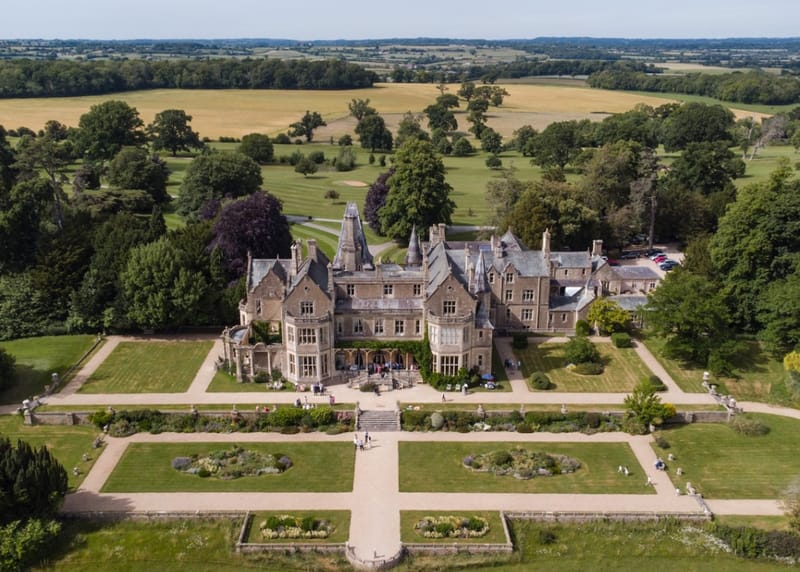
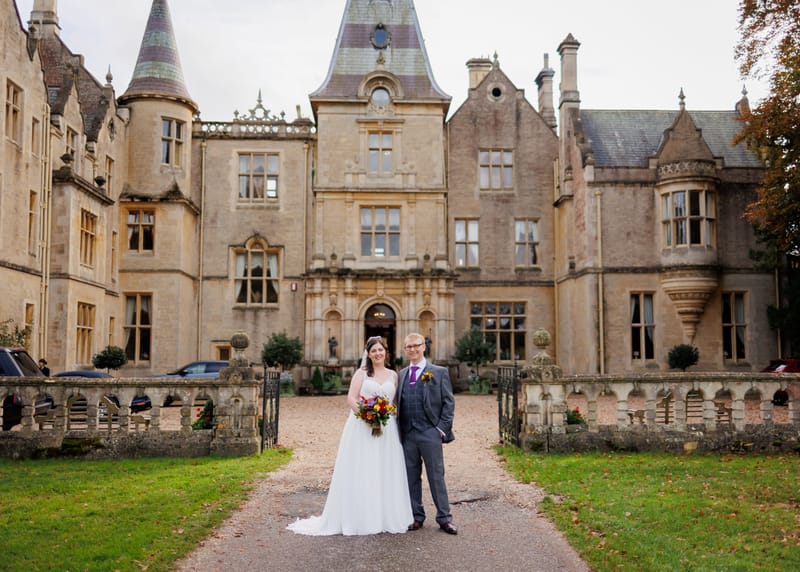
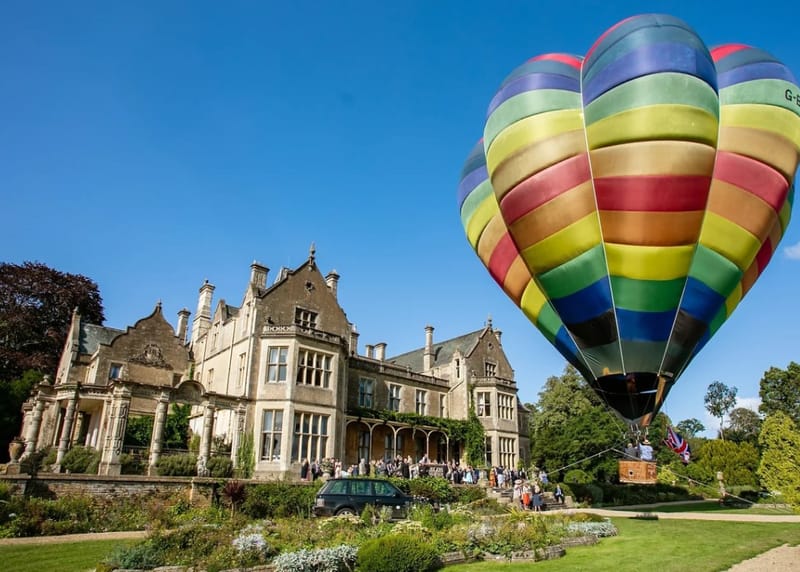
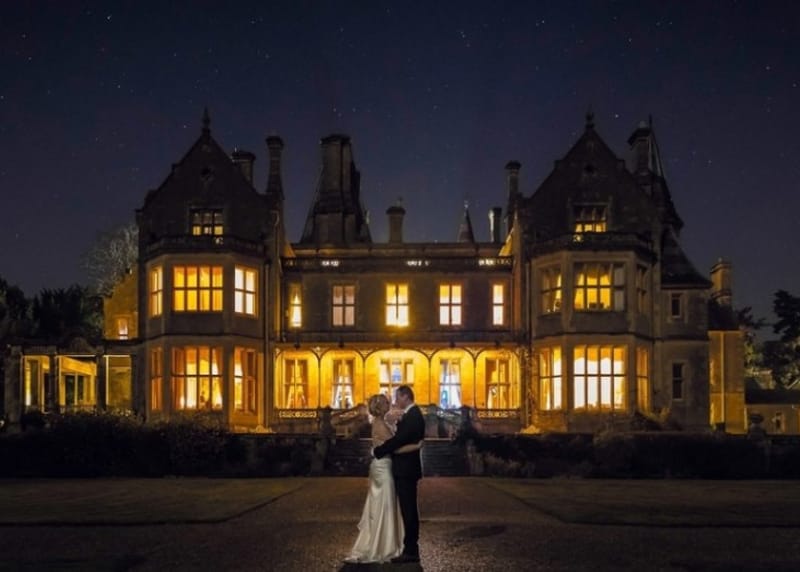
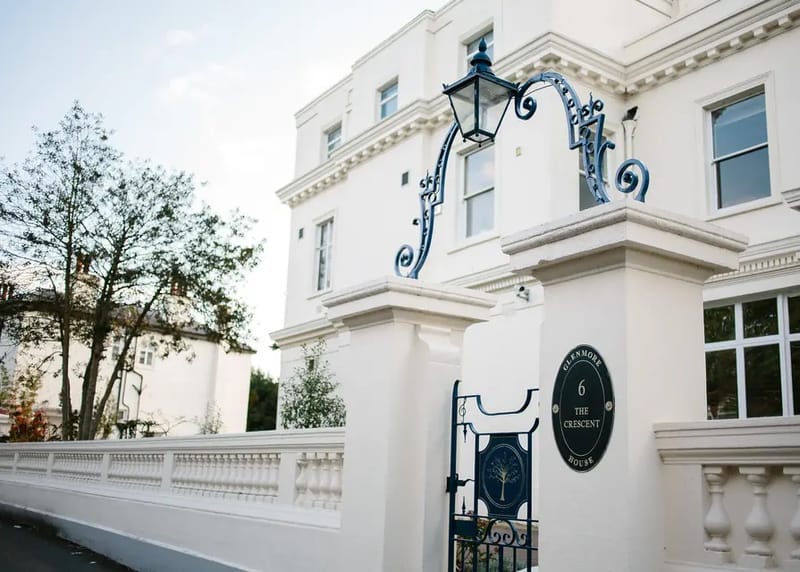
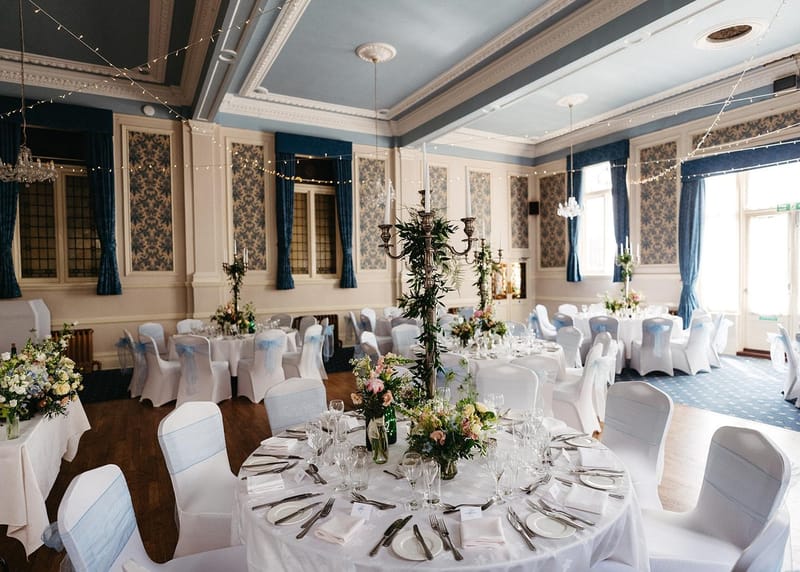
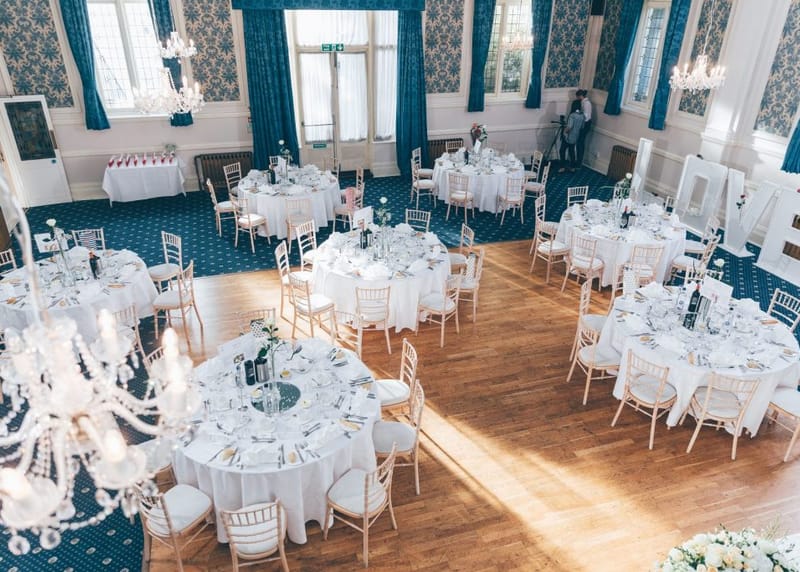
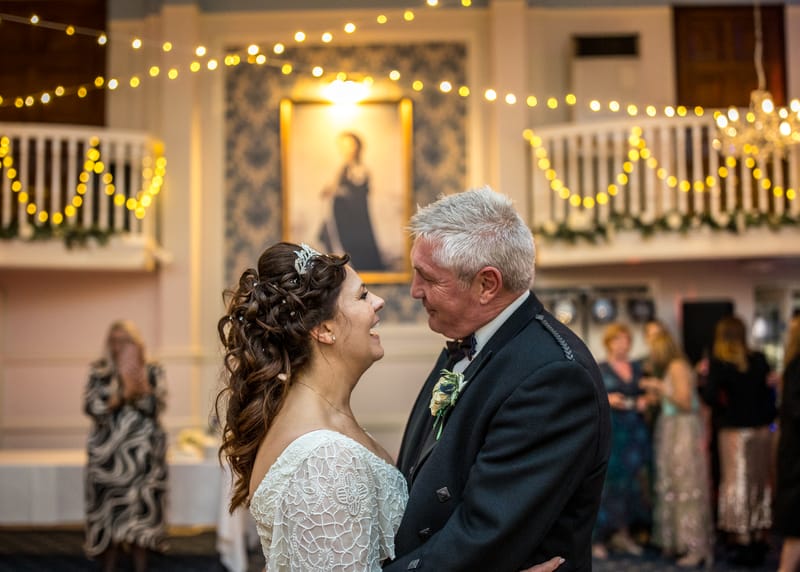
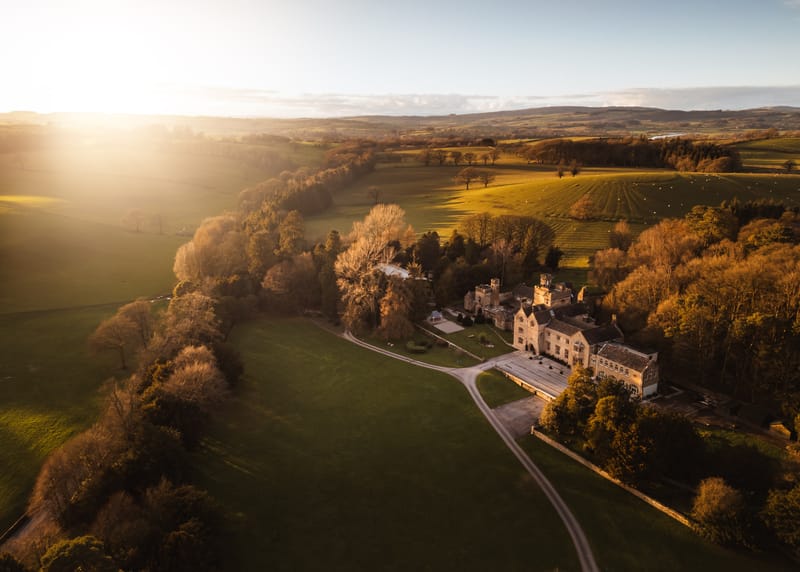
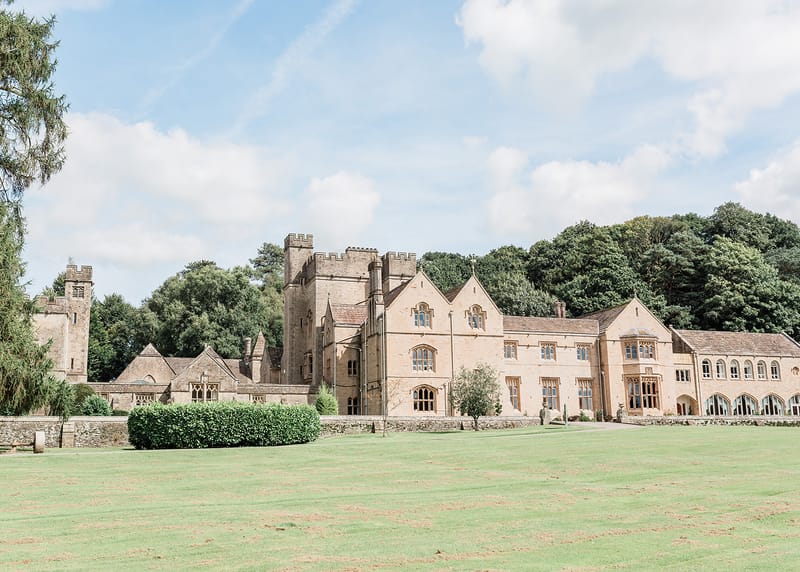
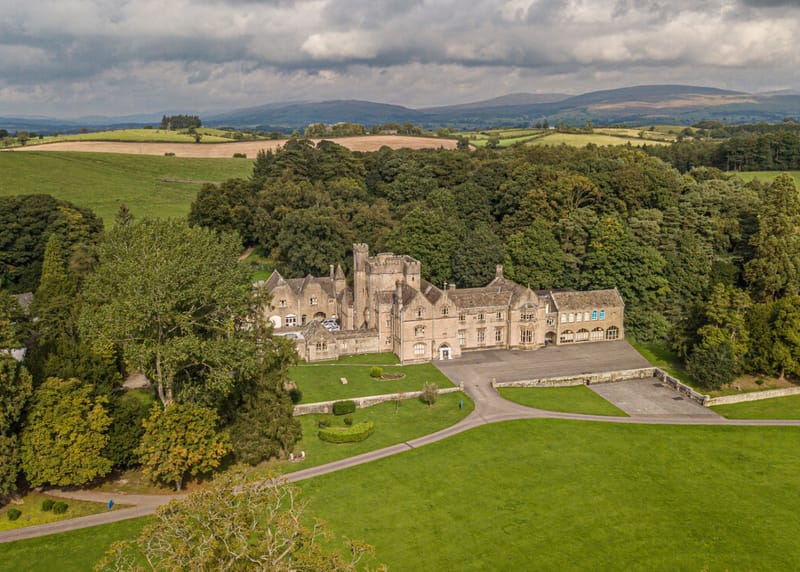
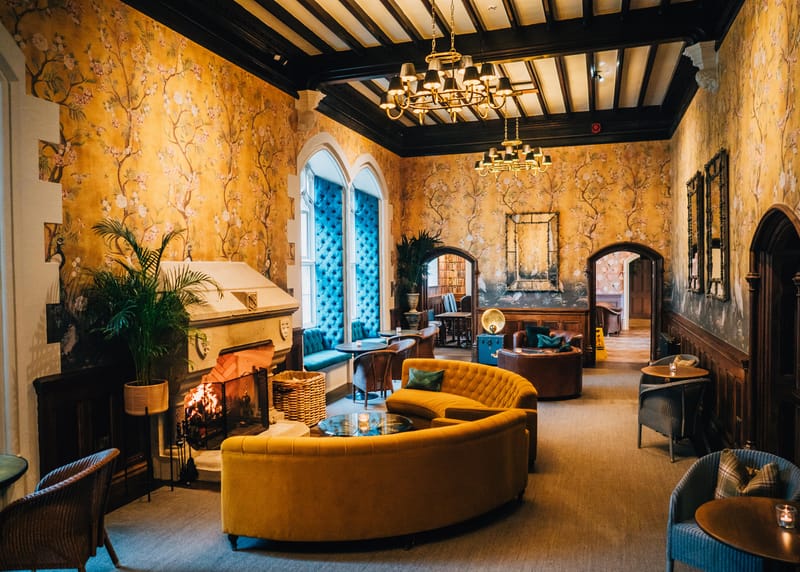
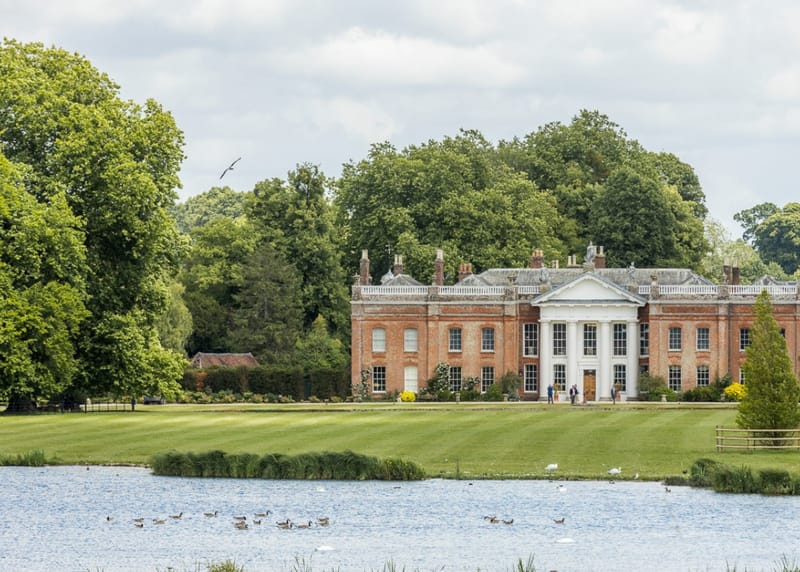
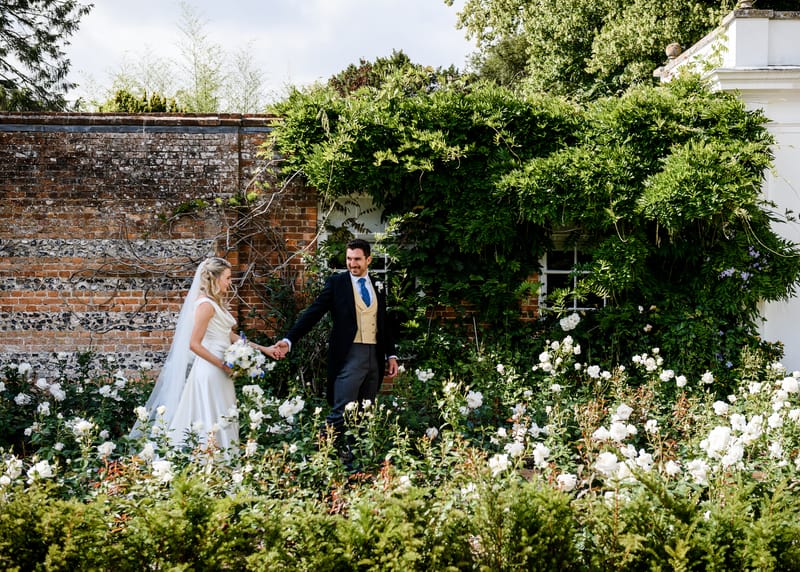
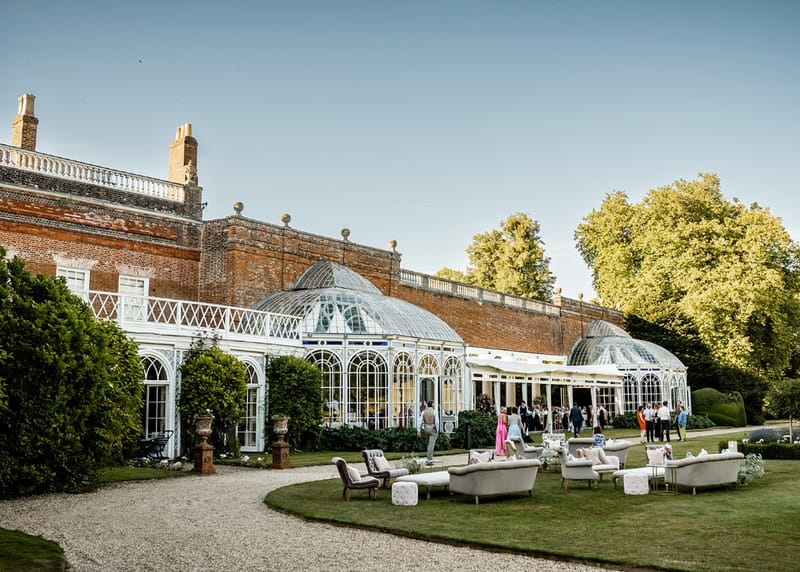
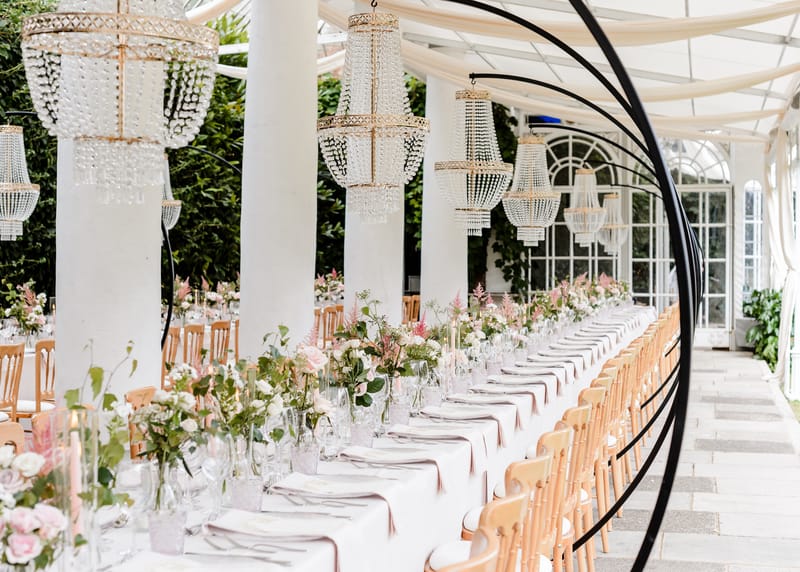
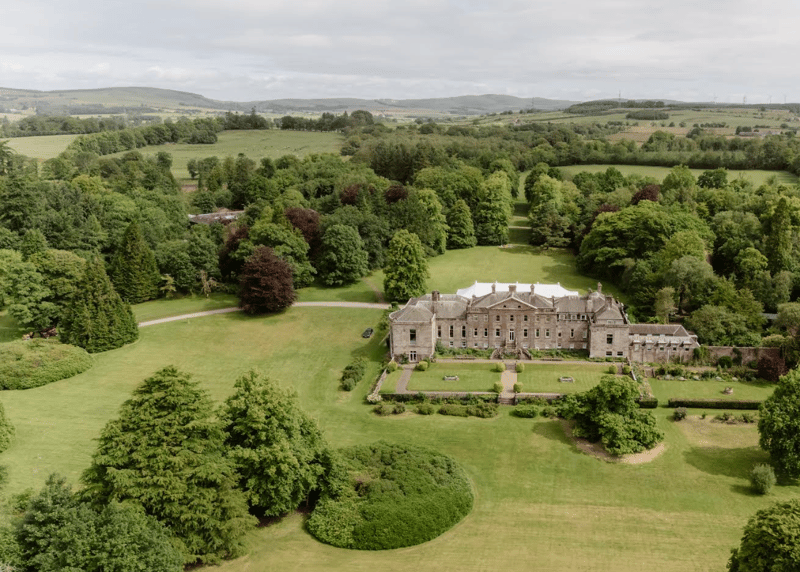
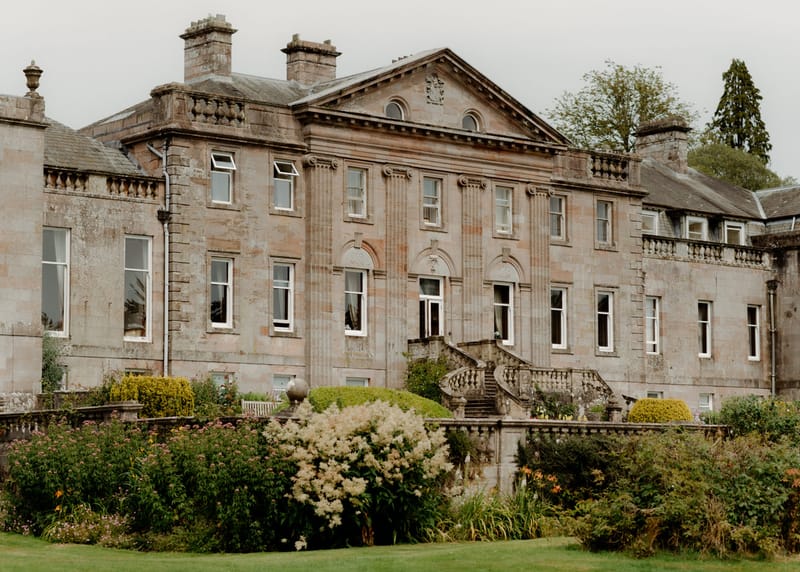
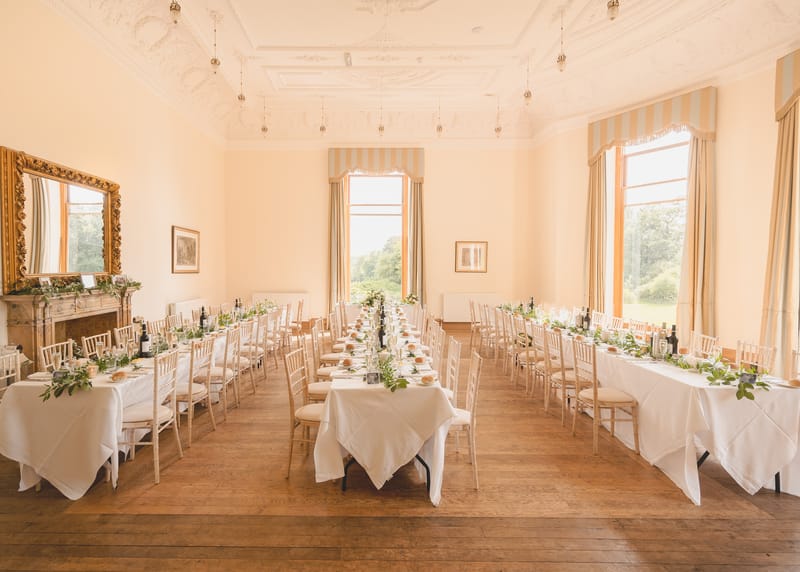
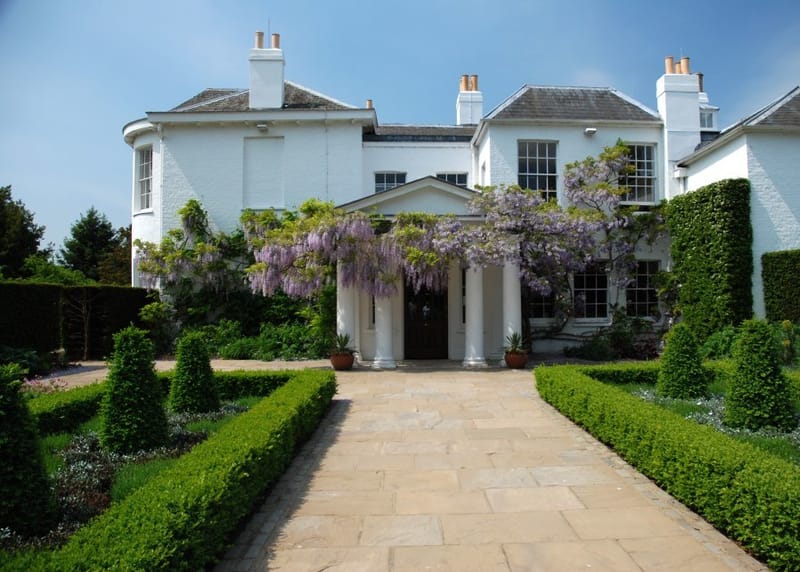
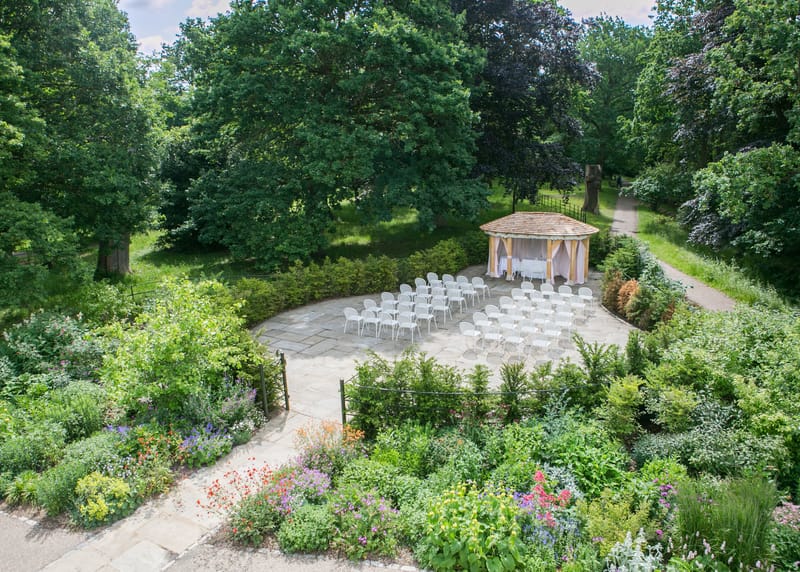
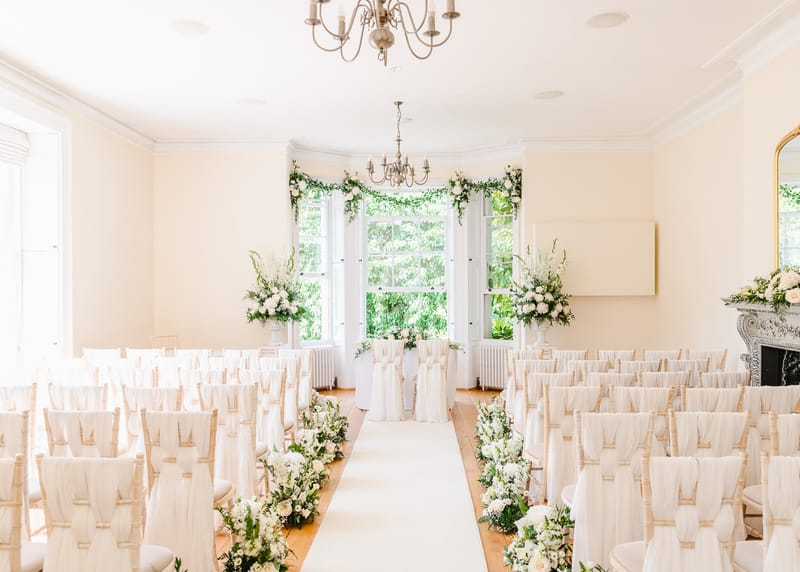
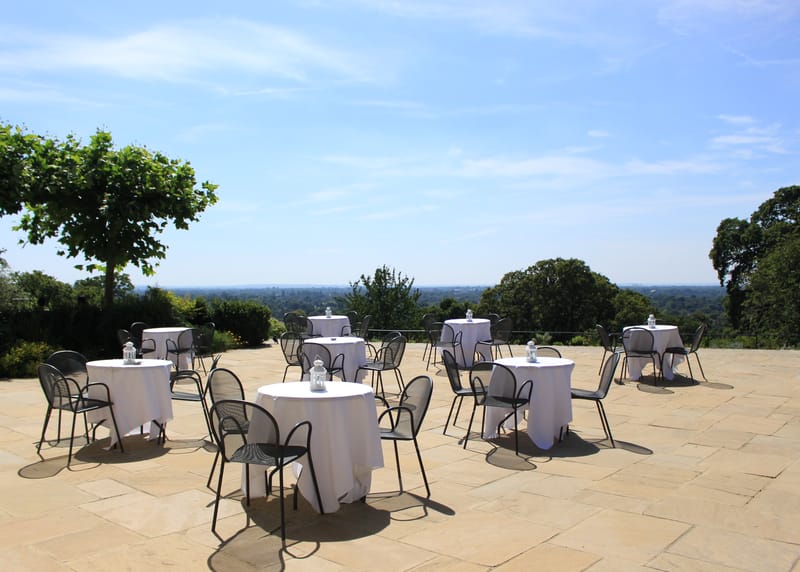
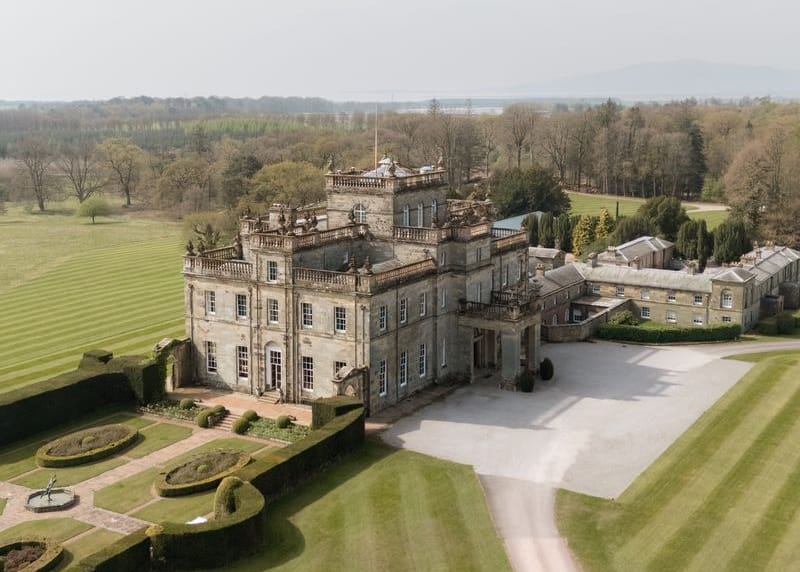

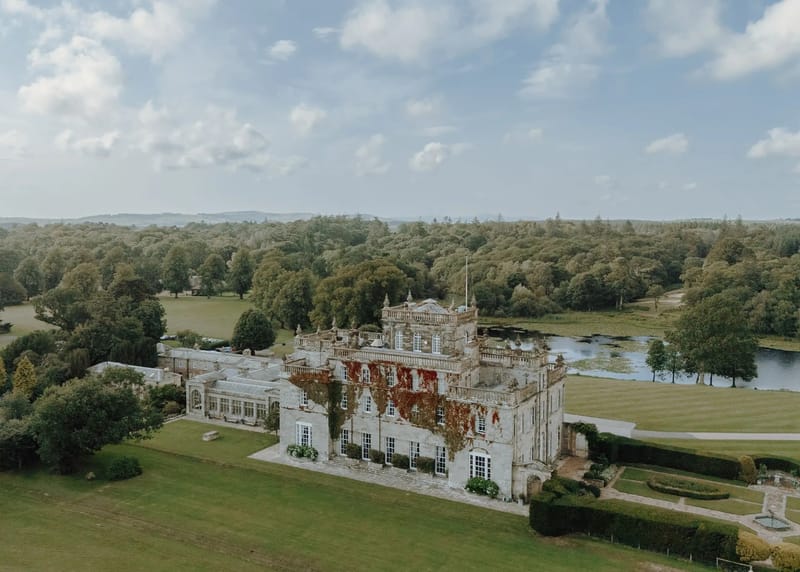
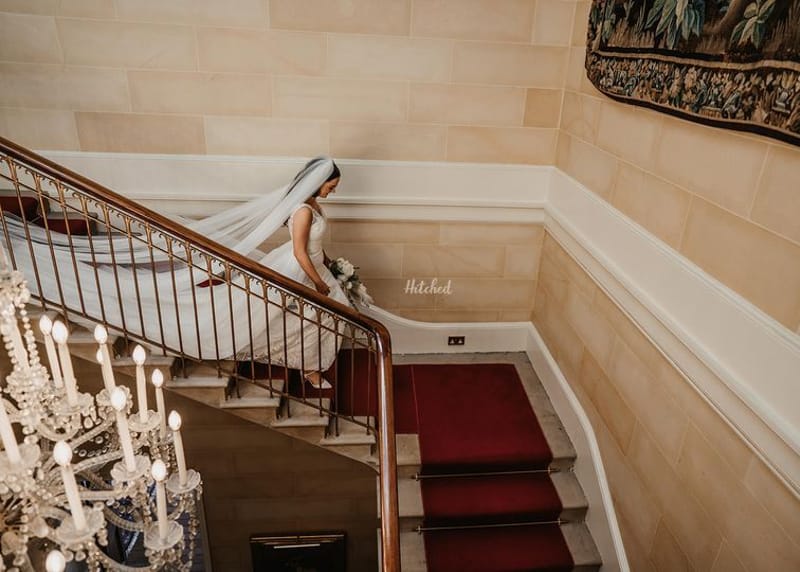
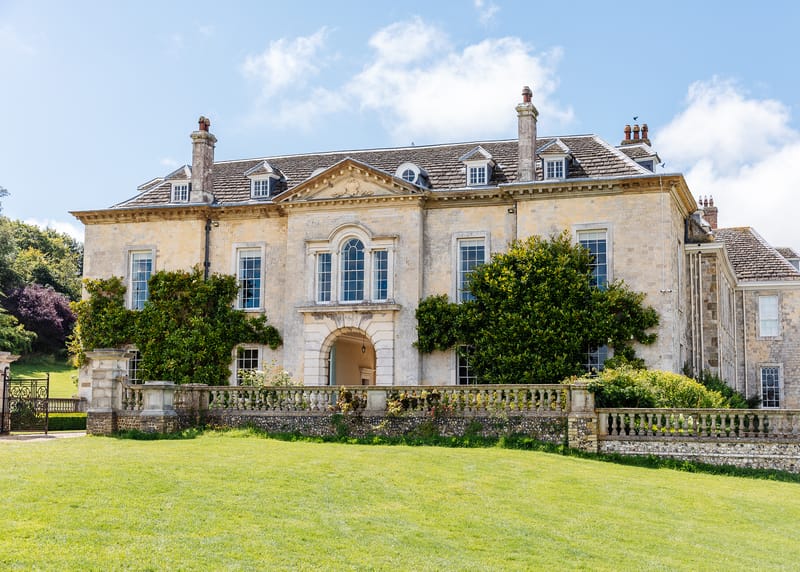
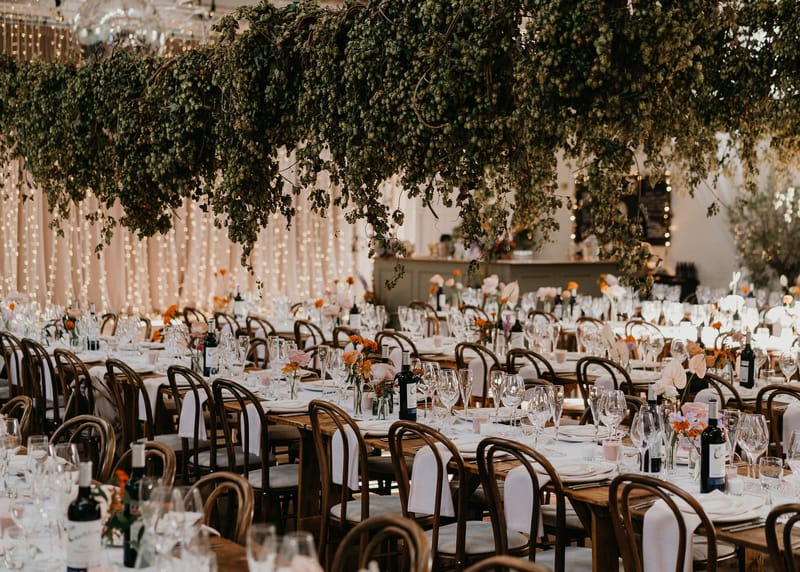
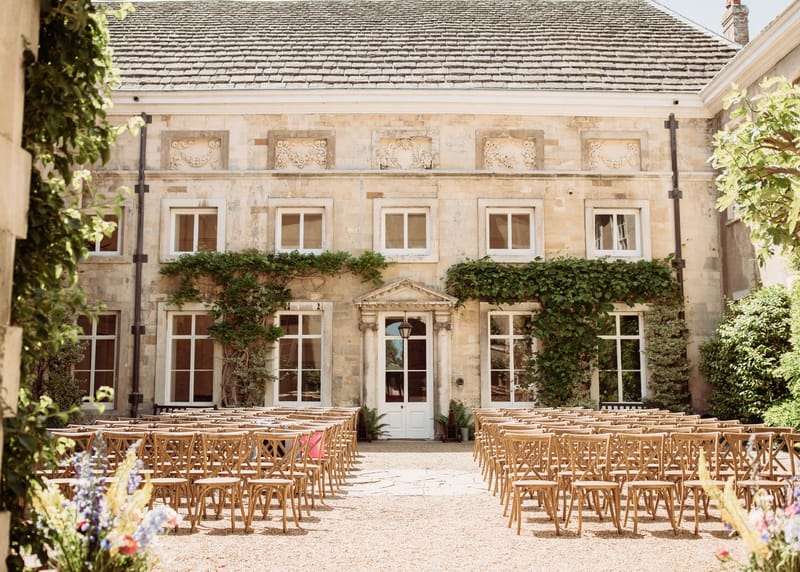
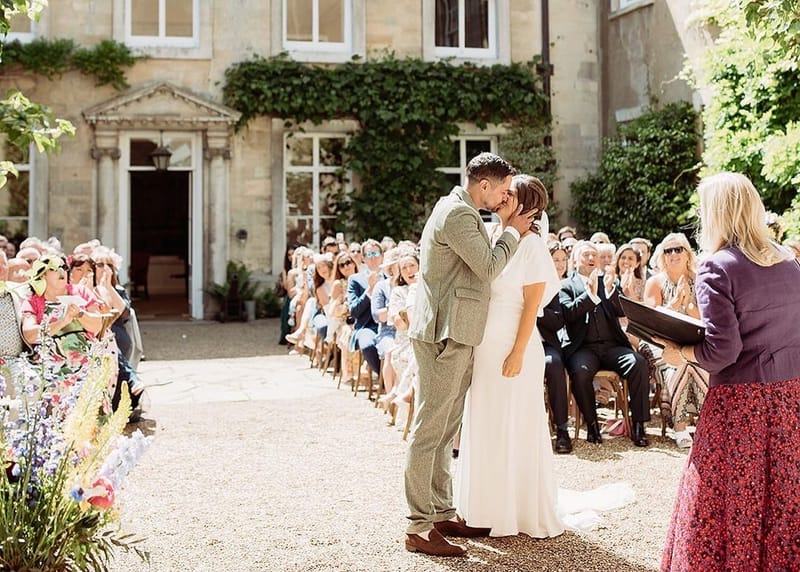
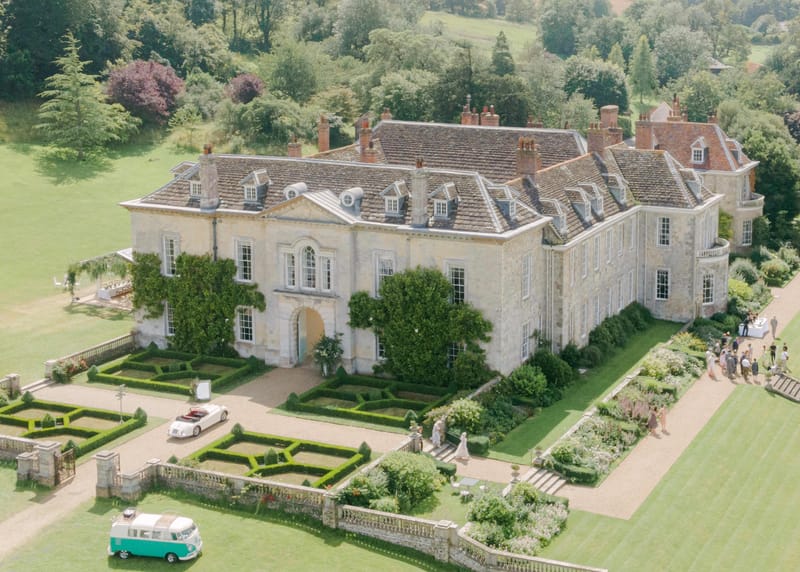
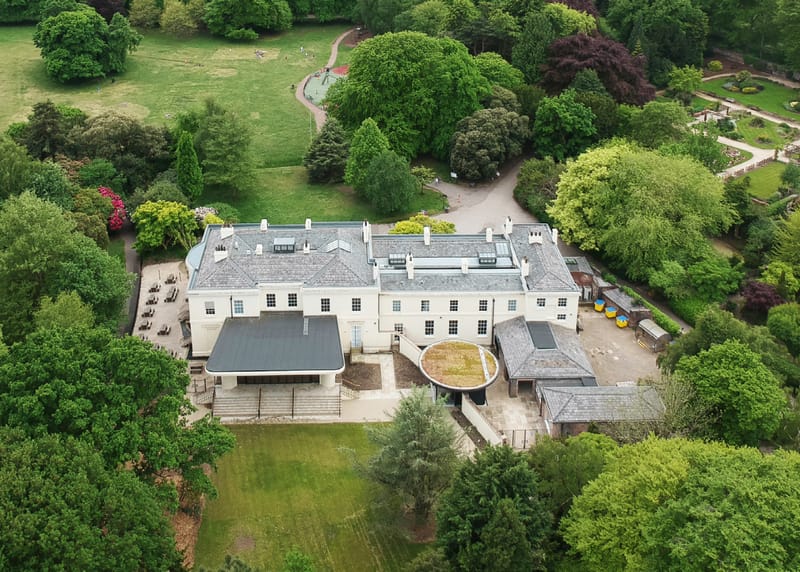
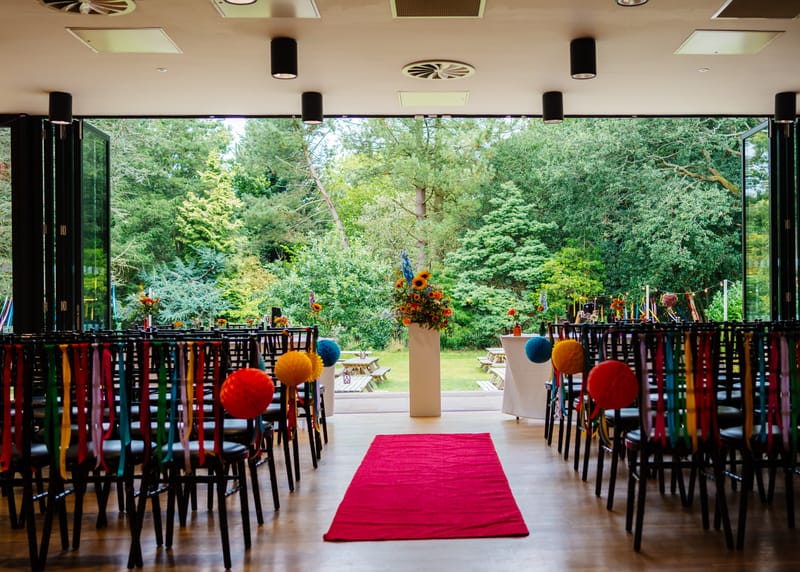
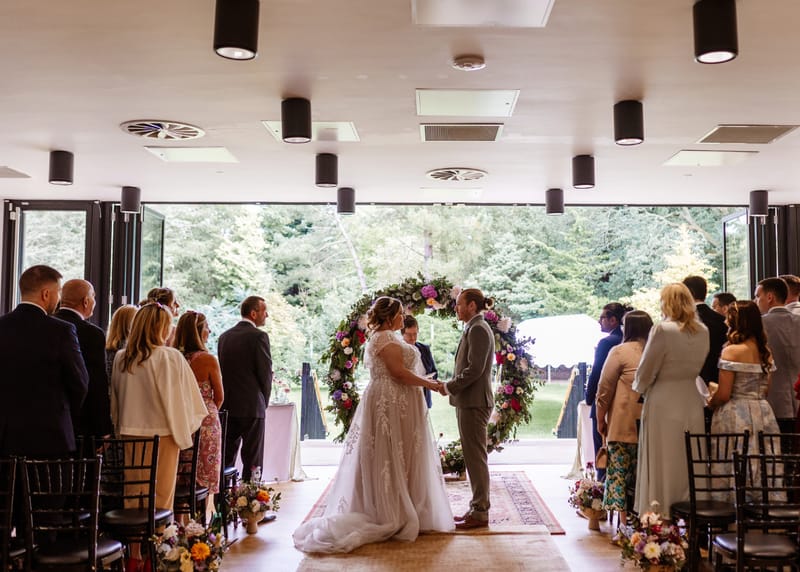
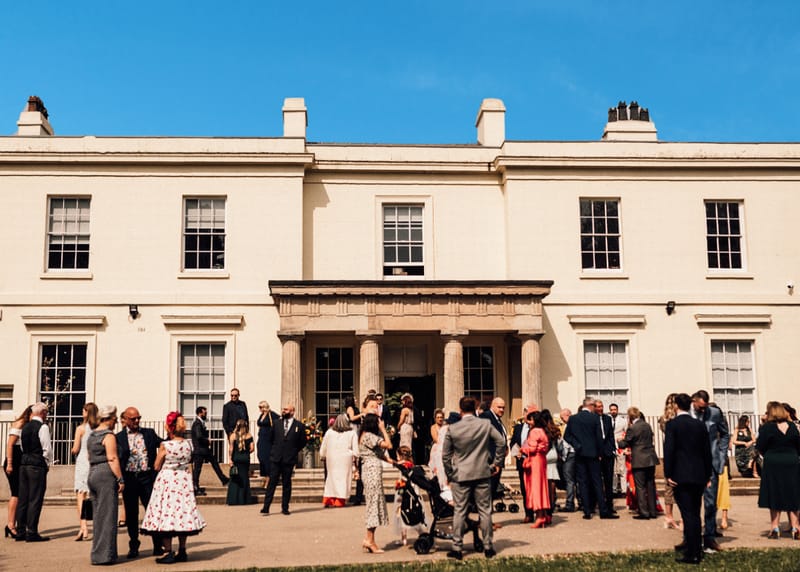
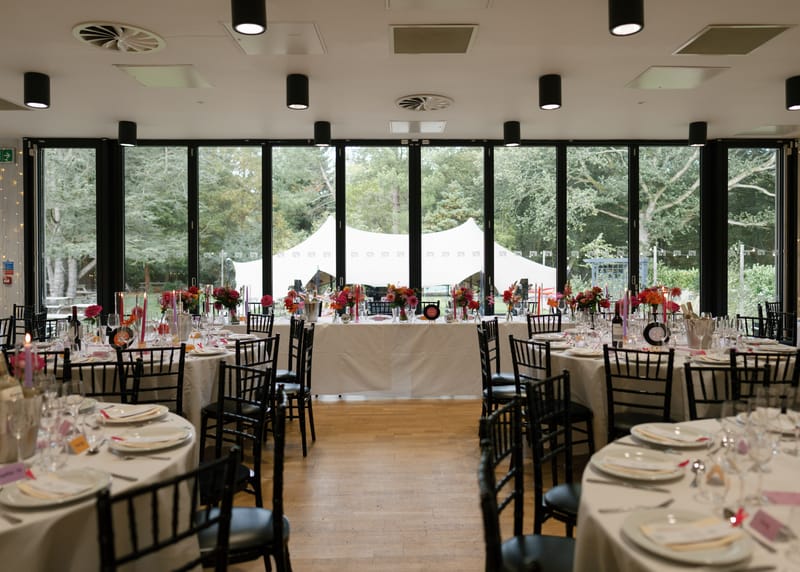
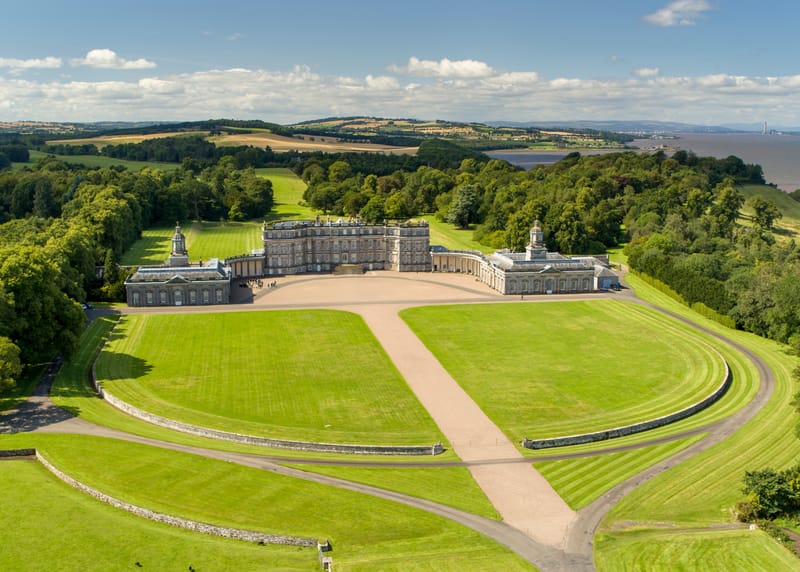
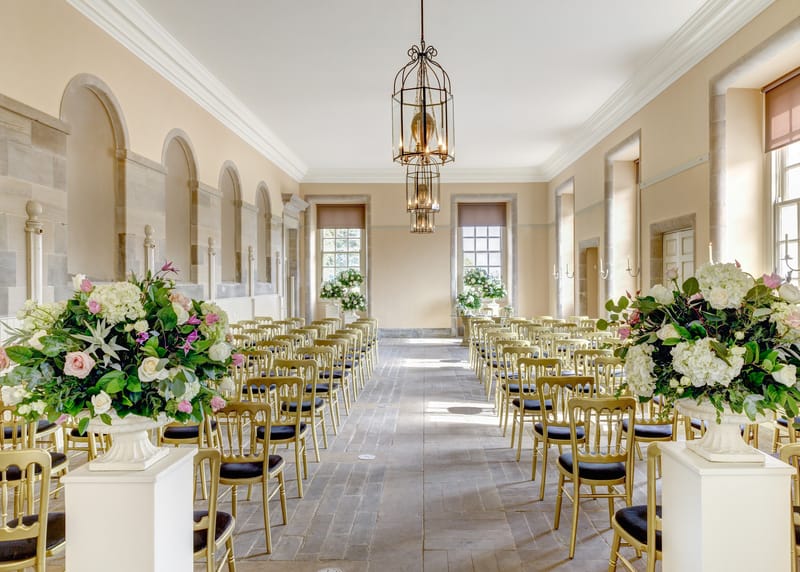
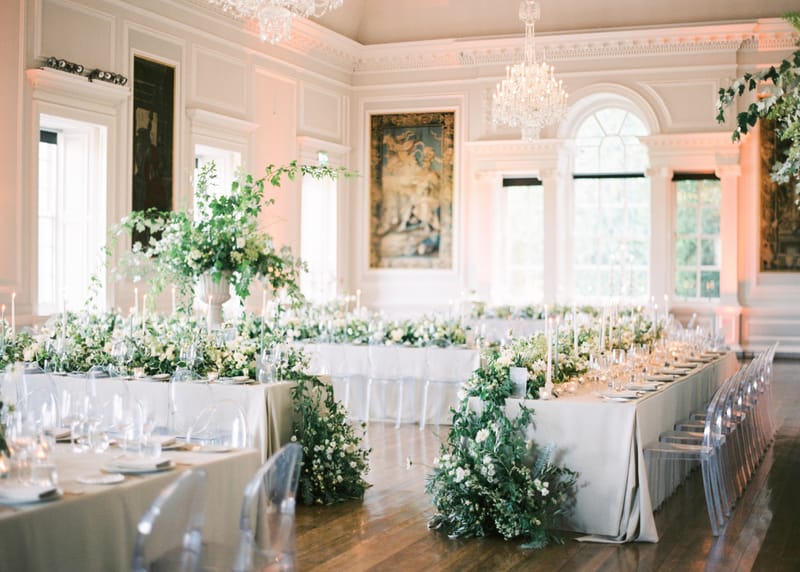
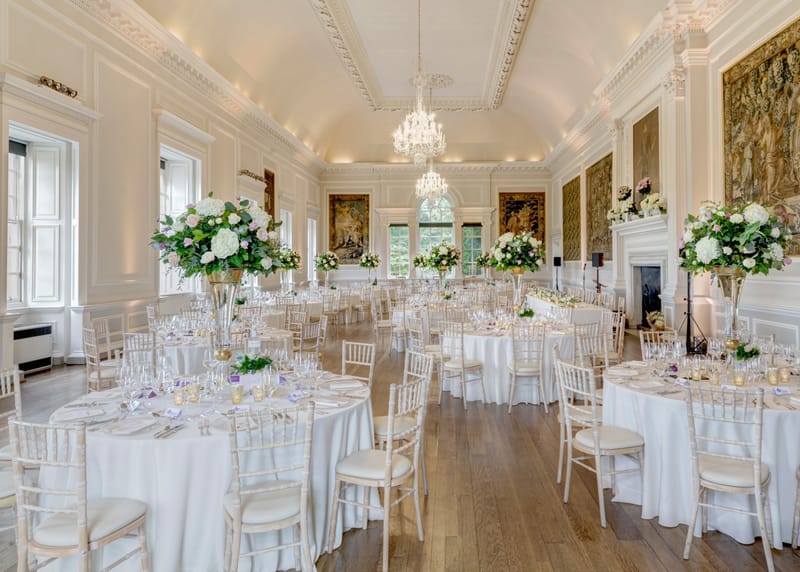
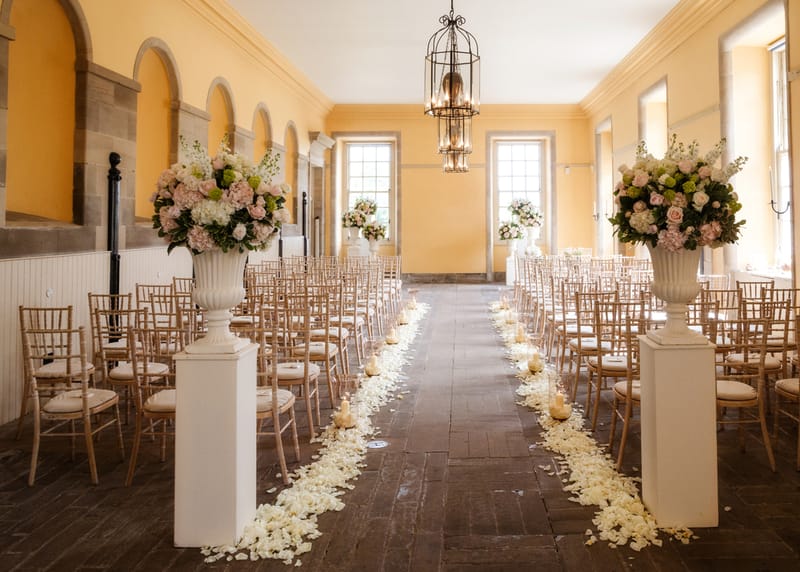
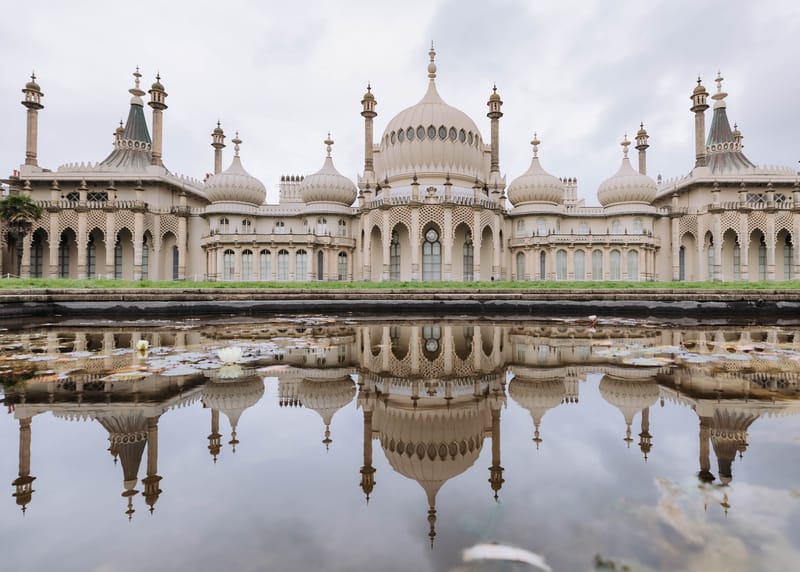
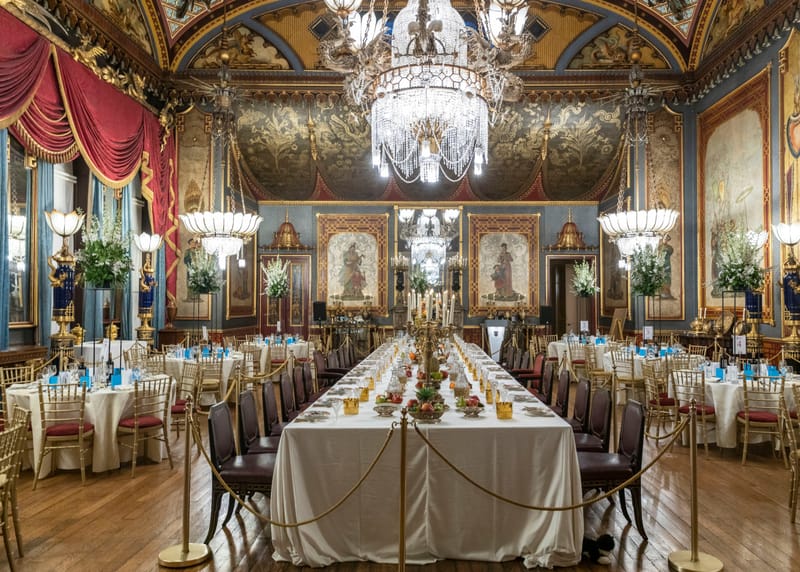
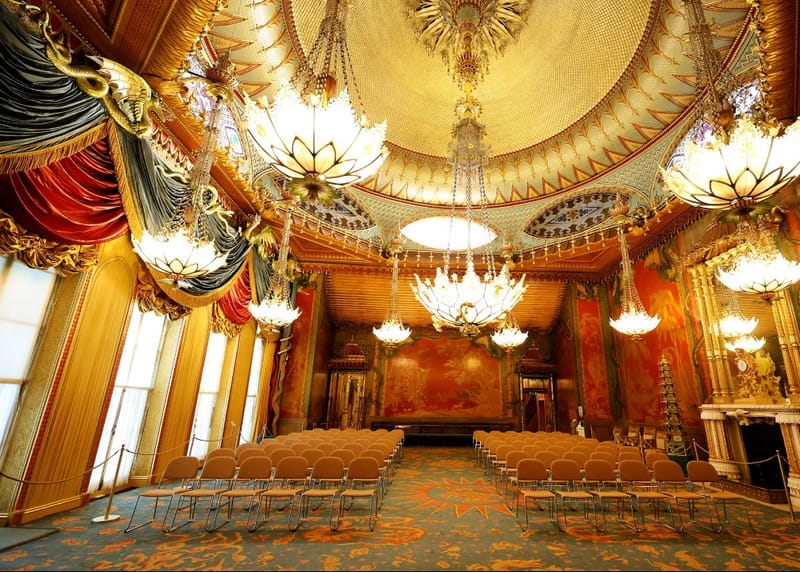
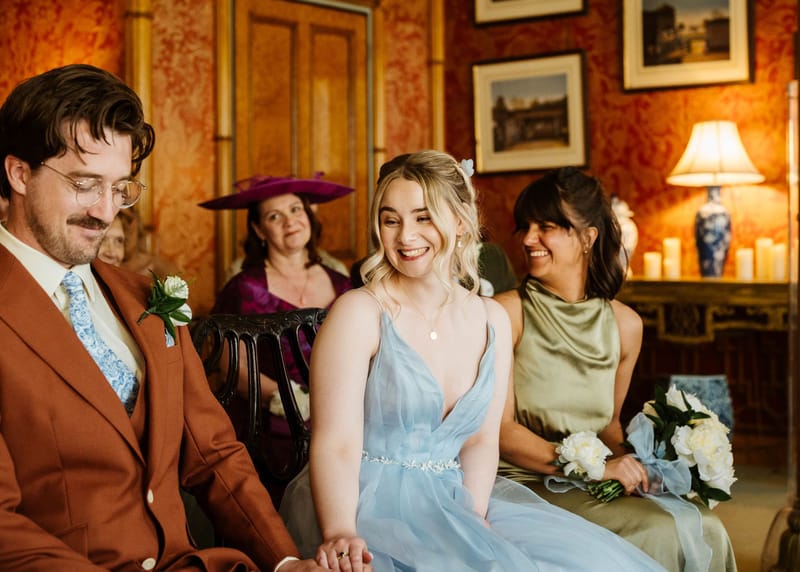
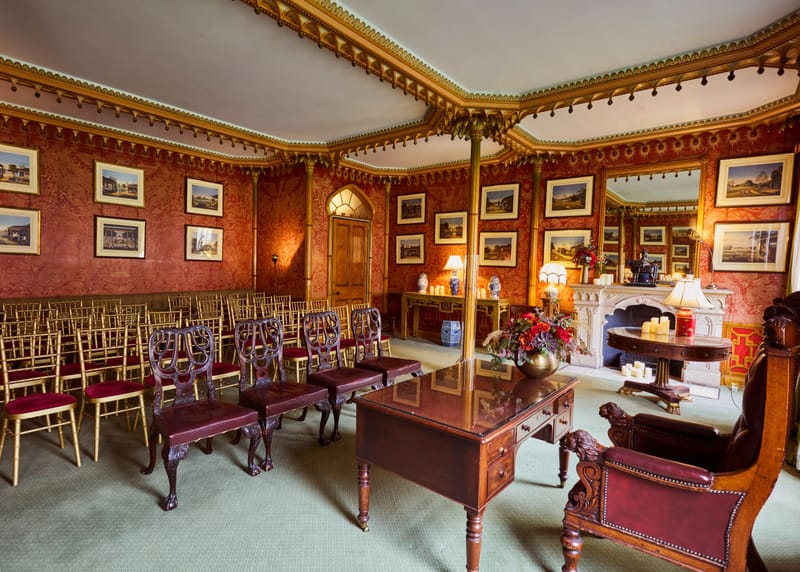
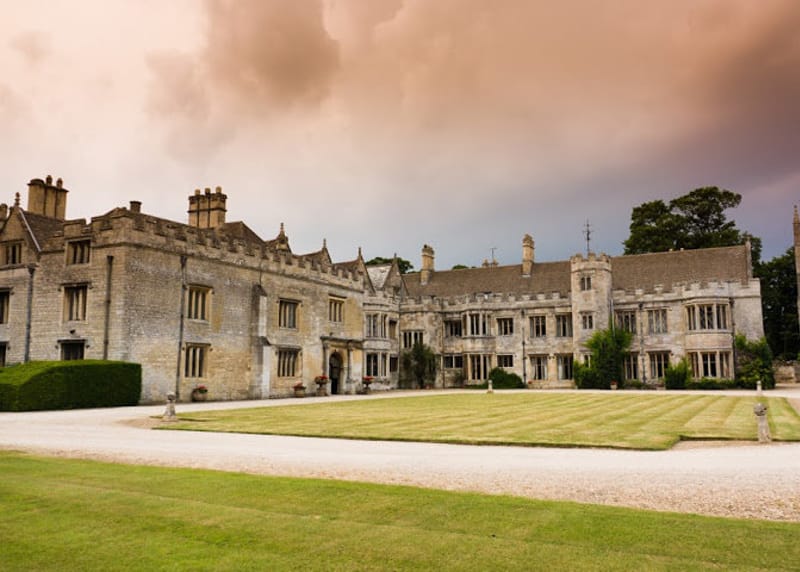
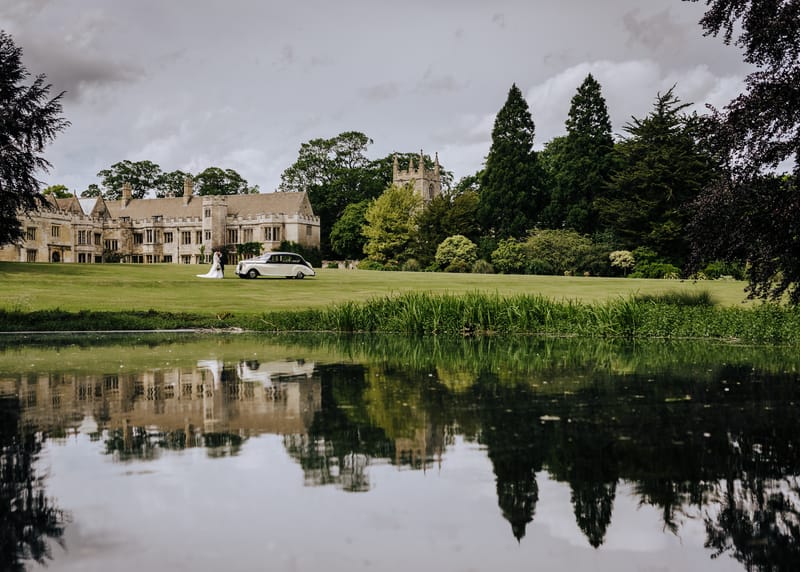
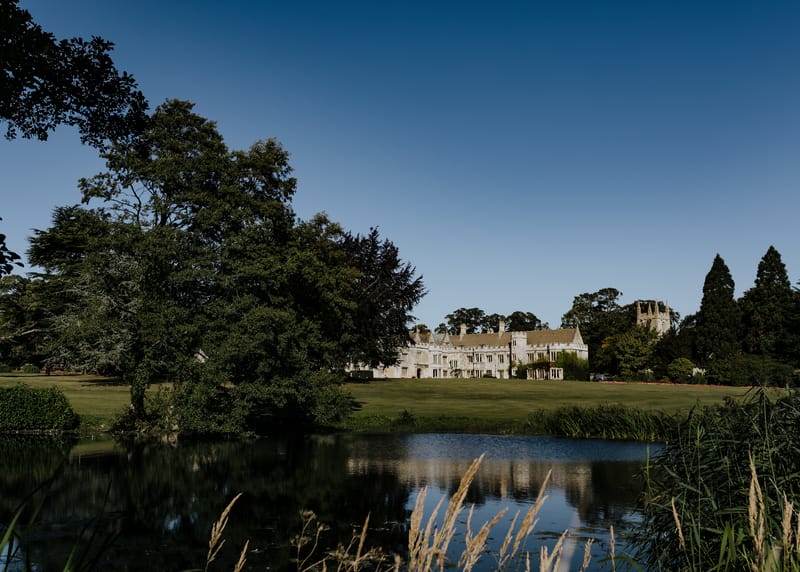
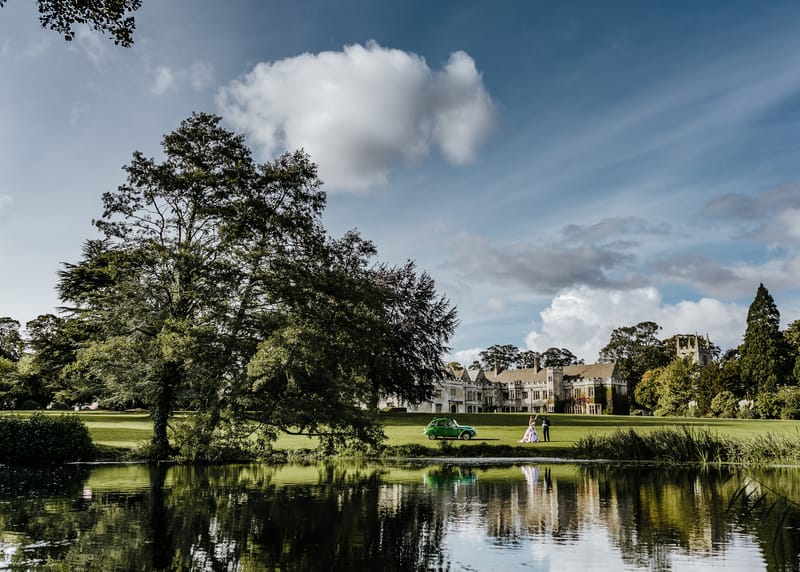
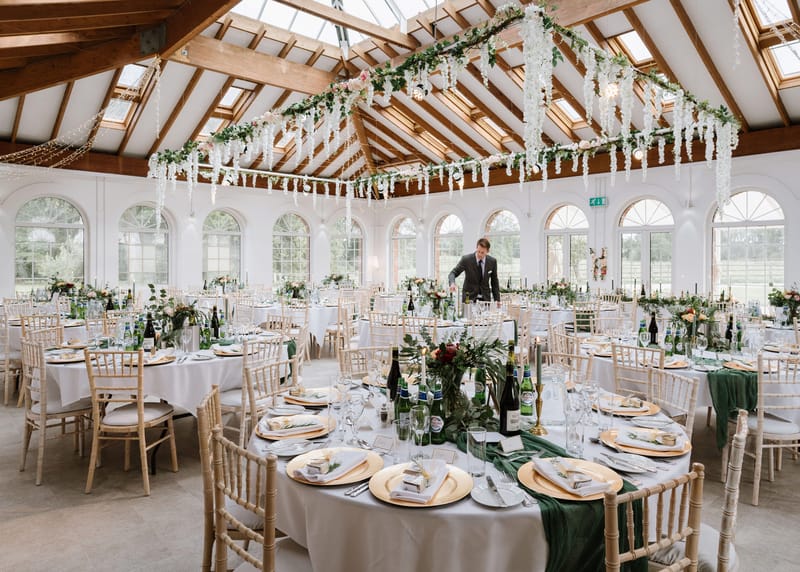
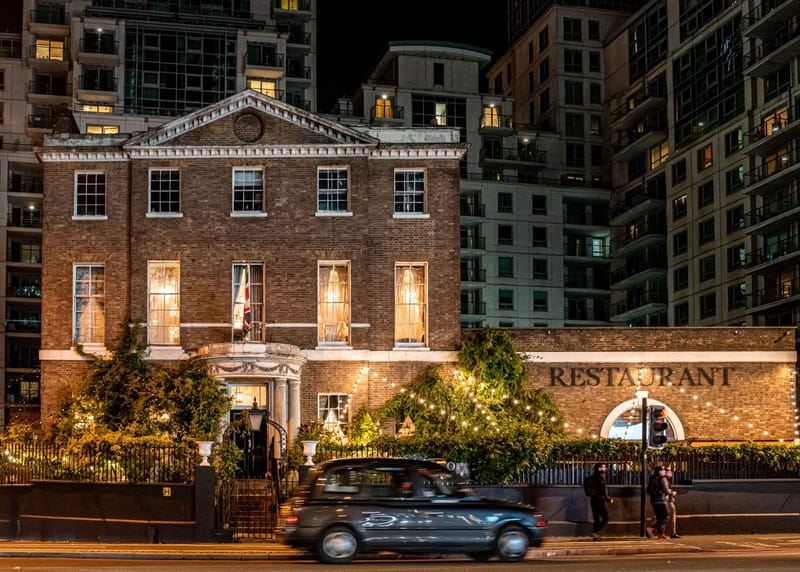
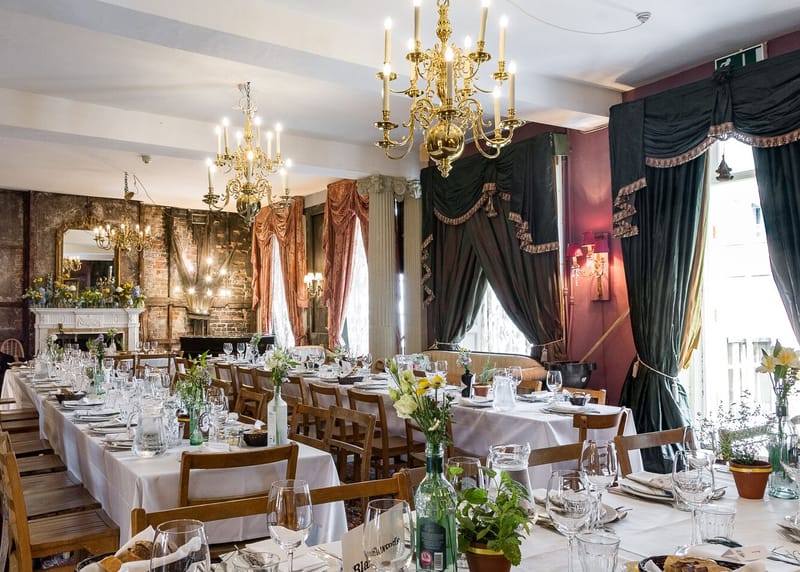
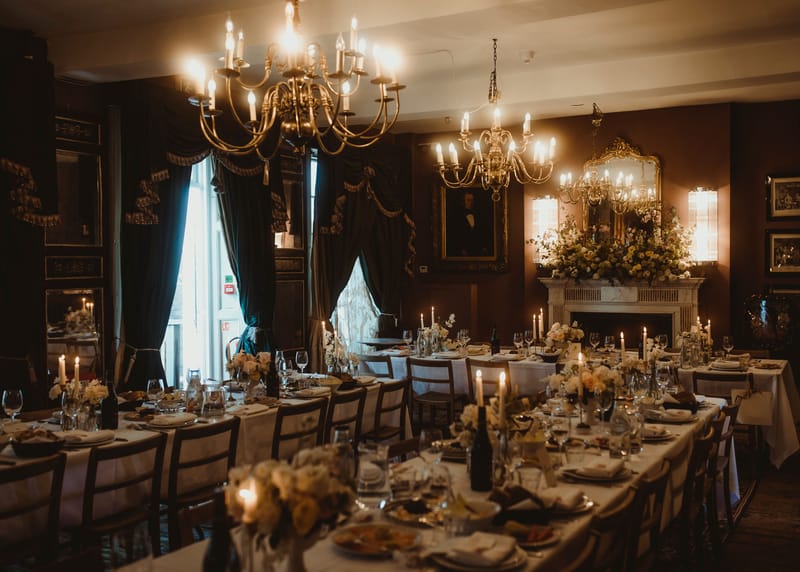
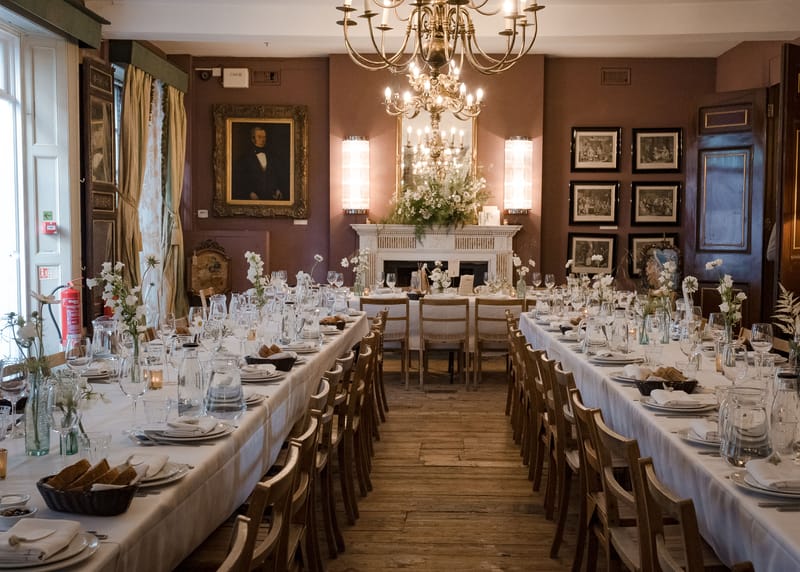
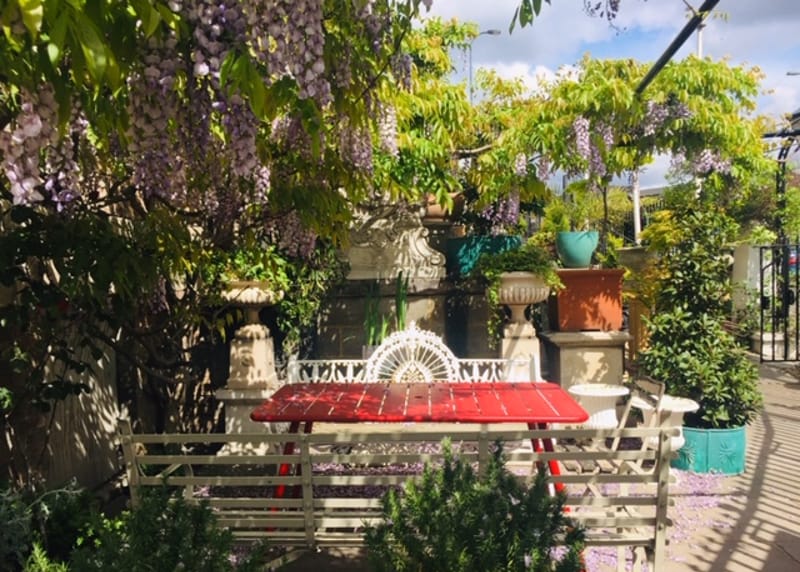
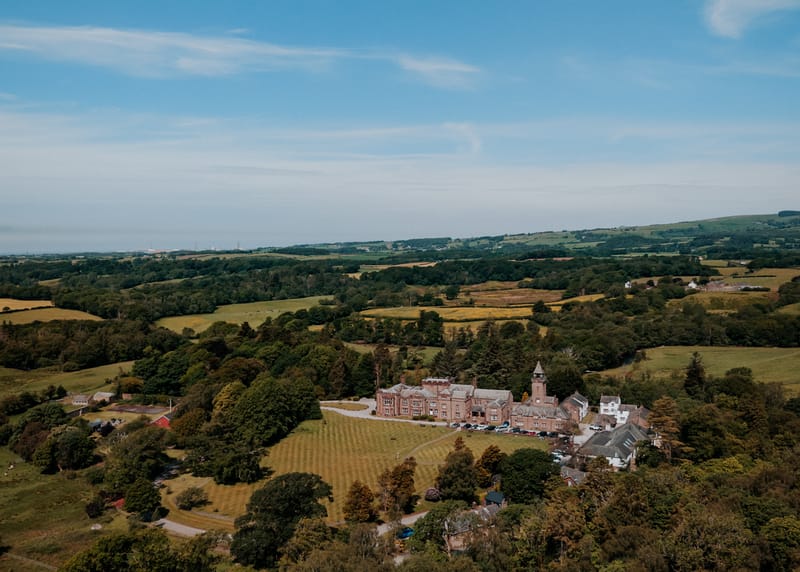
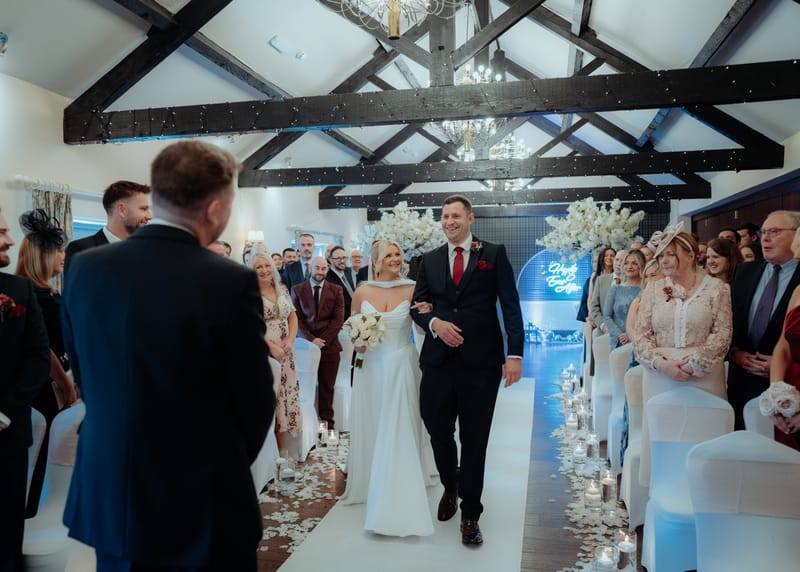
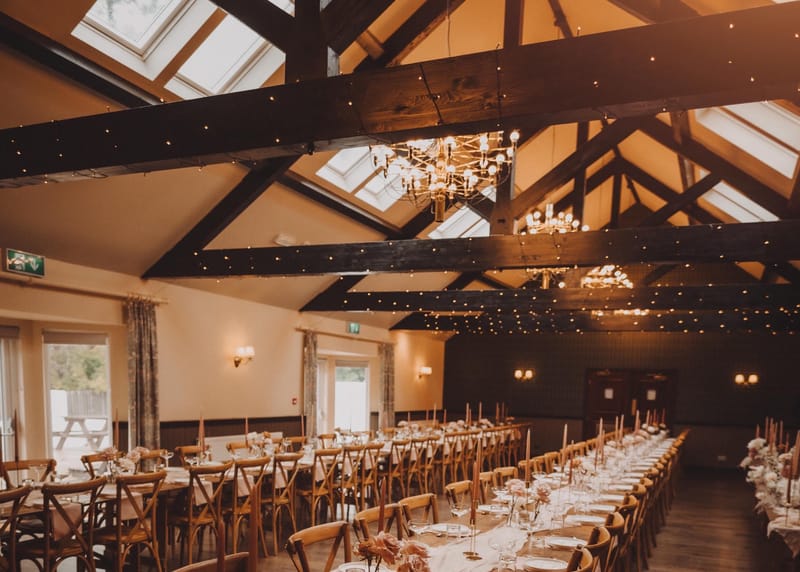
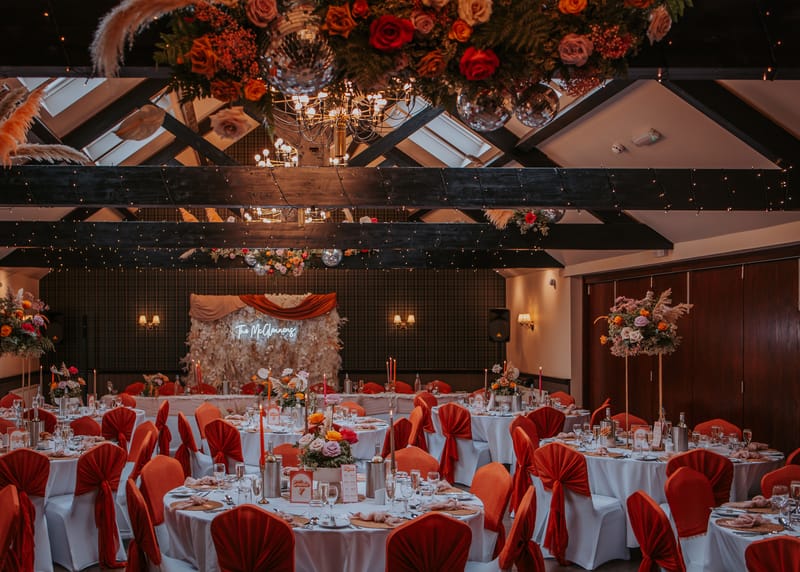
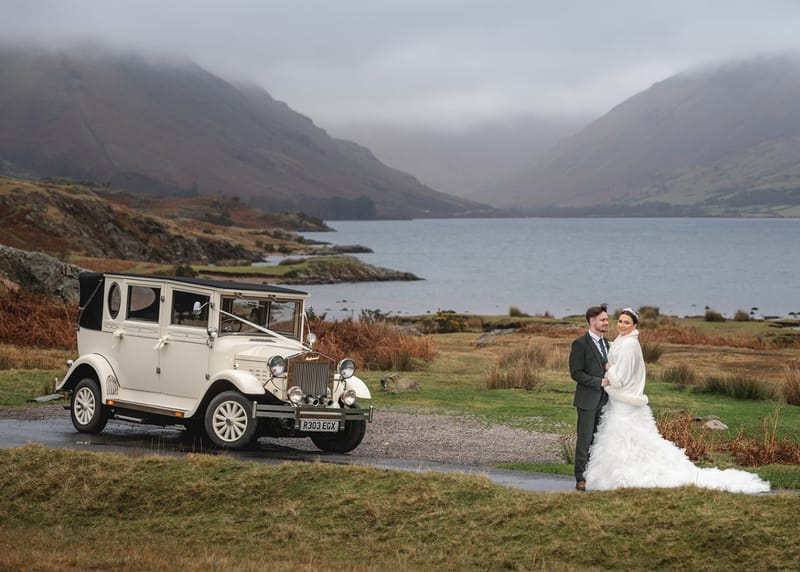
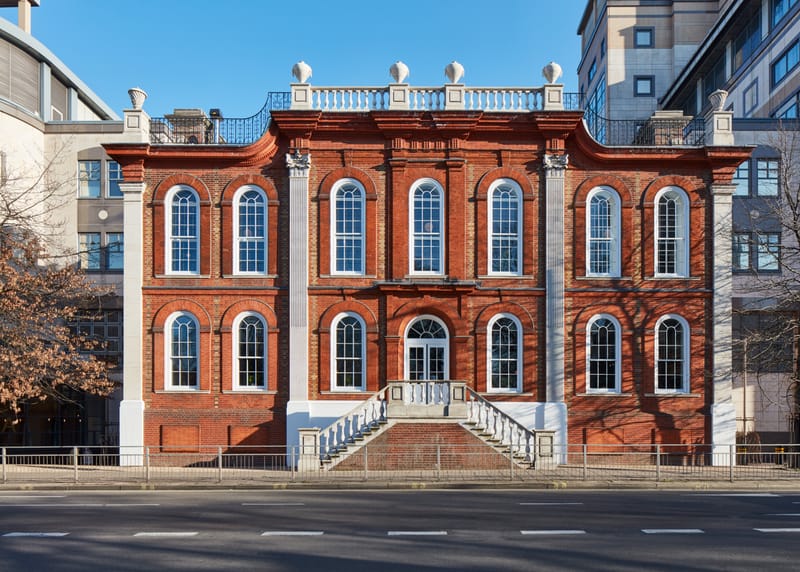
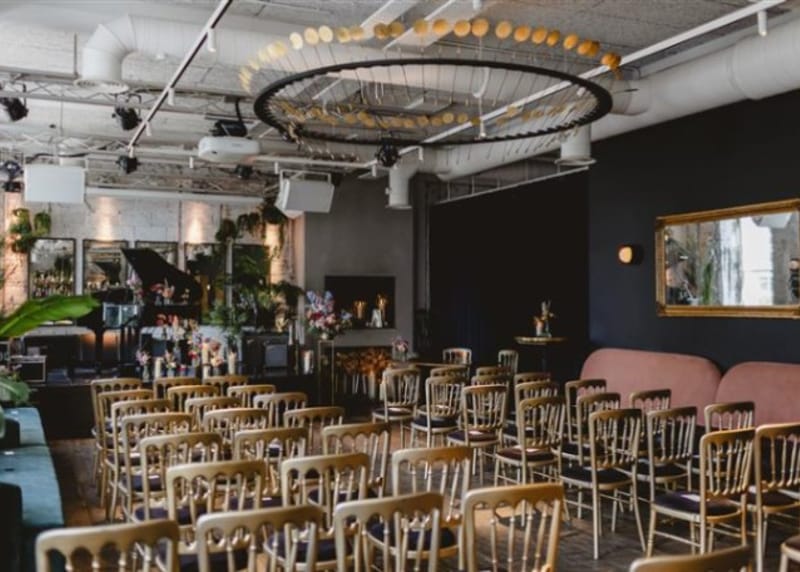
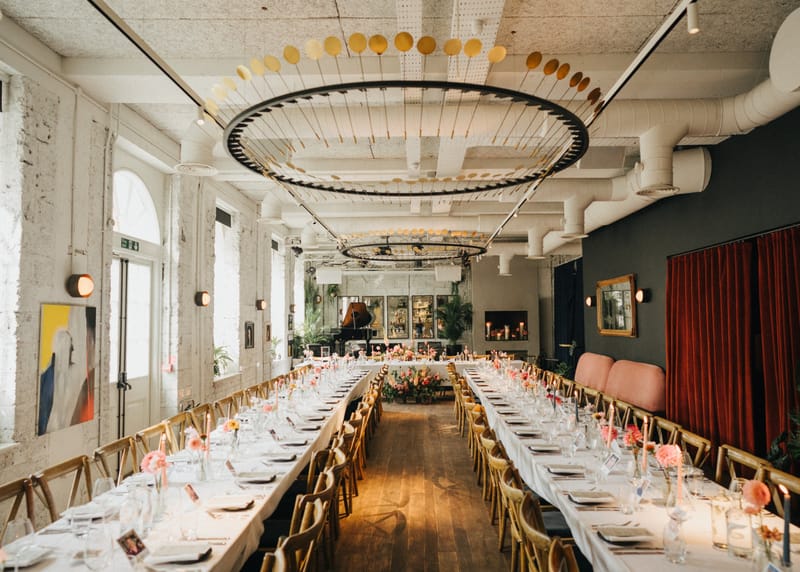
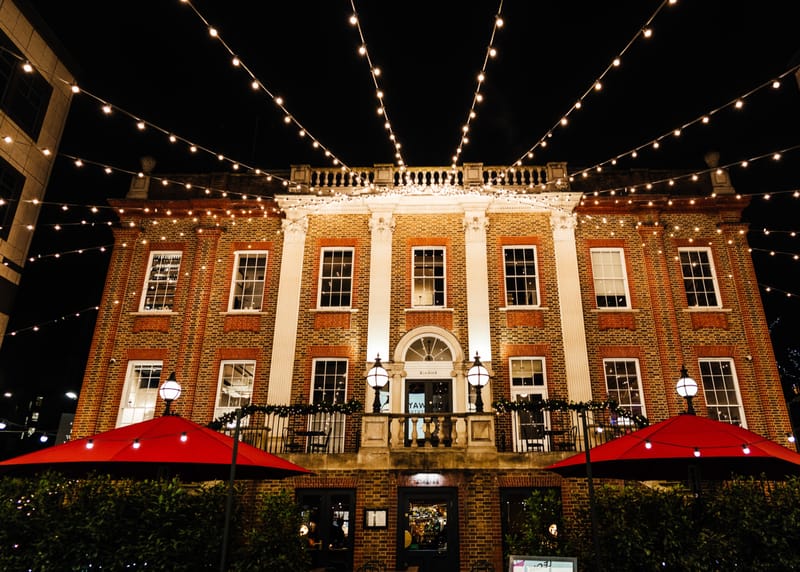
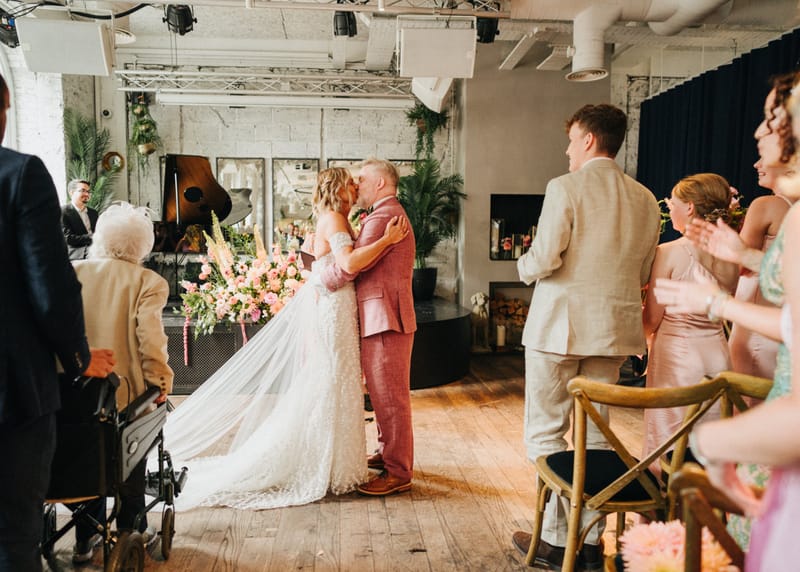
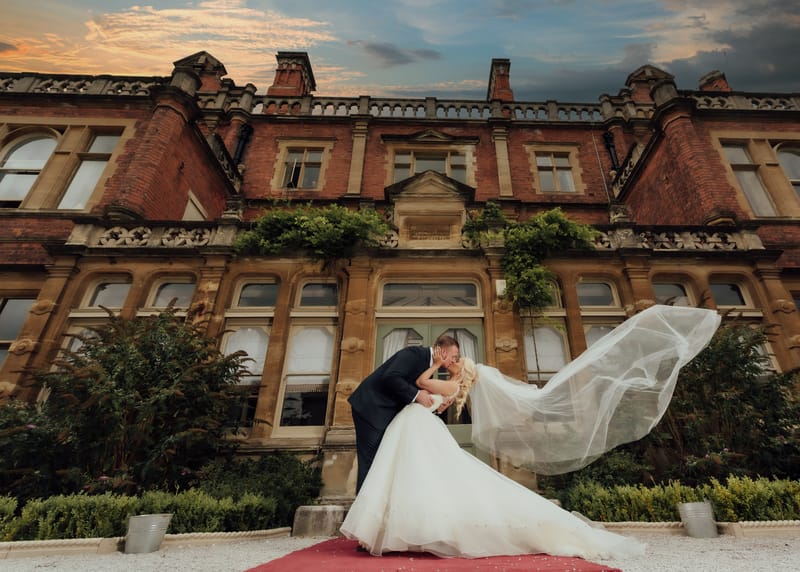
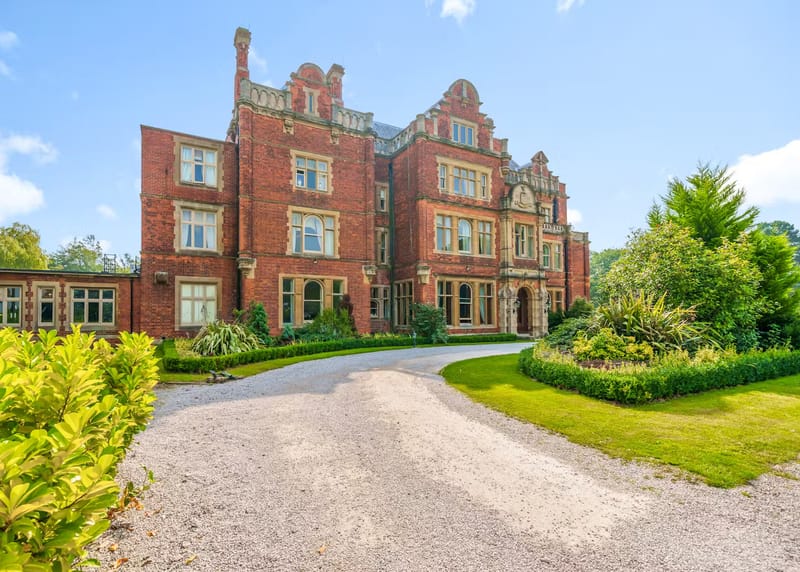
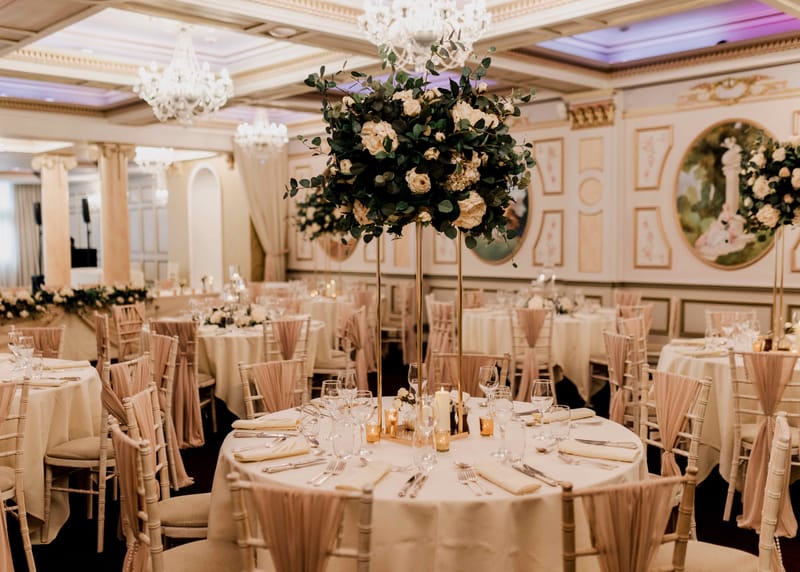
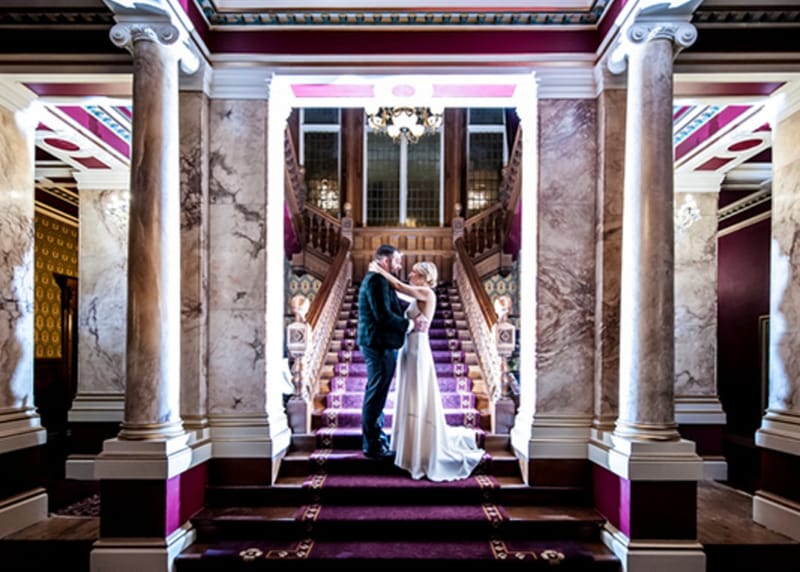
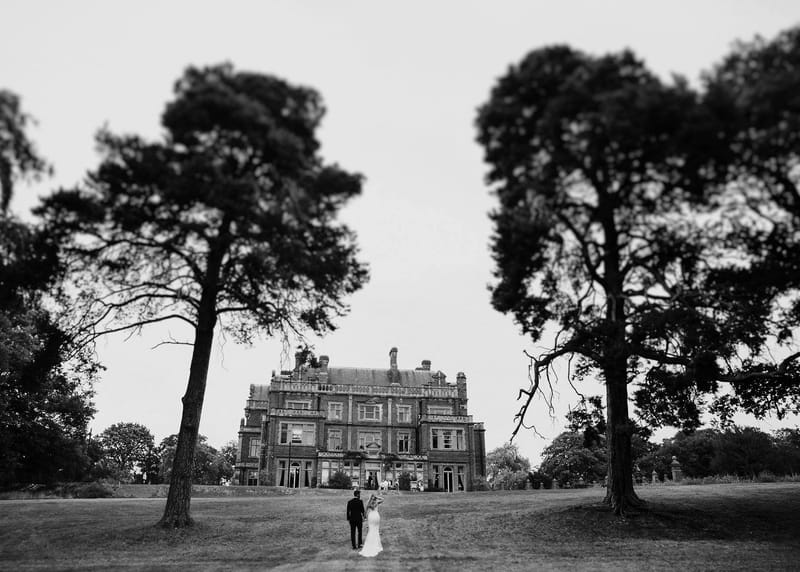
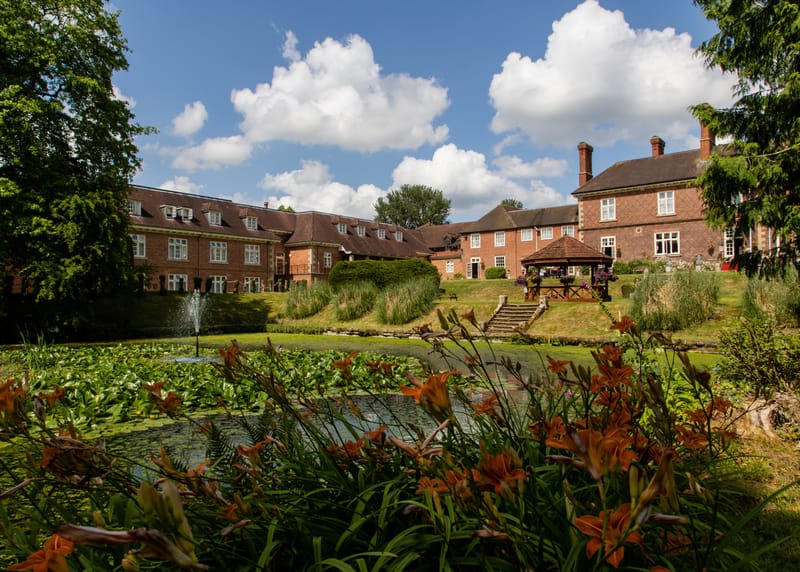
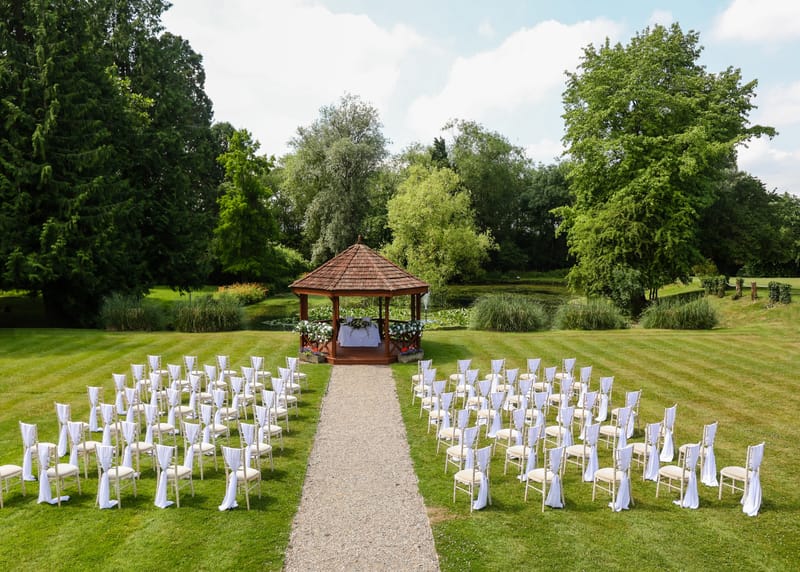
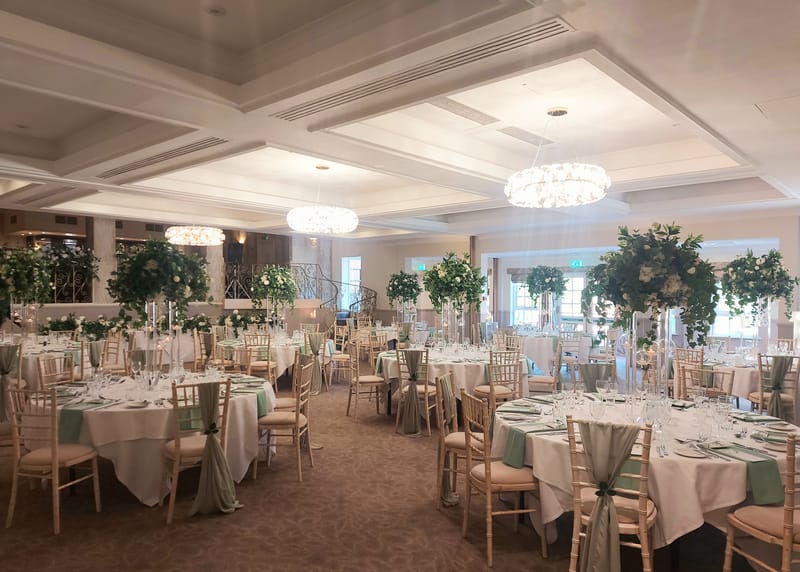
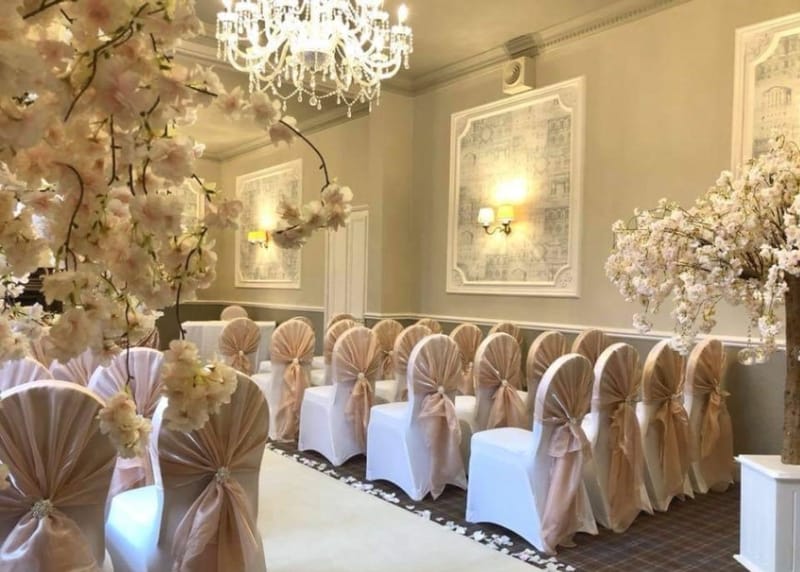
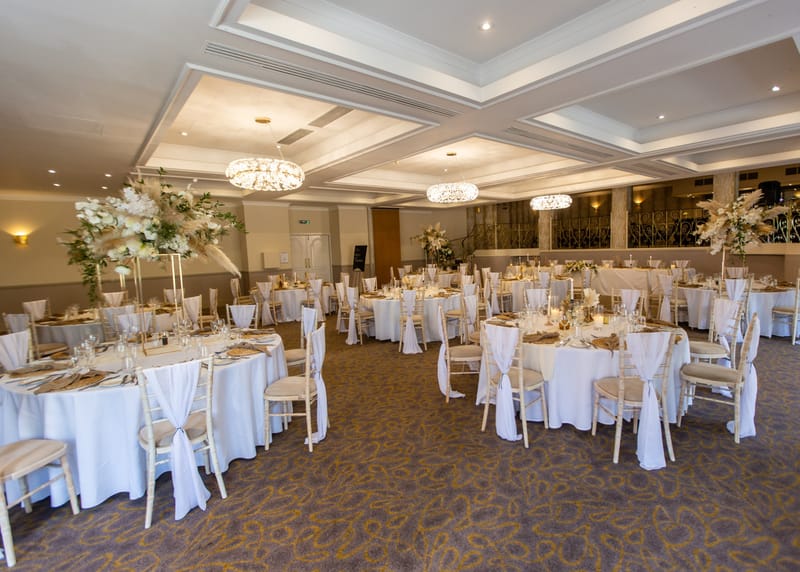
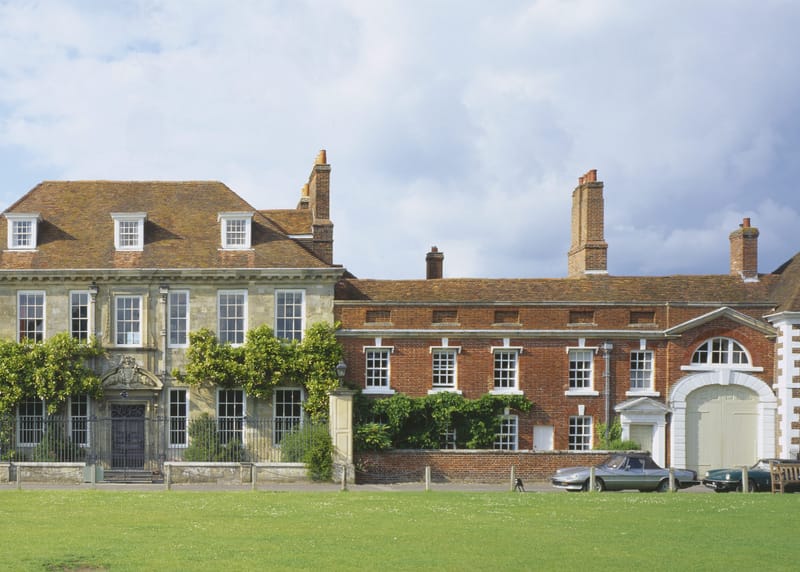
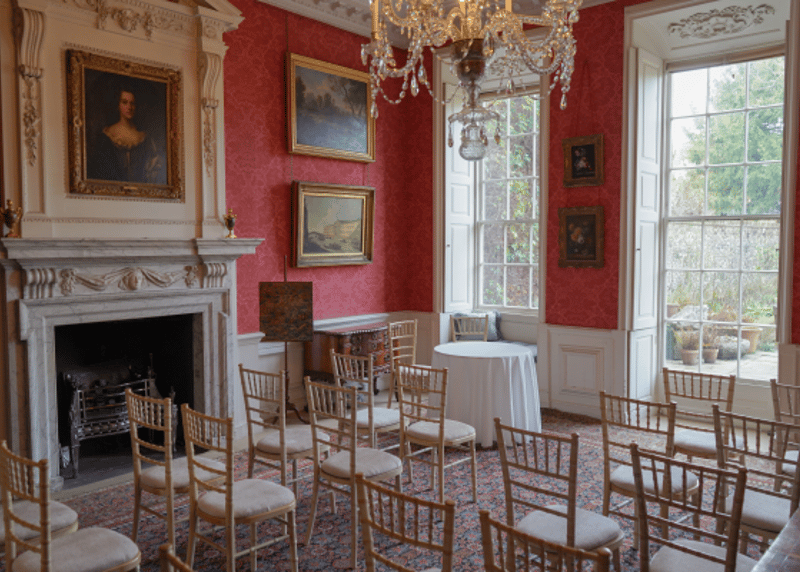
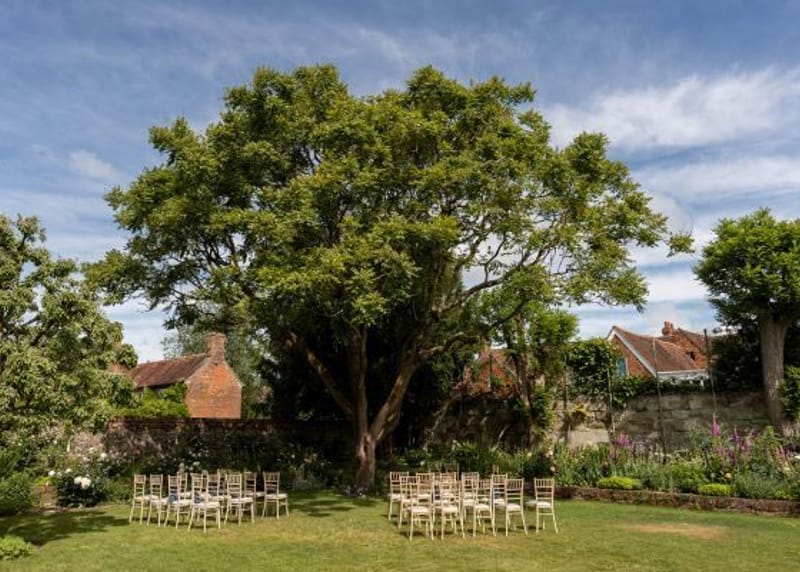
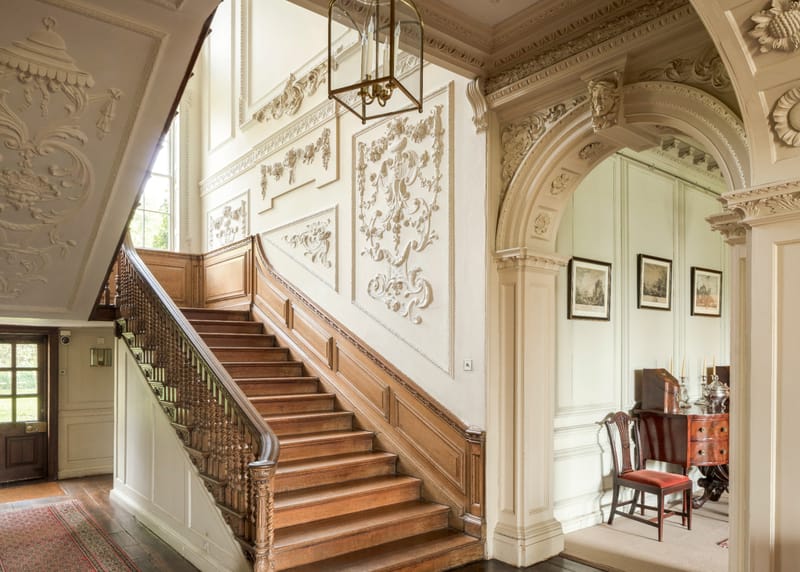
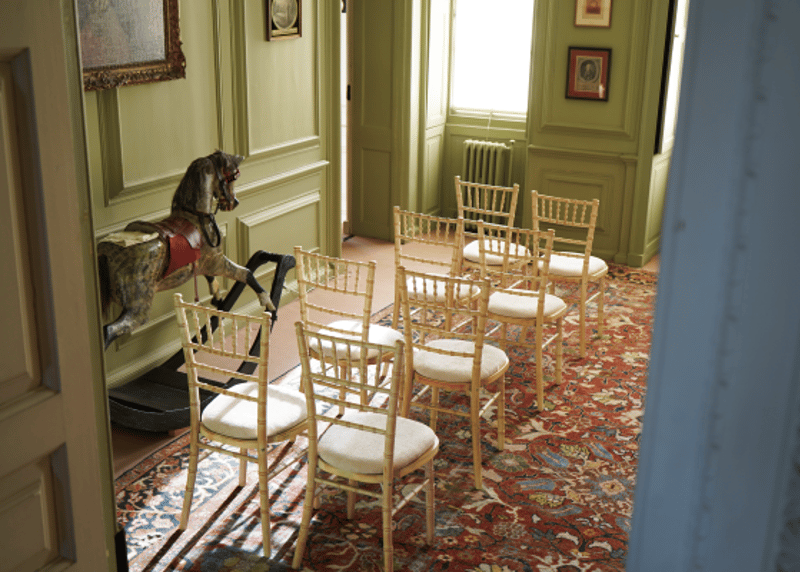
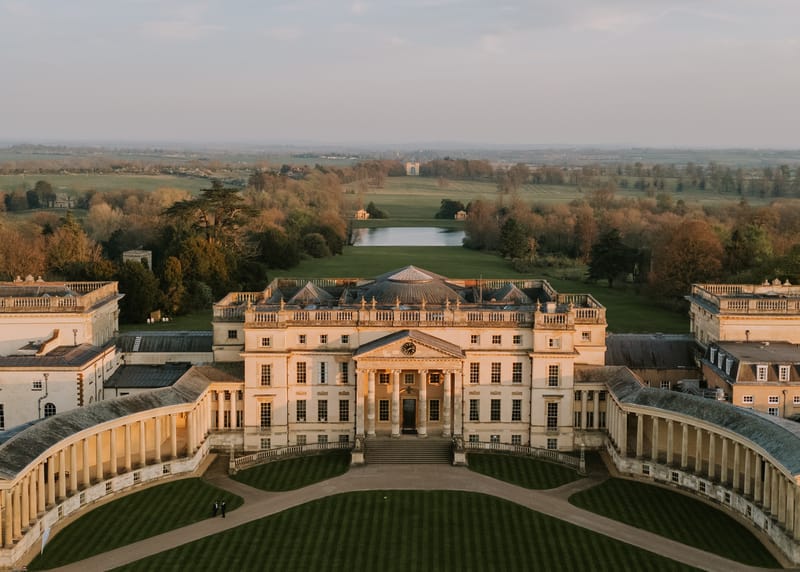
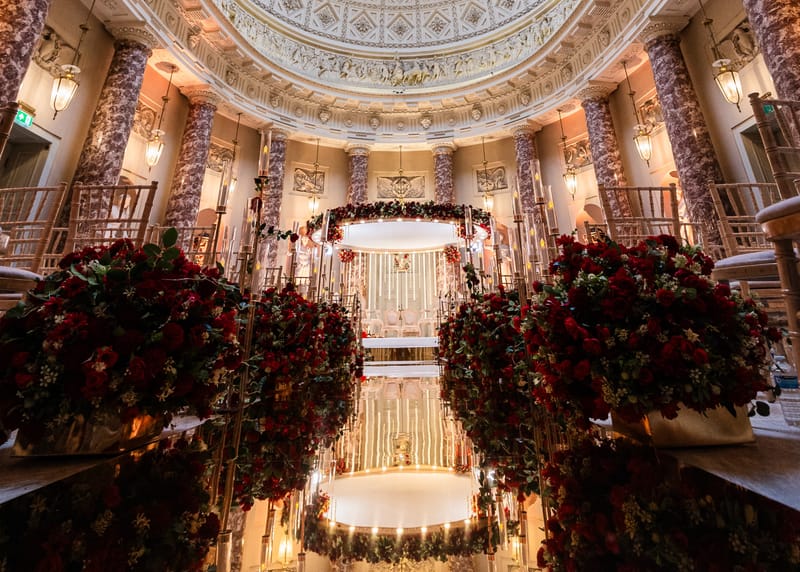
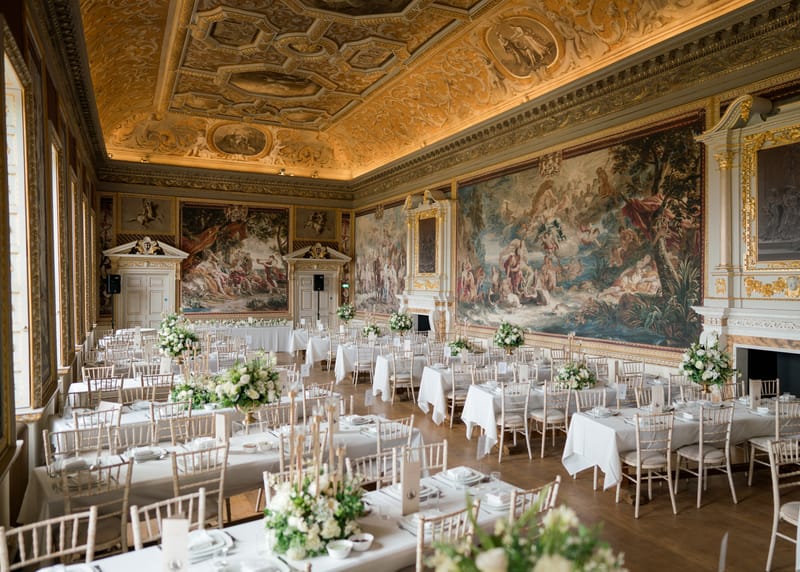
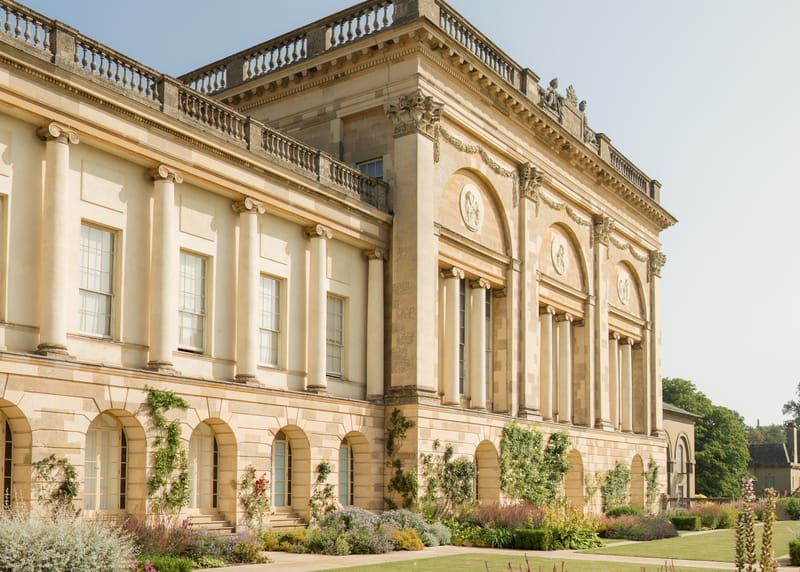
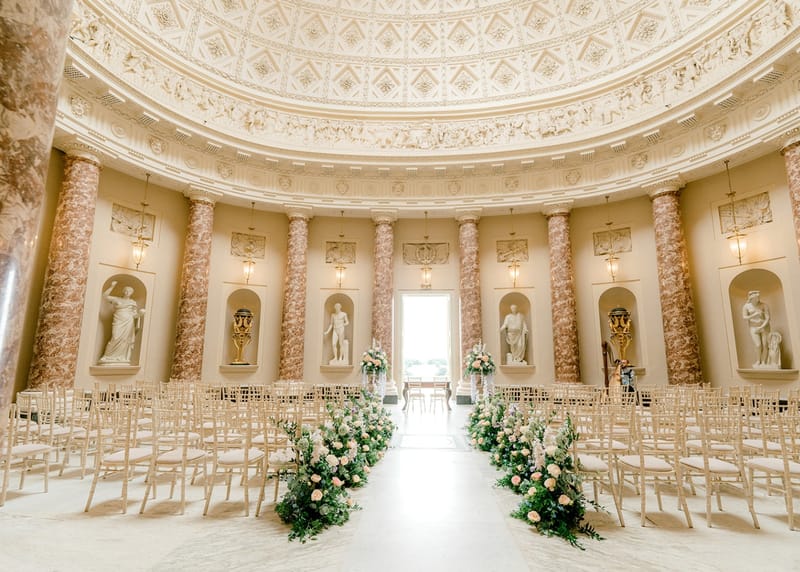
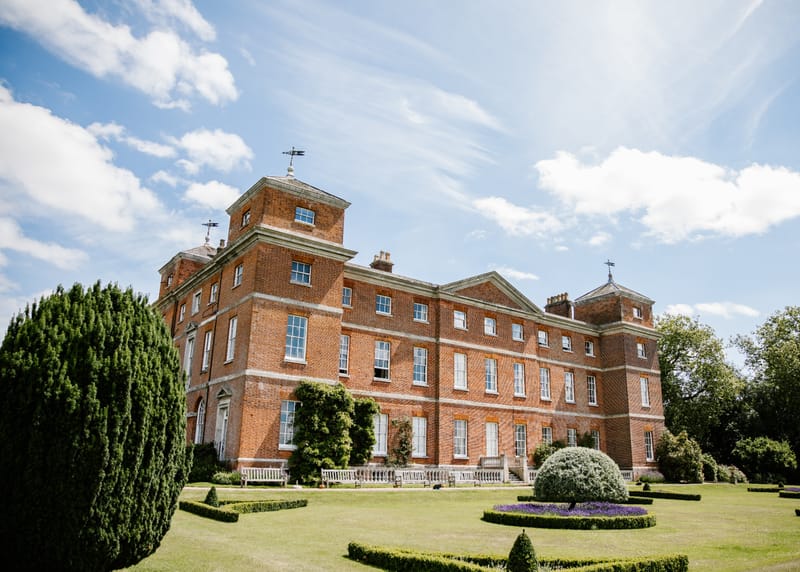
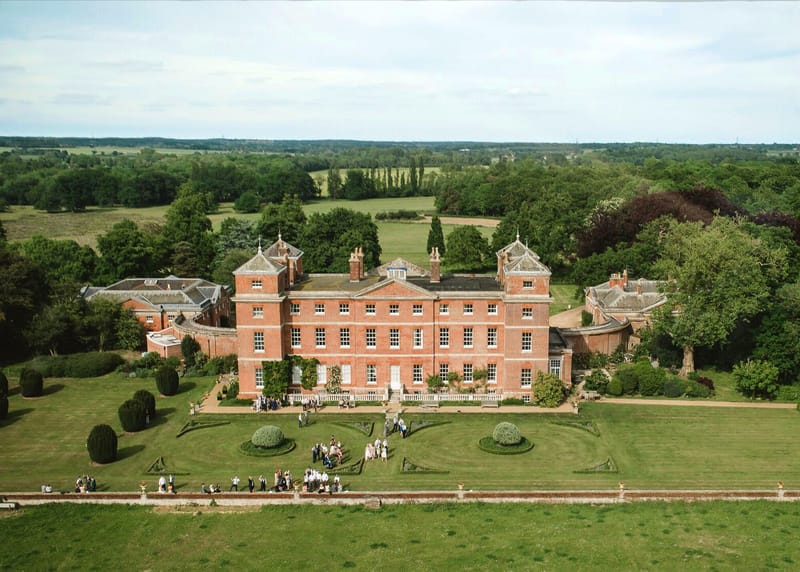
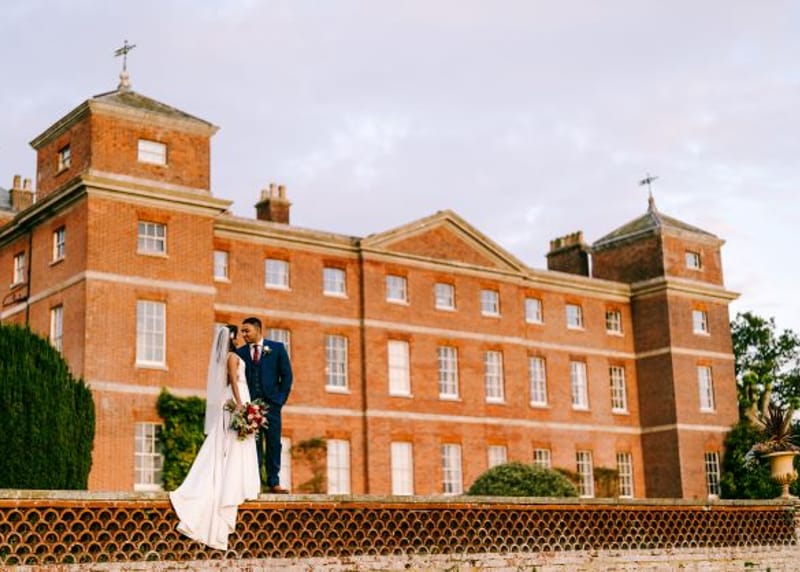
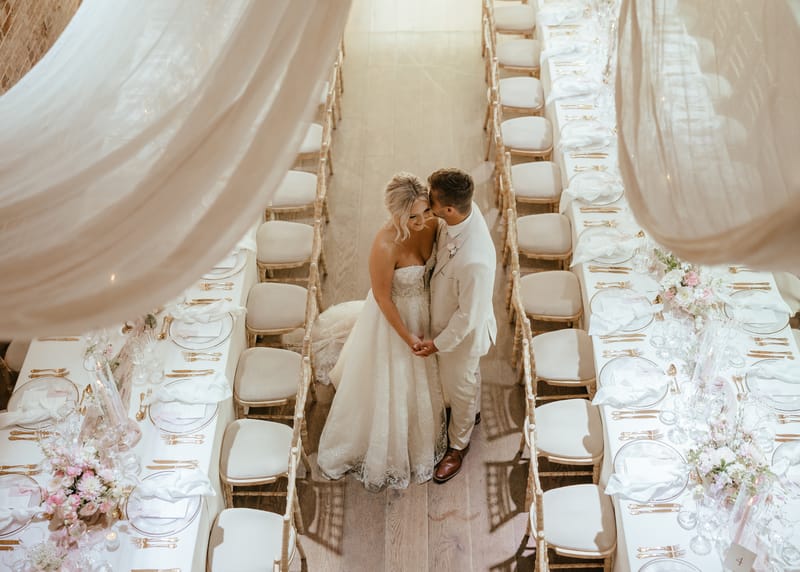
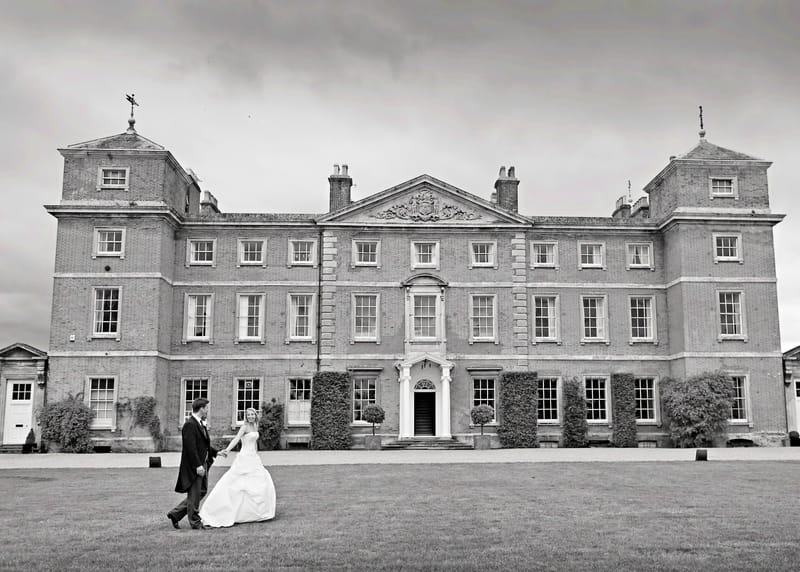
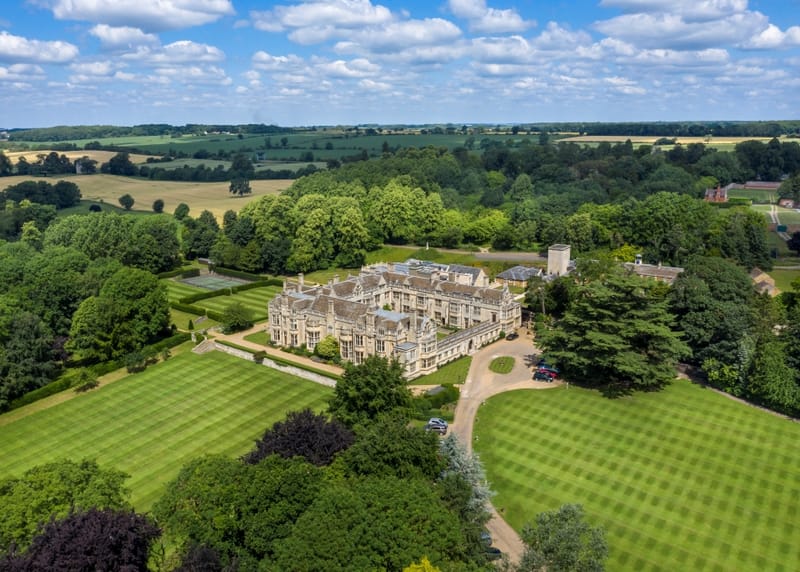
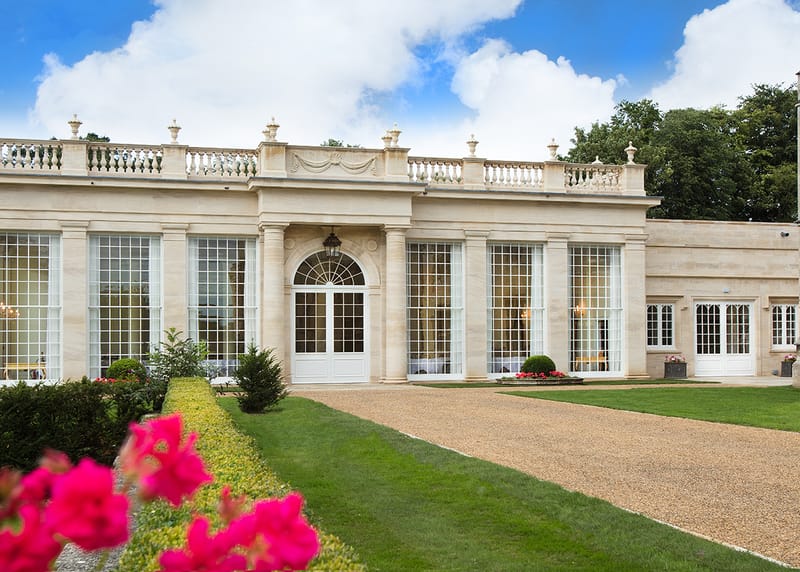
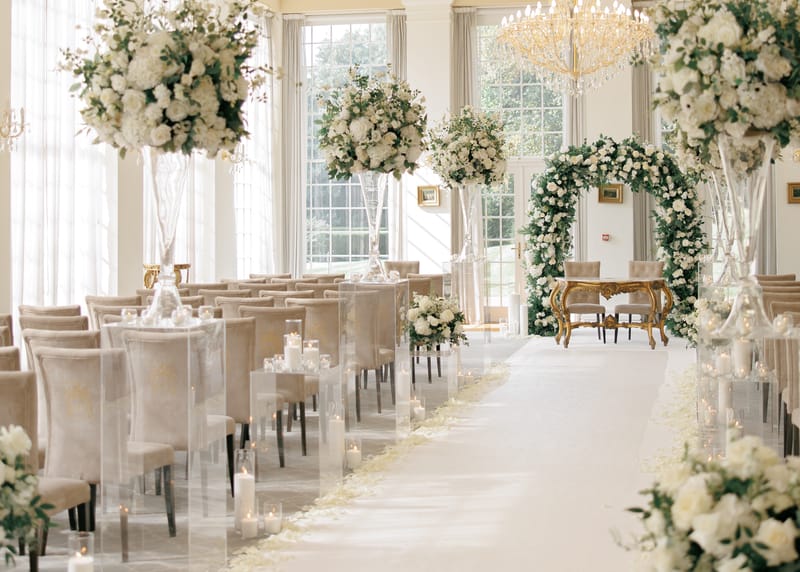
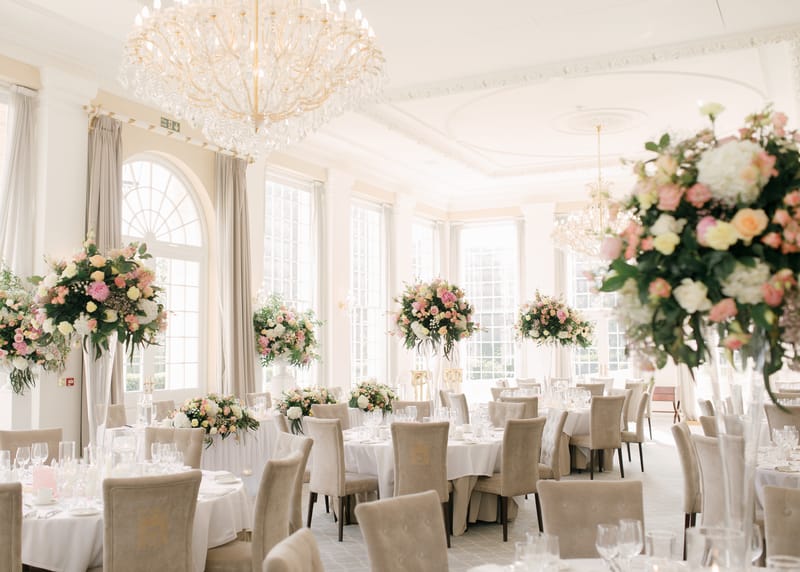
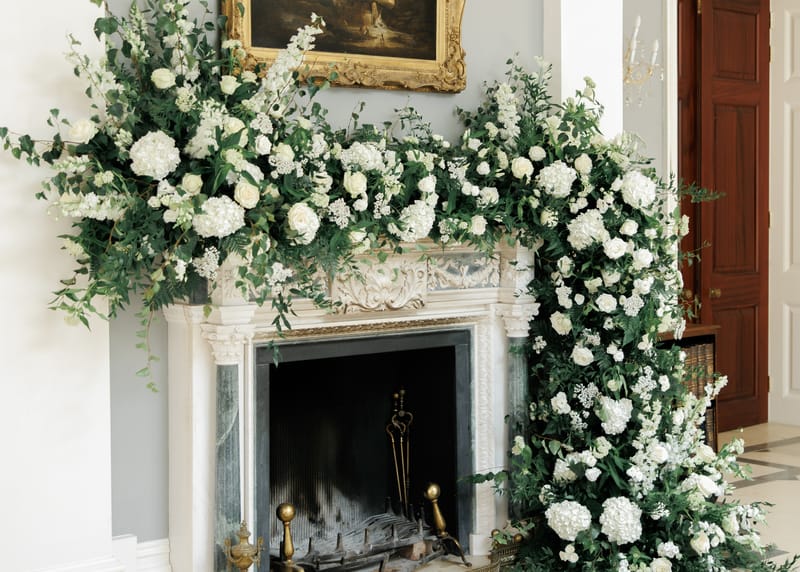
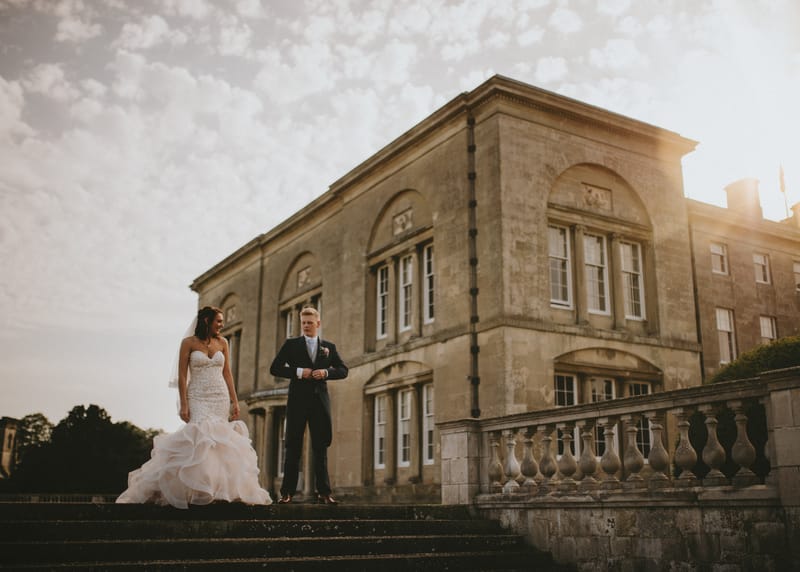
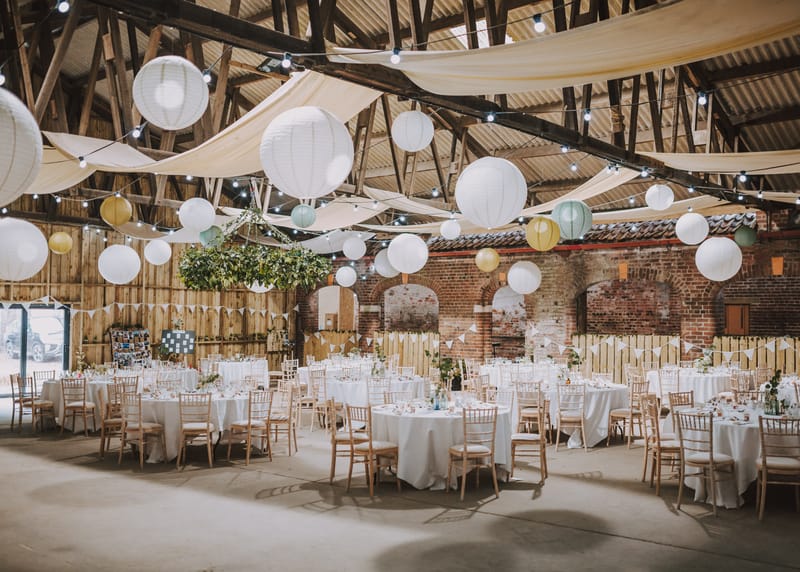
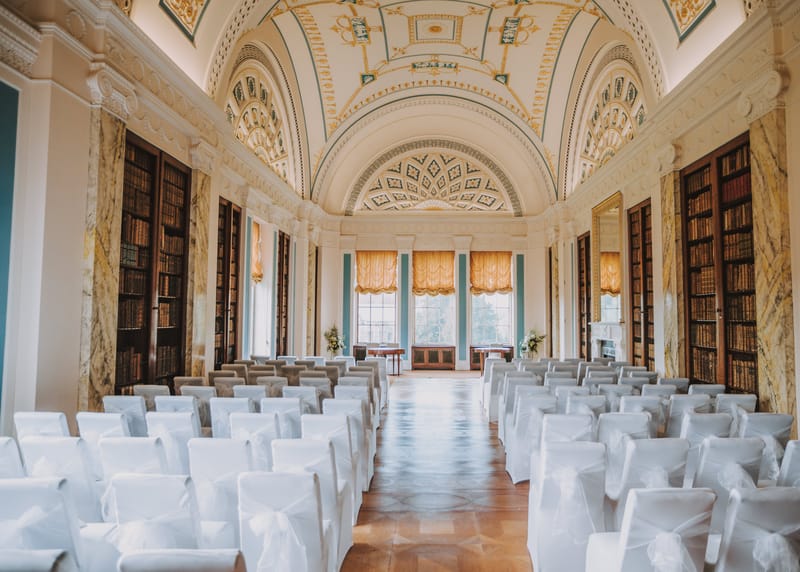
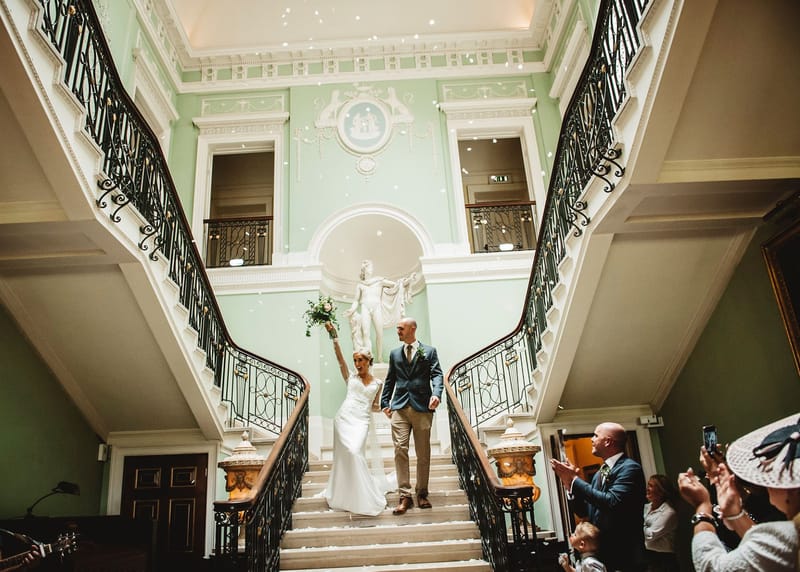
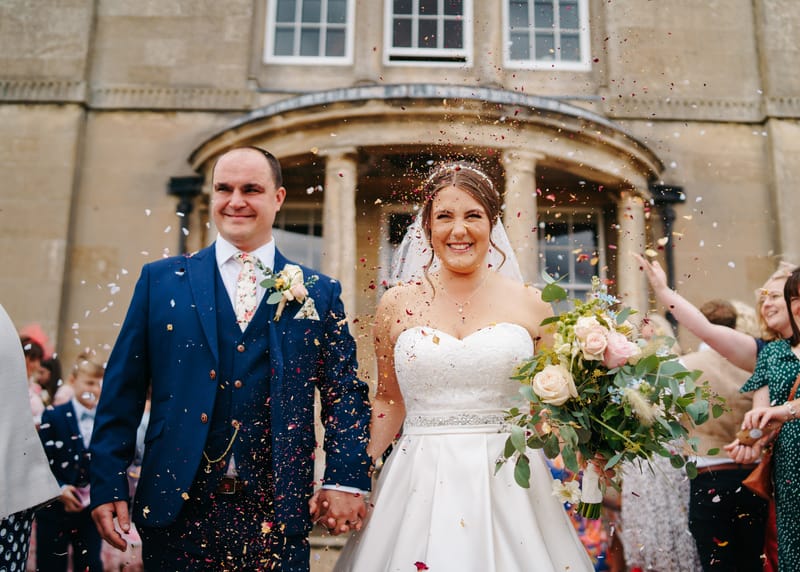
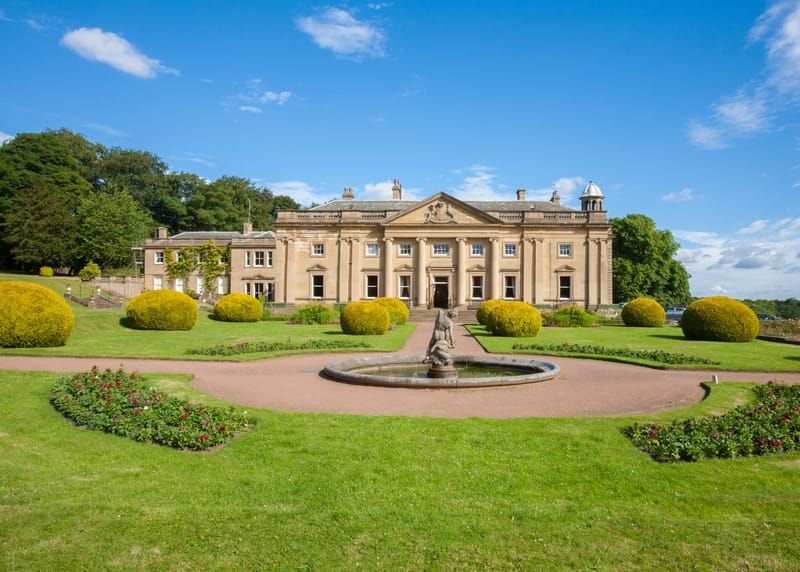
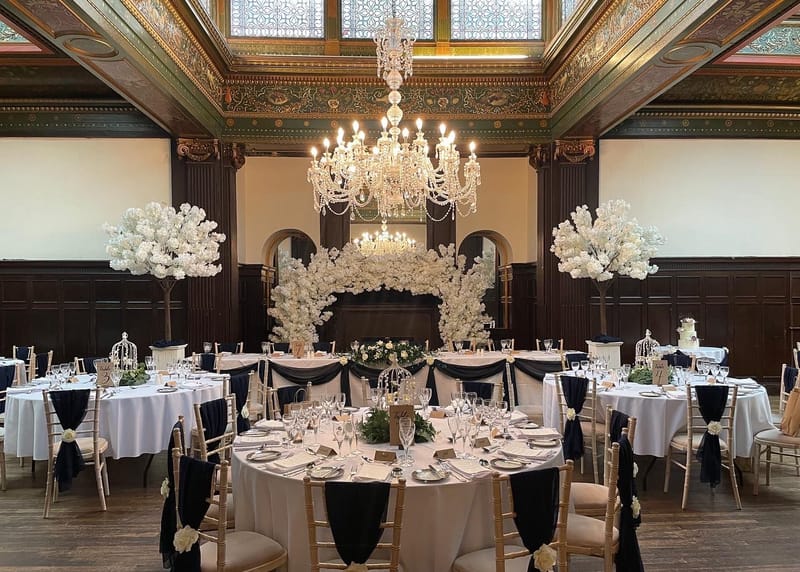
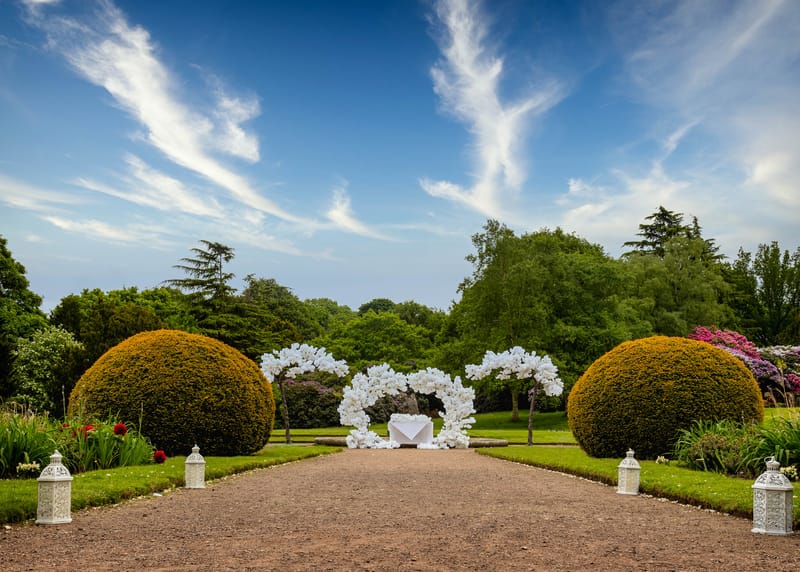
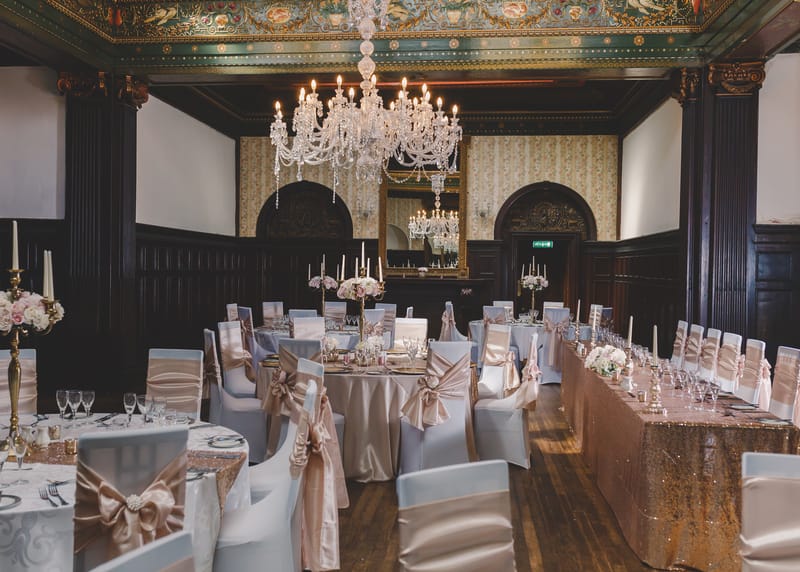
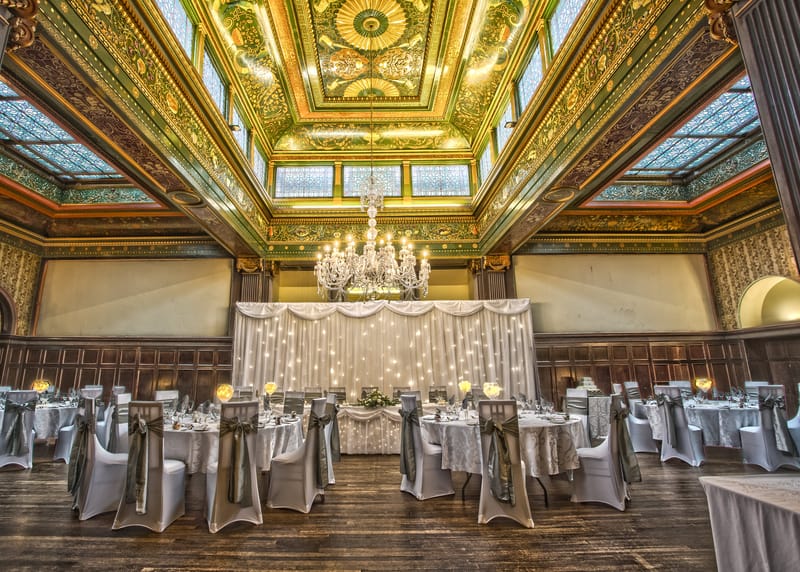
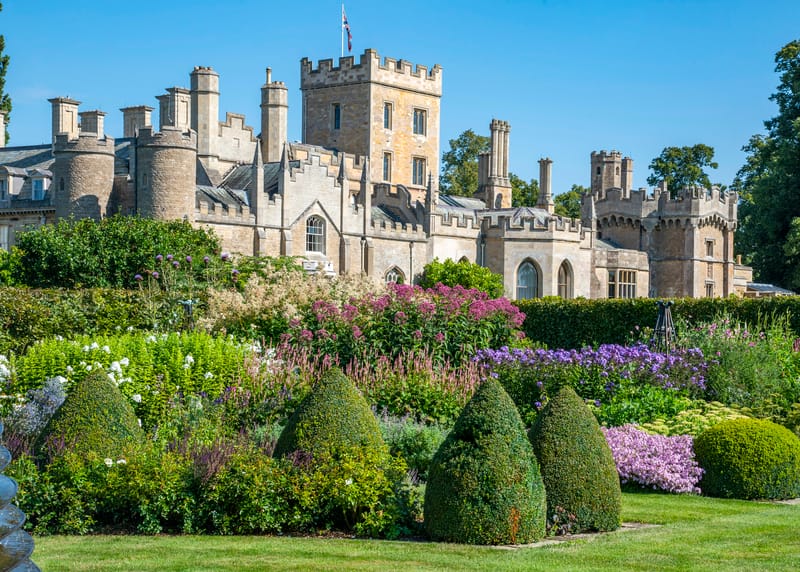
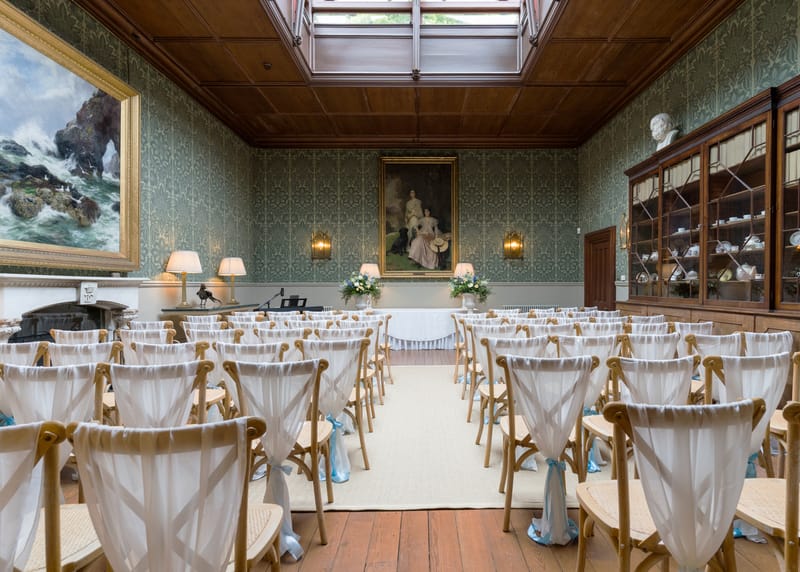
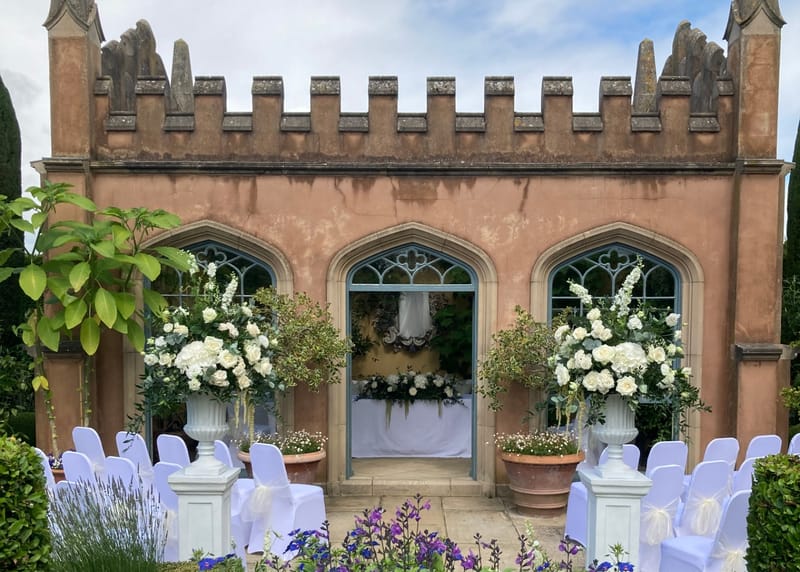
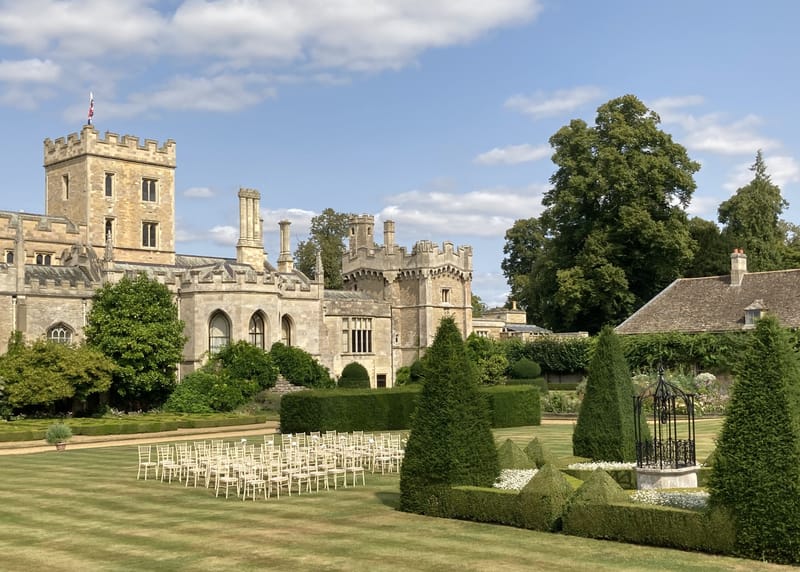
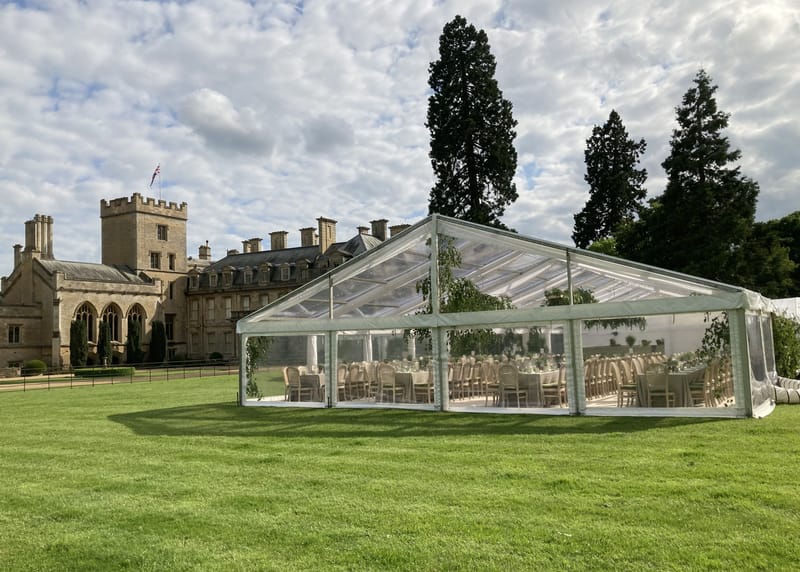
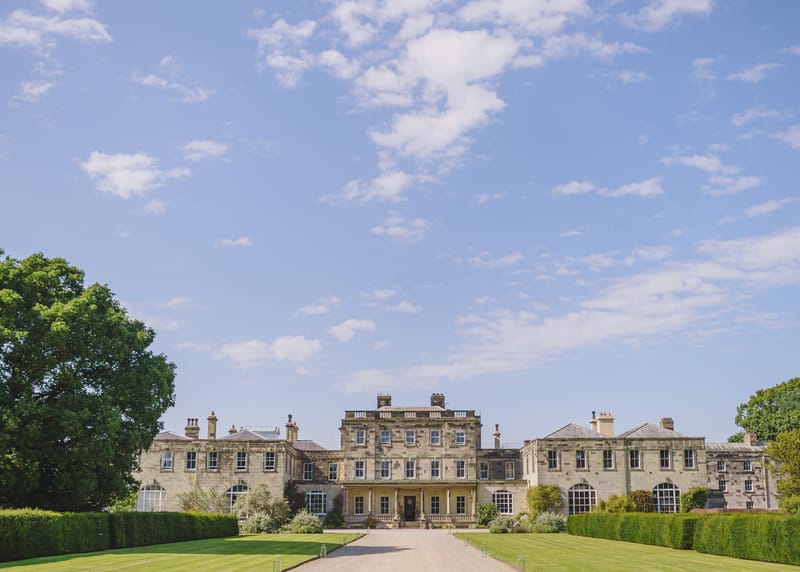
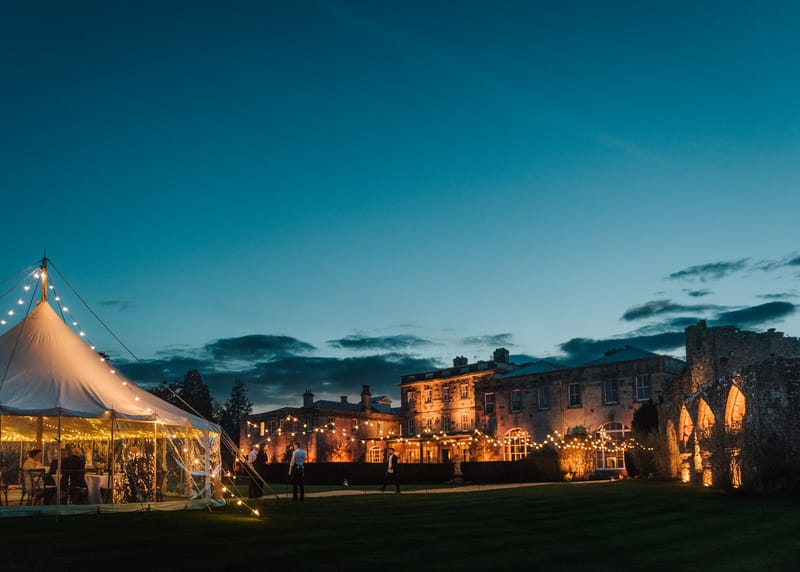
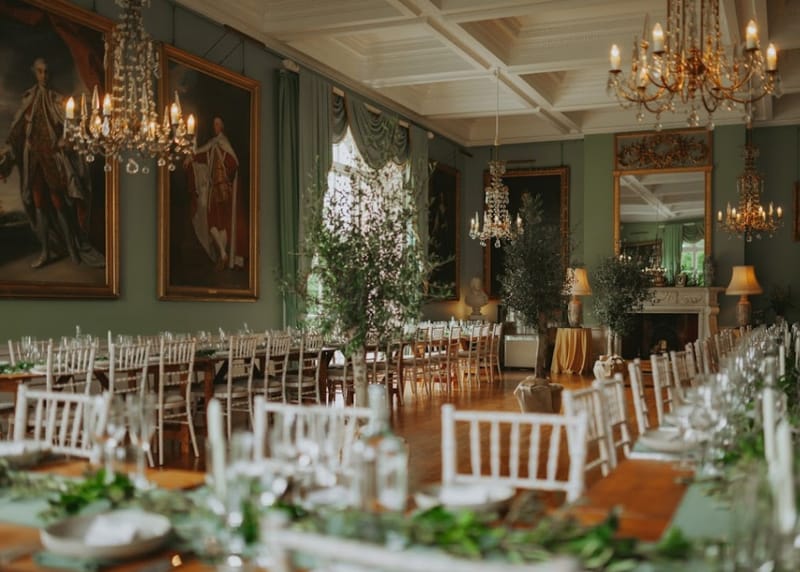
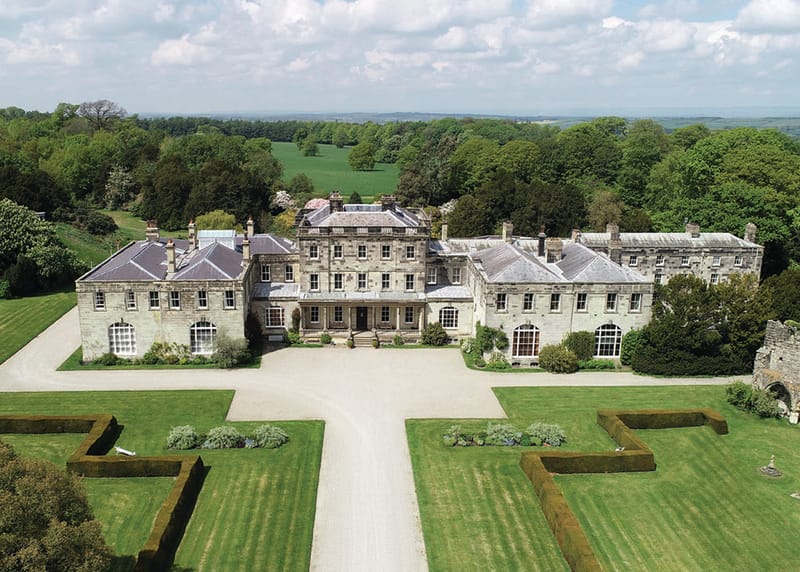
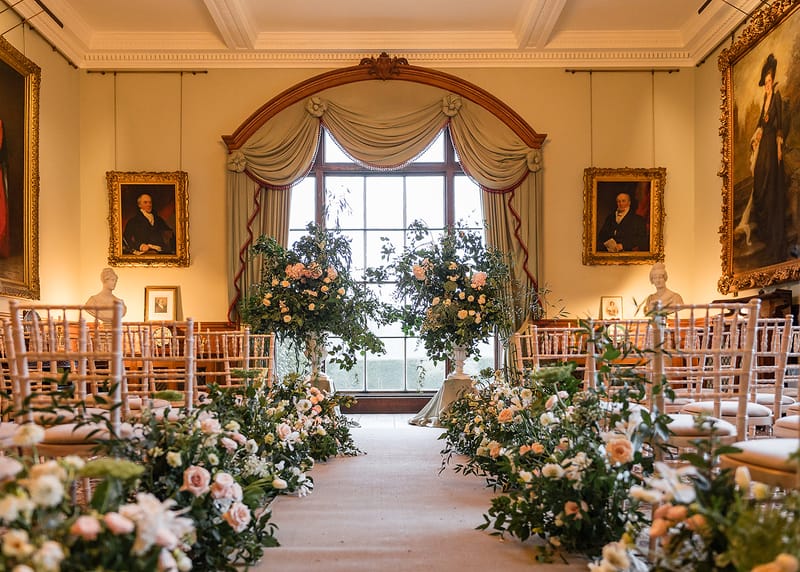
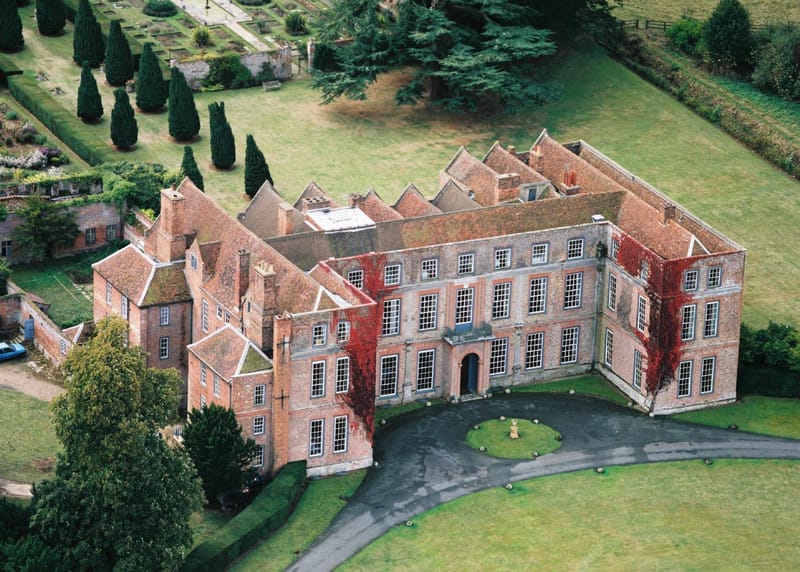
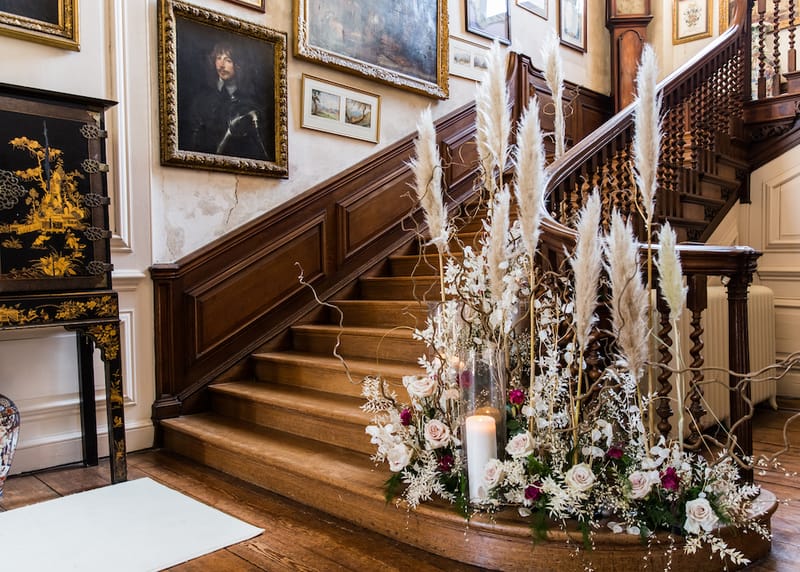
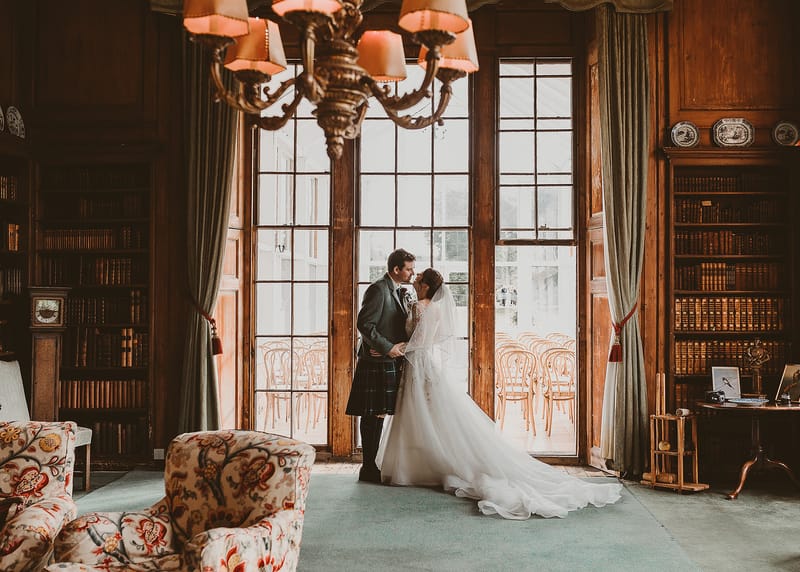
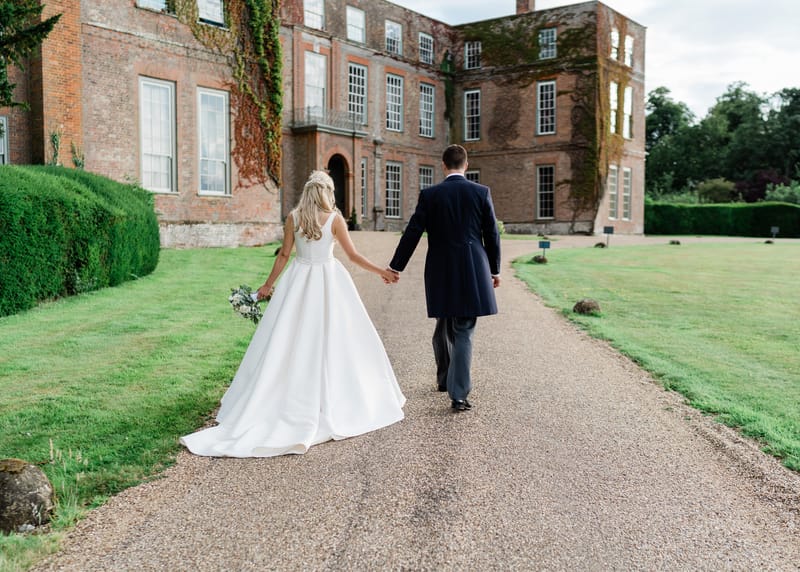
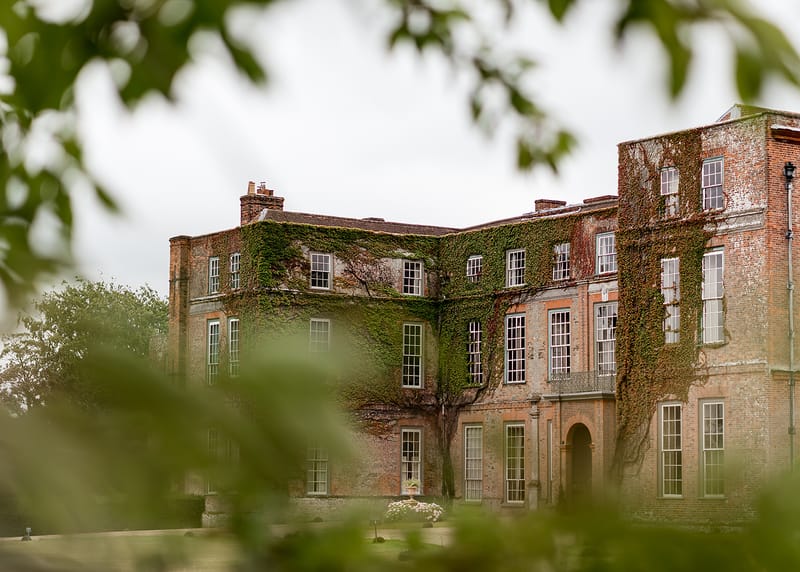
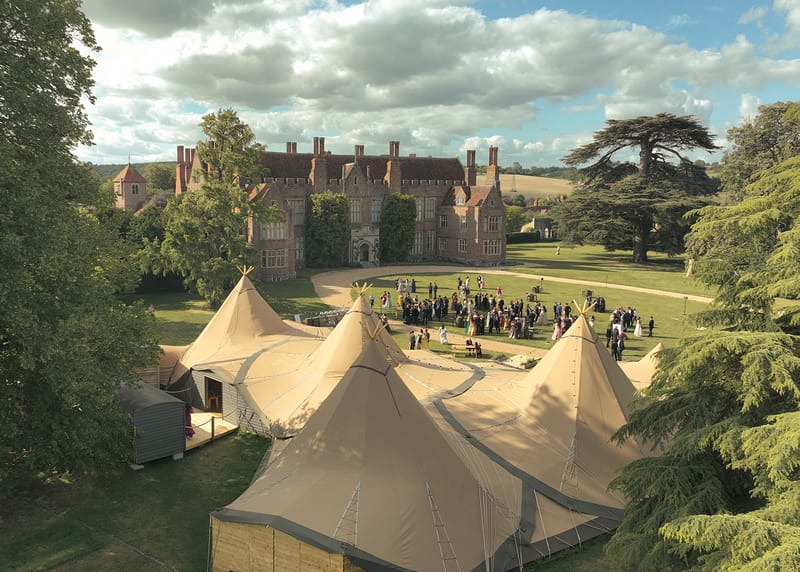
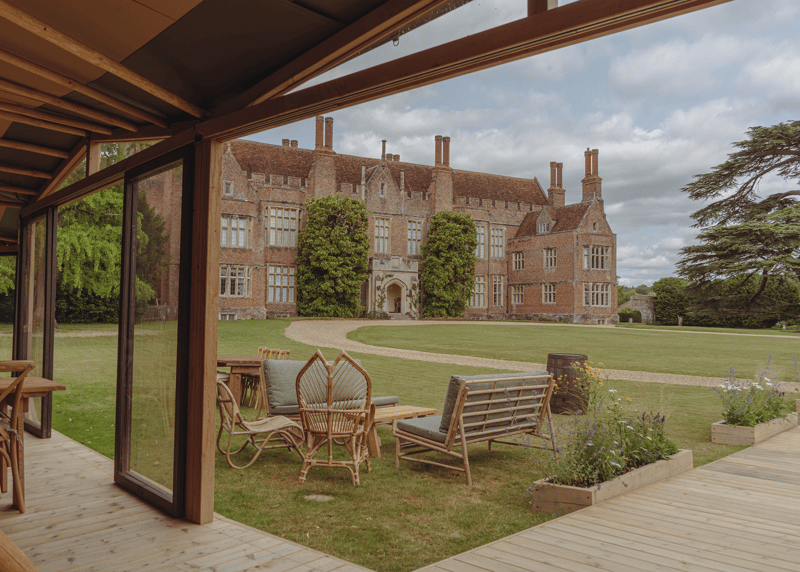
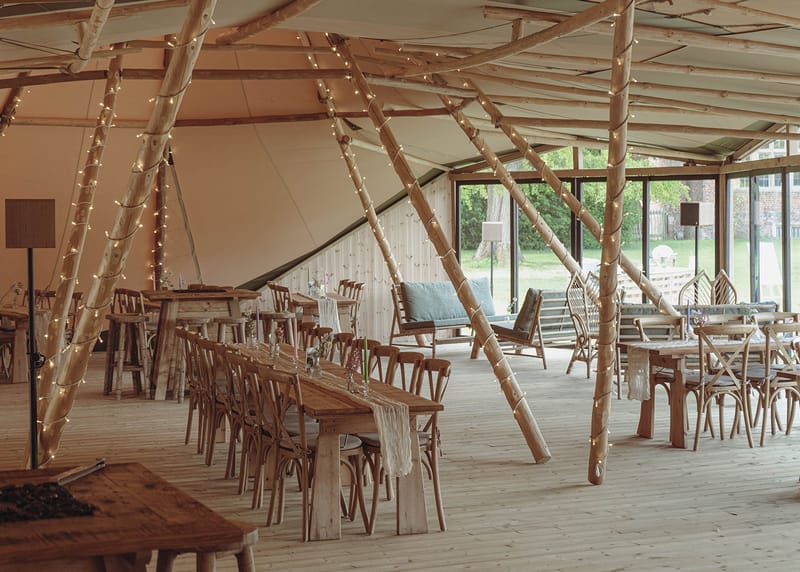
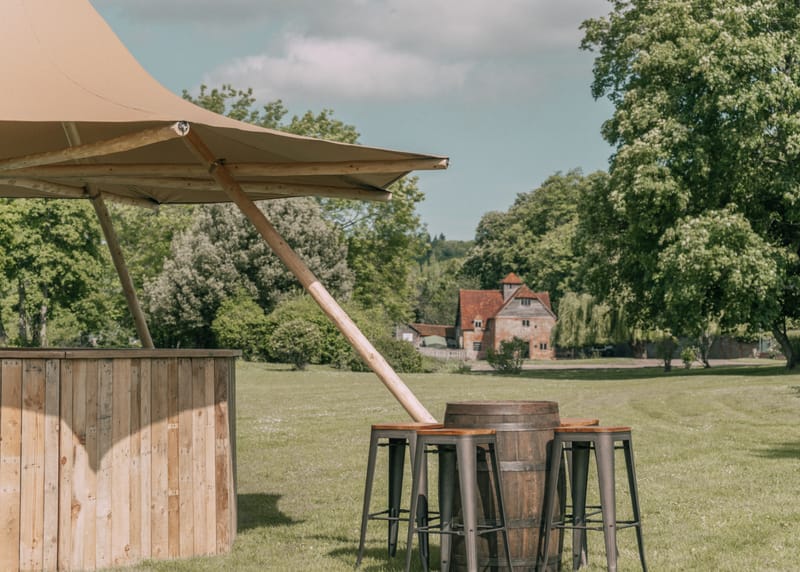
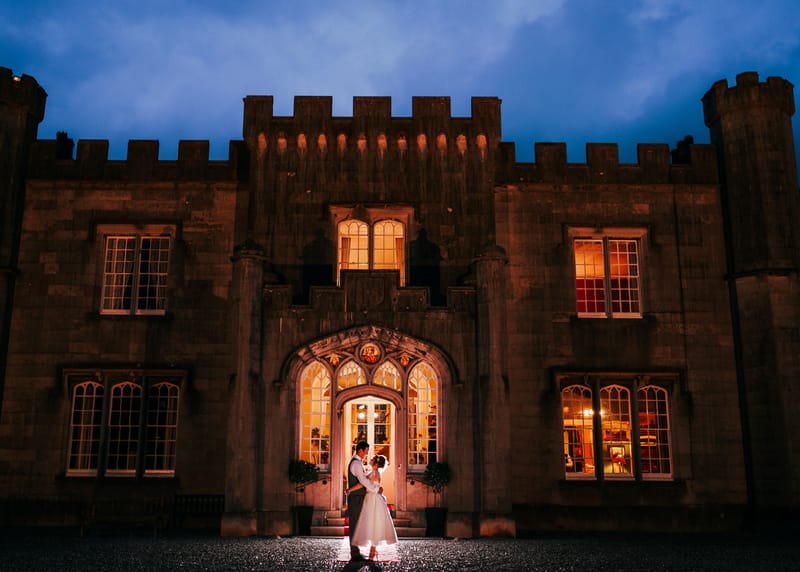
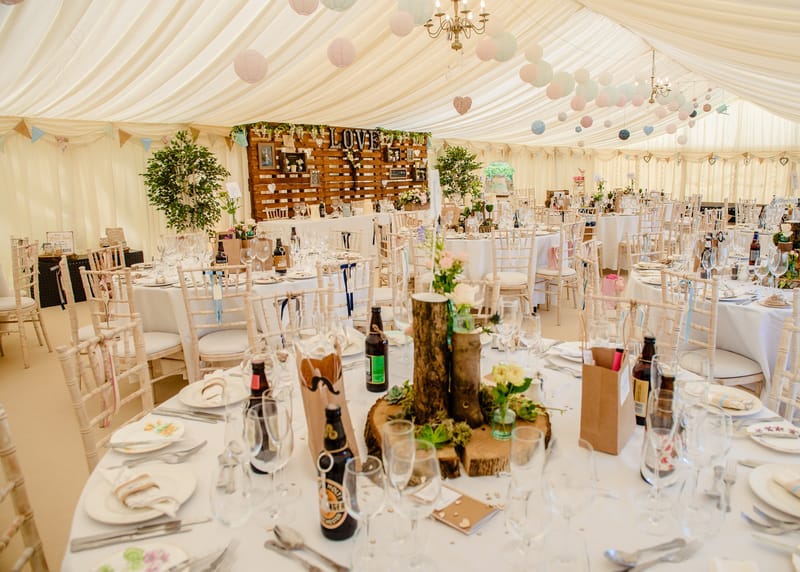
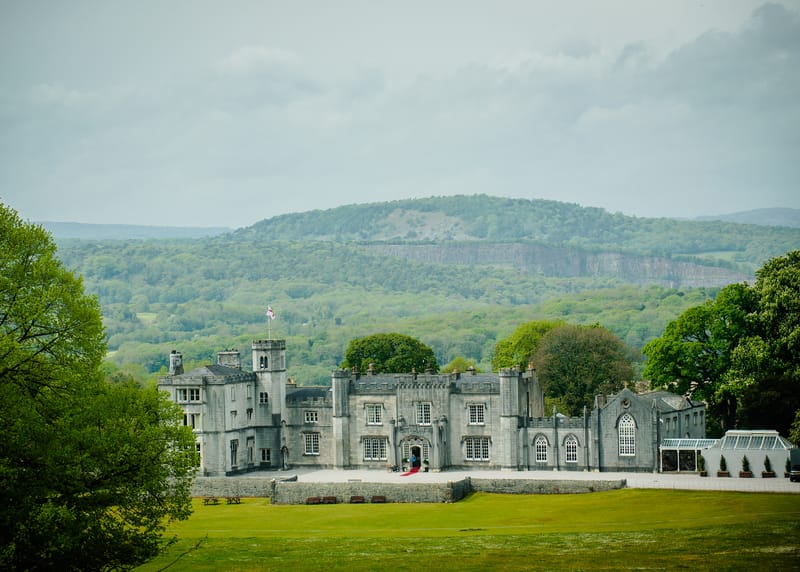
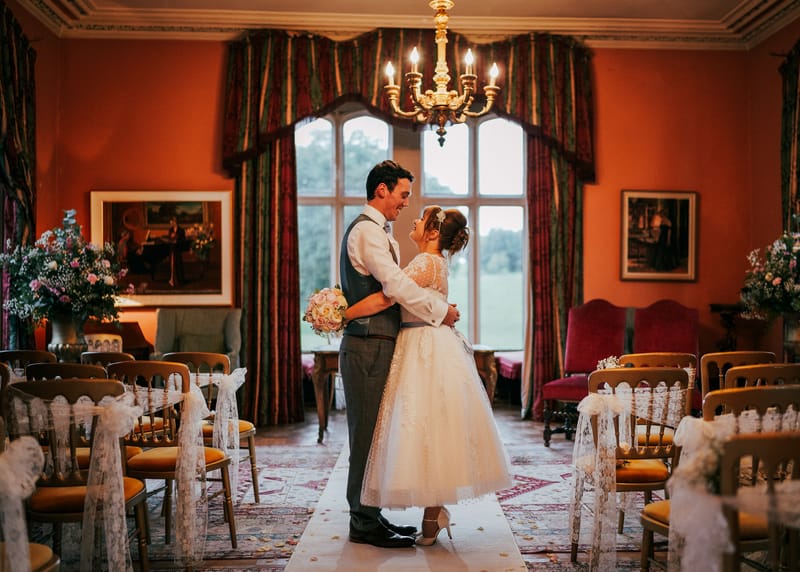
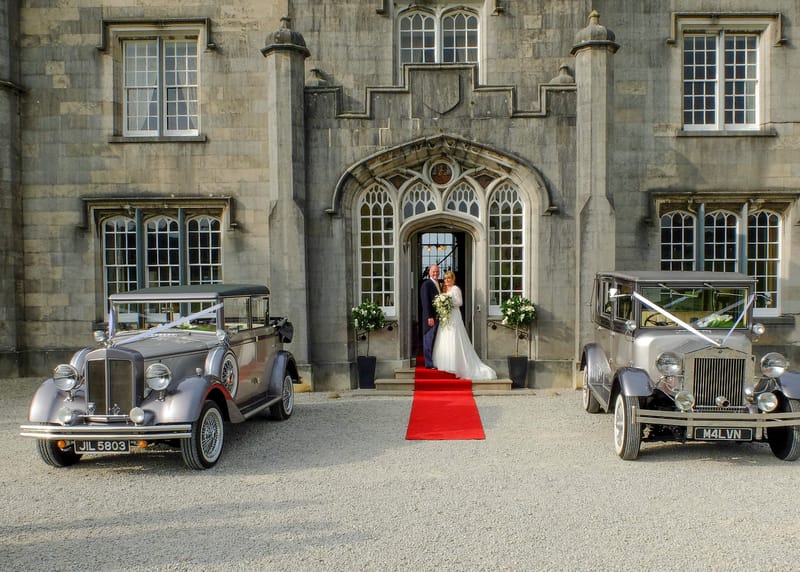
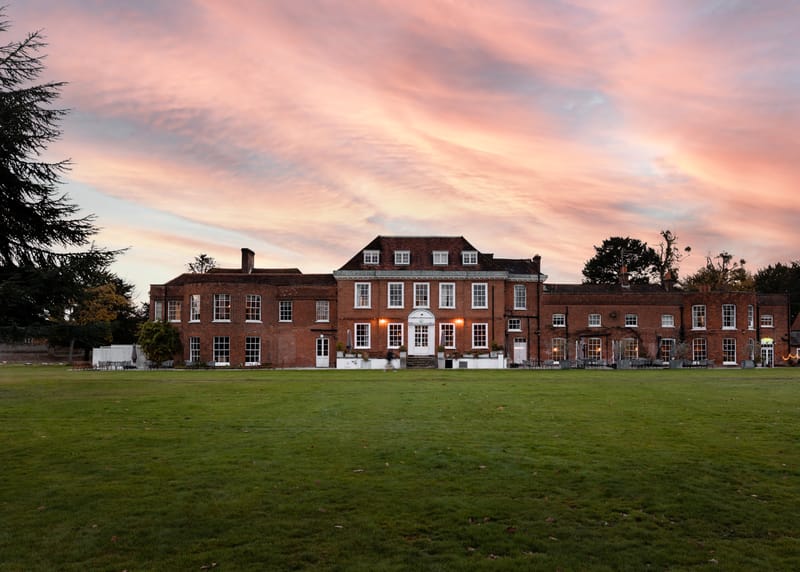
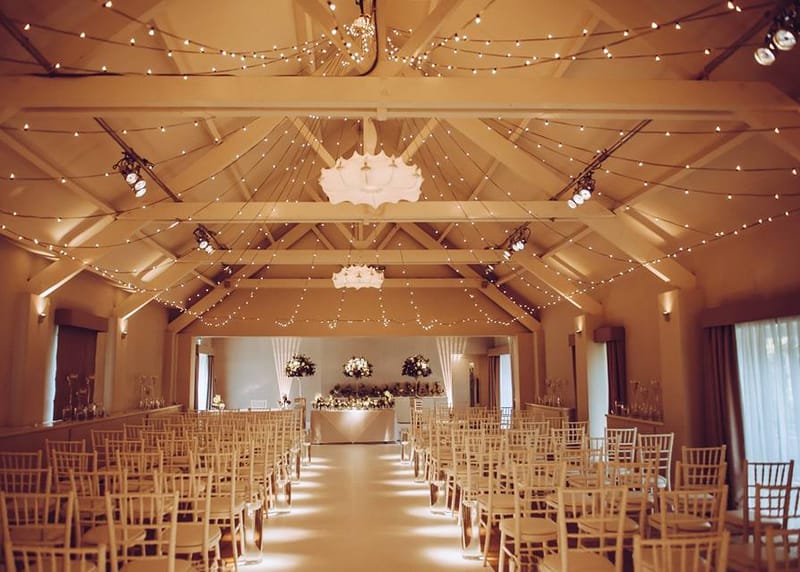
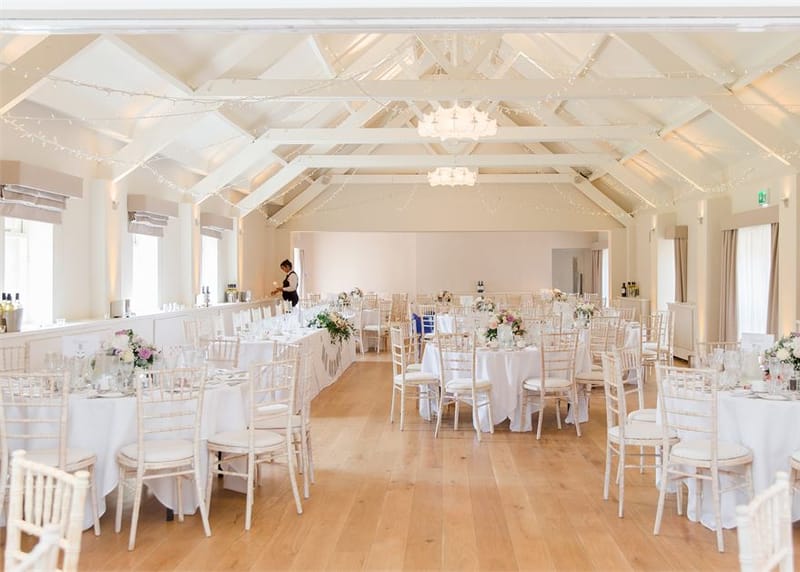
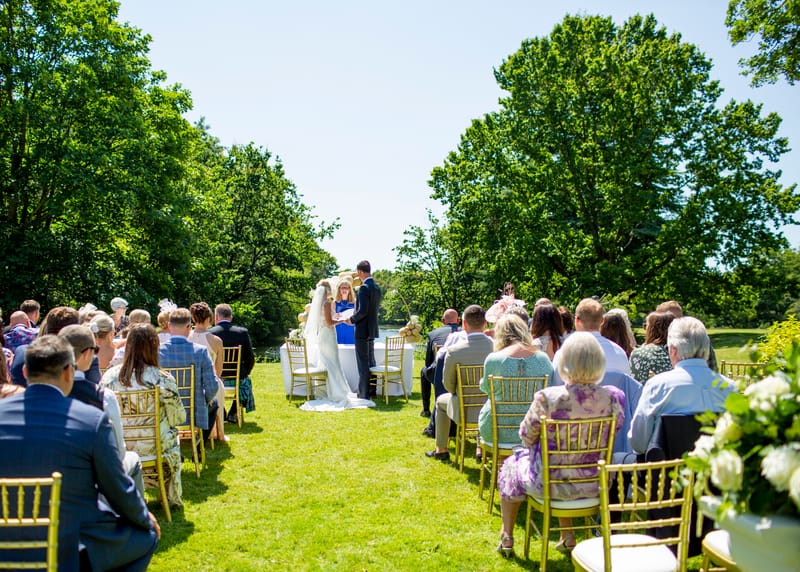
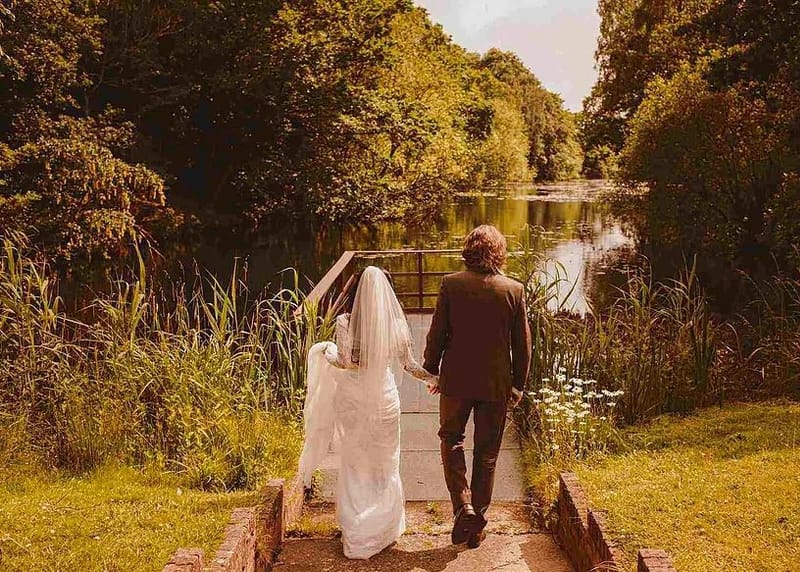
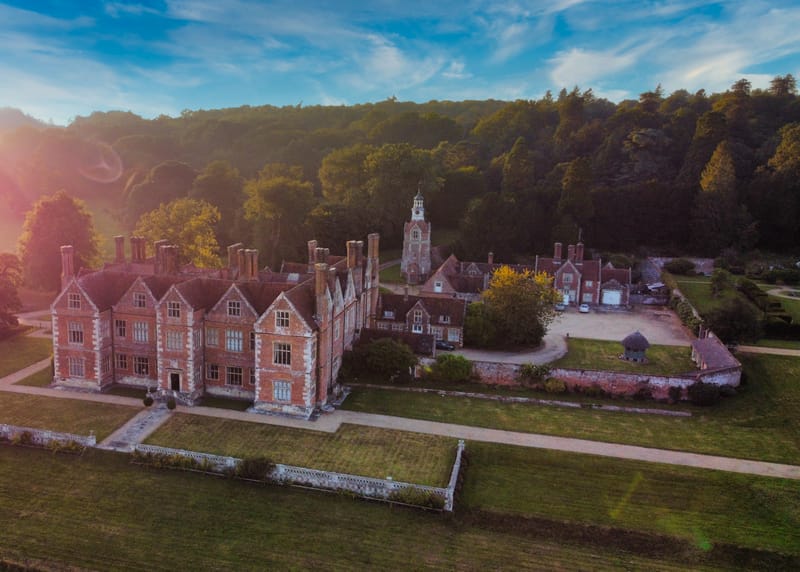
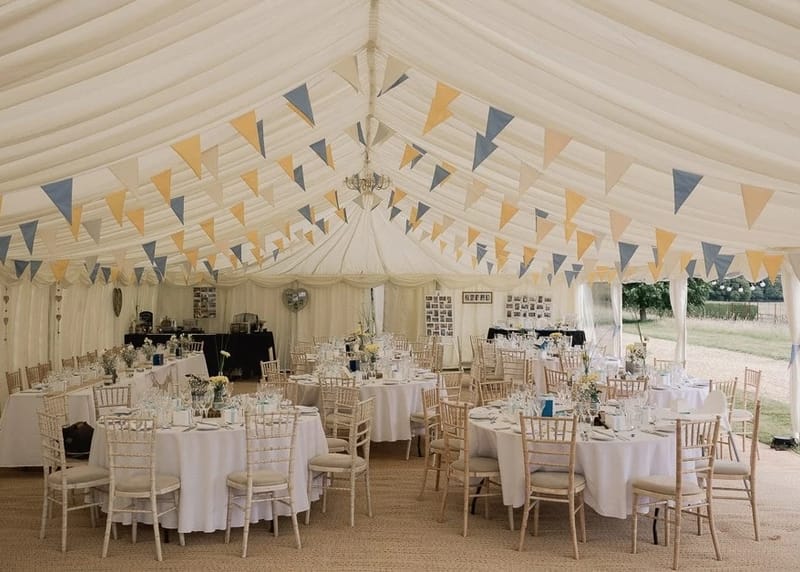
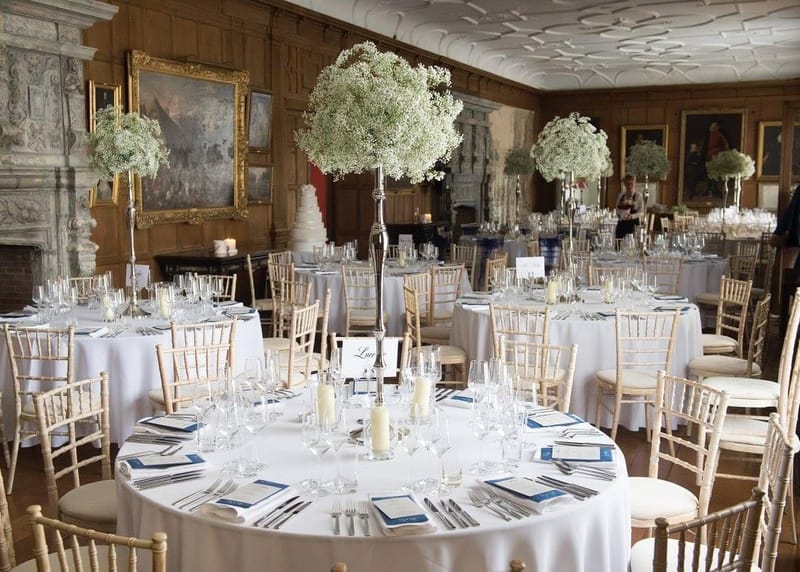
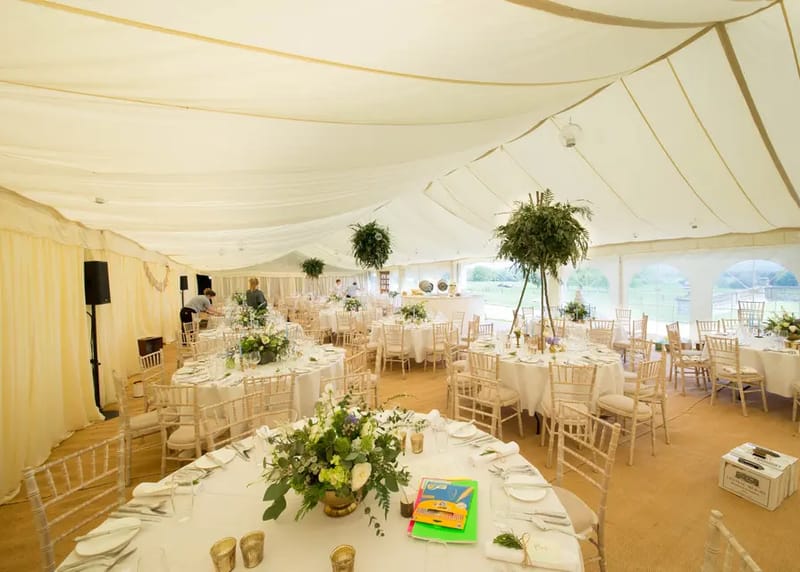
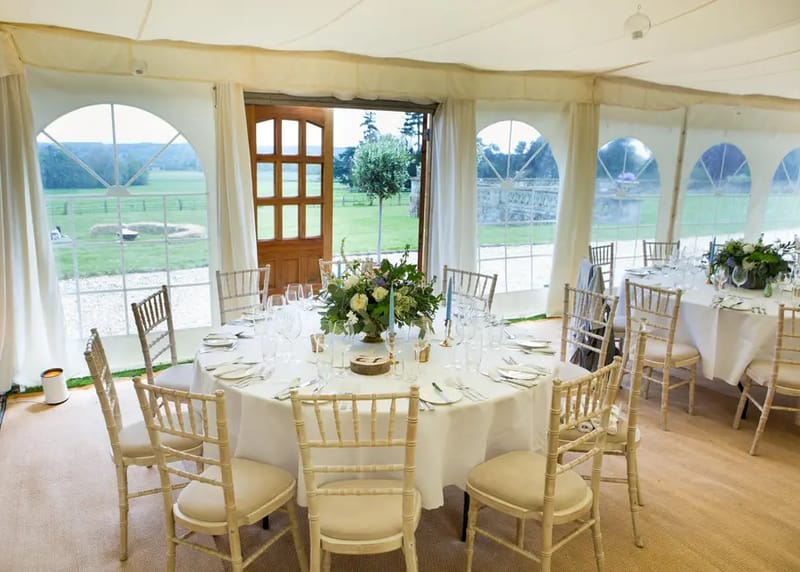
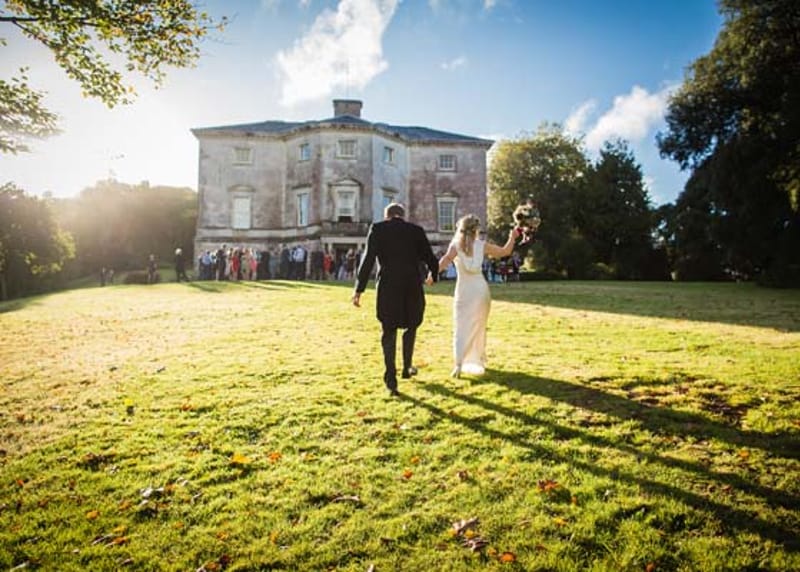
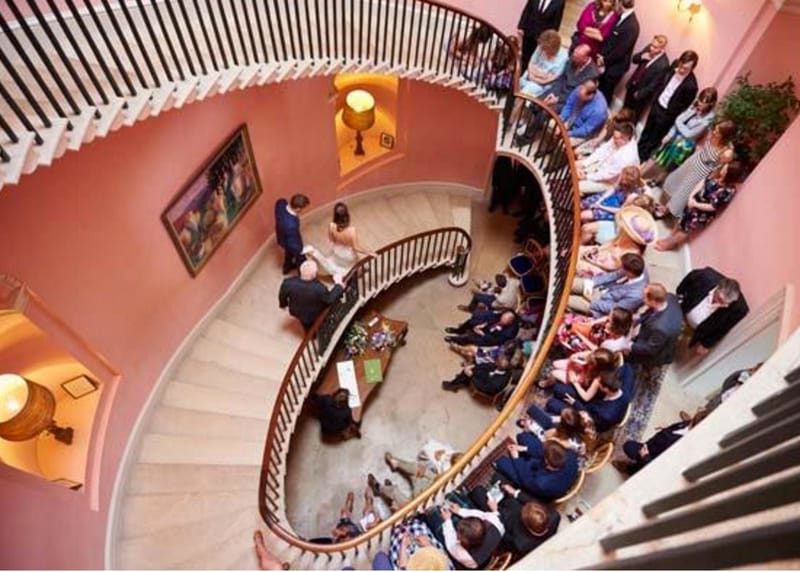
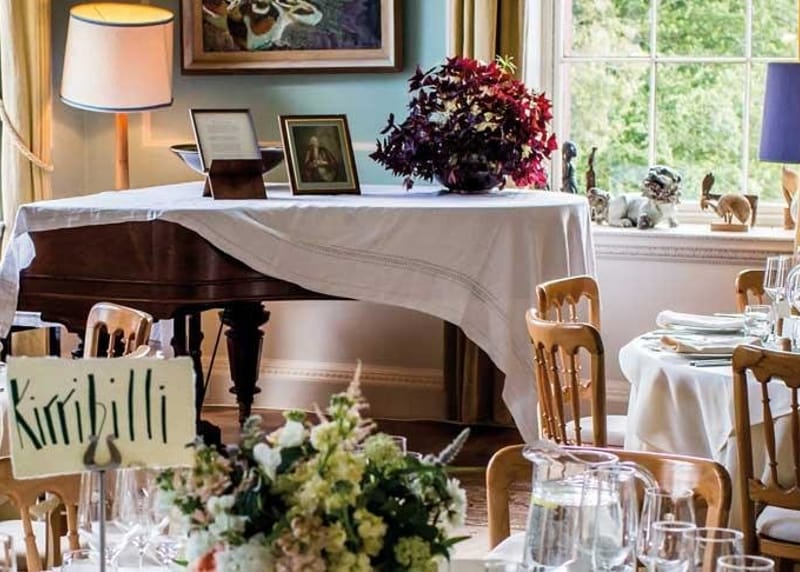
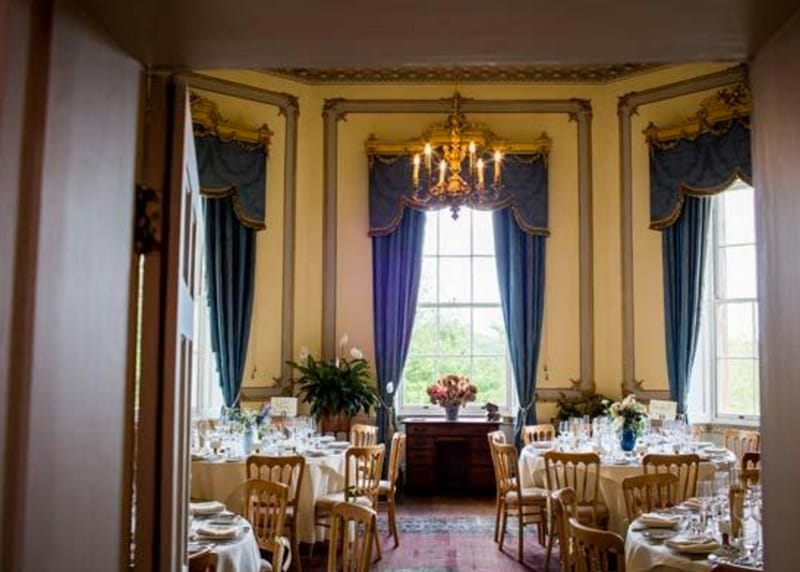
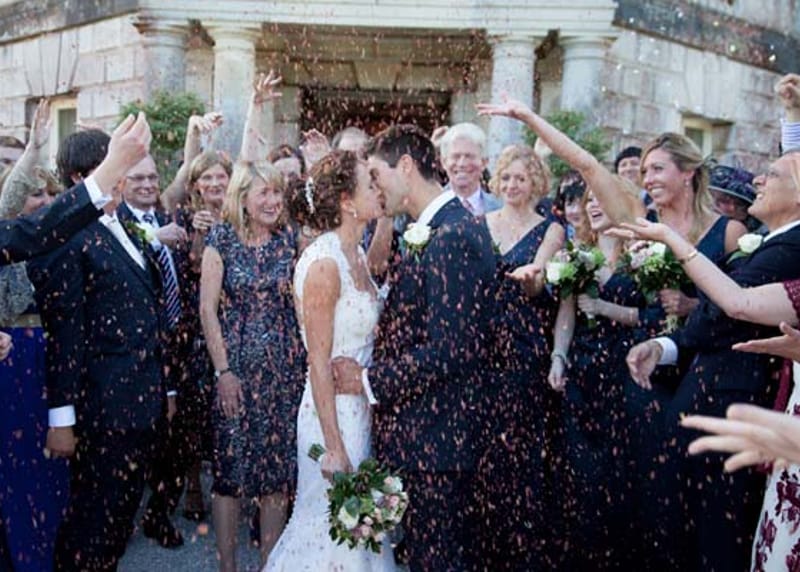
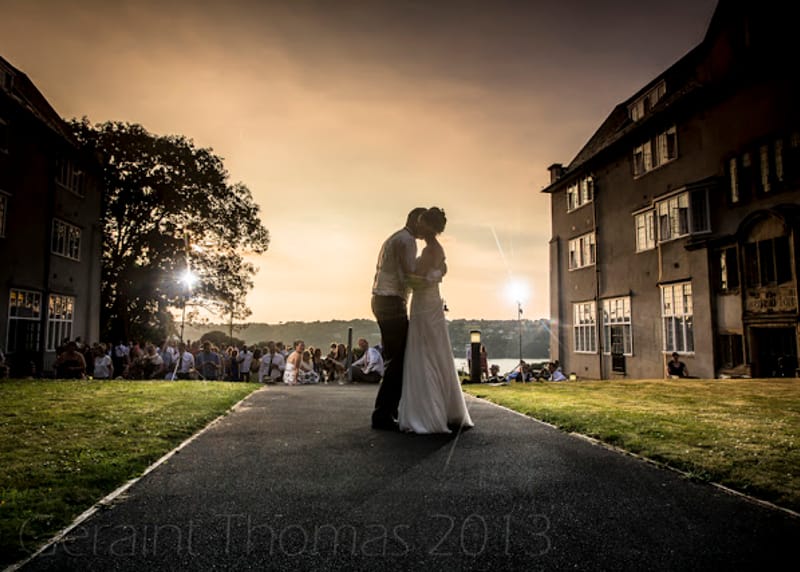
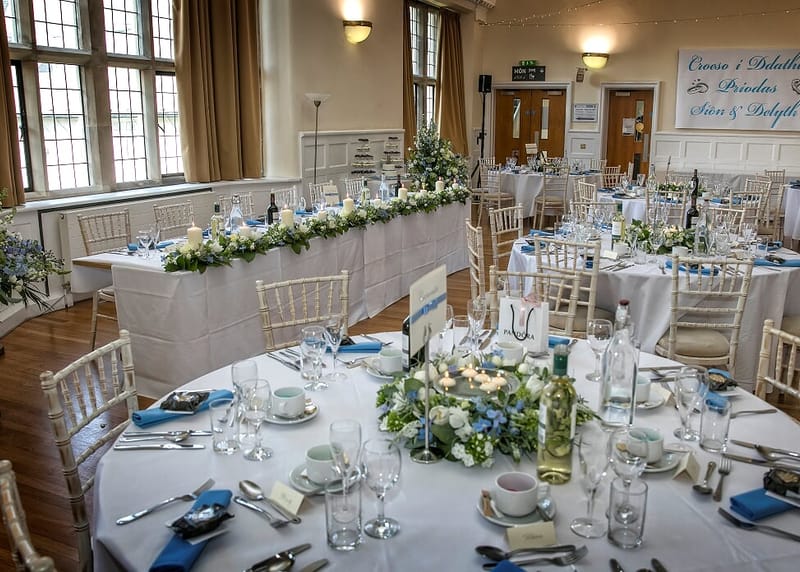
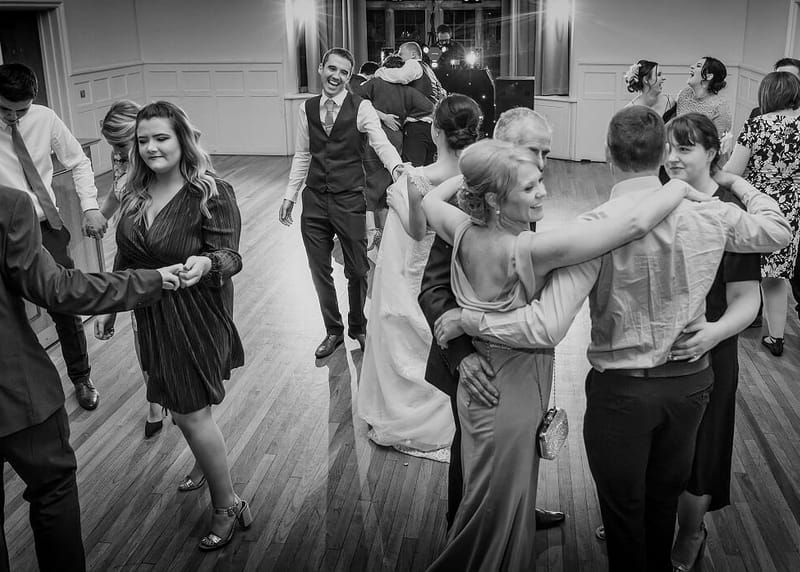
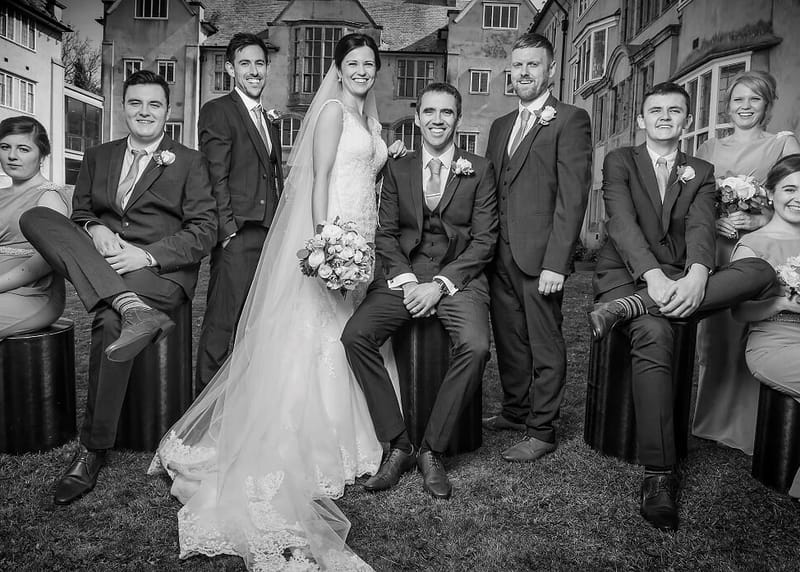
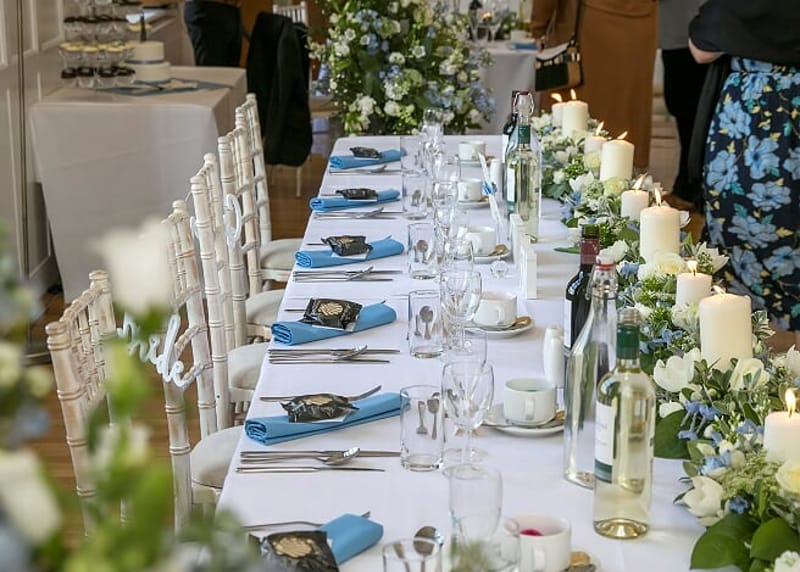
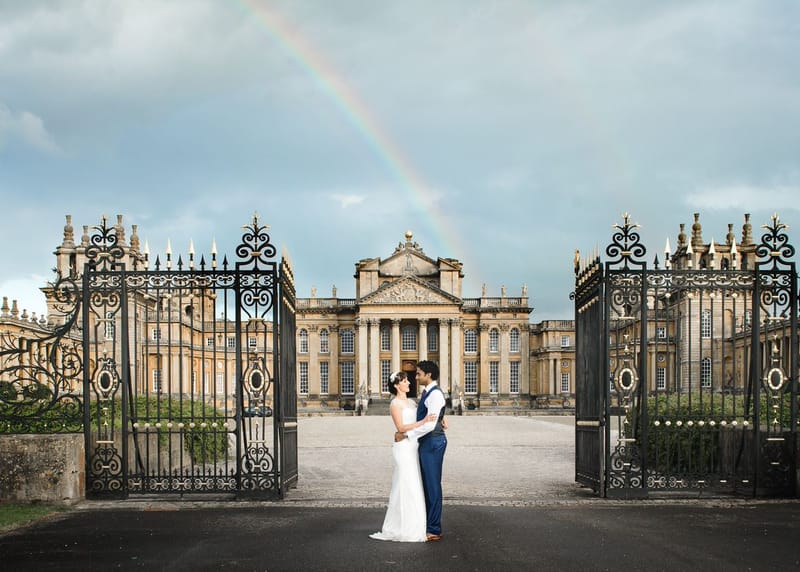
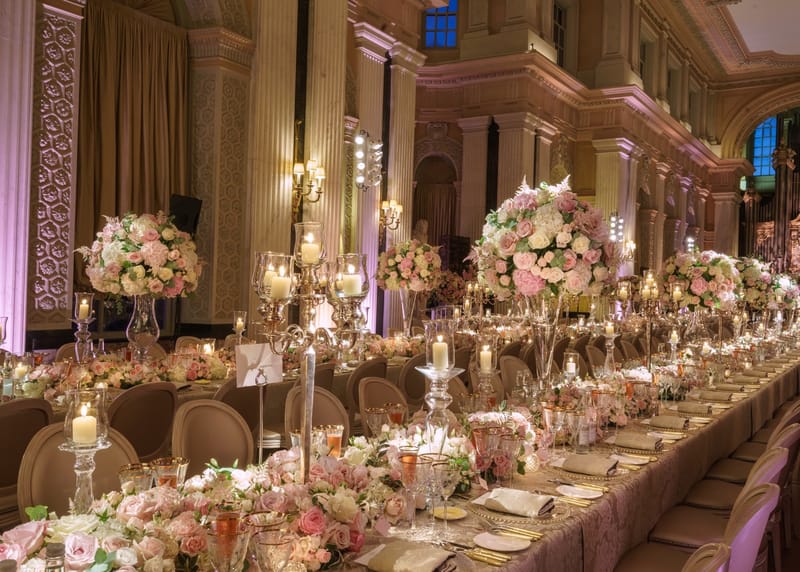
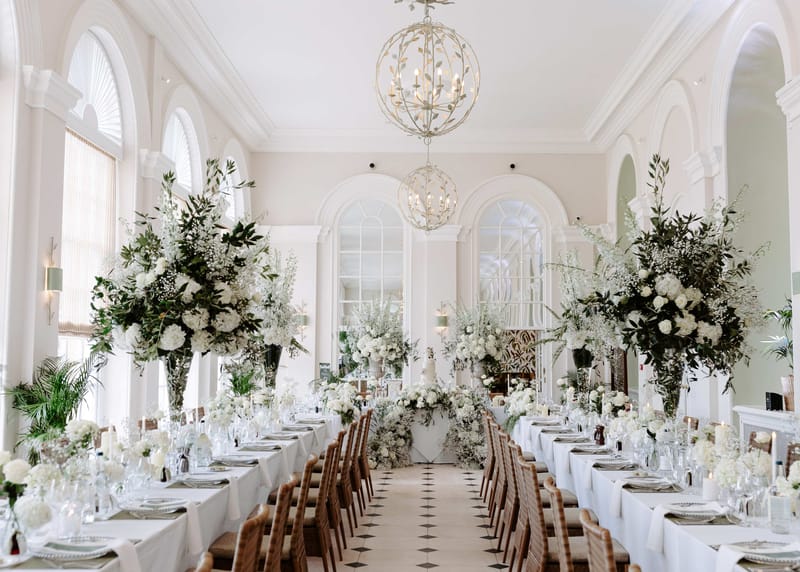
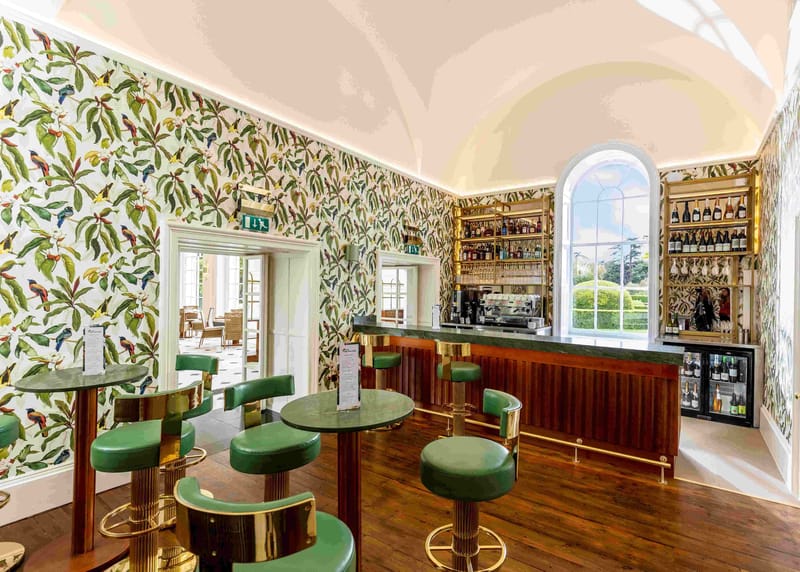
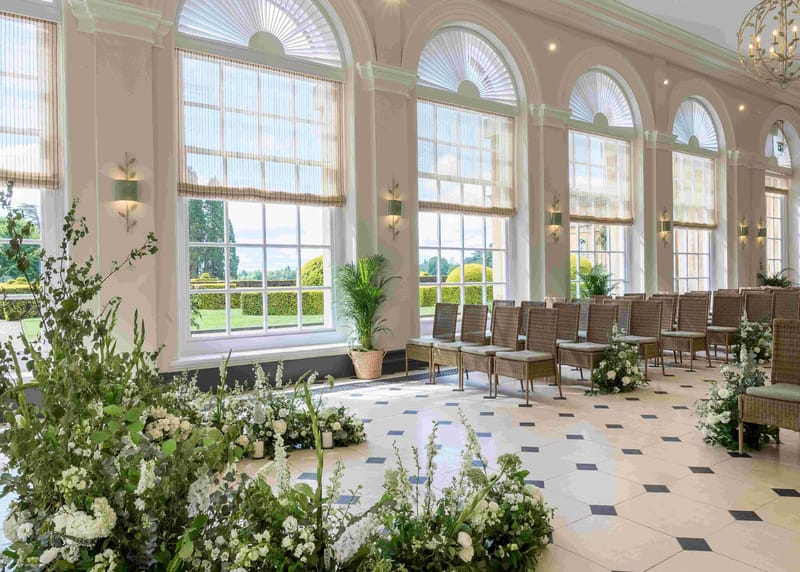
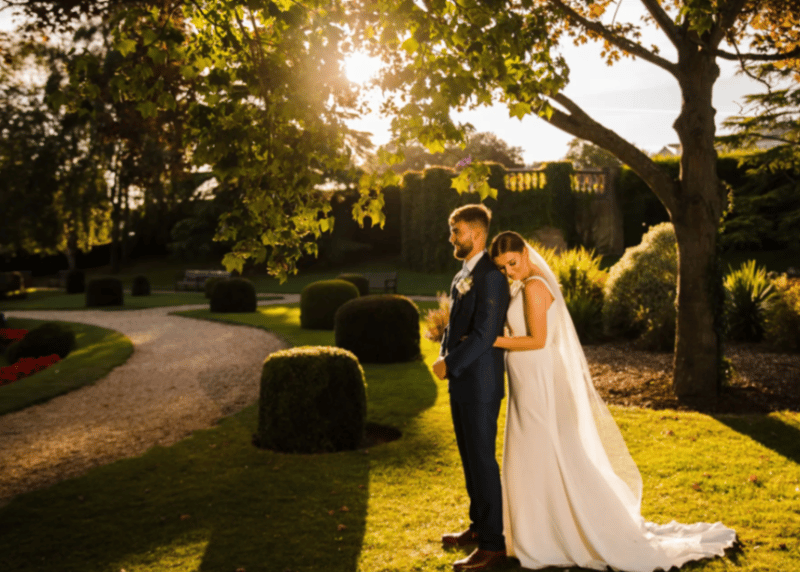
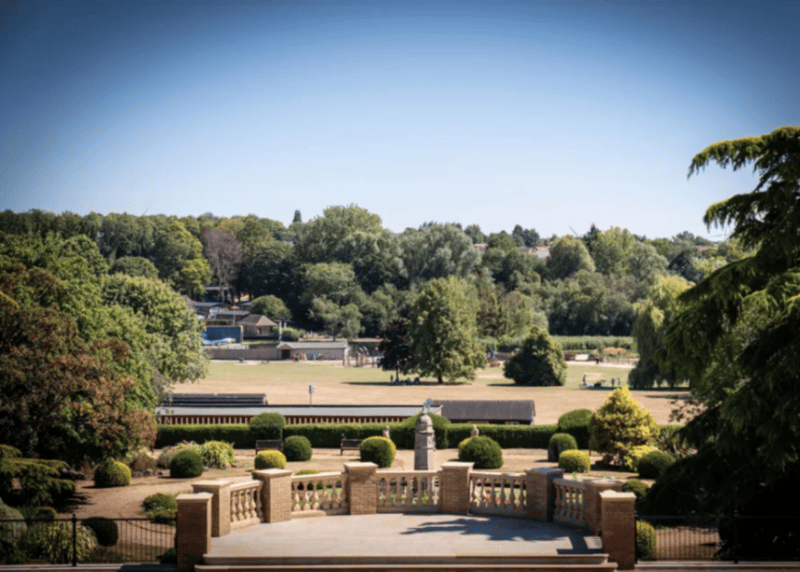
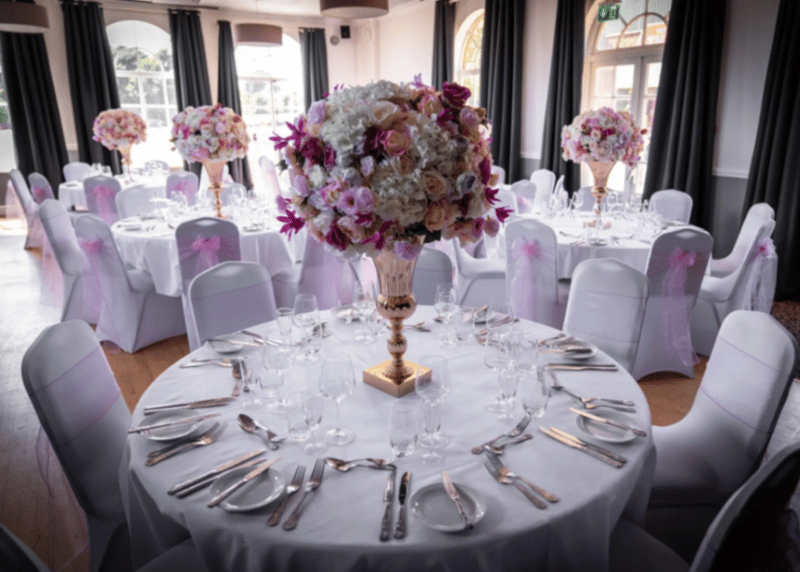
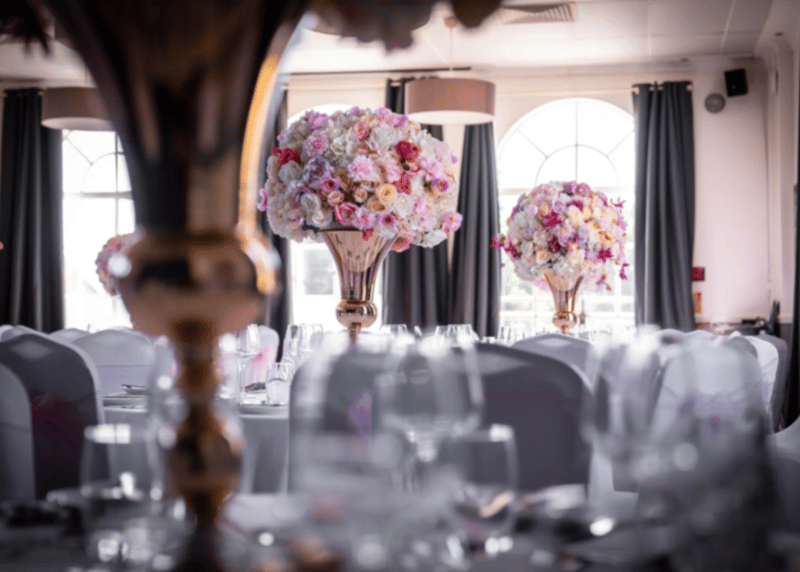
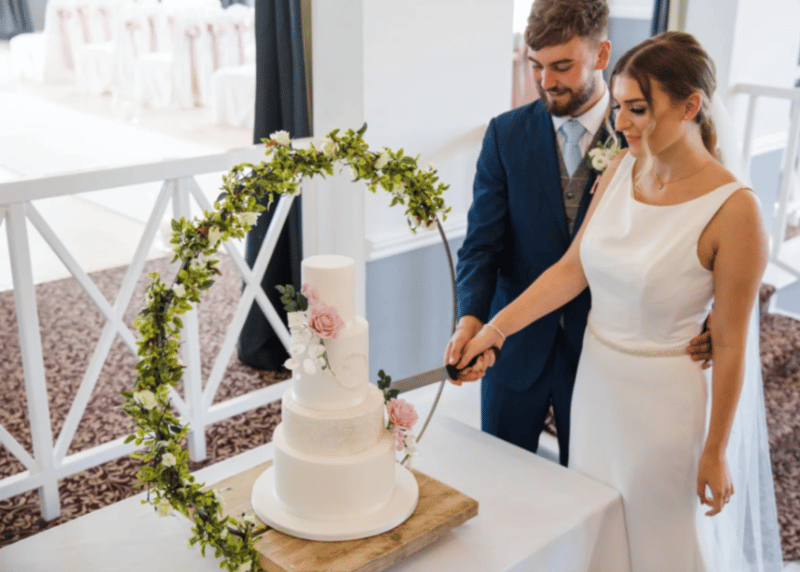
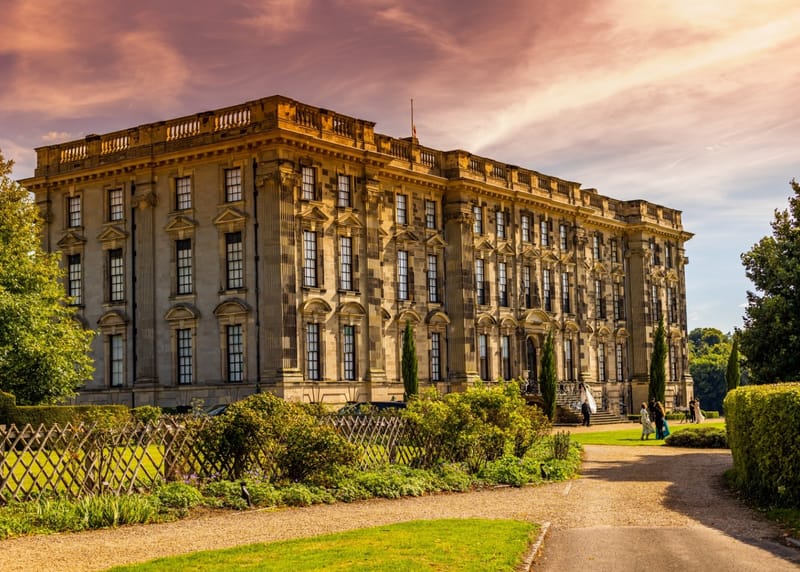
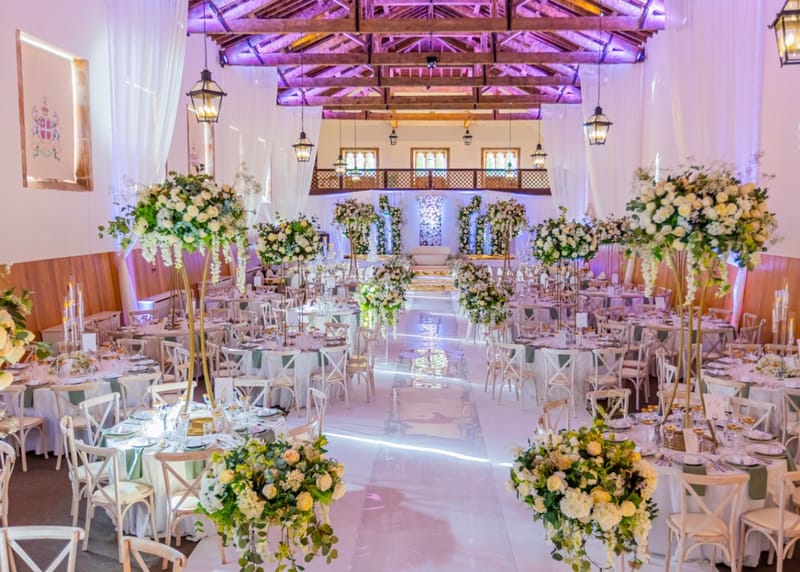
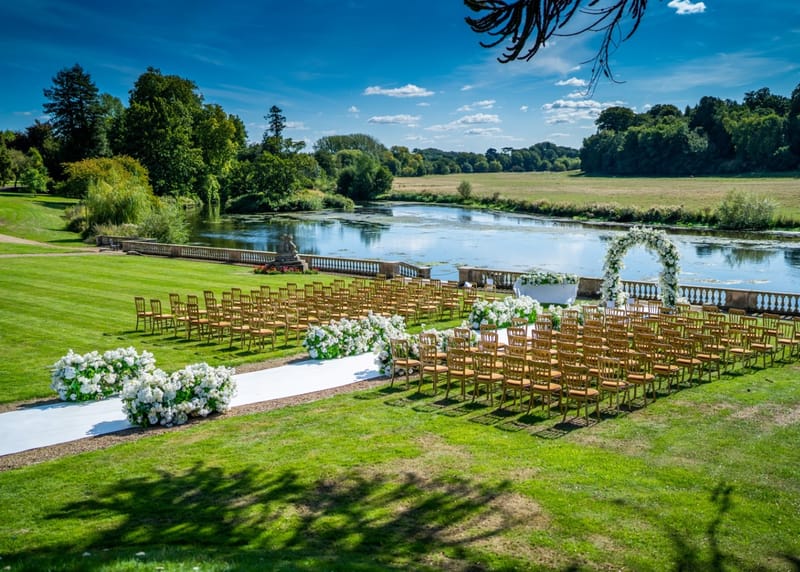
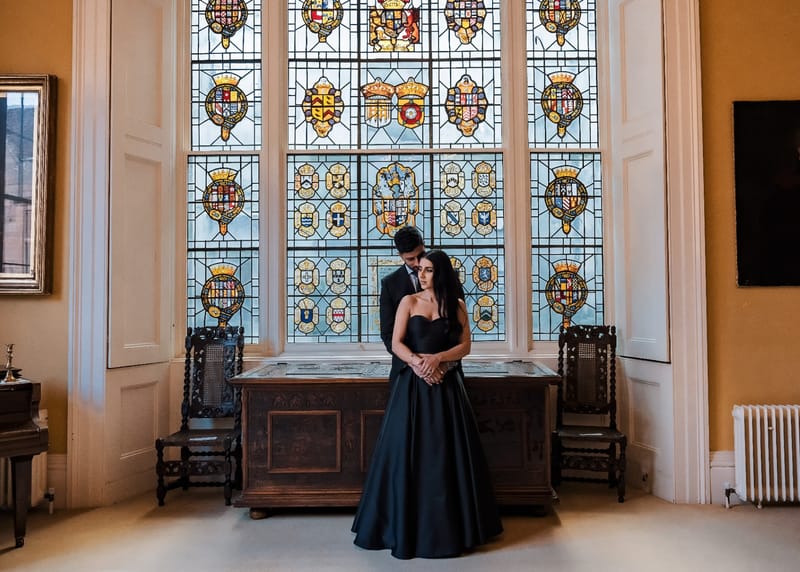
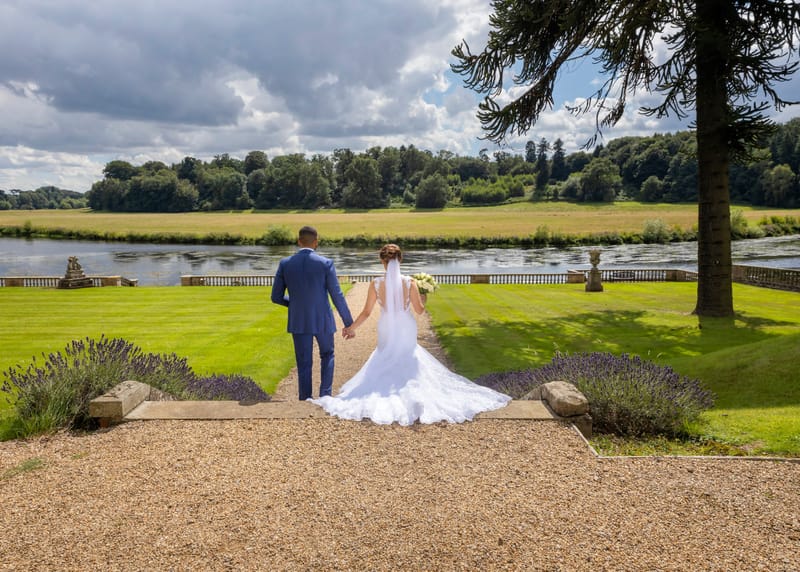
Stately home wedding venues offer something few other settings can match: real architectural grandeur, formal state rooms and a sense of occasion that comes from centuries of history. From Georgian mansions and Jacobean piles to Palladian estates and manor houses recognised for their stately home status, these are properties built to impress, and many now welcome couples looking for a wedding that feels every bit as significant as the building itself.
Across the UK, stately homes are concentrated in pockets of countryside known for their grand estates: the parkland of the East Midlands, the Palladian mansions of Yorkshire, the historic houses of Kent and Surrey, and the Georgian estates of East Anglia. Whether you're drawn to a grand mansion with gallery-quality interiors or a smaller manor with stately home status, there's a wide range to explore nationally, and Bridebook makes it straightforward to compare stately home wedding venues side by side, wherever in the UK your search takes you.
A stately home is typically grander and more architecturally significant than a country house, often recognised nationally for its history, formal state rooms and gallery-standard interiors. Country houses tend to be smaller and more private, built as a family home rather than as a statement of status, which usually makes them feel a little more intimate. Castles bring a different atmosphere again, with fortified walls and a medieval or Baroque character that stately homes, for all their grandeur, don't quite replicate.
Because so many stately homes are recognised well beyond their immediate area, couples are often willing to travel for the right one. Bridebook data shows that 14% of couples now marry outside their home region, and a striking property is one of the most common reasons behind that decision.
National Trust and English Heritage properties are worth a closer look if this style speaks to you. Booking usually starts with an enquiry to the property's events team, followed by a viewing before any date is held, and popular NT and EH venues can fill up as far as 12 to 24 months ahead, so early enquiries pay off. What sets these properties apart is that you're marrying inside a building held in public or charitable care rather than private ownership, which can bring extra conditions around decoration and access, but also opens up interiors and grounds that wouldn't otherwise host weddings.
Derbyshire and Northamptonshire hold one of the country's densest clusters of stately homes, a legacy of the region's landed estates. East Midlands wedding venues in this style tend to combine grand state rooms with substantial parkland, and many offer accommodation on site for a full wedding weekend.
YorkshireYorkshire's stately homes range from Palladian mansions to Gothic revival houses, often set within extensive grounds. Yorkshire wedding venues in this category suit couples who want scale and drama without straying too far from the North's major transport links.
South East EnglandKent and Surrey are particularly well known for their stately homes, many within easy reach of London. South East England properties in this style often combine formal interiors with landscaped gardens, useful if you're planning an outdoor ceremony alongside a grand reception.
East of EnglandNorfolk and Suffolk are home to some of the country's finest Georgian and Regency houses. East of England venues in this style tend to offer a quieter, more rural setting, while still delivering the scale and formality stately homes are known for.
ScotlandScotland doesn't tend to use the term stately home, but its baronial castles and shooting lodges offer a comparable sense of grandeur and history. If that's the atmosphere you're after, Scotland wedding venues are worth exploring alongside the properties on this page.
If you're weighing up a stately home against other grand options, it's worth browsing country house wedding venues in the UK and castle wedding venues in the UK before settling on a shortlist, as the differences between the three styles can shape your whole day.
Nationally, 41% of receptions now have under 60 guests, so don't assume you need a huge guest list to make a stately home work for you.
With Bridebook you can:
Wherever your search for a stately home takes you, Bridebook's wedding planning checklist and wedding budget guidance can help keep the rest of your planning on track alongside the venue hunt.
Bridebook is the UK's number one wedding planning platform, used by over 2.8 million couples. Our content is informed by real data from the Bridebook UK Wedding Report, drawing on responses from thousands of couples planning their weddings each year. Where expert input is included, contributors are named and their credentials verified. We update our articles regularly to keep prices, statistics and advice reflecting current market conditions.
Stately homes carry a premium compared with many other venue types, reflecting their scale, upkeep and history. Knowing the numbers upfront makes it easier to compare a stately home fairly against other options on your shortlist.
Based on data for stately home weddings:
That's well above the UK-wide average wedding spend of £20,604, so it's worth weighing up whether the setting justifies the difference for you as a couple.
Nationally, 47% of weddings now take place on a Saturday, the lowest proportion on record, so flexibility on the day of the week remains one of the most effective ways to manage costs at a stately home.