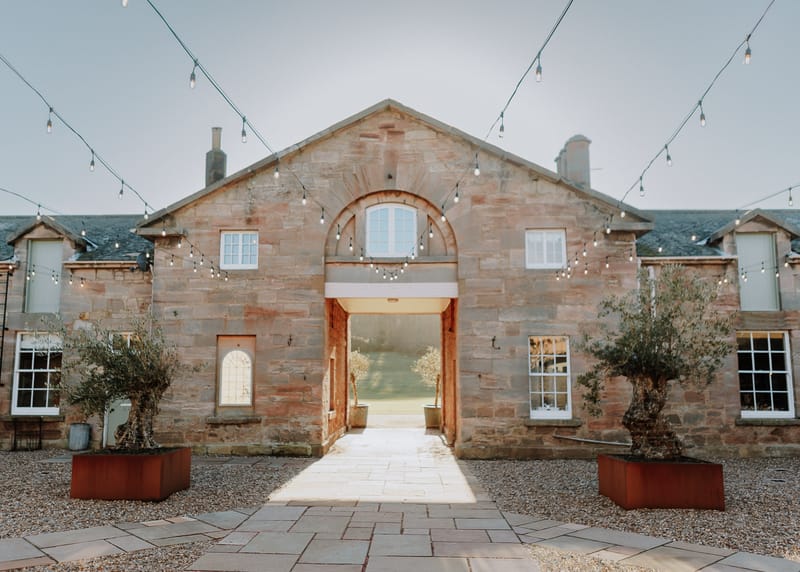
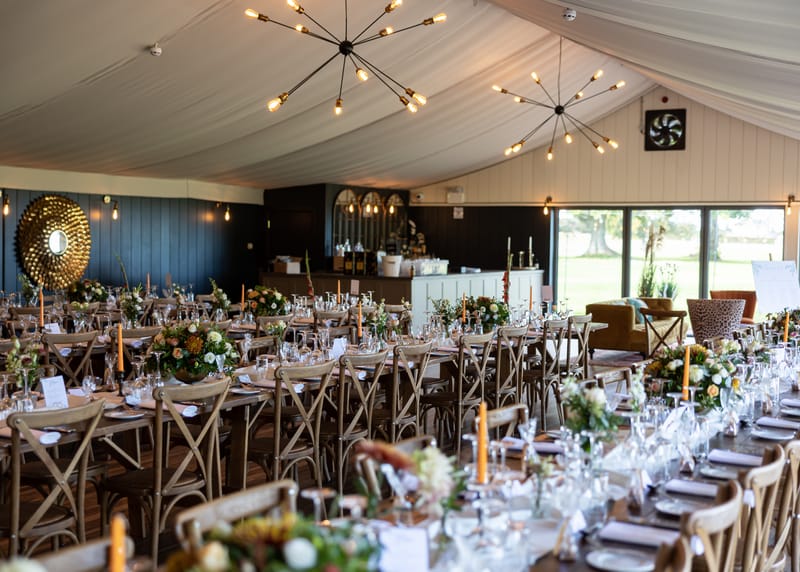
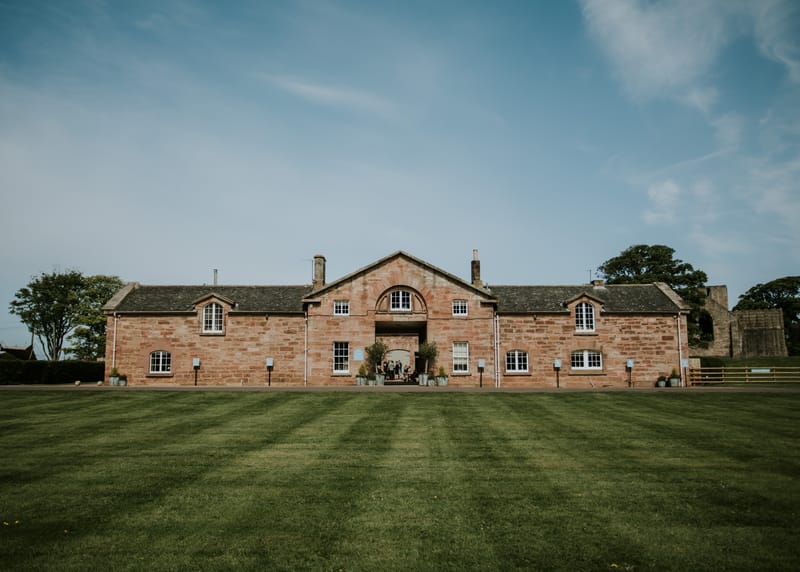
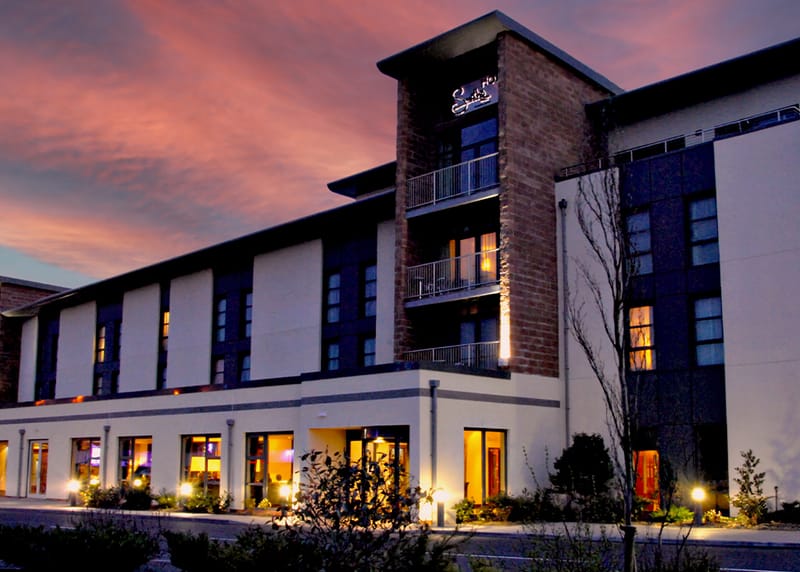
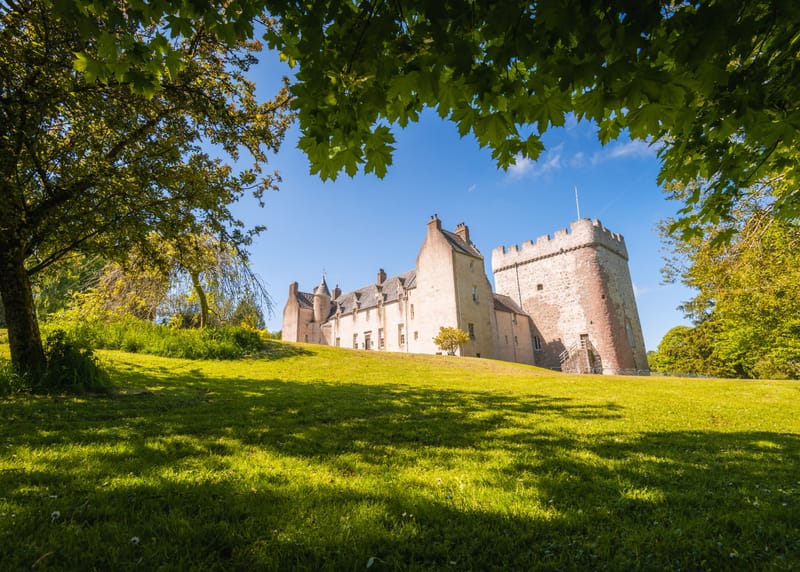
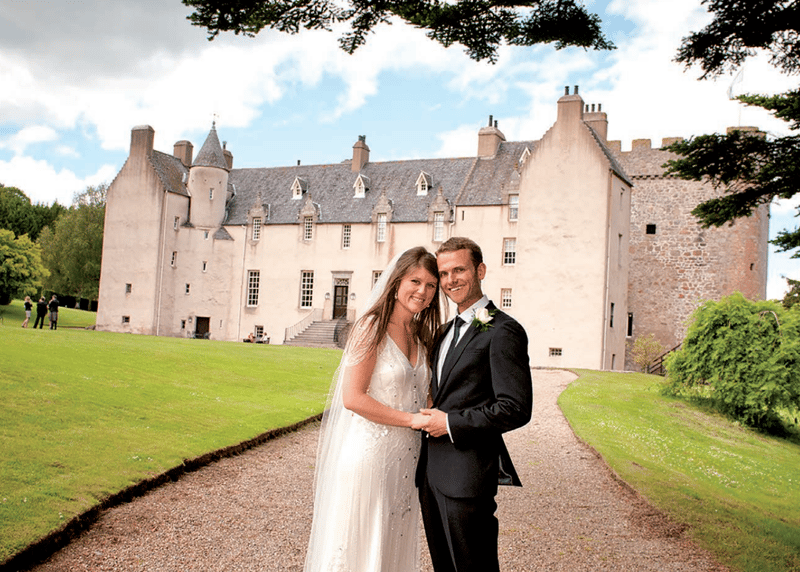
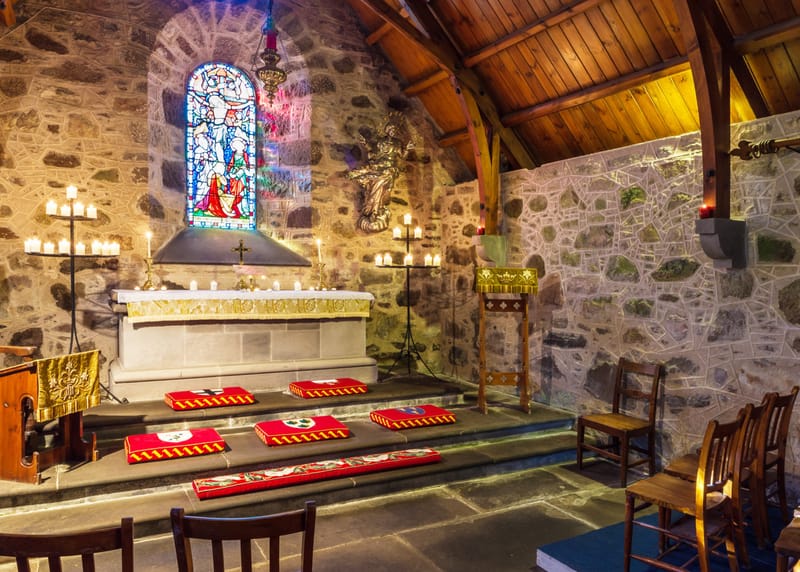
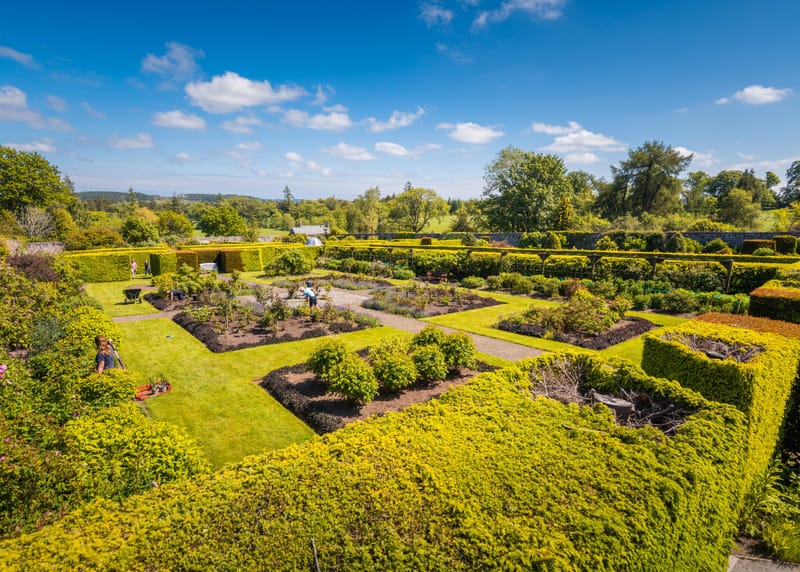
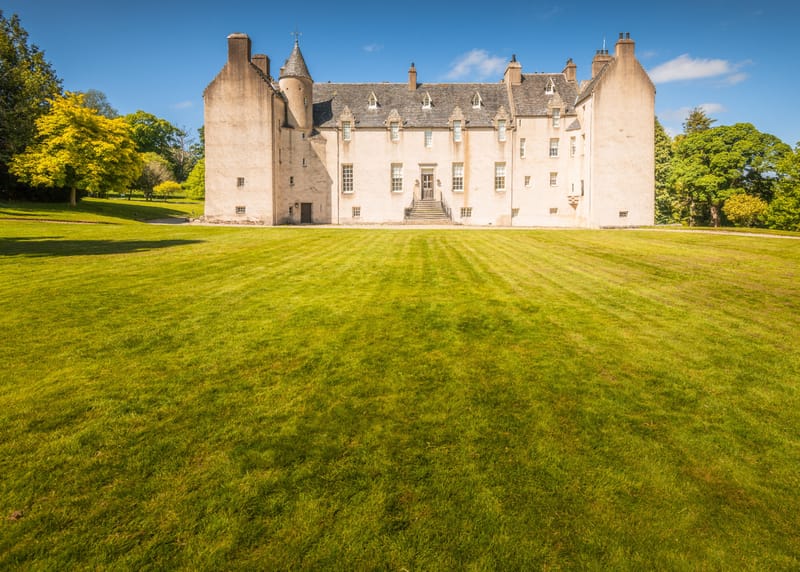
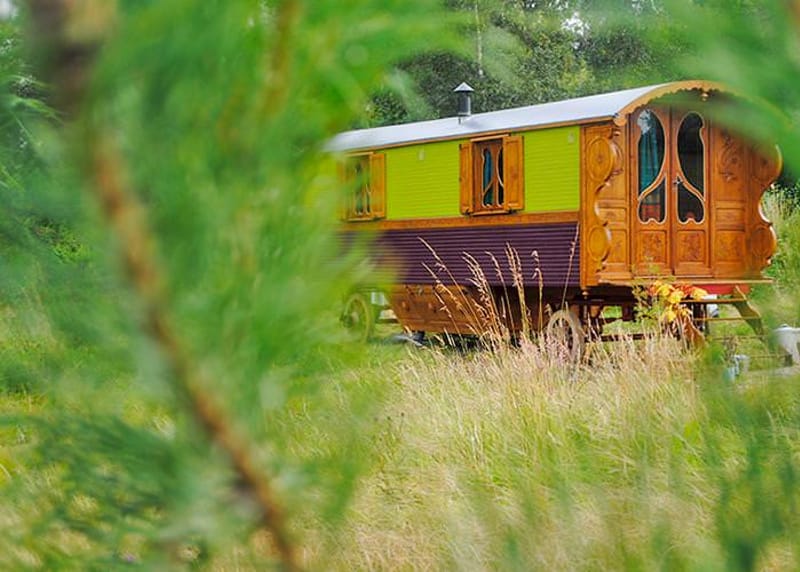
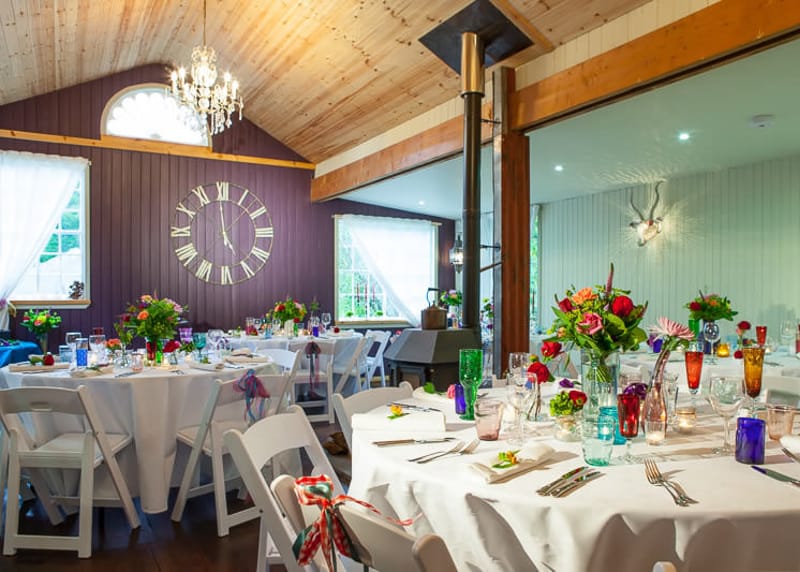
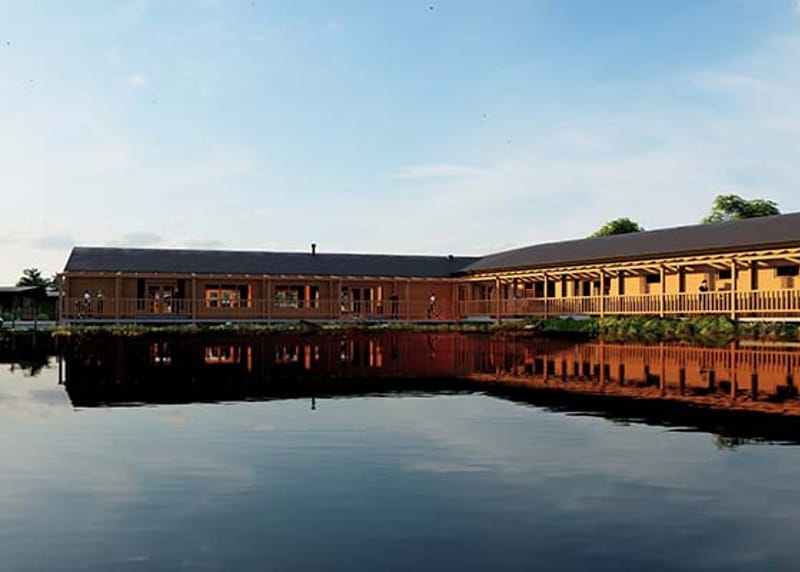
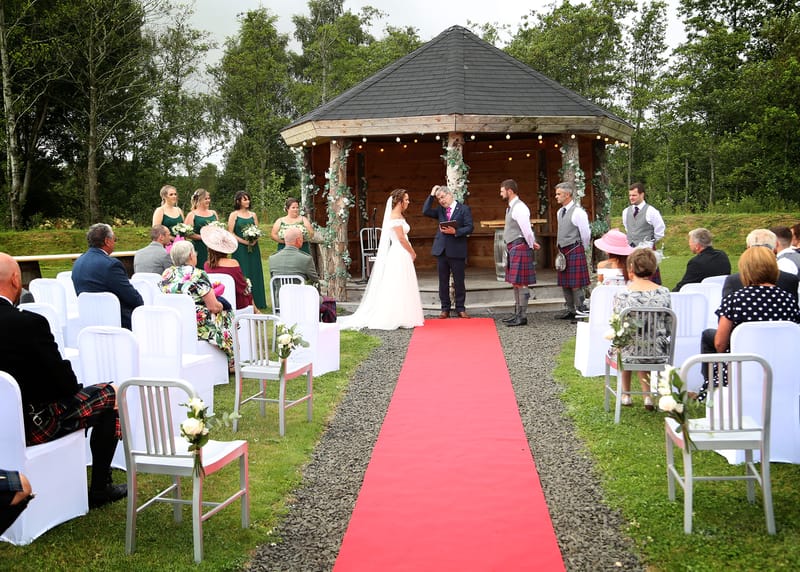
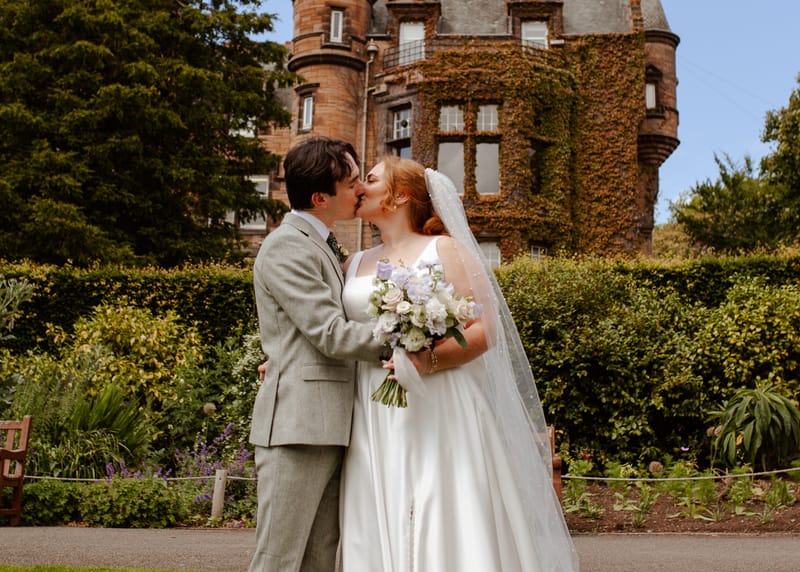
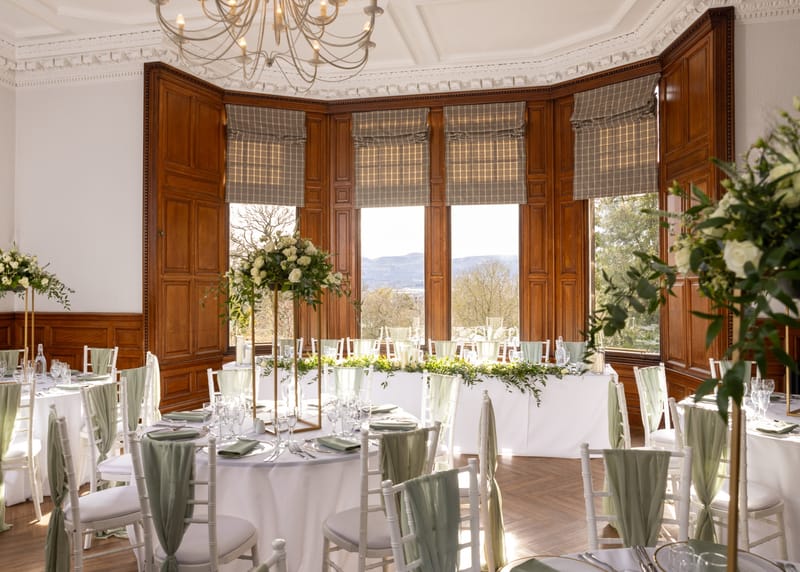
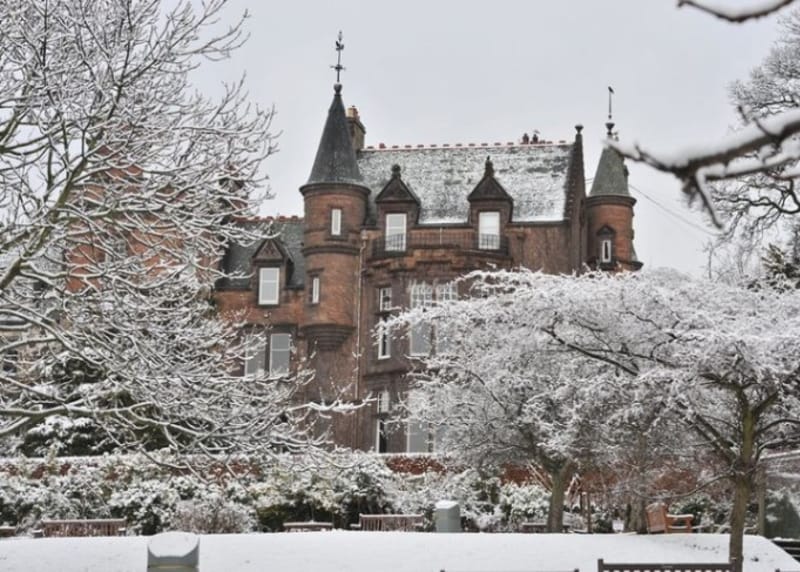
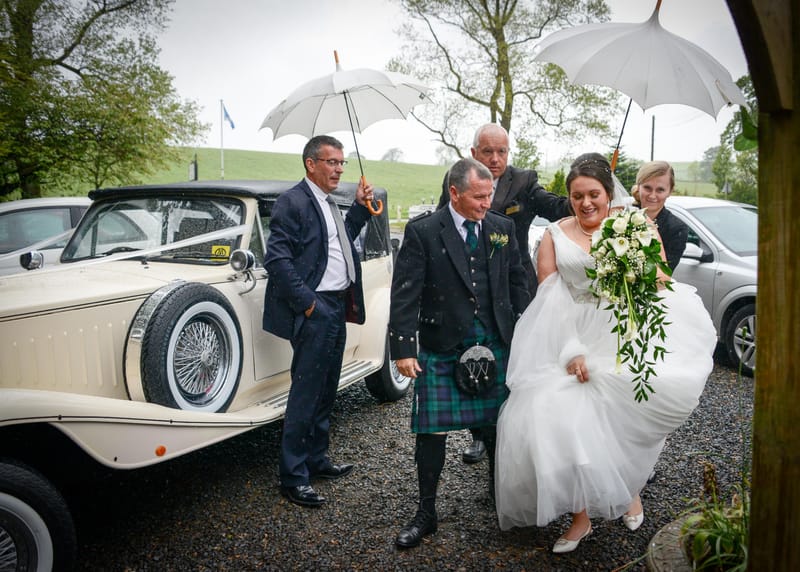
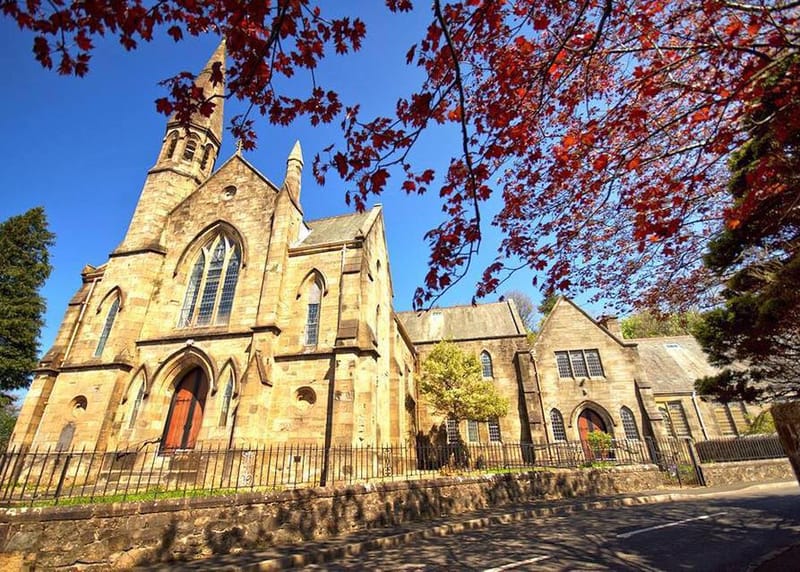
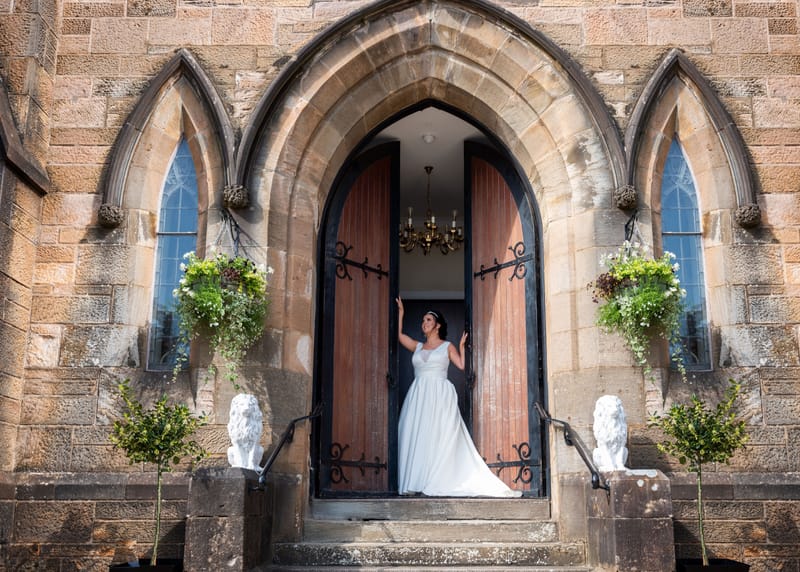
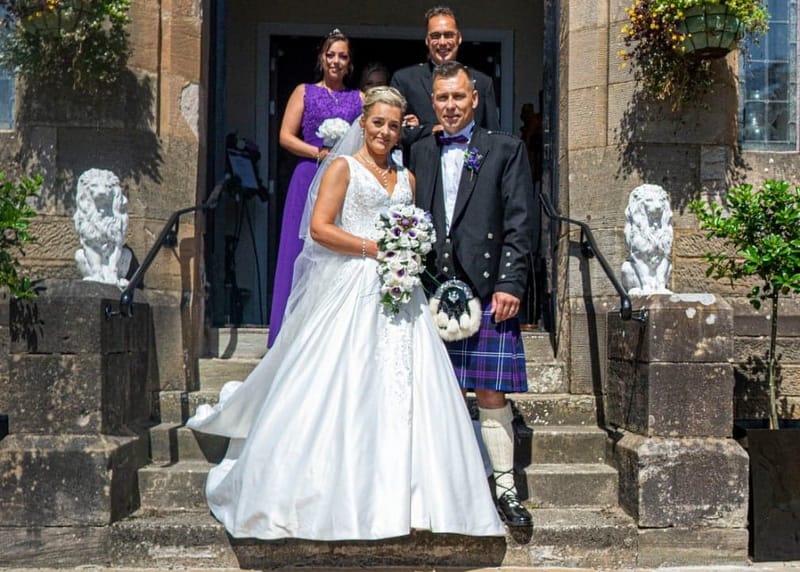
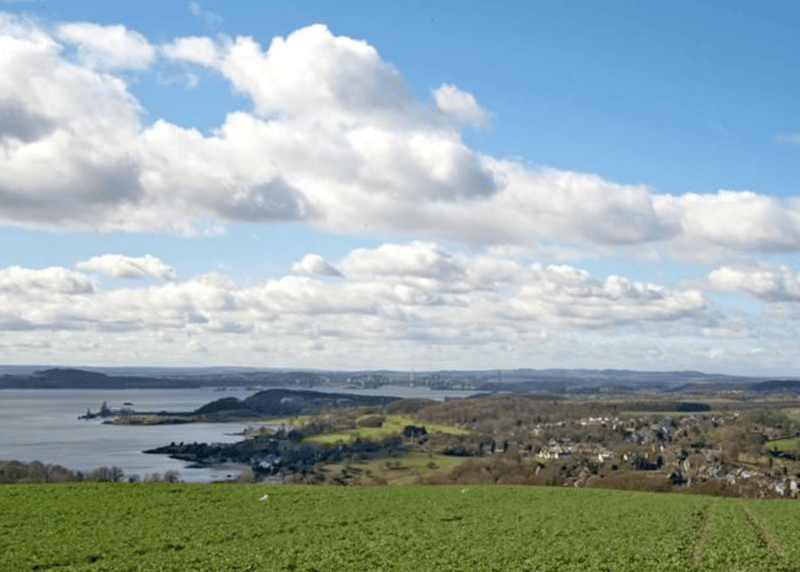
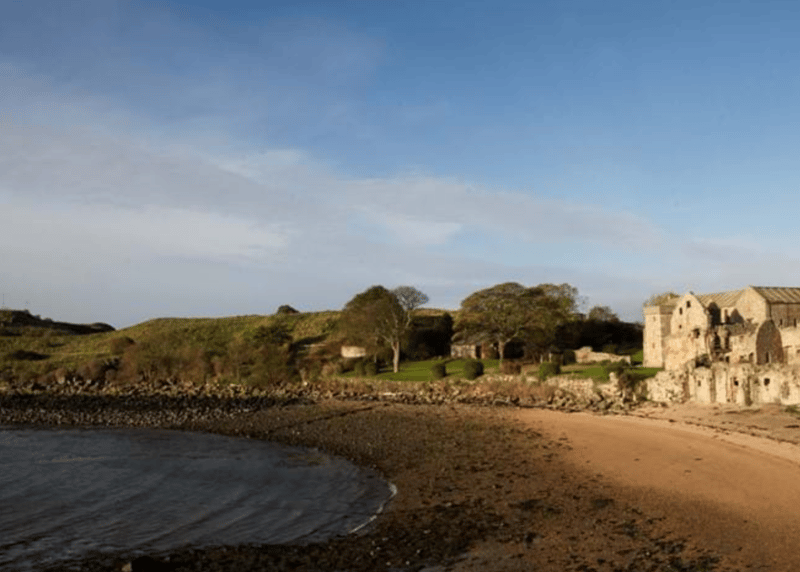
Dunglass Estate
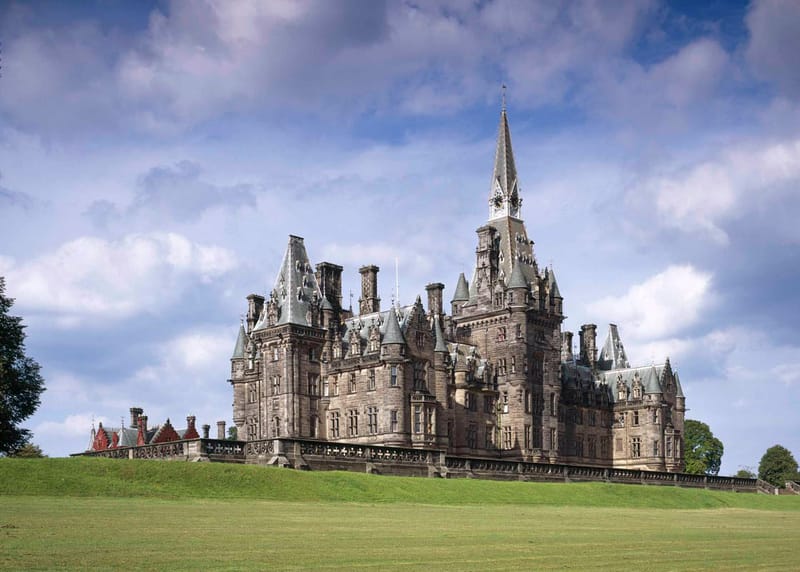
Dunglass, Cockburnspath, East Lothian
5.0(68)
More Pricing InsideBridebook Deal Available
- 150
- 14 Bedrooms
- £6,000 – £16,000
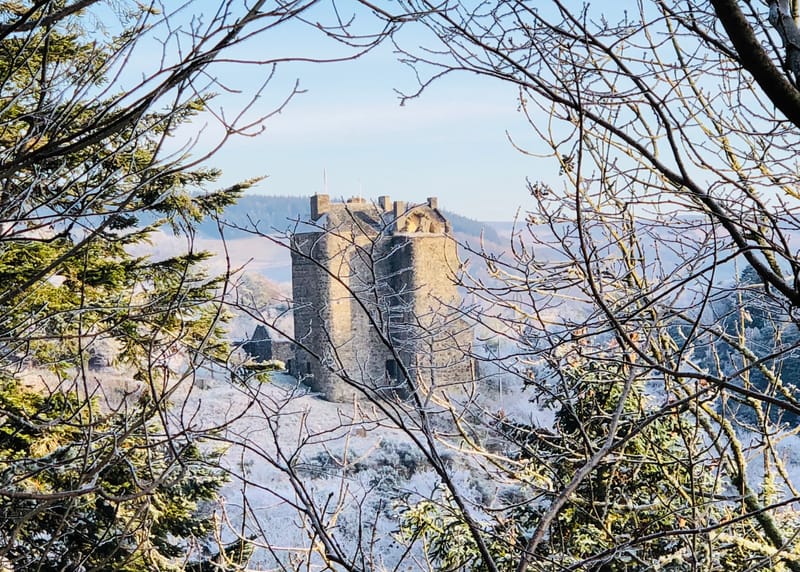
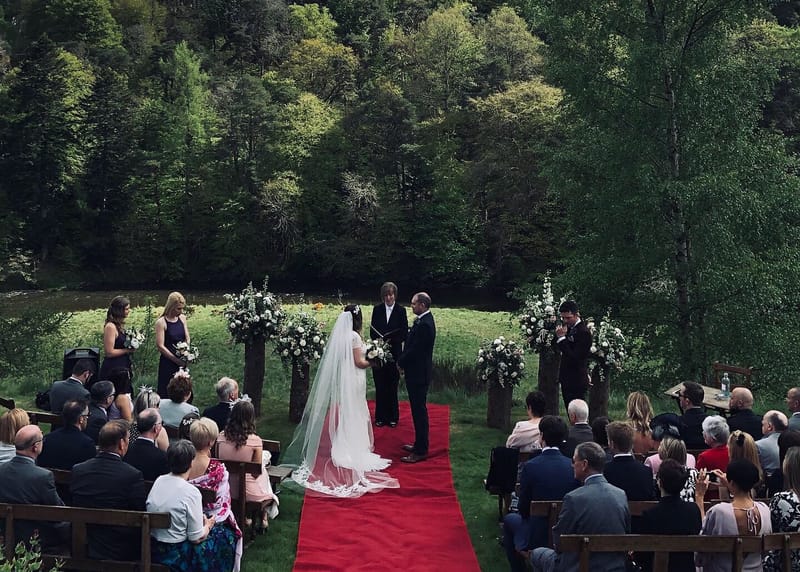
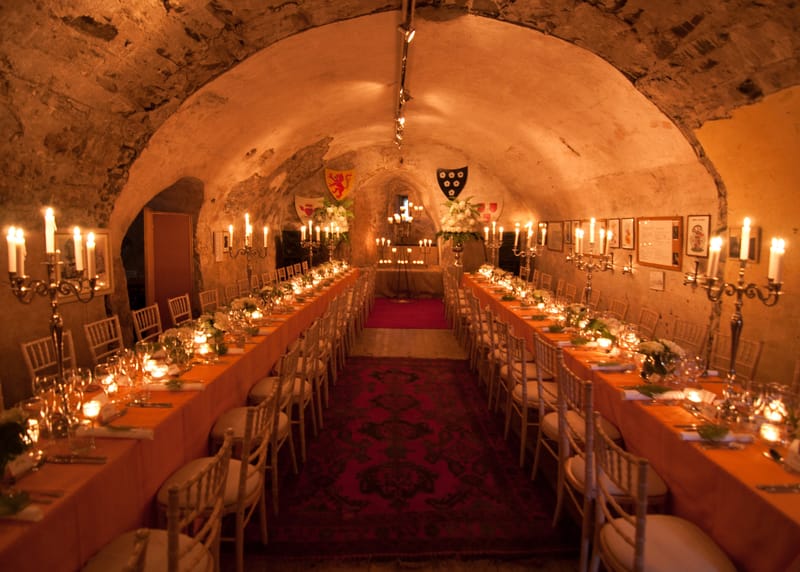
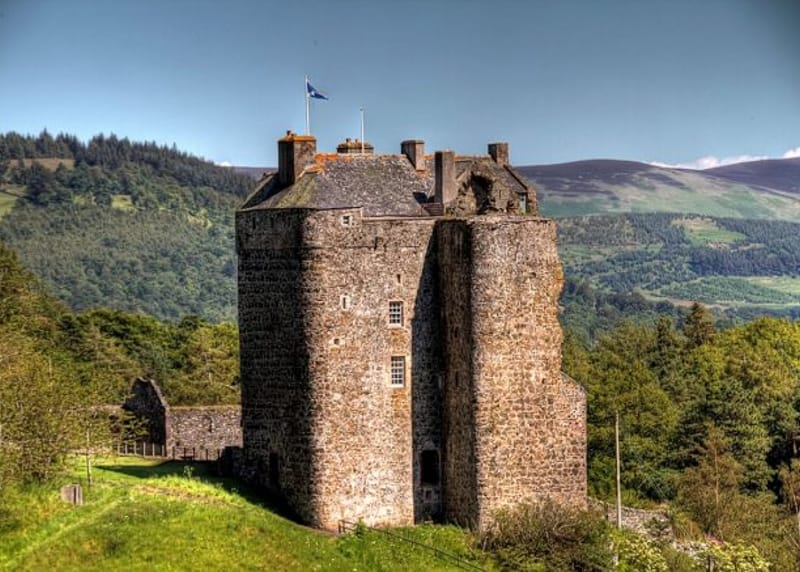
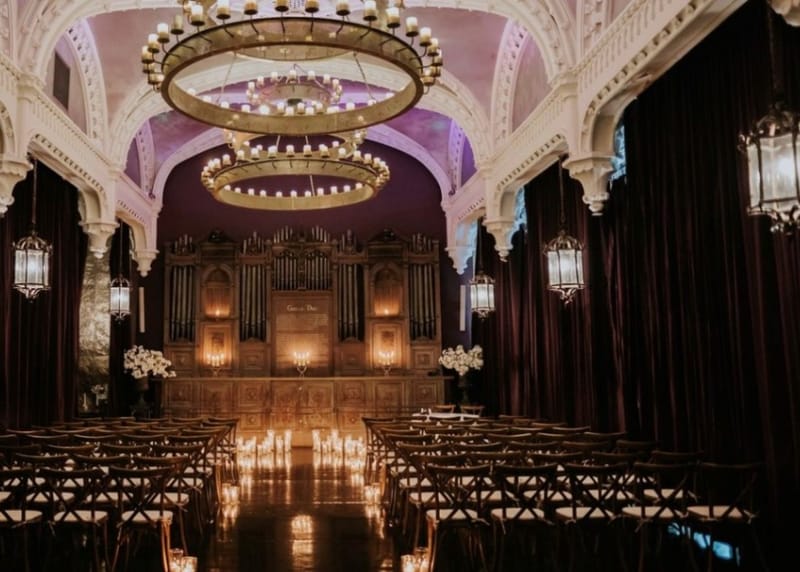
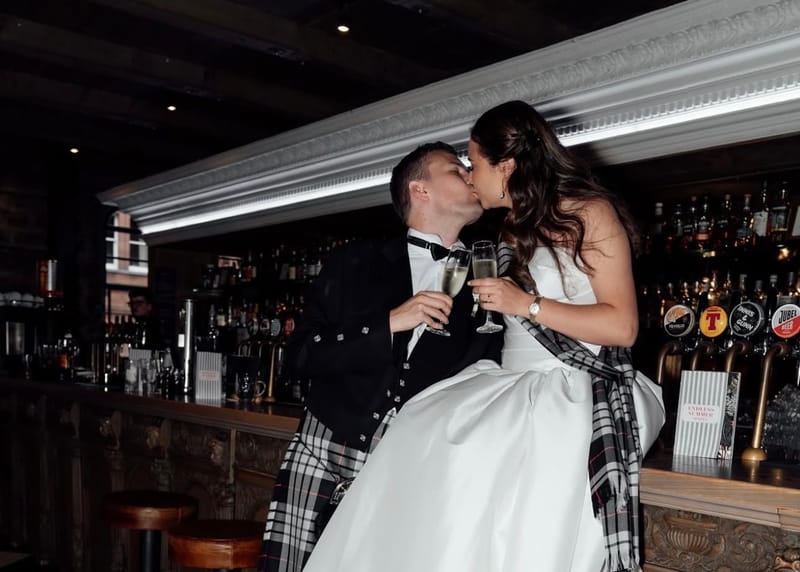
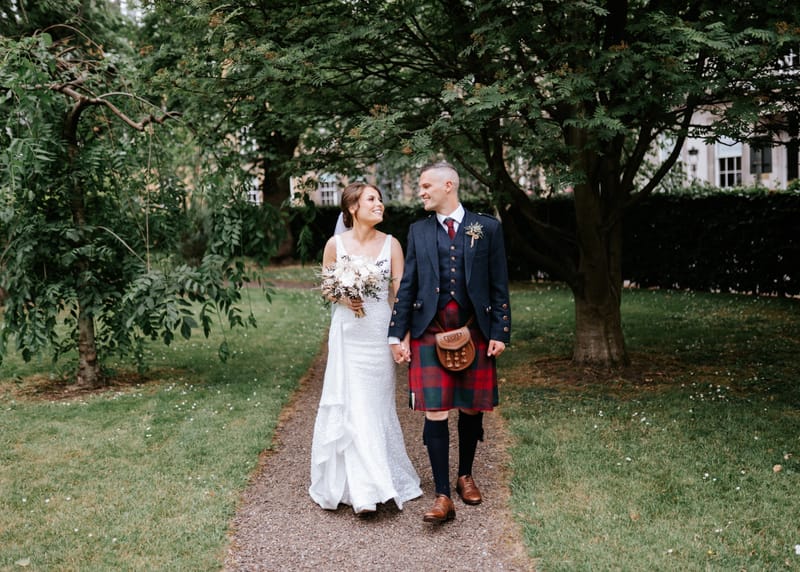
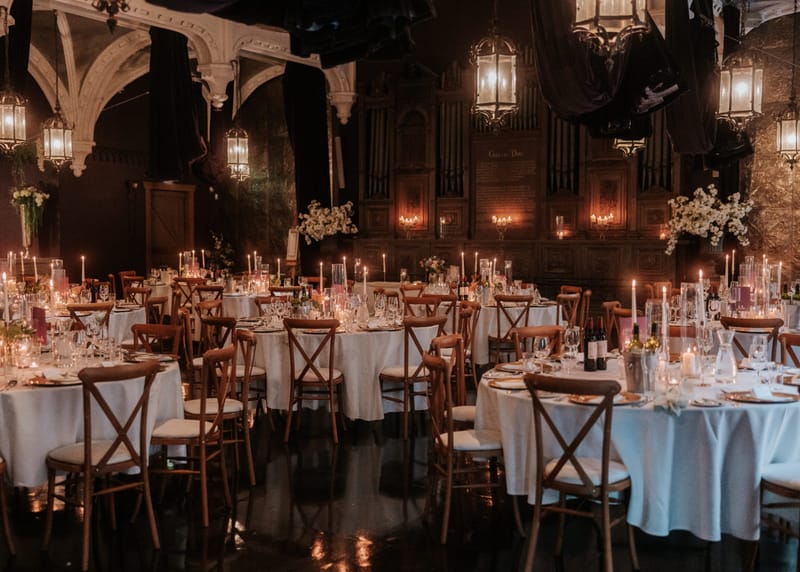
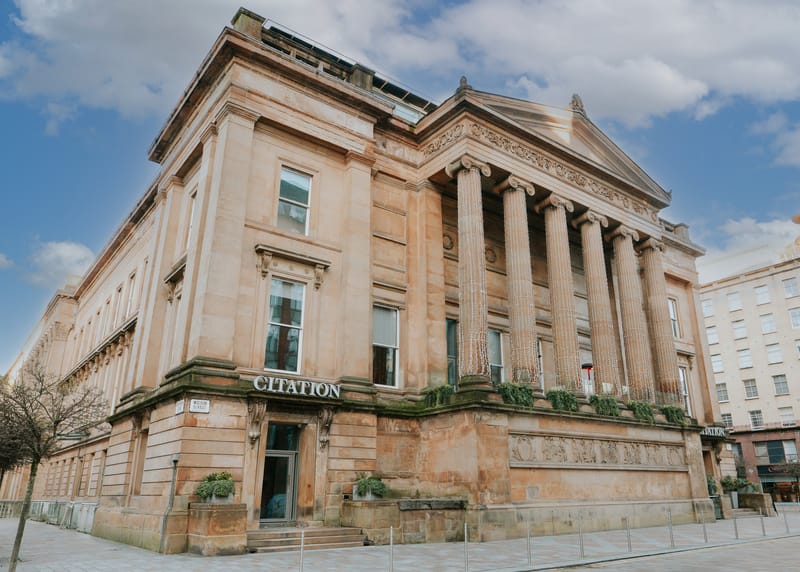
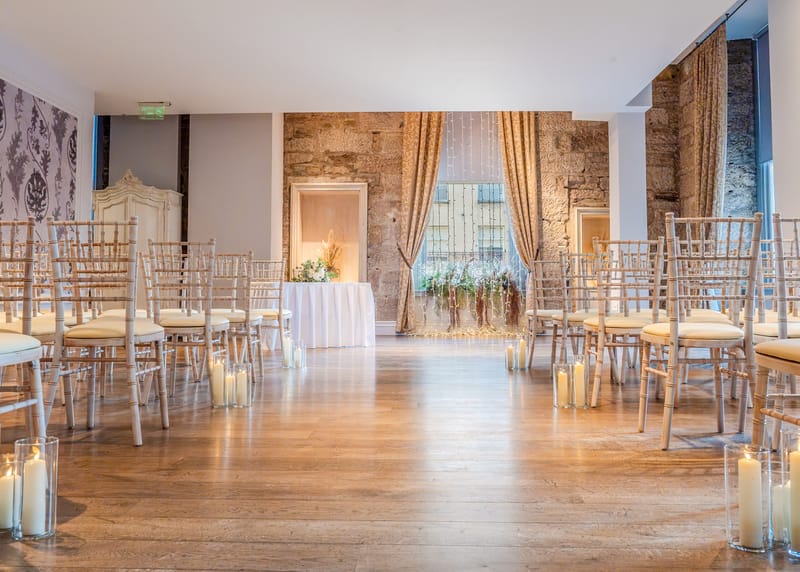
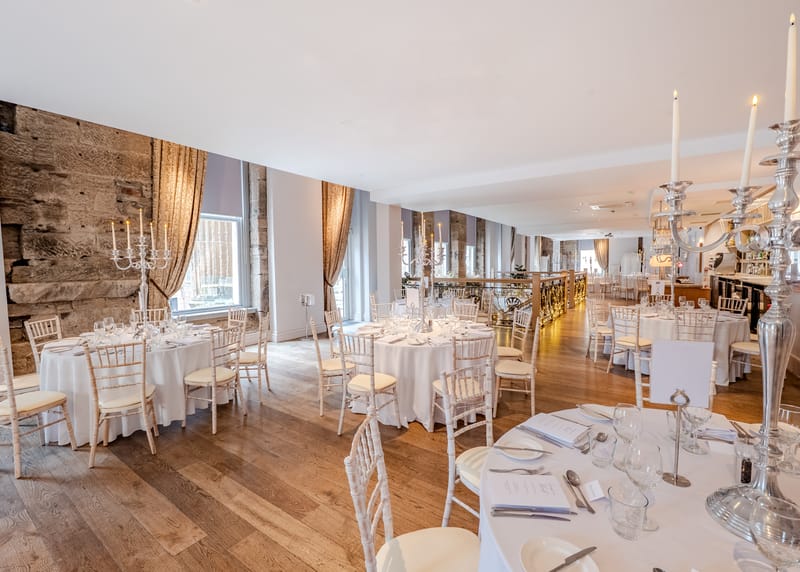
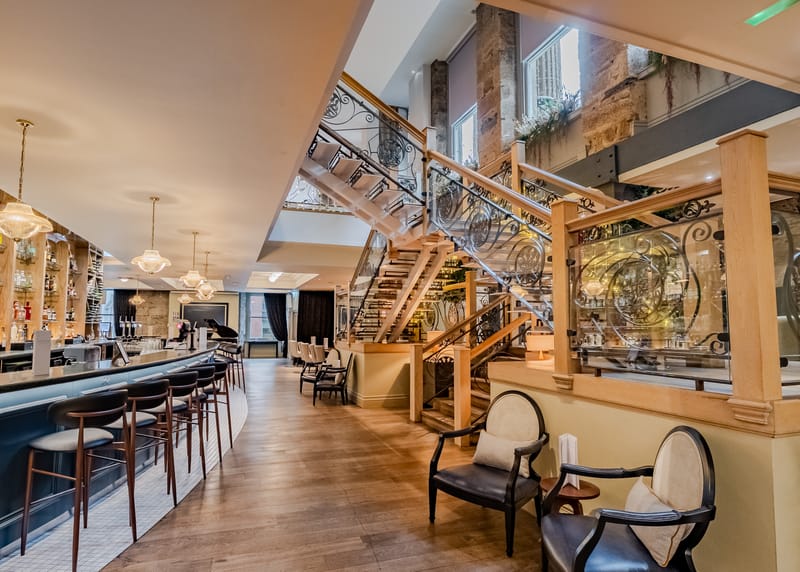
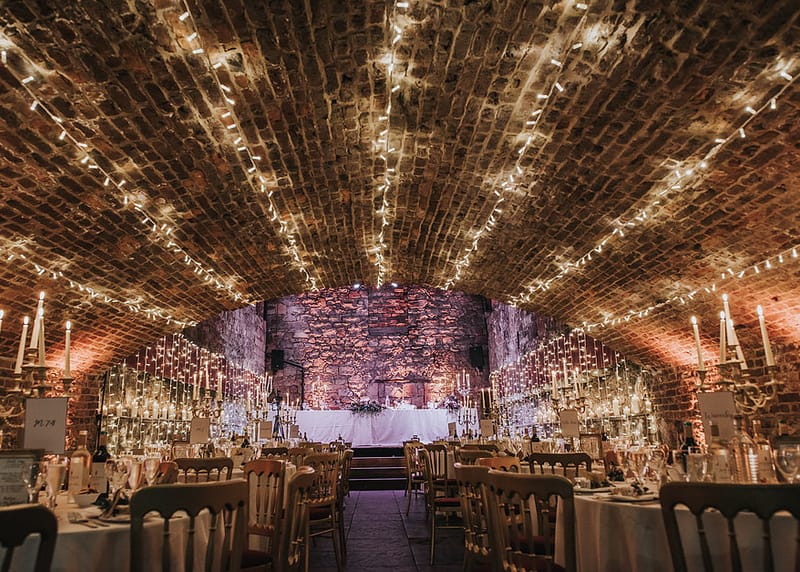
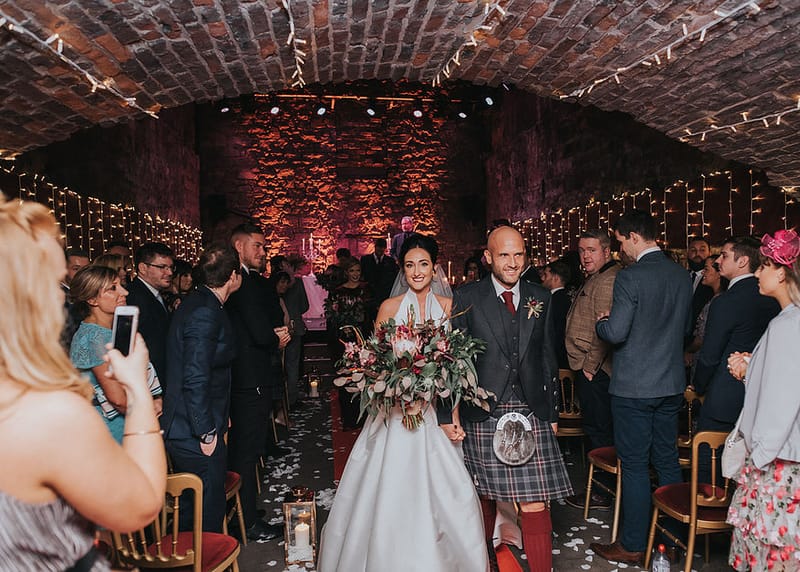
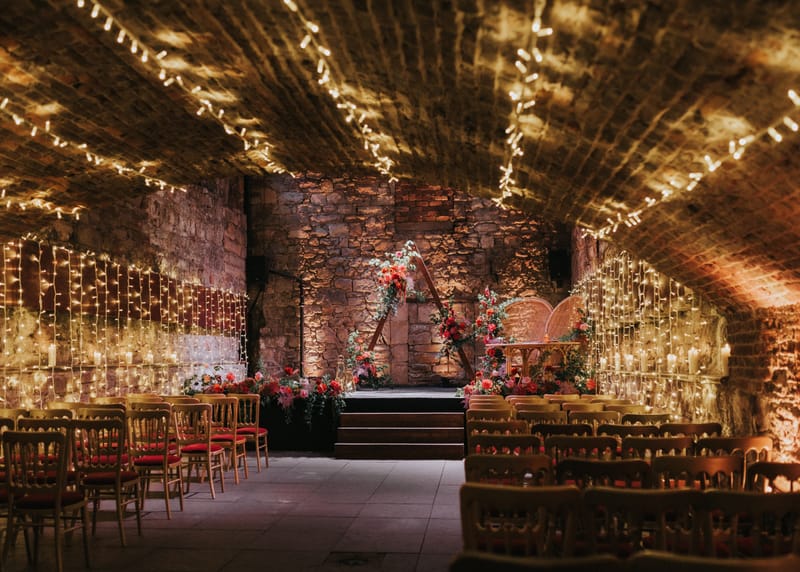
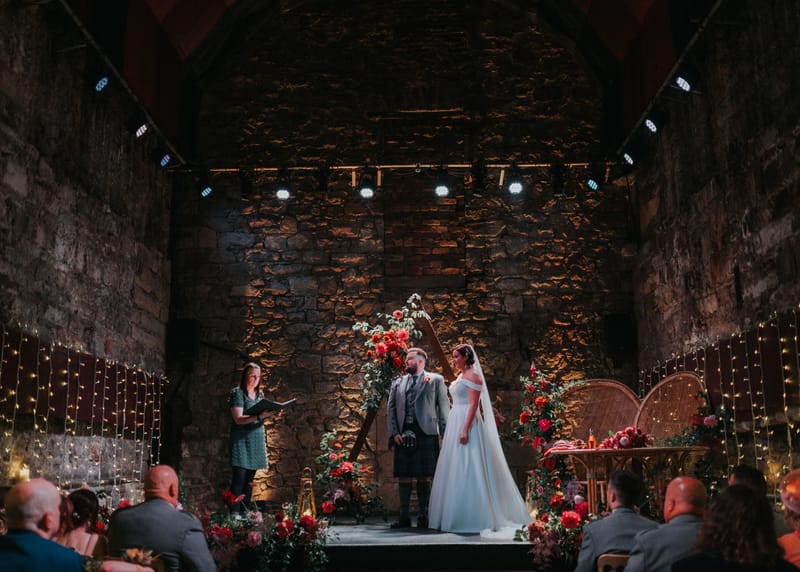
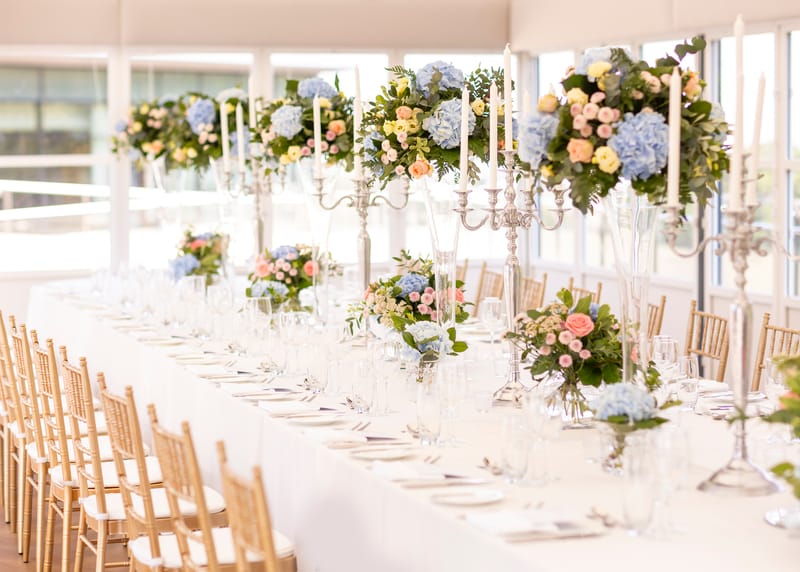
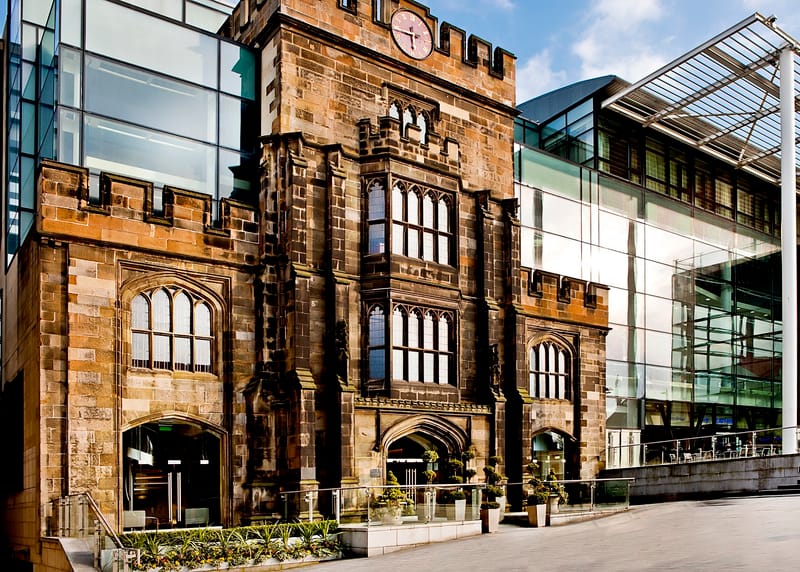
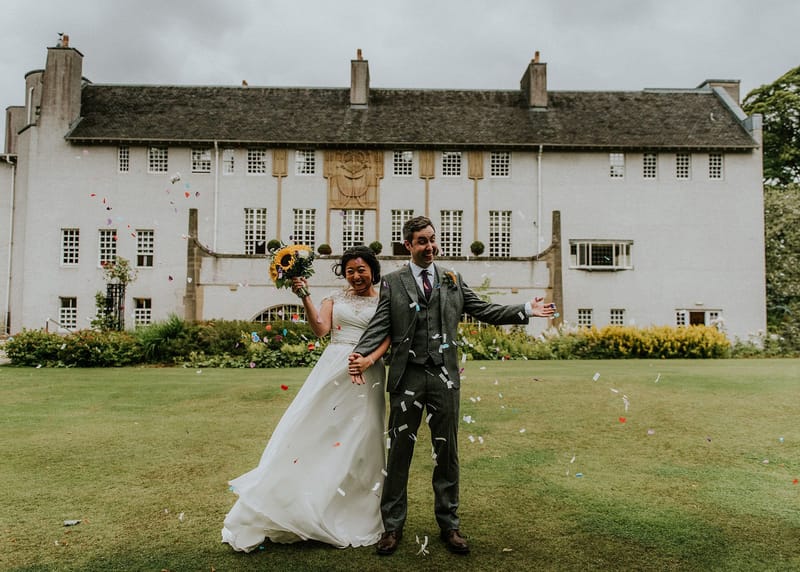
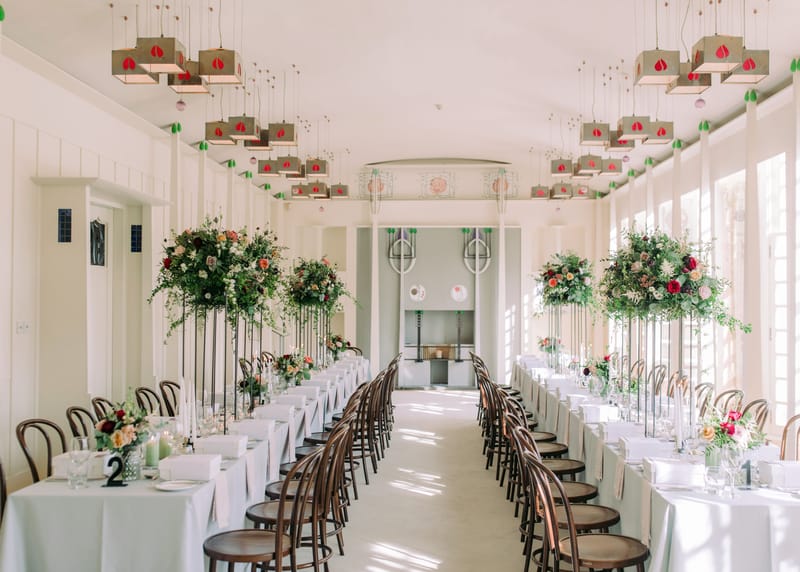
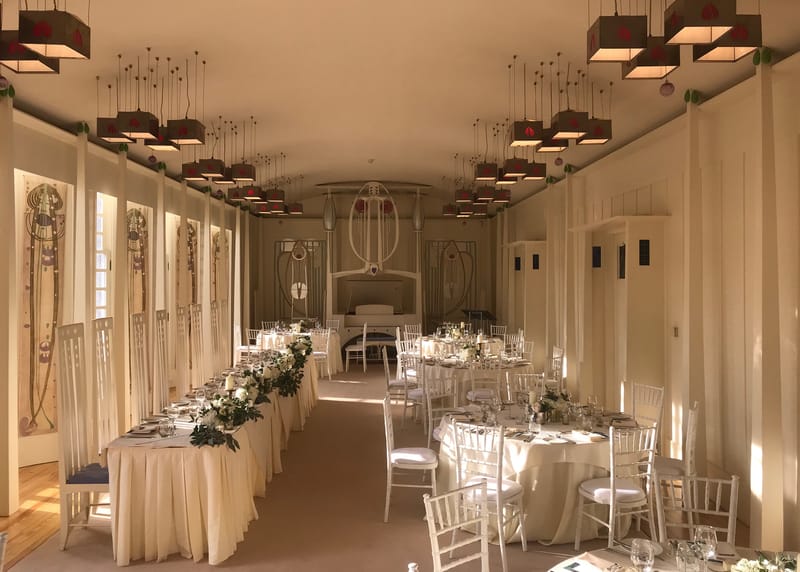
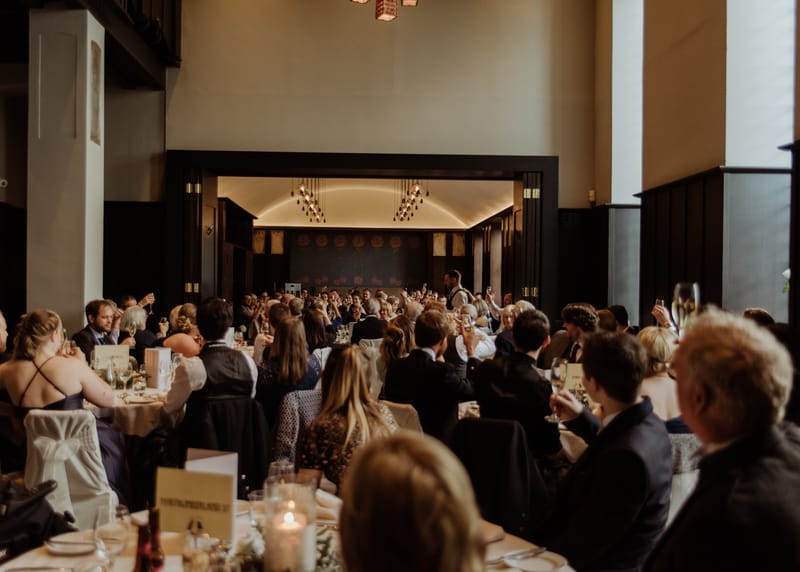
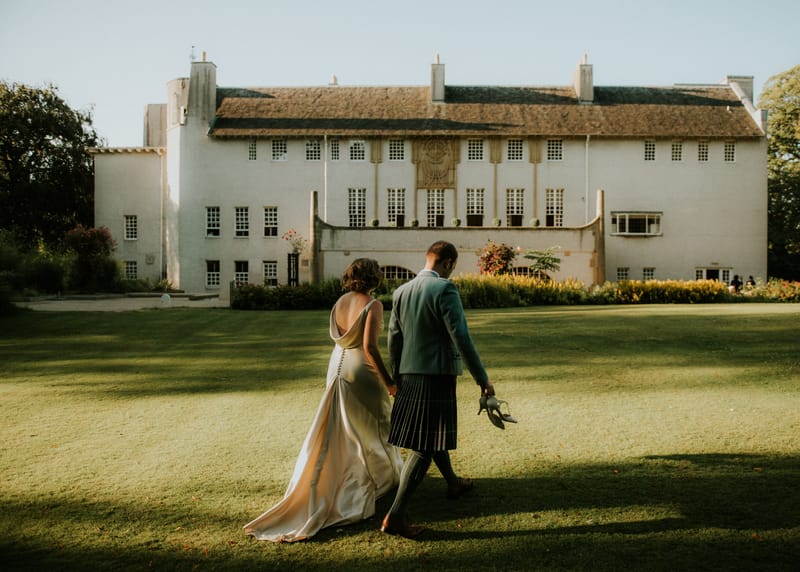
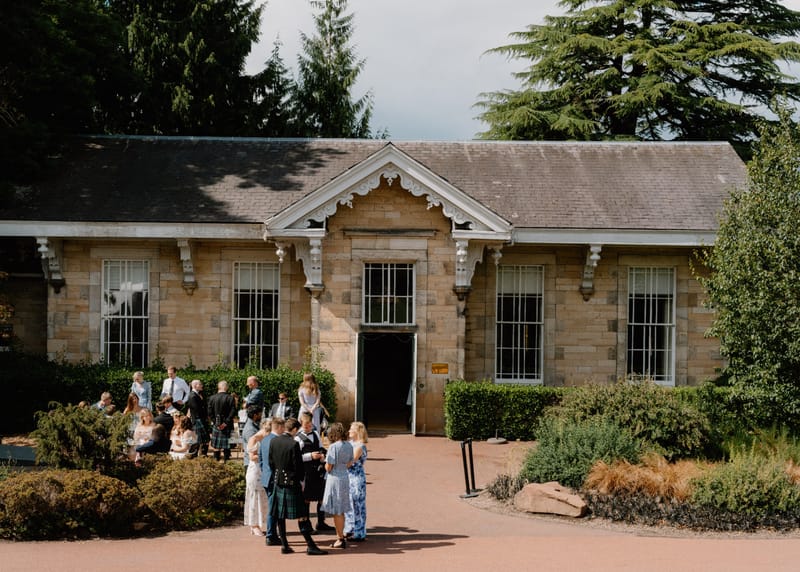
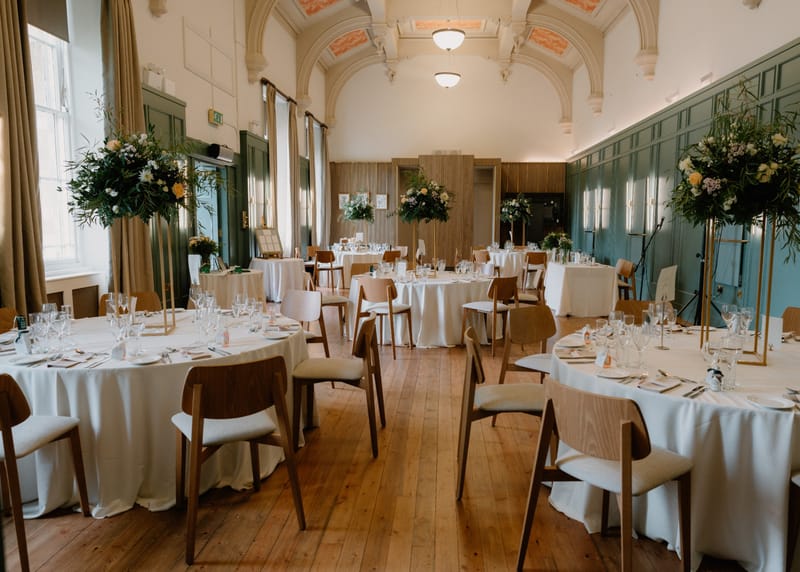
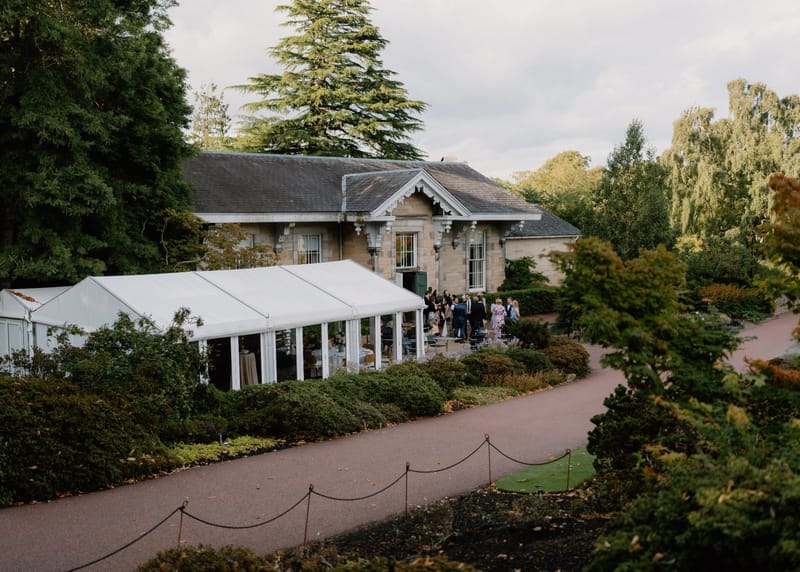
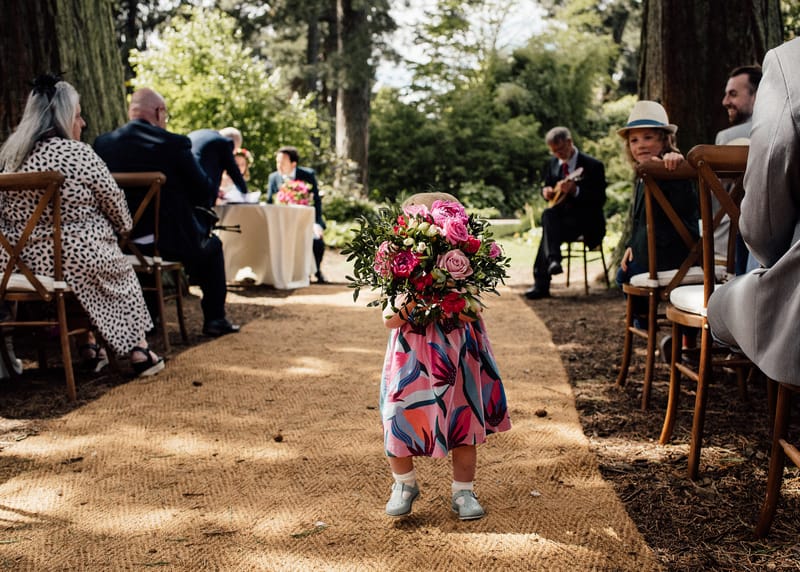
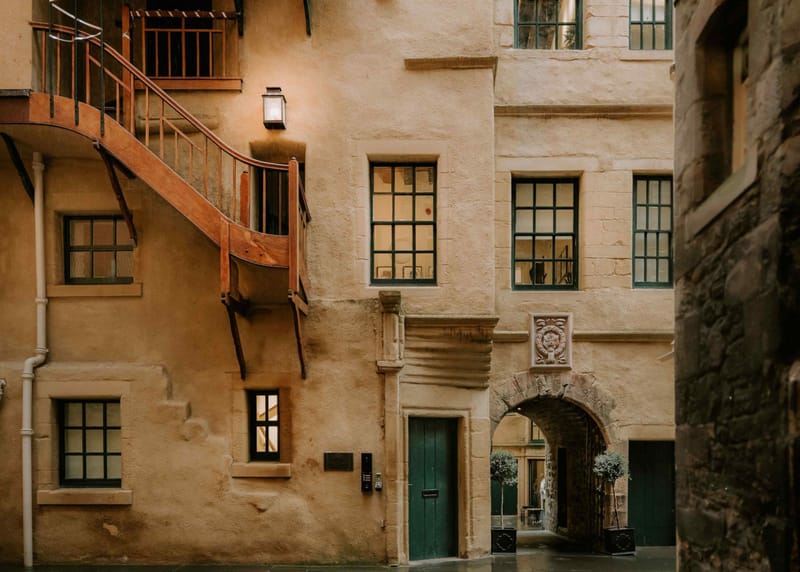
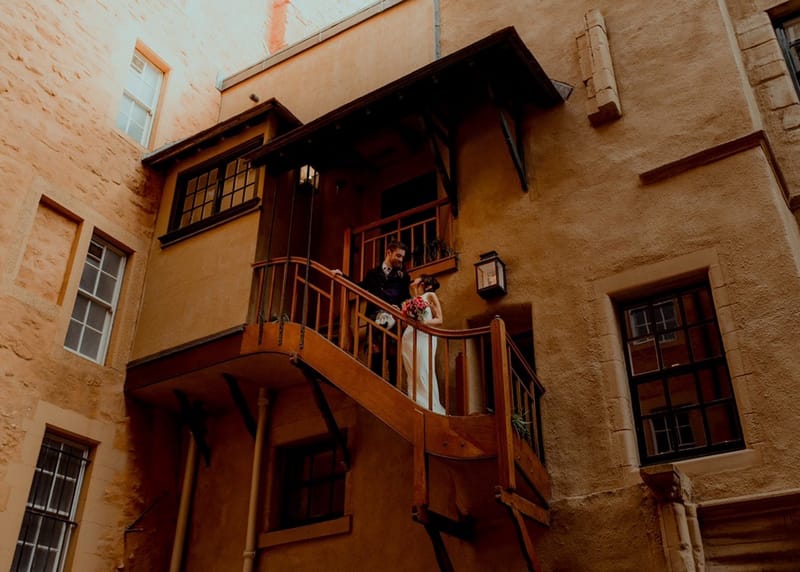
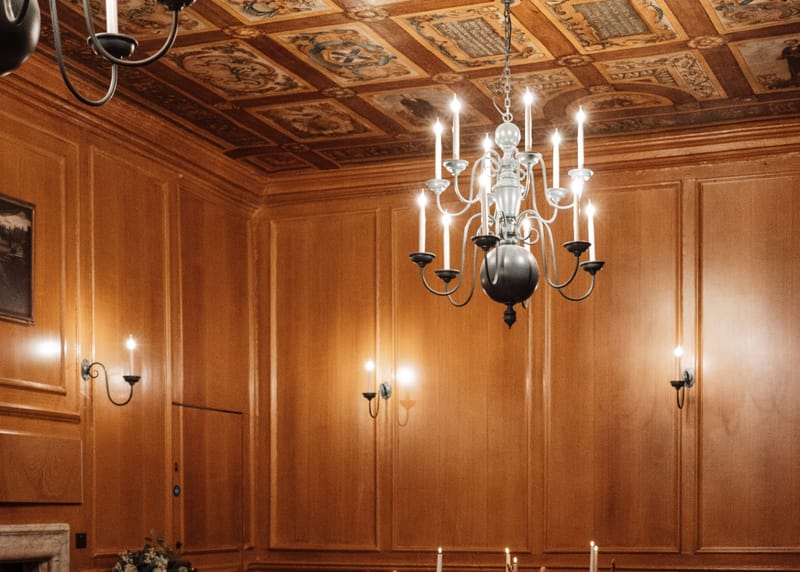
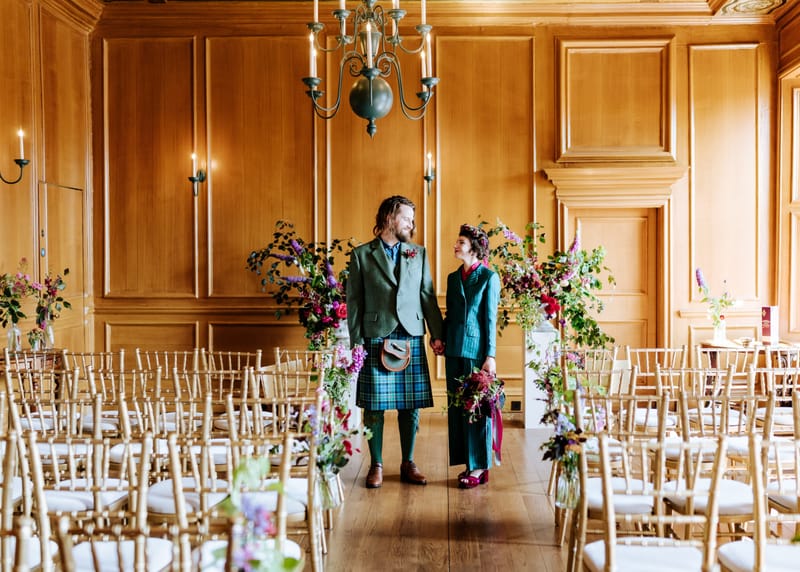
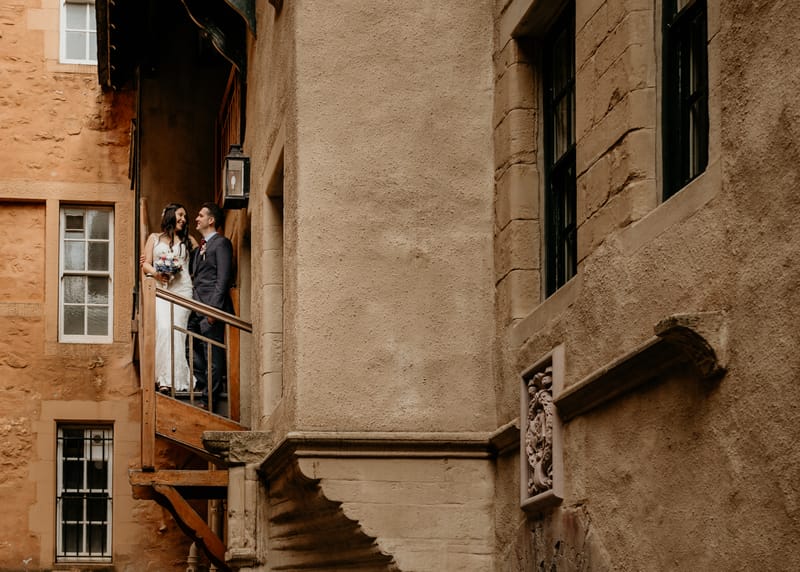
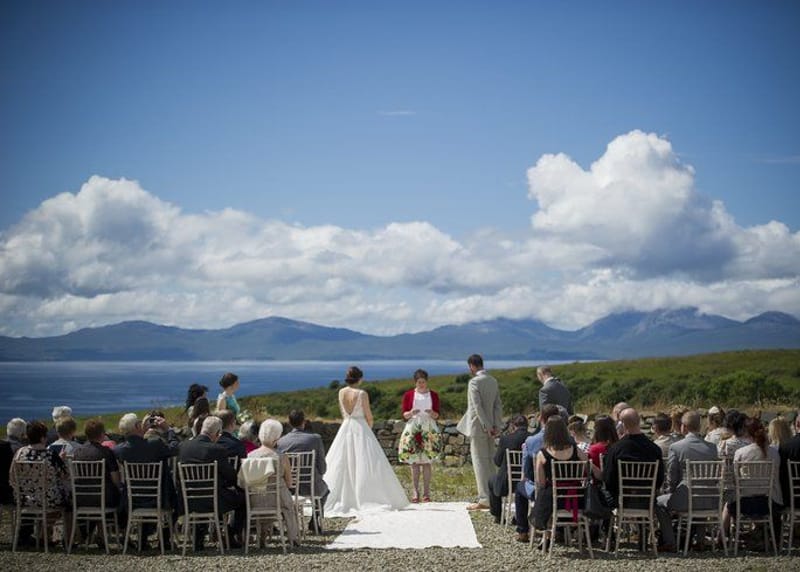
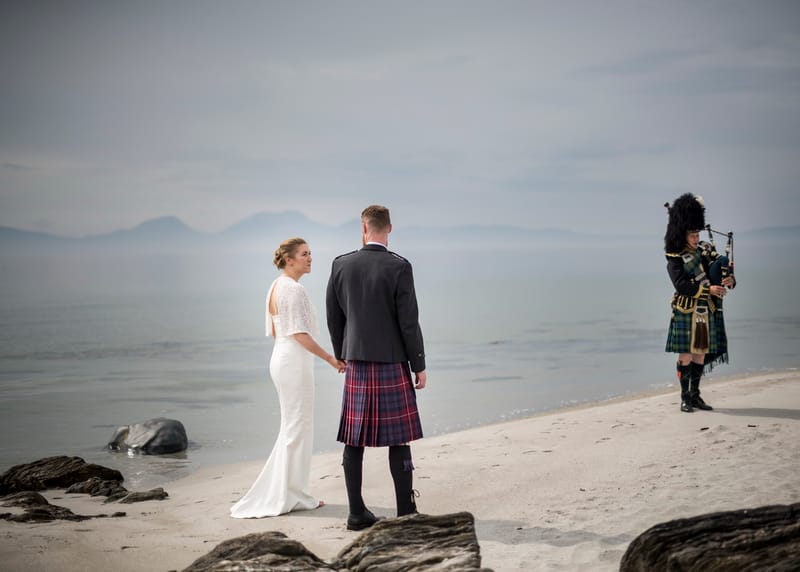
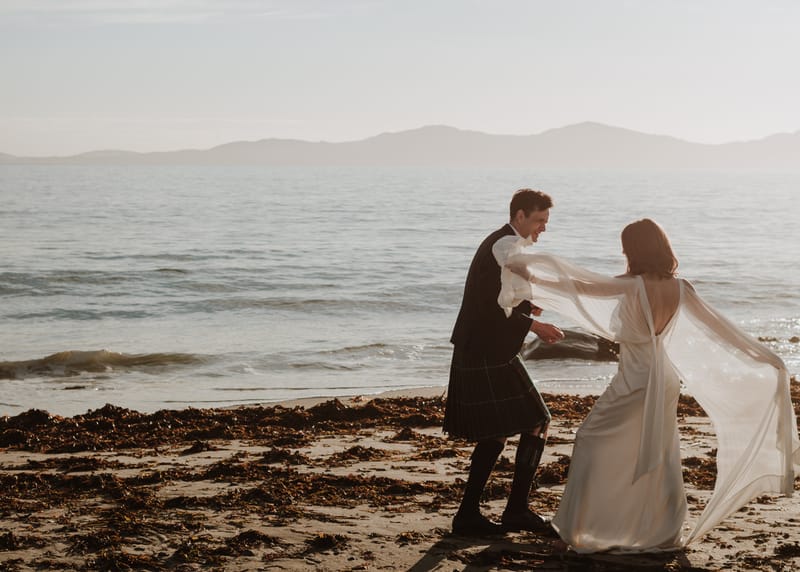
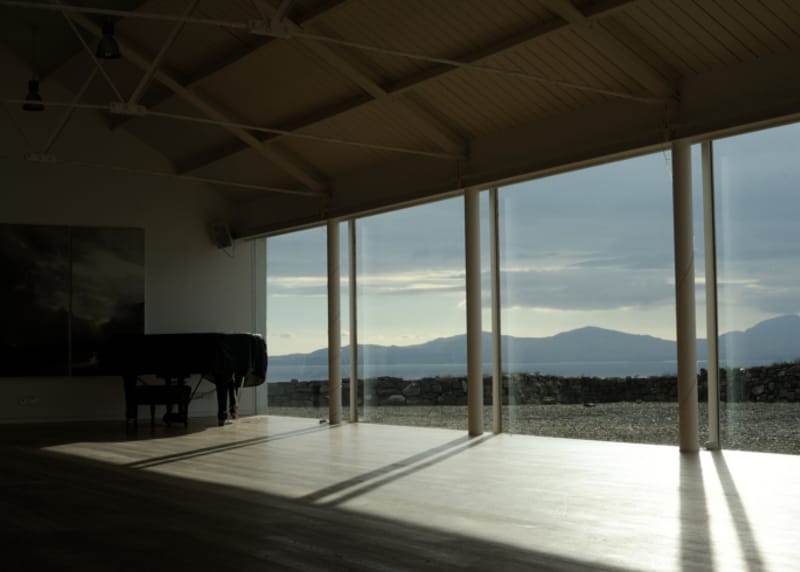
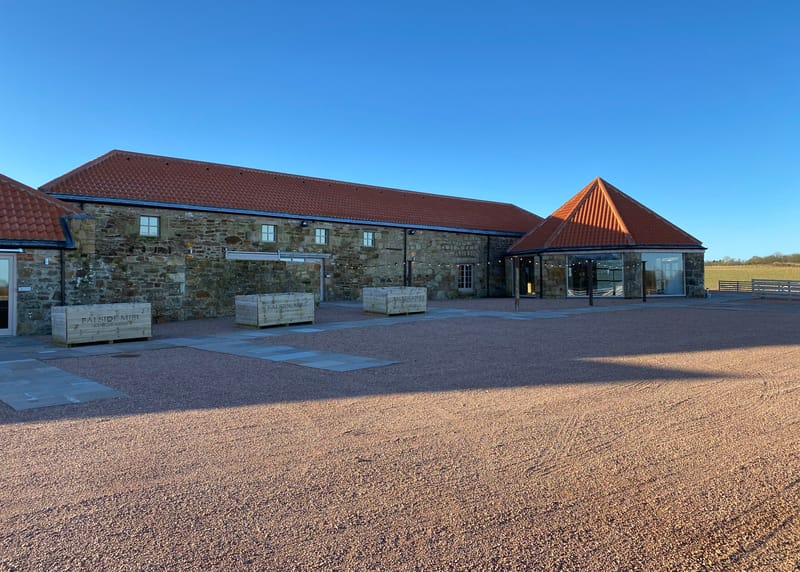
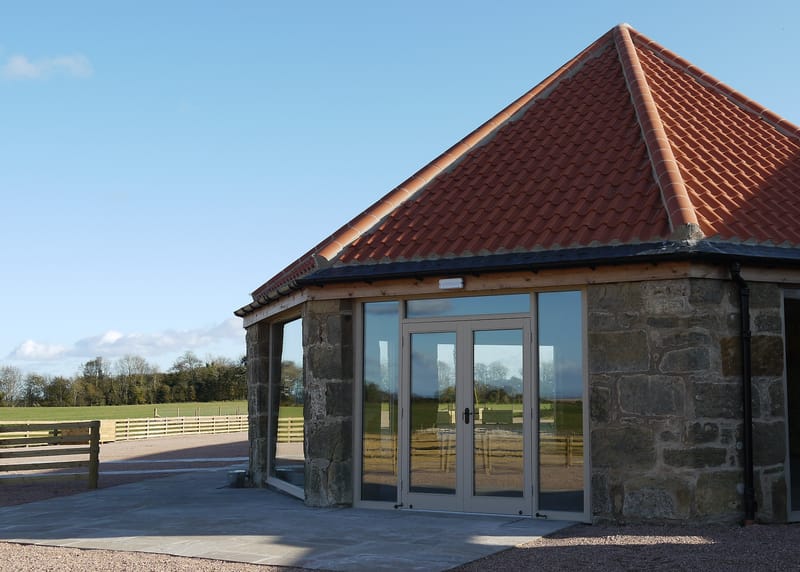
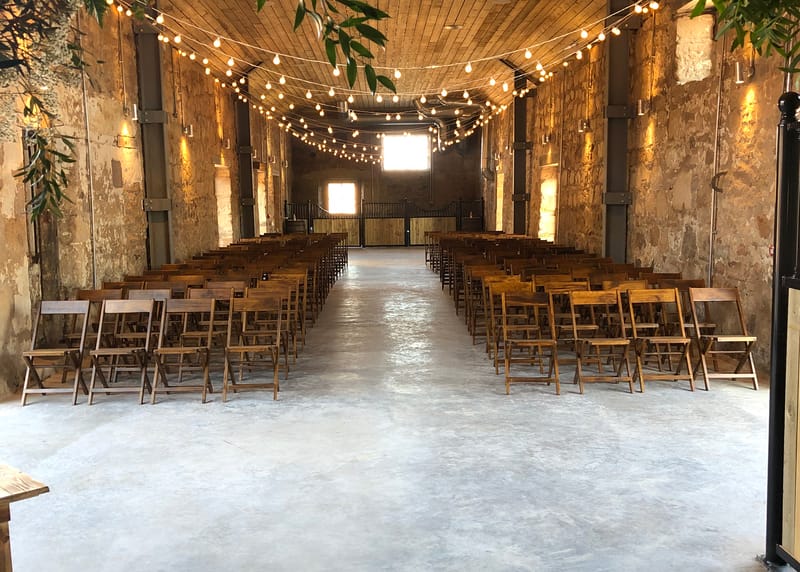
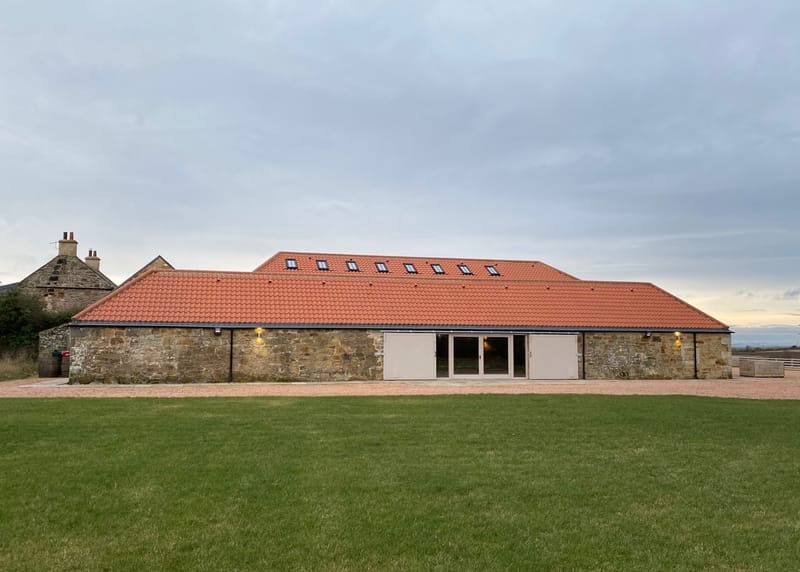
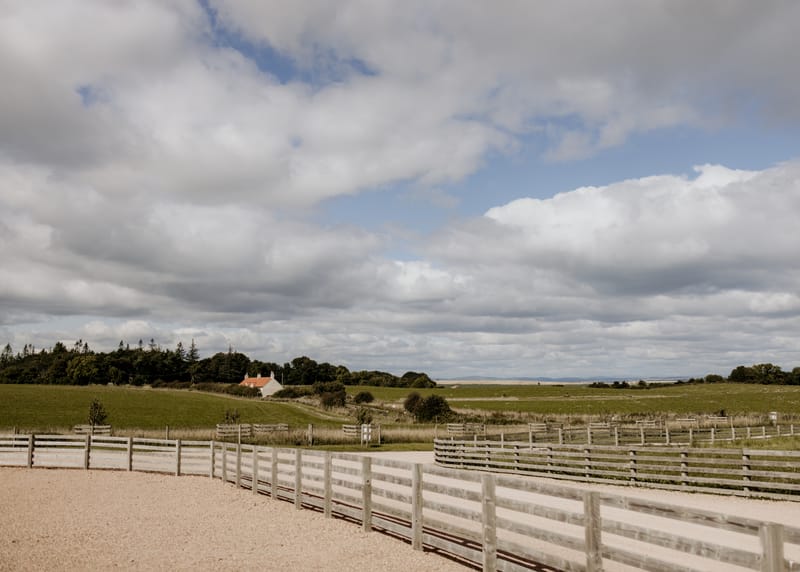
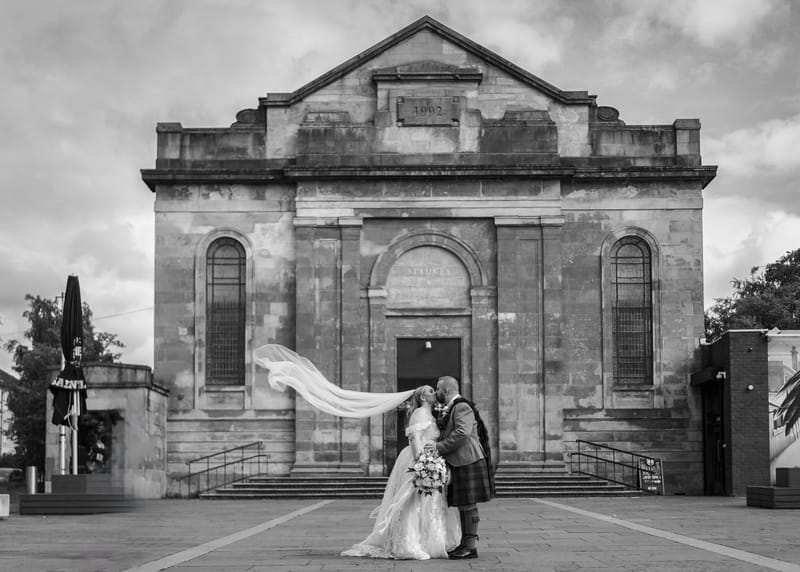
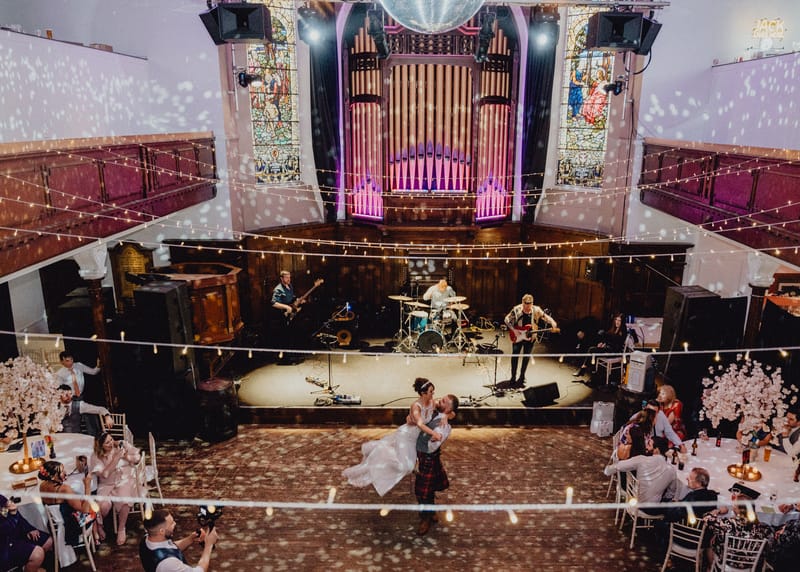
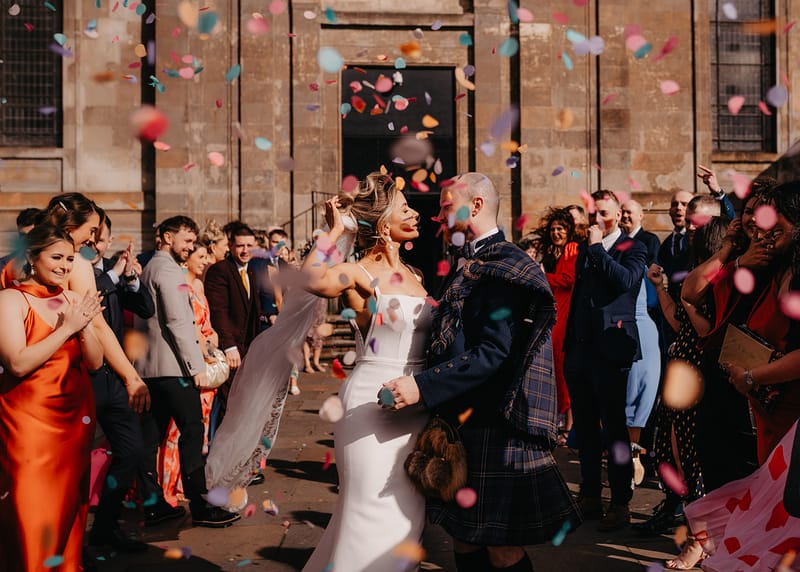
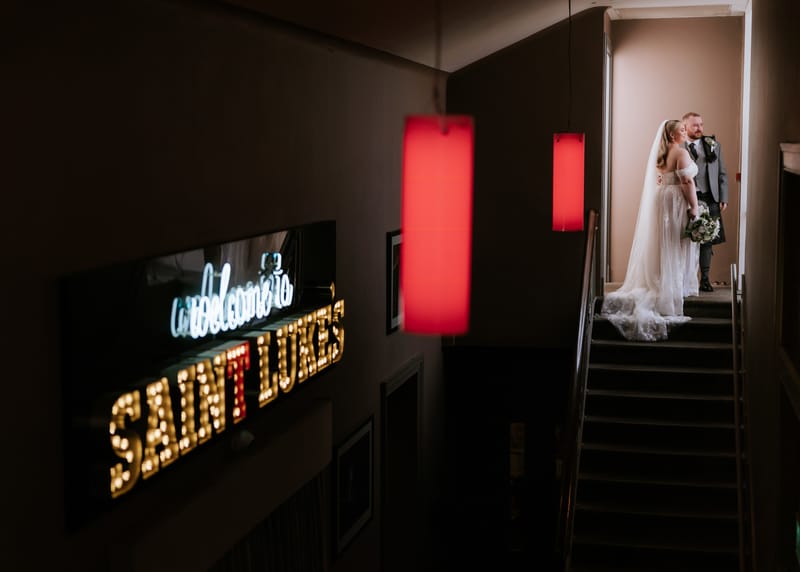
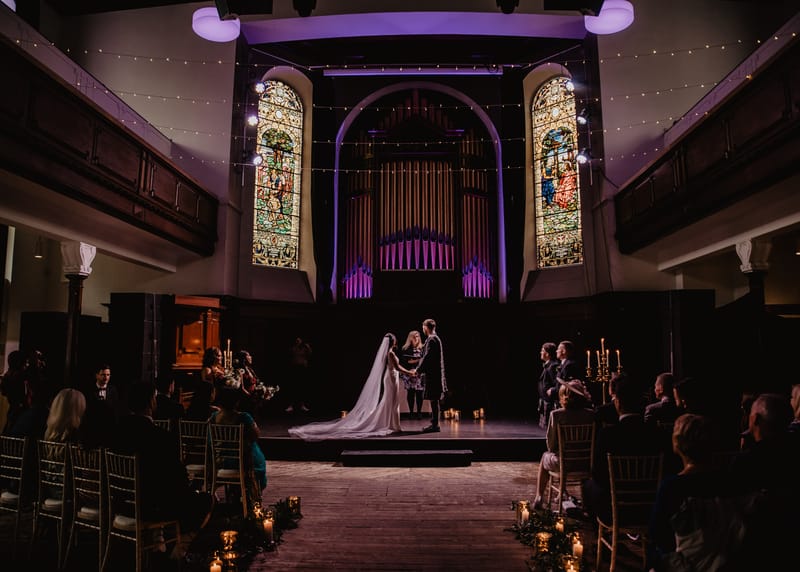
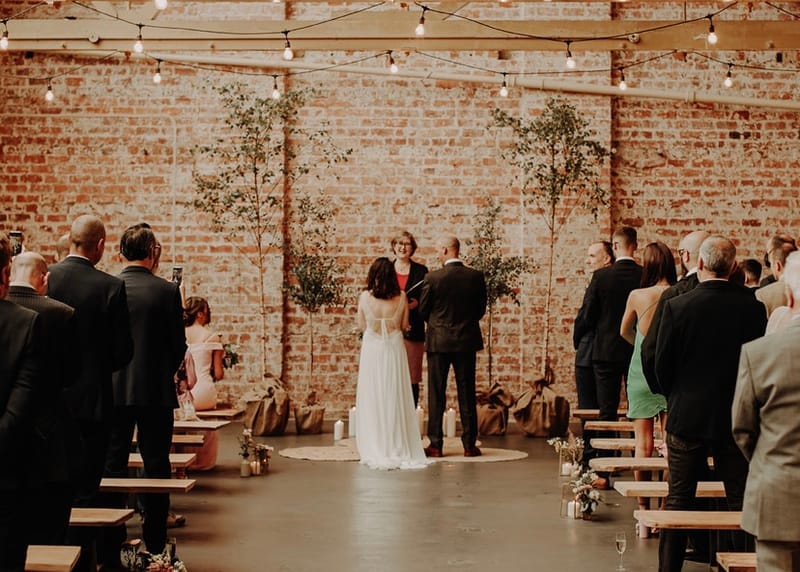
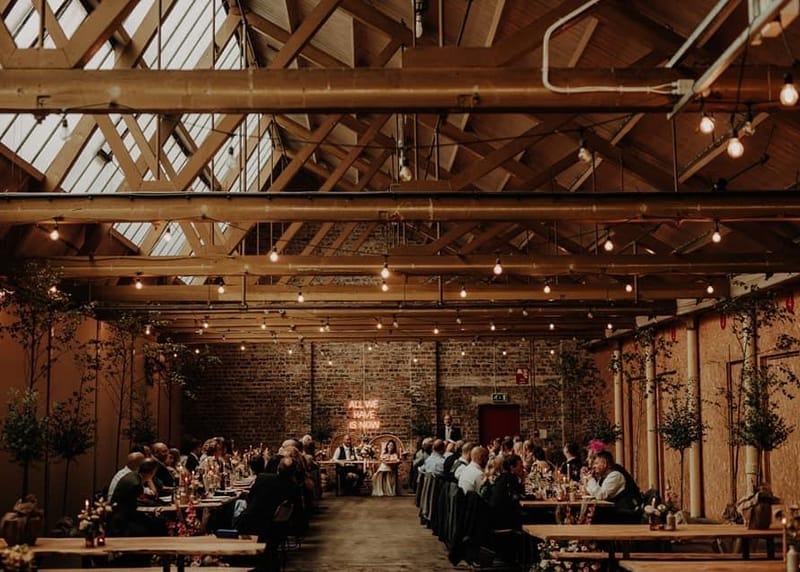
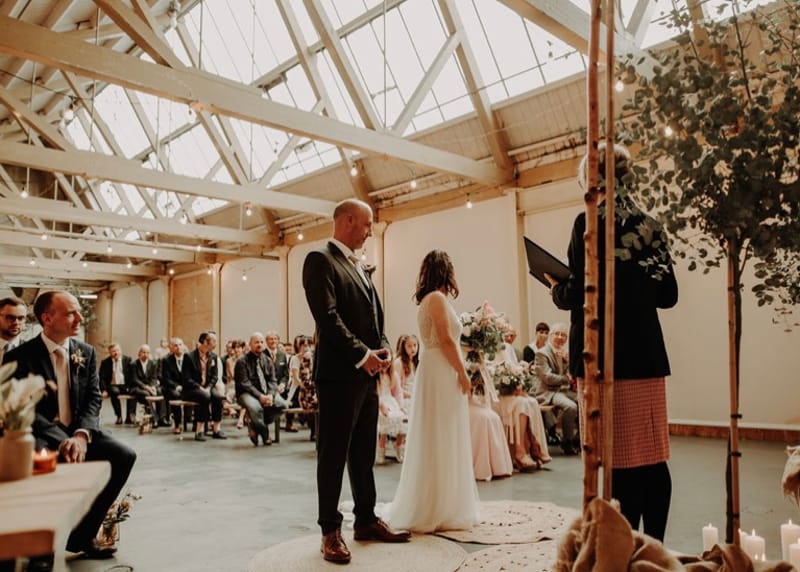
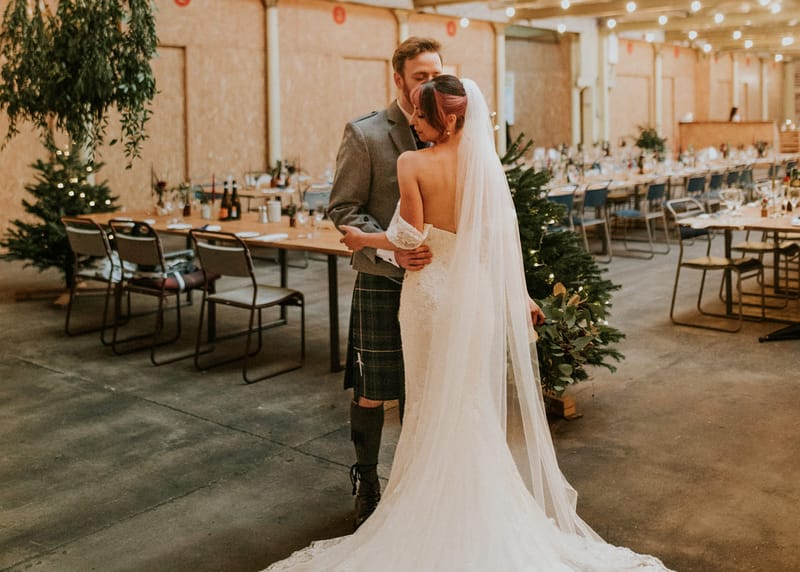
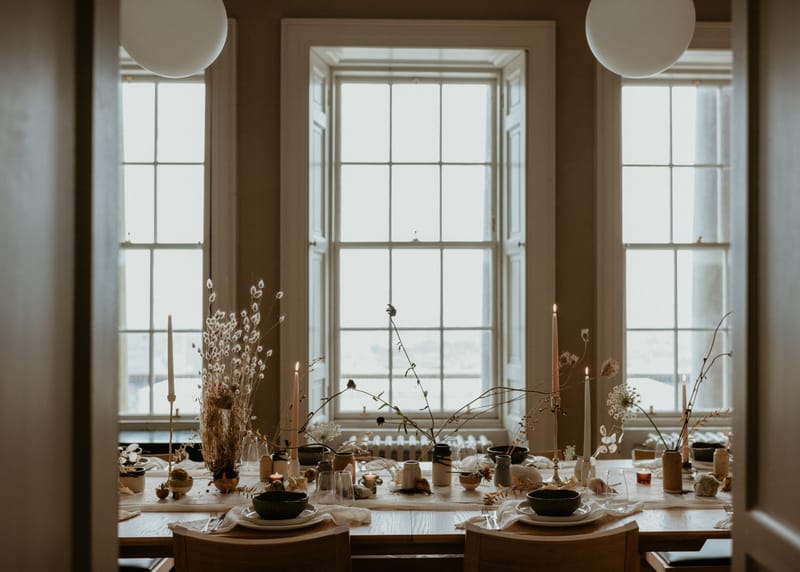
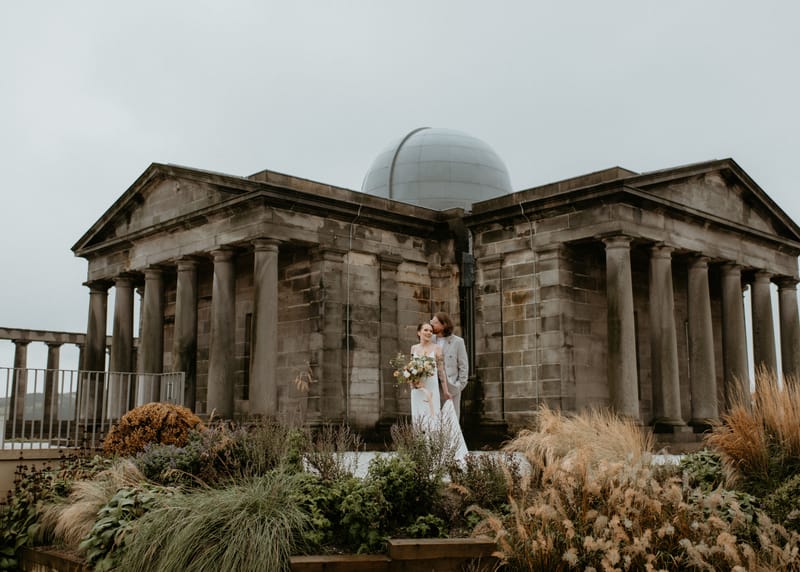
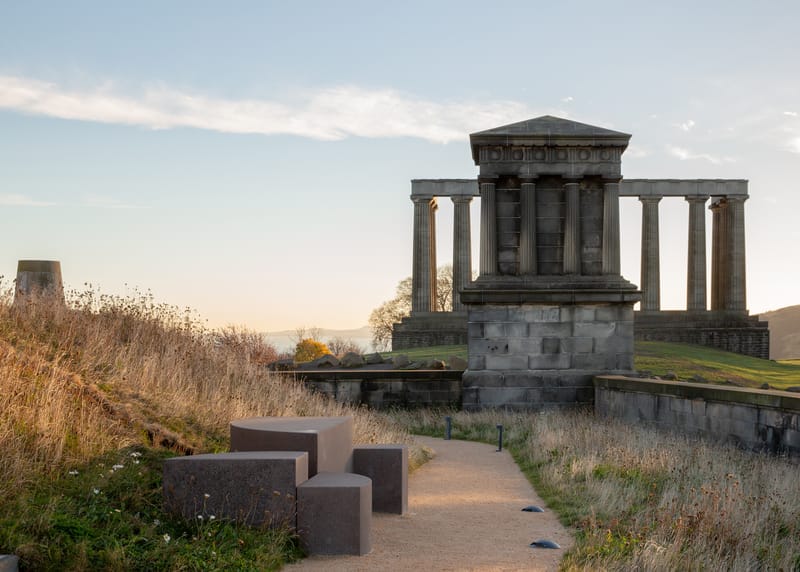
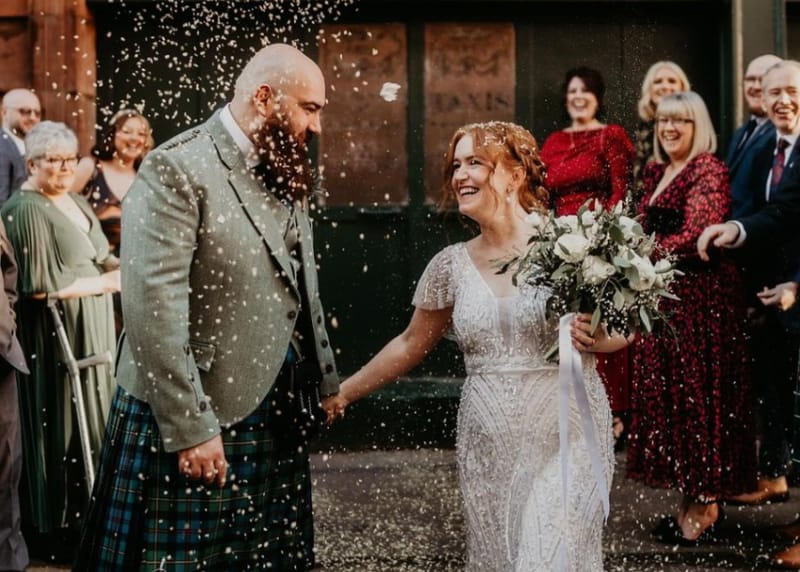
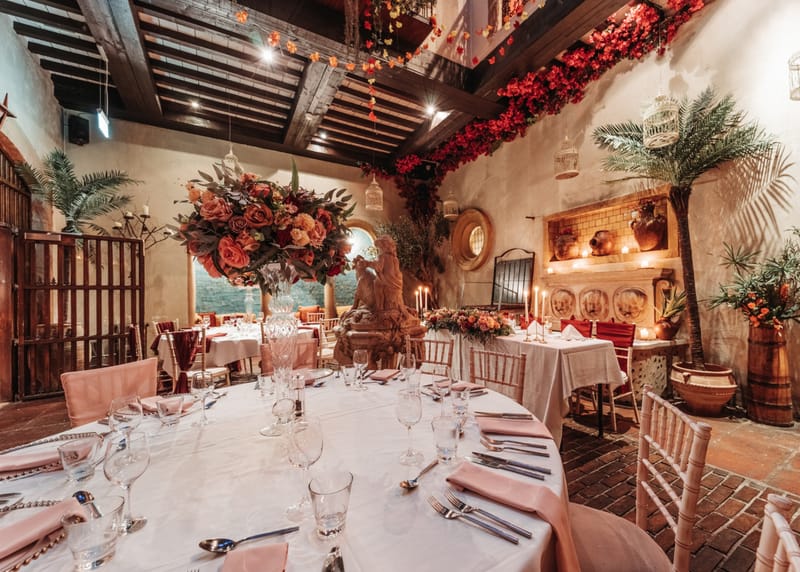
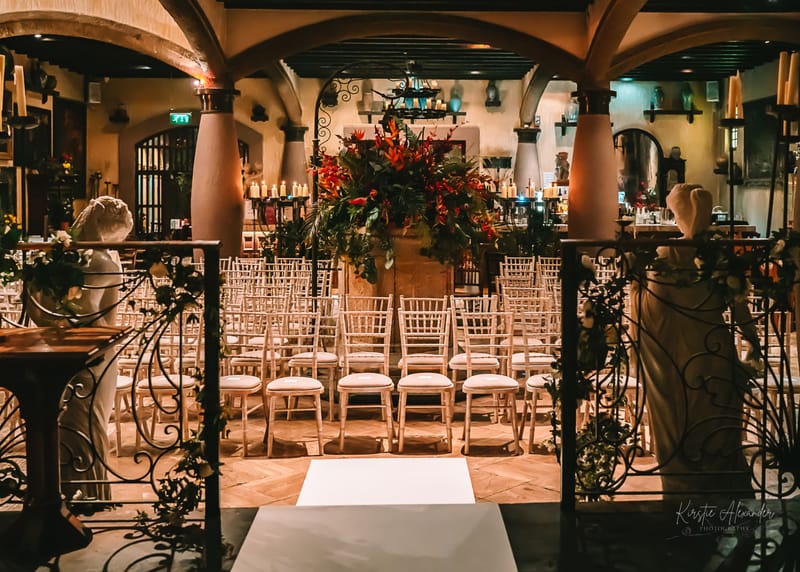
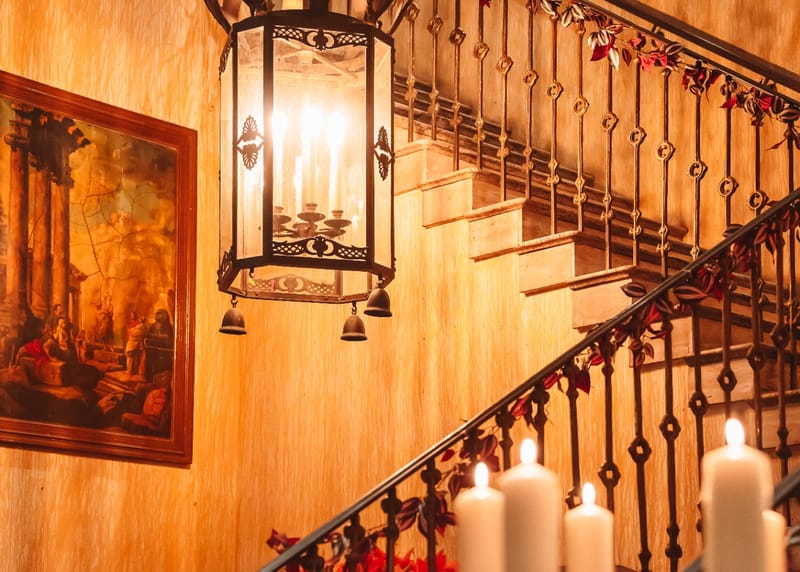
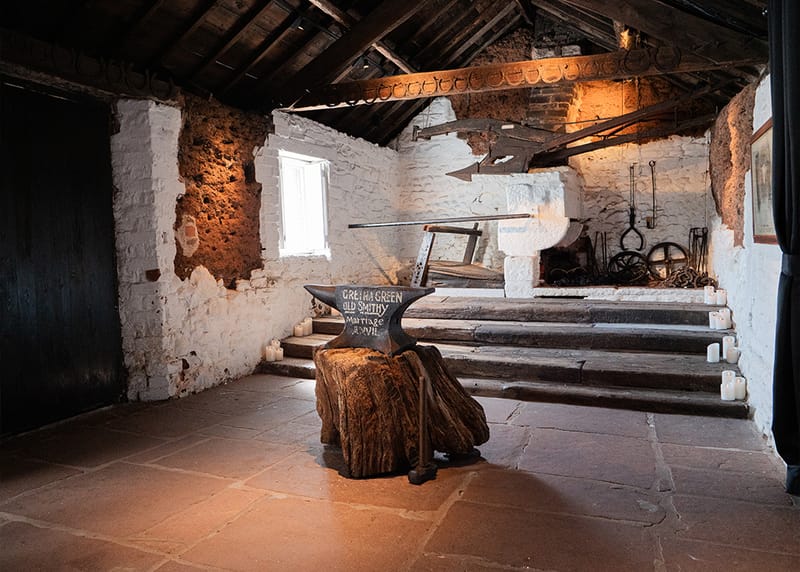
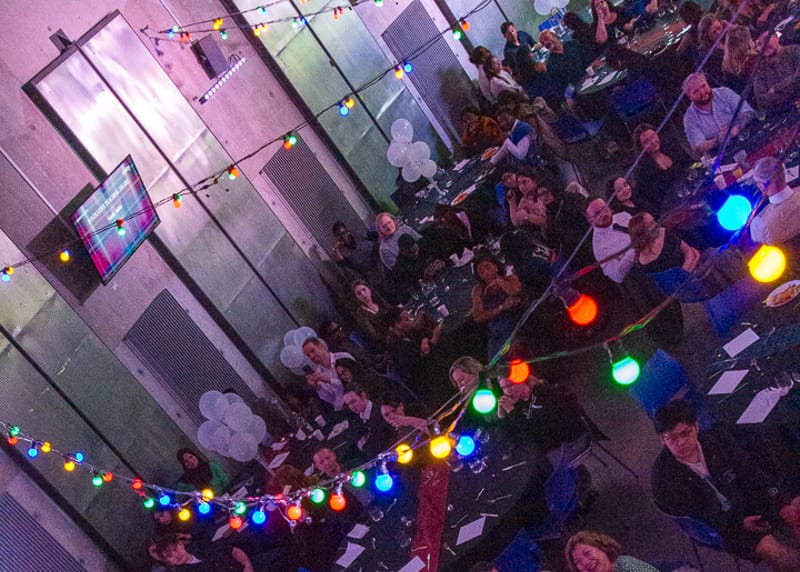

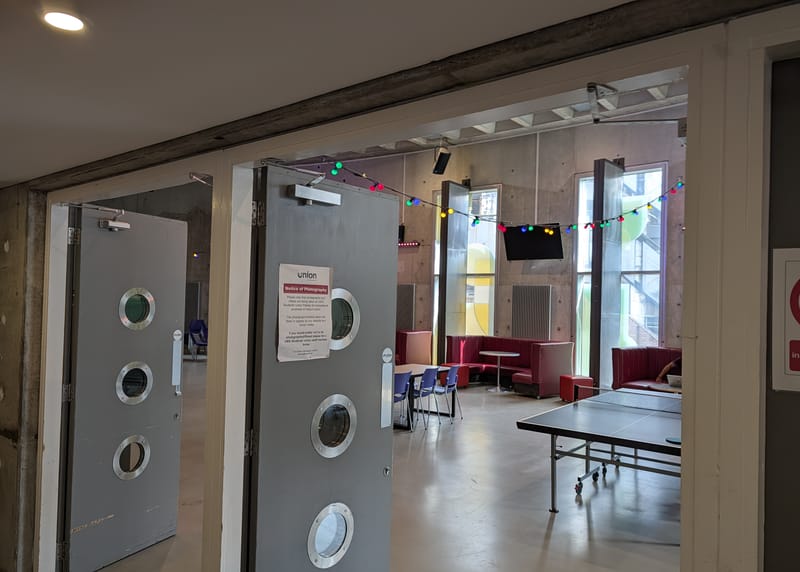
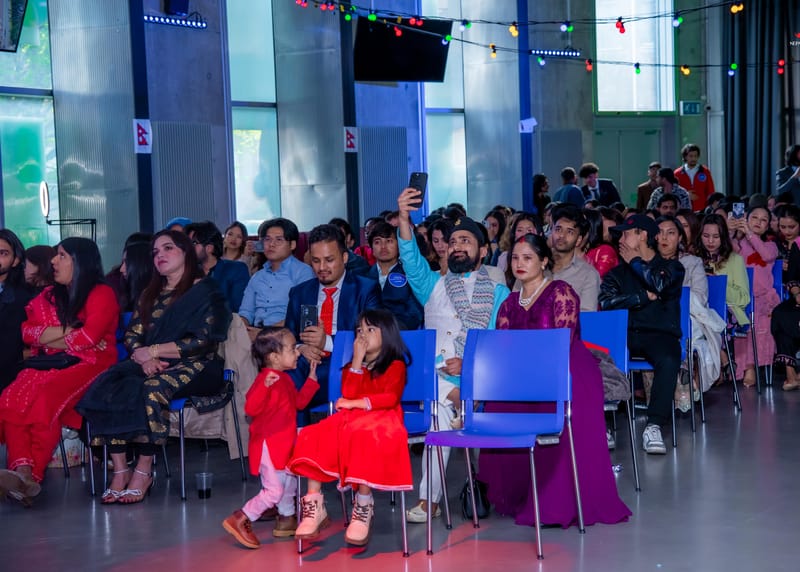
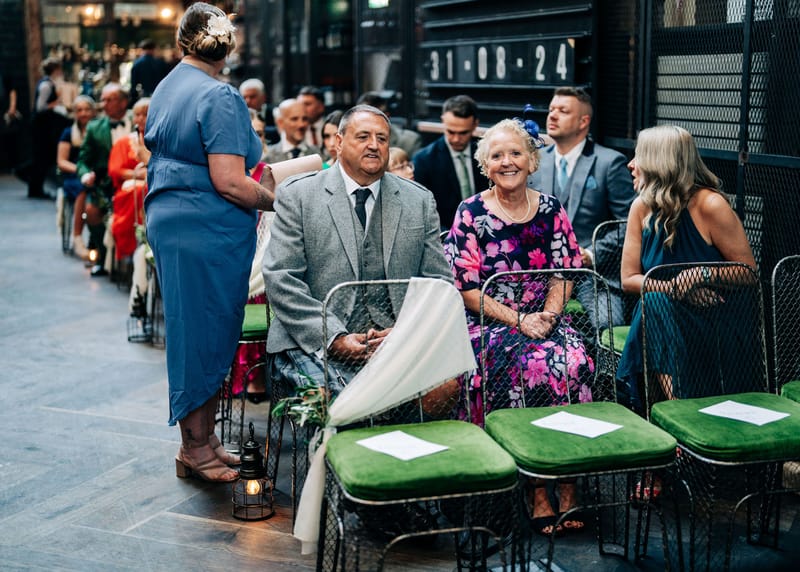
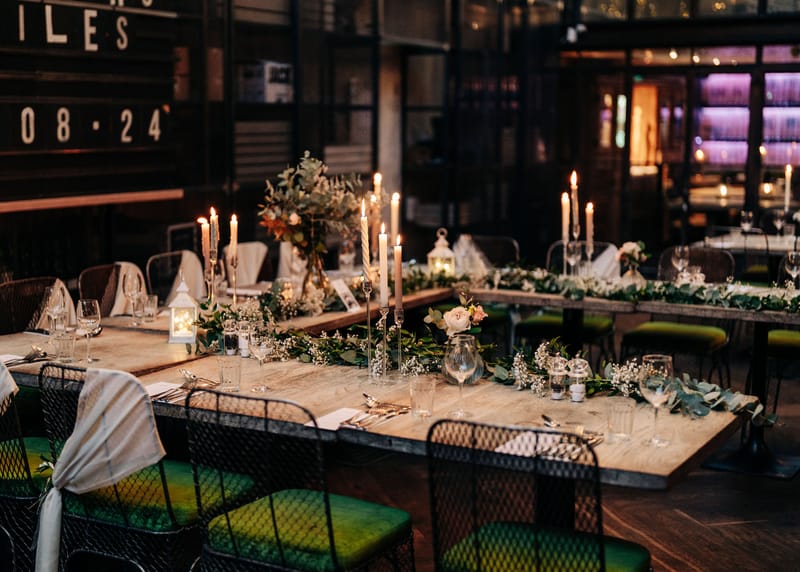
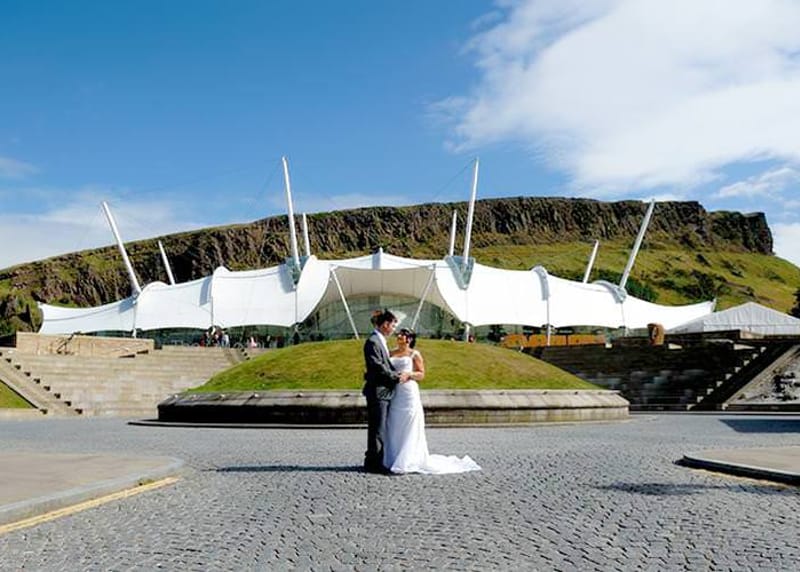
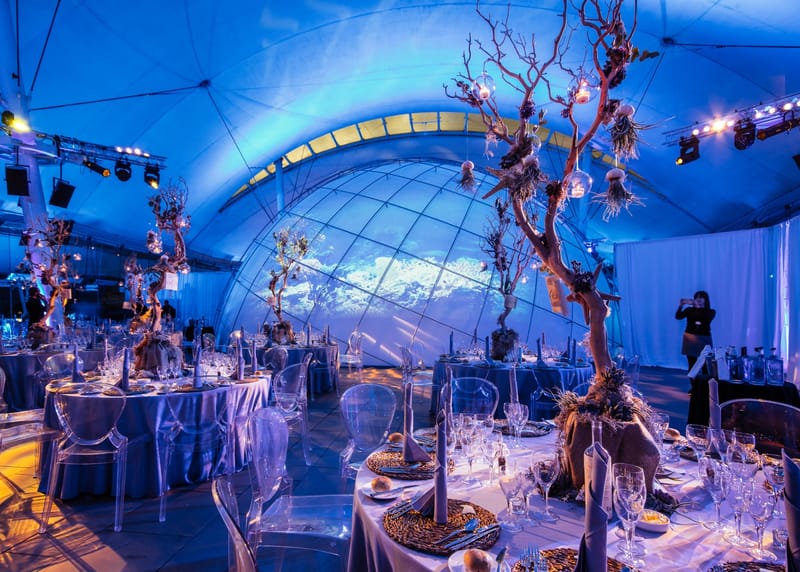
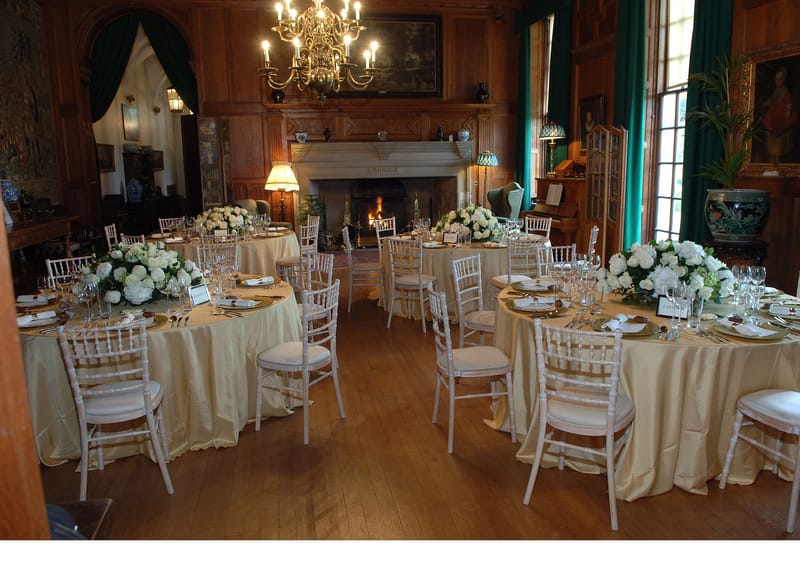
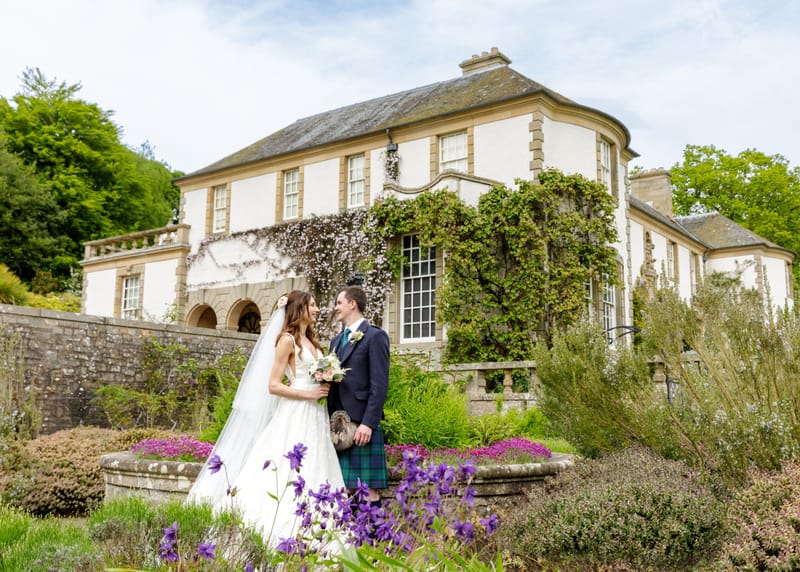
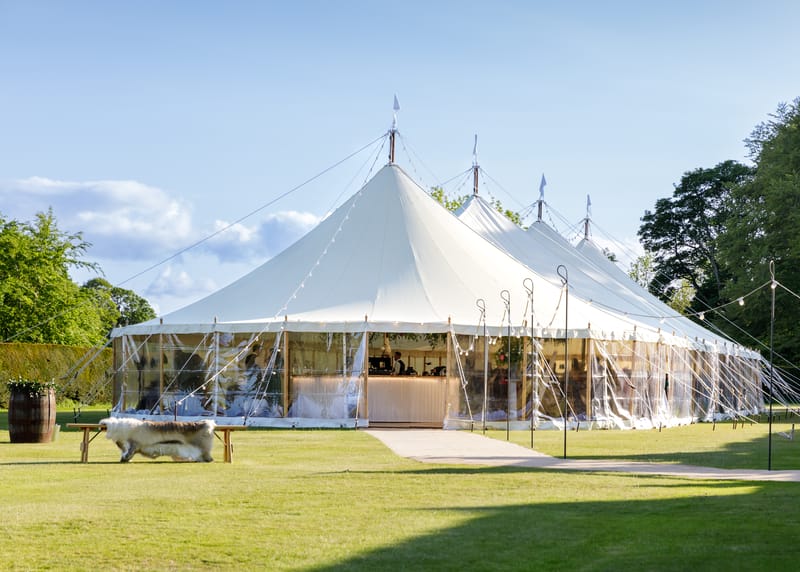
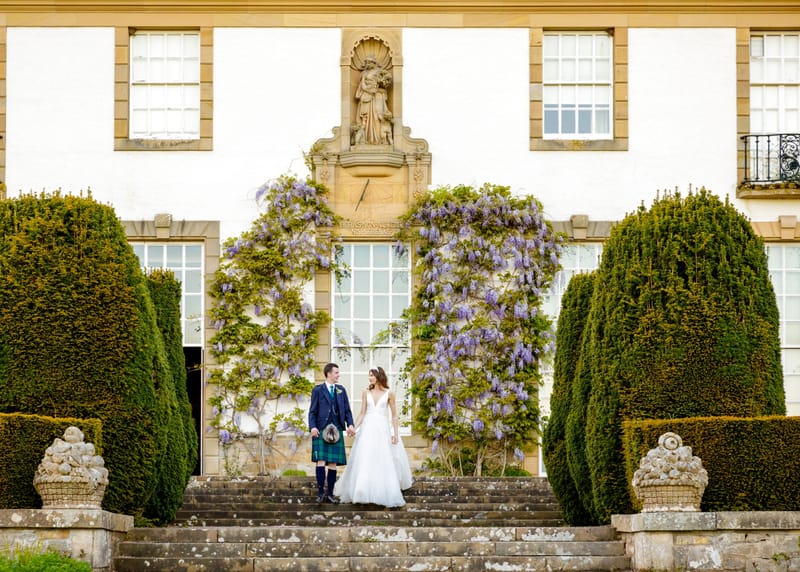
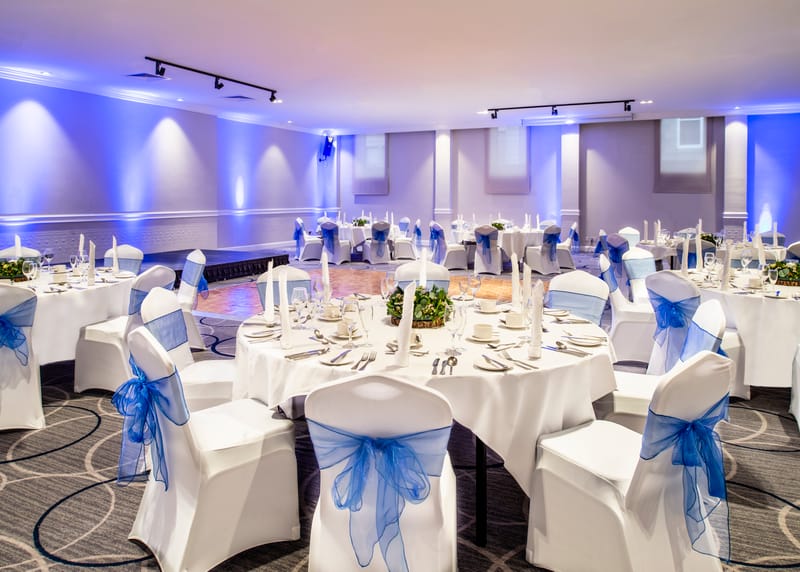
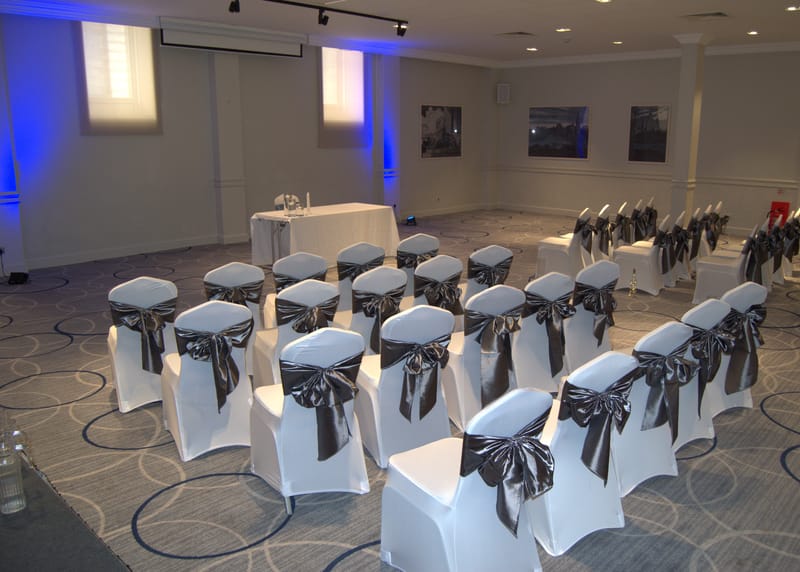
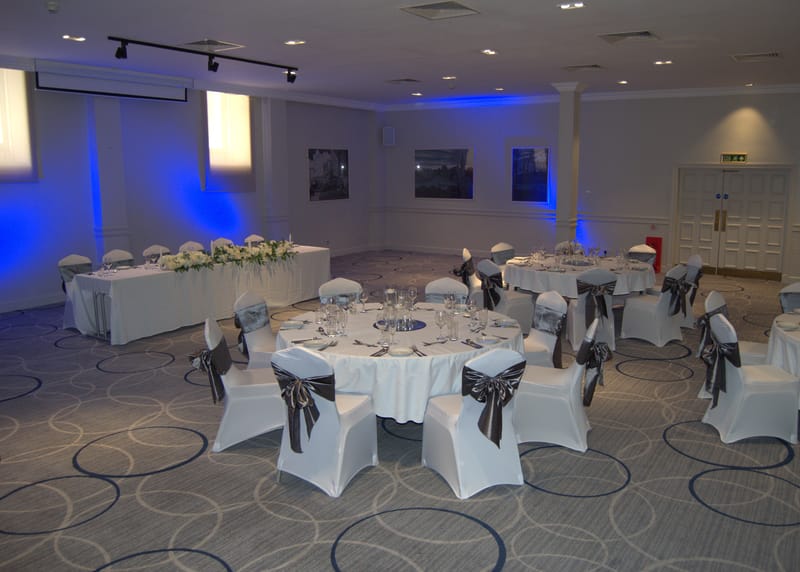
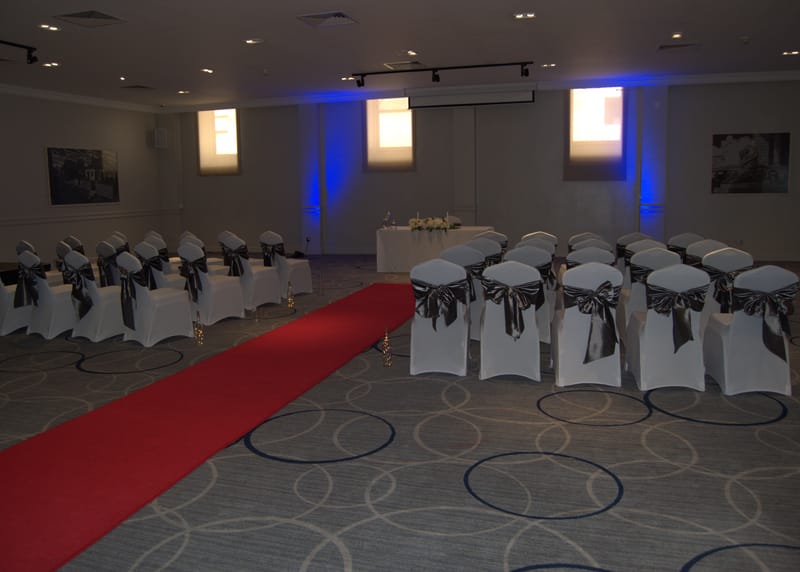
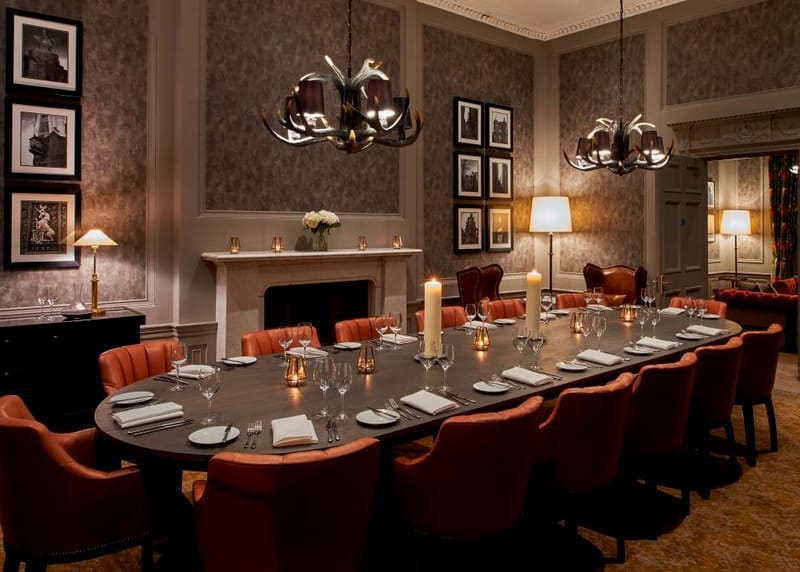
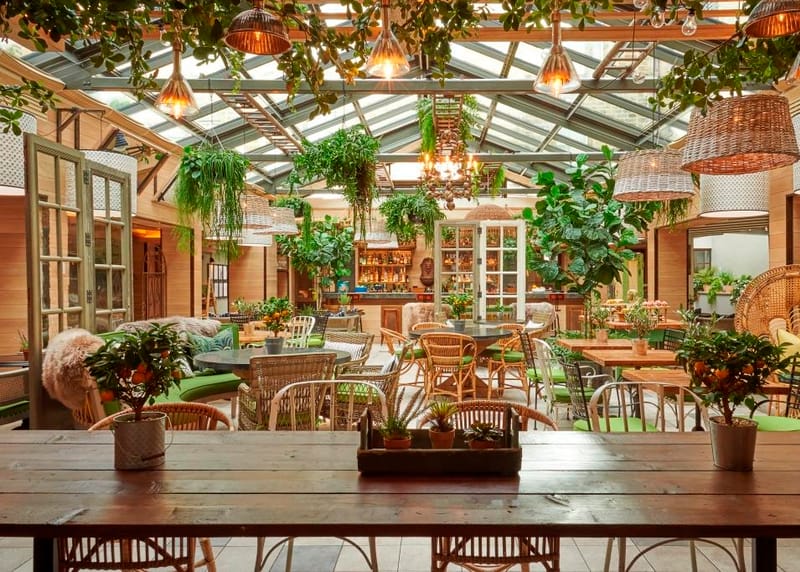
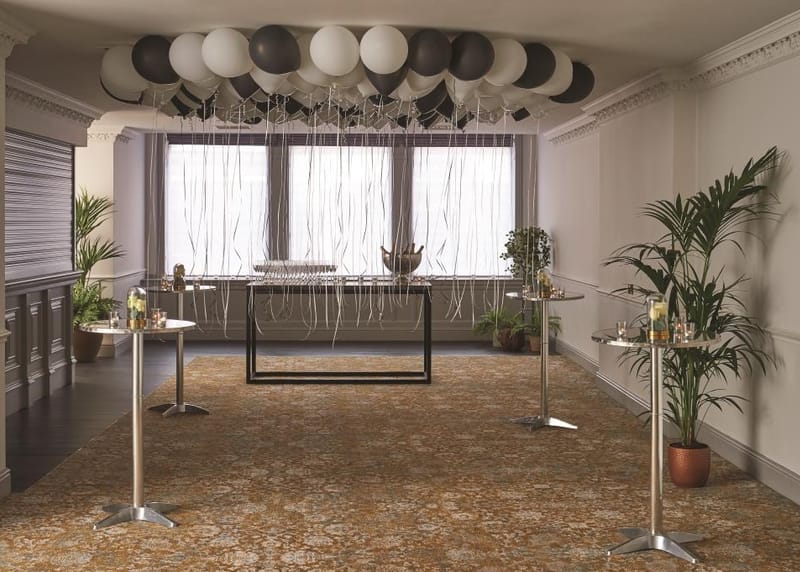
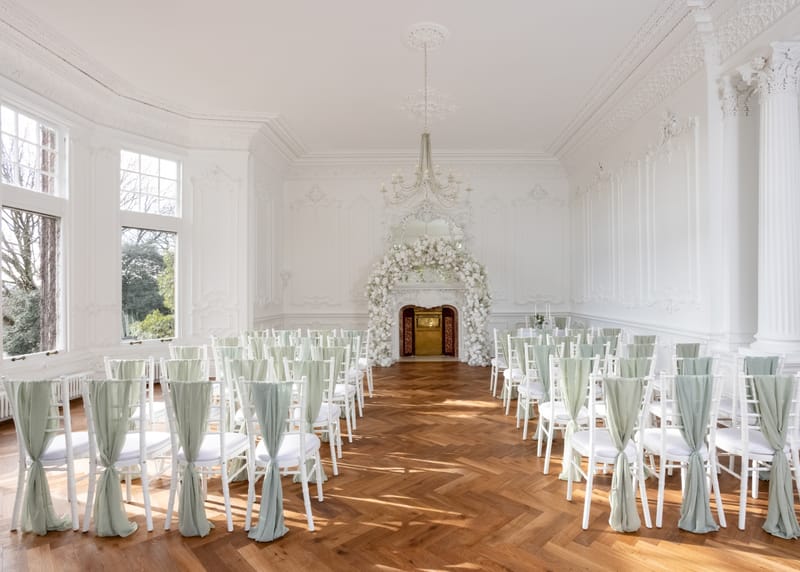
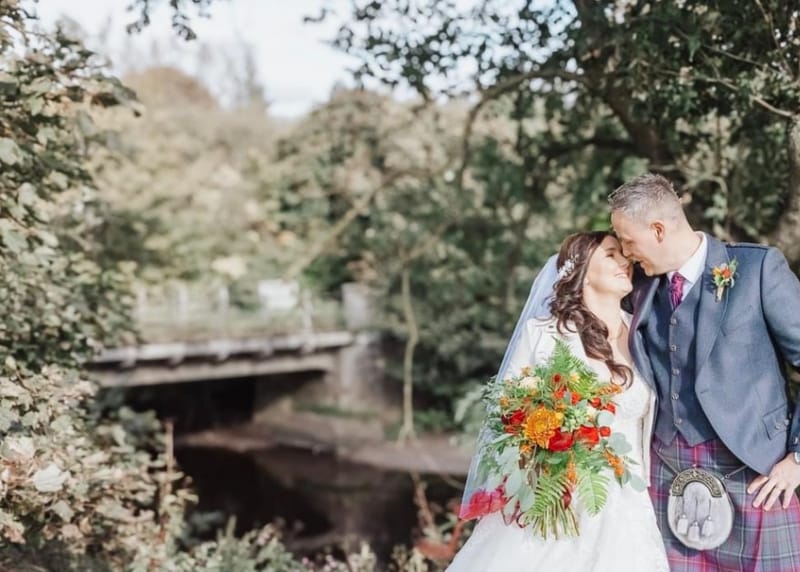
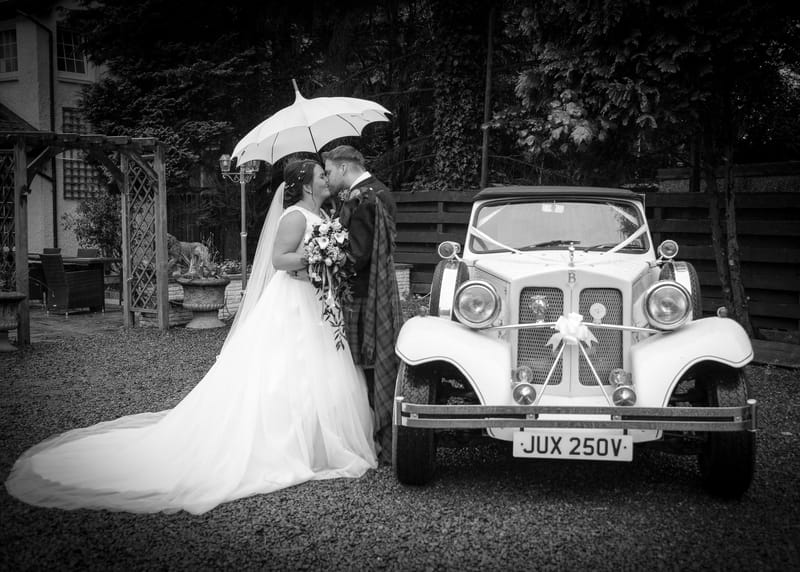
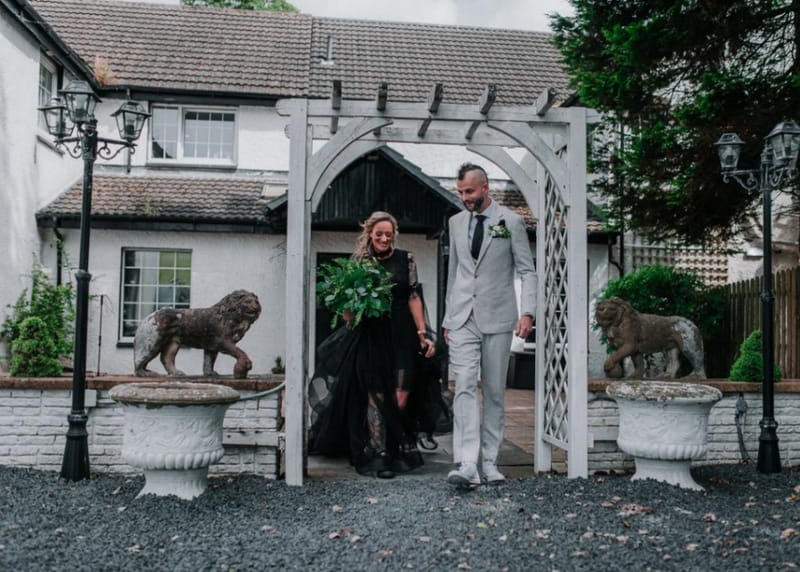
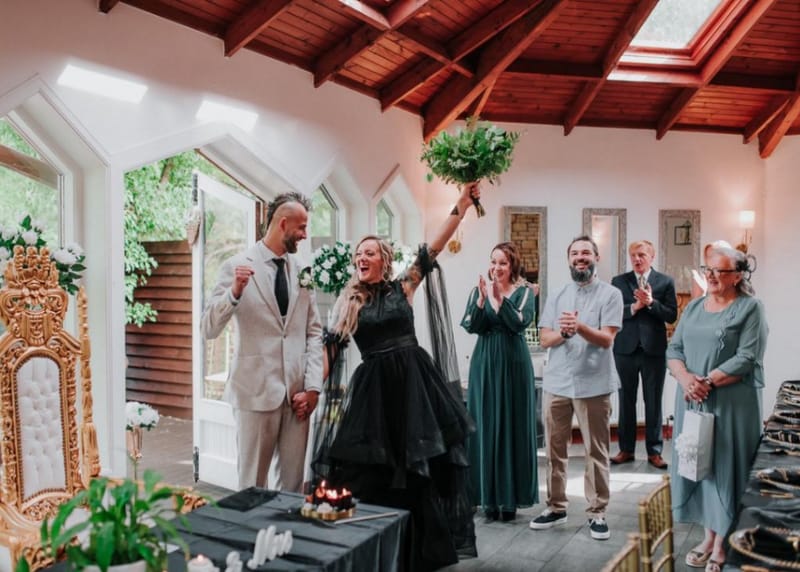
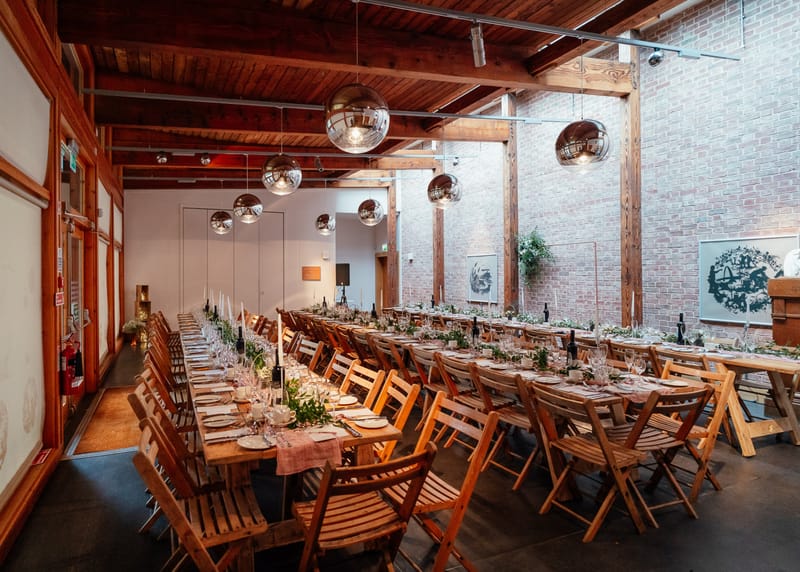
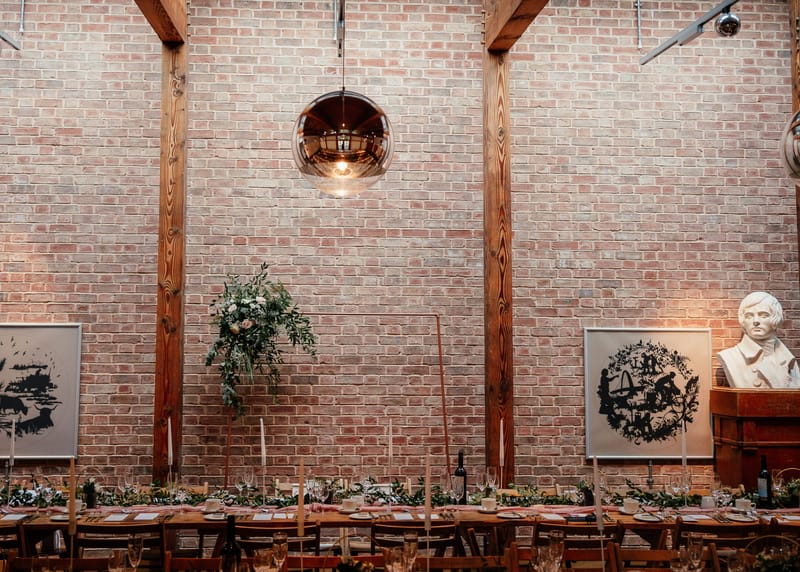
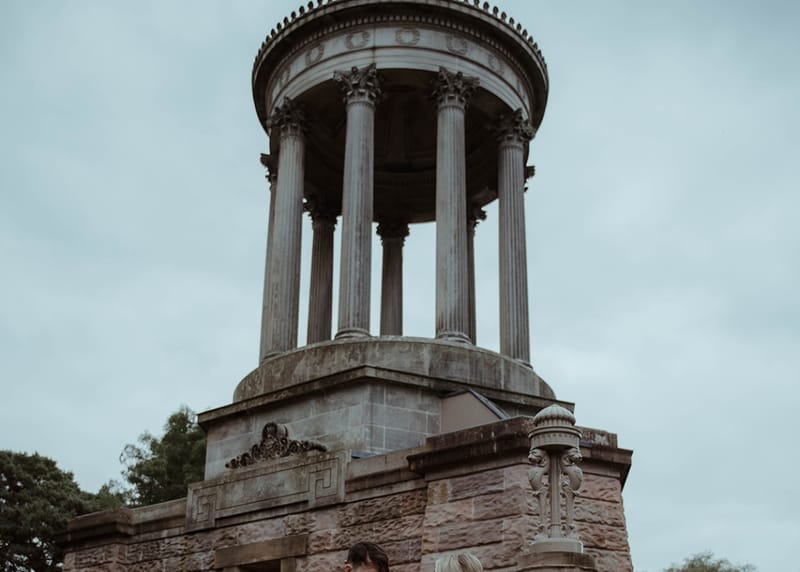
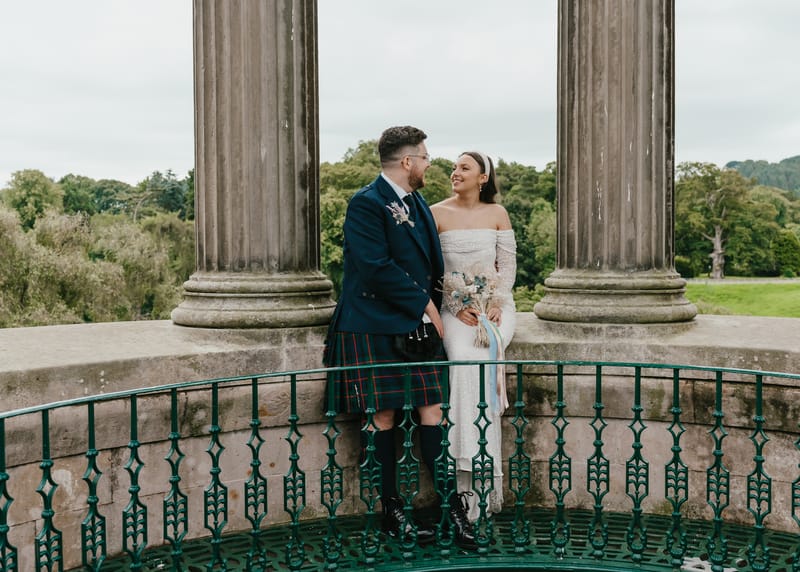
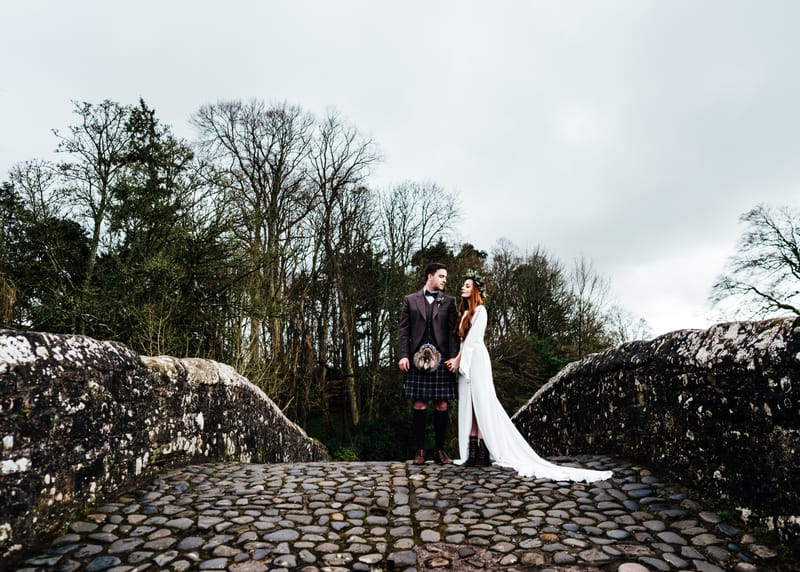
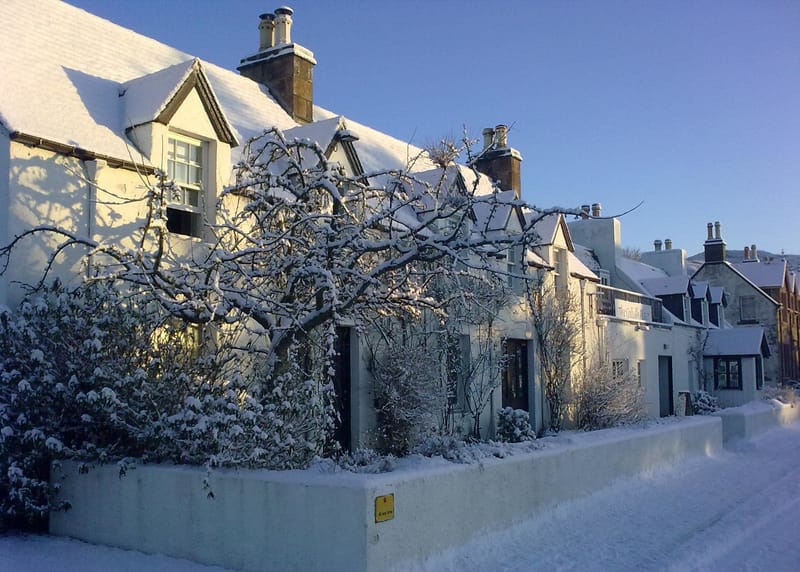
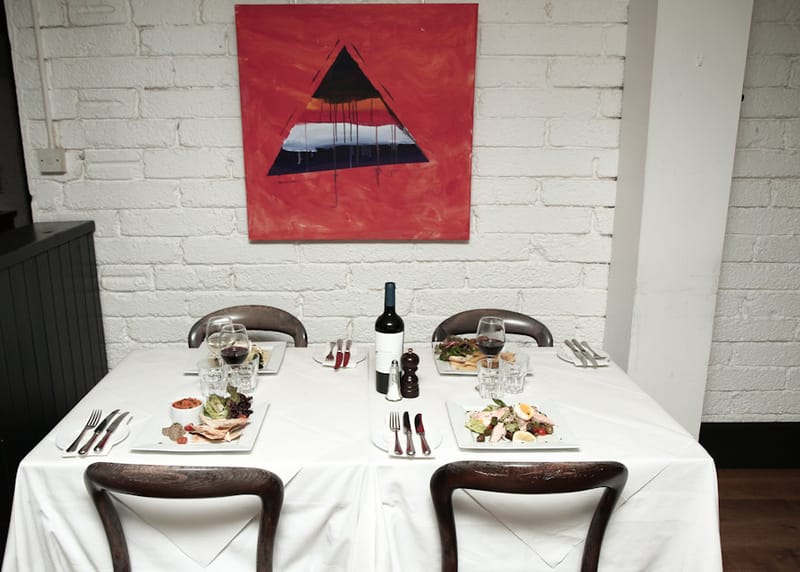
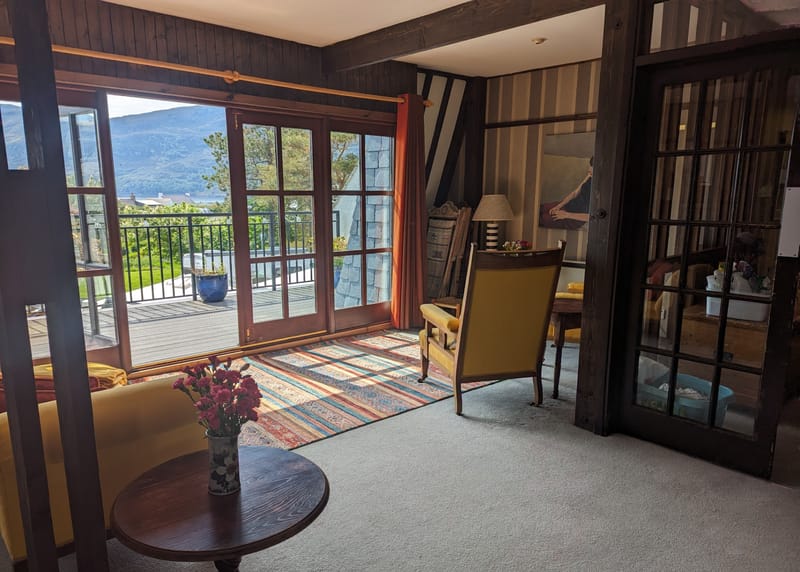
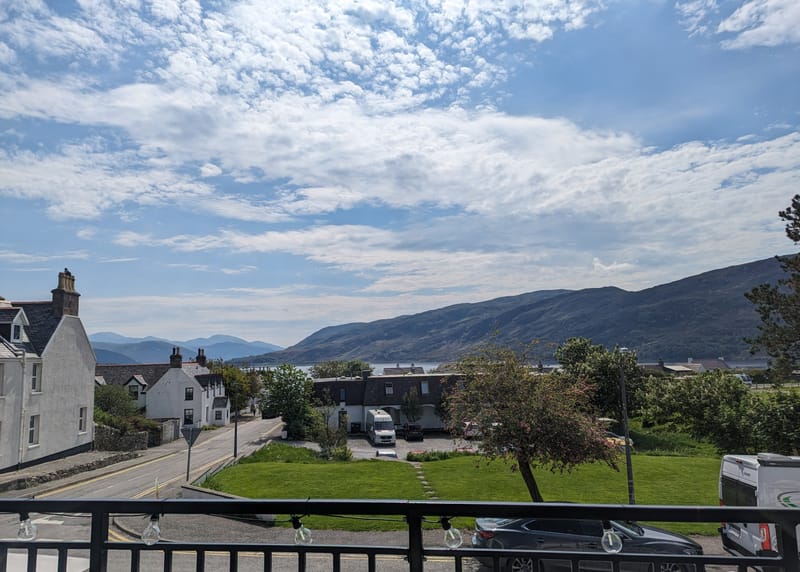
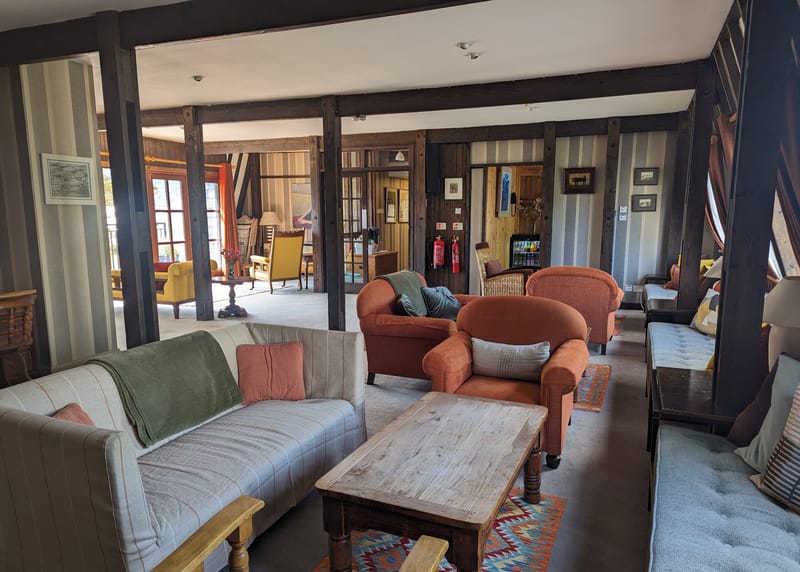
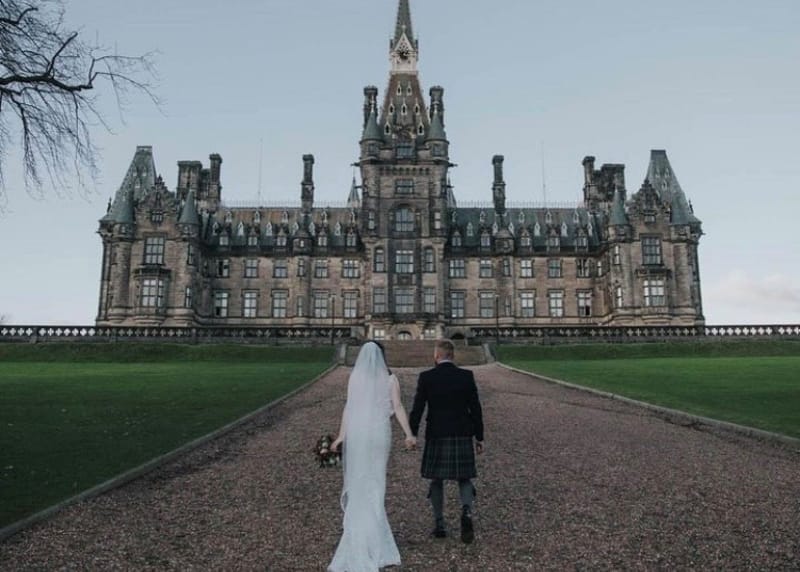
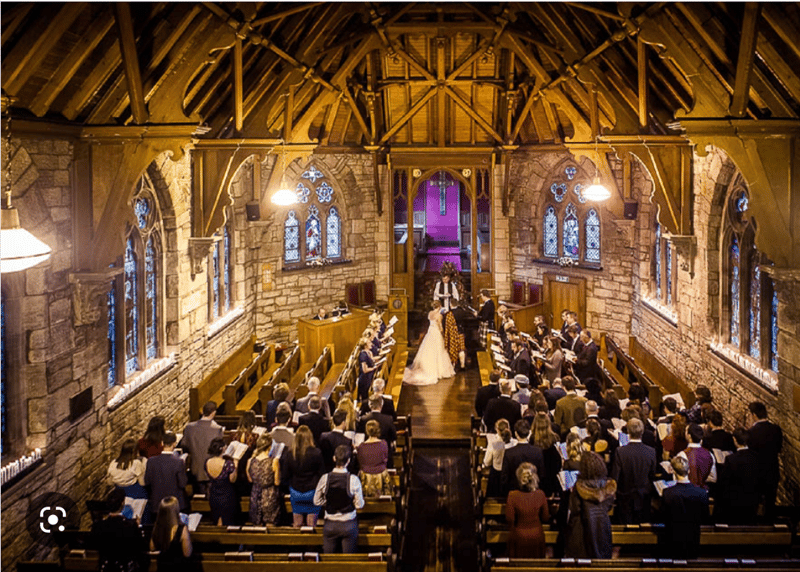
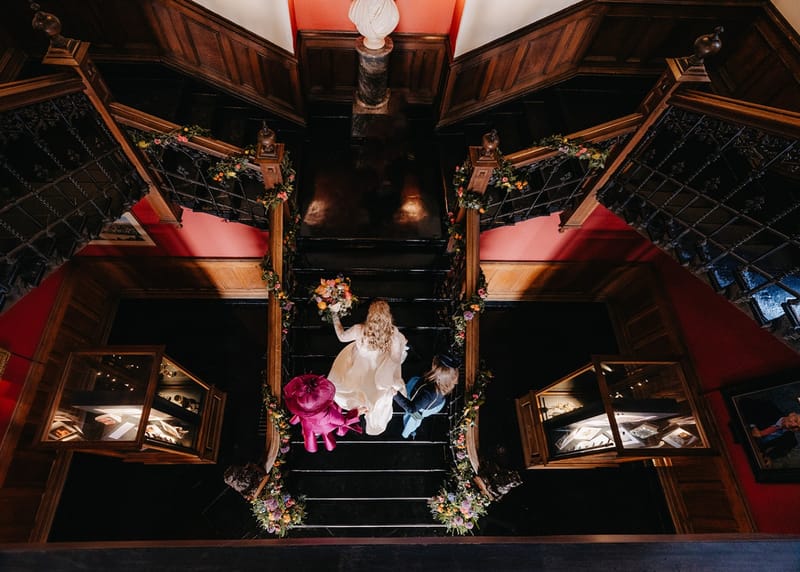
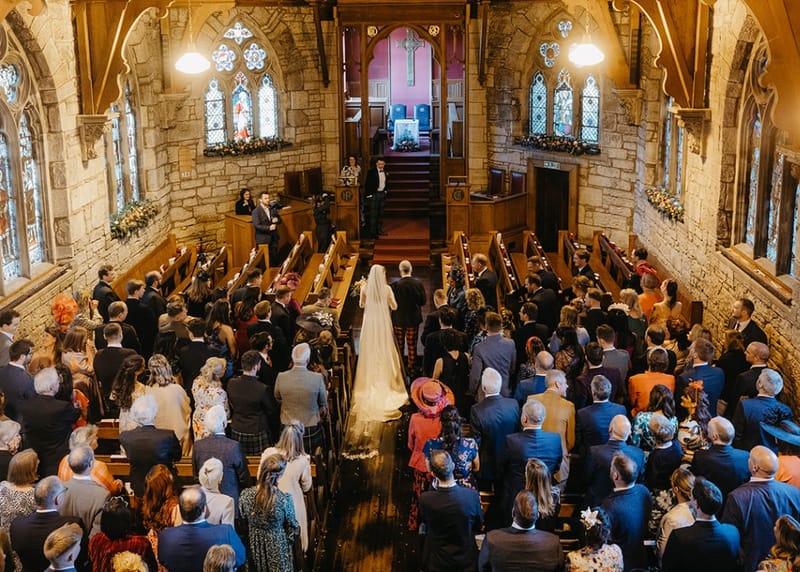
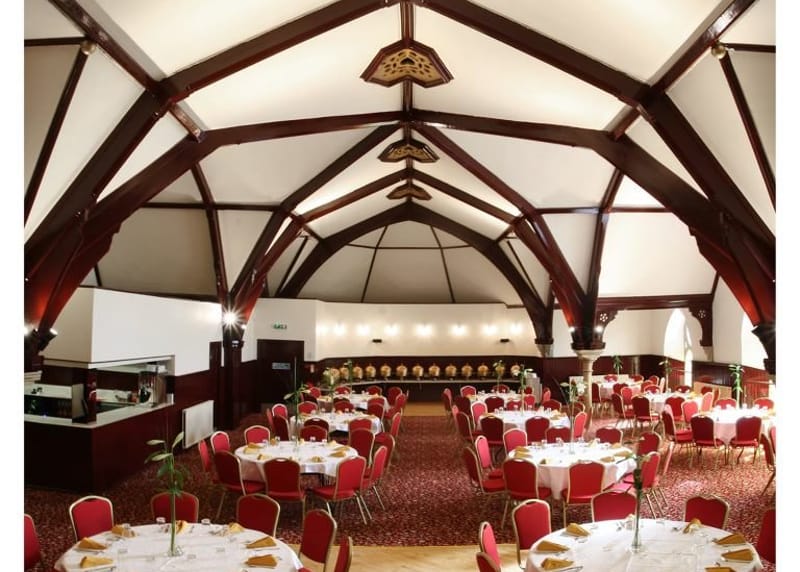
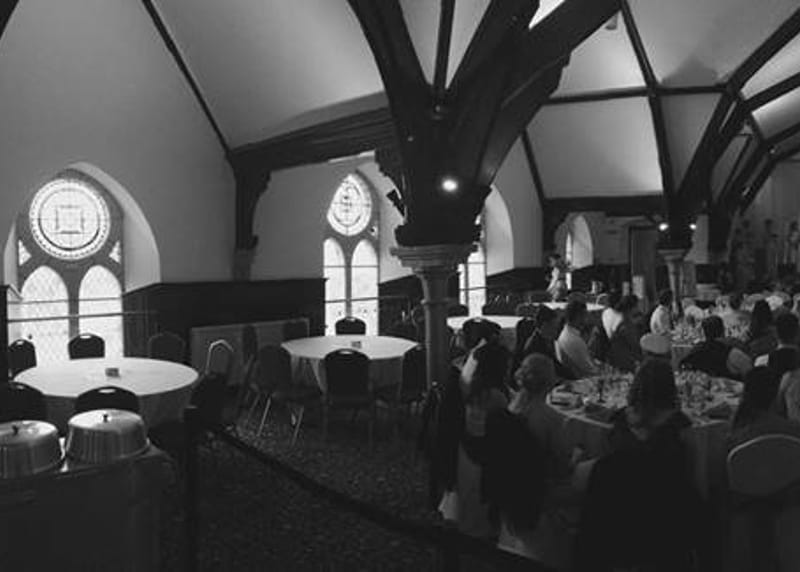
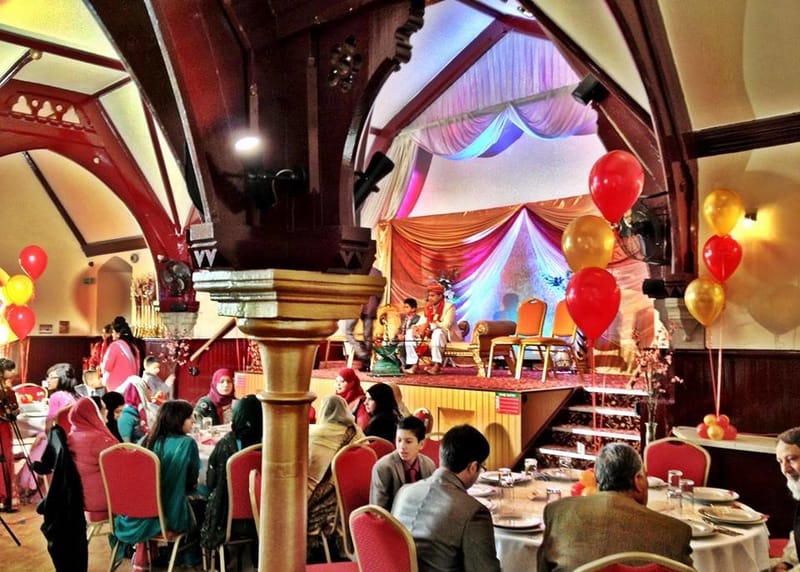
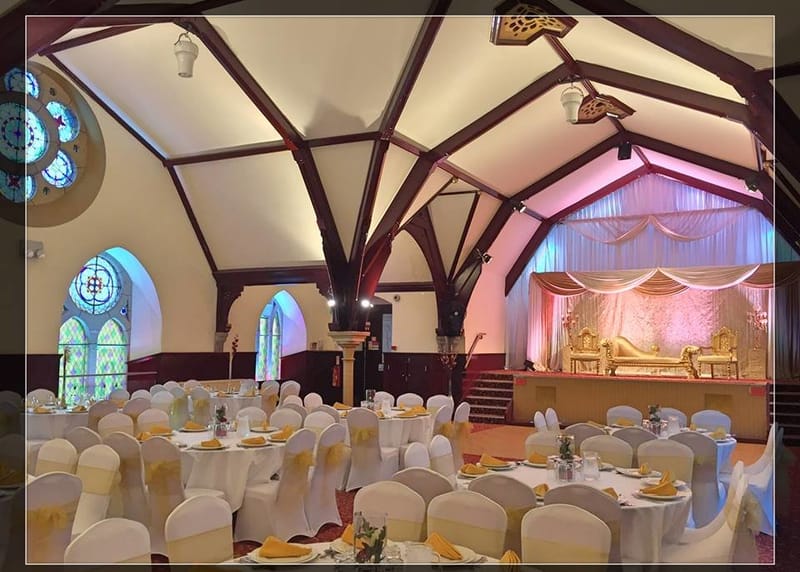
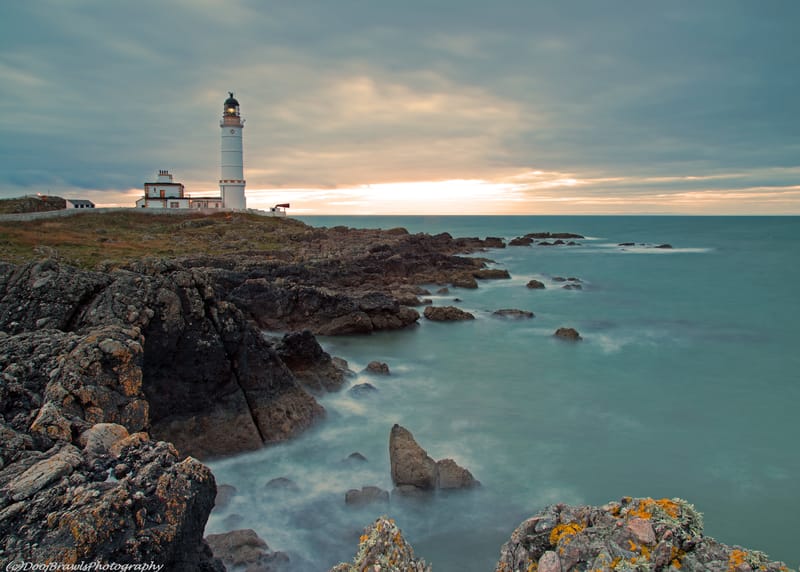
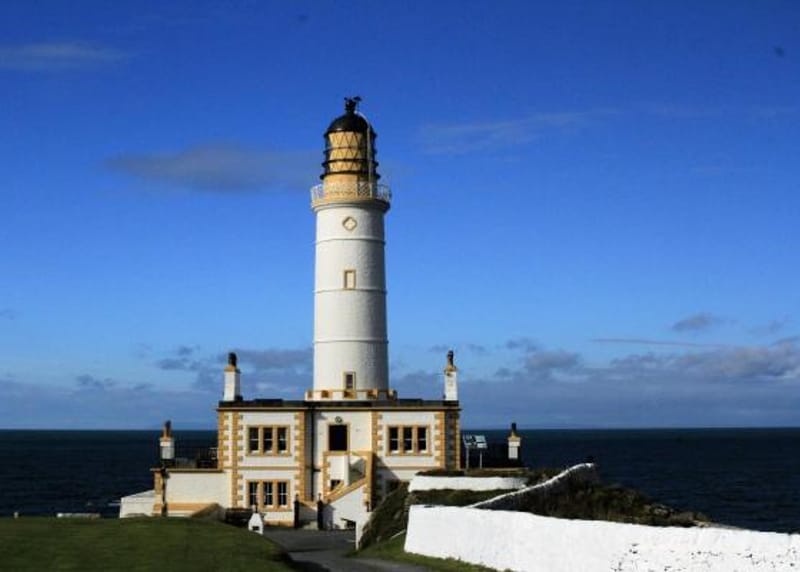
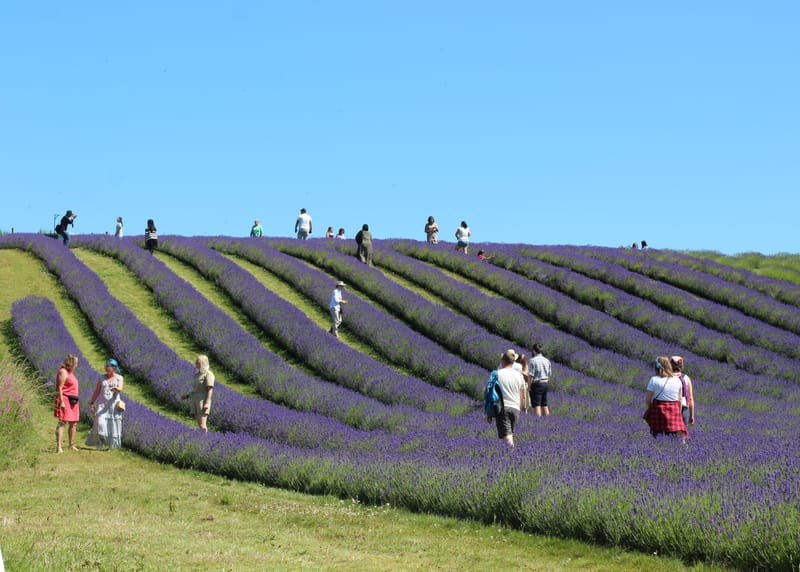
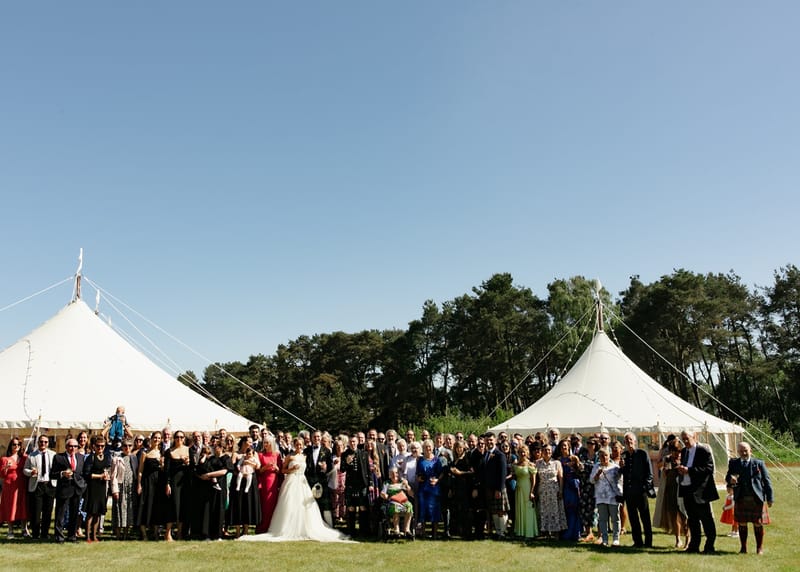
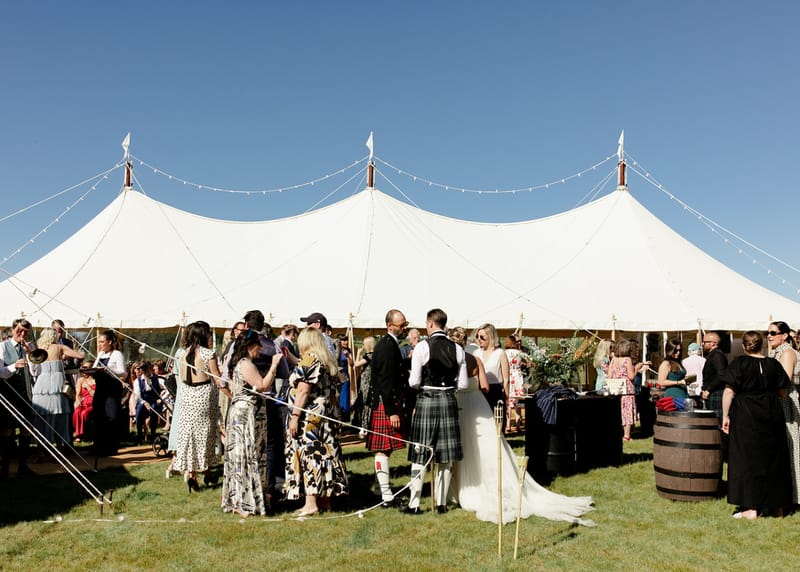
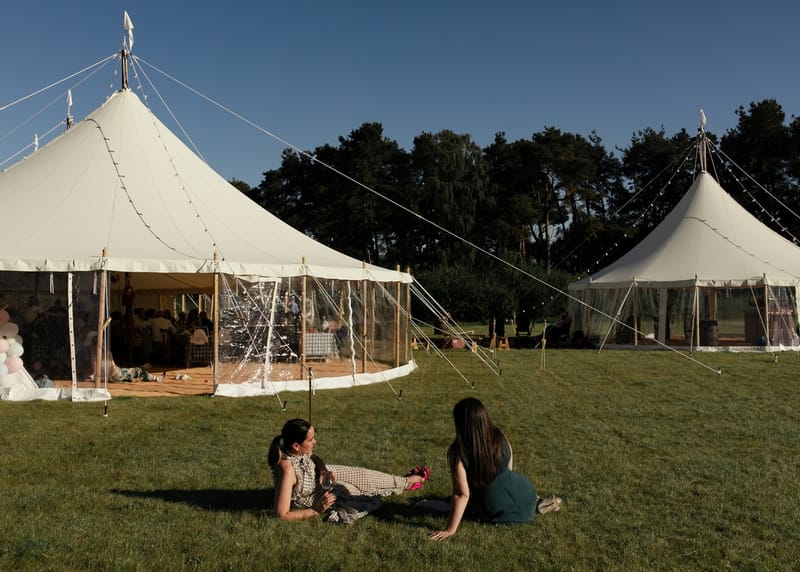
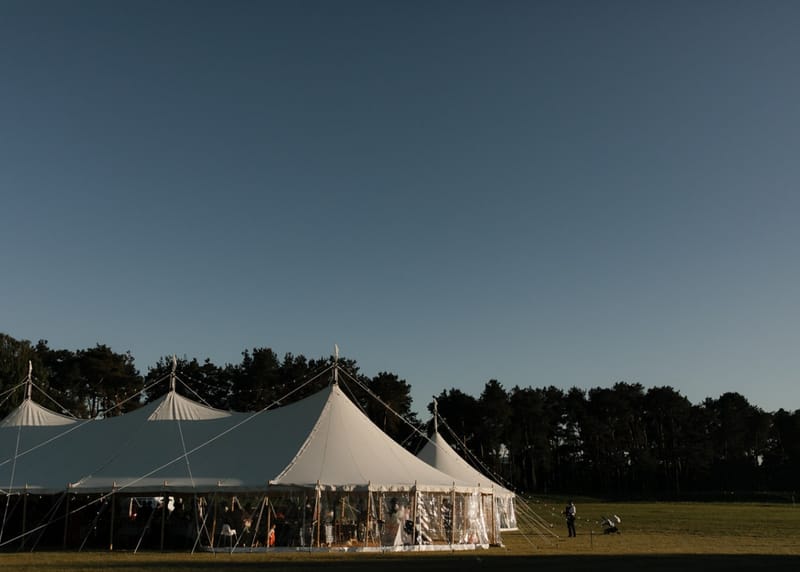
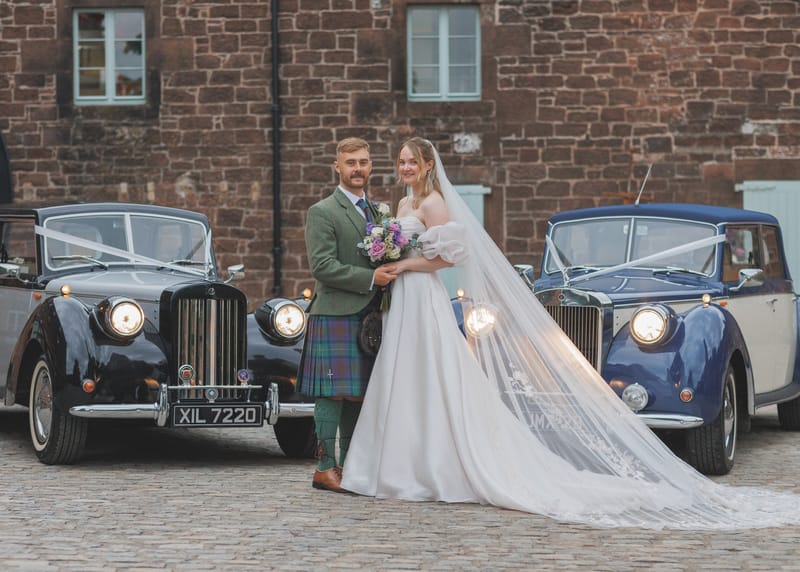
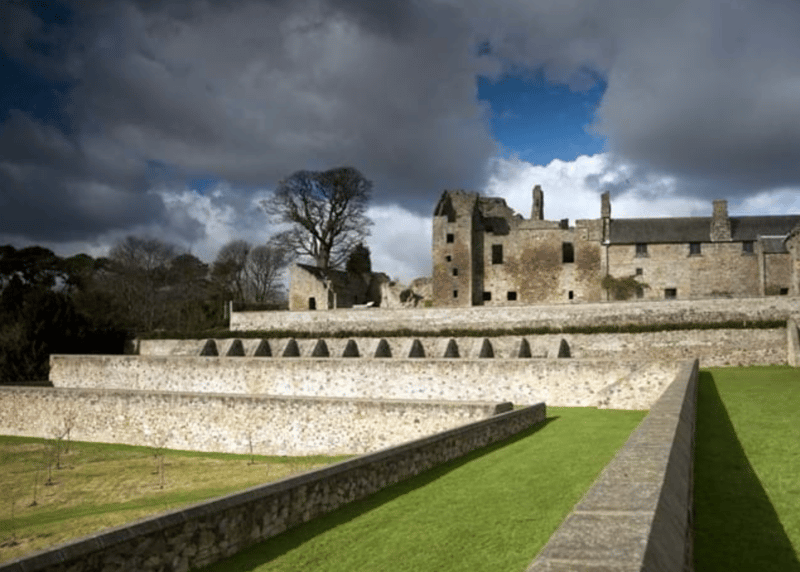
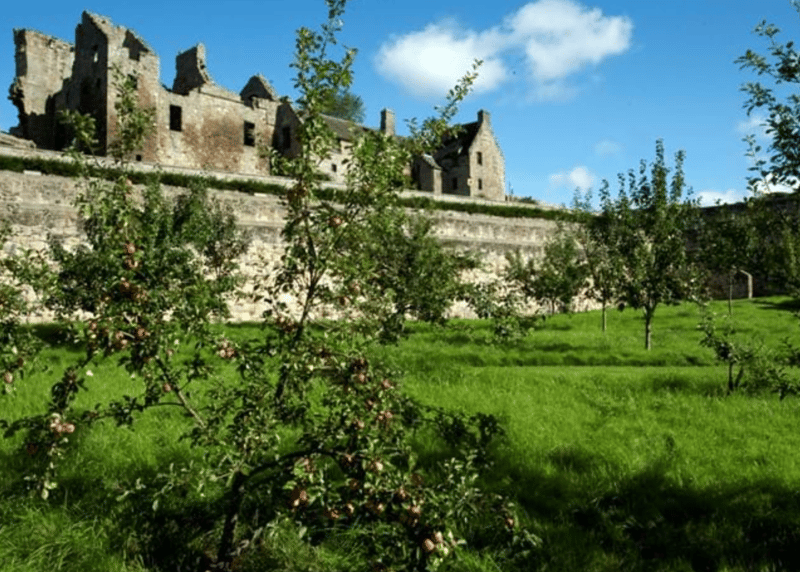
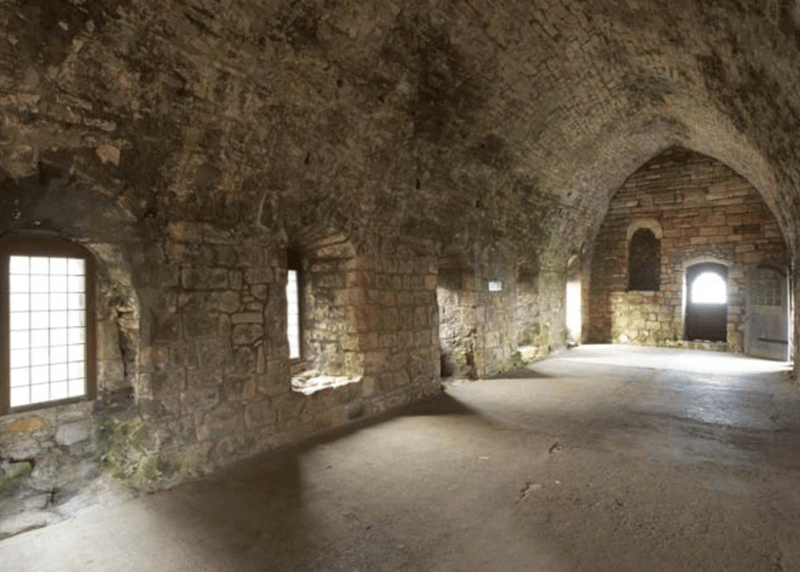
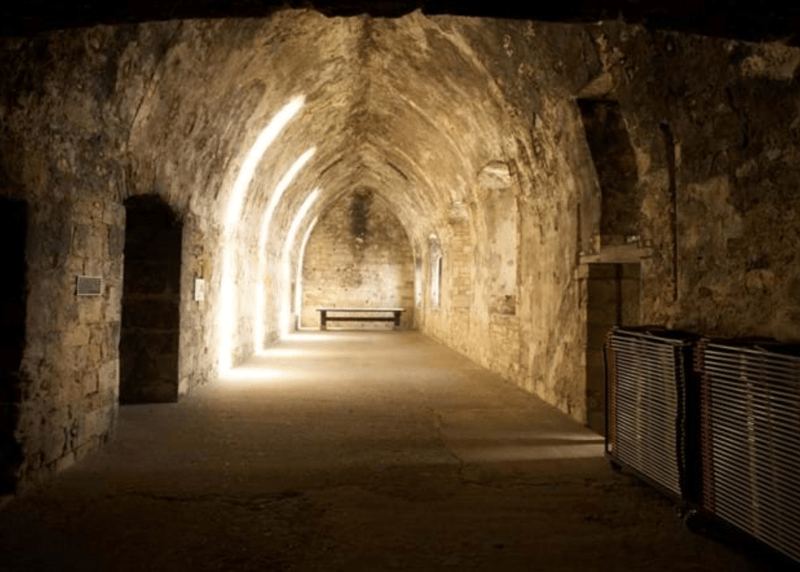
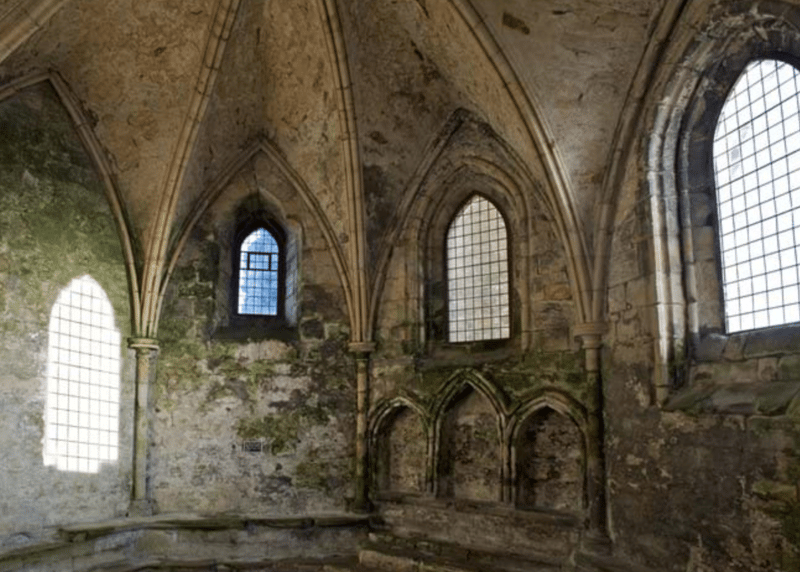
Scotland has always done things a little differently, and its wedding venues are no exception.
Beyond the country's famous castles and lochside hotels, and beyond the broader range covered on wedding venues in Scotland, sits a whole other category of unusual wedding venues in Scotland, from working whisky distilleries and atmospheric castle ruins to island settings that few other parts of the UK can rival. For couples who want their wedding day to feel true to who they are rather than a template celebration, Scotland gives you the raw material to build something properly memorable.
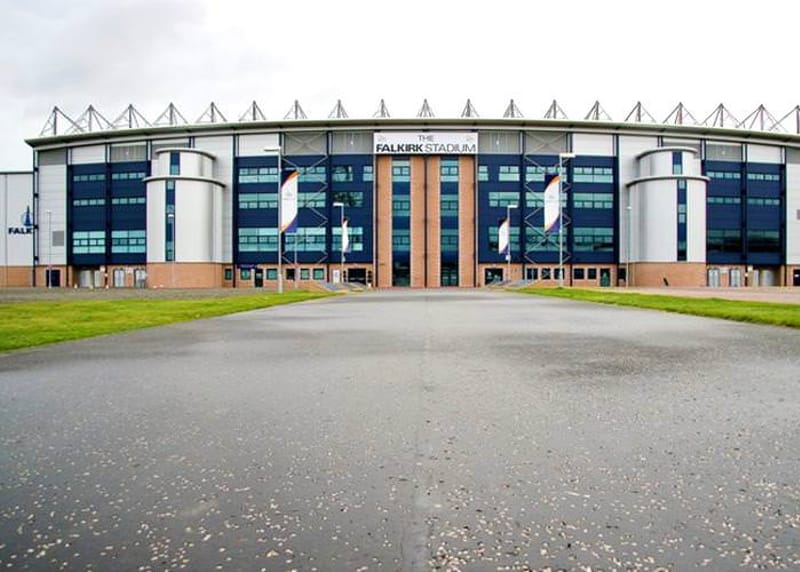
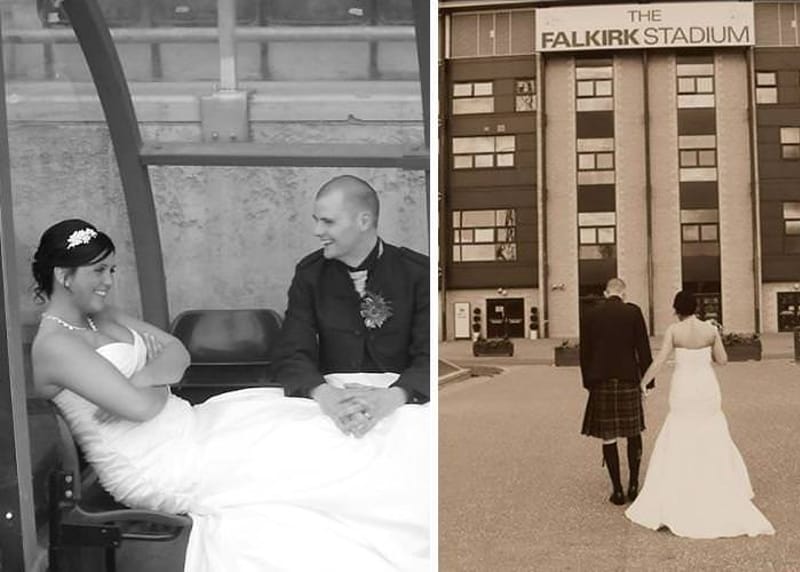
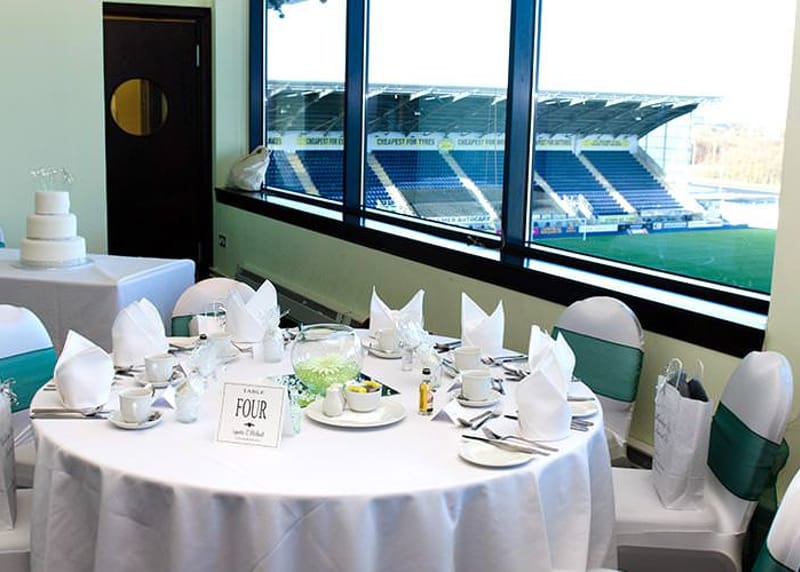
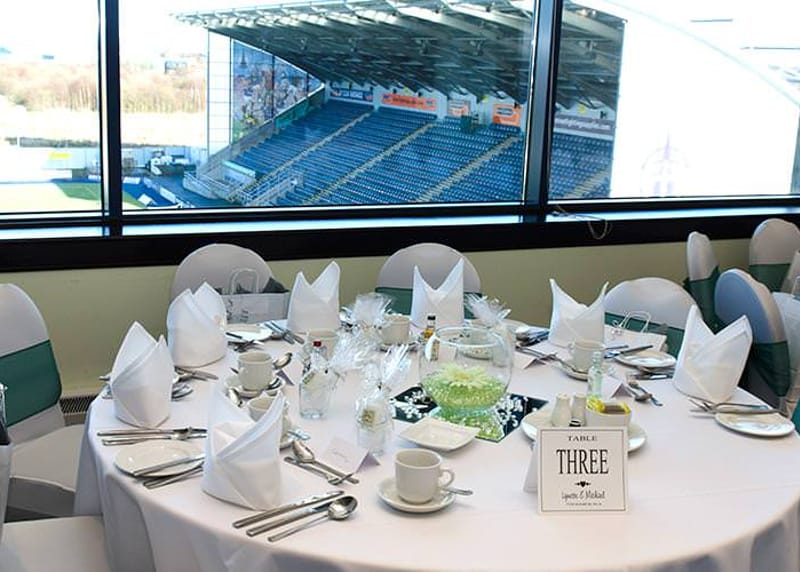
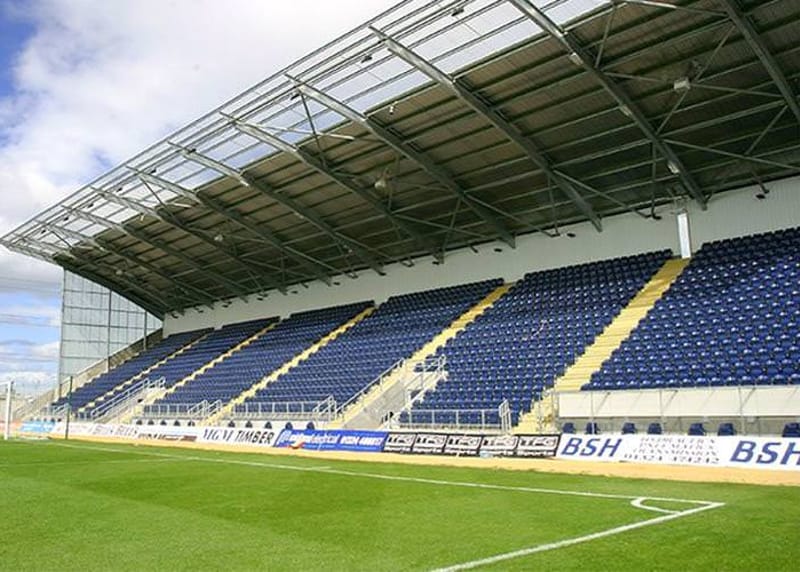
Part of what makes this possible is Scotland's own marriage law, which is considerably more flexible than the rules in England and Wales. Humanist ceremonies are legally recognised, outdoor vows are far easier to arrange, and venues don't need the same kind of licensing gymnastics to host a legal wedding. That flexibility opens the door to museums and galleries, zoos and aquariums, sports stadiums, caves, treehouses, converted ships, and industrial mills or warehouses, alongside distinctly Scottish options like highland lodges and distillery floors. Whatever unusual setting you have in mind, there's a strong chance Scotland has a version of it.
Couples exploring unusual wedding venues in Scotland are typically looking for something that reflects their own personality rather than a template celebration. When comparing options, they tend to look for:
Bridebook data shows that 14% of couples marry outside their home region, and unusual venues are one of the strongest reasons couples travel for a wedding. A distillery in Speyside or a ruined tower on the Hebridean coast can be worth the journey in a way a conventional hotel ballroom rarely is.
The most unusual and unique wedding venues in Scotland tend to fall into three standout categories: whisky distilleries, castle ruins and island settings, each offering a sense of place that's hard to find anywhere else in the UK.
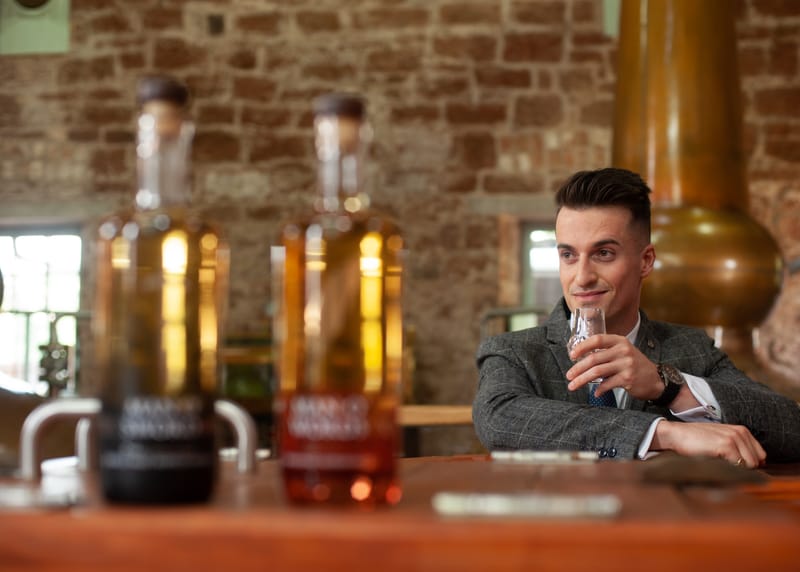
Whisky distillery weddingsScotland's whisky heritage gives couples an unmistakably Scottish option that few other parts of the UK can offer. Working distilleries and historic distillery buildings combine copper stills, warehouse architecture and a strong sense of place, and many offer tasting elements as part of the day. Availability varies considerably by distillery, so it's worth checking early whether the site can accommodate your ceremony, reception and guest numbers together.
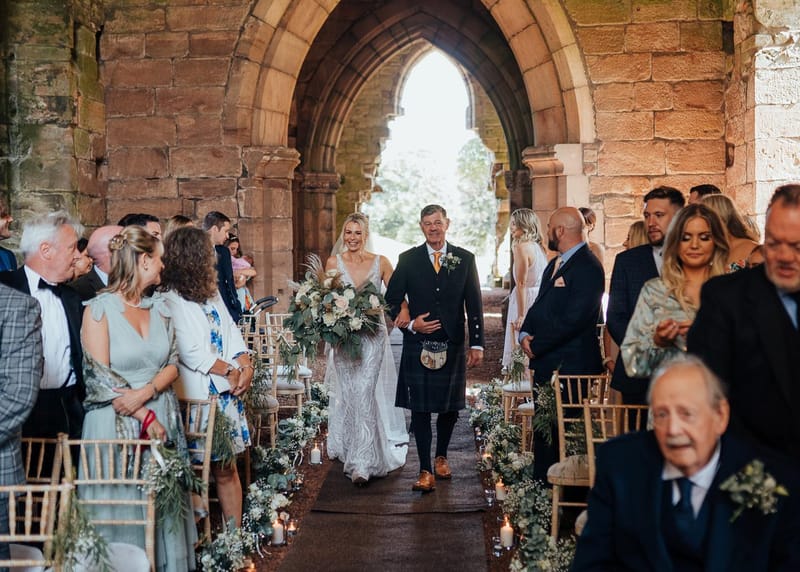
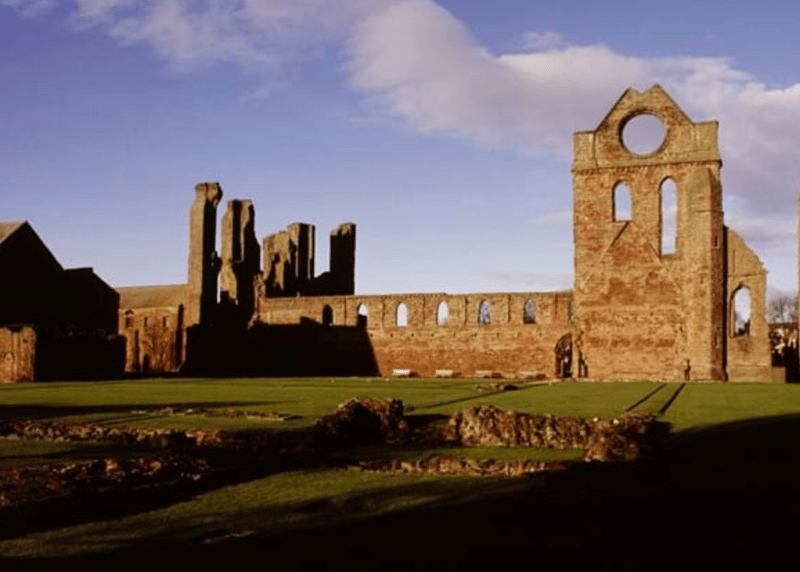
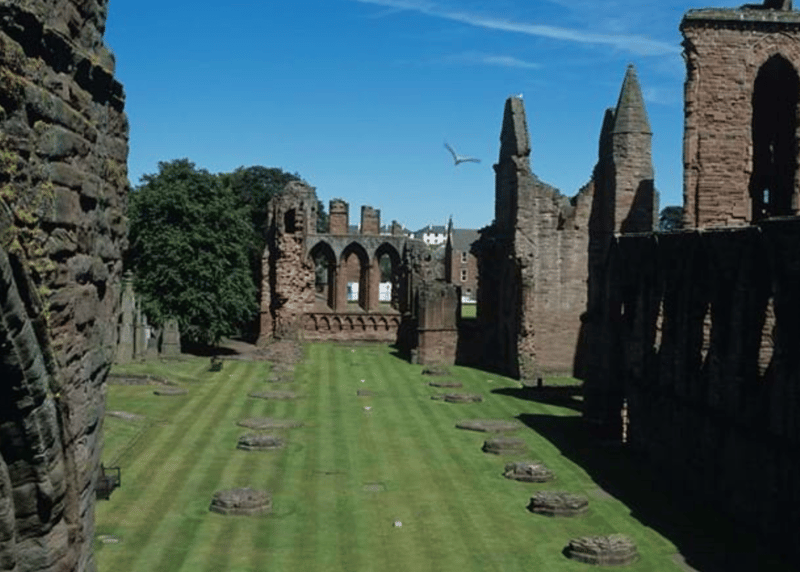
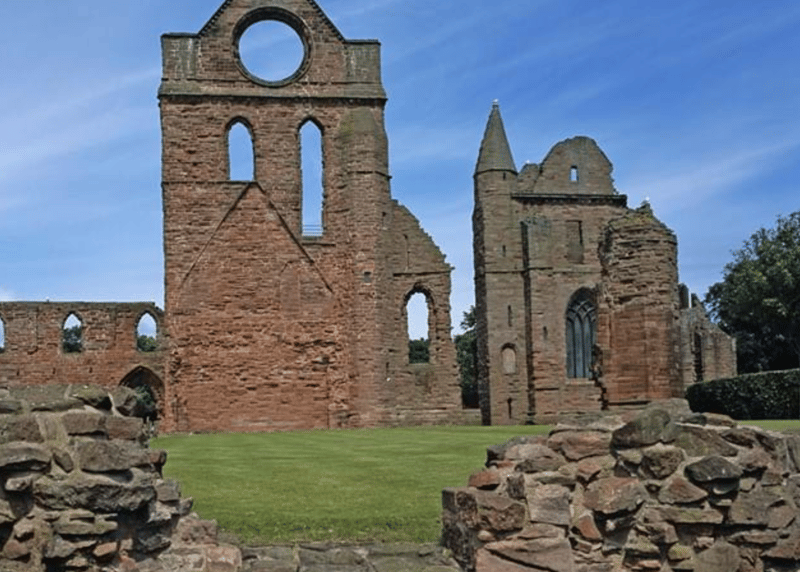
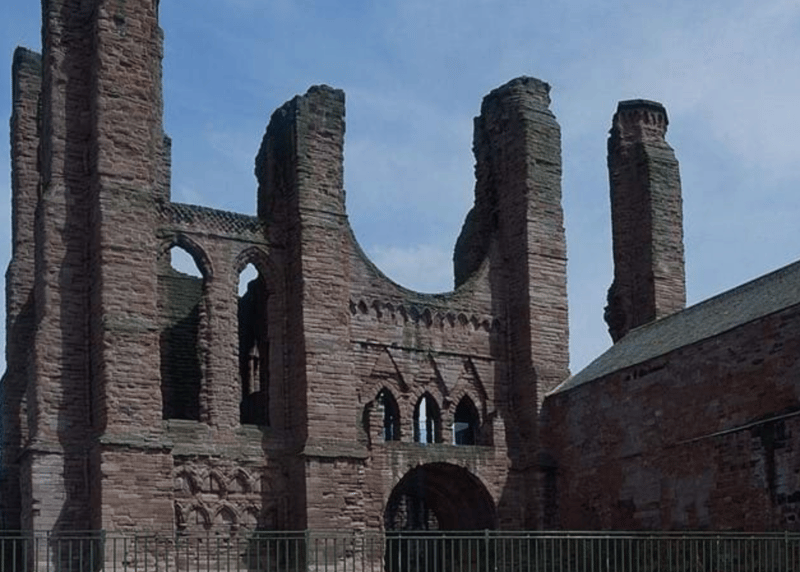
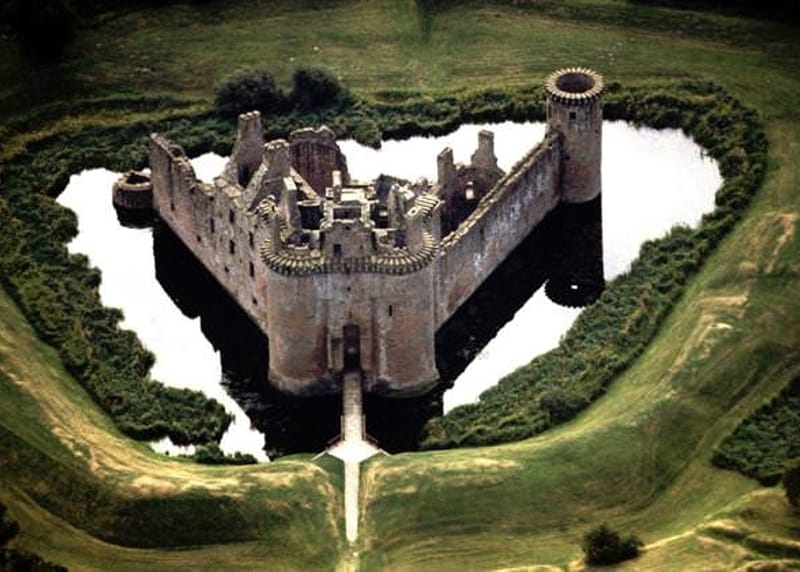
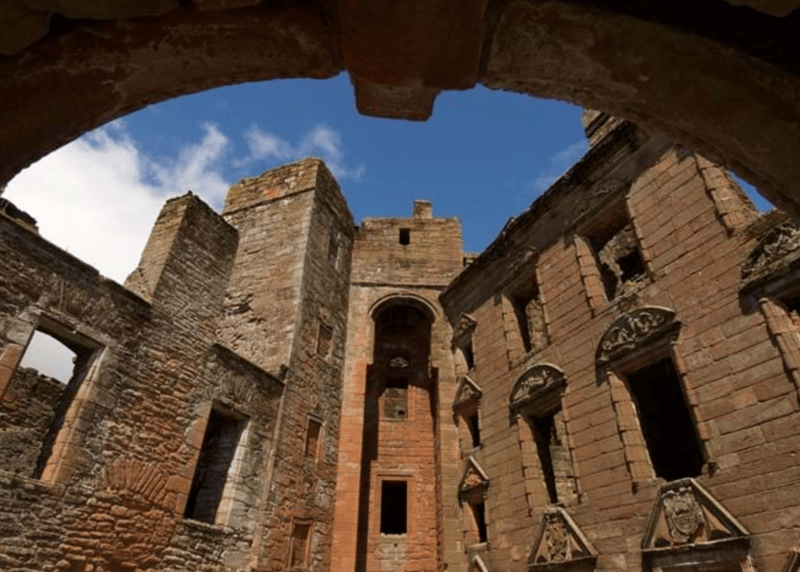
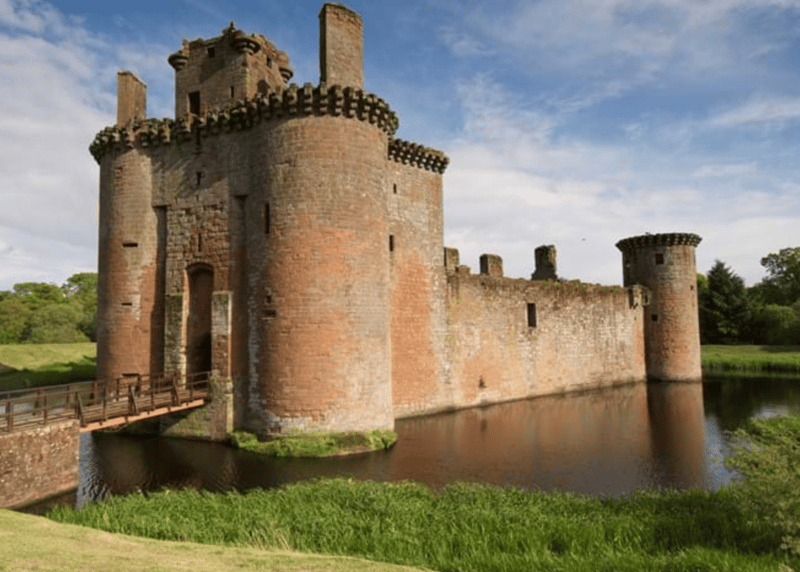
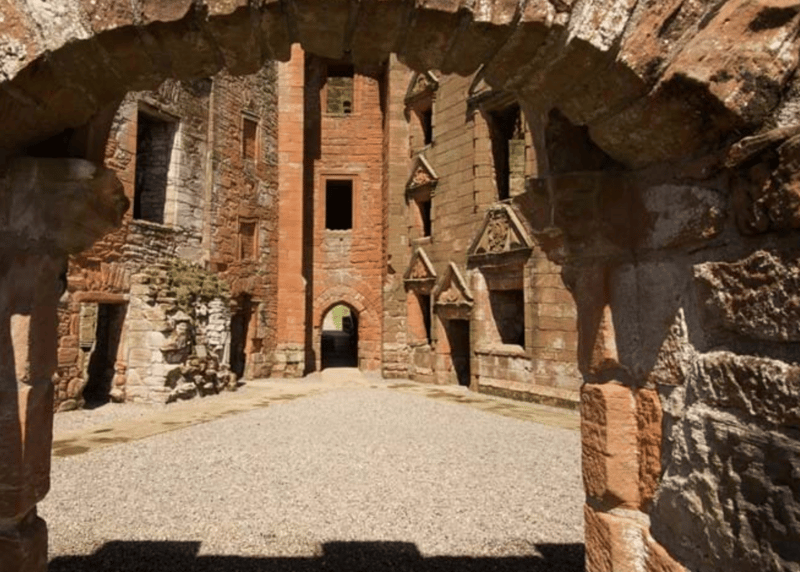
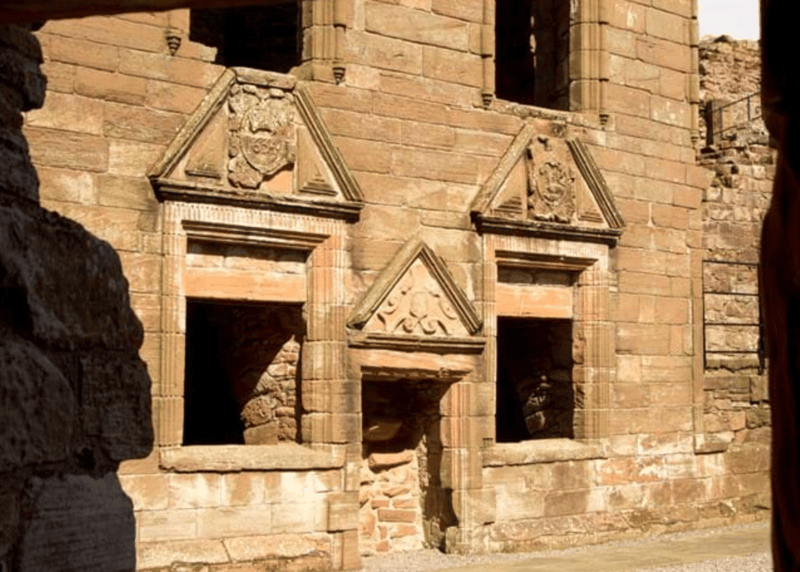
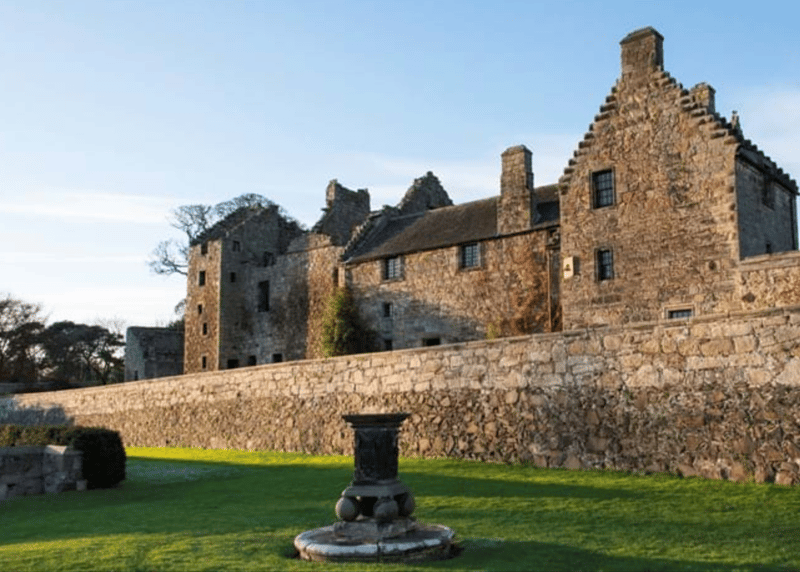
Castle ruins and atmospheric ceremony spacesScotland's wealth of ruined castles and fortifications means couples drawn to an outdoor, historic ceremony have plenty of choice. Roofless towers and crumbling curtain walls create a setting that feels a world away from a marquee, particularly when paired with Scots law's flexibility around outdoor and humanist ceremonies. Weather contingency planning matters here more than almost anywhere else, so ask what happens if conditions turn on the day.
If a restored, fully roofed castle appeals more than a ruin, castle wedding venues in Scotland covers that fuller range in more depth.
Island wedding venuesSkye, Orkney and the wider Hebrides offer some of the most remote and visually striking wedding venues in Scotland. Options range from converted crofts and boathouses to open coastal ceremony spots, and guest travel logistics need real thought given ferry timetables and limited accommodation on smaller islands. For couples prepared to plan around this, the payoff is a setting that guests will talk about for years.
Quirky and alternative wedding venues in Scotland go well beyond distilleries, ruins and islands, stretching into museums and galleries, zoos and aquariums, sports stadiums and arenas, caves and underground spaces, treehouses and yurts, converted ships and boats, and industrial conversions in old mills and warehouses. Highland lodges add a further option for couples who want dramatic scenery paired with a more contemporary building.
Each of these venue types comes with its own practical considerations, particularly around licensing, capacity and how much of the space you get exclusive use of. If a specific style like rustic or intimate settings feels closer to what you're after, it's worth browsing rustic wedding venues in Scotland or intimate wedding venues in Scotland directly rather than trying to force an unusual venue to fit a different brief.
Before booking any viewings, it helps to think through the practical side of an unusual venue alongside the atmosphere it offers. Consider:
For couples still deciding between styles, rustic wedding venues in Scotland and intimate wedding venues in Scotland are worth browsing alongside the unusual category.
Searching for something outside the traditional venue categories can take longer without the right tools. With Bridebook you can:
Couples can also keep the wider planning process organised with Bridebook's wedding planning checklist and use the wedding budget guidance to see how an unusual venue fits into overall spend.
Bridebook is the world's #1 wedding planning platform, used by over 2.8 million couples. Our content is informed by real data from the Bridebook UK Wedding Report, which draws on responses from thousands of couples planning their weddings each year. Where expert input is included, contributors are named and their credentials verified. We update our articles regularly to ensure prices, statistics, and advice reflect current market conditions.
Unusual venues in Scotland span a wide price range, largely because the category covers everything from a modest island boathouse to a fully staffed distillery estate. Scotland's overall wedding costs also tend to sit above the UK average, which is worth factoring in alongside any venue-specific pricing.
Based on data for Scotland:
For comparison, the UK-wide average total wedding spend is £20,604, making Scotland one of the higher-cost regions nationally.