Wedding Photography Styles: A Guide to Every Type of Photography
Understanding the jargon around wedding photography and different wedding photography styles can feel a bit daunting. Chances are, you’ve never commissioned a professional photographer before and amongst words like, ‘high res’, ‘day rate’ and ‘post-production’, photographers all describe their styles quite differently – even if they sometimes mean the same thing.
Phrases like ‘documentary style wedding photography’, ‘reportage’ and ‘candid’ can essentially be used to describe the same approach, while others like ‘fine art’ and ‘editorial’ can overlap in confusing ways. So where do you start with choosing the right wedding photography style for you?
Bridebook, the UK’s #1 wedding planning platform used by over 2.8 million couples, has got all the answers to this and more below, in our guide to the different types of wedding photography, which also includes practical tips on what to look for in a potential photographer’s portfolio and the questions you should ask before you book.

So, without further ado, let’s dive in…
The Main Wedding Photography Styles Explained
What are the different styles of wedding photography? Get the wedding album that suits you with our complete guide to the main types of wedding photography
Documentary/ Reportage/ Photojournalistic
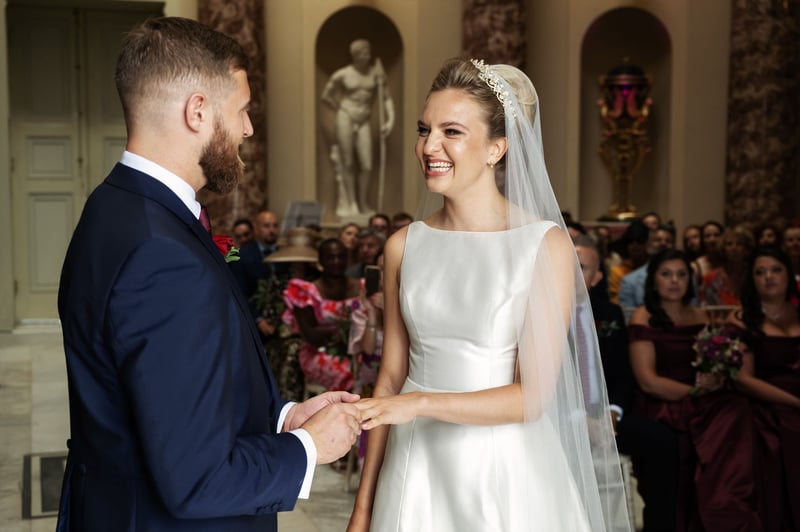
As the most popular style of wedding photography, documentary, photojournalistic and reportage style wedding photography essentially all describe the same core approach: where your photographer acts as an observer, adding a fly-on-the-wall take to your wedding.
These pictures look natural and effortless, with very few posed shots. The result is a narrative – from getting ready in the morning to your last dance. It’ll truly capture the day’s essence, including treasured moments like your dad’s tears when he sneaks his first look at your outfit and your guests’ smiles as they laugh their way through the best man’s speech.
If your photographer is good, you’ll hardly notice they’re there!
Who it suits: almost all couples, but particularly those who aren’t comfortable being directed or posed.
Traditional/ Classic
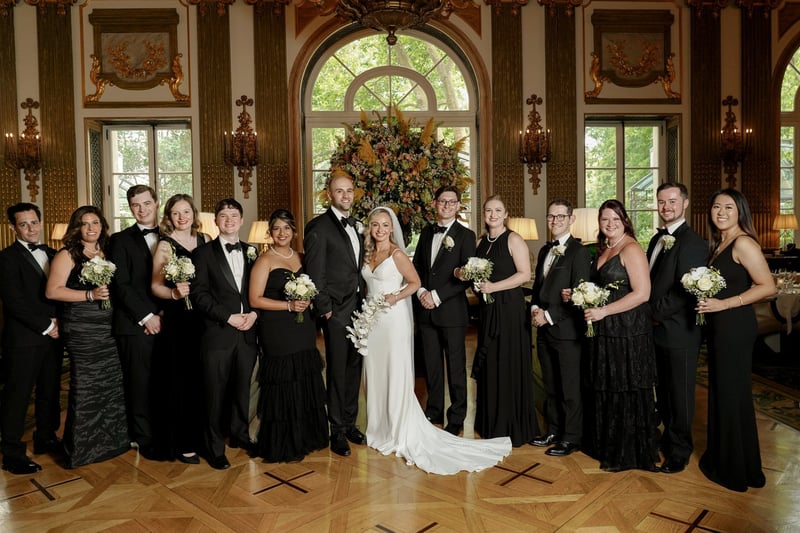
Also known as posed or conventional wedding photography, traditional styles focus on taking posed shots of the couple and the guests at large.
The big benefit of this style of wedding photography is you’ll be sure to tick off all those important moments you want to capture – getting ready, walking down the aisle, cutting the cake, etc, but it does involve a lot of direction from your photographer and time away from the celebrations.
You can prepare for this by creating a shortlist of wedding photo ideas and shots you want. Bonus: it’ll be sure to keep the parents and grandparents happy, too.
Who it suits: couples having a formal or traditional wedding, those who are comfortable with posed shots and direction, and who want clear family records.
Editorial/ High-Fashion
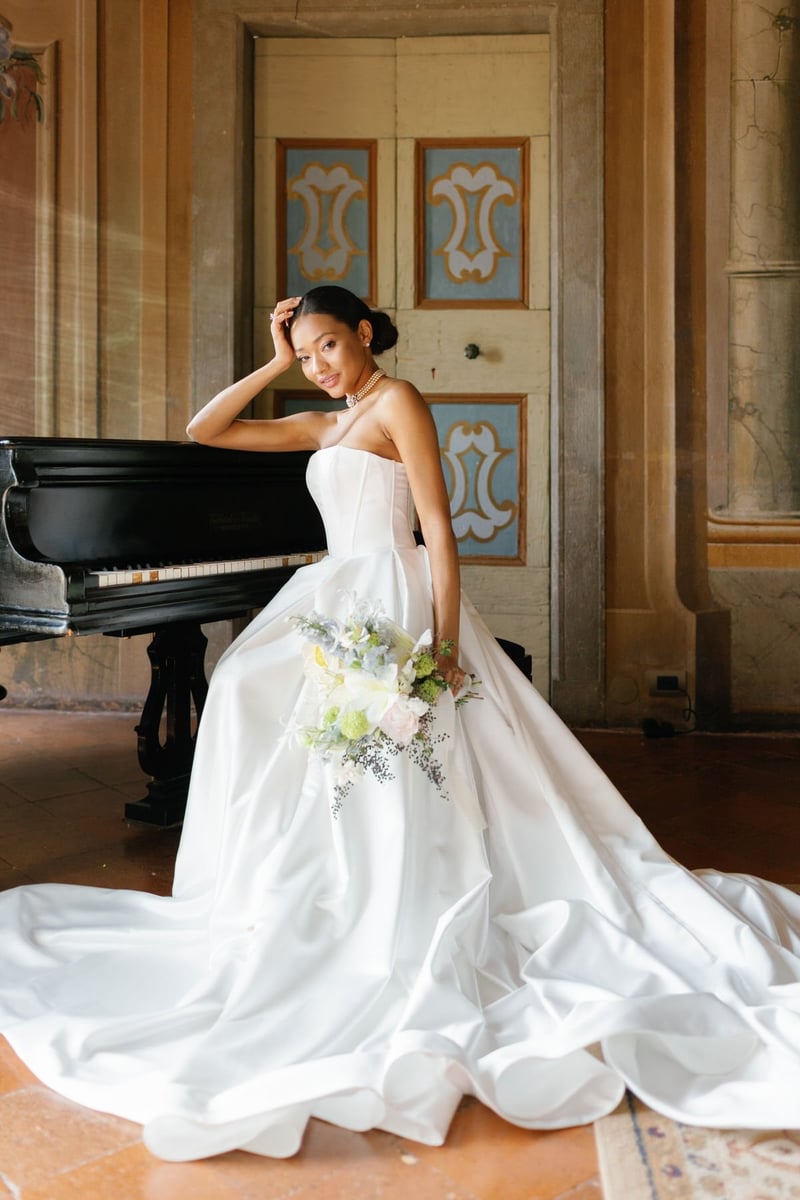
Sometimes known as cinematic style wedding photography, these kinds of images are more composed, visually striking and focus on you and your outfits. The result? You’ll look so glossy and gorgeous that you’ll put the likes of Kaia and Gigi in the shade.
For that ‘straight out of the pages of a magazine’ look, you’ll need to find someone who is highly experienced in shooting editorial style wedding photography and fashion pictures. Remember: this type of photographer will need to spend time getting the right lighting, compositions and mood.
These photos will also be time-consuming – there is a finesse to them, and the detail is important. If you don’t want to spend hours posing on your wedding day then consider shooting them after the event. Wes Anderson, eat your heart out.
Who it suits: couples who aren’t afraid of the spotlight, who are comfortable being styled and directed, and weddings with a pronounced aesthetic to draw from.
Fine Art
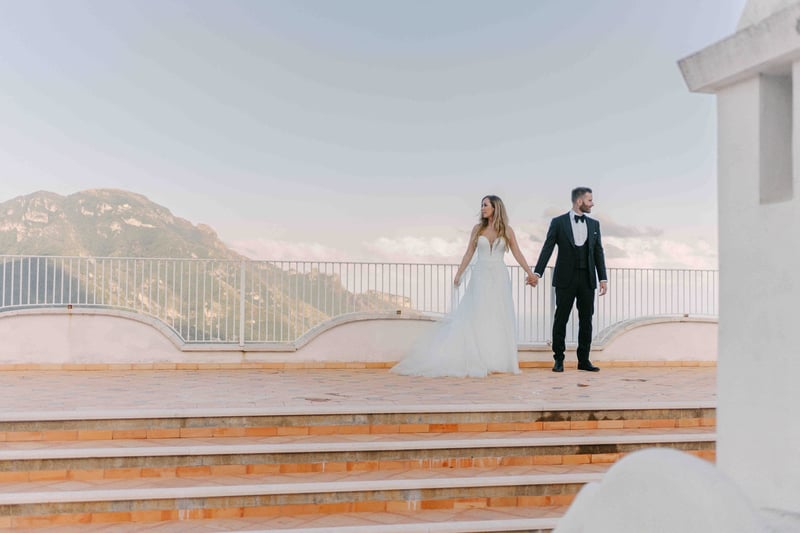
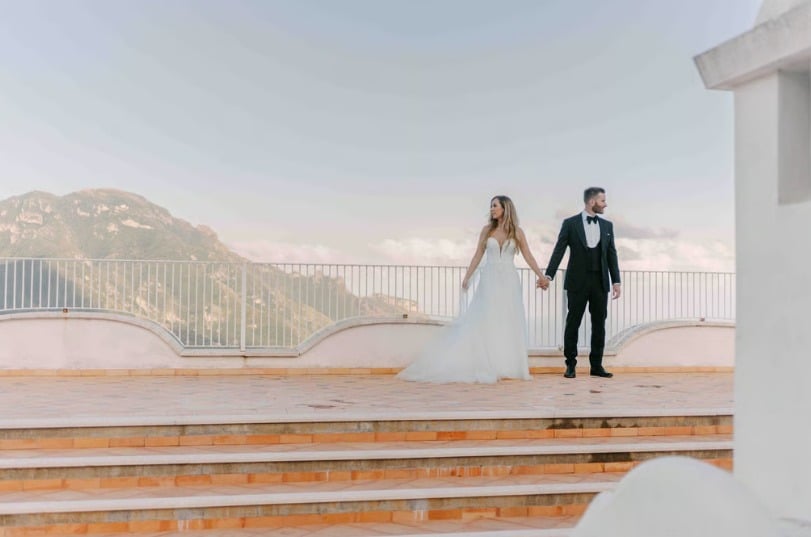
Painterly, light-led and often film-influenced, you’ll get a real sense of place and time in these pictures. Your photographer will play with the available light and different exposures to create unique and arty photos that feel closer to portraiture than documentation.
Expect the unexpected: there’s no ‘hit list’ as such with fine art wedding photography, just whatever looks good. Think about how you’d like to use these photos after the wedding – this style of wedding photography looks good on art paper and framed on your wall.
If your photographer is shooting on film rather than digital, expect a longer wait to get the final edit and prints. This is often considered the most atmospheric and ‘romantic’ style of wedding photography.
Who it suits: couples whose aesthetic is soft, romantic and considered.
Lifestyle
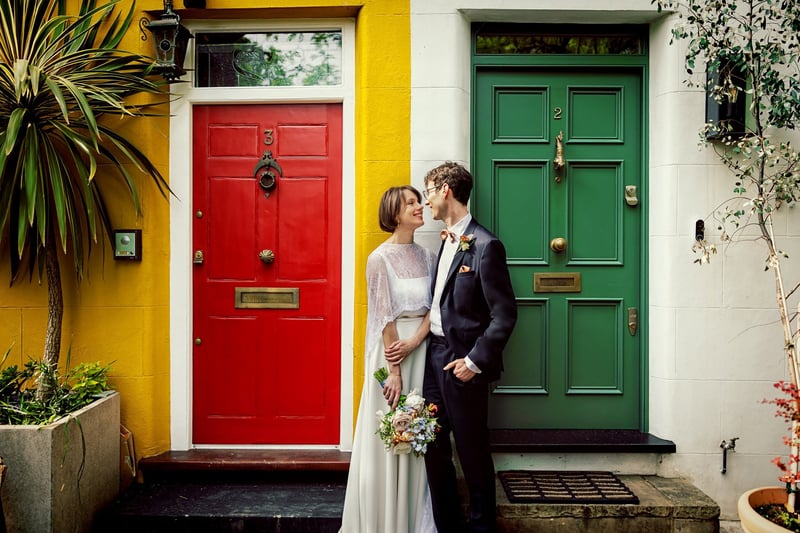
Lifestyle wedding photography styles sit somewhere between documentary and traditional in the sense that they are natural but gently directed in some areas.
Your photographer might suggest certain activities, movements or settings as opposed to just making you pose and smile – think a walk through the grounds of your venue or a chat next to a window – and then quietly capture what happens naturally within that framework.
Who it suits: couples who want natural-looking wedding photography but who find the idea of pure documentary uncertain; those who want gentle guidance without feeling fully produced.
Dark & Moody Wedding Photography Style
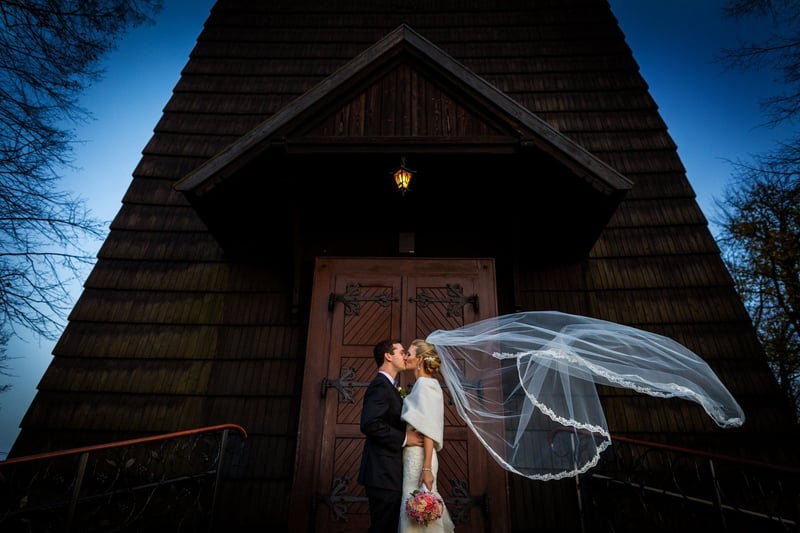
This is as much an editing style as it is a shooting style – dark and moody images are high in contrast and have a really dramatic feel. This style of photography can be applied to documentary, editorial or fine art shooting, but the edit makes them feel more intense and cinematic than their lighter or brighter counterparts.
Who it suits: venues with strong architectural character; couples planning a winter wedding, or those drawn towards more dramatic aesthetics.
Light & Airy Wedding Photography Style
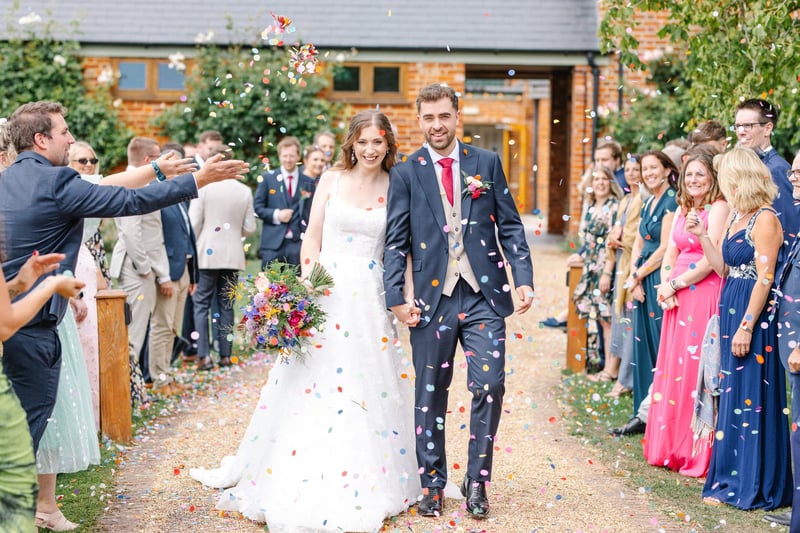
As the opposite of dark and moody, when a photographer describes their work as ‘light and airy’ what they mean is bright, high-key images with lifted shadows, pastel tones and a soft, romantic feel. Again, this is more of an editing style than a shooting approach and works well with both lifestyle and candid style wedding photography.
Who it suits: couples who enjoy a soft, bright and romantic aesthetic; spring and summer weddings; outdoor venues and gardens with floral and natural styling.
How to Find the Photography Style For You
Choosing your perfect picture style fundamentally comes down to two things – how comfortable you are posing in front of the camera, and how you want your wedding day to be captured. Here are some top tips that might help you further in making your choice:
- Think about your personal style: Be it the clothes you wear, the items you keep in your home, or even the style of your wedding – this can all have an impact on the style of photography you choose. Those with curated homes tend to respond well to fine art photography, while those who want their outfits and details to be the focus of the day will enjoy high-fashion, editorial shoots.
- Look at photos of yourself and others that you love: They don’t necessarily need to be wedding photos. Are they candid shots that were captured without you realising? Or are they planned portraits? The photos that make you feel most like ‘you’ are often the best indicator of the photography style you should choose for your wedding day.
- Collect examples to share with your photographer: A good photographer should be willing to discuss style and the particular shots you want to achieve, and then help you identify a common thread. Look at Instagram and Pinterest and take along a few examples of images you like.
How to Check a Photographer Actually Shoots in their Stated Style
- See full galleries – not just the highlights: Once you’ve narrowed down your list to a few potential photographers, the next step is to meet them. Not only is it essential for building rapport (if you have a relationship with your photographer before the day, you’ll feel more at ease in front of the camera) but it’s also an opportunity to see more of their work. The pictures on their website or Instagram will be a small selection of the best from various weddings – make sure you see at least one complete wedding to get a real idea of their style and skill.
- Check how they handle the candid moments: Shots such as the cutting of the cake and the first dance can be easier to capture than the quiet moments in between. How do they fare capturing the guests chatting, children running, and those intimate moments between the couple?
- Always check they have experience photographing real weddings: An obvious one, perhaps, but if your photographer only has a portfolio filled with editorial shoots that have been exclusively styled and shot with models as opposed to actual couples, this doesn’t really reflect what they can produce under real conditions. Even if you love the high fashion/editorial look, ask to see examples from real events.
Questions to Ask Your Photographer About Style
- How would you describe your style and what does that mean to you?
- Do you shoot on film or digital, or both? (Those who love vintage style wedding photography may prefer film or a combination of the two)
- What percentage of your work is documentary vs directed? (Most photographers blend approaches but understanding their ratio helps)
- Can I see a full gallery from a recent wedding, ideally in a venue or setting similar to mine?
- How do you handle the formal family photos?
- What do you do if the lighting is challenging, for example, on an overcast day, in a dark church or at a venue with harsh artificial lighting?
- Finally, how would you describe your editing style?
Common Questions About Wedding Photography Styles
What is the most popular style of wedding photography?
Documentary, sometimes known as photojournalism style wedding photography, is currently the most popular among UK couples. This style of photography captures all the details and moments as they happen, with very little staging or direction. It’s great for couples who want photography that really tells the story of their day with few posed shots.
What is the difference between reportage and documentary wedding photography?
There is no meaningful difference between reportage and documentary wedding photography and many photographers will use the terms interchangeably. Both refer to a wedding photography style that prioritises the moments as they happen, as opposed to directed or posed photographs.
What is editorial wedding photography?
Editorial wedding photography takes its cue from fashion and magazine photography, so the shots are heavily directed and composed with intention.
Your photographer will consider everything from the lighting and outfits to the pose and mood, so couples who choose this need to be comfortable with being in front of the camera. The result is cinematic or high fashion, rather than naturalistic.
How do I know what photography style suits me?
Looking at photos you already have of yourself that you love – and others that you save on Instagram and Pinterest – is a good place to start.
If you struggle with posed shots or often feel awkward in front of the camera, documentary style photography will likely be your preferred choice. If you love the idea of planned portraits that you can have framed on your wall, consider editorial, fine art or film-style wedding photography.
Can a photographer do more than one style?
Yes, good wedding photographers can do more than one style, and most will blend approaches, so you get a good mix of candid images that capture movement and emotion, and posed images. However, it’s still important that you choose a photographer whose ratios align with your style. Always ask to see a complete wedding gallery to help you assess this.
Ready to find a photographer whose style matches yours?
Browse wedding photographers on Bridebook, view portfolios and enquire directly today.
Why Trust Bridebook
Bridebook is the world’s #1 wedding planning platform, used by over 2.8 million couples. Our content is informed by real data from the Bridebook UK Wedding Report, which draws on responses from thousands of couples planning their weddings each year. Where expert input is included, contributors are named and their credentials verified. We update our articles regularly to ensure prices, statistics, and advice reflect current market conditions.
You Might Also Like…
Related articles