How to Choose a Wedding Photographer: Tips, Questions & Red Flags
Understanding how to choose a wedding photographer should be top of your wedding to-do list. But where do you begin?
Do you want elegant, traditional shots, relaxed reportage-style photography, or a combination of the two? What should you look for when browsing a photographer’s portfolio? Is it worth paying them to stay until the last dance or leave after the cutting of the cake? And how much does a wedding photographer cost anyway?
We’ve got the answers to all this and more with our guide to choosing a wedding photographer, and specifically finding the right one for you.
Covering everything from budget and styles to the questions you need to ask (and red flags to watch out for), here’s everything you need to do to ensure brilliant wedding photos, all of which we delve deeper into below.
Disclaimer: Venue and supplier availability, pricing, and offerings are subject to change. Always confirm details directly with the venue or supplier before booking.
Your step-by-step guide to choosing a wedding photographer:
- Know your preferred photography style before researching
- Decide on your budget and understand what that will cover
- Review full wedding galleries – not just highlight reels
- Check availability and book as early as you can
- Meet or video call your potential photographer before committing
- Ask the right questions
- Read the contract carefully before you sign
Work Out Your Photography Style
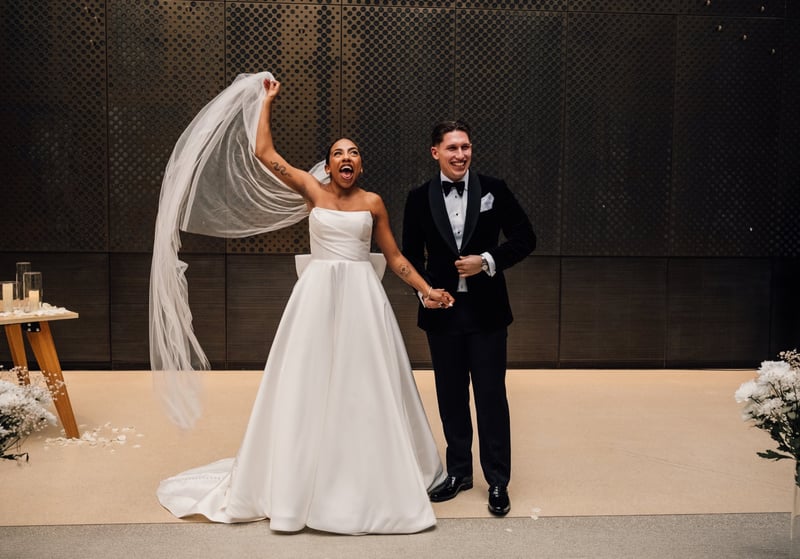
Choosing a wedding photographer starts with understanding the different styles of wedding photography and how you envisage your finished album to look, whether that’s candid, editorial, fine art, or something more traditional.
Candid or documentary-style photography has a ‘fly on the wall’ feel, as your photographer unobtrusively documents the day; editorial is a more stylised mode, requiring time, lighting and vision to create artistic and dramatic images, while traditional photography is centred on classic portraits, focal moments and traditional group shots.
“It’s important to choose a photographer who already specialises in the style that aligns with your vision,” confirms wedding photographer Roslyn Walls of Roslyn Emma Photography. “Usually, a photographer has their style pretty much ironed out and though you may be tempted by something like their pricing, it’s high risk to ask them to adapt their editing style.
“The industry is full of talented photographers, so take your time to make sure you find the right one for you,” she adds.
Browse websites, blogs and Instagram for inspiration, and save around 20-30 images that you like before you reach out to any photographers and see if you can identify any patterns in the aesthetic. You can also use this folder or selection as a reference point for comparison when browsing a photographer’s portfolio.
Refining your search to include certain keywords, such as ‘editorial’ or ‘documentary’, for example, or browsing photographers by style will also help you to find the right one for you.
How Much Does a Wedding Photographer Cost in the UK?
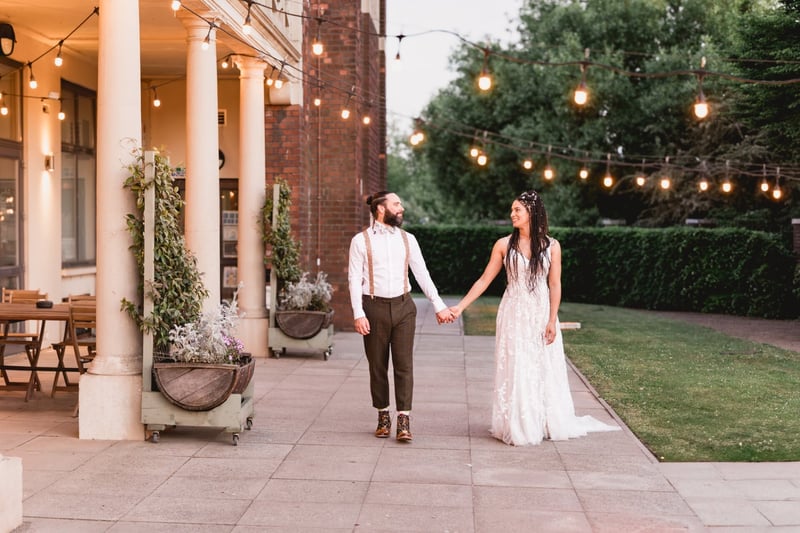
Knowing how much to budget for a wedding photographer isn’t just about the numbers – it’s about understanding what you’re investing in. You’re creating memories that will last you a lifetime, so this is not an area of your wedding day to scrimp on.
Photography prices will vary depending on the photographer, the length of coverage, when and where you’re getting married, and what exactly is included in your wedding photography package. However, you should expect to pay somewhere between £500 and £2,500, according to our Bridebook annual wedding report.
You’ll find that most wedding photographers are transparent about their pricing, with both package and bespoke options listed on their website.
What to Look for in a Wedding Photographer’s Portfolio
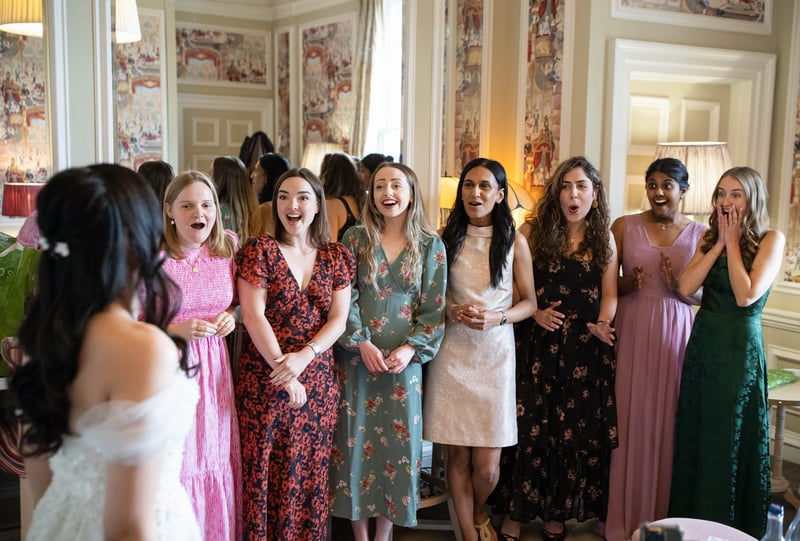
Remember, the pictures on a photographer’s website or social media will be a small selection of the best from various weddings and is not enough to showcase their true style and skill. Here’s what to look for when choosing a wedding photographer:
Full galleries – not highlights
“It’s one of the most common things couples tend to overlook,” confirms photographer and videographer Lewis Hale. “A complete gallery from a recent wedding will show the full, dynamic range of a photographer’s ability across the whole day, and whether or not that fits the style of photography you want.”
Ask to see two or three complete weddings so you have an idea of how they handle things such as low light, large group shots, rain or less aesthetic elements like an ‘ugly’ venue car park.
Similarly, you want to see weddings that offer coverage of the whole day, particularly if you plan on booking your photographer from getting-ready to evening.
Consistency of style
Does the editing style look consistent across the all the different venues, seasons, lighting conditions and wedding styles? Inconsistency could indicate heavy post-processing and therefore a result that doesn’t align with what you originally wanted.
Number of candid vs. posed shots
Does the ratio align with what you want in your wedding album? Some photographers will focus more on documentary-style photos, while others will go heavier on portraits. Look for evidence of both if that matters to you.
How the couples and guests look
How does the happy couple look in their portraits? Comfortable and relaxed, or a little stiff? This is a huge giveaway on how a photographer interacts with wedding couples and their guests – their ability to put their subjects at ease is just as important as their technical skill.
When to Book a Wedding Photographer
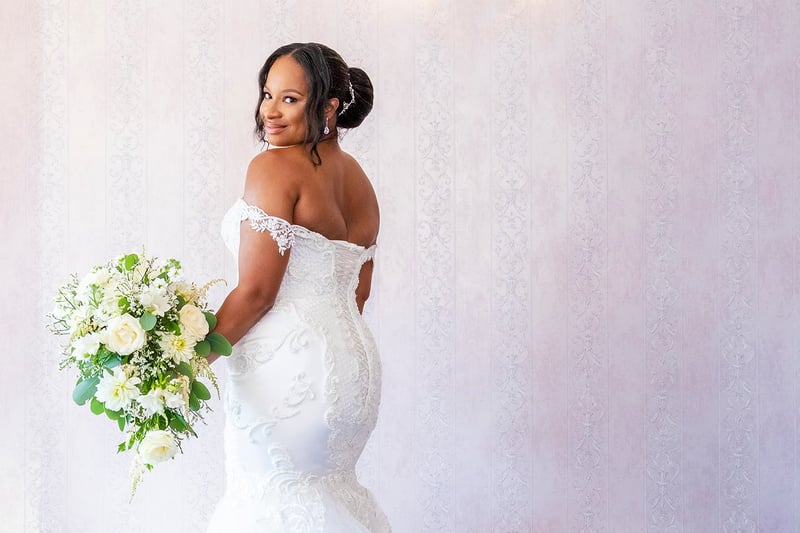
You should look to book your wedding photographer as soon as you’ve secured your date and wedding venue. Some popular photographers get booked up more than a year in advance, especially in busy times, on Saturdays and in the summer, so around 12-18 months in advance is the ideal.
Once you’ve narrowed down the list to a few potential photographers, it’s worth emailing them simultaneously to check their availability before deciding who to meet with and view more of their work.
Once you’ve made your decision, you’ll need to secure your date with a deposit. Some photographers may consider holding a date for a short period (often one or two weeks) while you decide, but this is dependent on the individual.
How to Compare Wedding Photographers: A Checklist
Still undecided? Our choosing a wedding photographer checklist has everything you need to choose between two (or more!) wedding photographers:
- Have you seen their full galleries, not just the highlights? This is key to understanding their style and skill.
- Does their editing style matches the look and feel of your wedding? It’s the only way to have the wedding album you want.
- Are they available on your date? An obvious one, but something many couples forget to confirm before deciding!
- Does their pricing fit within your budget? Don’t be afraid to negotiate (within reason) if you’re getting married off-peak, such as midweek or during a quiet month. Some photographers are open to this but always respect their answer.
- Have you met or video-called them? How comfortable did you feel with them? It’s important you get on well, since you’ll be with them all day.
- What do the reviews say? Always check reviews from multiple sources, not just the photographer’s own website.
- Do they have a clear back-up plan in case they fall ill? You’ll want to feel confident about this.
- Have you read the contract, and do you understand the terms? Know where you stand on everything from cancellation policies to package upgrades.
- Are you clear on how many edited images you will receive and when? Understanding the terms of service and what is included in the package you are paying for is key.
- If you are keen to have a second shooter, have you discussed this and how much it will cost? Some photographers will offer this as an add-on or upgrade to an existing package.
Questions to Ask a Wedding Photographer Before Booking
Make sure you get the best out of your wedding photos with these key queries:
- Can I see a full gallery from a recent wedding? This will help you make your final decision and assess their experience.
- Are you the photographer who will be at our wedding? In some cases, studios can book under a business name but send a photographer you’ve never met before. Watch out for this.
- What is your approach on the wedding day, and do you require a shot list? “Some photographers will assist in guiding the day while others will sit fully back and be a fly on the wall,” says Roslyn.
- Do you have public liability insurance? This is a non-negotiable and most will have it as standard, alongside professional indemnity insurance.
- What happens if you are ill or unable to attend on the day? Most photographers will have a network of photographer pals they can call upon should the worst happen but always check.
- How long after the wedding will we receive our images? Many photographers will have them ready by the time you get back from honeymoon, within six to eight weeks, but post-production during busy periods may take longer.
- How many edited images will we receive? A typical full-day coverage delivers 400-700 edited images, but this varies significantly.
- Do you provide the unedited files? Many photographers won’t, so be clear on this before booking if that’s something you want.
- What are your cancellation and postponement terms? Make sure you understand all the terms in your written contract.
- How familiar are you with our venue, or will you visit it beforehand? Some photographers check it out beforehand; others will arrive an hour or two early to see where the light is and find the best spots for group shots.
“A bonus question – but certainly one worth asking – is, ‘how do you retouch your images?’” adds Roslyn. ‘For example, I try to keep everything true to life and wont retouch people’s physical appearances, unless it’s something like an unfortunately-timed pesky spot!”
Red Flags to Watch Out for When Choosing a Wedding Photographer
Poor or slow communication
“Communication – or lack of – is the biggest red flag for me,” reveals Lewis. “You’ll actively be in touch with your wedding photographer throughout the planning process; asking questions and finalising small details, so it’s important to maintain clear communication during all the stages.”
If it’s very early in the booking stage, poor response could be a sign of things to come.
Vague answers about backup plans
Similarly to the above, it’s important to feel confident and always reassured.
No contract (or a very short one)
A professional photographer will always have a detailed written contract. If one isn’t offered, ask for it explicitly.
A heavily edited or filtered portfolio
Over-editing could be masking technical weakness and you may not end up with the result you want.
Unusually low pricing (without explanation)
Sometimes this can simply reflect genuine early-career experience, which can be excellent value if you don’t mind this. However, it should always prompt questions about what is – or isn’t – included.
Reviews that only talk about the photos, not the experience
The best wedding photographers are consistently praised not only for their images but how well they slotted into the day and how relaxed they made people feel. If the reviews only discuss technical quality, there could be a reason for that.
How to Choose a Wedding Photographer: FAQ
How far in advance should you book a wedding photographer?
The most in-demand wedding photographers will get booked up 12-18 months in advance, so be sure to secure yours as soon as you have booked the wedding venue.
For many couples, this will typically be around nine months to a year ahead of the wedding date.
What photography style is most popular for UK weddings?
Documentary and reportage-style wedding photography remains the most popular choice of photography for UK wedding couples. These are natural, candid shots that naturally capture the motion and emotion of the day, including behind-the-scenes pictures of the couple getting ready, guests chatting and laughing, and the dancing.
How many photos do you get from a wedding photographer?
Typically, a wedding photographer will submit 400-700 edited images after the day, but this will vary from photographer to photographer, so always check beforehand.
What should you look for in a wedding photographer’s portfolio?
The most important thing is to see a full gallery of images from two or three recent weddings, so you can assess the consistency of the editing, and how the photographer works with certain obstacles such as low light, dreary weather, and less-than-photogenic backdrops like exit signs or car parks.
You should also check that the number of posed vs. reportage images aligns with your wedding vision to ensure you get the album you want.
Can I book a wedding photographer without a contract?
Never book a wedding photographer that doesn’t offer you a written contract. Your contract should include all the details of your package, alongside any cancellation and postponement policies.
Without a contract you aren’t covered if they don’t turn up on the day or deliver your complete wedding album within the agreed timeframe.
How do I know if a wedding photographer is right for me?
If you are happy with the full range of images you have seen, if their photography and editing style aligns with what you want for your wedding album and, equally importantly, you get on well with them, you may have found your photographer!
However, it’s also important that their prices work within your wedding budget and they have all the necessary insurance needed to deliver a professional service.
How much does a wedding photographer cost in the UK?
UK couples spend an average of £1,484 on their wedding photographer, according to Bridebook’s 2026 Wedding Report, which surveyed 7,000 newly married and actively planning couples. Photography and videography combined make up around 10% of the average wedding budget. Costs vary with experience, hours of coverage, and whether a second shooter or album is included, so always check exactly what’s covered before booking.
What is documentary wedding photography?
Documentary wedding photography, also called reportage, captures the day candidly as it unfolds rather than through posed portraits. It has a fly-on-the-wall feel, following natural moments like getting ready, guest reactions, and the first dance without direction from the photographer. It remains the most popular photography style among UK wedding couples.
How to Find a Wedding Photographer on Bridebook
Handily Bridebook’s photographer search allows you to filter by location, style and budget to help you find the perfect fit. You’ll also find plenty of reviews from real couples so you can narrow down a shortlist of potential pros.
“Choosing the right person is so important,” adds Lewis. “If their work is outstanding but you don’t click, it can feel more like a business transaction. Make sure you read up on their profiles and get to know them, too. Read reviews from multiple sources and make sure they align with what you’re looking for.”
Ready to find your wedding photographer?
Browse wedding photographers on Bridebook, view portfolios, read couple reviews, and enquire directly today.
Why Trust Bridebook
Bridebook is the world’s #1 wedding planning platform, used by over 2.8 million couples. Our content is informed by real data from the Bridebook UK Wedding Report, which draws on responses from thousands of couples planning their weddings each year. Where expert input is included, contributors are named and their credentials verified. We update our articles regularly to ensure prices, statistics, and advice reflect current market conditions.
You Might Also Like…
Related articles