Wedding Roles Explained: Who Does What at a Wedding?

Planning a wedding is a bit like assembling your own personal Avengers – a team of people you love and trust, each with a specific wedding role to play, all working together to make sure your day goes without a hitch.
Part logistics experts, part emotional support crew, part professional party-throwers who are genuinely happy to get stuck in.
Everyone has a role to play at a wedding, whether it’s helping you into your dress, wrangling family members for photos, or making sure the DJ doesn’t accidentally play that one song you associate with your ex.
Sometimes – especially with a big family or a wide circle of friends – it can be hard to figure out who’s supposed to do what. Are ushers still a thing? Does the maid of honour really hold your bouquet? What exactly does a best man do besides plan a hopefully-not-too-messy stag do?
According to Bridebook, used by over 2.8 million couples to plan their wedding, the key to a smooth wedding day is knowing who’s handling what well in advance. Here’s your complete guide to every wedding role – from the starring turns to the supporting cast – and exactly who deserves an extra slice of cake at the end of the night.
The core wedding party roles
These are the people standing beside you (literally and figuratively) on the day.
The couple
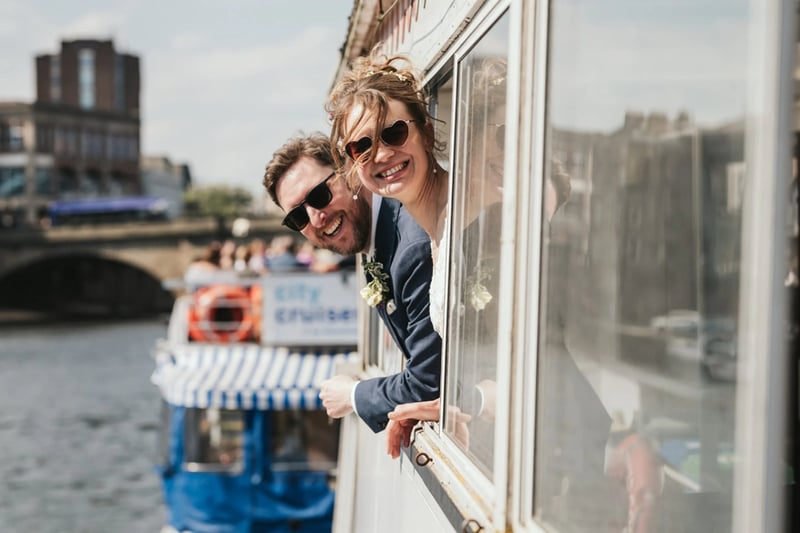
After months – sometimes years – of planning, your one job on the day is to turn up, look fabulous, and get married. During the lead-up, you played approximately 47 different roles: menu-planner, cake-taster, seating-arranger, decor-crafter, playlist-curator, and more.
Now that all of that’s been taken care of, you can let everyone else look after you.
Best for: You. That’s it. Nothing required of you except to say “I do.”
Maid of honour / person of honour
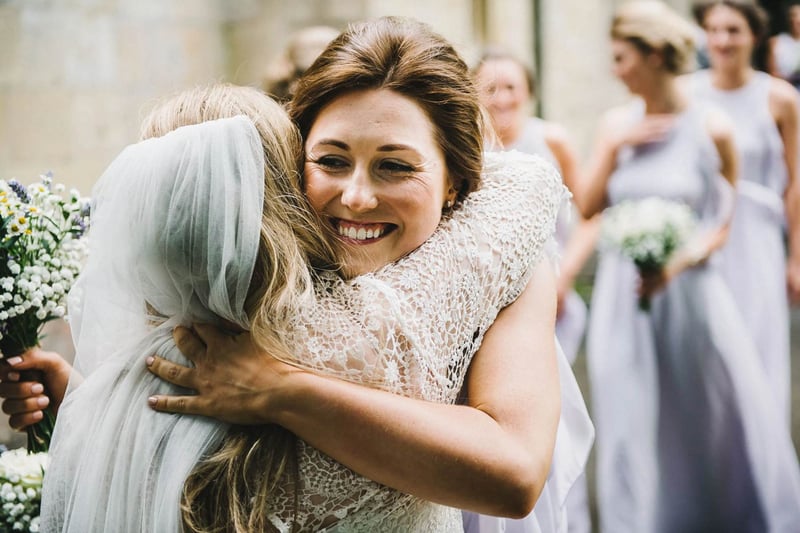
Your right-hand person. The calm in your pre-ceremony storm, the keeper of tissues, lipstick, and possibly your phone if you’ve decided a clutch doesn’t go with your dress.
In the months before the big day, they’re your go-to for hen party planning, dress fittings, and those essential “am I being unreasonable about the napkin rings?” conversations.
On the day, they’ll help with everything from keeping your train straight before you walk down the aisle to delivering a speech that makes everyone laugh and cry simultaneously. They’re with you every step of the way – from getting ready in the morning to sitting beside you at the top table.
Key duties:
- Organise and host the hen do
- Attend dress fittings
- Help the wedding party get ready on the day
- Hold bouquet and manage veil during the ceremony
- Give a speech at the reception
- Act as first point of contact for the wedding party
Best for: Your sister, your best friend since school, or that cousin who knows your entire life story and never panics under pressure.
Bridesmaids / wedding party
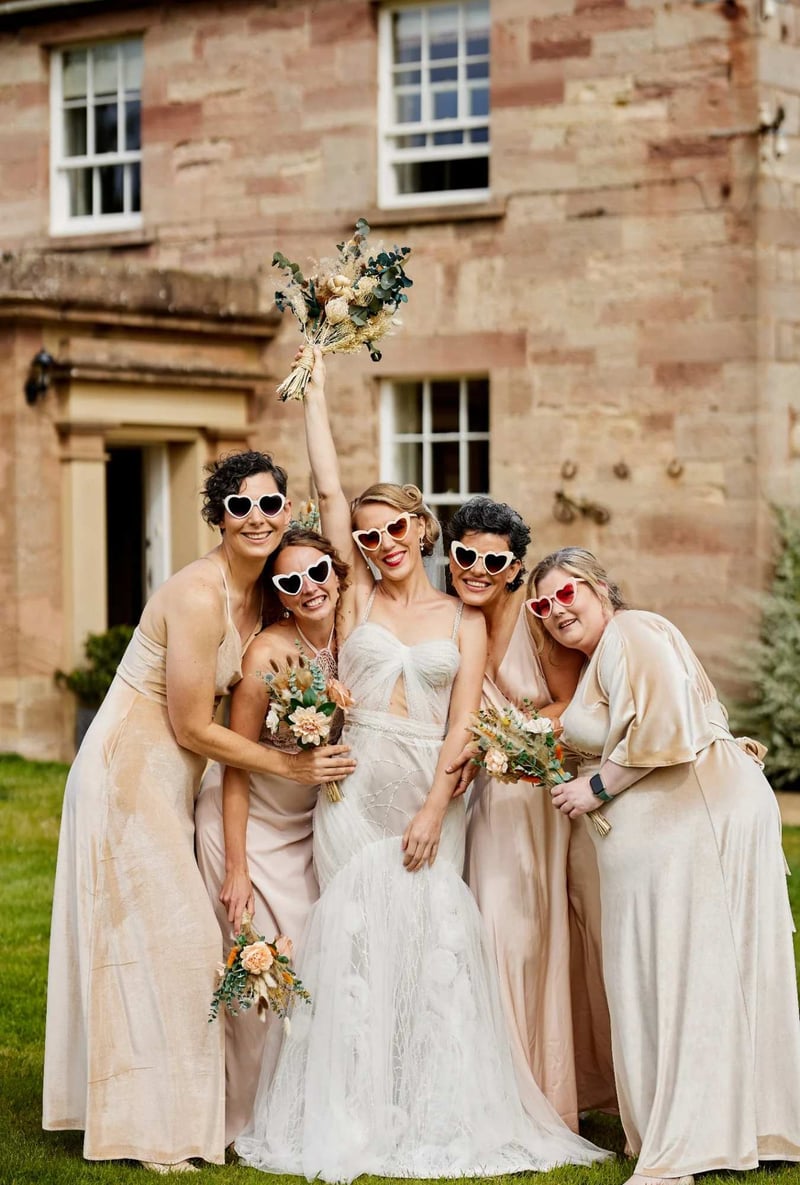
Your squad – the people who’ve stuck by you through thick and thin, including the weeks when you were convinced the flowers were wrong and everything was a disaster.
They’ll help address invitations at midnight, lend a hand with DIY décor, and make sure you’re actually eating something on the morning of the wedding.
On the day, they help with last-minute errands, round up family for photos, and act as your cheerleaders from ceremony to reception. It’s not always glamorous work (despite them looking – ironically – completely glamorous), but it’s a hugely important one.
Key duties:
- Support with pre-wedding planning and admin
- Attend dress fittings and the hen do
- Help the couple get ready on the morning
- Assist with rounding up guests for photos
- Be first on the dance floor when the band starts
Best for: Closest friends, siblings, or cousins. Basically, anyone who’s fun, reliable, and up for anything.
Best man / best person
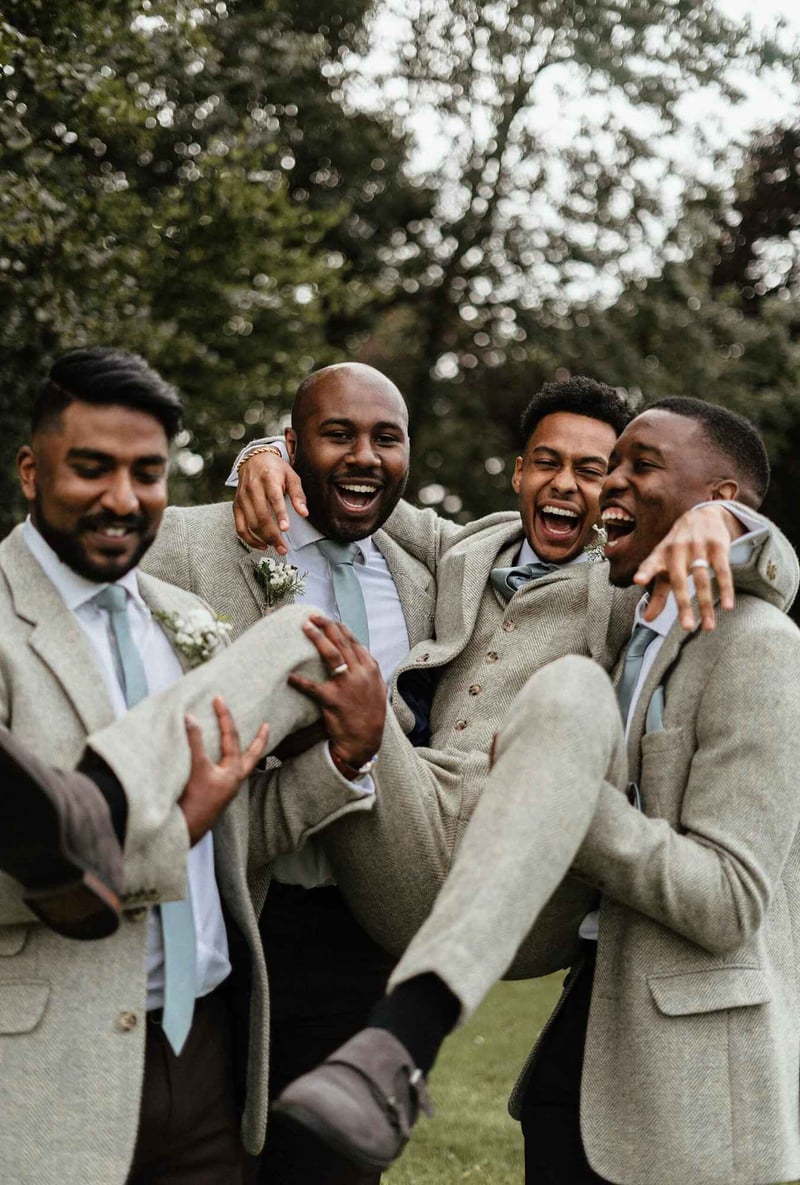
Traditionally the groom’s closest confidant, but this role can be filled by anyone – so long as you trust them with the rings (and your nerves). The rings are non-negotiable. Protecting them is a matter of life and death.
Beyond that, the best man is a source of calm reassurance, keeping pre-ceremony jitters in check and delivering a speech that’s part comedy routine, part heartfelt tribute.
During the run-up, they’re often in charge of the stag do and may help with suit fittings or last-minute logistics. They need to be equally comfortable with a spreadsheet and a microphone.
Key duties:
- Organise and host the stag do
- Keep the rings safe until the ceremony
- Support the groom on the morning of the wedding
- Deliver the best man speech
- Help coordinate the wedding party logistics
Best for: A brother, best mate, or anyone with the right combination of humour and reliability (both are non-negotiable).
Groomsmen / wedding party
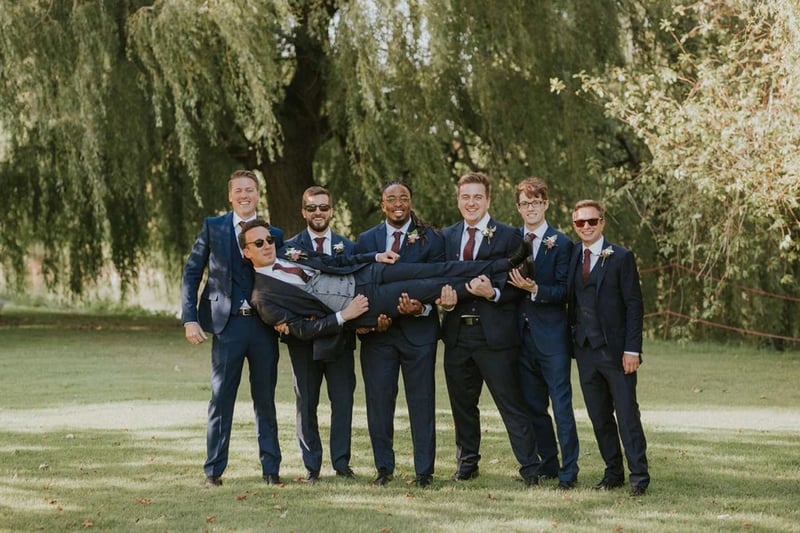
The groom’s inner circle. They’re there for suit fittings, stag-do planning, and moral support in the run-up, and on the day itself they help the groom get ready, keep the vibe calm (or fun – depending on the situation), and stand proudly by their side during the ceremony.
Later, they lead the charge on the dance floor and make sure no one has an empty glass. Think of them as the wedding’s unofficial handymen – ready to help with heavy lifting or fix something last-minute.
Key duties:
- Support with stag do and pre-wedding logistics
- Help the groom get ready on the morning
- Stand with the groom during the ceremony
- Keep guests entertained throughout the day
Best for: Close friends, brothers, or cousins who know how to keep things light and be supportive.
Ushers / wedding party
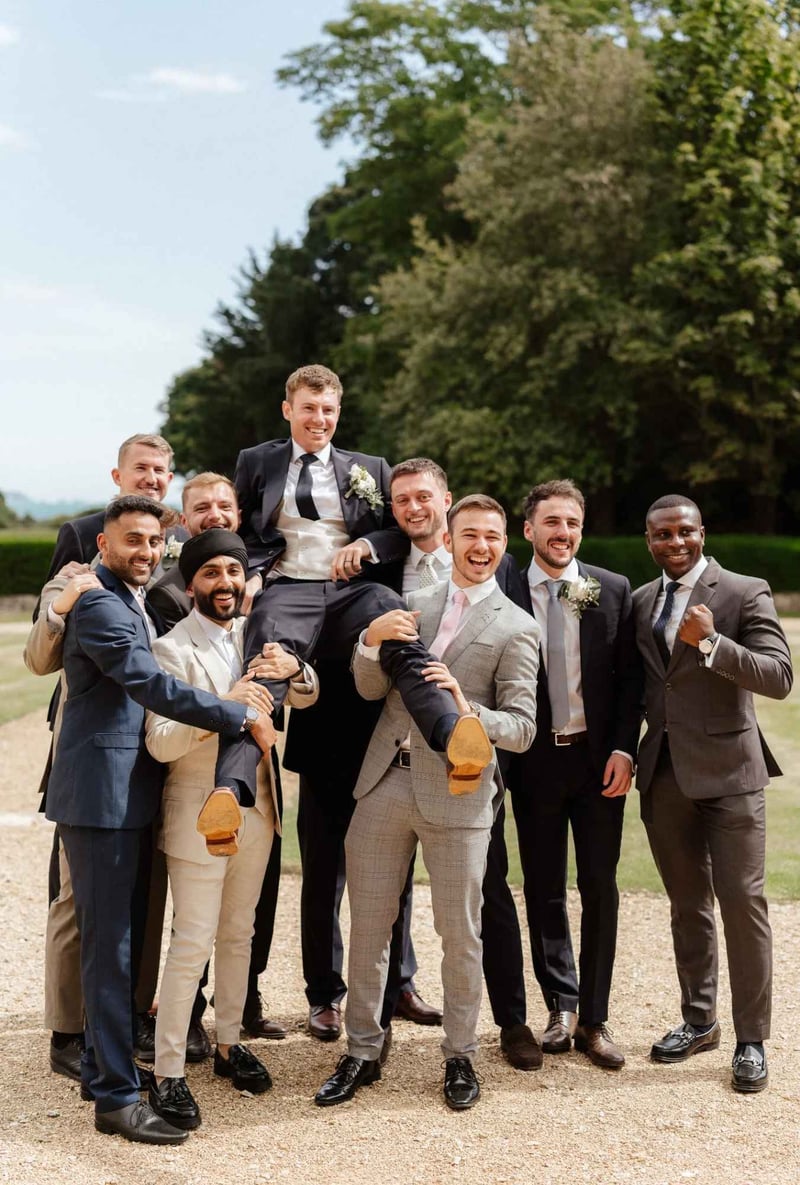
The friendly faces at the door – the people making sure your guests know exactly where they need to go. They hand out orders of service, guide people to their seats, and field the inevitable “where’s the loo?” questions.
They keep things on schedule and assist with small tasks throughout the day. Crucially, they need to be great at admin and even better at small talk.
Key duties:
- Greet guests as they arrive
- Hand out orders of service
- Guide guests to their seats
- Answer questions and keep arrivals moving smoothly
Best for: Outgoing friends or family members who don’t mind being on their feet and chatting with strangers.
What’s the difference between ushers and groomsmen?
These are two distinct wedding roles. Ushers are guest-facing – their job is to help people find seats and hand out ceremony materials.
Groomsmen are part of the groom’s personal team, helping with the overall logistics of the day and typically appearing in the official photos. You can have both, or combine the roles – it’s entirely up to you.
Family roles in a wedding
Parents and close family often play a central role, though how traditional or informal you make these is completely up to you.
Mother of the bride
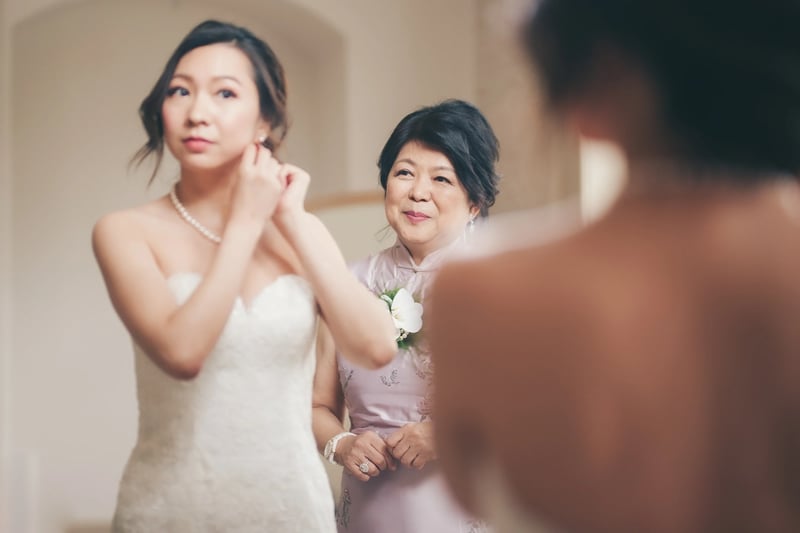
Often one of the most involved parents during the lead-up. She might help with dress shopping, offer input on cake design and colour schemes, and assist with the guest list.
On the day, she’s usually busy greeting guests, supporting the wedding party getting ready, and sometimes delivering a speech or toast.
Best for: A mum / mother figure who loves being across the details and is happy to step in as both support and sounding board.
Father of the bride
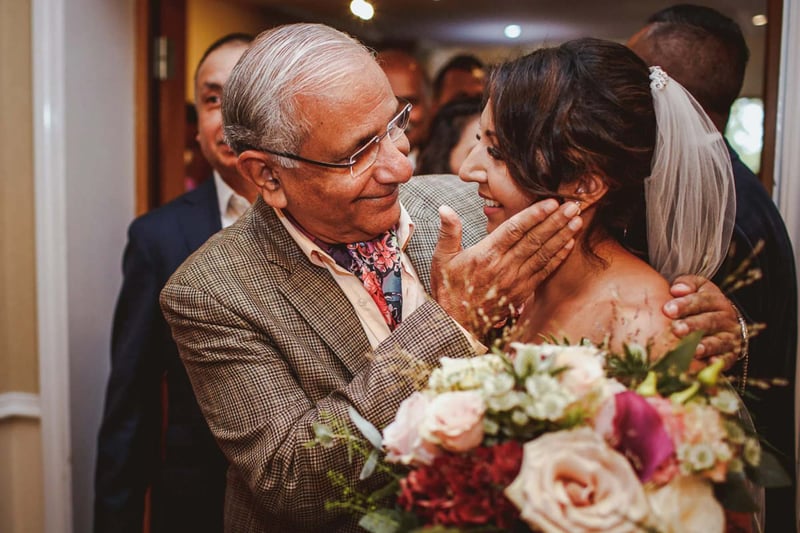
One of the most recognisable roles in a wedding. Traditionally, the father of the bride walks the bride down the aisle – a moment that tends to produce tears from everyone in the room, including him.
He may also give a father of the bride speech at the reception and take part in the first dance. Beyond the formal moments, he’s often the calm presence who steadies nerves on the morning of the day.
Best for: A dad or father figure who’s comfortable in the spotlight for a few key moments and always ready with a reassuring word.
Mother of the groom
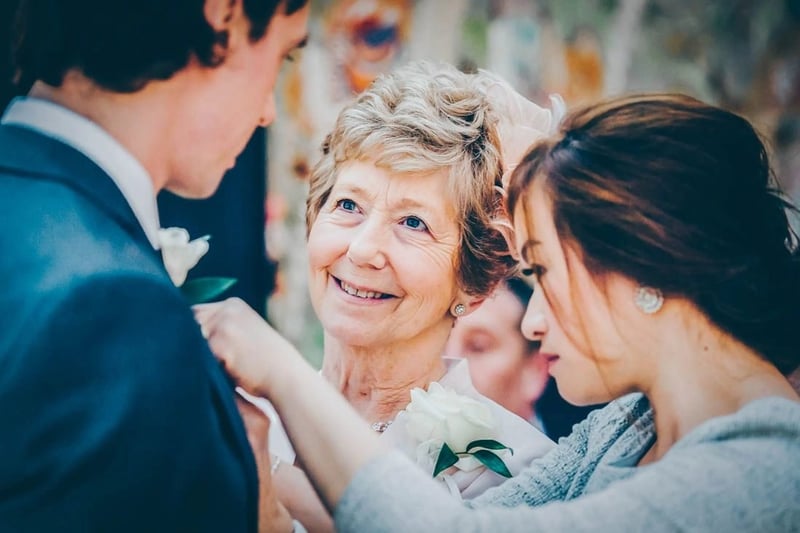
Traditionally a quieter role, but no less important. She supports the groom during the build-up and on the morning of the day, may help coordinate family outfits and logistics, and often acts as a warm point of contact between both families.
On the day, she greets guests, mingles during the reception, and may give a speech or blessing.
Best for: A mum / mother figure who loves bringing people together and supporting behind the scenes.
Father of the groom
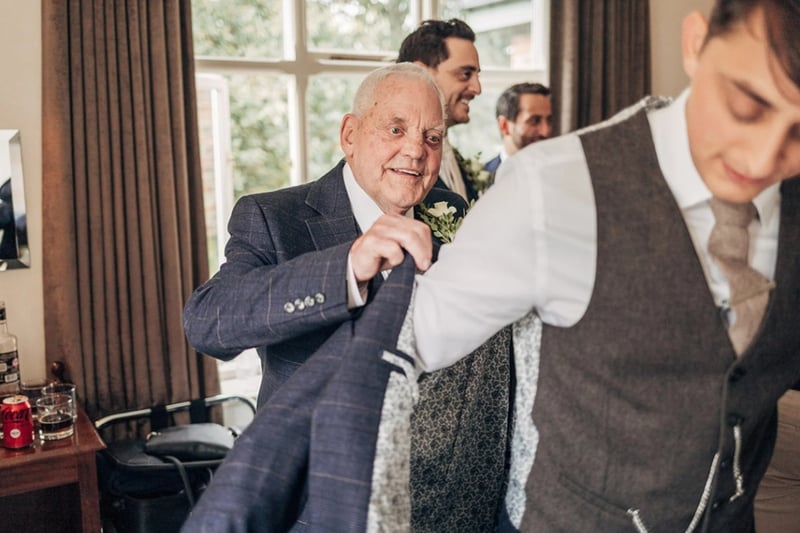
Traditionally, the father of the groom might host the rehearsal dinner if you’re having one or contribute to some of the costs, but his primary role on the day is simply to be present and warm.
He may give a speech sharing wisdom and well-wishes for the couple’s future.
Best for: A dad / father figure who’s happy to play host and add warmth to the day with a few well-chosen words.
Ceremony roles in a wedding
Flower girl and/or page boy
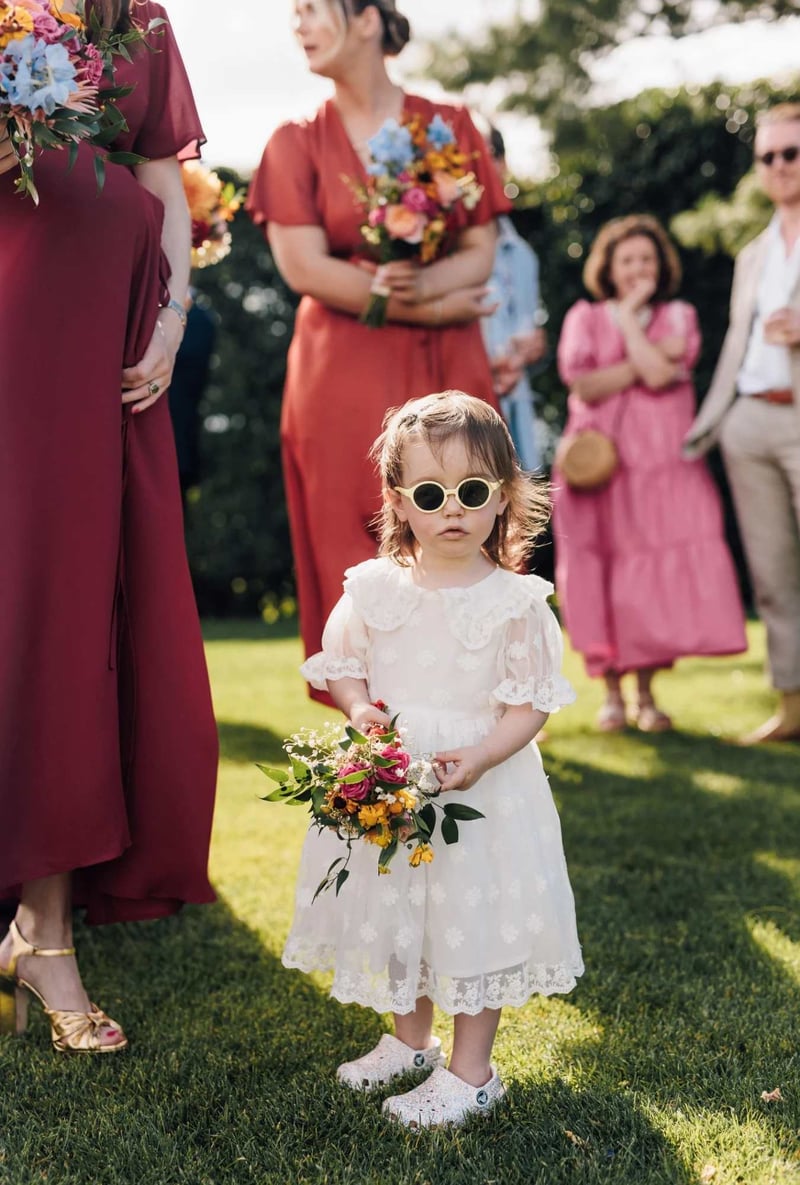
The official cuteness ambassadors. Flower girls scatter petals down the aisle ahead of the couple, while page boys might carry a sign, toddle ahead looking adorable, or assist with the rings.
Their role is brief, but it helps them feel included – and they tend to steal every photo they appear in.
Best for: Nieces, nephews, godchildren, or any little ones in your family who love dressing up and being the centre of attention.
Ring bearer
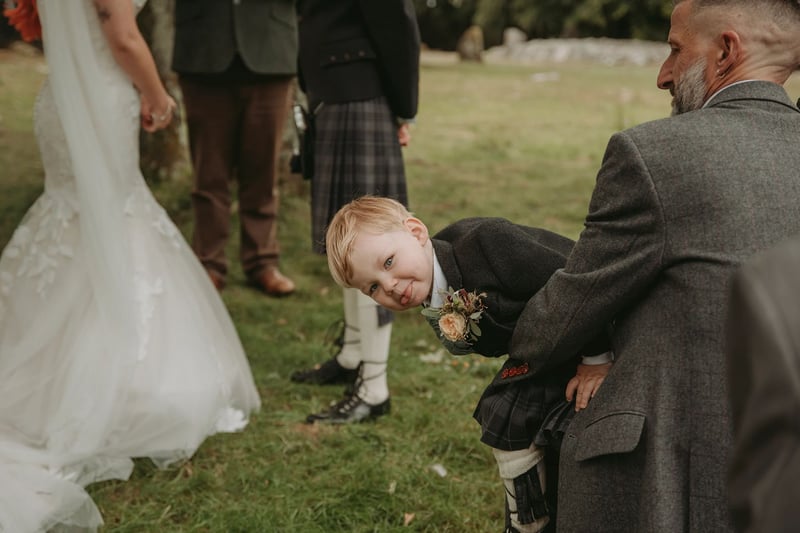
Sometimes a child, sometimes a very good dog – the ring bearer’s job is to deliver the rings safely to the couple or best man.
High-stakes, adorable, usually memorable for all the right reasons.
Best for: A child who can handle a little responsibility, or a well-behaved pet who won’t immediately bolt for the door.
Officiant / celebrant
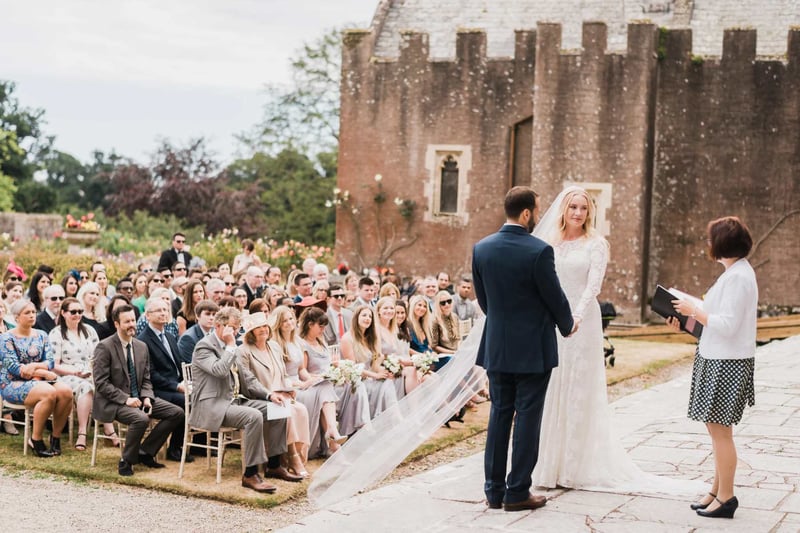
The person who makes it all official. Whether it’s a registrar, a religious minister, or an independent celebrant, they’re the voice guiding you through vows, promises, and that magical moment.
Worth noting: a registrar makes your marriage legally binding in England and Wales, so even if you hire a celebrant to make the ceremony feel more personal, you’ll still need a registrar in attendance.
Best for: A licensed professional registrar, and / or a celebrant who understands your vision and makes you feel completely at ease.
Witnesses
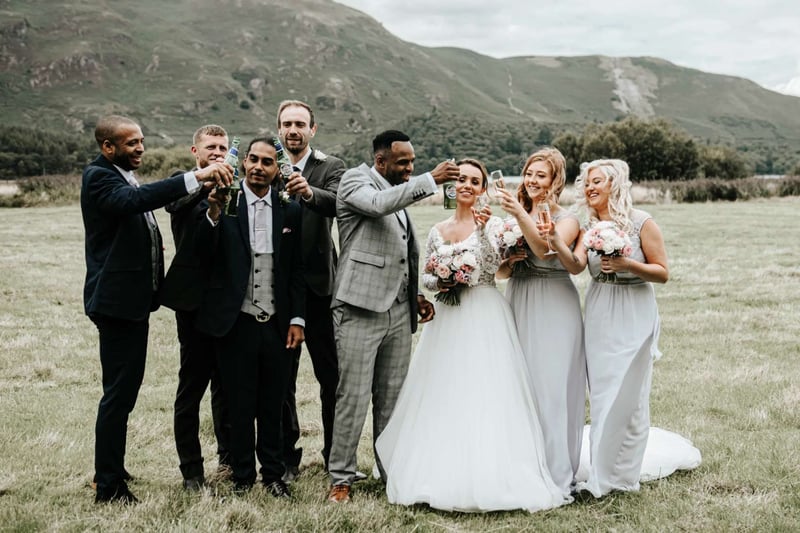
You need two witnesses to make a marriage legal in the UK. They sign the register and will always be part of your history.
Many couples choose the maid of honour and best man, but any trusted adult can do it.
Best for: Anyone with a steady hand and a neat signature.
Readers
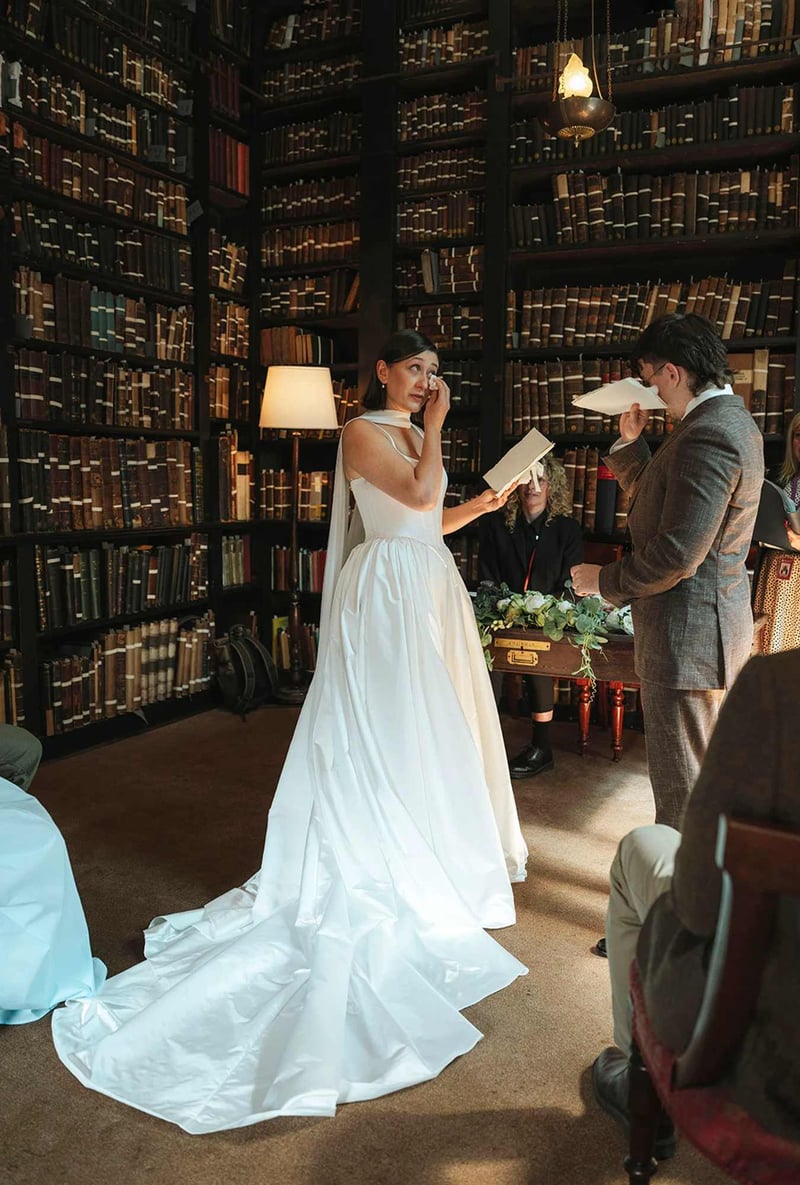
A lovely way to involve more loved ones in the ceremony. Readers share a poem, scripture, or meaningful excerpt as a wedding reading that adds a personal touch.
Their words often bring tears, smiles, and a moment to breathe.
Best for: Friends or family with a clear speaking voice and the ability to hold it together when reciting something genuinely moving in front of a crowd.
Reception roles in a wedding
Toastmaster / MC
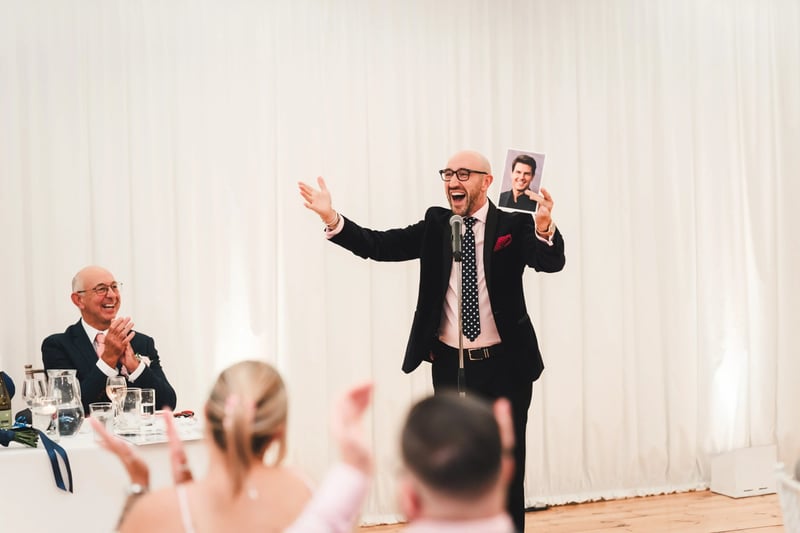
The day’s cheerleader and timekeeper. A toastmaster announces speeches, cues up the first dance, and keeps guests informed about what’s happening next – fun fact, MC stands for master of ceremonies.
Some venues provide one; plenty of couples ask a charismatic friend to step up, or hire someone who can command the room with ease.
Key duties:
- Announce speeches and key moments
- Keep guests informed of the day’s schedule
- Introduce the first dance
- Keep the energy moving between ceremony and reception
Best for: That confident, funny friend or family member who thrives with a microphone. Or a hired professional who can command a room without breaking a sweat.
Other wedding roles worth considering
These aren’t traditional, but they’re a great way to involve more people – and to make sure everything runs smoothly.
Wedding planner / wedding coordinator
Many couples choose to hire a wedding planner to help bring all their ideas to life and manage suppliers, timelines, and on-the-day logistics. Especially useful for larger weddings where there’s a lot moving at once – they’ll fix problems before you’ve even noticed them.
Best for: A hired professional, or that ultra-organised friend who genuinely lives for a colour-coded wedding spreadsheet and doesn’t mind being put to work on the day.
Wedding content creator / social media helper
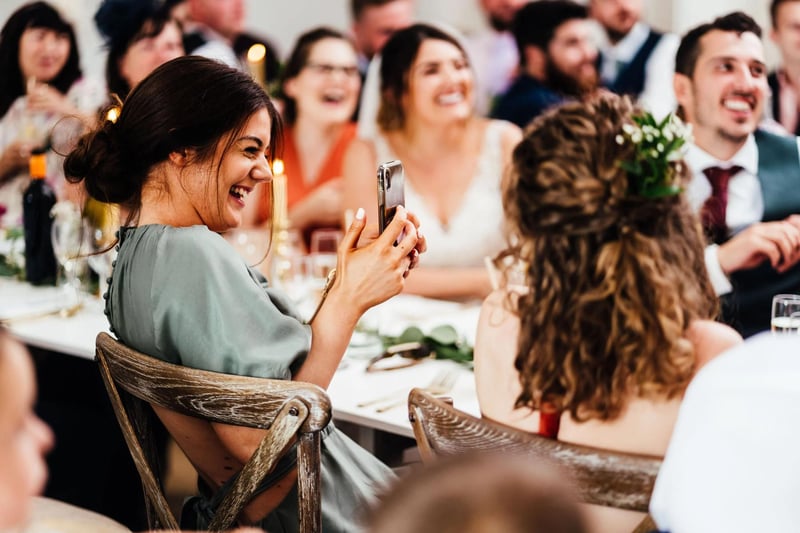
If you want to share your day online as it happens – behind-the-scenes moments, Stories, quick snaps – a wedding content creator makes that happen. A growing number of couples now include this as a named role.
Best for: A professional content creator, or a friend who knows their way around a camera and a phone and is happy to be working your big day.
Guest book / Polaroid attendant
If you have a guest book, a photobooth, or an audio message station, it helps to have someone overseeing it – encouraging guests to sign, snap, or leave a message so nothing gets missed.
Best for: A chatty cousin or close friend who loves talking to people.
Card and gift table attendant
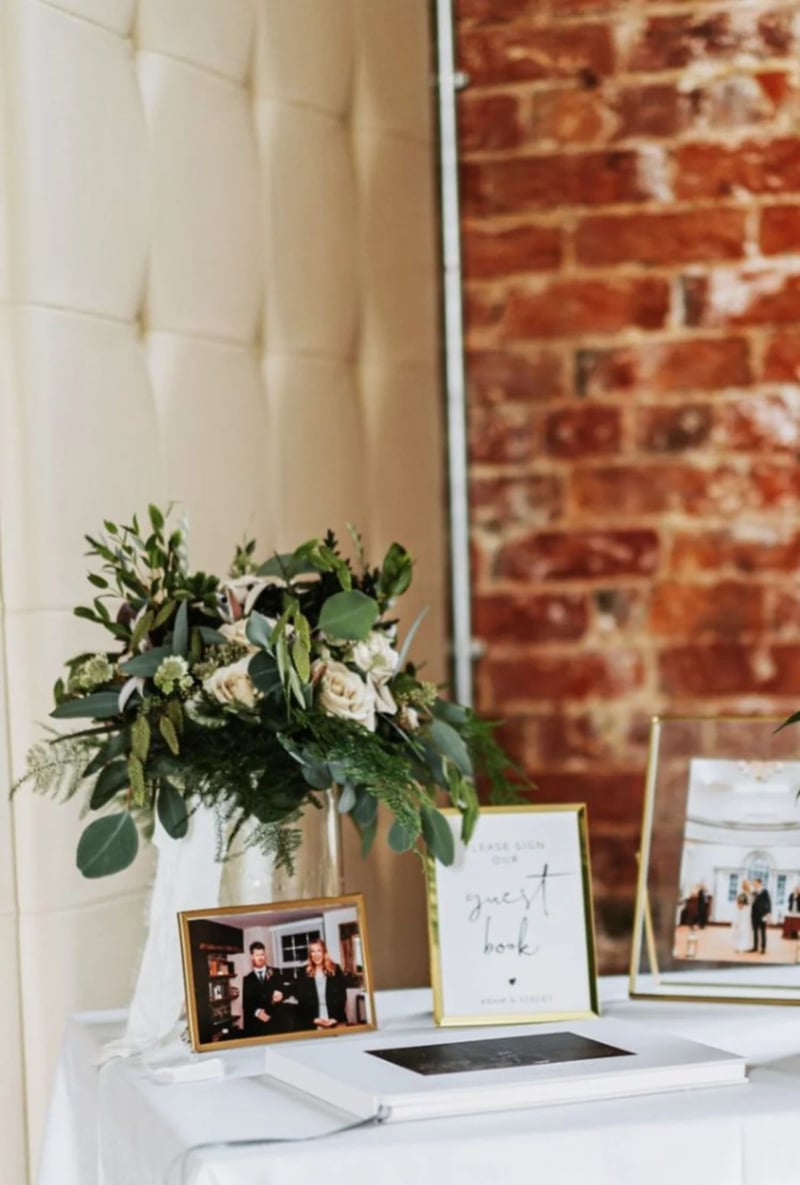
Someone to keep an eye on cards and presents and make sure everything gets moved somewhere safe. Less security guard, more thoughtful organiser.
Best for: A trusted family member.
Pet handler
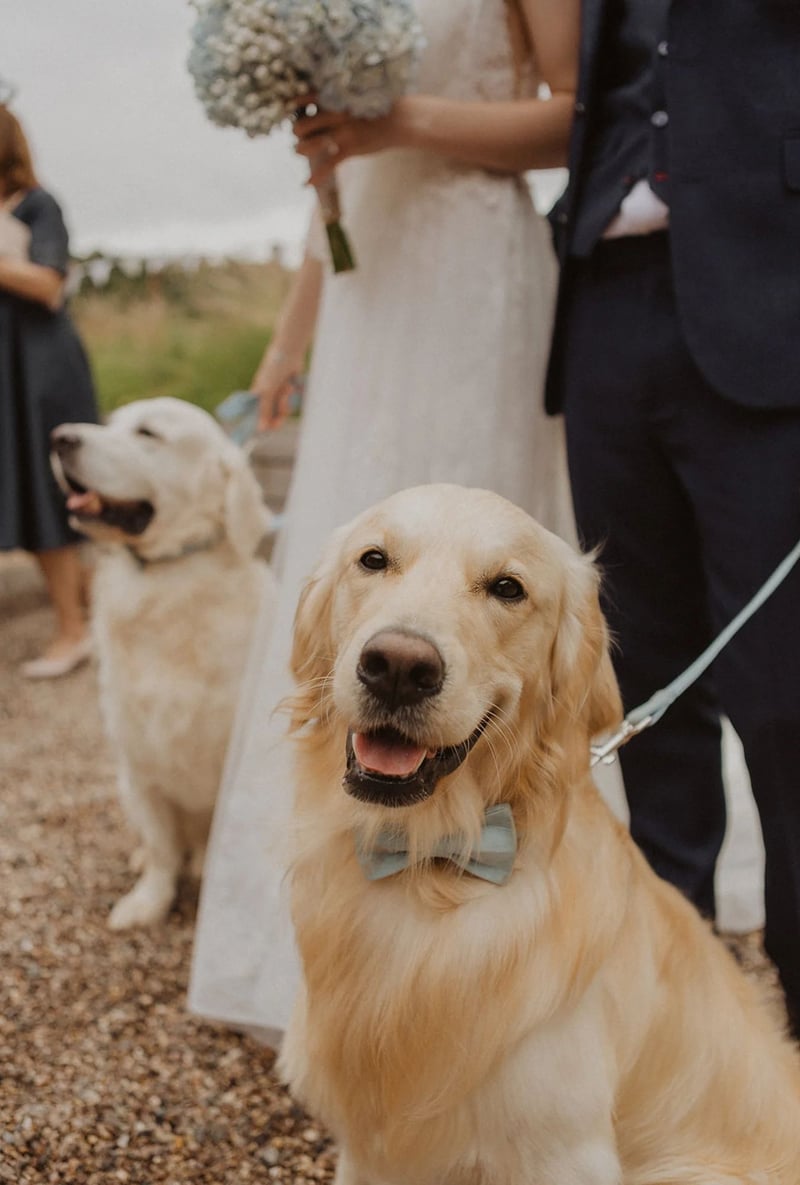
If your furry family member is part of the ceremony, you’ll need someone to manage walks, treats, and bathroom breaks – because you’ll absolutely be too busy.
Best for: A reliable, pet-loving friend who your animal already knows and trusts, or a professional pet chaperone.
Décor crew
If you have a lot of décor, someone to help set it up correctly – and potentially move elements between the ceremony and reception – is genuinely invaluable.
Best for: Crafty friends or relatives who love pitching in, if you’re not hiring a pro.
A modern take on wedding roles
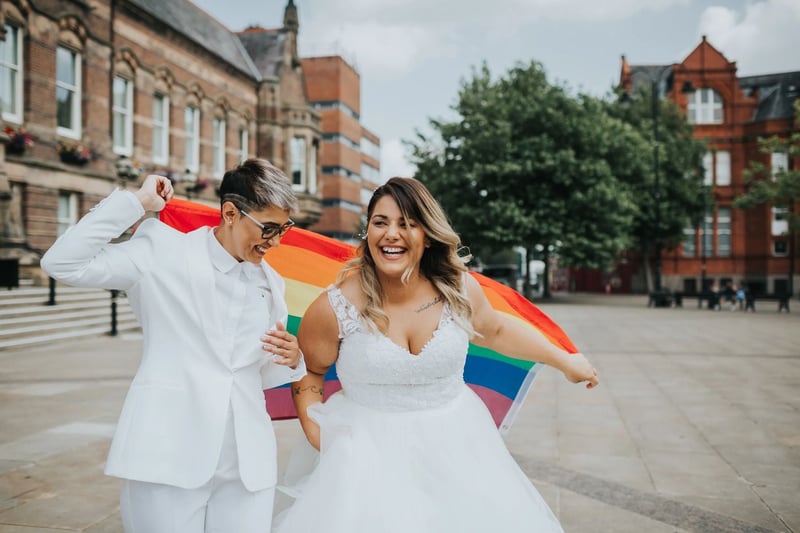
While most of the roles above are rooted in tradition, none of them are written in stone. Two maids of honour? A female best person? No speeches at all? Your parrot flying the rings down the aisle? All entirely valid. Your wedding, your rules.
What matters is that every person in your party is there for the same reason: to help you celebrate one of the best days of your life. So hand out those roles, share the responsibilities, and get ready to say “I do” surrounded by all the people who love you.
Frequently asked questions about wedding roles
What are the main roles in a wedding?
The core wedding roles are the maid of honour (or person of honour), best man, bridesmaids, groomsmen, ushers, officiant, and witnesses. Supporting roles include flower girls, page boys, ring bearers, readers, and a toastmaster or MC.
Additional roles such as wedding coordinator, pet handler, and content creator are increasingly common at modern weddings.
What does the maid of honour do at a wedding?
The maid of honour – or person of honour – is the couple’s chief supporter. They organise the hen do, assist with dress fittings, help manage the wedding party on the day, hold the bouquet during the ceremony, and typically deliver a speech at the reception.
They’re also the person the couple leans on throughout the planning process.
What is the role of the best man at a wedding?
The best man organises and hosts the stag do, keeps the rings safe until the ceremony, supports the groom on the morning of the wedding, and delivers the best man speech at the reception.
They’re also often involved in coordinating groomsmen logistics and keeping pre-ceremony nerves in check.
What’s the difference between a usher and a groomsman?
Ushers are guest-facing – they greet arrivals, hand out orders of service, and guide guests to their seats. Groomsmen are part of the groom’s personal team, supporting them throughout the day and usually appearing in the official wedding photos. Some couples combine the roles; others keep them separate.
What is the role of an MC at a wedding?
The MC (Master of Ceremonies) or toastmaster keeps the reception running smoothly. They announce speeches, introduce the first dance, and keep guests informed about what’s happening next.
It’s a role that suits someone confident, warm, and comfortable holding a room – whether that’s a hired professional or a charismatic friend.
Who are the witnesses at a wedding?
Two witnesses are required to make a marriage legal in the UK. They sign the register during or after the ceremony.
They don’t need to be part of the official wedding party – any trusted adult can take on this role – though many couples ask the maid of honour and best man.
Why Trust Bridebook
Bridebook is the world’s #1 wedding planning platform, used by over 2.8 million couples. Our content is informed by real data from the Bridebook UK Wedding Report, which draws on responses from thousands of couples planning their weddings each year. Where expert input is included, contributors are named and their credentials verified. We update our articles regularly to ensure prices, statistics, and advice reflect current market conditions.
Last reviewed: May 2026
Related articles