Winter Wedding Flowers: The Best Seasonal Blooms & Bouquet Ideas

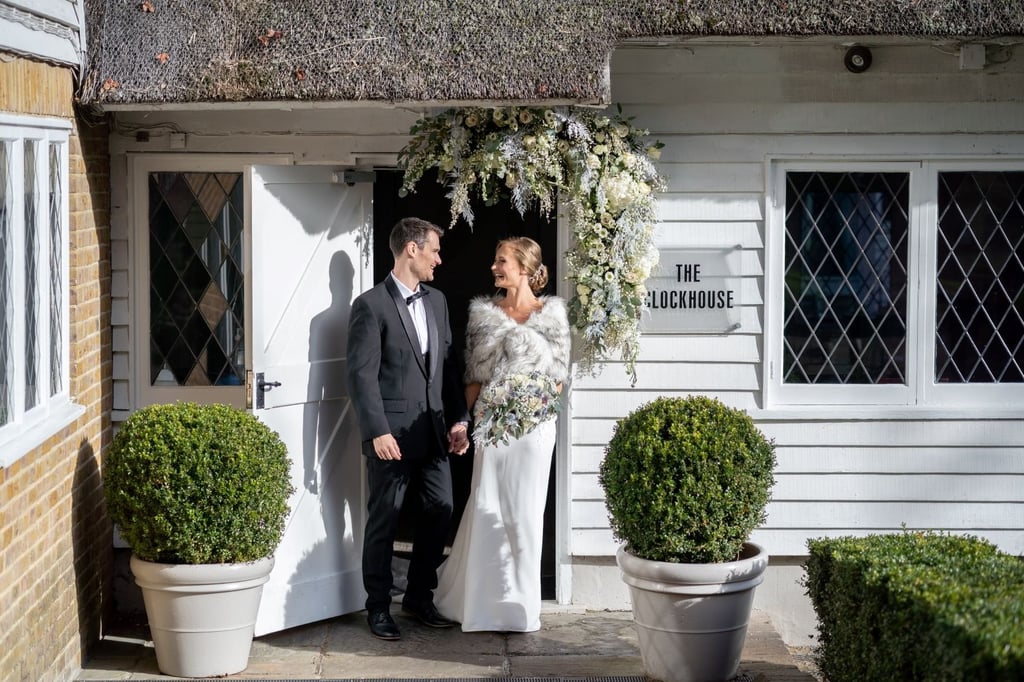
Cold temperatures in the UK might not feel synonymous with having your pick of big-day blooms, but you’ll still find some beautiful winter wedding flowers available during this season.
With varieties like amaryllis, anemones and hellebores, an abundance of jewel-toned berries and seasonal foliage, the options for natural and wild florals filled with texture and personality are endless.

Ahead, we at Bridebook, the UK’s #1 wedding planning platform used by over 2.8 million couples, have covered everything you need to know about choosing your winter wedding flowers – from what’s-in-season-when to wedding florist-approved bouquet and styling ideas.
We’ve even got tips on how to style your Christmas wedding flowers, for those planning a fabulously festive celebration.
Happy planning!
What Flowers Are in Season for a Winter Wedding in the UK?

Although, thanks to the magic of wholesalers, couples can now get hold of almost any flowers they want for their wedding day, there’s no denying that seasonal is always best. The freshness and quality of British-grown blooms are at their peak, meaning they’ll be larger, more fragrant and will last longer, too.
They’ll also be easier on your wedding budget – imported flowers are flown in from regions with temperatures suitable to grow those varieties, so you’ll be paying for packaging and transportation on top of the flowers themselves.
“Thankfully, there are some glorious flowers in season here in the UK during winter and if you’re willing to be flexible and allow your florist to make the best choices within your vibe and colour palette, then you can end up with some really beautiful, unique flowers,” reveals Beth Oborne of Wren & Rose.
“Choose from hellebores, anemones, ranunculus, skimmia, narcissi and even early tulips, along with a plethora of branches, berries, fragrant herbs and foliage – all of which can give winter wedding florals a unique and whimsical feel.
“For me though, you just can’t beat ranunculus – their fluffy, frilly layers are undeniably romantic,” she adds.
“And don’t forget, foliage isn’t just filler, it can be a whole gorgeous statement on its own!”
Here’s everything you need to know about which British-grown flowers are at their best during the winter months in one handy table:
Month | At their best |
December | Amaryllis, hellebores, paperwhites, holly, ilex berries, skimmia, roses (imported or greenhouse grown), berried eucalyptus, pussy willow, pine and fir |
January | Hellebores, anemones, hyacinths, early tulips, ranunculus, eucalyptus, snowdrops |
February | Ranunculus (greenhouse grown), anemones, early tulips, hyacinths, early British narcissi, crocuses |
What Are the Best Flowers for a Winter Wedding?
Winter flowers for weddings in December, January and February…
Amaryllis
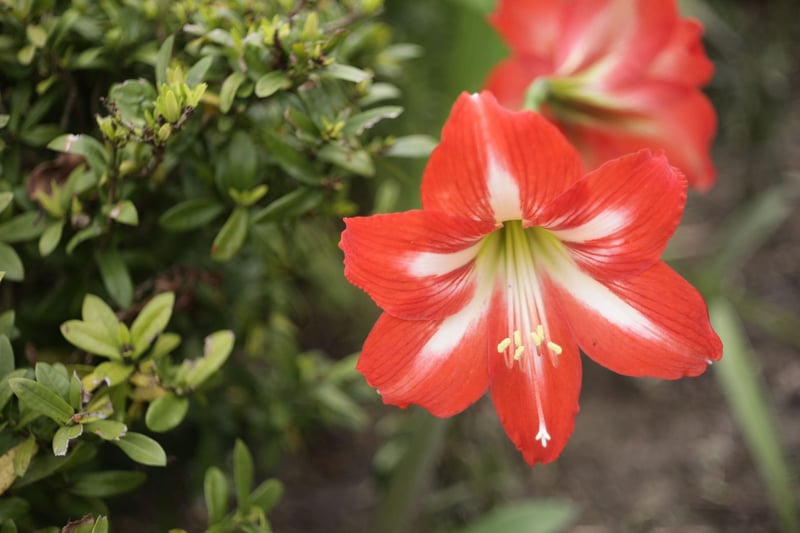
These large, dramatic, trumpet-shaped blooms are at their peak in December and work well for high-impact arrangements.
- Colours: Red, white, blush, burgundy, striped varieties
- Best for: Tall centrepieces
- Good to know: Each stem carries two to six large flowers that rival the size of lilies. Their size and heavy heads mean they suit grand arrangements more so than bouquets with a delicate aesthetic.
Hellebores
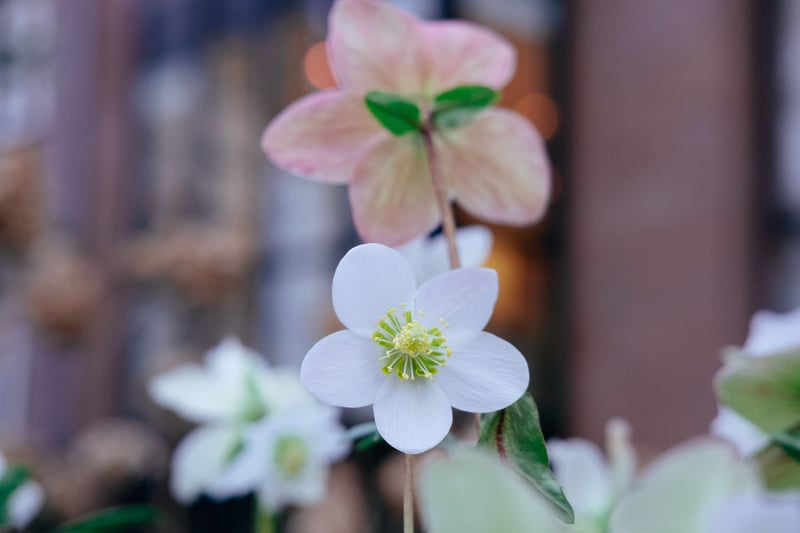
Romantic, delicate, paper-like – and often hailed as the ‘Christmas rose’ – hellebores look beautiful on their own or combined with other blooms and winter greenery.
- Colours: Plum, blush, cream, green, speckled
- Best for: Loose, garden-style bouquets and buttonholes
- Good to know: Hellebores need careful conditioning by a florist to avoid drooping. They’re also poisonous if consumed – so keep away from any pets at your wedding!
Anemones
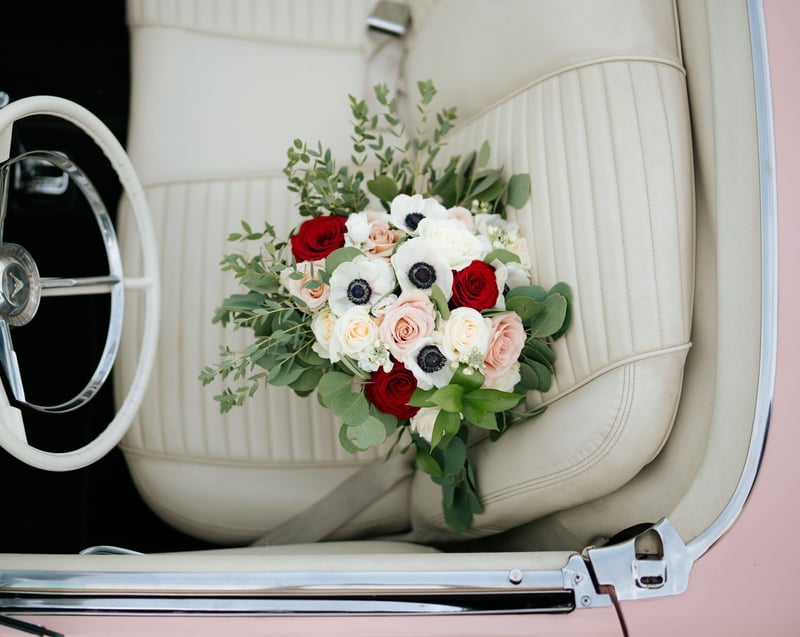
The delicate petals and dark centres on these gorgeous flowers give instant contrast, particularly the Panda varieties with their iconic white petals. Just a few will stand out particularly well against an abundance of foliage – great if you want to keep the budget down.
- Colours: White, red, purple, blush
- Best for: Bouquets, buttonholes, low centrepieces
- Good to know: Anemones continue to open up in warmth, so a heated venue will change their shape through the day.
Ranunculus
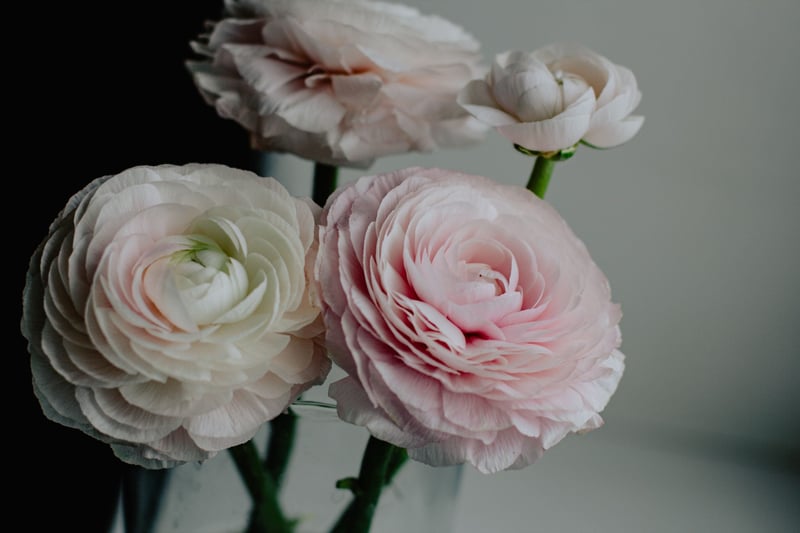
These delicate, layered, almost rose-like blooms are available from January. The ruffly, crepe-like petals are often compared to highly coveted peonies.
- Colours: Almost every shade, including burgundy, peach, pink and white
- Best for: Bouquets
- Good to know: They pair beautifully with anemones and hellebores if you want that delicate, spring-like look.
Tulips
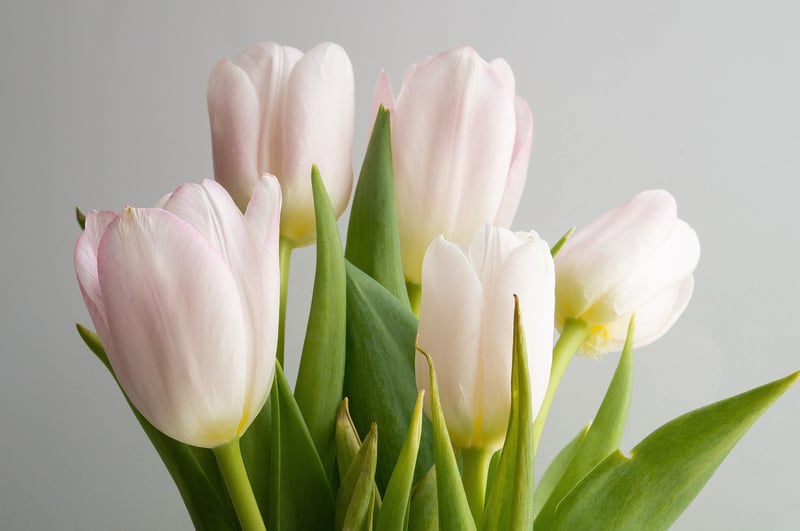
Dutch tulips are available from December, and you’ll find early British tulips from late winter. Look for unique options like double tulips (which look a bit like peonies) or ruffled parrot tulips for bolder colour and texture.
- Colours: Pink, red, white, yellow, lilac, purple
- Best for: Relaxed bouquets, low table arrangements
- Good to know: Tulips keep growing and bending after cutting, and their soft stems mean they often work best in table vases or grouped centrepieces rather than traditional hand-held bouquets.
Paperwhites (Narcissi)
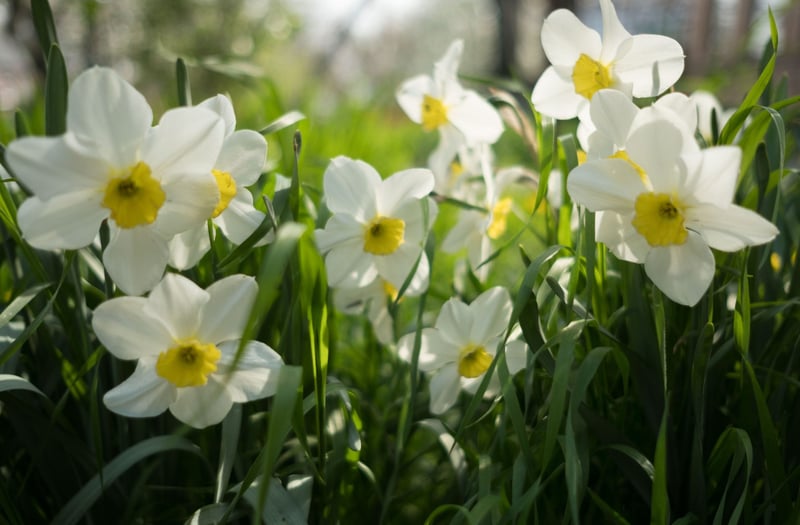
These delicate white clusters have a strong scent and are usually available from November to February.
- Colours: White, cream
- Best for: Centrepieces, potted table décor
- Good to know: Though they can work well in a bouquet, the scent can sometimes be a little overwhelming when held too close.
Hyacinths
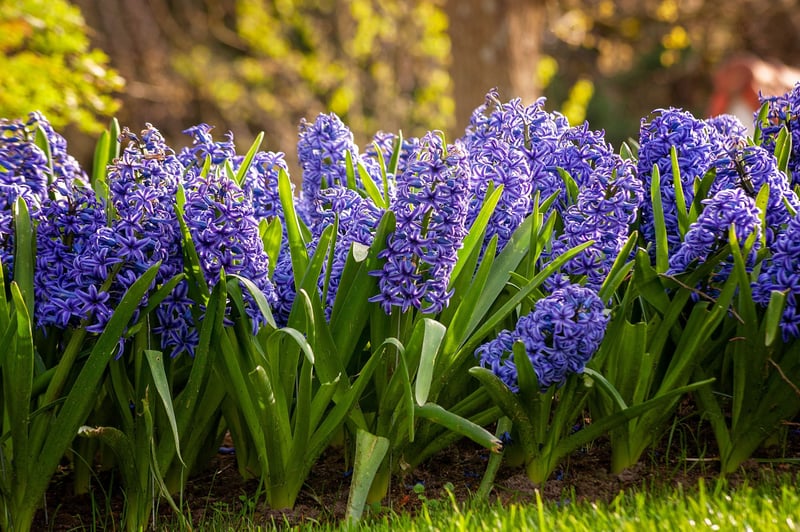
These beautifully scented, full headed flowers are available through January and February.
- Colours: Blue, purple, white, pink
- Best for: Low table arrangements, bulbs in pots as décor
- Good to know: A natural fit for blue, silver or ice-toned palettes, or couples wanting a bold pop of colour.
Roses
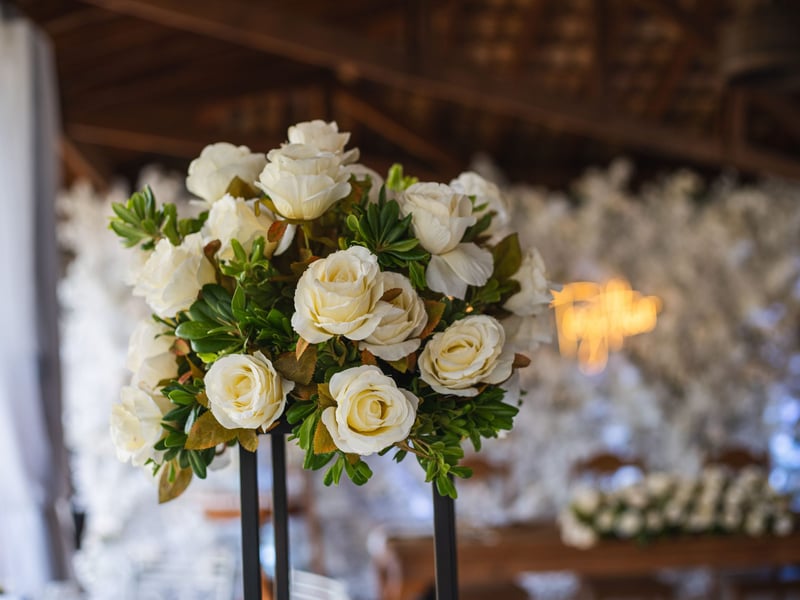
The best roses at this time of year will either be imported or greenhouse grown – consider the David Austin Purity roses for an all-white or ivory arrangement or pick Avalanche roses in deep reds and burgundies for something that feels especially wintry.
For something even moodier, the Black Baccara is a velvety, near-black, dark red rose that adds a luxe touch.
- Colours: White, red, burgundy, dusky pink
- Best for: Bouquets, buttonholes, centrepieces
- Good to know: Demand for roses spikes around Valentine’s Day, which could affect February availability and cost.
Winter foliage and berries
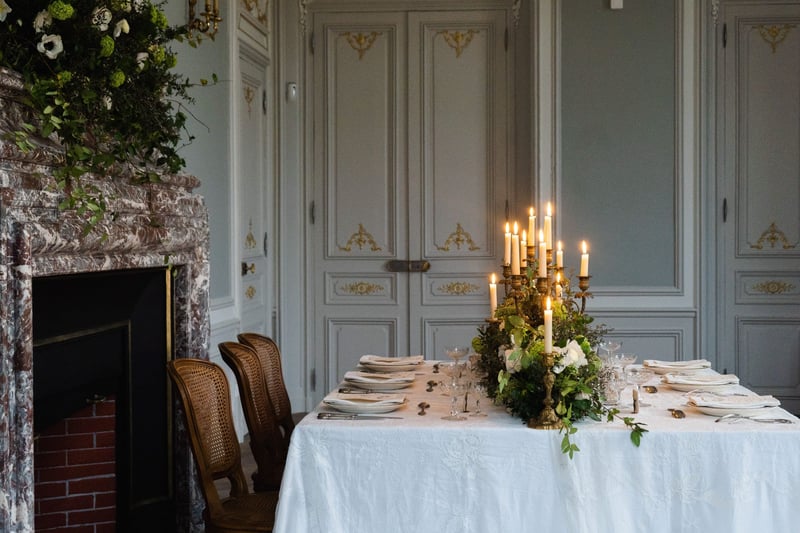
Eucalyptus, pine, fir, asparagus fern, berried ivy, skimmia, senecio foliage, hypericum, pussy willow, sage, and ilex berries alongside dried elements such as thistles, dried fern fronds and bleached ruscus add texture, structure and movement.
- Colours: Silver-green, deep green, red, white
- Best for: All arrangements, including bouquets, buttonholes, garlands, arches
- Good to know: Foliage will do a lot of the visual heavy lifting in winter and can stretch a smaller flower budget.
Winter Wedding Bouquet & Styling Ideas
Some of our favourite ways to style your winter wedding flowers for the big day
Winter bouquet ideas
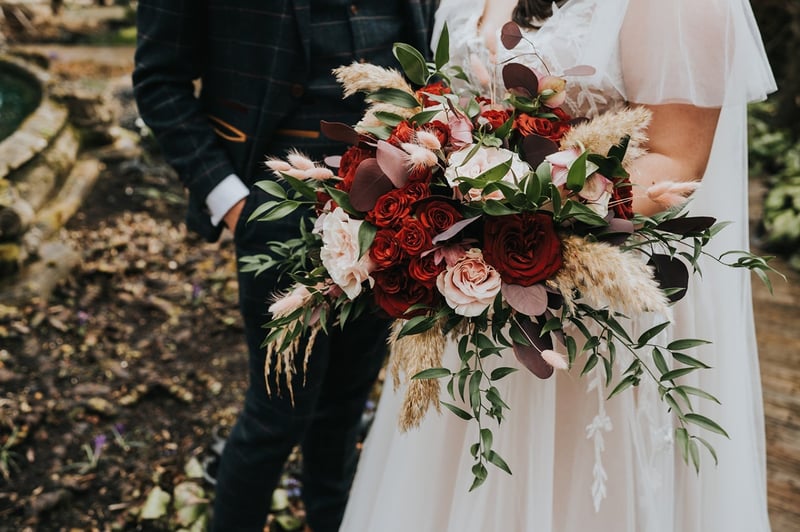
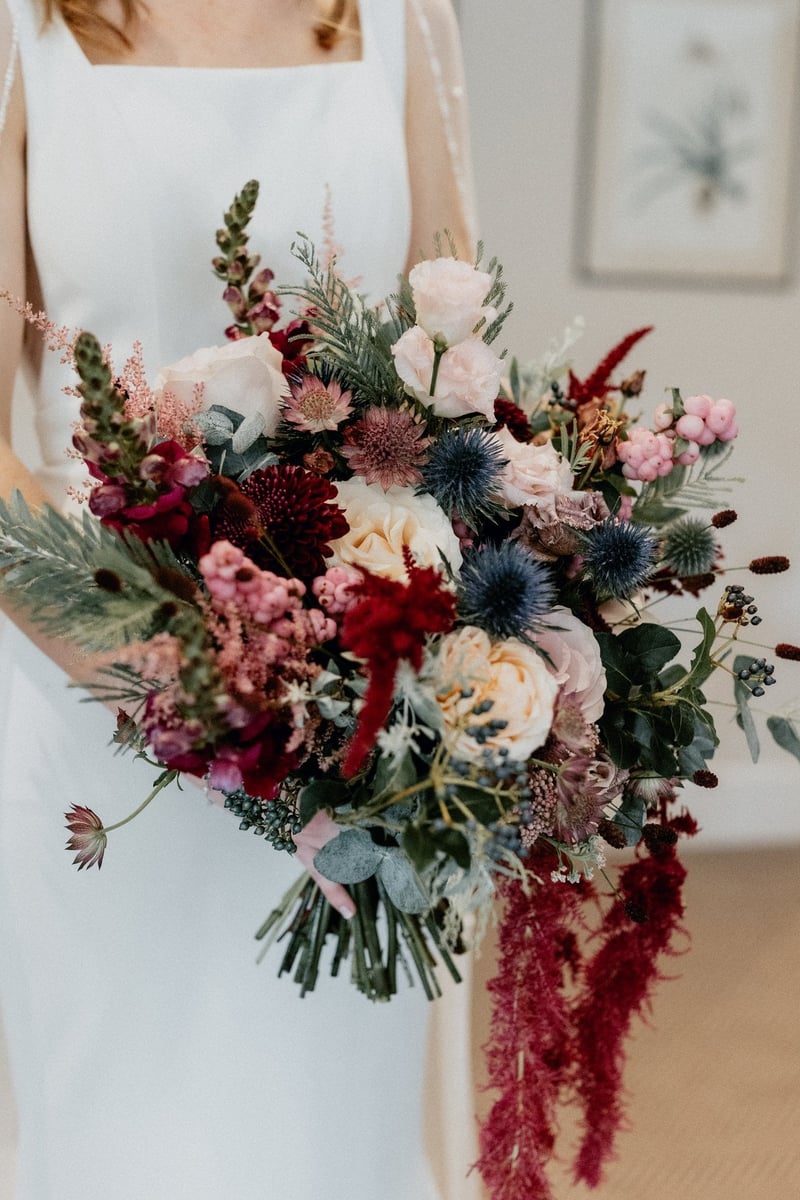
- Jewel tones: Pair burgundy ranunculus, plum-coloured hellebores and dusky pink and deep red roses with dark foliage and twigs for a hint of ‘moody romance’.
- All white: Choose roses in a varied palette – from cool ivory to warm clotted cream – alongside anemones and paperwhites. Touches of grey and silver in your foliage will add a frosted, almost vintage feel.
- Soft blush: Blush-coloured ranunculus, hellebores, roses and tulips work well for a gentler winter palette.
- Icy blue: The spiky texture of blue thistles combined with classic white or cream ranunculus, senecio cineraria, and silver brunia berries looks incredibly striking. Embrace luxe textures and wrap your bouquet in blue velvet.
- Wild and textured: Incorporating lots of foliage, including berries, twigs and seed heads, with a few statement blooms will give an organic and rustic feel. We especially love this look with rust-coloured elements.
Winter buttonholes
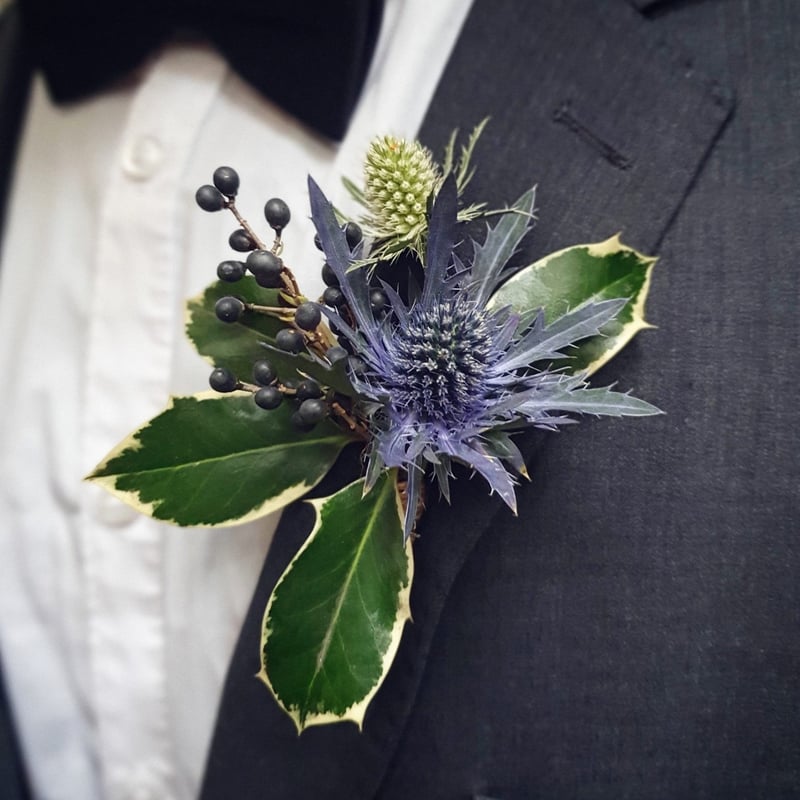
You’ll want hardy picks for your buttonholes, so they stand up against friction and tugging. Flower and foliage varieties such as roses, spray roses, eryngium thistles, viburnum berries, hypericum, spruce, small pinecones and eucalyptus – and herbs such as rosemary and sage – all work well.
The idea is to complement the bouquets, rather than match them exactly.
Winter wedding centrepieces and table decorations
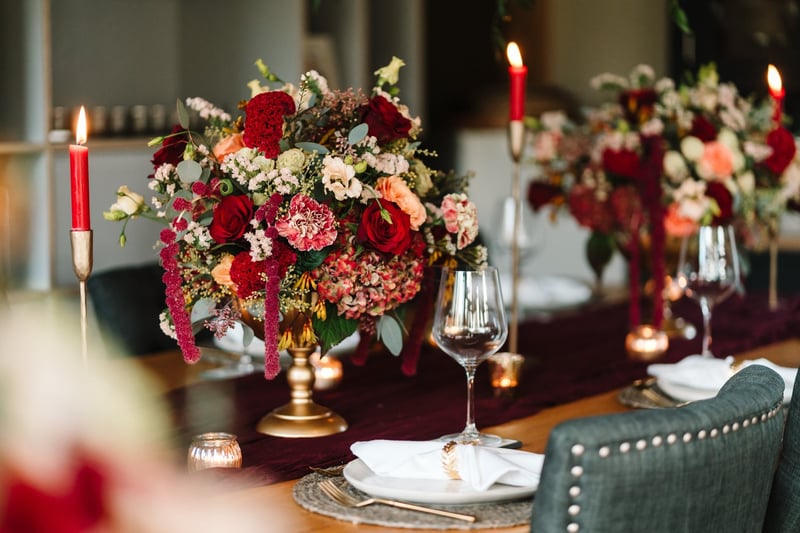
Winter wedding centrepieces should feel festive and abundant, but that doesn’t necessarily mean they need to be filled with flowers. Foliage and even bare branches can feel just as ethereal.
Include candles of differing heights woven through the flora and fauna, while potted plants are a great way to add colour to your tables while gifting something your guests can take home.
Some of our favourite colour combinations include warm copper with wild greenery (pair rust-toned flatware like plates and cutlery with sprigs of eucalyptus), and varying shades of blue – think icy-coloured flowers and silver foliage paired with deep blue velvet ribbons and stationery.
Remember, the right wedding venue can do half the work, too, so look out for winter wedding venues that boast plenty of cosy nooks and decorative details. Ornate fireplaces, wood-panelled walls, fairy-lit beams and candlelit rooms need fewer flowers to feel full.
Dried and preserved flowers
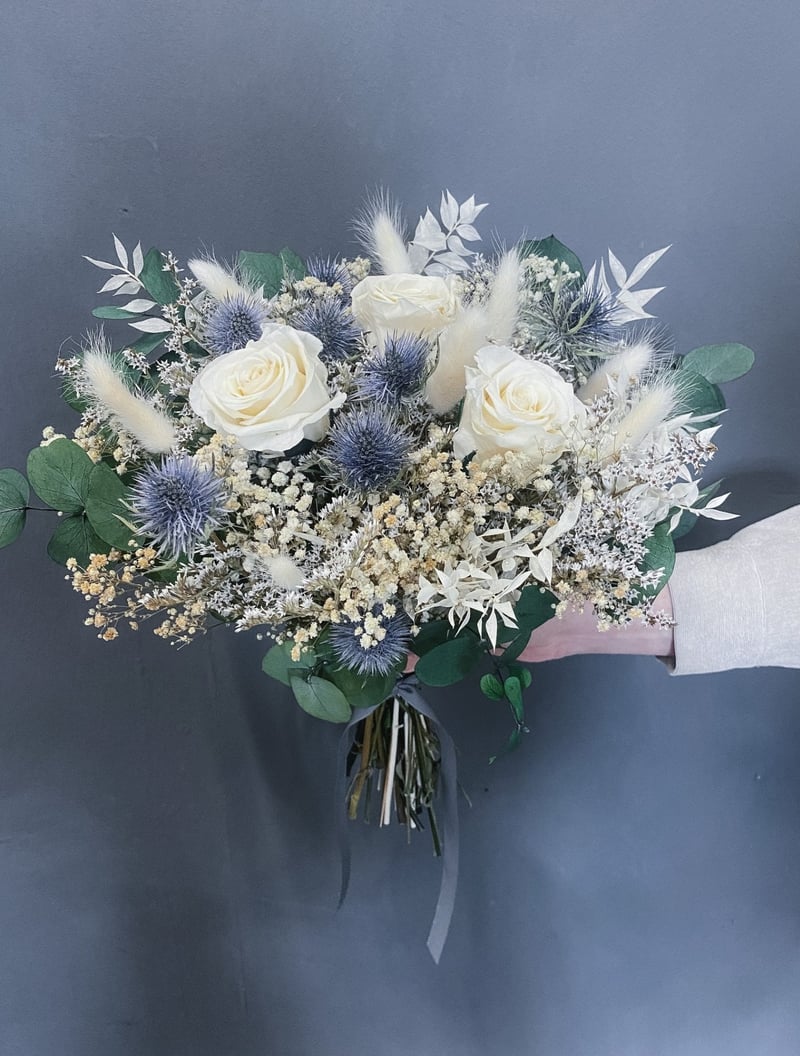
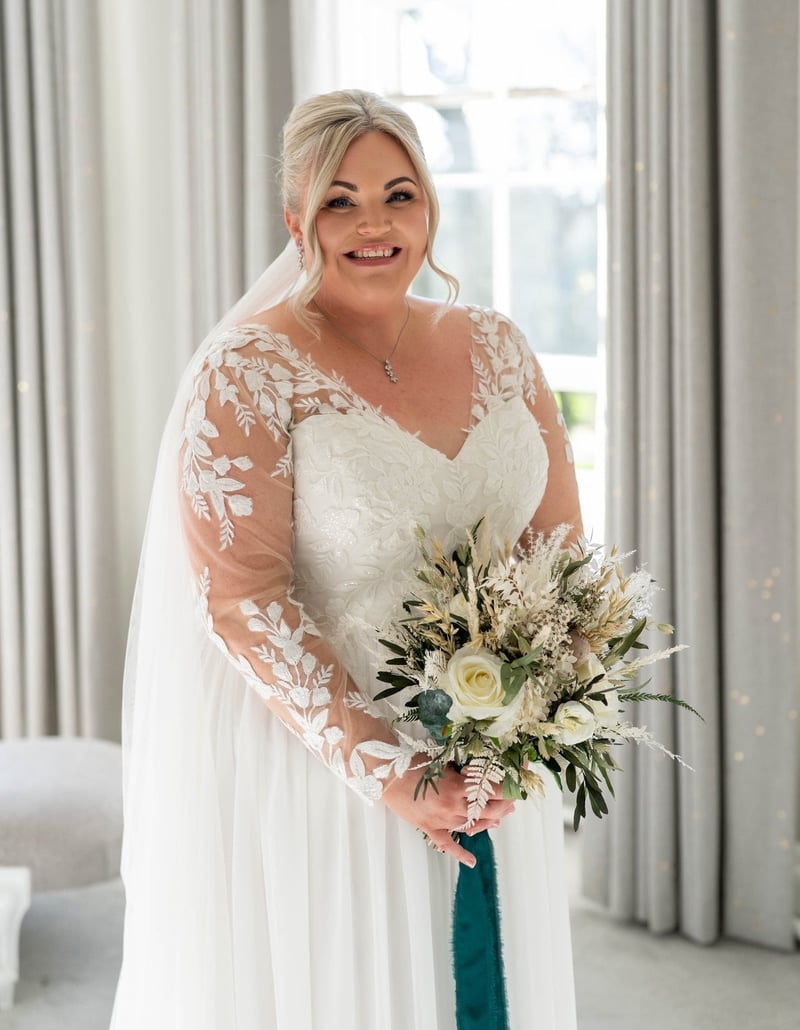
For a memento of your day, pick blooms that will last way beyond the reception. Try a boho-inspired mix of preserved and dried flowers, including roses, hydrangeas and eucalyptus.
And just when you thought pampas was passé, it comes back with bang! Dried pampas and other grasses are a great way to create cool and contemporary displays with a rustic feel – pair with foliage for tall centrepieces or to create a boho take on the floral archway.
Christmas Wedding Flowers
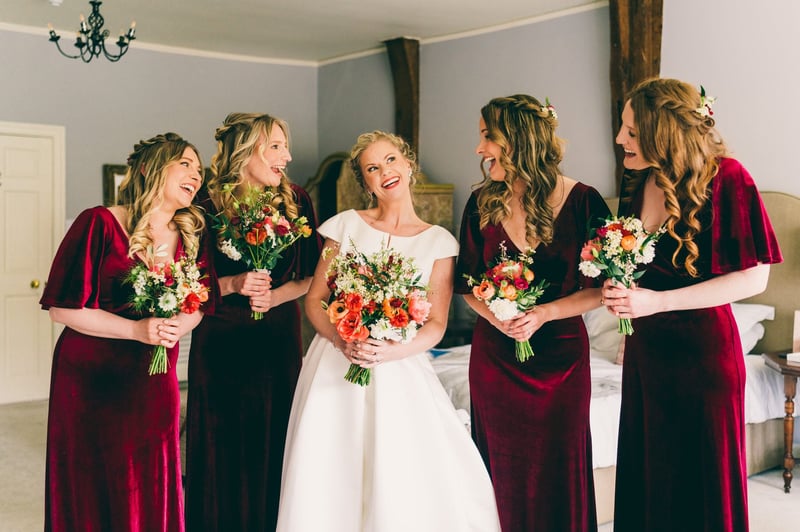
The design opportunities for your Christmas wedding flowers are endless – and they needn’t be so kitsch that they could resemble something from a festive window display. Whether you want romantic, rustic, classic or modern, the key is to embrace the abundance, colours and textures of the season without going overboard.
Classic combinations include red amaryllis, roses, holly, ilex berries, pine, cinnamon and dried orange for scent and texture. Steer clear of the poinsettias unless you’re planning to feature them as potted arrangements around your venue – they won’t hold up in a Christmas wedding bouquet and for some, can feel overly literal.
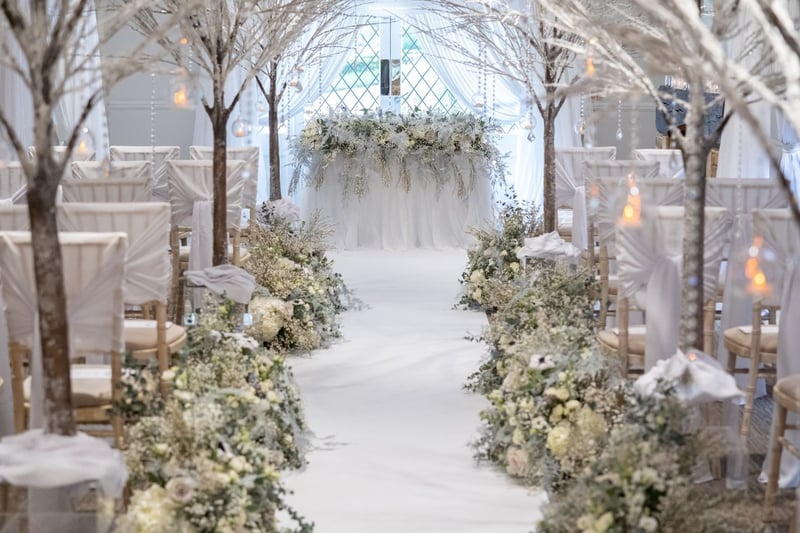
For those who want a festive feel without the classic red and green, some of our favourite Christmas wedding bouquet and styling ideas include a white and green palette with metallic touches like silver or champagne – think roses, ranunculus, anemones, eucalyptus, ruscus and olive branches.
We adore the frozen winter wonderland styling of this ceremony set-up at Rowhill Grange & Spa in Kent (pictured). Give your venue an icy aesthetic by bringing in frosted trees, plenty of silver-toned foliage, and fairy lights.
Remember, too, that lots of wedding venues will have their own seasonal decorations up at this time of year – many of which can’t be changed – so it’s important to choose a Christmas wedding venue that works with your style and aesthetic.
Are Winter Wedding Flowers More Expensive?
How much your wedding flowers will cost depends on the varieties you choose, among other things, but if you stick to home-grown flowers, you’ll be getting the most out of your budget.
Imported flowers travel further and cost more to grow in controlled conditions, so if you want flowers that are out of season in the UK, expect to pay more.
Not only are British-grown blooms cheaper, but they’re naturally at their best in winter and can help to stretch your budget further. Though it’s worth noting, too, that the demand for roses around Valentine’s Day pushes up wholesale prices in early February.
The easiest way to ensure you’re getting the most from your flower budget is to speak to your florist and let them guide you with ideas and possible alternatives. They’re the experts, after all.
Winter Wedding Flowers: FAQ
Can you have peonies at a winter wedding?
It’s possible to get hold of peonies for a winter wedding but they are out of season in the UK, so they’ll need to be imported from growers in the likes of New Zealand or Chile.
This will make them significantly more expensive and less likely to look their best, as peonies have very delicate petals and are sensitive to temperature and transport.
A good alternative to peonies for a winter wedding is ranunculus, which have a similarly ruffled-like shape and come in a variety of colours.
What colours work best for winter wedding flowers?
White and green with metallic touches, such as champagne, copper or silver, is a classic winter wedding palette, as is traditional red and green when paired with winter branches and foliage. For the latter, use red as an accent colour to avoid the aesthetic looking kitsch.
For a modern look, monochrome is a popular colour combination for winter wedding flowers, as are jewel tones like plum, purple, burgundy, emerald and mustard.
For something frosty and winter wonderland-inspired, try adding an icy aesthetic with cool blues, white and silver.
How far in advance should you book a florist for a winter wedding?
Aim to book your wedding florist six to nine months ahead of your wedding day, or up to a year in advance if your chosen florist is in-demand or you’re getting married in peak winter wedding season, such as Christmas.
For some out-of-season winter dates, it may be possible to book your florist closer to the day, but this should be reserved for small celebrations and simpler orders only.
How do you keep wedding flowers fresh in a heated venue?
Preparation of the flowers is key, and your wedding florist will do everything possible to make sure the blooms are at their best all day prior to delivering them for your wedding.
The best thing couples can do is keep them in fresh water as much as possible throughout the day, keep them away from any direct heat sources such as radiators and fireplaces, and potentially even mist the petals (if they’re not too fragile) to keep the flowers hydrated.
Keep in mind that heat particles rise, too, so if you’re in a marquee or a venue with high ceilings, try to keep floral installations lower down if the upper part of the room is very warm.
What are the birth flowers for December, January and February?
For December, the birth flowers are paperwhites (narcissi) and holly. For January, the birth flowers are carnations and snowdrops.
The birth flowers for February are violets and primroses.
Find Your Wedding Florist on Bridebook
Discover wedding florists near you on Bridebook, compare styles and prices, and start building your shortlist all in one place.
Why Trust Bridebook
Bridebook is the world’s #1 wedding planning platform, used by over 2.8 million couples. Our content is informed by real data from the Bridebook UK Wedding Report, which draws on responses from thousands of couples planning their weddings each year. Where expert input is included, contributors are named and their credentials verified. We update our articles regularly to ensure prices, statistics, and advice reflect current market conditions.
You Might Also Like
- The 30 Best Winter Wedding Venues In The UK
- 9 Best Christmas Wedding Venues In The UK
- How Much Do Wedding Flowers Cost In The UK
- Your Guide To Wedding Flowers
Related articles