Registry Office Wedding: What to Expect, What It Costs & How to Plan One


A registry office wedding is one of the simplest, most affordable and most stress-free ways to get married in the UK. But while many couples assume it’s just a quick trip to sign some paperwork, today’s registry office wedding venues can be surprisingly personal, stylish and memorable.
Whether you’re planning an intimate ceremony with just two witnesses or a chic city wedding followed by a big party, a registry office wedding gives you the flexibility to celebrate your marriage your way.

In this guide, we’ll explain exactly what a registry office wedding involves, how to book one, how much it costs, what to wear and how to make the day feel special.
Disclaimer: This article is for informational purposes only and does not constitute financial or legal advice. Always seek independent financial and legal advice for your specific circumstances.
What Is a Registry Office Wedding?
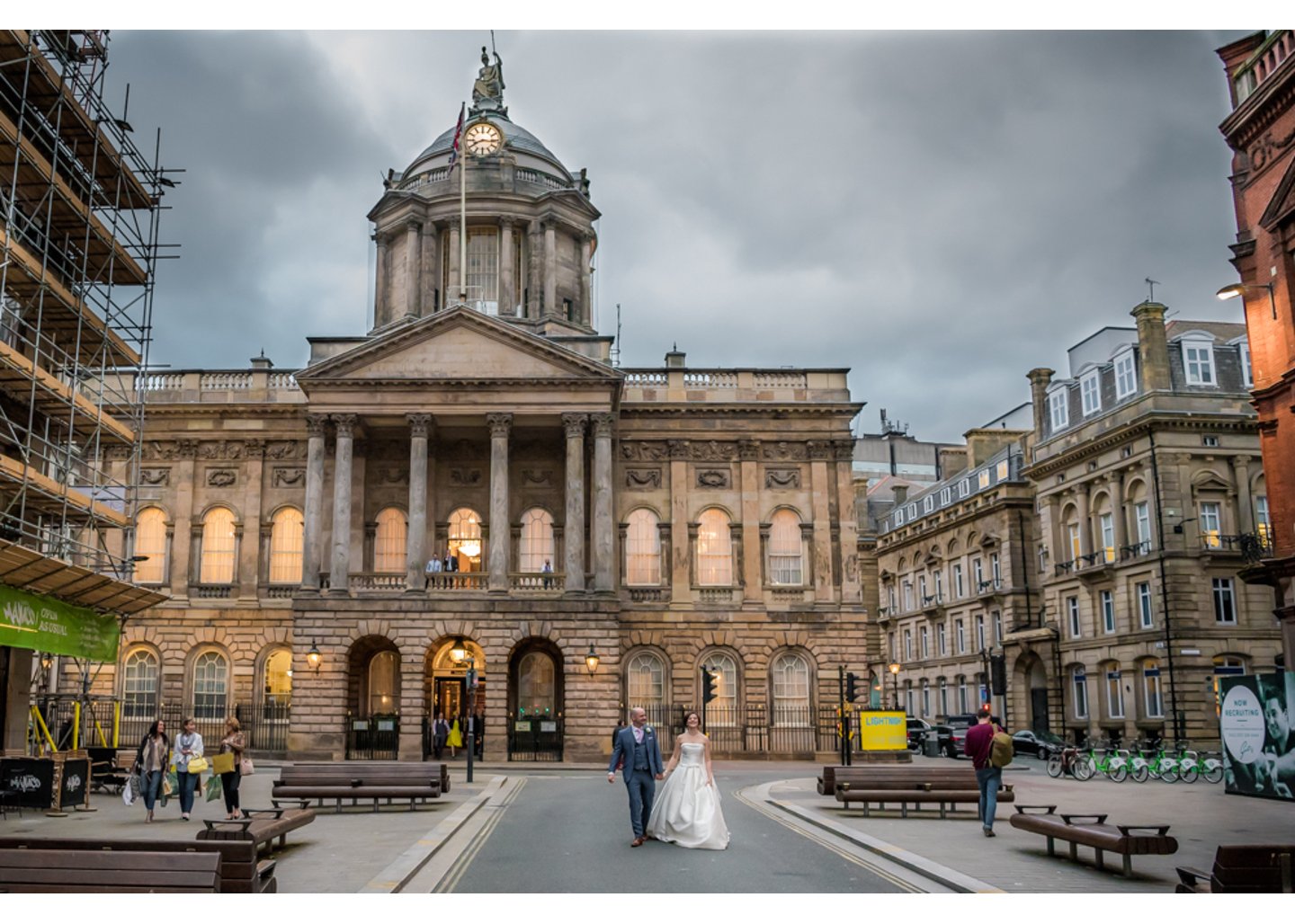
A registry office wedding (sometimes called a registrar office wedding or register office wedding) is a legally recognised civil marriage ceremony conducted by a registrar at a register office.
Unlike a religious wedding, a registry office wedding is a civil ceremony, meaning it cannot include religious content such as hymns, prayers or religious readings. However, many offices allow you to personalise your ceremony with music, readings and vows.
Registry office weddings are popular with couples who want:
- A lower-cost wedding
- A small and intimate ceremony
- A simple legal marriage before a larger celebration
- A city hall-style wedding experience
- A flexible, fuss-free alternative to a traditional venue
Many register offices are housed in beautiful historic buildings, town halls and civic venues, so don’t assume a registry office wedding can’t be stylish.
How to Book a Registry Office Wedding

If you’re wondering how to have a registry office wedding, the process is usually quite straightforward.
Choose Your Register Office
Start by deciding where you’d like to get married. Every local authority manages its own register office, and each venue will have different ceremony rooms, capacities, availability and pricing.
Popular dates can book up surprisingly quickly, particularly Saturdays and summer weekends, so it’s worth enquiring early.
According to the Bridebook UK Wedding Report, the average engagement lasts around 26 months – plenty of time to secure your preferred date, but worth starting the search early all the same.
Book Your Ceremony
Most councils allow you to provisionally book your ceremony before completing the legal paperwork.
Requirements and booking processes vary between councils, so check directly with your chosen register office for the latest guidance.
Give Notice of Marriage
Before your wedding can take place, both partners must legally give notice of marriage. This means signing a legal declaration stating your intention to marry. In England and Wales, notice must usually be given at least 29 days before the ceremony, and the ceremony must take place within 12 months. You’ll normally need to have lived in your registration district for at least seven days before giving notice. If either partner is subject to immigration control, additional checks may apply and the waiting period can be extended.
You’ll typically need documents such as:
- Valid passport or photo ID
- Proof of address
- Evidence of any previous marriage or civil partnership ending
- Immigration documents if applicable
Attend Your Ceremony
On the day, you’ll need:
- Two witnesses aged 16 or over
- Your registrar
- Any required identification requested by your local authority
The ceremony itself is usually short, often lasting between 10 and 30 minutes depending on the package you’ve chosen.
How Much Does a Registry Office Wedding Cost?
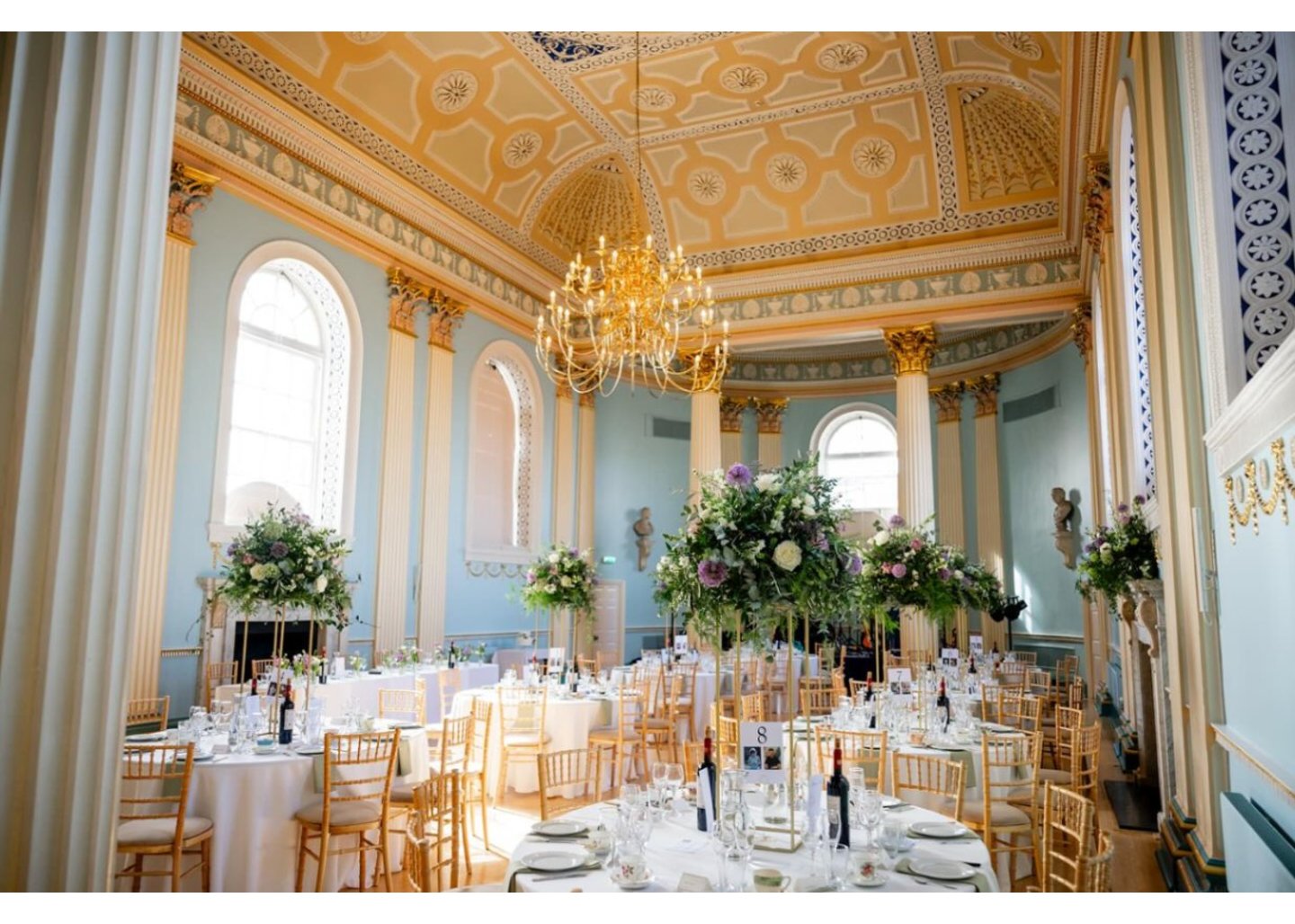
One of the biggest reasons couples choose a registry office wedding is affordability.
The exact cost depends on where you’re getting married, the day of the week, the size of the ceremony room and your local council’s fees.
Typically, you’ll need to budget for:
- Notice of marriage fees
- Ceremony fees
- Marriage certificate fees
- Optional extras such as photography, flowers and outfits
A basic statutory ceremony is usually the cheapest option, while larger ceremony rooms and premium time slots cost more.
For a full breakdown of fees, read our guide to the cost of a registry office wedding in the UK.
How Many Guests Can You Invite?
Guest numbers vary significantly between register offices.
Some statutory ceremonies only allow the couple and two witnesses, while larger ceremony rooms can accommodate 50, 100 or even more guests.
When researching venues, check:
- Maximum capacity
- Whether standing guests are allowed
- Accessibility requirements
- Photography policies
If you’re planning a larger celebration afterwards, many couples choose to keep the legal ceremony intimate and host a bigger reception elsewhere.
What to Wear to a Registry Office Wedding
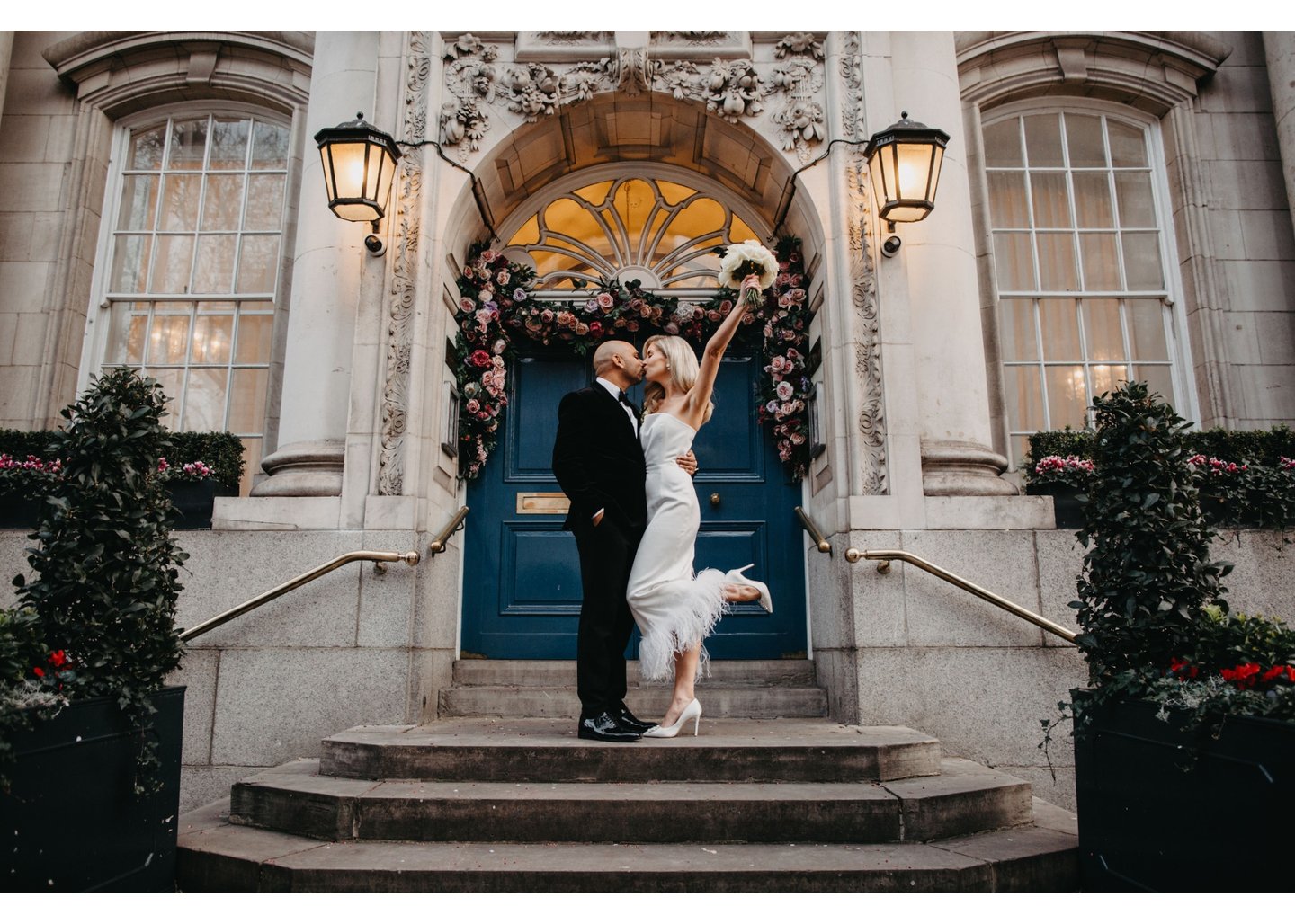
One of the best things about a registry office wedding is that there are no rules.
Suitable, stylish outfits for a registry office wedding often look like:
- A traditional wedding dress or suit
- A modern bridal jumpsuit
- A chic mini dress
- Tailoring and separates
- Smart casual outfits
Many couples embrace the more relaxed nature of a registry office wedding and choose contemporary, fashion-forward looks.
What Should Guests Wear?
Guest dress codes depend entirely on the couple’s plans.
For a simple weekday ceremony, smart casual attire may be appropriate. For a city-centre celebration followed by a reception, guests may dress just as formally as they would for any traditional wedding.
When in doubt, follow the dress code stated on the invitation.
Registry Office Wedding Day Timeline
Every wedding is different, but a typical registry office wedding day might look something like this:
11:00am – Arrive at the Register Office: Couple, witnesses and guests arrive.
11:15am – Pre-Ceremony Meeting: The registrar confirms details and checks paperwork.
11:30am – Ceremony Begins: Readings, vows and legal declarations take place.
11:50am – Sign the Marriage Schedule: The couple, witnesses and registrar complete the legal paperwork.
12:00pm – Confetti and Photos: Celebrate outside the venue and capture portraits.
1:00pm – Lunch, Reception or Celebration: Head to a restaurant, private dining room, pub or party venue to continue celebrating.
Registry Office Wedding Ideas
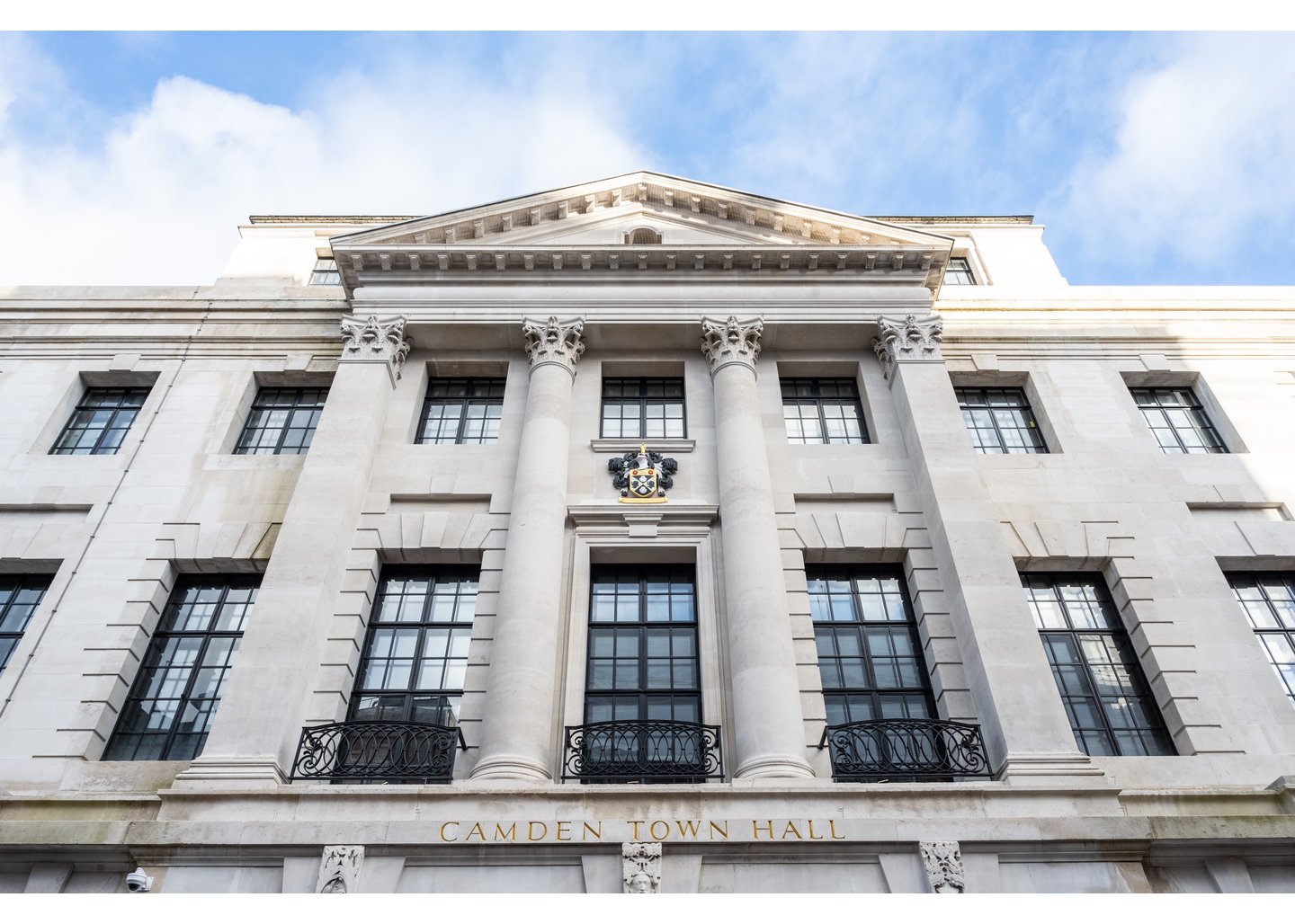
Just because you’re having a smaller ceremony doesn’t mean it can’t feel special. Here are some ways to personalise your day:
- Hire a Photographer: Professional photography helps capture moments you’ll treasure forever.
- Plan a Stylish Exit: Think confetti, bubbles, flower petals or a classic city backdrop.
- Book a Private Dining Experience: Celebrate with your closest family and friends over an unforgettable meal.
- Add Personal Readings: Many civil ceremonies allow non-religious readings chosen by the couple.
- Exchange Personal Vows: Some registry offices offer opportunities to include personal promises alongside the legal wording.
- Turn It Into a Wedding Weekend: Use the ceremony as the start of a weekend of celebrations, dinners and activities.
Can You Have a Blessing or Celebration Afterwards?
Yes! Many couples choose to have a registry office wedding first and then hold a separate religious blessing or larger celebration later.
In England and Wales, civil ceremonies cannot contain religious content, but you can arrange a religious blessing after your legal marriage ceremony if you’d like to include faith traditions in your celebrations.
You could also:
- Host a reception on the same day
- Plan a destination celebration later
- Hold a wedding party weeks or months afterwards
- Combine your legal ceremony with a larger vow renewal in the future
This flexibility is one of the reasons registry office weddings continue to grow in popularity.
Registry Office Weddings: FAQs
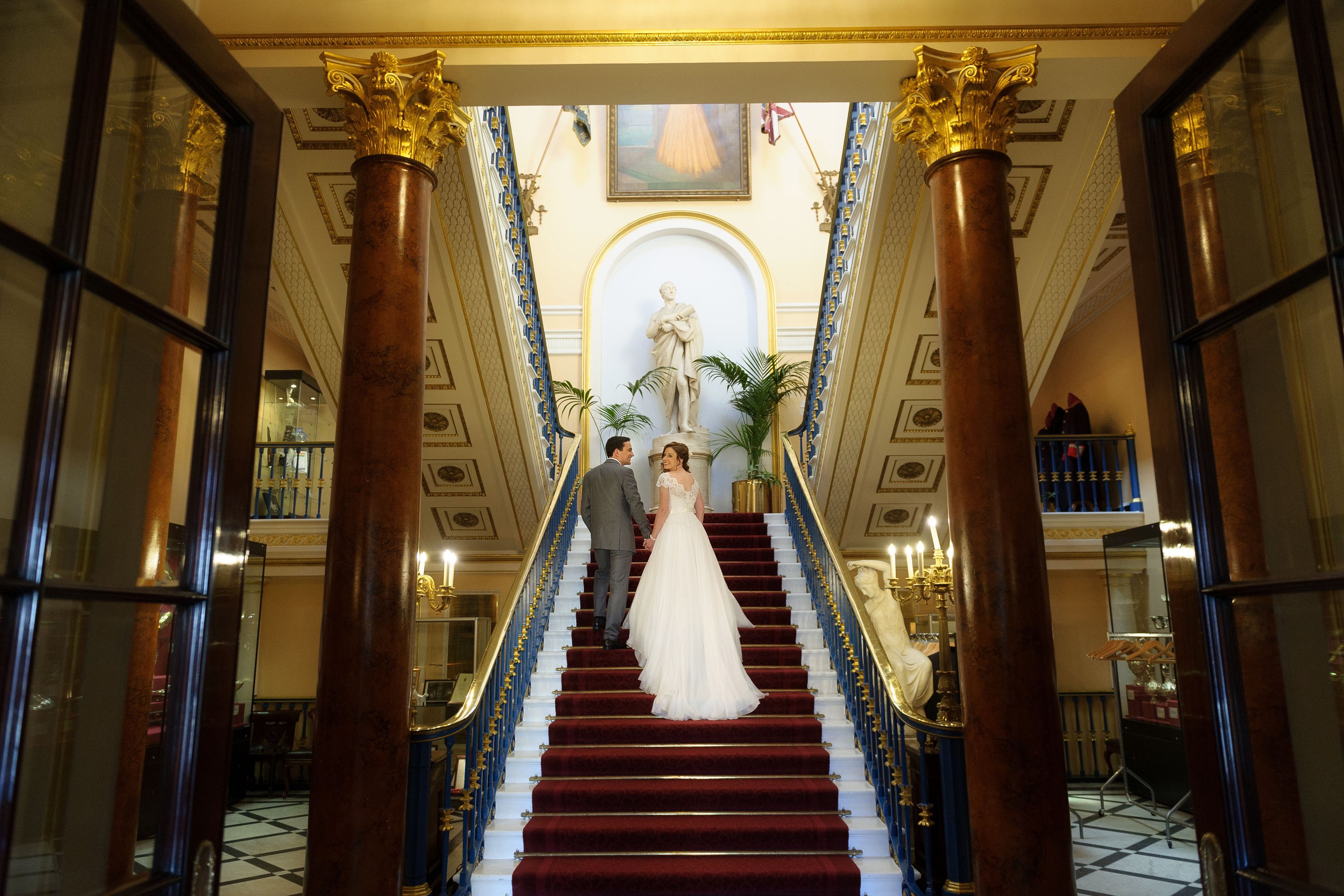
From how to book one to what you need to plan, here are the main things you need to know when arranging a registry office marriage.
How do you book a registry office wedding?
Start by choosing your preferred register office and checking availability for your ideal date. Most councils allow you to provisionally book your ceremony before you give notice of marriage, but the process can vary depending on where you’re getting married.
Once your date is secured, you’ll need to complete the legal paperwork and give notice. If you’re planning a Saturday ceremony or a popular summer date, it’s worth booking as early as possible, the best slots often get snapped up surprisingly quickly.
How much does a registry office wedding cost in the UK?
A registry office wedding is usually the most budget-friendly way to get married, but costs can vary significantly depending on where you live and the type of ceremony you choose. You’ll need to factor in notice fees, ceremony fees and marriage certificates, as well as any extras such as photography, flowers or outfits. The good news? You can keep things wonderfully simple or dress the day up as much as you like.
For a full cost breakdown view our registry office wedding cost guide.
How many guests can attend a registry office wedding?
This depends entirely on the register office you’ve chosen. Some statutory ceremonies are limited to the couple and two witnesses, while larger ceremony rooms can accommodate dozens of guests. If having friends and family there is important to you, check the room capacity before booking, not all registry office weddings are tiny affairs.
Can you have a registry office wedding and a church blessing?
Yes, absolutely. Many couples choose to have the legal ceremony at a registry office and then arrange a church blessing afterwards. It’s a popular option for couples who want the simplicity of a civil ceremony while still incorporating religious traditions into their celebrations.
What do you wear to a registry office wedding?
Whatever makes you feel your best. Some couples wear a traditional wedding dress and suit, while others opt for a chic jumpsuit, tailored separates or something more relaxed. One of the biggest advantages of a registry office wedding is that there are no expectations, you can make the day feel as formal, fashionable or low-key as you want.
Plan your registry office wedding with Bridebook
Bridebook, the UK’s #1 wedding planning platform used by over 2.8 million couples, has helped thousands of nearlyweds plan their registry office wedding from start to finish.
Browse registry office wedding venues across the UK to find ceremony rooms, check capacity, and enquire directly, then head to the Bridebook wedding planning checklist to map out everything that comes next.
Why Trust Bridebook
Bridebook is the world’s #1 wedding planning platform, used by over 2.8 million couples. Our content is informed by real data from the Bridebook UK Wedding Report, which draws on responses from thousands of couples planning their weddings each year. Where expert input is included, contributors are named and their credentials verified. We update our articles regularly to ensure prices, statistics, and advice reflect current market conditions.
You Might Also Like…
- How Much Does a Registry Office Wedding Cost?
- Registry Office Ceremony Guide
- Cheap Wedding Ideas: 30 Creative Ways to Plan a Beautiful Wedding on a Budget
- Dry Hire Wedding Venues: Everything You Need to Know
Related articles