Destination Weddings: How to Plan Getting Married Abroad

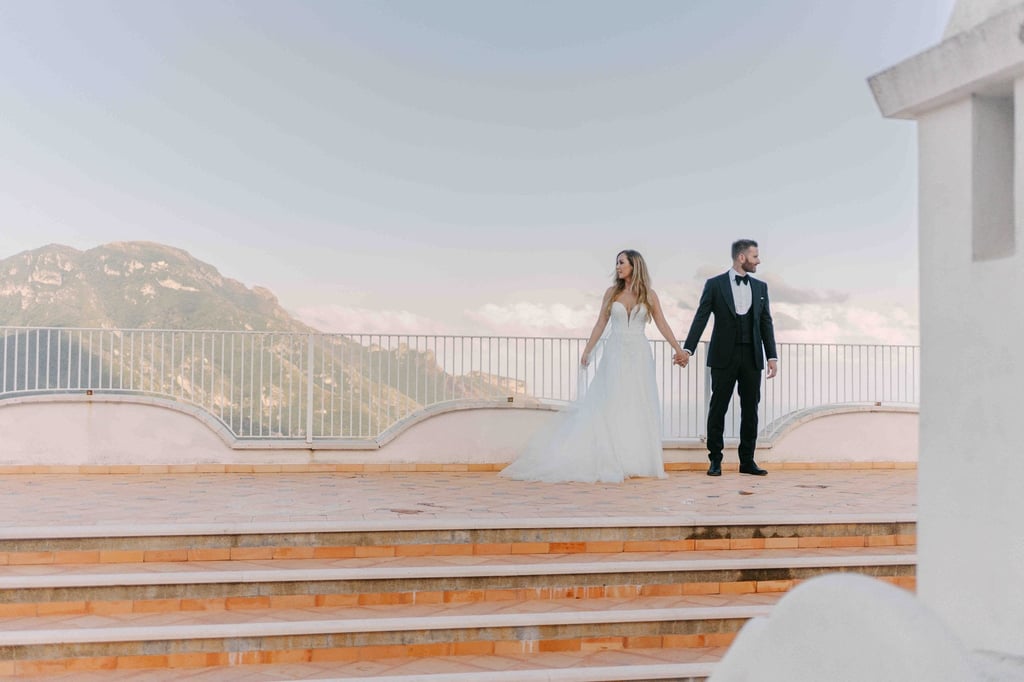
If you’re planning a wedding abroad, be it to escape the unreliable weather on UK shores or because a certain location is special to you as a couple, Bridebook, the world’s #1 wedding planning platform used by over 2.8 million couples, is here to help you plan your dream destination wedding. From finding vendors and venues to the legalities of getting married abroad, we’ve got you covered. Buckle up, there might be more to it than you realised…
Disclaimer: Venue and supplier availability, pricing, and offerings are subject to change. Always confirm details directly with the venue or supplier before booking.
What is a destination wedding?
A destination wedding normally refers to getting married in a different country from where you live. We probably wouldn’t call a wedding in Scotland, Northern Ireland or Wales a destination wedding if you’re from England, but anything that requires your passport, we’d say that falls into the destination wedding category.
Destination weddings normally see the couple invite their friends and family to join them. If they’re going solo, that’s an elopement – and a different kettle of fish.
Most popular destinations for UK couples
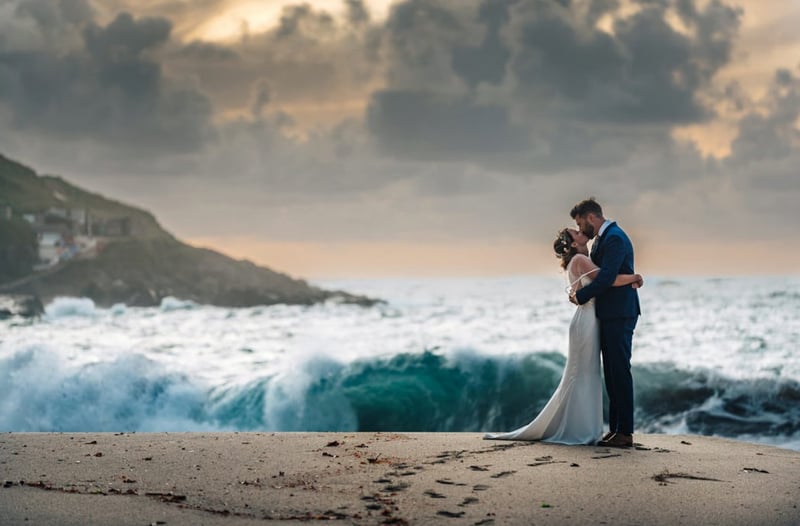
There are no rules when it comes to your destination wedding, from tying the knot in Disneyland to making it official in Iceland, but there are certain countries that are more popular for destination weddings – most likely because they’re places set up to host weddings, making planning your nuptials easier.
The most popular abroad wedding destinations for UK couples include Italy, Greece, France, Spain, Cyprus and for a further-flung destination, the Caribbean.
How to Legally Get Married Abroad
While it’s exciting to decamp all of your nearest and dearest to a dreamy destination, there are still legal elements to contend with before you tie the knot.
The UK government website advises checking the law in your chosen country to make sure you:
- Can get married or register a civil partnership
- Understand the processes you’ll need to follow
You can usually find out this information from the person conducting your ceremony or your wedding venue.
In addition, before you board the flight to your destination wedding, you might need certain documents to prove you’re free to marry or register a civil partnership, for example a certificate of no impediment (CNI) or an affirmation.
Again, the government website is your BFF for this – they have a service that details the documents you’ll need, how to apply for them and how much they’ll cost.
Essential Documents for Getting Married Abroad
The full legal requirements vary country by country (again, the person conducting your ceremony or even your venue can help with this), but every destination will need you and your partner to have the following documents in their original form (not photocopied, scanned, or photos of them), or a certified copy:
- Valid passport with at least six months remaining before expiry
- Birth certificate
- Deed poll proof of any name changes (if applicable)
- Decree absolute (if previously married)
- Marriage and death certificates of the deceased spouse (if widowed)
- Adoption certificate (if applicable)
If you’re holding your destination wedding in a country where English is not the first language, you might need to translate your paperwork to validate the document abroad. The Foreign Office in the UK can do this for you.
Will my Destination Wedding be Legal in the UK?
The final thing to check – will your destination wedding be recognised in the UK? The answer is pleasingly simple. If an overseas marriage has complied with local laws, creating a legal marriage in that country, then you’re married in the eyes of English law too.
How to Plan a Destination Wedding Step-by-Step
Just like any wedding planning journey, a wedding planning timeline is helpful. Here’s a rough guide to follow to plan your destination wedding, step-by-step.
Bridebook’s wedding planning checklist is a great place to map out the months leading up to your wedding, but below you’ll find a few destination wedding specifics you might not have thought of…
1. Sort your Budget
Step one of planning any wedding is deciding on your budget. While destination weddings are often thought to be cheaper, you need to remember to factor flights and accommodation into your budget. Also, consider whether you want to pay for the flights and accommodation of any of your VIP guests, such as your parents or grandparents, siblings or closest friends.
Once the budget for your destination wedding is set, it’ll be easier to crack on with planning where you want to hold your destination wedding.
2. Choose your Destination – and Date
Chances are, if you’re planning a wedding abroad, you have a location in mind that is special to you as a couple – be it where you went on your first holiday, where you met during your gap year, or somewhere that means a lot to you.
If not, the world is your oyster, but remember to consider the logistics if you’re hoping for guests to be able to attend. It is, of course, your day, but keeping it easy for your guests rather than opting for a destination which requires trains, planes and automobiles, will always be appreciated.
With your destination decided, choose your wedding date with any weather conditions in mind – for example, make sure it’s not the rainy season, or monsoon season – especially if you’ve picked a destination wedding with the hope of good weather.
Once your date is locked in, book your flights over, keeping in mind you’ll need to be there a few days ahead of the wedding.
It’s also a good idea at this stage to seek out the legal requirements for weddings in your destinations. It might seem early to do this, but it’s something that could easily be forgotten if you leave it until later down the line.
3. Venue Hunting
Again, you might have a dream venue in mind for your destination wedding; if not, finding the one might take a little longer than it would if you were tying the knot on UK shores, so we’d do this as soon as possible in the wedding planning timeline. Once you’ve got a shortlist, we recommend a scouting trip to your country of choice, booking to view as many venues as you can manage on one trip.
If flying out isn’t possible, do as much research as possible online, with video tours set to be a godsend.
Destination wedding venues often come with a list of local vendors to use – either in a package if you’re getting married at a hotel, or courtesy of the venue – just like in the UK, they often have preferred suppliers. While this may seem like it takes the fun out of wedding planning a little, trust us, you’ll be thankful when you’re not dealing with language barriers trying to find the perfect florist or wedding cake maker.
One optional extra which will make your wedding planning journey infinitely smoother (if budget allows) is hiring a wedding planner in your destination of choice. Someone who lives locally, on the ground in the location of your wedding will be able to advise on local vendors and legalities, as well as any traditions or local quirks.
4. Guest Planning
It’s polite to hold your guests’ hands a little when you’re having a destination wedding. When you send your invites, create a list of local accommodations you recommend, as well as local airports they can fly into, plus advice on how to get to your venue.
Later down the line, you could even create a wedding website with ideas of things to do in the area, restaurants to visit and beaches not to miss. You could even include an explainer on why you chose the destination, so your guests feel connected to the location.
Destination weddings often consist of more events than the wedding day itself – from get-togethers the day before, site seeing trips and post-wedding brunches. Create an itinerary for guests ahead of the trip to get them excited for their holiday as well as your big day.
Destination Wedding Costs

The average UK wedding costs £20,604 according to the Bridebook UK Wedding Report, and it’s one of the reasons destination weddings appeal. But while venue and supplier costs can be lower abroad, there are extra costs that don’t apply when you marry at home.
Extra costs to consider – alongside the usual venue and supplier costs – include flights (for you and your partner, as well as any family members or people included in the wedding party that you want to pay for), plus accommodation – again, this could be just for you and your partner, but could also include the wedding party or family members you want to stay with you.
Of course, you don’t have to pay for the flights and accommodation of your wedding party, but if budget allows, this is a very generous gesture.
As mentioned, a wedding planner who lives in your destination of choice is extremely helpful if you have the money left over to spend on this.
Finally, while most people choose suppliers based on their destination, if you have your heart set on a UK photographer, you’ll need to factor in their flights, accommodation and food while in your country of choice.
How to Help Your Guests Plan Travel
Many couples build wedding websites with all of the information for their guests, but a physical sheet of info is brilliant too, if that’s more your thing, just make sure you include the following information:
- The best airport to fly into. List travel times from the UK
- How to get to the venue from the airport – include car hire and public transport options, as well as how long the journey will take
- Any quirks of travel to your destination – for example. public transport doesn’t run on Sundays / after a certain time
- A list of accommodation near to your venue
- A detailed itinerary – if you’re have pre or post wedding parties, let your guests know so they can pack accordingly
- Local attractions – not imperative, but a nice touch for guests who want to make a holiday out of your wedding
Destination Wedding Pros and Cons
The pros:
- More likely to have good weather (if you choose a sunny destination!)
- Sometimes, destination weddings are cheaper
- You can create a holiday for yourselves and your guests at your destination – or even tag your honeymoon onto to the end for an all-in-one trip.
- The chance for spectacular wedding photos
- A smaller guest list – if you’re dreaming of a small wedding, a destination wedding is a good way to have an intimate wedding without offending extended family who aren’t invited
- Package options: if you suffer from decision fatigue, the option of a wedding destination with a package with limited choices might please you!
The cons:
- A smaller guest list: This one appears on the pros and cons list. If you want a big wedding with everyone you love in attendance, a destination wedding is perhaps not the best choice. There are many reasons people might be unable to make a destination wedding, including cost, a dislike of flying, not being able to take time off work, not being able to get childcare and so on. Be prepared to receive a higher number of declined invitations.
- Less control: If you’re someone who needs to be in control, a destination wedding isn’t ideal. While you will still be in charge of decisions, you’re less likely to be able to oversee every element from afar, so you’ll need to really trust your destination planner, or be willing to go with the flow a bit more.
- Language barriers: Google Translate can only get you so far…
- Cultural differences: If you’ve ever spent time somewhere super laidback, you’ll know ‘island time’ is a real thing. Be prepared for communications with your venue and overseas suppliers to potentially be a little slower than you might be used to.
- Luggage logistics: Remember you need to get your wedding dress to your destination (most people opt to take it onboard with them, rather than checking it in!), as well as other unusually shaped items you want at your wedding, be it wedding favours, your seating chart or a unique set up for your wedding cards.
FAQs
Is it Cheaper to get Married Abroad?
Not necessarily. Destination weddings are widely believed to be less expensive due to lower supplier and venue costs, plus smaller guests lists – but there are other costs to consider which quickly add up, including accommodation and transport.
How Far in Advance should you Plan a Destination Wedding?
We recommend 12 to 24 months for planning a destination wedding – similar to the amount of time it takes to plan a wedding at home. The main thing we’d recommend doing earlier in the case of a destination wedding is getting your save-the-dates and invitations out, so guests can book their accommodation and travel.
Do you Need a Legal Ceremony in the UK as well as Abroad?
No, you don’t need to have a legal ceremony in the UK. As long as your wedding abroad was fully legal under the laws of that country, it will be legal in the UK. That said, some couples opt to have a small legal ceremony in the UK before flying abroad to celebrate with their family and friends, this is simply to minimise paperwork that they might need to take to their destination to prove they are legally allowed to marry.
How Many Guests Typically Attend a Destination Wedding?
This one is entirely on you! The number will likely be smaller than if you were to marry at home, as guests need to consider logistics and price, but you can invite as many people as you like, venue allowing.
What are the Most Popular Countries for UK Couples to Marry Abroad?
The world is your oyster, but the most popular countries for UK destination weddings are European hotspots such as Italy, Greece, France and Spain, while Cyprus is loved because it’s not much further than Europe, but has the promise of warmer weather, while the Caribbean is popular for almost guaranteed sun and picture-perfect beaches.
Why Trust Bridebook
Bridebook is the world’s #1 wedding planning platform, used by over 2.8 million couples. Our content is informed by real data from the Bridebook UK Wedding Report, which draws on responses from thousands of couples planning their weddings each year. Where expert input is included, contributors are named and their credentials verified. We update our articles regularly to ensure prices, statistics, and advice reflect current market conditions.
You Might Also Like…
- Top 10 Locations For Your Destination Wedding
- Top Tips For Your Destination Wedding
- Wedding Budget Breakdown: How to Allocate Your Wedding Budget
- What to Include on Your Wedding Website (And How to Set It Up)
Related articles