Wedding Venues
Wedding Suppliers
Wedding Websites
Planning Tools
Advice
Affordable
Barn
Castle
Country House
Hotel
Intimate
Luxury
Outdoor
Pub / Restaurant
View All Wedding Venues
Photographers
Florists
Music
Videographers
Catering
Entertainment
Cakes
Wedding Dresses
Menswear
Wedding Rings
Planners & Celebrants
Beauty, Hair & Makeup
Stationery
Transport
Decoration & Hire
Marquee Hire
View All Wedding Suppliers
Checklist
Budget
Guest List
View All Planning Tools
Before the Big Day
Engagement
Budget & Costs
Ceremony & Vows
Speeches
Wedding Fashion
Flowers
Décor & Styling
Food & Drink
Entertainment & Music
Stationery & Wording
Venues
Pre-wedding Parties
Guests & Gifting
Honeymoons & Travel
Love & Relationships
Real Weddings
View All Advice
Wedding Venues in Wales
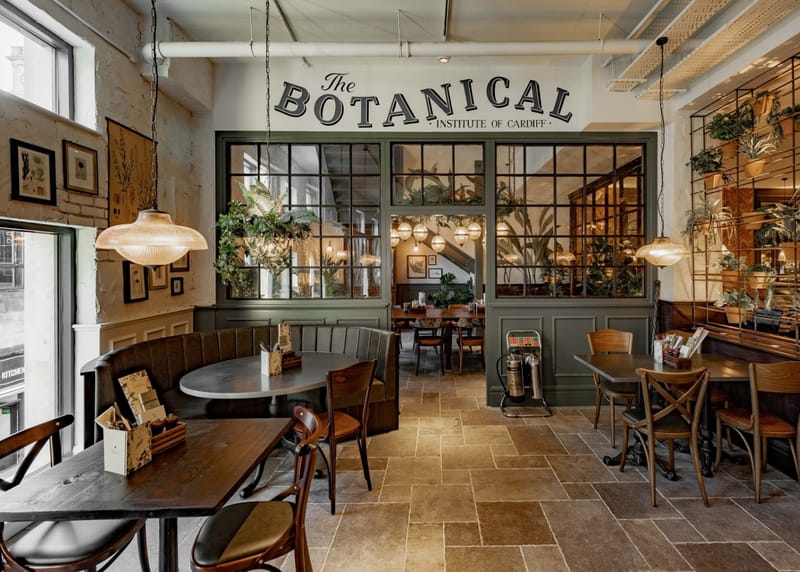
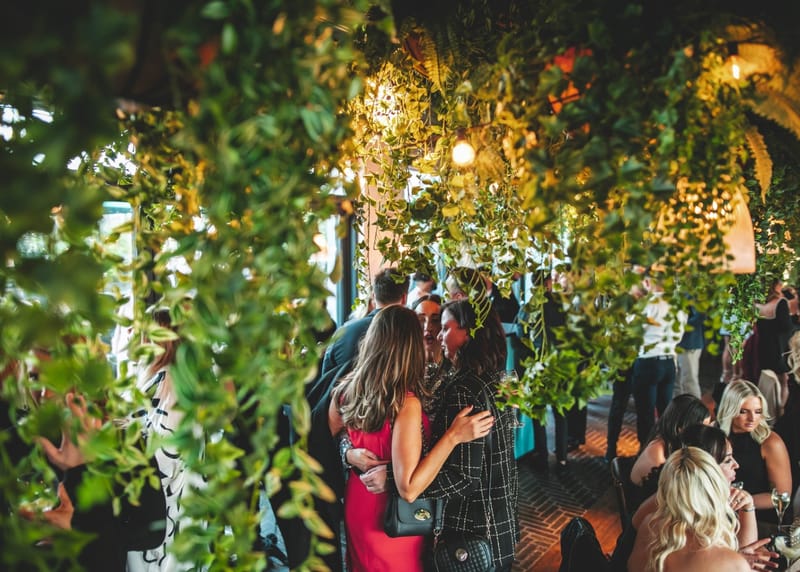
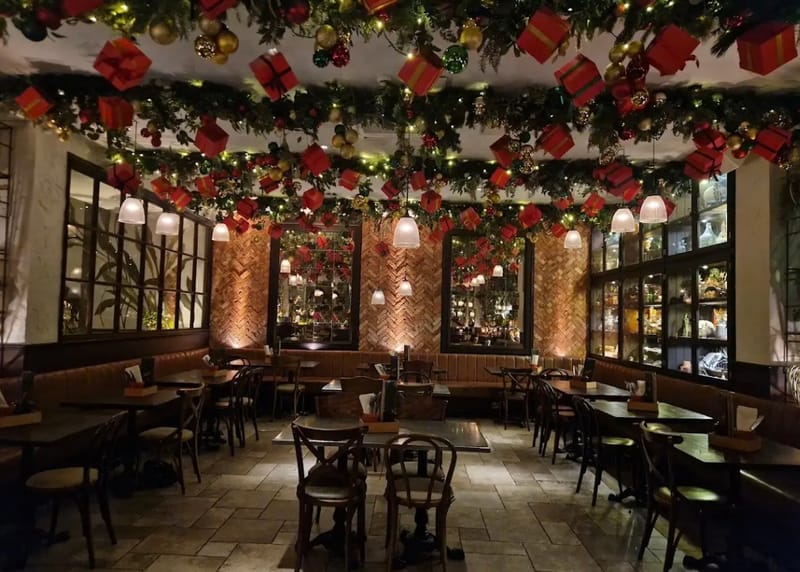
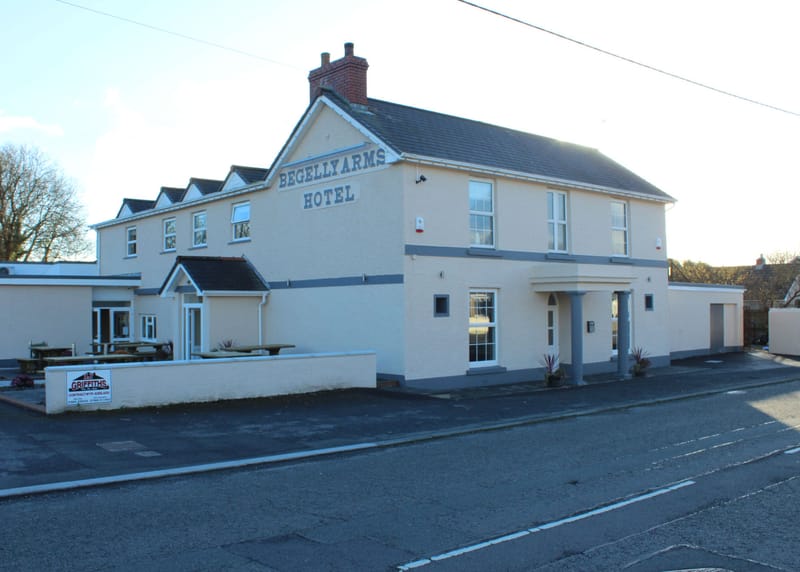
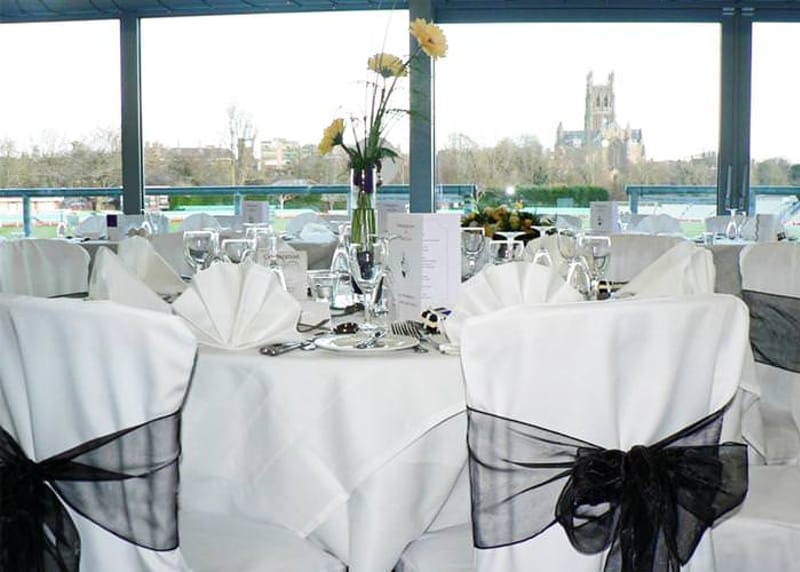
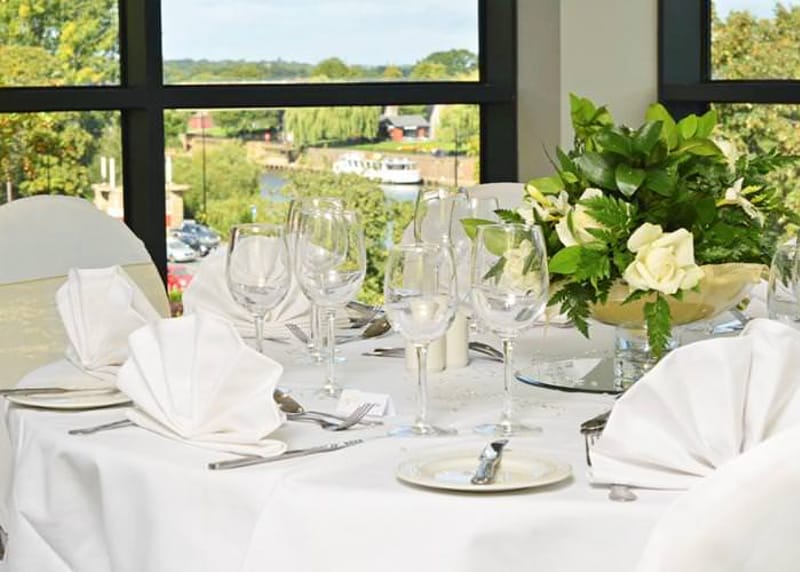
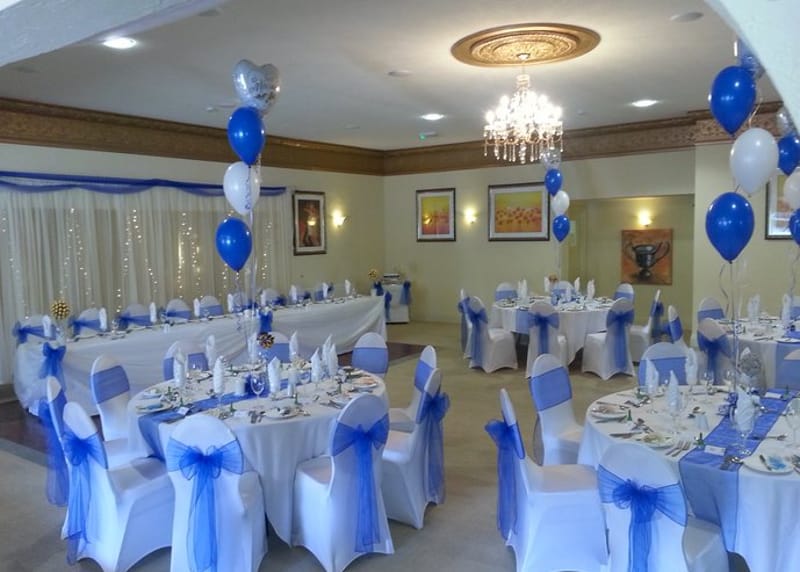
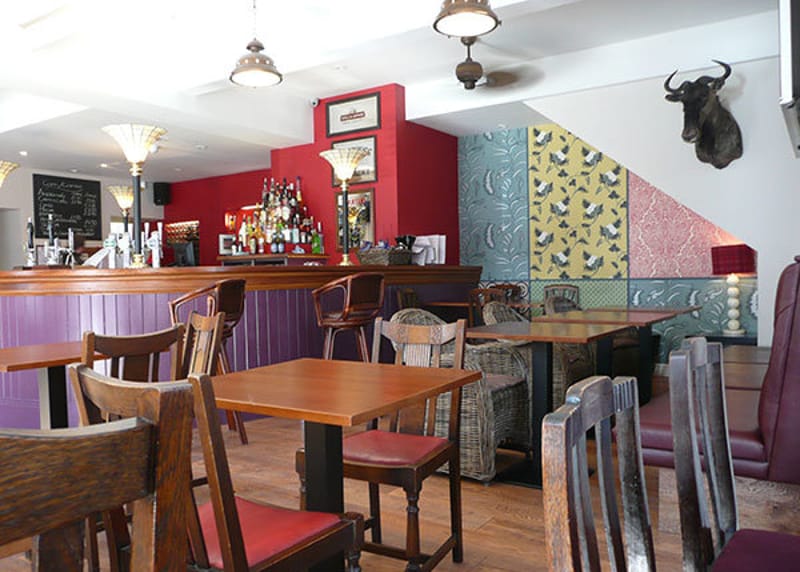
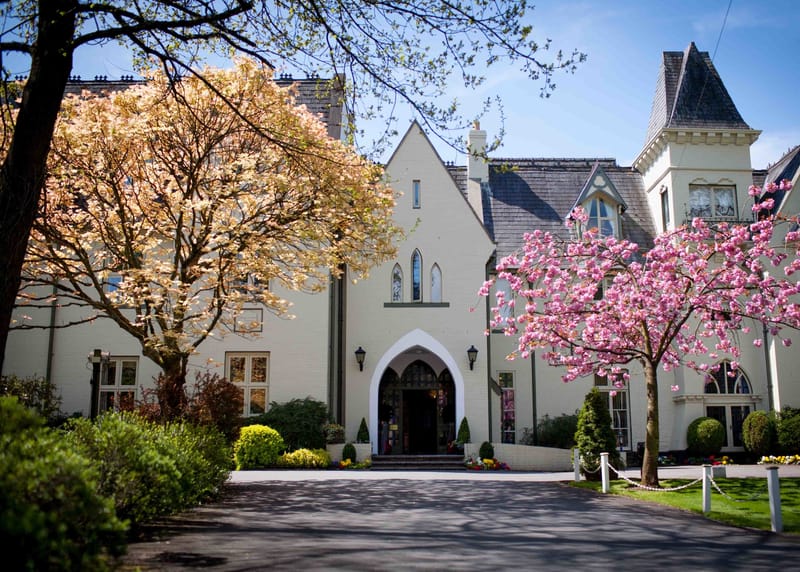
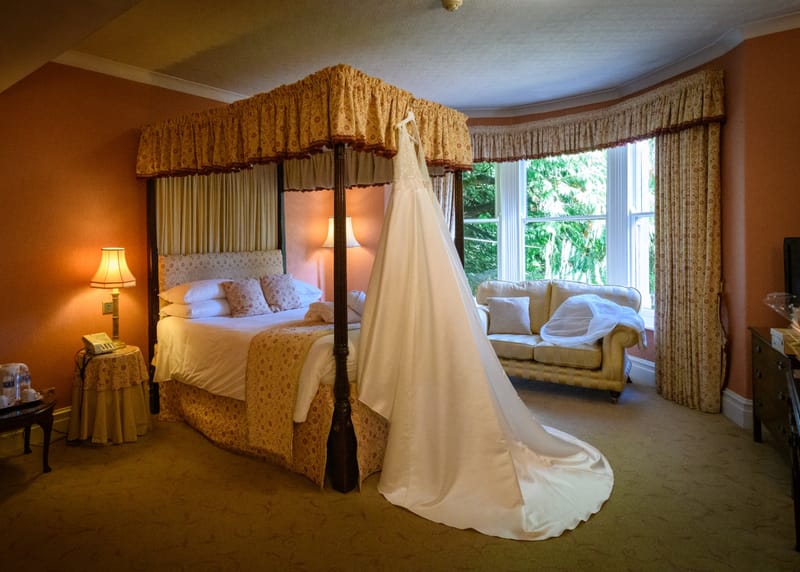
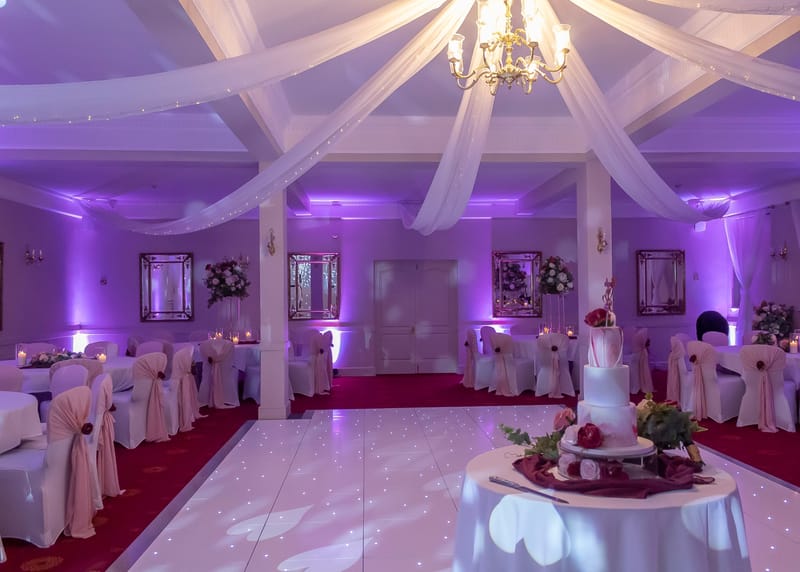
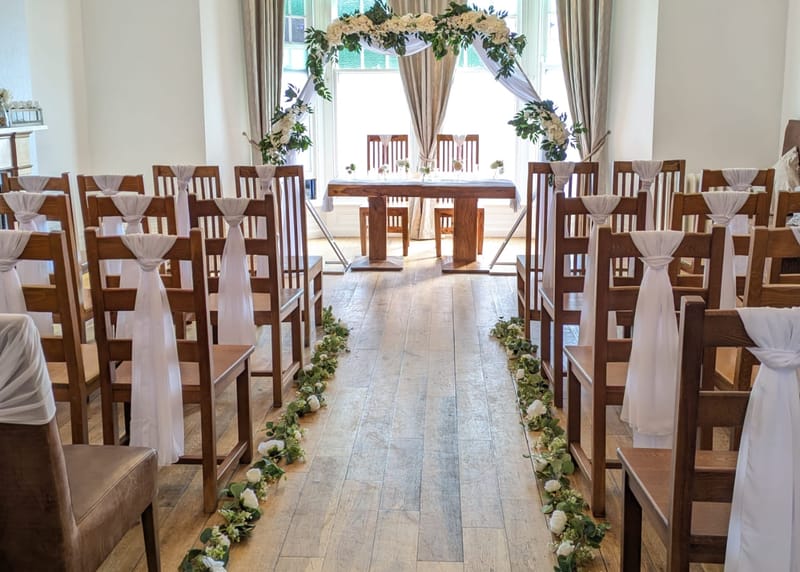

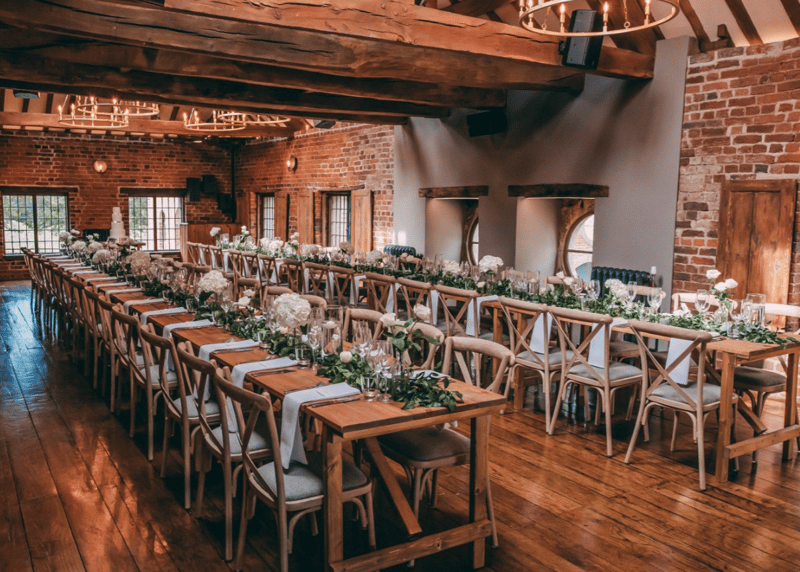
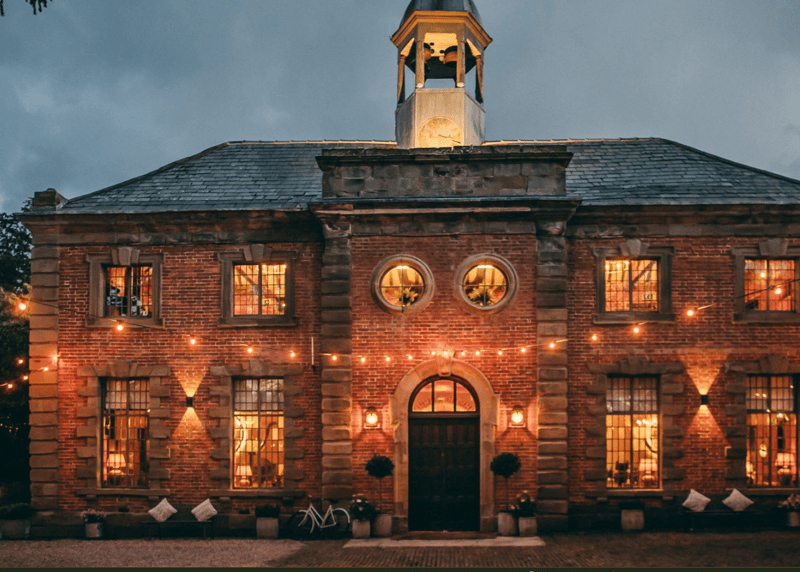
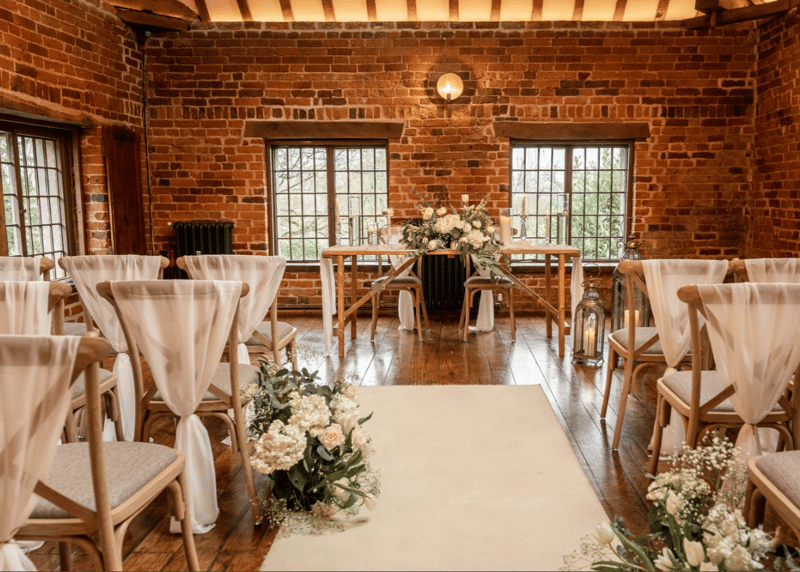
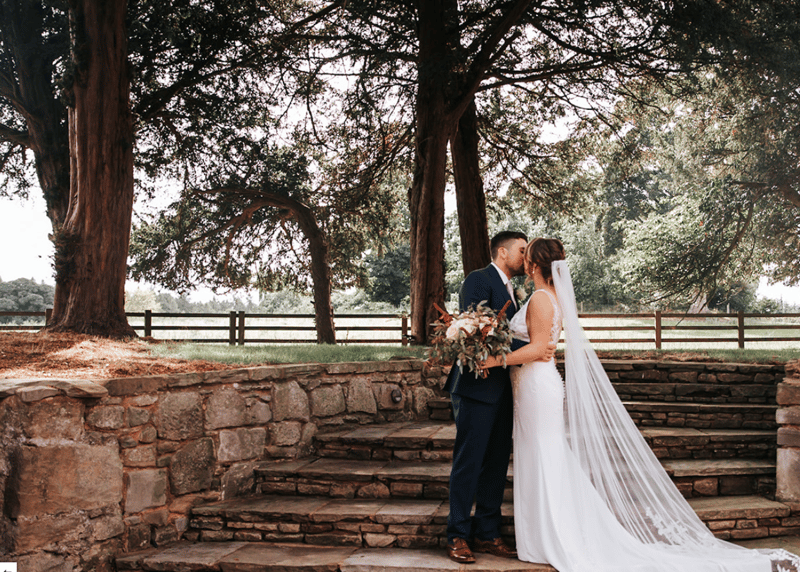
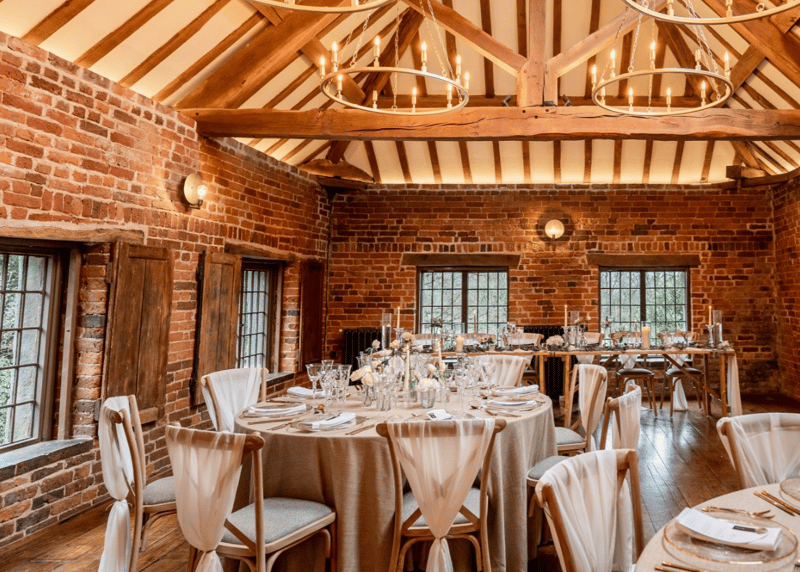
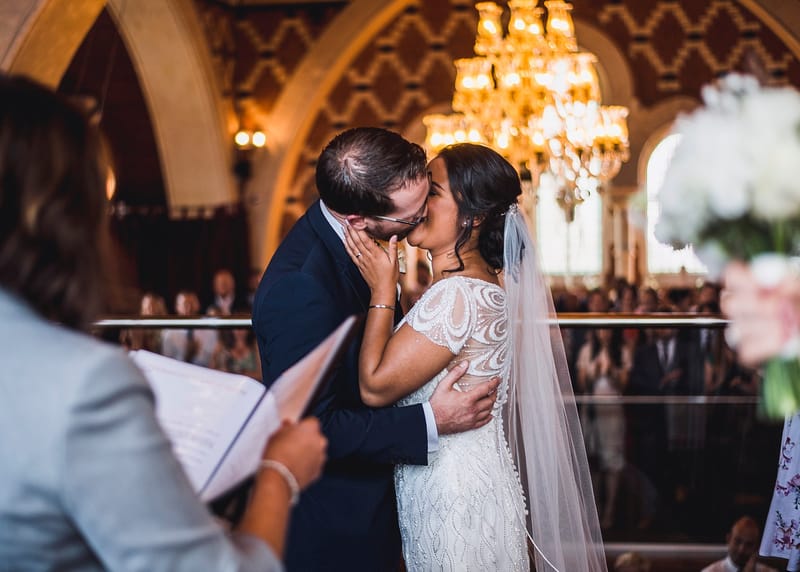
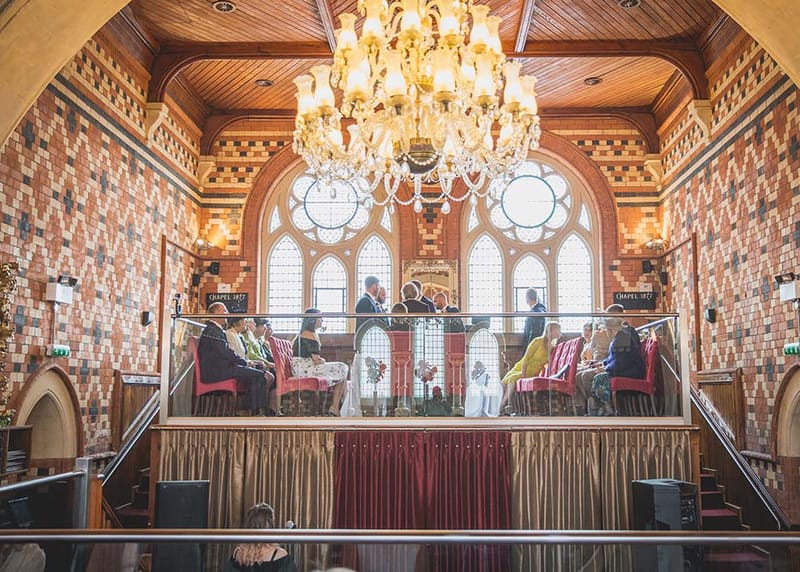
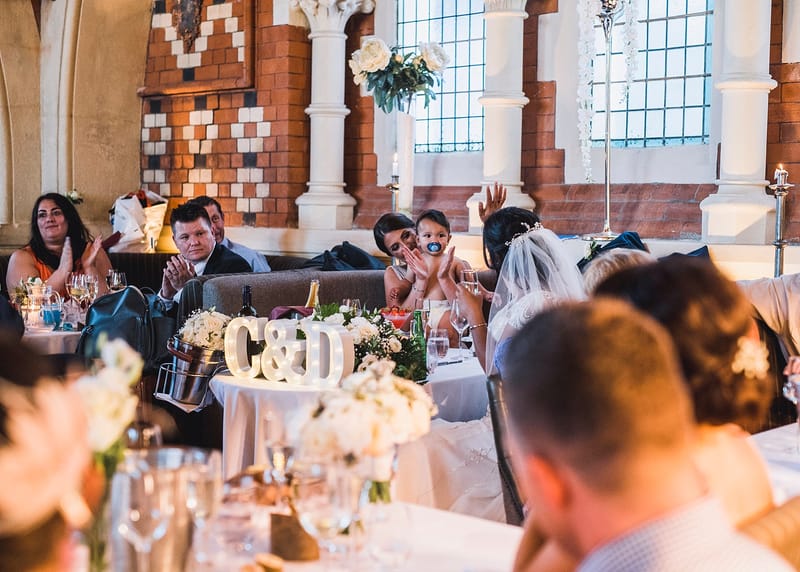
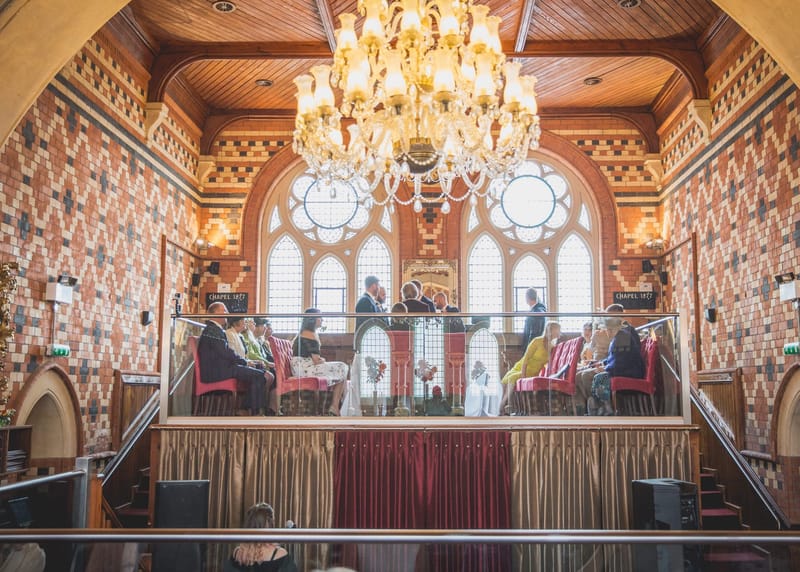
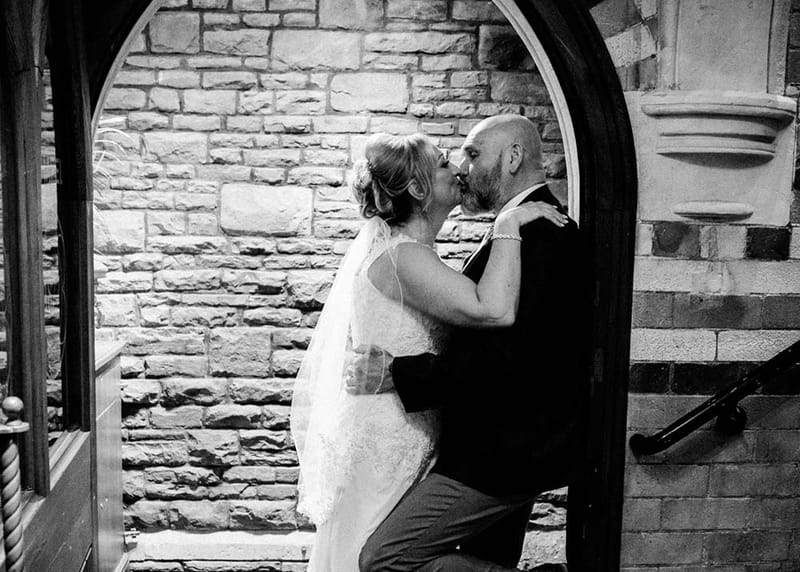
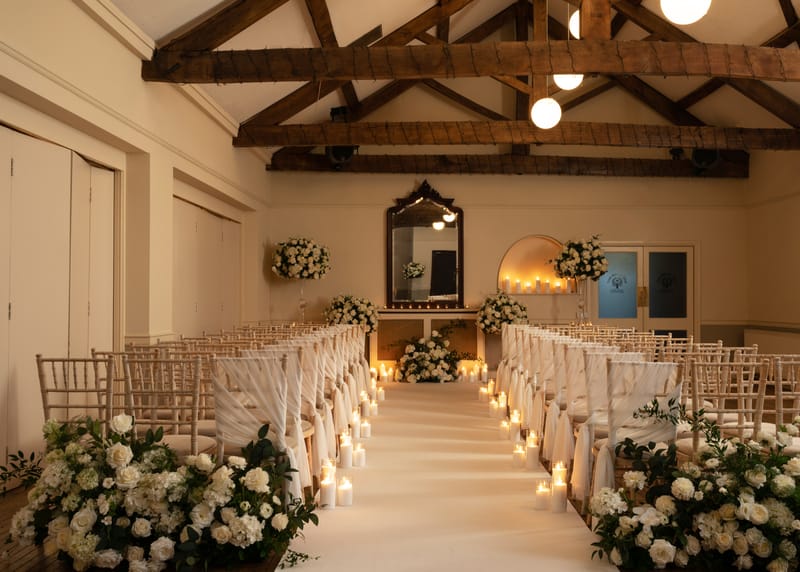
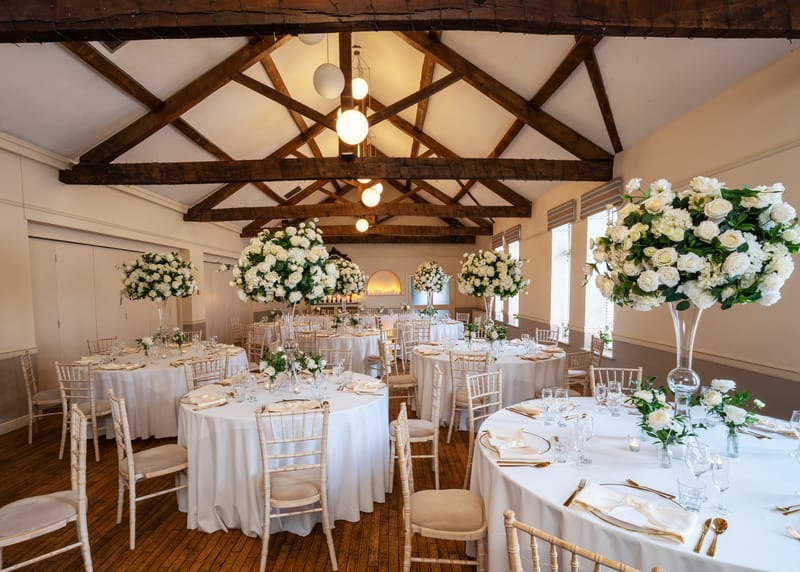
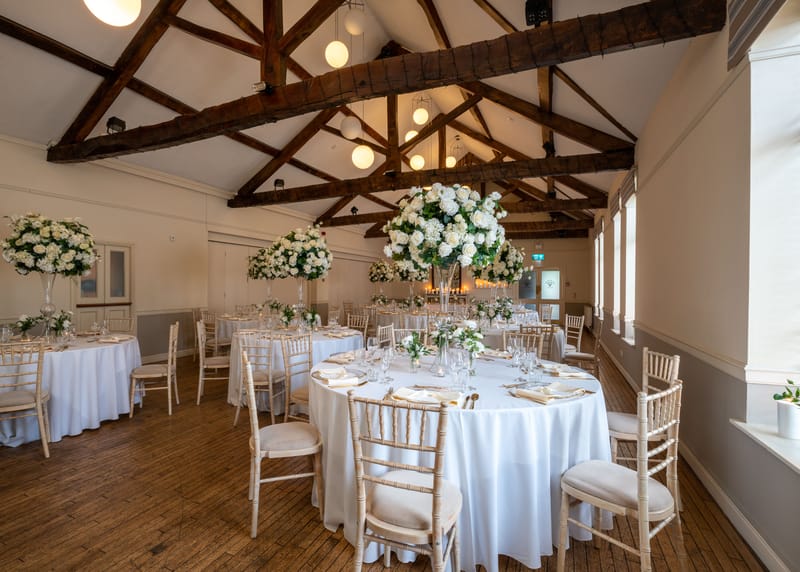
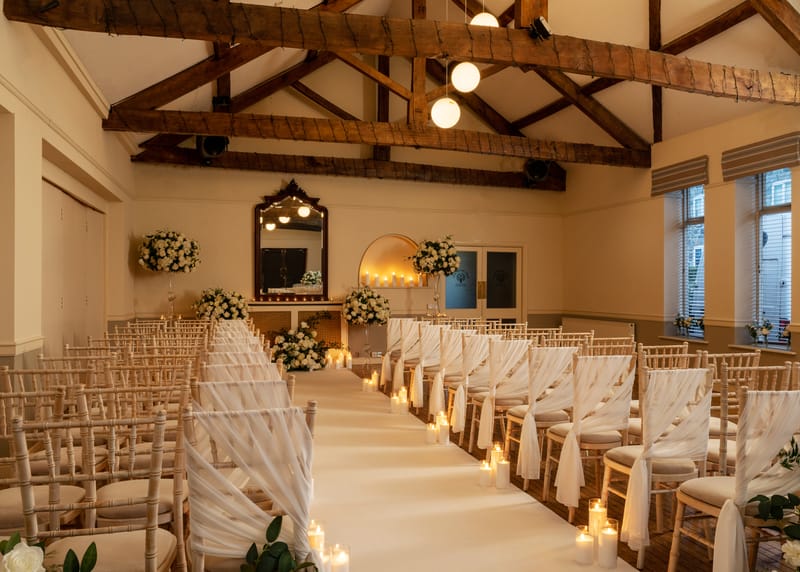
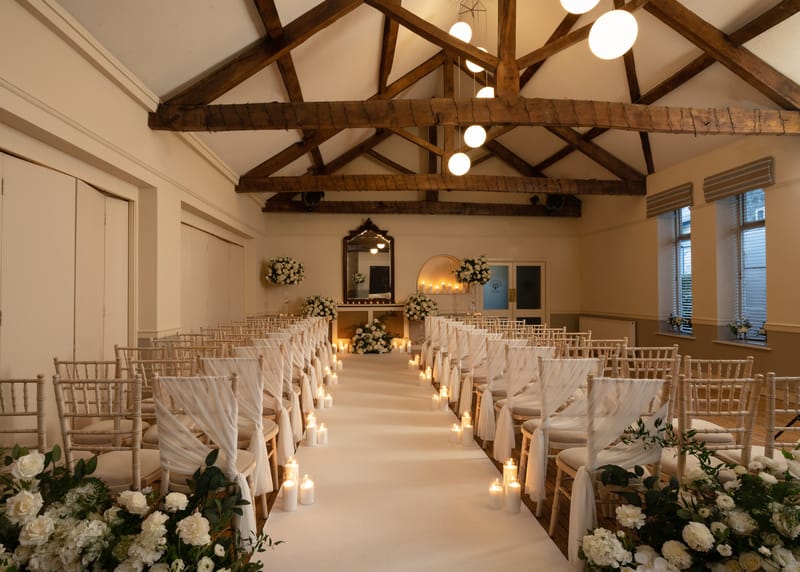
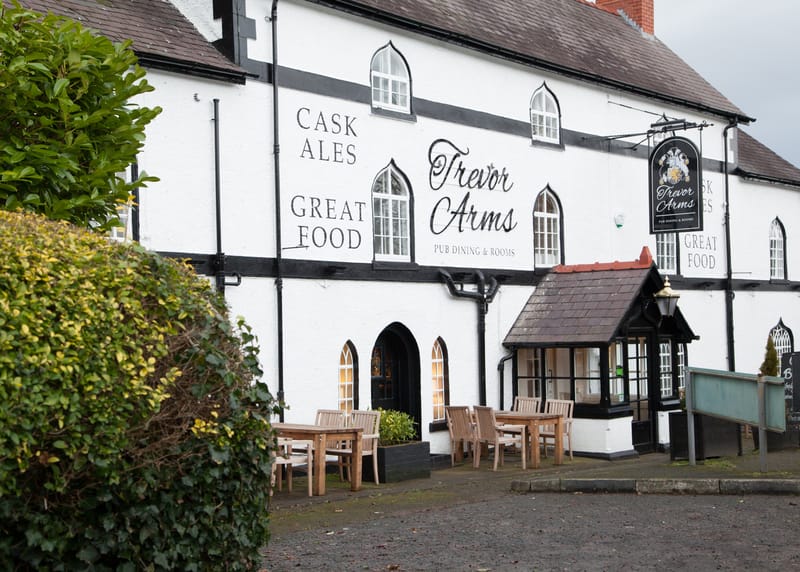
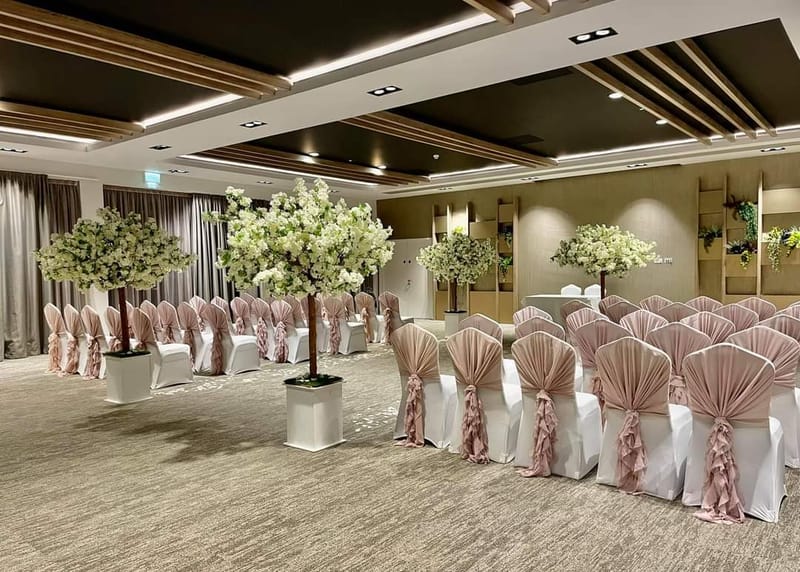
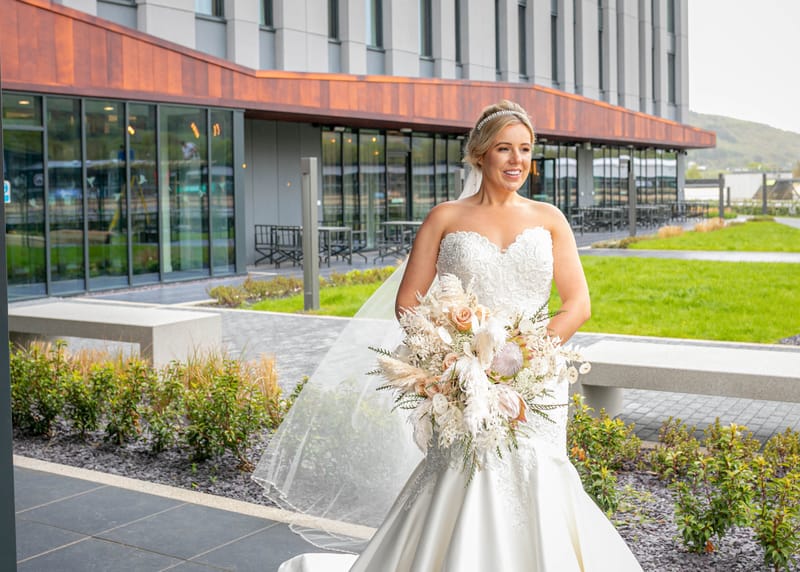
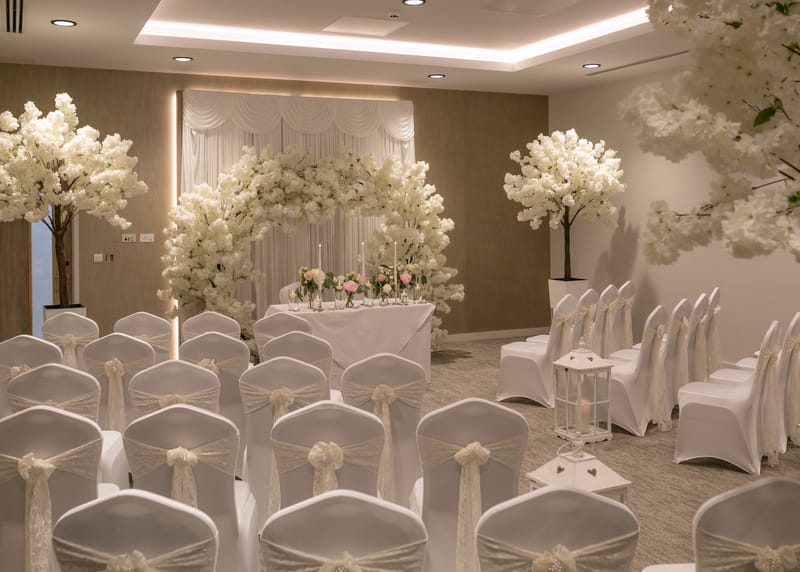
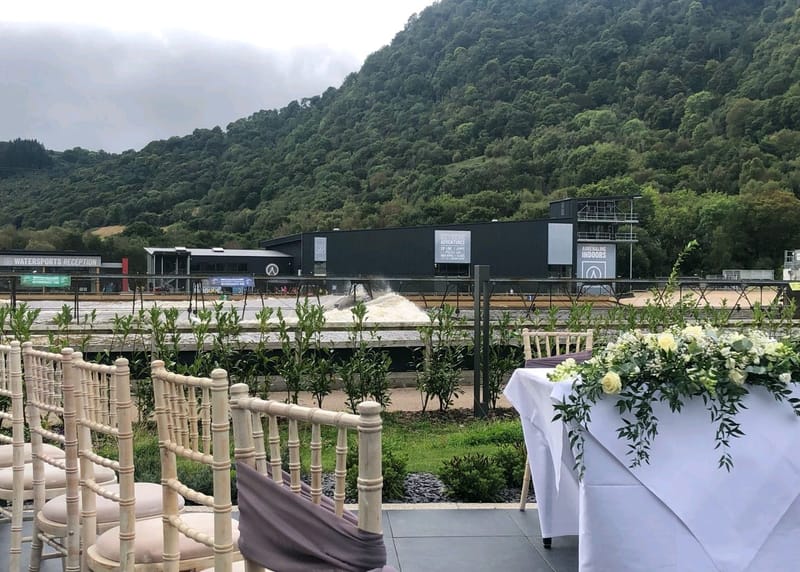
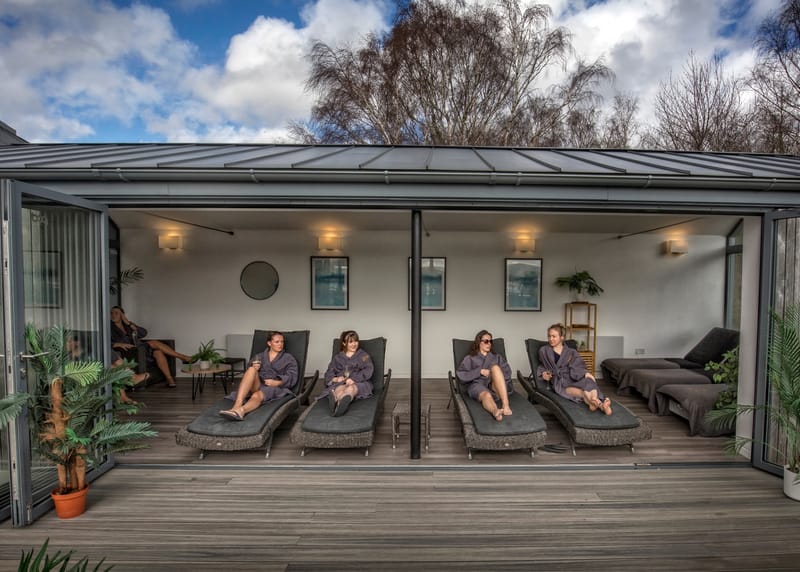
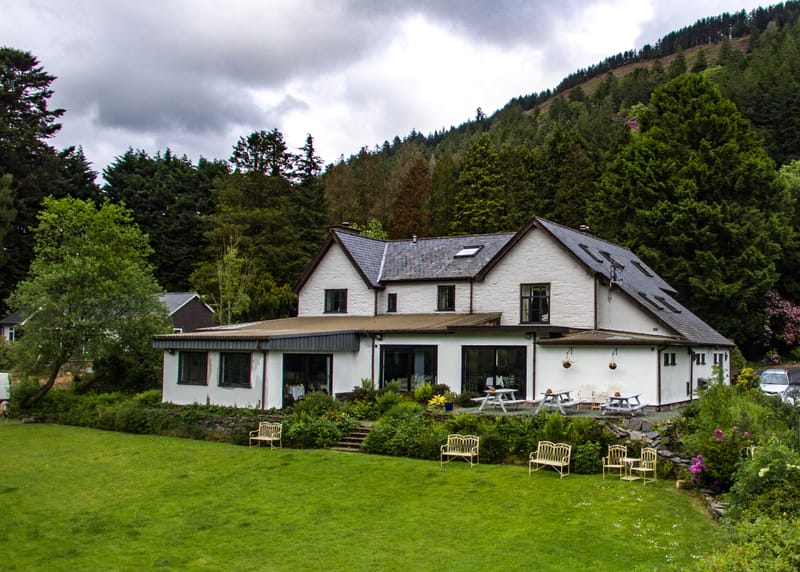
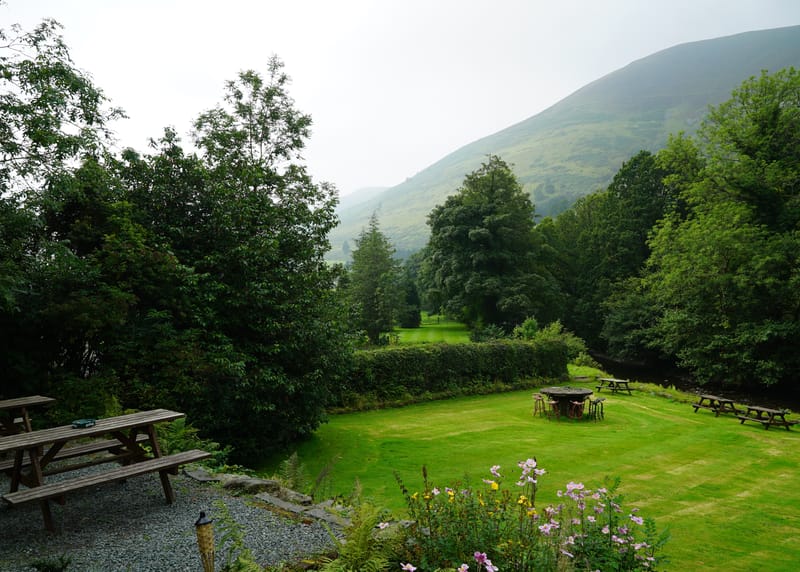
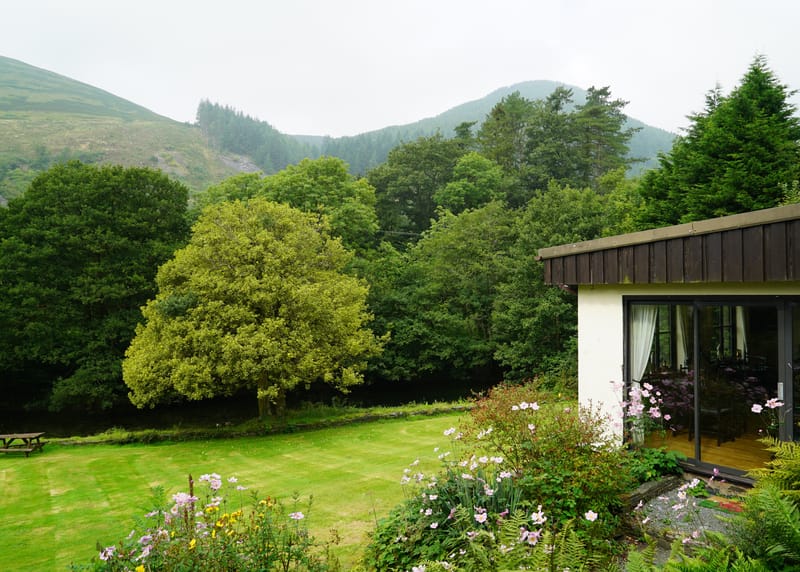
IXORA Hotel and Spa
Dolgarrog, Conwy
More Pricing InsideBridebook Deal Available
- 120
- 106 Bedrooms
- £1,500 – £4,500
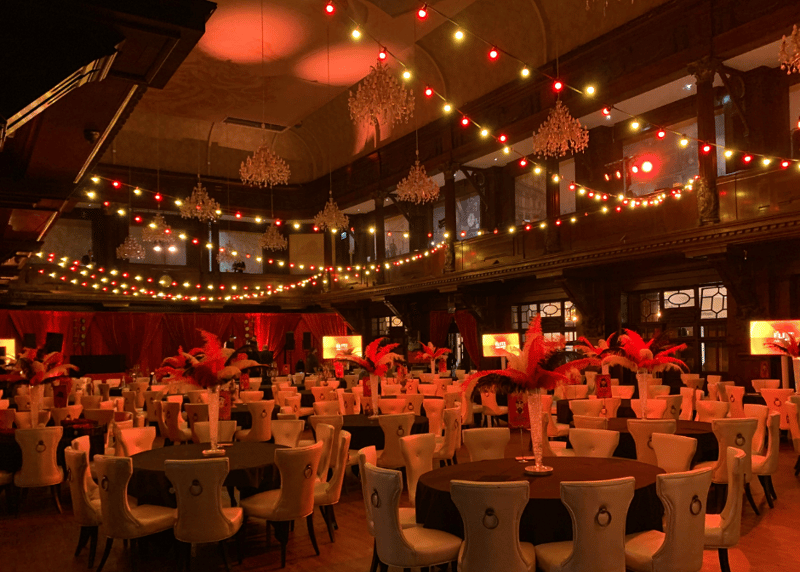
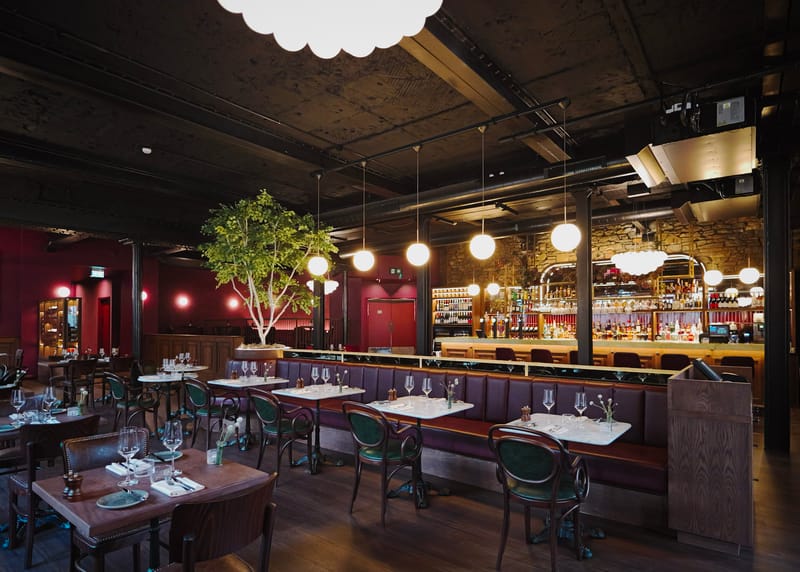
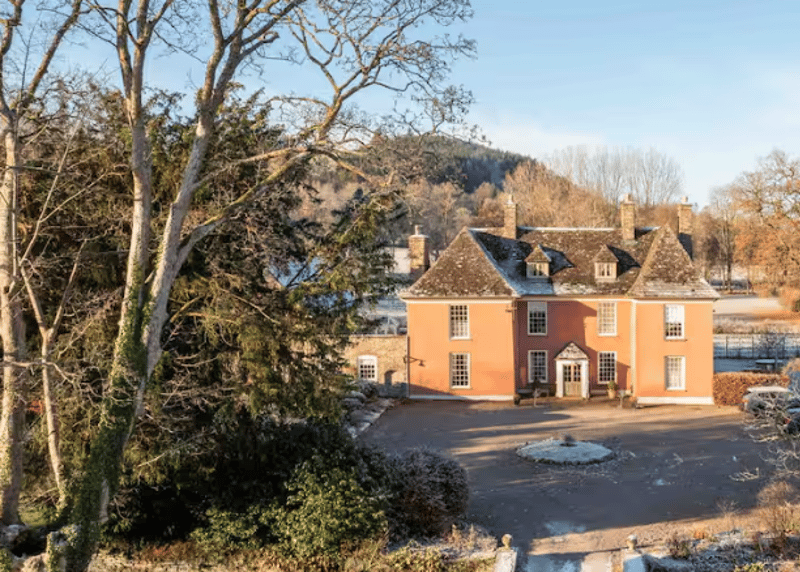
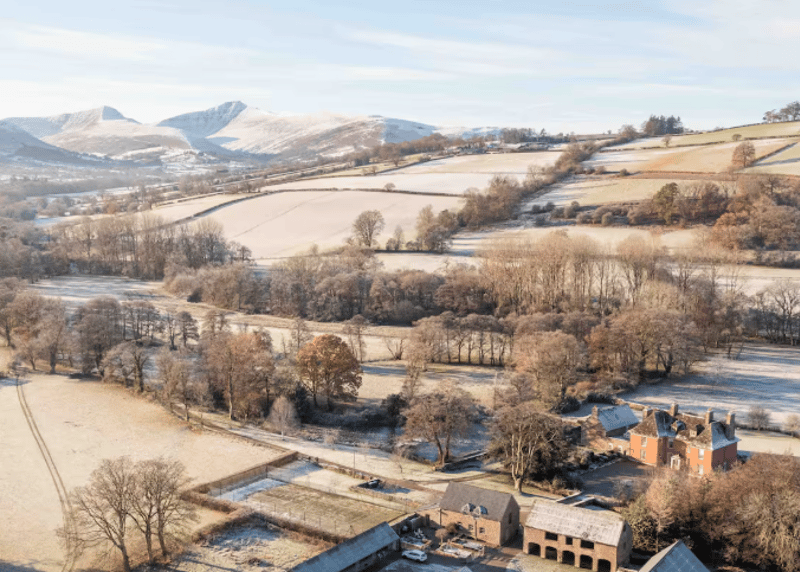
Everything you need to know about weddings in Wales
All About Getting Married in Wales
Wales offers one of the most varied backdrops for a wedding anywhere in the UK, and nowhere is that more obvious than in its castles. With around 600 castle sites scattered across the country, more than 100 of them still standing, Wales is often described as the castle capital of the world, and many of these historic fortresses now double as wedding venues. Add clifftop coastal estates, mountain retreats, rolling countryside and converted barns into the mix, and couples searching for wedding venues in Wales have an unusually wide set of options to choose between.
What makes Wales particularly compelling is the combination of dramatic scenery and real accessibility. Snowdonia (Eryri), the Brecon Beacons and the Pembrokeshire Coast make up three of the UK's four national parks, giving couples access to mountains, valleys and coastline within a single small nation. South Wales draws couples who want easy connections from Bristol, London and the South West. North Wales appeals to those coming from Manchester, Liverpool and the wider North West. And for couples prioritising character over convenience, Mid Wales and the rural heartland deliver a quieter, more personal setting.Wherever you land within that range, wedding venues Wales-wide share the same underlying advantage: a couple can move from mountains to coastline to city in a single day's drive, so the search rarely feels boxed in by geography.
Why choose Wales for your wedding?
Very few places in the UK can compete with Wales for sheer variety of landscape. Weddings here can feel entirely different depending on where you look, which means couples with very different visions can often find exactly what they are after without having to compromise.
Couples choose wedding venues in Wales because:
- Compact variety. Ancient castles, converted barns, clifftop coastal estates and contemporary city venues all exist within a compact region
- Strong England links. South Wales connects well with Bristol, London and the South West, making it easy for guests travelling from England
- North West access. North Wales sits within straightforward reach of Manchester, Liverpool and the Midlands via the A55
Bridebook's wedding planning data shows that 14% of couples now marry outside their home region, often because they have found a venue or setting that captures them completely. Wales benefits directly from this trend, drawing couples from across England as well as from within Wales itself who are searching for something with more character than their nearest big city can offer.
Wedding reception venues in Wales
Couples searching wedding venues Wales wide, rather than focusing on one specific style straight away, often start with the reception itself. Comparing wedding reception venues across Wales usually means looking for spaces flexible enough to accommodate both the ceremony and the full evening celebration in a single location, and Wales has a strong supply of exclusive-use venues built around exactly that requirement, particularly among its barn, country house and castle categories.
Receptions here can scale up to large family gatherings or stay small and considered. The trend towards more intimate celebrations has gathered real momentum, with Bridebook's latest planning data showing that 41% of UK wedding receptions now have fewer than 60 guests, up from 32% the year before. Many Welsh wedding venues have responded by offering packages suited to smaller parties, which can make a noticeable difference to the overall budget.
Couples specifically looking for reception spaces can browse wedding reception venues in Wales directly on Bridebook to filter by guest capacity and venue type.
If you already have a style in mind, you can go straight to the listings: castle wedding venues in Wales covers everything from medieval fortresses to fortified manor houses, while intimate wedding venues in Wales focuses on smaller venues built around more personal celebrations.
Popular areas for wedding venues in Wales
Wales divides naturally into distinct regions, each with its own character. Knowing roughly where you want to get married, or what kind of setting appeals, will help narrow the search considerably. Think of this page as the starting point for the whole country: once you know whether North Wales or South Wales feels like the better fit, the dedicated regional pages linked below go further into local venues and pricing for that half of the country.
Cardiff and the Vale of GlamorganWedding venues in South Wales tend to be the starting point for most couples planning a Welsh wedding. Cardiff sits at the centre of the South Wales wedding scene, with a range of venues that includes converted warehouses, historic city buildings and hotels alongside country houses in the surrounding Vale of Glamorgan. Couples looking for something urban, well-connected and versatile tend to start here. If your guest list spans generations and different tastes, this is usually the easiest area in Wales to keep everyone happy at once.
Swansea and the Gower PeninsulaSwansea gives couples access to coastal venues, converted spaces within the city and the Gower Peninsula directly to the west. The Gower was the UK's first National Landscape (formerly an Area of Outstanding Natural Beauty), and its sea views, sandy bays and clifftop settings have made it one of the most sought-after backdrops for outdoor ceremonies in Wales. For couples chasing golden-hour photographs, the Gower's west-facing beaches are hard to beat.
PembrokeshireThe Pembrokeshire coastline offers some of the most dramatic wedding backdrops in Britain. Country houses and coastal estates here sit above cliffs and coves, drawing couples willing to travel for a setting that feels remote without being inaccessible. The national park status of much of the coastline means development is limited, which keeps the landscape feeling wild and unspoilt. Couples who want their photos to look like nowhere else in the UK tend to end up here.
Brecon Beacons and PowysMid Wales venues, particularly those around the Brecon Beacons and Powys, appeal to couples who want real seclusion. Powys has barn conversions, rural manor houses and country estates where exclusive use is the norm rather than the exception. Travel logistics take a little more planning, but the payoff in terms of setting and privacy is considerable. This is the part of Wales to choose if a hushed, just-us atmosphere matters more than convenience.
North Wales, Snowdonia and AngleseyWedding venues in North Wales include some of Wales's most iconic castle locations alongside country hotels and rural retreats positioned against the Snowdonia (Eryri) mountain range. Anglesey adds a coastal option with an island setting, which suits couples drawn to something distinctive. The area connects well with Manchester, Chester and Liverpool, making it a realistic choice for couples based in the North West.Few places in the UK pair mountains and coastline this closely, which is why so many couples here build their whole day around the view.
Wye Valley and the Welsh BordersThe border country between Wales and England brings together country houses, converted barns and estate venues in a landscape that feels equally at home on both sides of the boundary. Venues in this area often provide good accessibility from the Midlands and South West while retaining the rural quiet that Wales does well. Couples open to crossing the border can also explore wedding venues in the Cotswolds as a natural extension of the search. It's a good option for couples still torn between an English countryside wedding and a Welsh one, since here you get a bit of both.
Couples still exploring their options can also browse the full UK wedding venues hub.
What to look for in wedding venues in Wales
Comparing venues in a region as varied as Wales involves balancing the practical and the personal. Before visiting, think about how your day needs to flow from start to finish.
When reviewing wedding locations in Wales, consider:
- Ceremony licensing. If you want vows and reception in the same location
- Guest capacity and reception space. Relative to your numbers
- Catering flexibility. Whether in-house, approved list or fully open choice
- Transport access. Particularly for venues in Pembrokeshire, Powys or North Wales
- Outdoor ceremony options. And covered backup arrangements
- Accommodation. For guests travelling from England or further afield
Couples still gathering their thoughts may find Bridebook's tips on how to choose a wedding venue a useful starting point alongside their venue search.
Key decision factors for wedding venues in Wales
- Total cost vs headline “from” prices
- What's included in venue hire or wedding packages
- Flexibility for personalisation and décor
- Availability in peak Welsh wedding seasons
- Exclusive use vs shared spaces
- Proven experience hosting weddings, and bilingual options if relevant
Common mistakes to avoid
- Missing the detail on what the quoted venue hire fee includes, particularly regarding catering, staff and equipment
- Overlooking curfew times and noise restrictions, which affect reception formats at some rural and residential venues
- Choosing a venue based on scenery before checking accommodation and transport logistics for guests
- Not checking reviews from real weddings or asking to see examples from comparable-sized events
How Bridebook fits into your Welsh wedding venue search
Bridebook is built specifically for couples planning a wedding in the UK. That means the search tools, listing information and planning features are all geared around how couples actually make their decisions.
With Bridebook you can:
- Browse and compare Welsh wedding venues by area, style and guest numbers
- Filter listings by venue type including barns, castles, country houses and coastal venues
- Access transparent pricing information
- Read verified reviews from couples who have married at specific venues
- Send enquiries directly to venue teams and manage responses in one place
- Keep your planning organised with Bridebook's built-in planning tools
The wedding planning checklist is a practical companion for couples at the venue search stage and beyond.
Once you have a venue confirmed, Bridebook can also help you build your wider supplier team. Browse wedding photographers in Wales, wedding caterers in Wales and wedding planners in Wales to find trusted suppliers with experience working at Welsh venues.
Why Trust Bridebook?
Bridebook is the UK's number one wedding planning app, used by millions of couples across the country. Our content is shaped by data from Bridebook's own UK Wedding Report, drawn from thousands of couples planning their weddings each year, and we update our figures and advice regularly so they stay reliable as couples plan.
Wedding Venues in Wales & Average Costs
How much do wedding venues in Wales cost?
Venue costs in Wales tend to sit below the national average, though the range is wide and venue type makes a significant difference. Castle and country estate locations command premium prices relative to barn conversions and rural inns, a pattern repeated across the UK.
Based on data for Wales:
- Combined venue and catering spend. £9,409 on average
- Cost per head. £120.36
- Total wedding cost. £20,056 across all supplier categories, close to the UK-wide average
- Venue hire cost. £6,076 on average
To give that a quick anchor point, typical venue hire in Wales broadly falls into:
- Budget and affordable venues: £2,000–£4,000
- Mid-range venues: £4,000–£8,000
- Country house and castle venues: £6,000–£15,000+
- All-inclusive wedding packages: from £3,000–£6,000
- Small and intimate venues: often under £3,000
Prices vary depending on the day of the week, time of year, guest numbers and what is included in the package.
What affects cost in Wales
- Venue type. Castles and stately homes carry the highest hire fees, restaurants and pubs the lowest
- Guest numbers. Per-head catering costs add up quickly at larger receptions
- Day of the week and time of year. Peak summer Saturdays are priced significantly higher than midweek or off-peak dates
- Exclusive use. Standard at many Welsh venues but priced accordingly
- Catering arrangements. Whether in-house, an approved external list or a fully open caterer choice
- Remoteness. Can add to logistics and staffing costs for more rural properties
Budget considerations for Welsh weddings
- Choose a weekday date. Venues across Wales have responded to the shift away from Saturdays with increasingly competitive midweek pricing
- Consider autumn or winter. Particularly at castle and country house venues, where peak summer pricing can be significantly higher
- Trim the guest list. Cutting 20 guests from a mid-range reception often saves more than switching venue type entirely
- Look for venues with package structures suited to smaller groups. Wales has strong options for intimate celebrations, many priced to reflect it
- Consider Mid Wales or rural South Wales. For lower hire fees
For couples comparing costs across venue types, Bridebook's wedding budget guide breaks down where typical spend goes, while the UK average wedding cost article provides useful context for setting expectations.
Couples comparing options around cost may also want to browse affordable wedding venues in Wales for venues with packages suited to tighter budgets.
Weather & Seasonality in Wales
Wales has a reputation for rain that is not entirely unfair, but it can also produce extraordinary weather at almost any time of year. The mountainous terrain in the north and the Atlantic-facing west coast mean conditions can change quickly, which is worth building into venue comparisons from the start.
Summer remains the peak season for Welsh weddings, with August and July the most in-demand months. Bridebook's date data shows that summer accounts for around 40% of all UK weddings, and Wales reflects that pattern. Peak summer Saturdays at popular Welsh venues, particularly castle and coastal properties, tend to fill up early, so locking down a date sooner rather than later makes sense for couples with a particular setting in mind.
Spring and autumn offer a real alternative. April and May can be surprisingly settled in South Wales, and the coastal light in late September and October is a real draw for photographers and couples alike. Autumn weddings against the backdrop of the Brecon Beacons or the forests of Mid Wales have a distinct character. Winter at a Welsh castle or a candlelit country house has its own quiet appeal, particularly for couples open to midweek dates.
One practical note for couples considering outdoor ceremonies: May was the most reliable summer month for outdoor wedding ceremonies in the UK, with 87% of planned ceremonies going ahead as intended. June and July carry more risk in Wales specifically, given how quickly the weather can shift in from the west. Any outdoor ceremony in Wales benefits from a realistic indoor fallback, ideally included as standard within the venue's package rather than treated as an upgrade.
Off-peak dates, particularly weekdays in autumn and winter, can make a meaningful difference to cost. Saturday accounts for 47% of UK weddings, its lowest ever recorded share, and venues are increasingly willing to structure competitive packages around midweek and Sunday bookings.
Transport & Accommodation in Wales
Accessibility varies considerably across Wales, and it is worth thinking through the guest journey before falling in love with a remote venue.
Cardiff is straightforward: good rail links from London Paddington, Bristol and Birmingham mean guests can arrive without hiring a car. Venues within 30 minutes of the city centre tend to be the most accessible for diverse guest lists. Swansea connects similarly via the main line from London.
Pembrokeshire takes longer to reach, particularly from the South East, but venues here typically attract couples happy to treat the occasion as a short break. Many Pembrokeshire wedding venues have on-site accommodation, and local cottages and holiday lets provide overflow options. The logistics are manageable with a bit of early planning.
North Wales benefits from proximity to Manchester, Chester and Liverpool, with the A55 providing a direct coastal route. Couples marrying near Llandudno, Bangor or Anglesey will find the guest logistics considerably simpler than those marrying in remoter parts of Snowdonia (Eryri).
Mid Wales and Powys are the most rural. Venues here often offer on-site accommodation as part of the appeal, but guests relying on public transport will find options limited. For couples committed to a secluded setting, organising a coach transfer from the nearest town can simplify the day considerably and tends to be appreciated.
Wherever you marry in Wales, checking on nearby hotels and accommodation clusters is worth doing early, particularly for peak summer dates when availability can tighten. Some Welsh venues have relationships with local accommodation providers and can share recommendations as part of the initial consultation.
Quick facts about weddings in Wales
Wedding Budget
£20,056About the same as the UK averageMonth to get married
August Peak sunshine and lush Welsh countrysideAverage lead time
12–24 monthsLonger for castle venues and summer datesAverage guests
70-90Plenty of venues cater to mid-size weddings.Most popular city
CardiffHome to iconic venues and great transport linksHidden gem
The Secret GardenBeautiful countryside escape with rustic charmWedding theme
Castles & countrysideHistoric romance meets natural rural beautyLocal trend
Welsh touchesHarpists, love spoons and eco-friendly choicesFAQ's
Can I have a beach wedding in Wales?
In England, Wales and Northern Ireland, you can only legally marry outdoors by the sea if the ceremony takes place in a licensed venue with a permanent, solid roof. Because of this, some couples choose a beachside blessing alongside a separate legal ceremony at a licensed venue nearby. A number of coastal wedding venues along the Welsh coastline are set up to offer both, with sea views for photographs and the option to move guests indoors easily if the weather turns.
Is it easy to have a church wedding in Wales?
If you're planning a church wedding in Wales, the minister or vicar will guide you through what's needed, and everything must follow the relevant Church in Wales and UK legal requirements. Most churches ask for several months' notice before the ceremony, so it's worth having an early conversation with your chosen church about timings and any paperwork required. You'll also need a separate venue to celebrate with guests afterwards, whether that's a restaurant, hotel or dedicated wedding venue.
What is a wedding favour idea local to Wales?
Favours with a local theme are a nice way to bring Wales into your wedding day. A jar of local honey or homemade jam suits a rustic countryside setting well, or you could lean into Wales's food heritage with miniature Welsh cakes. Traditional Welsh love spoons are another popular choice, carrying centuries of symbolism around love and commitment, and small Welsh language touches can add a personal note that guests will remember.
What is the average cost of a wedding in Wales?
The average cost of a wedding in Wales is £20,056, close to the UK-wide average. If that feels out of reach, there are plenty of ways to bring costs down, from choosing a midweek date to trimming the guest list, without losing sight of the day you want.
What is the busiest time for a Wales wedding?
The busiest months for weddings in Wales are June, July and August. Couples happy to look slightly outside peak season often consider May, which tends to be one of the driest months in the UK and can come with more room to negotiate on venue pricing. For a summer wedding, booking well in advance, at least 12 months ahead as a rule of thumb, gives the best chance of securing a preferred venue.
What wedding venues in Wales have disabled access?
Most wedding venues in Wales aim to be accessible, though the level of adaptation varies, particularly at older or listed buildings where changes can be harder to make. It's always worth asking directly about accessibility when researching venues, since this isn't always detailed in listings. Modern hotel venues tend to have the most consistently well-maintained facilities, but raising any specific requirements during a viewing is the best way to get a clear answer.
How much do wedding venues in Wales cost?
Venue hire in Wales averages around £6,076, though costs vary considerably depending on venue type, guest numbers, day of the week and what is included in the package. Castle and country estate venues sit at the higher end, while barn conversions and rural inns can be significantly more affordable. The average combined venue and catering spend for Welsh weddings is £9,409.
What are the best castle wedding venues in Wales?
The best castle wedding venues in Wales tend to be the ones that match your guest numbers and priorities rather than any single "top" pick, since the country's castles range so widely in scale and style. Grand medieval fortresses suit larger, more dramatic celebrations, while smaller fortified manor houses work well for a more intimate day. Many offer exclusive use and can host both ceremony and reception on-site, so it's worth narrowing your search by capacity and licensing before comparing further.
Are there affordable wedding venues in South Wales?
Yes. South Wales has a range of venues across different price points, from city-centre restaurants and contemporary event spaces in Cardiff to rural barns and country houses further from the city. Midweek and off-peak dates at most venue types will reduce costs considerably.
Can you get married in a Welsh castle?
Yes. A number of Welsh castles hold wedding licences and can host legal ceremonies on-site. Others operate as backdrops for blessings or celebrations but require the legal ceremony to take place separately. Always confirm the exact licensing position with the venue before booking.
Are there wedding venues in North Wales?
Yes. North Wales wedding venues include hotels and country houses with Snowdonia views, coastal venues around Anglesey, and castle properties with long histories. The area connects well with Manchester, Liverpool and Chester, making it a realistic option for couples based in the North West.
What are the most unique wedding venues in Wales?
Wales has no shortage of distinctive options. Coastal cliff-top estates in Pembrokeshire, restored medieval castles in North Wales, converted farm buildings on the Brecon Beacons, and historic harbour and lighthouse venues along the Welsh coast all offer something different from a standard hotel or function room.
When should I book a wedding venue in Wales?
For popular venues, particularly castle, coastal and country house properties during peak summer months, booking 12 to 24 months in advance is the sensible approach. Midweek dates and winter or spring slots are more likely to be available closer to the time, but the venues in highest demand fill up regardless of season.
What are the best wedding venues in Wales?
There's no single best option, since it depends on the setting you want. Wales offers venues across several distinct styles, from ancient castles and grand country estates to converted barns, coastal properties and city hotels. Coastal venues suit Pembrokeshire, the Gower and North Wales, while mountain venues position couples against Snowdonia, and castles and country houses are found right across the country.
Does Wales have more castles than England?
Not in total. England's larger land area means it has more castles overall. Wales, however, has one of the highest densities of castles per square mile found anywhere in the world, with around 600 sites across a relatively small area, more than 100 of which are still standing today.
Are there mountain wedding venues in Snowdonia?
Yes. Several venues in and around Snowdonia (Eryri) make use of the surrounding mountain scenery for both ceremonies and photography, ranging from country hotels to more remote rural properties. Guests travelling from Manchester, Liverpool or Chester can reach the area via the A55 coast road.
What is the difference between South Wales and North Wales for weddings?
South Wales tends to combine coastal and countryside venues around Cardiff, Swansea and the Vale of Glamorgan, with strong transport links to Bristol and South West England. North Wales is built more around mountain scenery, particularly Snowdonia (Eryri), alongside its own stretch of coastline around Anglesey, and typically draws guests travelling from North West England. For couples treating it as a proper destination wedding rather than picking by convenience, Pembrokeshire and the Gower often edge out both for sheer scenic drama, so it's worth widening the comparison beyond just north versus south.
Can you get married outdoors in Wales?
Yes, subject to weather and venue licensing. Wales's coastline and countryside make it a popular choice for outdoor ceremonies, though most couples still arrange an indoor fallback given how quickly weather can change, particularly along the west coast and in the mountains.
What is the 30-minute rule for weddings?
There's no single official ‘30-minute rule’ in UK marriage law, so you may see the phrase used to mean slightly different things. Most commonly, it refers to registrars arriving around 30 minutes before a ceremony for a short pre-ceremony interview, or to the length of a typical civil ceremony itself, which usually runs between 15 and 30 minutes. Some wedding planners also use it as a scheduling buffer for building extra breathing room into the day's timeline. Whichever meaning you come across, it's worth confirming exact timings directly with your registrar or venue coordinator, since these can vary by council and venue.
Is it cheaper to get married in Wales or England?
Wales works out very close to the UK average rather than clearly cheaper. The average wedding in Wales costs around £20,056, only slightly under the UK-wide figure, while venue hire and catering costs sit close to the national picture too. Individual English regions vary more widely: some, like the South East and London, run noticeably higher than Wales, while others, like North West England, come in a little lower. Location alone won't shape your budget as much as venue type, guest numbers and time of year will.
Explore 287 venues in Wales
Sign up to get full access to Bridebook's extensive venue and supplier directory. Don't miss out on booking your dream team for your dream day!