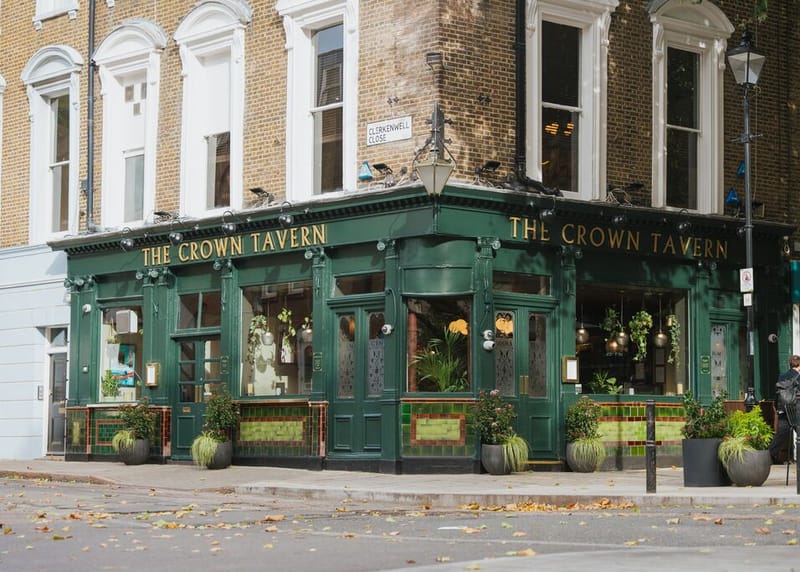
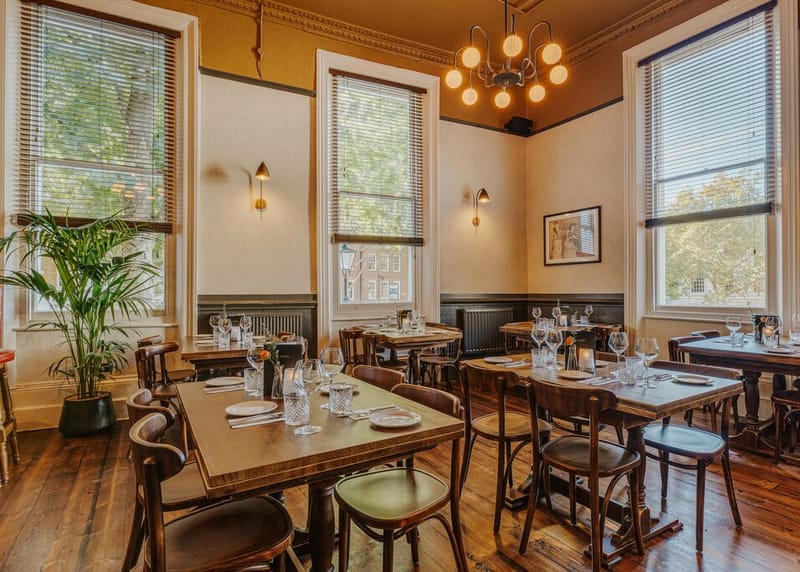
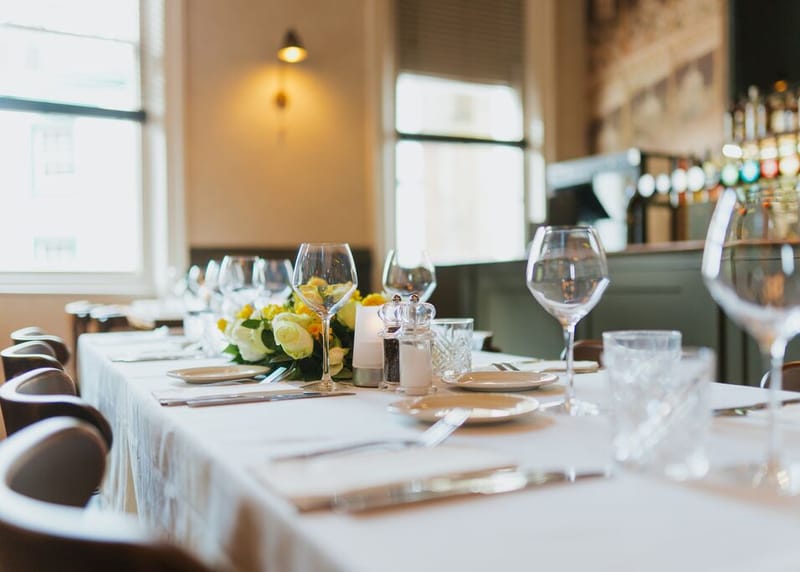
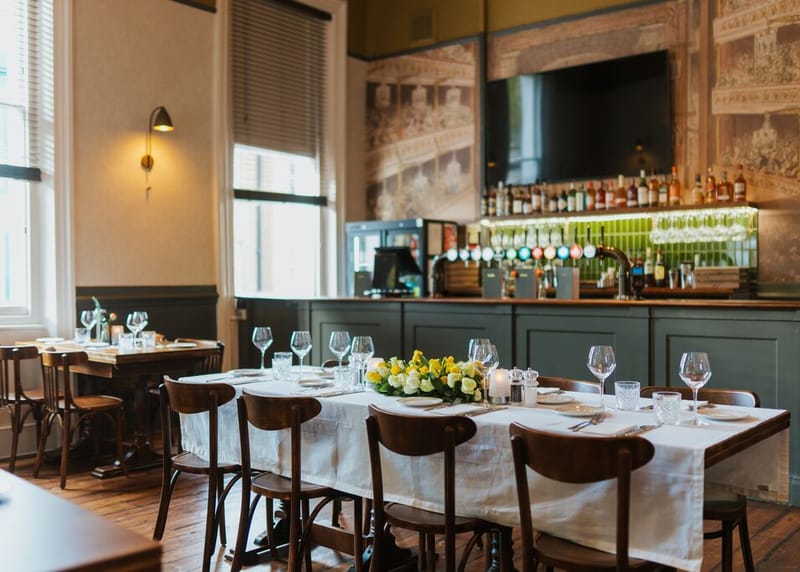
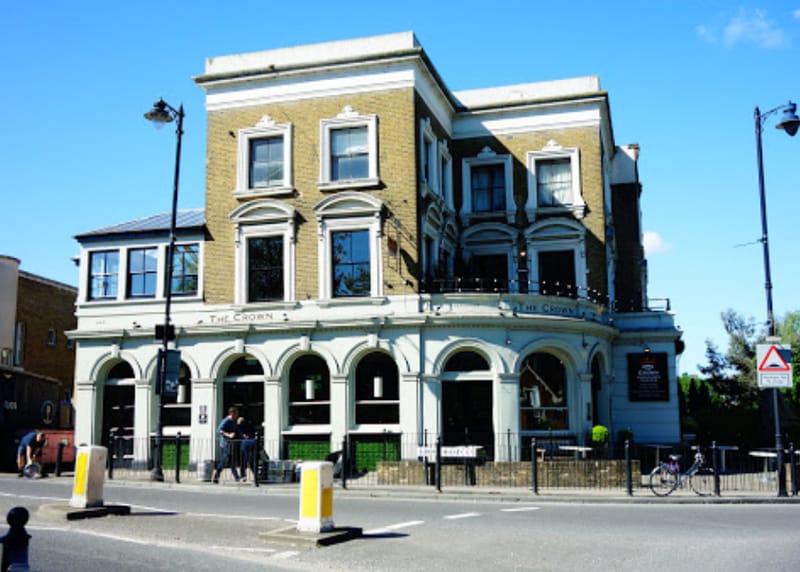
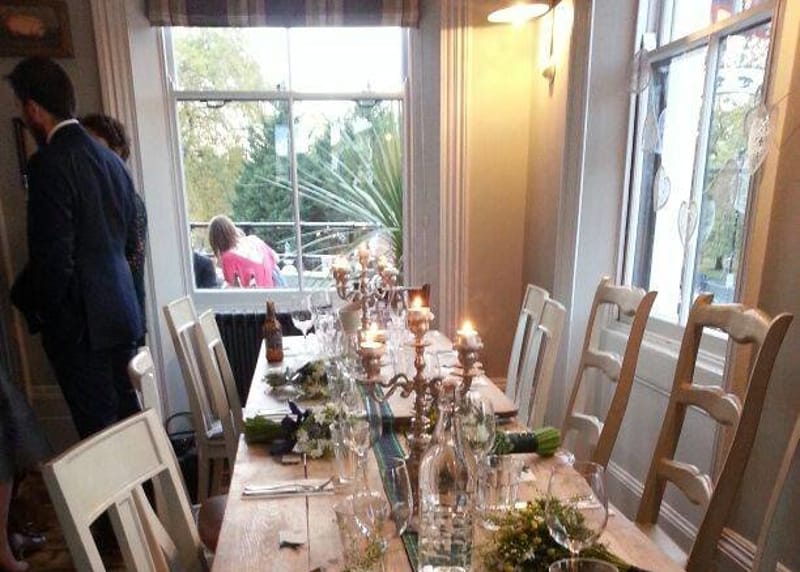
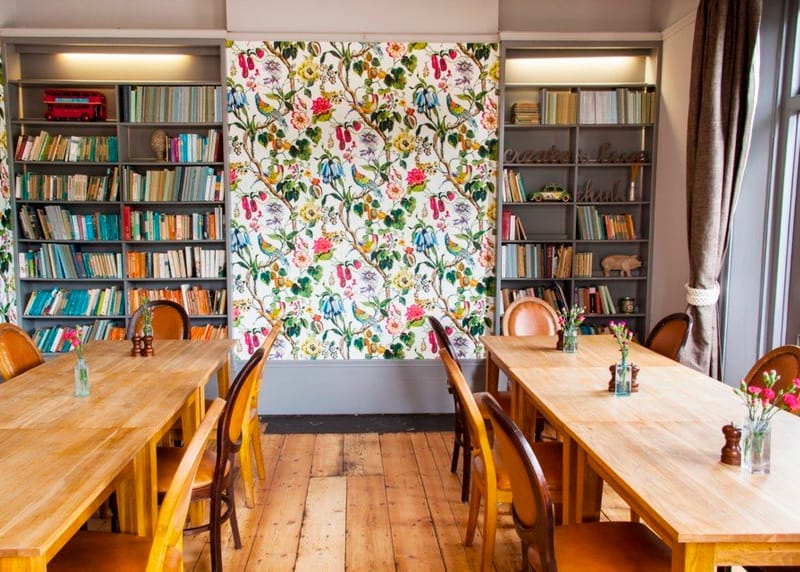
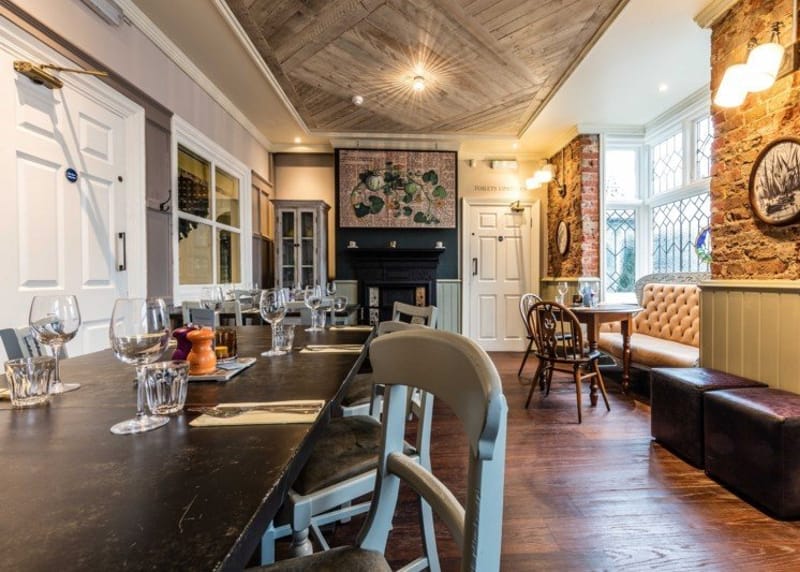
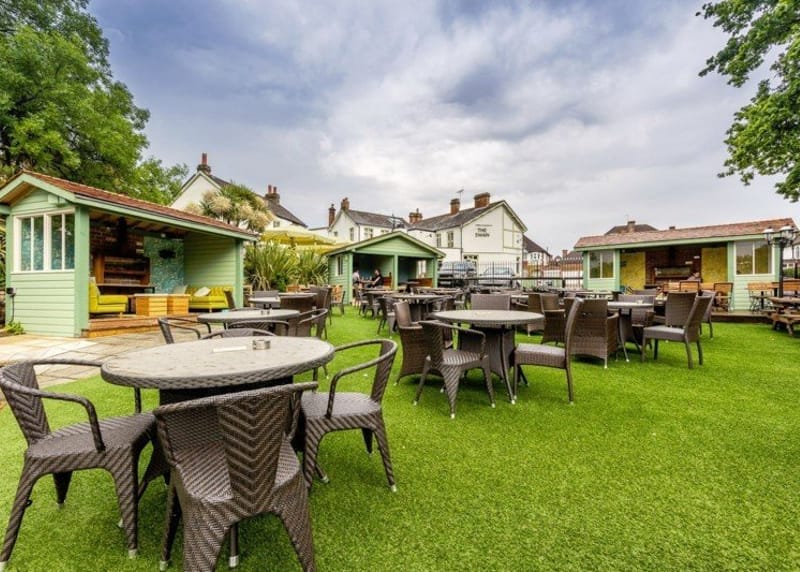
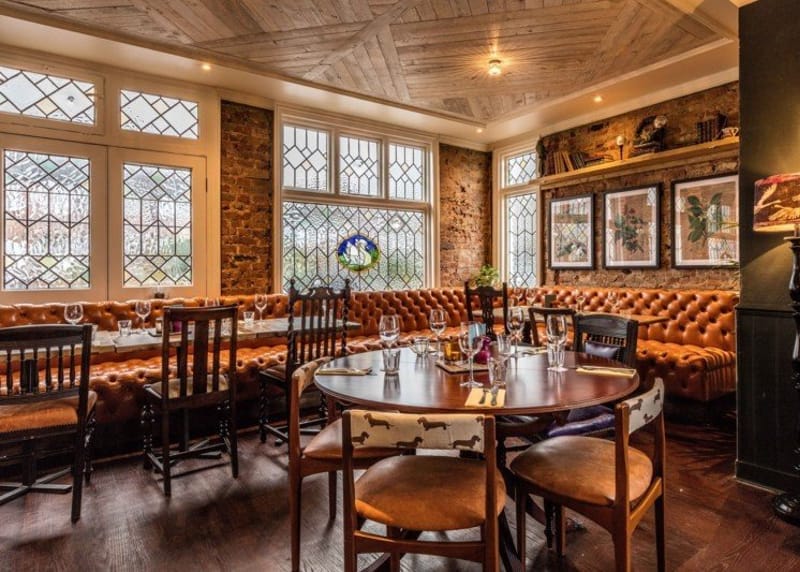
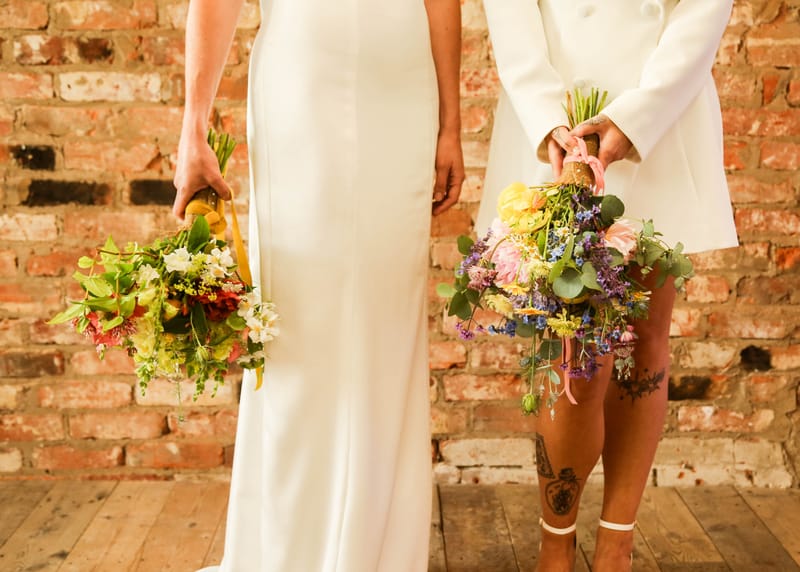
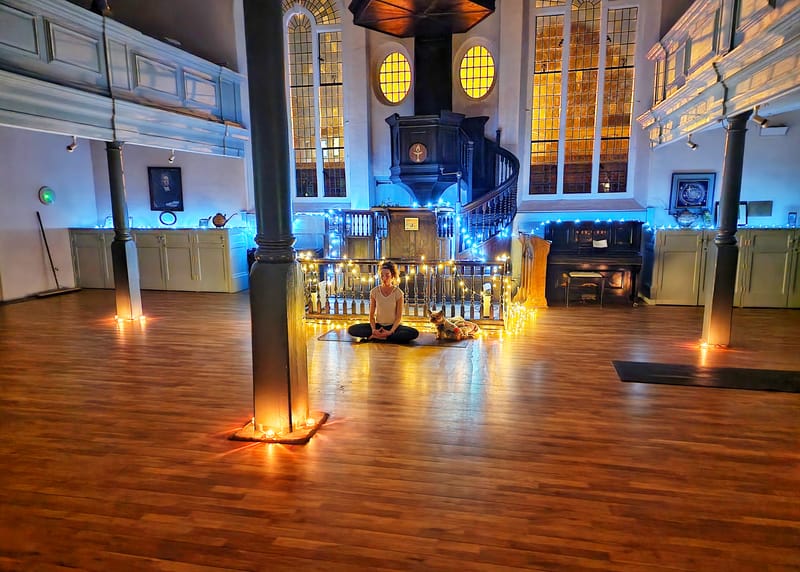
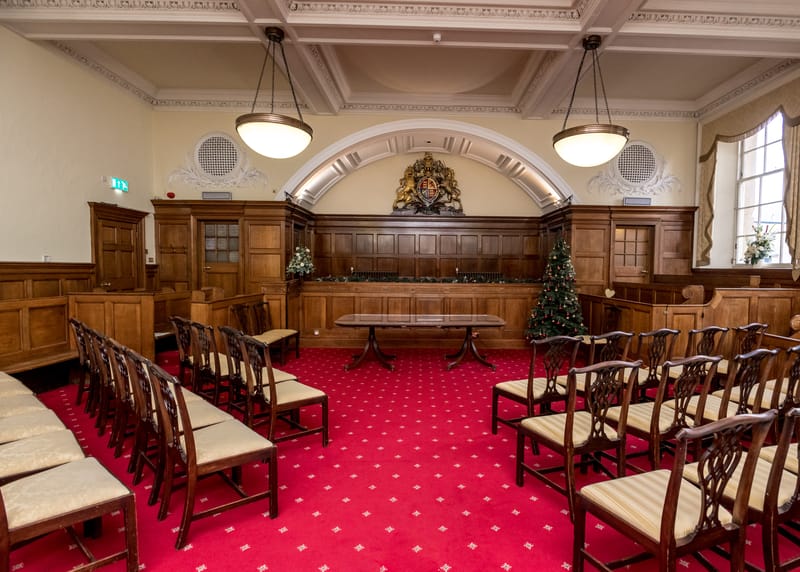
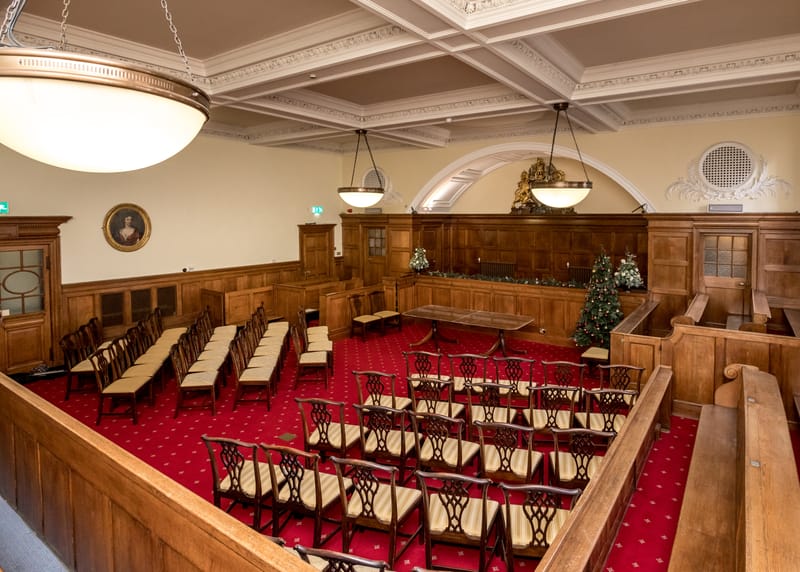
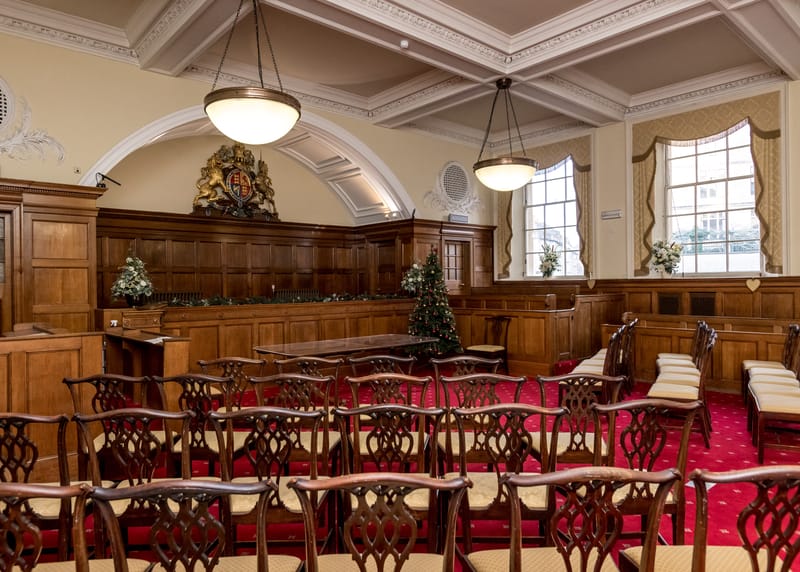
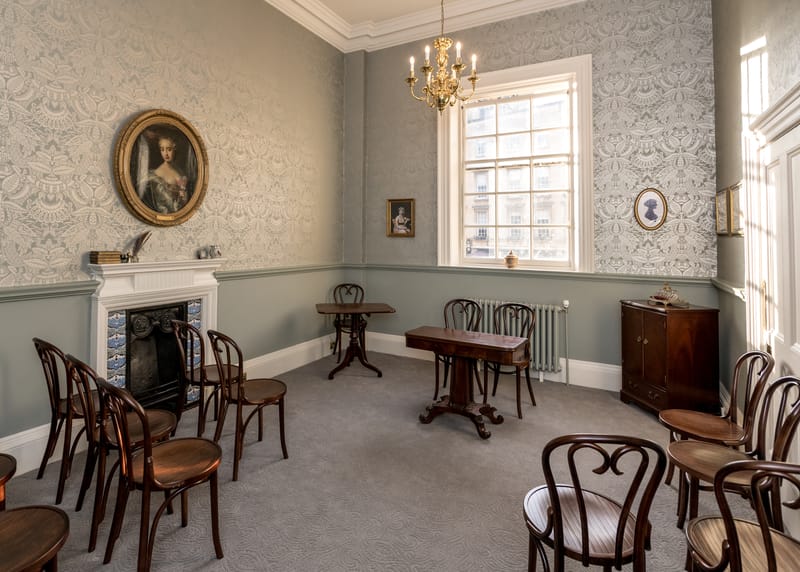
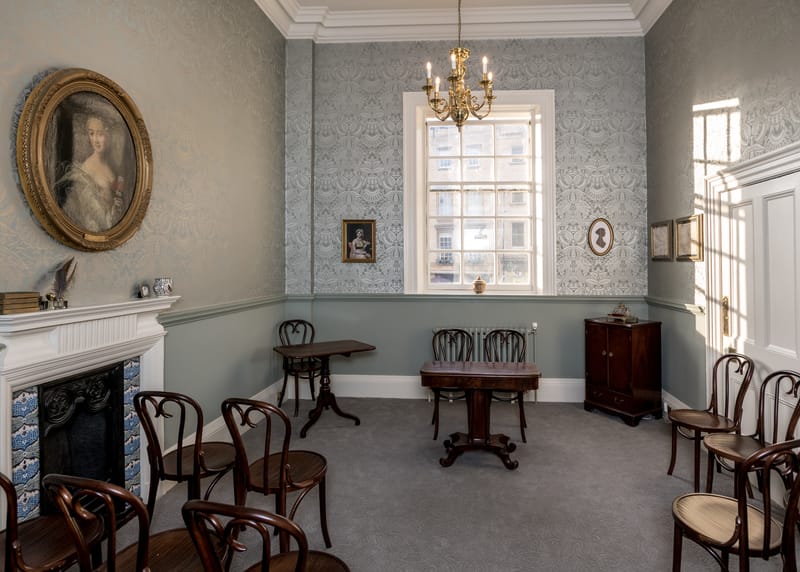
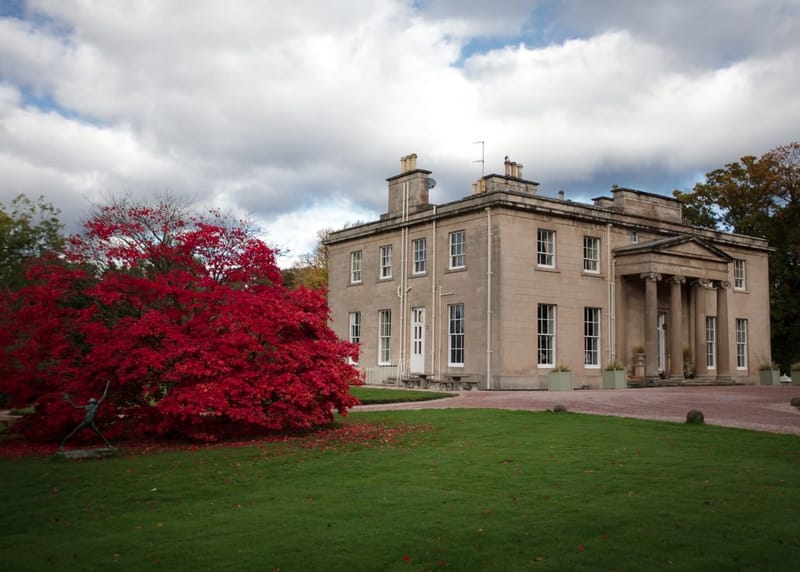
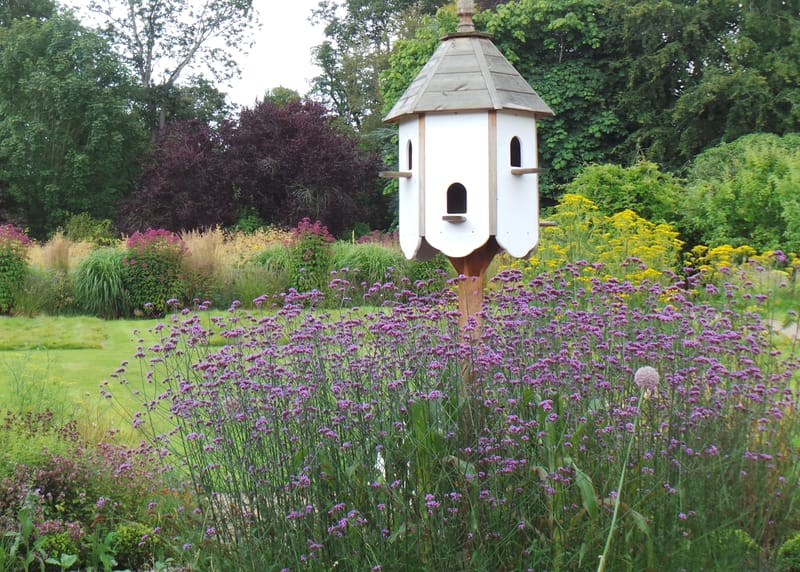
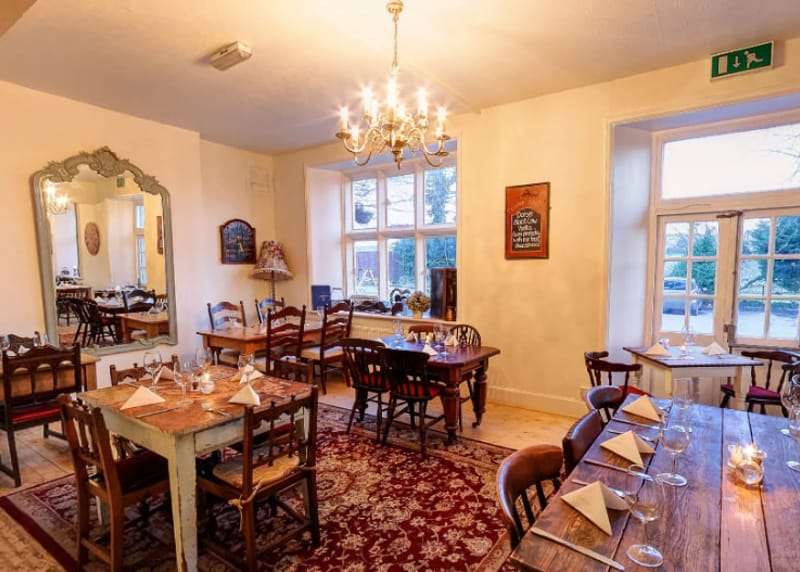
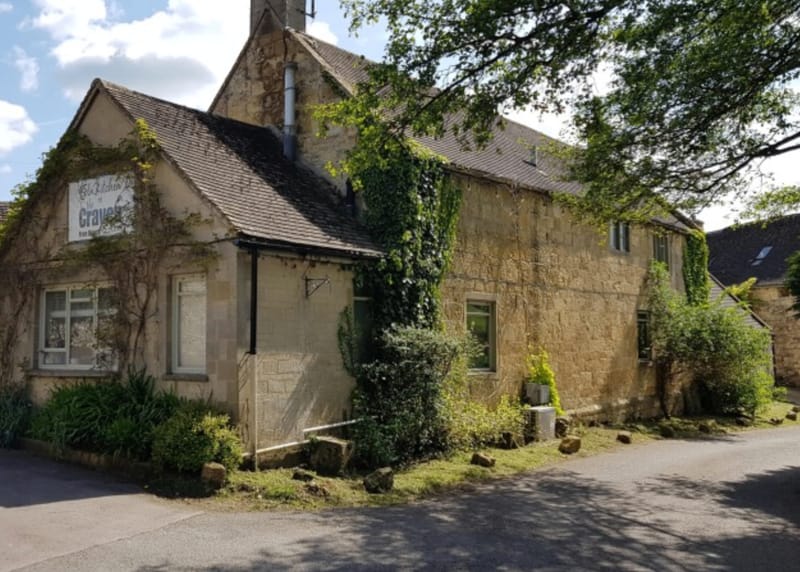
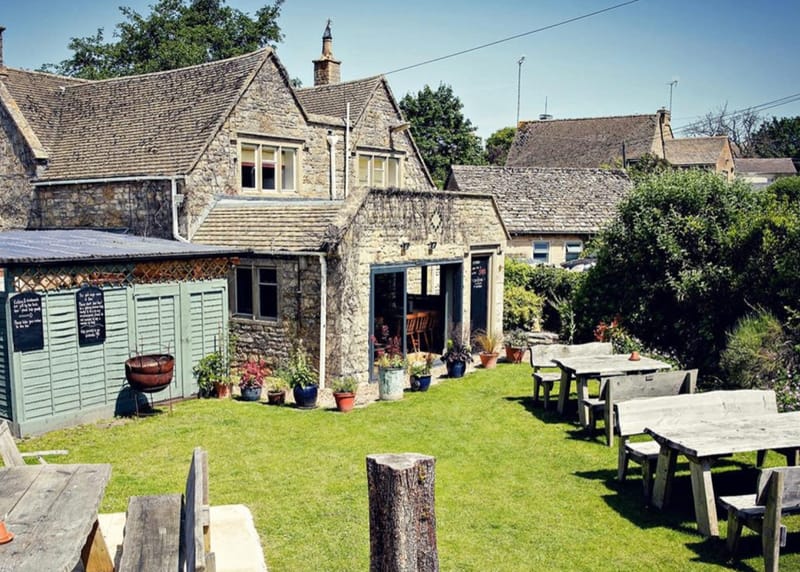
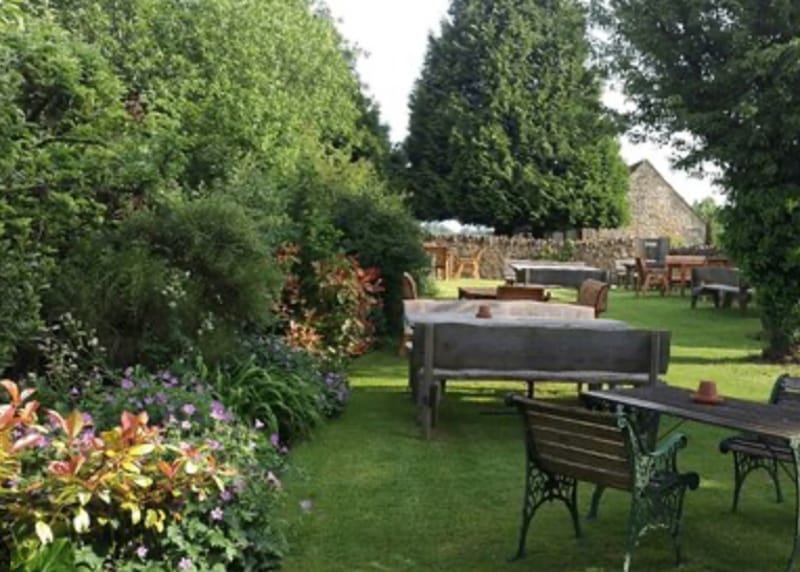

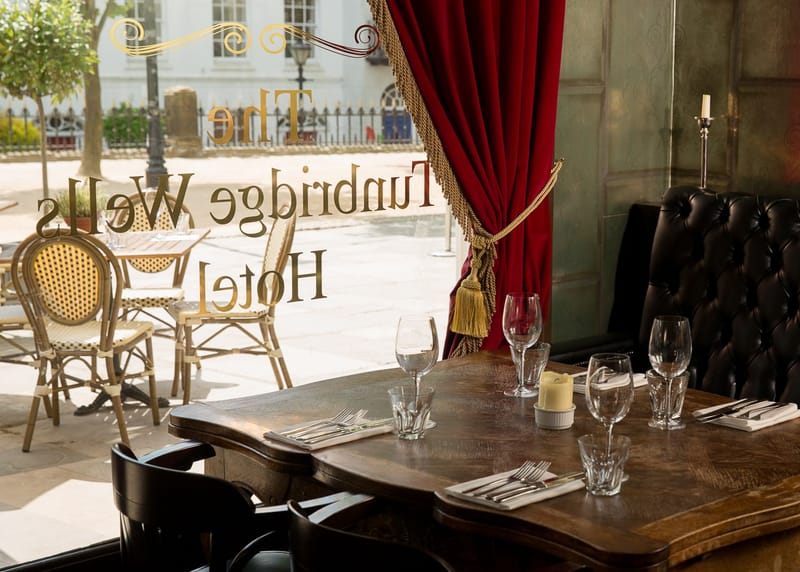
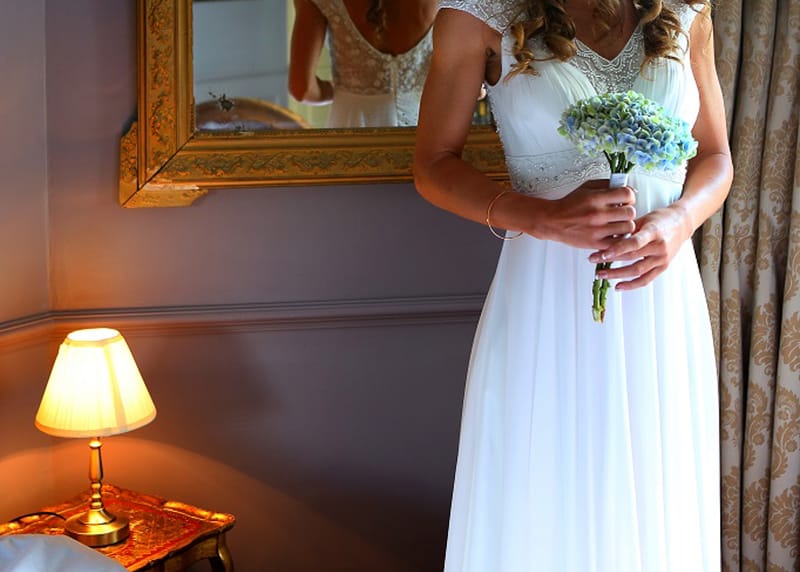
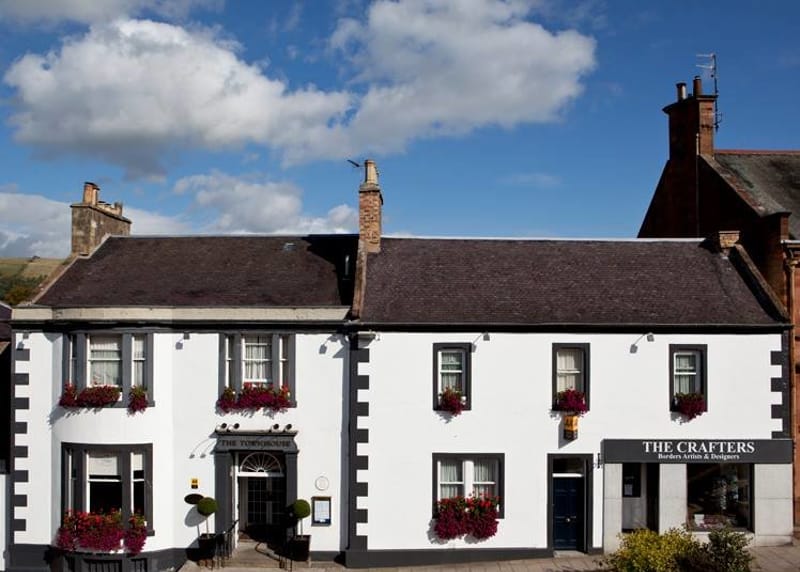
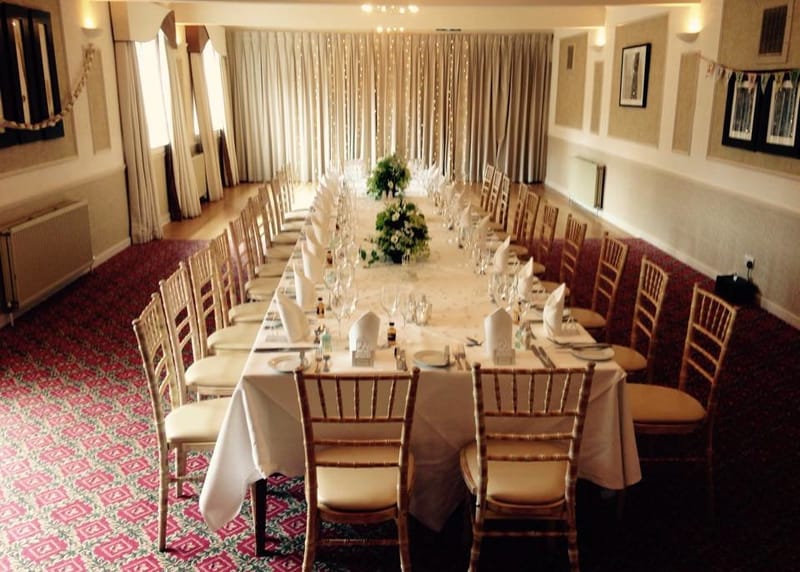
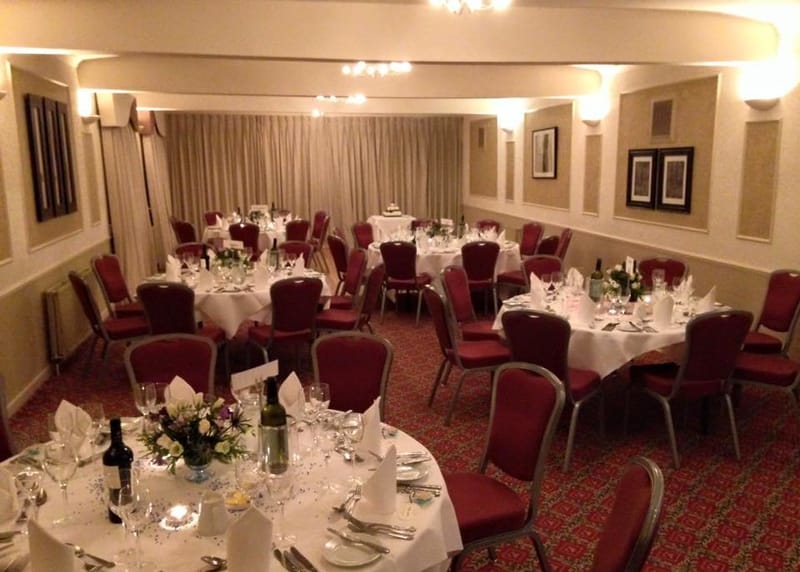
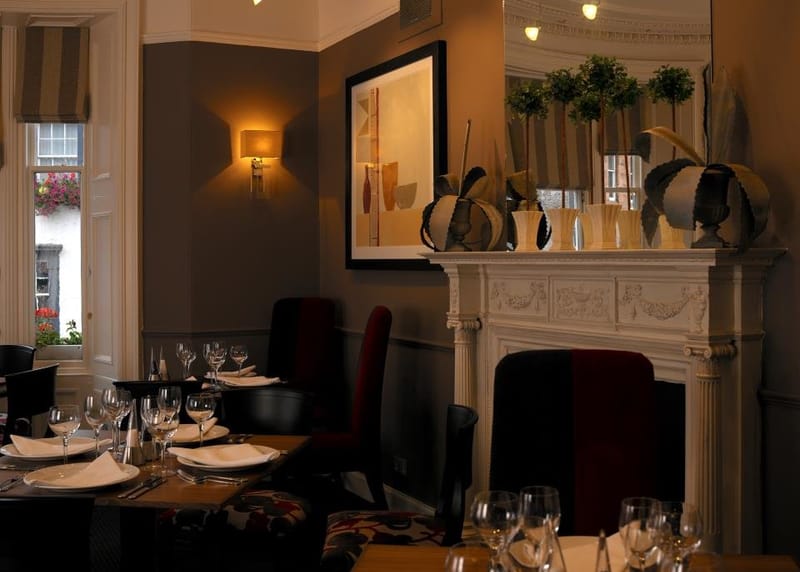
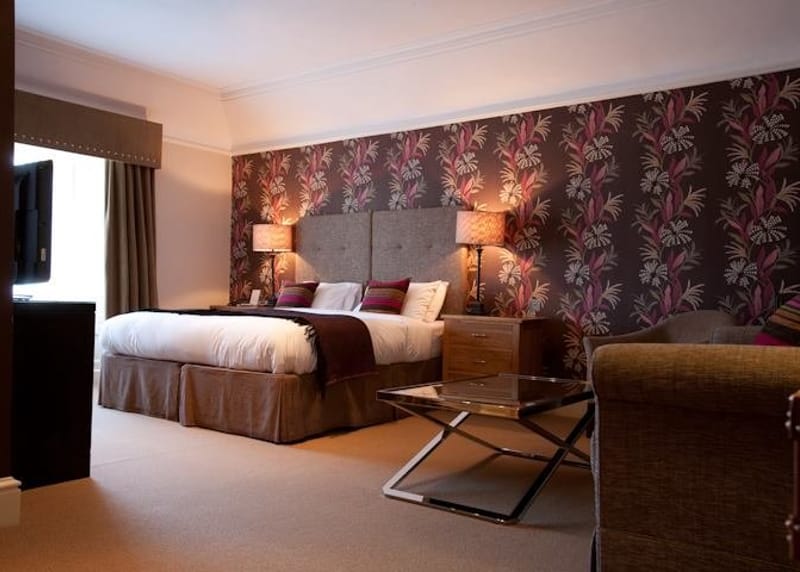
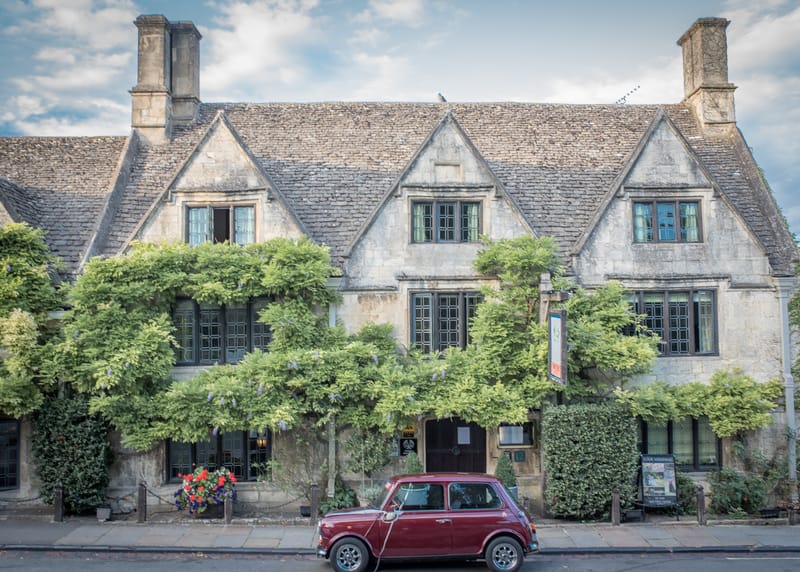
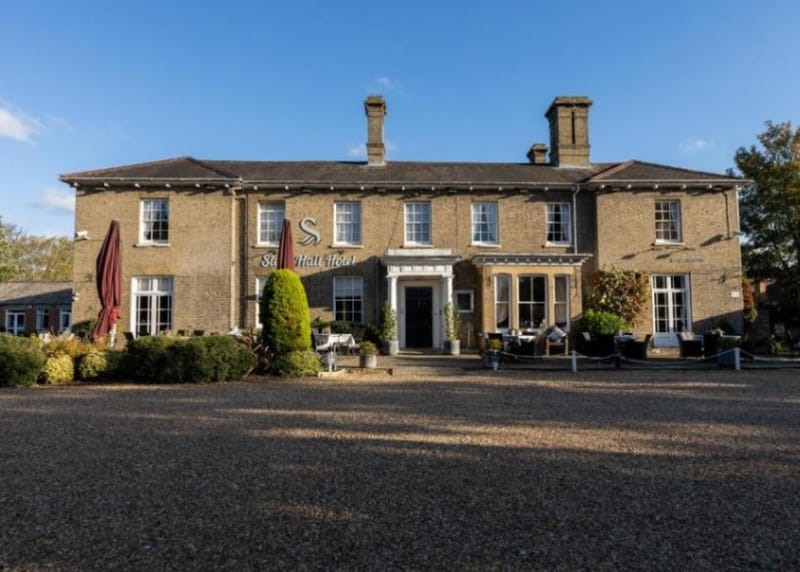
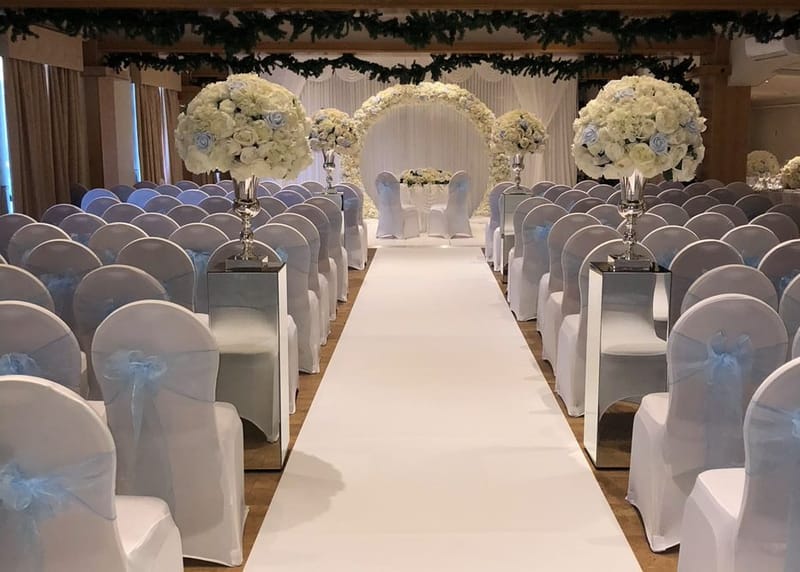
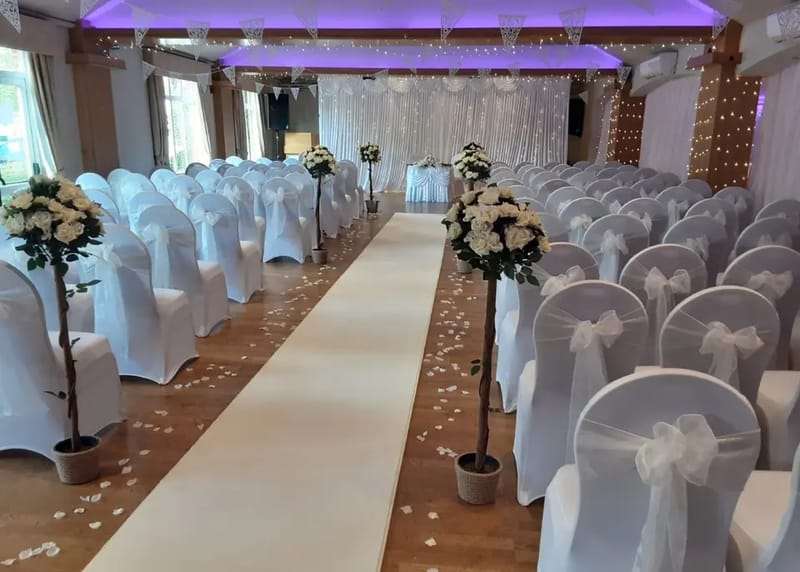
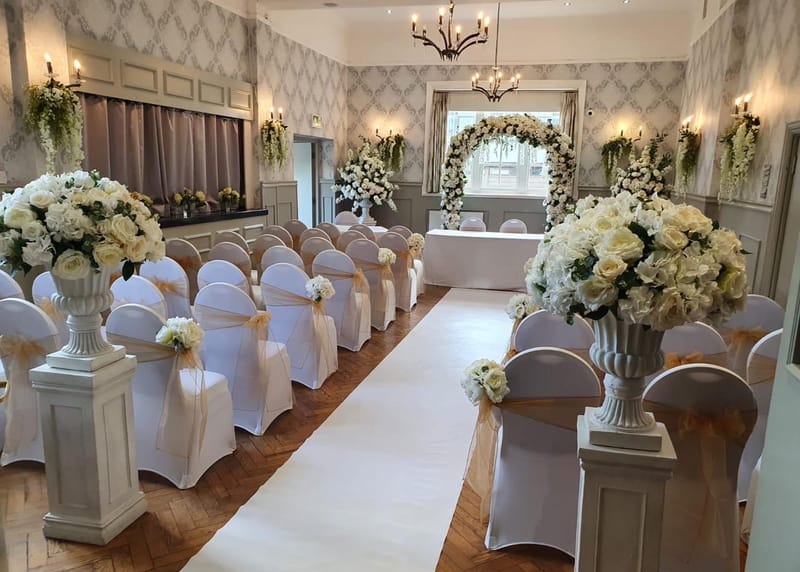
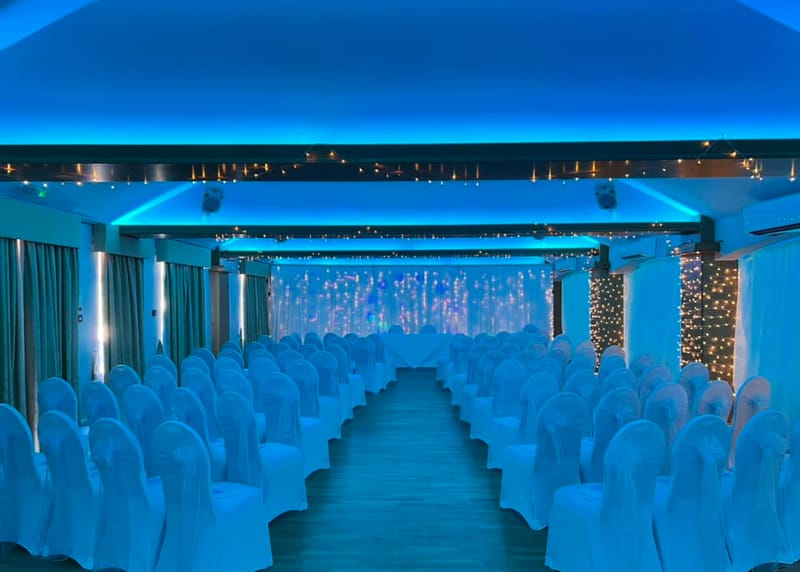
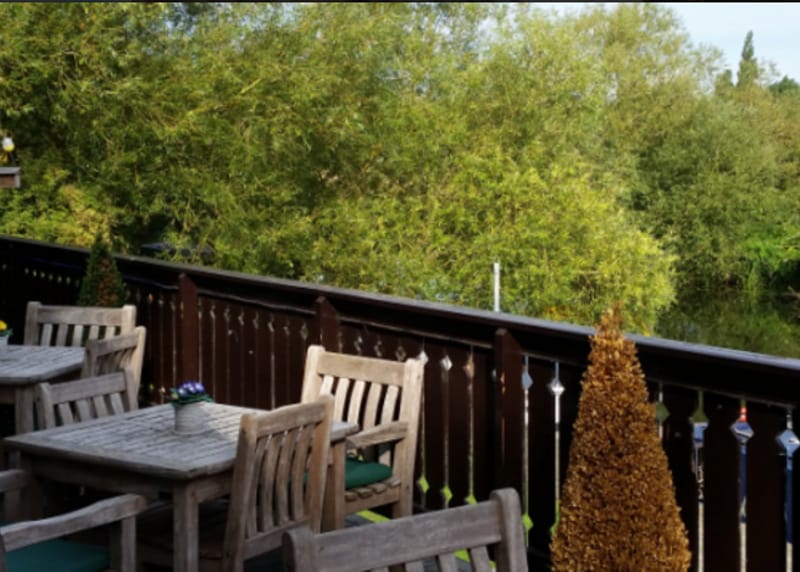
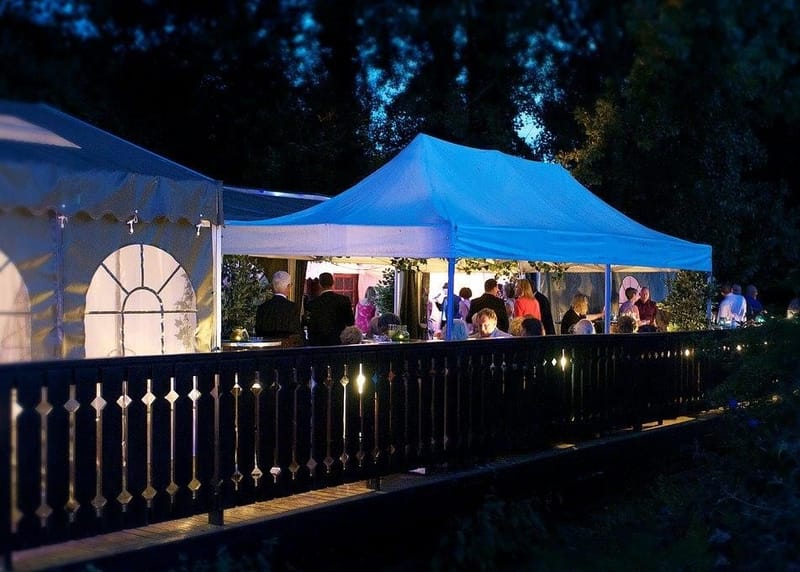
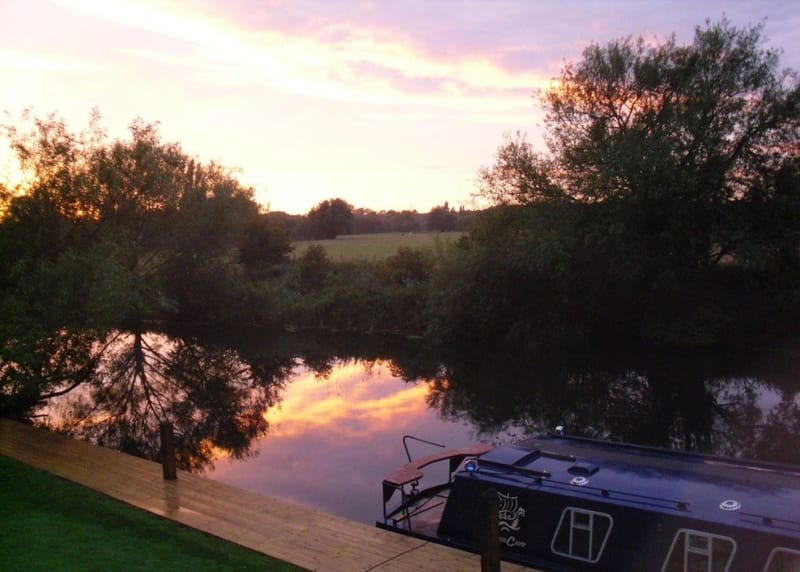


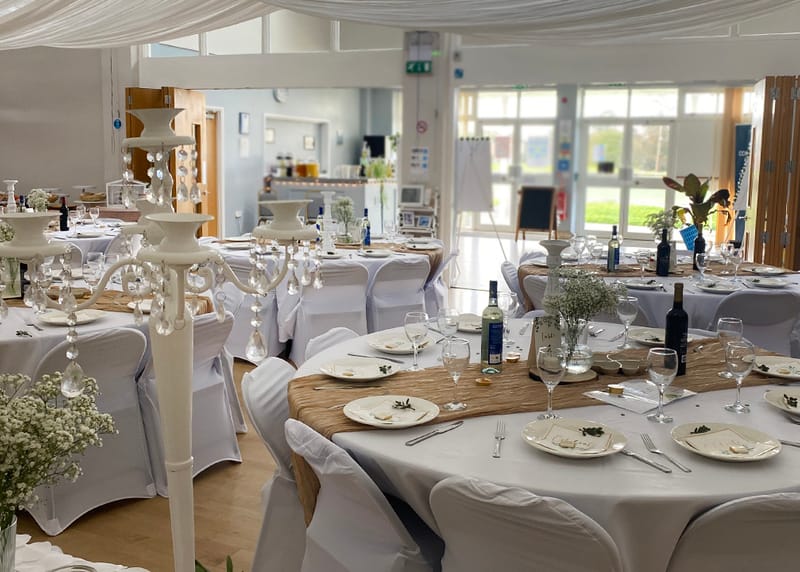
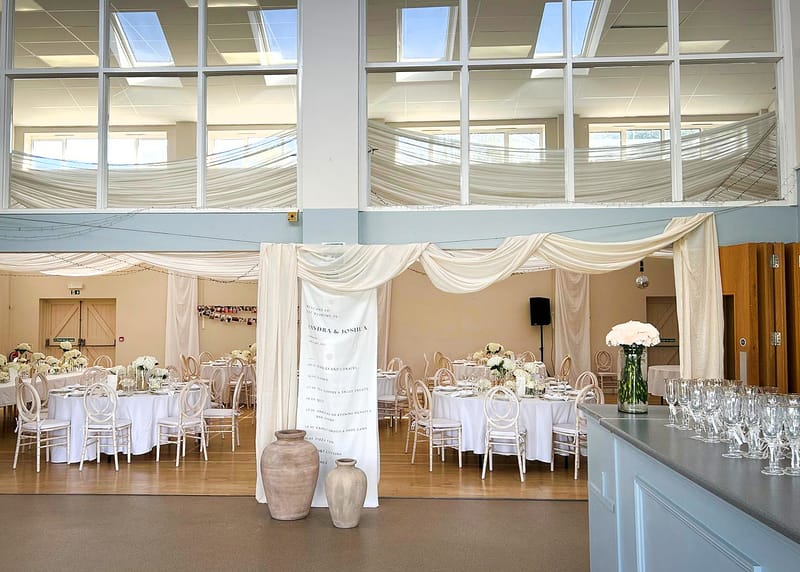
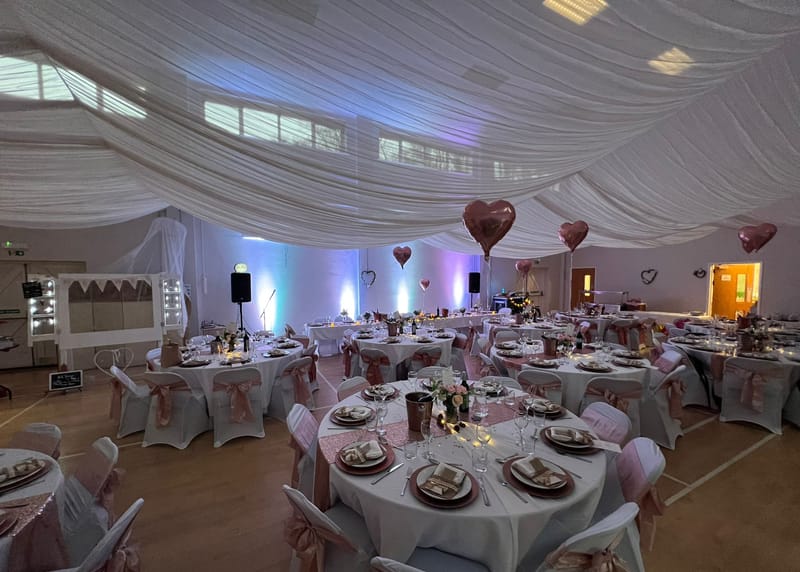
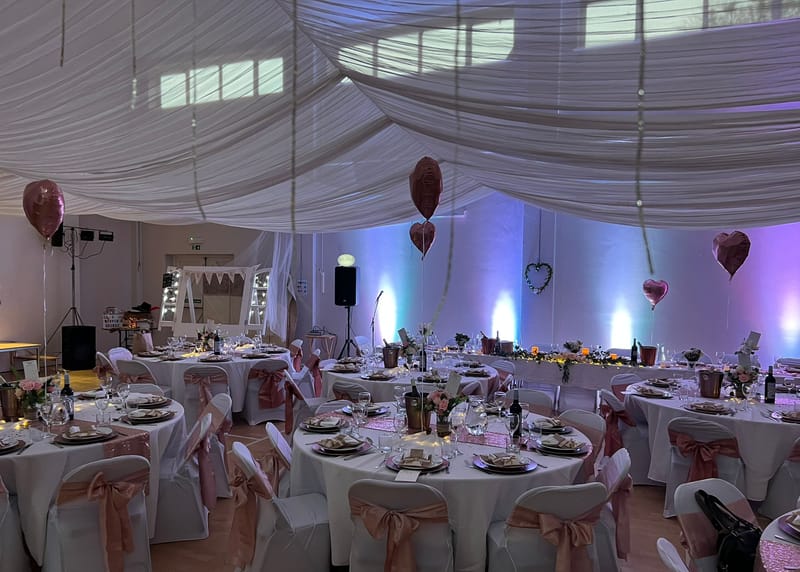
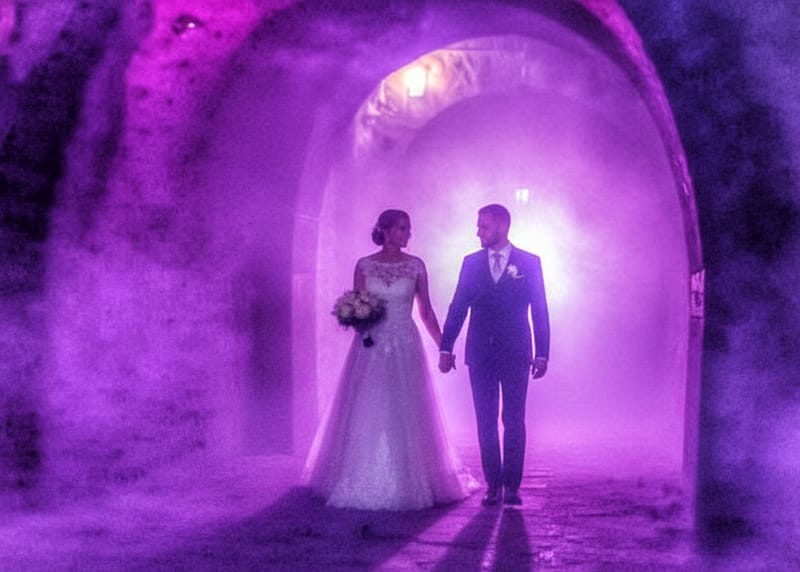
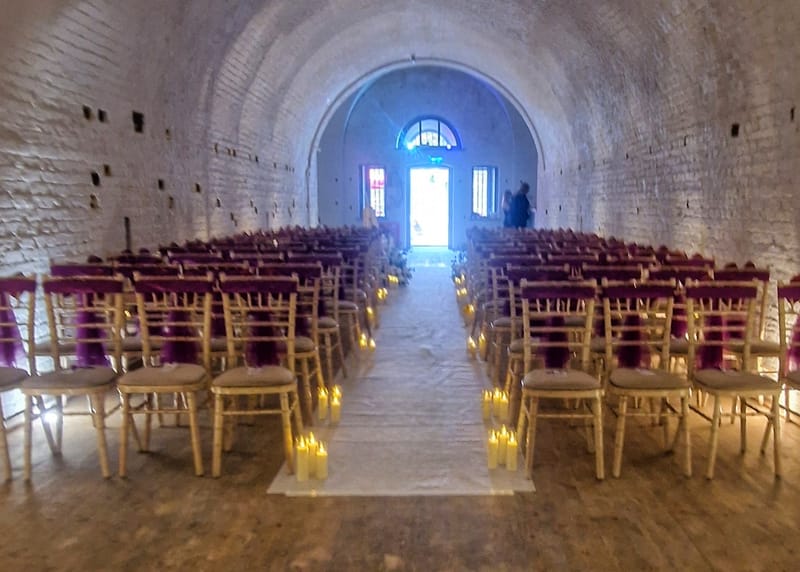
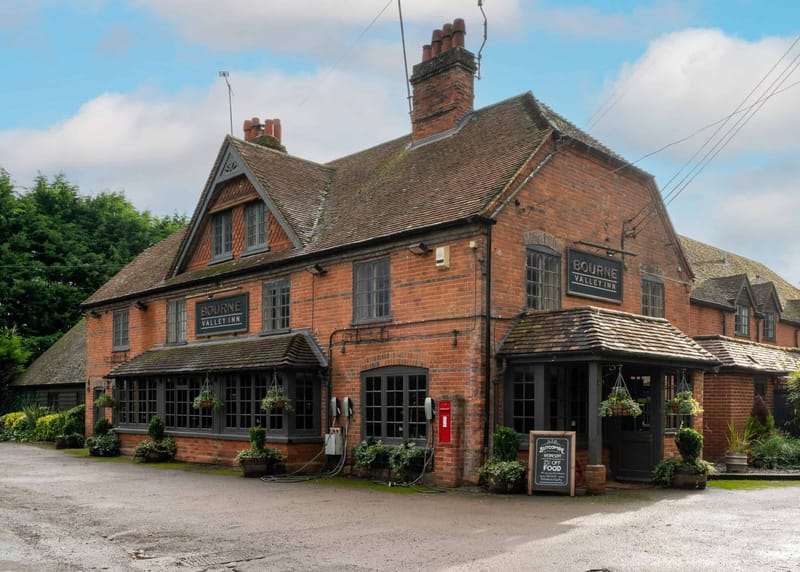
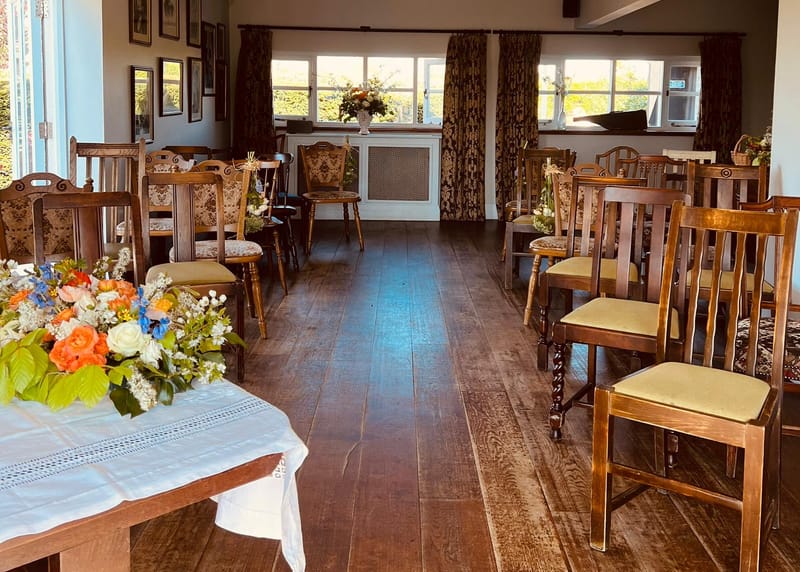
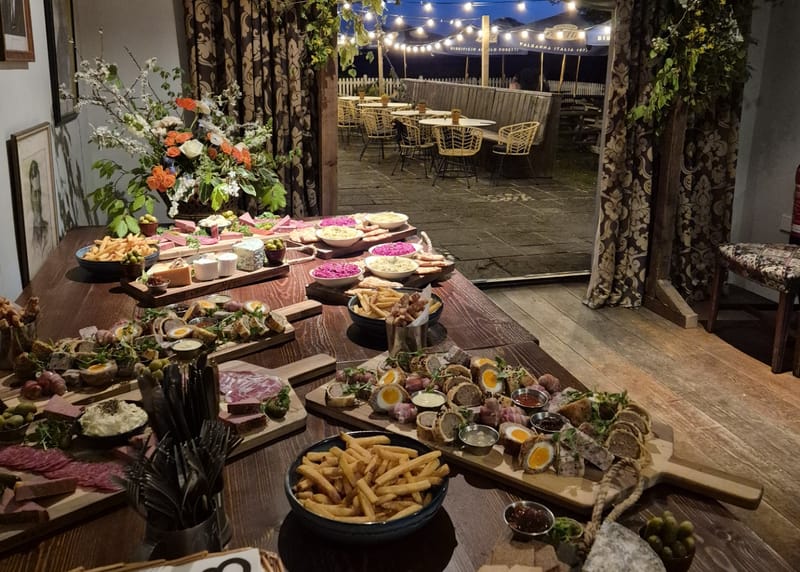
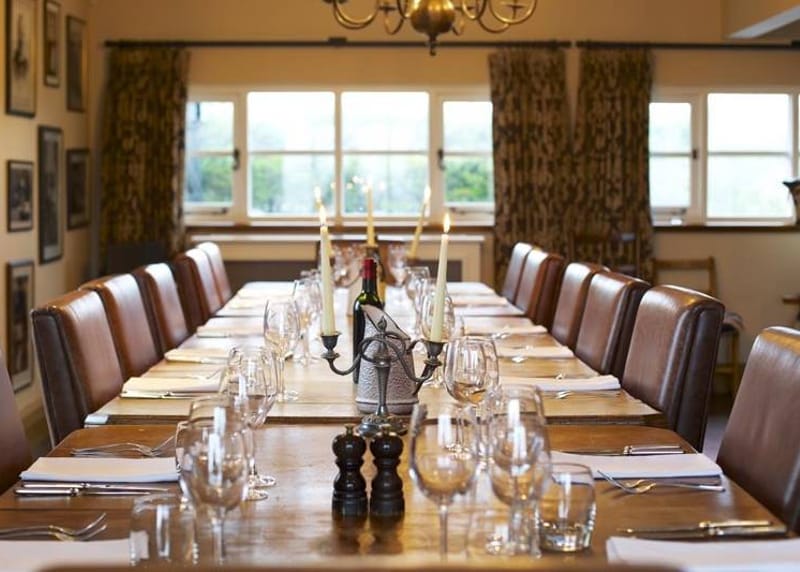

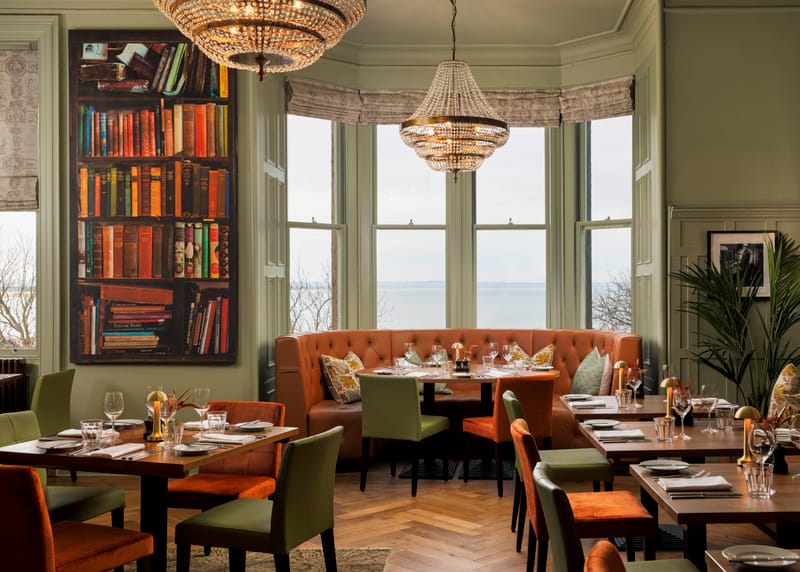
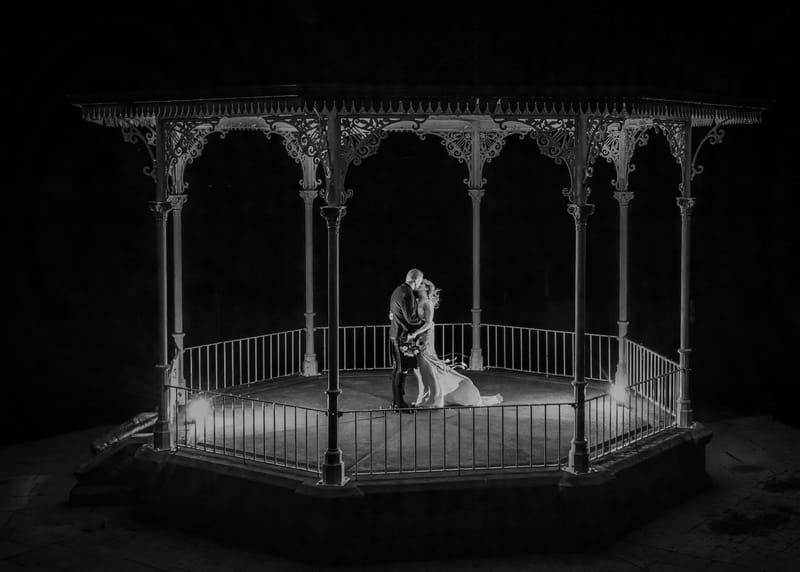
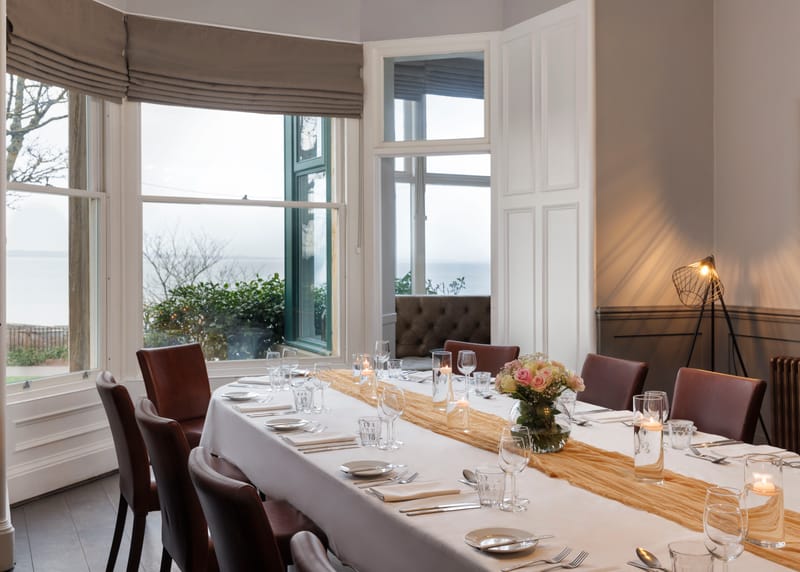
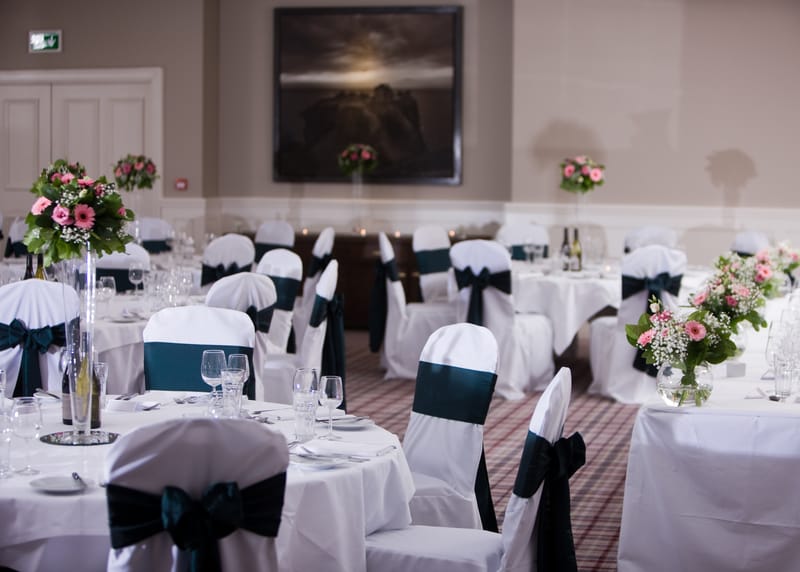
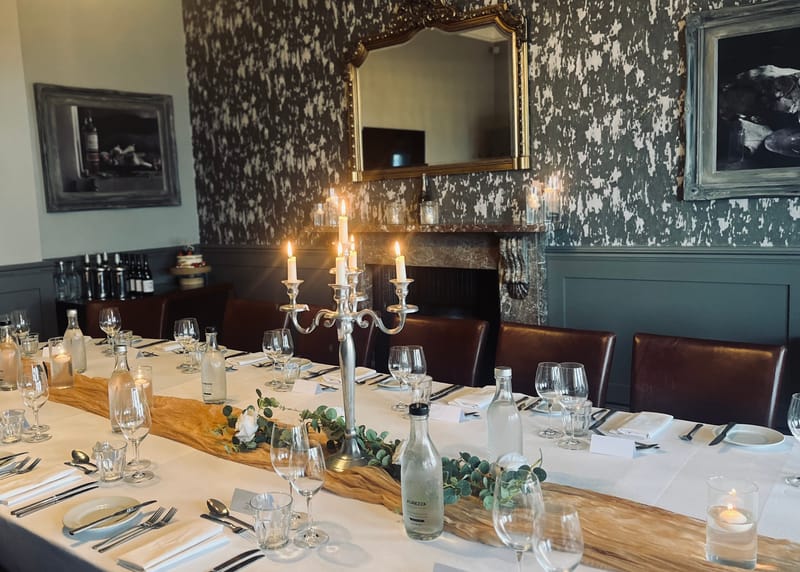
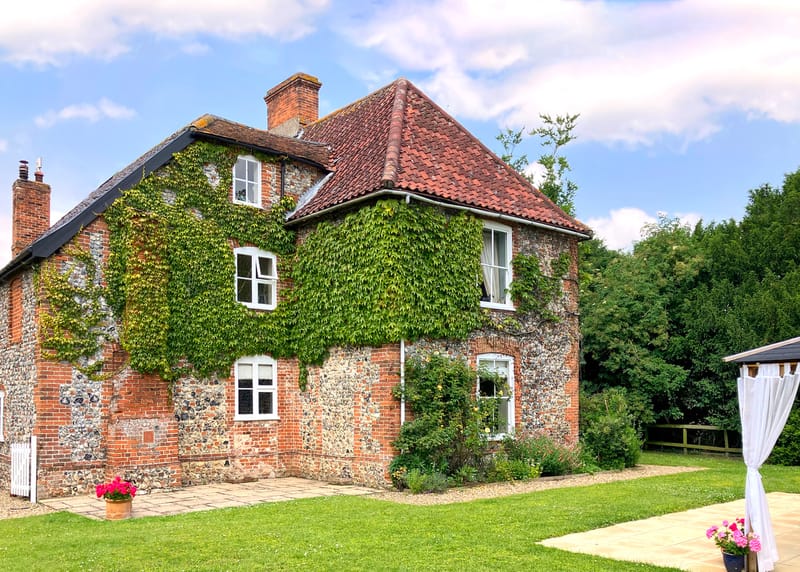
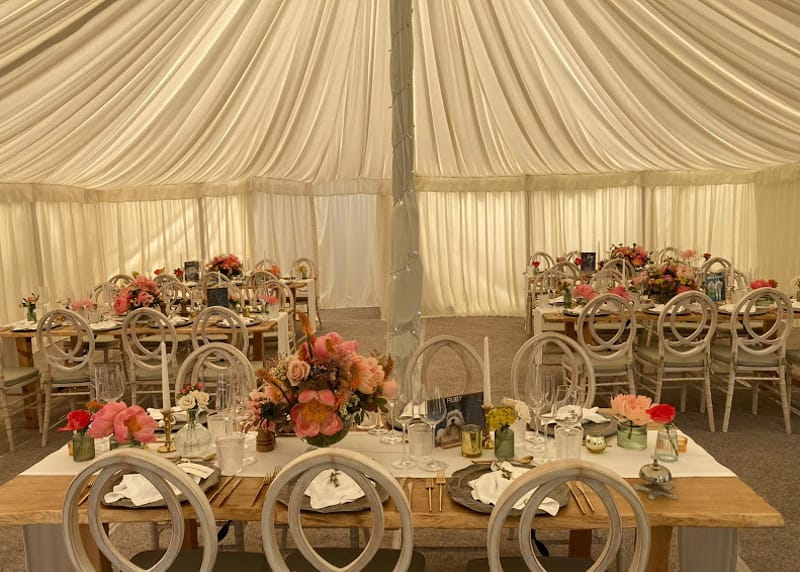
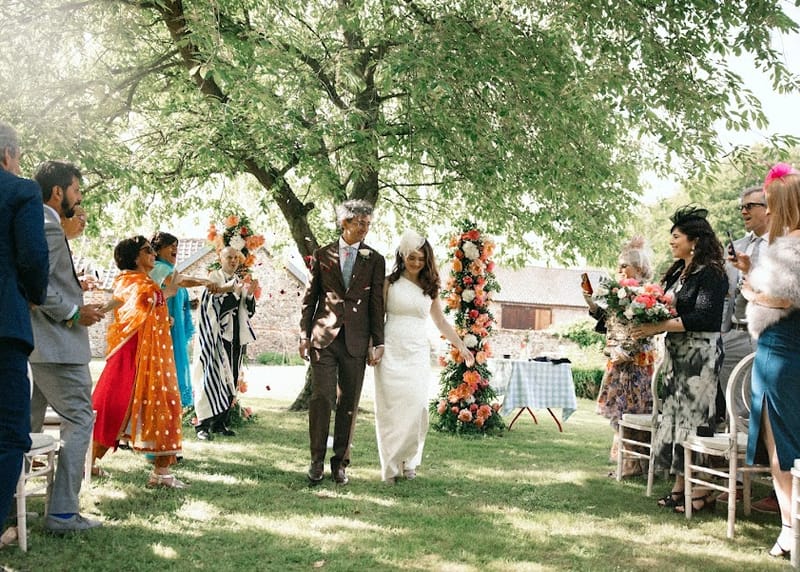
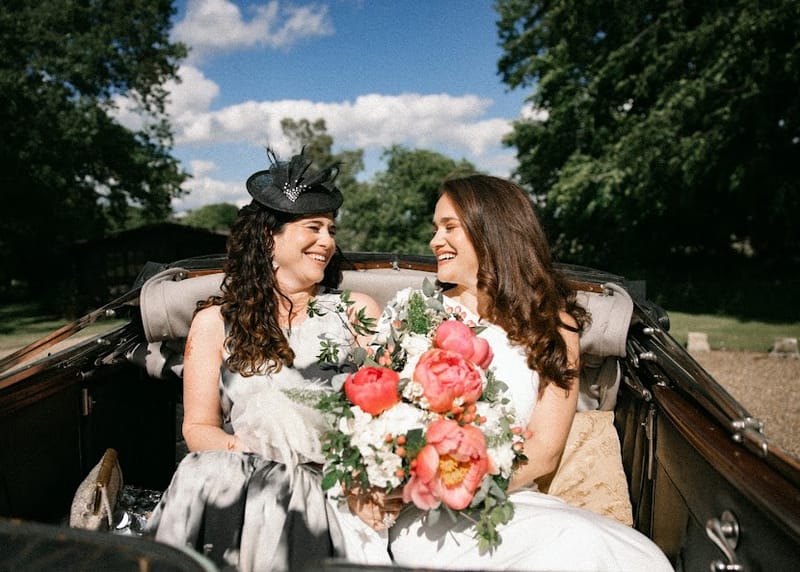
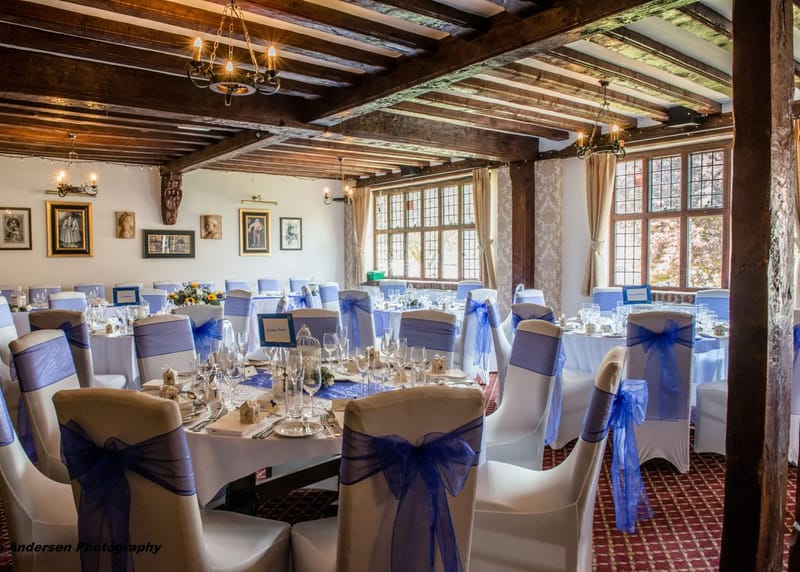
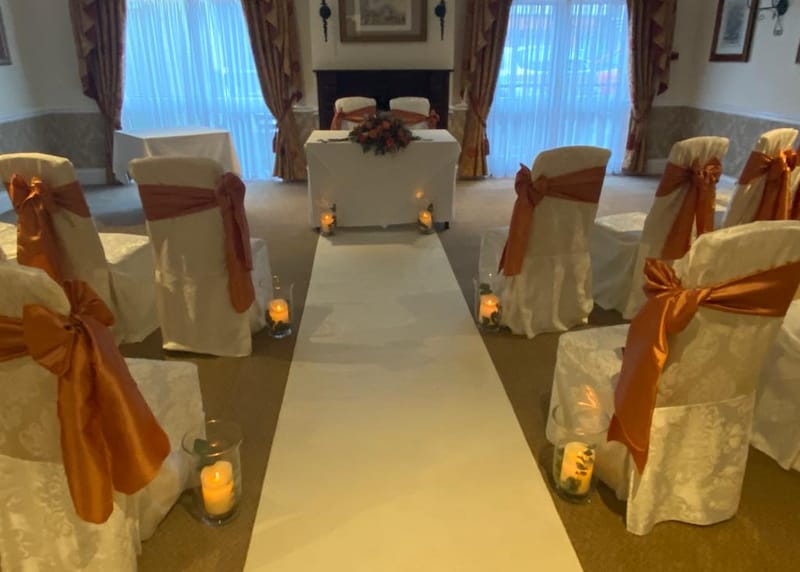
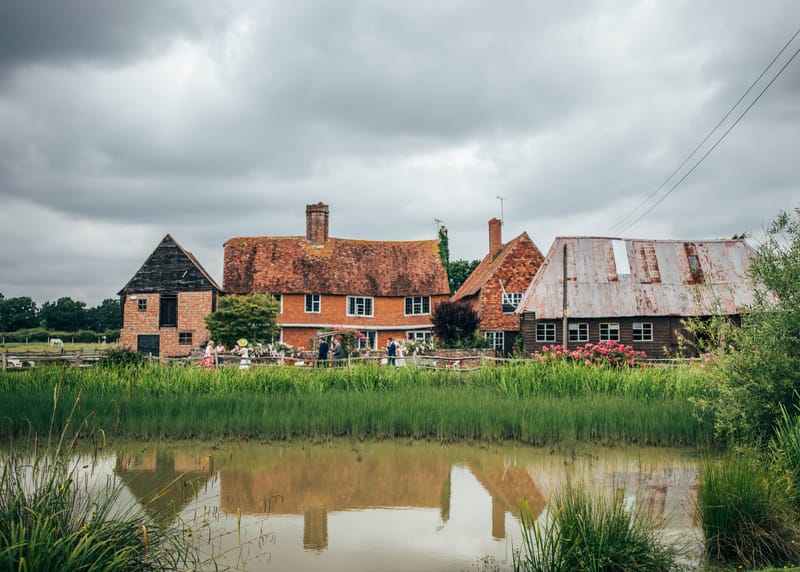
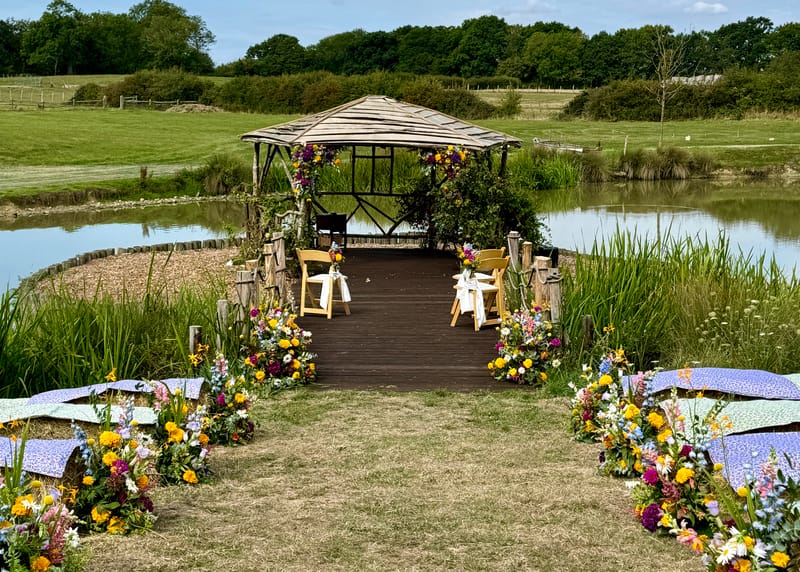
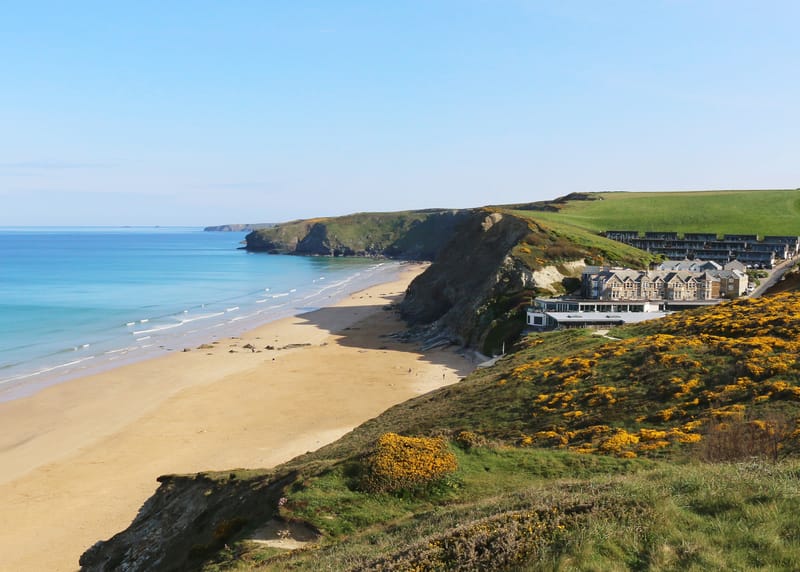

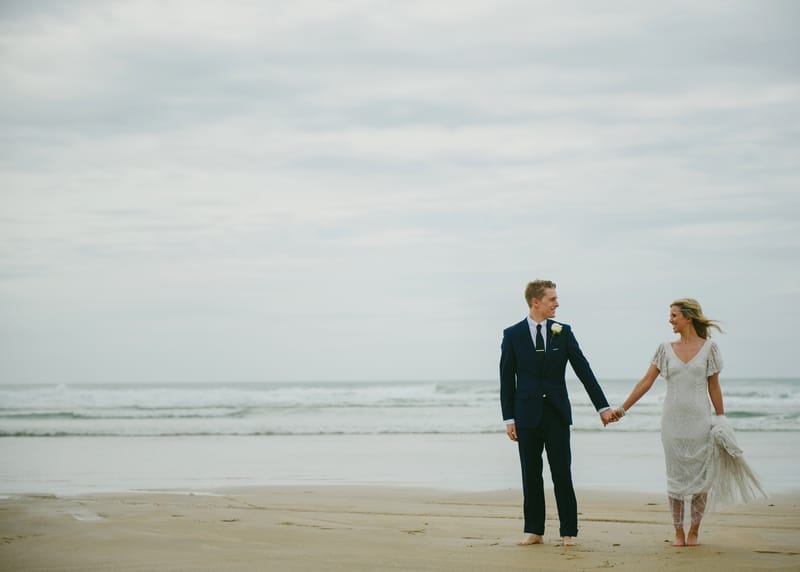
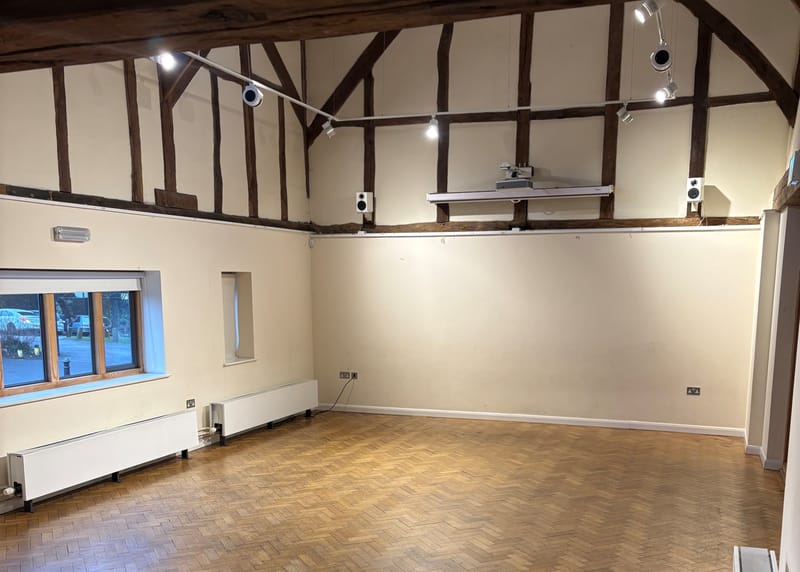
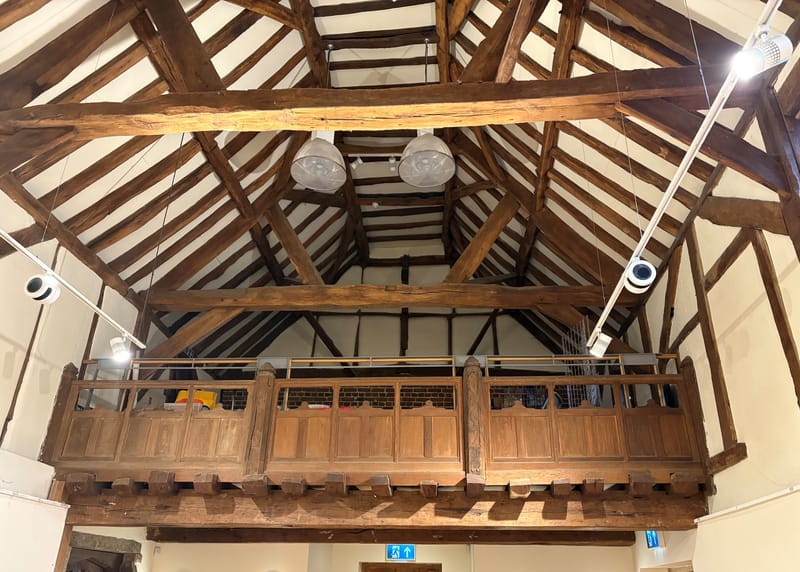
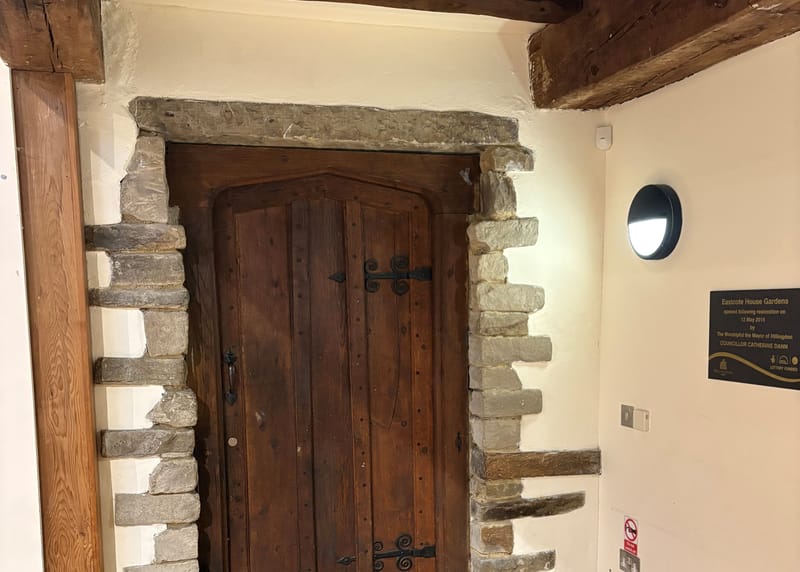
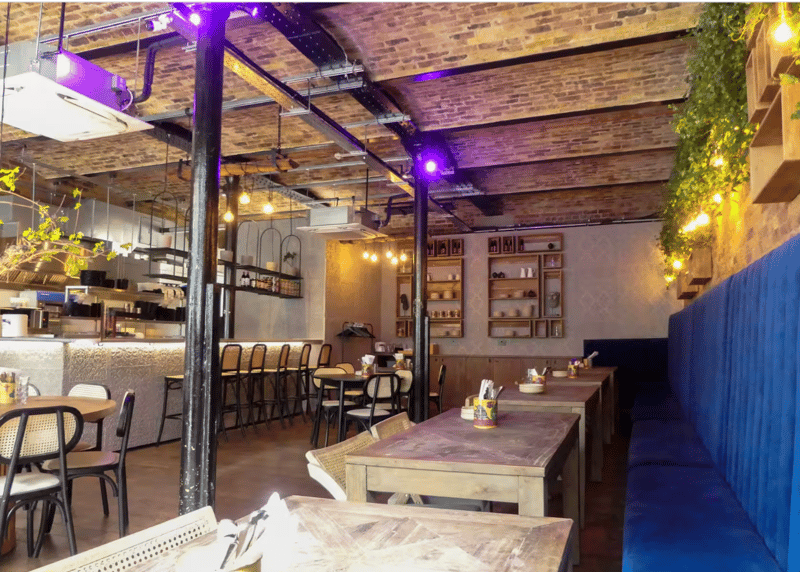
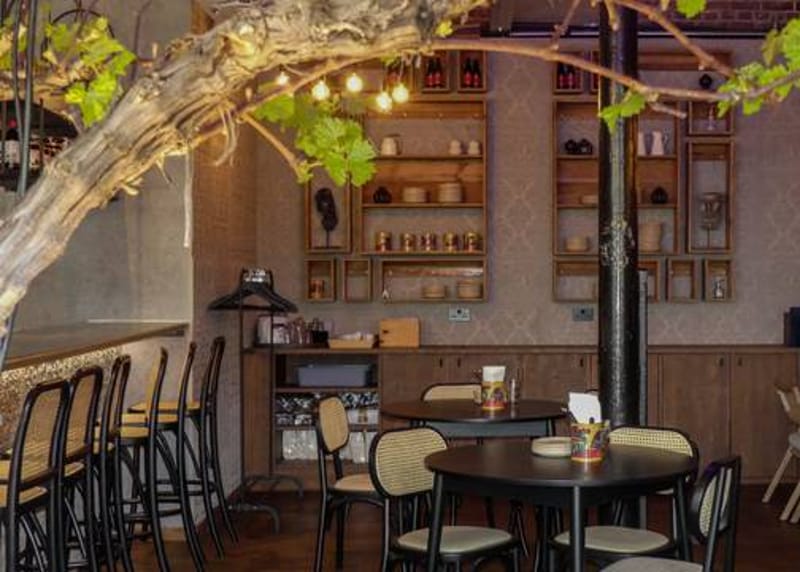
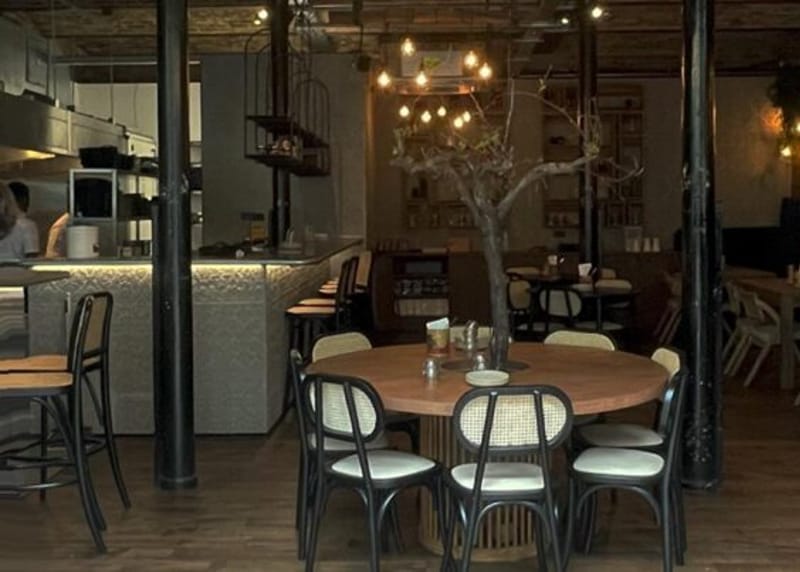
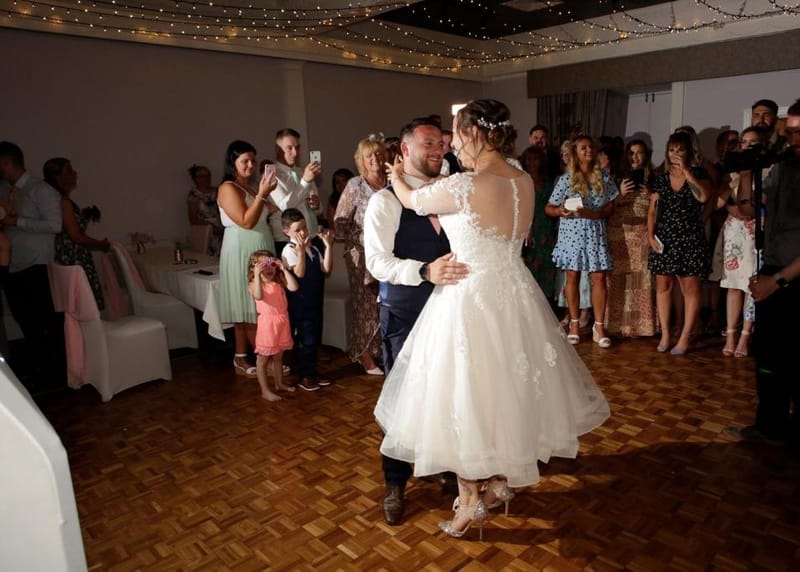
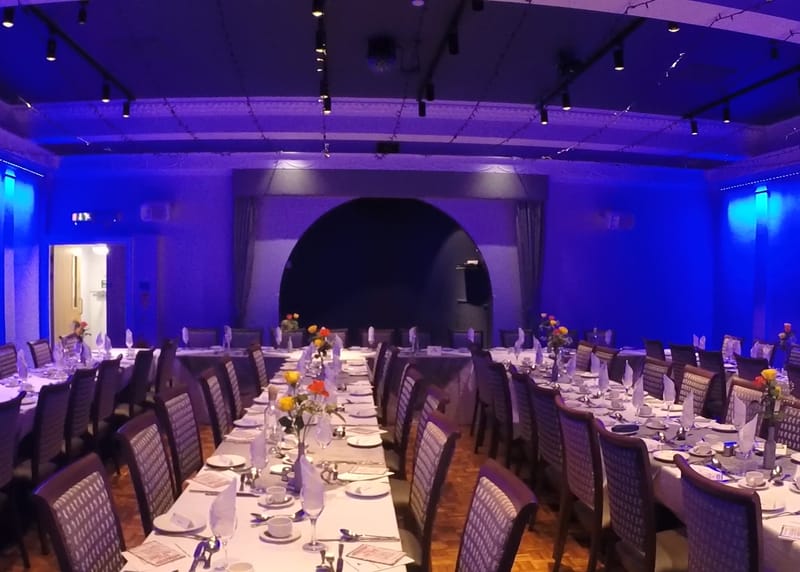
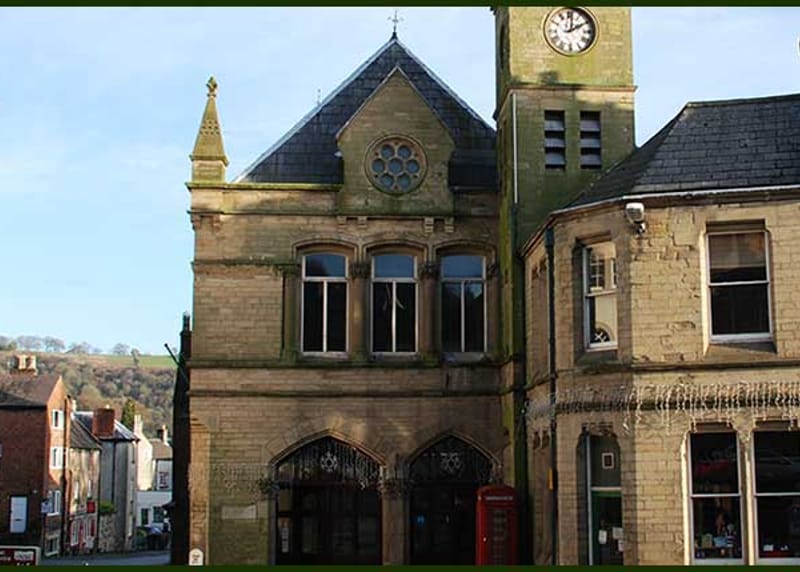
More couples across the UK are choosing small and intimate wedding venues over big guest lists, swapping a long top table for a room full of the people who matter most. Whether that means twenty close family members in a private dining room or fifty friends in a walled garden,small wedding venues and intimate wedding venues in the UK give couples exclusive use, a personal atmosphere and far more flexibility over suppliers, catering and timings than a full-scale ballroom ever could.
This guide covers everything you need to know about choosing an intimate venue, from micro-weddings of under twenty guests through to small weddings for up to eighty, along with realistic costs and the venue types that work best for a smaller day. You'll find options everywhere from coastal Cornwall and the Scottish coastline to countryside estates in Yorkshire and the Cotswolds, city hotels in London and Edinburgh, and everywhere in between.
The terms get used loosely, but most UK couples split this kind of celebration into three rough bands: a micro wedding for around ten to twenty guests, a small wedding for around twenty to thirty, and an intimate wedding for anything up to fifty. The right venue can look quite different at each end of that range, so it helps to have a rough number in mind before you start viewing, whether that means exclusive use of a private dining room or a full sit-down celebration with speeches and dancing.
Guest numbers at a glance:
That shift towards smaller weddings is showing up in the numbers too. Across the UK, 41% of wedding receptions now have under 60 guests, up from 32% the year before, and the average reception still runs to around 80 guests, so choosing something smaller puts couples in good company rather than out on a limb.
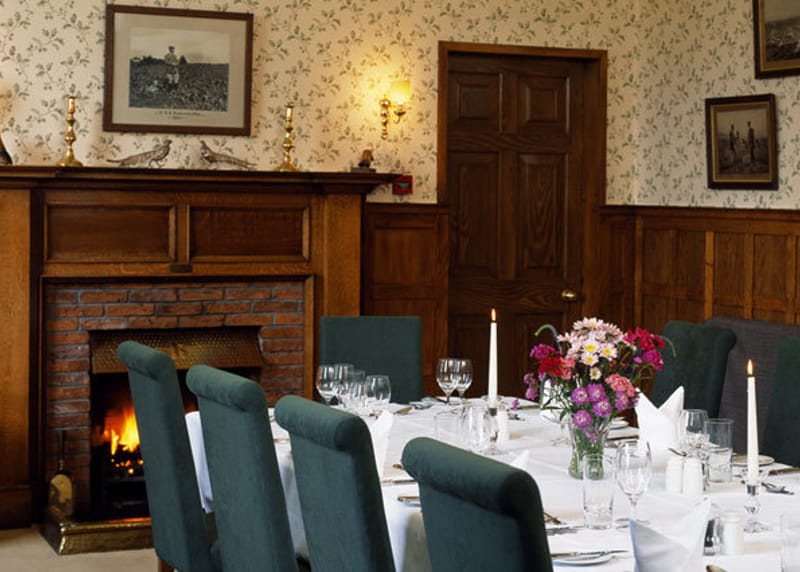
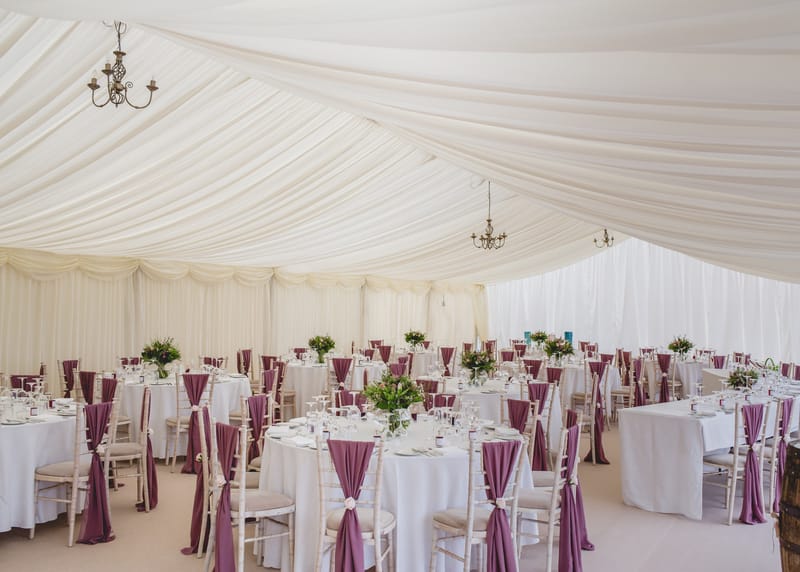
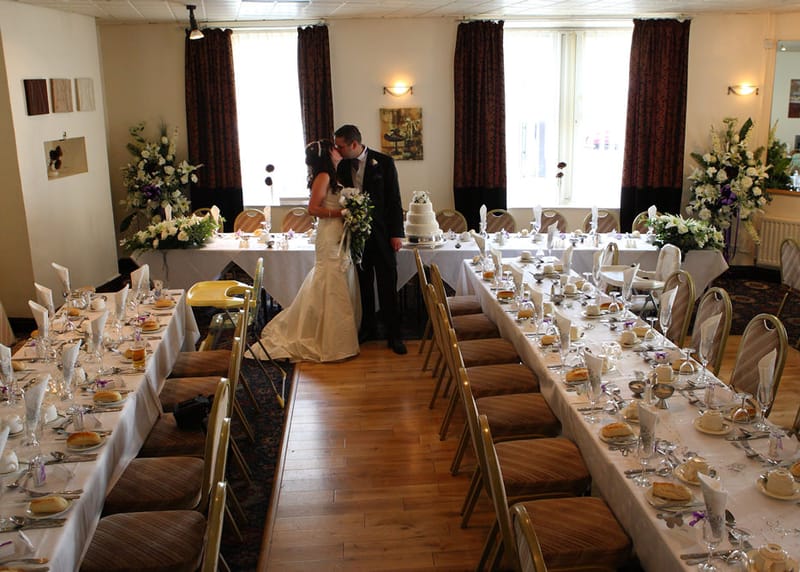
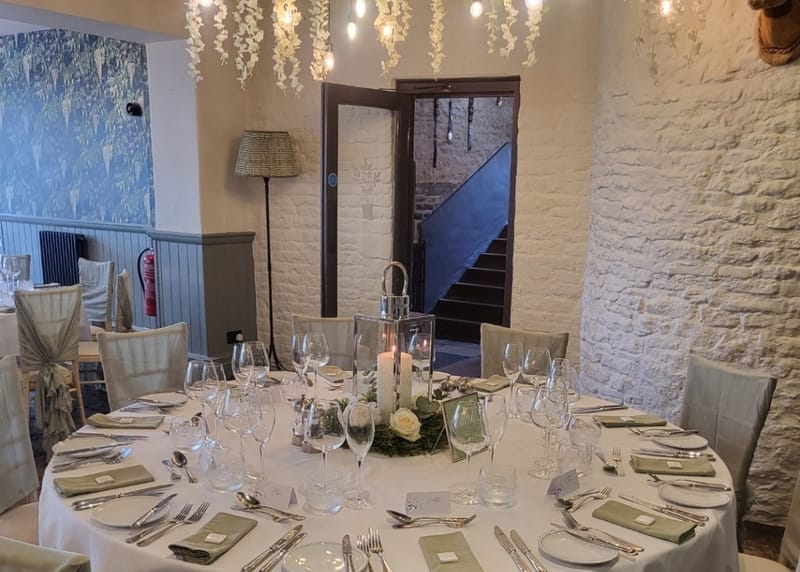
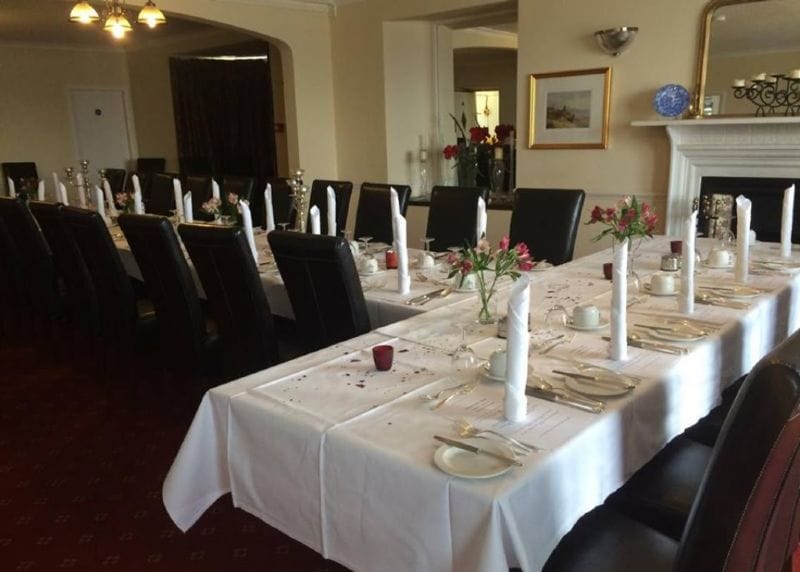
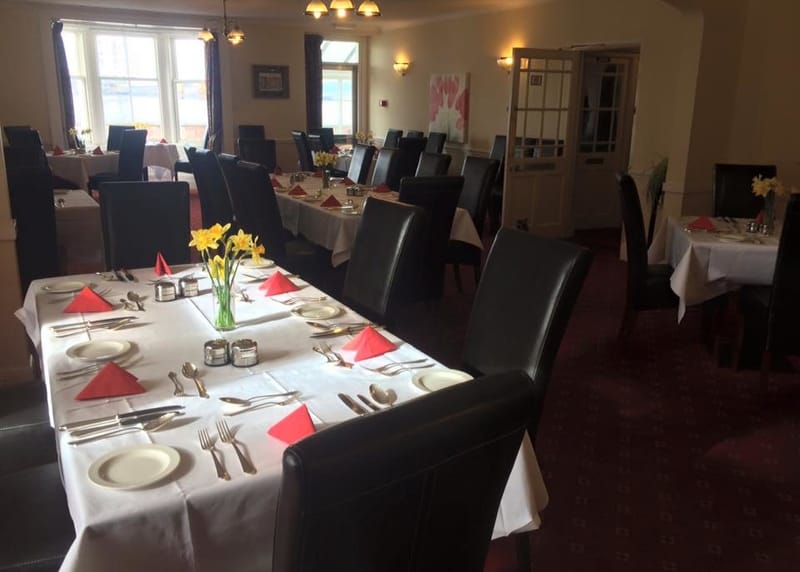
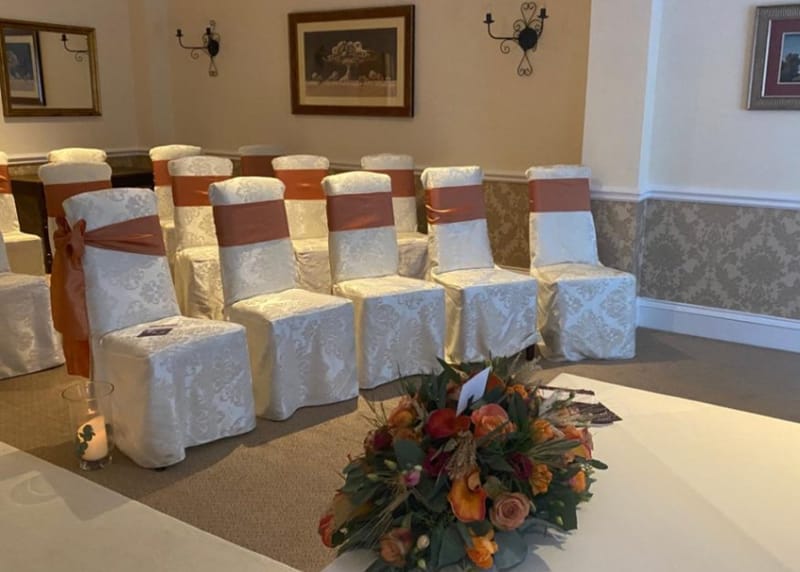
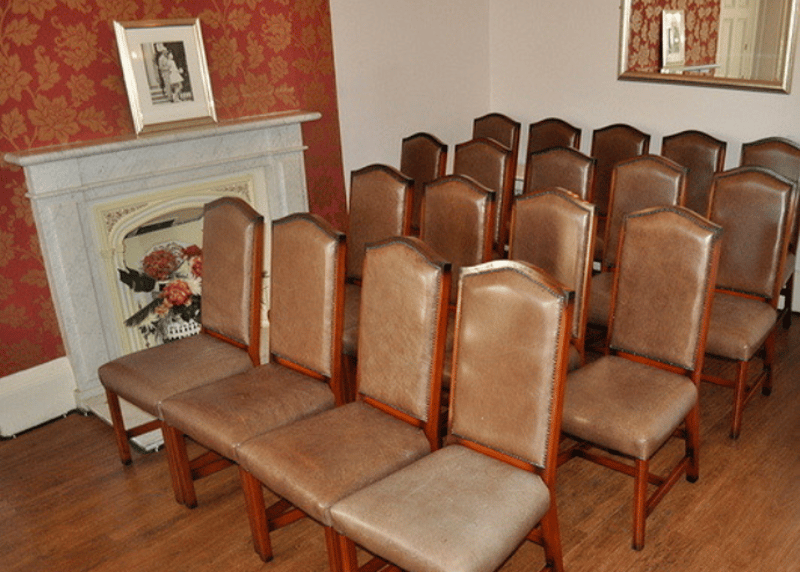
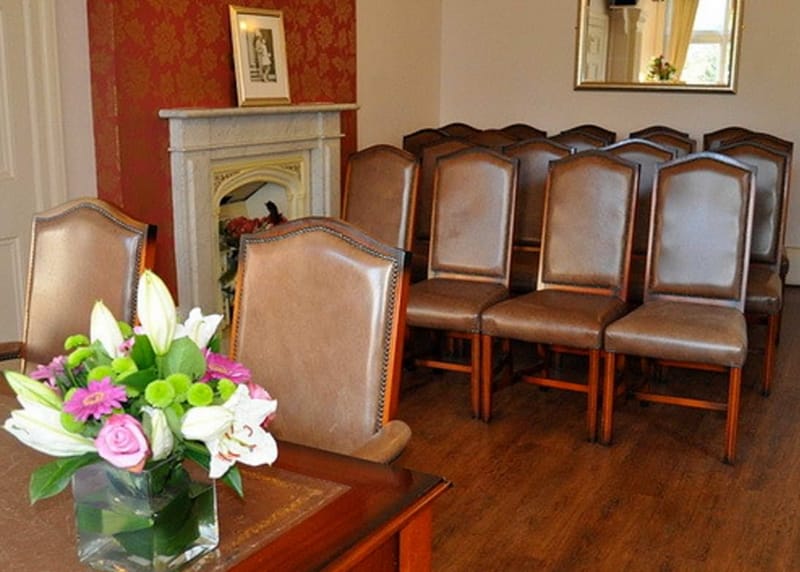
When you're comparing intimate wedding venues in the UK, look beyond guest capacity alone. A private dining room built for twenty will nearly always feel warmer for a small wedding than a large hall with the extra tables cleared away, so it's worth checking the checklist further down this page before you book any viewings.
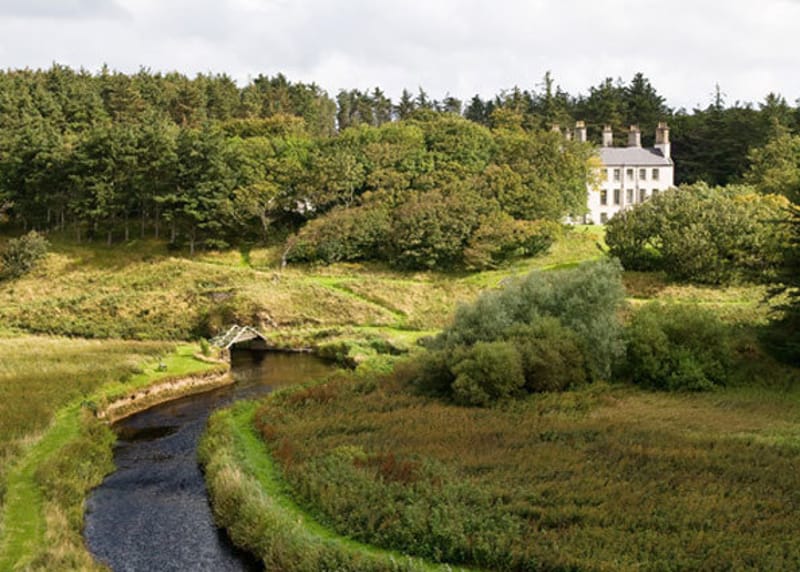
Intimate venues exist in every corner of the country: couples drawn to the coast often look at Cornwall or the Scottish coastline, while those after rolling countryside head for the Cotswolds or the Yorkshire Dales, and city-based couples gravitate towards London or Edinburgh for an urban backdrop. You'll find a full regional breakdown further down this page, or you can browse wedding venues across the UK to start from scratch.
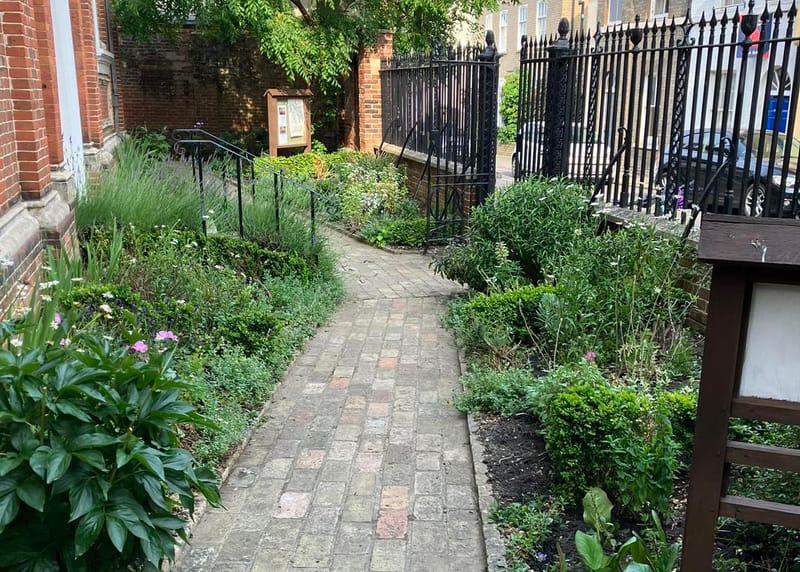
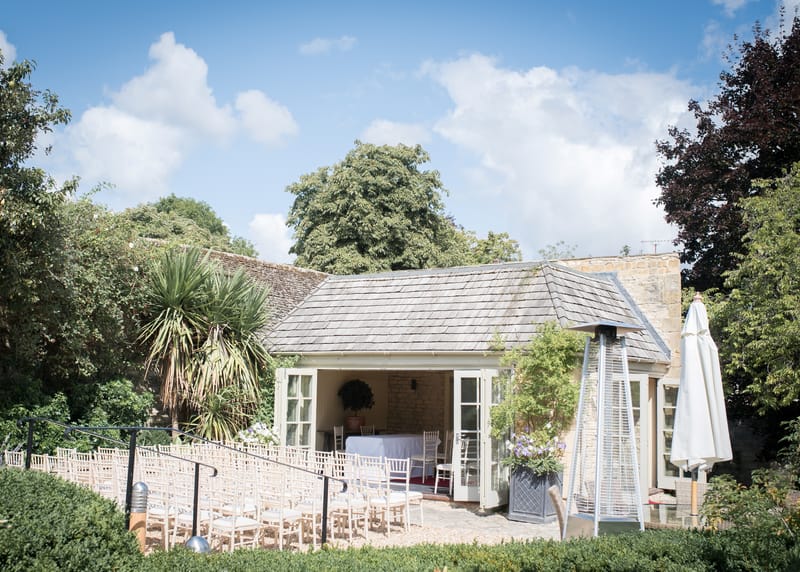
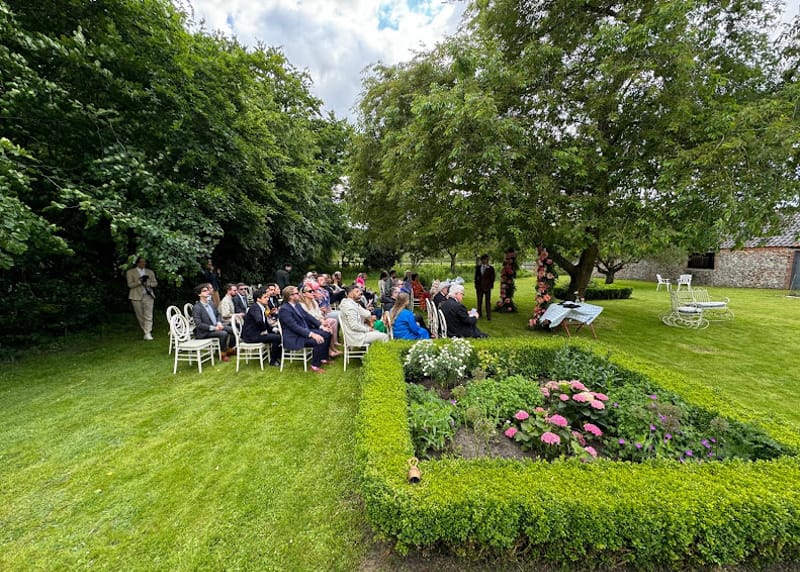
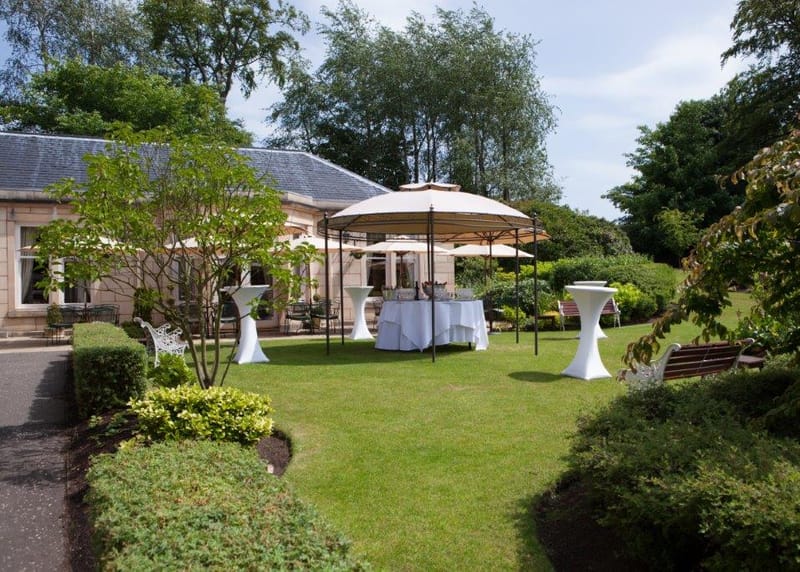
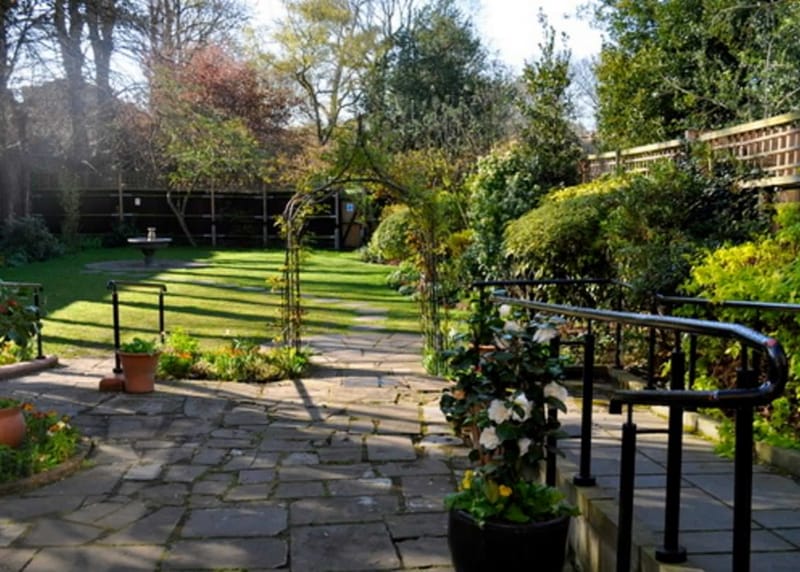
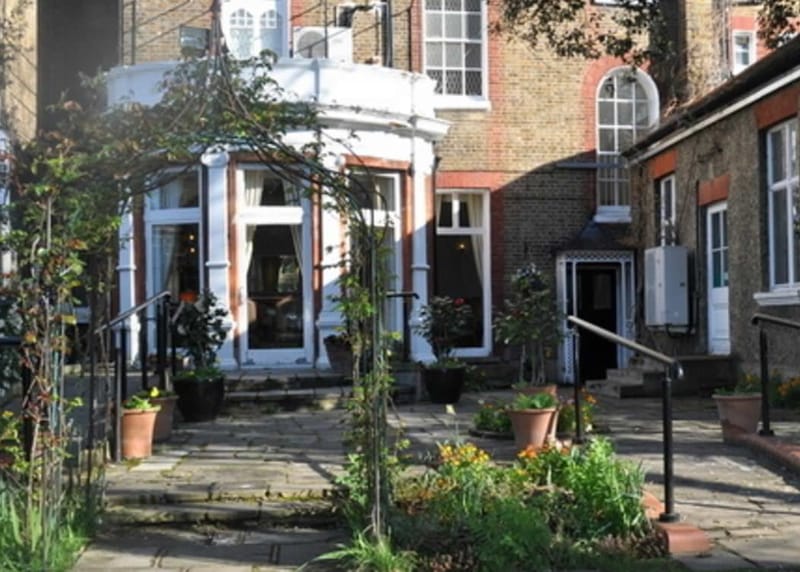
The venue types that suit a smaller guest list look quite different to those built for a hundred-plus wedding. Nearly half of all couples now consider an outdoor ceremony, which is part of why walled and private gardens have become such popular choices for a smaller day. Here's where else to start looking:
A micro-wedding usually means a guest list of around ten to twenty, and it's the fastest-growing shape of wedding in the UK. Some couples choose it to keep costs down, others simply want a day built entirely around the two of them and their closest family, without the logistics of a bigger guest list.
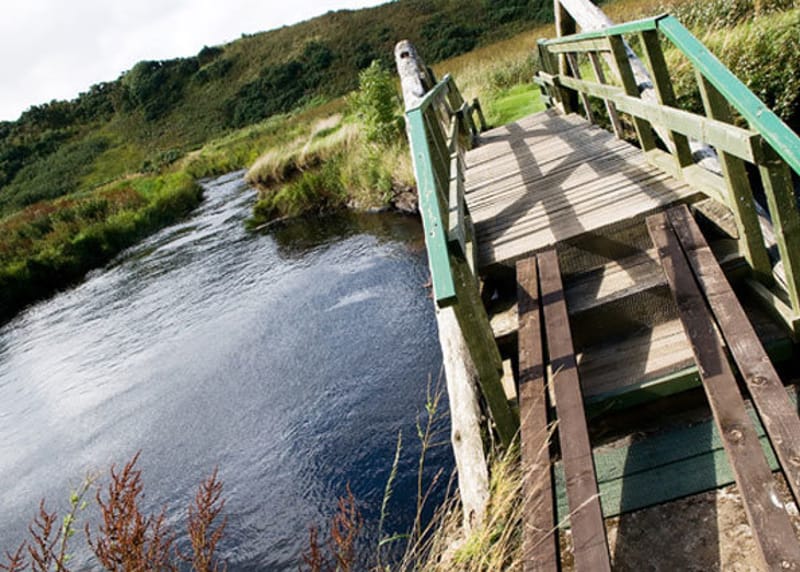
Legally, the requirements are the same whatever the size of your wedding: you need a registrar or authorised celebrant, and two witnesses. Beyond that, a micro-wedding can happen almost anywhere a venue will allow it, which is part of why bothies, private gardens and restaurant private hire have become so popular for this size of day.
For couples happy to move away from a Saturday date, choosing a micro-wedding can also make venue hire easier to book and cheaper to secure. Gen Z couples are already leading this trend, with 1 in 3 now marrying somewhere between Monday and Thursday. Many couples planning a micro-wedding also build in a bigger celebration later: a party for wider family and friends once the wedding itself is done.
If you already have a location in mind, browsing by region is the fastest way to narrow things down. Small and intimate venues are spread right across the UK, from countryside retreats to city-centre spaces, and availability tends to be better outside the most in-demand postcodes.
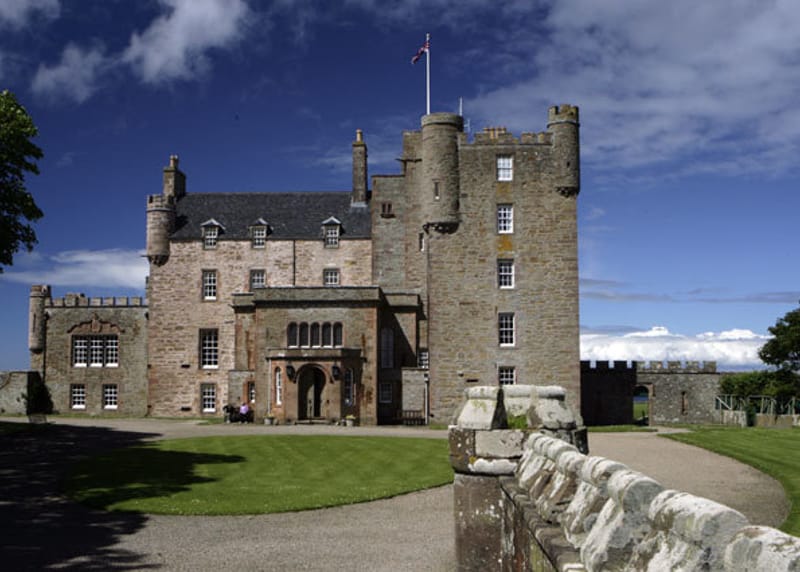
Scotland: Scotland, Edinburgh and GlasgowEdinburgh's Georgian townhouses and Glasgow's converted warehouses both lend themselves naturally to a smaller guest list, while the wider Scottish countryside brings exclusive-use castles and lochside retreats built for parties well under fifty.
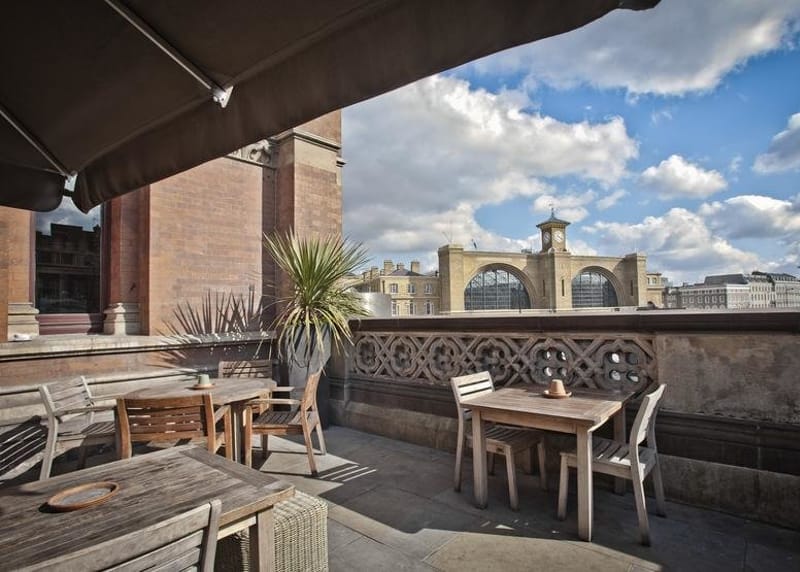
London: LondonThe capital's small wedding scene leans towards private dining rooms and rooftop spaces, with some of the best options tucked away in converted townhouses rather than traditional ballrooms.
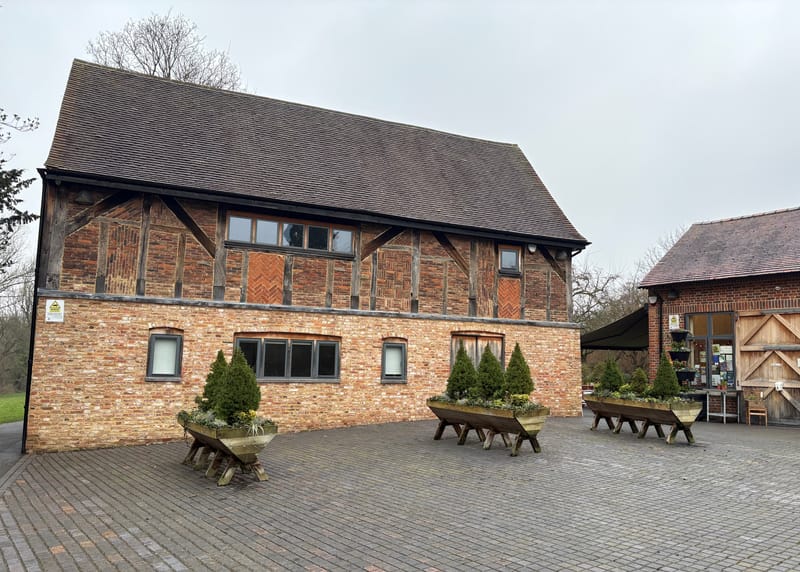
South East England: Kent, Essex, Surrey and HampshireKent and Essex both offer converted barns and orchard settings well suited to a smaller day, while Surrey and Hampshire bring country house drawing rooms within easy reach of London.
North of England: Yorkshire and LancashireYorkshire's dales and market towns pair naturally with a small guest list, and Lancashire, taking in the wider Manchester area, has a strong choice of boutique hotels and countryside venues built for parties of fifty or fewer.
South West England: Devon, Cornwall and SomersetDevon and Cornwall's coastal venues suit an elopement-style day, while Somerset's smaller country houses work well for a sit-down wedding breakfast with a compact guest list.
East of England: Norfolk and SuffolkNorfolk and Suffolk both have a good spread of walled gardens and rural retreats, well suited to a quieter, more rural small wedding.
Wales: WalesWales offers everything from castle elopements to boutique country house weddings, with both North and South Wales well represented for smaller guest lists.
With Bridebook you can:
Couples can also use Bridebook's wedding planning checklist to keep every other part of the day organised, alongside our wedding budget guidance for setting realistic expectations on spend.
Bridebook is the UK's number one wedding planning app, used by millions of couples across the country. Our content draws on data from the Bridebook UK Wedding Report, built from thousands of real couples planning weddings each year, alongside verified venue listings and named, credentialled expert input where it's included. We update our articles regularly, so the prices, statistics and advice reflect current market conditions.
Smaller weddings tend to cost less overall, though not always by as much as you'd expect once you break the numbers down per head. Based on Bridebook data for smaller weddings:
For context, see how these figures compare against the UK-wide average wedding cost. If affordability is the main driver rather than guest numbers, it's also worth browsing affordable wedding venues in the UK.