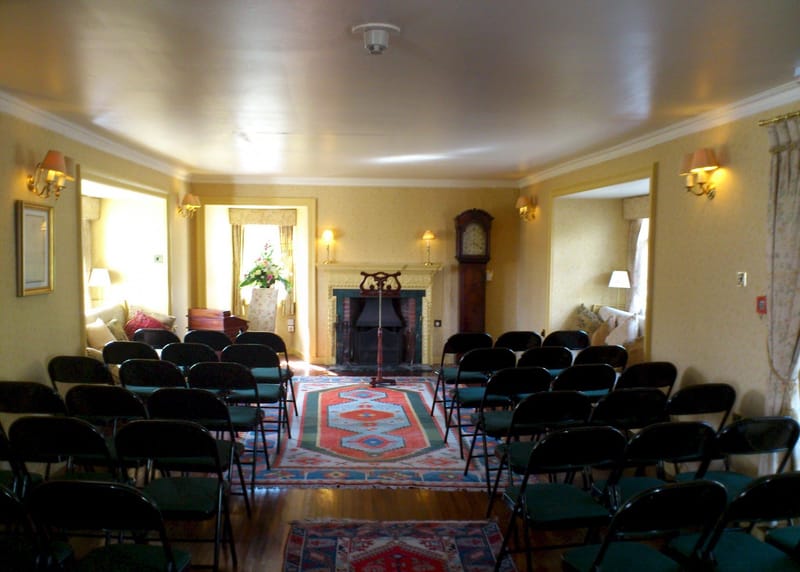
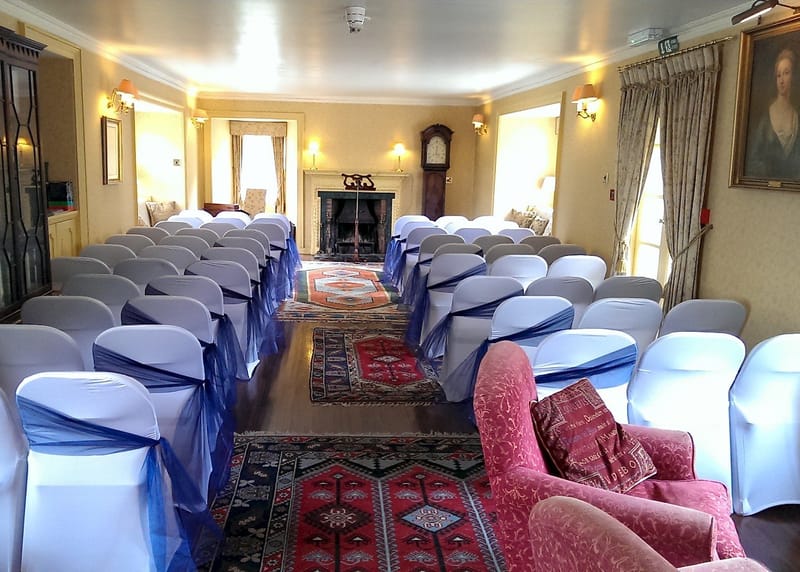
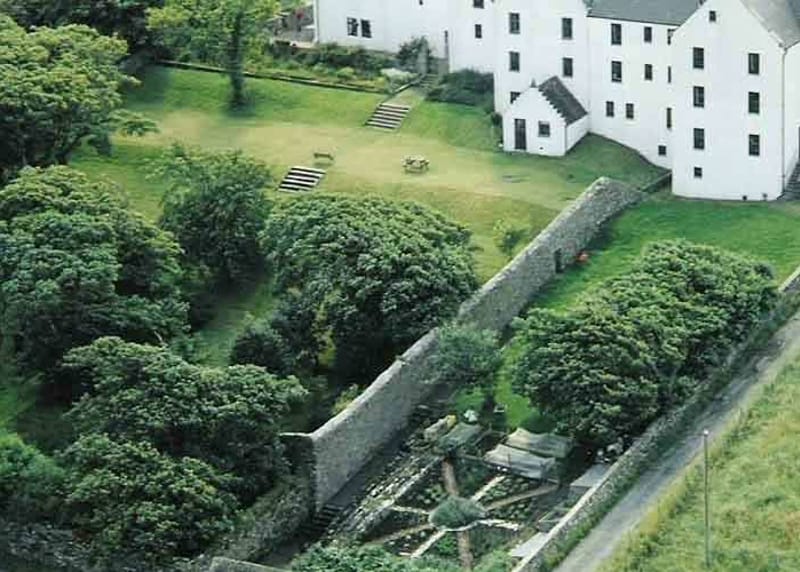
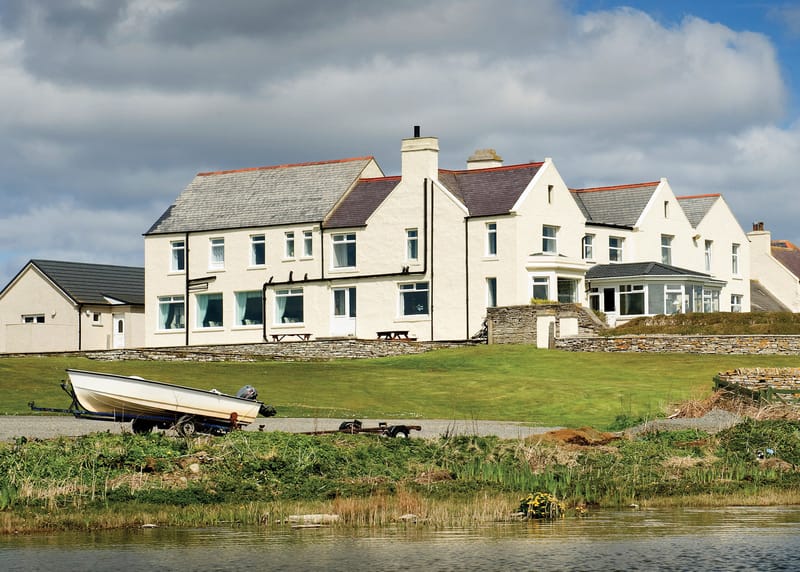
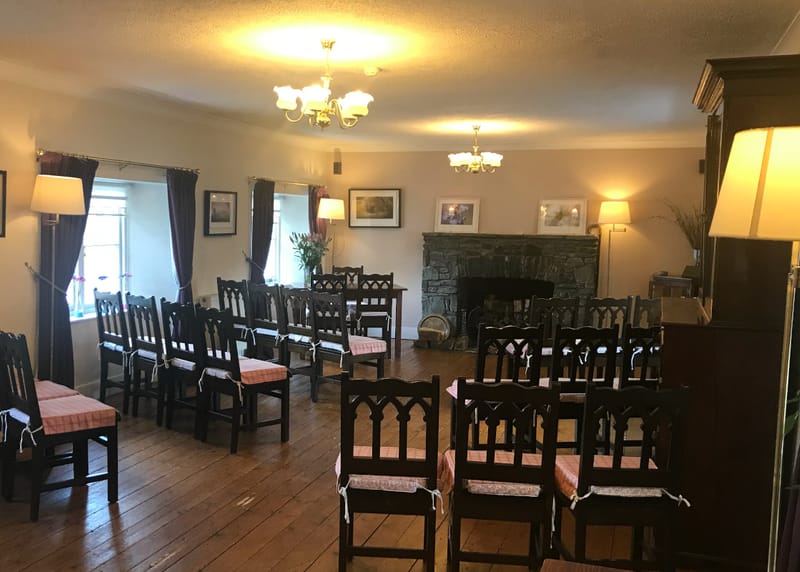
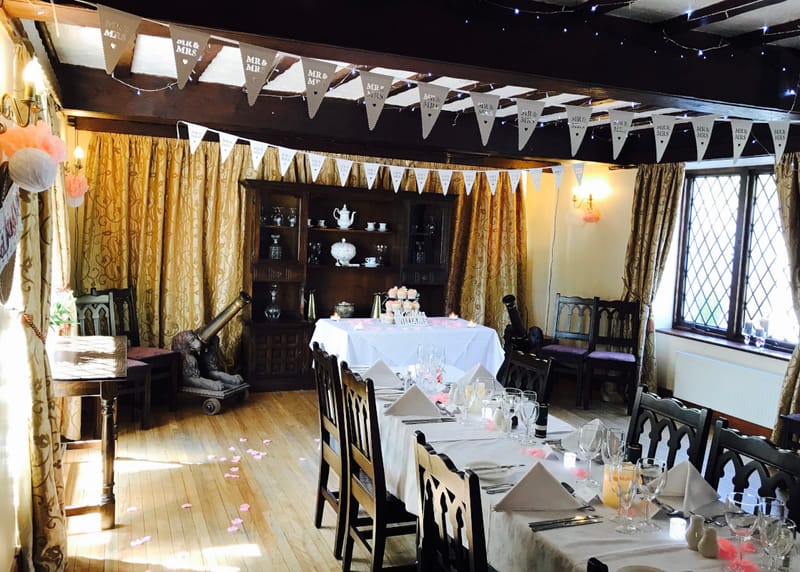
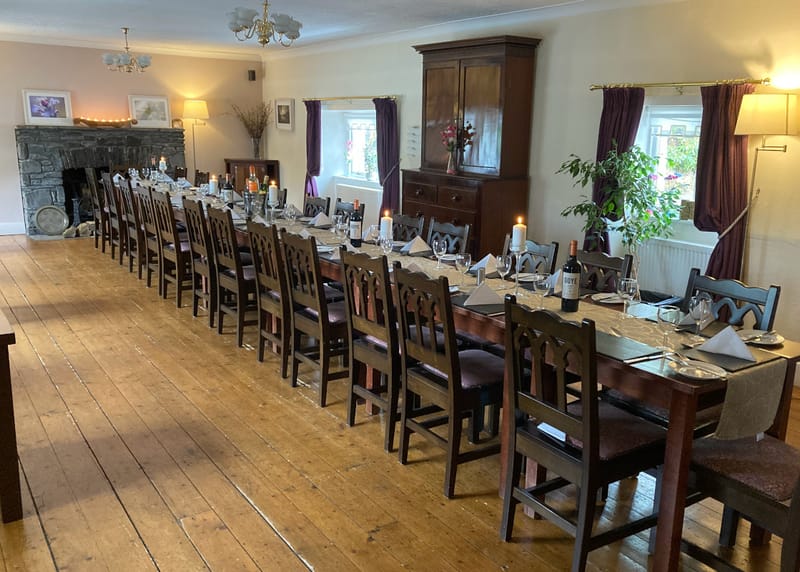
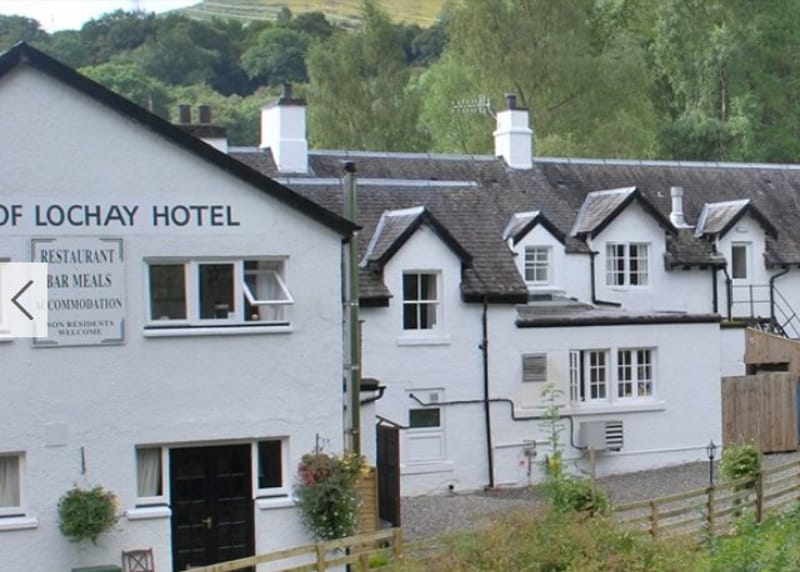
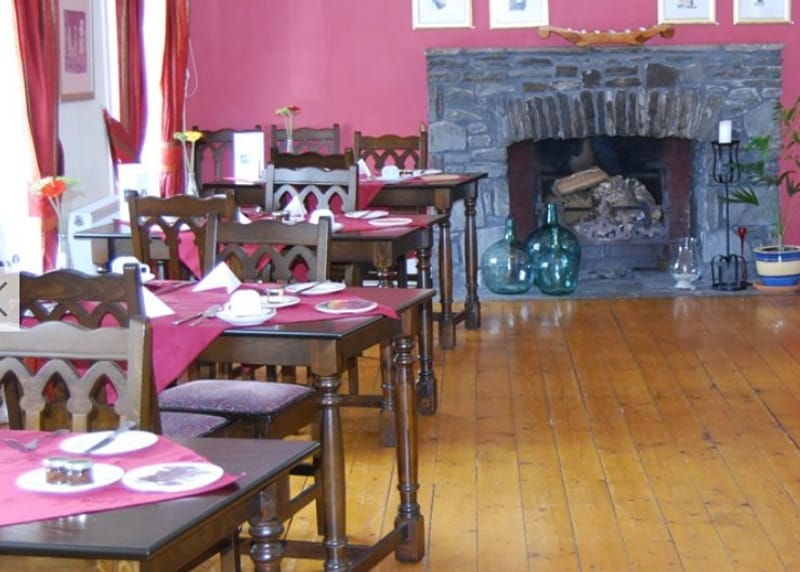
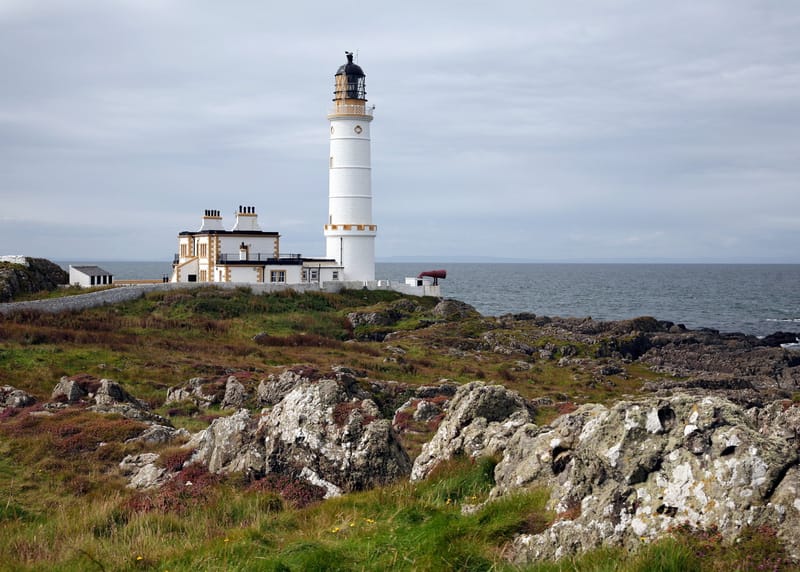
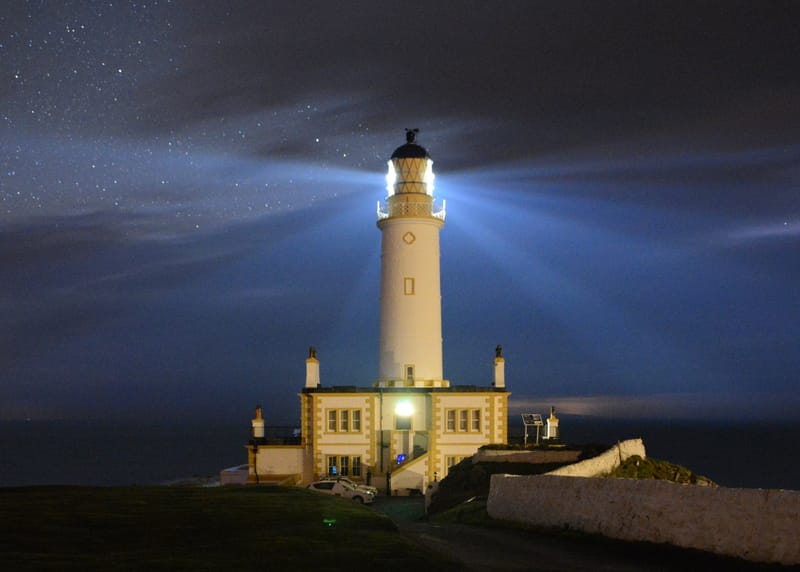
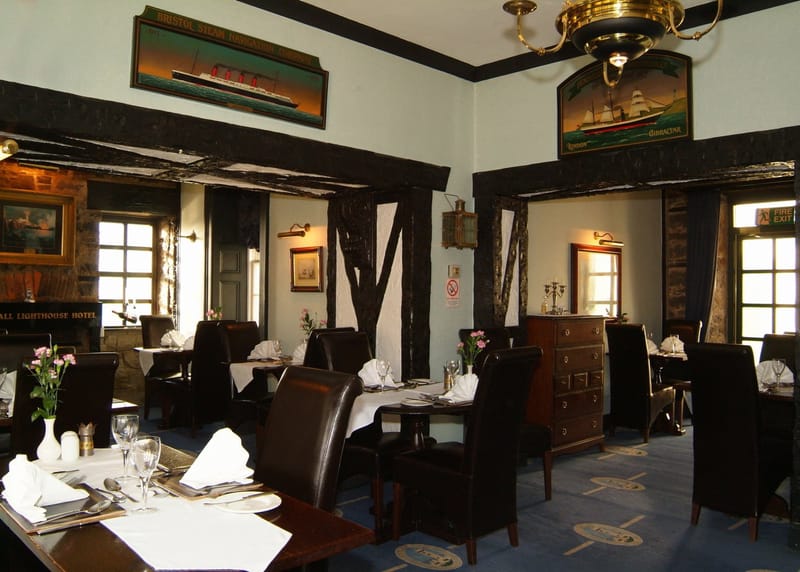
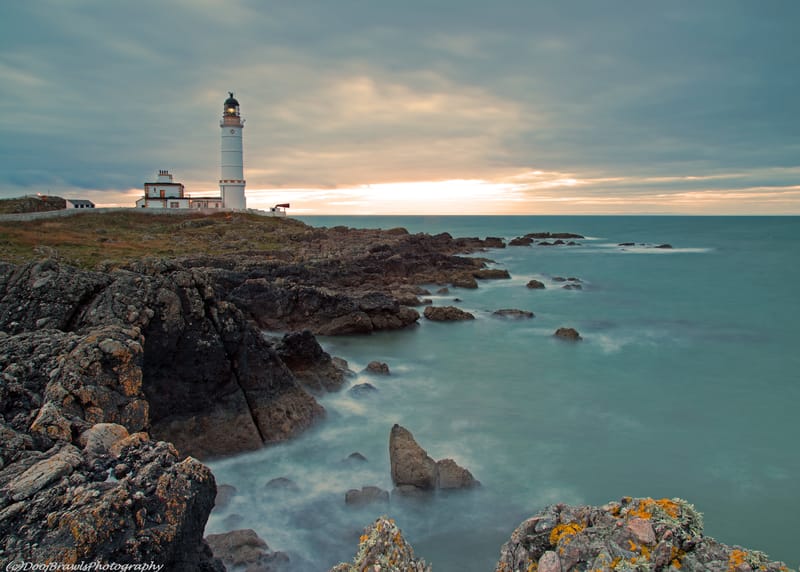
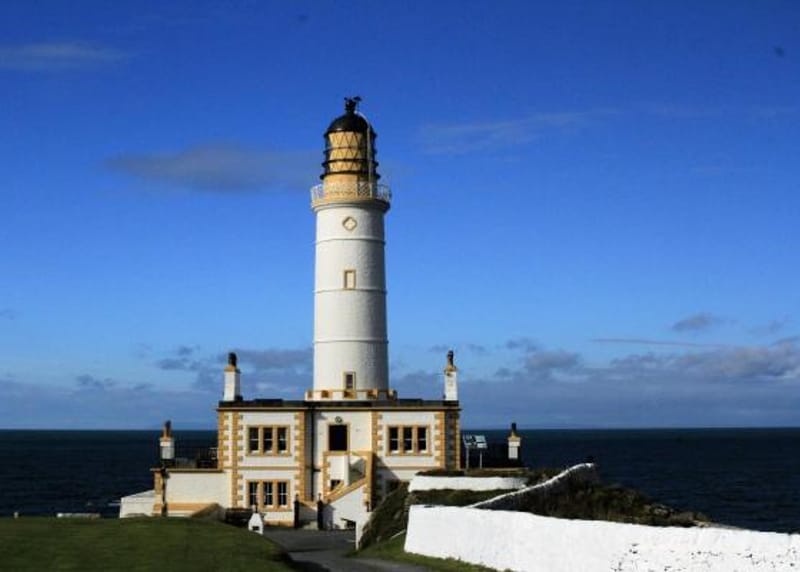
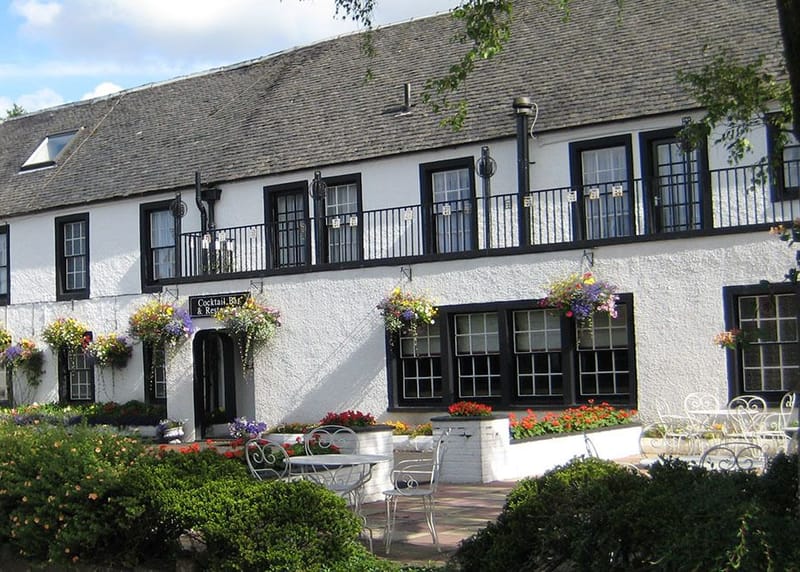

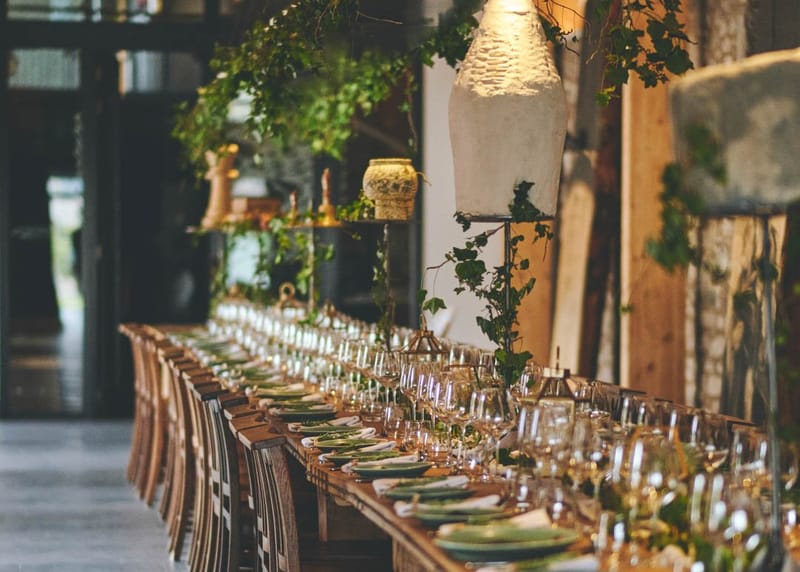
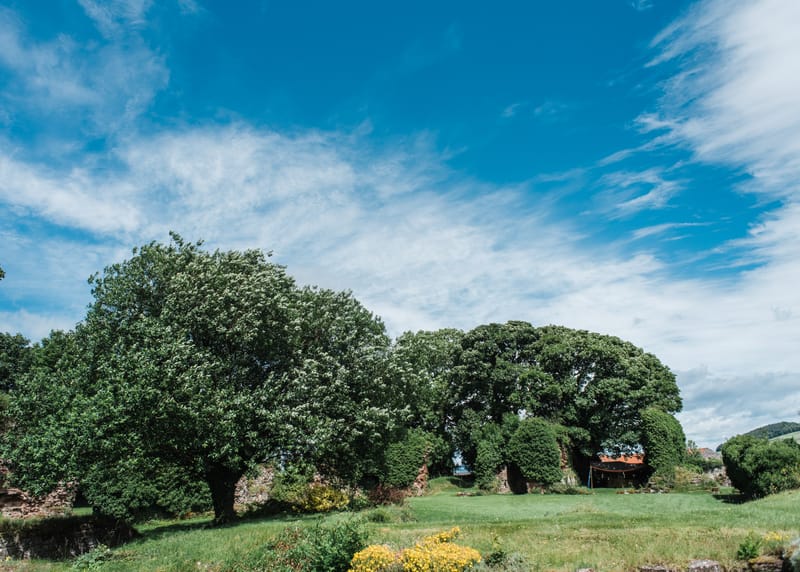
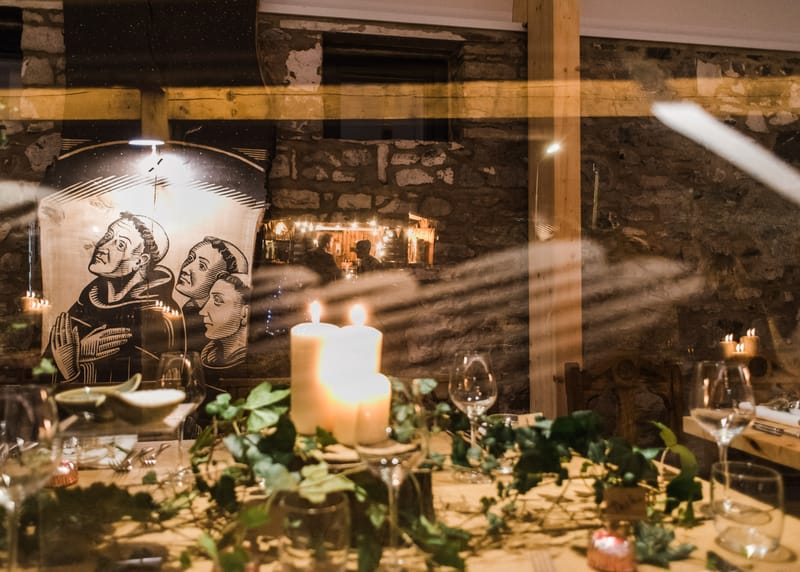
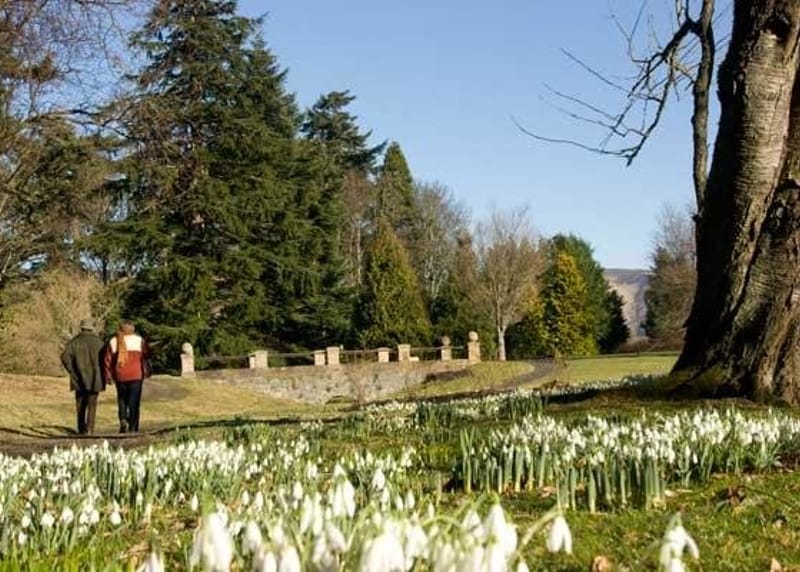
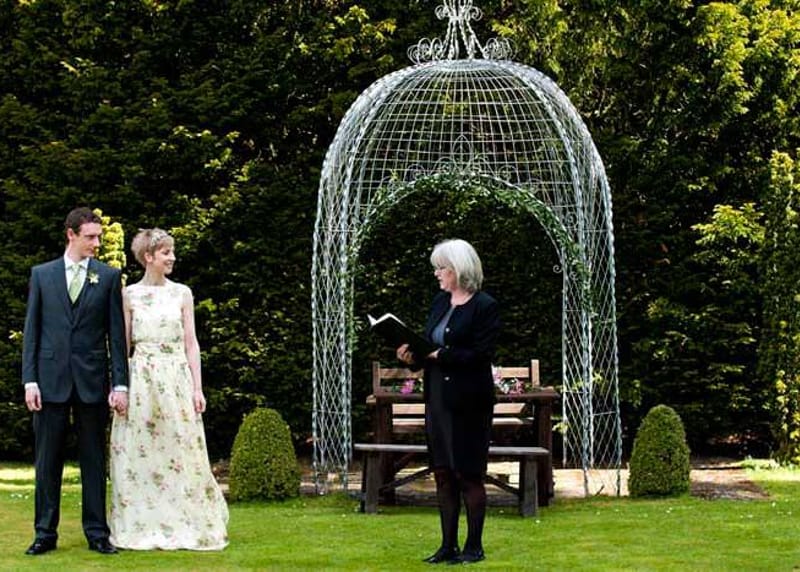
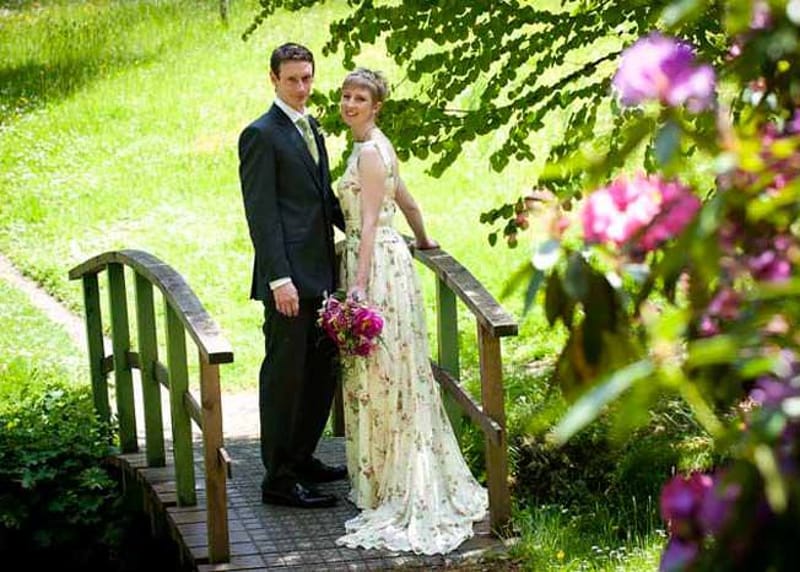
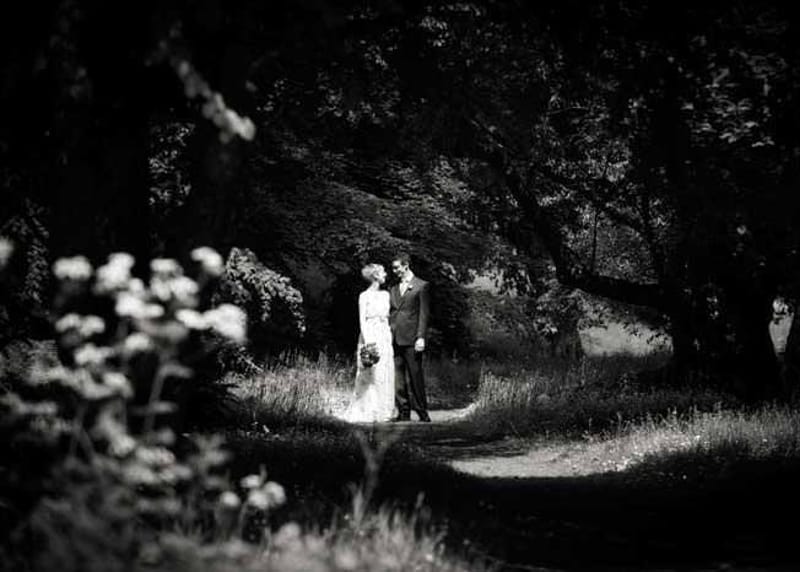
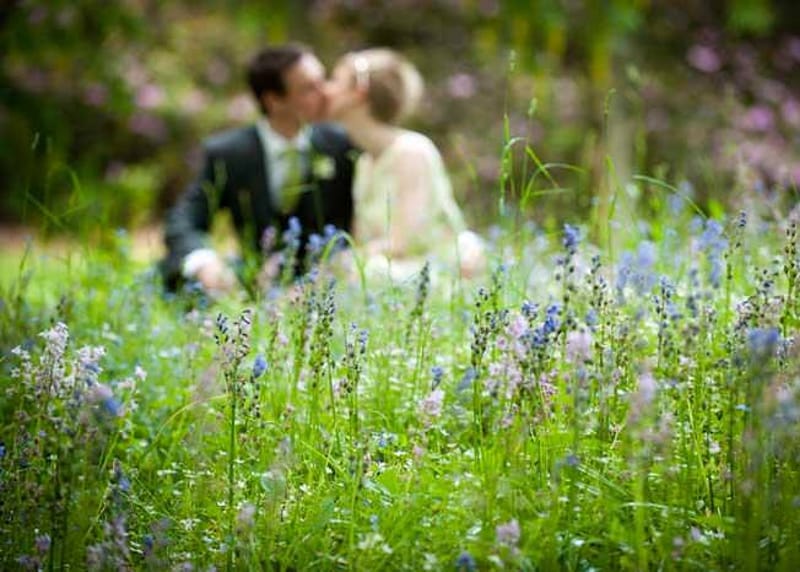
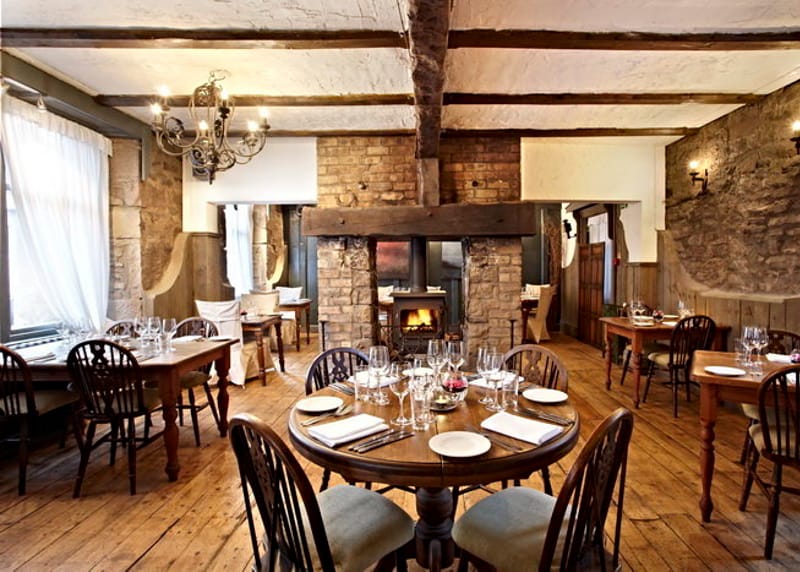
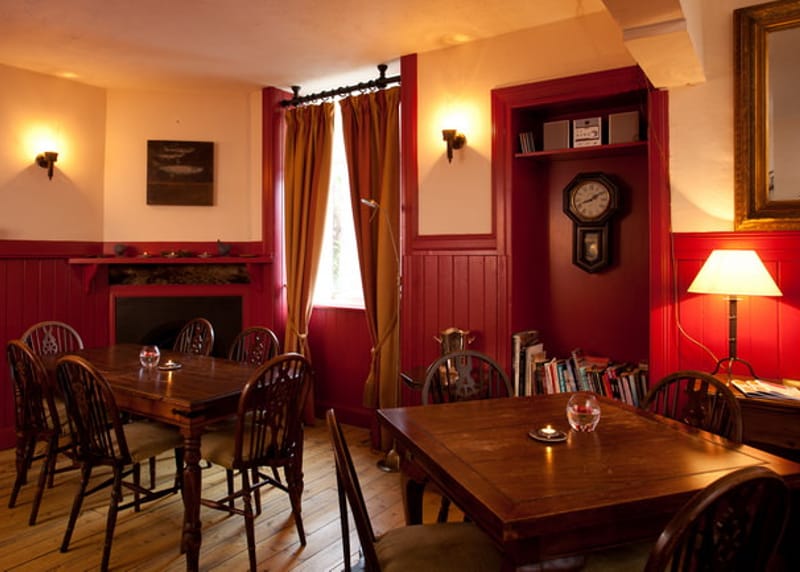
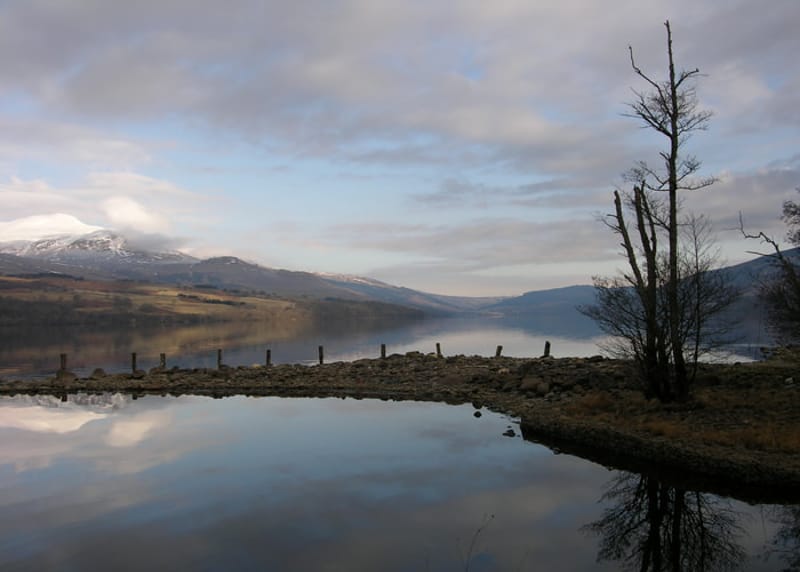
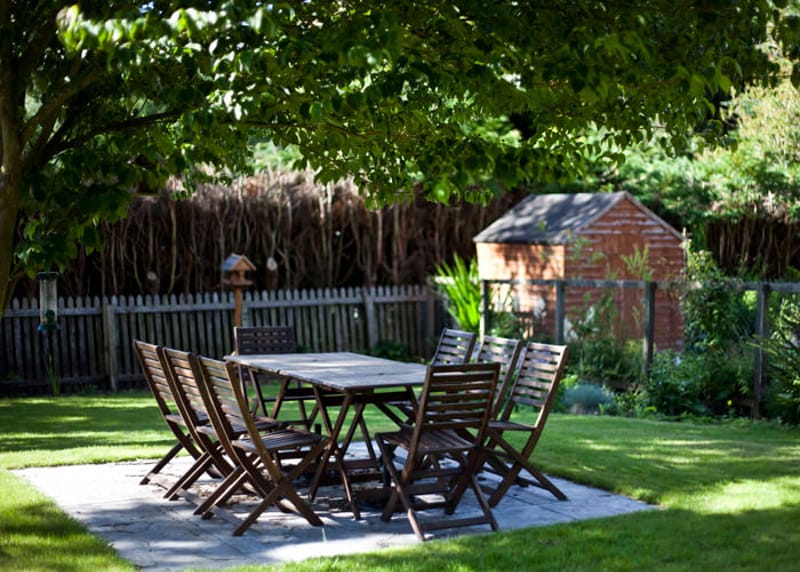
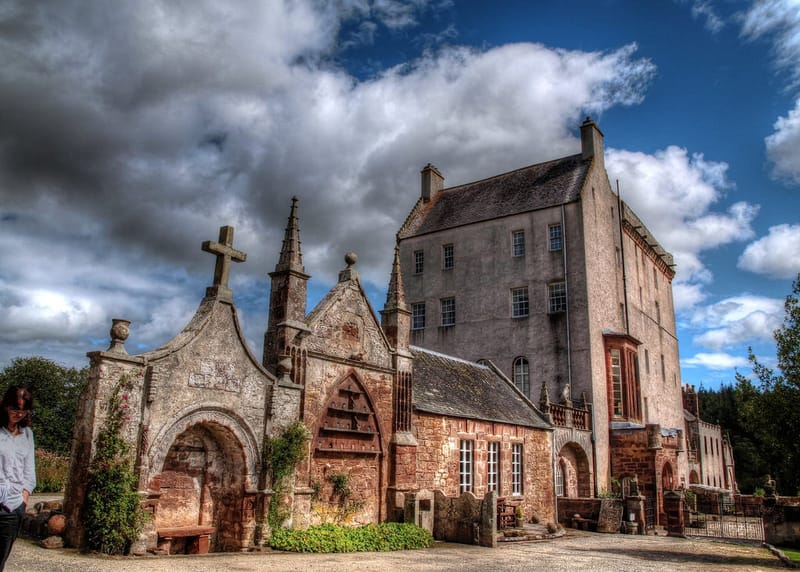
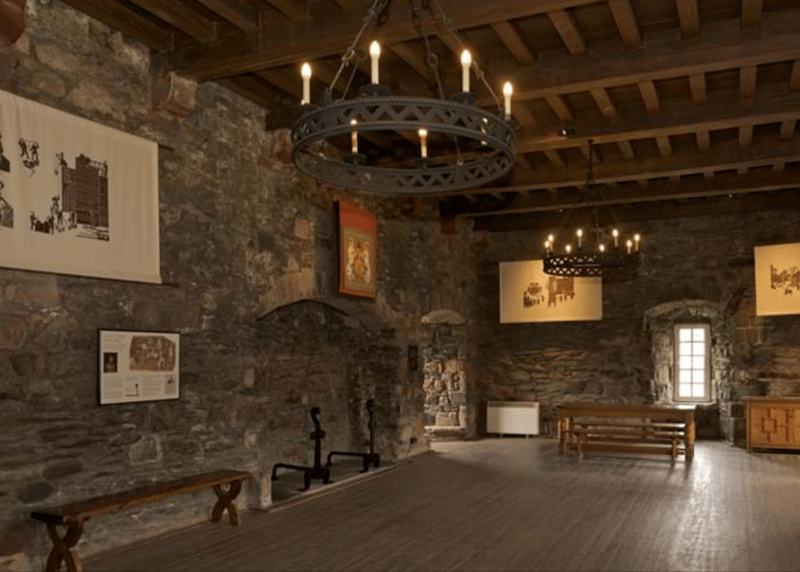
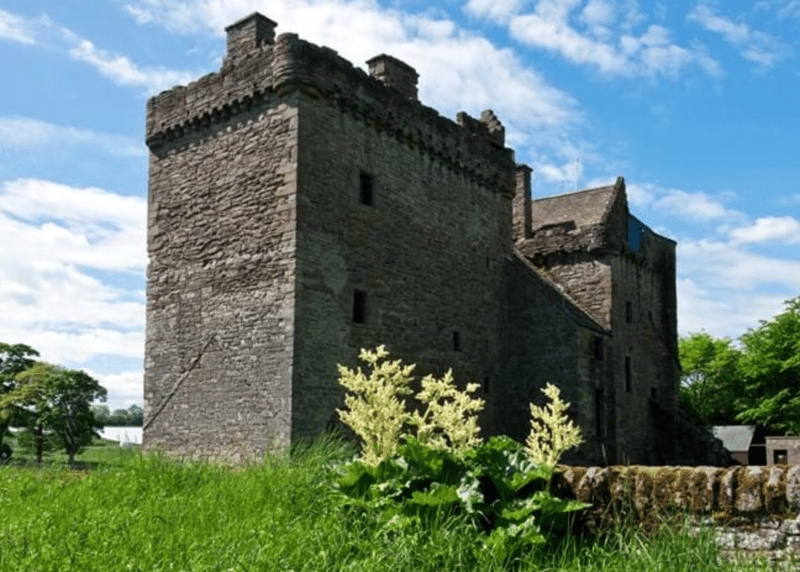
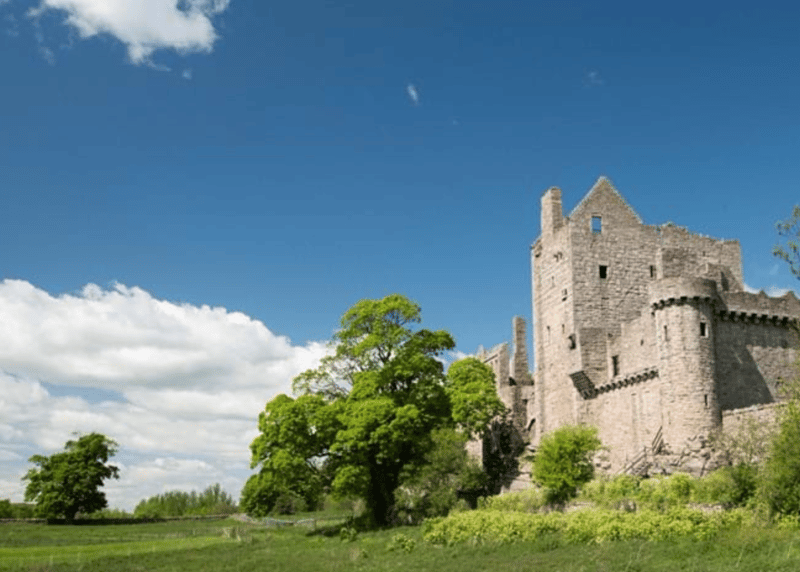
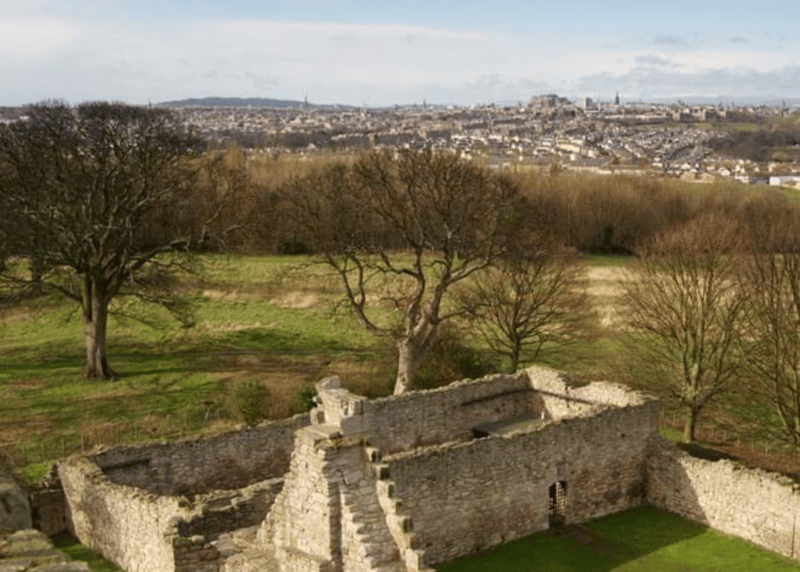
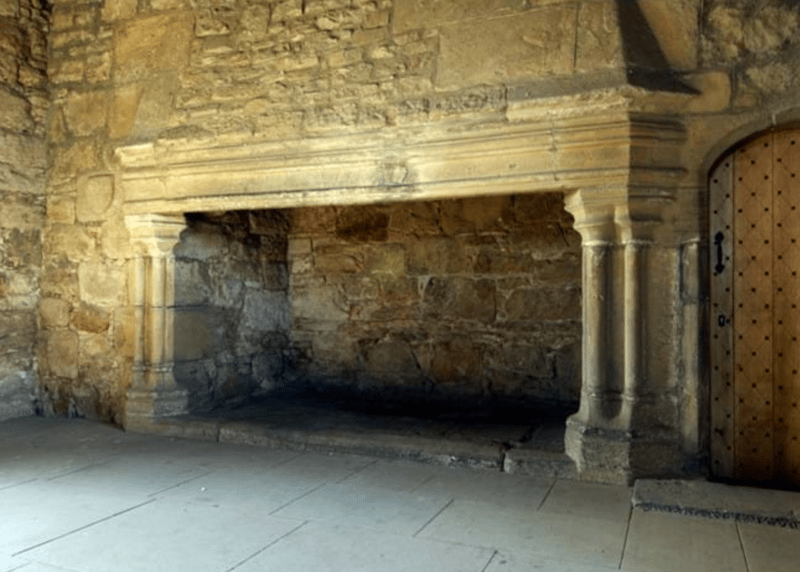
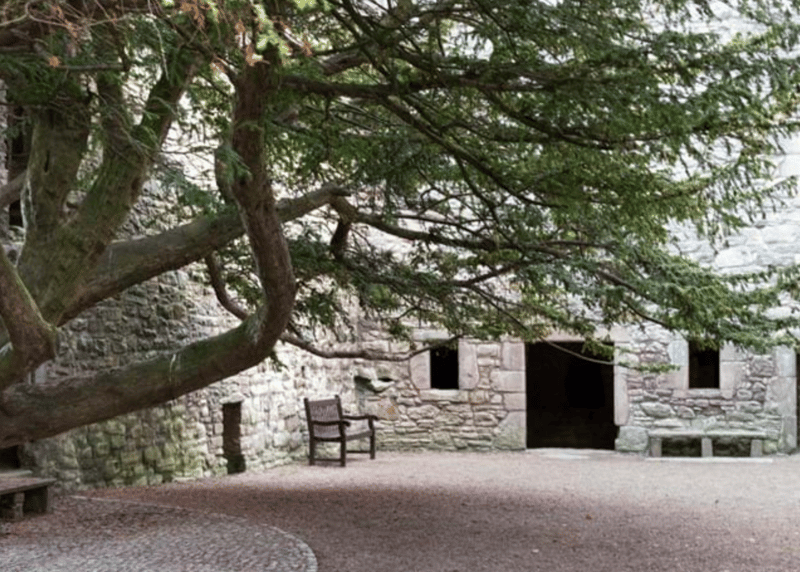
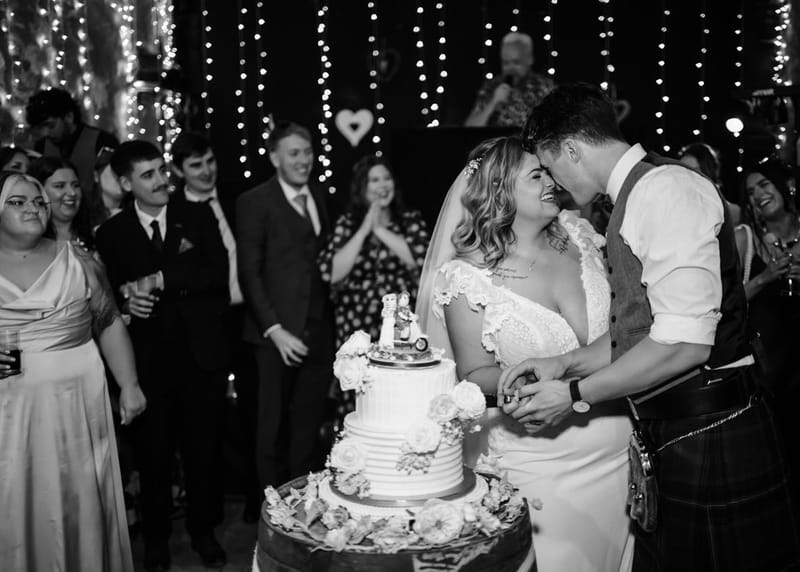
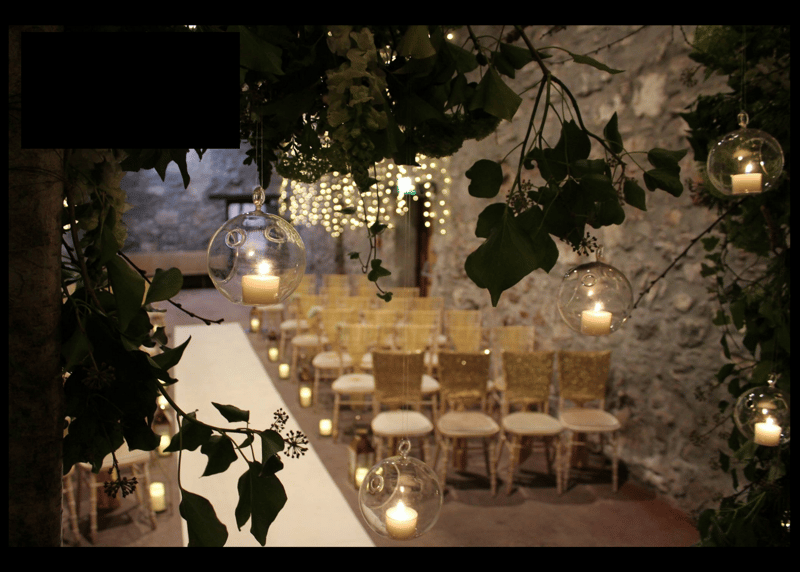
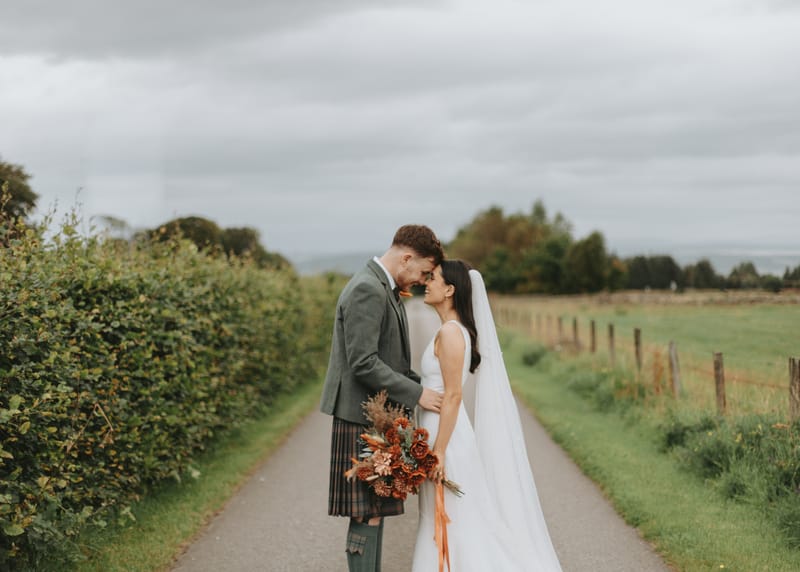
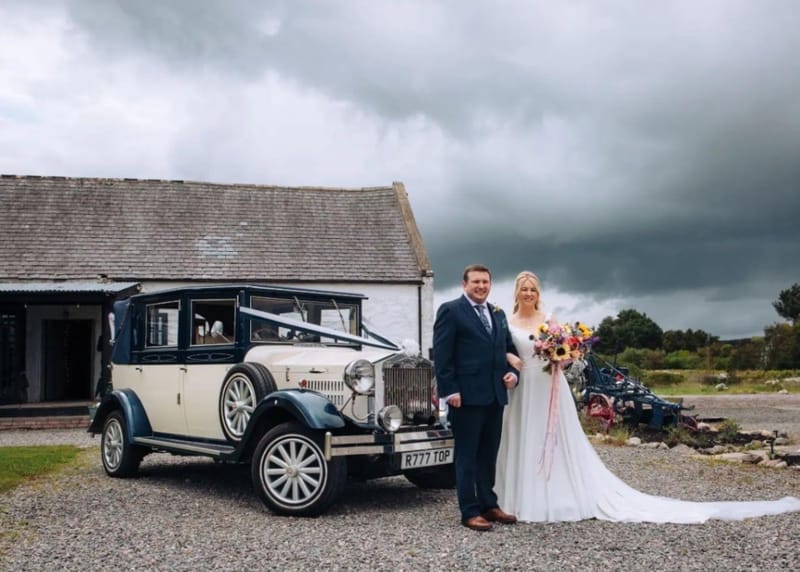
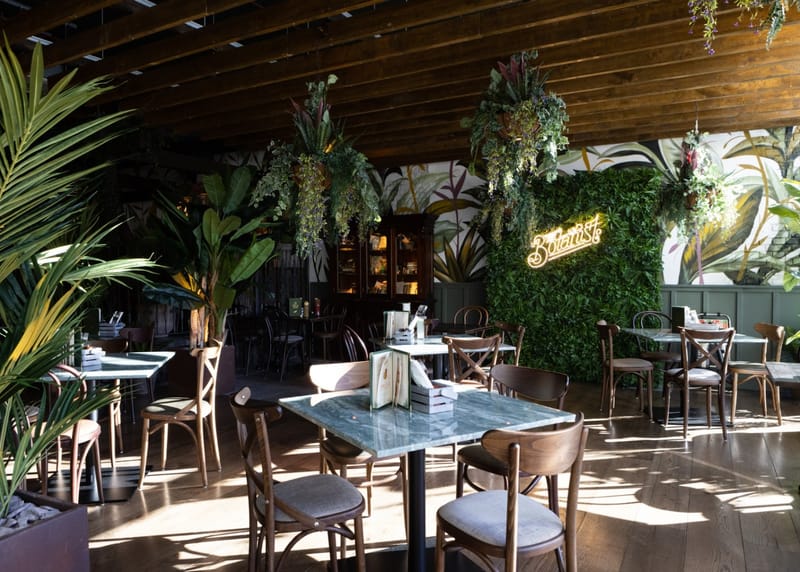
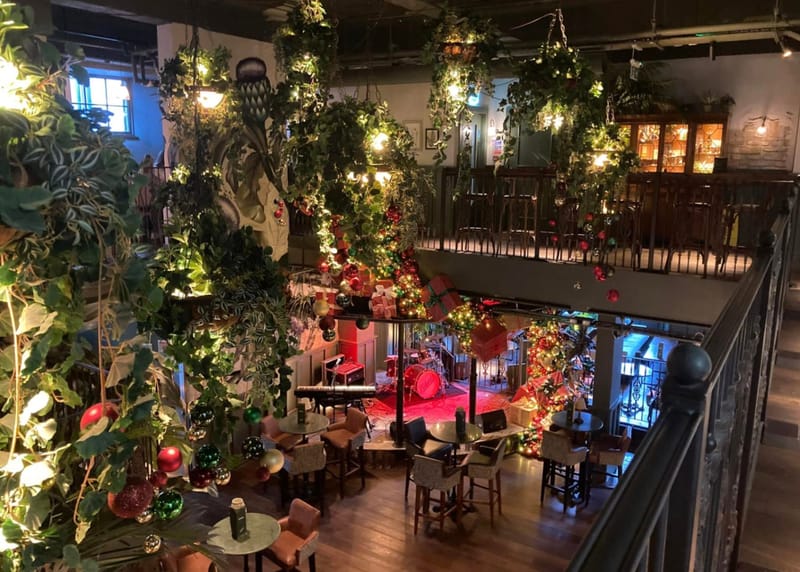
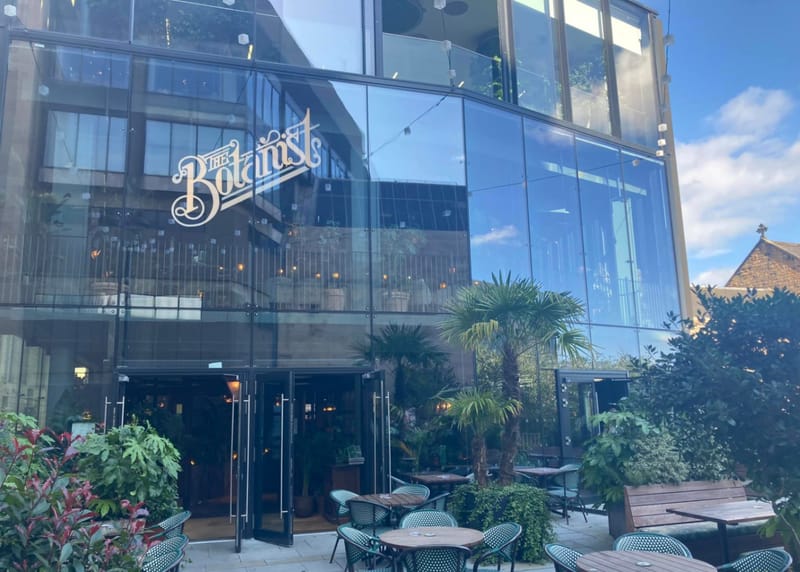
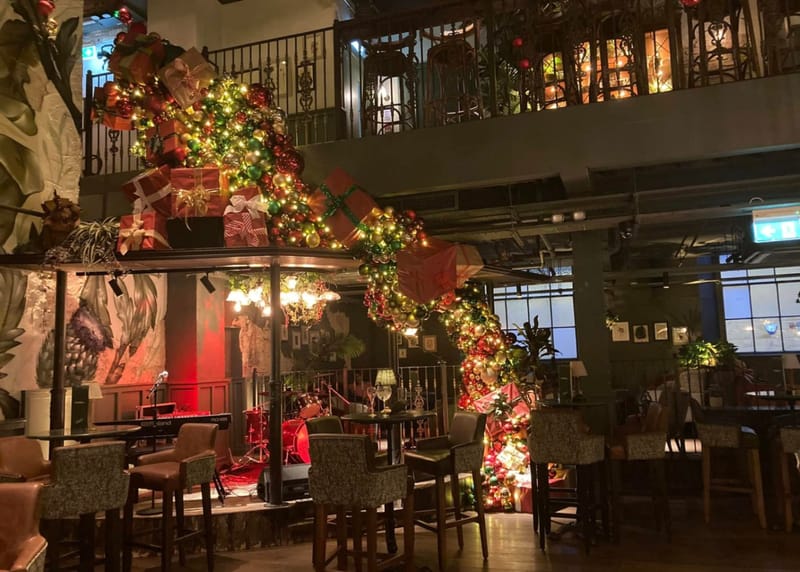
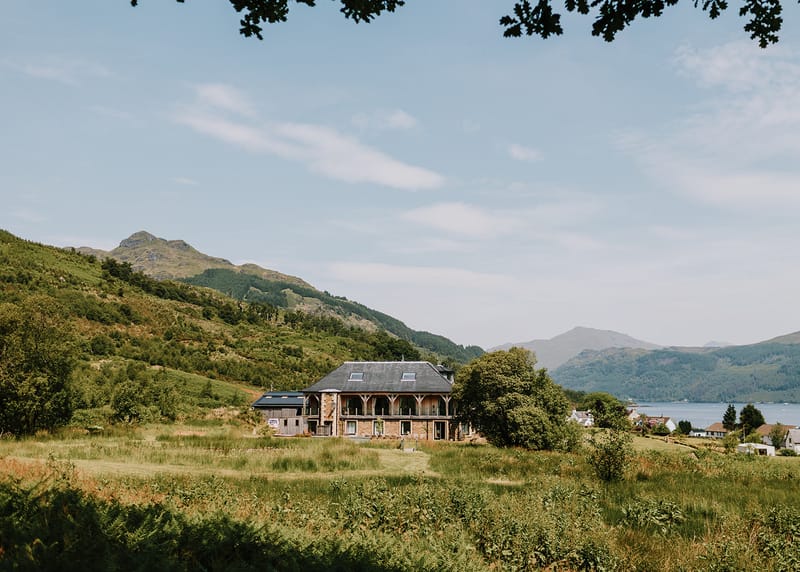
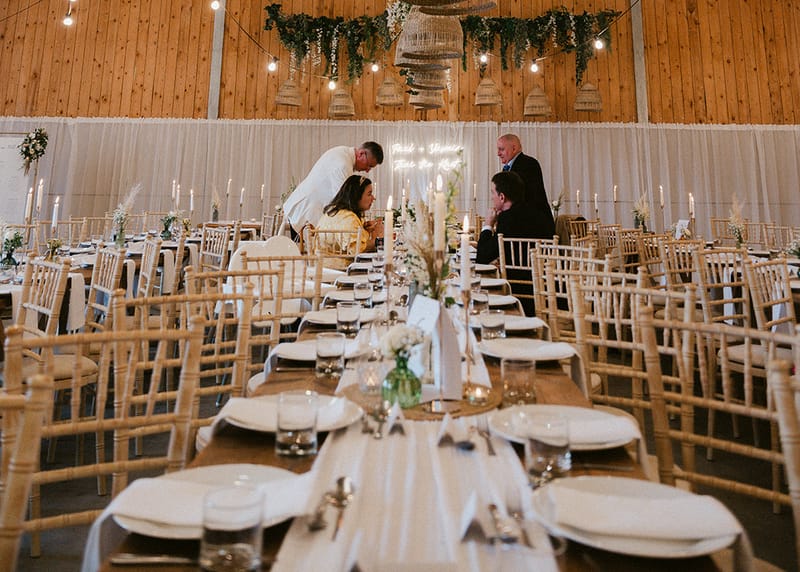
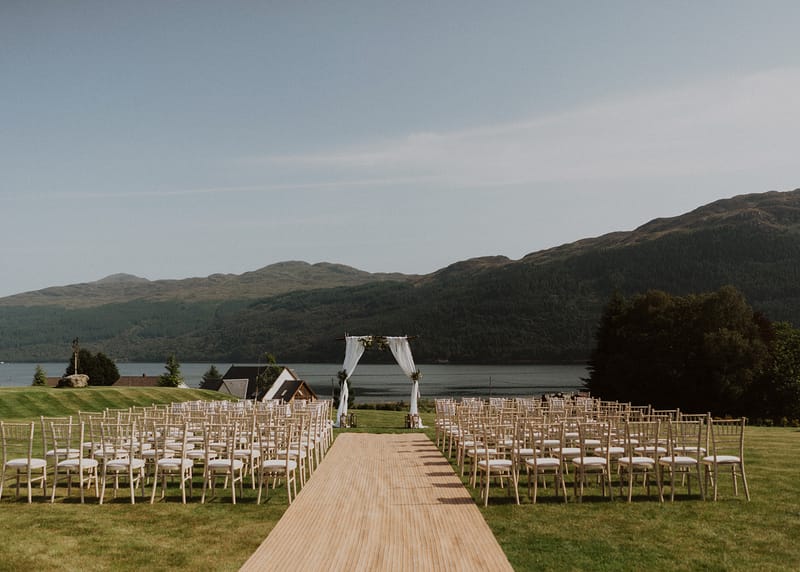
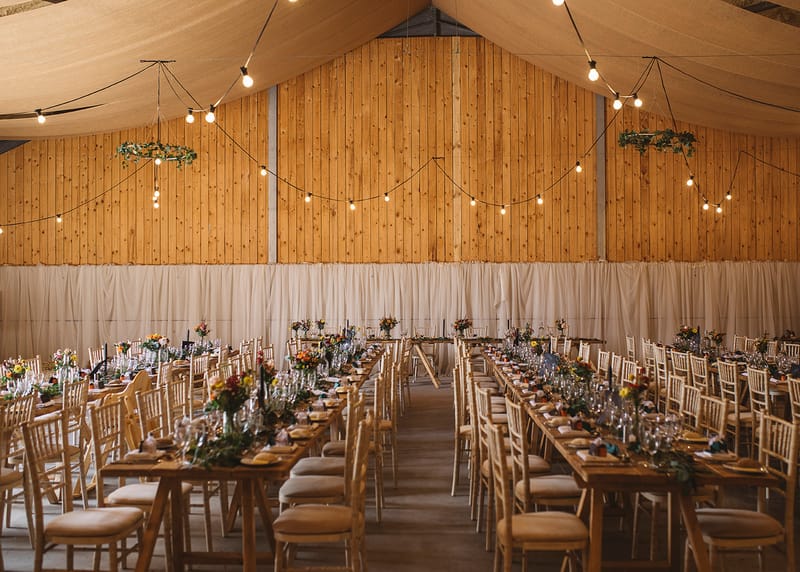
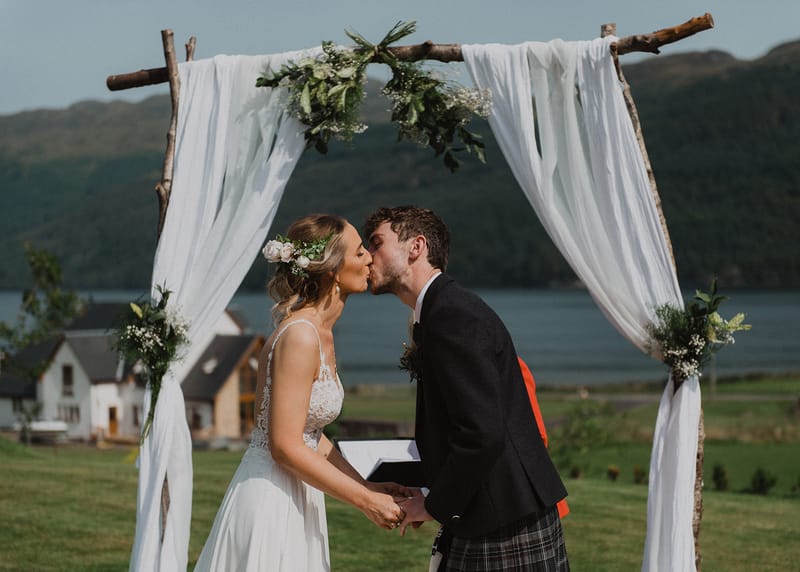
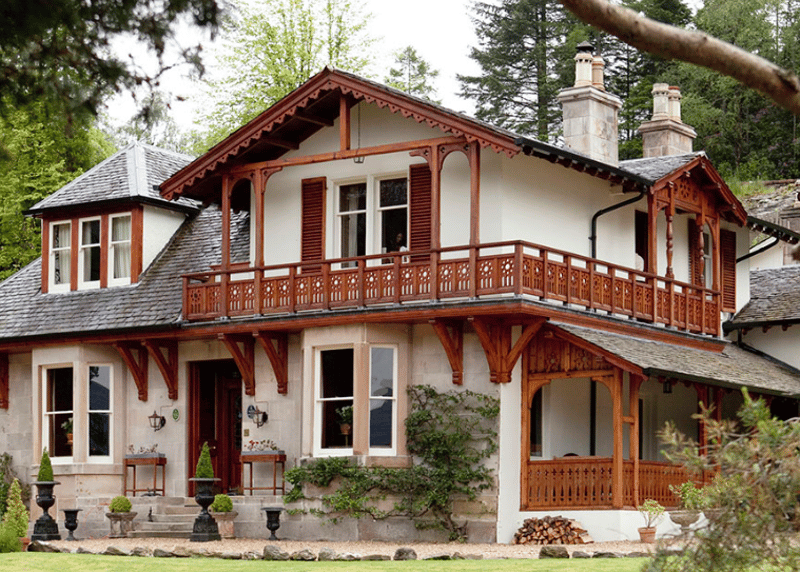
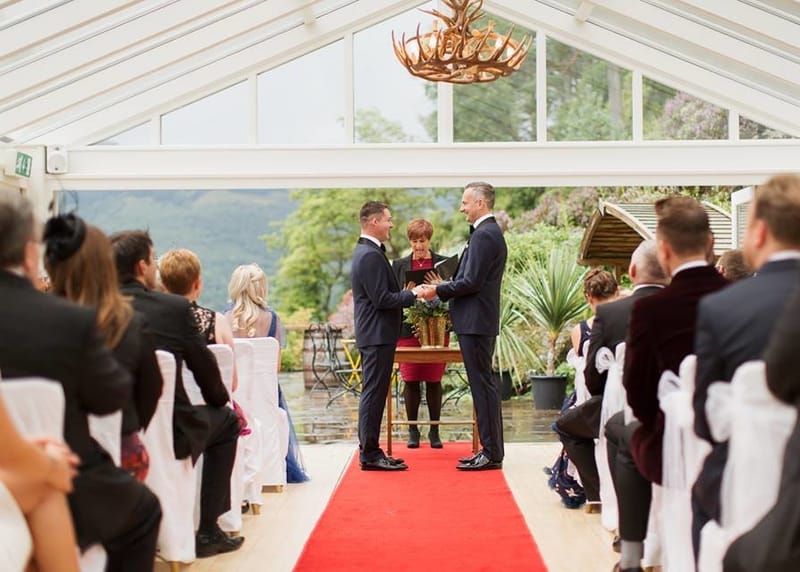
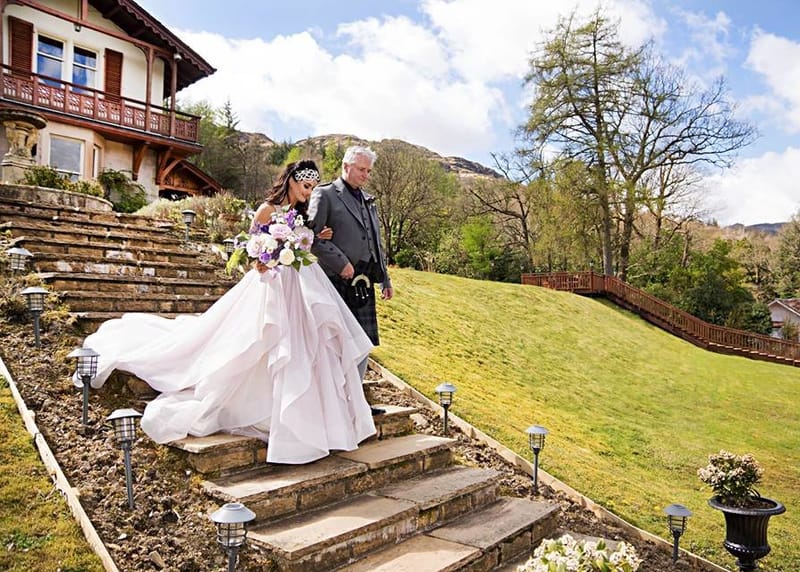
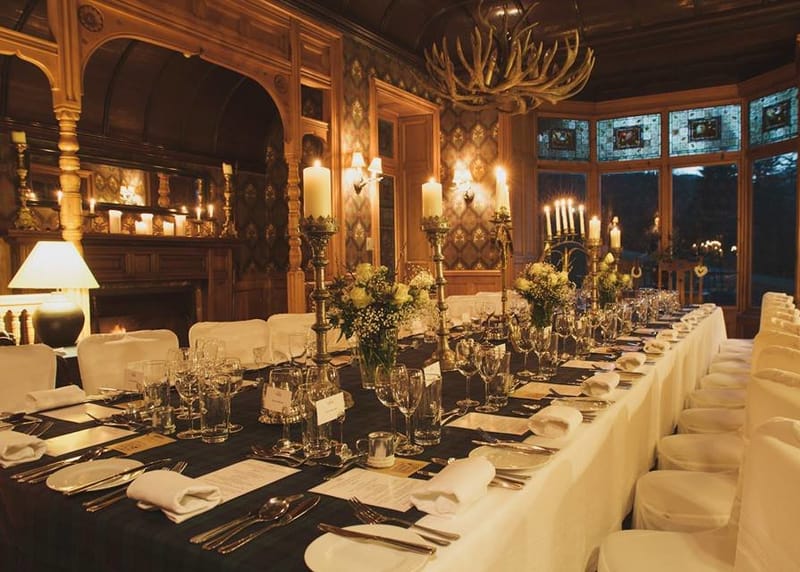
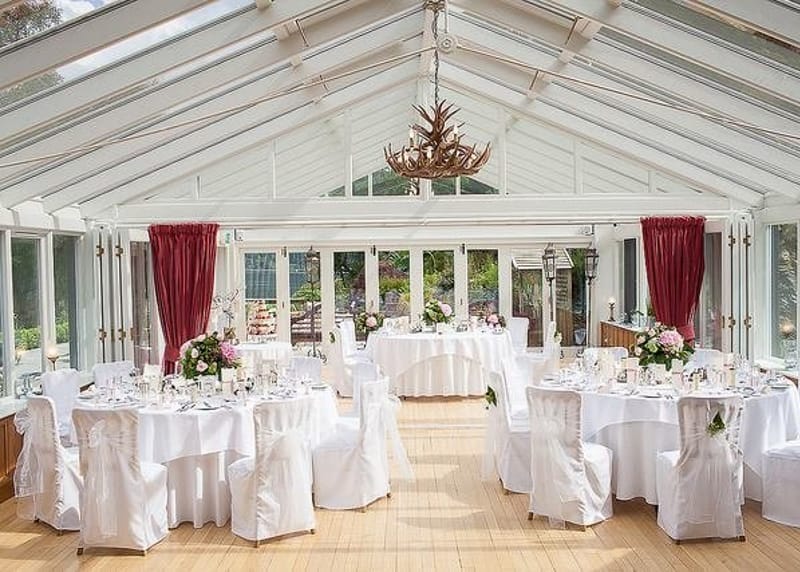
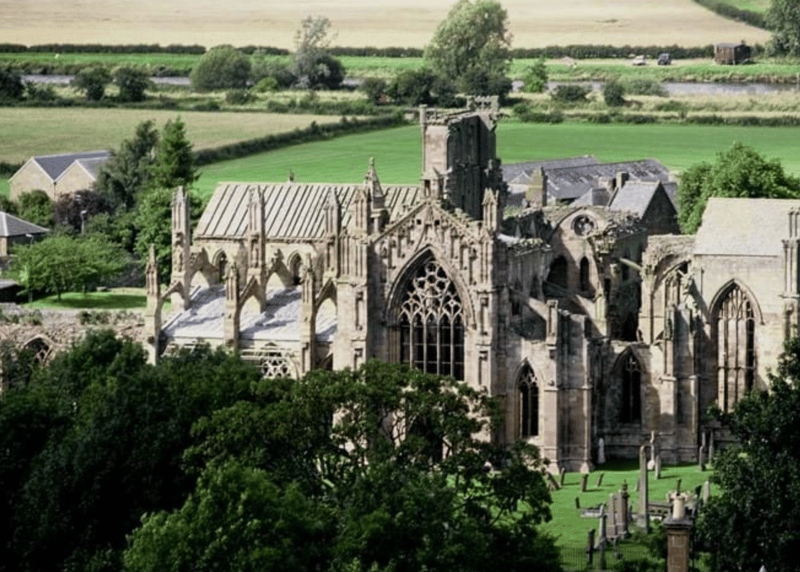
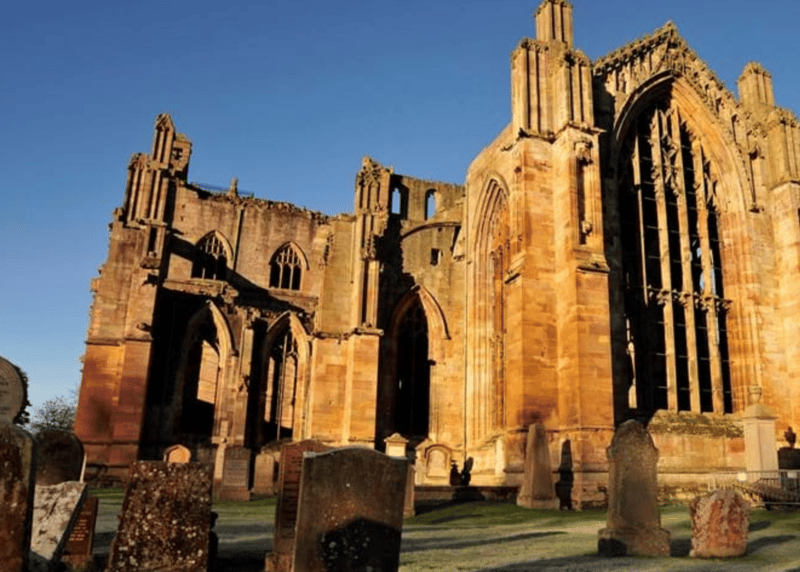
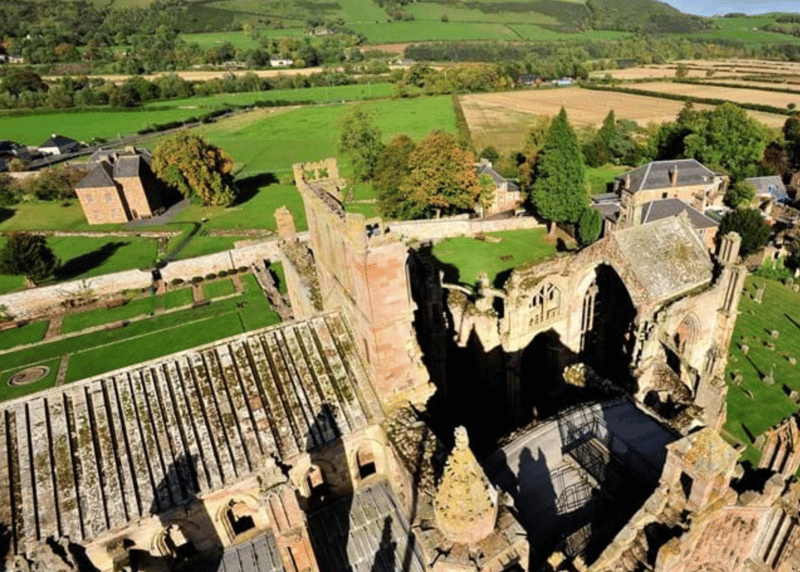
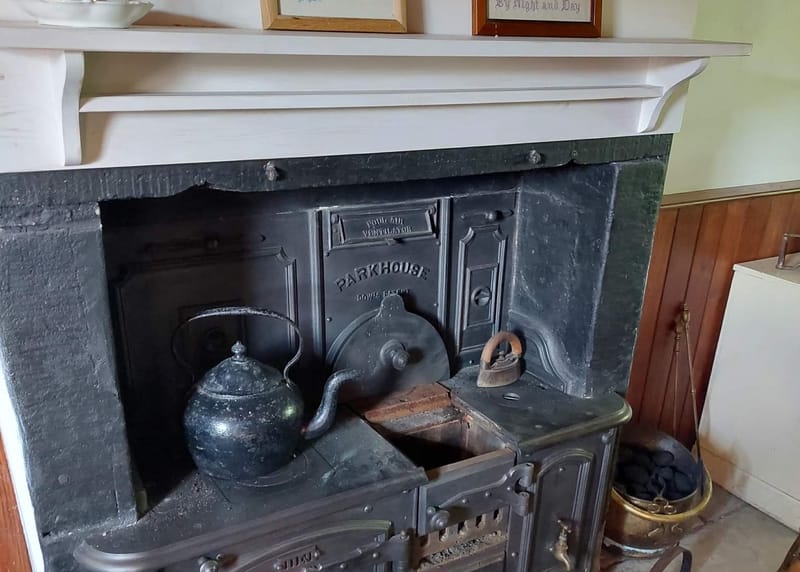
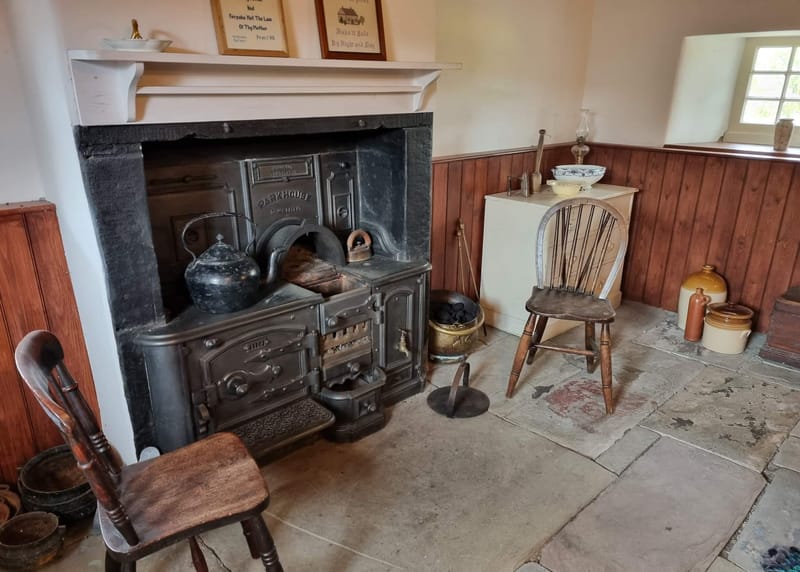
Scotland does rustic better than almost anywhere else in the UK. From converted stone steadings tucked into glens to timber barns on the edge of a loch, the country's landscape does most of the styling work before a single fairy light goes up. If you're picturing exposed beams, weathered stone and views that stretch for miles, rustic wedding venues in Scotland are built for exactly that.
This isn't a look you have to try hard for here. The Highlands, Perthshire, Argyll and Bute, the Scottish Borders and Dumfries and Galloway all offer their own take on the rustic style, from working farm buildings to ancient woodland clearings, giving couples a wide spread of settings to choose between.
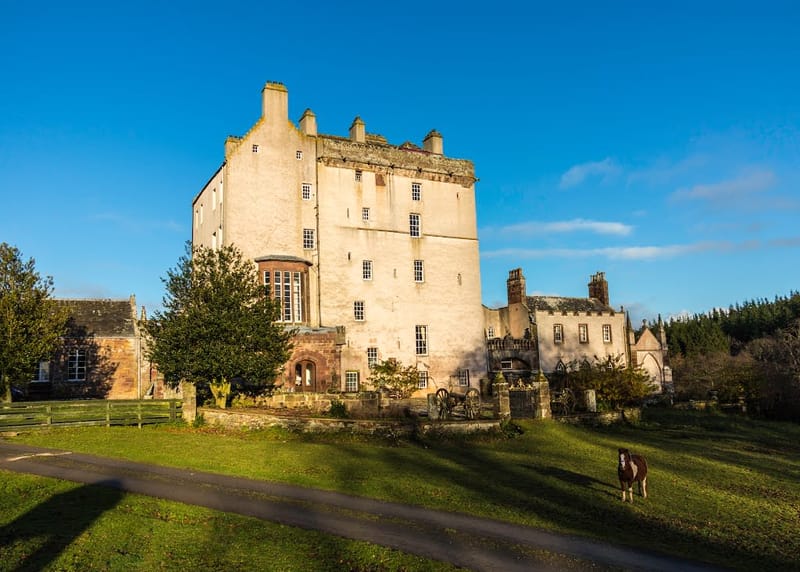
Search for rustic wedding venues Scotland wide and you'll find a style that's less about trend and more about geography. Scotland's rural land and farming heritage mean converted agricultural buildings and countryside estates turn up right across the country rather than clustering in a handful of hotspot counties. That gives couples planning a rustic wedding in Scotland a much bigger pool of options than in most English regions, along with a landscape that adds atmosphere without any need for elaborate styling.
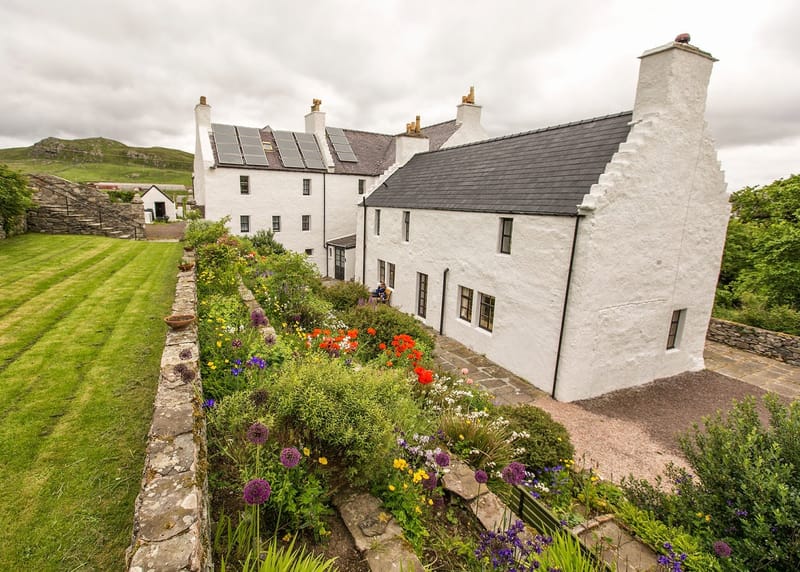
Alongside barn wedding venues Scotland is known for, farmhouse and croft venues add another layer of choice, particularly for couples after something smaller and more homely than a full estate. Traditional crofts and working farmhouses often come with the same weathered stone and low-key charm as a steading, just on a more intimate scale.
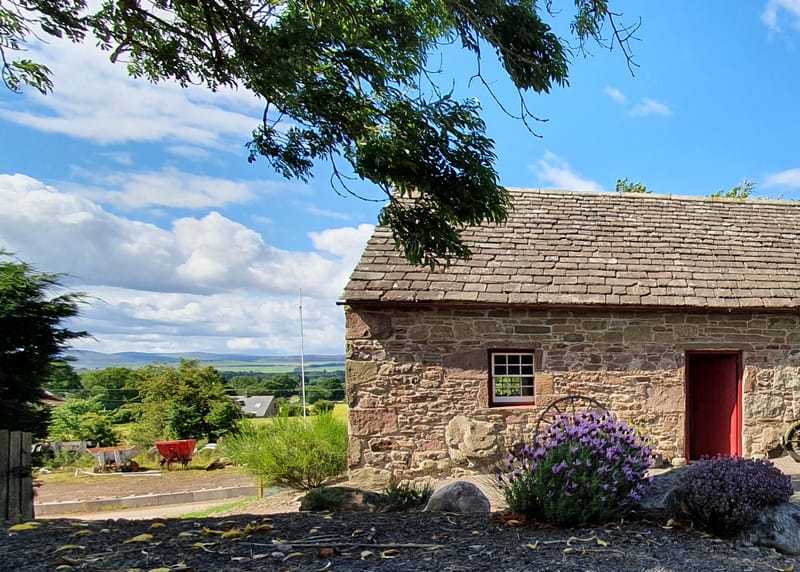
A steading is the Scottish term for a converted farm outbuilding, and it's one of the most distinctive venue types in the country. Highland barn wedding venues and steading wedding venues Scotland wide tend to share the same DNA: working agricultural buildings turned into wedding spaces, often built from local stone with high beamed ceilings and thick walls that keep the atmosphere cosy whatever the weather is doing outside.
When comparing highland barns and steadings, think about:
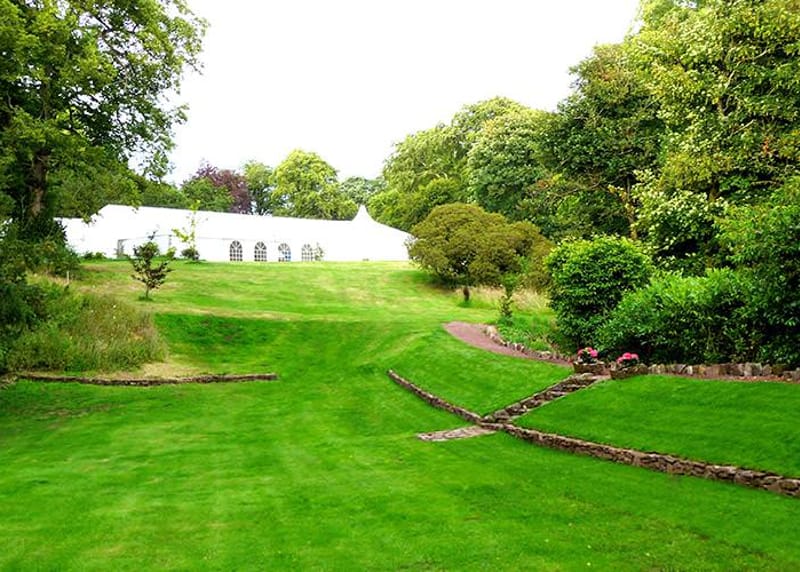
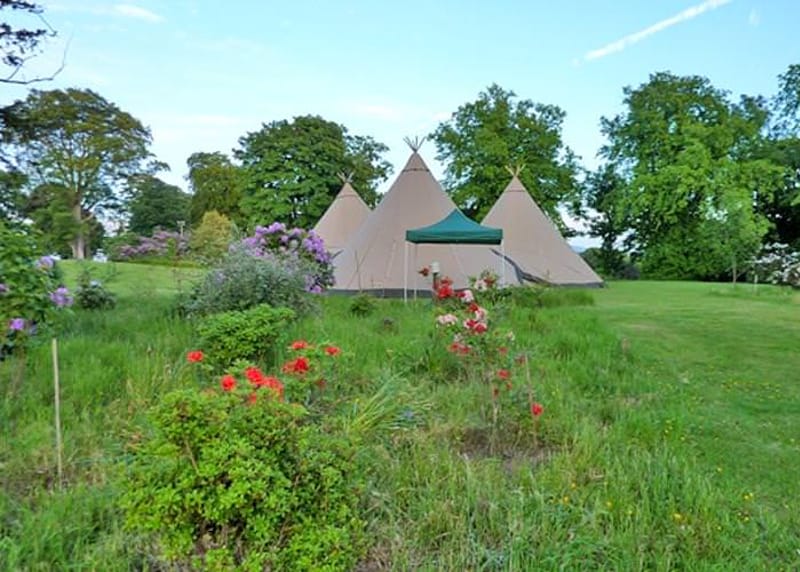
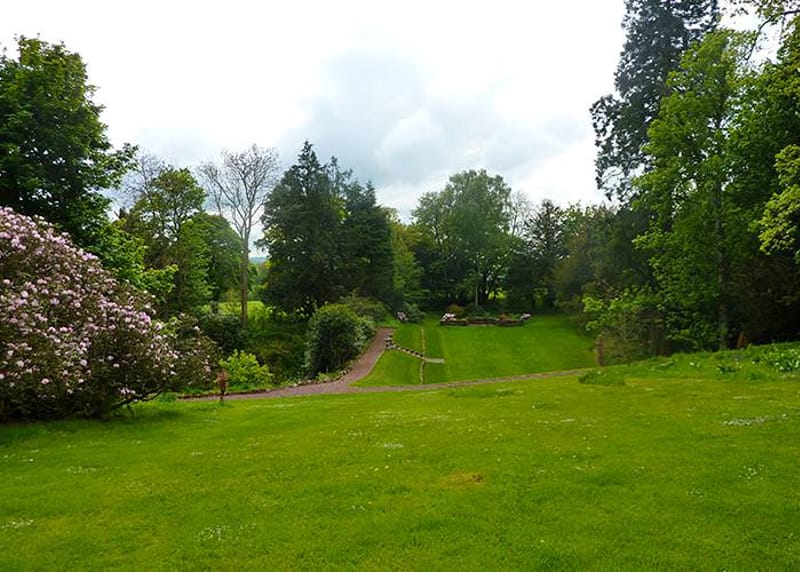
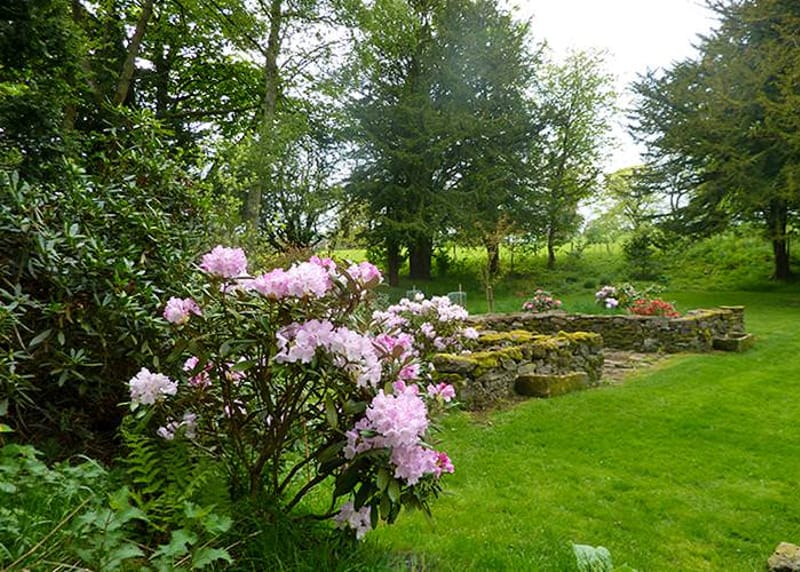
Beyond converted buildings, Scotland's countryside offers rustic settings that need almost no intervention at all. Woodland clearings, lochside boathouses and glen or moorland backdrops all fall under this style, and they suit couples who want their ceremony and photographs to lean into the landscape rather than a building.
Scotland's marriage law works in these couples' favour. Ceremonies here are officiant-led rather than venue-led, which means a humanist or other belief-based ceremony can be fully legal outdoors, without needing a licensed building. That gives Scottish couples far more flexibility over where they say their vows than couples marrying in England or Wales, where outdoor ceremonies are currently limited to approved venues only.
Comparing rustic venues across such a wide geographic spread can feel like a lot to manage on your own. With Bridebook you can:
If you're still deciding on scale, Bridebook's wedding planning checklist can help you map out timings, and our wedding budget guidance is a useful starting point for setting expectations.
Bridebook is the world's #1 wedding planning platform, used by over 2.8 million couples. Our content is informed by real data from the Bridebook UK Wedding Report, which draws on responses from thousands of couples planning their weddings each year. Where expert input is included, contributors are named and their credentials verified. We update our articles regularly to ensure prices, statistics, and advice reflect current market conditions.
Rustic venues in Scotland span a wide price range depending on whether you're booking a small bothy, a mid-sized steading or a fuller rural estate with accommodation. Based on data for Scotland:
For context, this sits close to the UK-wide average wedding spend of £20,604, with Scotland running slightly higher overall.
If rustic isn't the only style on your radar, it's worth browsing the full range of wedding venues in Scotland, or exploring intimate, unusual and affordable wedding venues.