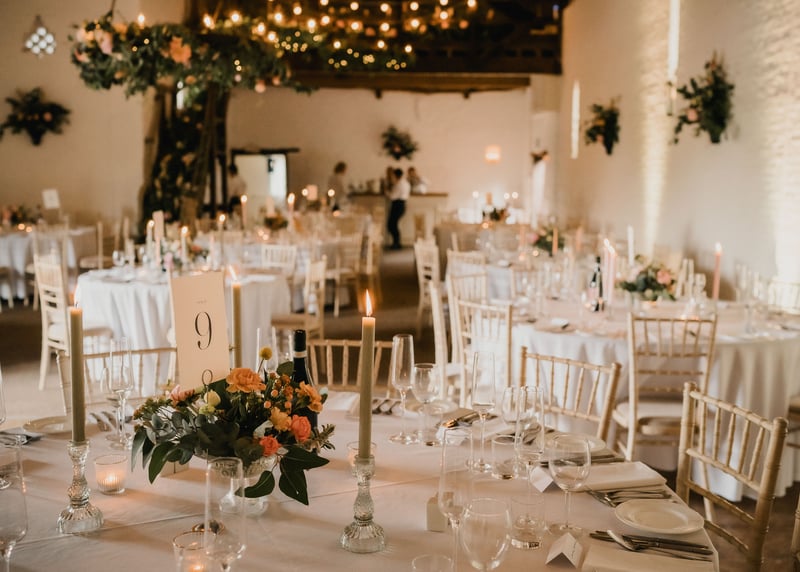
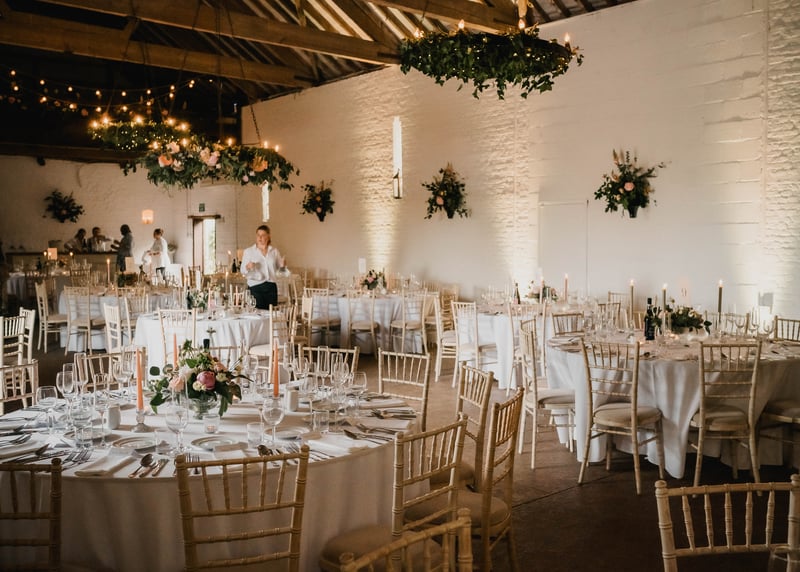
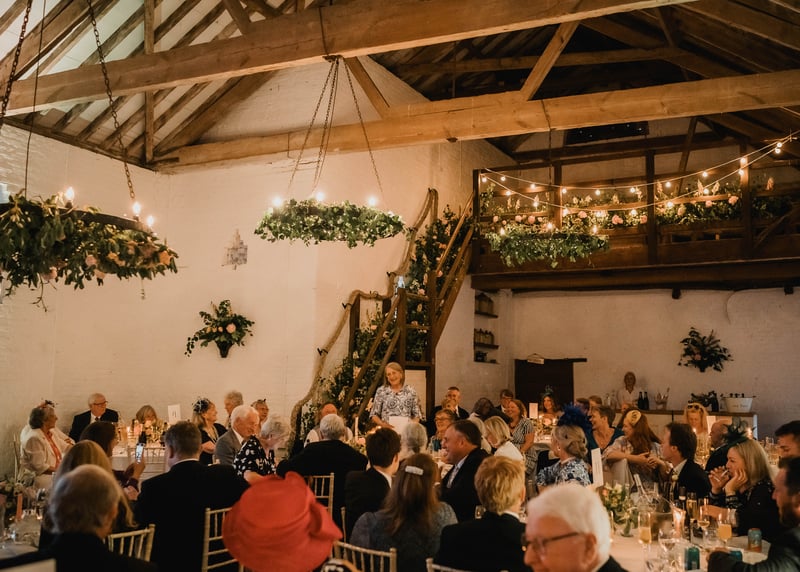
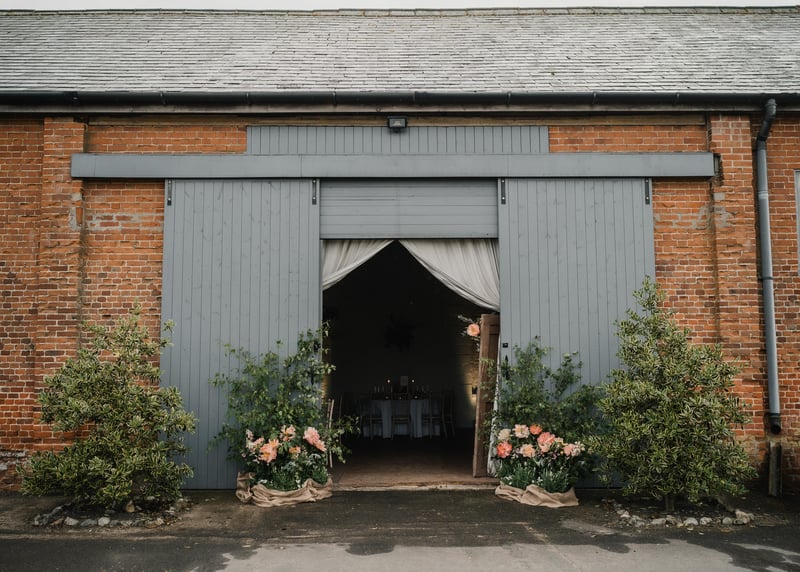
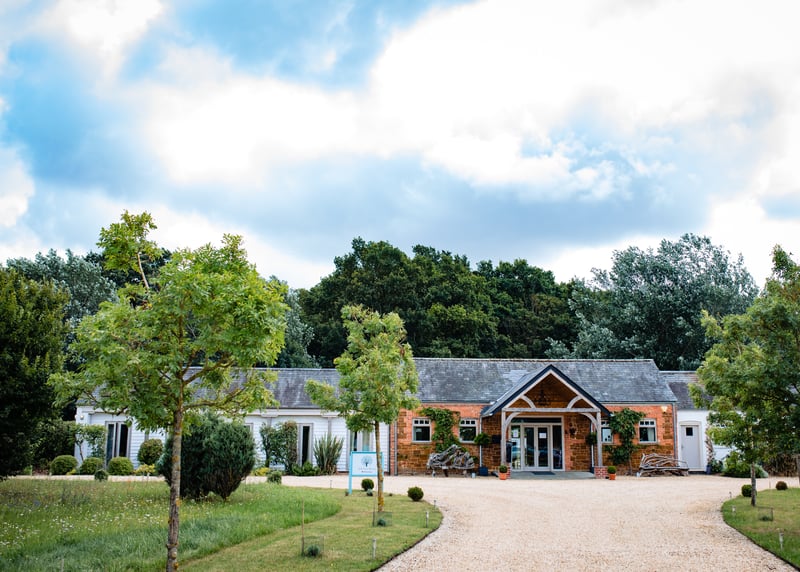
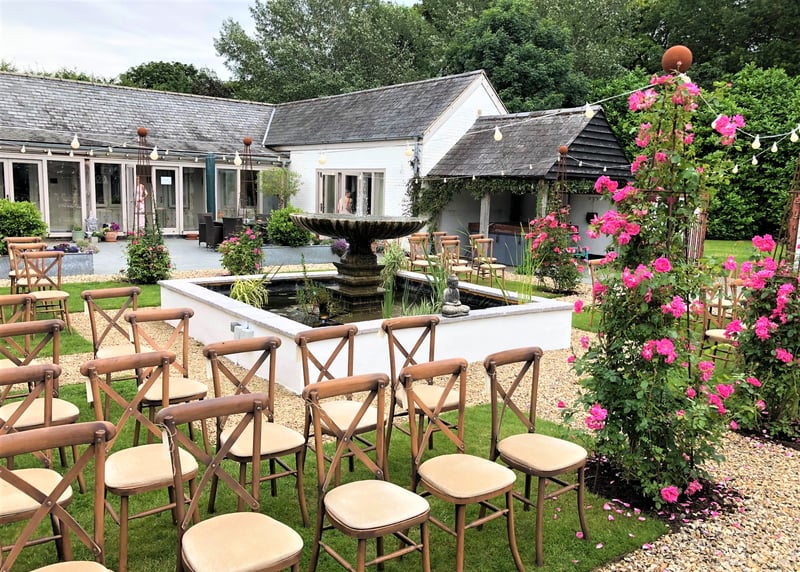
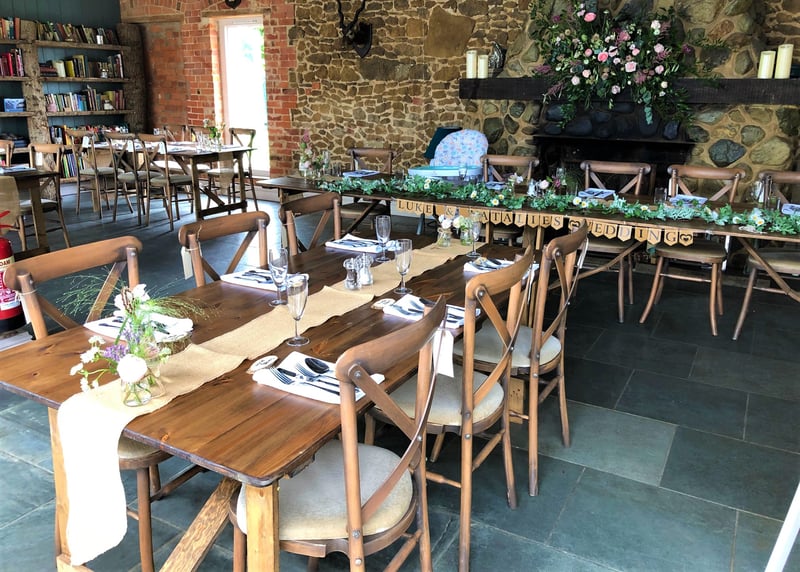
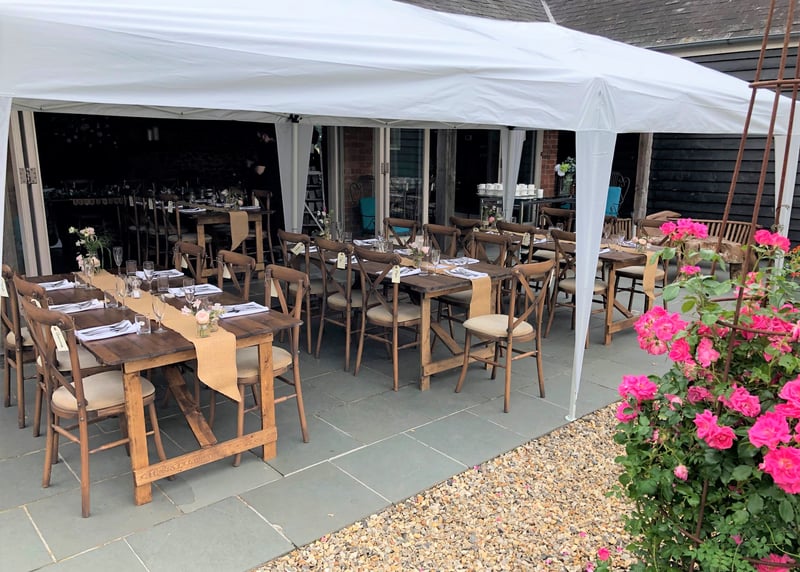
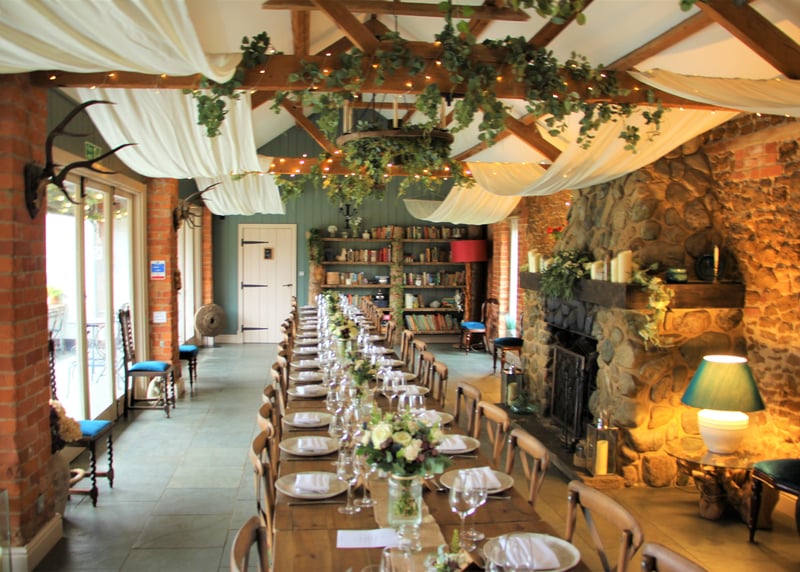
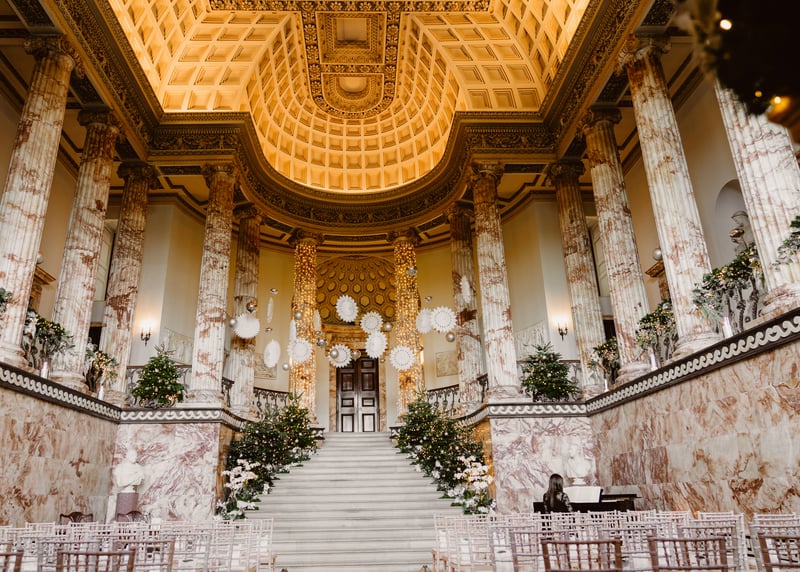
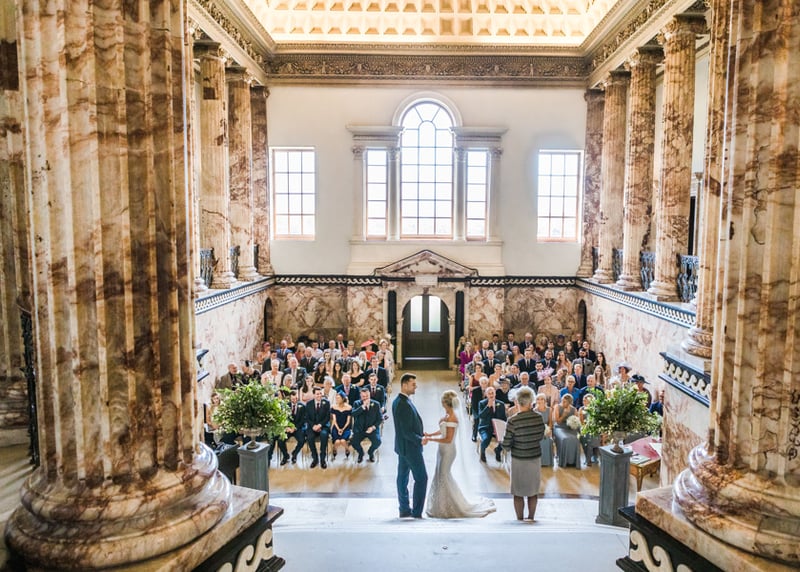
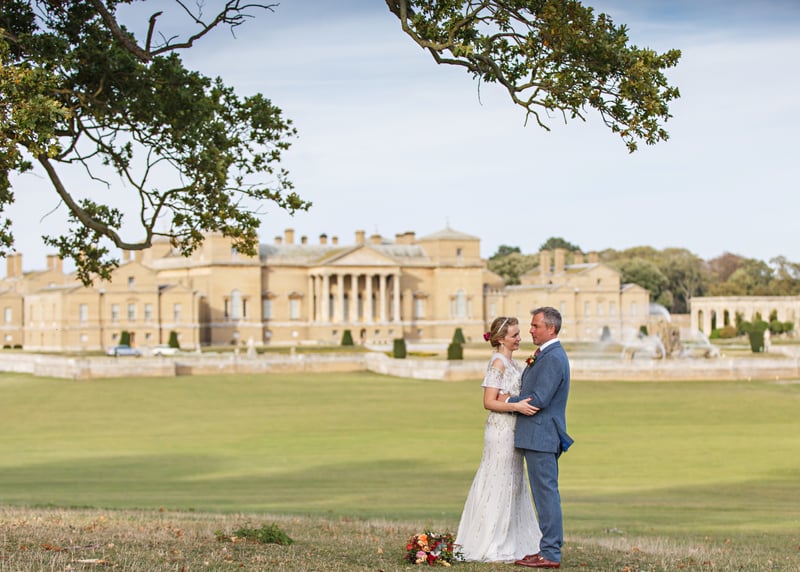
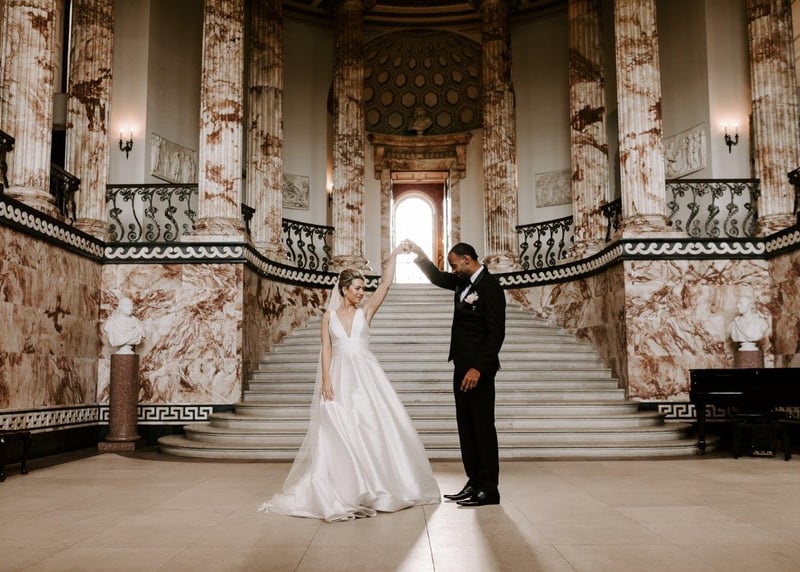
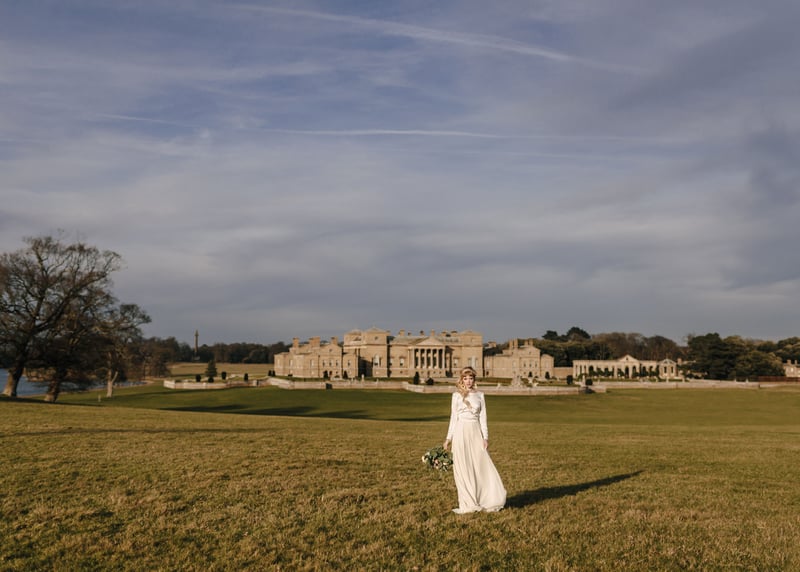
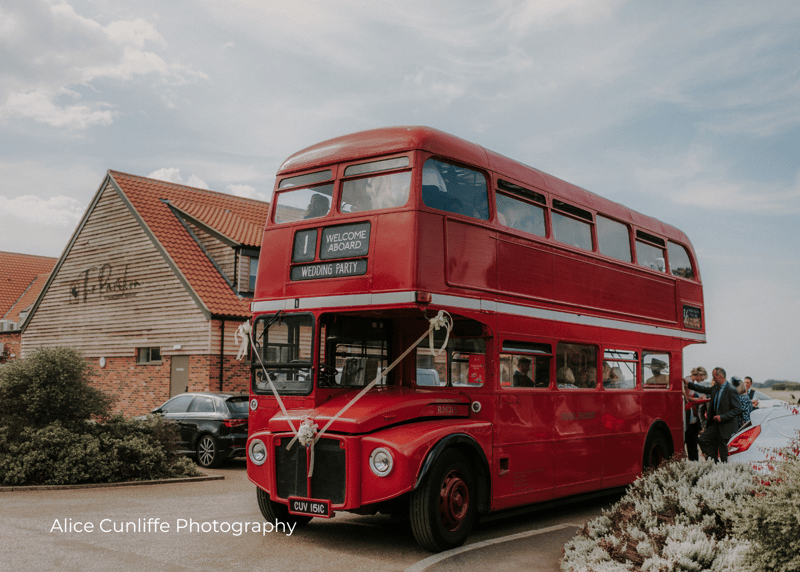
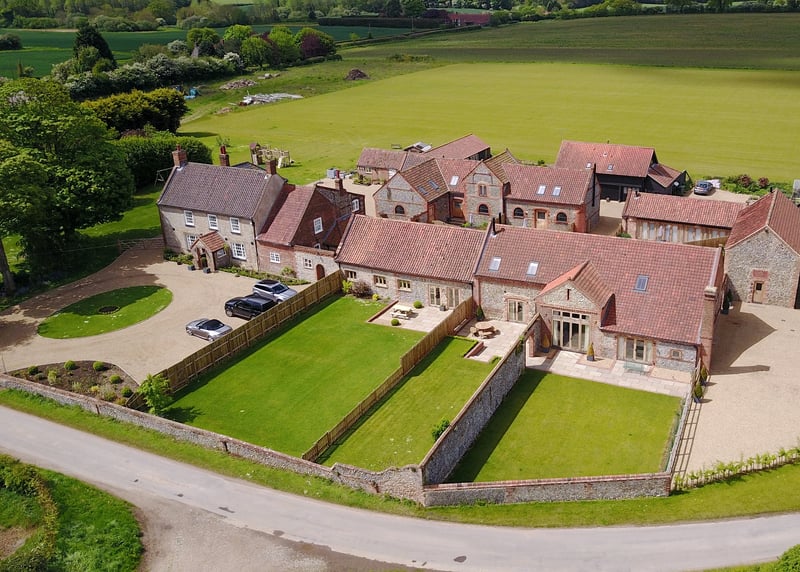
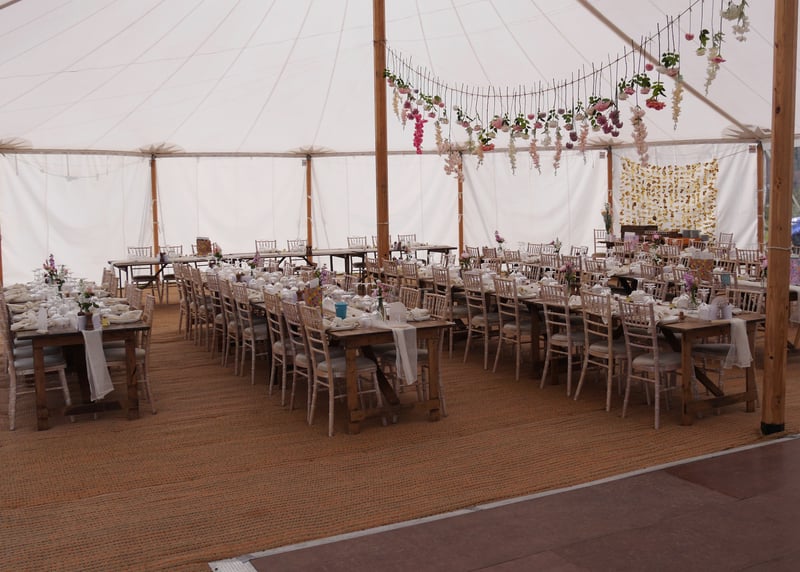
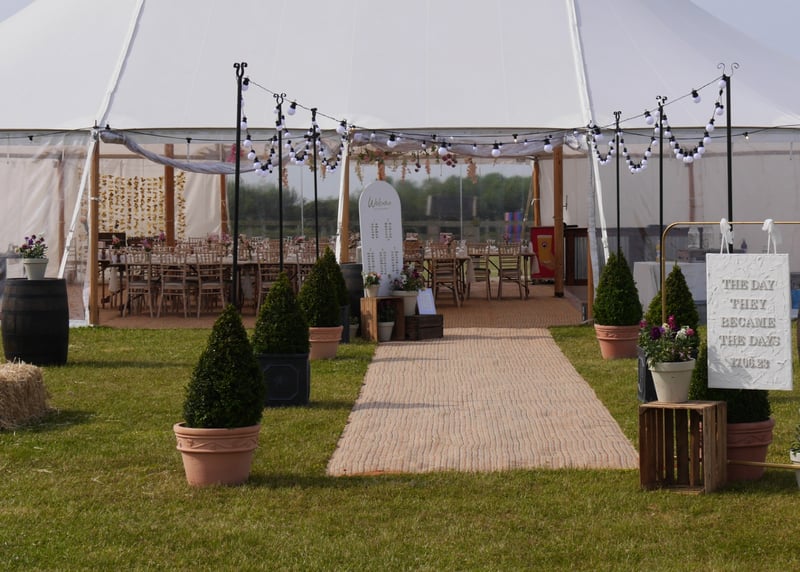
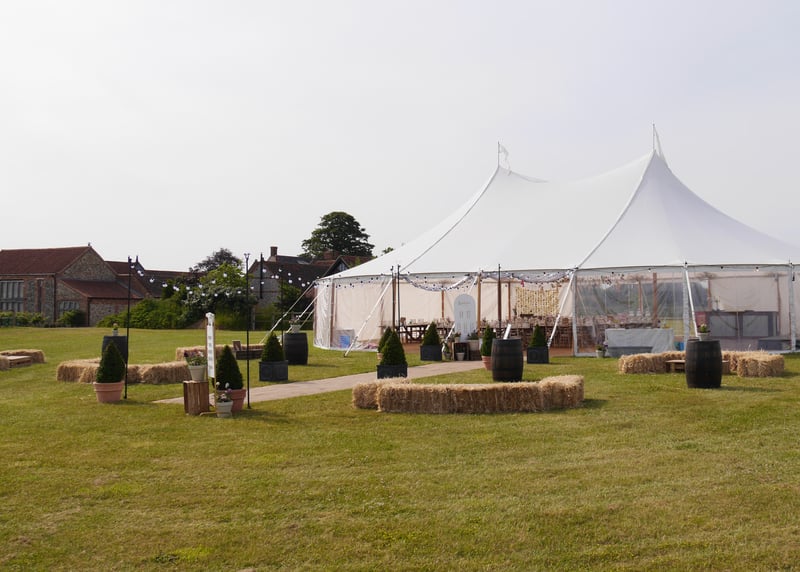
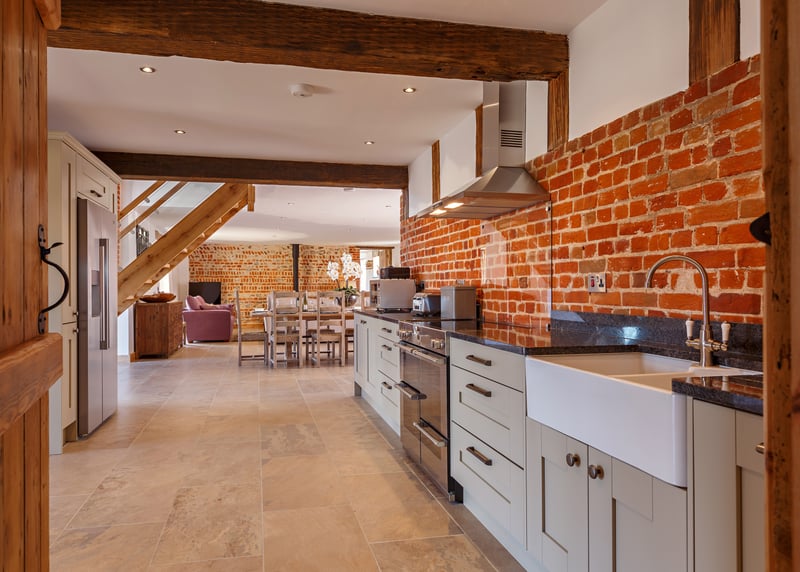
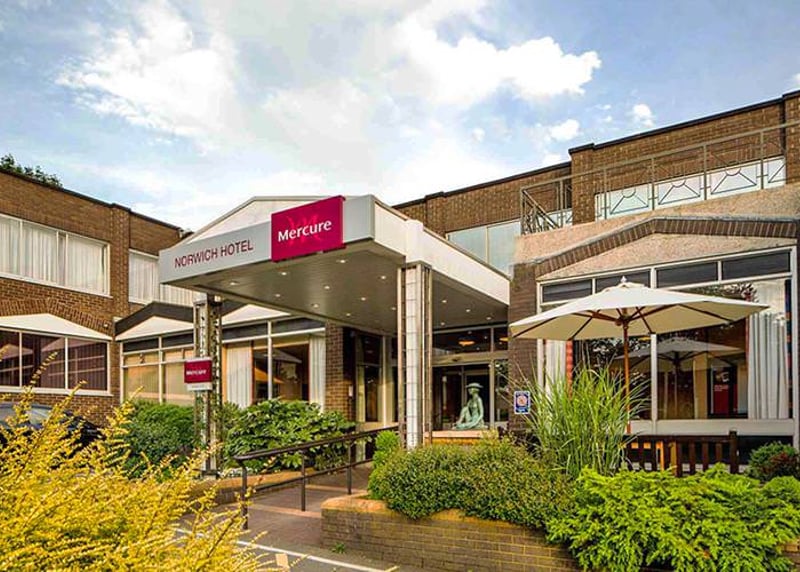
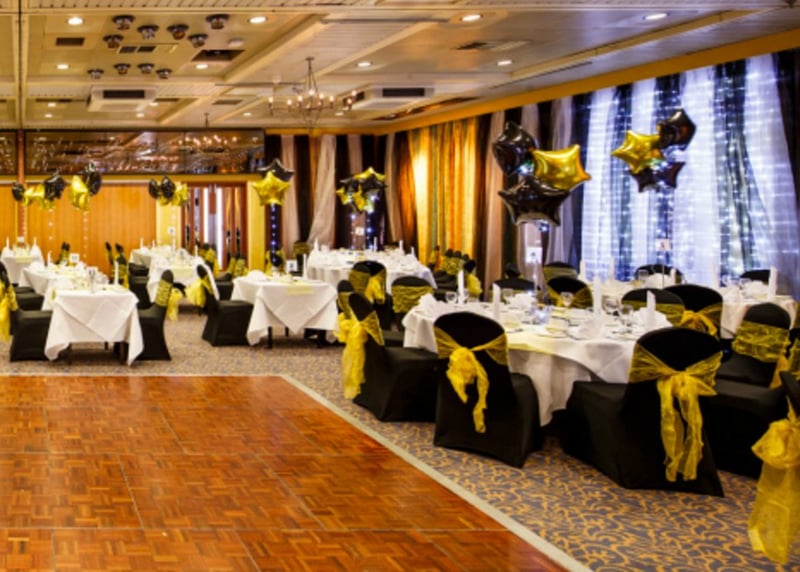
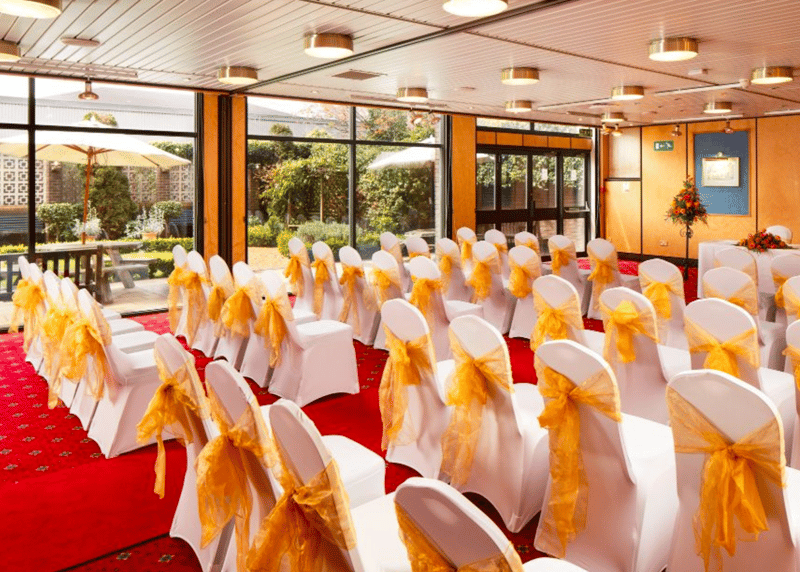
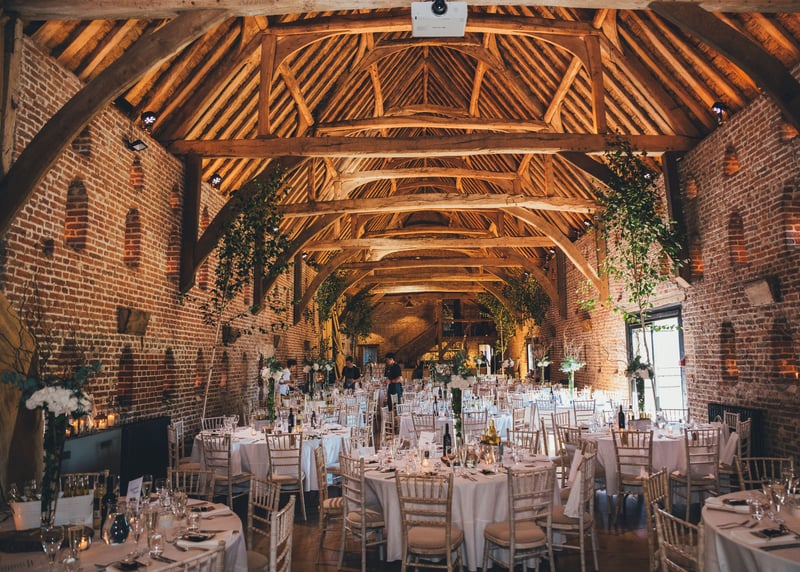
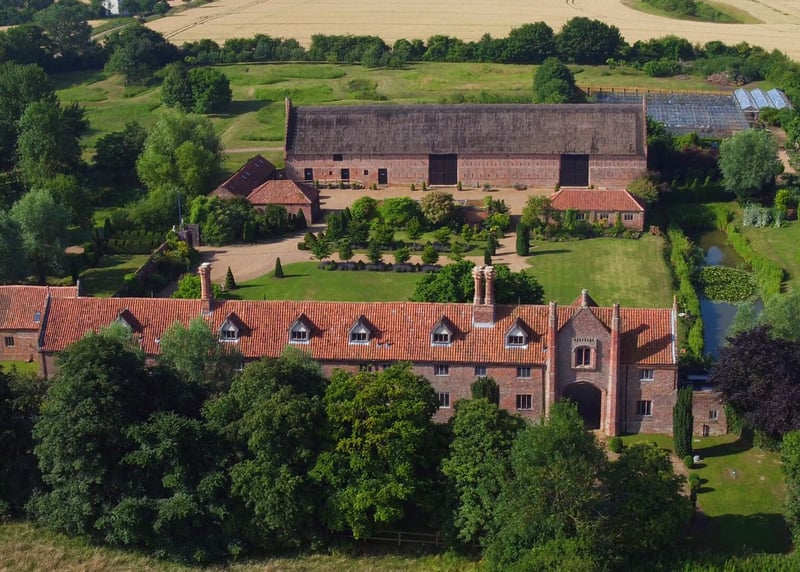
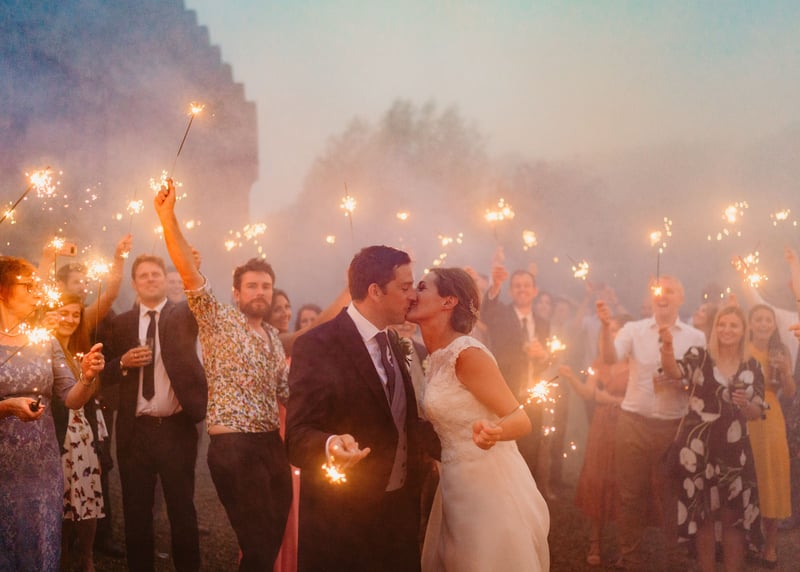
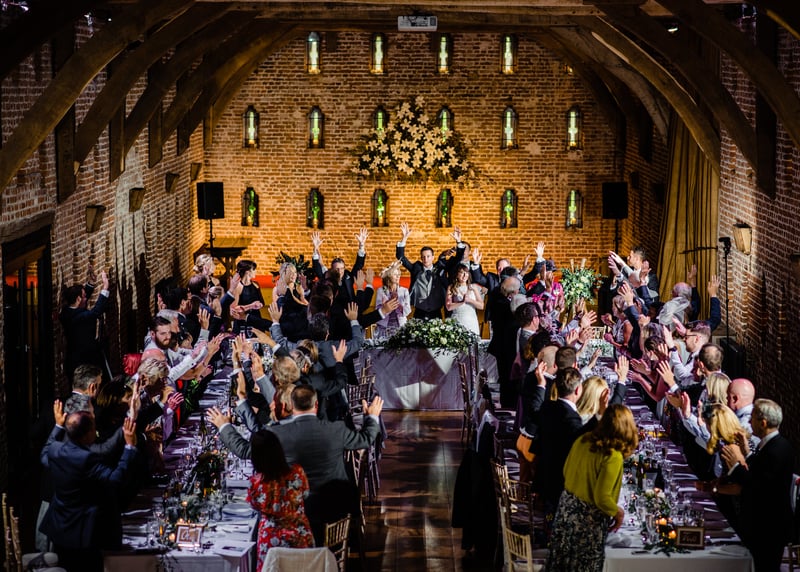
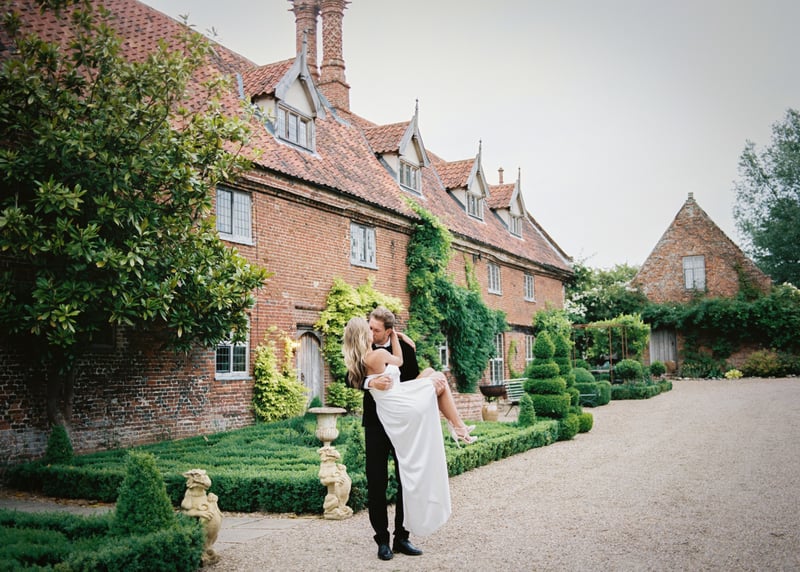
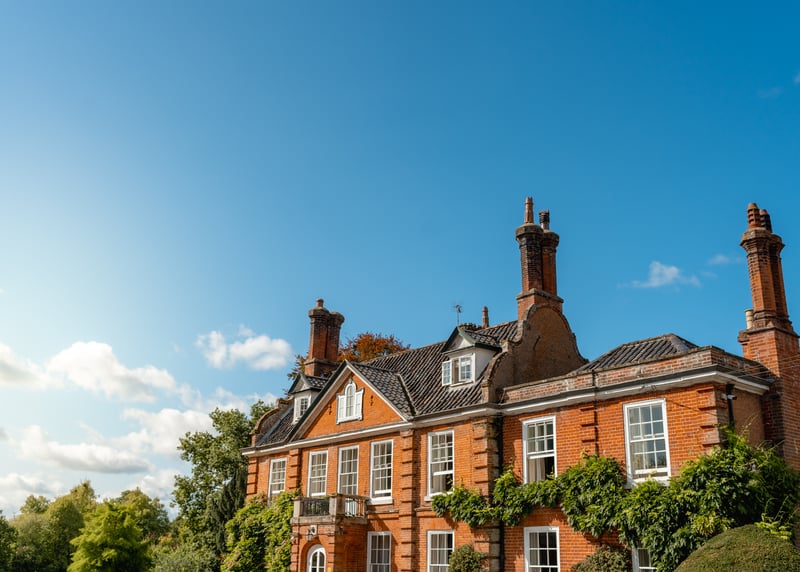
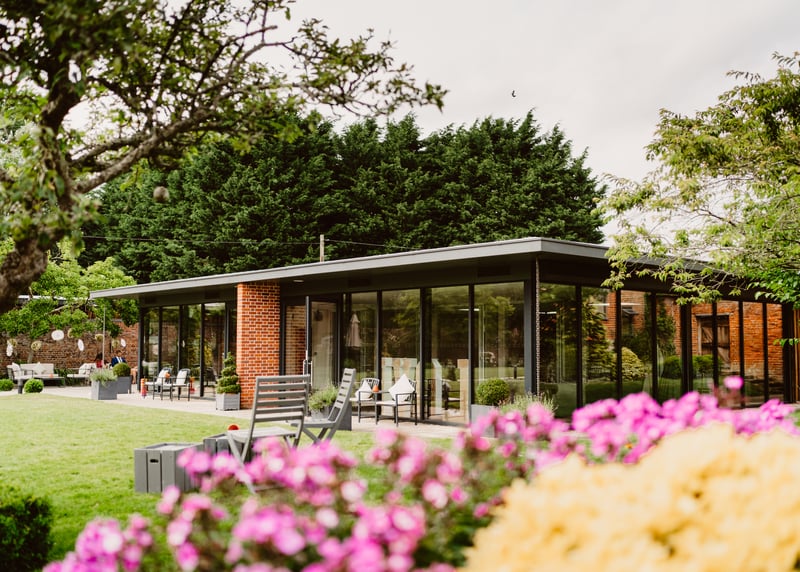
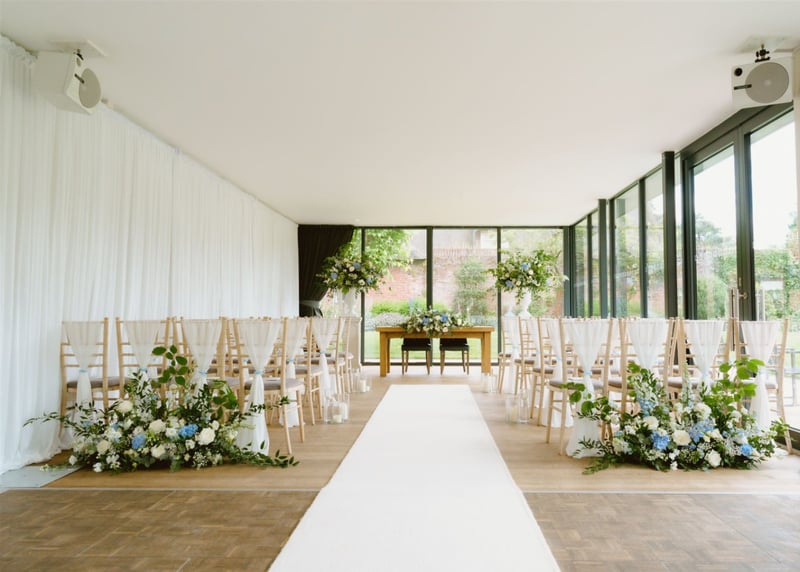
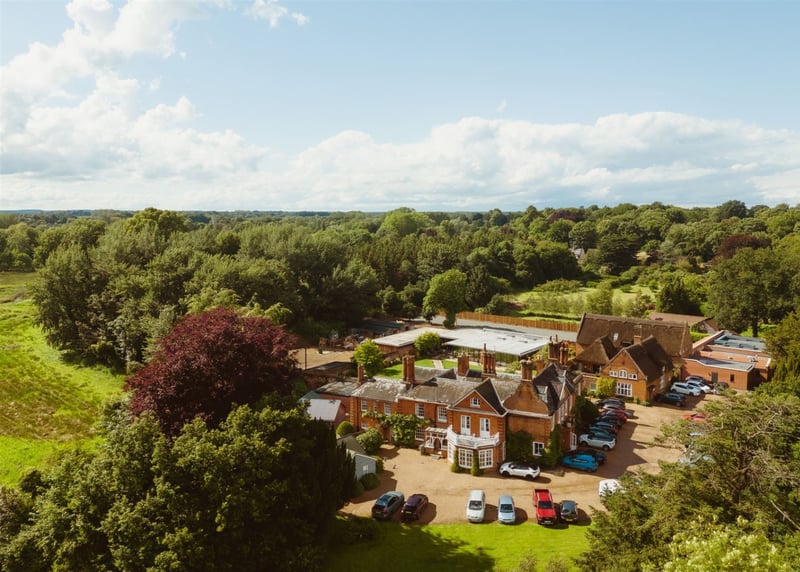
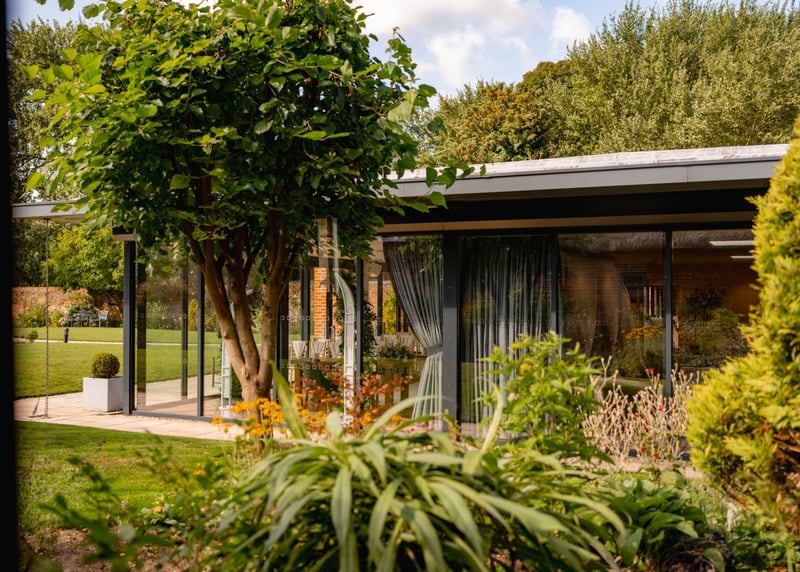
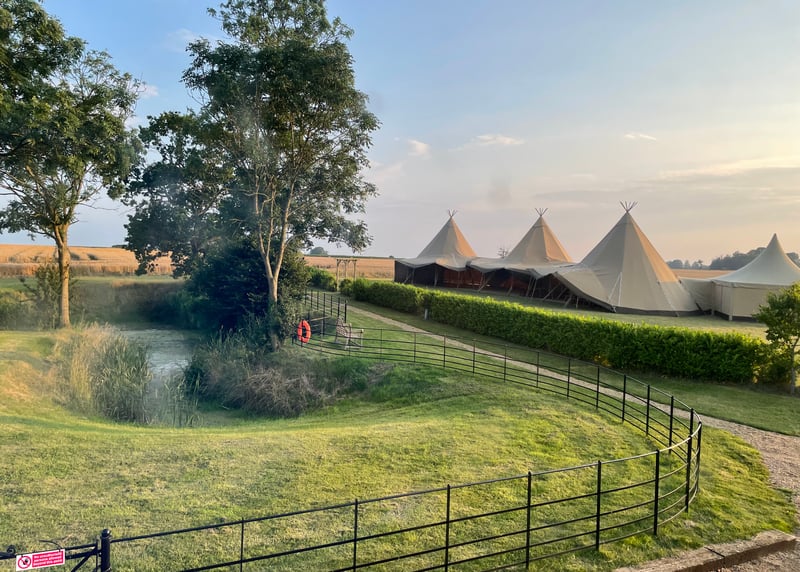
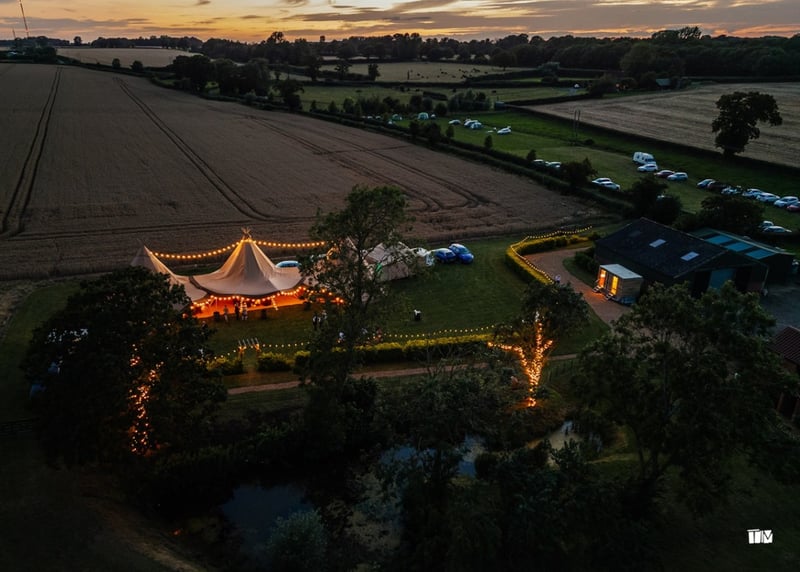
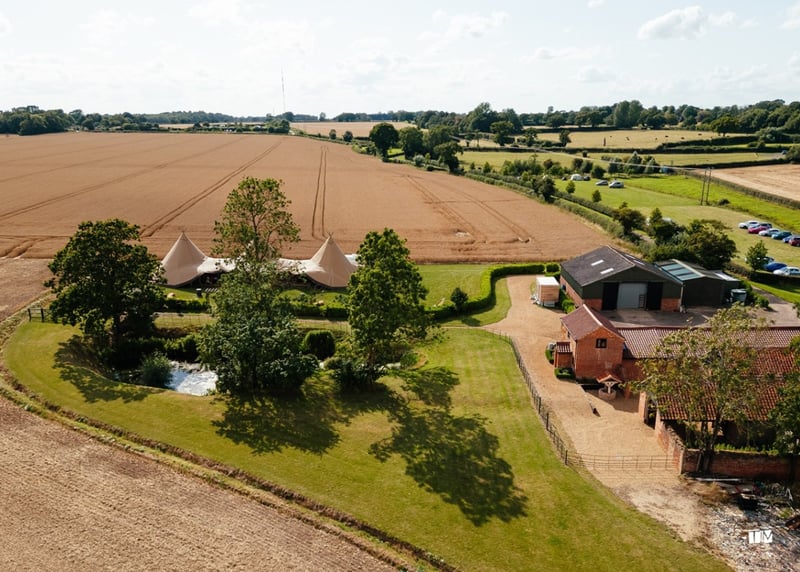
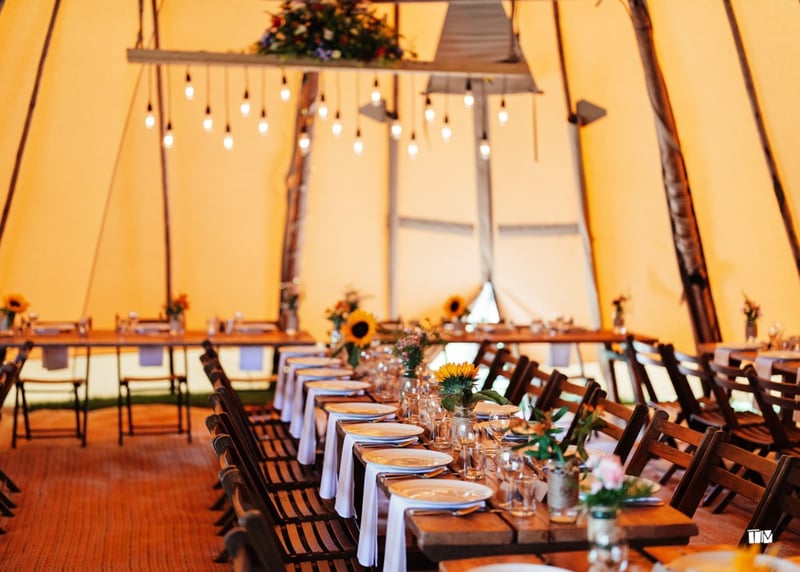
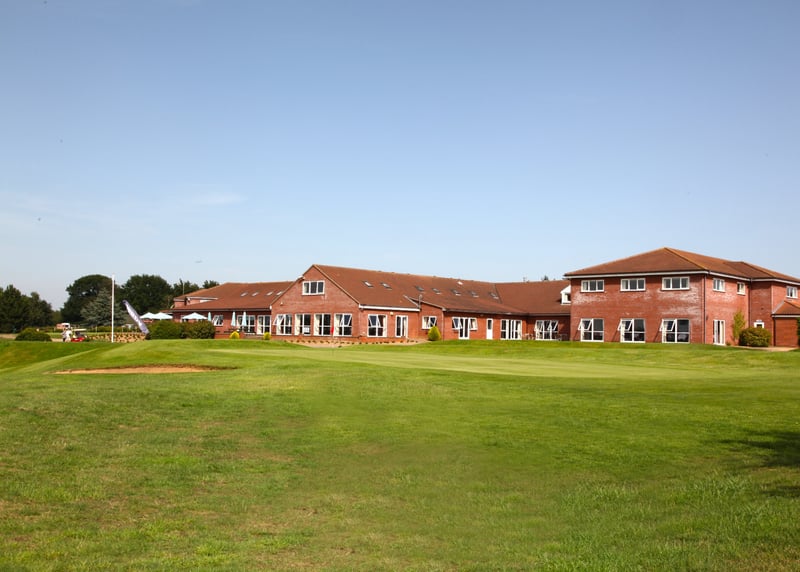
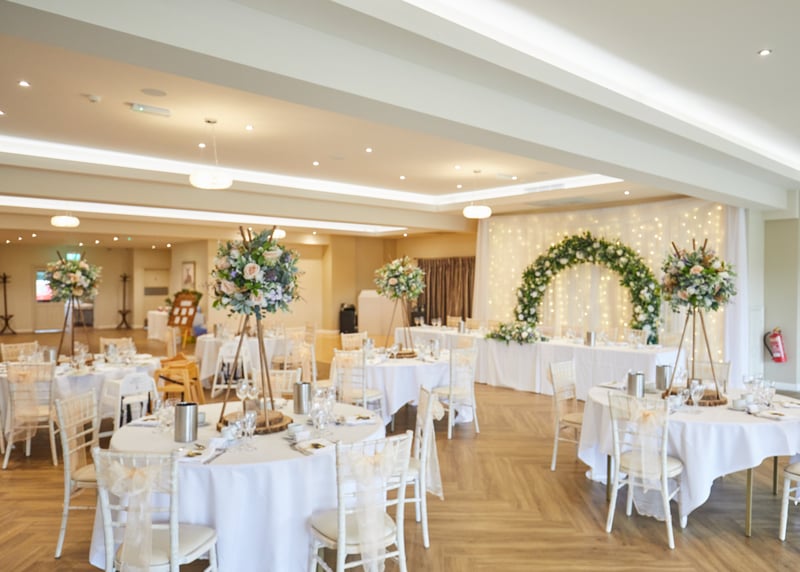
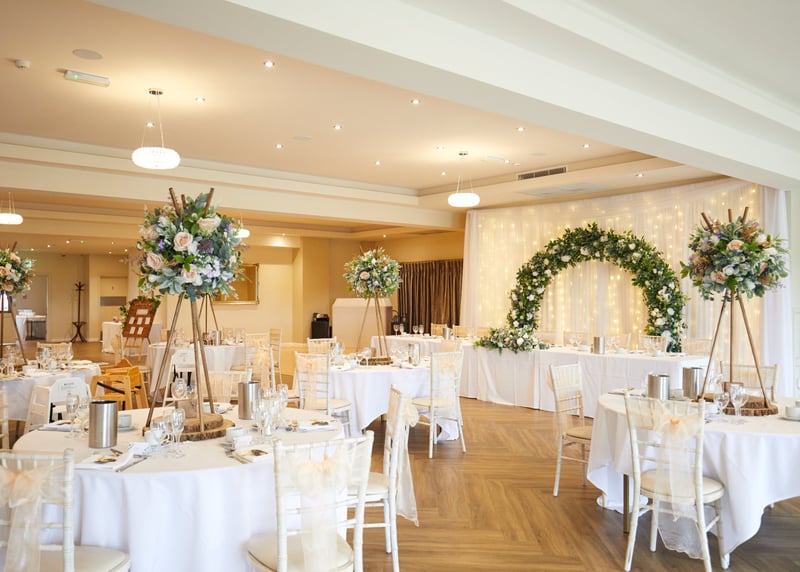
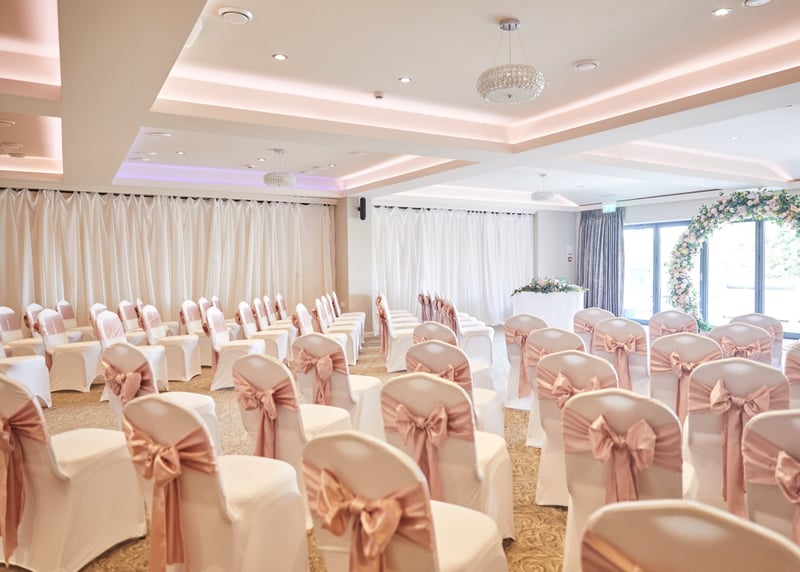
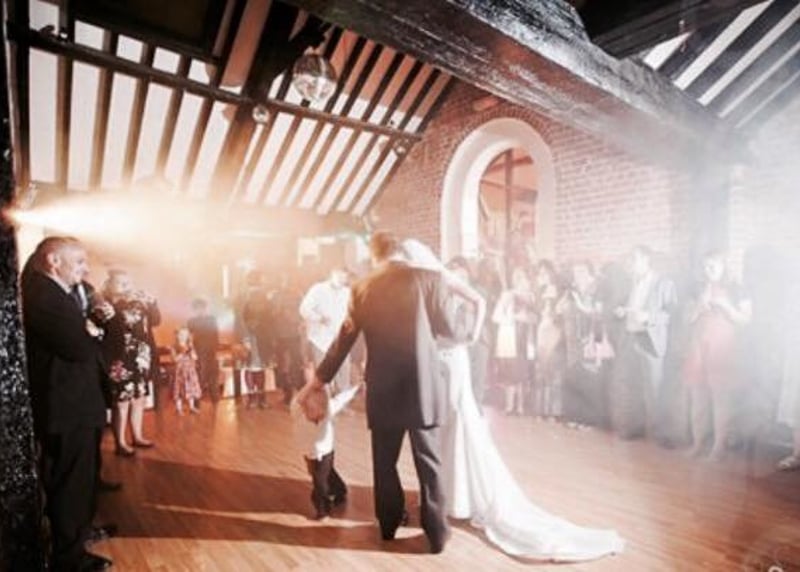
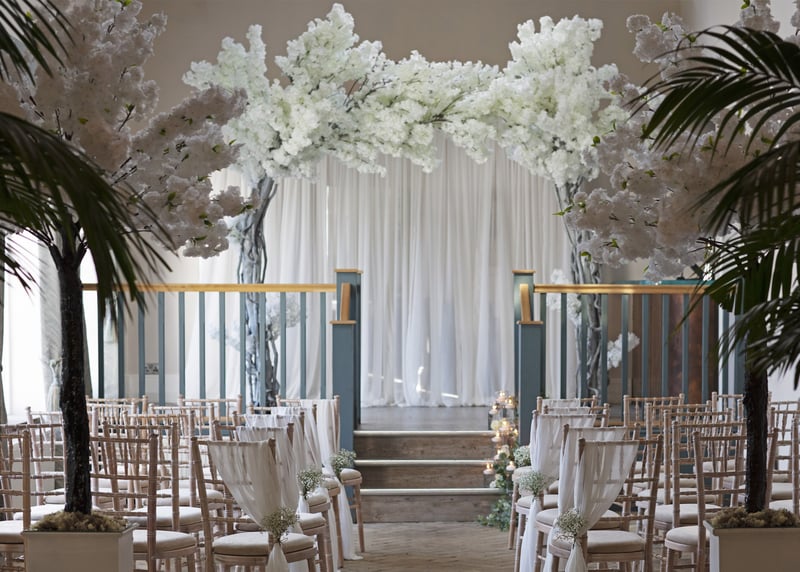
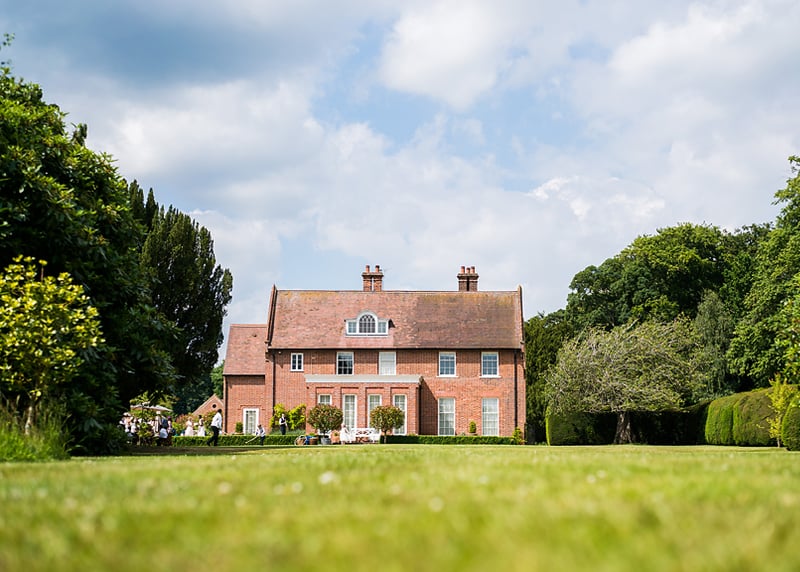
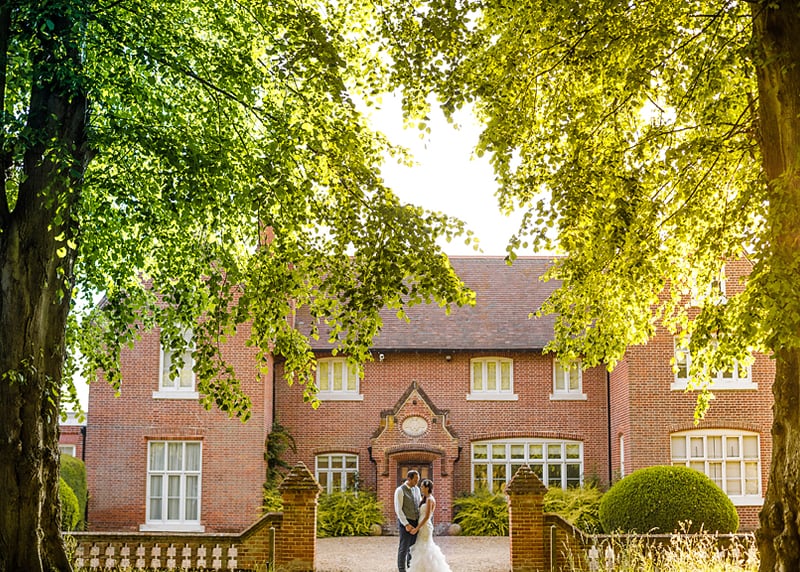
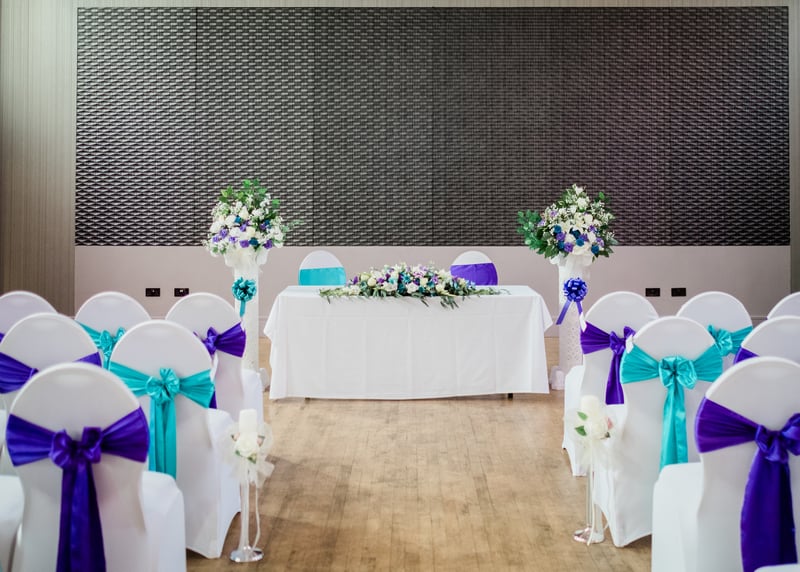
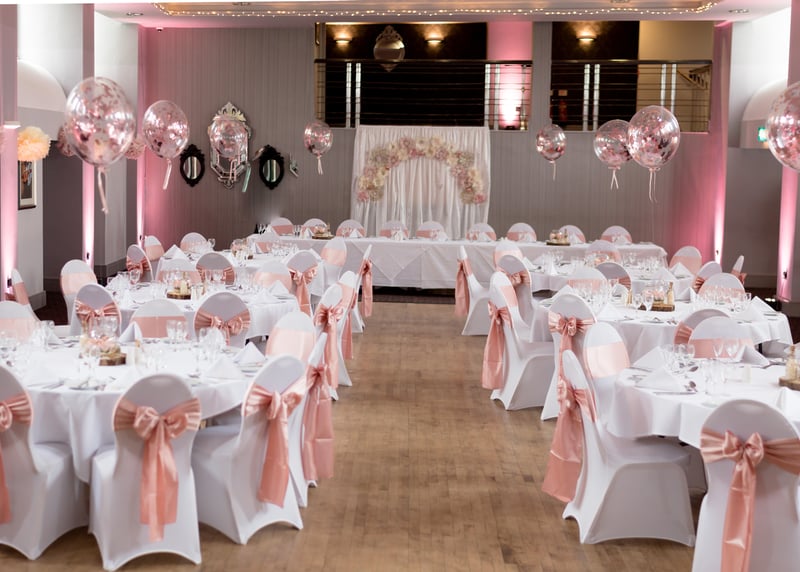
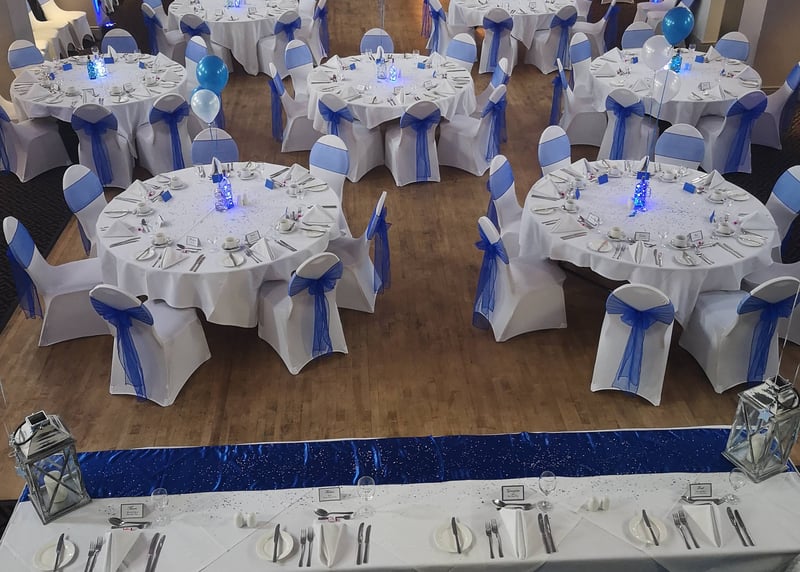
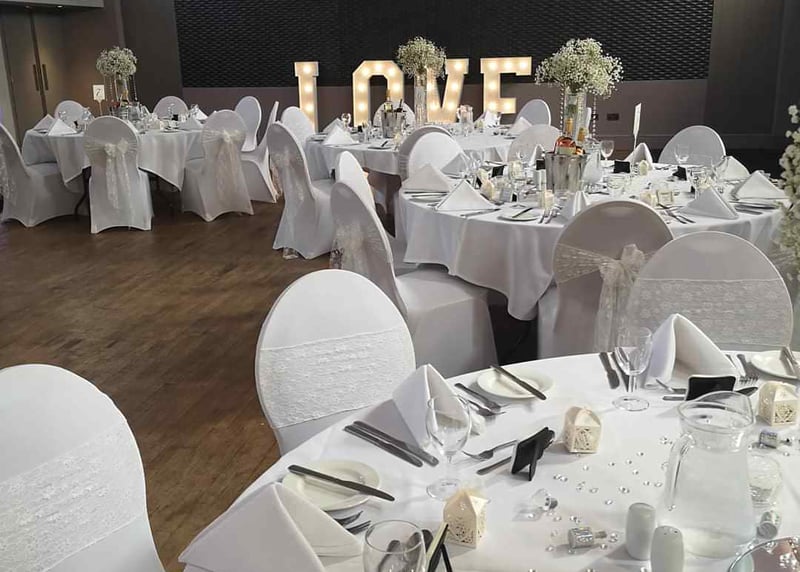
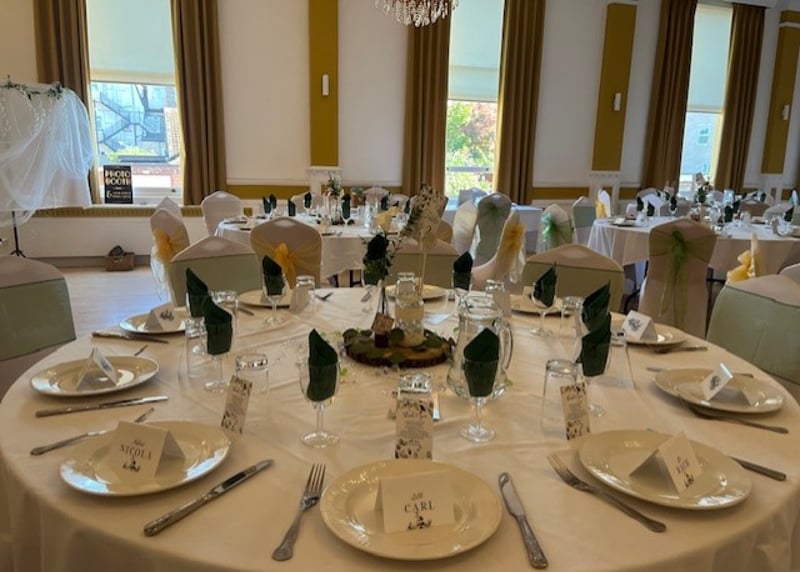
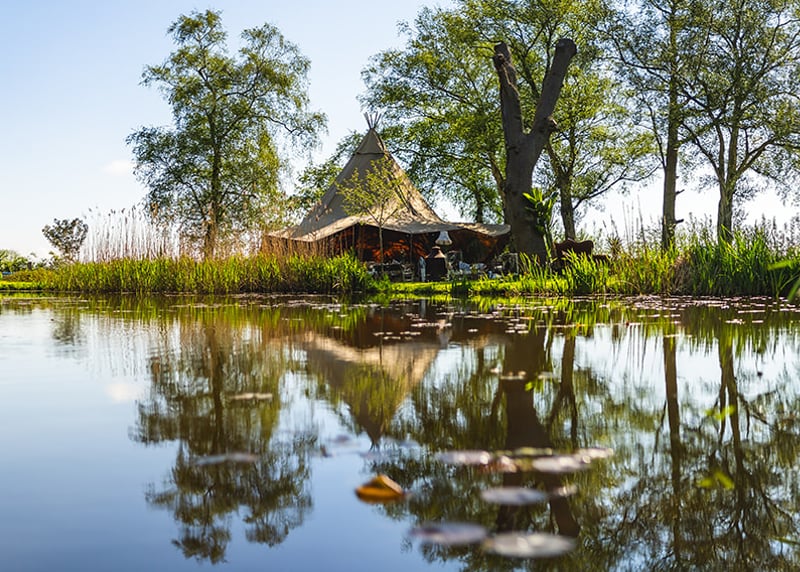
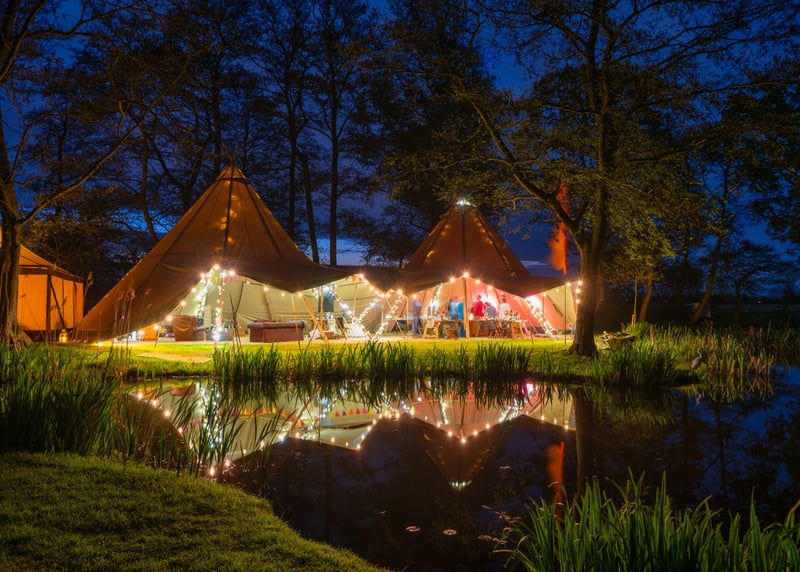
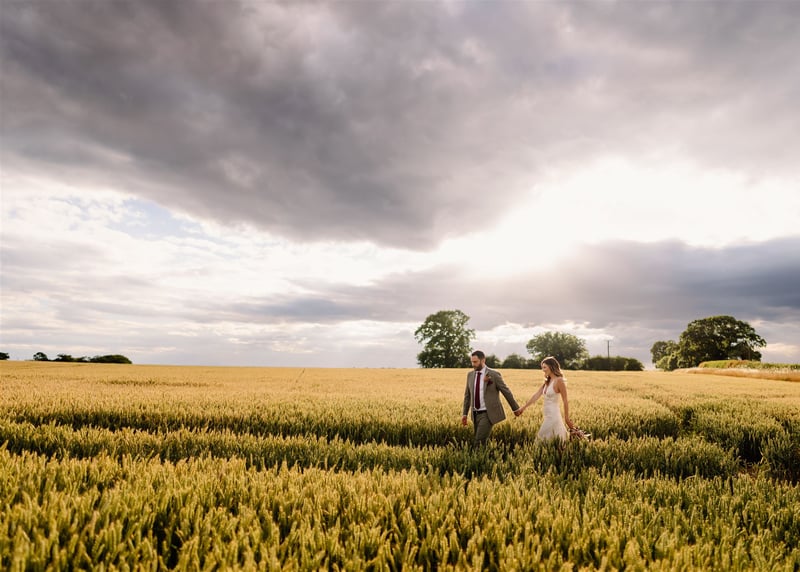
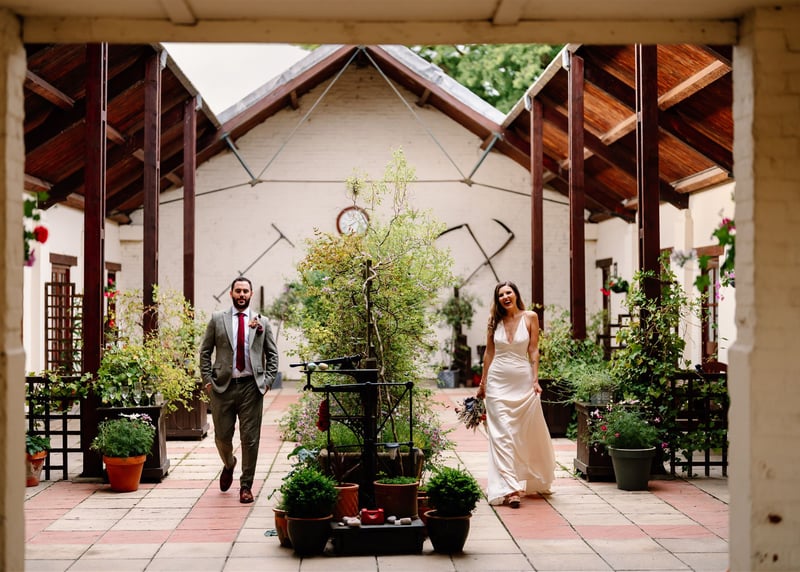
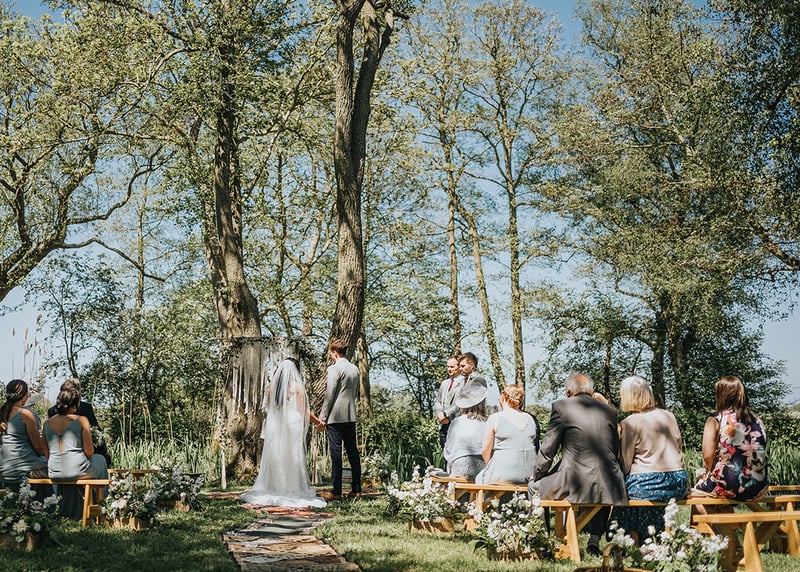
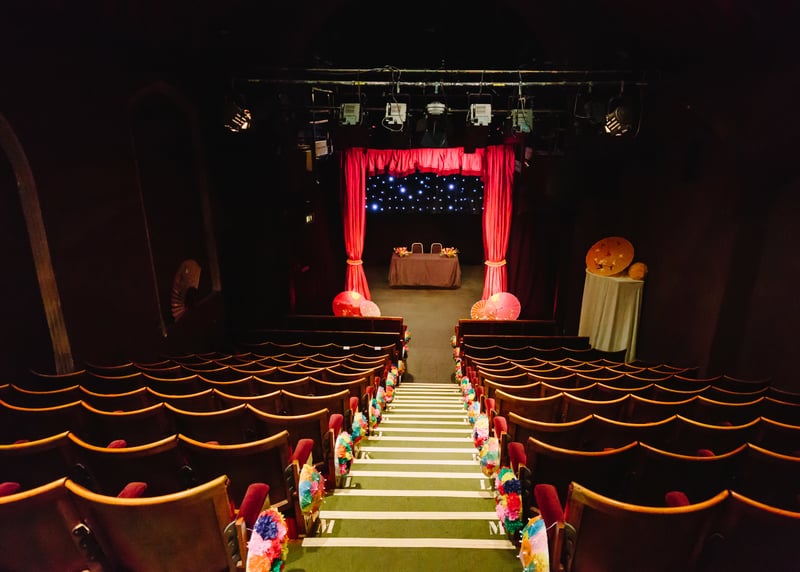
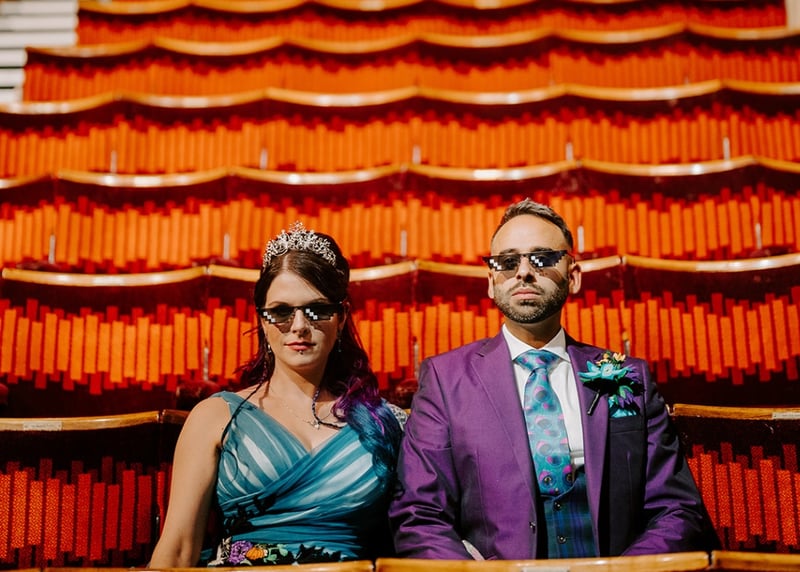
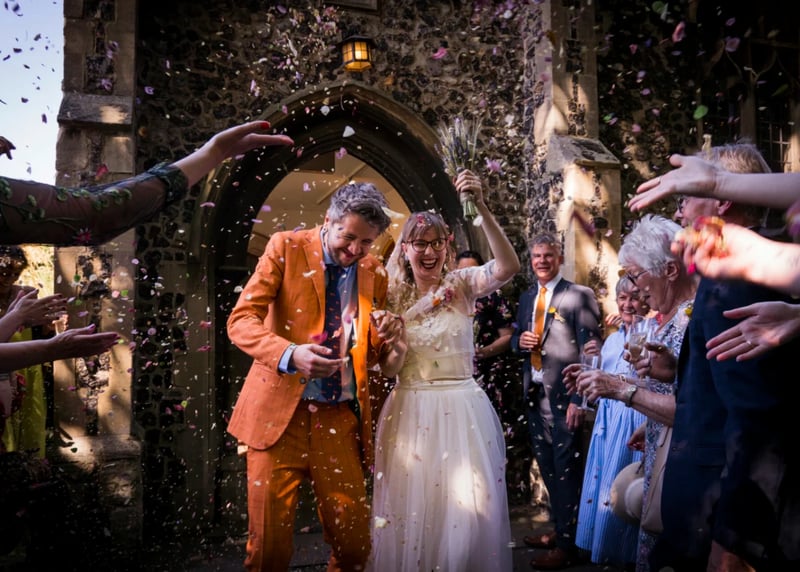
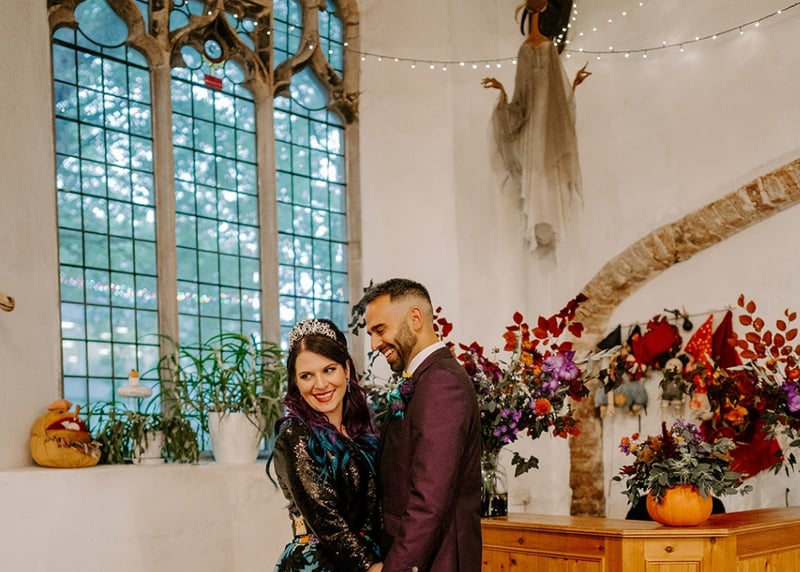
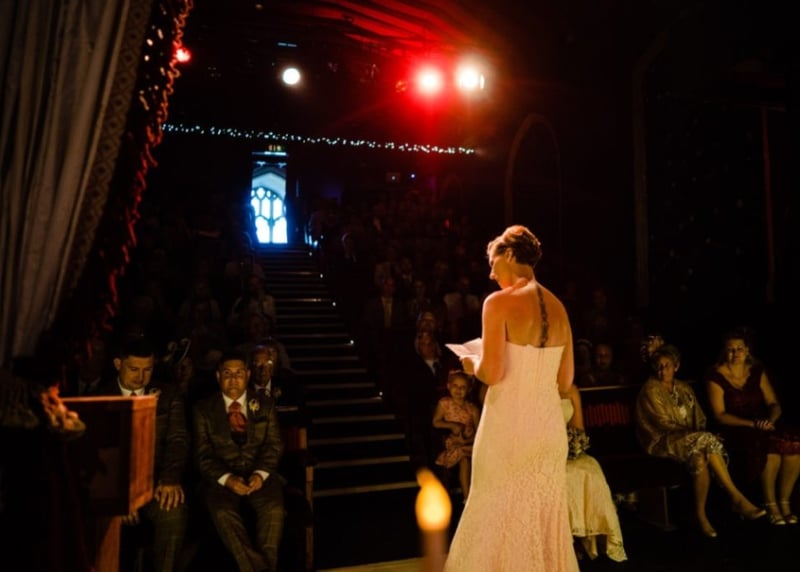
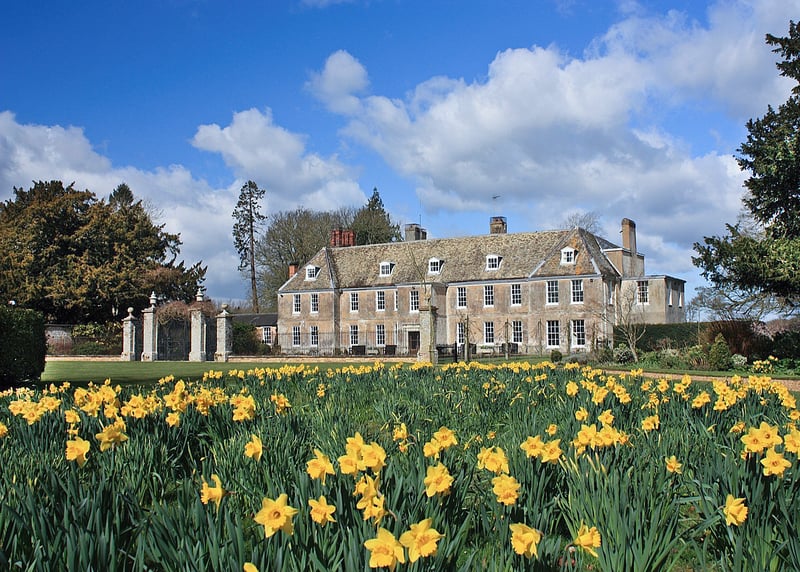
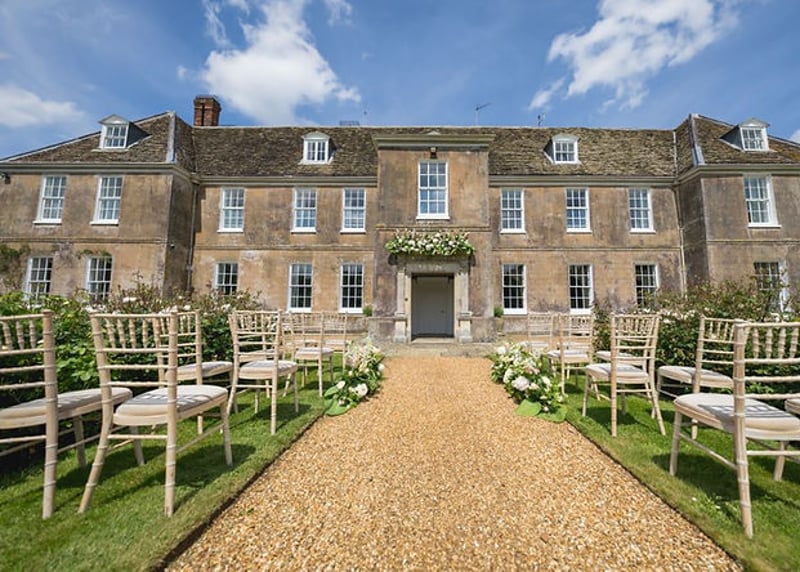
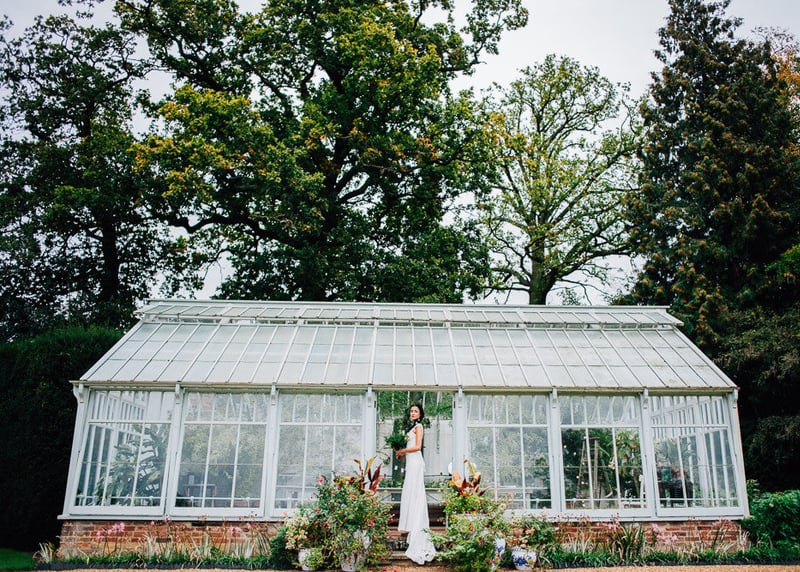
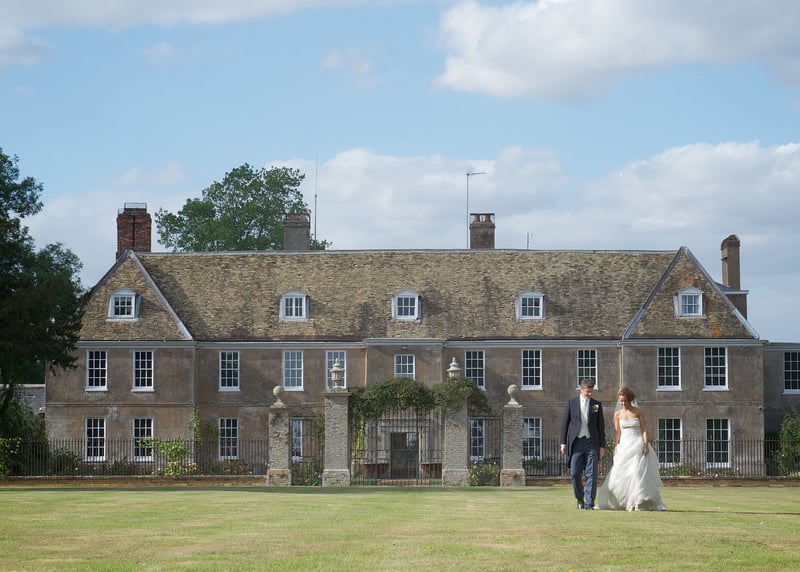
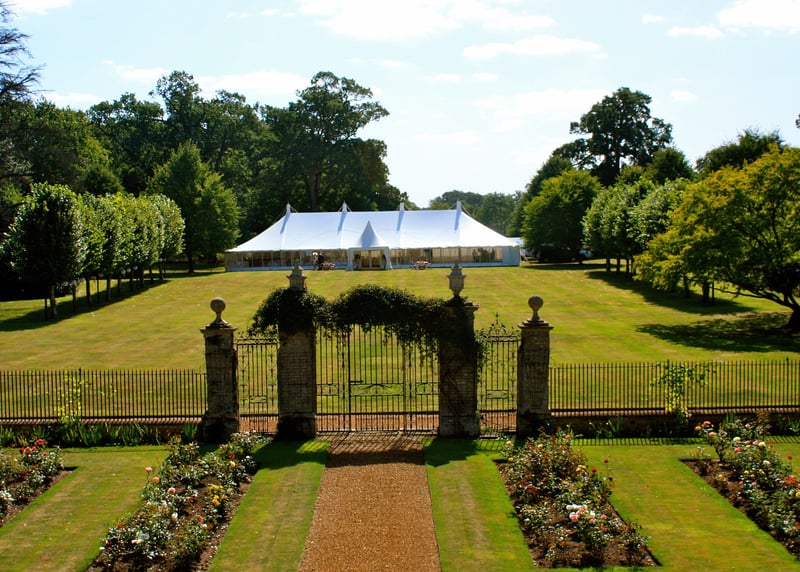
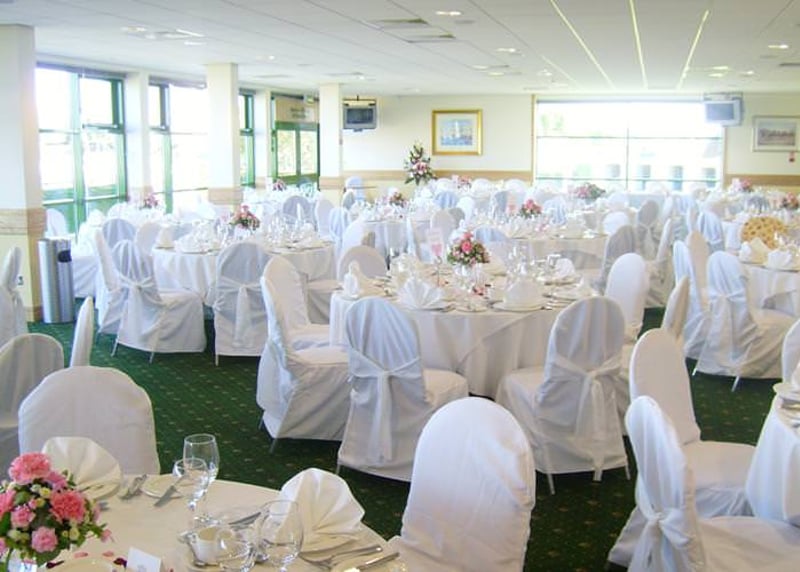
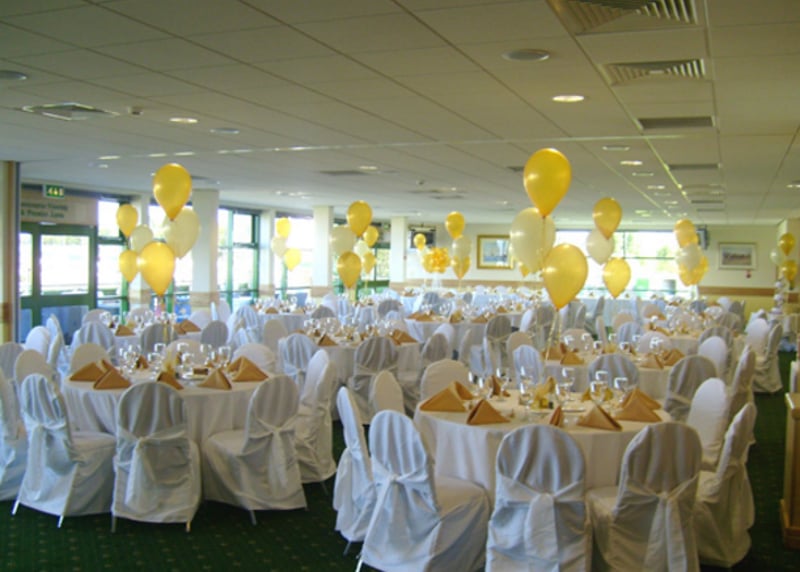
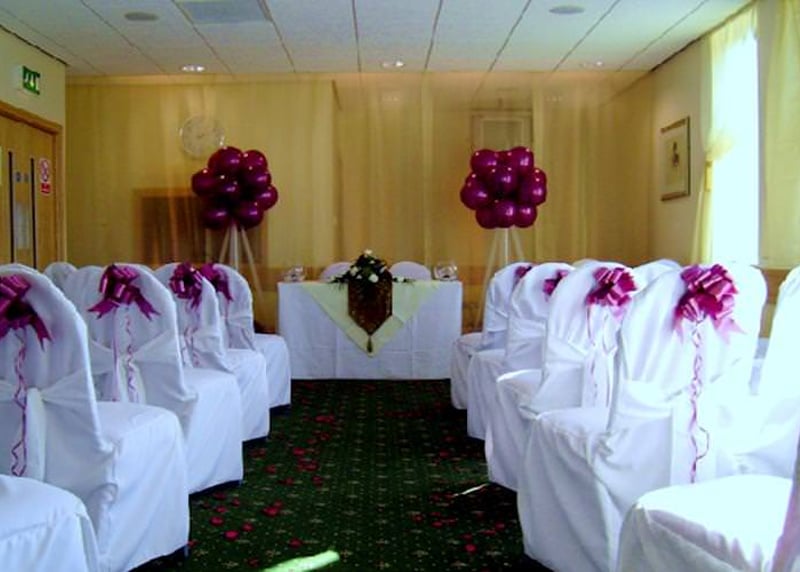
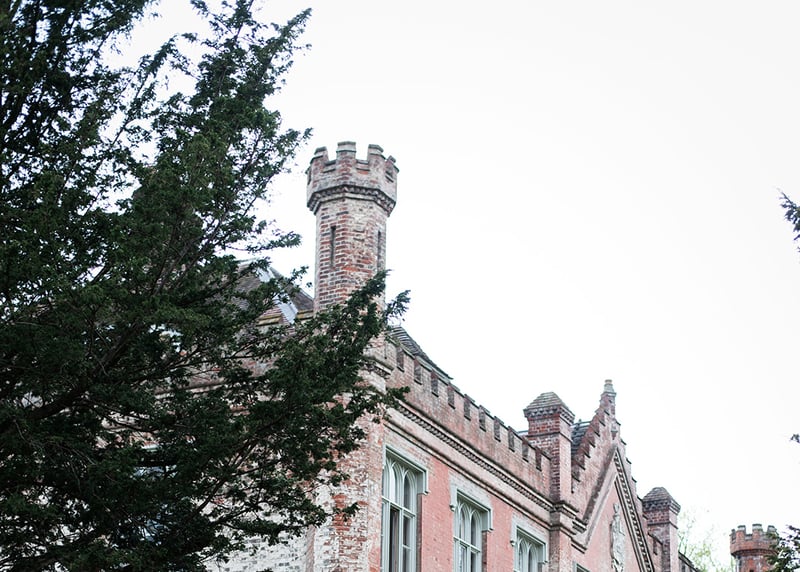
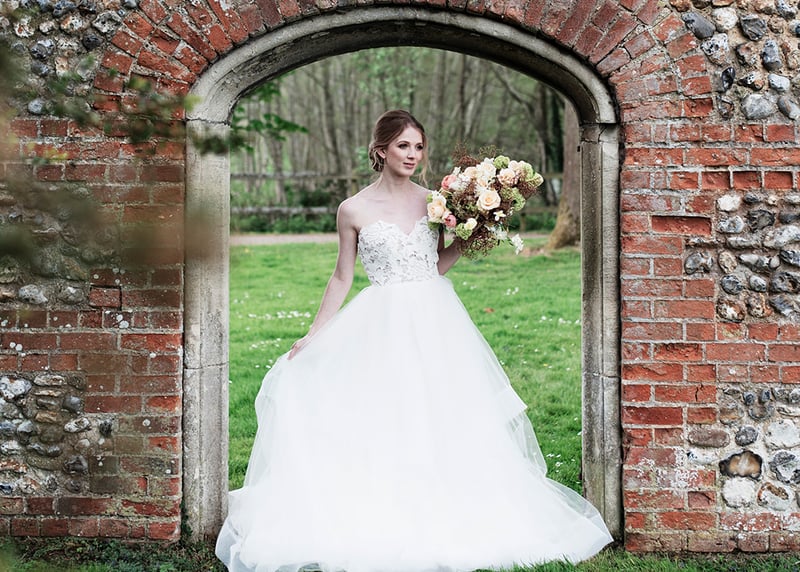
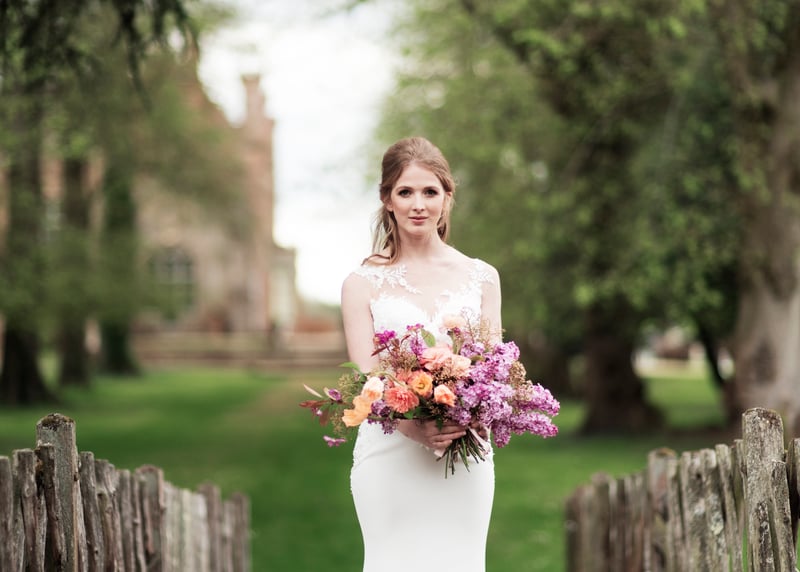
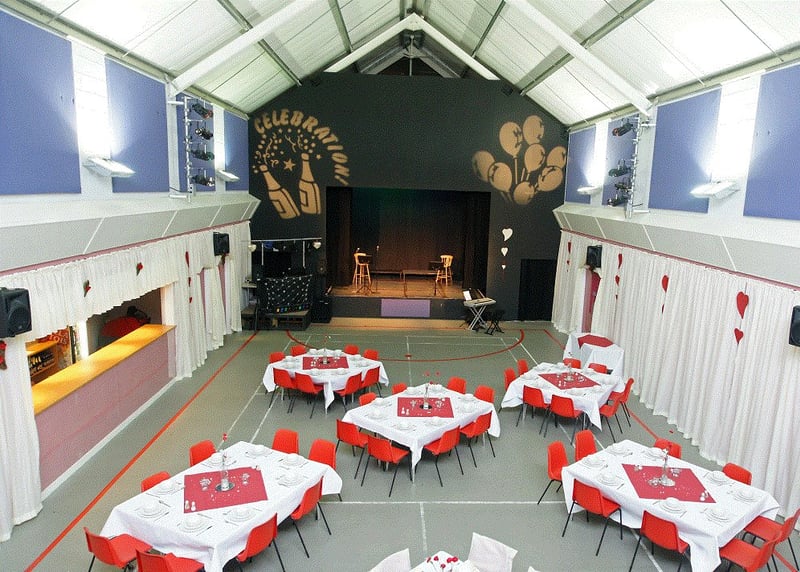
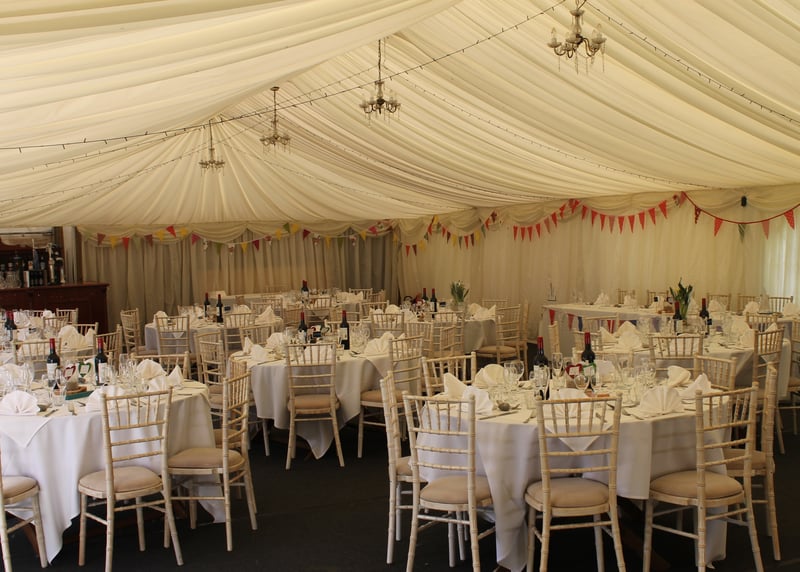
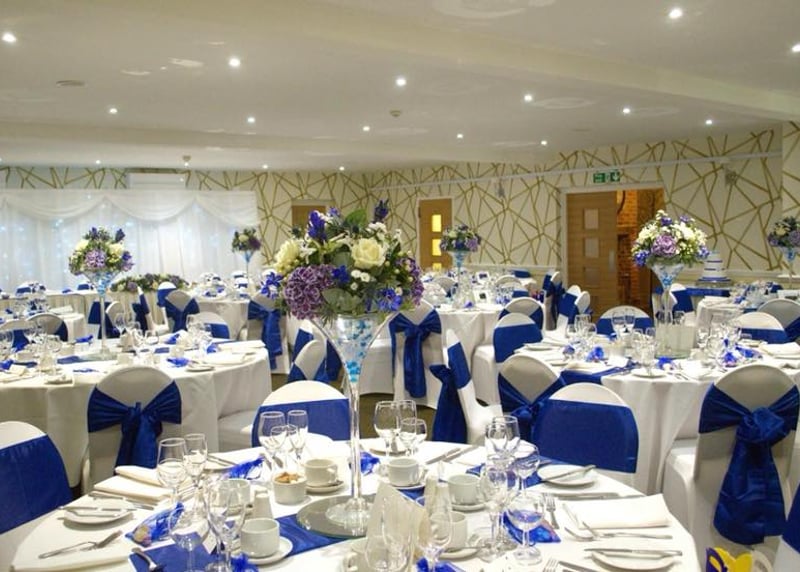
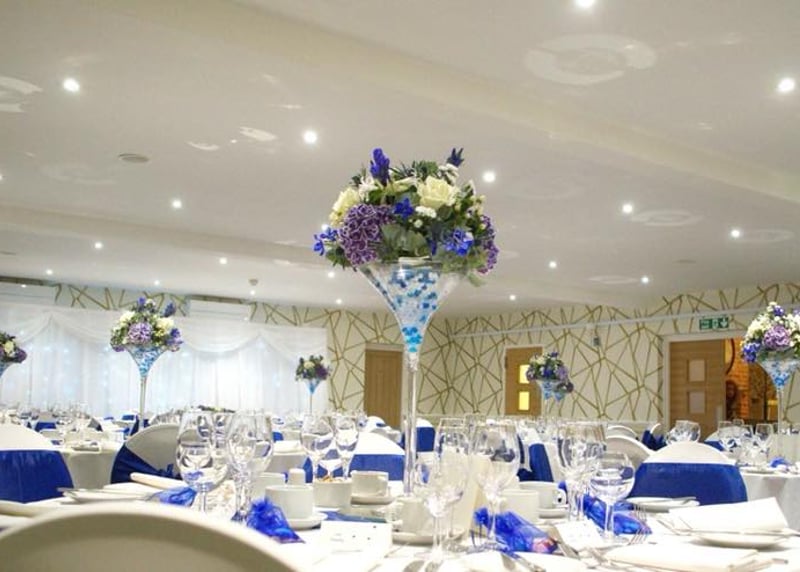
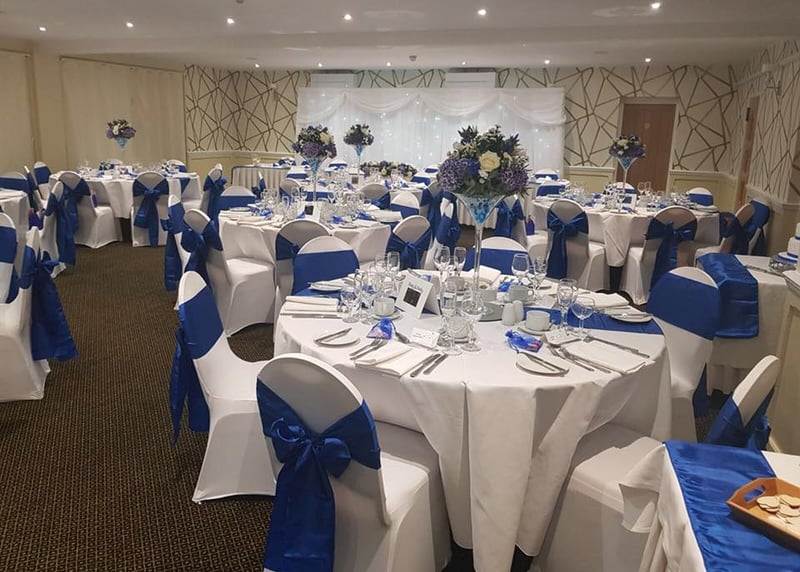
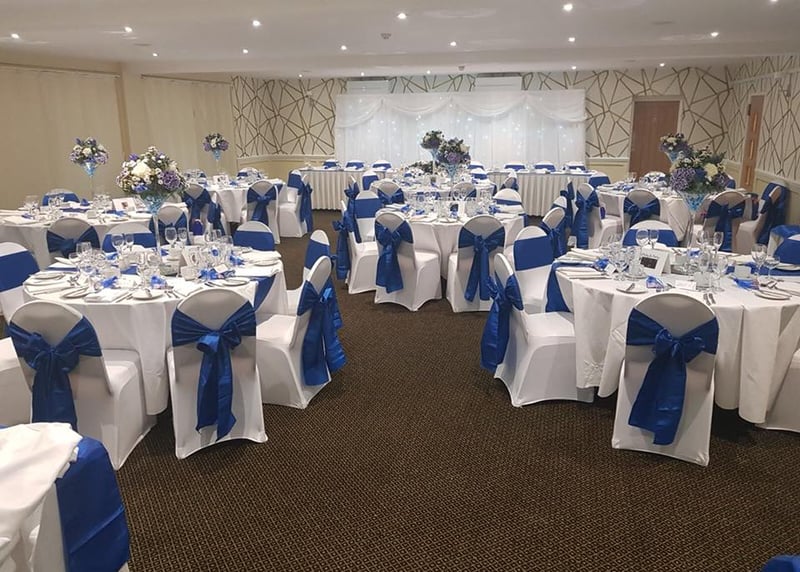
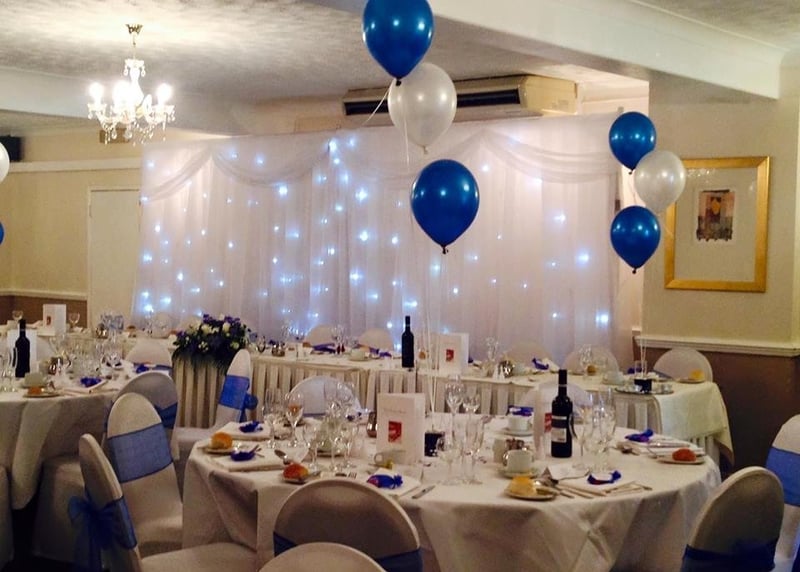
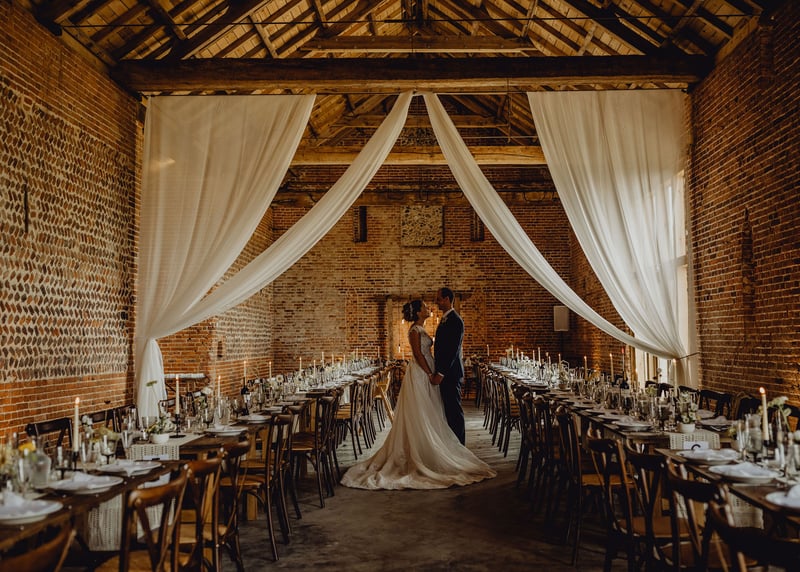
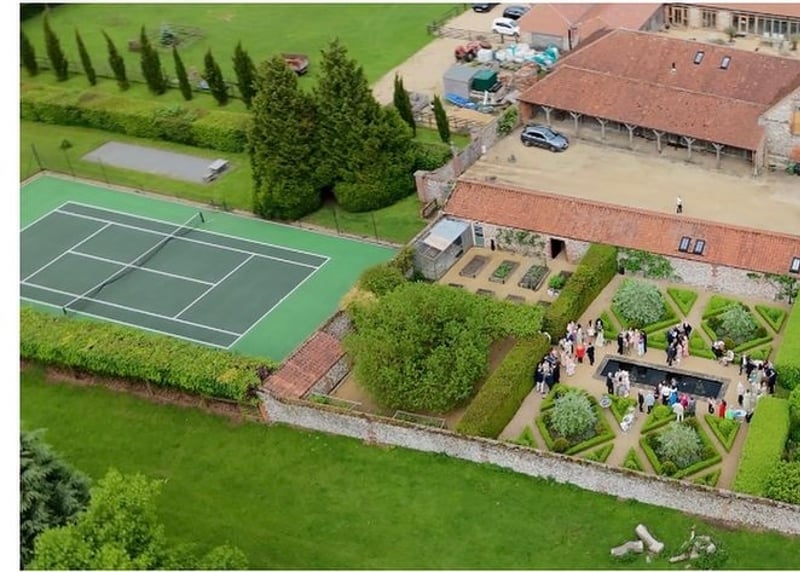
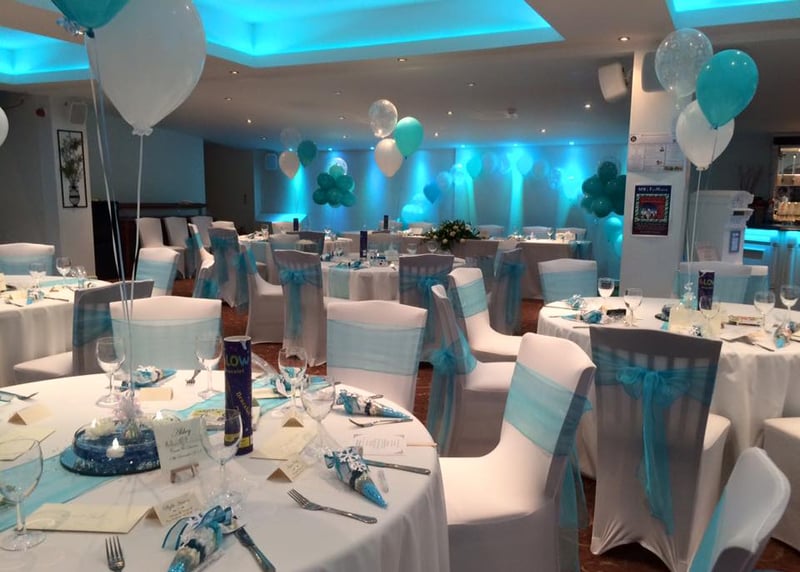
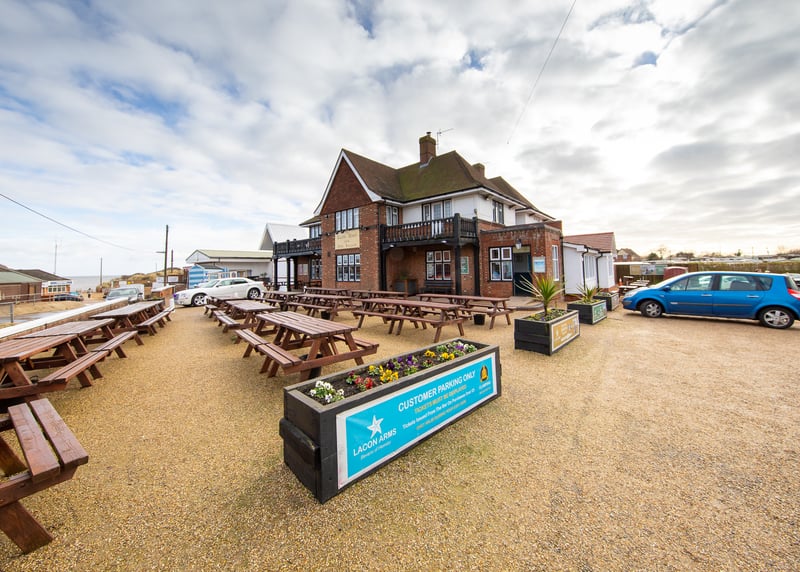
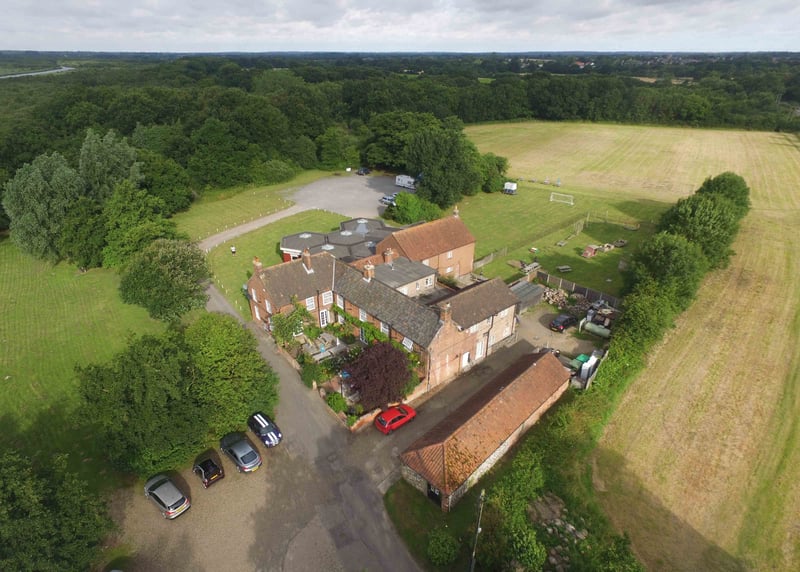
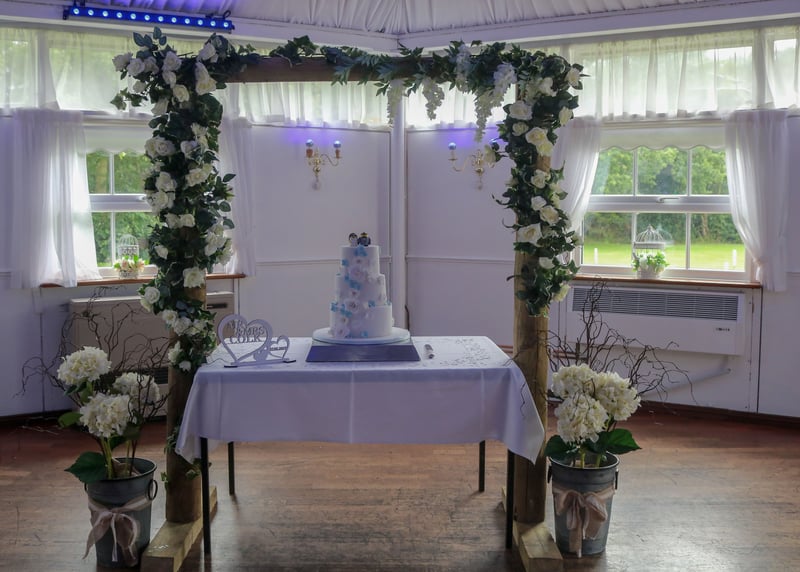
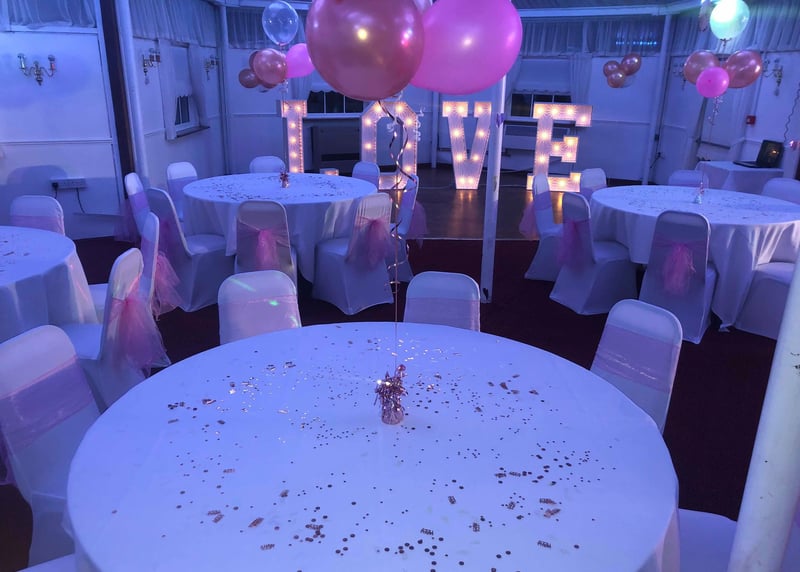
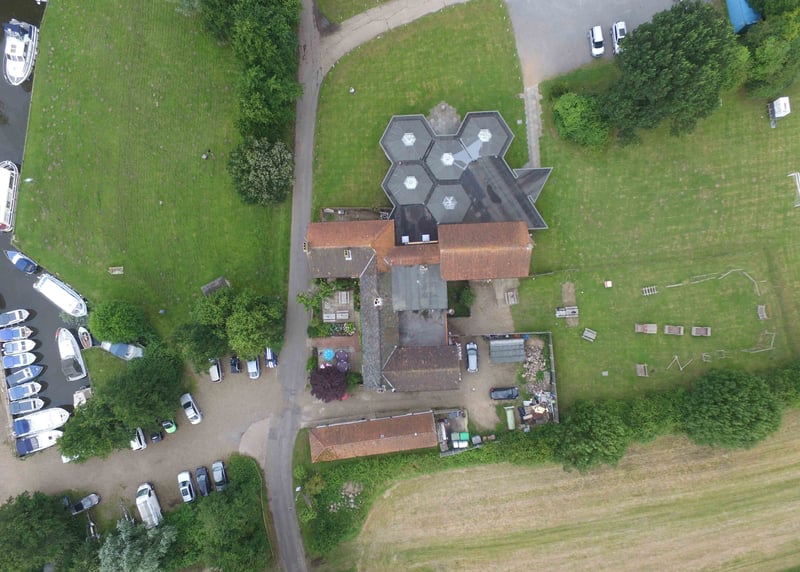
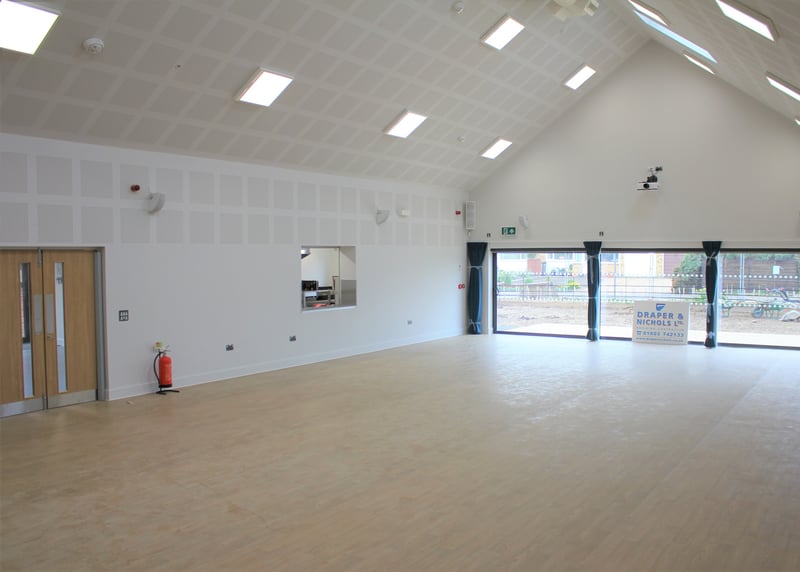
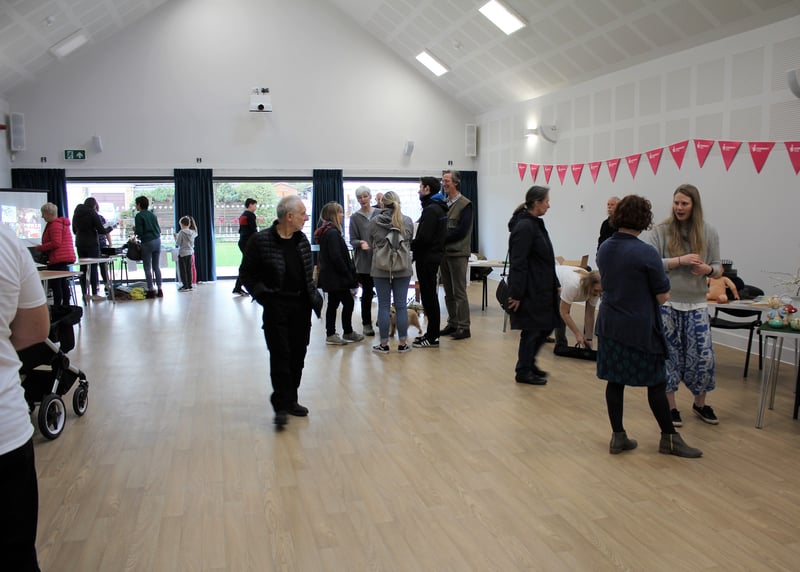
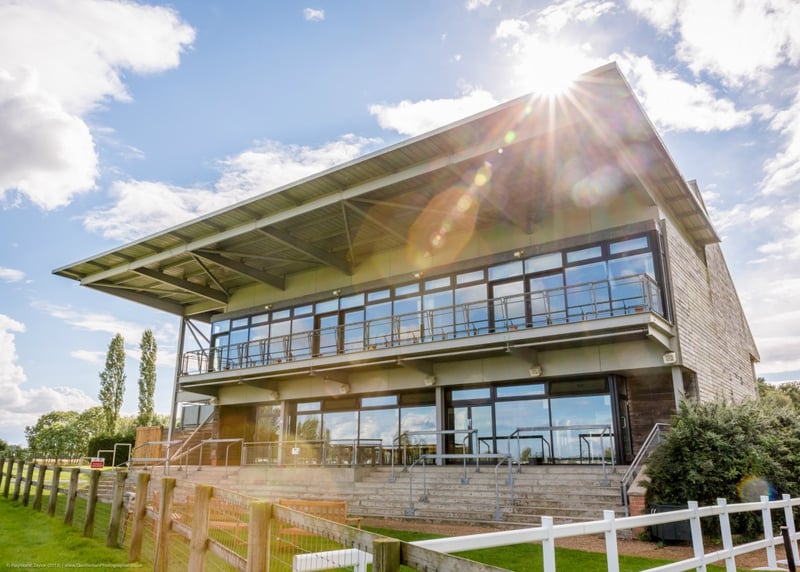
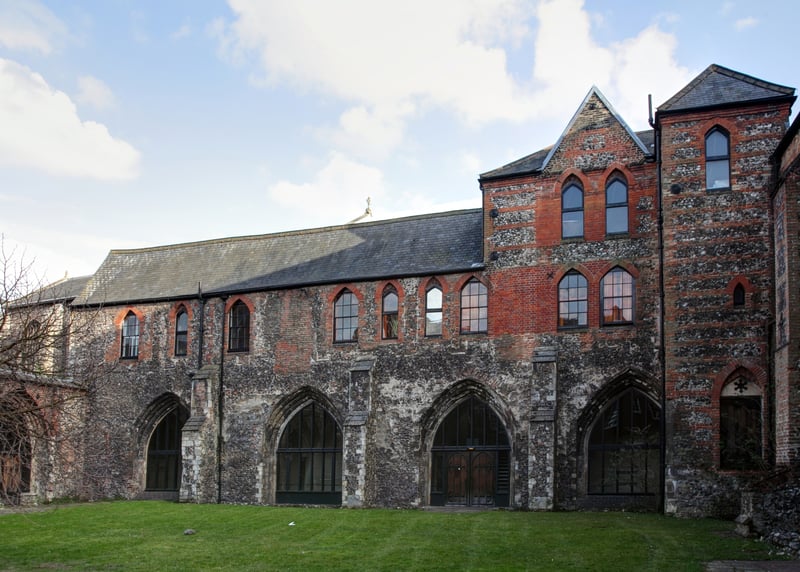
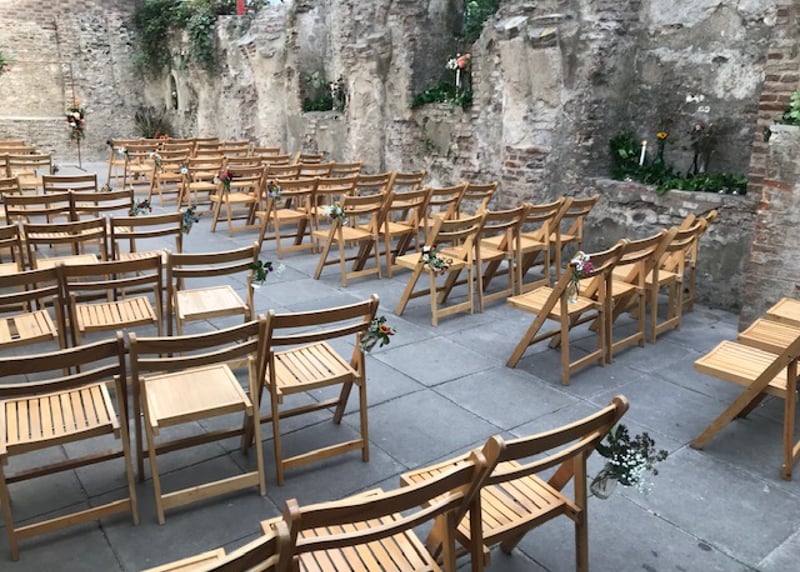
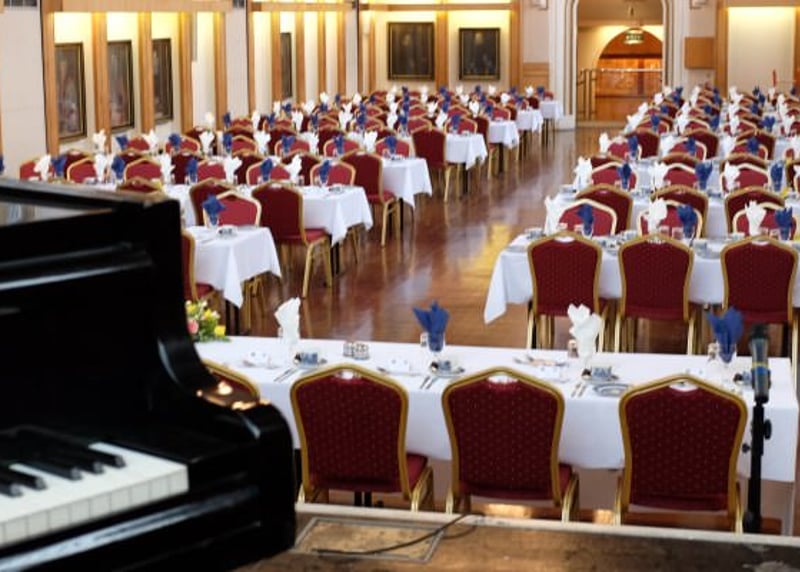
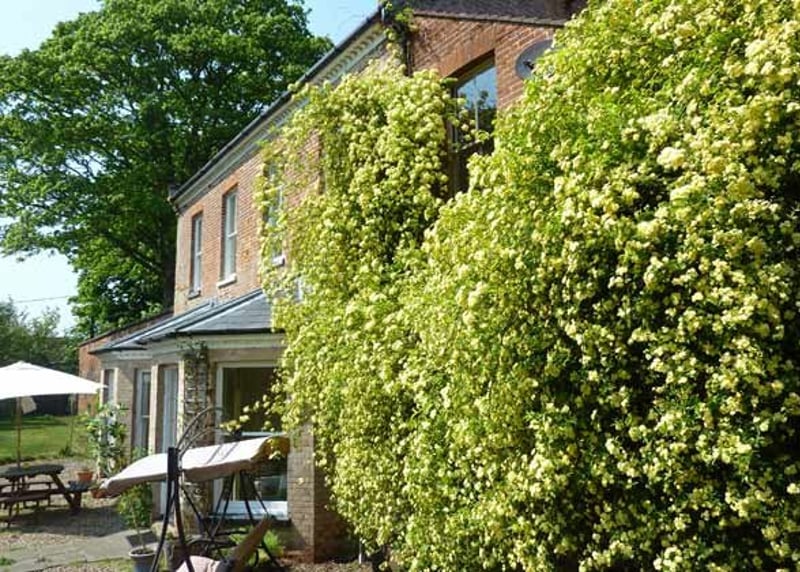
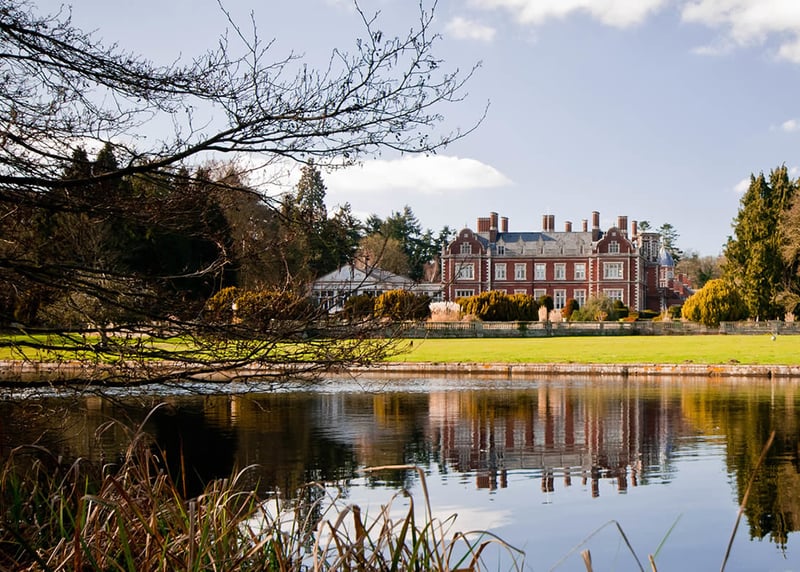
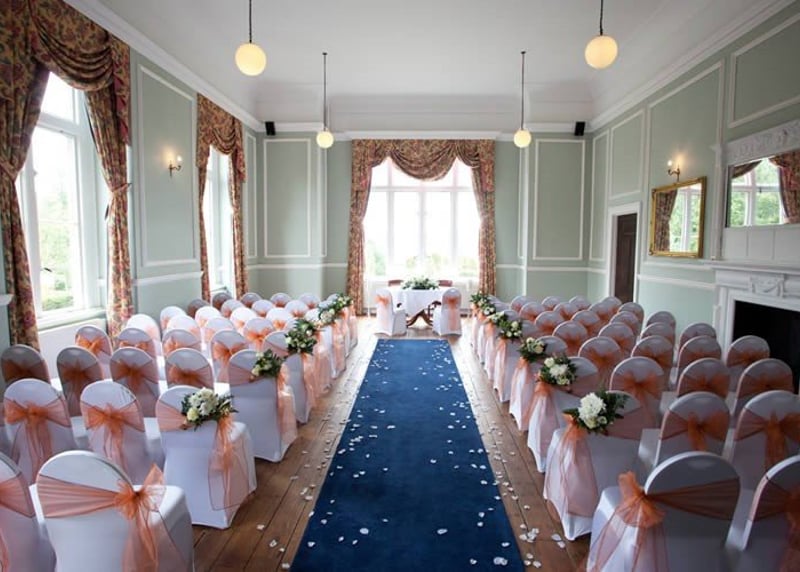
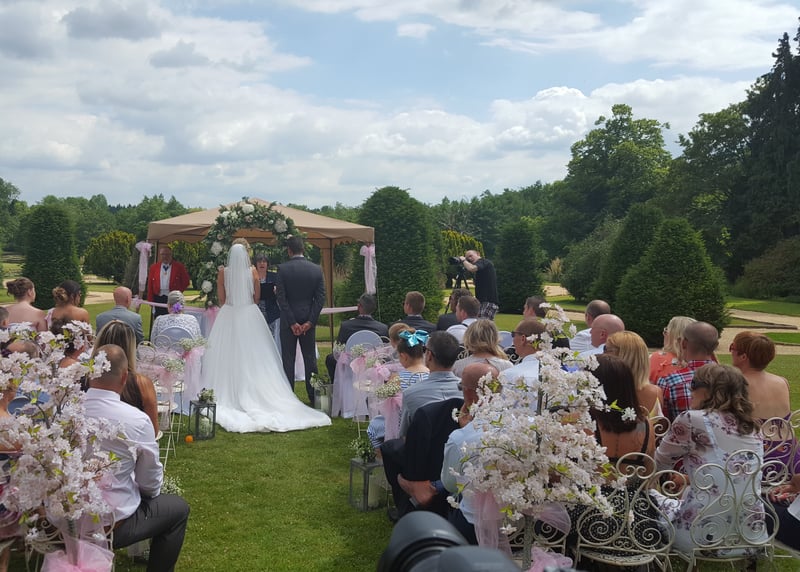
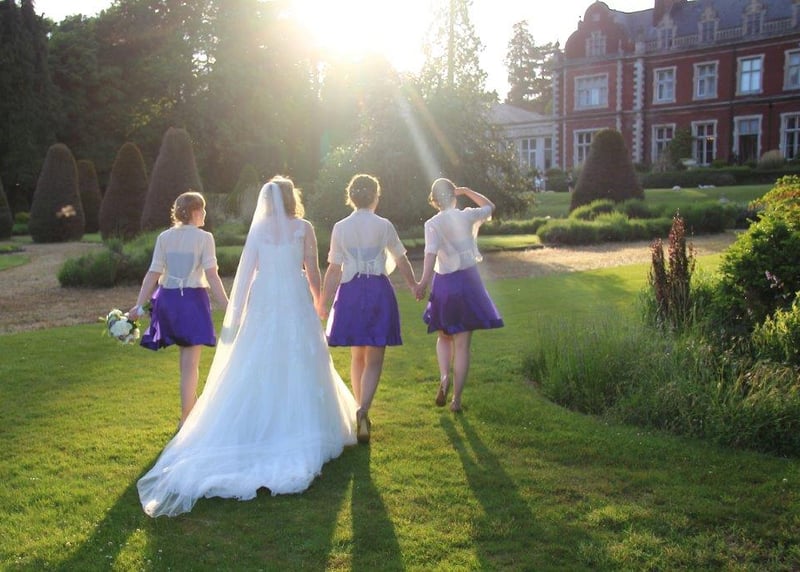
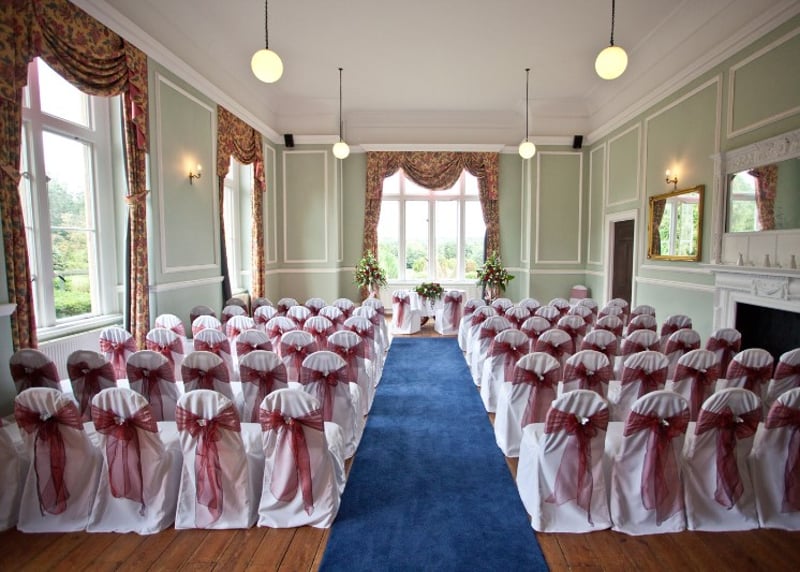
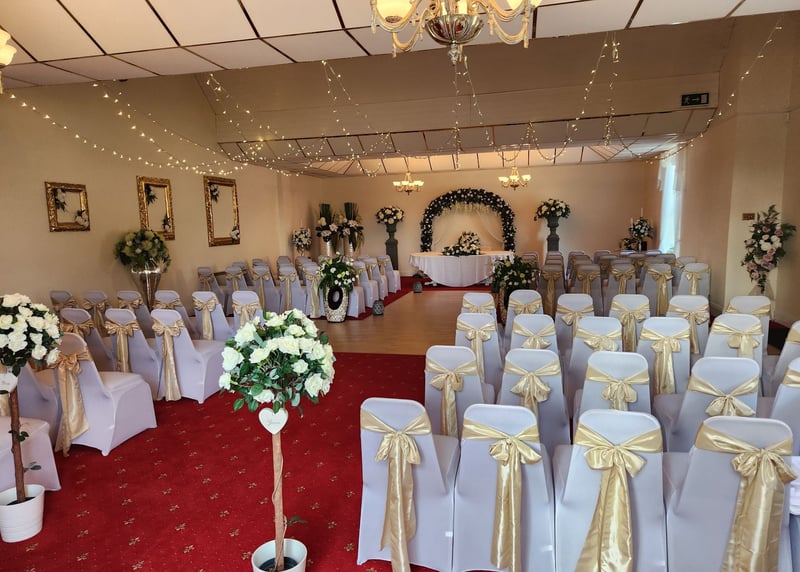
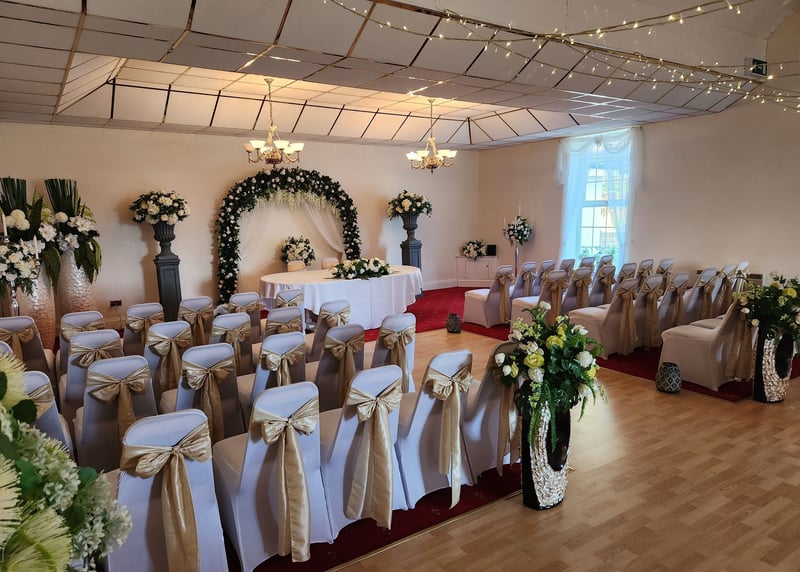
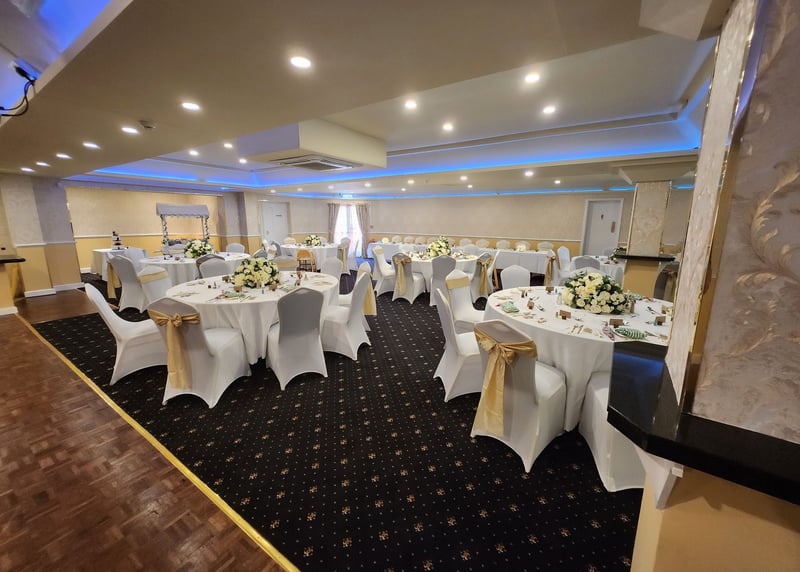
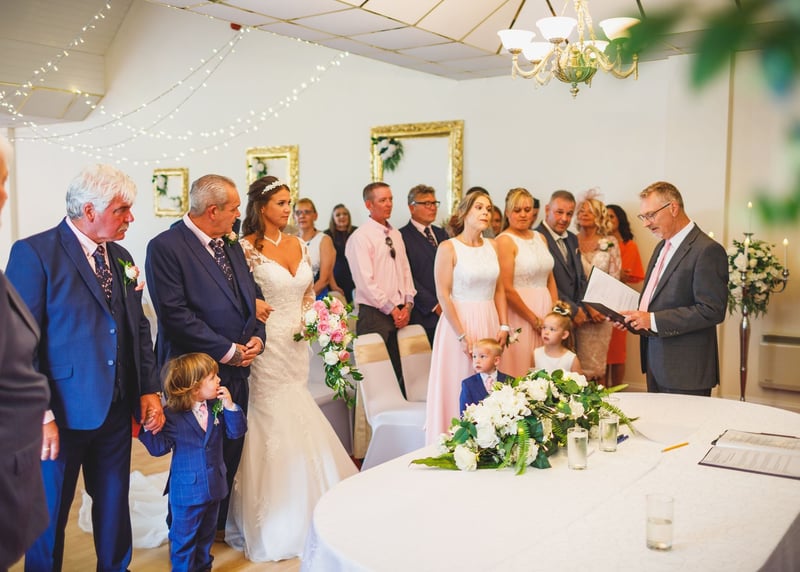
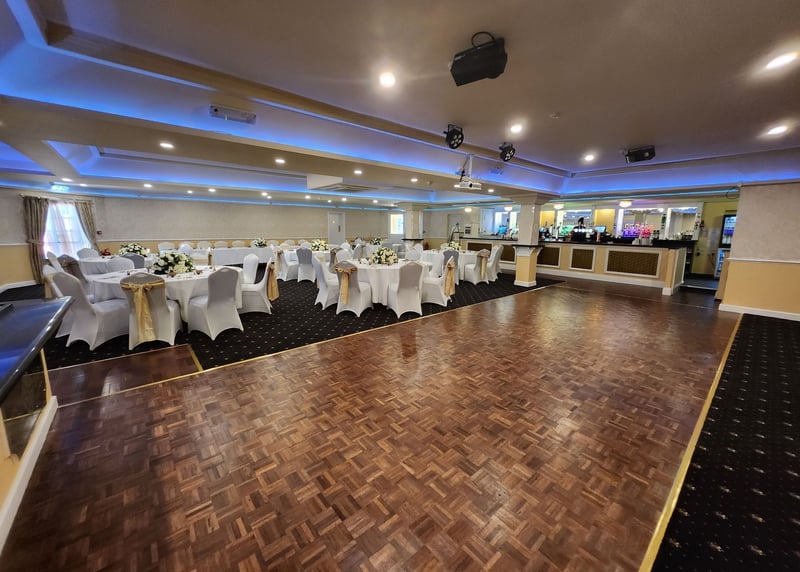
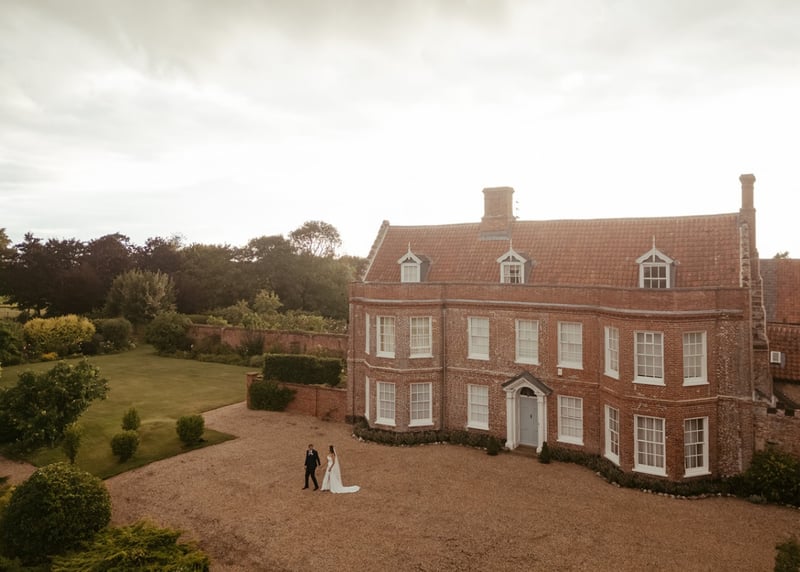
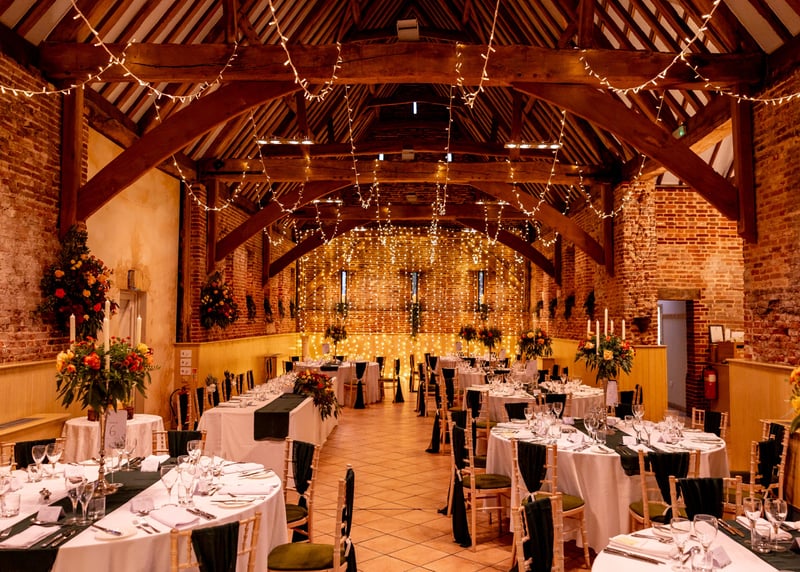
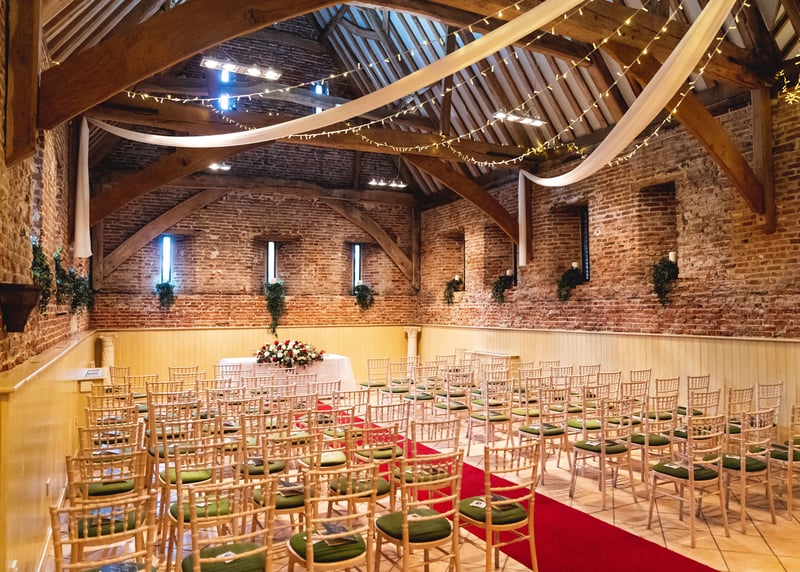
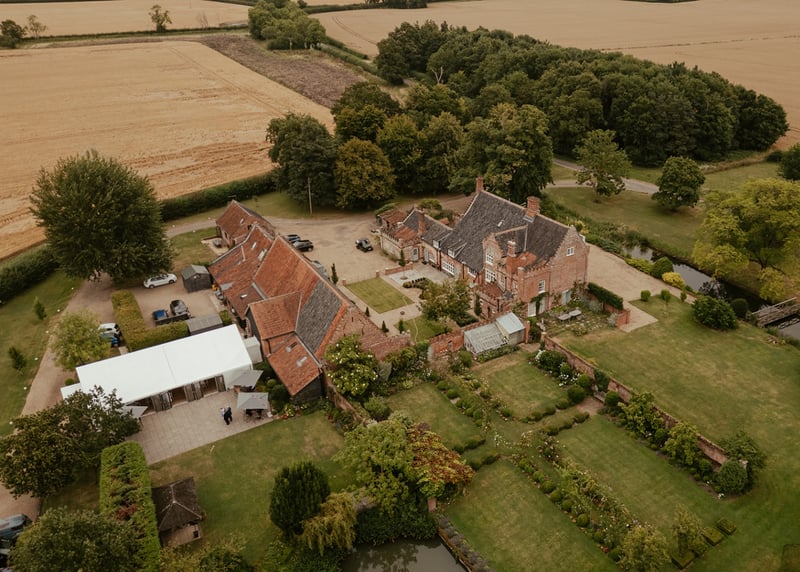
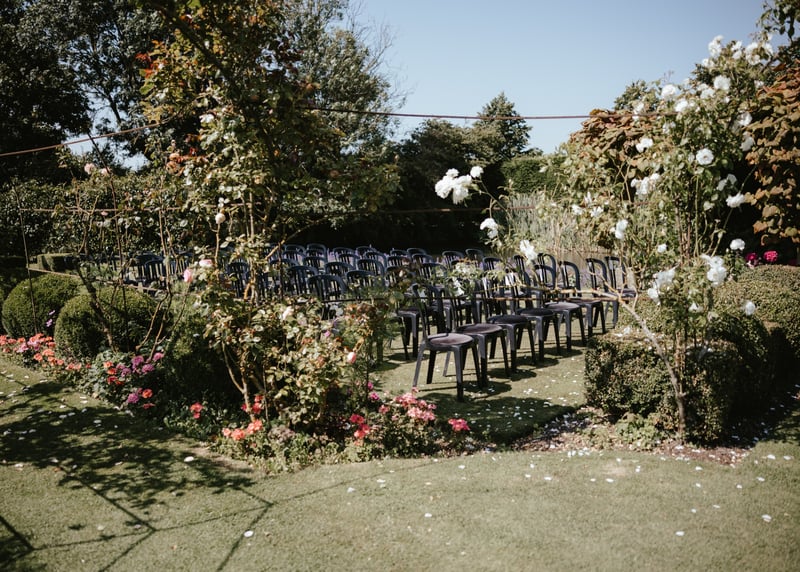
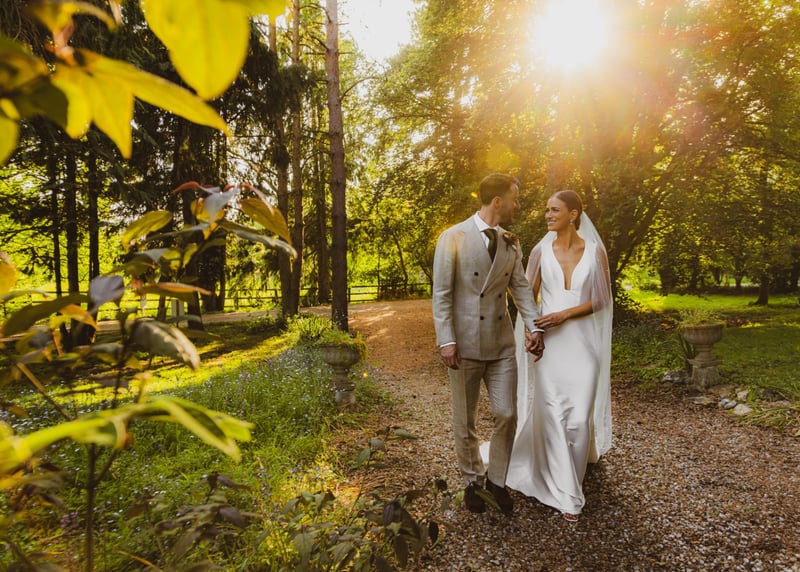
Elms BarnElms Barn
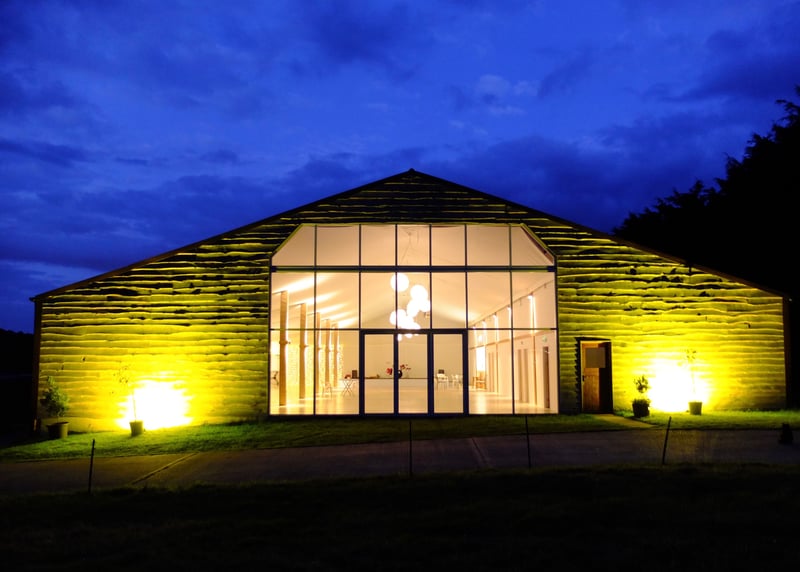
- £3,500 – £8,500 •
- 120 •
- 12
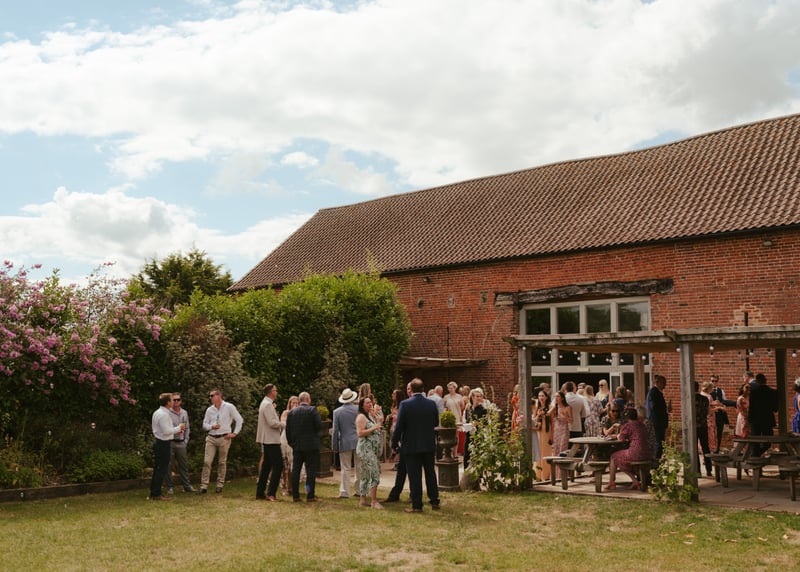
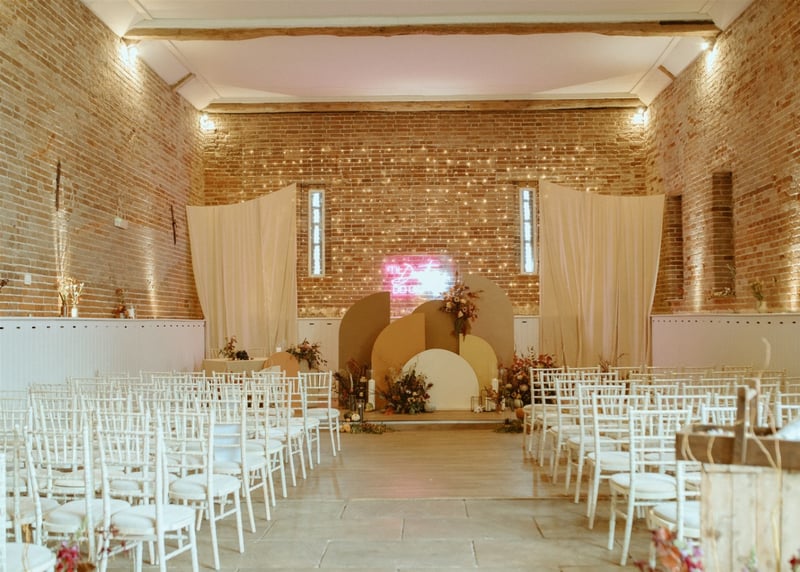
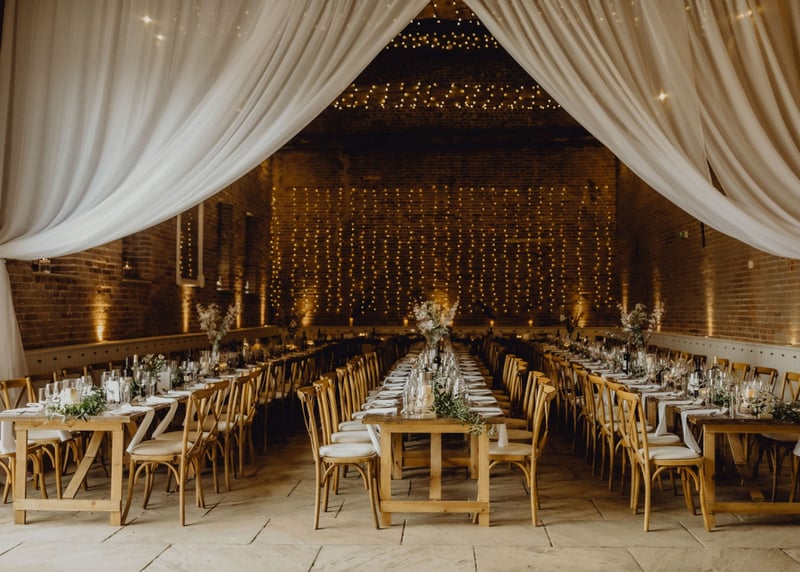
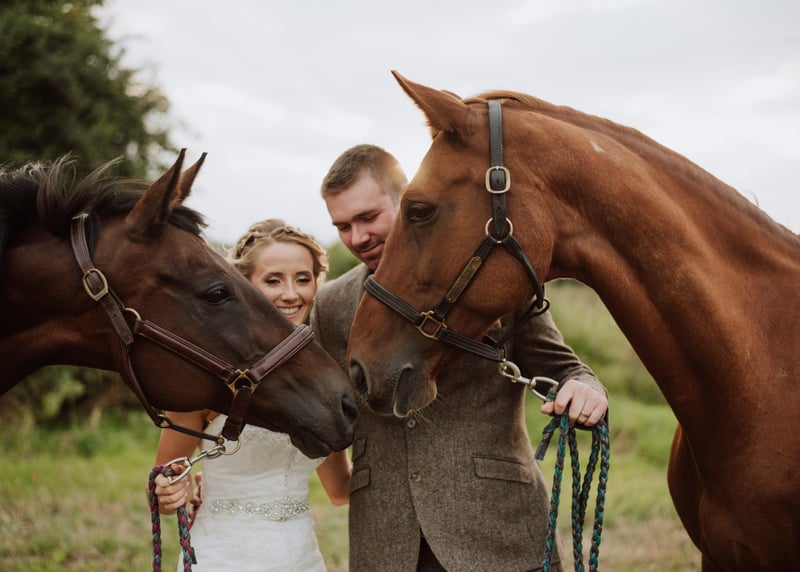
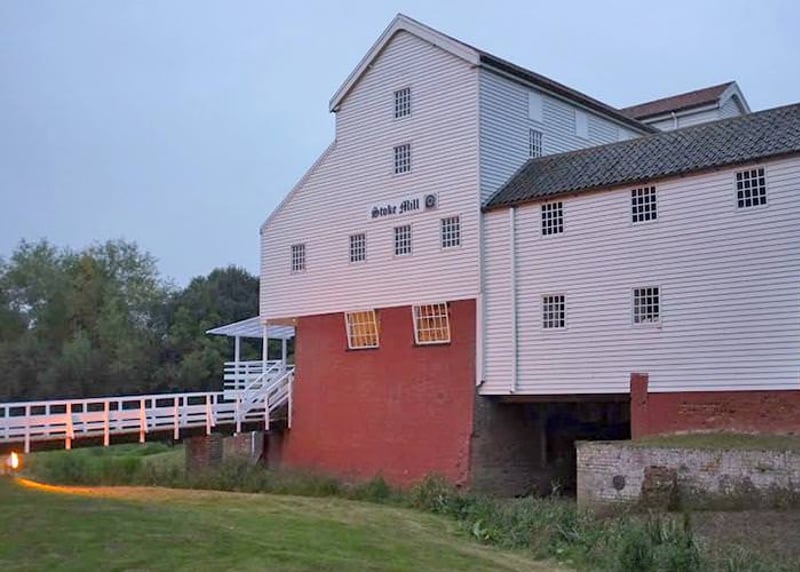
Manor MewsManor Mews
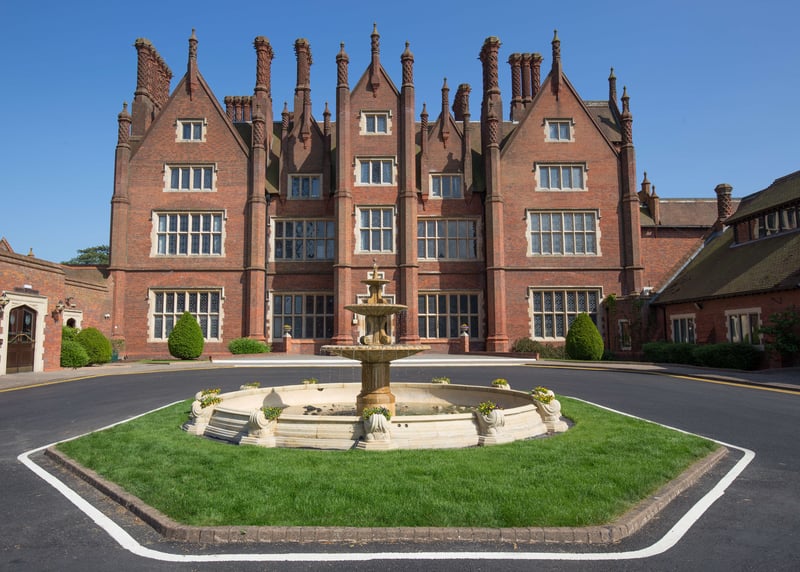
- £6,480 – £16,815 •
- 120 •
- 40
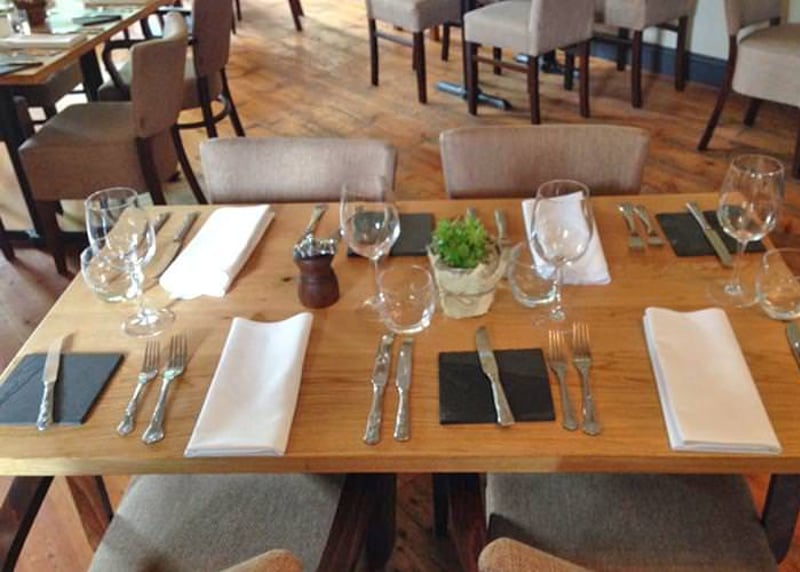
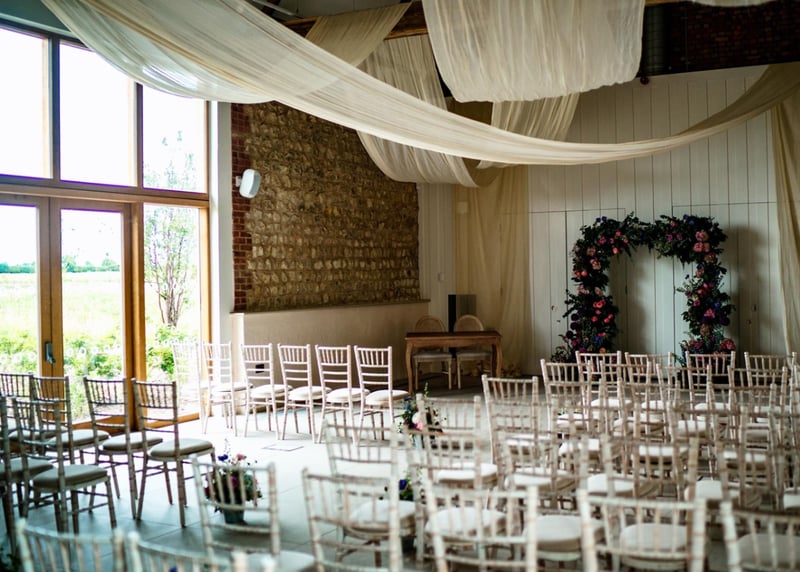
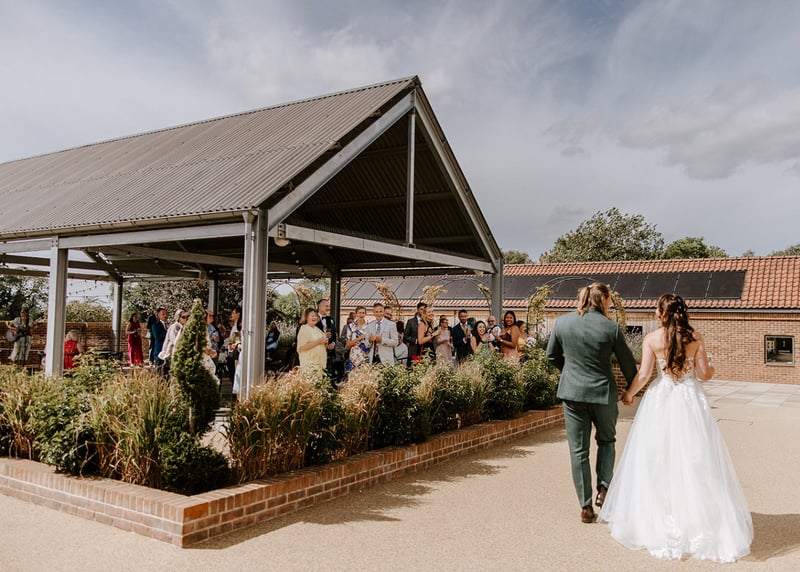
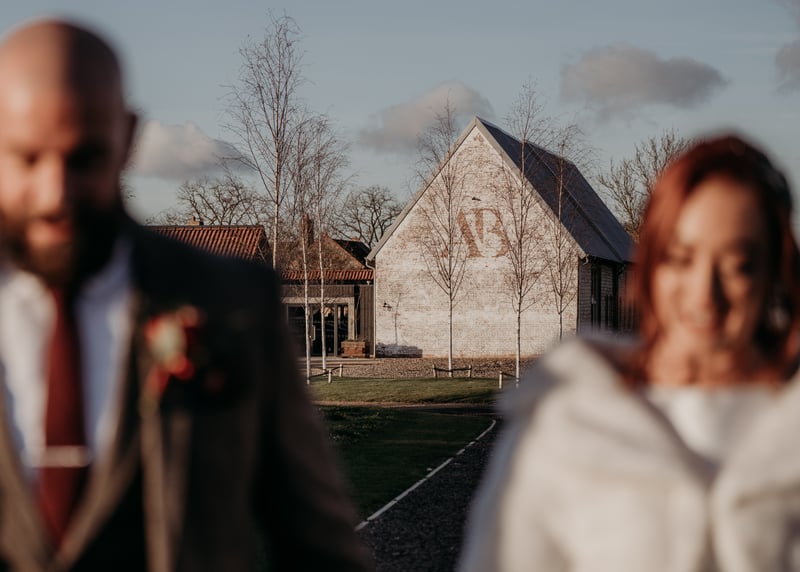
Abbey BarnAbbey Barn
- £7,530 – £12,800 •
- 150 •
- 8
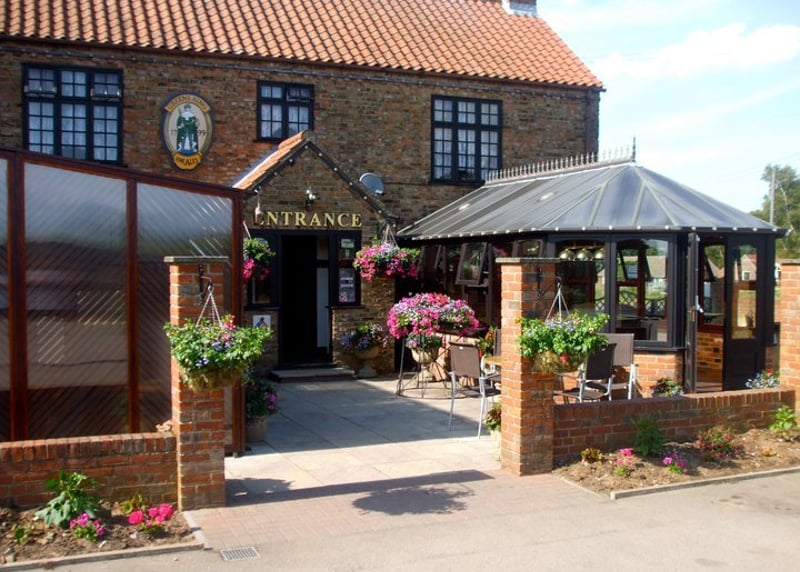
Quick facts about weddings in Norfolk
Wedding BudgetWedding Budget
Month to get marriedMonth to get married
Average lead timeAverage lead time
Average guestsAverage guests
Most popular cityMost popular city
Hidden gemHidden gem
Wedding themeWedding theme
Local trendLocal trend
Can a Norfolk wedding venue accommodate guests with disabilities requiring walking aids or wheelchairs?
How long can I stay at the wedding venue in Norfolk, is there an overtime fee?
How will I know how many guests a Norfolk wedding venue can hold?
Is it possible to arrange a rehearsal dinner at a Norfolk wedding venue?
Why do couples choose to have a wedding in Norfolk?
Will my wedding venue in Norfolk provide signage and other aids to direct guests?
What types of wedding venues are available in Norfolk?
Are there wedding venues on the Norfolk Broads?
What are the best barn wedding venues in Norfolk?
Can I find a wedding venue in Norfolk with on-site accommodation?
Are there affordable or all-inclusive wedding packages in Norfolk?
Are there wedding venues in Norwich?
How far in advance should I book a Norfolk wedding venue?
Are Norfolk venues accessible for guests travelling from London?
Everything you need to know about weddings in Norfolk
All About Getting Married in Norfolk
Wedding Venues in Norfolk
Norfolk has a venue landscape unlike anywhere else in England — tidal waterways on the Broads, sweeping coastal estates across North Norfolk, medieval city architecture in Norwich and converted working farms deep in the south of the county. The venues for weddings in Norfolk cover an exceptional range of settings and styles, with something to suit both intimate celebrations and large gatherings.
Why choose Norfolk for your wedding?
Norfolk's appeal is rooted in its geography and its pace. Couples comparing venues across the county frequently look for:
- Converted barns surrounded by open agricultural countryside, particularly strong across mid and south Norfolk
- Country houses and manor estates with centuries of architectural character
- Waterside venues on the Norfolk Broads, one of England's most distinctive settings
- Coastal estates and farmhouse venues along the North Norfolk coast
- City venues in Norwich with direct rail connections from London Liverpool Street in under two hours
- Outdoor ceremony options backed by solid indoor contingency spaces
- Exclusive-use venues, with a strong offer of barn wedding venues in Norfolk and intimate wedding venues in Norfolk for smaller celebrations
Bridebook's data shows that 19% of couples marry in a neighbouring county within their region, and 74% of those do so because a particular venue drew them there. For couples considering the East of England, that is a useful reminder: the right venue is worth a little extra travel planning.
Popular areas for wedding venues in Norfolk
NorwichNorwich is the natural first port of call for couples wanting ease of access alongside venue variety. The city is Norfolk's strongest cluster for wedding venues Norwich couples and visitors can reach easily, and sits roughly central within the county with the main train station and everything from listed city-centre buildings to countryside estates within 20 minutes of the ring road.
North Norfolk coastNorth Norfolk is Norfolk's most scenic stretch, running from Hunstanton in the west through to Cromer in the east. Venues here tend to attract couples looking for a destination-feel wedding, often combined with a long weekend for guests. The coastline's popularity means peak-season Saturdays fill quickly.
Norfolk BroadsThe Broads area, centred on the waterways east of Norwich toward Great Yarmouth and Wroxham, offers an experience unlike any other English region. Venues here are often quieter and more secluded, suiting couples who want their day to feel removed from everyday life. Waterside ceremony and reception spaces where the water is visible throughout the day are something quite rare in England.
West Norfolk and King's LynnKing's Lynn and the surrounding west Norfolk countryside offer country houses and rural barns at slightly lower price points than the North Norfolk coast. Access from the Midlands via the A10 corridor also makes this area practical for guest lists travelling from Cambridgeshire or further west.
South Norfolk and DissDiss and the South Norfolk countryside offer farmhouse conversions, smaller manor houses and rural venues with competitive pricing. The area sits conveniently for guests arriving from Suffolk and Cambridge, and Diss has its own direct London Liverpool Street rail service.
What to look for in wedding venues Norfolk
Choosing where to get married in Norfolk involves balancing setting against logistics.
- Ceremony licensing, if you want your vows and reception at the same location
- Guest capacity and layout for both the ceremony and reception
- On-site accommodation, particularly important for rural and coastal venues where guests will want to stay overnight
- Outdoor ceremony options and indoor contingency plans for changeable weather
- Accessibility and parking for rural venues and those on the coast
- Exclusive use if you want the venue to yourselves throughout the day and evening
- Wedding packages and whether in-house catering or external caterers are available
Couples still working through their priorities can find useful guidance in Bridebook's tips on how to choose a wedding venue. Those ready to narrow down can also explore outdoor wedding venues in Norfolk as a starting point for ceremony location options.
Key decision factors when comparing venues
When couples begin narrowing their shortlist of wedding venues in Norfolk, several practical considerations often shape the final choice.
- Setting: city, coast, countryside or Broads (each brings a very different atmosphere and set of logistics)
- Guest travel and accessibility: Norwich venues are straightforward; rural and coastal venues require more transport planning
- Weather contingency: outdoor and Broads-side venues need a solid indoor backup whatever the season
- Seasonal demand: North Norfolk coast and popular barns fill earliest for peak summer Saturdays
- Catering model: all-inclusive packages simplify planning; dry hire venues offer more flexibility but require coordinating your own suppliers
- Parking: rural venues need to accommodate large numbers of driving guests comfortably
Common mistakes to avoid
When reviewing Norfolk wedding venues, a few details are easy to overlook during the early stages of planning.
- Assuming Norfolk is purely a countryside county; Norwich has a strong and varied city venue offer
- Not confirming wet-weather backup for outdoor and Broads-side venues
- Overlooking accommodation logistics for rural or coastal locations where guests will need somewhere to stay
- Booking a peak summer Saturday without first checking minimum spend requirements at popular coastal venues
- Treating North Norfolk coastal venues as representative of the whole county, when South and West Norfolk offer a very different (and often more affordable) experience
How Bridebook supports your Norfolk venue search
Bridebook is the UK's most-used wedding planning app, built to give couples a clear, comprehensive view of their options. With wedding venues in Norfolk listed and fully searchable on the platform, couples can compare by venue type, guest capacity, location and pricing from a single place.
Using Bridebook, couples can:
- Compare venue styles, capacity and pricing structures across the whole of Norfolk
- Browse verified listings with transparent information and real couple reviews
- Filter by guest numbers, location, venue type and available dates
- Send enquiries directly to venue teams from within the app
- Manage the full planning journey, from venue search through to supplier bookings
Couples can also keep their planning on track using Bridebook's wedding planning checklist, which covers everything from venue viewings to the final week before the wedding.
Wedding Venues in Norfolk & Average Costs
Cost and budget context for Norfolk weddings
The average combined venue and catering spend for an East of England wedding is £9,592, with a typical cost per head of £189.20. Average venue hire in the region sits at £5,865, and the average total wedding spend across all suppliers comes to £19,208. For reference, the UK-wide average venue hire is £6,040, which places East of England venues modestly below the national figure.
Norfolk's pricing range is wide in practice. Norwich city hotels and boutique event spaces sit firmly in the mid tier. North Norfolk coastal estates carry a summer premium, especially on Saturdays between May and September. Barn conversions and south Norfolk rural venues are often well-priced relative to the quality of the setting.
Several factors influence pricing across Norfolk venues:
- Venue type: barns, country houses and coastal estates all structure pricing differently
- Guest numbers and minimum spend: many exclusive-use venues operate on a minimum revenue basis rather than a flat hire fee
- Day of week: nationally, 47% of weddings now take place on Saturdays, the lowest proportion on record, meaning midweek and Sunday dates carry meaningful pricing differences
- Season: peak summer Saturdays carry the highest prices across almost all Norfolk venue types
- All-inclusive vs dry hire: all-inclusive packages are well-established across Norfolk and can simplify costs significantly
Budget tips for couples planning a Norfolk wedding:
- Weekday dates in spring or autumn offer reliable savings at most venue types across the county
- All-inclusive packages can reduce total costs and remove the complexity of coordinating separate suppliers
- Barn and farmhouse dry hire conversions offer flexibility for budget-conscious couples
- Norwich city venues often offer competitive weekday packages
Couples looking for the most budget-friendly options can browse affordable wedding venues in Norfolk. Bridebook's wedding budget guide also offers a useful breakdown of how couples typically allocate spend across venue hire, catering and other suppliers.
Weather & Seasonality in Norfolk
Weather and the best season for a Norfolk wedding
Norfolk has a relatively dry climate by English standards, particularly in the east and along the coast, where the North Sea influence keeps conditions mild and moderates both summer heat and winter cold. The county is among the driest in England, which is an asset for couples planning outdoor ceremonies or garden receptions.
May through September is the peak wedding season, with summer Saturdays filling fastest across all venue types. May has historically been one of the more dependable months for outdoor plans: nationally, 87% of planned outdoor ceremonies in May went ahead last year, making it the strongest month of the summer season. August on the North Norfolk coast carries a premium in both price and demand.
Autumn and winter weddings in Norfolk have real appeal, particularly for barn and country house venues where the interiors come into their own. Couples choosing October through February benefit from reduced competition for dates, more pricing flexibility and a very different atmospheric quality. A mid-Norfolk barn with fires lit and candles across the tables is a distinct experience, not a second-best one.
If outdoor elements are important to the day, having a solid indoor contingency is sensible planning rather than pessimism, whatever the month.
Transport & Accommodation in Norfolk
Getting to Norfolk and guest accommodation
Norwich is the county's main transport hub, with direct trains from London Liverpool Street taking around 1 hour 50 minutes. King's Lynn, Diss and Sheringham also have rail connections, making several parts of Norfolk reachable without a car. For guests travelling from the Midlands, the A11 and A47 provide the main road routes into the county.
Rural and coastal venues, including those in North Norfolk, around the Broads and across south and west Norfolk, are most easily reached by car. Overnight accommodation availability is an important factor for these locations, since rural venues work much better when guests can stay close to the venue rather than coordinating long return journeys.
Many of Norfolk's most popular venues have on-site accommodation or established relationships with nearby hotels, B&Bs and self-catering properties. It is worth checking accommodation capacity early in the planning process and asking whether the venue can assist with a recommended list or block-booking arrangements. Keeping guests well-informed in advance takes one layer of complexity off the day itself.