How to Say No Children at Your Wedding (Without the Drama)

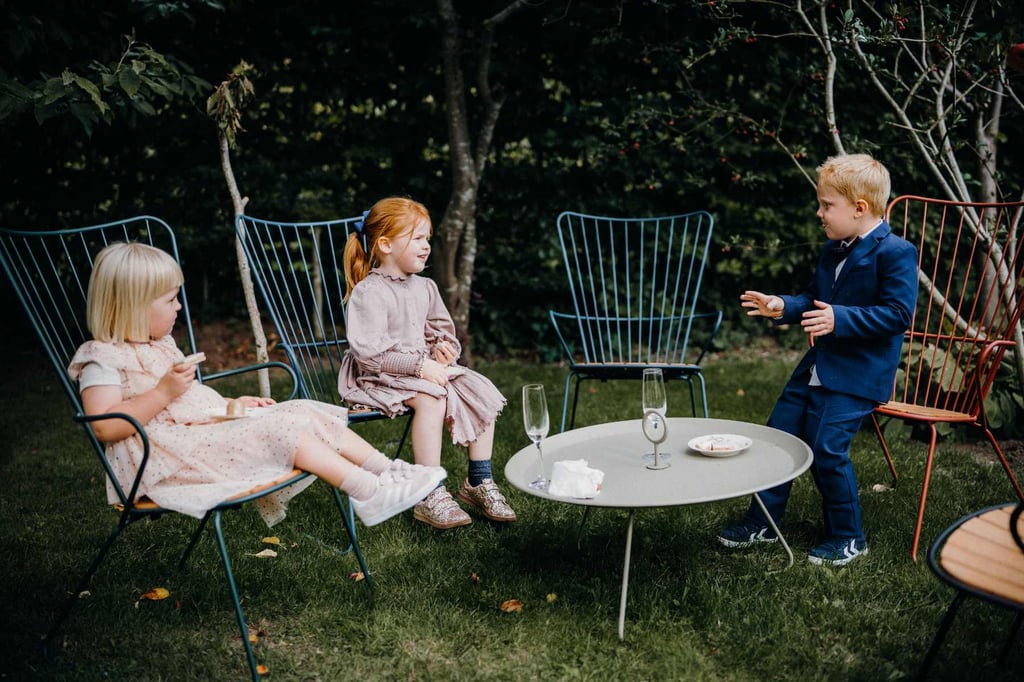
Choosing to have an adults-only wedding is a completely valid decision – and one more couples are making. Whether it’s about wedding budget, atmosphere, or simply wanting your big day to feel a little more sophisticated and a little less unpredictable, there’s nothing wrong with a no-children guest policy.
The tricky part? Telling people about it.
Here’s everything you need to know about how to say no kids at your wedding – kindly, clearly, and without causing a family fallout.
Is It Okay to Say No Children at Your Wedding?
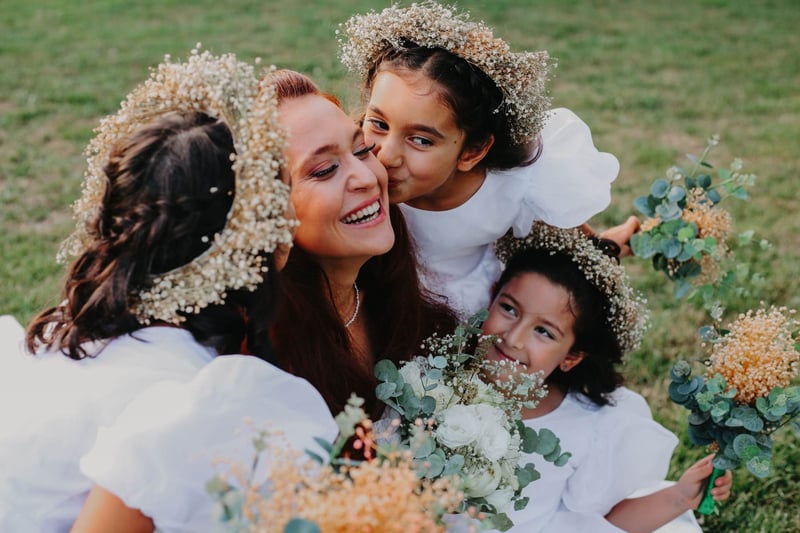
Absolutely. Your wedding guest list is yours to shape, and an adults-only wedding is far from unusual. According to Bridebook data, a significant proportion of UK couples choose to limit or exclude children from their celebrations entirely – and guests, on the whole, understand this more than you might expect.
That said, how you communicate it matters enormously. Clear, early, and kind is the formula.
When Should You Tell Guests There Are No Kids?
The earlier, the better – especially for guests with young children who’ll need to arrange childcare. Aim to communicate your adults-only policy at the save-the-date stage, so families have maximum time to plan. Don’t leave it until the formal invitation drops, and absolutely don’t leave guests to find out on the day.
How to Word “No Children” on a Wedding Invitation
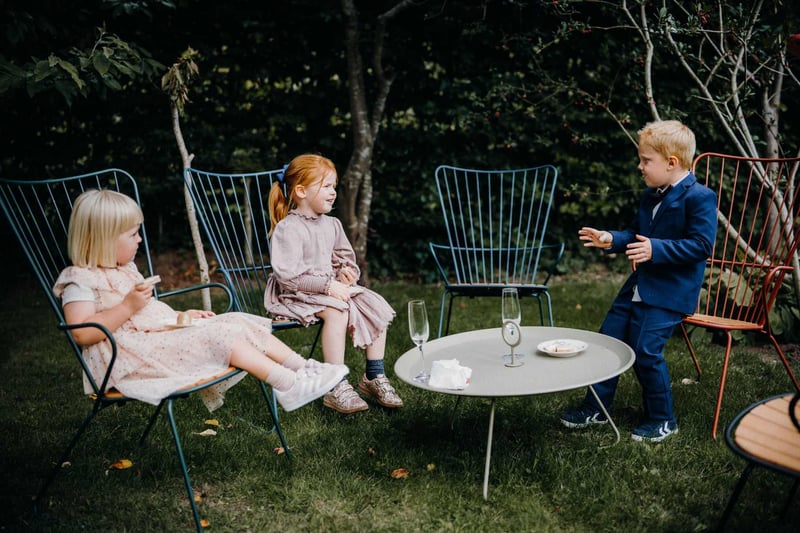
This is where most couples tie themselves in knots. You don’t need to over-explain or apologise excessively – a warm, clear line is all it takes.
Here are some no-children wedding wording options that strike the right tone – add them to your invitations or your wedding website:
Formal:
“We have chosen to celebrate with adults only. We hope you’re able to join us and appreciate your understanding.”
Warm and friendly:
“While we love your little ones, we’ve decided our celebration will be adults only. We hope you can still make it – and enjoy a rare night off!”
Invitations addressed to specific guests:
Simply address the envelope to the named adults only – “Mr and Mrs Clarke” rather than “The Clarke Family”. Most guests will read between the lines, but it’s still worth a line on the invitation itself to be explicit.
Wedding website:
Your wedding website is the ideal place to add a little more context if you want it. A short, friendly FAQ entry – “Will children be welcome?” – gives you space to explain without it dominating the invitation itself.
How to Politely Enforce a No-Children Policy
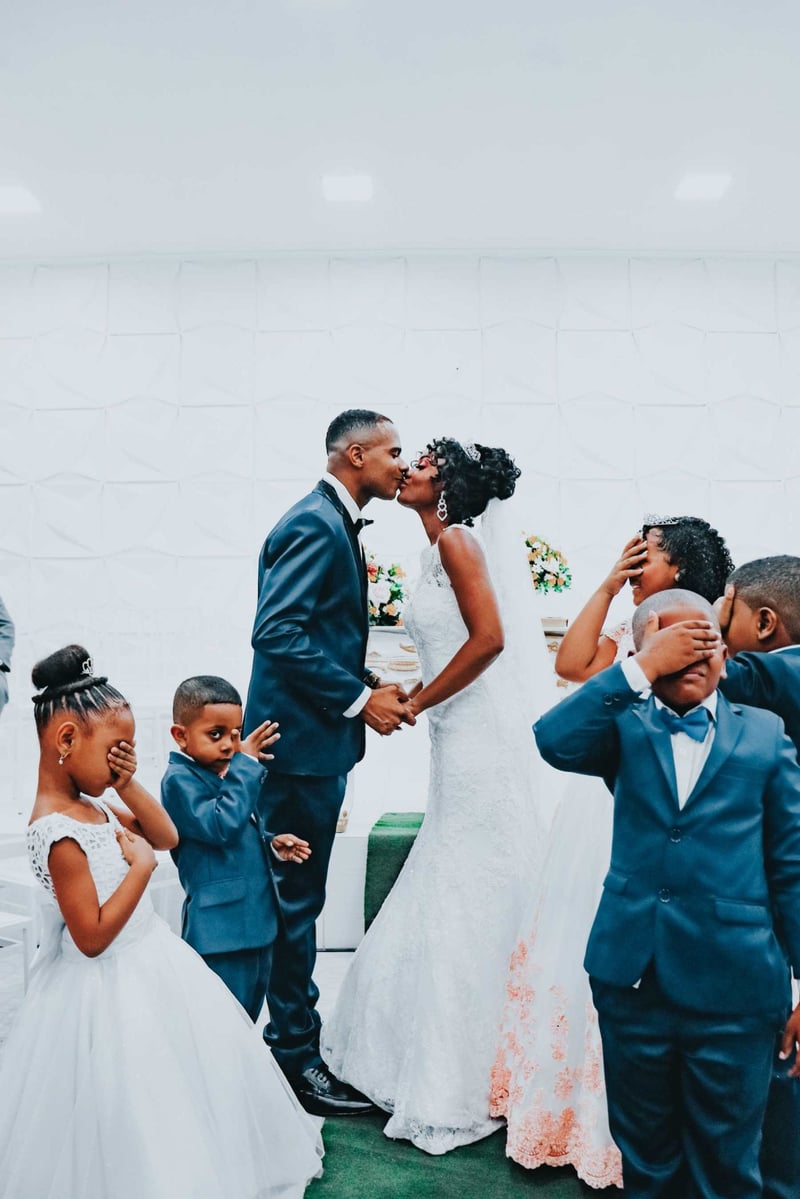
Having the policy is one thing. Sticking to it when Auntie Sandra RSVPs for four instead of two is another.
A few practical tips:
Be consistent. The most common source of friction is perceived inconsistency – inviting some children (say, a flower girl or ring bearer) while excluding others. If you do have children in the wedding party, be prepared to explain this distinction clearly and compassionately to other guests with kids.
Follow up directly. If someone includes their children on their RSVP despite your wording, don’t ignore it or hope for the best. A warm phone call – not a message – is the kindest approach. Something like: “We’re so excited you can make it! I just wanted to check in, as we’re keeping the day adults-only – we’d love to help you sort childcare if that would be useful.”
Anticipate the tricky cases. Nursing mothers and parents of very young babies may need a separate conversation. Consider whether you’d make an exception for very young infants (who arguably won’t disrupt proceedings) or whether you’d like to flag nearby creche options to help.
Brief your venue. Let your venue coordinator know about your policy so they’re prepared if any children turn up on the day.
What If a Guest Can’t Come Because of the No-Children Rule?
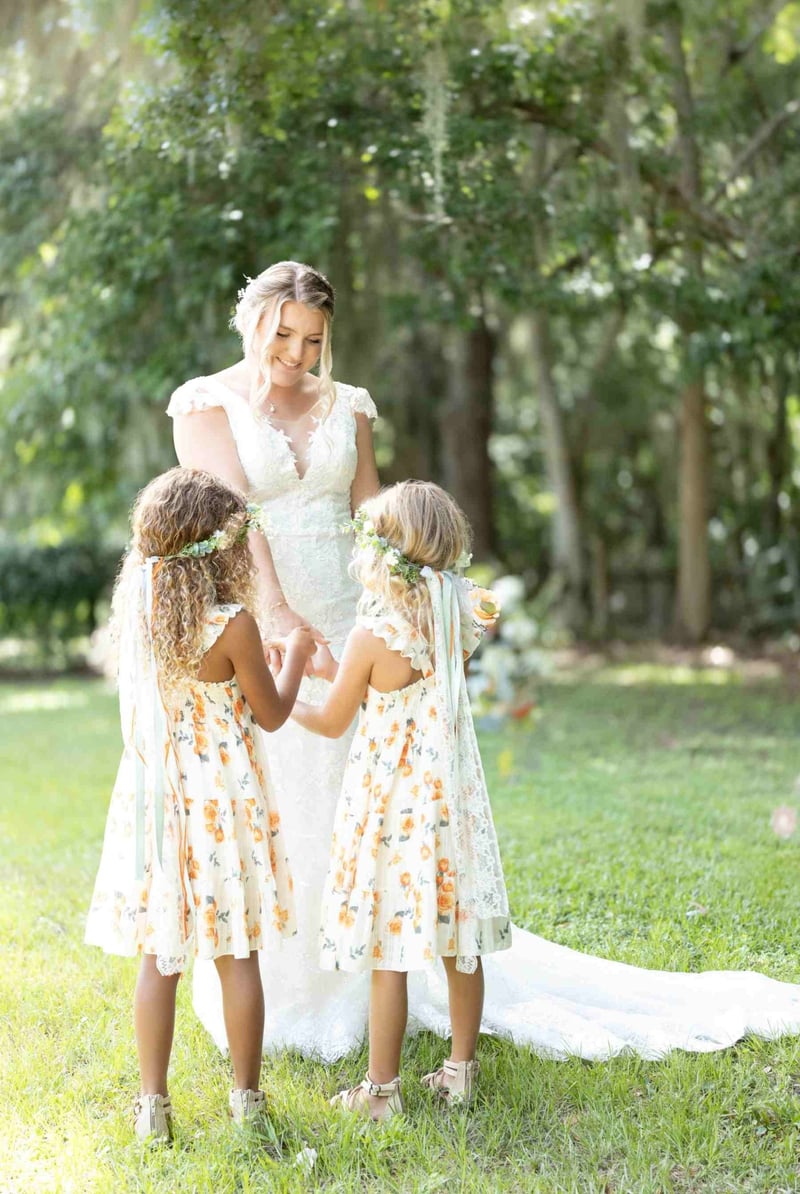
It happens, and it’s worth making your peace with it in advance. Some guests – particularly those with very young children or no easy access to childcare – may not be able to attend. That’s their choice to make, and it’s not a reflection on your decision.
What you can do is help where possible: signposting local creche services, sharing babysitter recommendations in your area, or even – if budget allows – arranging an on-site childcare option at a nearby room or separate space for guests who’d struggle without it.
A Note on Exceptions
If you’re going to make exceptions – perhaps for very close family, babies who are still breastfeeding, or a flower girl – think through how you’ll communicate this before the invitations go out.
“Adults only, with the exception of…” is a sentence worth finishing clearly, so nobody feels singled out.
Saying no children at your wedding doesn’t make you a bad person, a bad parent, or a bad host. It makes you someone with a clear vision for your day – and that’s something worth defending.
Communicate early, word it warmly, stay consistent, and be prepared to have a direct conversation if needed. Most guests will respect your decision far more than you expect.
Planning the rest of your guest list? Bridebook’s free Guest List tool makes it easy to keep track of who’s coming, dietary requirements, RSVPs, and more – all in one place.
Related articles