Knightor Winery
St Austell, Cornwall
5.0(90)
More Pricing InsideBridebook Deal AvailableUpcoming Event
- 90
- 10 Bedrooms
- £725 – £8,400
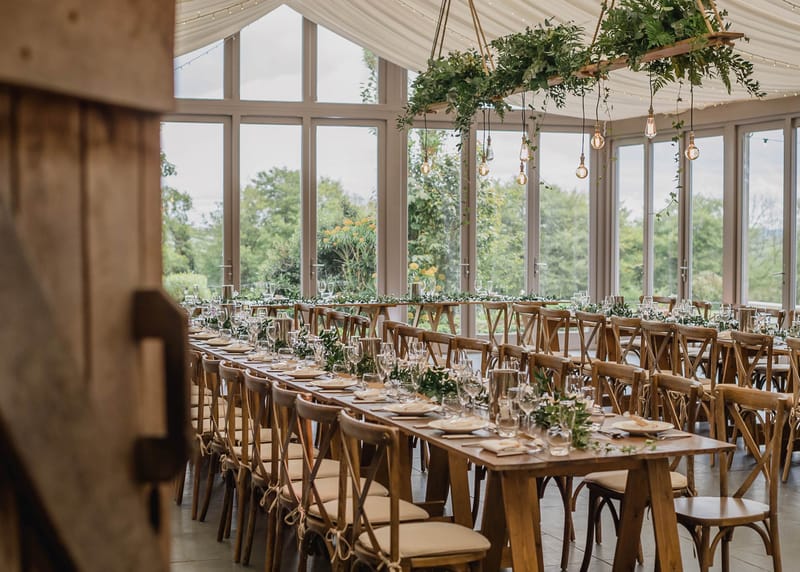
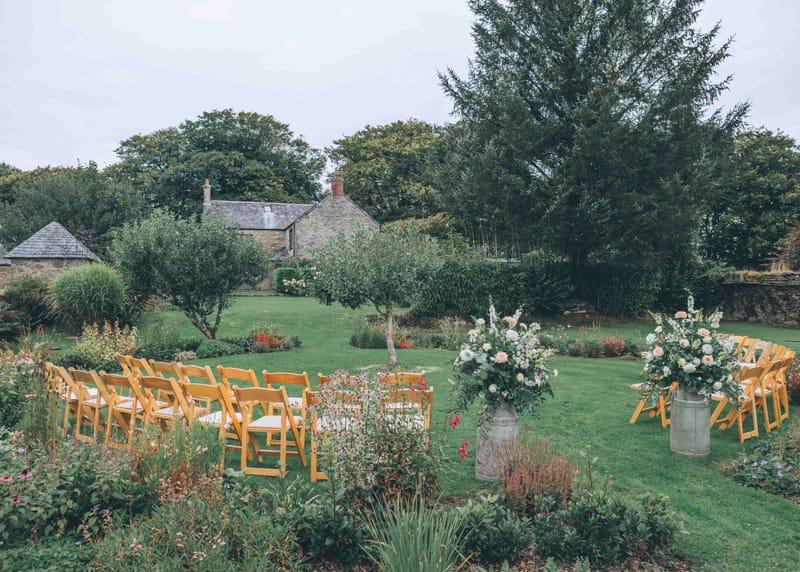
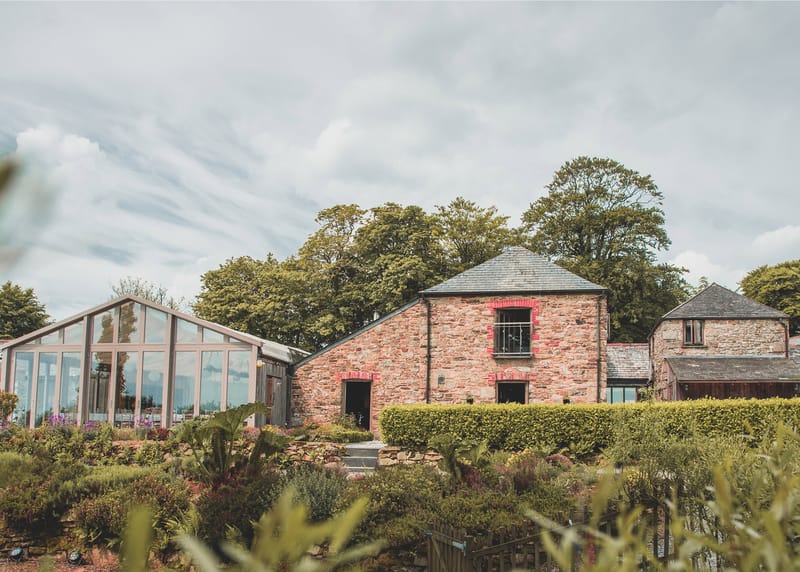
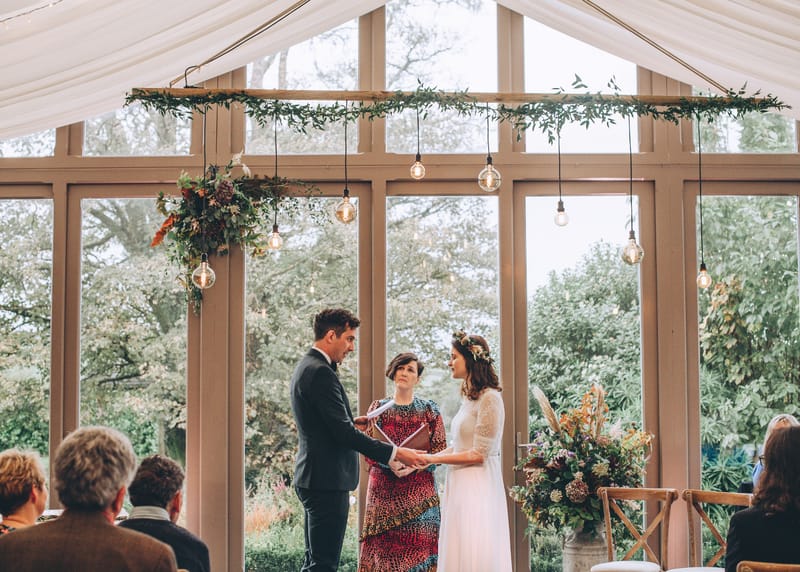
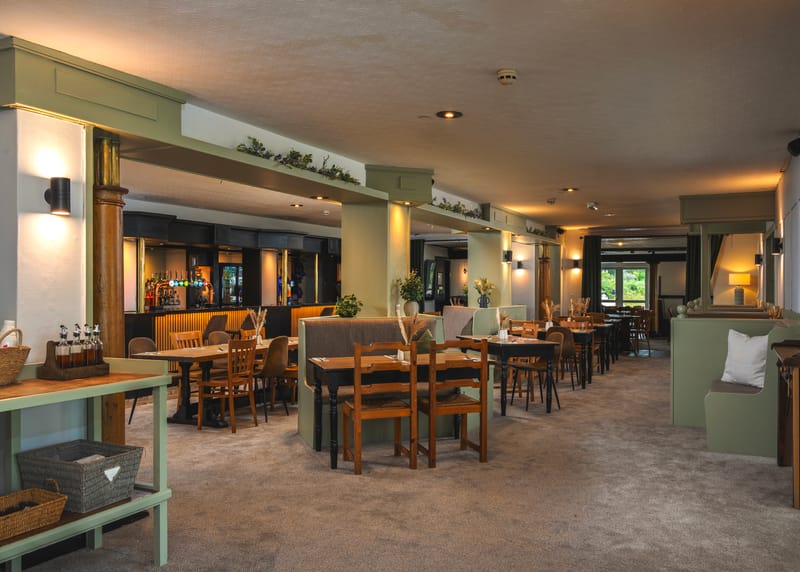
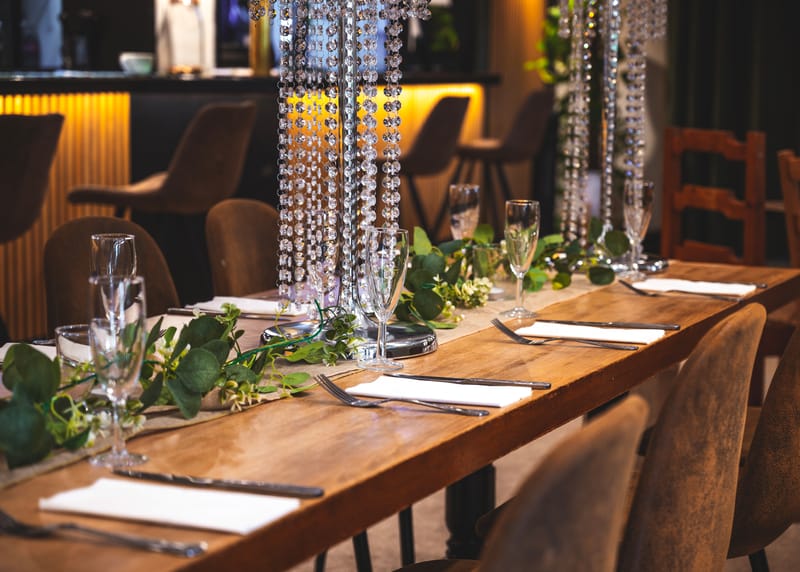
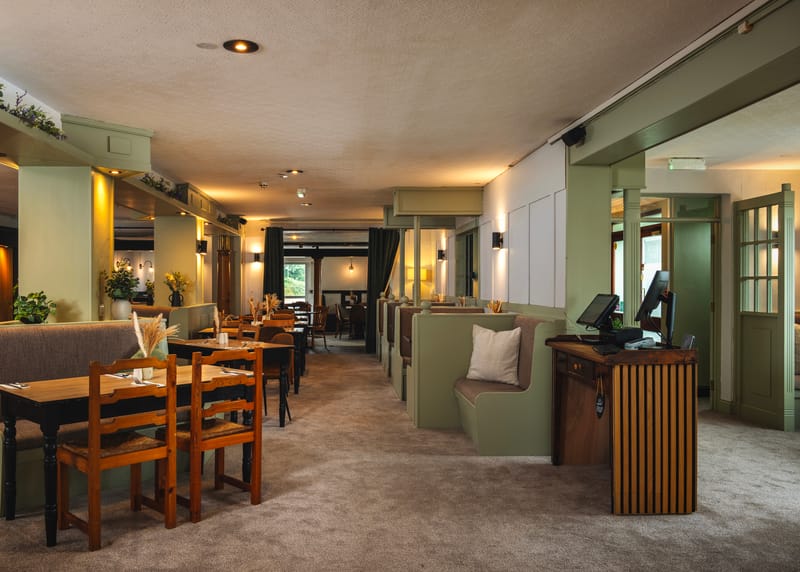
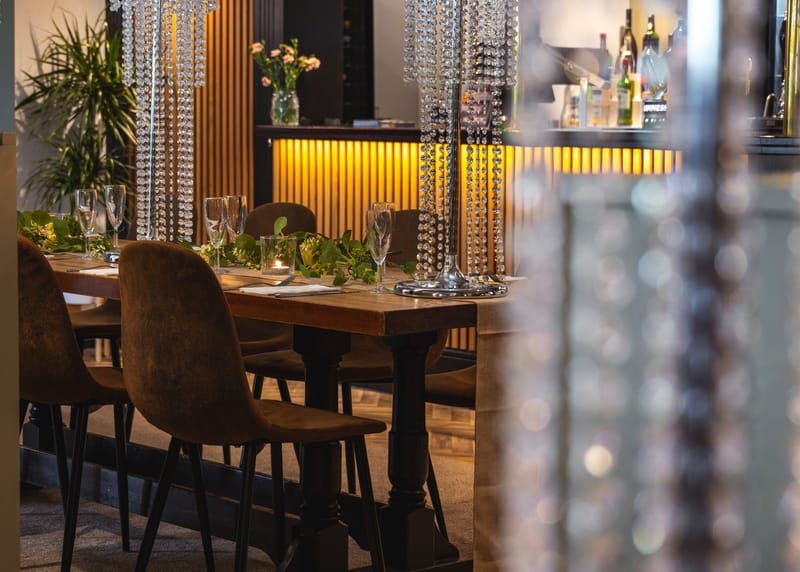
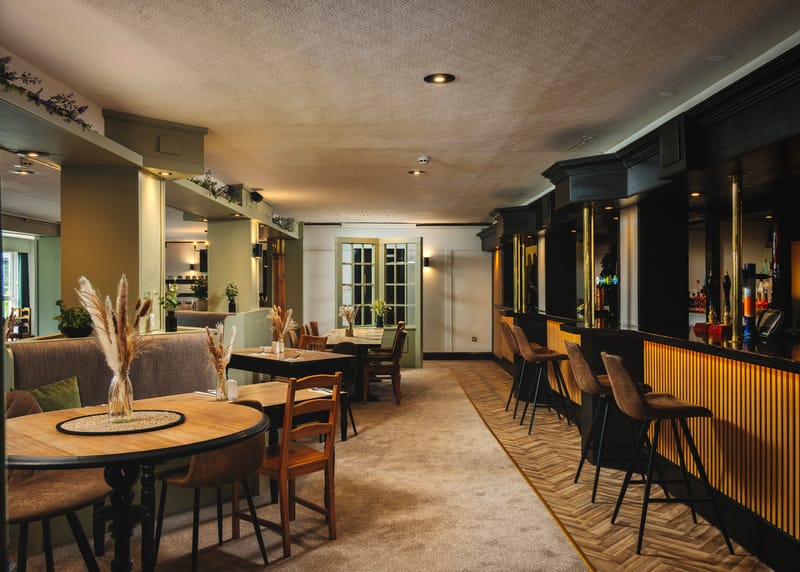
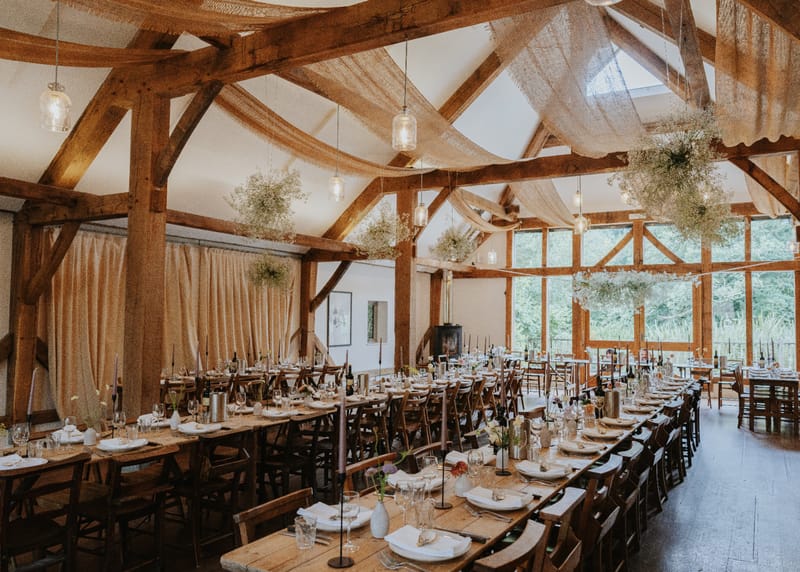
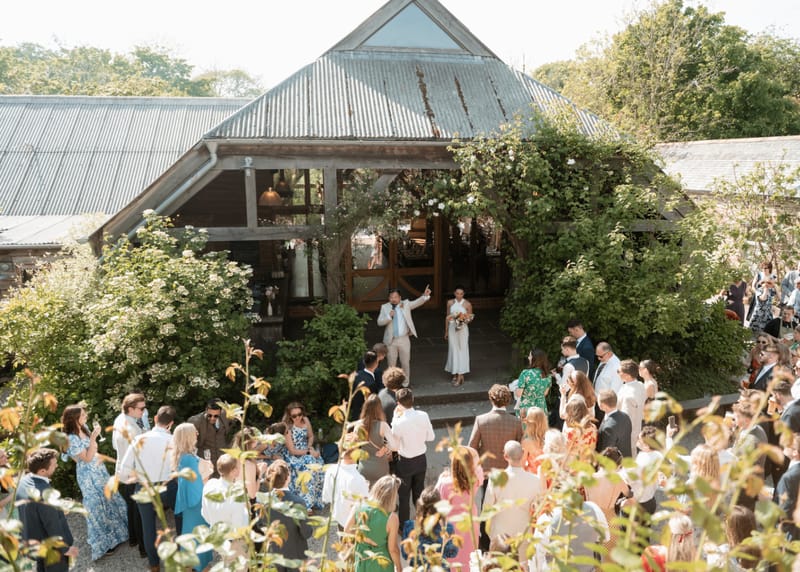
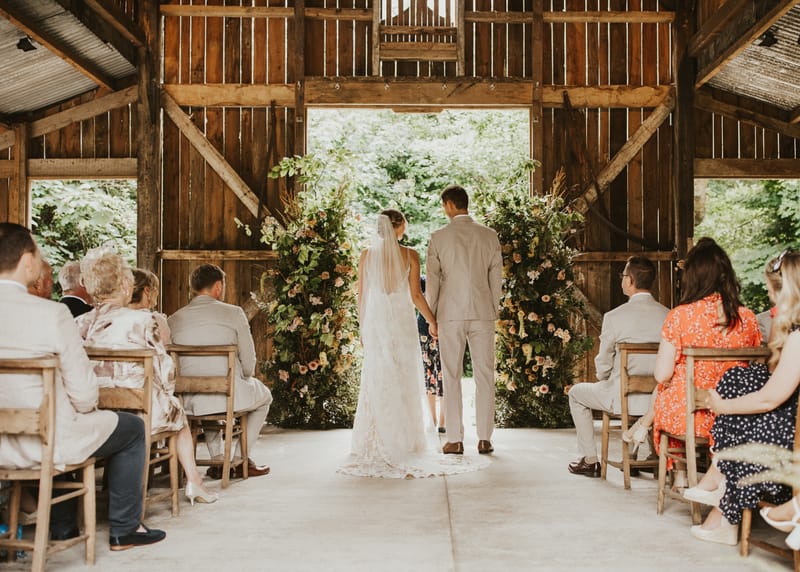
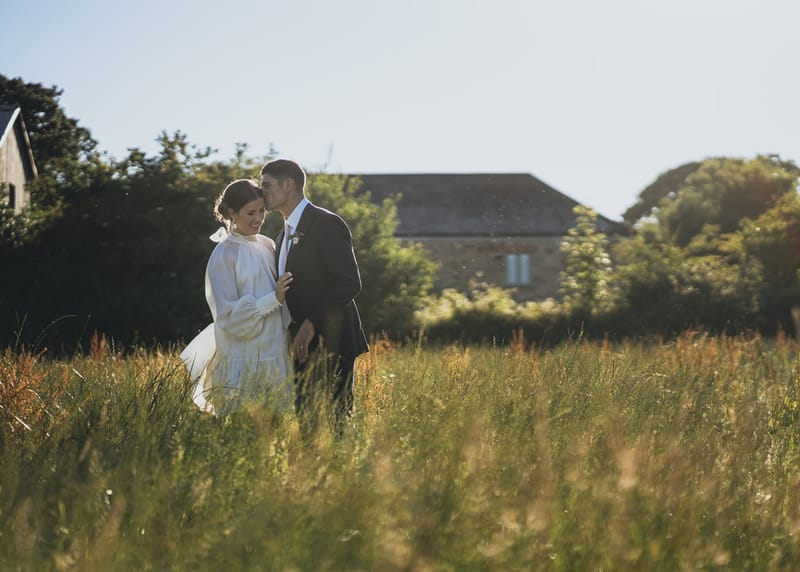
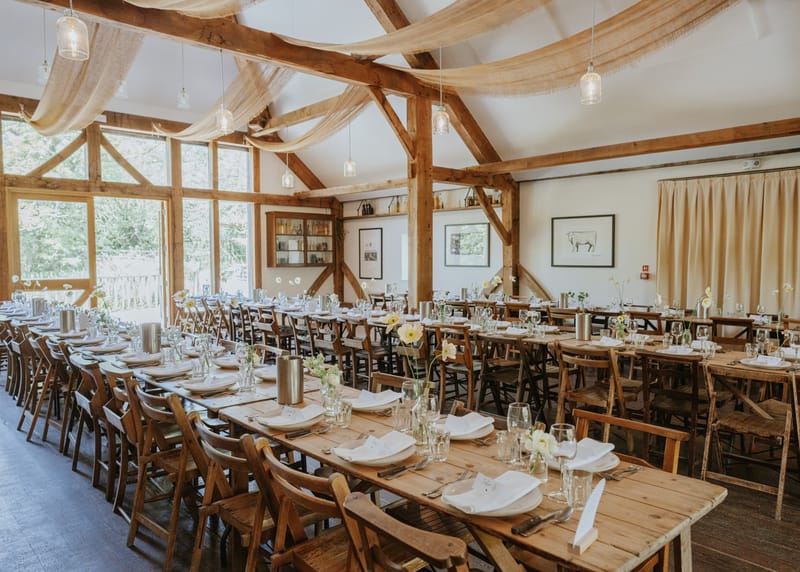
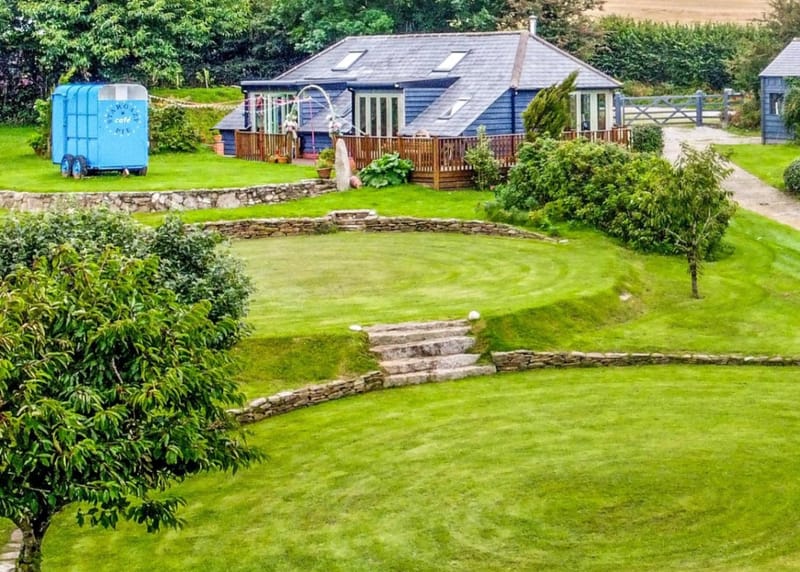
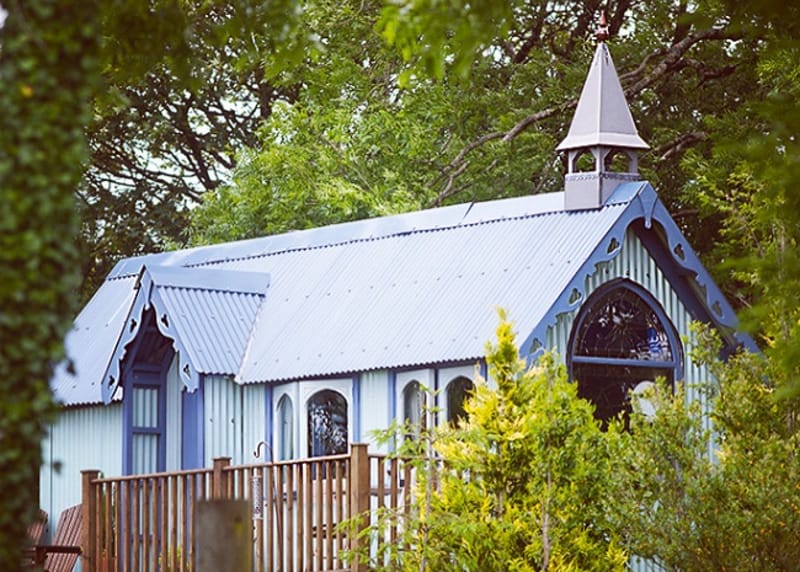
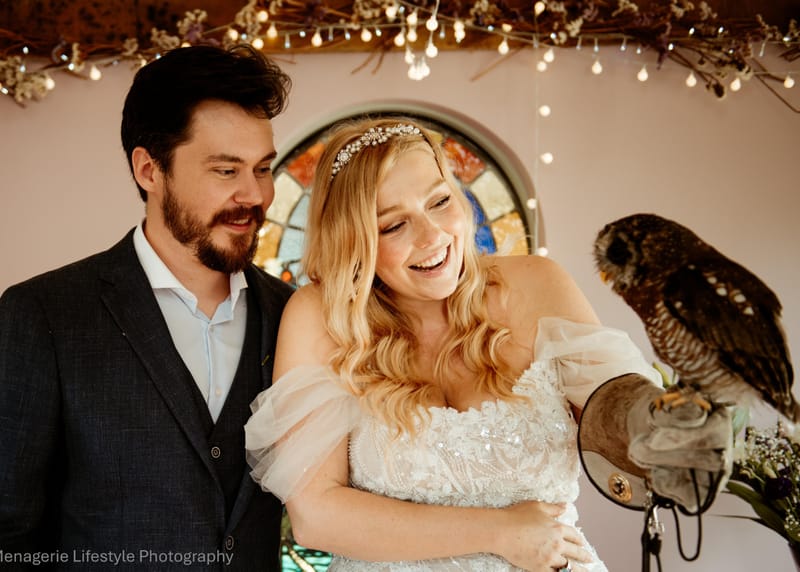
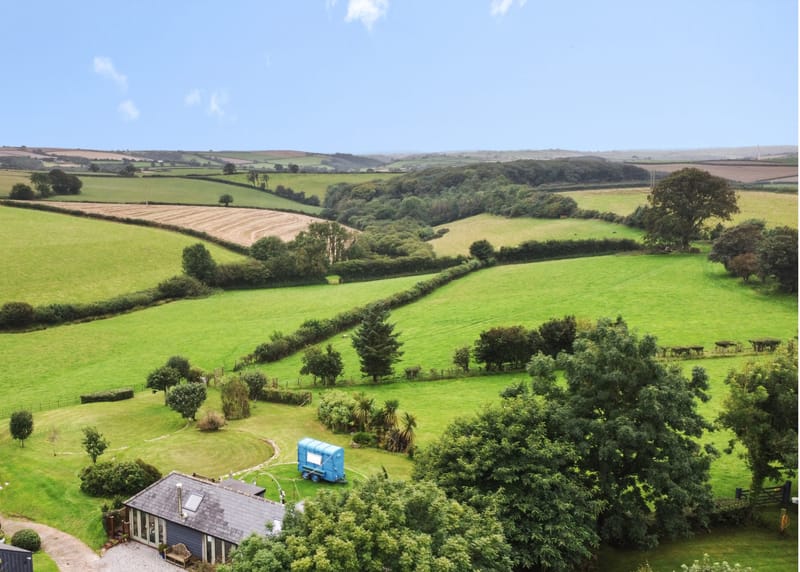
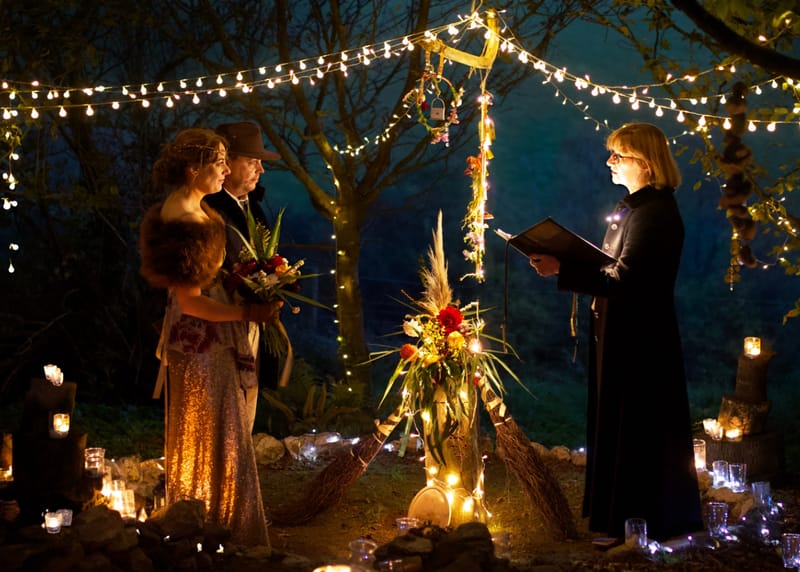
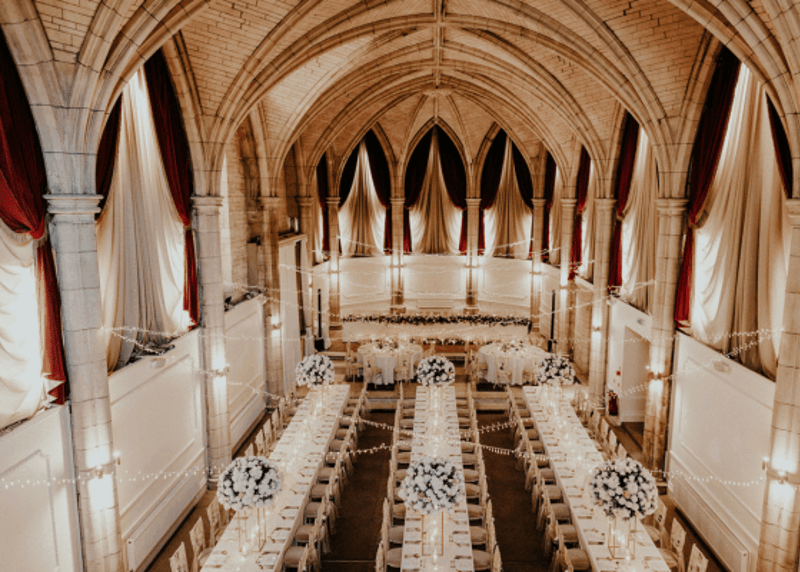
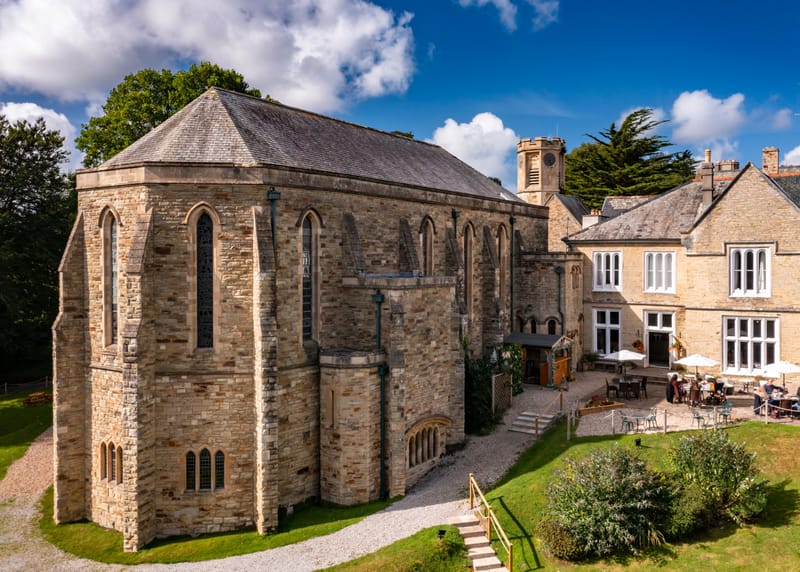
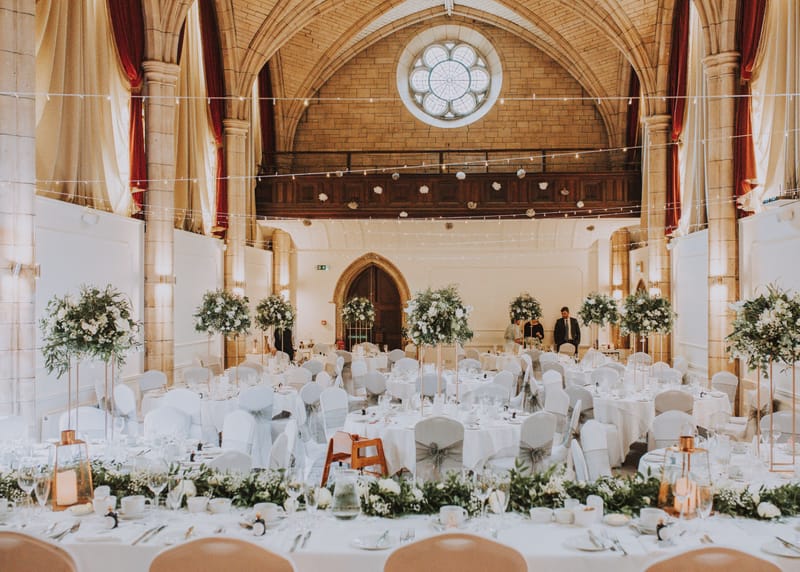
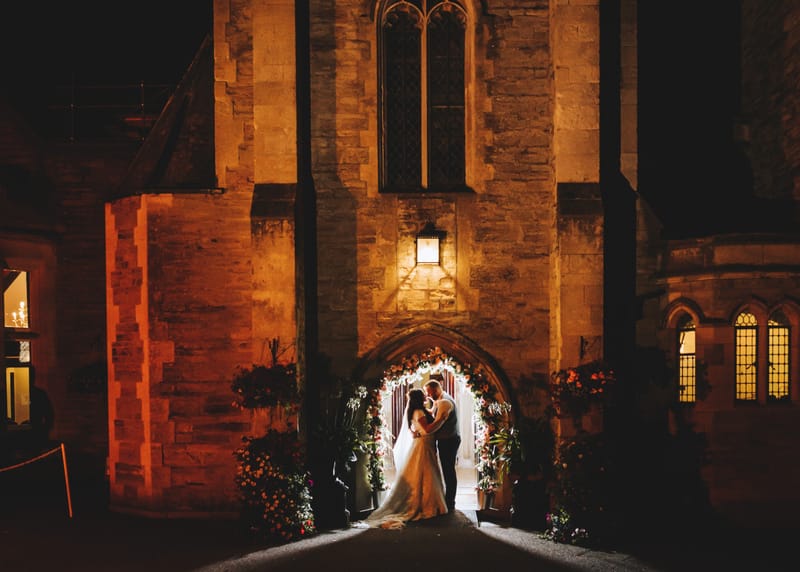
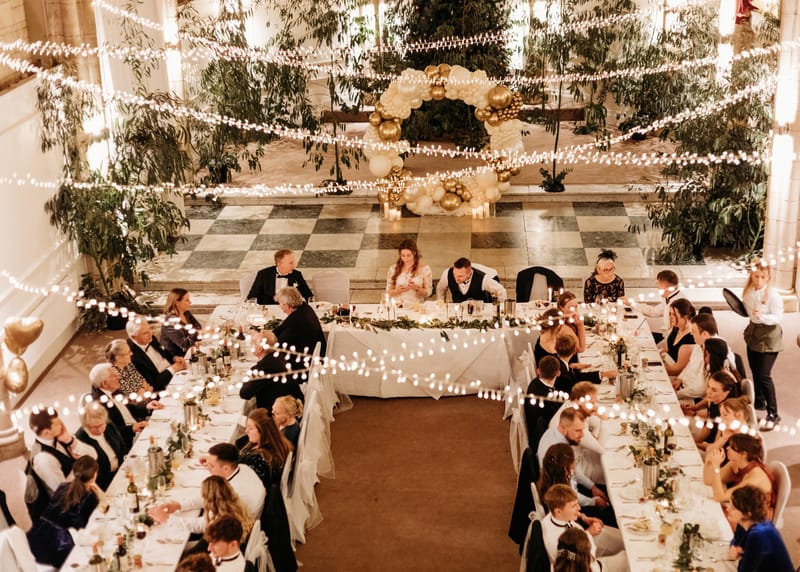
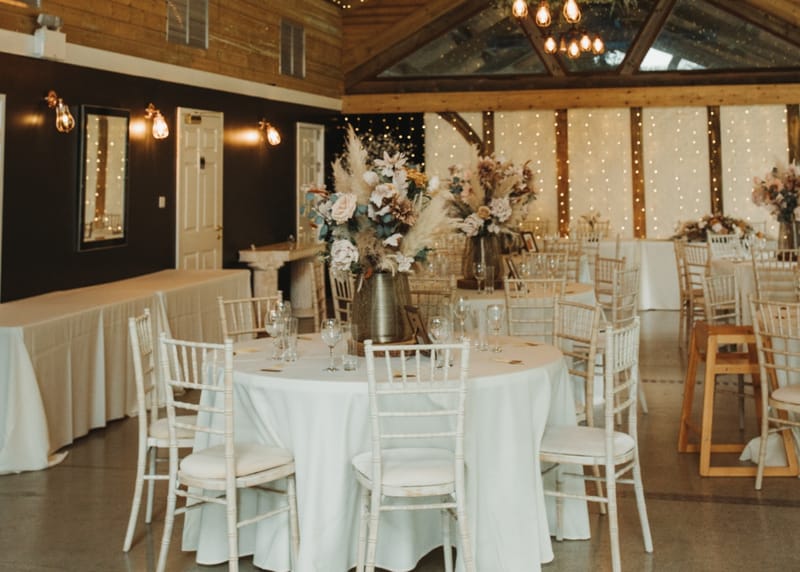
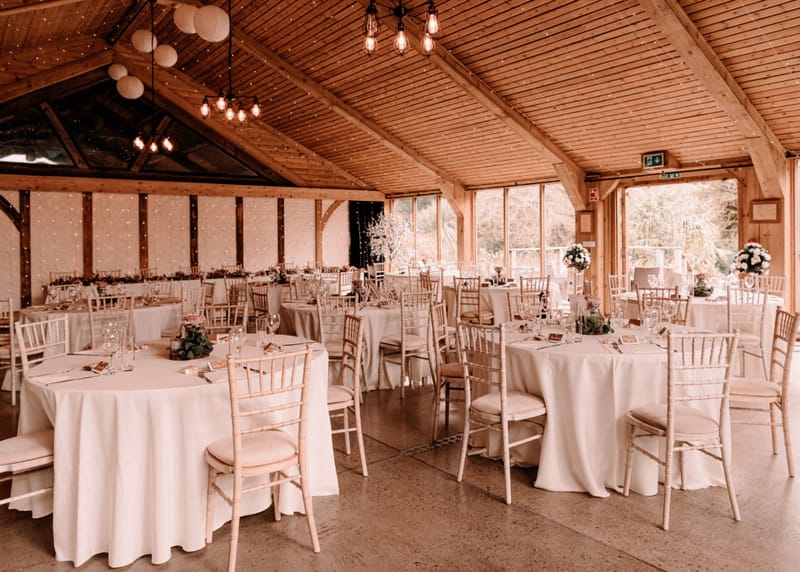
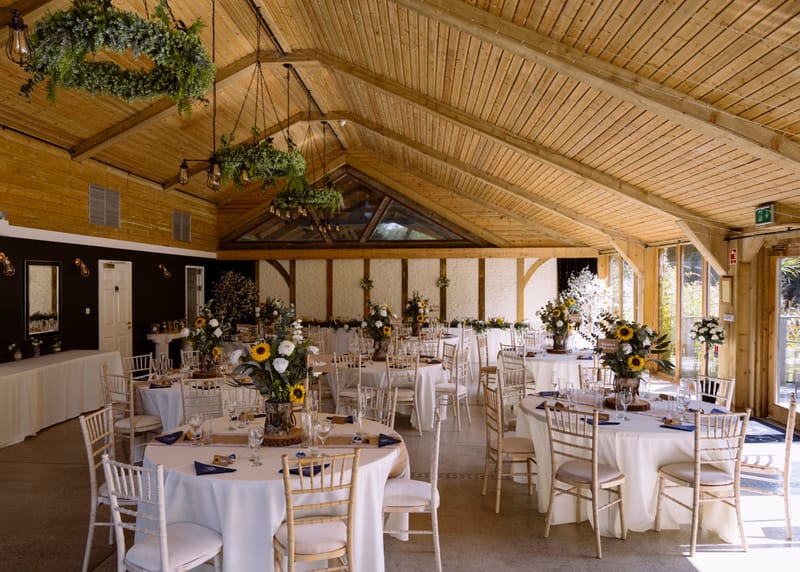
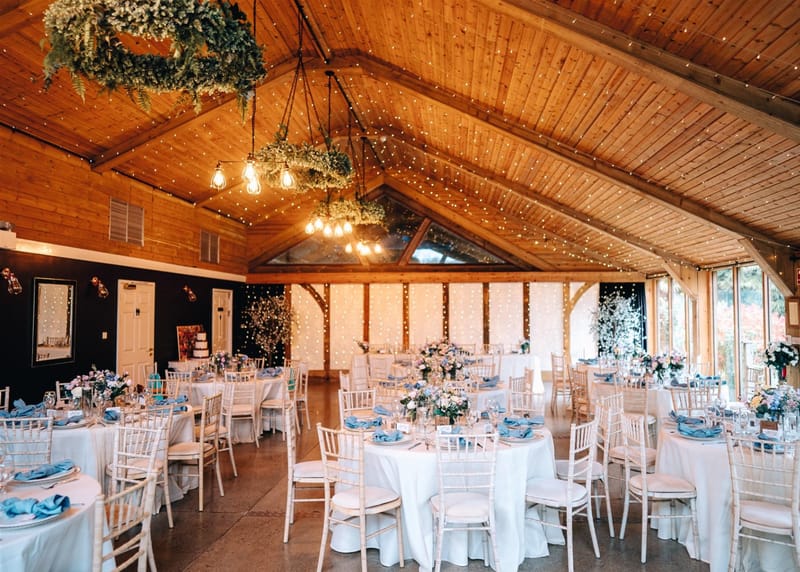
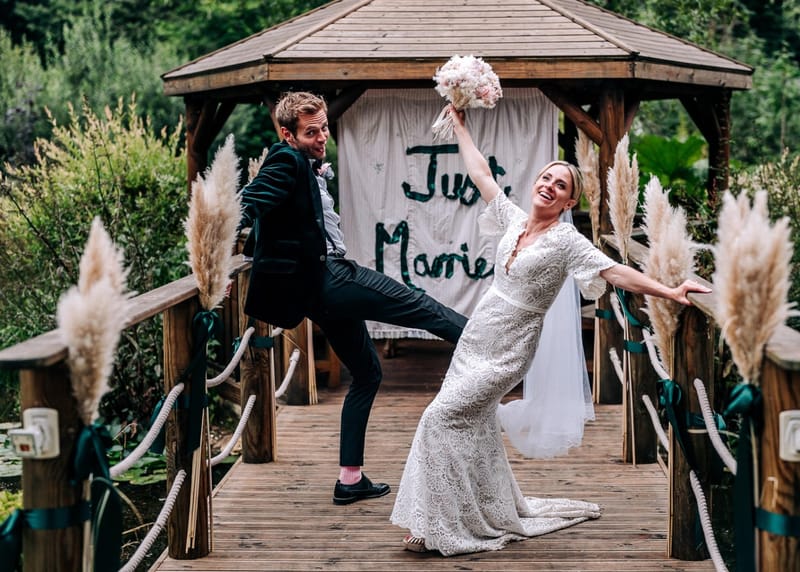
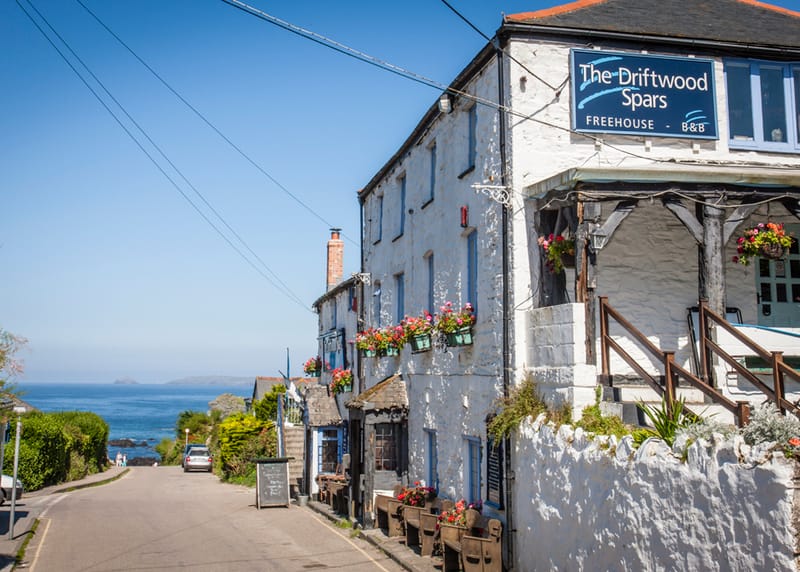
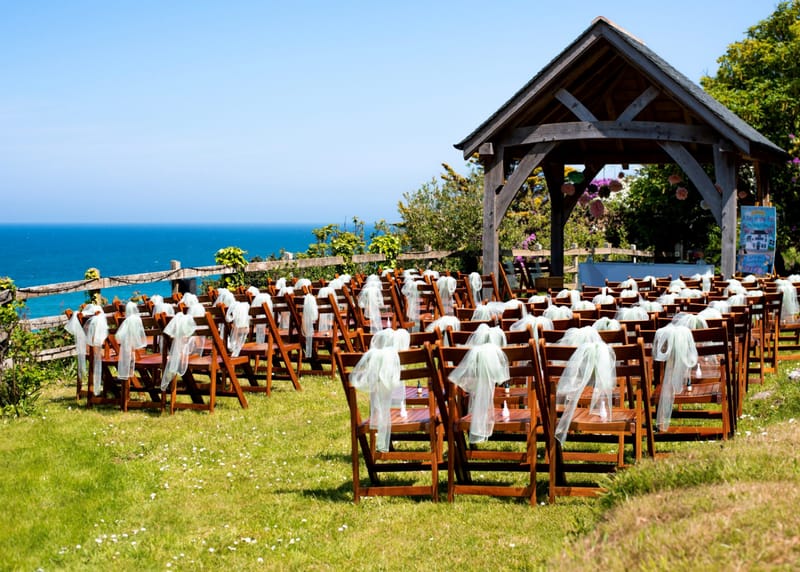
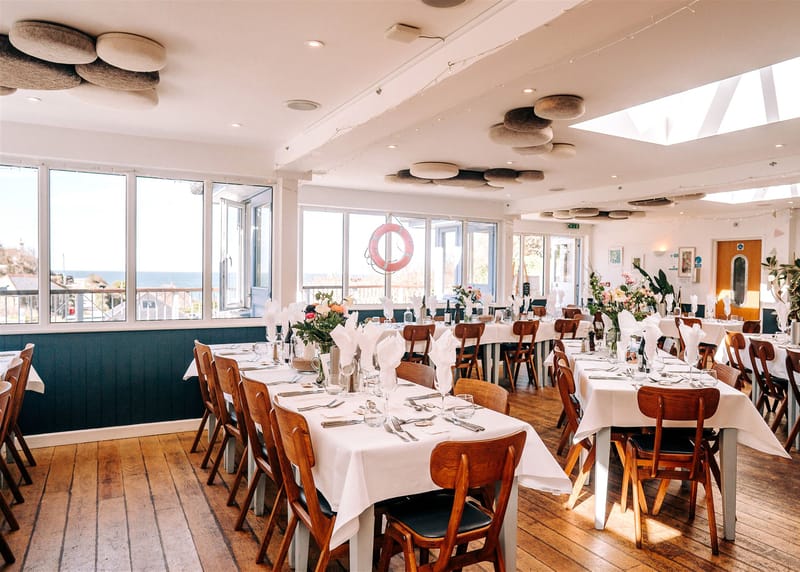
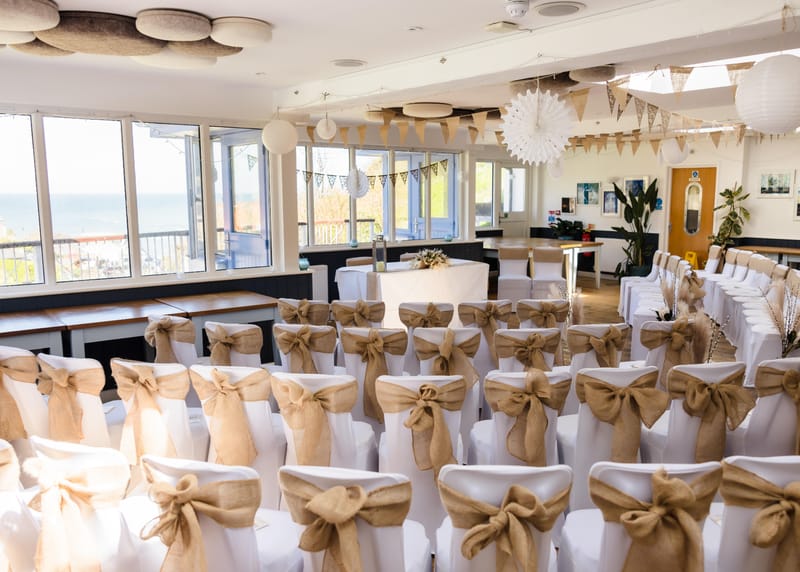
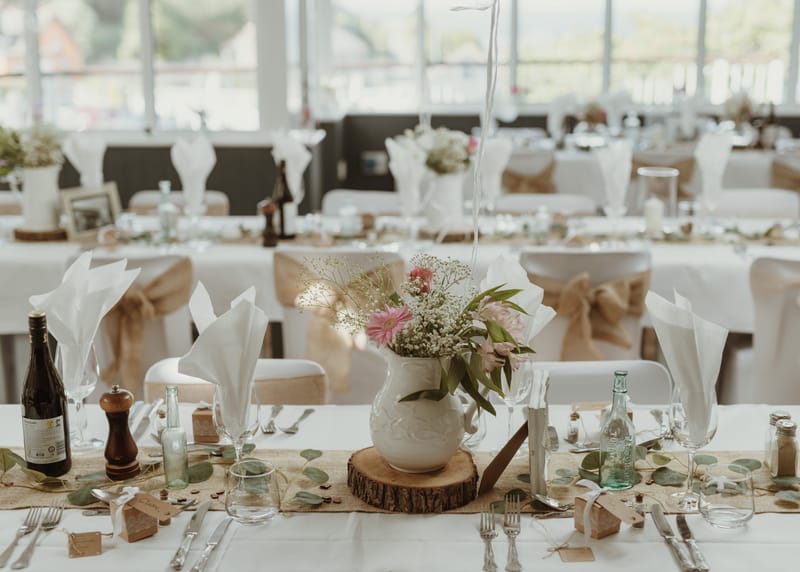
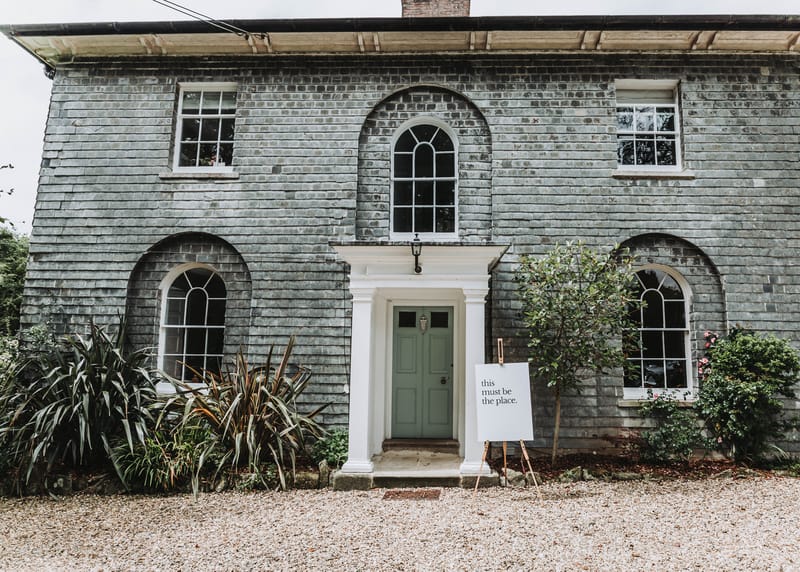
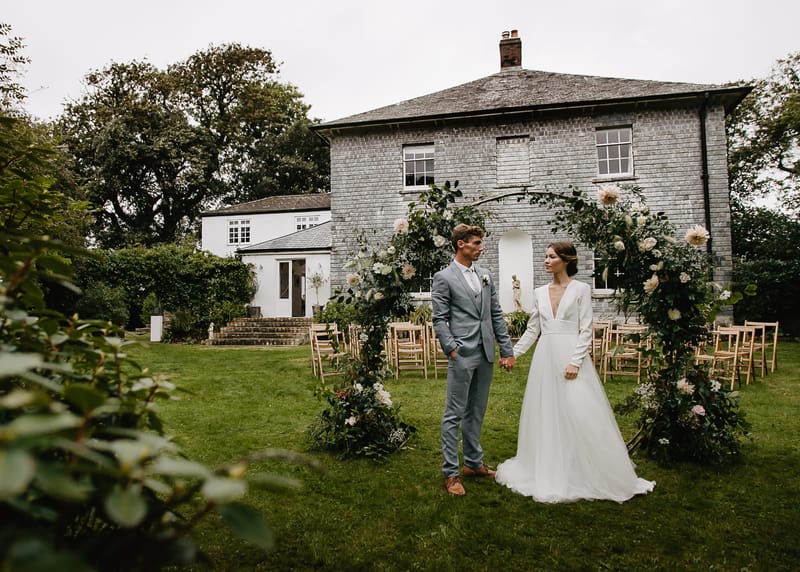
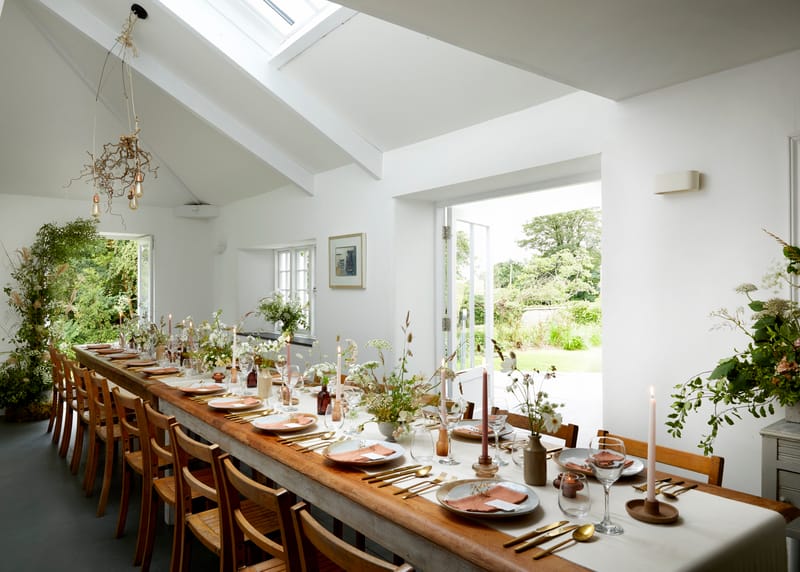
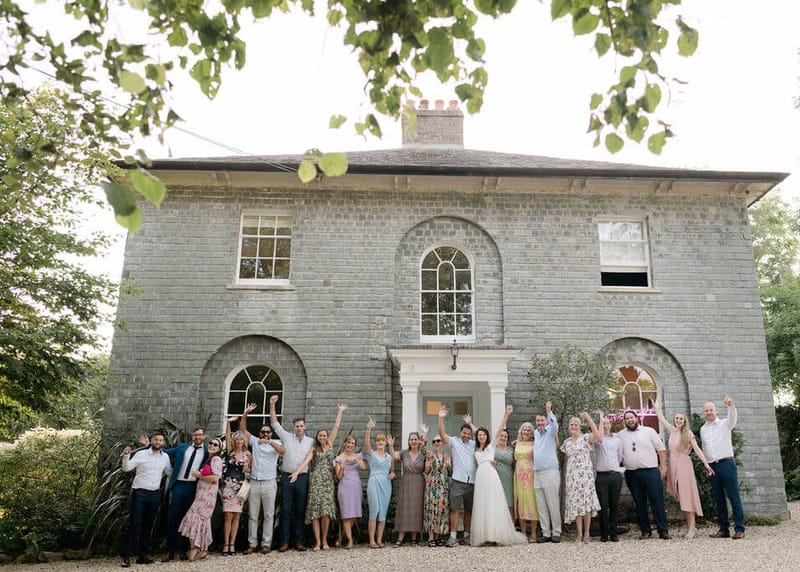
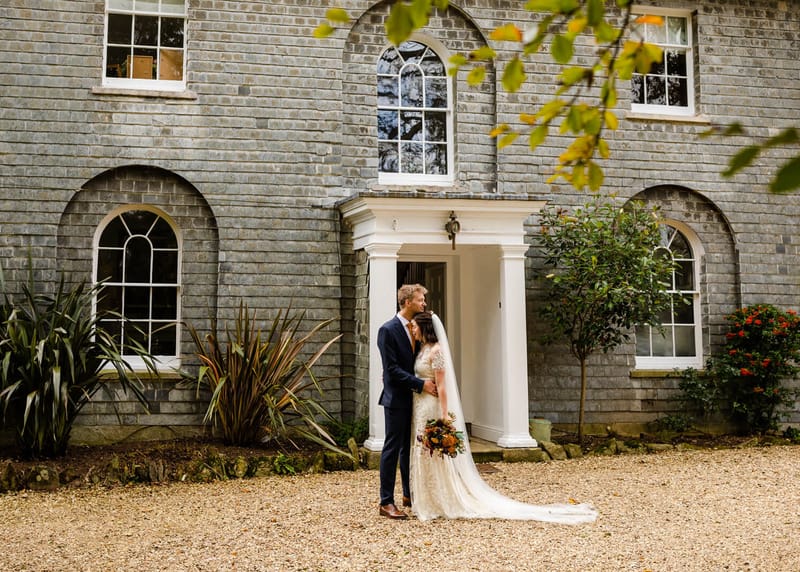
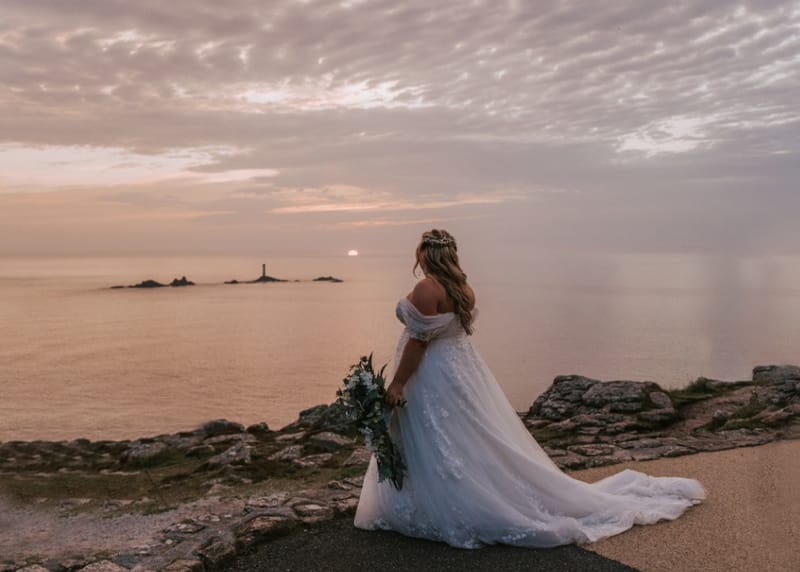
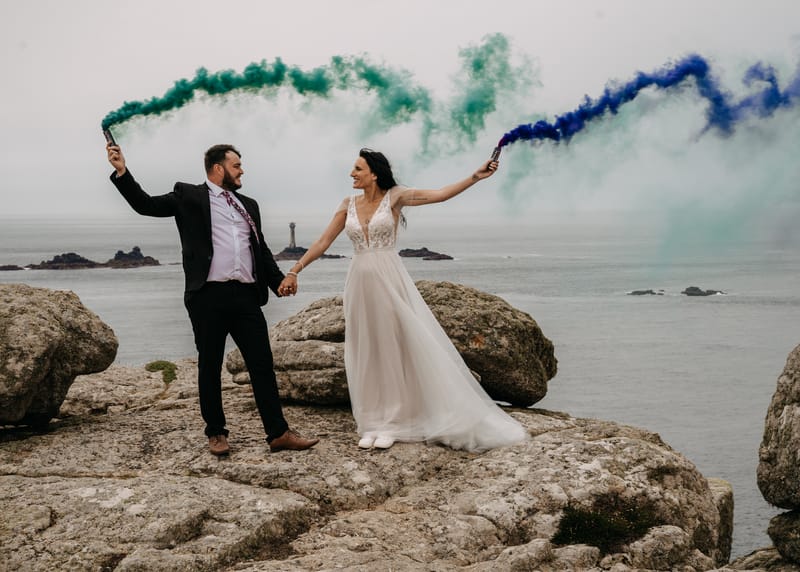
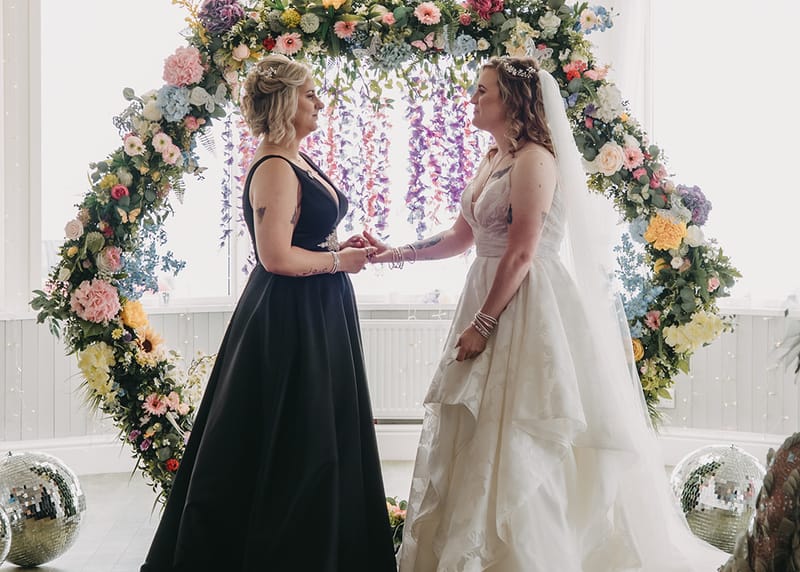
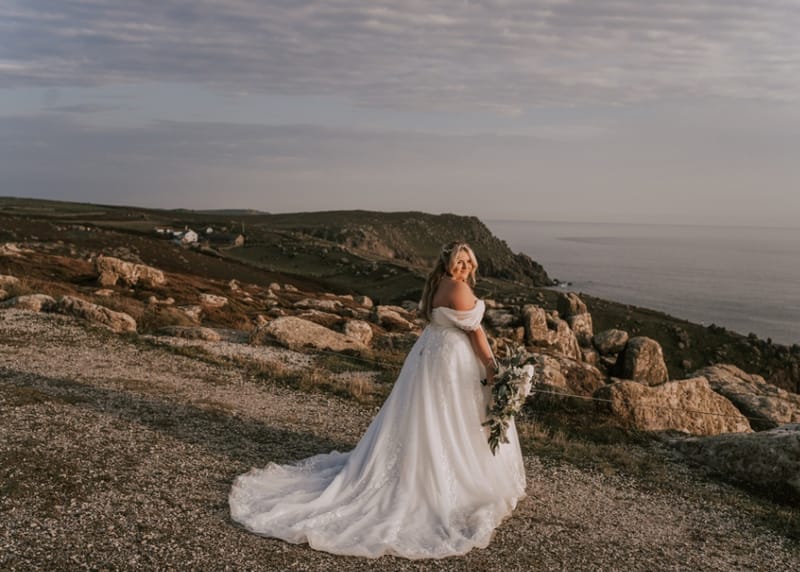
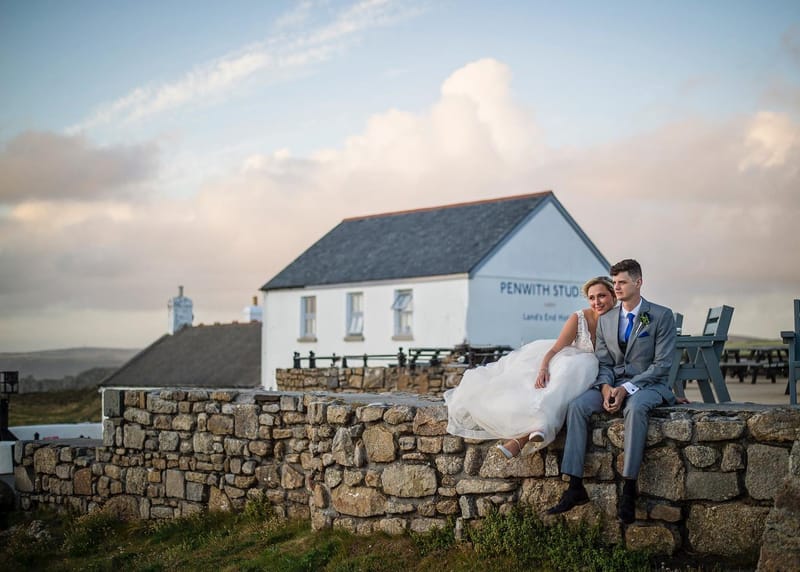
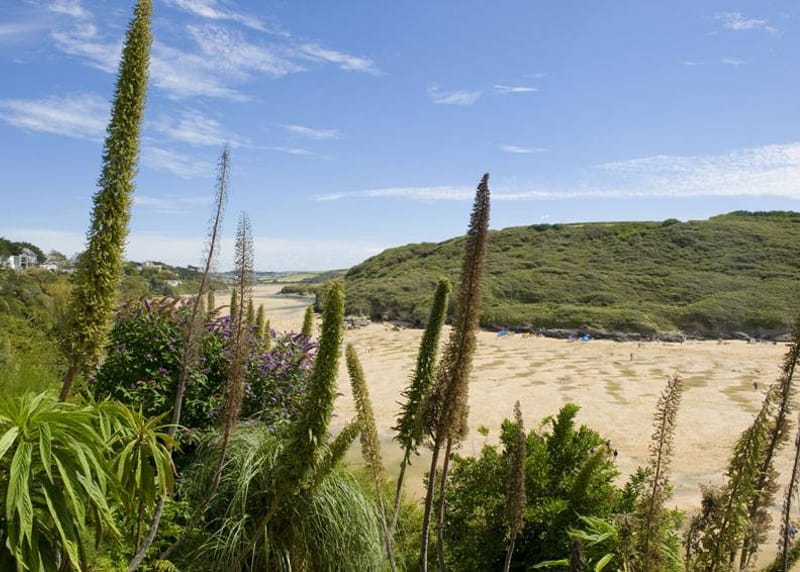
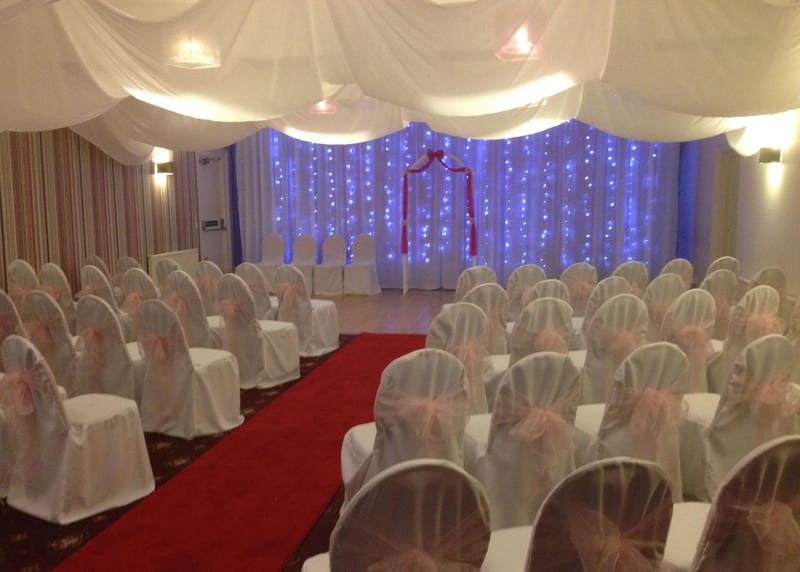
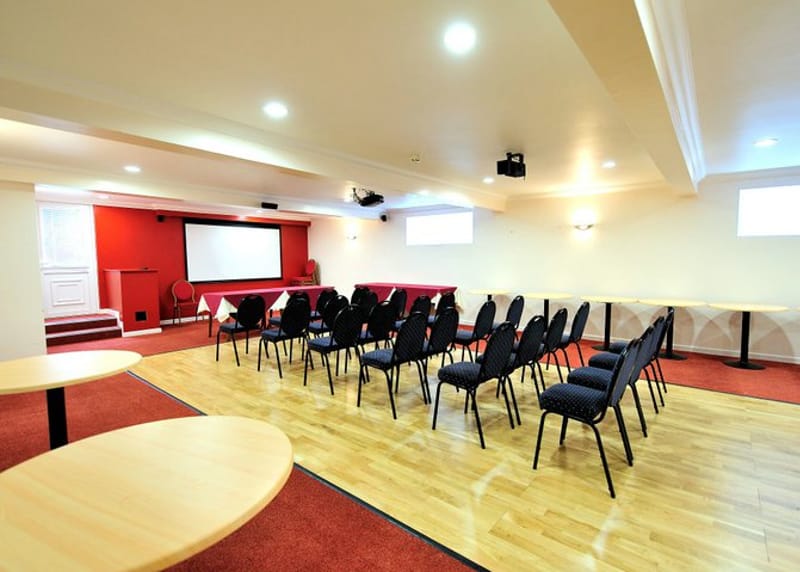

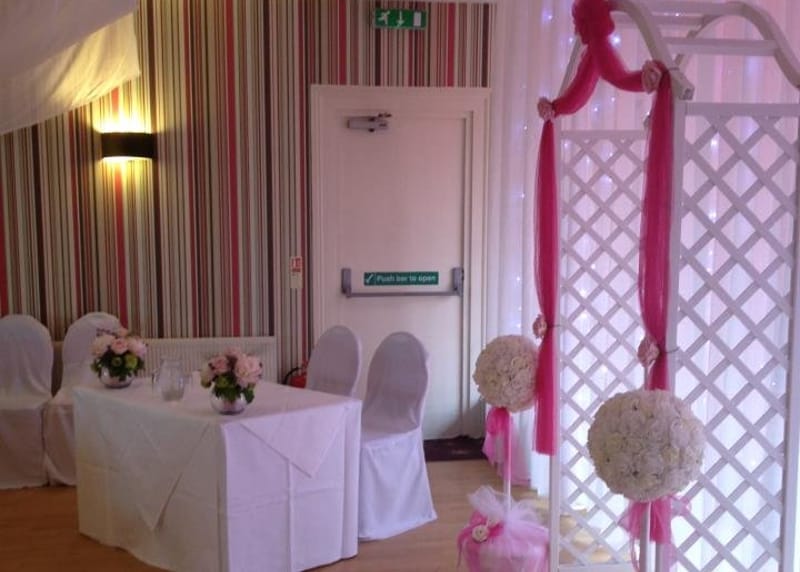
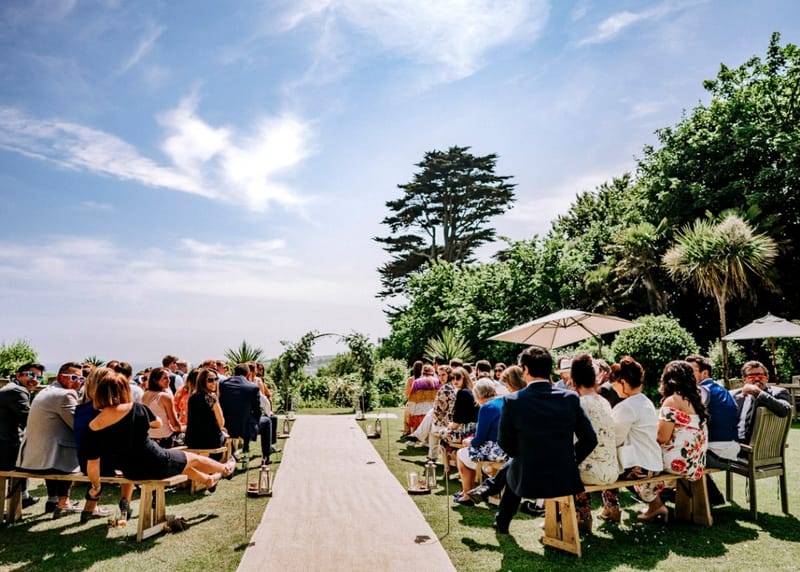
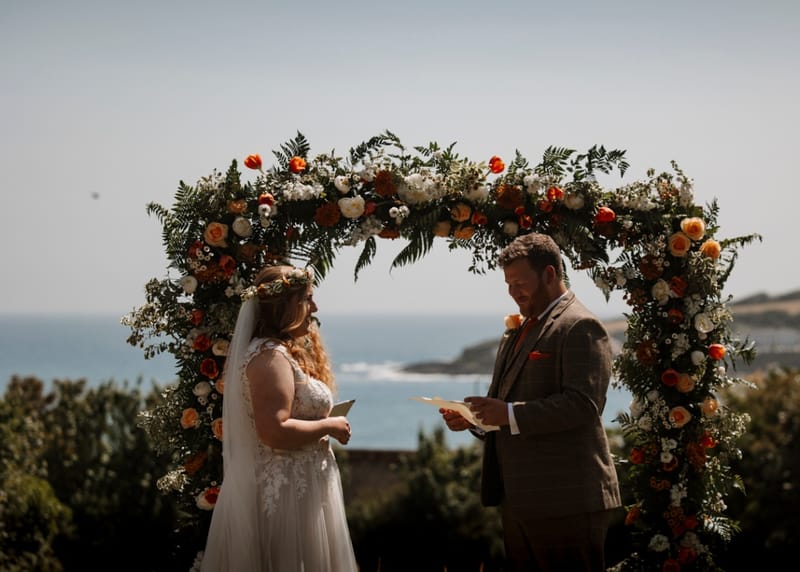
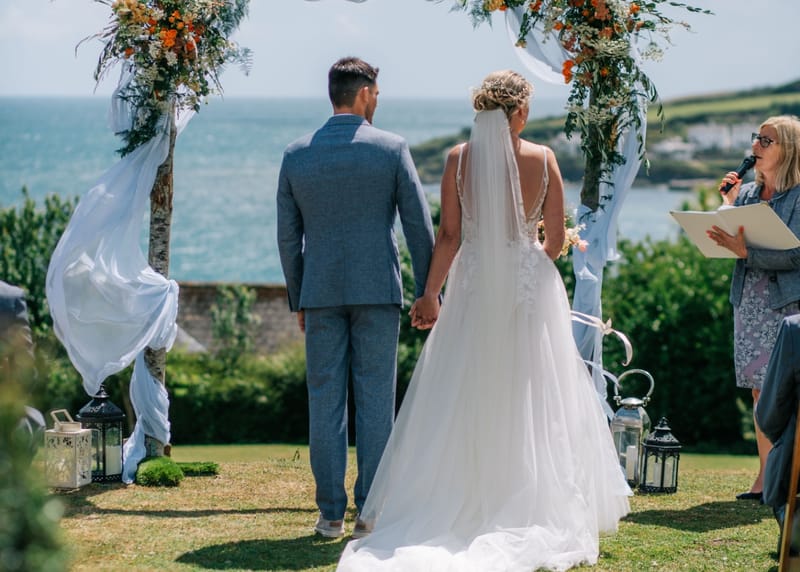
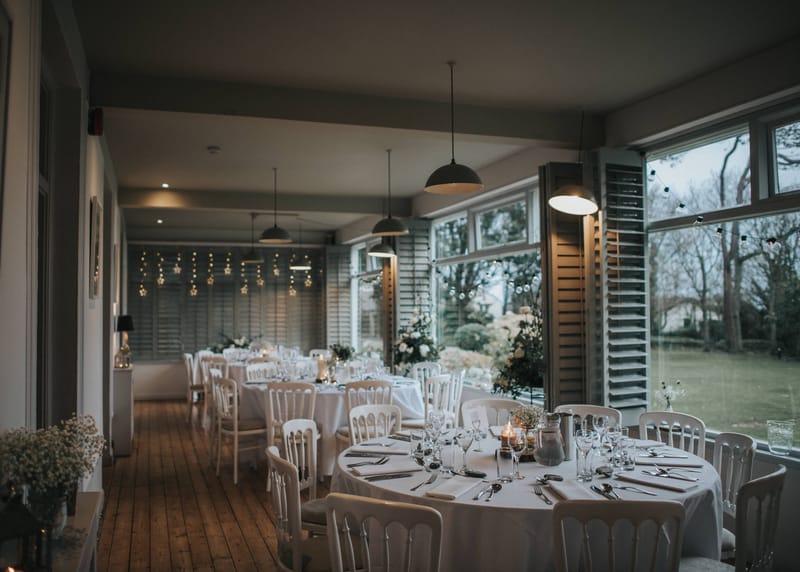
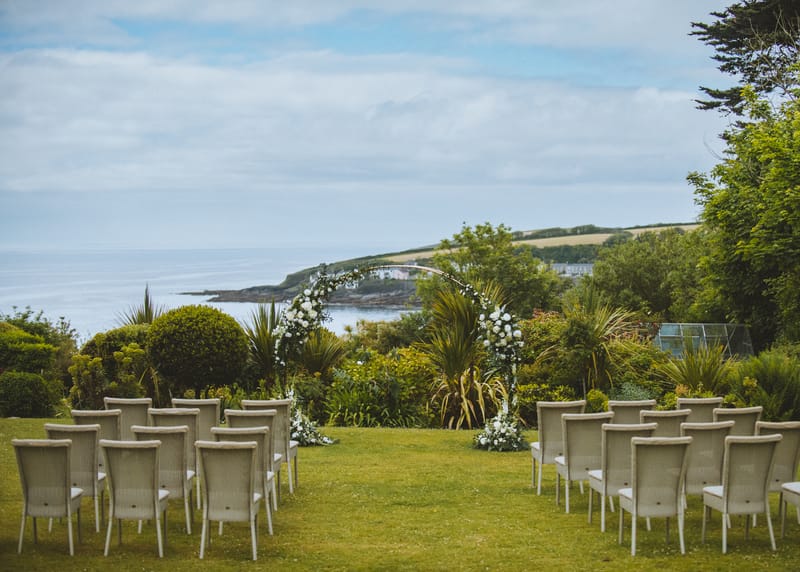
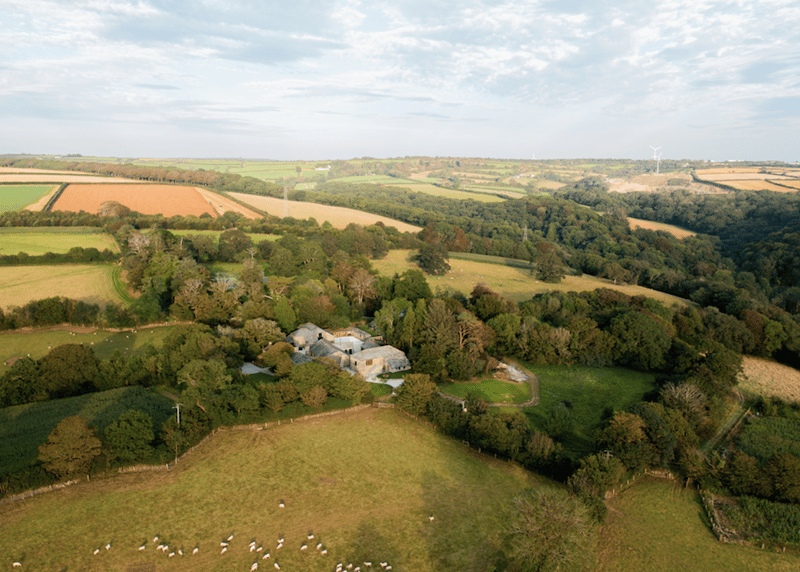
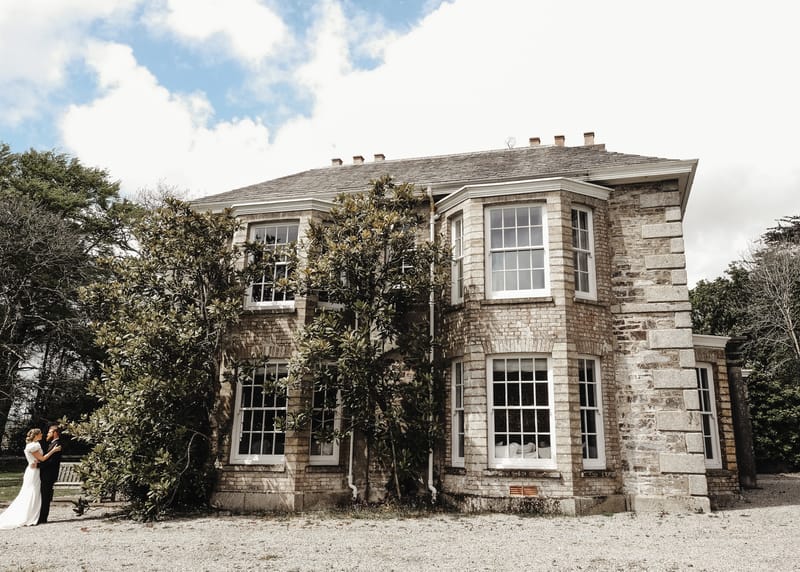
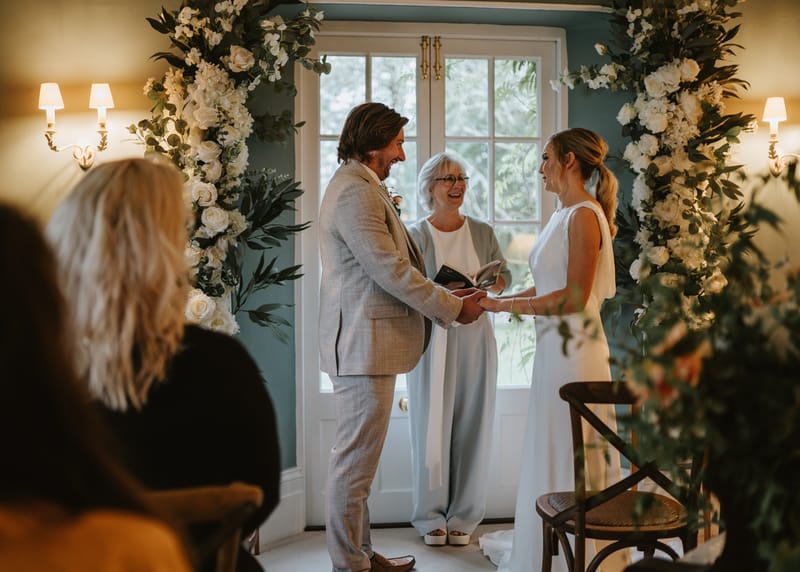
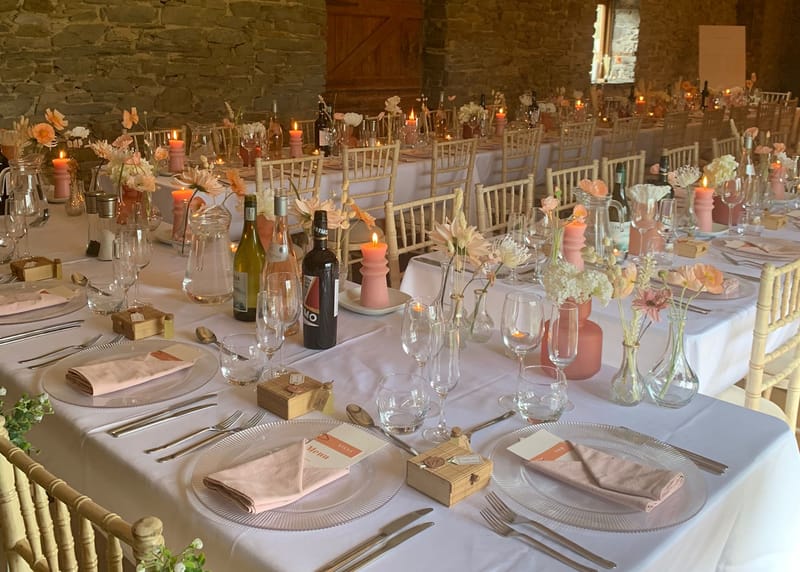
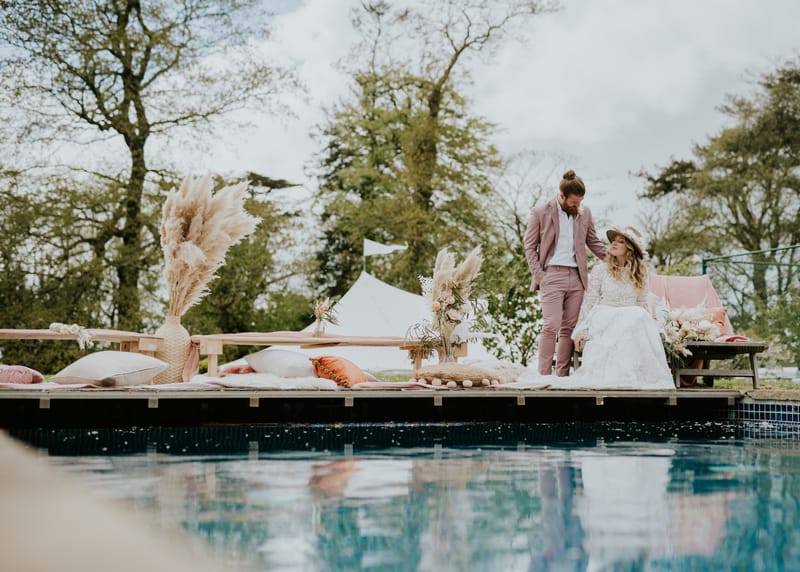
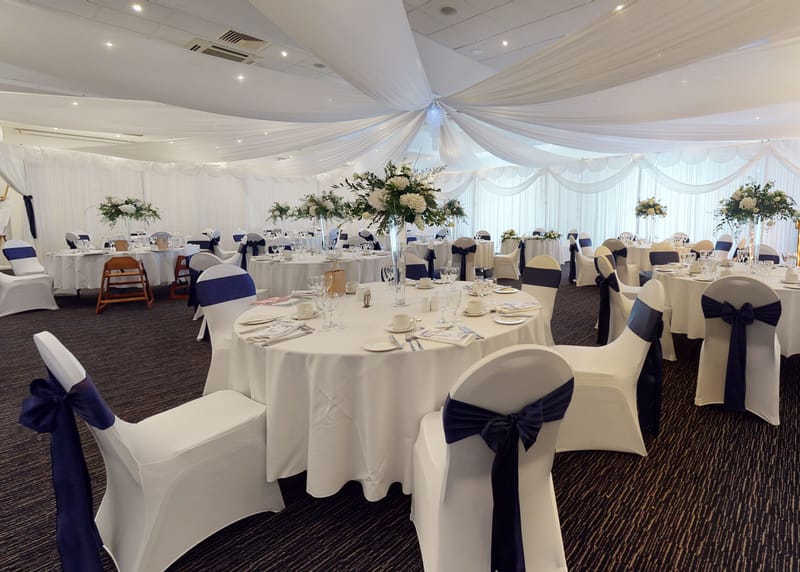
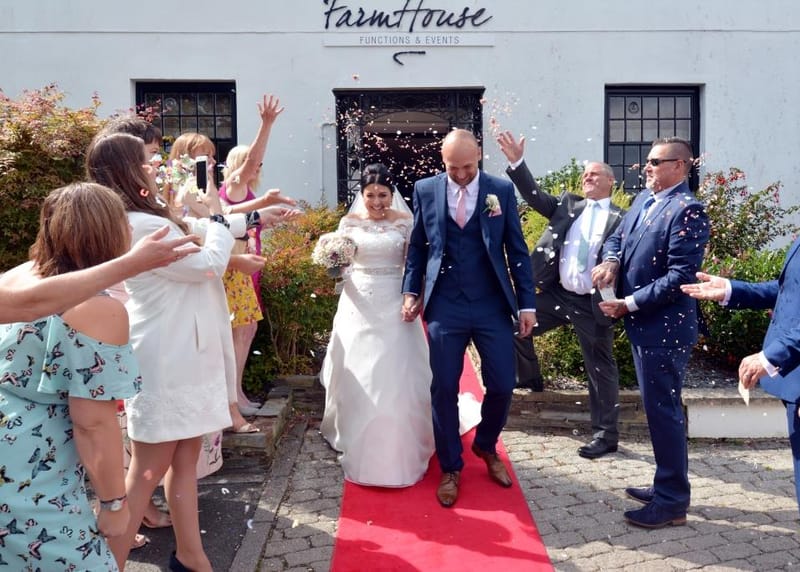
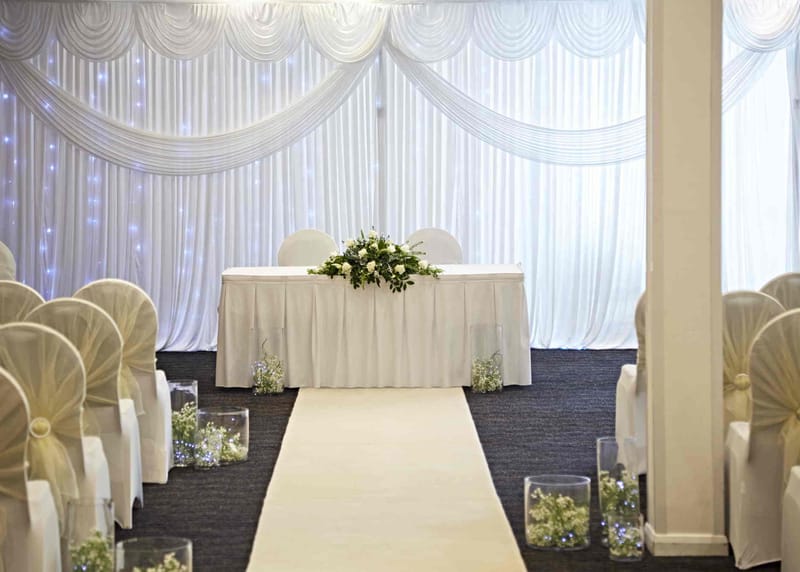
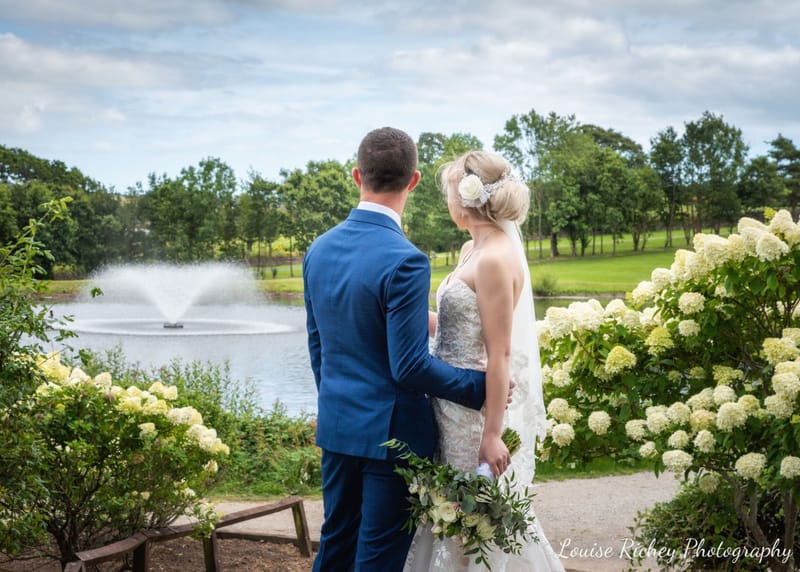
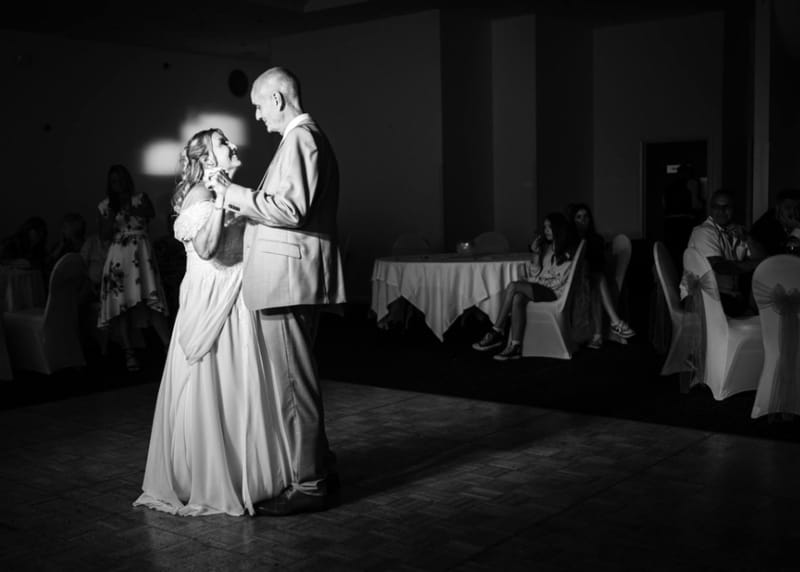
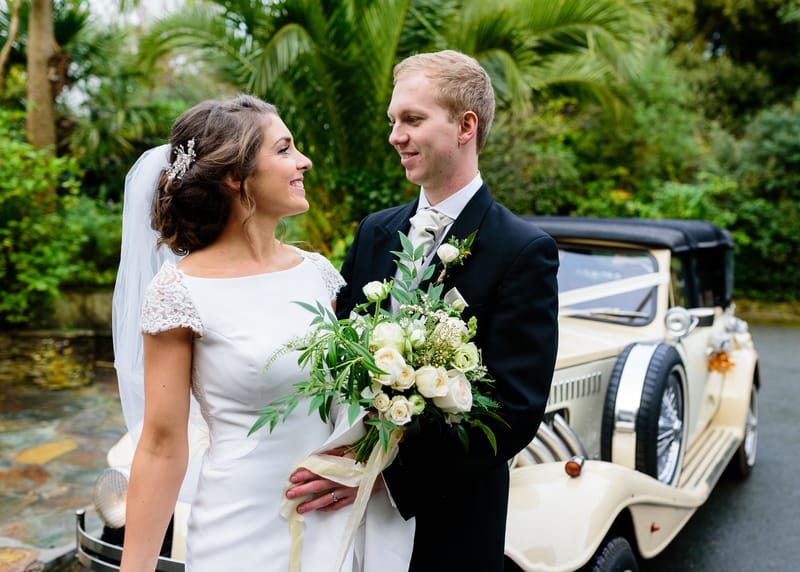
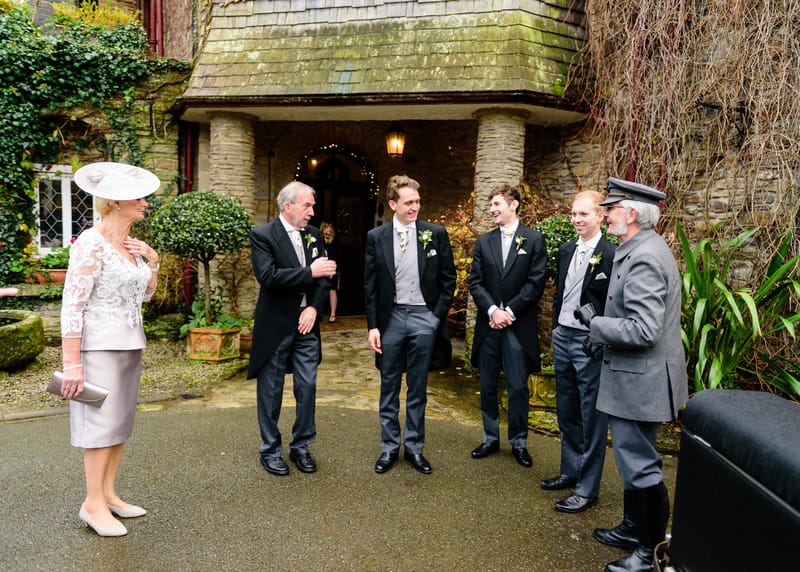
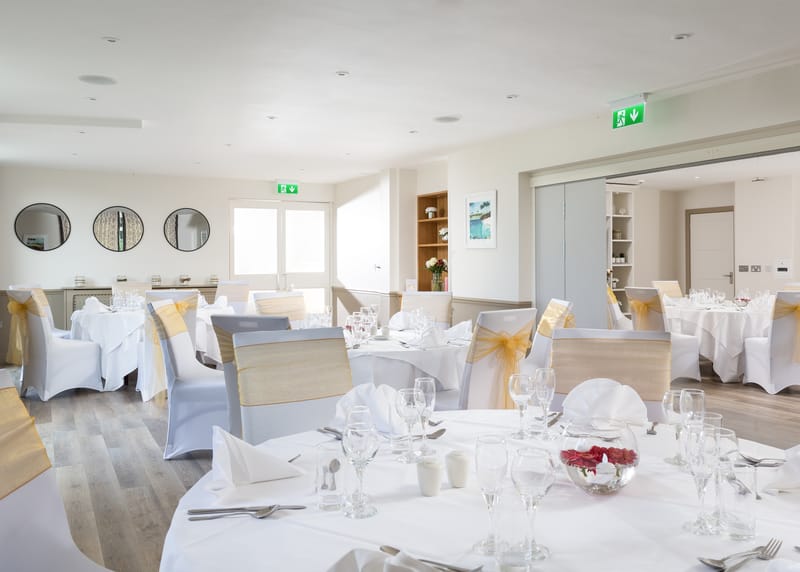
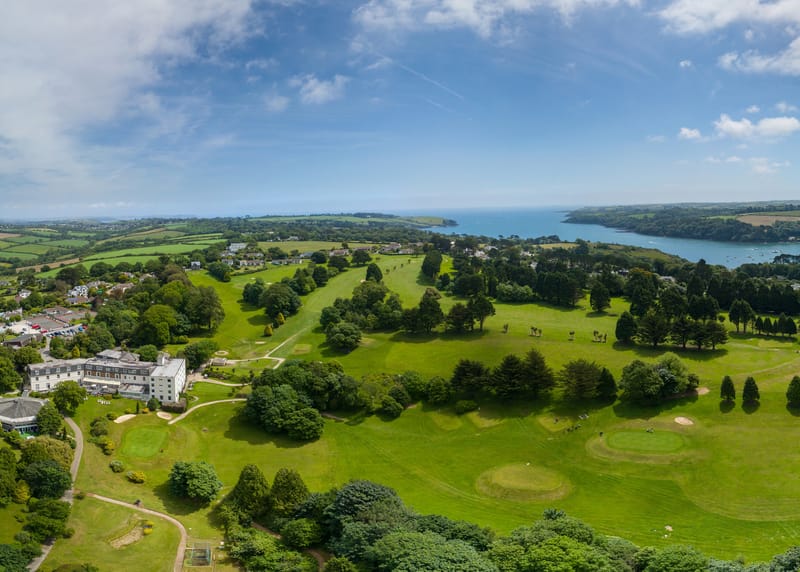
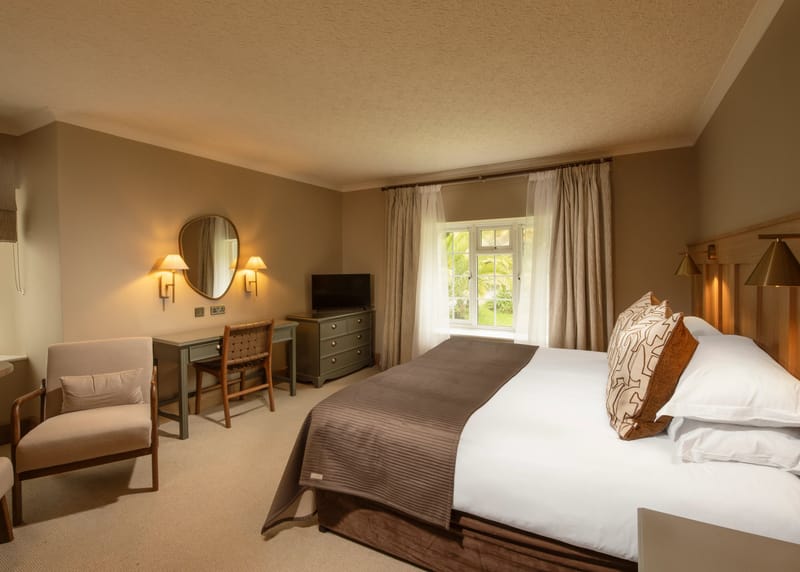
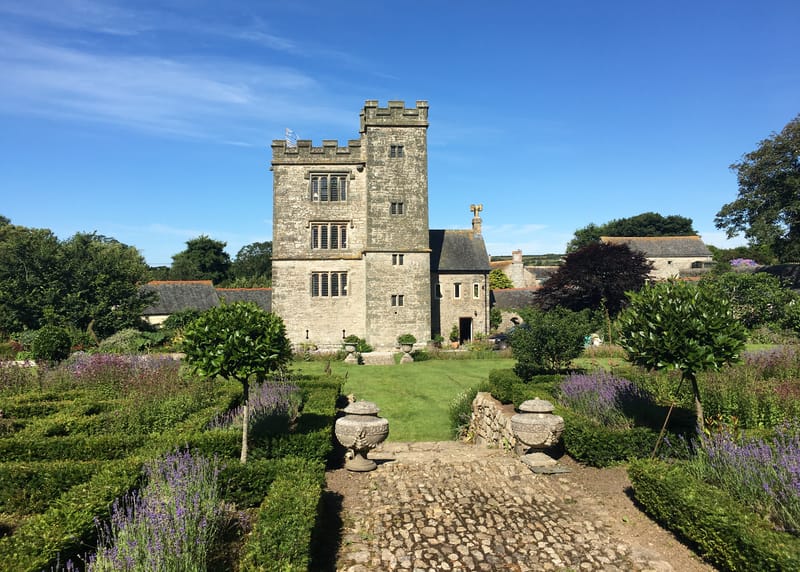
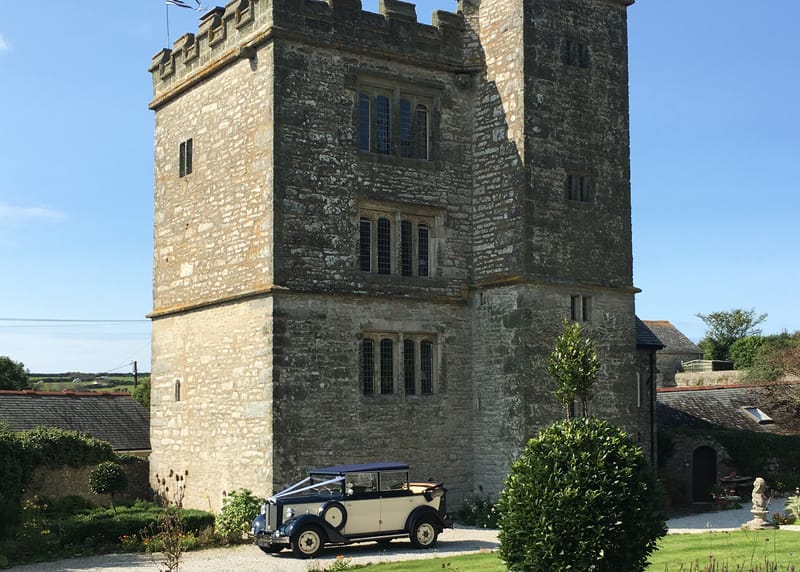
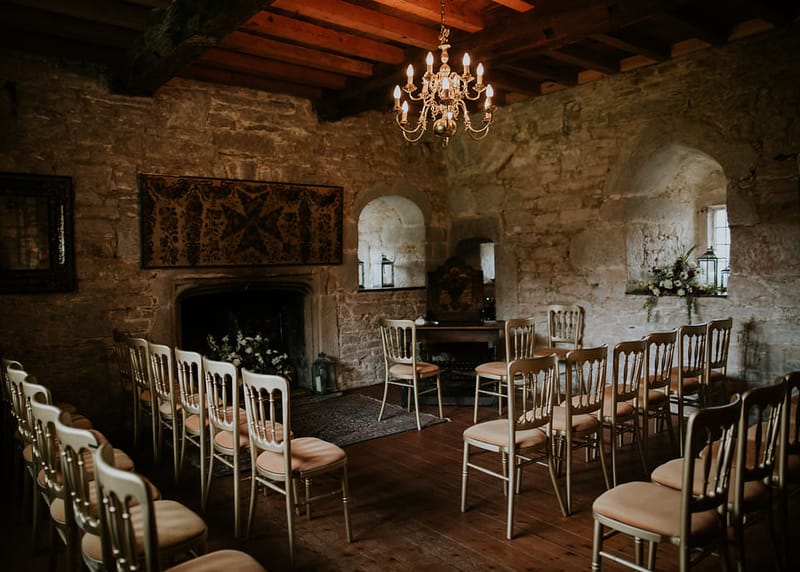
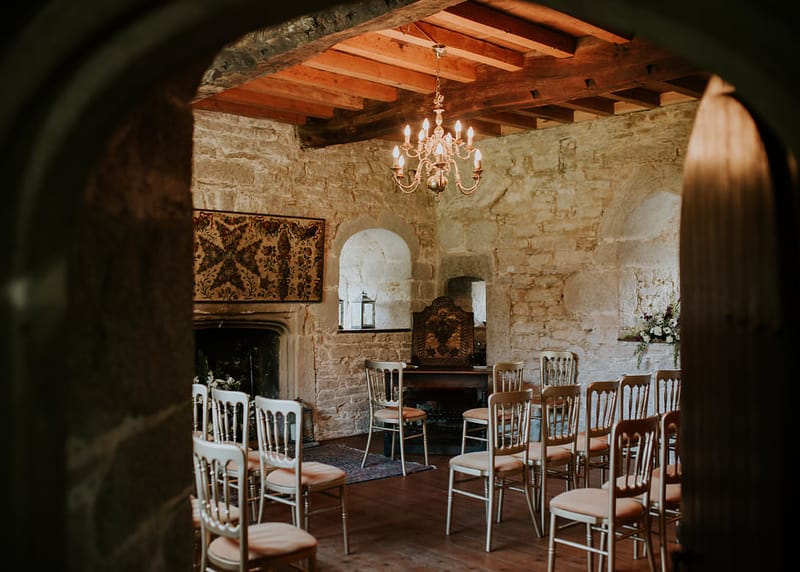
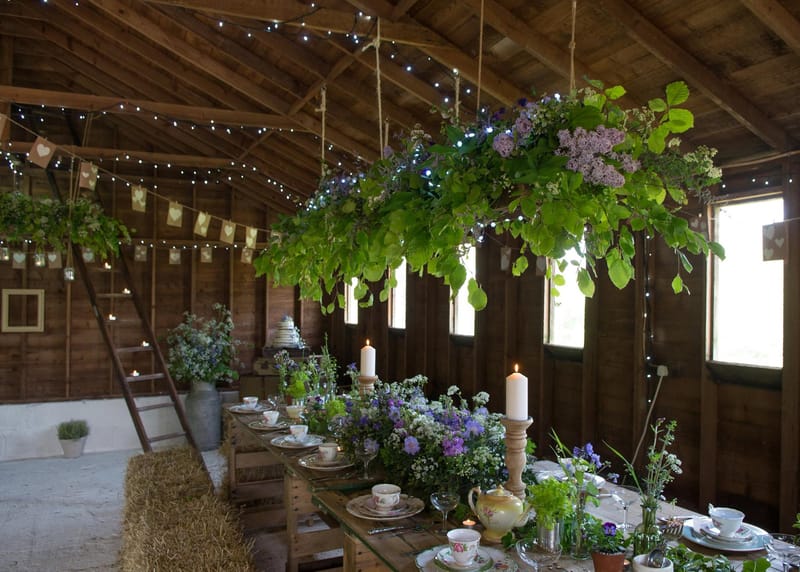
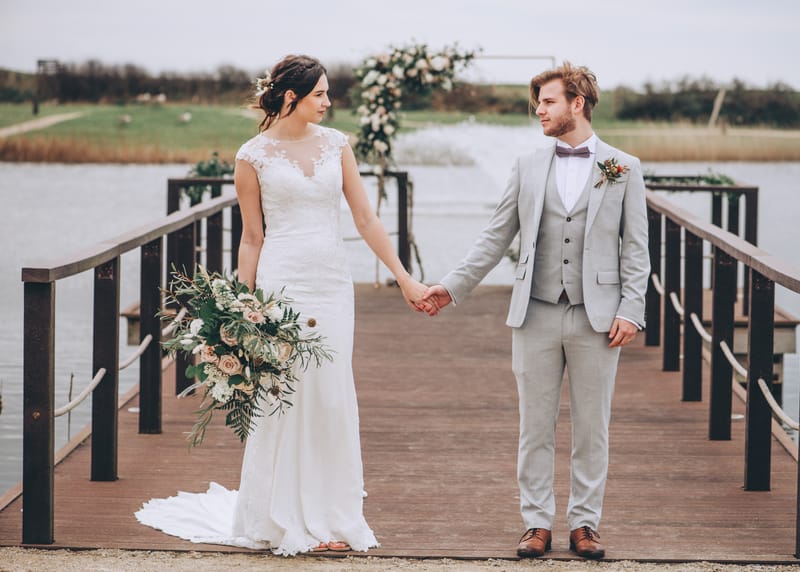
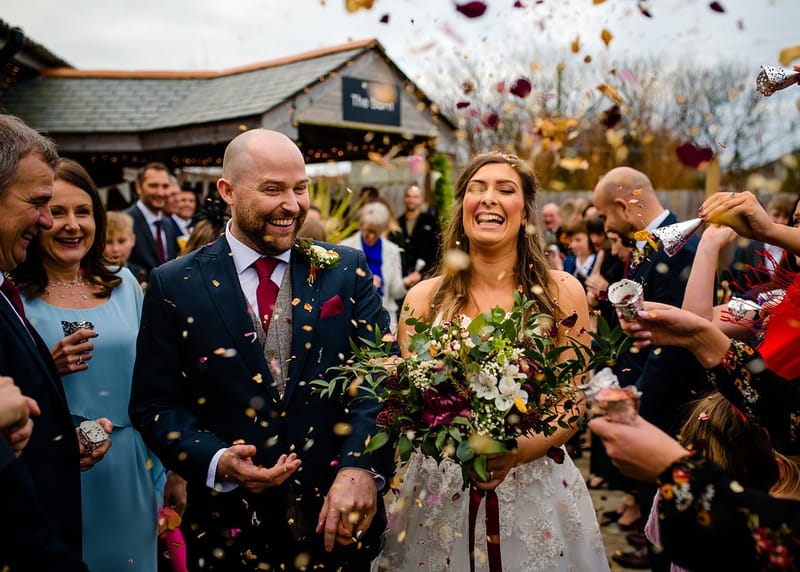
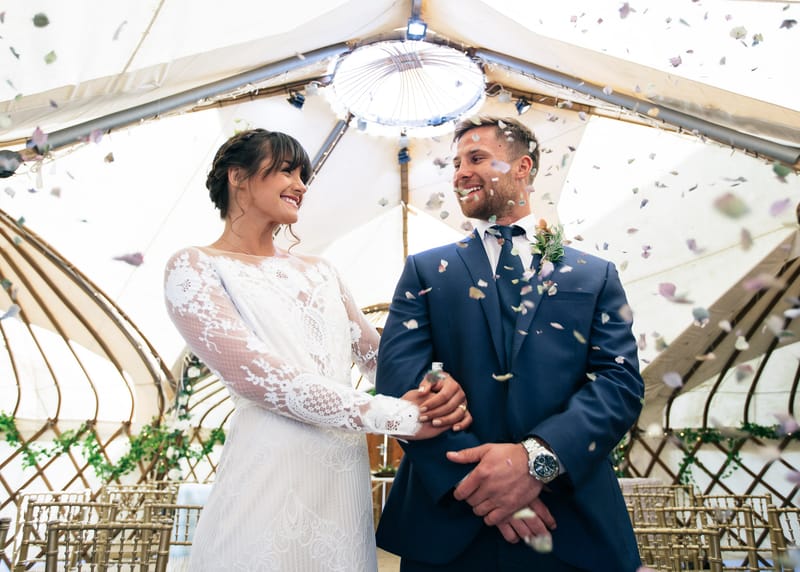

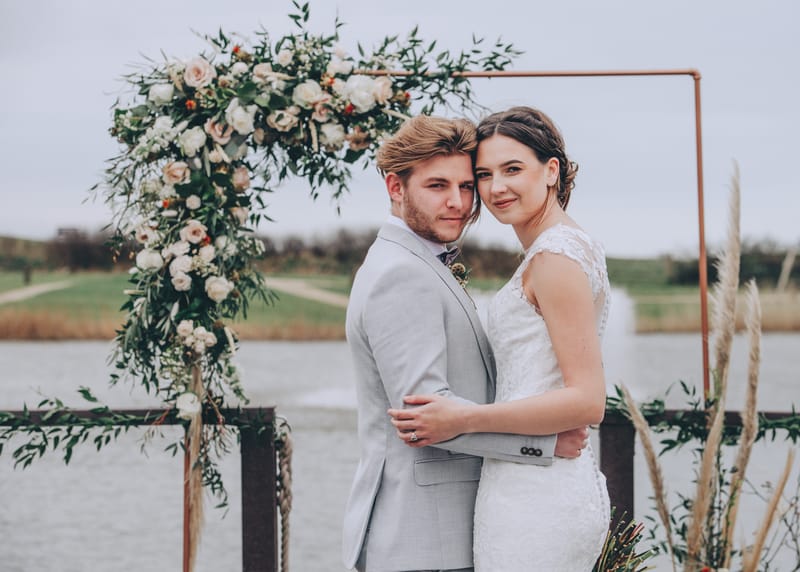
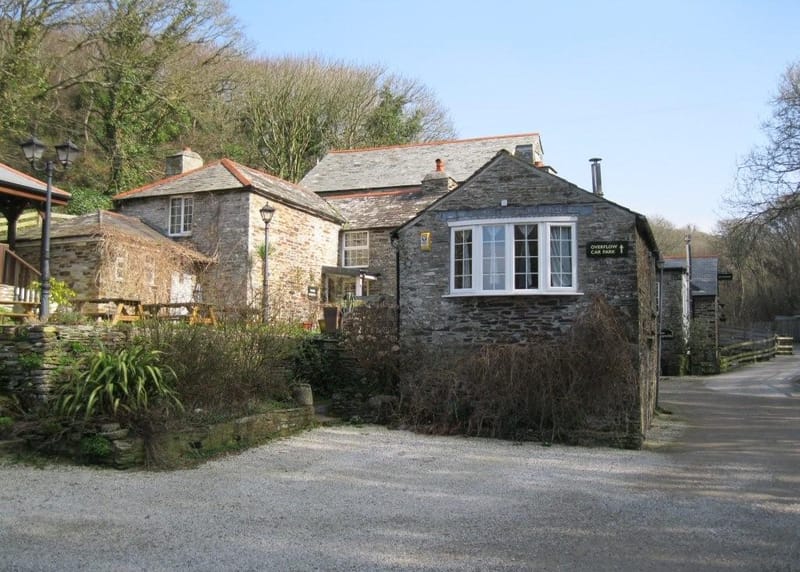
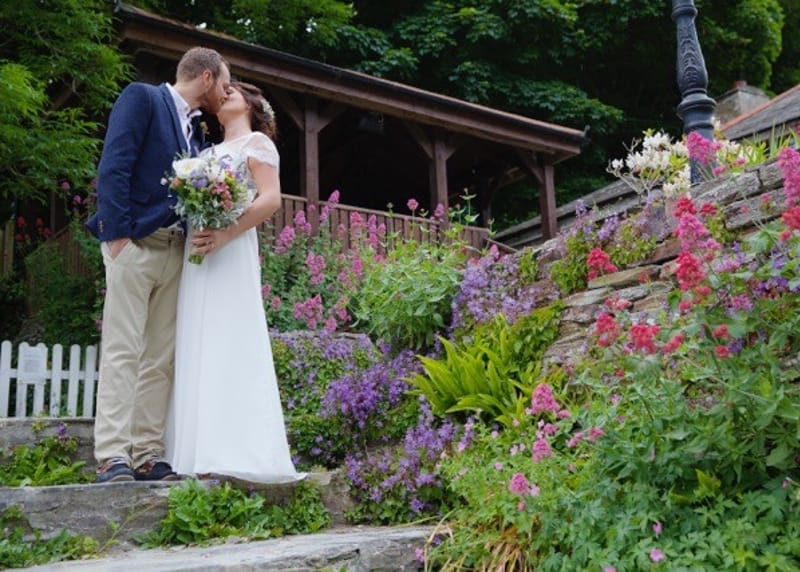
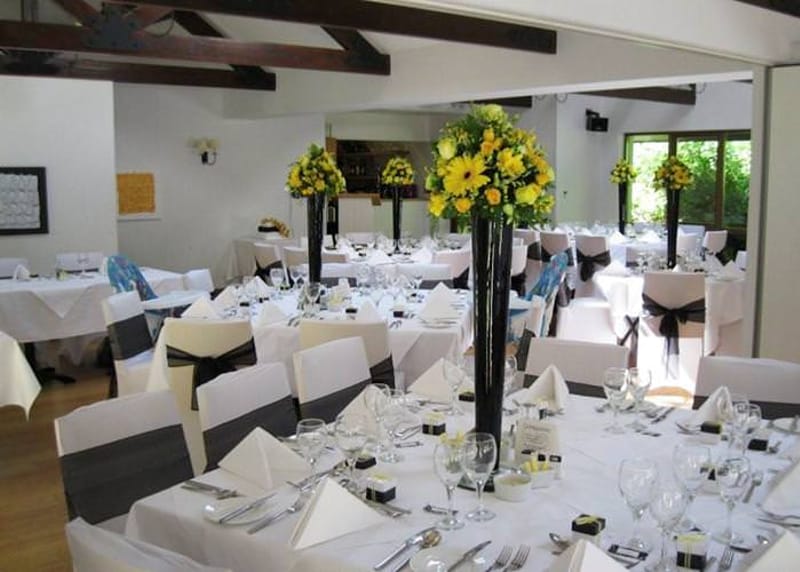
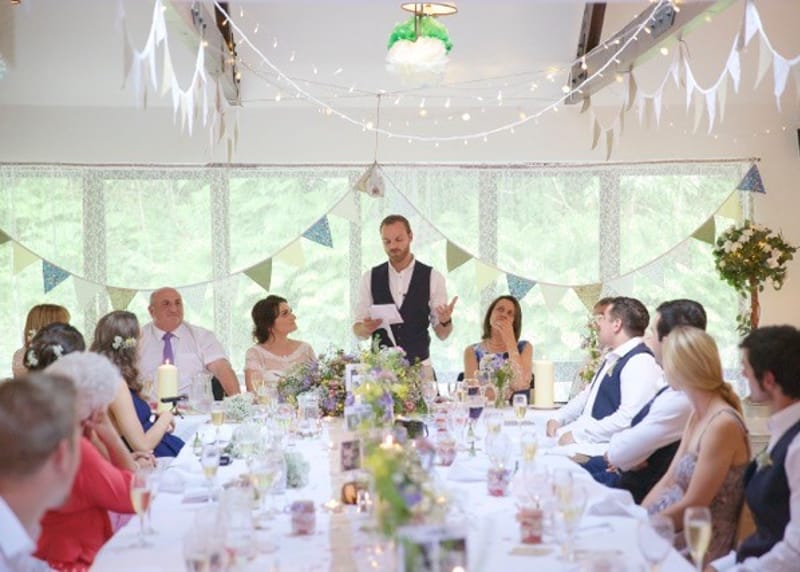
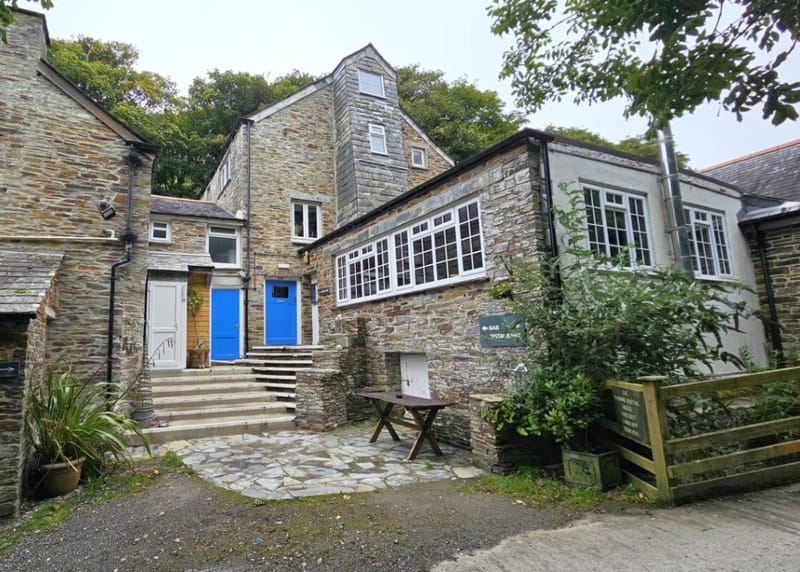
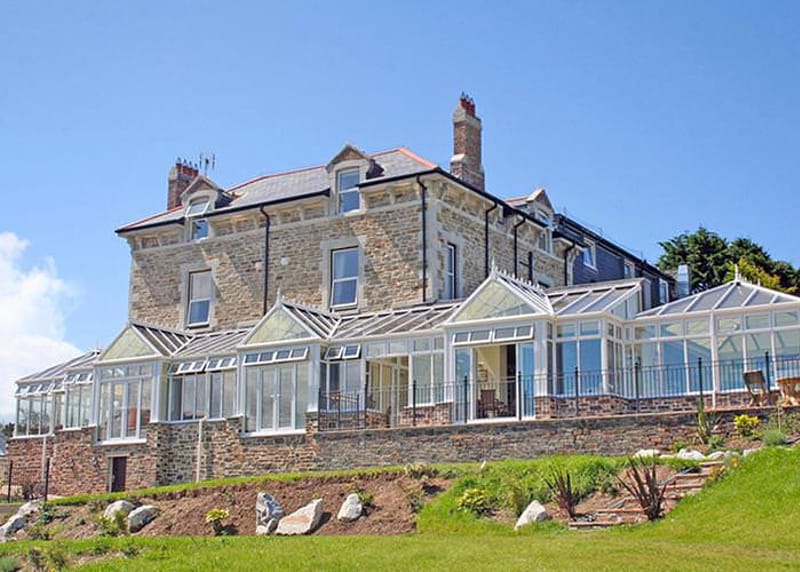
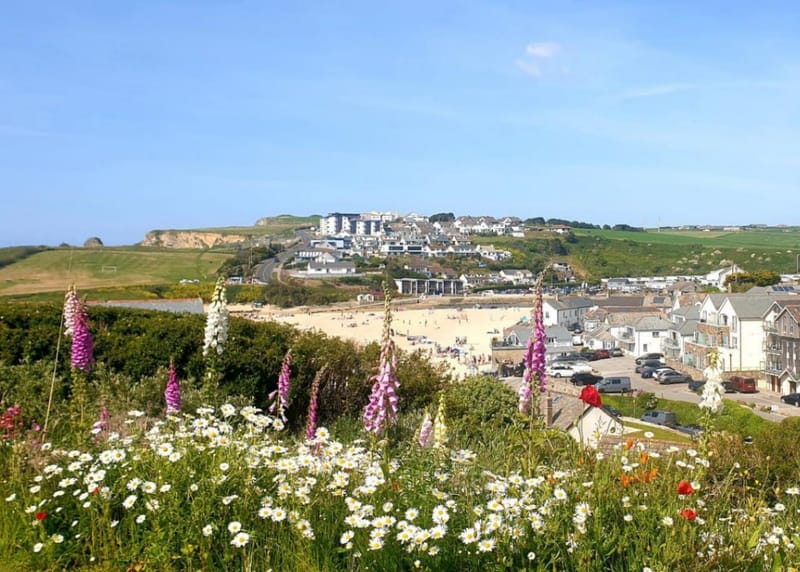
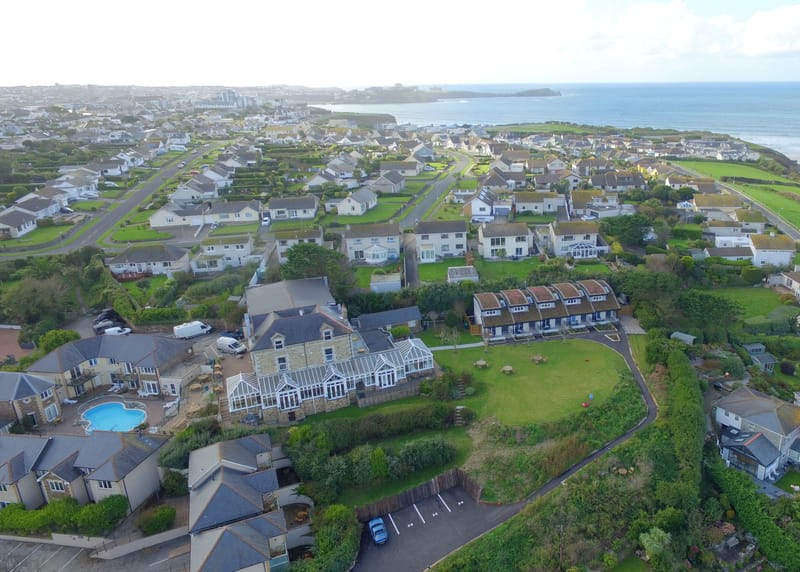
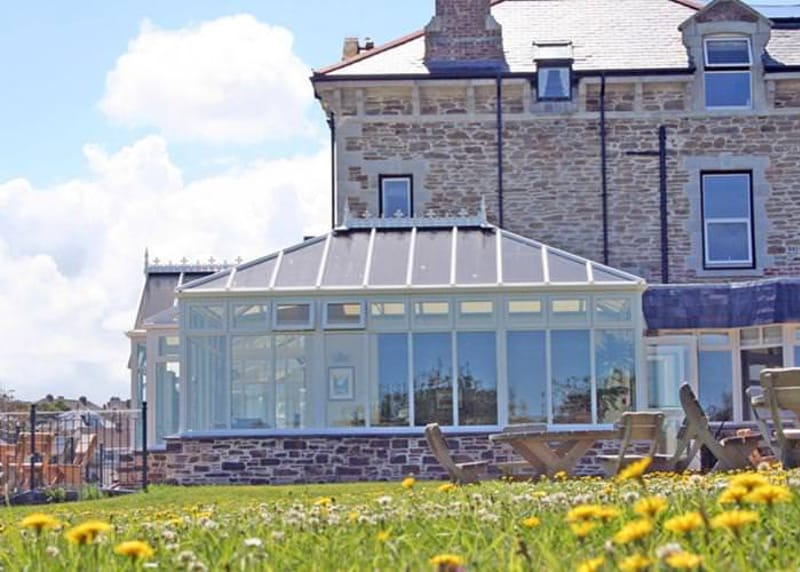
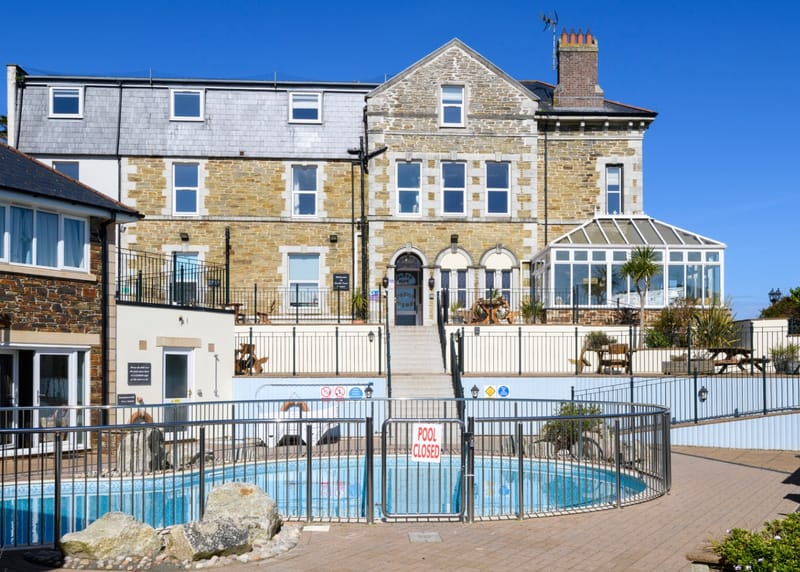
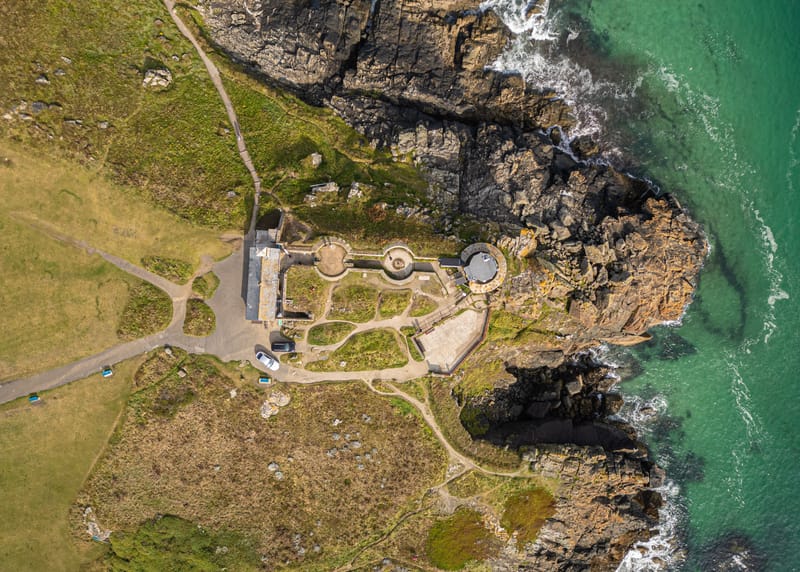
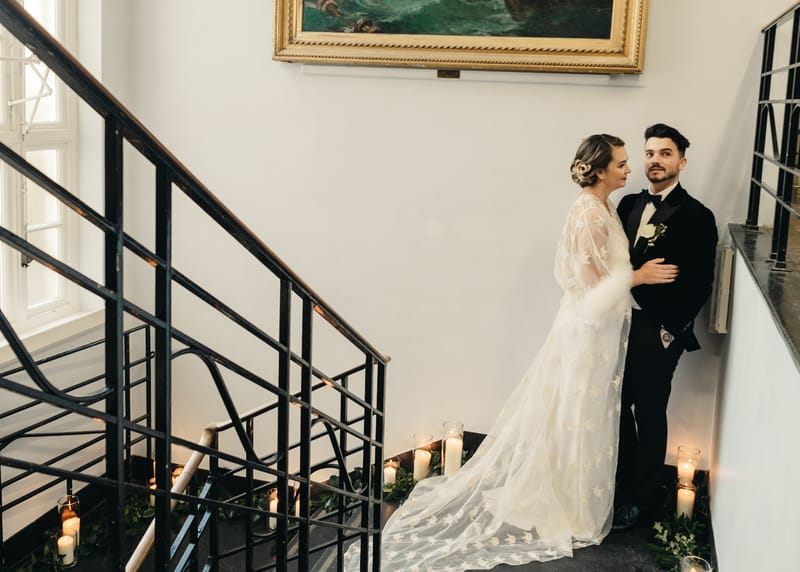
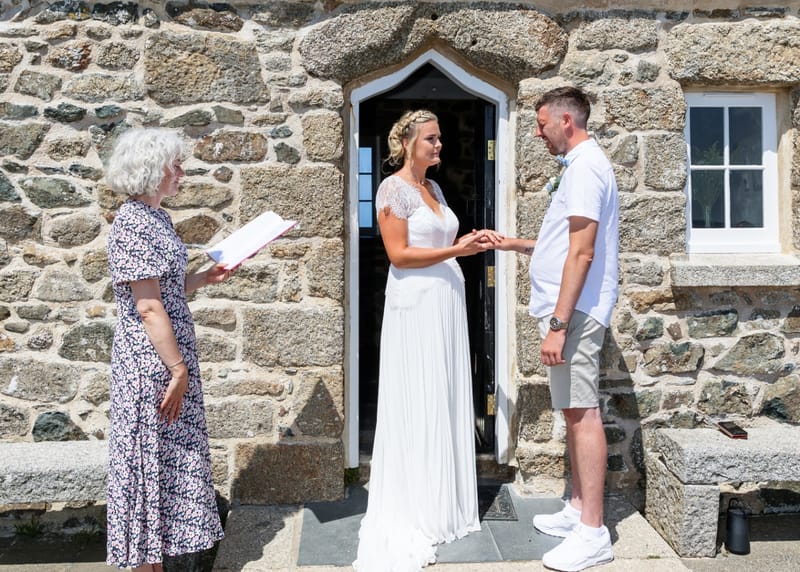
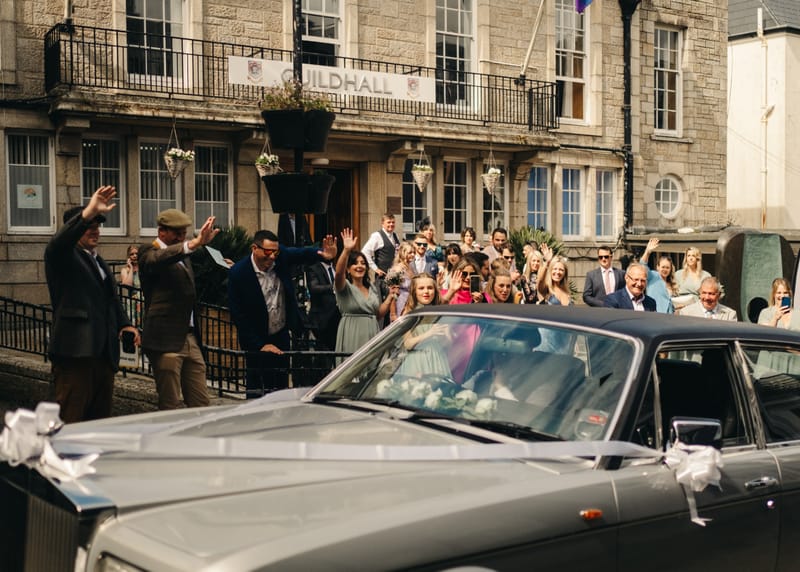
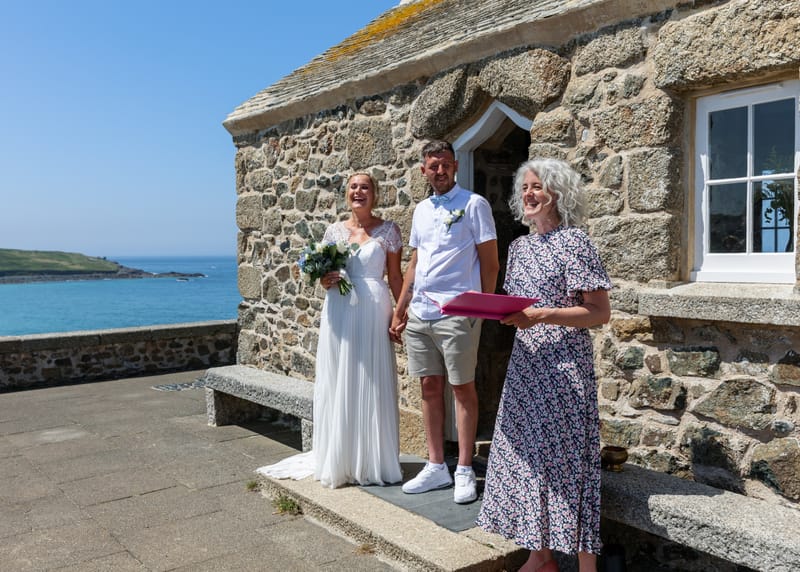
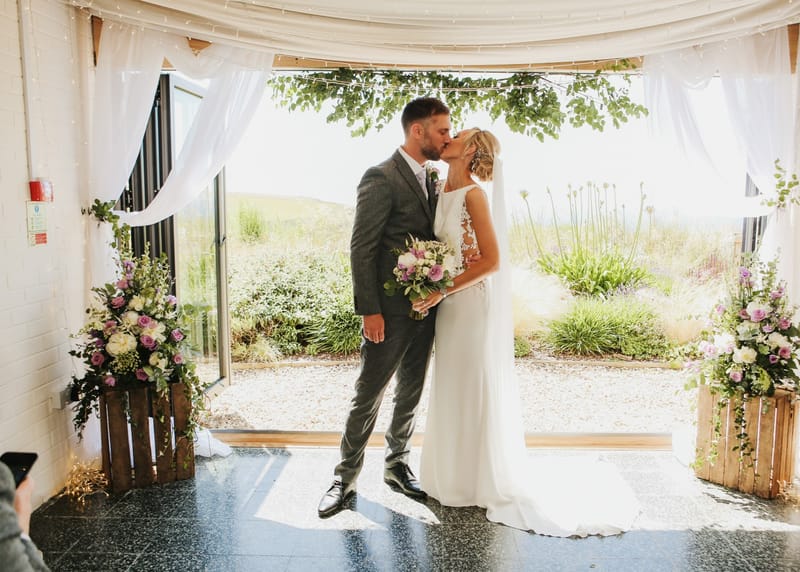
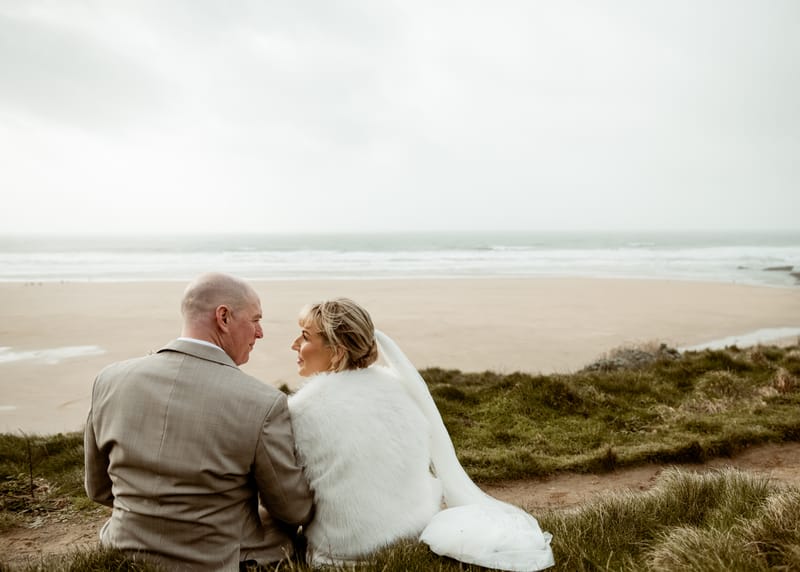
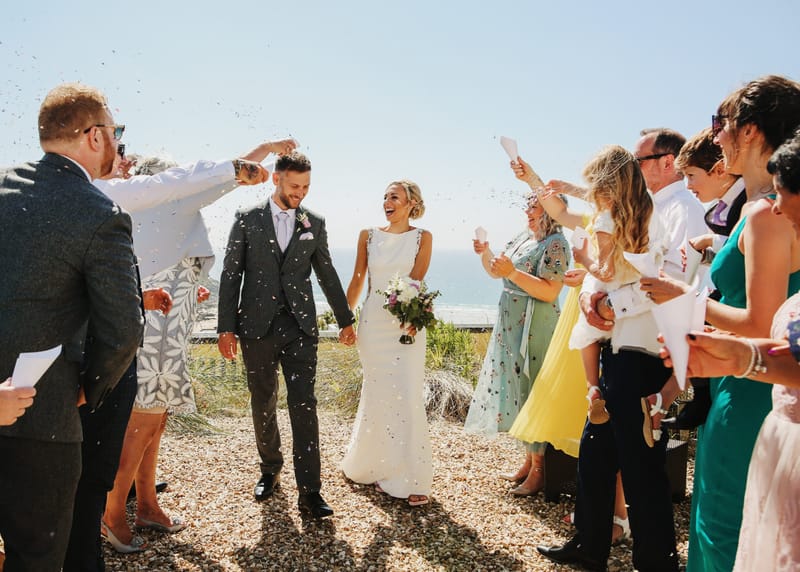
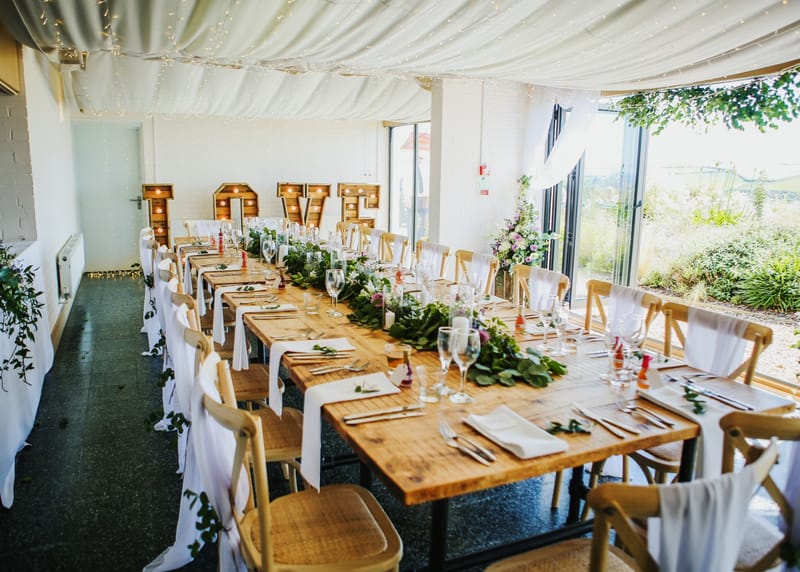
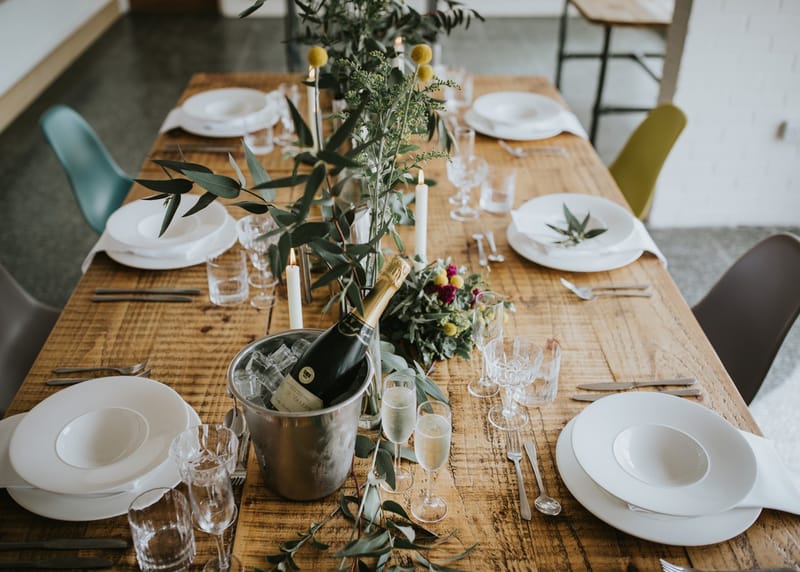
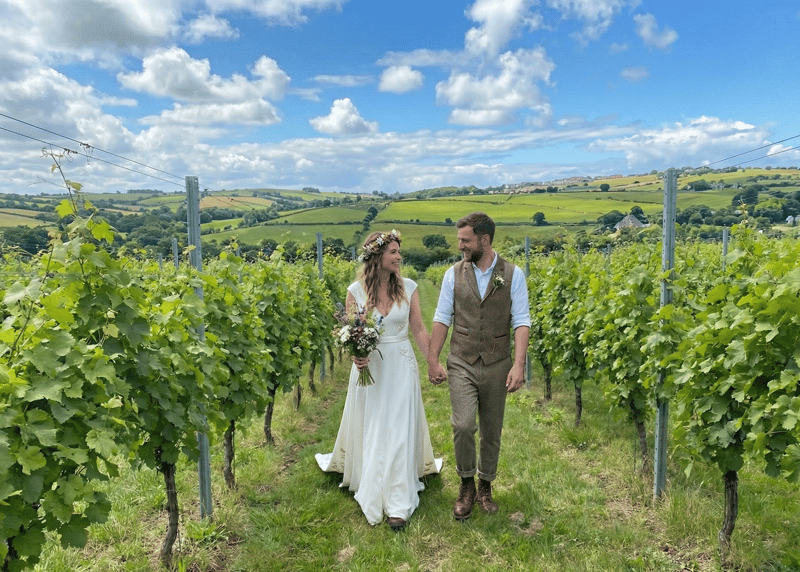
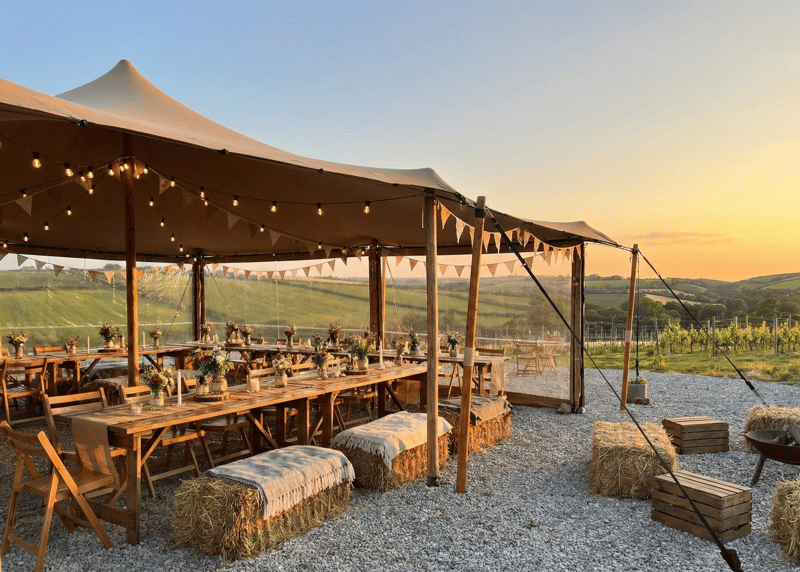
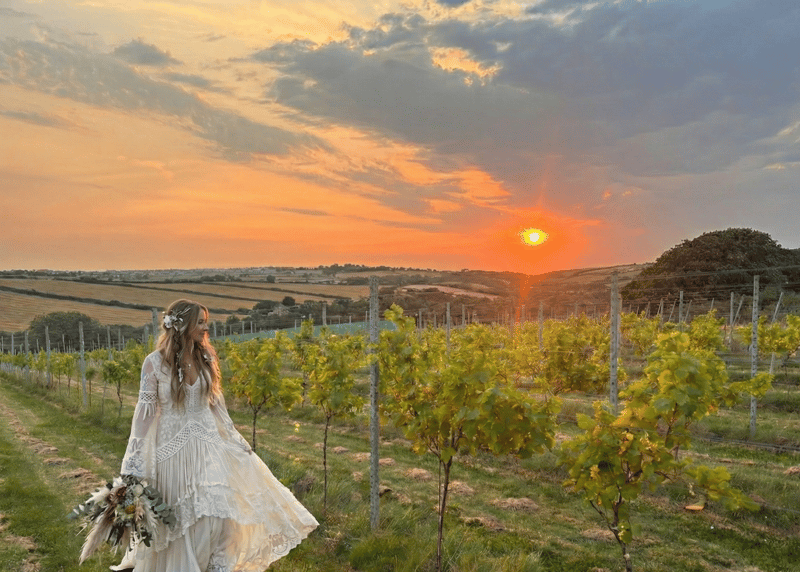
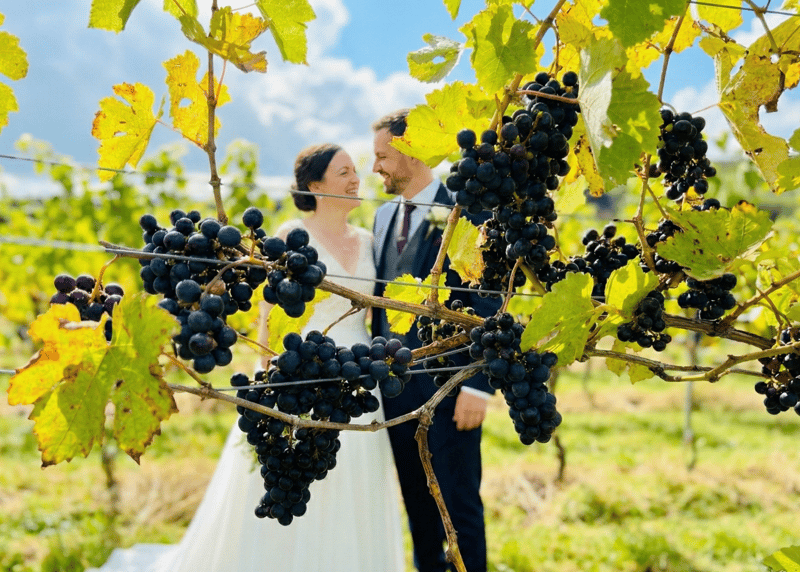
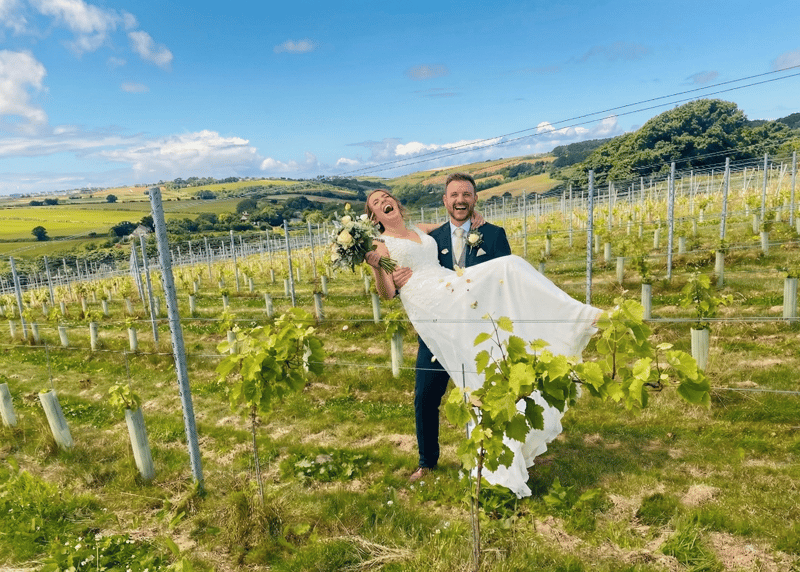
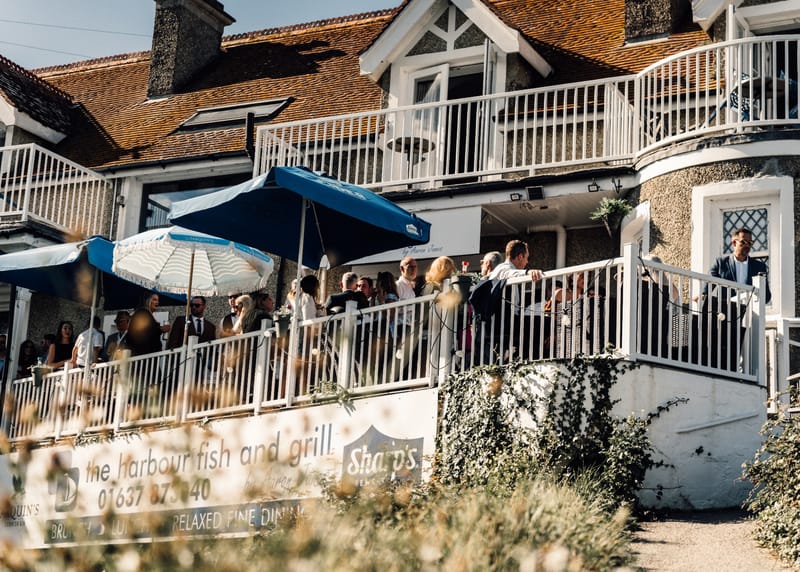
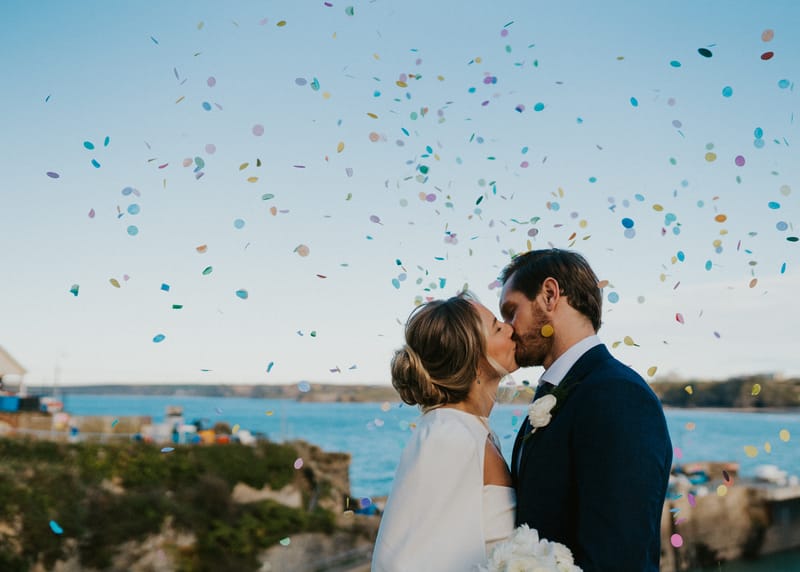
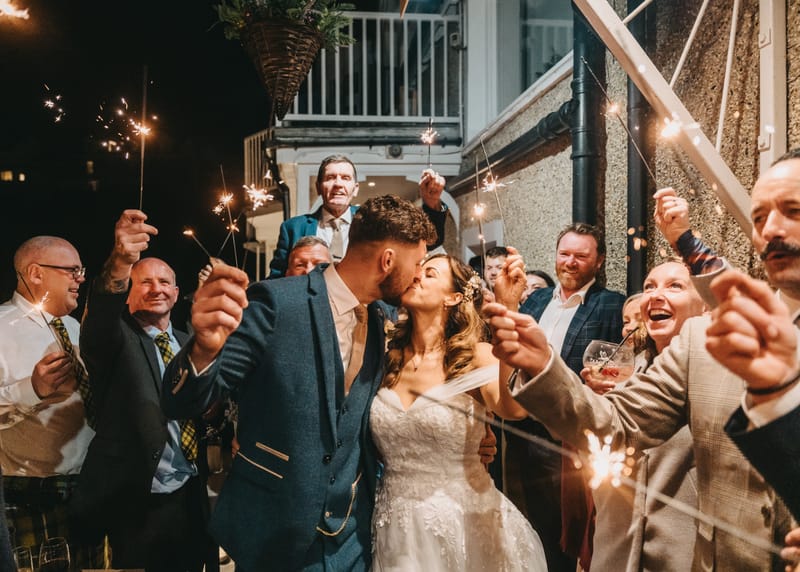
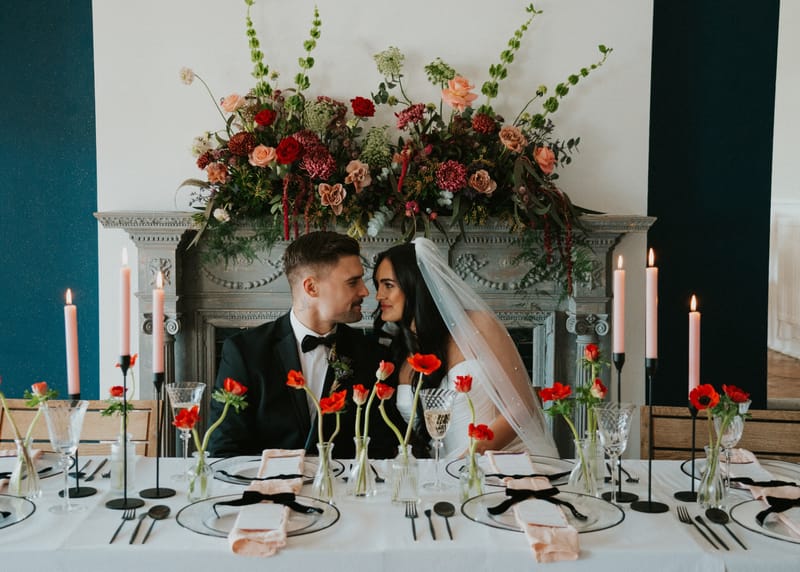
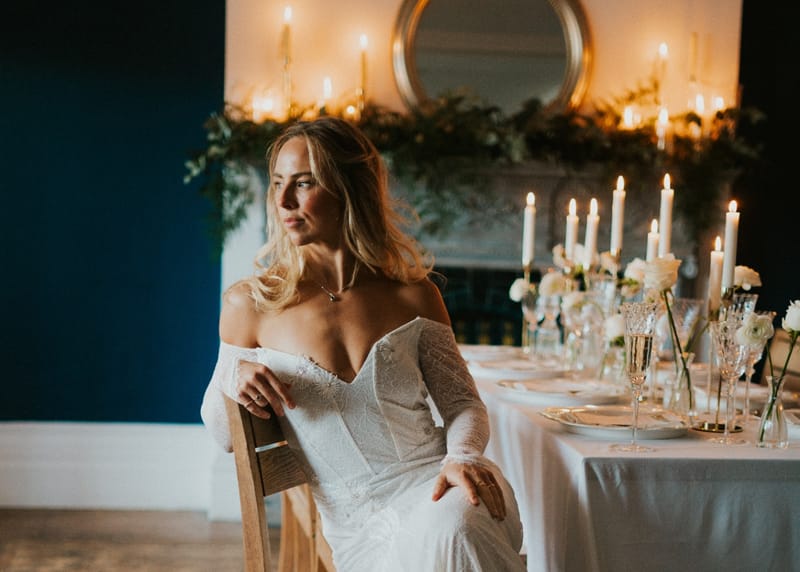
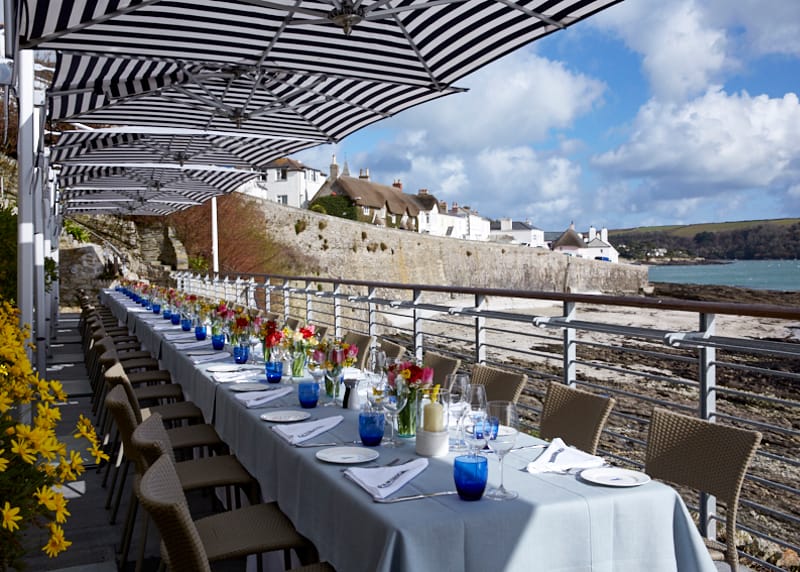
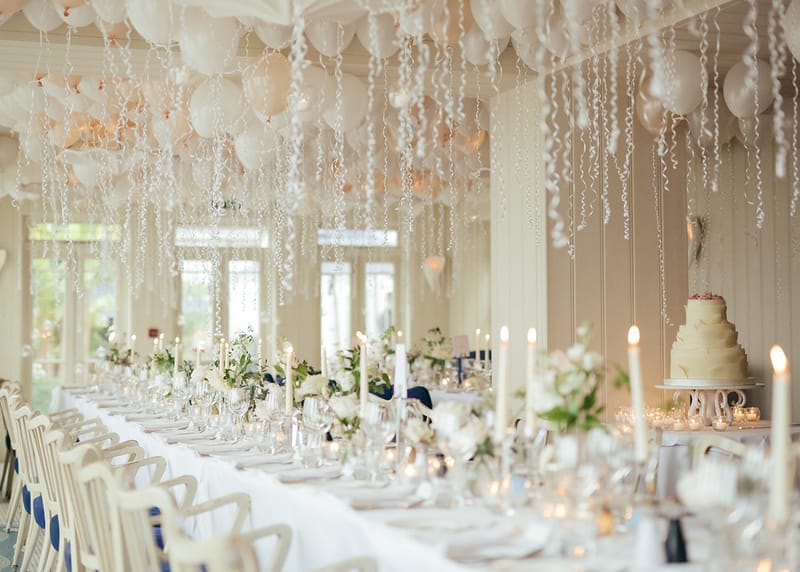
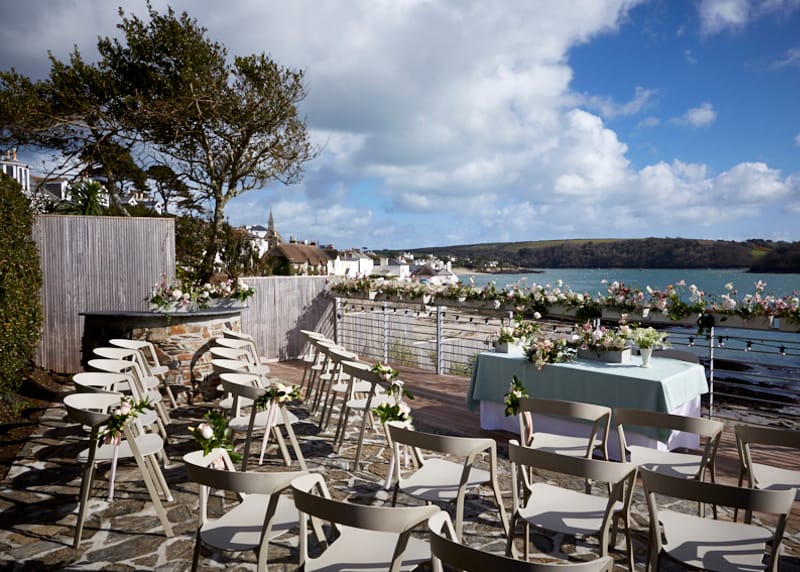
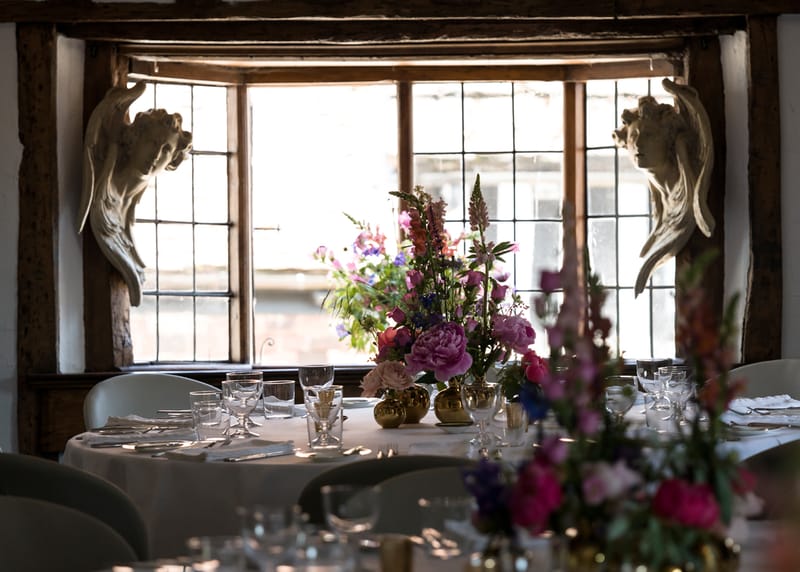
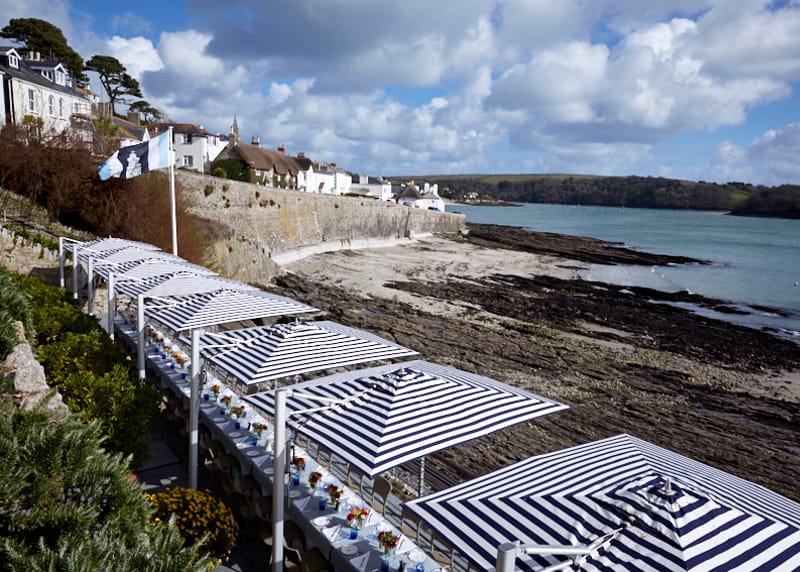
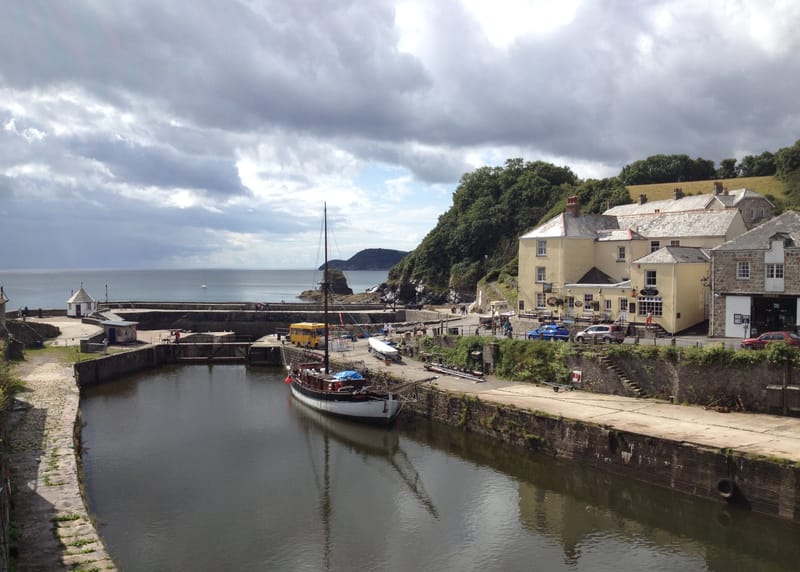
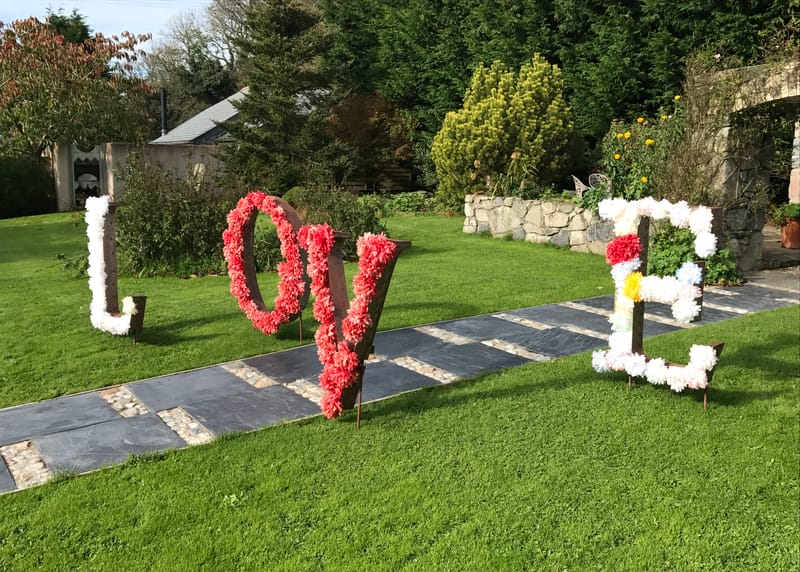
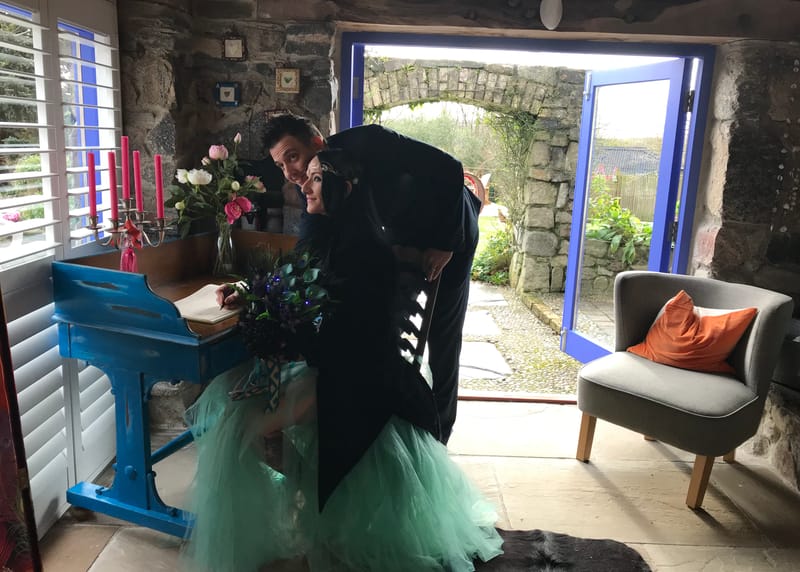
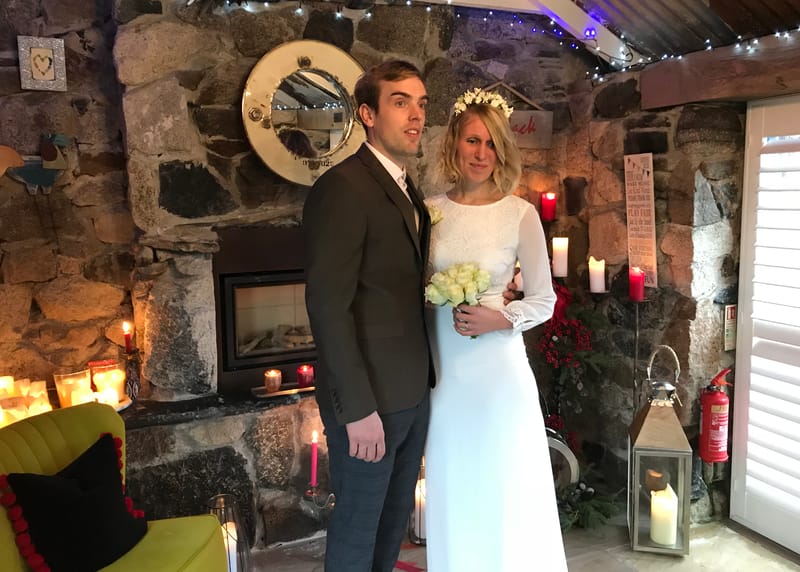
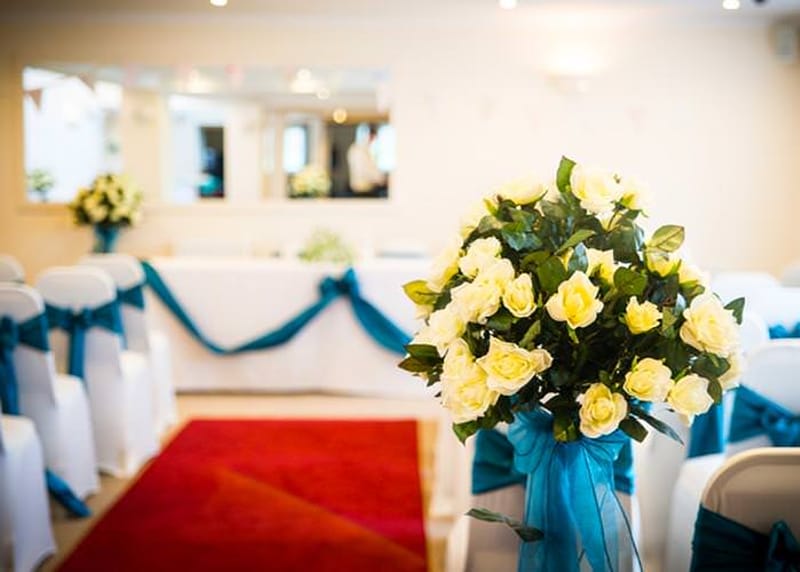
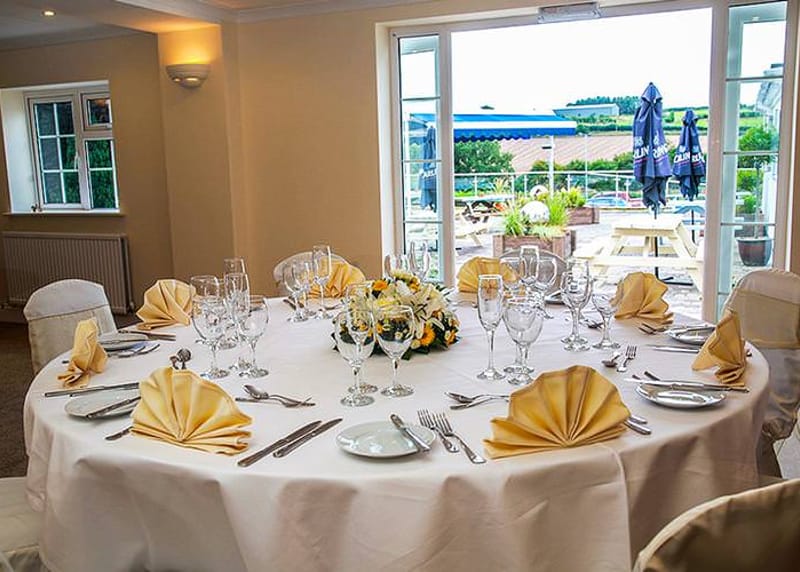
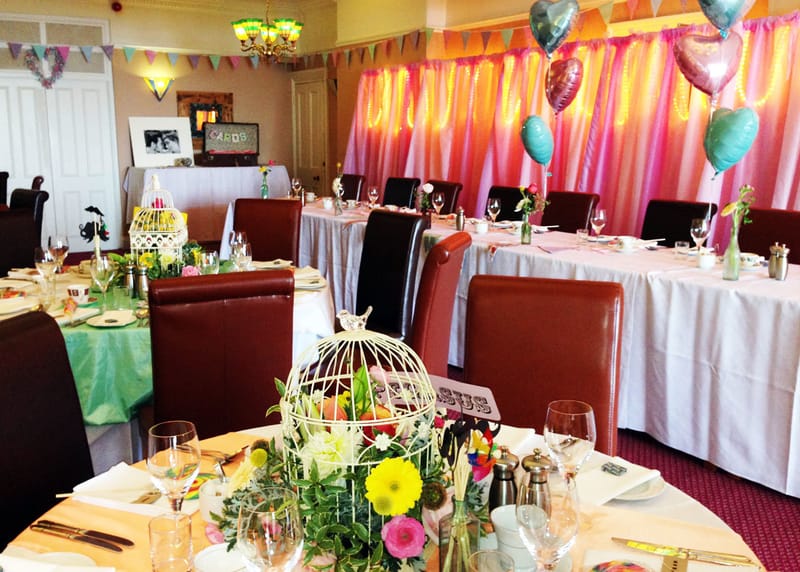
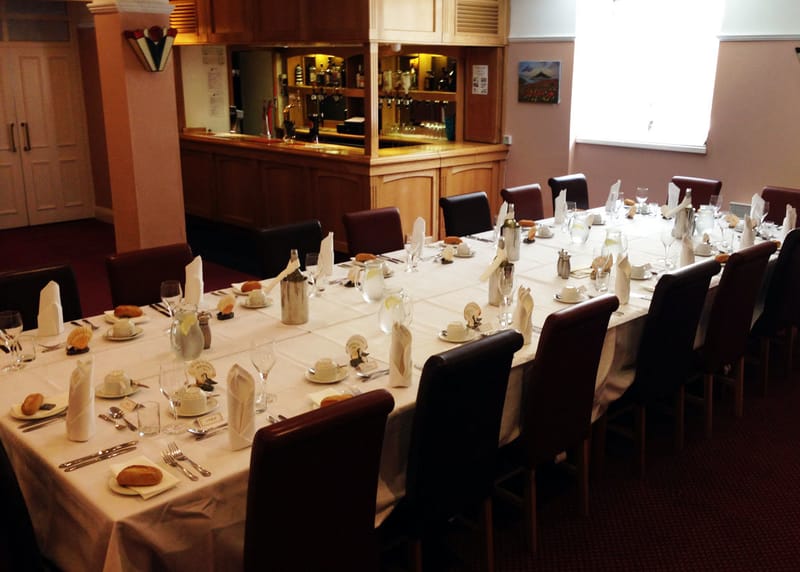
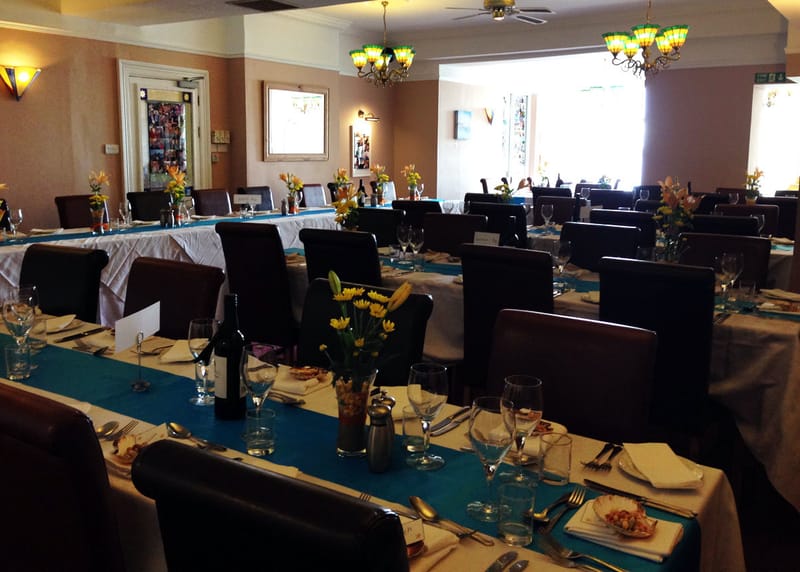
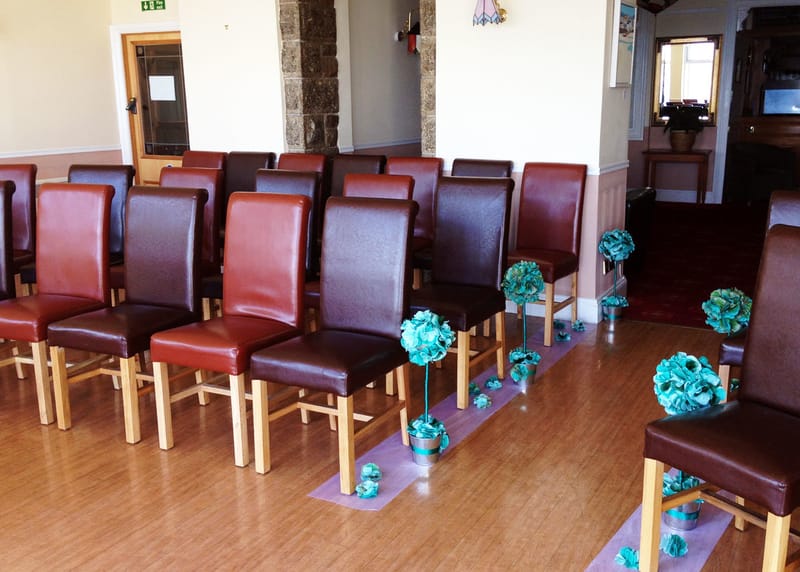
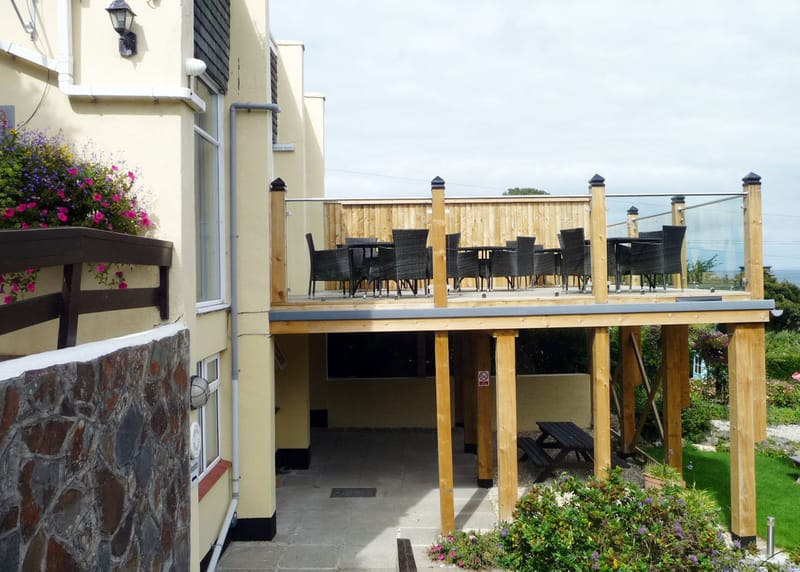
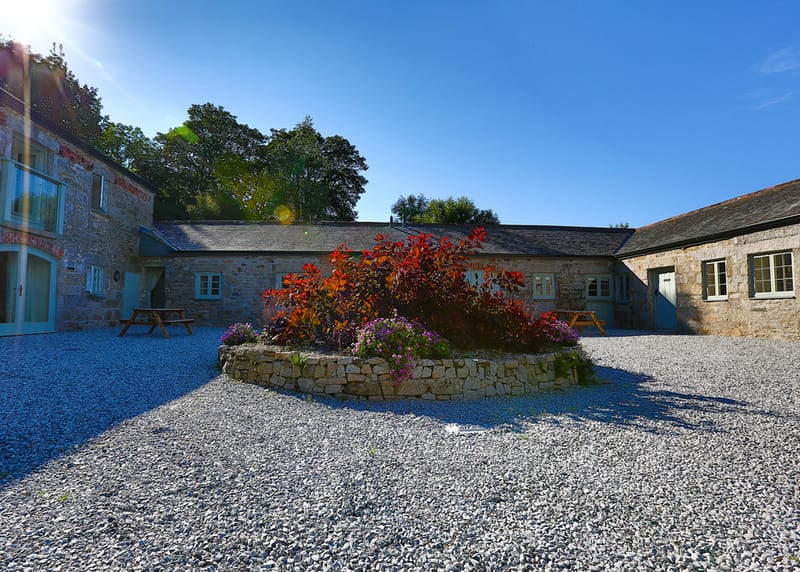
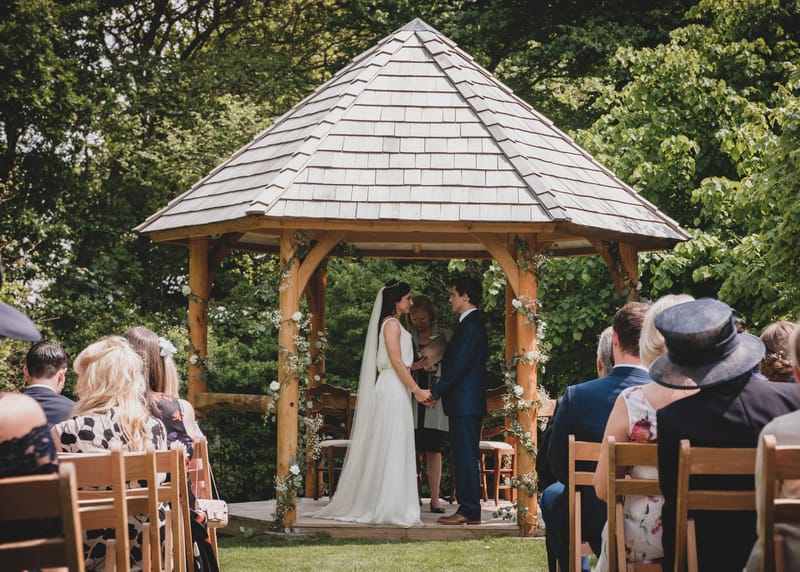
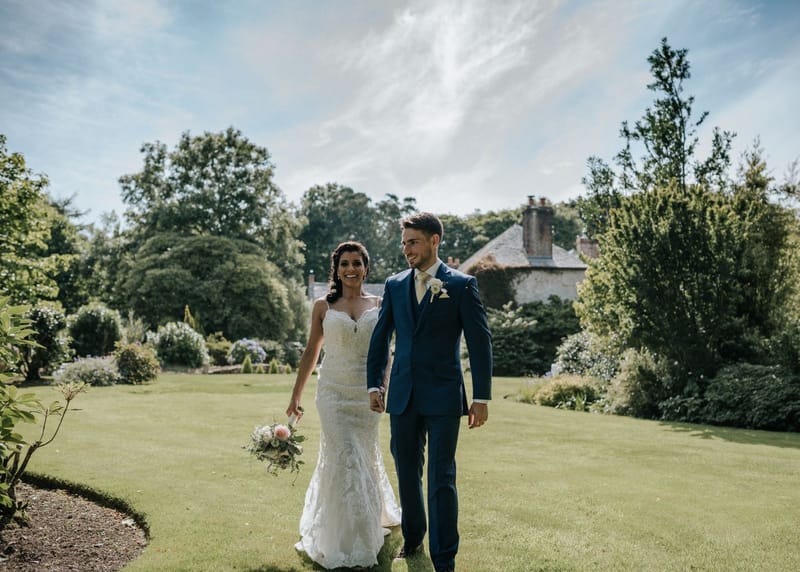
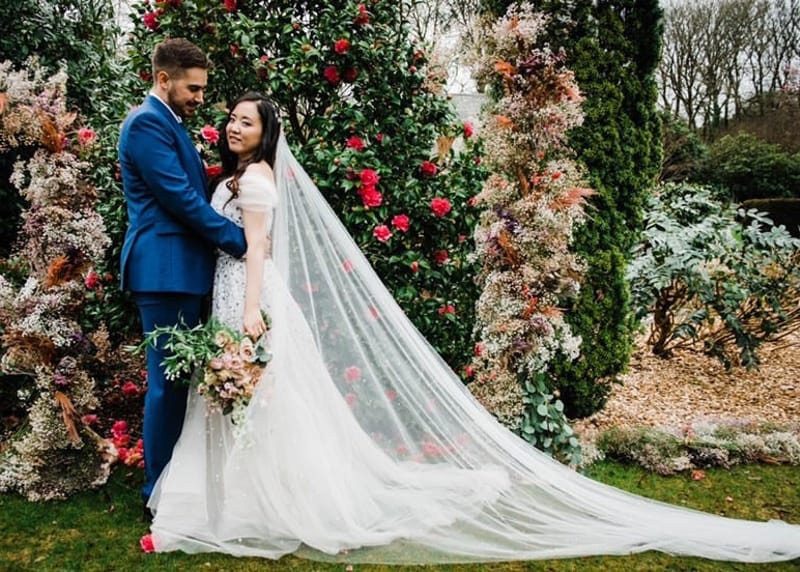
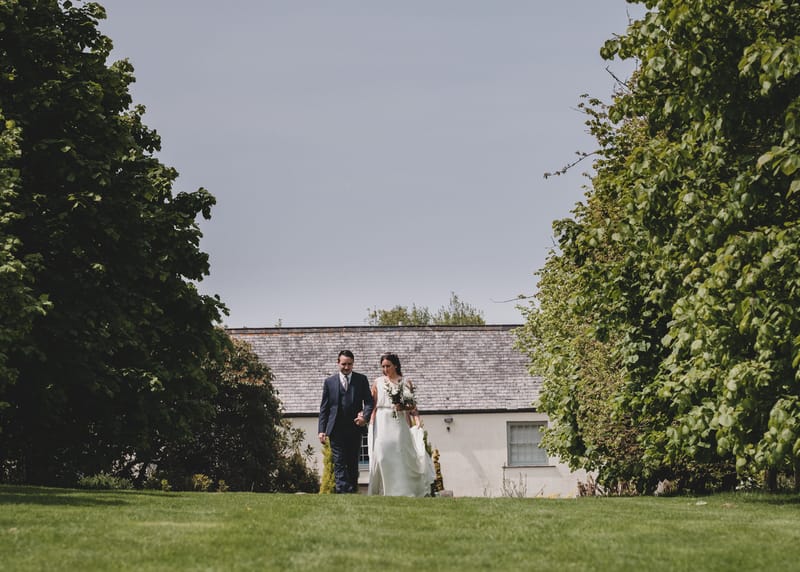
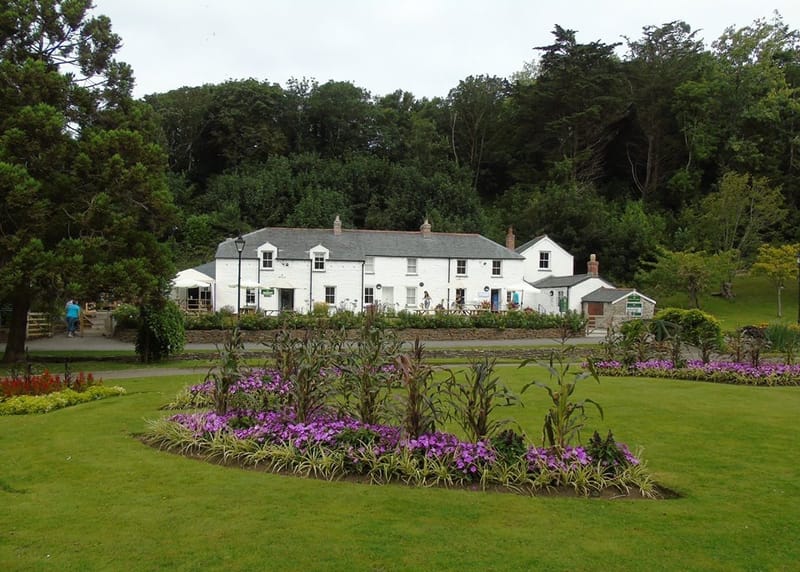
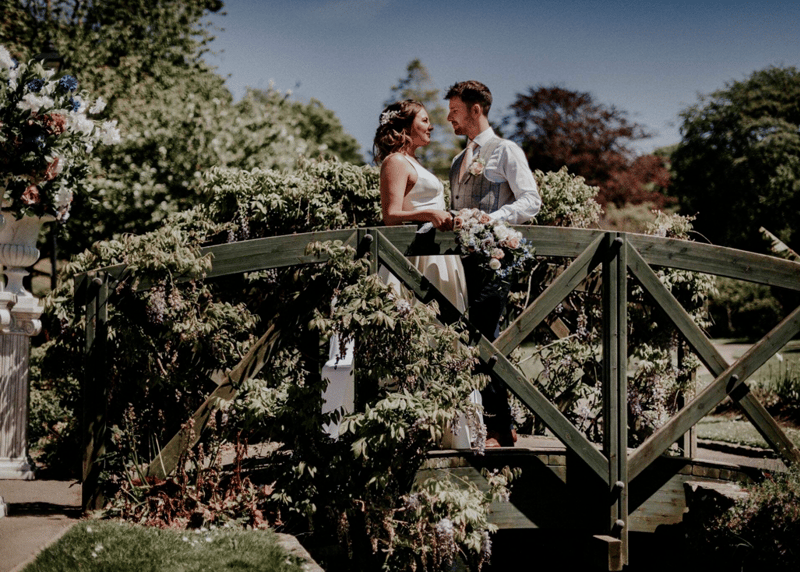
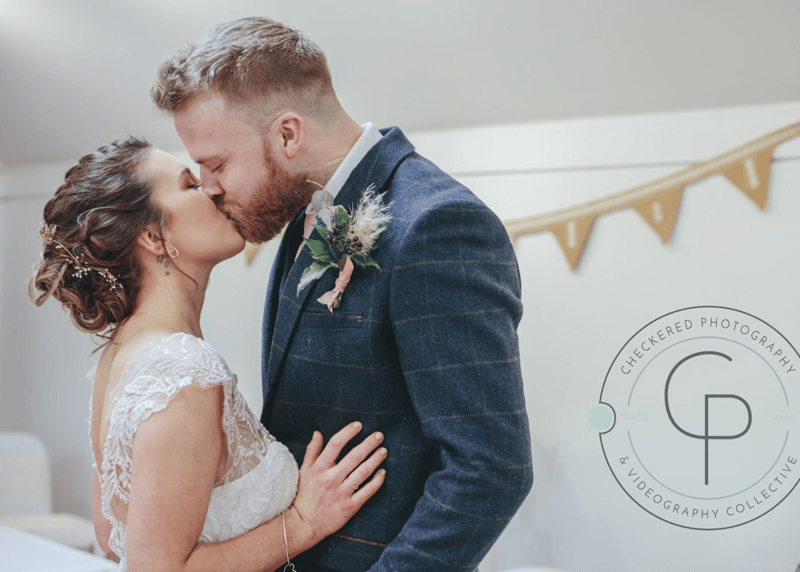
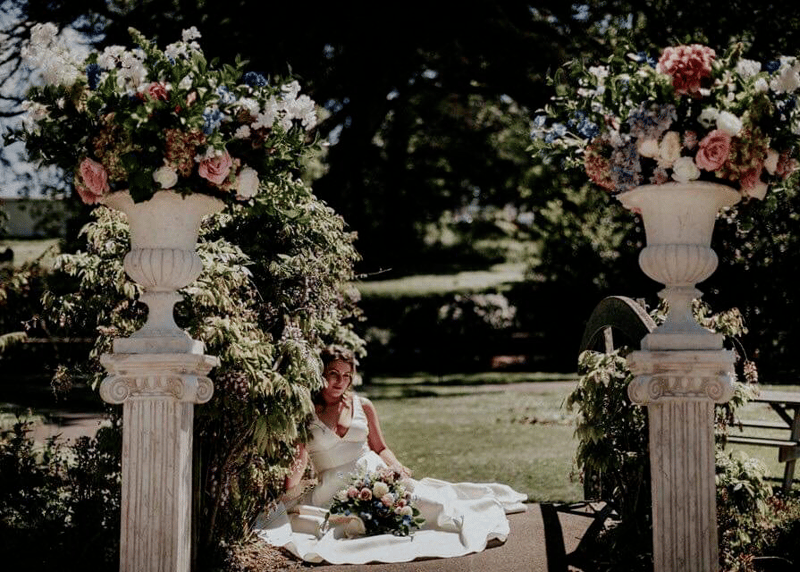
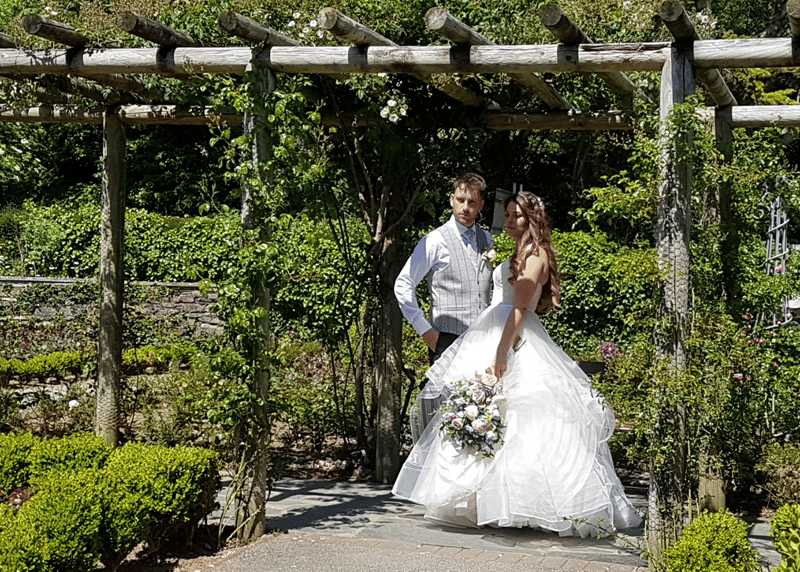
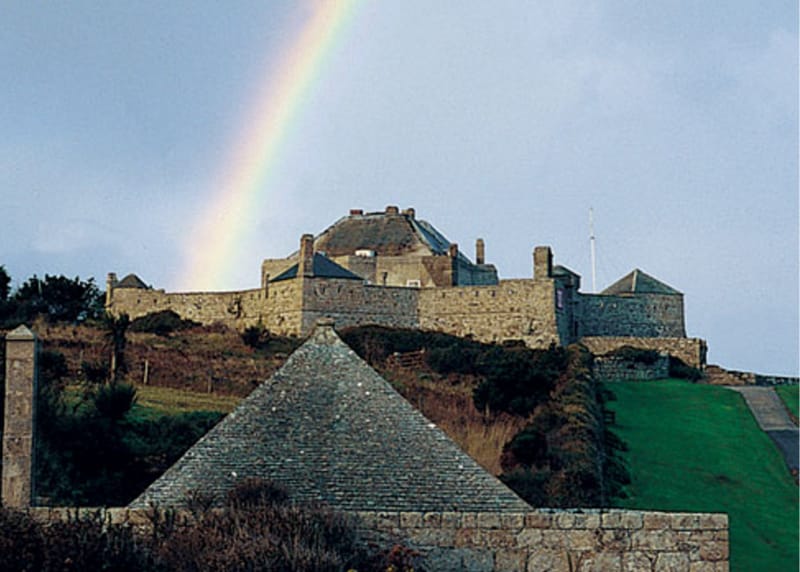
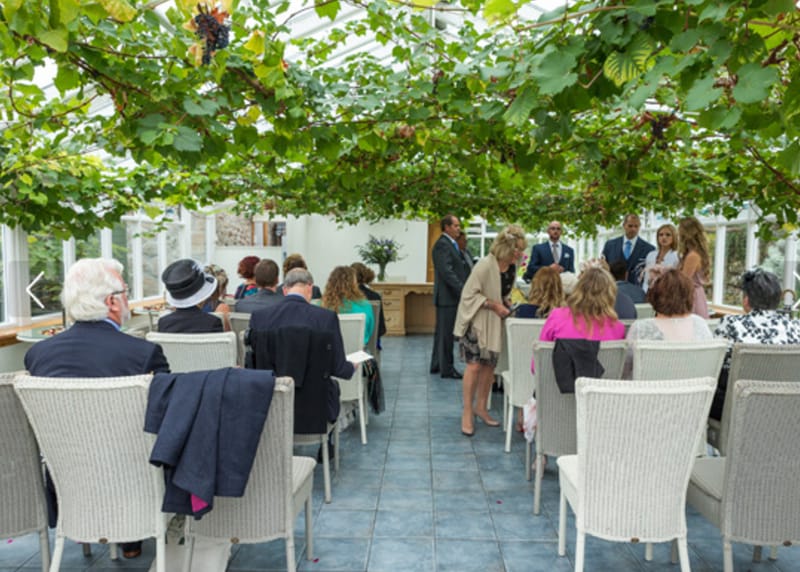
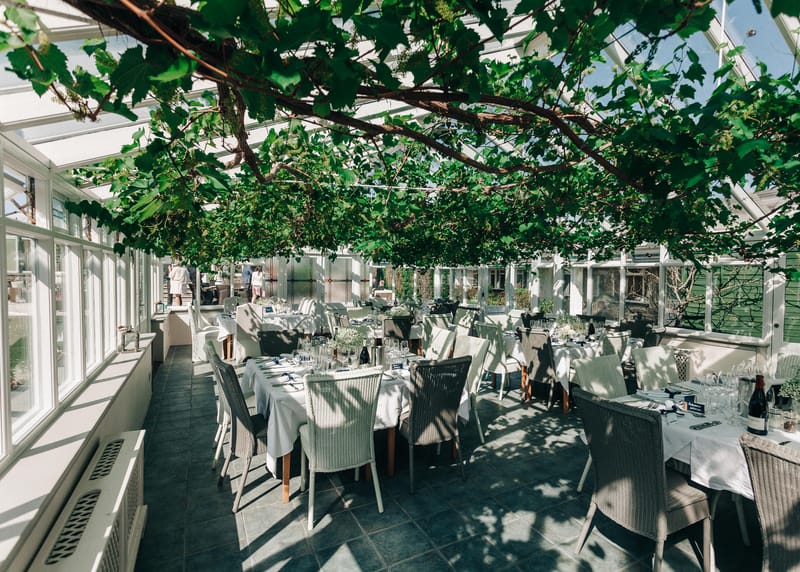
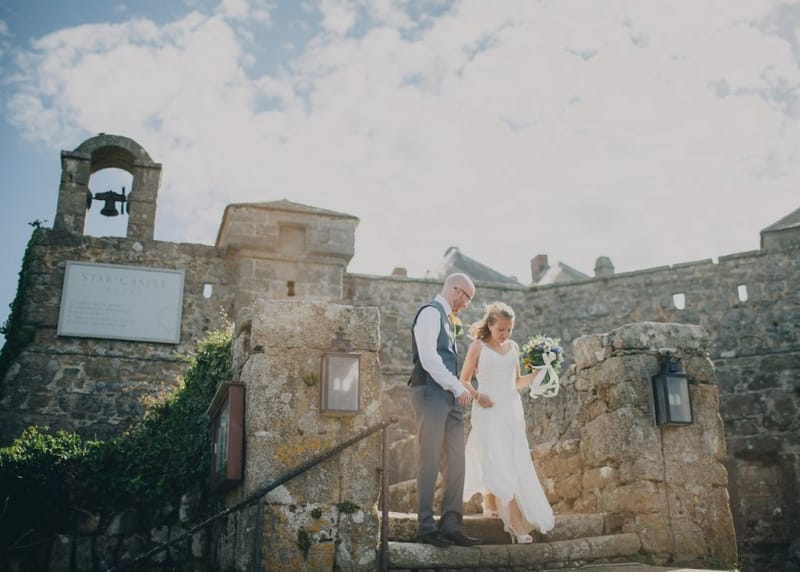
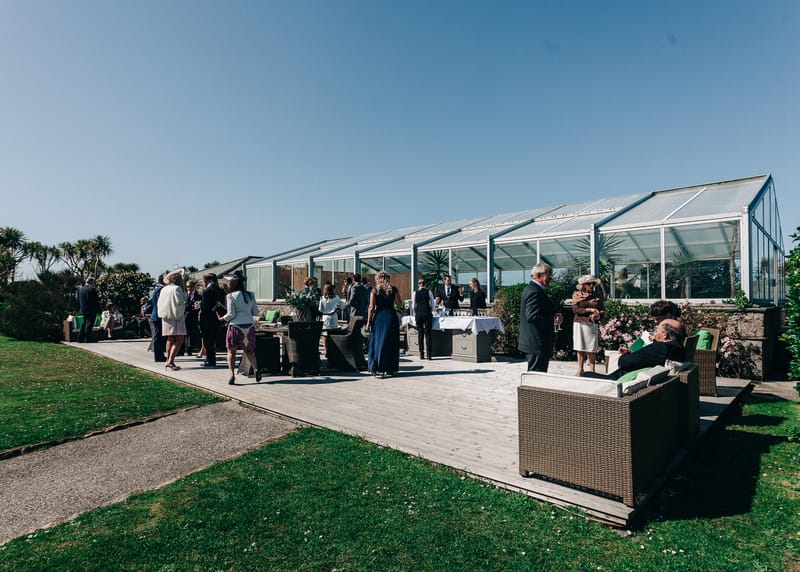

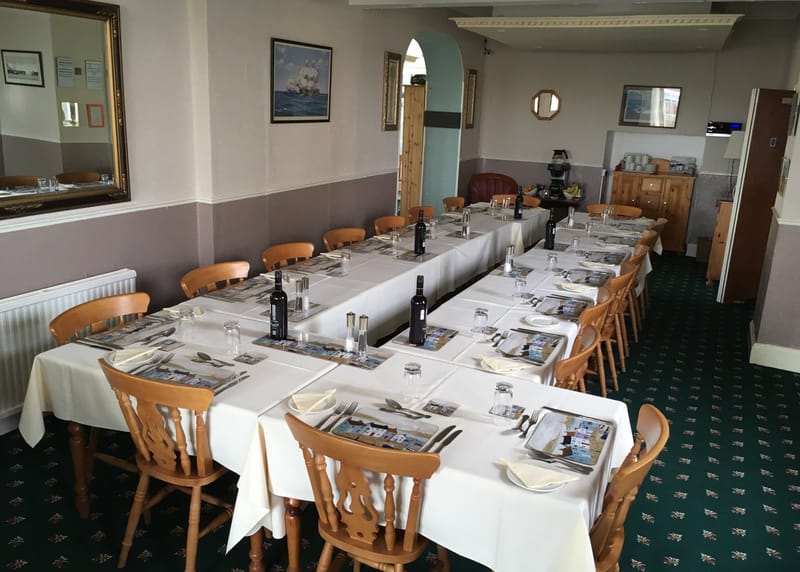
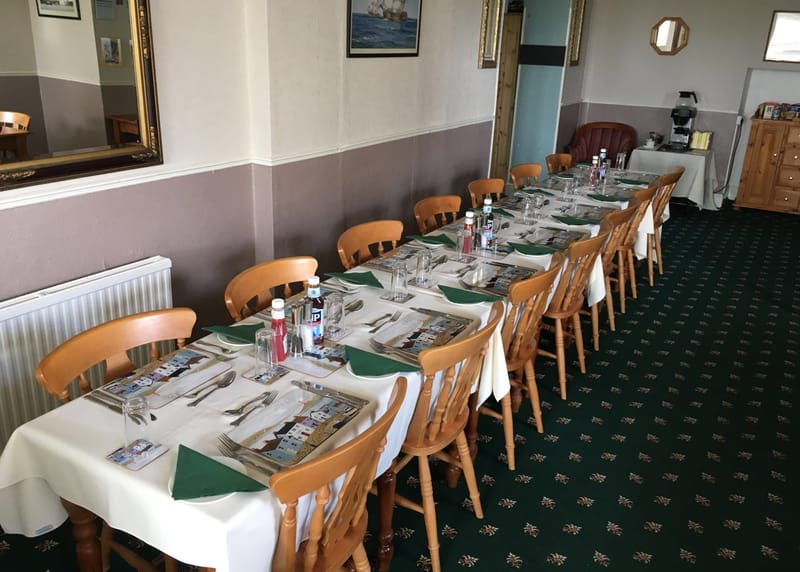
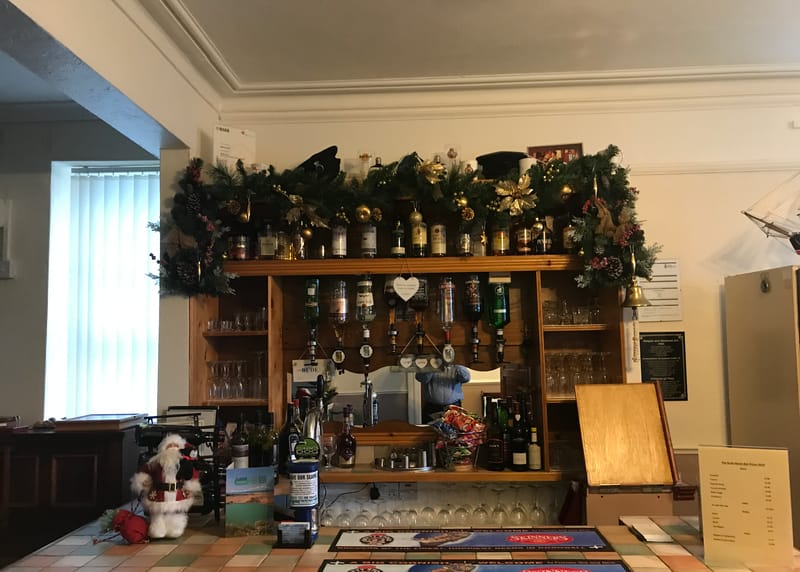
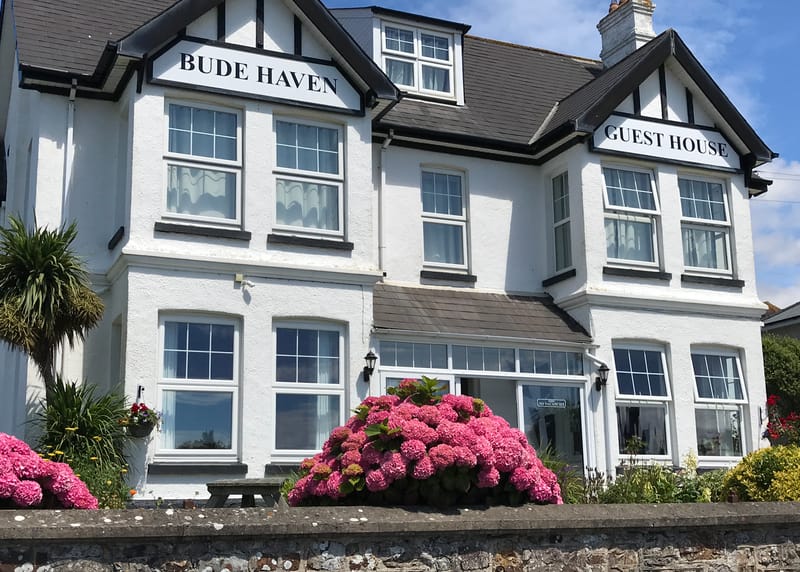
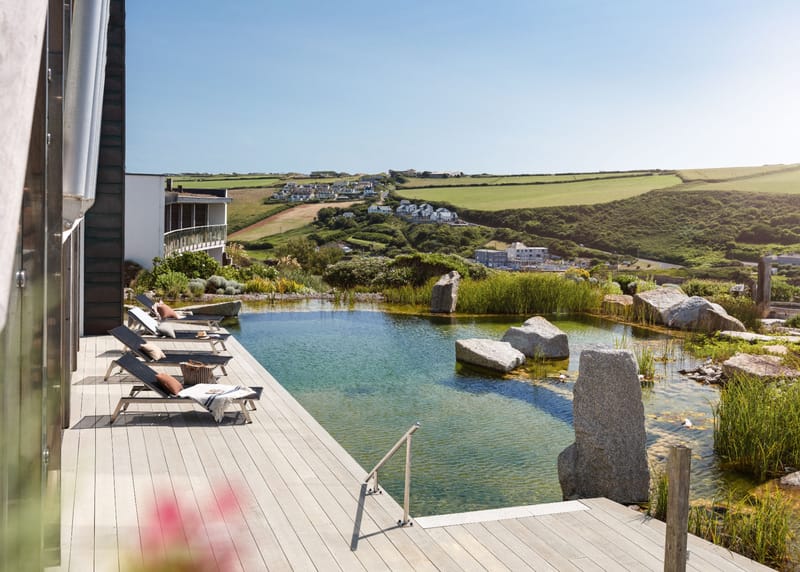
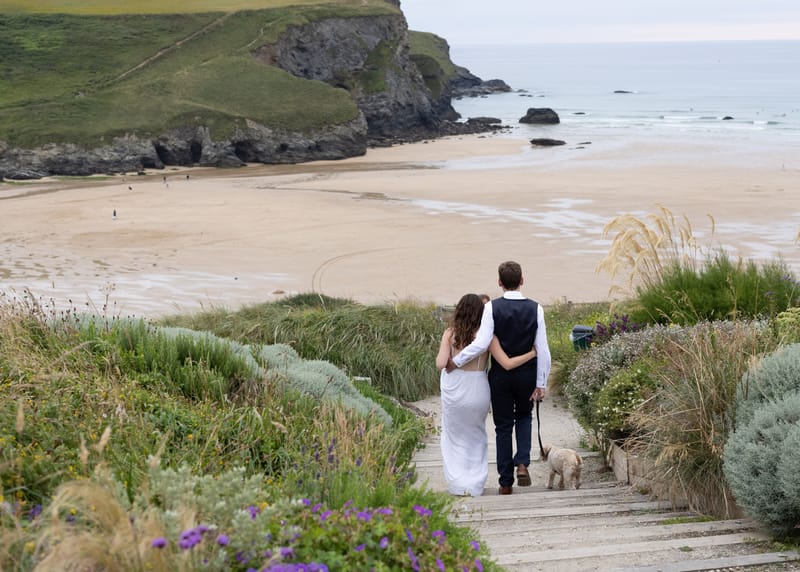
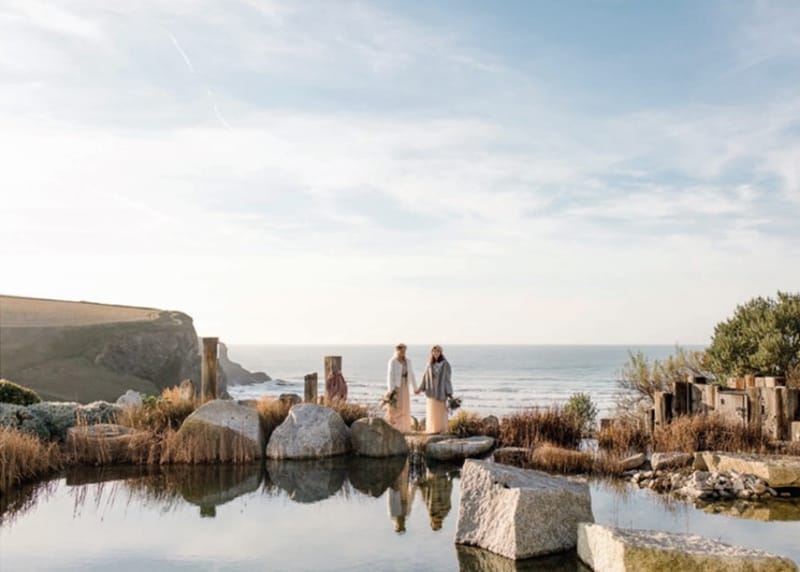
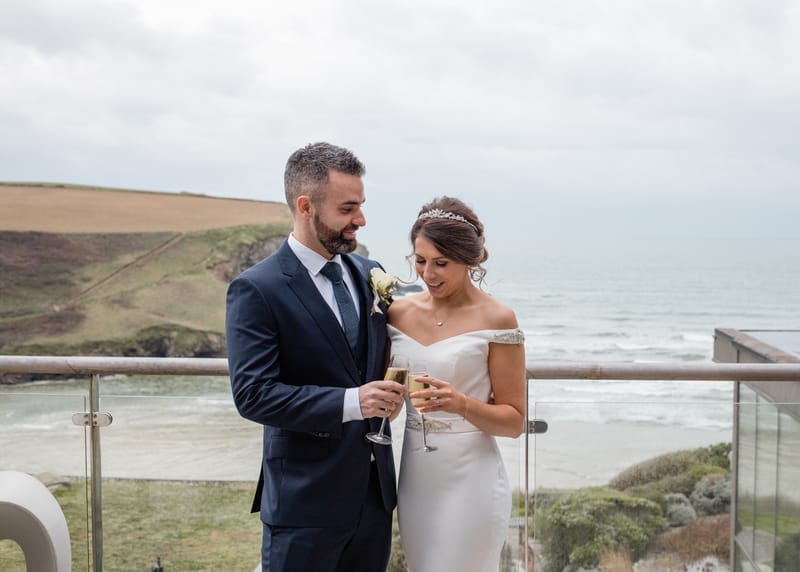
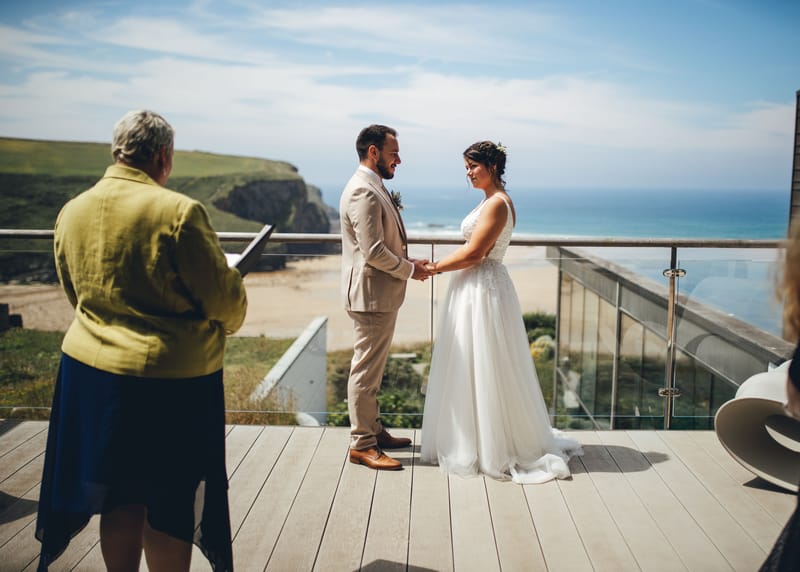
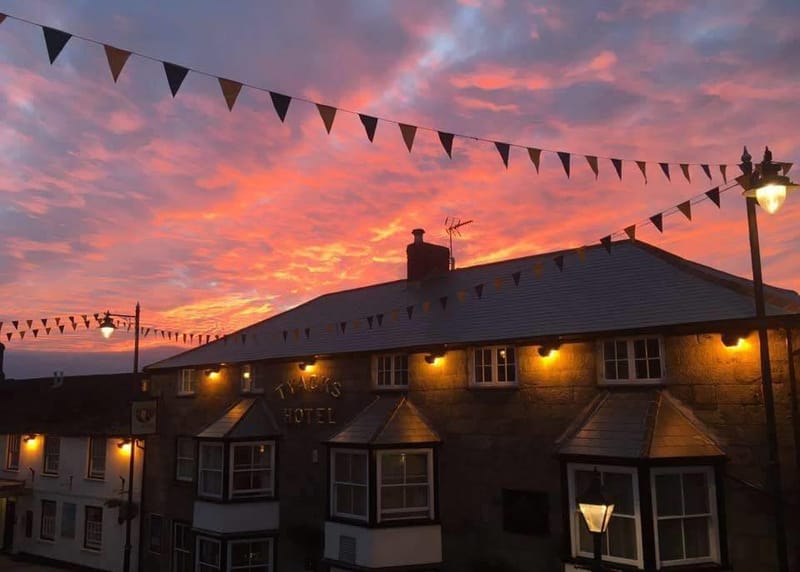
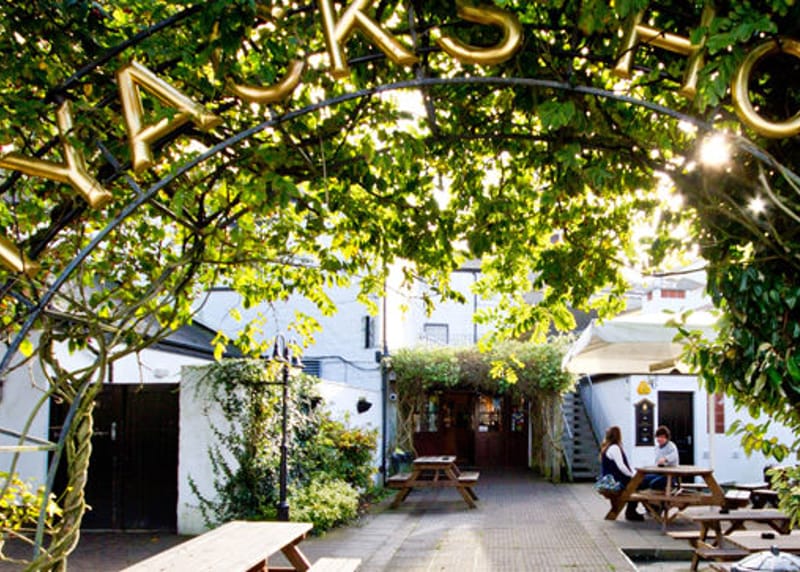
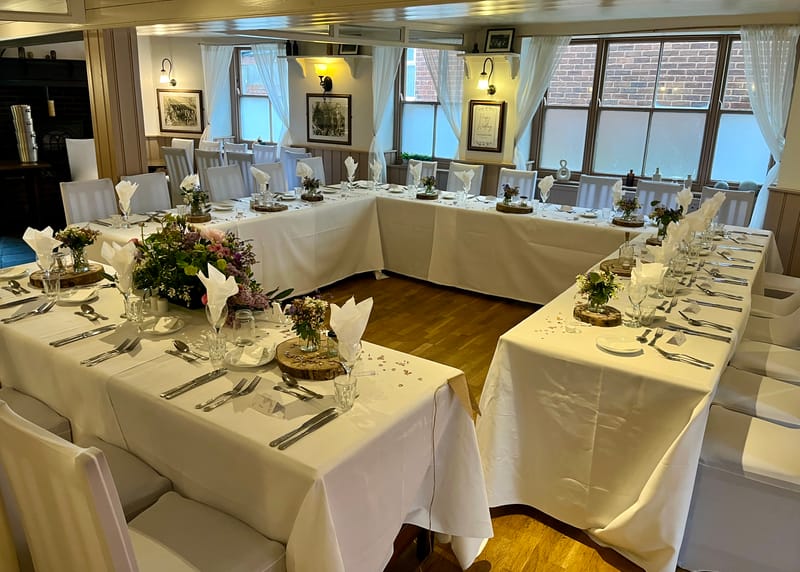
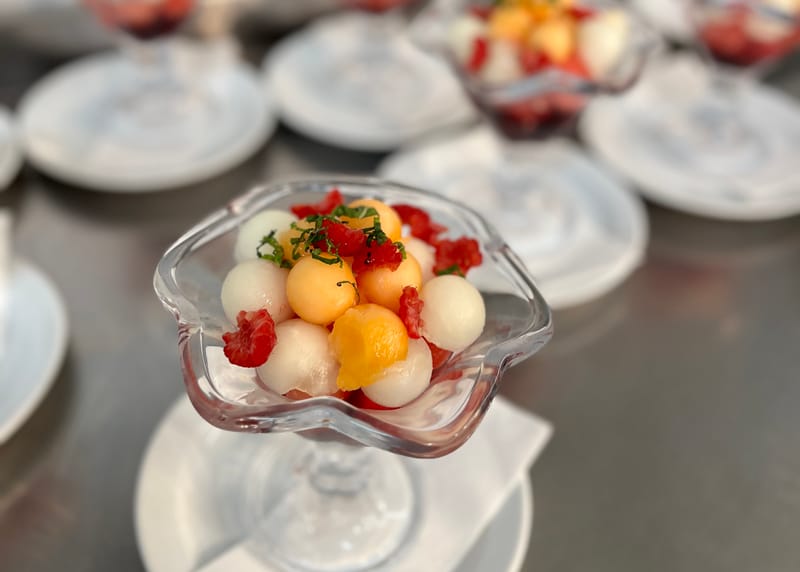
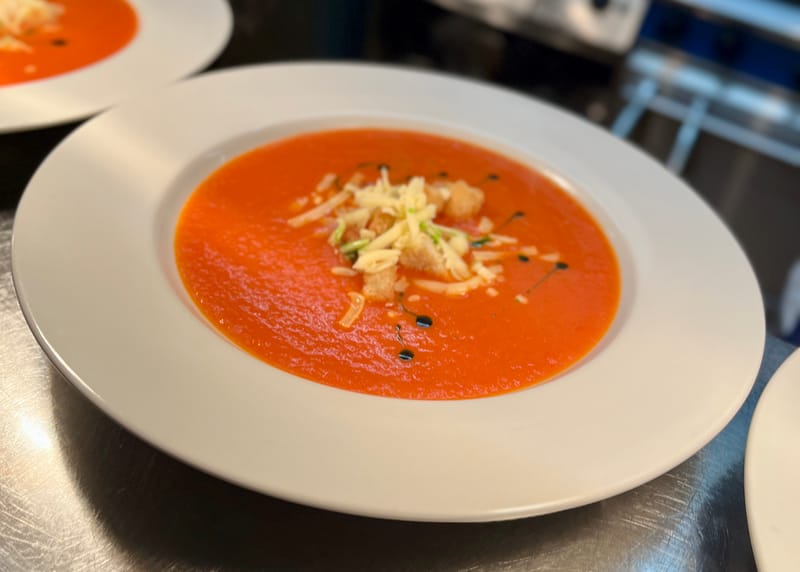
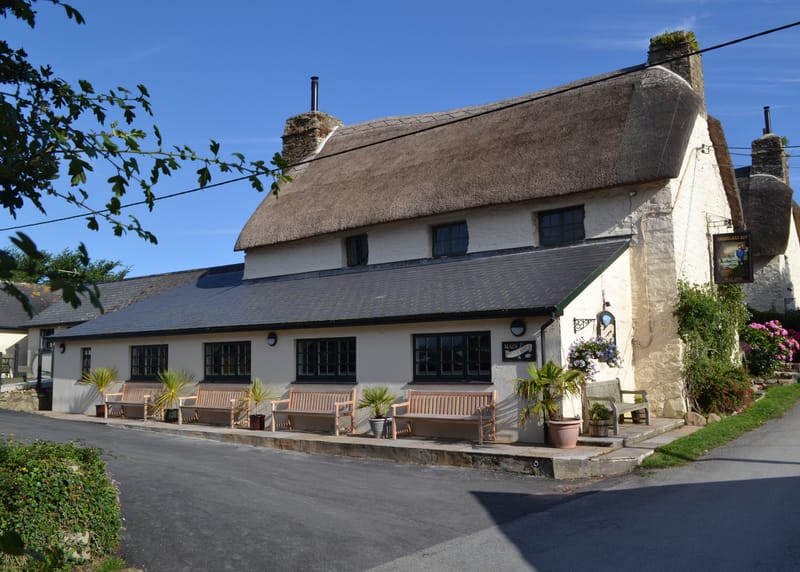
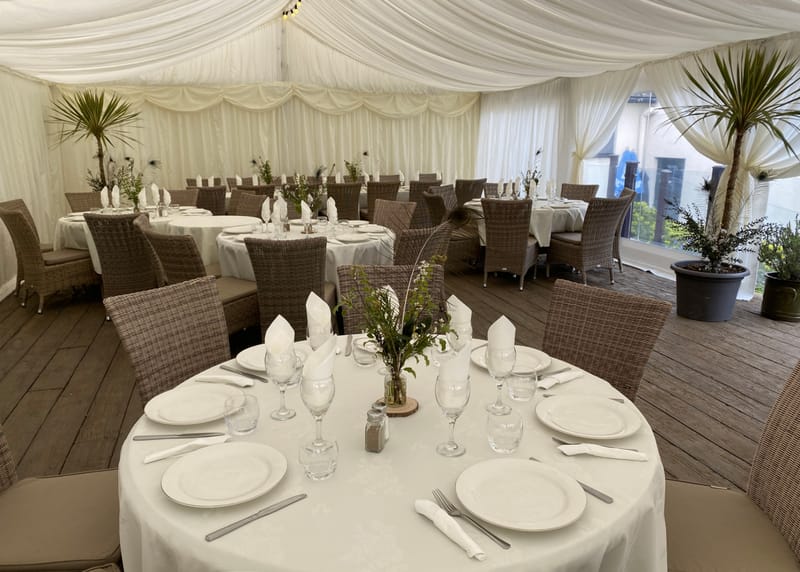
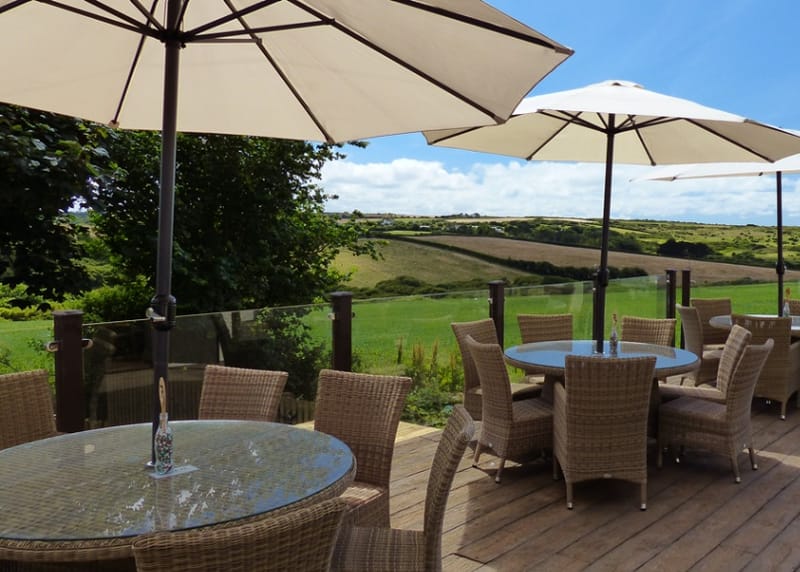
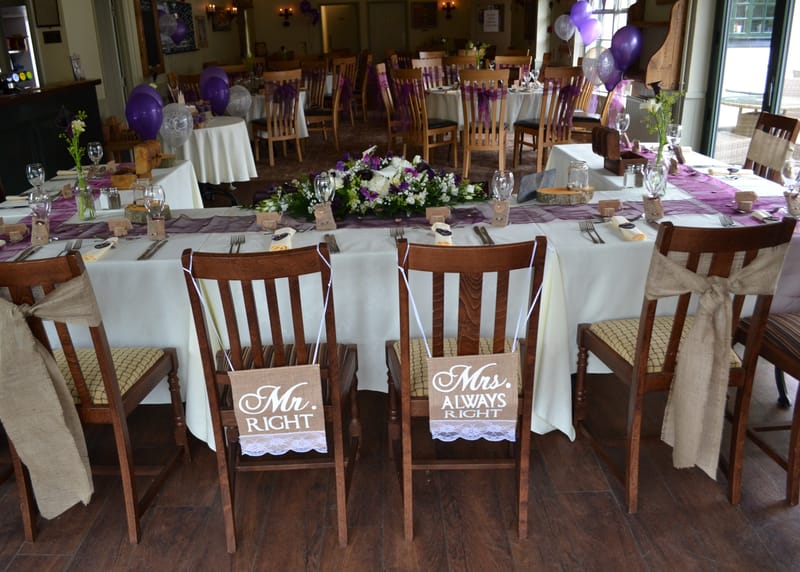
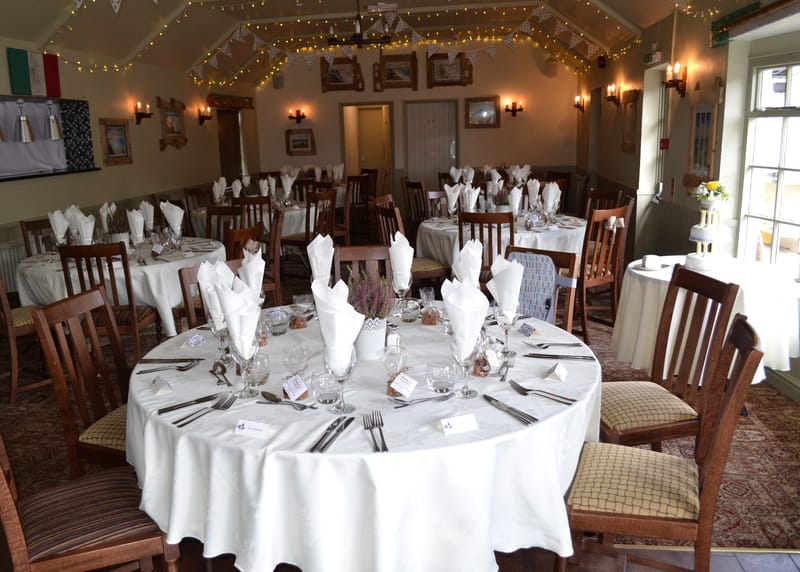
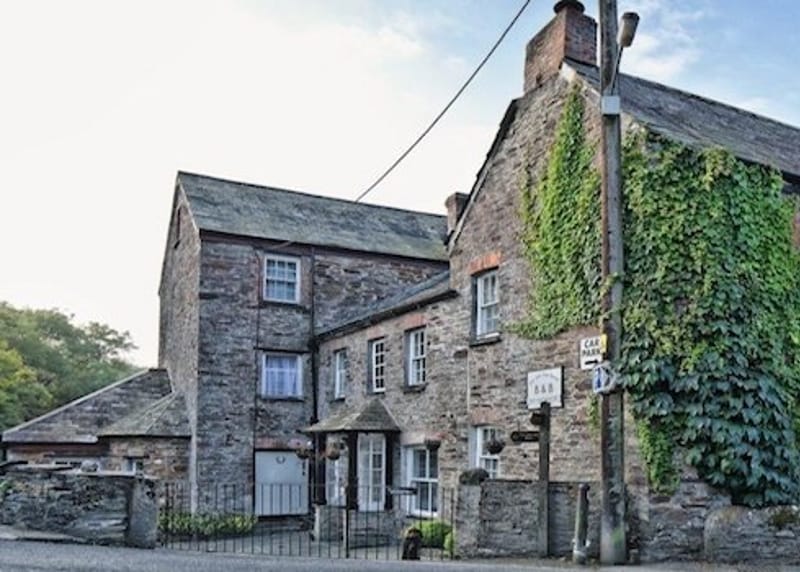
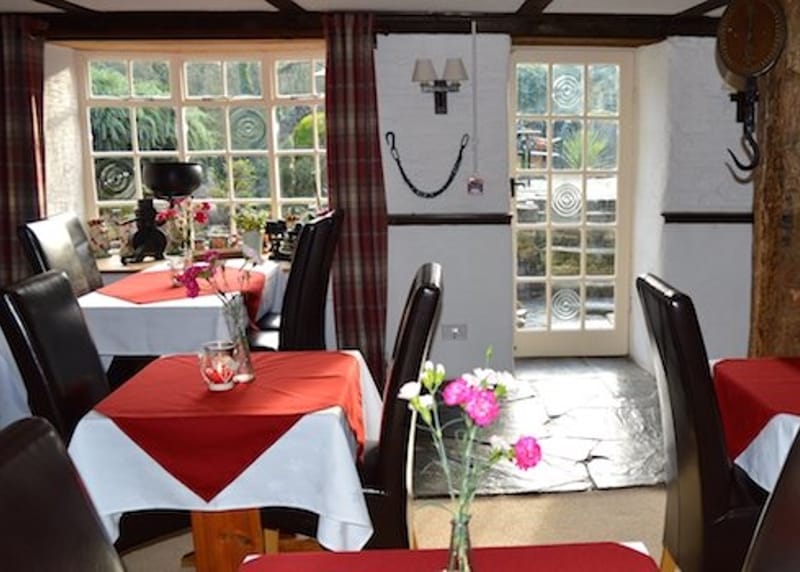
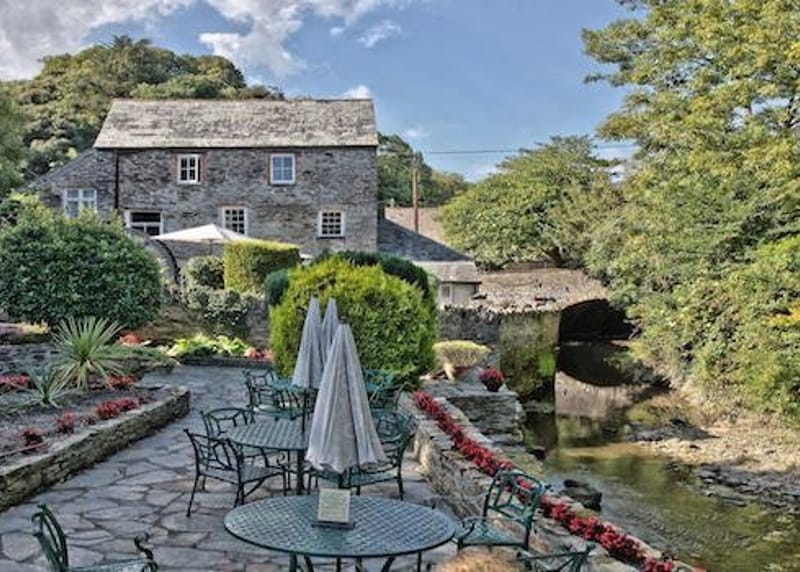
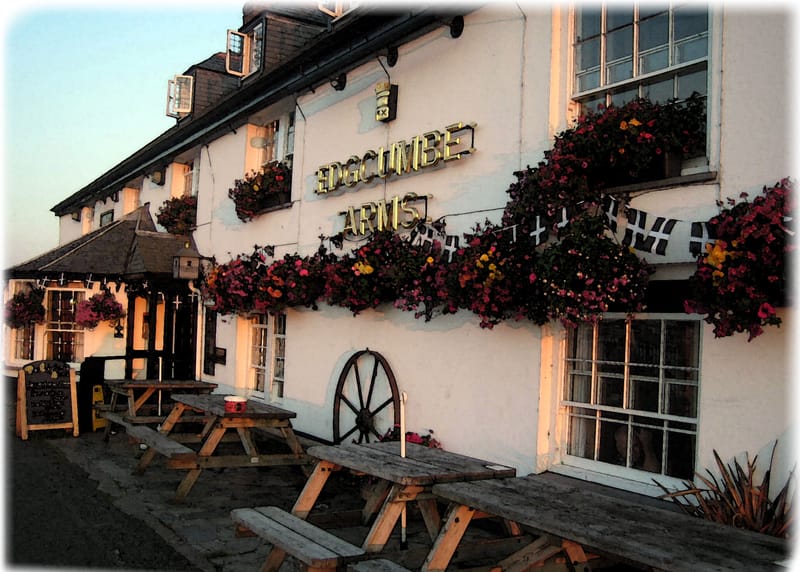
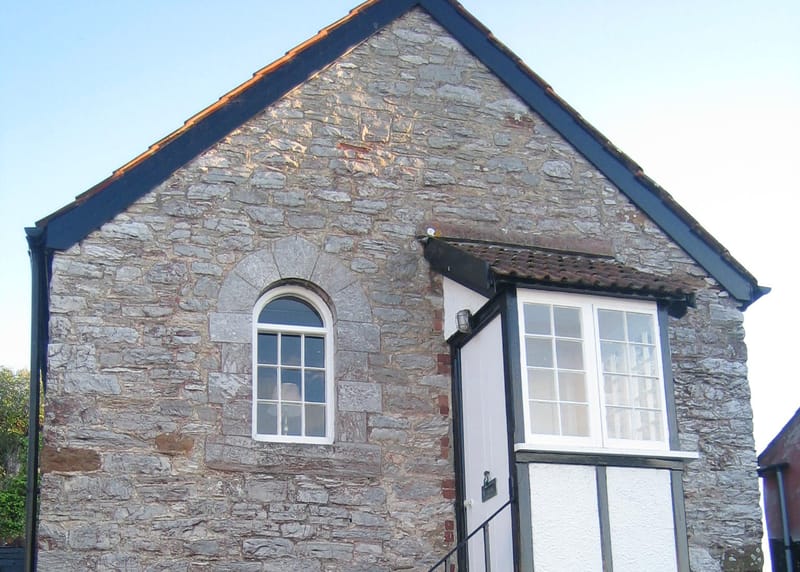
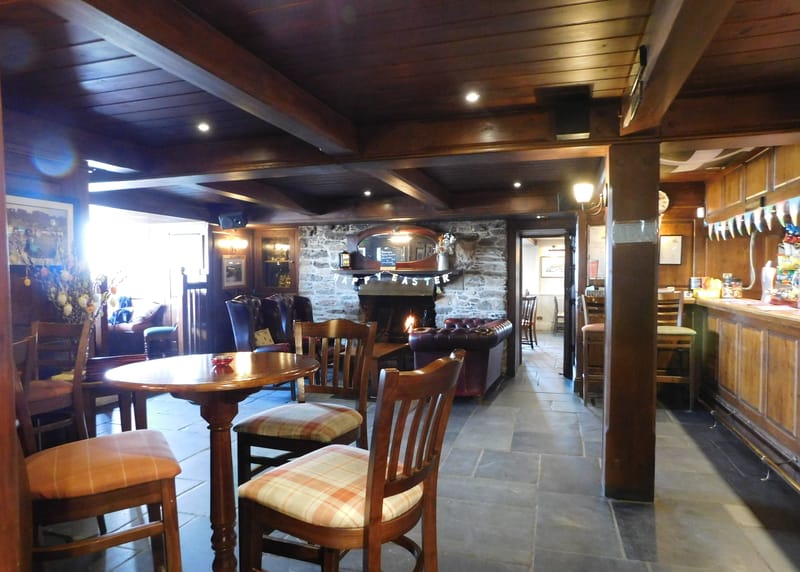
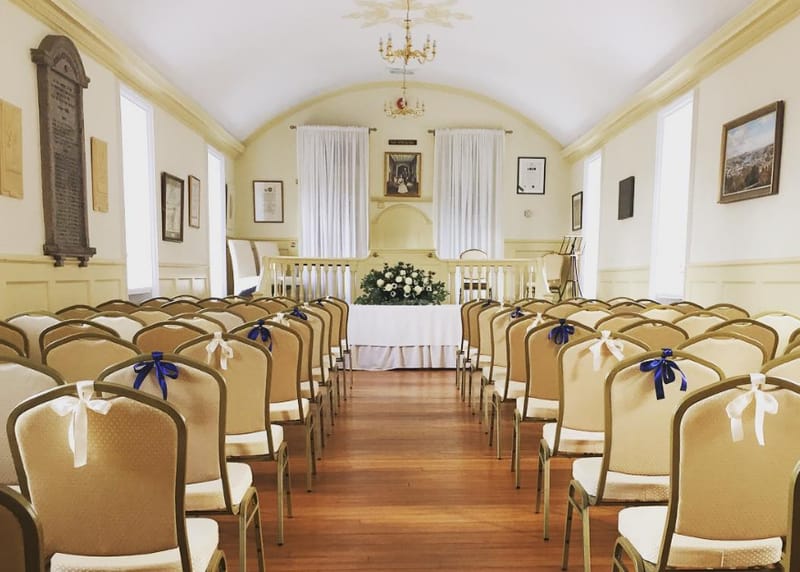

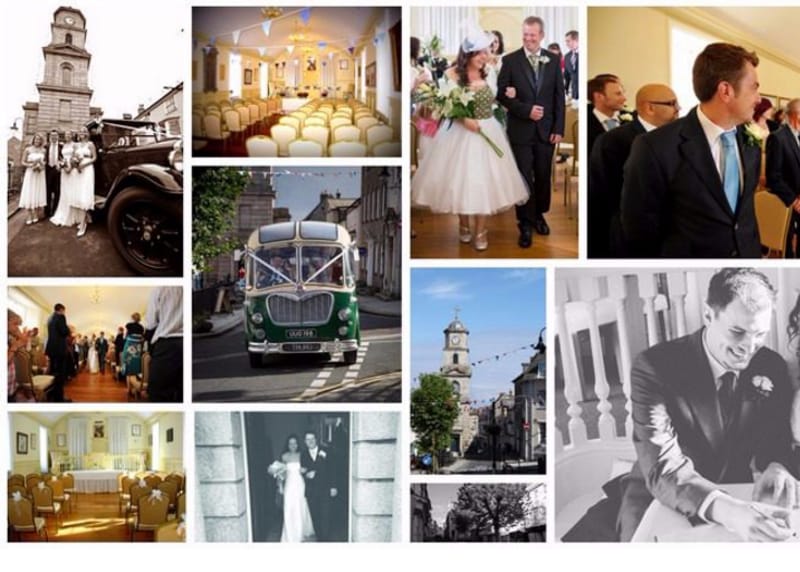
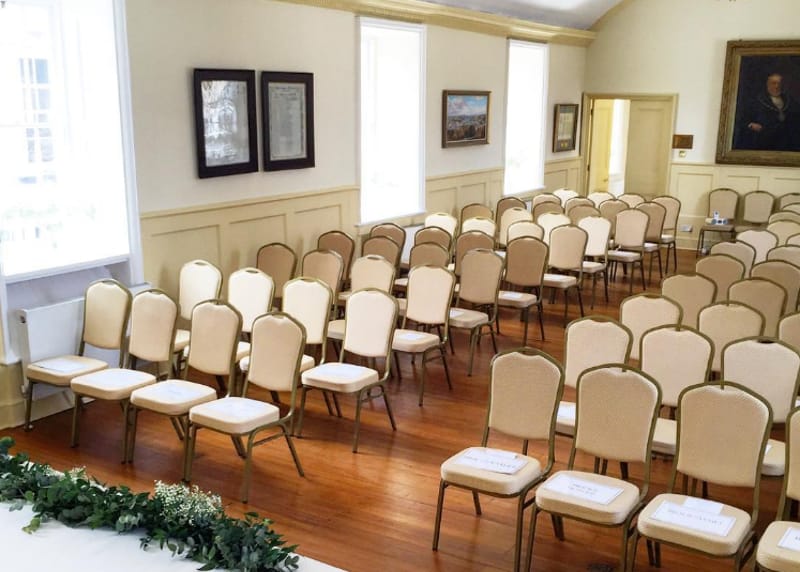
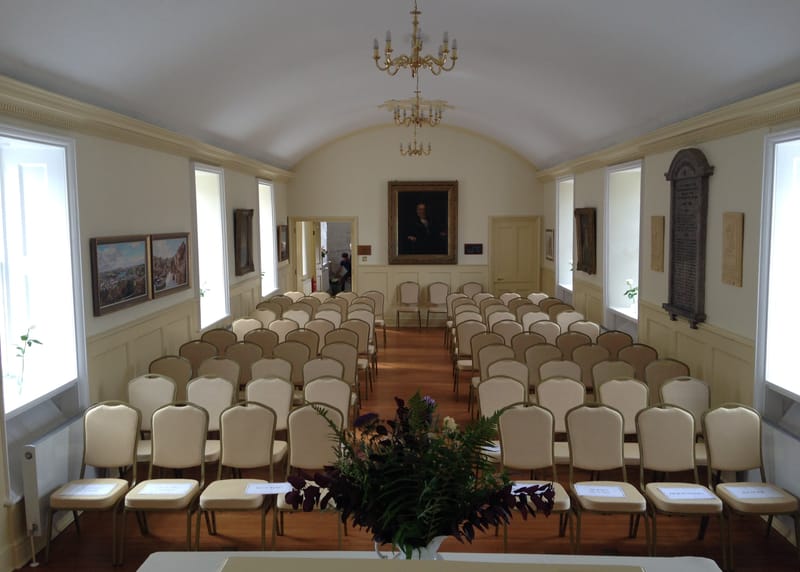
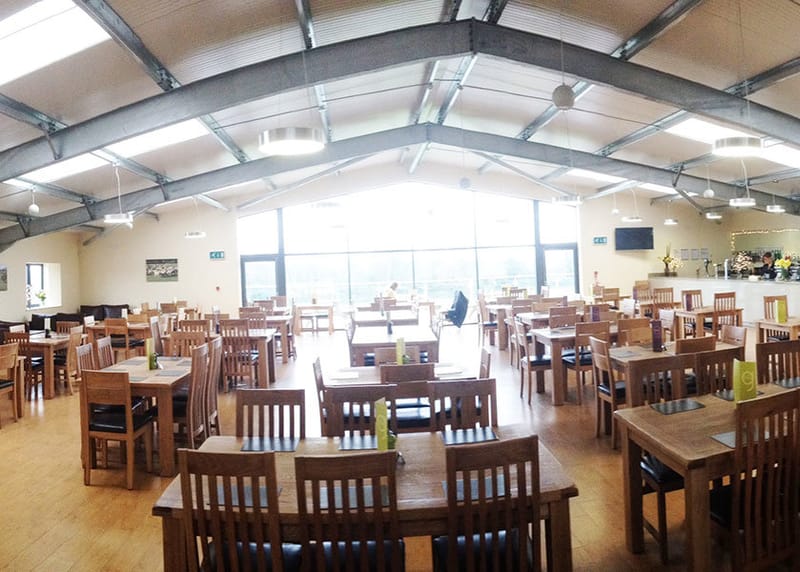
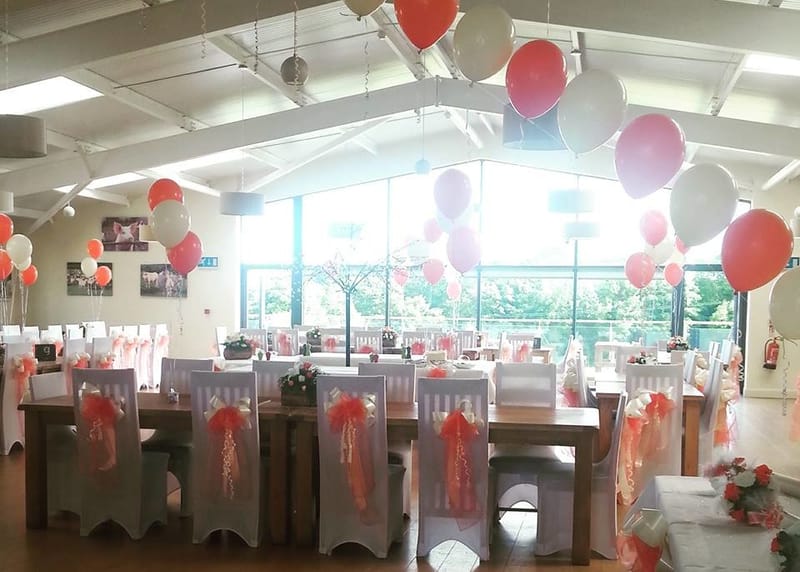
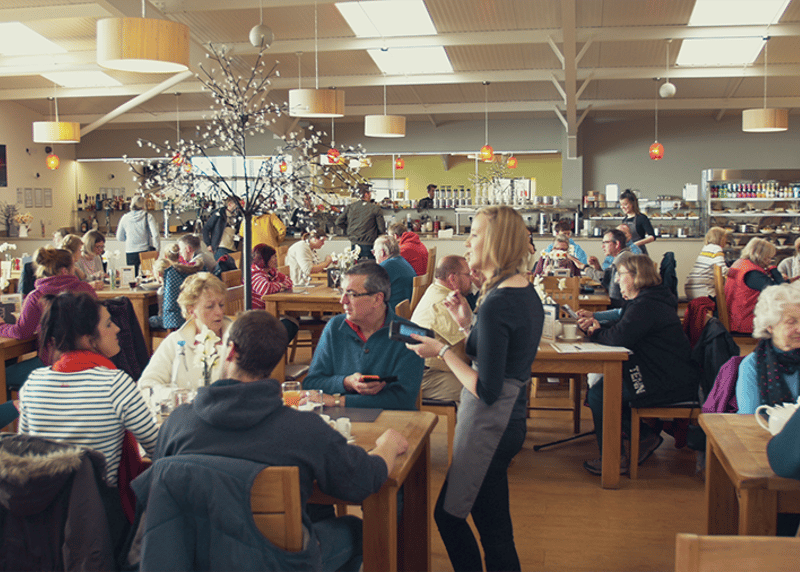
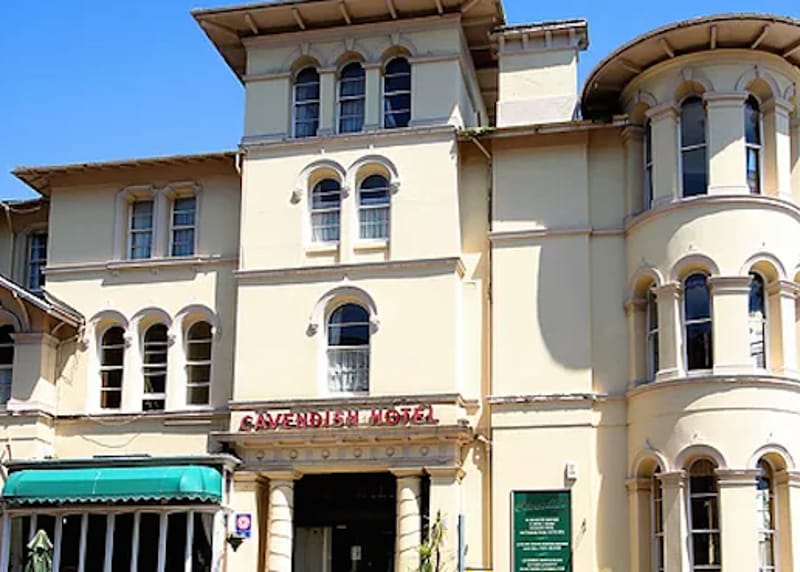
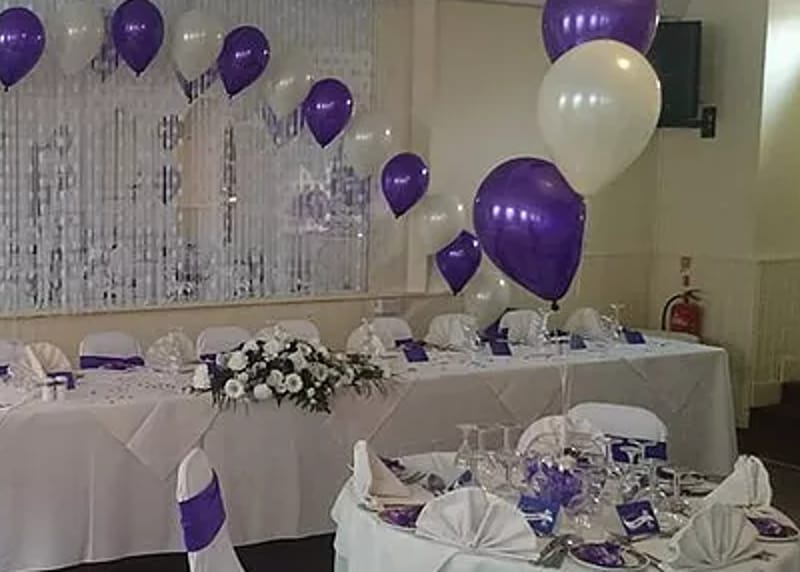
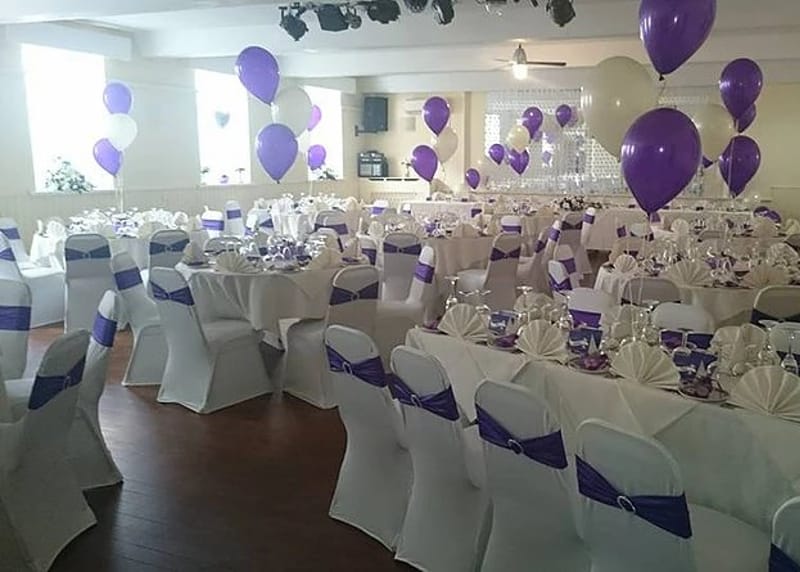
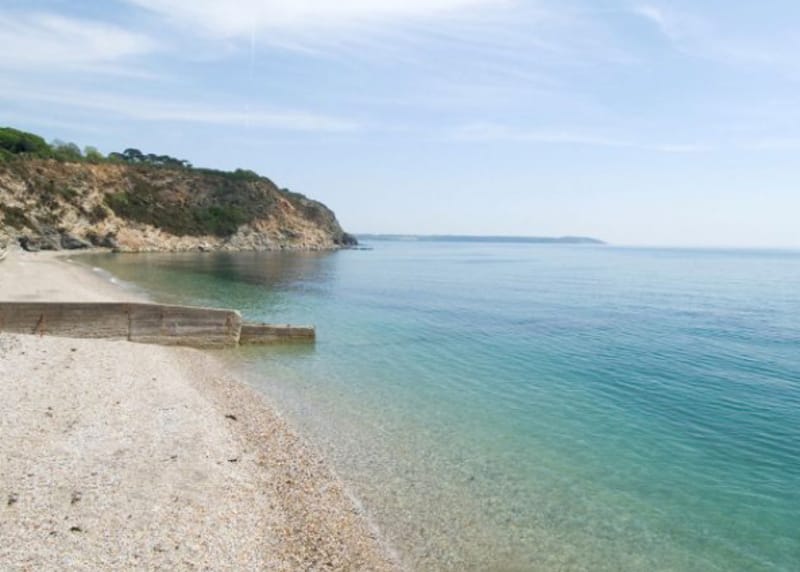
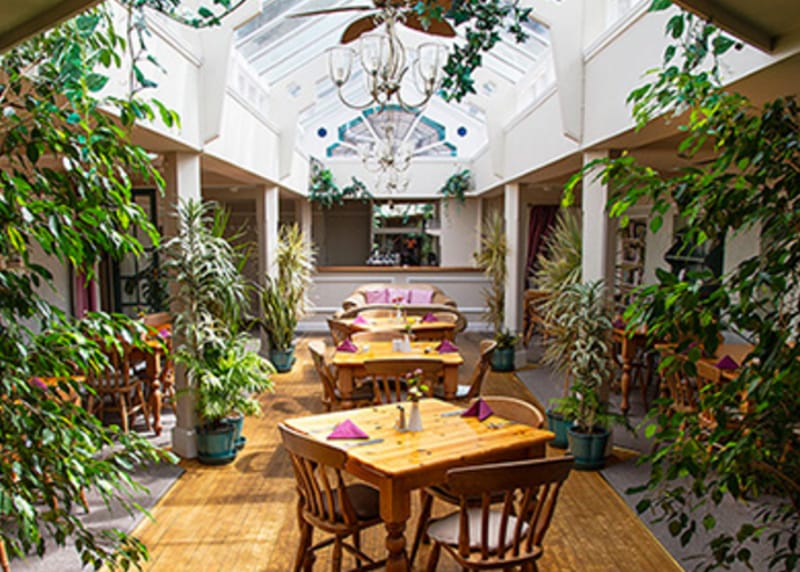
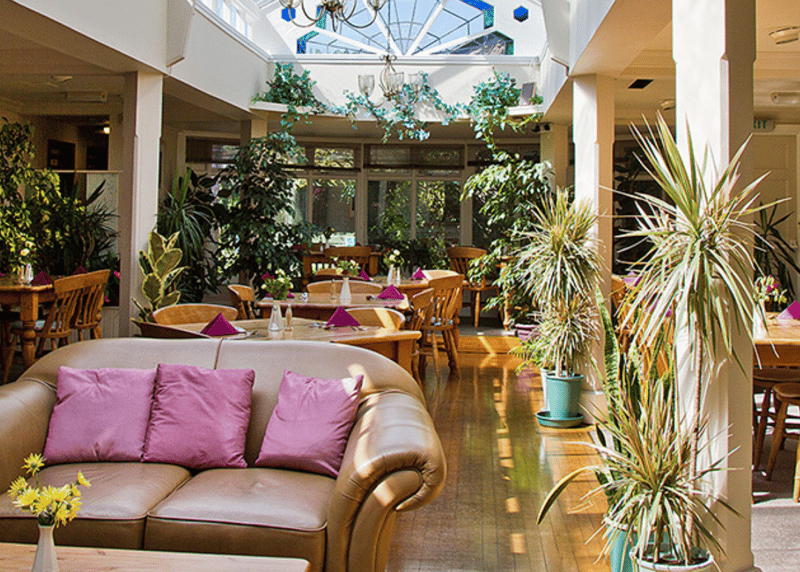

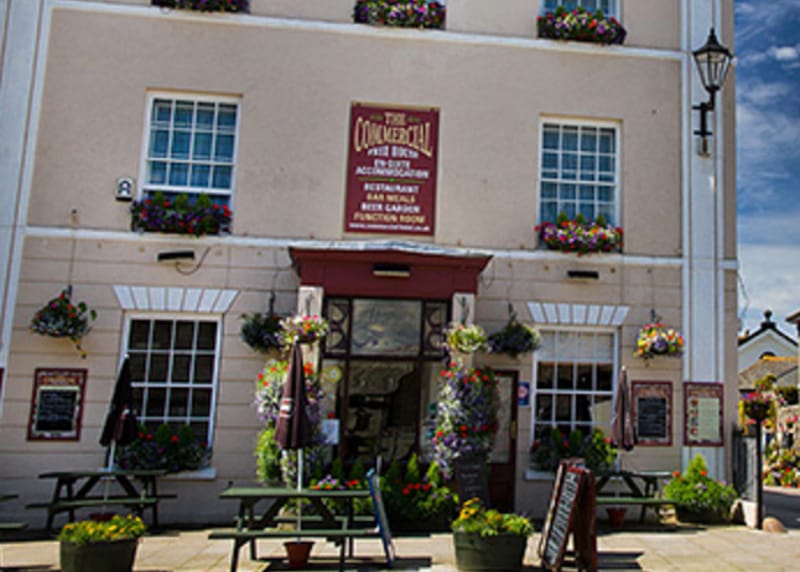

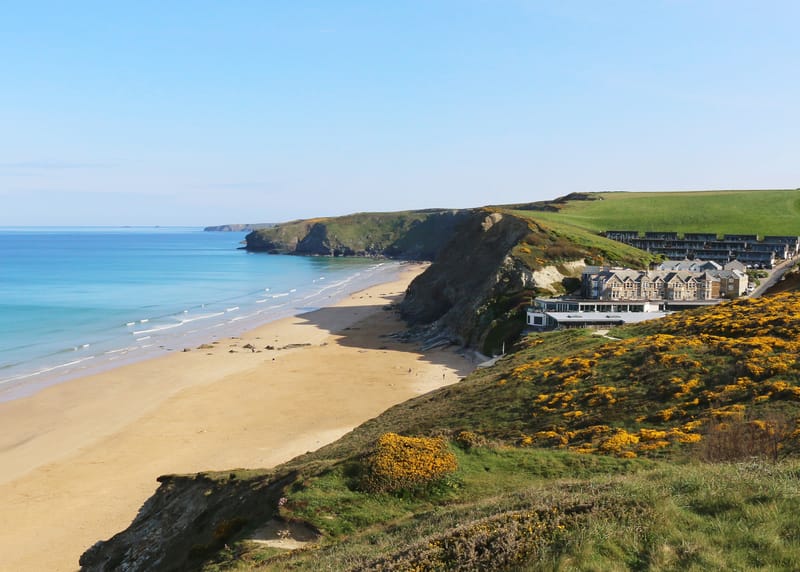

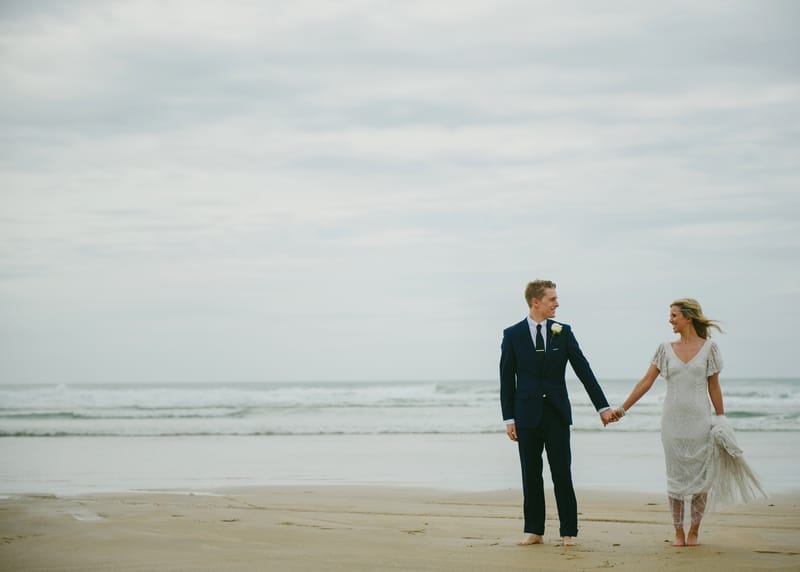
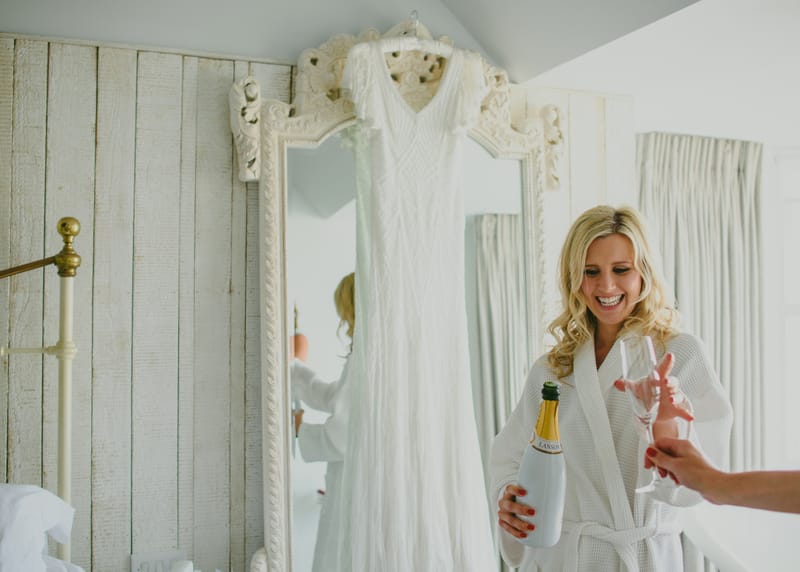
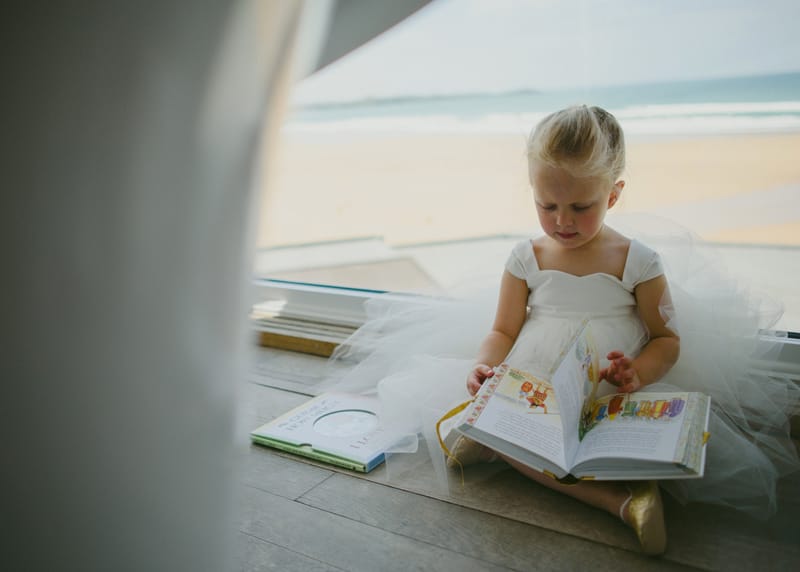
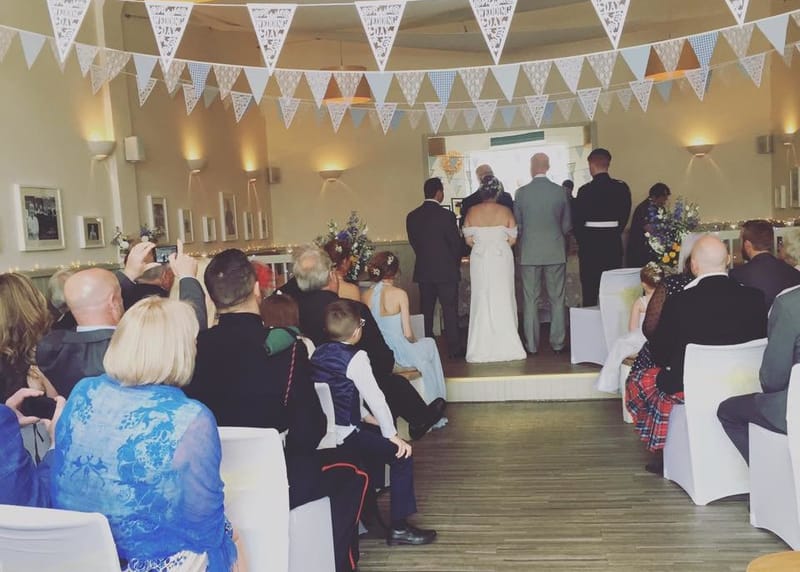
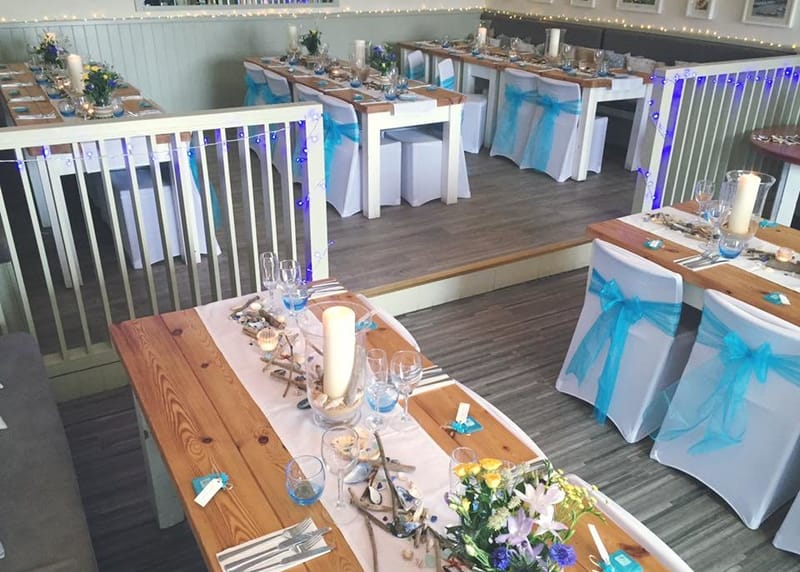
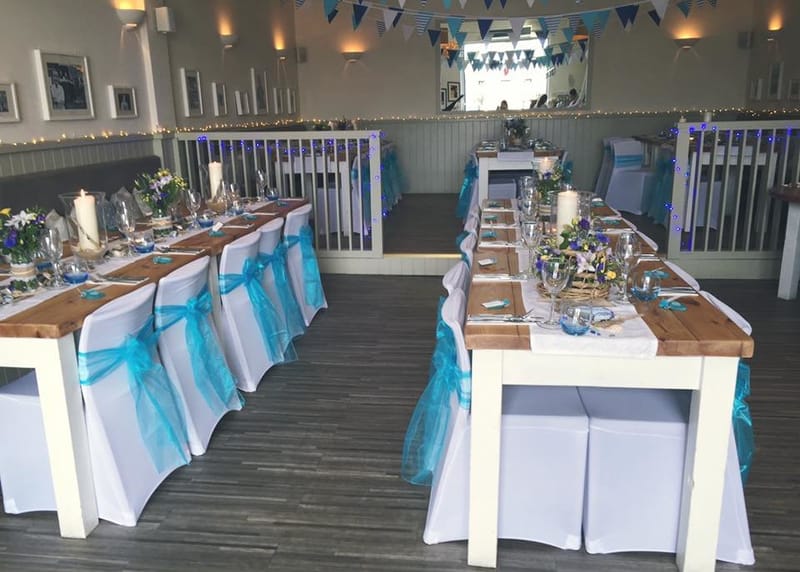
Few places in England feel as naturally suited to an intimate wedding as Cornwall. The county's rugged clifftops, sheltered fishing coves, moorland estates, and flower-filled valley gardens create a landscape so inherently romantic that the setting itself does much of the work - which is exactly what you want when your guest list is small and every detail matters.
Smaller weddings thrive in Cornwall because the county's venues tend to reward intimacy. A clifftop ceremony above the Atlantic, vows exchanged in the walled garden of a Georgian manor, or a candlelit dinner in a converted barn on the Lizard Peninsula - these experiences are shaped by their surroundings in a way that large-scale weddings in anonymous function rooms simply aren't. Cornwall offers couples the chance to create something genuinely unforgettable, without needing hundreds of guests to fill the space.
From St Ives and Padstow on the north coast to Fowey, Falmouth, and the far reaches of Penzance in the west, intimate wedding venues in Cornwall are spread across the entire county - giving couples an extraordinary range of landscapes, styles, and atmospheres to choose from.
Cornwall's small wedding venues come in a remarkable variety of styles, and the right choice will depend on the atmosphere you're hoping to create.
Boutique coastal hotels and harbourside venues are among the most popular options for intimate weddings in Cornwall. Many offer exclusive-use hire, private ceremony spaces with sea views, and on-site accommodation for close family and friends - making them an especially elegant choice for couples travelling from outside the county.
Small country houses and manor estates offer a sense of grandeur that works beautifully at an intimate scale. With private grounds, characterful interiors, and a feeling of total exclusivity, these venues are ideal for couples who want their wedding to feel like a private house party in one of England's most beautiful counties.
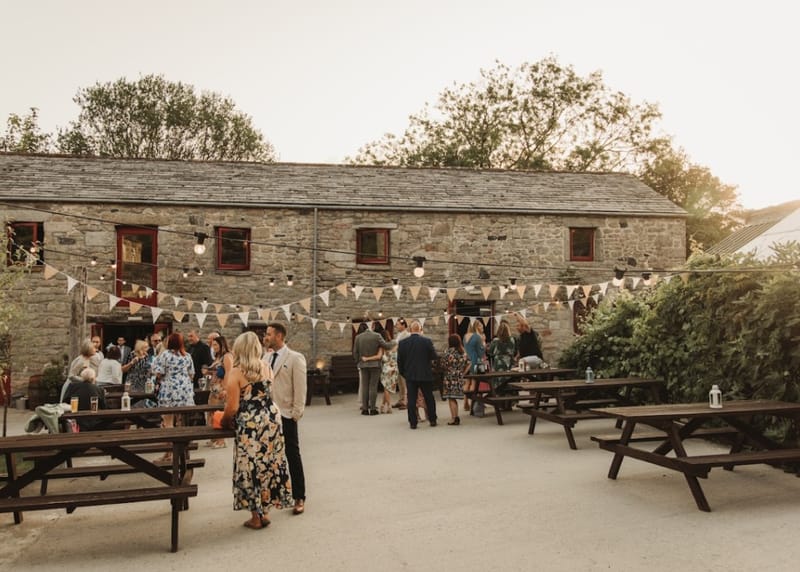
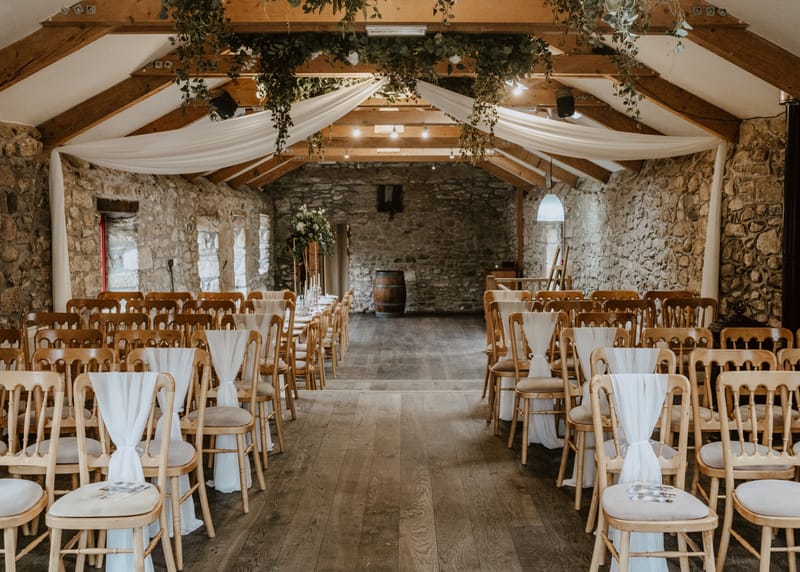
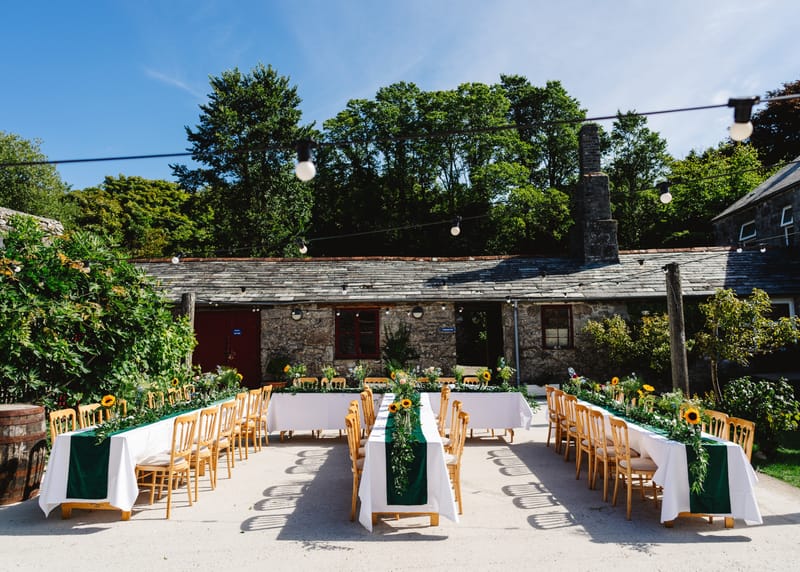
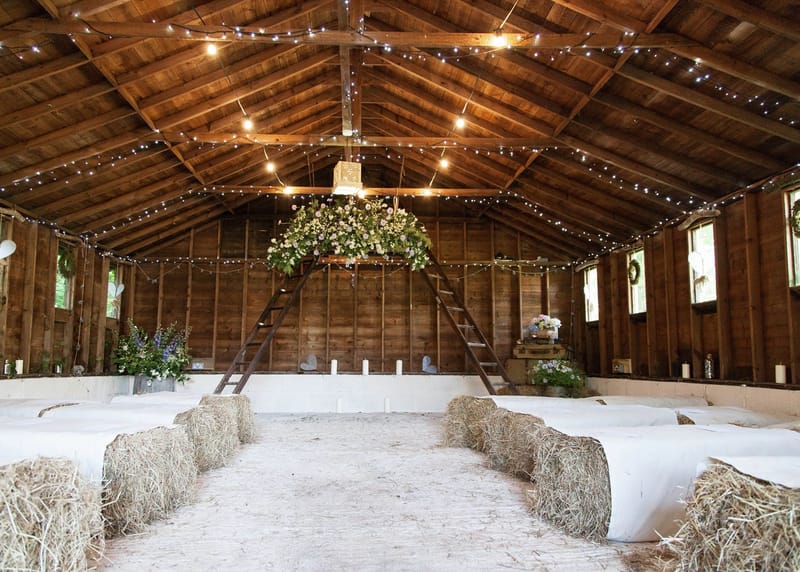
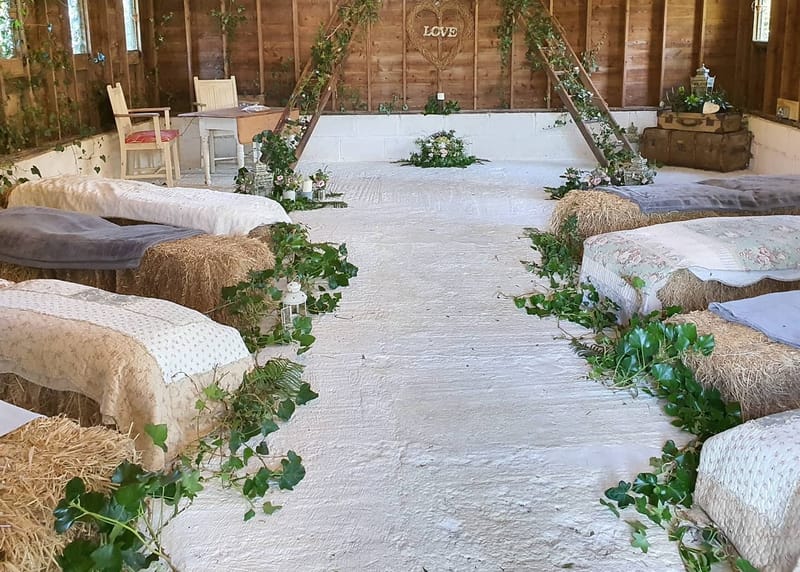
Historic barns and farm estates bring a rustic, grounded charm to smaller celebrations - particularly in the Cornish countryside around Bodmin Moor and the Roseland Peninsula, where working farms and restored agricultural buildings create wonderfully atmospheric settings.
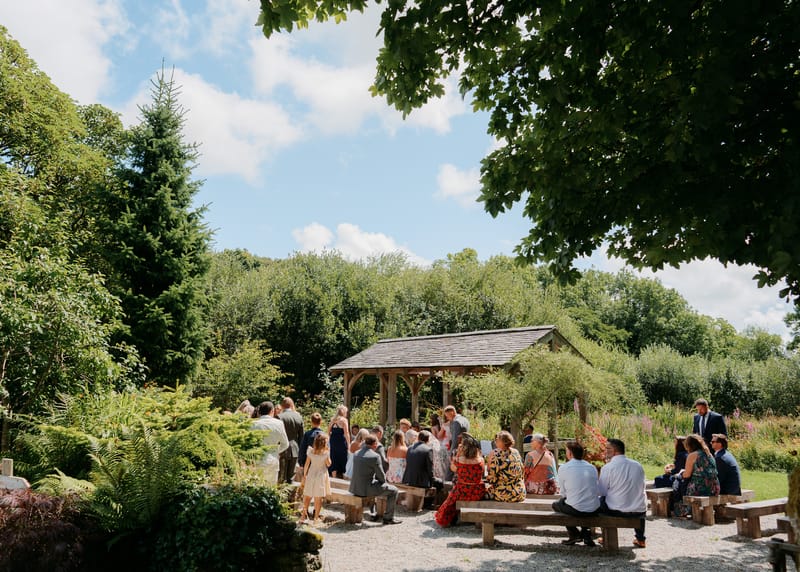
Coastal and clifftop ceremony venues - including some of Cornwall's most dramatic outdoor spaces — can be hired for private ceremonies, often with the option to move the reception to a nearby venue or private property. For couples dreaming of a Cornish beach wedding or a clifftop ceremony above the sea, these venues deliver an experience unlike anything else in the UK.
Cosy inns, restaurants, and private dining venues offer the most relaxed and informal option for very small celebrations - micro weddings of 10–20 guests who want exceptional food, a warm atmosphere, and a venue that feels like a natural extension of a special evening rather than a formal event space.
Choosing a venue for a smaller wedding involves different priorities than booking a large event space - and Cornwall's unique geography brings a few additional considerations worth planning for.
Capacity that matches your guest list. The most common mistake couples make when planning a small wedding is booking a venue designed for 150 guests. A room built for large-scale events will always feel sparse with 30 people in it, no matter how beautiful the décor. Look for venues with ceremony and reception spaces that are genuinely scaled for smaller numbers - ideally between 10 and 60 guests - so the space feels warm, full, and intimate on the day.
Exclusive-use hire. For most couples planning a private wedding venue in Cornwall, exclusive use is essential. Sharing a venue with other guests or events on your wedding day significantly changes the atmosphere - and Cornwall has enough dedicated small venues that you shouldn't need to compromise on this.
An indoor backup for outdoor ceremonies. Cornwall's weather is famously changeable, and clifftop or coastal ceremonies are particularly exposed. Always confirm that your venue has a covered or indoor alternative for the ceremony in case of wind or rain - this is non-negotiable for outdoor or coastal spaces.
On-site accommodation. Given how rural and remote many of Cornwall's most beautiful venues are, on-site accommodation for your closest guests makes a significant difference to the feel of the weekend. Several of Cornwall's small wedding venues offer cottages, lodges, or hotel rooms on the same site - allowing the celebration to extend naturally into the evening and the following morning.
Minimum spend versus guest numbers. Some venues price their packages on a per-head basis, while others operate on a minimum spend model. For smaller weddings, it's worth checking how minimum spend figures apply - a venue that looks affordable at 80 guests may actually cost more per head for a party of 25.
One of the most common assumptions couples make is that a smaller wedding automatically means a smaller budget - and while this can be true, it isn't always the case in Cornwall.
Venue hire for a small wedding venue in Cornwall typically ranges from around £2,000 to £7,000, depending on the type of venue, the time of year, and whether exclusive-use hire is included. Dedicated small wedding packages in Cornwall - which often bundle venue hire, catering, and basic décor - generally start from around £3,000 to £8,000 for up to 30–40 guests, while micro wedding packages for very small groups can start from as little as £1,500.
Cornwall's popularity as a destination wedding location means that coastal and clifftop venues in particular can command a premium during peak summer months. Couples with flexibility on dates can make meaningful savings by considering weekday weddings, or by choosing a venue in the quieter months of autumn, winter, or early spring - when Cornwall's landscapes are arguably at their most dramatic and atmospheric.
It's also worth noting that Cornwall's natural scenery can significantly reduce the need for elaborate décor. A venue with clifftop views, a walled garden, or a vaulted barn ceiling often needs very little dressing - which is one of the less-discussed financial advantages of choosing a setting with genuine character.
Cornwall is one of the few places in the UK where the question of when to get married genuinely changes the character of the day - and for smaller, more intimate weddings, that seasonal atmosphere matters even more than it does for larger events.
Summer (June to August) is peak season, and for good reason. Long golden evenings, the warmth of the Gulf Stream, and Cornwall's coastline at its most vivid make this the most in-demand time of year for weddings across the county. For small wedding venues in Cornwall with outdoor ceremony spaces or clifftop settings, summer bookings fill up the fastest - often 12–18 months or more in advance. If a sunny coastal ceremony is central to your vision, plan accordingly and move quickly.
Late spring (April and May) is increasingly the savvy couple's choice. The county bursts into bloom, the light is soft and warm, the crowds haven't yet arrived, and many venues offer more flexible pricing than in the height of summer. Cornwall in May can feel almost Mediterranean - and for intimate weddings where the atmosphere of the setting matters deeply, it's a genuinely special time of year.
Autumn (September and October) brings dramatic skies, rich colours across the Cornish countryside, and a sense of quiet that summer simply can't offer. Clifftop venues and coastal estates take on a wilder, more atmospheric quality in autumn - which suits the mood of a small, meaningful celebration beautifully. Many couples find that their wedding photographs from an autumn Cornwall wedding have a depth and drama that summer images rarely match.
Winter weddings in Cornwall are an underrated choice, particularly for micro weddings and elopements. Candlelit barn venues, manor houses with roaring fires, and a coastline stripped back to its most elemental - Cornwall in winter has a quiet, romantic intensity that rewards couples who are drawn to intimacy over spectacle. Off-season pricing also makes winter one of the most cost-effective times to book, with many venues offering their best rates between November and March.
Planning a smaller wedding in Cornwall comes with its own set of considerations - particularly given the county's rural geography, changeable weather, and popularity as a destination wedding location. Here's what couples planning an intimate wedding in Cornwall should keep in mind.
Book early for peak coastal venues. Cornwall's most sought-after small wedding venues - particularly those with sea views, exclusive-use hire, or clifftop ceremony spaces - are in high demand year-round. Don't assume that a smaller guest list means more flexibility on dates; the most intimate and characterful venues often have the longest waiting lists.
Always confirm your wet-weather contingency. Outdoor and clifftop ceremonies in Cornwall are spectacular when the weather cooperates - but the county's Atlantic exposure means conditions can change quickly. Before committing to any outdoor ceremony space, confirm in writing what the indoor backup arrangement is and how the transition would be managed on the day.
Think carefully about guest logistics. Many of Cornwall's most beautiful small wedding venues are genuinely remote - which is part of their appeal, but it does require planning. Check transport links, parking availability, and whether the venue can recommend local accommodation or taxi services for guests travelling from outside the county. For destination weddings where most guests are travelling, on-site accommodation is worth prioritising highly.
Let the landscape do the work. One of the greatest advantages of an intimate Cornwall wedding is that the setting itself creates the atmosphere. Couples often find that they need far less in the way of floristry, décor, and styling than they anticipated - a clifftop venue, a walled garden, or a candlelit barn speaks for itself. Leaning into the natural character of your venue rather than trying to transform it is both more authentic and more cost-effective.
Consider a local wedding planner. For couples travelling to Cornwall from elsewhere in the UK or abroad, working with a local wedding planner or coordinator who knows the county's venues, suppliers, and seasonal quirks can be invaluable - particularly for smaller weddings where every detail counts and there's less margin for last-minute changes.
Finding the right intimate venue for a smaller wedding takes a different kind of search - and Bridebook is built to make it easier. As the UK's leading wedding planning platform, Bridebook is trusted by hundreds of thousands of couples every year to find, compare, and connect with wedding venues that genuinely match their vision.
Every small wedding venue in Cornwall listed on Bridebook has been reviewed and verified, so you can browse with confidence knowing that capacity figures, pricing information, and venue details are accurate and up to date. Honest reviews from couples who've actually celebrated at each venue give you a ground-level view of what a venue is really like on the day - not just how it looks in a brochure.
Bridebook's search and filtering tools make it straightforward to narrow down venues by guest capacity, location, venue style, and price - so you're only spending time on options that genuinely fit your plans. Whether you're looking for an exclusive-use clifftop retreat near St Ives, a cosy barn venue on the edge of Bodmin Moor, or an intimate harbourside space in Fowey or Padstow, Bridebook helps you find it quickly and enquire directly.
Beyond venue search, Bridebook's full suite of planning tools - covering budgeting, guest management, and supplier booking - means you can manage every part of your Cornwall wedding in one place, from the first venue shortlist to the morning of the big day. Start your search today and discover why so many couples planning small and intimate weddings across Cornwall and the UK trust Bridebook to help them find their perfect venue.