Wedding Law Reform 2026: What the Government's New Consultation Means for Couples

The most significant overhaul of how weddings are regulated in England and Wales since the 19th century has taken its next major step – on 16 July 2026, the Government officially launched a public consultation that could completely change how and where couples say “I do.”
From legally binding Humanist weddings to beach ceremonies and heritage-site celebrations, the proposed wedding law reforms promise more freedom, more inclusivity, and potentially lower costs for engaged couples.
But what’s actually changing? When will it happen? And can you legally get married outdoors yet?
Here’s everything couples need to know about the upcoming marriage law reform.
Interview with Deputy Prime Minister David Lammy
Bridebook’s Head of Brand and leading UK wedding expert Zoe Burke sat down with the Deputy Prime Minister, David Lammy, to discuss the consultation and the proposed changes to wedding laws in England and Wales.
Why are wedding laws changing?
The main law governing marriage in England and Wales dates back to 1836. While amended over time, the system has remained heavily focused on buildings rather than the person conducting the ceremony.
Currently, for a wedding to be legally binding, it must take place in:
- A registry office
- A place of worship registered for marriage
- An approved licensed civil venue
This means that many couples who choose celebrant-led or Humanist ceremonies must also attend a separate legal ceremony at a registry office – adding cost, complexity and, for some, frustration.
The Law Commission of England and Wales completed a comprehensive review in 2022, recommending a complete overhaul of the system.
On 2 October 2025, the Government confirmed it intends to reform wedding law – and on 16 July 2026, it officially launched the “Tying the Knot” consultation, running for 10 weeks until 24 September 2026, before introducing legislation when parliamentary time allows.
Deputy Prime Minister and Justice Secretary David Lammy said: “They say you can’t put a price on love – but too often, the cost of weddings puts this commitment out of reach. That’s why I’m reforming archaic rules, so couples have more freedom to say ‘I do’ on their own terms, while strengthening safeguards to protect the meaning and permanence of marriage.”
What is actually changing under the proposed wedding law reform?
The most significant shift proposed in the wedding law reform is:
1. The Legal Focus Will Move From Buildings to Officiants
Instead of regulating where a wedding happens, the law would regulate who conducts it.
This means weddings could take place in a much wider variety of locations – provided they are considered appropriate and dignified – including:
- Beaches
- Forests and parks
- Private gardens
- Heritage sites and castles
- Community halls
- Canal boats and cruise ships
- Even private homes
The emphasis would be on the authorised officiant ensuring legal compliance, rather than the venue holding a specific civil licence.
2. Humanist Weddings Could Become Legally Binding
One of the most anticipated changes is the legal recognition of Humanist weddings in England and Wales.
Humanist marriages are already legal in:
- Scotland (since 2005, fully legislated in 2014)
- Northern Ireland (since 2018)
But in England and Wales, couples currently must have a separate civil ceremony to be legally married.
The Government has confirmed that reform will remove the unequal treatment of Humanists identified by the High Court in the 2020 Harrison case.
If passed, this change would allow Humanist celebrants to conduct legally binding marriages in England and Wales for the first time.
It’s also important to note that the consultation will also consider whether independent celebrants (aka not affiliated with any belief system) should be authorised to do the same.
3. Greater Recognition of Diverse Religious Ceremonies
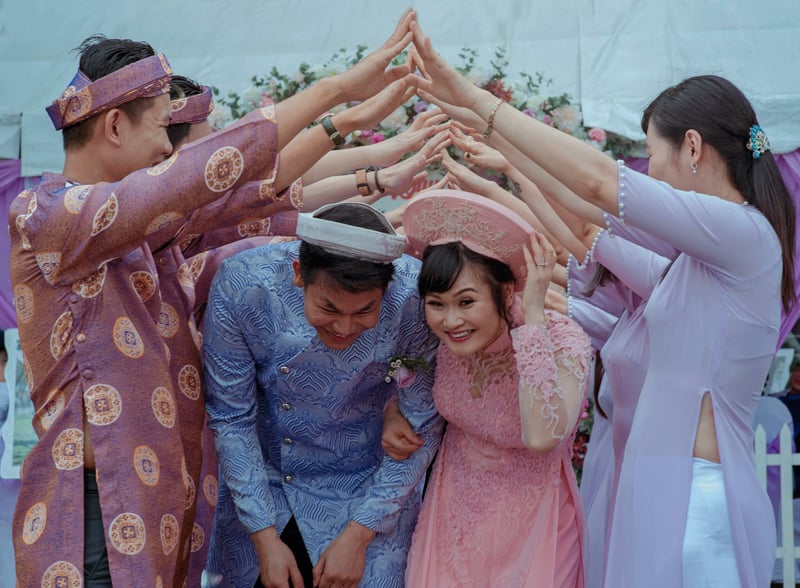
The reforms aim to simplify and standardise rules across all faith groups.
It would become easier for couples to have legally binding:
- Sikh weddings
- Hindu weddings
- Muslim weddings
- Buddhist weddings
- Interfaith ceremonies
All within a clearer, fairer framework.
This creates a more level playing field and reduces the risk of couples discovering – sometimes years later – that their religious ceremony was not legally recognised.
This isn’t a small issue: research cited in the Government’s consultation shows around two-thirds of women who had a religious-only Muslim wedding did not also have a separate legal ceremony – meaning their marriage currently has no legal standing.
What safeguards are in place to protect the meaning of marriage?
Alongside more freedom over location and officiant, the proposals include stronger safeguards. Officiants will need to meet strict requirements to be authorised, and can be deauthorised if they fail to uphold standards – including judging whether a proposed location is suitable for a dignified ceremony.
To protect against forced, predatory and sham marriages, couples would need to complete a two-stage verification process, including an in-person interview, to confirm their identity and eligibility to marry. Anglican banns of marriage would continue as an established part of Church of England weddings.
What does this mean for couples planning their weddings?
According to Bridebook’s 2026 UK Wedding Report, wedding ceremony trends are already shifting:
| Legal Ceremony Location | 2019 | 2025 |
|---|---|---|
| Wedding Venue | 63% | 71% |
| Registry Office | 9% | 12% |
| Church / Place of Worship | 28% | 12% |
Church weddings have declined by 16% since before the pandemic, while registry office ceremonies have seen renewed growth, reaching their highest level since Covid in 2025.
These shifts reflect what couples increasingly want from their wedding ceremony: flexibility, personality and inclusivity.
Zoe Burke, Head of Brand at Bridebook and the UK’s leading wedding expert says: “For too long, wedding laws have felt restrictive, outdated and discriminatory.
“These reforms are about giving couples the freedom to marry in a way that truly reflects who they are – without unnecessary barriers or duplicated ceremonies.”
Will weddings become cheaper?
Potentially, yes – but not automatically.
Cost is a real barrier to marriage today: research cited in the Government’s consultation shows around half of unmarried men and a third of unmarried women in relationships say cost is a reason they haven’t married. With the average UK wedding now costing more than £20,000 – and venue hire alone typically around £6,000 before catering – opening up more affordable location options could make a genuine difference.
The Government estimates the reforms could:
- Increase weddings in England and Wales by 3%
- Generate around £139 million in additional annual spending
- Add over £238 million to the economy over the next decade
- Create up to 12,000 jobs
- Support 1,800 additional wedding businesses
For couples, savings may come from:
- Not needing two separate ceremonies
- Greater choice of venue types
However, overall costs will still depend on your style, guest count and supplier choices.
When will the new wedding laws come into effect?
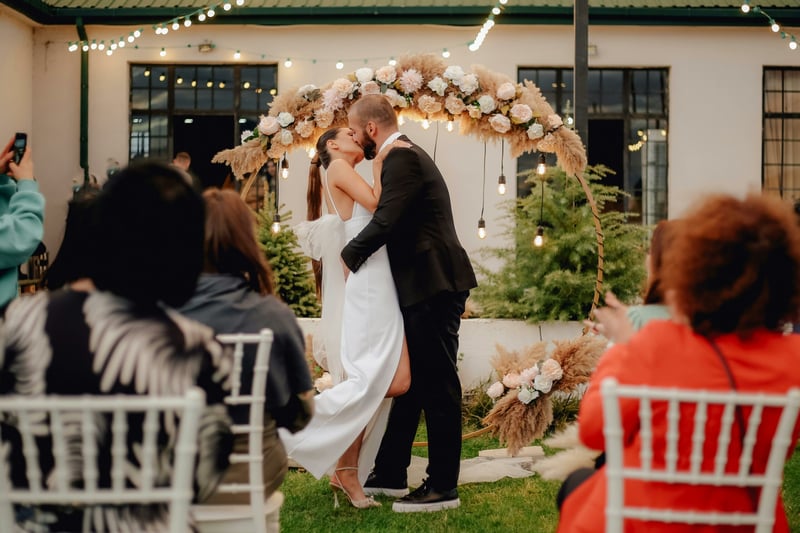
It’s important to note: the proposed wedding reforms are not yet law.
The current timeline for the wedding law reform is as follows:
- Public consultation: now open, running from 16 July to 24 September 2026
- Government response to consultation: expected in the months following
- Draft legislation: to be introduced when parliamentary time allows
- Implementation: likely 2027 or later
For now, couples must still comply with existing regulations – meaning legal weddings must take place in a licensed venue, place of worship or registry office.
Couples, celebrants and wedding businesses can respond to the consultation directly before it closes on 24 September 2026.
Can you legally get married on a beach in England and Wales?
You can’t legally marry on a beach in England and Wales currently, unless the beach forms part of a licensed venue’s approved premises.
Discover beach wedding venues here.
Under the proposed wedding law reforms, this could change – but it hasn’t changed yet. In fact, the Government’s own consultation launch specifically namechecked beaches, coastlines, castles and even cruise ships as examples of where couples could legally marry in future.
What is the difference between a Humanist wedding and a legal wedding?
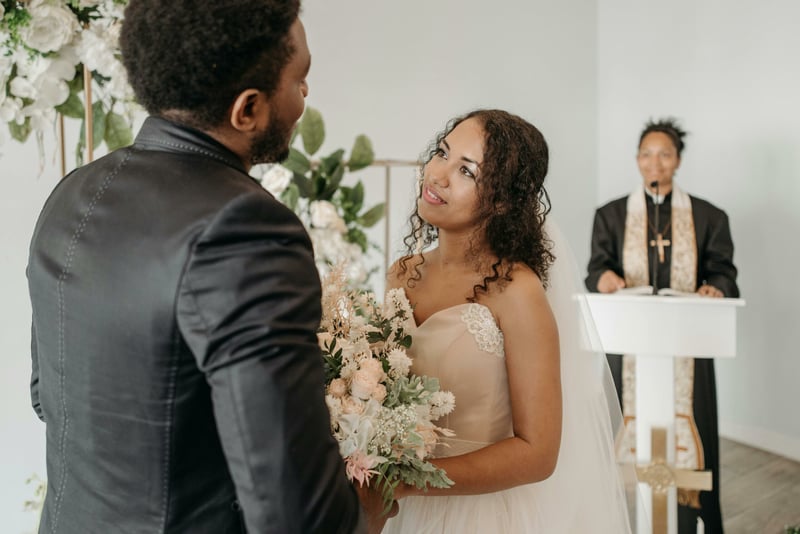
A Humanist (or celebrant-led) wedding is:
- Non-religious
- Fully personalised
- Written uniquely for the couple
- Able to take place almost anywhere
Currently, it is not legally binding in England and Wales.
Under the proposed reforms, authorised Humanist celebrants could conduct legally recognised marriages – removing the need for a separate civil ceremony.
Will independent celebrants be included in the wedding law reform?
This remains one of the biggest open questions.
The Government has confirmed that consultation will consider whether independent celebrants (those not affiliated with a religious or belief organisation) should also be able to conduct legally binding ceremonies.
The outcome will determine just how expansive the reform becomes.
Why the Wedding Law Reform Matters
The proposed wedding law reform isn’t just about being able to get married on a beach.
It’s about:
- Equality between belief systems
- Clarity and legal certainty
- Protecting couples from unknowingly unrecognised marriages
- Reflecting modern Britain
- Making weddings more accessible
Zoe says: “As someone who has seen thousands of couples plan their weddings through Bridebook, the message is clear: couples want meaningful ceremonies that reflect their identities, cultures and shared values.
“This reform finally moves the law closer to how people actually marry today.”
What should couples do now?
If you’re getting married in 2026 or beyond:
- Keep an eye on legislative updates
- Have your say – the public consultation is open until 24 September 2026
- Speak to your venue about flexibility
- If planning a Humanist or celebrant ceremony, factor in a legal registry ceremony for now
- Consider booking venues that could benefit from reform (outdoor spaces, private estates, etc.)
If you’re planning to marry imminently, you’ll need to follow the current legal framework.
The proposed wedding law reform represents the most significant change to marriage in nearly 200 years.
It promises:
- More freedom
- More inclusivity
- More clarity
- More choice
And for many couples – finally – one meaningful ceremony that is legally recognised.
Read our guide to the current wedding ceremony legalities here.
Related articles