Wedding Timeline: A Complete Guide to Planning Your Wedding

Planning a wedding involves two distinct timelines – and understanding both is the key to a day that feels relaxed rather than frantic.
The first is your wedding planning timeline: the roadmap that takes you from engagement to wedding day, covering everything from setting your budget to confirming your vendors. The second is your wedding day timeline: the schedule that determines how the day itself unfolds, from hair and makeup in the morning to the last song of the night.
Get both right, and everything flows. This guide covers each in full, so you have a complete picture of what needs to happen and when.
Start planning your wedding with Bridebook – it’s free.
Wedding Planning Timeline
Your planning timeline is where everything begins. The decisions you make in the early months shape everything that follows – your venue determines your date, your guest count determines your venue, your budget determines almost everything.
A clear timeline helps you stay organised, spread decisions across a manageable period, and avoid the last-minute pressure that catches so many couples out.
Most Australian couples plan their wedding over 12 to 18 months, though a shorter timeline is absolutely achievable with good organisation and fast decision-making on the big bookings.
12+ Months Before the Wedding
This is where the foundations get laid. The most important tasks at this stage are:
- Set your wedding budget – in Australia, weddings typically cost between $35,000 and $40,000 AUD, though this varies significantly based on guest count, location, and priorities. Knowing your number before you start looking at venues saves a lot of difficult conversations later. See our full guide to a wedding budget breakdown for a full guide.
- Draft your guest list – you don’t need a final list yet, but a rough headcount directly shapes your venue search
- Start researching venues – popular wedding venues in coastal and wine-region areas can book out more than a year in advance, particularly for peak season dates
- Choose your preferred wedding date – or at least a season, which gives your venue search a frame to work within
- Think about your overall wedding style – formal or relaxed, indoor or outdoor, intimate or large; having a shared vision makes every subsequent decision easier
Use our free wedding planning spreadsheet to map out your next steps and track what needs to happen at each stage.
9–12 Months Before the Wedding
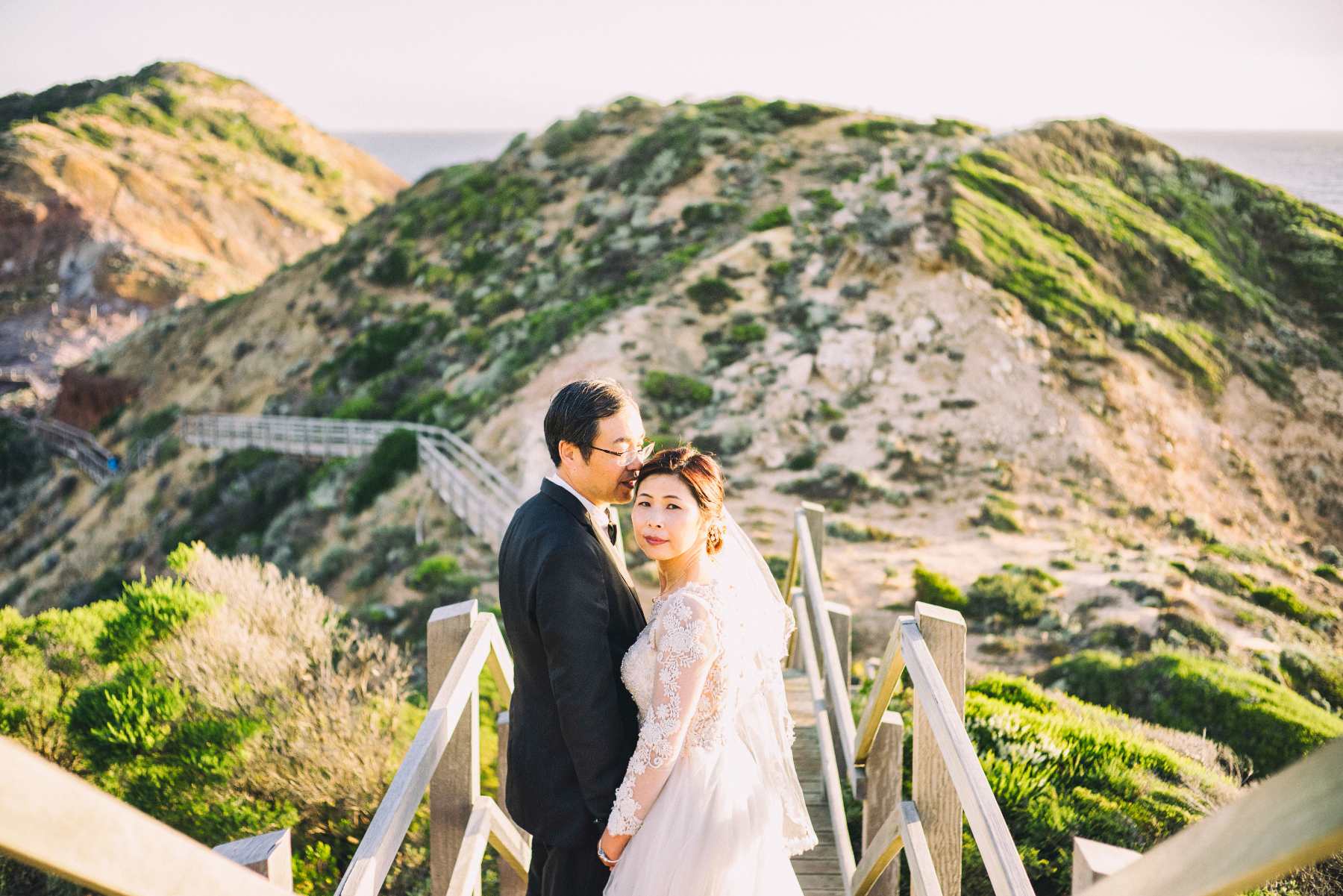
With your foundations in place, it’s time to secure your most important bookings.
- Book your wedding venue – this is your most time-sensitive booking and should be your first. Your venue determines your date, your guest capacity, and the overall tone of the day
- Book your photographer and videographer – sought-after photographers are often booked 12 to 18 months in advance; don’t leave this until it’s too late
- Choose your wedding party – give your bridesmaids, groomsmen, and other key members enough notice to plan ahead
- Begin dress and attire shopping – wedding outfits can take several months to order and alter, so starting now gives you more choice and less stress
- Start researching other suppliers – florists, celebrants, entertainers; you don’t need to book everyone yet, but begin building your shortlist
In Australia, spring and summer are peak wedding seasons – if your date falls in this window, move quickly on venue and vendor bookings.
6–9 Months Before the Wedding
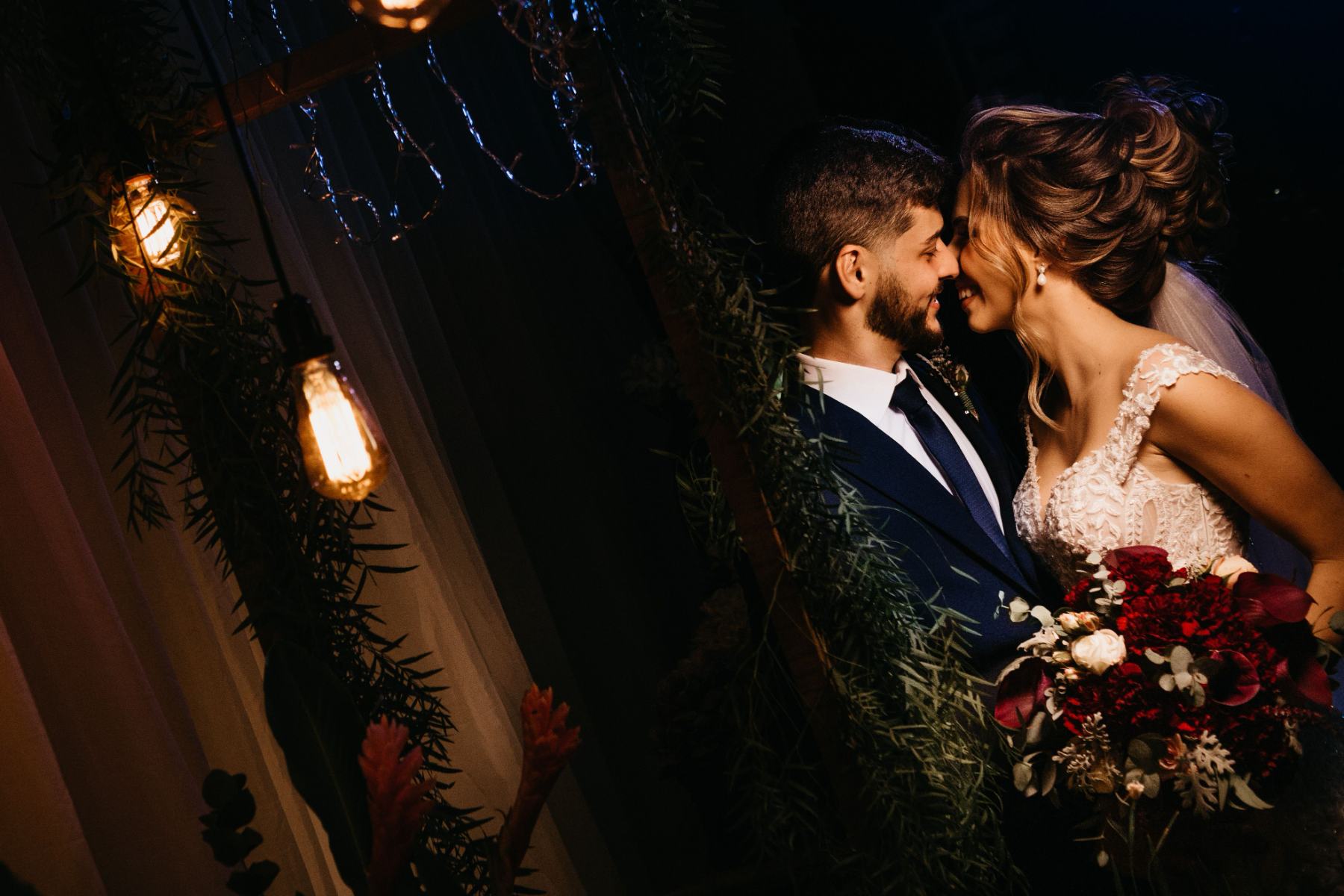
Your plans are taking shape. This stage is about building out the detail around your confirmed venue and key suppliers.
- Send save-the-dates – particularly important in Australia, where guests may need to travel interstate; send these early so people can plan ahead
- Book your entertainment – DJ, live band, or acoustic musician; popular acts fill their calendars fast
- Confirm your florist and stylist – once you’ve finalised your theme and colour palette, lock in your florist so they can plan around seasonal availability
- Order your wedding attire – if you haven’t already, this is the time to commit; allow plenty of time for fittings and alterations
- Arrange accommodation options for guests – for regional or destination weddings especially, give guests as much notice as possible
This is also a good stage to start thinking seriously about your décor and overall aesthetic, which will help tie your vendor choices together into a cohesive look.
3–6 Months Before the Wedding
The finer details come into focus. Most major decisions should be confirmed by the end of this stage.
- Send your formal invitations – aim for 8 to 12 weeks before your wedding date; include RSVP deadline, venue details, and accommodation information
- Finalise your menu – work with your venue or caterer to confirm courses, dietary requirements, and drinks packages; book a tasting session if your caterer offers one
- Plan your ceremony structure – work with your celebrant to finalise readings, music, vows, and order of events. In Australia, you must also submit your Notice of Intended Marriage (NOIM) at least one month before your wedding date — confirm this with your celebrant now if you haven’t already
- Book hair and makeup trials – schedule these well ahead of the day so you can confirm your look with confidence
- Organise florals and décor – confirm all styling details with your florist and any other styling vendors
1–3 Months Before the Wedding
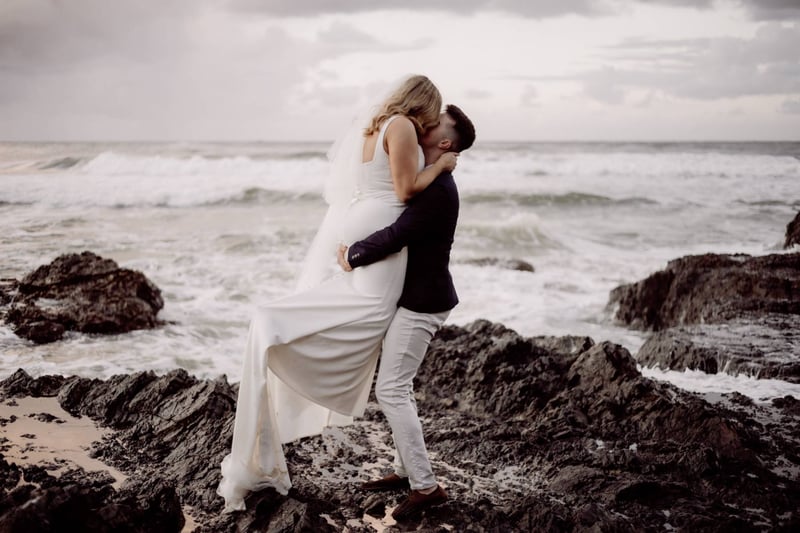
The final preparation stage. This is about locking everything down and making sure nothing slips through the gaps.
- Finalise your guest list – chase outstanding RSVPs and confirm your final numbers with the venue and caterer
- Create your seating chart – use our wedding seating chart guide to organise guests into tables; this gets significantly more complex the longer you leave it
- Confirm all vendors – reach out to every supplier to confirm timings, logistics, and any outstanding payments
- Write your vows – if you’re writing personal vows, give yourself time to reflect and refine; don’t leave this to the week before
- Schedule final fittings – ensure all outfits fit perfectly well before the day
Typical Wedding Day Timeline
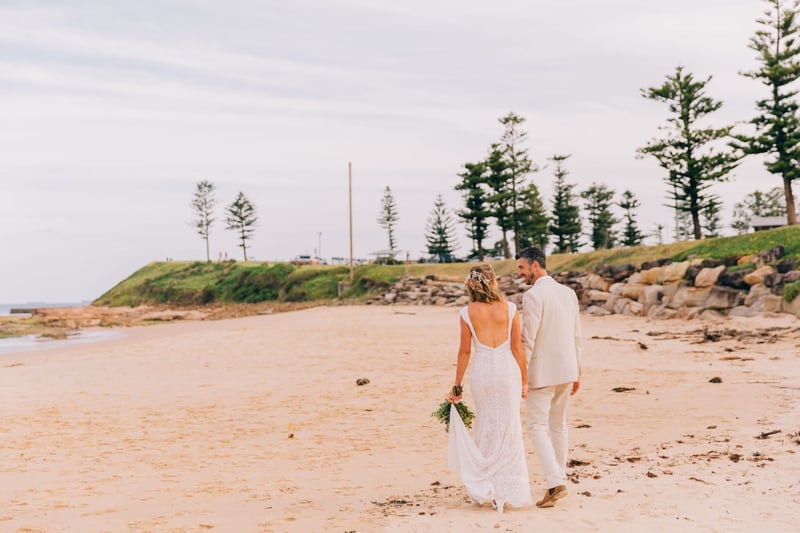
Once your planning timeline is in order, you can turn your attention to the day itself. A clear wedding day schedule ensures your vendors know where to be and when, your guests know what to expect, and you can move through the day feeling relaxed rather than rushed.
Here’s a typical wedding day timeline for a mid-afternoon ceremony – one of the most popular structures for Australian weddings:
| Time | Stage |
|---|---|
| 10:00 AM | Hair and makeup begin |
| 12:00 PM | Photographer arrives |
| 1:00 PM | Getting ready photos |
| 1:30 PM | Guests arrive |
| 2:00 PM | Ceremony begins |
| 3:00 PM | Drinks reception / cocktail hour |
| 4:30 PM | Reception entrance |
| 5:00 PM | Dinner served |
| 7:00 PM | Speeches |
| 8:00 PM | Cake cutting |
| 8:15 PM | First dance |
| 8:30 PM | Dance floor opens |
| 11:30 PM | Reception closes |
This structure works well for most Australian weddings, offering a balanced flow between the formalities and the celebration. For a more detailed breakdown – including sample timelines for 1 PM, 3 PM, and evening ceremonies – see our complete wedding day timeline guide.
How Long Does a Wedding Ceremony Last?
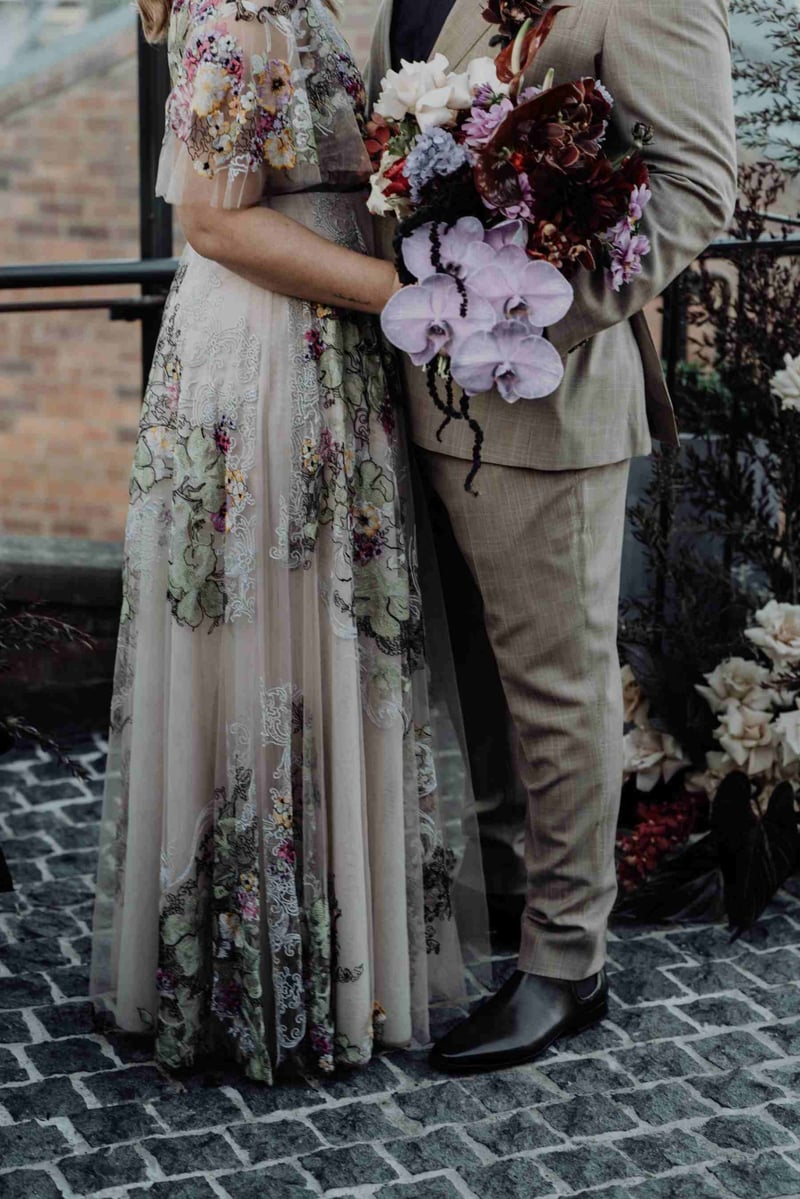
Ceremony length varies depending on the type of wedding and how many personal elements you include. Here’s what to expect:
Civil ceremonies – typically 20 to 30 minutes. Civil ceremonies tend to be straightforward and concise, making them a popular choice for couples who want a meaningful but efficient ceremony.
Religious ceremonies – often 30 to 60 minutes, depending on the traditions, prayers, and readings involved. Catholic, Jewish, Hindu, and Muslim ceremonies each have their own structure and requirements, so speak to your officiant early to understand what’s involved.
Personalised celebrant-led ceremonies – usually 20 to 45 minutes, depending on the vows, readings, and any rituals or cultural elements you choose to include. In Australia, celebrant-led ceremonies are extremely popular and offer the most flexibility.
Whatever your ceremony type, factor its length into your wedding day schedule – it directly affects when your drinks reception begins, when photos wrap up, and when dinner is served.
Wedding Reception Timeline Example
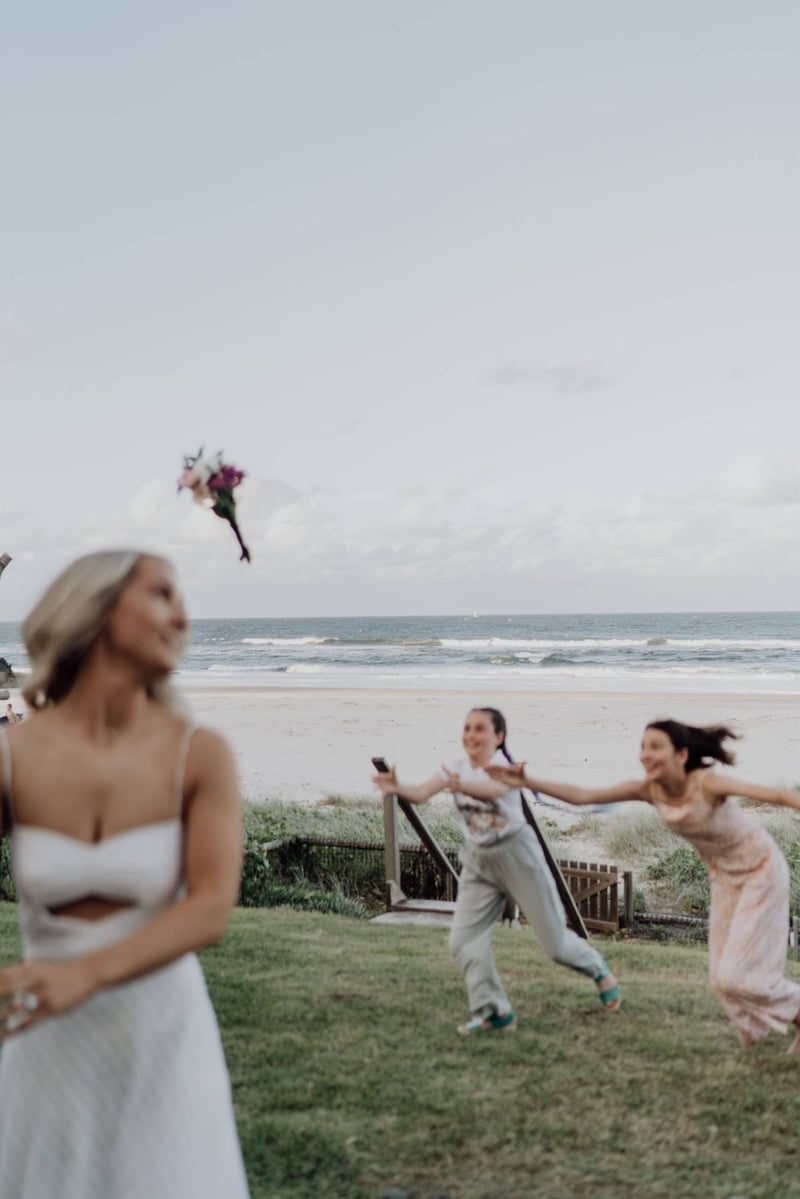
Your reception is where most of the celebrating happens – and a clear structure ensures it flows naturally from one moment to the next. Here’s a typical Australian wedding reception timeline:
Cocktail hour (1–1.5 hours) Guests mingle over drinks and canapés while the couple takes portraits and family photos. This is a natural transition between the ceremony and the formal reception.
Reception entrance The couple is introduced into the room, guests take their seats, and the reception formally begins.
Dinner (1.5–2 hours) Entrée, main, and dessert are served, with background music or light entertainment between courses. This is also when the relaxed conversation that makes a great wedding happens.
Speeches (20–40 minutes) Typically after entrée or between courses – earlier in the evening keeps energy levels higher. Aim for a total of no more than 40 minutes across all speakers.
Cake cutting A brief, celebratory moment that works well as a natural transition point in the evening.
First dance Follows the cake cutting or arrives after speeches, just before the dance floor opens. Marks the shift from the formal part of the evening to the party.
Dancing (2–4 hours) The evening entertainment – how long this runs depends on your venue’s closing time and your guests’ energy. Most Australian venues have a noise curfew or bar closing time, so confirm this when you book.
Common Wedding Timeline Mistakes to Avoid
Even with a solid plan, a few common mistakes can throw the flow of the day. Here’s what to watch for:
Not building in buffer time. Things almost always take longer than expected – getting the wedding party together for photos, guests finding their seats, a course arriving a few minutes late. Add 10 to 15 minutes of breathing room between key moments and you’ll thank yourself on the day.
Scheduling too tightly. A timeline that’s packed with back-to-back moments can make the day feel rushed rather than relaxed. Leave space for the day to breathe – some of the best wedding memories happen in the unscheduled moments.
Forgetting travel time. If your ceremony and reception are at different venues, factor in realistic travel time, including traffic. In larger Australian cities – Sydney, Melbourne, Brisbane — this can add significantly more time than you’d expect, especially on a weekend.
Not consulting your vendors. Your photographer, venue coordinator, and celebrant have all done this many times before. They know how long things realistically take. Lean on their experience when building your timeline – particularly your photographer, who will have a very clear view of how much time portraits actually need.
Leaving planning decisions too late. A clear step-by-step wedding planning guide and timeline is the single most effective way to avoid the last-minute pressure that turns a joyful process into a stressful one. Start early, review regularly, and keep your checklist updated.
For more detail, see our guide to common wedding planning mistakes to avoid.
Plan Your Wedding Timeline With Bridebook
Managing both a planning timeline and a wedding day schedule across 12 to 18 months is a lot to keep on top of – especially when you’re doing it alongside everything else in your life.
Bridebook, the world’s #1 wedding planning platform used by over 2.8 million couples, brings everything together in one place – free on iOS, Android, and web. With Bridebook, you can:
- Track your full wedding planning checklist step by step
- Manage your guest list and RSVPs in real time
- Organise your budget across every category, in AUD
- Discover and connect with wedding venues and suppliers across Australia
Create your free Bridebook account and start planning your wedding today.
Frequently Asked Questions
What is a wedding timeline?
A wedding timeline refers to two things: your wedding planning timeline, which maps out key tasks from engagement to wedding day, and your wedding day timeline, which outlines the schedule of events on the day itself.
Both are essential for a well-organised, enjoyable wedding.
How long does it take to plan a wedding in Australia?
Most Australian couples spend 12 to 18 months planning their wedding. This gives enough time to secure popular venues and vendors without feeling rushed.
Shorter timelines are possible but require fast decisions on the key bookings.
When should I start planning my wedding?
Ideally, as soon as possible after getting engaged – and certainly no less than 12 months before your intended date if you have a specific venue or season in mind.
Popular venues in Australia can book out more than a year in advance.
What is a typical wedding day timeline?
A typical Australian wedding day timeline runs from hair and makeup in the morning through to the ceremony, drinks reception, dinner, speeches, first dance, and evening dancing.
For a mid-afternoon ceremony, most couples start getting ready around 10 AM and finish the reception around 11:30 PM.
How long should a wedding reception last?
Most Australian wedding receptions last between four and six hours, depending on your ceremony time and venue closing time.
How long does a wedding ceremony last in Australia?
Civil ceremonies typically run 20 to 30 minutes; celebrant-led ceremonies around 20 to 45 minutes; religious ceremonies 30 to 60 minutes or longer.
Confirm the expected length with your officiant when planning your day-of timeline.
What is a NOIM and when do I need to submit it?
A Notice of Intended Marriage (NOIM) is a legal requirement for all couples getting married in Australia. It must be submitted to your registered marriage celebrant at least one month before your wedding date, and is valid for up to 18 months. Your celebrant will guide you through the process.
Why Trust Bridebook
Bridebook is the world’s #1 wedding planning platform, used by over 2.8 million couples. Our content is informed by real data from the Bridebook Wedding Report, which draws on responses from thousands of couples planning their weddings each year. Where expert input is included, contributors are named and their credentials verified. We update our articles regularly to ensure prices, statistics, and advice reflect current market conditions.
Last reviewed: June 2026