How to Plan a Wedding in Australia: A Step-by-Step Guide

Planning a wedding is one of the most exciting things you’ll ever do – but it can feel overwhelming when you’re staring down a to-do list that seems to grow by the day.
The good news? When you break the process into clear wedding planning steps, it becomes far more manageable. This guide walks you through exactly how to plan a wedding step by step, so you can feel organised, confident, and ready to enjoy every moment of the journey.
Start planning with Bridebook – it’s free.
Step 1: Decide Your Wedding Vision
Before you dive into logistics, take a moment to think about what you actually want your wedding to feel like. This is the foundation everything else builds on, and getting clear on it early saves a lot of decision fatigue later.
Ask yourselves:
- Do you want a formal celebration or something relaxed and informal?
- Are you drawn to a beach ceremony, a winery, or a city venue?
- Would you prefer a large party or an intimate gathering?
- Which season suits your vision – and what does the Australian weather look like there?
Australia offers incredible variety when it comes to wedding settings, from coastal ceremonies in Queensland to vineyard weddings in South Australia, rustic countryside venues in New South Wales, and everything in between. Having a clear vision helps you narrow down venue options, stay consistent with styling, and make decisions that feel like yours.
If you’re still searching for inspiration, browse our guide to the wedding planning mistakes to avoid to help you out!
Step 2: Set Your Wedding Budget
Your budget is one of the most important parts of planning a wedding, because it shapes nearly every decision that follows. Getting clear on your numbers early gives you far more control over where your money goes – and where you’re happy to spend more.
In Australia, the average wedding costs between $35,000 and $40,000 AUD, though this varies significantly based on location, guest count, and what you choose to prioritise. It’s absolutely possible to plan a beautiful wedding for less – or more – depending on what matters most to you.
When setting your budget, think about three things:
Who’s contributing? Are you and your partner covering costs yourselves, or are family members contributing? Getting a clear picture of total funds available is the essential first step.
What are your priorities? Most couples find that venue takes the biggest share of their budget, but that doesn’t have to be the case. Decide what matters most to you — whether that’s photography, food, flowers, or entertainment — and allocate accordingly.
What does a typical breakdown look like? Costs generally spread across venue hire, catering, photography and videography, attire, florals and décor, entertainment, and stationery. Using a tool like our wedding budget calculator can help you stay on top of spending across every category.
Use our free wedding budget tool to keep track of your wedding spend.
Step 3: Draft Your Guest List
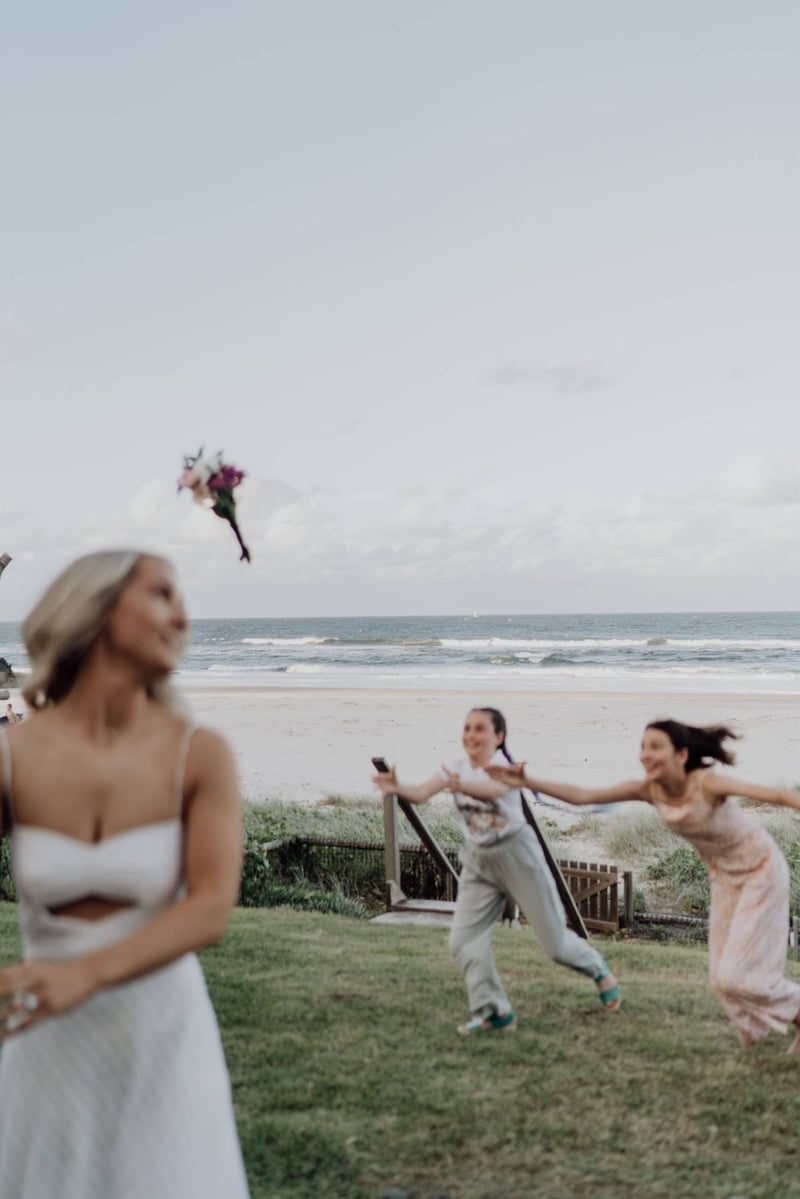
Your guest list has more influence over the rest of your planning than almost anything else – it directly affects your venue options, your catering budget, and the overall feel of the day. Getting a rough list together early, even before you’ve confirmed your venue, makes everything that follows much easier.
Start by breaking your list into groups:
- Immediate family and close friends
- Extended family
- Work colleagues
- Plus-ones
There’s no right answer when it comes to size. A large wedding creates a different kind of energy to an intimate gathering, and both are wonderful – it comes down to what feels right for you.
If you’re working to a tighter budget, it’s worth knowing that reducing your guest list is one of the most effective ways to bring costs down across the board. A smaller list means a smaller venue, lower catering costs, and more flexibility with where you spend.
Using our digital wedding guest list tool makes it easier to track RSVPs, manage dietary requirements, and organise seating when the time comes.
Step 4: Choose Your Wedding Venue
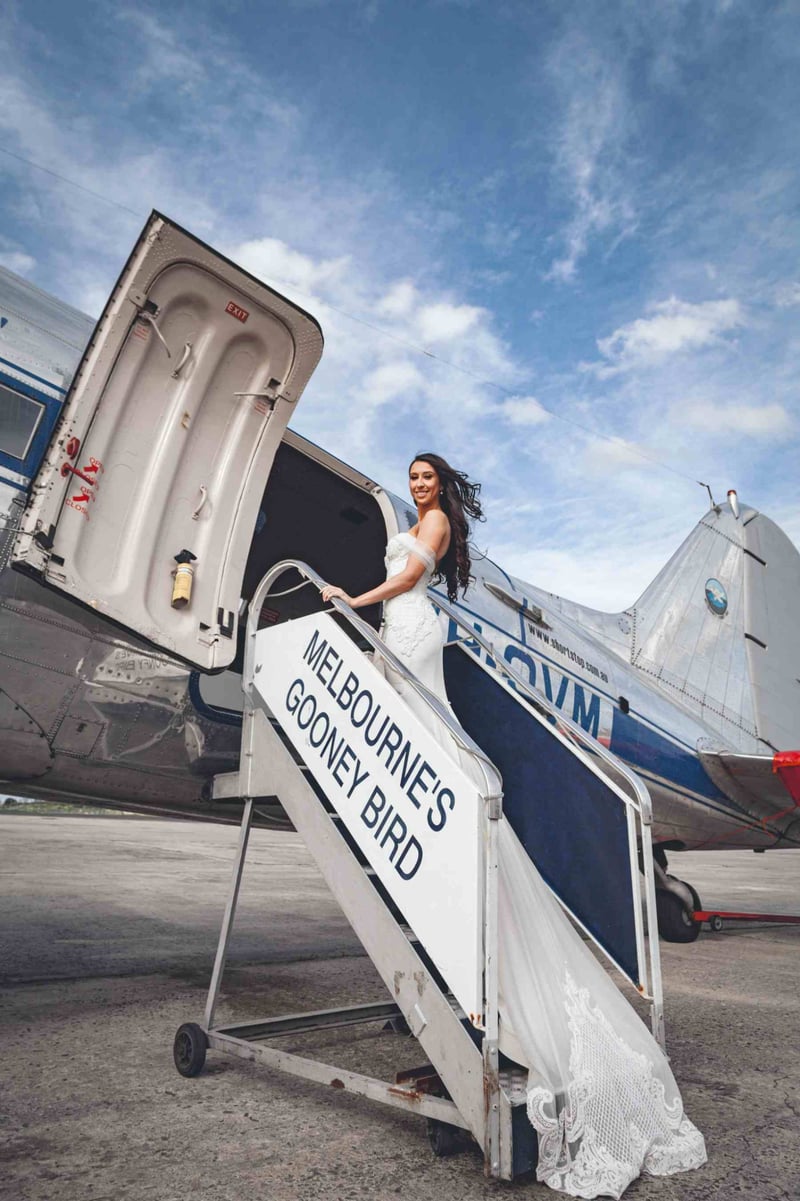
Your venue is one of the biggest decisions in the entire wedding planning process. It sets the tone for your day, determines your date, shapes your guest capacity, and influences the overall style of everything else.
In Australia, popular venue types include beachfront locations, wineries and vineyards, rural estates and farms, hotel ballrooms, and botanical gardens. Most Australian couples choose venues that suit their climate and setting – outdoor ceremonies are popular across the country, particularly in the spring and autumn months when temperatures are more forgiving.
When choosing your venue, consider:
- Capacity – does it comfortably accommodate your guest list?
- Location and accessibility – is it easy for guests to get to, and is accommodation nearby?
- Indoor and outdoor options – what’s the contingency plan if the weather doesn’t cooperate?
- Included services – does catering, furniture, or coordination come with the venue hire?
It’s worth booking your venue as early as possible, especially for peak seasons. Popular venues in Australia – particularly in coastal and wine-region areas – can book out 12 to 18 months in advance.
Browse wedding venues in Australia on Bridebook.
Step 5: Book Key Vendors
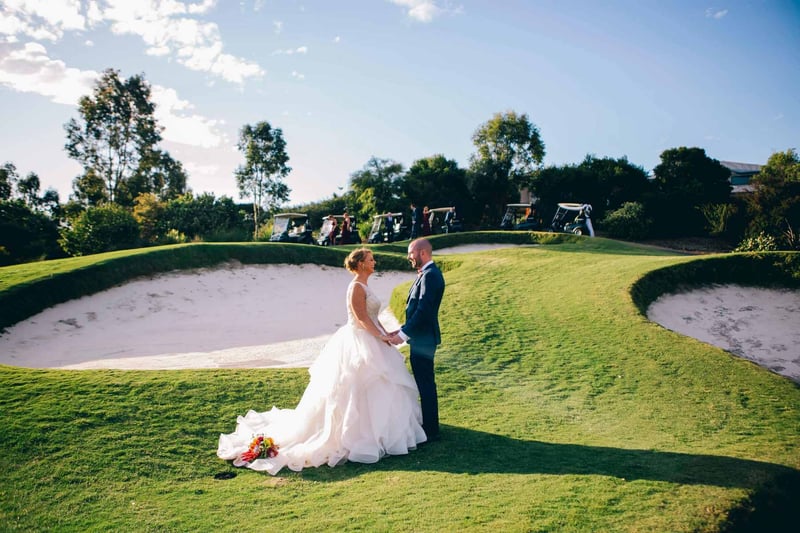
Once your venue is secured, your next priority is locking in your key suppliers. These are the professionals who bring your vision to life, and the best ones fill up fast.
Essential vendors to book early:
- Photographer and/or videographer – captures your memories; book as early as possible, as sought-after photographers are often booked 12–18 months ahead
- Caterer – if catering isn’t included with your venue
- Celebrant – required to legally solemnise your wedding in Australia; many couples choose a celebrant who reflects their values and personality
- Entertainment – whether that’s a DJ, a live band, or a string quartet
- Florist – for bouquets, ceremony florals, and reception décor
When researching vendors, read reviews, view portfolios, and schedule consultations before committing. Make sure contracts clearly outline what’s included, payment schedules, and cancellation terms.
Step 6: Plan the Details
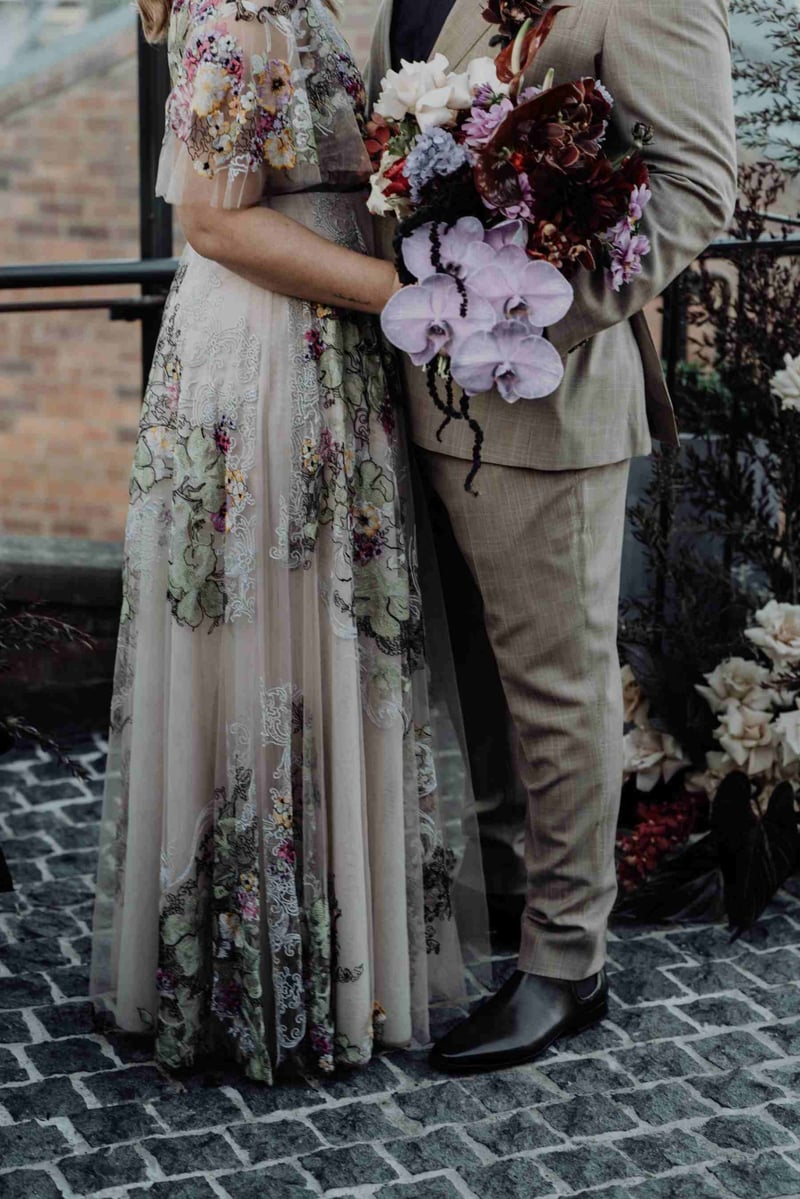
Once the big decisions are in place, it’s time to focus on the details that make your day feel personal. This is often the most creative and enjoyable stage of the whole process – and the most manageable when you take it category by category.
Attire Your wedding dress, suit, or outfit – along with accessories and shoes. Build in plenty of lead time for fittings and alterations, especially if ordering from overseas. Don’t forget outfits for the wedding party.
Flowers and décor Bouquets and buttonholes, ceremony styling, and reception centrepieces. A good florist will help you work with what’s in season and in budget.
Invitations and stationery Save-the-dates, formal invitations, on-the-day signage, menus, and place cards. Allow time for printing and postage, particularly for international guests.
Food and drink Menu selection, dietary requirements, and drinks packages. If your venue has a preferred caterer, book a tasting session early to confirm you’re happy with the offering.
Spread these decisions out over time rather than tackling them all at once – a realistic timeline makes this stage genuinely enjoyable rather than overwhelming.
Step 7: Create a Wedding Timeline
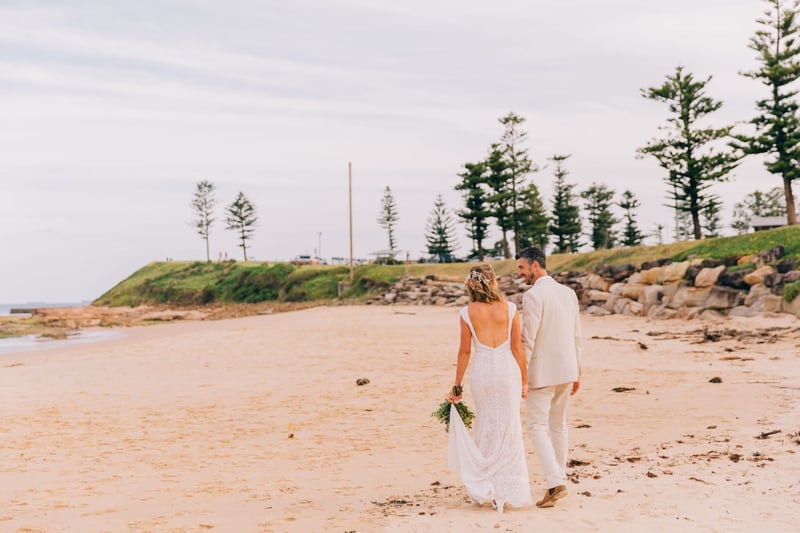
A clear planning timeline keeps you organised, reduces last-minute stress, and ensures nothing slips through the gaps. Most Australian couples plan over 12 to 18 months, though a shorter timeline is absolutely achievable with good organisation.
A typical planning timeline might look like this:
12+ months before
- Set your budget
- Draft your guest list
- Book your venue
9–12 months before
- Book key vendors (photographer, caterer, entertainment, celebrant)
- Choose your wedding party
6–9 months before
- Purchase or commission your attire
- Send save-the-dates
3–6 months before
- Finalise décor, flowers, and stationery
- Send formal invitations
1–3 months before
- Confirm RSVPs
- Build your seating chart
Final month
- Confirm all suppliers
- Final fittings
- Prepare your on-the-day timeline
Check our wedding day timeline here.
Step 8: Finalise the Details
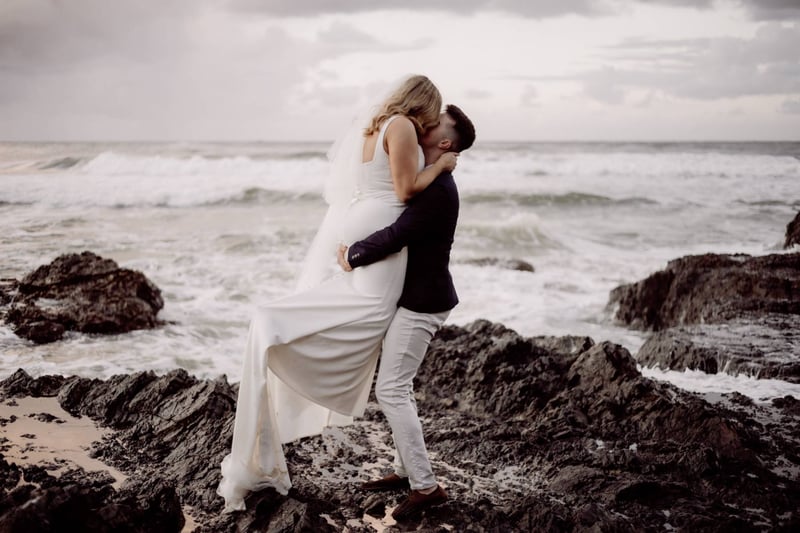
As your wedding day approaches, it’s time to bring everything together. The final weeks are about tying up loose ends, confirming details, and making sure everyone knows where to be and when.
Key tasks for the final stretch:
- Finalise your wedding seating chart and prepare place cards
- Confirm timings with all vendors – caterer, photographer, celebrant, entertainment
- Pay any outstanding invoices (check your contracts for final payment deadlines)
- Prepare your vows if you’re writing your own
- Put together an on-the-day schedule and share it with your wedding party, venue coordinator, and key vendors
- Pack a small emergency kit for the day – fashion tape, pain relief, a phone charger, and a snack or two go a long way
The more you can confirm and communicate in advance, the more relaxed you’ll feel on the day itself.
Plan Your Wedding With Bridebook
Planning a wedding doesn’t have to feel stressful – especially when you have the right tools behind you.
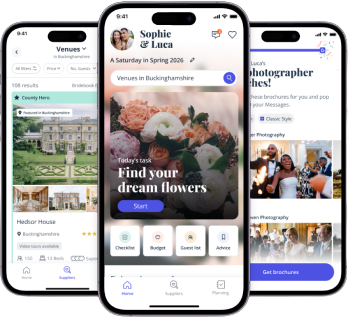
Bridebook, the world’s #1 wedding planning platform, is used by over 2.8 million couples to plan their wedding, free on iOS, Android, and web. From your first steps to the final details, Bridebook helps you:
- Work through your planning checklist step by step
- Manage your wedding budget across every category, in one place
- Organise your guest list and track RSVPs
- Build your seating chart
- Discover and connect with venues and suppliers across Australia
Create your free Bridebook account and start planning your wedding today.
Frequently Asked Questions
How do I start planning a wedding in Australia?
Start by setting your vision, budget, and guest list – these three decisions form the foundation of everything else.
Once you know roughly what you want, how much you have to spend, and how many people you’re inviting, every other decision becomes easier.
How long does it take to plan a wedding in Australia?
Most couples in Australia plan over 12 to 18 months, though it’s possible to organise a wedding in less time with a clear checklist and good organisation.
What should I book first when planning a wedding?
Your venue should be your first booking. It determines your date and sets the tone for everything else. From there, lock in your photographer and celebrant as early as possible – both tend to book up quickly.
How much does a wedding cost in Australia?
The average wedding in Australia costs between $35,000 and $40,000 AUD, though this varies depending on guest count, location, and priorities. It’s possible to plan a beautiful wedding for significantly less with careful budgeting.
Do I need a wedding planner in Australia?
Not necessarily. Many couples plan their own wedding using a checklist and digital tools. A wedding planner can be a worthwhile investment if you have a complex wedding, a very short planning timeline, or simply want professional support – but it’s not a requirement.
How do I stay organised while planning a wedding?
Using a digital planning tool like Bridebook lets you manage your checklist, budget, guest list, and vendor contacts all in one place – which makes the whole process much more manageable.
Why Trust Bridebook
Bridebook is the world’s #1 wedding planning platform, used by over 2.8 million couples. Our content is informed by real data from the Bridebook Wedding Report, which draws on responses from thousands of couples planning their weddings each year. Where expert input is included, contributors are named and their credentials verified. We update our articles regularly to ensure prices, statistics, and advice reflect current market conditions.
Last reviewed: June 2026
Related articles