The Ultimate Wedding Planning Checklist for Australian Couples

Getting engaged is one of the most exciting moments of your life – and then the planning begins. From choosing your venue to designing your invitations, planning a wedding is a chance to create a day that’s entirely yours.
But with so many decisions to make across so many months, it can quickly start to feel overwhelming.
It doesn’t have to. A clear wedding planning checklist breaks the process into manageable stages, so you always know what to focus on next, nothing important gets missed, and the whole experience feels a lot more enjoyable.
Whether you’re newly engaged or already thinking about venues, this complete wedding planning checklist for Australian couples guides you through every stage – from more than a year out to the week of your wedding.
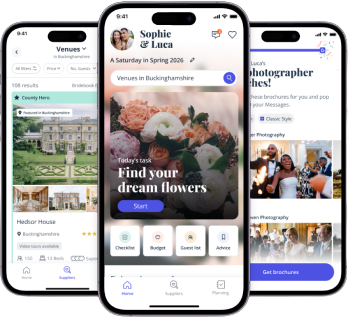
Create your wedding planning checklist with Bridebook – it’s free.
The Complete Wedding Planning Checklist Timeline
Most Australian couples spend around 12 to 18 months planning their wedding. That gives you enough time to secure your ideal venue and vendors without feeling rushed – and to actually enjoy the process.
Below is your step-by-step wedding to-do list, organised by timeline, so you always know what to focus on next.
12+ Months Before the Wedding
These early wedding planning steps lay the foundation for everything else. Some of the biggest decisions happen here, so give them the time they deserve.
Set your wedding budget
Before booking anything, you need a clear budget. In Australia, the average wedding costs between $35,000 and $40,000 AUD – though this varies significantly based on location, guest count, and what you choose to prioritise.
Start by reviewing your savings and agreeing on a realistic total spend, then add a 5–10% buffer for unexpected costs. If you’re planning to ask family members to contribute, have those conversations now – early clarity prevents misunderstandings later.
Your budget will influence nearly every decision that follows, from your venue to your vendors, so it’s worth getting aligned on it from day one.
Discuss your wedding vision
Before you dive into bookings, make sure you and your partner are on the same page about what you actually want. Think about the atmosphere you’re after – formal or relaxed, indoor or outdoor.
Outdoor weddings are hugely popular in Australia, with beaches, countryside locations, and vineyards all making for stunning settings. You’ll also want to agree on size: an intimate gathering has a very different feel to a large celebration with hundreds of guests.
A shared vision makes every future decision easier.
Draft your guest list
Your guest list shapes your budget and your venue search – so getting a rough idea of numbers early matters. Start broad and refine as you go, breaking guests into categories: immediate family and close friends, extended family, and plus-ones.
You don’t need a final list at this stage – just a working estimate that gives you a sense of the venue size you’ll need.
Research wedding venues
Australia offers an extraordinary range of wedding venues, from beachfront locations and wineries in the Barossa Valley, Yarra Valley, and Hunter Valley to rustic farms, luxury hotels, and garden settings.
Start your research early, particularly if you’re planning a summer or weekend wedding – the most sought-after venues fill up fast.
Choose a wedding date
Your date will depend on venue availability, the season, and your budget. In Australia, spring and autumn are the most popular seasons for outdoor weddings thanks to the mild weather; summer is busy and tends to come at a premium; winter can offer better value if you’re flexible.
Where possible, keep some flexibility on dates – it significantly increases your chances of securing your first-choice venue.
9–12 Months Before the Wedding
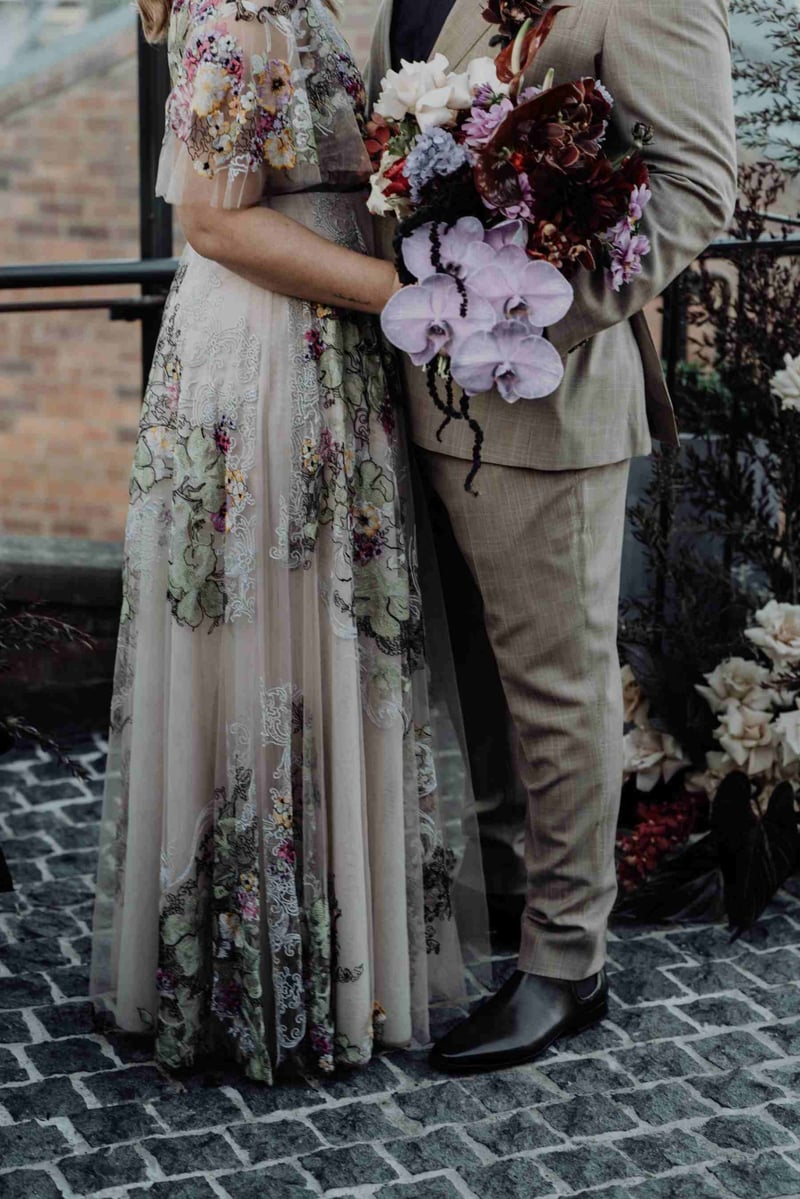
With your foundations in place, it’s time to start booking the key elements.
Book your wedding venue
Your venue is your biggest and most time-sensitive booking. When evaluating options, consider capacity, what’s included in the hire (catering, furniture, coordination), wet weather contingency plans, and accessibility for guests travelling from further afield.
Once you find the right venue and it fits your budget, book it – popular venues across Australia can fill more than a year in advance.
Discover wedding venues across Australia here.
Hire your photographer and videographer
Your photographer and videographer capture the memories that last long after the day itself – choose carefully.
Look for a style you love, a consistent portfolio, and strong reviews. The best photographers in Australia book up quickly, so don’t leave this one too long.
Choose your wedding party
Ask your nearest and dearest – bridesmaids, groomsmen, maid of honour, best man – with enough notice for them to plan ahead. The earlier you ask, the more time everyone has to prepare.
Start dress and attire shopping
Wedding attire can take several months to order, make, and alter. Starting early gives you more choice, more time for fittings, and significantly less stress.
Book key vendors
Begin securing your caterer (if not included in your venue), celebrant, florist, and entertainment. In Australia, your celebrant is a legal requirement – you’ll need a registered marriage celebrant to solemnise your wedding – so this isn’t one to leave until later.
6–9 Months Before the Wedding
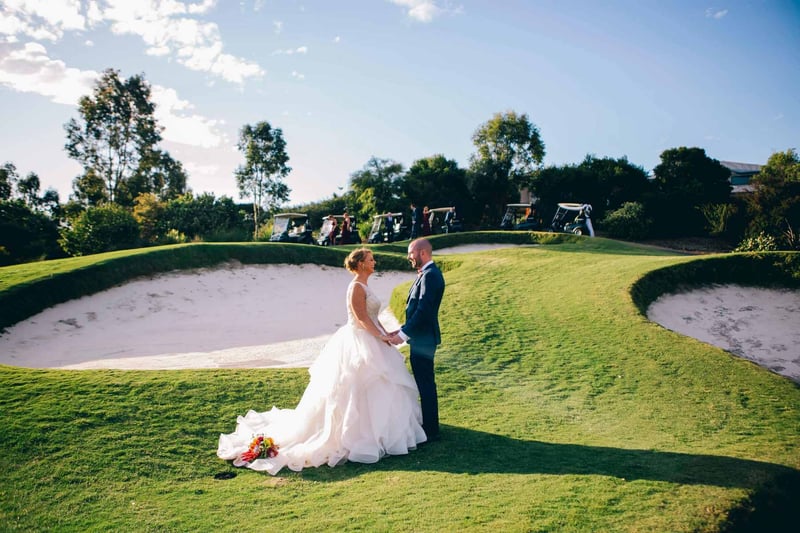
Your wedding is starting to feel real. This stage is about locking in the supporting details.
Send save-the-dates
Particularly important in Australia, where guests may need to travel long distances – or even interstate. Include your names, wedding date, and general location so guests can start making arrangements.
Finalise catering and entertainment
If your venue doesn’t include catering, confirm your caterer now. Also lock in your DJ or band, ceremony music, and any other entertainment for the reception.
Plan transport
Think through wedding party transport, guest shuttles if your venue is in a remote or regional location, and arrival and departure logistics for the day itself.
Finalise your theme and décor
Confirm your colour palette, table settings, and styling direction. Getting this locked in now ensures consistency across all your vendors – florist, stationer, venue stylist – and prevents last-minute changes.
Book accommodation for guests
Reserve hotel room blocks or put together a list of nearby accommodation options for out-of-town guests. For regional and destination weddings especially, the more notice you give, the better.
3–6 Months Before the Wedding
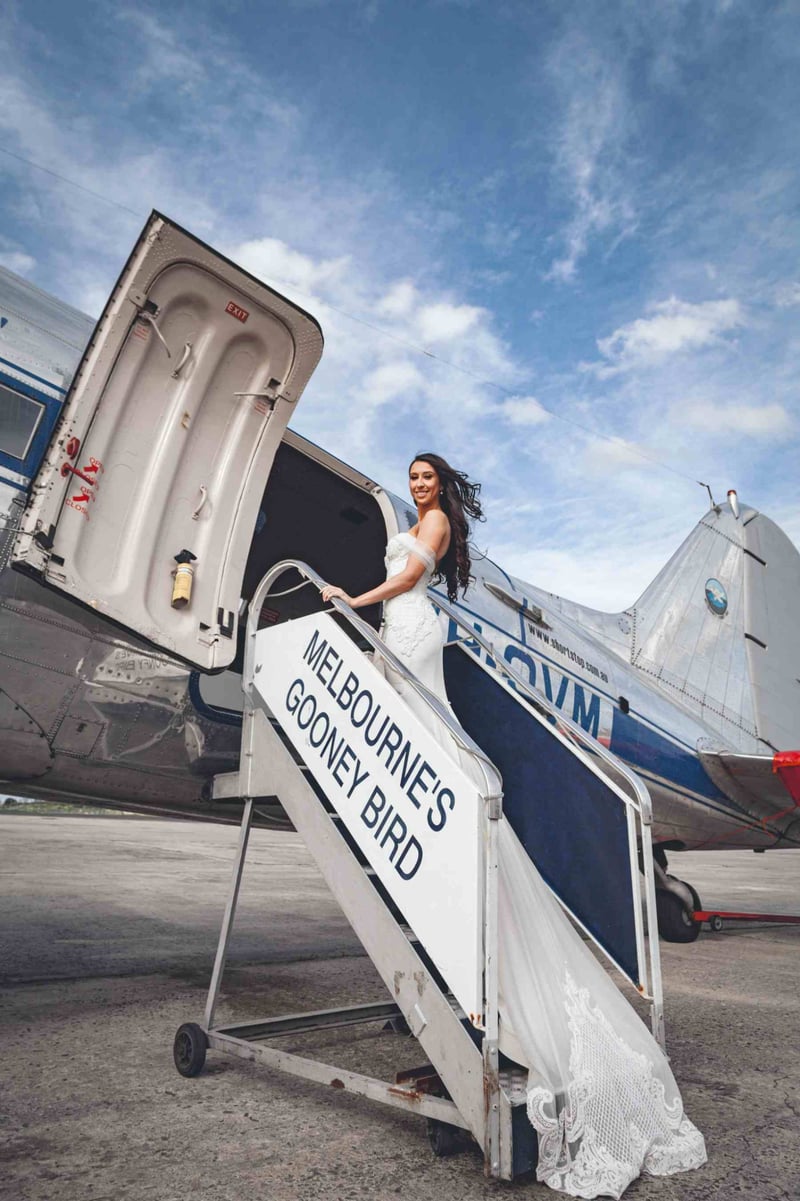
Time to focus on the finer details.
Order and send invitations
Send formal invitations around 8–12 weeks before your wedding. Include RSVP details, venue information, and any key schedule highlights guests need to know about.
Plan your ceremony
Work with your celebrant to finalise your vows, readings, music, and ceremony structure. A good celebrant will guide you through the legal requirements and help you shape something that feels genuinely personal.
Choose your wedding rings
Allow time for resizing or custom designs – don’t leave this to the last minute.
Book hair and makeup
Schedule trials well ahead of the day so you can confirm your look with confidence.
Organise guest accommodation and travel
Follow up with your wedding party, close family, and any guests travelling from interstate or overseas to confirm their arrangements are in place.
1–3 Months Before the Wedding
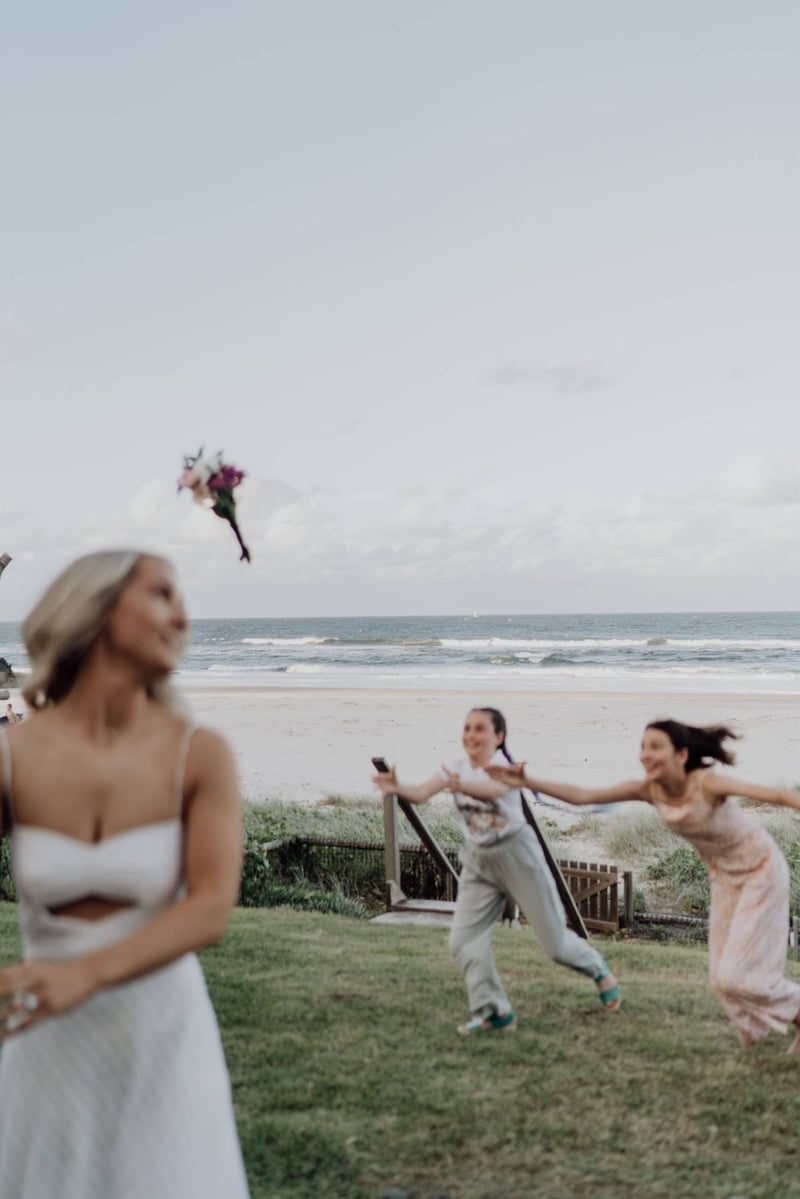
This stage is about locking everything down.
Finalise your guest list
Chase outstanding RSVPs and confirm your final numbers with the venue and caterer.
Create your seating plan
Organise guests into tables with an eye on relationships, friend groups, and family dynamics. Keep it balanced when planning your wedding seating chart – and try not to overthink the family politics.
Confirm all vendors
Double-check timings, services, and final payments with every supplier. Clear communication at this stage prevents last-minute issues on the day.
Plan your wedding rehearsal
Organise a rehearsal with your wedding party and celebrant so everyone knows where to be and what to do.
Write your vows
If you’re writing your own wedding vows, start now and give yourself time to refine them. Last-minute vow-writing is one of the most avoidable pre-wedding stresses.
Final Month Before the Wedding
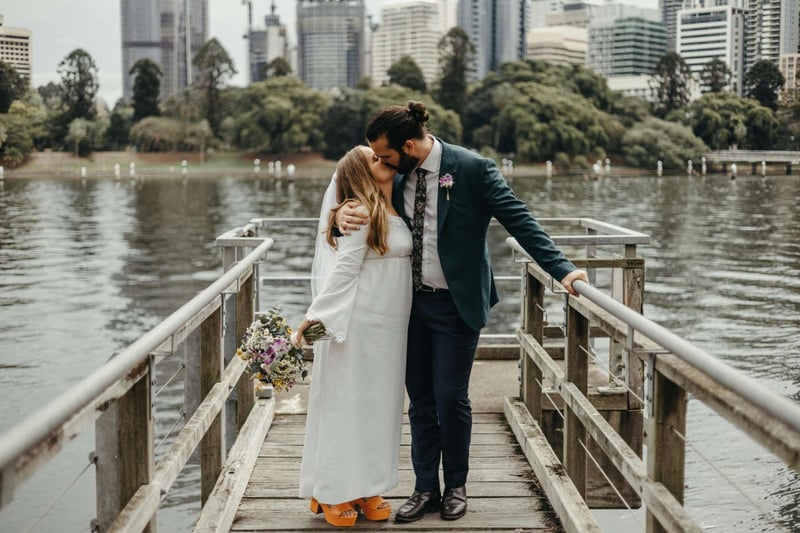
Everything should be coming together. This month is about confirming, not deciding.
Attend final dress fittings
Confirm everything fits perfectly and is ready to go.
Confirm your wedding day timeline
Your on-the-day wedding schedule should cover ceremony timing, reception flow, speeches, and key moments. Share it with your wedding party, venue coordinator, and all vendors.
Final vendor check-ins
Confirm arrival times and logistics with every supplier.
Organise outstanding payments
Ensure all invoices are paid or scheduled — check your contracts for final payment deadlines.
Wedding Week Checklist
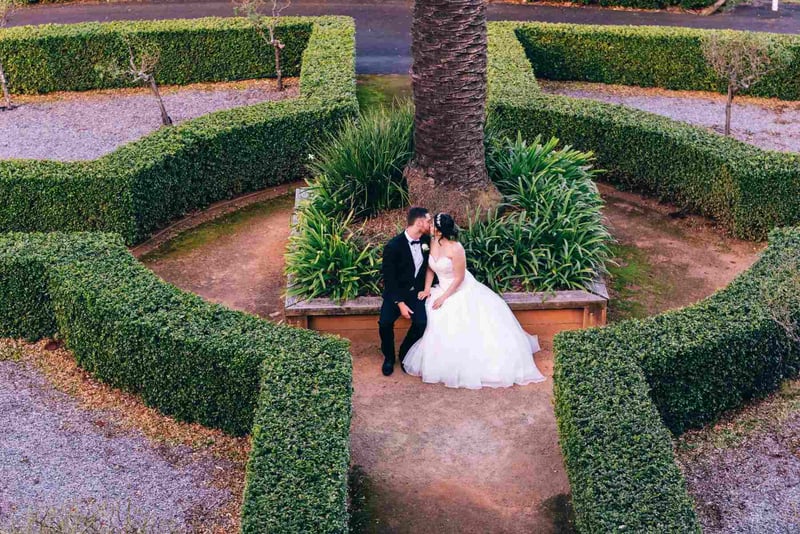
The final week should feel like anticipation, not stress. By now, the planning is done.
- Confirm final details with your venue and key vendors
- Pack an emergency kit: safety pins, tissues, snacks, pain relief, plasters, fashion tape, and a phone charger
- Finalise and practise any speeches
- Double-check transport timings and locations
- Run through the ceremony one last time
- Rest, hydrate, and enjoy the build-up
Plan Your Wedding Checklist in Australia With Bridebook
A checklist is only as useful as the tool you use to manage it. Bridebook, the world’s #1 wedding planning platform used by over 2.8 million couples, brings everything together in one place – free on iOS, Android, and web.
With Bridebook, you can track your full wedding planning checklist, manage your guest list, organise your budget, discover venues and vendors across Australia, and build your complete wedding timeline – all in one place, from any device.
Create your free Bridebook account and start planning today.
Common Wedding Planning Mistakes to Avoid
Even with the best checklist, a few pitfalls catch couples out. Here’s what to watch for:
Leaving things too late. Popular venues and vendors book quickly across Australia – particularly in wine regions and coastal areas. Start early and don’t assume availability.
Underestimating costs. Always build in a contingency buffer of 5–10%. Unexpected costs are almost universal, and a buffer means they don’t derail your plans.
Ignoring your timeline. A checklist only works if you stick to it. Revisit yours regularly and adjust as things move forward.
Trying to do everything yourself. Delegate where you can. If the workload feels unmanageable, a wedding planner or coordinator – even for the day itself – can make a significant difference.
Frequently Asked Questions
What is a wedding planning checklist?
A wedding planning checklist is a structured list of tasks that covers every stage of the planning process, helping you stay organised and ensure nothing important gets missed.
When should I start my wedding planning checklist?
Most Australian couples start around 12 to 18 months before their wedding, which gives enough time for venue and vendor bookings without feeling rushed.
How long does it take to plan a wedding in Australia?
On average, 12 to 18 months – though a shorter timeline is achievable with good organisation and a clear checklist.
What should be first on my wedding to-do list?
Your budget. It shapes every decision that follows, from your venue to your guest count to your vendors.
When should I book my wedding venue in Australia?
As early as possible – ideally 12 to 18 months in advance, particularly for popular dates, peak seasons, or high-demand regional venues.
When should I send wedding invitations?
Around 8 to 12 weeks before your wedding date. If you have guests travelling from interstate or overseas, consider sending save-the-dates earlier – six to nine months out.
Do I need a celebrant to get married in Australia?
Yes. Australian law requires a registered marriage celebrant to legally solemnise your wedding. Your celebrant must also receive your Notice of Intended Marriage (NOIM) at least one month before your wedding date.
Why Trust Bridebook
Bridebook is the world’s #1 wedding planning platform, used by over 2.8 million couples. Our content is informed by real data from the Bridebook Wedding Report, which draws on responses from thousands of couples planning their weddings each year. Where expert input is included, contributors are named and their credentials verified. We update our articles regularly to ensure prices, statistics, and advice reflect current market conditions.
Last reviewed: June 2026