How to Plan a Wedding in Ireland: Your Complete Timeline

So, you’ve just got engaged – congratulations! The excitement of saying yes quickly gives way to a very big question: where on earth do you start? Wedding planning in Ireland is a wonderful experience, but it can feel overwhelming when you’re faced with long venue waiting lists, legal requirements, and a to-do list that seems to grow by the day.
The good news is that with a clear, structured approach to wedding planning, you can move through each stage calmly and confidently. This guide is your complete Irish wedding planning timeline, built specifically around the realities of getting married in Ireland.
How far in advance should you start planning a wedding in Ireland?
The short answer: as early as possible, and ideally 18 to 24 months before your wedding date if you have your heart set on a popular venue or a peak-season Saturday.
Ireland’s wedding venue market is highly competitive. Country house hotels, castle venues, and exclusive-use properties in counties like Clare, Galway, Kerry, and Wicklow frequently book out two years in advance, particularly for dates between May and September.
If you’re flexible on day of the week or are considering an off-peak winter wedding, you may find more availability at shorter notice – but as a general rule, the earlier you start, the more choice you’ll have.
There’s also an important legal reason to plan ahead: Irish law requires couples to give a minimum of three months’ notice of their intention to marry before their wedding day. This applies regardless of whether you’re having a civil, civil partnership, or religious ceremony. More on this below.
Your Irish wedding planning timeline

Here’s a milestone-by-milestone breakdown of everything you need to do, and when to do it.
18–24 months before: Foundations first
This is the stage where you make the biggest decisions. Start by having an honest conversation with your partner about the kind of wedding you both want — big or small, religious or civil, city or countryside. Once you have a shared vision, you can build everything else around it.
Your priorities at this stage should be setting your overall budget, choosing your wedding date or a shortlist of preferred dates, and booking your venue. These three things are closely connected: your venue will largely determine your guest numbers and your date options, and your budget will shape which venues are realistic. Browse the Bridebook Ireland venue directory to explore your options across every county and style.
Once your venue is confirmed, start thinking about overall guest numbers and begin building your preliminary guest list.
12–18 months before: Locking in your key suppliers
With your venue secured, it’s time to book the suppliers who tend to fill up fastest. In Ireland, that means your wedding photographer, videographer, and band or DJ. Talented photographers and live bands – particularly céilí and traditional Irish bands – often have waiting lists of 12 to 18 months for peak dates.
This is also the time to start thinking about your caterer if your venue uses external catering, and to research and book a florist if you have a specific look in mind. Begin your dress or suit search now – Irish bridal boutiques typically require six to nine months for made-to-order gowns, with alterations on top.
9–12 months before: Invitations, registrar, and attire
Order your wedding stationery now so you have time for design proofs and printing before your save-the-dates need to go out. Formally notify your officiant or registrar – whether you’re having a civil ceremony, a religious ceremony, or an independent celebrant – and confirm all details in writing.
If you’re planning a civil ceremony at a register office, this is also a good time to familiarise yourself with the process.
Continue narrowing down your bridal party attire, and start researching wedding rings. Book your hair and make-up artist at this stage if you haven’t already, as good ones book up quickly.
6–9 months before: The details take shape
Attend your menu tasting with your caterer or venue and finalise your food and drinks package. Confirm your transport arrangements – in Ireland, classic cars, vintage buses, and horse-drawn carriages are all popular choices, and good providers get booked up quickly.
Plan and book your hen and stag parties. Research and book your wedding night accommodation and honeymoon if you’re taking one. Send your formal invitations six to eight weeks before the wedding, though you may want to send save-the-dates at this stage for destination guests or those travelling from abroad.
3–6 months before: Admin and legal notice

This is when Irish couples must complete one of the most important legal steps in the entire process: giving formal notification of their intention to marry. You must do this at least three months before your wedding date – see the legal requirements section below for exactly how this works.
Chase RSVPs and begin building your seating plan as responses come in. Finalise your ceremony order of service, choose your readings, and confirm any music with your musicians. Arrange wedding insurance if you haven’t already.
1–3 months before: Final preparations
Book your final dress and suit fittings. Confirm all supplier bookings in writing and ensure deposits and final payments are scheduled. Write your run sheet – a detailed minute-by-minute timeline of your wedding day – and share it with your venue coordinator, photographer, and band leader.
Arrange your rehearsal dinner if you’re having one, and confirm logistics with out-of-town guests. Prepare your wedding day emergency kit (safety pins, stain remover, painkillers, a phone charger – the essentials).
The final weeks: Finishing touches

Complete any beauty trials with your hair and make-up artist so you know exactly how you’ll look on the day. Prepare your supplier tip envelopes – in Ireland it is customary to tip your photographer, band, and catering staff, though not obligatory. Confirm final guest numbers with your venue and caterer. Pack for your honeymoon, arrange for someone to collect gifts from the venue, and – most importantly – take a breath. You’ve done the hard work. Enjoy it.
Ireland’s legal requirements – what you can’t skip
This is the section that catches many couples off guard, and it is genuinely unique to Ireland. Whether you’re having a church wedding, a civil ceremony, or a ceremony conducted by an independent celebrant, all couples marrying in the Republic of Ireland must follow the same legal notification process. Here is exactly how it works:
- Give three months’ notice. You must notify a Registrar of your intention to marry at least three months before your wedding date. This is a legal minimum – you cannot marry in Ireland without completing this step. It’s advisable to do this as early as possible, as registrar appointment slots can fill up, and you will not receive your Marriage Registration Form (MRF) until this process is complete.
- Book an appointment at your local Civil Registration Office. Both parties must appear in person at a HSE Civil Registration Office to give their notification. You can find your nearest office through the HSE website. Bring valid photo ID (passport or driving licence), your PPS numbers, and your birth certificates. If either party has been previously married or in a civil partnership, you will also need your divorce decree or death certificate.
- Complete the notification form. At the appointment, you will complete a formal notification of intention to marry. The registrar will check your documents and, once satisfied, will issue you a Marriage Registration Form (MRF). This form is essential – your ceremony cannot legally proceed without it.
- Attend the green folder appointment. Once your paperwork is in order, the registrar will schedule what is commonly known in Ireland as the “green folder appointment.” This is a follow-up meeting – named after the distinctive green folder used to hold all your documentation – where the registrar reviews your completed paperwork, confirms the details of your ceremony, and ensures everything is legally in order before your wedding day. If your ceremony is being performed by an independent registered solemniser rather than a registrar, the solemniser will guide you through this stage.
- Your solemniser registers the marriage. After the ceremony, your solemniser (the registrar, priest, imam, celebrant, or other authorised person) is responsible for registering your marriage with the General Register Office (GRO). You will receive a copy of your marriage certificate in due course.
How Bridebook can help you plan your Irish wedding
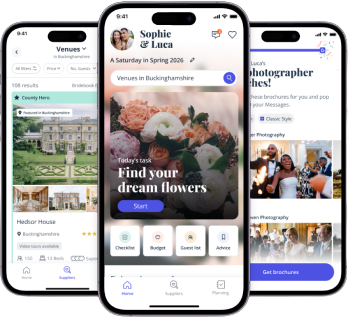
Bridebook is the UK and Ireland’s leading wedding planning platform, and it’s designed to take the stress out of every stage of your planning journey. Here’s what you get when you sign up:
A personalised planning checklist. The Bridebook app gives you a complete, customisable wedding planning checklist tailored to your date and preferences. Every task is organised by timeline, so you always know what needs to be done next – whether you’re 18 months out or counting down the final weeks.
Ireland’s most comprehensive venue directory. Browse hundreds of wedding venues across every county in Ireland, filtered by guest capacity, style, location, and budget. Compare shortlisted venues side by side and get in touch directly through the platform. Start your search in the Bridebook Ireland venue directory.
Supplier management tools. Keep all your supplier contacts, contracts, and payments in one place. The Bridebook dashboard lets you track what’s been paid, what’s outstanding, and who you still need to contact – so nothing falls through the cracks.
Budget tracker. Set your overall budget and track spending across every category in real time. Our free wedding budget tool walks you through how to allocate your budget wisely from the very start.
Ready to start planning?
The key to a smooth, enjoyable wedding planning experience is starting early, staying organised, and knowing the Ireland-specific steps – especially the legal requirements – before they sneak up on you. With the right tools and a clear timeline, the process can be genuinely exciting rather than overwhelming.
Download Bridebook to start planning your perfect wedding in Ireland now.