Description
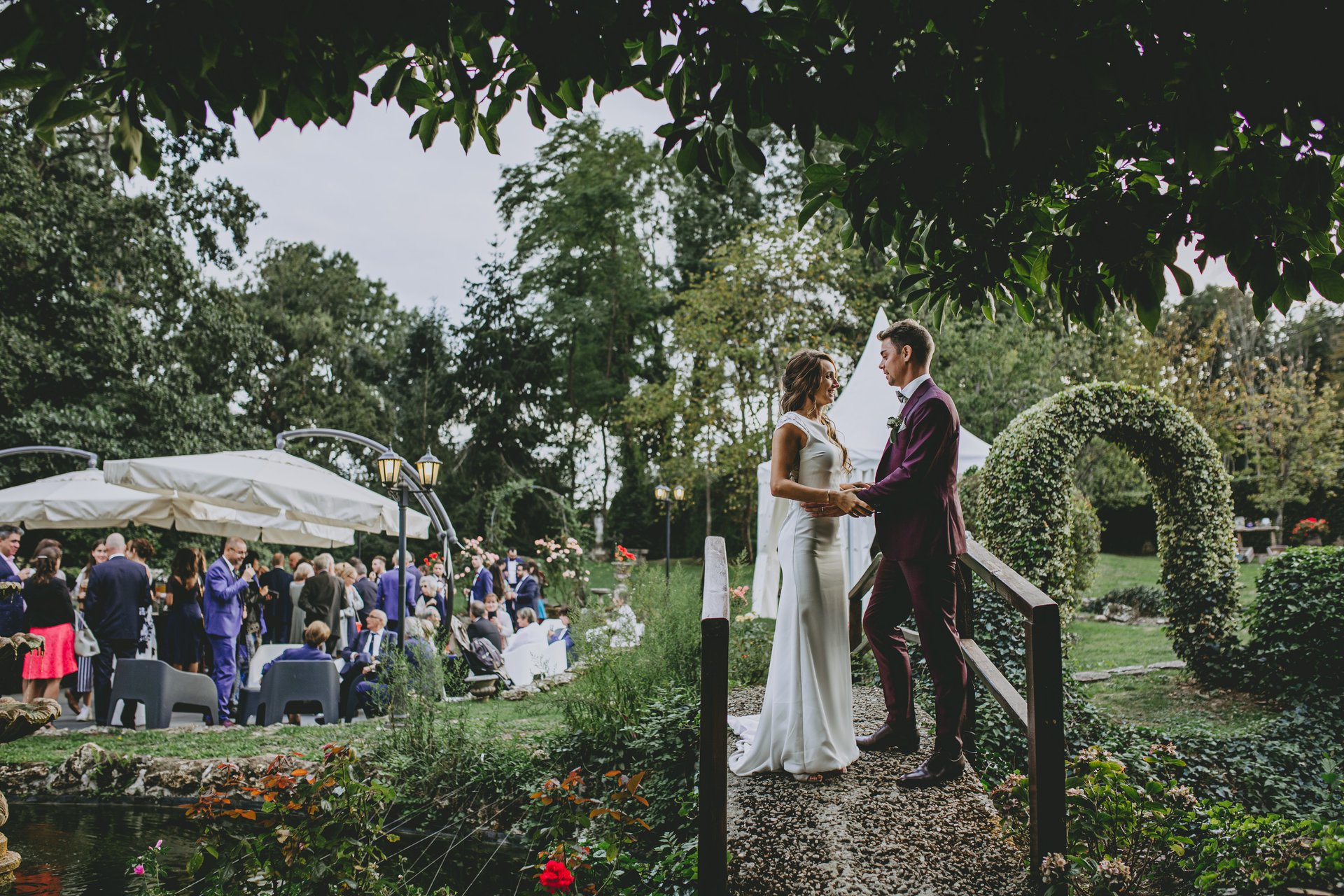
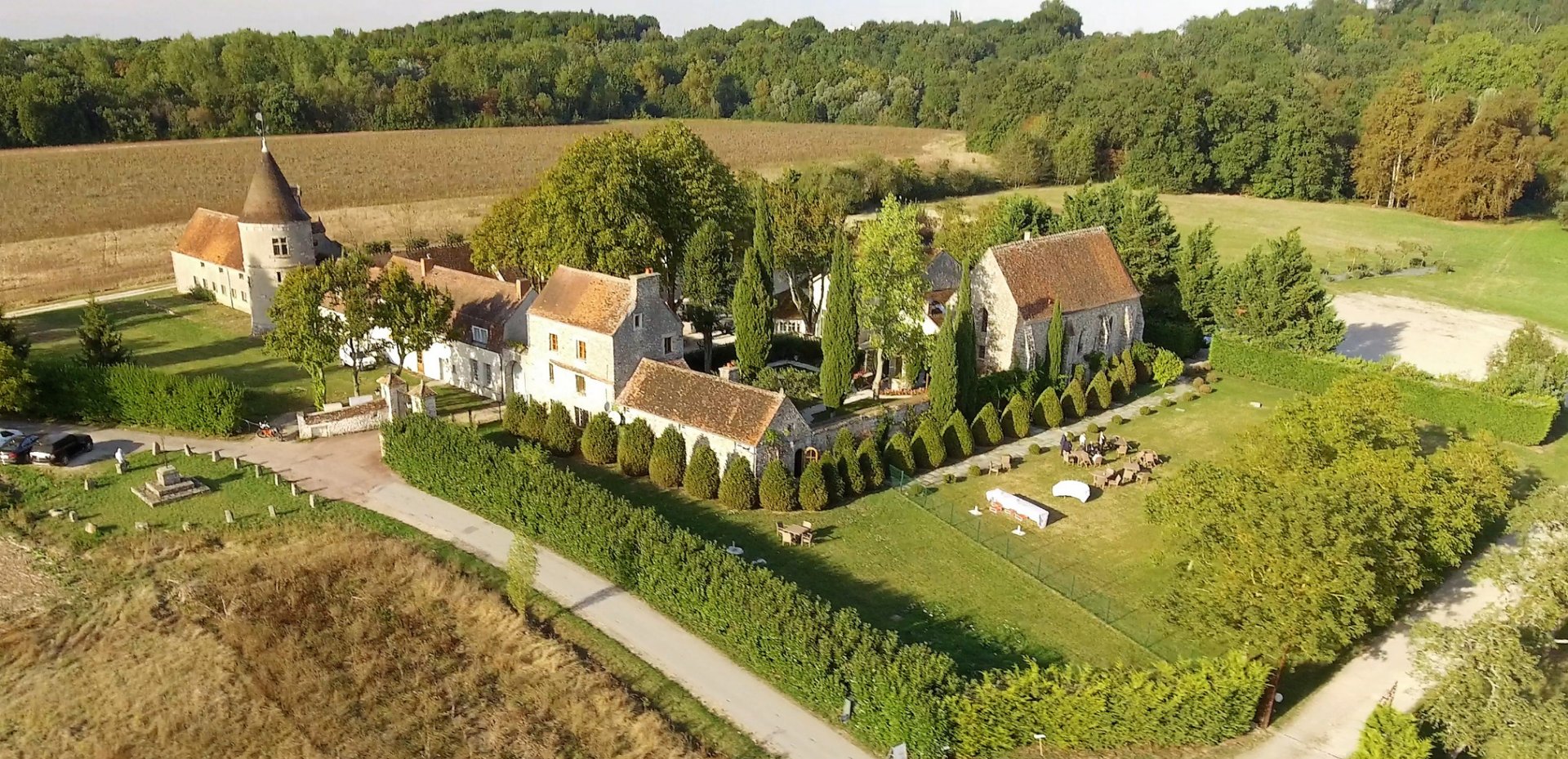
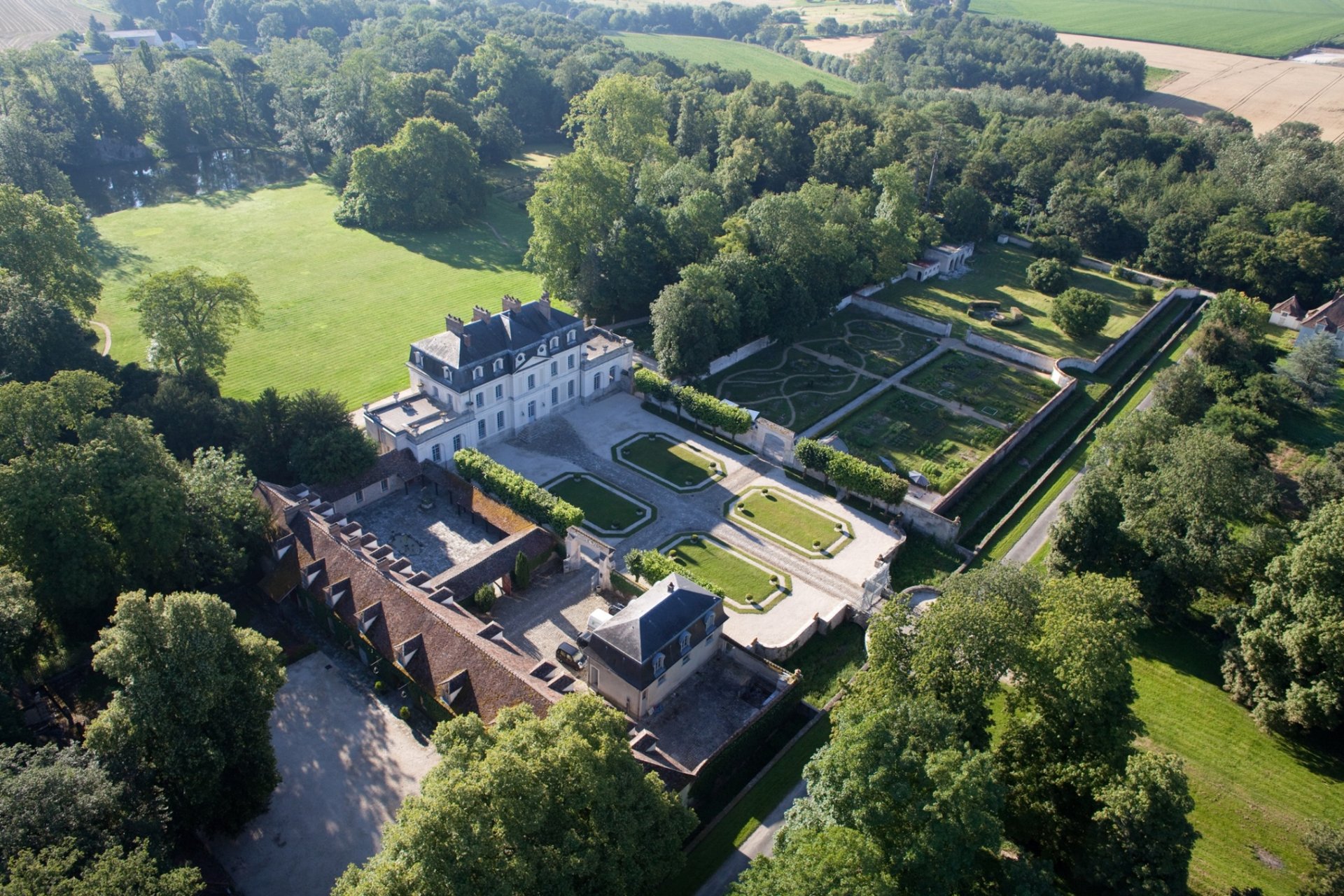
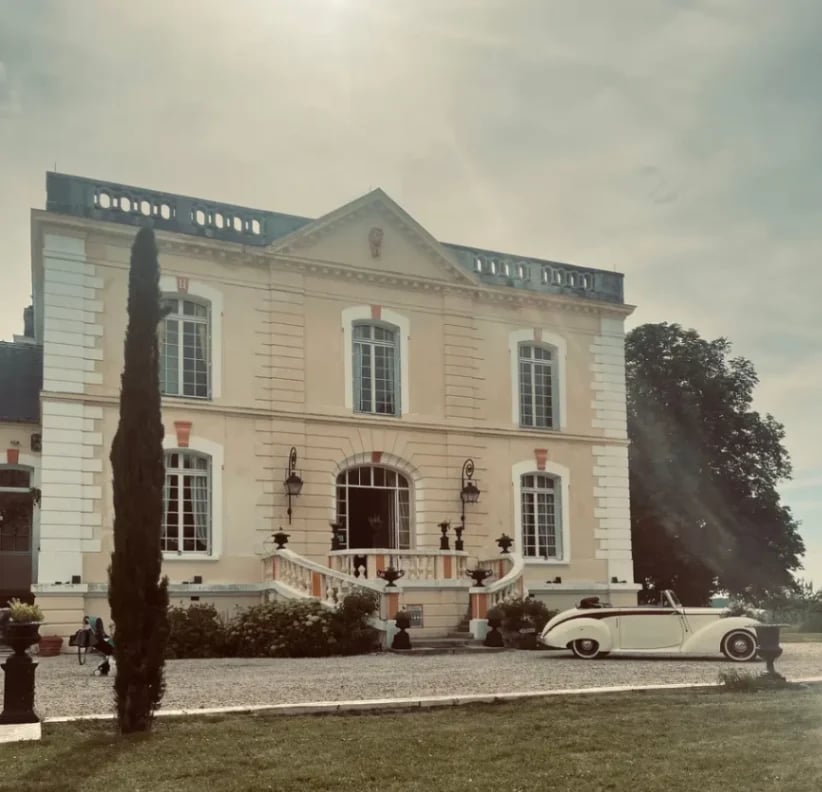
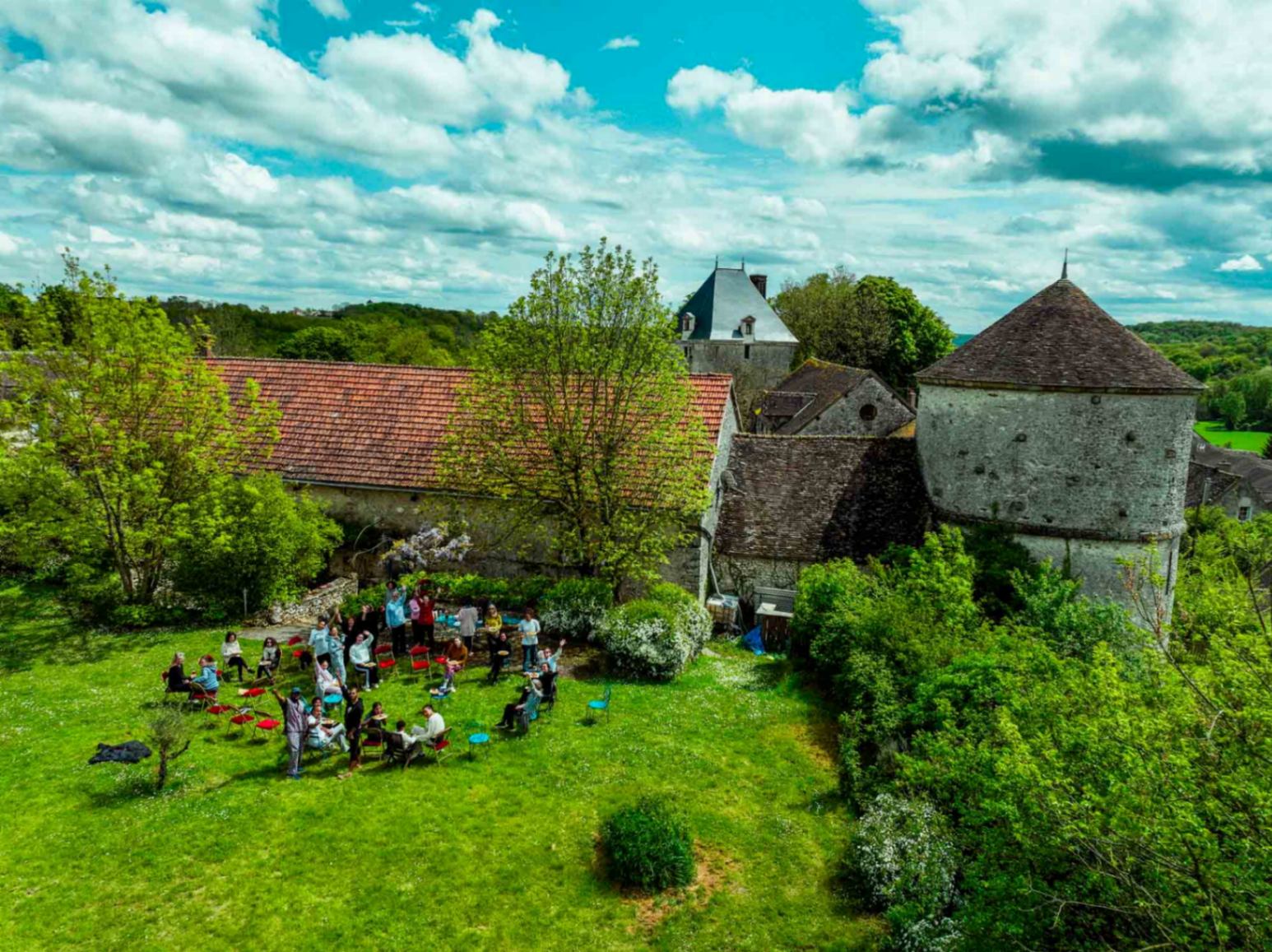
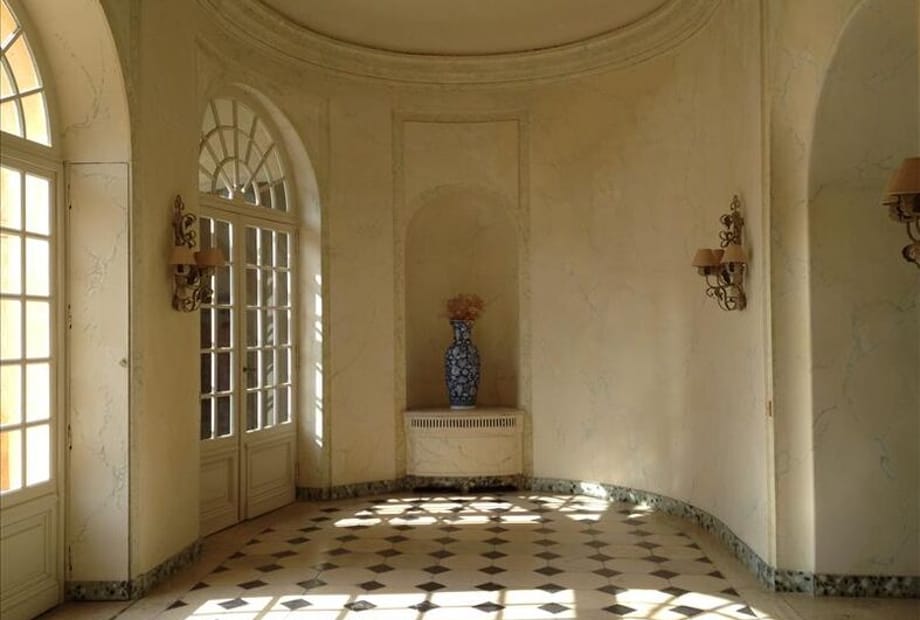
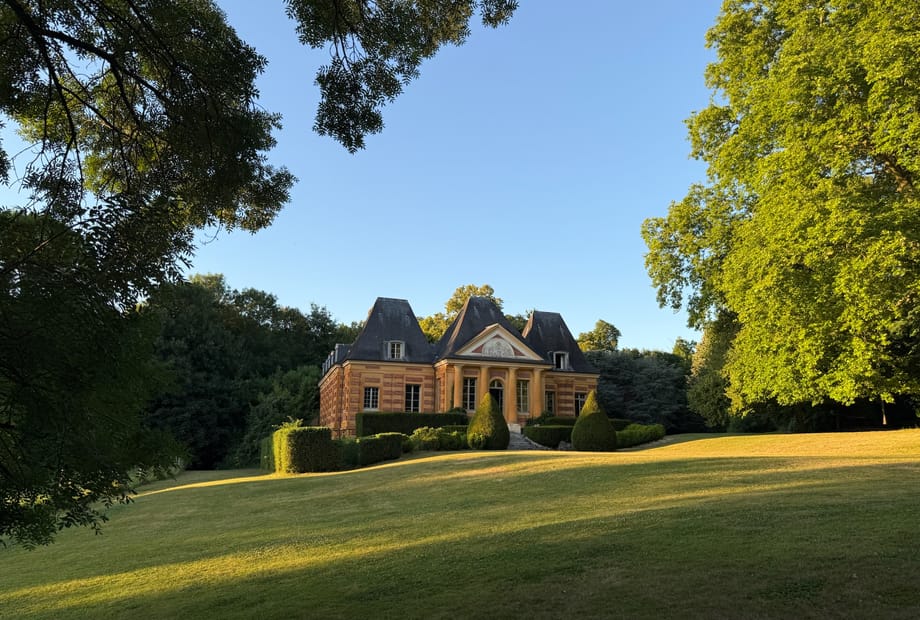
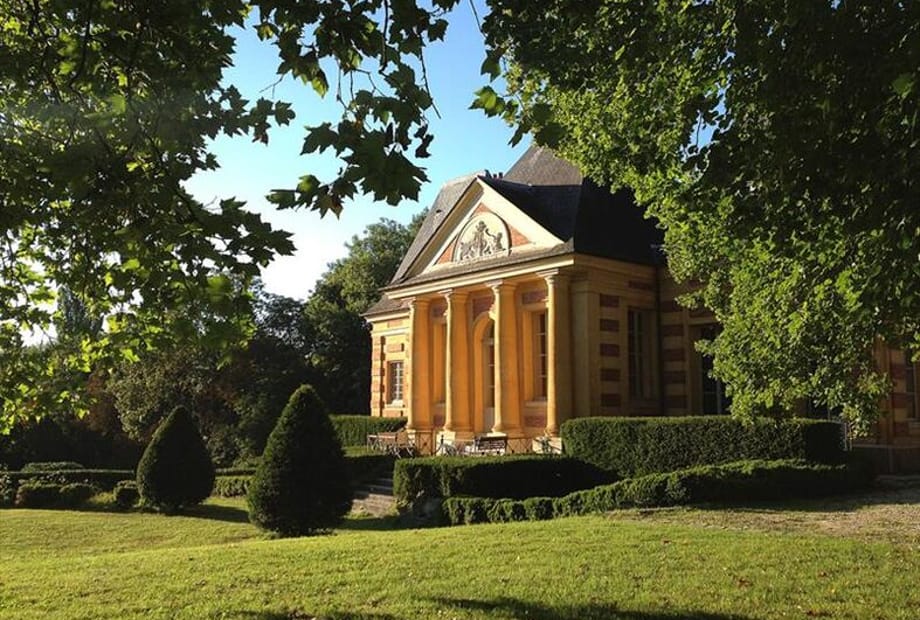
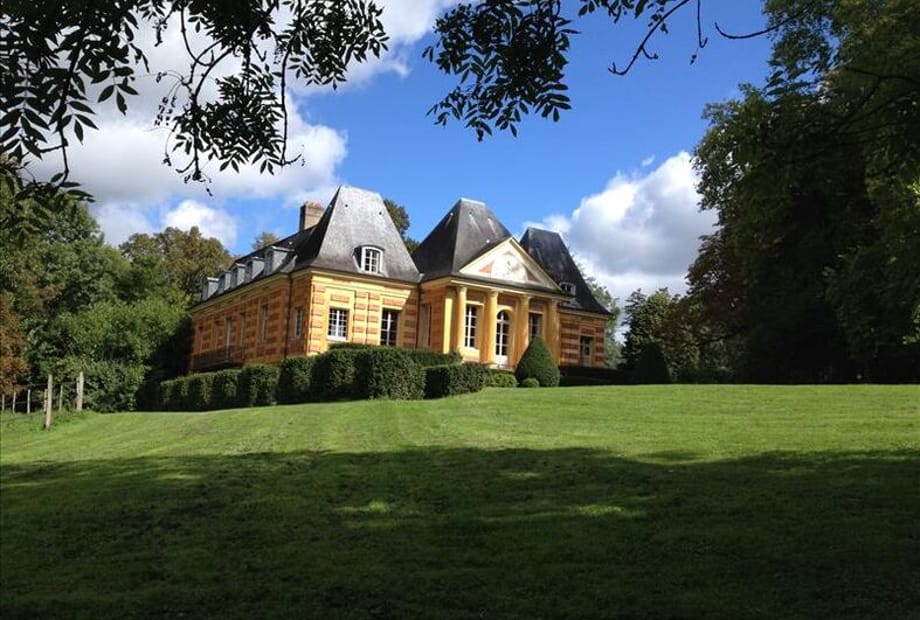
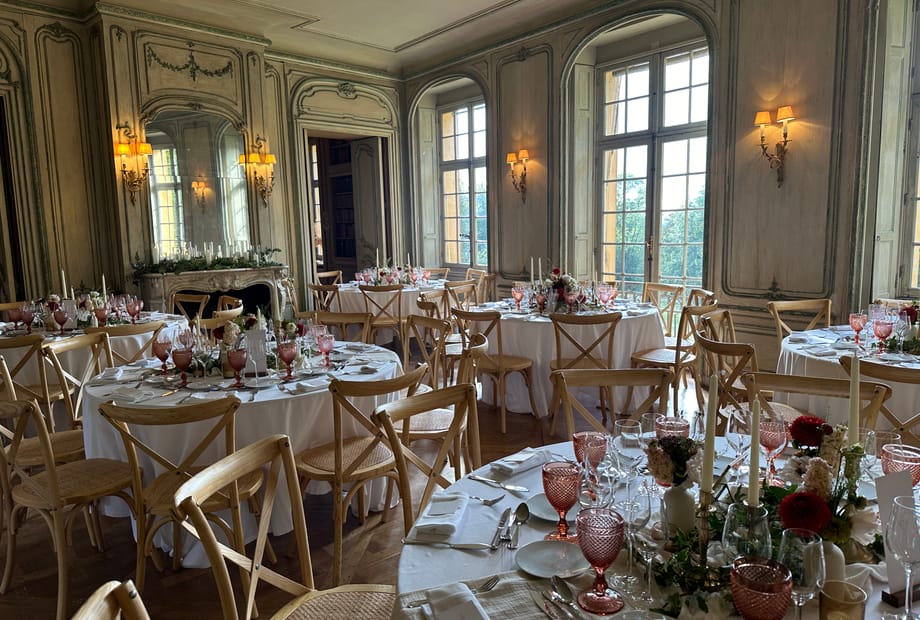
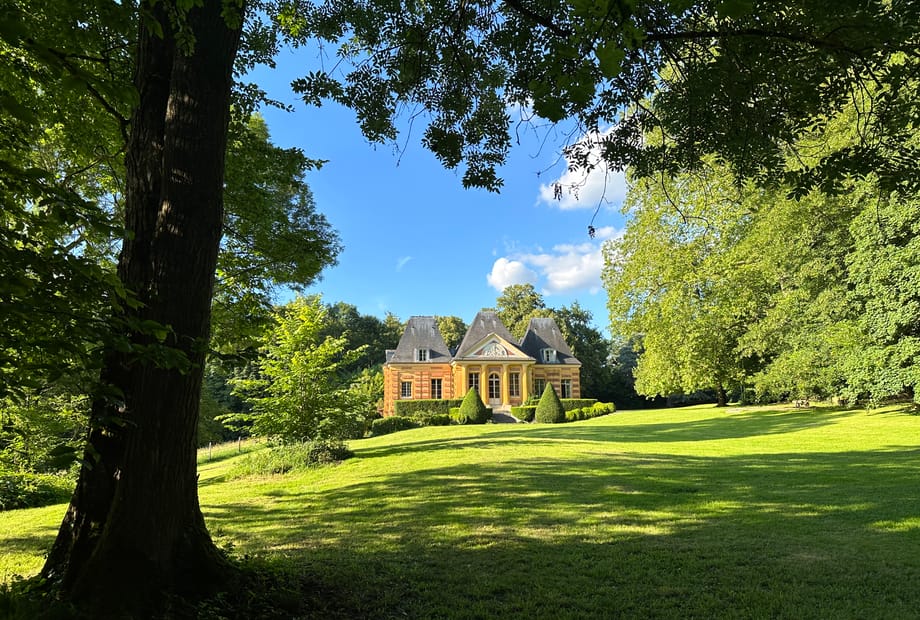
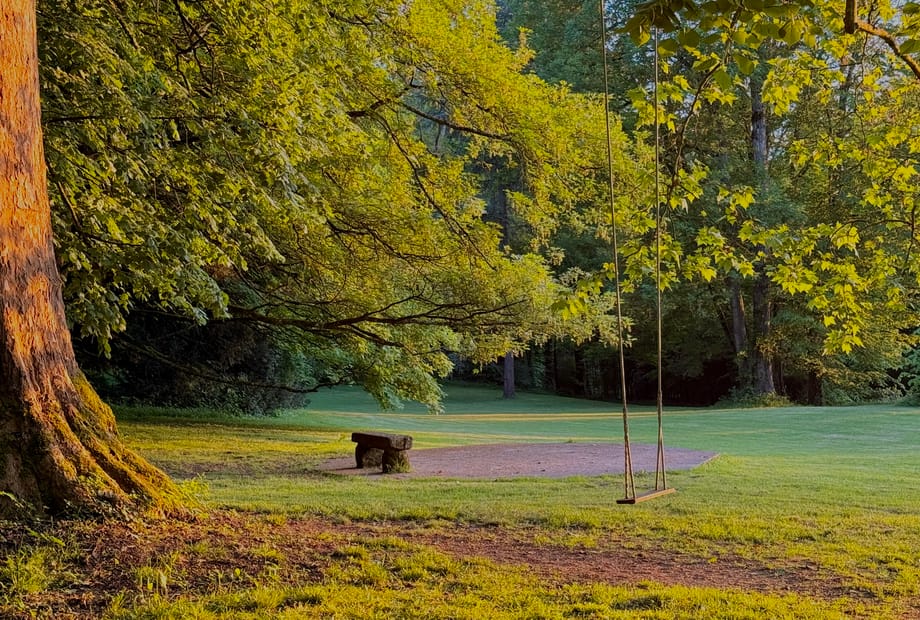
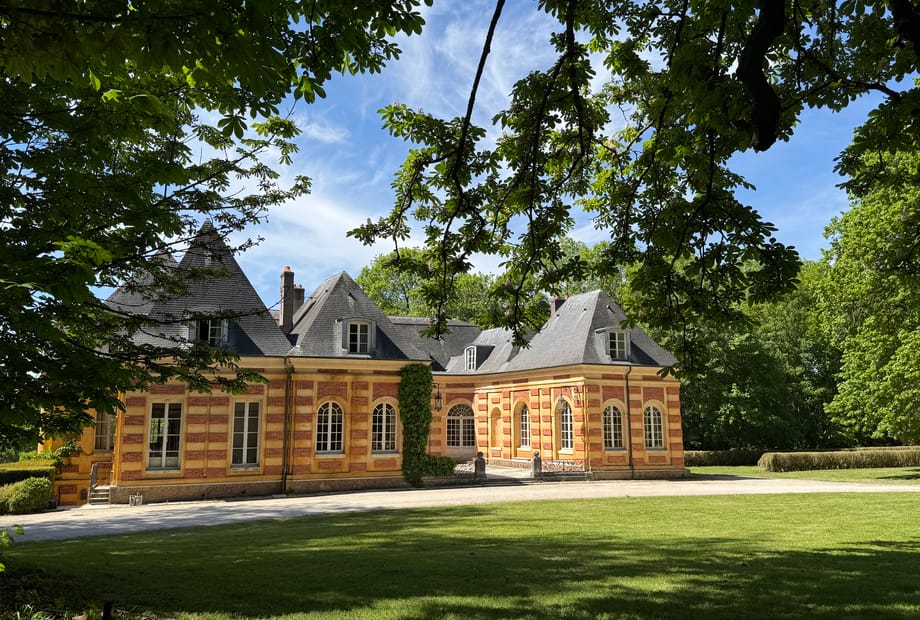
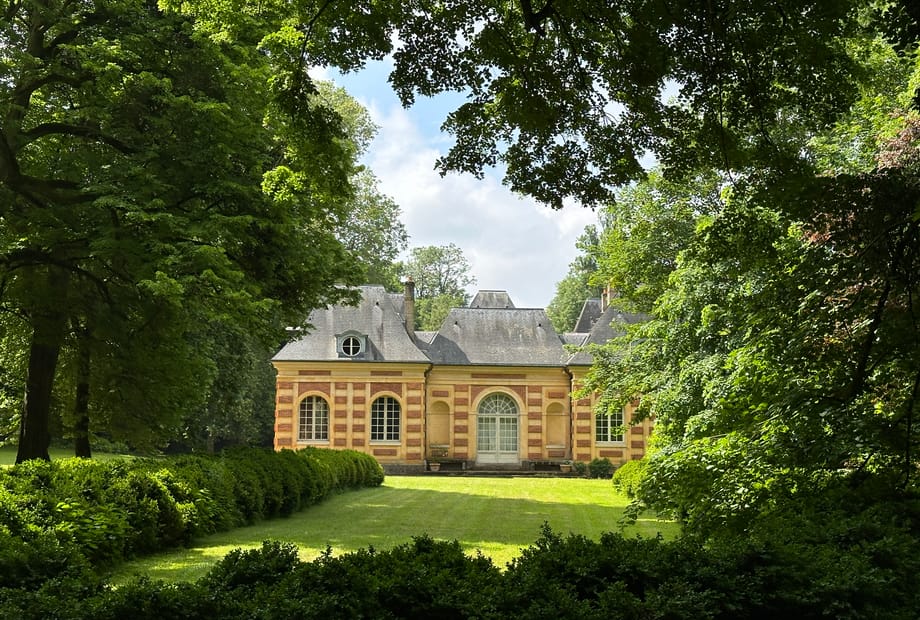
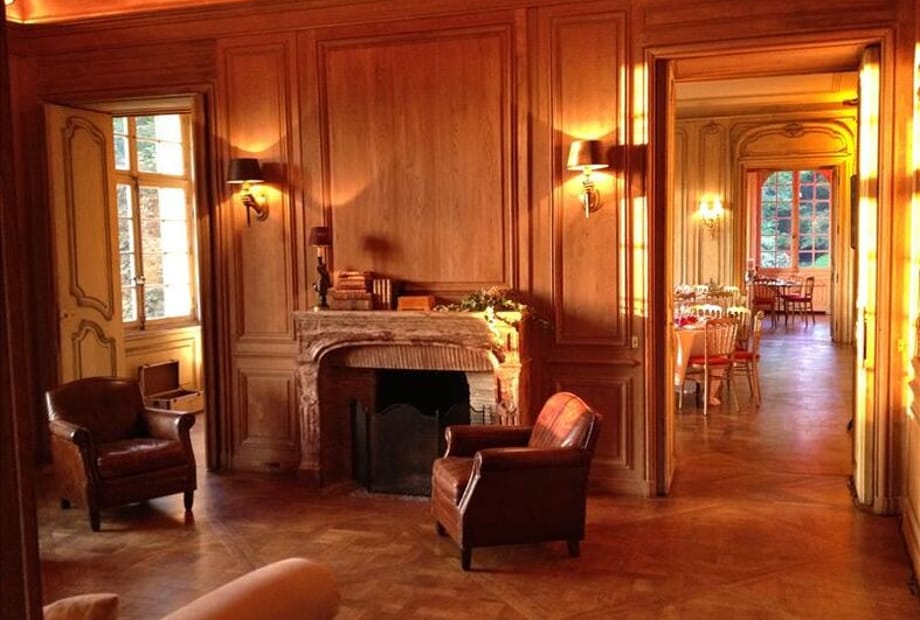
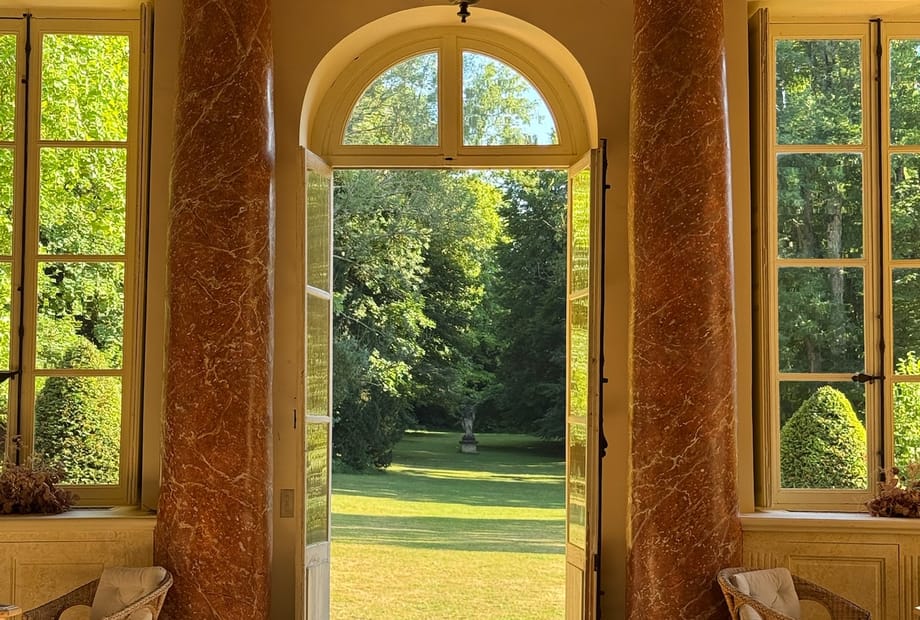
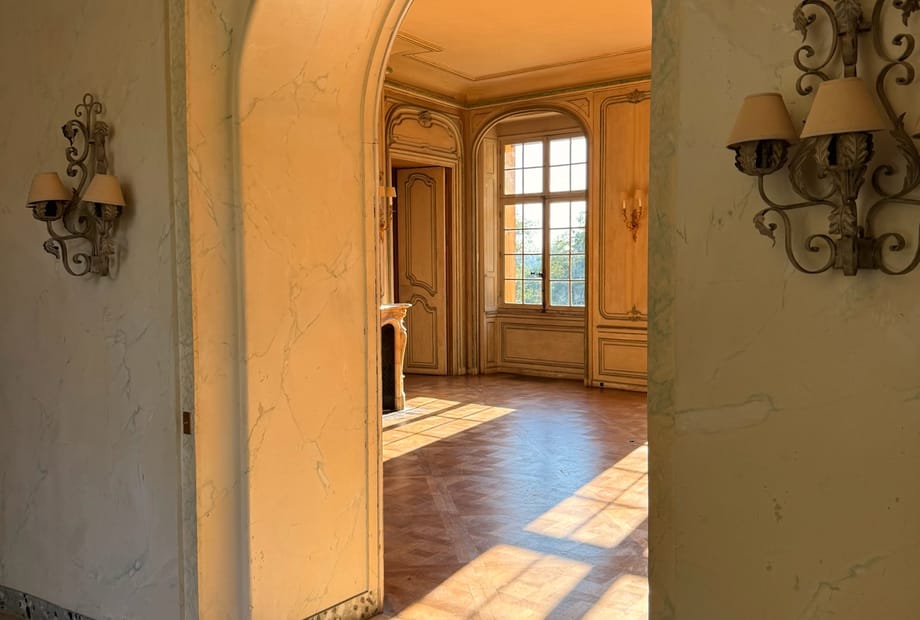
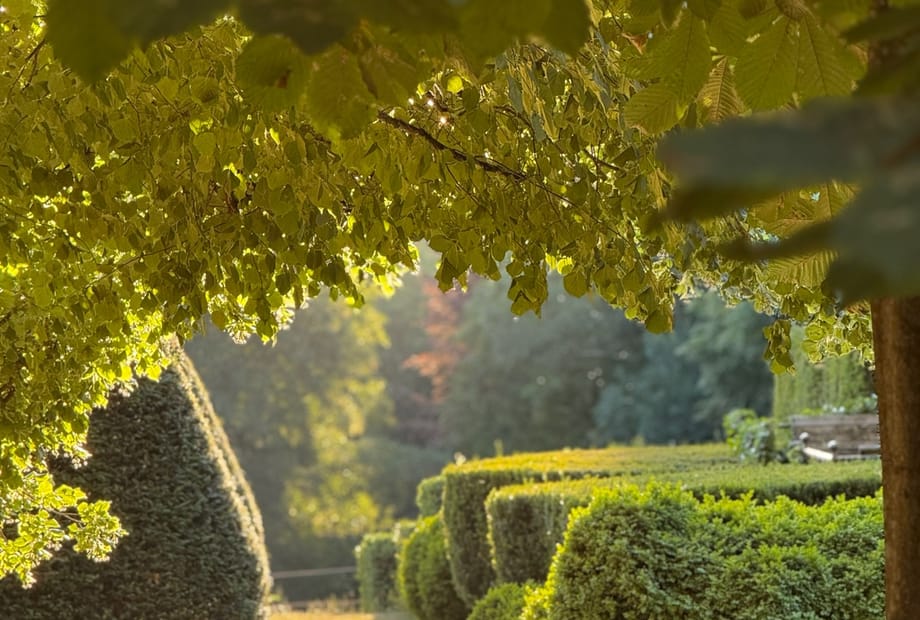
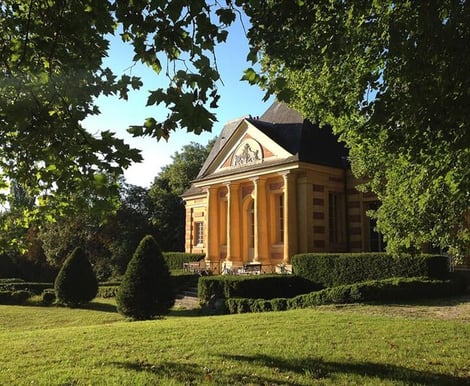
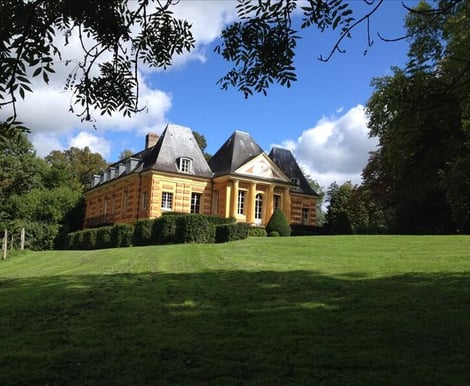
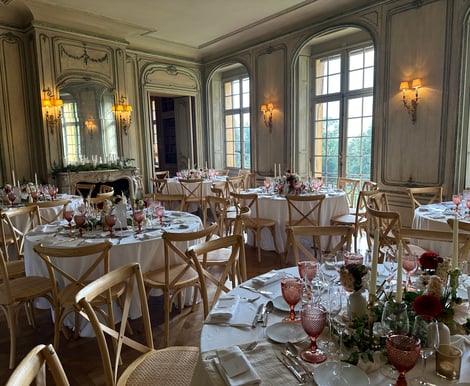
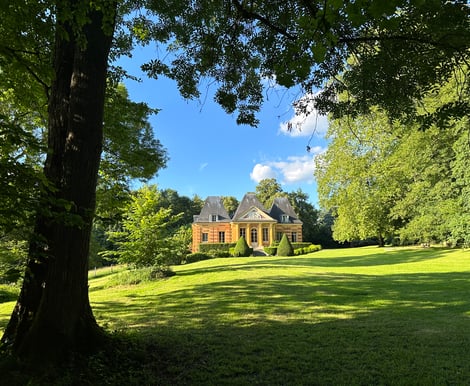
Suisnes is a small château, the color of Tuscany, nestled in the heart of a large, romantic park that slopes gently down to the Yerres River. From the moment you pass through the gate, the tall trees bathe the path through the park in a soft, dappled light. A walled park, secluded from the world, where everything invites you to stroll. At the end of the path, the house finally appears. At the far end of the courtyard, you discover the vestibule, then the reception rooms, and finally the spectacular Room of Columns. Everything is cheerful, patinated, and charming. Yes, this house has jealously preserved its integrity. And it exudes that very special, intimate, and warm atmosphere of a family home.
Spaces and capacities
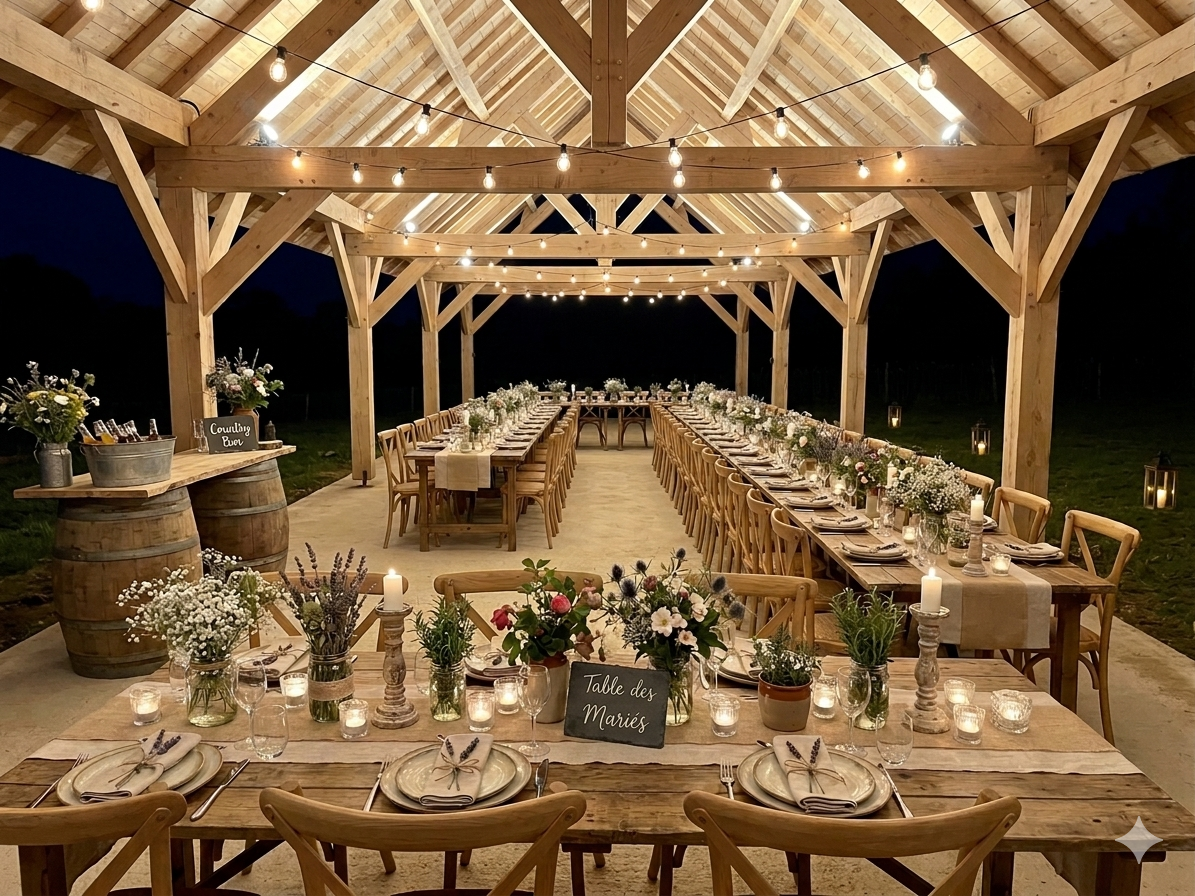
While Suisnes can accommodate up to 110 people for a seated dinner, the house is suitable for as few as 35 guests. The venue is always rented exclusively, and while service providers can be suggested, none are mandatory.
Services
The Bougainville Gardens welcome you to their grounds to celebrate the most beautiful day of your life. Whatever season you choose for this grand event, Suisnes will host your guests for delightful moments of shared joy. Naturally, the cocktail reception is held outdoors whenever the weather permits, and dancing can continue until 4:00 AM.
Accommodation
It is possible to extend the reception into the following day. If this option is chosen, the rental of the 5 bedrooms (4 double rooms and a 7-bed dormitory) can be added for overnight stays.
History
This house has a distinguished history. Commissioned by Sainctot, Master of Ceremonies at court, it was built in 1649 before becoming the residence of one of Louis XIV's mistresses, Madame des Œillets. But its most illustrious owner was undoubtedly Louis-Antoine de Bougainville, in 1799. A navigator and explorer who gave his name to the bougainvillea, he was the first Frenchman to circumnavigate the globe. This adventure is recounted in his book "Voyage around the World," which remains famous for its captivating descriptions of Tahitian customs.
He entrusted Bellanger, the architect of Bagatelle, with the expansion of this "Vide Bouteille de la Baratte" (Bottle Emptying House of the Chunk), thus giving its definitive silhouette to what became the "Château de Suisnes". A century later, the Baron de Noirmont commissioned the very talented Henri Duchêne to redesign the 17 hectares of parkland, which completed its romantic character.
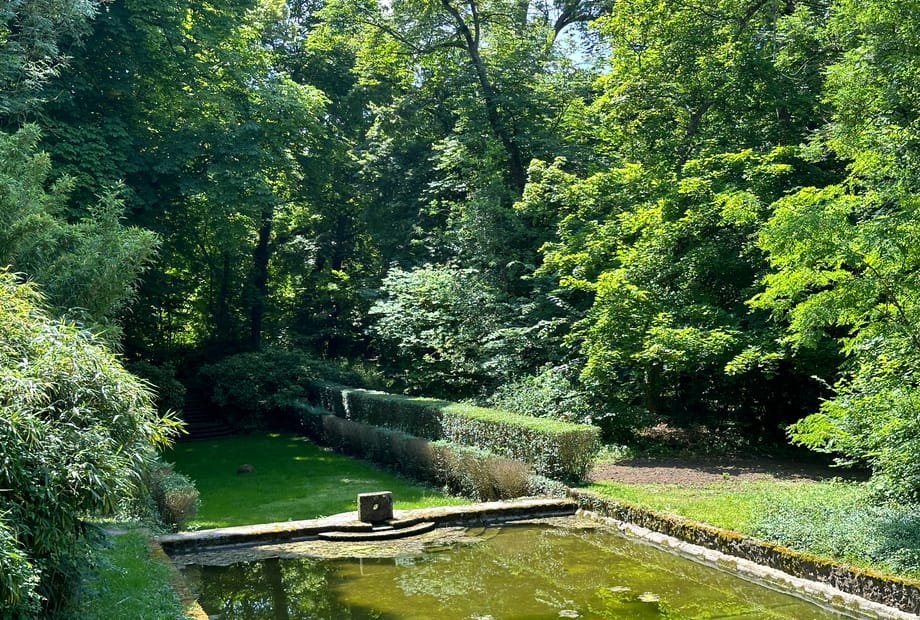
A word is needed about the swimming pool which in the 1930s saw the café society in which its romantic patron, the "American princess" Allene Tew ("An American Princess. The many lives of Allene Tew" by Annejet Van Der Zijl), lounged.
She transformed this pond, flanked by two grottoes—the result of repurposing a 17th-century canal already revisited by Bellanger and Duchêne—into a tranquil little marvel of landscape architecture. "Gibier de potence" (Gallows Game), filmed in 1950 with Arletty, gives this pond a prominent role. It's also amusing to recognize, in this old-fashioned setting, the drawing rooms, the columned room, the courtyard, and the park.
Experience
Overview of Jardins de Bougainville
Wedding Ceremony & Reception
Wedding Venue Details
Wedding Catering
Cultural Specialists
Pricing for Jardins de Bougainville
Reviews (2)
- YY LAN NGUYEN05/11/2022A very cute estateA very cute estateA very cute venue, simple yet chic! It's a lovely idea for a wedding :)A very cute venue, simple yet chic! It's a lovely idea for a wedding :)
- JJulien Schlelet05/11/2022A beautiful placeA beautiful placeWe got married at the Bougainville Gardens in August 2018 and loved it; the place is simply magnificent, so peaceful, and the château is beautiful. Tanguy, the owner, is very friendly—in short, it would be hard to find better.We got married at the Bougainville Gardens in August 2018 and loved it; the place is simply magnificent, so peaceful, and the château is beautiful. Tanguy, the owner, is very friendly—in short, it would be hard to find better.